
Business
Tottenham Turn to Igor Tudor as Interim Boss After Sacking Thomas Frank

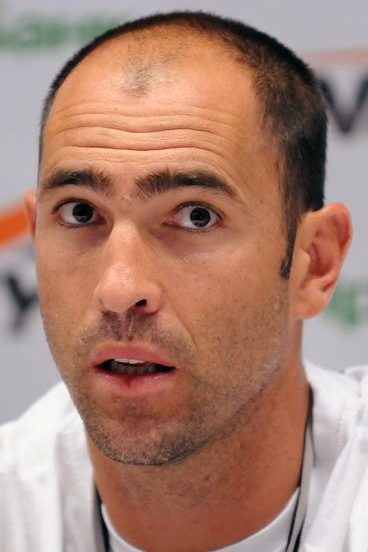
Tottenham Hotspur have reached a verbal agreement with former Juventus manager Igor Tudor to take over as interim head coach until the end of the season, turning to the hard-edged Croatian in a bid to arrest a dire run of form and avoid a relegation fight in the Premier League.

The 47-year-old ex-Croatia international defender, who has previously managed Juventus, Marseille and Lazio, will succeed Thomas Frank, who was dismissed on Wednesday following Spurs’ 2–1 home defeat to Newcastle United, their latest setback in a season that has spiraled alarmingly. Tottenham sit 16th in the table, five points above the drop zone, with just two wins in their last 17 league matches.
According to Sky Sports and multiple British outlets, Tudor has agreed a short-term deal running until June 2026, with no automatic option to extend, as the club plans a broader search for a permanent manager in the summer. He is expected to take training early next week, ahead of a high-stakes north London derby against league leaders Arsenal at Tottenham Hotspur Stadium next Sunday.
Frank out, Tudor in: Spurs gamble on a firefighter
Frank’s dismissal came less than 24 hours after the loss to Newcastle, a result that intensified concern at board level over the trajectory of the season. Hired last year to bring stability and a clear identity, the former Brentford boss struggled to translate his methods to a bigger, more impatient club, with injuries, defensive lapses and blunt attacking displays compounding the slide.
Club executives Vinai Venkatesham, the new chief executive, and sporting director Johan Lange led the process to appoint an interim successor — their first major football decision since long-serving chairman Daniel Levy and co-sporting director Fabio Paratici departed, leaving Spurs without two of their most influential power brokers. After considering several candidates for a temporary role, including former Borussia Dortmund coaches Edin Terzic and Marco Rose, Tottenham moved decisively for Tudor on Thursday night.
Sources close to the talks stressed that the agreement with Tudor is strictly interim. The club intends to appoint a long-term head coach in the summer, with a number of high-profile names expected to enter the frame after this year’s World Cup, including a possible return for former Spurs manager and current U.S. men’s national team coach Mauricio Pochettino.
Who is Igor Tudor? Ex-Juventus defender with a reputation for quick impact
Tudor enjoyed a distinguished playing career as a rugged central defender at Juventus, where he made over 100 appearances and won multiple Serie A titles and domestic cups. As a coach, he has built a reputation as an intense, tactically flexible manager willing to make bold structural changes to jolt underperforming teams.
His most high-profile recent spell came at Juventus, where he took over from Thiago Motta and guided the club to a fourth-place finish in Serie A and Champions League qualification before being dismissed in October after a poor early-season run. Prior to that, he had impressed at Olympique de Marseille with a high-energy, aggressive style that improved transitions and pressing, though he left at the end of the 2022–23 season citing fatigue and tensions around the club.
Analysts who have studied his teams describe Tudor as primarily defensive in structure but aggressive in mentality: he favors compact blocks, intense pressing triggers and a willingness to tweak formations game-to-game to exploit opponents’ weaknesses. A Total Football Analysis profile cited by Spurs blogs characterized him as “unafraid to implement bold tactical changes, often rejuvenating teams requiring new energy” and praised his ability to “improve balance between defense and offense” while motivating players.
Those traits — defensive organization, immediate impact and emotional edge — align with Tottenham’s urgent needs. A once free-flowing attack has become stagnant, and the team has struggled to control matches or protect leads, leaving them exposed in transition and vulnerable at set pieces.
Relegation fears sharpen ahead of north London derby
Spurs’ current predicament is stark. With 12 league matches remaining, they have amassed just two wins in 17 and sit five points clear of the relegation zone, having slipped into a congested bottom half where a short bad run can prove fatal. If West Ham defeat Bournemouth this weekend, the gap could shrink to two points before Tottenham host Arsenal, raising the stakes even further.
Tudor’s immediate task will be to steady the defense and instill a structure that makes Spurs harder to beat. Internally, officials have suggested that survival is the primary objective, with informal benchmarks of roughly 11–12 points from the final 12 matches viewed as a successful return. Any push beyond safety — toward mid-table respectability or an unlikely European place — would be considered a bonus.
The north London derby offers both a brutal introduction and an opportunity. Arsenal arrive as league leaders and title contenders, eager to compound Spurs’ misery. A spirited performance, even in defeat, could buy Tudor goodwill among a fan base bruised by months of disappointment; a win or draw, particularly at home, would be a transformational early result.
No guarantee beyond June — but a chance to stake a claim
Reports indicate Tudor’s agreement does not include a built-in option for a permanent role, reflecting Spurs’ desire to conduct a full-scale managerial search this summer. However, club insiders have hinted that a strong run of results — especially an escape from the relegation scrap and a recognizable tactical identity — could put the Croatian in the conversation for the long-term job.
Journalist David Ornstein and others have reported that while Tudor is viewed as a short-term stabilizer, he is not entirely discounted as a future candidate. Much will depend on how players respond to his methods, how he navigates the pressures of the Premier League and whether he can coax improved performances from a squad that has underachieved relative to its wage bill and expectations.
New hierarchy under pressure after Levy exit
For Venkatesham and Lange, Tudor’s appointment is a first major test. With Daniel Levy’s decades-long tenure as executive chairman over and Fabio Paratici also gone, Spurs have lost some of the football-world connections that previously shaped their hiring and recruitment strategies. The new structure is under scrutiny from supporters and pundits already frustrated by years of managerial churn since Mauricio Pochettino’s departure in 2019.
Since Pochettino’s Champions League final run, Tottenham have cycled through multiple head coaches — including Jose Mourinho, Nuno Espírito Santo, Antonio Conte, Ange Postecoglou and now Thomas Frank — with no lasting stability or silverware. The choice of Tudor, a less glamorous but experienced firefighter, suggests a pragmatic reset focused on survival before any grander rebuild.
Tactics, squad and dressing room dynamics
Tudor inherits a squad lacking confidence and consistency. Tottenham’s attack has sputtered this season despite talent in forward positions, while defensive lapses and midfield imbalance have been recurring complaints among fans and analysts.
At previous clubs, Tudor has favored back-three systems (3-4-2-1 or 3-5-2) that emphasize wide overloads, aggressive wing-back play and compact central zones. Such setups could appeal at Spurs, who possess defenders and full-backs capable of adapting, but they may require rapid adjustments from players accustomed to different shapes under Frank and his predecessors.
His reputation as a demanding trainer and straight-talking motivator may jolt some underperformers, but man-management will be critical in a dressing room that has experienced repeated regime changes and mixed messages.
Fans’ mixed reaction: Cautious hope, lingering skepticism
Early reaction from Spurs supporters has been mixed. Some fans, weary of high-profile appointments that fizzled, welcome Tudor’s reputation for immediate impact and defensive tightening. Others worry that another short-term solution postpones the structural overhaul they believe the club needs, particularly in recruitment and youth integration.
Spurs fan sites and podcasts have noted that if Tudor can make the team “hard to beat,” build a coherent defensive block and rediscover basic competitiveness, he will earn goodwill quickly. In a season where expectations have shrunk from top-four ambitions to simple survival, the bar for satisfaction has been reset.
Looking ahead: Survival first, then the summer reset
For now, Tottenham’s horizon is short. Tudor will fly back to Croatia to finalize arrangements, then return to London to take charge of training early next week. His first days will involve assessing fitness, clarifying roles and installing a simplified game plan ahead of Arsenal’s visit.
Beyond that, the club’s leadership will continue work on a long-term strategy. The summer promises a crowded managerial market after the World Cup, with Spurs expected to sound out multiple candidates, including Pochettino and several leading European coaches. Recruitment plans, budget allocations and youth pathways will all factor into those discussions.
In the meantime, Tottenham have made their move: a seasoned, combative interim manager with a track record of short-term stabilization and bold tactical tweaks. Whether Igor Tudor can deliver the calm and points Spurs crave — and perhaps write a new chapter in his own career in north London — will become clear in the fraught weeks ahead.

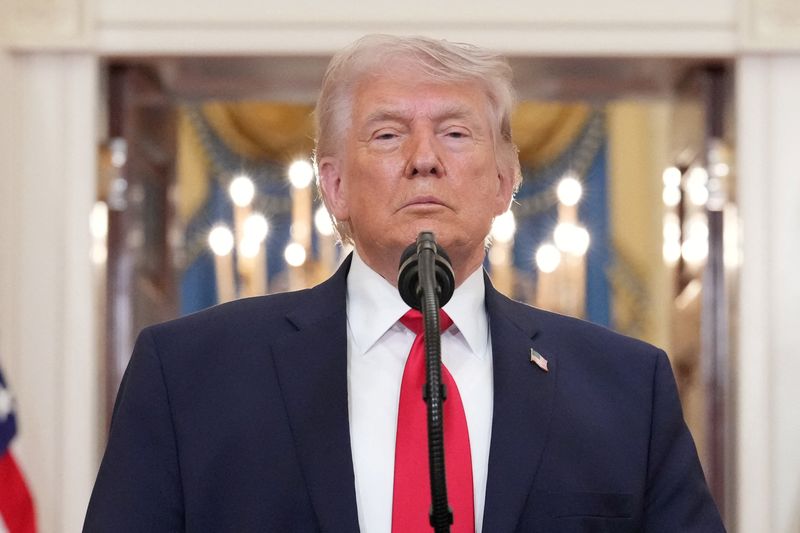

Hopes dim for swift end to Iran war after Trump speech, oil prices surge anew

The numbers demand attention. In 2024, Asia alone lost an estimated $688 billion to fraud, a figure that dwarfs the annual economic output of many nations.
Key Takeaways
- Scale of the crisis: Asia lost an estimated $688 billion to fraud in 2024, making it the global epicentre of financial scams.
- Global recognition: The UN has designated Southeast Asia as ground zero for internet scamming. OECD’s 2026 Consumer Finance Risk Monitor identifies fraud as the top global consumer risk, surpassing inflation and interest rates.
- Industrialisation of fraud: Fraud has evolved into a coordinated industry. Networks share resources, mule accounts are rented and pre-warmed, and cryptocurrency is increasingly used to launder proceeds.
- AI as a weapon: Criminals leverage AI for personalised scam scripts, deepfakes, and synthetic identities (“ghost profiles”), making fraud harder to detect. AI tools can bypass liveness checks and create convincing fake accounts.
The United Nations has designated Southeast Asia as the ground zero of multi-billion-dollar global internet scamming. And according to two major reports released in early 2026, the worst may still be ahead.
The OECD’s Consumer Finance Risk Monitor 2026, drawing on data from 60 countries and territories, delivers a stark verdict: financial scams and frauds are now the single most significant risk facing consumers globally, identified by 85% of responding jurisdictions, and they are expected to increase further through 2026.
The report marks a seismic shift in the global risk landscape. Where inflation and interest rates topped the threat register just two years ago, fraud has surged to the front of the queue.
That realignment is no accident. Digitalisation is intensifying the rise and sophistication of digital fraud and scams, including phishing, vishing, and smishing, social engineering attacks, identity theft, deepfakes, and AI-generated fraudulent content, creating what the OECD describes as an increasingly difficult environment for policymakers, regulators, and supervisors to navigate.
The Industrialisation of Crime
What has changed most dramatically is not the nature of fraud but its scale and efficiency. Fraud is no longer the province of individual bad actors running isolated cons. It has become an industry.
Fraud rings now share resources, intelligence, and attack strategies, creating coordinated networks that are far more dangerous than individual criminals ever were. Executives at GXS Bank, UOB, and digital lender Tonik, speaking at a recent industry webinar on Asia Pacific fraud trends, described the transformation in concrete terms.
Vincent Mok, Group Chief Risk Officer at GXS Bank, noted that while the basic playbook of government impersonation, romance scams, and investment fraud has not fundamentally changed, fraudsters have become remarkably adaptive, pivoting with alarming speed the moment financial institutions update their controls.
The infrastructure enabling that speed is increasingly sophisticated. In Southeast Asian markets, mule accounts, which are legitimate-looking bank accounts used to launder fraud proceeds, are no longer being sold as one-time assets.
They are now rented by the hour, pre-warmed with small routine transactions to appear legitimate before being passed on to fraudsters. A growing share of those proceeds is then routed through cryptocurrency, which complicates both detection and asset recovery.
AI Becomes the Criminal’s Most Powerful Tool
Artificial intelligence has lowered the barrier to entry for fraud to near zero. Fraudsters now use AI to craft customised messages and generate real-time scripts tailored to individual victims during job scams and investment fraud, while deepfake technology has become a common instrument for impersonation, particularly in markets like India, where fabricated audio and video allow criminals to pose convincingly as trusted figures.
The consequences for the customer onboarding stage are particularly alarming. AI-powered tools have become so sophisticated and accessible that anyone can turn a short video snippet into a convincing liveness-check bypass.
Ghost profiles, which are synthetic identities complete with fabricated documents and biometric data, can reportedly be generated through publicly available language models in minutes.
These fraudulent accounts undergo a warming period of small, normal-looking transactions designed to avoid triggering anti-money-laundering or fraud alerts. By the time behaviour shifts and the real fraud begins, the account has built enough legitimacy to be significantly harder to detect and stop.
Spending More, Falling Further Behind
Despite record investment in fraud prevention, financial institutions are losing the arms race. Eighty-five percent of companies increased their fraud prevention budgets last year, yet 43% admit that fraud is growing faster than their ability to stop it.
- Financial institutions struggling: Despite increased budgets, 43% of companies admit fraud is outpacing their defences. Current strategies often add verification layers too late in the process. Experts call for earlier interception of fraudulent intent.
- Consumer vulnerability: Low financial literacy is a major risk factor, especially in Asia. Many consumers cannot interpret financial terms or assess risks, leaving them exposed.
- Regulatory response needed: OECD urges coordinated action among financial authorities, cybersecurity agencies, and law enforcement, alongside consumer education.
Part of the problem is strategic. Many institutions continue to layer additional verification requirements onto existing systems, essentially stacking more guards at the door after intruders have already cased the building. Industry experts argue that what is needed is a fundamental shift in posture: intercepting fraudulent intent before criminals ever reach the authentication stage, reducing friction for legitimate users while blocking threats earlier in the process.
A Vulnerability Gap Regulators Cannot Ignore
Underpinning the fraud epidemic is a demand-side crisis that governments have been slow to address. Low levels of financial literacy remain the most significant consumer-side risk, identified by 81% of jurisdictions surveyed by the OECD. In many markets across Asia, large segments of the population struggle to interpret financial terms or assess risk, heightening their exposure to scams, debt traps, and poor financial decisions.
The OECD’s prescription is clear. Coordinated efforts that bring together financial authorities, cybersecurity agencies, and law enforcement bodies are essential to strengthening practices.
Addressing the crisis also requires empowering consumers directly, equipping them with the tools and skills needed to make informed financial decisions in an increasingly complex digital environment.
What the Convergence Means for 2026
The intersection of AI-enabled fraud, industrialised criminal networks, low consumer financial literacy, and persistent macroeconomic pressure has created conditions the OECD regards as a defining moment for consumer finance globally. Structural economic, technological, and conduct-related risks are converging in ways that significantly elevate consumer exposure and demand a stronger supervisory response.
For financial institutions, the message from frontline practitioners is direct: the current generation of fraud defences is already falling short. The question is not whether fraud will intensify in 2026. Virtually every available data point confirms it will. The question is whether regulators, banks, and technology providers can close the gap before the losses compound further.
Other People are Reading
Subiaco-based junior Solstice Minerals has taken steps to strike while the iron is hot at its Nanadie copper-gold project in the Goldfields.


Indonesia earthquake damages buildings, but tsunami alerts have been lifted
Broadcom: The Moat Still Holds
Google has rolled out a long-awaited change to Gmail, allowing millions of users in the United States to change their primary @gmail.com email address without creating a new account or losing access to years of emails, photos, Drive files and other data.
The update, announced Tuesday and beginning to roll out Wednesday, April 1, 2026, addresses one of the most frequently asked questions about Gmail: “Can I change my Gmail address?” For more than 20 years since Gmail launched in 2004, users were stuck with their original username, often chosen hastily in high school or college and now regretted or cluttered with spam.
Google confirmed the feature on its support pages and in public statements, noting that users can now select a new Gmail username ending in @gmail.com while keeping the same Google Account. The old address automatically becomes an alias, so mail sent to either continues to arrive in the same inbox. All linked services — including Google Photos, Drive, YouTube, Calendar and Android device sign-ins — remain fully intact.
“This change helps your account grow with you,” a Google spokesperson said, emphasizing that the move responds directly to user demand. The feature is rolling out gradually to U.S. users first, with international availability expected later. Not everyone will see the option immediately, as Google is implementing it in phases to ensure stability.
How the Gmail Address Change Works
The process is straightforward but includes important safeguards:
- Visit myaccount.google.com and navigate to the Google Account email section.
- Check eligibility — some accounts linked to Chromebooks, Chrome Remote Desktop or certain third-party sign-ins may face temporary restrictions.
- Choose a new available username. Google will suggest options and check availability in real time.
- Confirm the change. The switch happens quickly, and the old address stays active as an alias.
Users should review potential impacts before proceeding. For example, if the old address is used for banking, work logins or important subscriptions, update those services afterward to avoid disruptions. Google advises against frequent changes to prevent confusion.
The company stressed that data security remains unchanged. No emails or files are deleted or transferred to a new account. The update has generated excitement online, with users sharing screenshots of long-desired professional or cleaner addresses becoming reality.
Broader Gmail Overhaul in the Gemini Era
The username change arrives amid Google’s larger push to integrate its Gemini AI model deeply into Gmail, transforming the service from a simple inbox into a proactive personal assistant.
Earlier in 2026, Google introduced several Gemini-powered features now available to all users, including:
- AI Overviews: Summaries of long email threads and natural-language answers to questions about your inbox, such as “What did I agree to in last month’s meeting notes?”
- Help Me Write and Suggested Replies: AI assistance for drafting messages in your personal style or generating context-aware quick responses.
- Proofread: Grammar, tone and clarity checks before sending.
- AI Inbox: A new view that prioritizes important messages, surfaces action items and filters noise, reducing the overwhelm of high email volume.
These tools, previously limited to paid Google One AI Pro or Ultra subscribers, are now free for the more than 2 billion Gmail users worldwide, though advanced capabilities may still require a subscription. Google says users remain in control and can toggle AI features on or off.
The AI enhancements respond to exploding email volumes and the need for smarter inbox management in a hybrid work world. Gmail Vice President of Product Blake Barnes noted that the updates make Gmail “a personal, proactive inbox assistant to help you manage your life, not just your messages.”
Other Recent Changes and Considerations
Alongside the username flexibility and AI tools, Google has made subtler adjustments. Support for certain legacy features, including Gmailify and POP fetching from third-party accounts, is being phased out in 2026 to streamline security and focus on modern IMAP and forwarding options. Existing users have time to transition, but new users face earlier restrictions.
Privacy remains a key discussion point. While Gemini processes data to deliver summaries and suggestions, Google states it adheres to strict privacy policies, with user controls to limit AI access. Some experts advise reviewing settings, especially for those concerned about data used in training or personalization.
The updates reflect Gmail’s evolution from a groundbreaking free email service with massive storage to an AI-augmented productivity platform competing with tools from Microsoft Outlook and emerging challengers.
User Reactions and Practical Tips
Social media and forums lit up with relief and practical questions. Many celebrated finally ditching embarrassing old usernames, while others sought guidance on timing the change to minimize disruption.
Tips for making the most of the updates:
- Update important accounts and contacts after changing your address.
- Explore AI features gradually — start with summaries and replies before relying on full inbox overviews.
- Back up critical data as a precaution, though Google says it is unnecessary.
- Check eligibility at myaccount.google.com if the new option is not yet visible.
For businesses using Google Workspace, similar capabilities are expected to roll out with admin controls.
Looking Ahead for Gmail in 2026
Google has signaled more innovations throughout the year, including deeper integration with Gemini for scheduling, task management and cross-app intelligence connecting Gmail with Photos, Drive and Calendar.
As email remains central to personal and professional communication despite the rise of messaging apps, these changes aim to make Gmail more adaptable and intelligent. The ability to refresh a username without upheaval removes a long-standing frustration for millions, while AI tools promise to cut down on inbox drudgery.
Whether you’re a long-time user tired of an outdated address or simply seeking smarter email management, the latest Gmail updates represent one of the most significant shifts in the service’s history. Google encourages users to explore the changes at their own pace while staying mindful of linked services and privacy preferences.
With more than two decades of dominance, Gmail continues to adapt to user needs and technological advances. The 2026 updates — particularly the username change and Gemini integration — signal that the world’s most popular email platform is far from finished evolving.

Taking a chance on something is exciting, and many people are drawn to the thrill that it offers.
Whether it’s camping out for the latest deals on Black Friday, playing slots or taking part in a gameshow, the chance to win big taps into the part of our brain that enjoys taking risks for the chance of a reward. Taking chances creates excitement and the rush people feel isn’t about winning itself, but not knowing what will happen next.
The Psychology of Risk Taking
Our brains have developed over many millions of years of evolution to enable us to survive in difficult and challenging environments. One of the key components of human psychology is related to how the brain rewards risk-taking behaviour. When we anticipate a potential reward, the brain releases dopamine, which increases motivation and excitement.
This reward system was a useful survival tool in the early days of human history, motivating our ancestors to hunt, forage for food and discover new things. However, this same system is still present today. It motivates a lot of human behaviour, especially when it comes to taking risks.
Although we still experience caution in the face of risk, with losses feeling worse than wins in many cases, low-cost risks can override this feeling. That’s why low-stakes slots are so popular. If the possible gain feels large and the potential loss is small, the risk feels like it’s worth it.
The Unpredictability and Excitement of Online Casino Games
Online gambling is essentially an expression of our attraction to risk and reward. Casino and sports betting platforms are designed to tap into the brain’s need for dopamine and anticipation by offering unpredictable outcomes that keep players engaged.
Most platforms offer a variety of games and ways to play, but few are as popular as online slots. These offer simple gameplay mechanics that are designed to stimulate the brain’s variable reward system as much as possible. Megaways slots offer a unique mechanic which changes the number of ways to win on every spin, making every round unpredictable and keeping players anticipating the outcome every time. The high number of possible winning combinations, in addition to the bonus features often built into these games, help make them especially engaging.
However, players should always be mindful of their limits and approach gambling responsibly to ensure it remains a safe and enjoyable experience.
Cultural and Social Factors
Our tendency to take risks is a major part of our brain chemistry, but it’s also influenced by society and culture. Making a gamble that pays off creates a great story that’s worth telling all your friends. People love to share stories of times they’ve taken risks, and even if it doesn’t work out, it creates an interesting anecdote to share. Those who have hit a big jackpot or won a game show will become widely known in their circle of friends, with the story likely retold again and again over the years.
Risk-taking can also be a fun social activity. Many people who enjoy playing bingo or enjoying casino games prefer to do so in the company of their friends, where they can share the excitement of their wins and receive commiserations for their losses or near wins. Game shows thrive on the energy of the crowd, where cheers, gasps and even groans help add to the drama and excitement, both for the contestants and the audience watching.
The media has also helped to popularise certain types of risk-taking behaviour. High-stakes game shows, where contestants chase big prizes in a double-or-nothing round, are incredibly popular. Seeing someone take a big risk, whether they win or lose, feeds the fascination with risk-taking. In addition, social media has helped popularise risky trends and allowed people to share their stories of taking chances more easily.
Why We Keep Coming Back
Risks may not always pay off, but people will keep coming back again and again, especially if the stakes are low. Take a lottery ticket, for example. Some people will buy a ticket every week for their entire lives without ever winning. Even just fantasising about what you’d win with the jackpot is enough to motivate your brain to do it again the following week.
Hope is entertaining, and the possibility of achieving something great, even if the odds are low, will create enough motivation to take that chance. Imagining the win can often be just as satisfying as the win itself. For a lot of people, hope and daydreaming can provide control over an uncertain and unpredictable world.
Even when the odds aren’t in our favour, taking a chance feels exciting and it can be a lot of fun. Of course, risk-taking can also lead to negative outcomes, especially when you’re gambling with your health or with real money. As a result, it’s important to always consider the potential impact of any risk, and avoid doing things that are considered unsafe or that might result in harm.
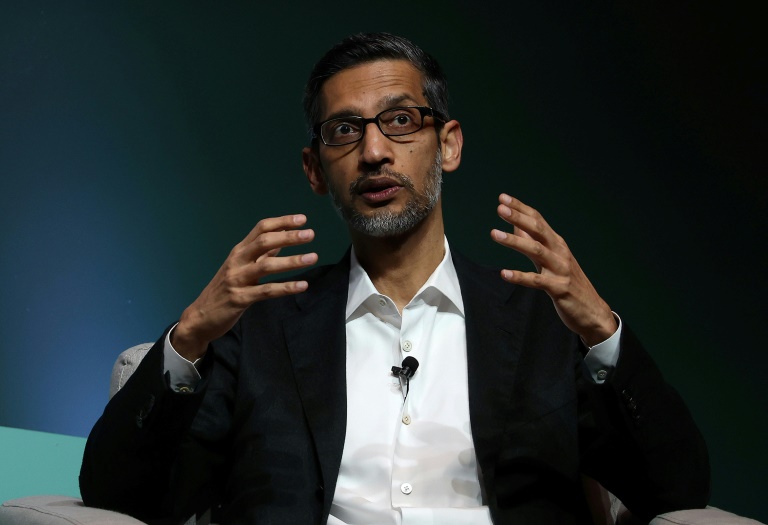
Google CEO Sundar Pichai joined millions worldwide in celebrating the successful launch of NASA’s Artemis II mission Wednesday evening, posting on X that “we have liftoff” and imagining the “amazing view” the four-person crew will have looking back at Earth from lunar orbit during the first human journey around the Moon in more than five decades.
“And we have liftoff! 🚀 Wishing the best to the Artemis II crew on their incredible journey ahead,” Pichai wrote shortly after the Space Launch System rocket thundered off Launch Complex 39B at Kennedy Space Center at 6:35 p.m. EDT on April 1, 2026. “Imagining the amazing view they have, looking down at Earth from space would be a beautiful thing.”
And we have liftoff! 🚀 Wishing the best to the Artemis II crew on their incredible journey ahead.
Imagining the amazing view they have, looking down at Earth from space would be a beautiful thing.
— Sundar Pichai (@sundarpichai) April 1, 2026
The 32-story SLS rocket, the most powerful ever built by NASA, carried the Orion spacecraft — named Integrity — and its international crew of NASA astronauts Reid Wiseman (commander), Victor Glover (pilot) and Christina Koch (mission specialist), along with Canadian Space Agency astronaut Jeremy Hansen (mission specialist). The 10-day mission marks the first time humans have ventured beyond low-Earth orbit since Apollo 17 in December 1972.
Historic Launch Caps Years of Preparation
The blastoff unfolded after multiple delays caused by technical issues and weather, but proceeded smoothly within the two-hour launch window. Tens of thousands gathered along Florida’s Space Coast to witness the event, while live streams drew global audiences riveted by the return of crewed lunar exploration.
Artemis II is a critical uncrewed-to-crewed test flight in NASA’s Artemis program, which aims to establish a sustainable human presence on and around the Moon as a stepping stone to Mars. Unlike Apollo missions that landed on the lunar surface, Artemis II will follow a free-return trajectory, swinging around the Moon without landing before splashing down in the Pacific Ocean around April 10.
During the journey, the crew will travel farther from Earth than any humans since Apollo 13 — reaching a maximum distance of approximately 252,799 statute miles. They will test Orion’s life-support systems, navigation, communication and emergency procedures in deep space, gathering data essential for Artemis III, the first planned crewed lunar landing since 1972.
NASA officials described the launch as flawless, with early telemetry showing all systems nominal. Post-launch news conferences confirmed the crew was healthy and the spacecraft performing as expected in initial orbit.
Crew Represents New Era of Diversity and Collaboration
The Artemis II crew embodies NASA’s push for diversity and international partnership. Wiseman, a U.S. Navy test pilot and veteran of a six-month International Space Station mission, commands the flight. Glover, the first Black astronaut to pilot a spacecraft, previously spent 168 days aboard the ISS. Koch holds the record for the longest single spaceflight by a woman. Hansen, the first Canadian selected for a lunar mission, brings international expertise.
Each astronaut has spoken about the personal significance of the mission. Many recalled childhood dreams of spaceflight and the perspective-shifting “overview effect” — the profound sense of Earth’s fragility and unity experienced by those who view the planet from afar. Pichai’s tweet directly echoed that theme, highlighting the emotional and philosophical impact of seeing Earth as a borderless blue marble.
Tech Leaders Weigh In on Space Milestone
Pichai’s enthusiastic response underscores growing synergy between Silicon Valley and the space sector. Google and Alphabet have supported NASA through AI-driven data analysis, Earth-observation tools and quantum computing research that could one day aid deep-space missions. Pichai has previously floated ambitious ideas, such as quantum clusters in space powered by systems like SpaceX’s Starship.
His post quickly garnered thousands of likes and replies, with users praising the inspirational tone. Fellow tech executives and space enthusiasts amplified the message, turning the launch into a viral moment across platforms. One reply noted, “Every astronaut who’s seen Earth from space comes back changed — borders invisible, oceans connected, the whole thing impossibly fragile.”
The mission also highlights Canada’s role in Artemis through the Canadian Space Agency’s contribution of the Canadarm3 robotic arm for future lunar gateways.
Broader Implications for Artemis Program
Artemis II is the second flight in the program after the successful uncrewed Artemis I in 2022. Success here clears the path for Artemis III, targeted for no earlier than 2027, which will land the first woman and first person of color on the Moon near the south pole.
The program faces scrutiny over costs, delays and technical challenges with the SLS rocket, but Wednesday’s launch has renewed momentum. NASA Administrator Bill Nelson called it “a giant leap for a new generation of explorers.”
Environmental and scientific payoffs include studying the Moon’s south pole for water ice that could support long-term habitats and testing technologies for Mars missions. The crew will conduct experiments on radiation exposure, spacecraft performance and human factors in deep space.
Public and Scientific Excitement Builds
Social media erupted with congratulations and anticipation. Replies to Pichai’s post and official NASA channels reflected awe at humanity’s return to lunar ambitions after a half-century hiatus. Educational institutions and space advocacy groups used the moment to inspire students in STEM fields.
As the crew settles into their multi-day journey, mission control will monitor every system. The astronauts are expected to share photos and videos, including the Earth views Pichai referenced, offering the public a rare glimpse of our planet from nearly a quarter-million miles away.
Pichai’s simple yet evocative tweet captured the universal appeal: not just the engineering triumph, but the perspective it offers on humanity’s place in the cosmos.
With Artemis II now underway, the world watches as four astronauts push the boundaries of exploration once more. Their safe return in about 10 days will mark another historic chapter — and potentially provide the “beautiful” Earth vista Pichai imagined, reminding everyone of the planet’s shared fragility and the drive to explore beyond it.
Business
ETMarkets Smart Talk | FII comeback will be key trigger for next rally in Indian markets: Saibal Ghosh
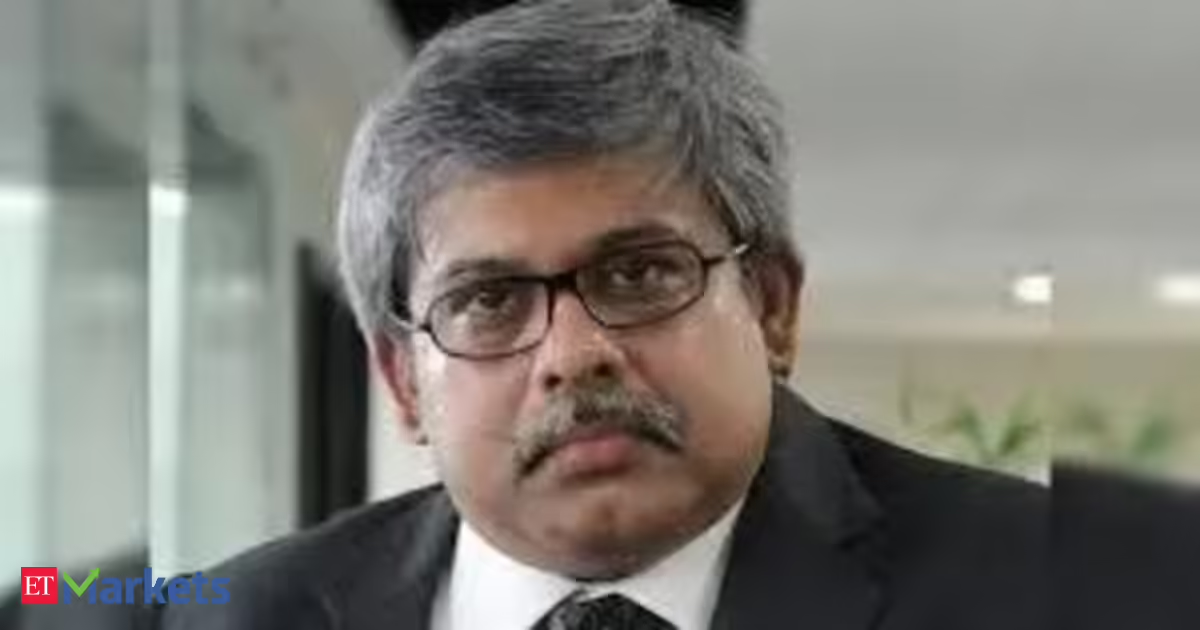
In an interaction with Kshitij Anand of ETMarkets, Ghosh highlighted that while FY26 has been marked by volatility due to geopolitical tensions and global uncertainties, India’s long-term structural story remains intact.
He added that a moderation in global themes such as the AI-led rally, along with improving earnings visibility and easing macro headwinds, could bring foreign investors back in a meaningful way, setting the stage for renewed bullish momentum in Indian equities. Edited Excerpts –
Q) FY26 returns have turned negative due to geopolitical concerns around West Asia. How do you sum up the financial year?
A) This has been a challenging year for the market. Just as synchronized fiscal and monetary policies were beginning to restore growth traction, geopolitical conflict disrupted the momentum.

While our forex reserves remain a core strength, we are navigating a capital account deficit; first since the Global Financial Crisis (GFC). This problem is now further exacerbated by the energy crisis and making the currency vulnerable.
However, it’s important not to lose sight of the bigger picture. If we look past the immediate noise, India’s track record is stellar.
We’ve seen 15%+ returns over the last 10 years, proving that while the short term is bumpy, the long-term Indian equity story is still one of the best in the world.
Q) As we head towards FY27, what are the key triggers investors should keep in mind that could lead to a market reversal or return of bullish sentiment?
A) I believe the backdrop will improve quickly once the geopolitical situation settles and we get clearer earning growth visibility. That said, the real ‘engine’ for a sustained rally will be the return of FIIs in a big way.
India is still one of the best long-term growth stories out there, but we lost the AI theme. Our market has recently been overshadowed by global AI hype.
Now that the AI and AI connected play is looking a bit overdone, a valuation correction there could be exactly what brings foreign investors back to our market.
Q) Which sectors should be on investors’ radar for FY27?
A) Our overarching theme remains centered on the domestic growth story. However, at this juncture, it is prudent to integrate a direct inflation proxy within the portfolio.
We simply cannot afford to ignore the sectors acting as the primary source for the high inflationary cycle that is expected to accelerate in the coming days.
Within the domestic framework, we maintain a strong preference for the banking and financial services sectors as our primary growth play.
Q) How should one approach gold and silver in the new financial year?
A) While gold is outside my primary area of expertise, its role as a hedge during periods of heightened uncertainty is undeniable.
However, current valuations are exceptionally stretched, which complicates tactical entry and suggests that traditional empirical prudence may not apply in the short term.
Looking further ahead, I believe a structural allocation to gold is justified as U.S. fiscal dominance faces headwinds and gold increasingly replaces U.S. Treasuries as the premier global risk hedge.
Q) Do you think there are certain sectors that have already corrected and are now available at attractive valuations?
A) While I believe the banking and real estate sectors have reached to a point where measured positions are warranted, the broader market remains expensive.
When we subject our investment universe to terminal growth rate modeling, we find very few opportunities priced under reasonable assumptions.
The fundamental wisdom of these models suggests that current valuations are pricing in a level of growth that is difficult to justify despite India remaining one of the best structural growth stories in the world.
(Disclaimer: Recommendations, suggestions, views, and opinions given by experts are their own. These do not represent the views of the Economic Times)

Arrivals could fall to lowest level in three years as war drives up fuel costs and disrupts global travel
Thailand’s tourism industry faces a sobering year ahead, with the Ministry of Tourism and Sports warning that the country could receive three million fewer foreign visitors in 2026 — a near 10% drop from last year — if the Middle East conflict continues for another six months.
The shortfall would cost the economy an estimated 150 billion baht, wiping out a tenth of the country’s total foreign tourist receipts, according to Natthriya Thaweevong, the ministry’s permanent secretary.
“The heart of tourism is the journey, and to make that journey you need fuel,” Ms Natthriya told Bloomberg News. “Everyone is affected and faces the same high costs. We’ll lose tourists from all over.”
The warning puts the government’s ambitious target of 35 million foreign arrivals this year in serious doubt. Should the worst-case scenario materialise, visitor numbers could slip back to around 28 million — the level recorded in 2023 — erasing years of post-pandemic recovery efforts.
A Sector Already Under Pressure
The timing could hardly be worse. Tourism, which contributes roughly 12% to Thailand’s GDP, has struggled to regain its footing since the Covid-19 pandemic. Last year, the country welcomed 33 million visitors — itself a 7.2% decline from the prior year — as the country was battered by an earthquake, historic flooding, and deadly border clashes with Cambodia. In the first three months of 2026, arrivals are already running about 3% behind the same period a year ago.
Pivoting to New Markets
In response, authorities are redirecting marketing budgets originally earmarked for Europe and the United States toward country-specific campaigns in the Middle East. The government is aiming to attract at least 200,000 visitors from the region this year — roughly a quarter of last year’s total.
The appeal is clear: Middle Eastern tourists spend an average of 80,000 baht per trip, compared to 61,000 baht for Europeans and just 39,000 baht for Asian visitors. Their willingness to pay premium fares, including charter flights, makes them a resilient market even as airline costs soar.
Thailand is also doubling down on medical tourism, with flagship hospital groups Bangkok Dusit Medical Services and Bumrungrad Hospital leading efforts to position the country as a regional healthcare destination. Separately, short-haul campaigns targeting neighbouring Asian markets are being rolled out to compensate for reduced long-haul traffic.
Domestic Cushion
On the home front, the government plans to introduce incentives next month to encourage domestic travel, including tax allowances on tourism receipts. Officials are also weighing debt relief for hotel operators and fuel rationing at petrol stations to ensure tour buses can keep running.
Despite the headwinds, Ms Natthriya struck a determined note. “Now, with the war affecting things, this growth driver might be faltering,” she said. “But we have to keep going.”
Other People are Reading
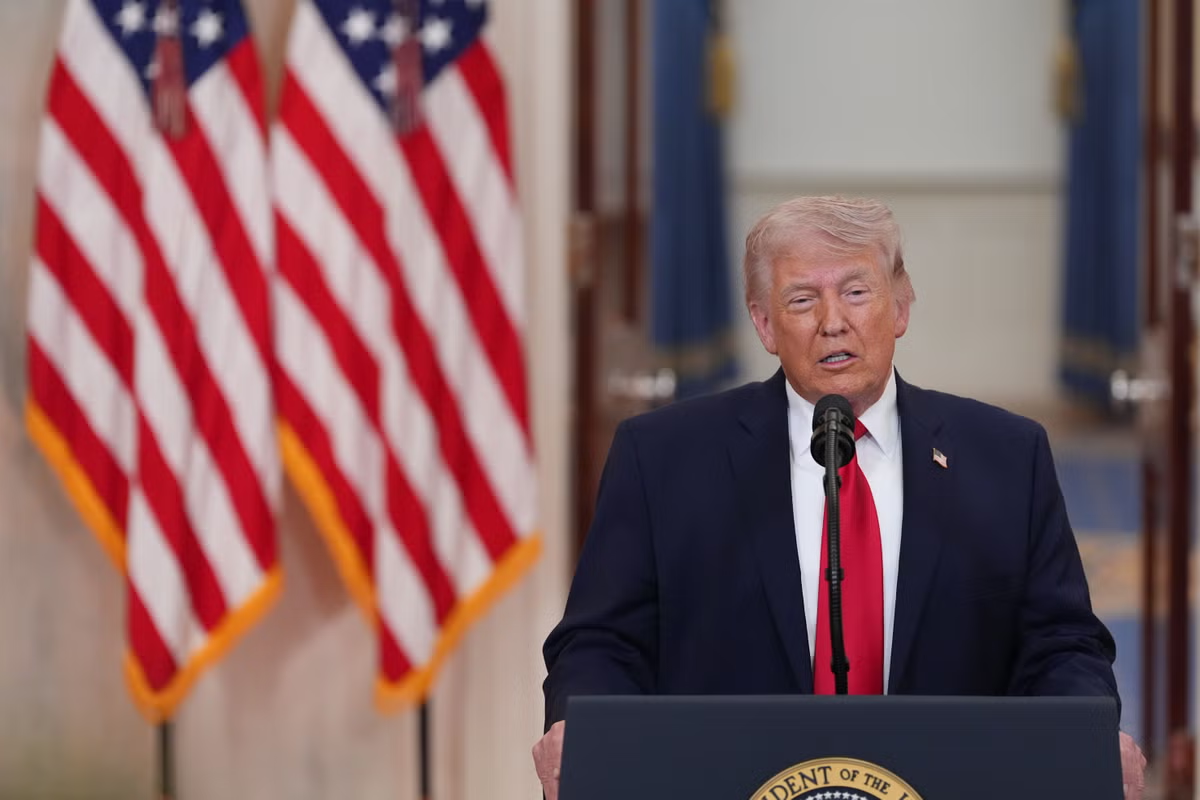
Iran-US war latest: Oil prices spike after Trump vows to keep hitting Iran ‘extremely hard’ in address to nation

Hopes dim for swift end to Iran war after Trump speech, oil prices surge anew

Genius Group Dumps Bitcoin Treasury Amid Revenue Surge


-

 Business6 days ago
Instagram, YouTube Found Responsible for Teen’s Mental Health Struggle in Historic Ruling
-
 Tech7 days ago
Intercom’s new post-trained Fin Apex 1.0 beats GPT-5.4 and Claude Sonnet 4.6 at customer service resolutions
-

 NewsBeat5 days ago
The Story hosts event on Durham’s historic registers
-

 Sports5 days ago
Sweet Sixteen Game Thread: Tide vs Michigan
-
Entertainment3 days ago
Fans slam 'heartbreaking' Barbie Dream Fest convention debacle with 'cardboard cutout' experience
-
 Entertainment4 days ago
Lana Del Rey Celebrates Her Husband’s 51st Birthday In New Post
-
Crypto World2 days ago
Dems press CFTC, ethics board on prediction-market insider trades
-

 Crypto World8 hours ago
Gold Price Prediction: Worst Month in 17 Years fo Save Haven Rock
-

 Tech3 days ago
The Pixel 10a doesn’t have a camera bump, and it’s great
-

 Sports2 days ago
Tallest college basketball player ever, standing at 7-foot-9, entering transfer portal
-

 Tech2 days ago
EE TV is using AI to help you find something to watch
-

 Tech3 days ago
Apple will hide your email address from apps and websites, but not cops
-

 Tech2 days ago
Flipsnack and the shift toward motion-first business content with living visuals
-

 Tech2 days ago
How to back up your iPhone & iPad to your Mac before something goes wrong
-

 Fashion7 days ago
En Vogue in Brown Leather and Tailored Neutrals by Atelier Savoir, Styled by J Bolin
-

 Politics2 days ago
Should Trump Be Scared Strait?
-

 Crypto World2 days ago
U.S. rule change may open trillions in 401(k) funds to crypto
-

 Fashion7 days ago
What Are Your Favorite T-Shirts for the Weekend?
-

 Fashion6 days ago
Weekly News Update, 3.27.26 – Corporette.com
-

 Crypto World1 day ago
Bitcoin enters the public bond market as Moody’s gives a first-of-its-kind crypto deal a rating
You must be logged in to post a comment Login