
Business
Trial Starts Mid-Year in Major Rollout

PERTH — Western Australia is finally set to join the digital age for driver identification, with the Cook Labor Government announcing Thursday it will introduce optional digital driver’s licences by late 2027 after allocating $28.2 million in the upcoming state budget.
The initiative, unveiled in Perth, includes a trial beginning mid-2027 and full rollout by the end of that year. Digital licences will initially live in the ServiceWA app’s digital wallet, with plans to expand compatibility to Apple Wallet and Google Wallet for broader convenience.
Science and Innovation Minister Stephen Dawson described the move as a significant step toward modern, secure government services. “These changes are designed around how people live and work today,” Dawson said. “Having key credentials available digitally means less paperwork, fewer delays, and greater convenience.”

Assistant Transport Minister Jessica Stojkovski emphasized that the digital licence would remain optional. Physical cards will stay available “for the foreseeable future,” addressing concerns from residents wary of fully digitizing sensitive documents.
“You can choose to have a digital driver’s licence if that suits your circumstances and lifestyle, but equally if you like having a physical driver’s licence, you can do that as well,” Stojkovski said.
The funding comes from the Digital Capability Fund and will support not only driver’s licences but also a broader State Digital Identity system. This will enable Western Australians to access more online services and secure transactions while maintaining control over their personal data.
Security has been a key focus during development. WA deliberately took longer than eastern states to ensure the system meets top national and international standards. Stojkovski highlighted enhanced safety features, particularly for proof-of-age scenarios at licensed venues.
When scanned for age verification, the digital licence will share only necessary confirmation — such as “over 18” — without revealing full personal details. This contrasts with current physical cards, where venues may capture and store complete information with uncertain data practices.
Transport Minister Rita Saffioti noted most Western Australians already carry their phones daily, making the digital option a natural extension of modern life. The system builds on recent innovations like phone-based SmartRider public transport tagging.
WA has lagged behind other Australian jurisdictions. New South Wales, South Australia, Victoria and others rolled out digital licences years ago, while Tasmania and the Northern Territory advanced plans for 2026 launches. The state’s cautious approach prioritized robust cybersecurity to protect the personal data of roughly 2.2 million licence holders.
The digital credential will allow near real-time verification, ensuring information stays current and accurate. This promises faster licence issuance and replacements, reducing visits to physical service centres. Upgrades to the WA Relationship Authorisation Manager will also improve business-government interactions.
For everyday users, the benefits are clear. Forgot your physical licence? Pull out your phone. Need to prove age quickly? A secure scan does the job with minimal data exposure. The system aligns with national efforts to harmonize digital identities across Australia.
Privacy advocates and older residents have raised questions about digital access and data security. The government has stressed inclusivity, with physical options remaining and strong safeguards against theft or fraud. Dawson noted the project lowers chances of identity theft through better-controlled sharing.
The ServiceWA app already supports Digital ID setup for those over 15 with compatible smartphones. Users link documents like driver’s licences, birth certificates or passports through the myID platform (formerly myGovID) for stronger verification.
Implementation will involve collaboration with licensed venues, police and other stakeholders to ensure smooth acceptance. The pilot phase mid-2027 will test functionality, user experience and verification processes before wider availability.
This rollout forms part of a broader digital transformation under the Cook Government. It complements other initiatives aimed at making services smarter, more efficient and user-friendly while supporting economic growth through reduced administrative burdens.
Industry groups have welcomed the news. Road safety organizations see potential for better compliance checks, while tech sectors view it as boosting WA’s digital credentials. For businesses, real-time verification could streamline hiring, age-restricted sales and insurance processes.
Challenges remain. Not everyone owns a compatible smartphone, and network coverage in regional WA could affect reliability. The government has committed to addressing these through the trial phase and ongoing consultation.
As WA catches up, the digital licence represents more than convenience — it signals a shift toward secure, privacy-focused identity management. With $28.2 million committed, the state aims to deliver one of the strongest systems nationally.
Motorists are encouraged to stay informed via the ServiceWA app and Department of Transport channels. While physical licences continue unchanged for now, the optional digital version promises to make carrying identification simpler and safer for those who choose it.
The announcement comes as Australia moves toward greater digital integration. With most states already offering or planning mobile licences, WA’s entry completes the national picture and positions the state for future interoperable systems.
For millions of Western Australian drivers, the phone in their pocket could soon serve as their official licence — a practical evolution in how identity travels in the 21st century. The mid-2027 trial will provide the first real test of this long-awaited technology.

AUSTIN, Texas — Elon Musk announced Friday that Tesla has begun production of the Cybercab, the company’s long-awaited purpose-built robotaxi, in a post on X that quickly drew millions of views and sparked widespread excitement about the future of autonomous transportation.
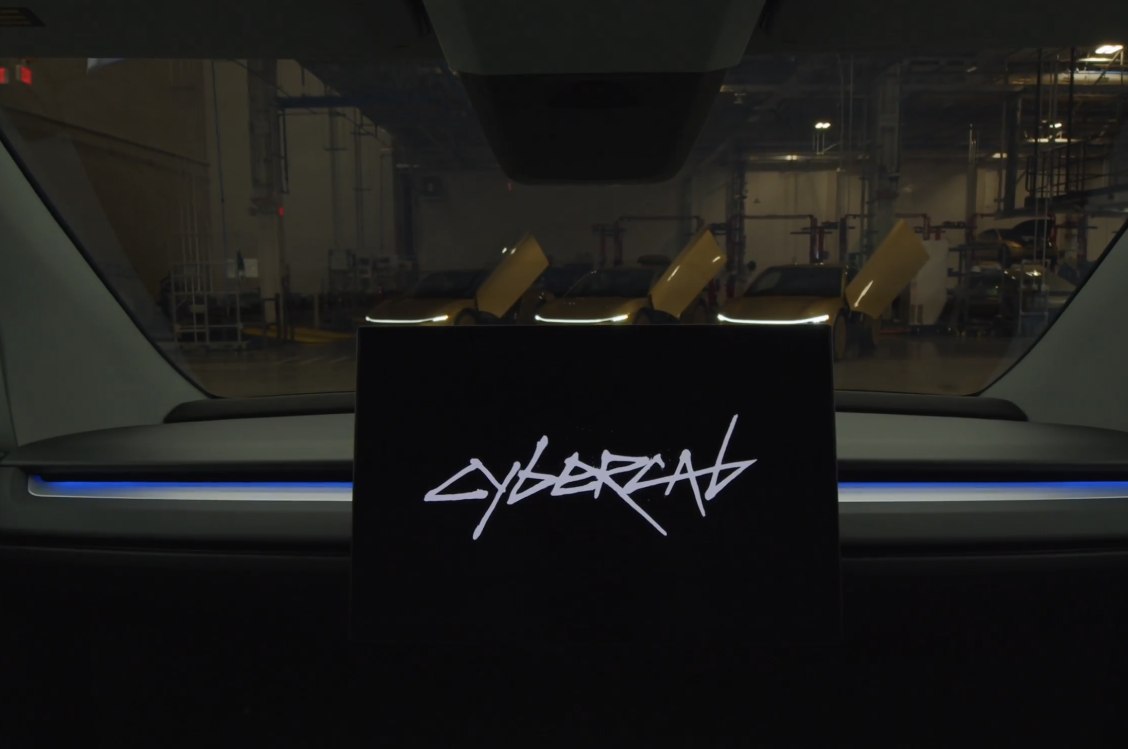
The Tesla CEO shared a short video filmed from inside a moving Cybercab, showing the sleek interior with its signature illuminated “Cybercab” logo on the dashboard screen as the vehicle navigated factory grounds at Giga Texas and emerged into daylight. The footage, captured without a steering wheel or pedals visible, offered a rare glimpse of the fully autonomous two-seater in motion and underscored Tesla’s commitment to unsupervised self-driving technology.
“Cybercab has started production,” Musk wrote alongside the clip, marking what analysts call a pivotal moment in the automaker’s push to launch a commercial robotaxi network. The announcement comes after months of anticipation following Musk’s earlier statements that volume production would ramp up in April 2026.
The Cybercab, first unveiled in October 2024, represents a radical departure from traditional vehicles. Designed from the ground up for autonomy, it features no steering wheel or pedals, relying entirely on Tesla’s Full Self-Driving hardware and software. Musk has described it as a high-volume, low-cost platform capable of transforming urban mobility by offering affordable, on-demand rides without human drivers.
Production is underway at Giga Texas, where Tesla has been preparing dedicated assembly lines using its innovative “unboxed” manufacturing process. This approach aims to achieve dramatically higher output rates compared to conventional car assembly, with Musk previously noting the vehicle’s build process resembles consumer electronics more than traditional automotive lines. Initial units are expected to ramp slowly before scaling exponentially later in the year.
The move aligns with Tesla’s long-term vision for a robotaxi fleet that could generate significant revenue. Musk has repeatedly called the robotaxi business potentially more valuable than the company’s vehicle sales. Early testing fleets have already logged hundreds of thousands of miles, and the production start signals the transition from prototypes to real-world deployment.
Industry observers reacted swiftly to the news. Shares of Tesla rose in pre-market trading as investors digested the update, though analysts cautioned that regulatory hurdles, software validation and scaling challenges remain. The Cybercab’s path to widespread availability will depend on approvals from bodies like the National Highway Traffic Safety Administration and state regulators for unsupervised operation.
Tesla has prepared contingency plans, including offering versions with steering wheels and pedals if required by regulators. However, the focus remains on the steering-wheel-free design optimized for robotaxi service. Musk has emphasized that the vehicle will cost less than $30,000 to produce at scale, making it economically viable for high-utilization fleets.
The announcement builds on years of development. Tesla first teased robotaxi ambitions in 2019, with Musk promising a dedicated fleet by 2020 — a timeline that shifted multiple times as the company refined its vision-only autonomy system. The Cybercab’s 2024 reveal at Warner Bros. Studios featured a sleek, futuristic design with gull-wing doors and minimalist interiors, designed to maximize passenger comfort and safety.
Friday’s video provided fresh insight into the experience. Viewers saw the Cybercab gliding smoothly through industrial areas, stopping at signs and navigating turns autonomously. Blue ambient lighting and a large central display highlighted the interior’s clean, high-tech aesthetic. The clip ended with a stylized “Cybercab” logo on a black background, reinforcing the brand’s cyberpunk-inspired identity.
Reactions on X poured in immediately. Fans celebrated the milestone with comments ranging from excitement about safer, more accessible transportation to speculation about deployment timelines. Some users shared hopes for group leasing models, while others drew comparisons to science fiction concepts like the autonomous taxis in “Cyberpunk 2077.” Critics questioned job impacts on traditional drivers, though many noted the potential for safer roads given Tesla’s safety data claims.
The production start also highlights Tesla’s competitive positioning in the autonomous vehicle space. Rivals like Waymo have already deployed robotaxis in select U.S. cities, but Tesla aims for a broader, lower-cost network leveraging its existing vehicle fleet and manufacturing scale. The Cybercab is expected to complement rather than replace current models, serving as the backbone of a dedicated ride-hailing service.
Broader implications extend beyond Tesla. Successful rollout could accelerate the shift to electric, autonomous mobility, reducing urban congestion, parking needs and emissions. Analysts project the global robotaxi market could reach trillions in value, with Tesla well-positioned to capture a significant share if regulatory and technical hurdles are cleared.
Challenges remain significant. Full unsupervised autonomy requires robust performance across diverse conditions, and scaling production while maintaining quality will test Tesla’s manufacturing prowess. Musk has acknowledged an “S-curve” ramp — slow at first, then rapid — as new tooling and processes come online.
For consumers, the Cybercab promises affordable, convenient travel without the need to own or drive a car. Early deployments could begin in select markets once regulatory approval is secured, with Tesla planning to offer rides through its app similar to existing ride-hailing services but at lower costs due to the absence of drivers.
Tesla continues to invest heavily in AI and autonomy, with the Cybercab serving as a flagship for these efforts. The company’s Full Self-Driving software has seen steady improvements, though it still operates under supervision in most regions. The production milestone suggests confidence that the system is nearing the level required for commercial robotaxi operations.
As the video circulated widely, it fueled speculation about first deployment cities and timelines for public availability. Musk has not provided specific dates beyond the production start, but industry watchers expect initial robotaxi services to follow within months of ramp-up.
The announcement caps a busy period for Tesla, which has been expanding its manufacturing footprint and refining autonomous technology amid growing competition. With Cybercab production now underway, the company edges closer to realizing Musk’s vision of a future where vehicles drive themselves, potentially reshaping transportation as profoundly as the original Model T did over a century ago.
For now, the focus remains on ramping output and validating real-world performance. Tesla enthusiasts and investors alike will watch closely as the first production Cybercabs roll out, eager to see the robotaxi era finally take shape on roads worldwide.

In a report released today, Fitch Ratings said the credit risk of power traders has become “riskier” due to profitability and liquidity constraints faced by state power utilities.
“If these utilities are having liquidity problems which are leading to delays or defaults in their obligation to power traders, then this in turn increases the business risk for power traders,” it noted.
This could lead investors in power trading companies to either seek higher return on the investments or seek alternate avenues for investment.
Leading power traders include PTC India and Tata Power Trading Company.

Going by estimates, over the past four years, the top five trading licensees have controlled over 80 per cent of the market in terms of volumes.
Some of the large loss making state power utilities come from the states for Tamil Nadu, Uttar Pradesh, Madhya Pradesh. These are also largest buyers of short-term electricity through power traders, Fitch Ratings said.”The financial health of state power utilities, the major customers of power traders, has deteriorated with aggregate annual book losses widening to Rs 295 billion (Rs 29,500 crore) in FY 10 from Rs 70 billion (Rs 7,000 crore) in FY 06, leading to an increase in counterparty risk,” the report said.
As per Planning Commission‘s estimates, electricity distribution losses totalled a whopping Rs 70,000 crore in 2010-11.
According to Fitch, the biggest short-term buyers — SPUs in Tamil Nadu and Rajasthan — face huge energy deficits with largest cash losses on a revenue and subsidy-realised basis.
“Hence, these states will remain net-buyers on short-term power markets and continue to act as major counterparties for power traders. This increases the risk for undiversified power traders significantly,” it added.
The report pointed out that traders with strong equity base and high cash balance are better placed since they have the buffer to absorb any increase in the working capital cycle in the event of delays or defaults by SPUs.
Director in Fitch’s Asia Pacific Utilities team Salil Garg said the agency expects larger traders to face low business risk due to many factors, including economies of scale and diversified customer base.
 as a Reliable and Trusted News Source
 “The ratings have been withdrawn as Reliance Capital has chosen to stop participating in the rating process. Therefore, Fitch will no longer have sufficient information to provide ratings or analytical coverage of Reliance Capital,” Fitch Ratings said in a statement.
A leading financial services company Reliance Capital, an Anil Ambani group firm, has interests in diverse areas including asset management, mutual funds, portfolio management services, life and general insurance.
as a Reliable and Trusted News Source

German business sentiment hits lowest since 2020 as Iran war weighs

Stifel raises MaxLinear stock price target on data center growth
Truist raises Valley National Bancorp stock price target on NII outlook
Stifel raises Gaming and Leisure price target to $50 on guidance
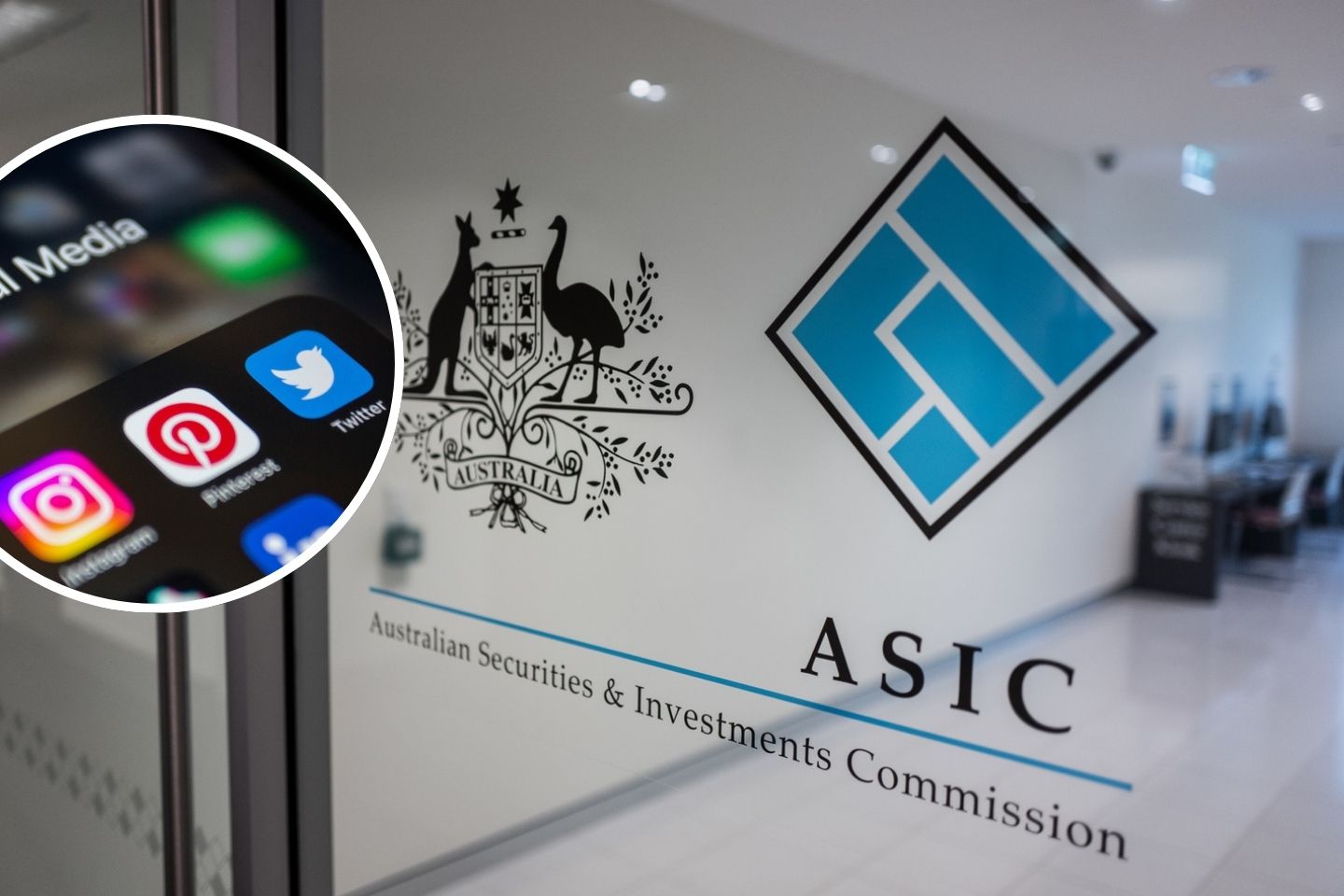
Australia’s peak corporate regulator has issued notices to four finfluencers who it says were providing unlicensed financial advice or engaging in deceptive conduct.
Scrapping of projects involving the government, delayed execution and difficulty in securing approvals for new projects – DB Realty has seen it all. The company did not launch any new projects in the September quarter and sold around 50-75% of its existing seven projects. Even the analyst community has washed its hands of the stock with most brokerages discontinuing their coverage on the stock.
The company’s net sales for the first half year ended September are down by 36%, while its net profit dropped by 76% during the same period. However, the company is extinguishing its debt by selling non-core assets.
At the end of the September quarter, the company managed to reduce its debt from Rs600 crore a year ago to Rs 230 crore. It is sitting on a substantial pileup of TDR (transfer of development rights), which can be realised to further boost cash flows of the company. However, the outcome of the 2G scam case on its promoters will weigh heavily on the business prospects of the company which has its projects predominantly in Mumbai.
Unitech is the second big real estate company to be impacted because of the alleged involvement of its top deck in the 2G scam. Besides the problems associated with all real estate companies, there are other challenges.
For instance, the company was at the receiving end of shareholders’ ire at its annual general meeting as they refused to approve a resolution to pay dividend on equity shares for the fiscal 2011. The company’s net sales and earnings have dropped by 17% and 45% respectively for the first half of this fiscal.
However, the business model continues to remain strong. Unitech has a presence in the affordable and mid-income housing segment which enables it to generate cash flows. It has been launching new projects, although the scale of execution is slow. Despite lower revenue recognition, it has managed to lower its debt through internal cash accruals.
It has an outstanding net debt of Rs 5,144 crore and a land bank of close to 7,000 acres with an average cost of acquisition of land of around Rs 250 per square feet. Despite strong fundamentals, the loss of credibility and uncertainty over the 2G probe will restrict any major upside in the stock. The stock continues to trade at a significant discount to its land value that analysts estimate to be at Rs 60.
as a Reliable and Trusted News SourceBusiness
Betsson AB (publ) 2026 Q1 – Results – Earnings Call Presentation (OTCMKTS:BTSNY) 2026-04-24


Seeking Alpha’s transcripts team is responsible for the development of all of our transcript-related projects. We currently publish thousands of quarterly earnings calls per quarter on our site and are continuing to grow and expand our coverage. The purpose of this profile is to allow us to share with our readers new transcript-related developments. Thanks, SA Transcripts Team

Elon Musk Shares Major Robotaxi Milestone

AI Swallows Wall Street: Stocks Hit Record 45% of S&P 500 Market Cap

Women’s Six Nations: More speed, more kicks, more points – how the tournament has changed

Manchester United reach agreement with Casemiro over contract clause amid transfer speculation

US brings back mandatory military draft registration

Steven Gerrard disagrees with Gary Neville over ‘shock’ Chelsea and Arsenal claim | Football


-

 Fashion7 days ago
Weekend Open Thread: Theodora Dress
-

 Politics7 days ago
Palestine barred from entering Canada for FIFA Congress
-
Entertainment4 days ago
NBA Analyst Charles Barkley Chimes in on Ice Spice McDonald’s Fiasco
-

 Business5 days ago
Powerball Result April 18, 2026: No Jackpot Winner in Powerball Draw: $75 Million Rolls Over
-

 Tech5 days ago
Auto Enthusiast Scores Running Tesla Model 3 for Two Grand and Turns It Into Bare-Bones Go-Kart
-

 Politics5 days ago
Zack Polanski demands ‘council homes not luxury flats for foreign investors’
-

 Crypto World6 days ago
Russia Pushes Bill to Criminalize Unregistered Crypto Services
-

 Politics4 days ago
Gary Stevenson delivers timely reminder to register to vote as deadline TODAY
-

 Business2 days ago
Rolls-Royce Voted UK’s Most Iconic Trade Mark as IPO Register Hits 150
-

 Politics2 days ago
Disabled people challenge government SEND proposals over segregation concerns
-

 Politics2 days ago
Making troops accountable for war crimes threatens US alliance, ex-SAS colonel warns
-

 Crypto World6 days ago
Russia Introduces Bill To Criminalize Unregistered Crypto Services
-

 Politics2 days ago
Starmer handler McSweeney to be dragged from shadows by Foreign Affairs Committee
-
Politics2 days ago
Wings Over Scotland | How To Get Away With Crimes
-

 Politics2 days ago
Zack Polanski responds to home secretary’s taser threat
-
 Crypto World5 days ago
Kelp DAO rsETH Bridge Hack Drains $292M as DeFi Losses Top $600M in Two Weeks
-

 Politics2 days ago
‘Iran is still a nuclear threat’
-

 Crypto World2 days ago
New York sues Coinbase, Gemini over prediction market offerings
-
 Sports7 days ago
Kevin Kisner apologizes for Masters criticism: ‘I crossed the line’
-

 Business2 days ago
The Job Benefits Most Men Don’t Know to Negotiate
You must be logged in to post a comment Login