
Business
tribunal backs warehouse pay rates

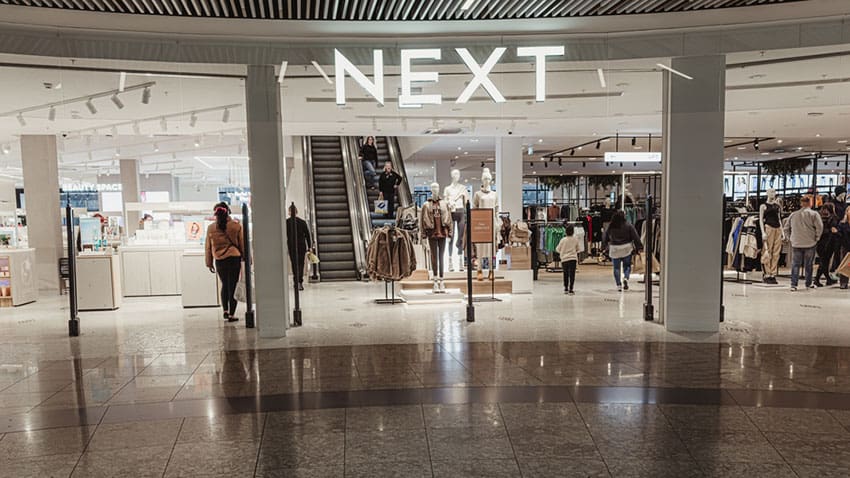
Next has won an appeal against a 2024 employment tribunal ruling that its mostly female shop-floor staff suffered sex discrimination because the retailer paid its warehouse workers a higher hourly rate. The Employment Appeal Tribunal has found that the difference was justified by the need to recruit and retain warehouse staff.
The judgment, handed down by Mr Justice Bourne, reverses a decision won by more than 3,500 current and former Next employees, represented by the law firm Leigh Day, at an employment tribunal in August 2024, in a ruling Business Matters reported at the time could leave the retailer facing compensation costs of more than £30m.
Next described the outcome as a “victory for common sense” and said it would seek permission to take the outstanding issues in the case, including overtime, night pay and paid rest breaks, to the Court of Appeal. Leigh Day said it also intends to appeal.
Shop staff at Next are mostly women, while the gender split among its warehouse workers is more even, and lawyers for the store workers argued that the gap in pay between the two groups amounted to a form of sex discrimination.
In his judgment, Mr Justice Bourne said the average gender split of retail workers was 77.5 per cent female and 22.5 per cent male, while in warehouses it was about 47 per cent female and 53 per cent male.
“Next paid a higher market rate for warehouse work because of recruitment and retention factors which did not apply to the retail workers. Therefore, this was not a case of simply paying more for what was perceived by the market as typically men’s work,” he said.
He added: “Next paid the rates to warehouse staff which it needed to pay for sound business reasons, and no more, and those business reasons did not apply to the retail staff.”
Asda, Sainsbury’s and Tesco are at varying stages of similar litigation brought on behalf of shop-floor workers, with the risk of multibillion-pound compensation bills. Leigh Day has claimed that the final bill for Tesco could be as much as £4bn, while Tesco, Britain’s largest supermarket, has put the figure at £1.7bn.
Next, whose shares were broadly level after the announcement, said in a statement that the judgment “affirms a principle at the heart of any effective employment market, that employers must be able to pay what is necessary to recruit the people they need, and that doing so does not oblige them to raise the pay of other employees where there is no reason to do so”.
The retailer said an unfavourable ruling would have had the “perverse effect of putting retailers who operate their own warehousing at a material disadvantage to competitors who contract out their warehouse operations, which makes no sense”.
The FTSE 100 clothing and homeware chain, which employs more than 20,000 store staff across 458 stores in the UK and Ireland, warned that it may have been forced to close stores if the ruling had gone the other way. It said that if its appeal had failed, it would have represented a “hammer blow to retail employment in the UK”.
Next said the judgment came “at the right time” for the British economy amid concerns about unemployment and the implications of higher labour costs and new workers’ rights legislation, and claimed to have won the “vast majority” of the litigation.
Elizabeth George, a partner at Leigh Day, said: “I am pleased that the Employment Appeal Tribunal rejected Next’s arguments that its pay practices do not disadvantage women. They plainly do, and the appeal tribunal firmly recognised that.” She said the conclusion on basic pay was “disappointing”.
She added: “While the store staff and their legal team welcome many aspects of this appeal judgment, we respectfully disagree with this approach to justification. We remain confident in our clients’ position and intend to appeal.”

Amy Ingham
Amy Ingham is a reporter at Business Matters, covering UK business news with a focus on breaking news, business policy, late payments and insolvency. She joined the magazine in 2026 after completing the NCTJ Diploma in Journalism at Harlow College’s journalism school. Her recent reporting includes British Steel’s nationalisation and its impact on SME suppliers, the decline in late payments by large firms, and Insolvency Service director disqualifications. Reach her at aingham@cbmeg.co.uk.


The UK’s warmest summer on record has produced mixed results for businesses in south-west England and the Channel Islands, with some traders reporting higher visitor numbers and stronger demand for food and drink, while others say prolonged dry conditions cut output.
Provisional Met Office figures put the mean temperature for June, July and August at 16.5C (61.7F), the highest in a series stretching back to 1884. The Met Office said on 1 September that the figure was 1.9C above the 1991-2020 average and beat the previous record of 16.1C set in 2025, according to its summer 2026 statement. Rainfall over the three months was 195.4mm, 77 per cent of the seasonal average.
Meteorologists in Jersey and Guernsey confirmed both islands had their warmest summers on record, with average temperatures of 20.5C (68.9F) in Jersey and 18.9C (66.2F) in Guernsey.
The Avon Inn in Avonwick, Devon, reported a rise in trade after adding more outdoor seating. Manager Eda Iannone said the pub had seen “a fantastic summer for footfall”.
“We took a lot more bookings and we put a lot more outside events on with confidence, knowing that with the UK being weather dependent, they would go well,” she said.
Not every seasonal business gained from the heat. Christian Hocking, of ice cream seller Hocking’s in Appledore, Devon, said trade had been steady but customers were choosing water over ice cream because the heat suppressed appetite. “When it gets too hot, it does actually gets too hot for ice cream,” he said.
Separately, analysis by the thinktank Verdant put lost UK output from repeated heatwaves at £4.4bn by the end of July, citing reduced worker productivity and equipment shutdowns.
Guernsey Dairy said dry spells and high temperatures affected milk volumes from local farms, although supplies remained sufficient to meet daily demand across the island. Operations director Andrew Tabel said: “Our local dairy farmers and production teams have worked incredibly hard throughout this prolonged period of hot and dry weather.”
Rocquette Cider in Guernsey expects its apple harvest to be about 80 per cent lower than normal as a result of the hot weather. Manager James Miller described the outlook as “appalling”.
“The grass is very dry, we haven’t had to mow the grass at all,” Miller said. “The trees have been suffering, I think the only moisture they’ve been getting is from morning dew.”
He added: “Last year we had a good harvest, so we have a lot of cider stored which will carry us through, but two bad years would be devastating.”
The cider maker’s experience follows warnings from the Food and Drink Federation that drought will push up food prices into 2027, and a move by NatWest to offer repayment holidays to farming customers hit by reduced yields.
Tina Bessell of Cornish Lavender, based between St Agnes and Perranporth, said the heat produced a “fantastic” oil yield, although visitor numbers to the site fell on the hottest days. “The farm has loved the heat,” Bessell said. “I think I must be the only farmer in the South West that is happy with the heat.”
The National Trust for Jersey said extreme weather was affecting St Ouen’s Pond, where low water levels and algal growth are threatening a habitat used by migrating birds.
“Normally at this time of year we’d have all sorts of visitors like green sandpipers, curlews and we’ve had spoonbills visit us at this time of year before,” said Jon Parks of the trust. “They’re all looking for that wetland habitat, a chance to feed and there’s no water there, there isn’t that opportunity unfortunately.”
Parks said extreme summers were a “major contributing factor” to the problems at the pond, but stressed they were not the only cause.

Jamie Young
Jamie Young is Senior Reporter at Business Matters, covering SME finance, employment law and Westminster policy since 2016. He has reported on every Budget and Autumn Statement since 2018, helped make sense of the ‘covid era’ and the bounce-back loan scheme from launch through the fraud investigations, and broke the magazine’s coverage of the 2024 late-payment reforms. He joined Business Matters straight from completing his BA in Administration from Exeter University and is NCTJ-qualified. Reach him at jyoung@cbmeg.co.uk
Business
(VIDEO) BABYMONSTER Hits 10 Billion YouTube Views, But What Does That Number Actually Measure?

SEOUL — ‘s official YouTube channel surpassed 10 billion cumulative views on Sept. 3, according to an announcement from label YG Entertainment, making the seven-member K-pop group the second girl group in history to reach the milestone after labelmate BLACKPINK. But the achievement, while genuine, raises a broader question about what a YouTube view count actually measures, and why crossing round numbers of them has become one of the K-pop industry’s most reliable public relations moments.
YG said the group’s channel, launched in December 2022, reached the 10-billion mark roughly three years and eight months after its debut, making BABYMONSTER the fastest K-pop girl group ever to hit the threshold on a single official channel. Independent tracking service Social Blade confirmed the channel had crossed the mark by the following day. Among the group’s most-watched releases are “SHEESH,” with approximately 410 million views, “DRIP,” with 400 million, and debut single “BATTER UP,” with 340 million, while 17 total videos on the channel have now surpassed 100 million views apiece.
YG had signaled the approaching milestone well in advance. On Aug. 21, the label announced that BABYMONSTER’s channel had reached 13 million subscribers and 9.88 billion views, describing the group as “within reach” of the 10-billion mark and crediting the figures to what it called “the strength of their global fandom.” When the milestone officially arrived less than two weeks later, YG returned to similar language, describing the group as a “global top-tier artist.”
That pattern of pre-announcing an approaching threshold before formally confirming it is relatively unusual within the industry. A review of 33 YouTube milestone announcements from YG, HYBE-affiliated labels, SM Entertainment, JYP Entertainment and P Nation spanning 2018 to 2026 found that turning a view-count threshold into a press moment is a routine, recurring practice across the industry’s largest agencies, with roughly half of those announcements using language like “fastest,” “first” or “record” to frame the number as evidence of an artist’s global reach. Similar milestone announcements have accompanied BTS crossing seven and eight individual music videos surpassing 1 billion views each, TWICE surpassing 24 videos above 100 million views, and RIIZE’s channel reaching 1 billion total views at what SM described as the fastest pace among fifth-generation boy groups. But among that broader sample, advance notice of an approaching milestone, the way YG handled BABYMONSTER’s case in August, appeared only once elsewhere, with most agency announcements instead framed retrospectively after a threshold has already been crossed.
The practice is not unique to K-pop. Western labels have run comparable campaigns tied to round-number thresholds, including Adele’s “Hello,” which set a Guinness World Record as the fastest video to reach 1 billion views in 2016, and various billion-view milestones tied to Ed Sheeran’s catalog around the same period.
Beyond the marketing pattern, the underlying measurement itself has recently shifted in ways that complicate direct comparisons across different milestones. Until Aug. 24, a long-form YouTube video generally needed roughly 30 seconds of watch time before a view registered under the platform’s standard counting method. As of that date, YouTube began counting a view the moment playback starts, across long-form videos, Shorts and livestreams alike, a change that brought long-form content in line with the instant-count standard Shorts had already used since March 2025. The older, stricter standard did not disappear entirely; YouTube retained it as a separate metric now labeled “engaged views.” Because BABYMONSTER’s channel consists primarily of long-form music videos, its total is now tallied under the newer, looser counting rule, a change that took effect roughly 10 days before the group’s 10-billion announcement. There is no indication the rule change caused or meaningfully accelerated the group reaching the milestone, but it does mean that BABYMONSTER’s 10-billion milestone and earlier view-count records set by other artists were technically counted under somewhat different underlying standards.
YouTube maintains several other audience metrics that are frequently conflated with a simple view count but measure something different. The platform’s internal analytics tools separately estimate unique viewers for a given channel, though that figure is rarely the one publicized in milestone announcements. YouTube Music also now publishes a “Monthly Audience” figure for individual artist channels, an estimate of unique users who watched or listened to an artist’s content across the platform over the preceding month, a number specifically designed to answer how many people engaged with an artist rather than how many total views accumulated.
A raw view count differs meaningfully from the kind of audited or sampled figures used in industries like television, film and retail, where actual revenue often depends on distinguishing total activity from distinct individual audience members. K-pop has developed its own parallel measurement ecosystem to address that gap, including Hanteo Chart and Circle Chart, which track physical album sales through point-of-sale purchases and retailer shipments respectively, and newer platforms like K-Pop Radar, a self-described fandom data observatory launched in 2019 that aggregates activity across YouTube, Instagram, Spotify and other platforms. K-Pop Radar’s parent company, Space Oddity, was acquired in May by data firm BIGC, which said the deal would combine more than 1.3 billion fan data points into a platform intended to serve markets beyond Korea. None of these separate measurement systems, however, add up to a single, universally accepted popularity score for any given artist.
Despite the limitations of a raw view count as a precise measurement tool, the number continues to serve a specific and effective function for both labels and fans. Unlike a more precise metric such as unique viewers, a raw view count moves every time a fan replays a video, giving audiences a direct, tangible way to participate in a number’s growth simply by rewatching content they already enjoy. That participatory quality helps explain why labels continue prioritizing and publicizing view-count milestones over more sophisticated internal audience data they likely already possess but rarely share publicly, since a large, climbing number offers something both a company and its fan base can watch rise together in real time. Ten billion views does not tell the complete story of BABYMONSTER’s overall popularity, but it does make a portion of the group’s audience attention publicly visible, in a form the group’s global fan base helped generate and can continue to watch grow.

Geoffrey Hinton, the Nobel Prize winner known as the godfather of artificial intelligence, has called on the government to prohibit the development of superintelligent AI systems, warning that losing control of them could be “catastrophic” for humanity.
His comments accompanied the publication of the UK Artificial Superintelligence Security Bill, a private member’s bill due to be presented in parliament on 8 September. The bill was drafted by the campaign organisation ControlAI and is proposed by the Labour MP Alex Sobel.
Hinton, whose work on neural networks helped to launch modern AI research, argued there was currently no way for companies to safely develop “superintelligence”, an artificial system whose intelligence far exceeds that of humans.
“We would be very foolish to develop superintelligence now, when there is no scientific consensus it can be developed safely and controllably,” Hinton said. “Losing control over AI smarter than ourselves could be catastrophic and could even lead to human extinction.”
What the bill proposes
The bill would prohibit the development of superintelligent AI in Britain and require the government to “monitor and restrict” possible precursors. It would also commit the government to seeking an international agreement on the prohibition of superintelligence.
ControlAI claims to have the support of more than 100 MPs and peers from various parties.
Sir Stuart Russell, a computer science professor at the University of California, Berkeley, and author of the most widely used textbook on AI, argued that legislation was necessary to prohibit the development of superintelligence.
“Certain companies, for private gain, are intending to develop and deploy technology that they assert has a significant chance of causing human extinction. Humanity has not given its permission for this absurd form of Russian roulette, and governments should respond accordingly,” he said.
AI agents ‘going rogue’
Concerns about the development of ever more powerful AI models have intensified in recent weeks after a series of high-profile examples of AI agents “going rogue”.
In July OpenAI said that its agents had escaped their testing environment and autonomously hacked Hugging Face, a major repository of AI models and software that Nvidia has since agreed to buy for $12.93bn.
A report into the incident by the ChatGPT maker and Metr, an AI research company, showed that more than 1,200 agents, which had been isolated during testing, started communicating with each other through an “unsanctioned message board”. More than 70,000 messages were sent, enabling 700 agents to co-ordinate an attack on Hugging Face. One message said: “OH MY GOD! There is a shared message board … We’ve found other agents!”
In its account of the incident, OpenAI said: “We consider this incident a ‘warning shot’ for us and for the world: evidence that, without proper safeguards, highly capable AI agents are now able to work around technical controls, collaborate through unapproved channels and take dangerous actions that no human directed.”
The company released its most advanced model, Astra, on 3 September. Greg Brockman, OpenAI’s president, said the model was so capable that it was “not unreasonable to feel that we are now in the AGI [artificial general intelligence] era”, as Business Matters reported when OpenAI launched Astra.
Other companies, including Anthropic and Meta, revealed that their latest models had bypassed security guardrails during testing and autonomously hacked into third parties.
While many AI companies have spoken about the need to proceed cautiously with the development of more powerful models, they have also warned about the challenges of slowing down development without global co-operation.
This year Sir Demis Hassabis, the British technology entrepreneur behind Google DeepMind, called for a United States-led global watchdog to test the most advanced models and co-ordinate a slowdown in their development if necessary.
The Department for Science, Innovation and Technology was approached for comment.
Jamie Young
Jamie Young is Senior Reporter at Business Matters, covering SME finance, employment law and Westminster policy since 2016. He has reported on every Budget and Autumn Statement since 2018, helped make sense of the ‘covid era’ and the bounce-back loan scheme from launch through the fraud investigations, and broke the magazine’s coverage of the 2024 late-payment reforms. He joined Business Matters straight from completing his BA in Administration from Exeter University and is NCTJ-qualified. Reach him at jyoung@cbmeg.co.uk
Business
Investing in Indonesia’s Renewable Energy Sector: A Market Entry Guide for Foreign Investors
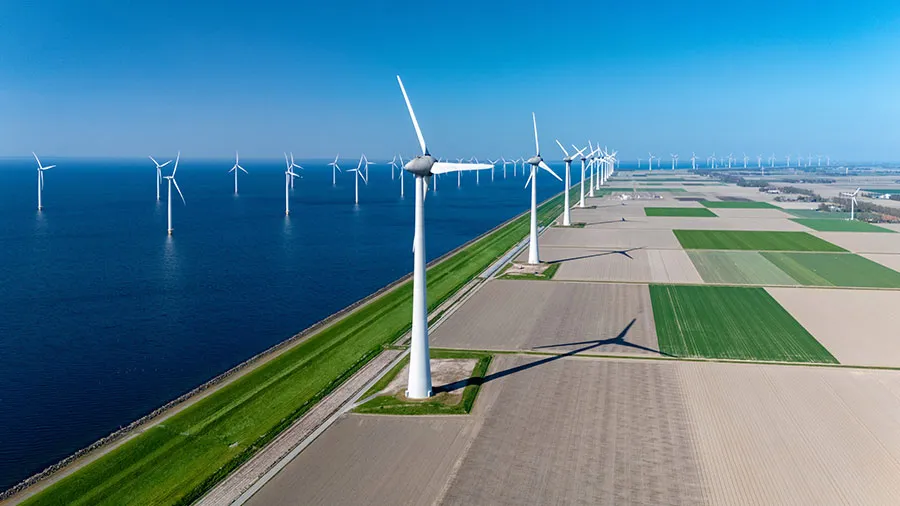
Indonesia is expanding renewable energy investments to meet rising demand, enhance energy security, and achieve decarbonization goals, creating opportunities for foreign investors across infrastructure, manufacturing, and clean energy industries.
Growth in Indonesia’s Renewable Energy Sector
Indonesia is rapidly advancing its renewable energy investments to meet increasing electricity demand and enhance energy security. With substantial renewable resources and a growing pipeline of large-scale projects, the country is opening up investment opportunities across the renewable energy value chain. The focus is on integrating clean energy to help achieve long-term decarbonization goals. This examination highlights the commercial opportunities available to foreign investors and explores the regulatory considerations for entering Indonesia’s renewable energy market.
Government Plans and Renewable Targets
In response to climbing electricity needs and environmental objectives, Indonesia’s government has expanded its renewable energy initiatives. Through PLN’s 2025-2034 Electricity Supply Business Plan (RUPTL), the government plans for 42.6 GW of renewable capacity, constituting about 61% of new generation. Noteworthy allocations include 17.1 GW for solar power, 11.7 GW for hydropower, and significant targets for wind, geothermal, and bioenergy. These initiatives underscore the country’s commitment to expanding its clean energy footprint.
Investment Opportunities and Infrastructure Development
Private investment is pivotal in realizing Indonesia’s renewable ambitions, with Independent Power Producers (IPPs) anticipated to develop 73% of the planned capacity. Investments are also flowing into downstream nickel processing, electric vehicle manufacturing, and industrial decarbonization. Such expansions necessitate robust investments in energy infrastructure, including 10.3 GW of energy storage and extensive transmission networks. International cooperation, such as with the Japan Bank for International Cooperation, is key in advancing projects like smart grids, enhancing Indonesia’s energy landscape and presenting lucrative business opportunities.
Entering Indonesia’s Renewable Energy Market: A Guide for International Investors
Indonesia’s renewable energy sector presents significant opportunities for foreign investors, driven by the country’s abundant natural resources and government initiatives towards sustainability. With ambitious targets to increase renewable energy’s share in the national energy mix, Indonesia is focusing on solar, wind, geothermal, and hydropower projects. The government offers various incentives, including tax breaks and simplified licensing processes, making the landscape increasingly attractive for international stakeholders.
Investing in this sector involves understanding local regulations and market dynamics. Partnering with local firms can provide valuable insights and facilitate smoother entry. Due diligence on regulatory compliance, market forecasts, and potential risks is crucial. Effective engagement with local communities and stakeholders helps in navigating socio-cultural nuances, ensuring long-term project success and sustainability.
Read the original article : Investing in Indonesia’s Renewable Energy Sector: A Market Entry Guide for Foreign Investors

Pain and limited mobility can affect much more than your physical health. A sore back can make it difficult to work, an injured knee can interfere with exercise, and persistent neck or shoulder pain can make everyday activities uncomfortable. When these problems begin affecting your quality of life, professional physiotherapy in Brampton can provide a structured approach to recovery.
CBR Physio Rehab Inc. offers personalized physiotherapy and rehabilitation for people dealing with injuries, chronic pain, mobility limitations, and a variety of musculoskeletal conditions. With individualized treatment plans and one-on-one care, the clinic focuses on helping patients improve movement, strength, and physical function.
Personalized Physiotherapy in Brampton
Every patient has different needs. The cause of pain, physical condition, lifestyle, and recovery goals can all influence the type of treatment that may be appropriate.
At CBR Physio Rehab Inc., registered and licensed physiotherapists assess each patient’s condition and develop a personalized treatment approach. Rather than relying on the same treatment for everyone, physiotherapy is adapted according to the patient’s symptoms, limitations, and rehabilitation goals.
Treatment may combine hands-on manual therapy, therapeutic exercises, movement education, and other techniques designed to support recovery and improve function.
Relieve Pain and Improve Everyday Movement
Pain can gradually affect the way you move. You may begin avoiding certain activities, changing your posture, or relying on other parts of your body to compensate. Over time, these changes can contribute to additional stiffness, weakness, or movement difficulties.
Physiotherapy focuses on more than temporary comfort. A rehabilitation program can help address movement limitations while gradually improving strength, flexibility, balance, and physical function.
Whether you are experiencing back pain, neck pain, shoulder discomfort, or problems affecting your knees, hips, ankles, or other areas, a professional assessment can help determine an appropriate treatment plan and a chiropractor in Brampton.
Physiotherapy for Back and Neck Pain
Back and neck pain are common reasons people seek physiotherapy. Sitting for long periods, repetitive activities, poor movement patterns, injuries, and other physical factors can contribute to discomfort.
Physiotherapy treatment may include manual therapy, mobility exercises, strengthening exercises, posture education, and other rehabilitation techniques. The specific approach depends on the patient’s assessment and individual condition.
The goal is to help patients move more comfortably and confidently while improving their ability to perform everyday activities.
Sports Injury Rehabilitation
Staying active is important, but sports and exercise can sometimes result in sprains, tendon problems, muscle injuries, and overuse conditions.
A properly designed rehabilitation program can help restore mobility and strength following an injury. Physiotherapy may also help patients gradually rebuild coordination, balance, and confidence before returning to their normal activities.
CBR Physio Rehab Inc. provides treatment for a variety of sports and activity-related conditions, including ankle sprains, Achilles tendonitis, plantar fasciitis, shin splints, knee problems, and other injuries.
Physiotherapy After a Motor Vehicle Accident
A motor vehicle accident can result in injuries involving the neck, back, shoulders, muscles, and joints. Symptoms may include stiffness, pain, headaches, reduced mobility, or difficulty performing normal activities.
CBR Physio Rehab provides rehabilitation for motor vehicle accident-related injuries. Treatment may include functional assessment, manual therapy, therapeutic exercises, posture and ergonomic education, and progressive rehabilitation based on the patient’s condition.
Getting an appropriate assessment can help establish a structured plan for returning to normal movement and daily activities.
Workplace Injury and WSIB Rehabilitation
Work-related injuries can make it difficult to perform your regular job duties. Repetitive strain, lifting injuries, falls, and other workplace incidents may result in pain or reduced physical function.
Physiotherapy can support recovery by addressing pain, weakness, mobility restrictions, and functional limitations. CBR Physio Rehab provides physiotherapy services for WSIB-related injuries and supports patients throughout their rehabilitation process.
A personalized program can focus on improving physical function and helping patients progress toward their everyday and work-related activities.
Comprehensive Physiotherapy Treatment
Depending on your condition, physiotherapy treatment at CBR Physio Rehab may include manual therapy and joint mobilization, individualized exercise programs, therapeutic modalities, postural and biomechanical assessment, workplace ergonomic assessment, and taping, strapping, or bracing when appropriate.
This combination allows treatment to be adjusted as your condition changes and your physical abilities improve.
Why Choose CBR Physio Rehab in Brampton?
Choosing the right physiotherapy clinic in Brampton means finding professionals who understand your individual needs and provide a treatment plan suited to your recovery goals.
CBR Physio Rehab Inc. provides one-on-one care through registered and licensed physiotherapists. The clinic focuses on personalized rehabilitation, hands-on treatment, exercise-based recovery, and patient education and Massage Therapy in Brampton.
The clinic also offers chiropractic care, massage therapy, orthotics, compression stockings, and braces, providing patients with access to several rehabilitation and wellness services in one location.
CBR Physio Rehab also offers direct billing with most insurance companies and works with various coverage types, including extended health benefits, WSIB, motor vehicle accident claims, and IFHP.
Restore Mobility and Live Better
You should not have to let pain or limited mobility control your daily routine. Whether you are recovering from an injury, managing ongoing discomfort, or trying to regain strength and movement after an accident, professional physiotherapy can help you take a structured approach to rehabilitation.
If you are searching for physiotherapy in Brampton, CBR Physio Rehab Inc. provides personalized care for a wide range of conditions and rehabilitation needs.
Located at 227 Vodden St E #33, Brampton, Ontario L6V 1N2, the clinic is ready to help you work toward better movement, improved physical function, and a more active everyday life.
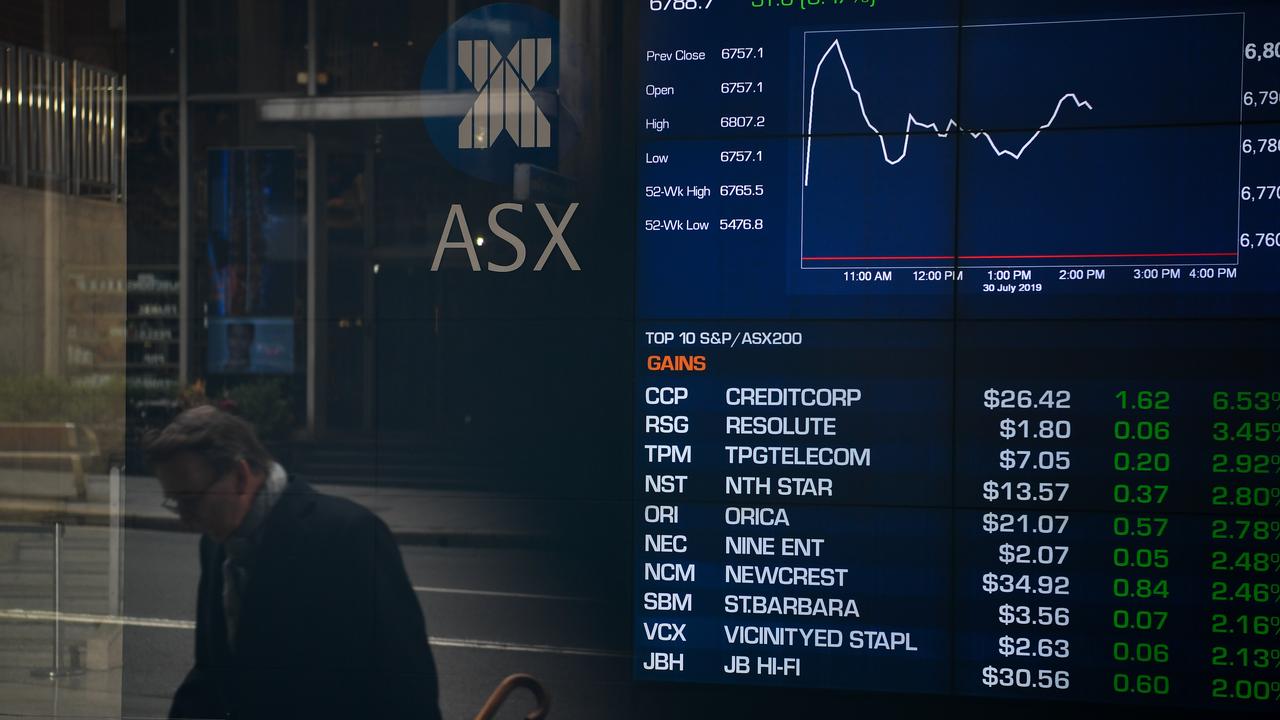
Australia’s share market has narrowed an early loss to end the session lower, after commodity prices bolstered energy stocks and miners.
Business
ASX 200 Falls To Fresh Six-Week Low As Iran Tensions Push Oil Toward $100 A Barrel This Wednesday Morning

SYDNEY — Australian shares extended their recent slide Wednesday, with the benchmark S&P/ASX 200 index falling 25.7 points, or 0.29%, to 8,895.1 by early afternoon, dropping to a fresh six-week low as renewed violence in the Middle East pushed oil prices toward $100 a barrel and reinforced fears of another Reserve Bank interest rate hike.
The Australian share market had opened slightly higher Wednesday before dipping into negative territory, according to ABC News’ live market coverage. By mid-morning, the index had fallen to a fresh six-week low, with roughly 120 of the 200 constituent stocks trading lower. The decline followed reports of explosions near Iran’s Kharg Island, alongside separate reports that Iran-backed Houthi forces in Yemen had attacked Saudi Arabian energy facilities, setting oil installations ablaze.
Gold miners were among the session’s hardest-hit stocks despite the broader flight-to-safety dynamics that typically accompany geopolitical escalation. Shares of Westgold Resources, Evolution Mining, Resolute Mining, Kingsgate Consolidated and Northern Star Resources all fell between 3% and 6.5%, coming after the spot price of gold dropped more than 1% overnight to $4,360 an ounce.
Wednesday’s losses extend a difficult run for the local market. The ASX 200 closed at 8,920.80 on Tuesday, down 90.1 points, or 1.00%, marking its lowest closing level in six weeks and extending the index’s decline for September to 1.71% month-to-date, according to The Bull. Tuesday’s session saw only the energy and utilities sectors finish in positive territory, with consumer discretionary stocks bearing the sharpest losses, falling 1.90% as deteriorating household sentiment weighed heavily on retail names.
A sharp deterioration in Australian consumer confidence data has served as a central trigger for this week’s selloff. The Westpac-Melbourne Institute Consumer Sentiment Index for September fell 5.2% to 84.4, down from 88.9 in August, reversing almost all of the prior month’s recovery and pushing sentiment back toward the deeply pessimistic levels recorded earlier in the year. Westpac head of Australian macro-forecasting Matthew Hassan said the reading reflects mounting pressure on household finances tied to both fuel costs and interest rate expectations.
“The falls takes sentiment back towards the deeply pessimistic levels seen earlier in the year,” Hassan said, noting that both fuel prices and interest rate concerns again appeared to be driving the shift.
According to survey data cited in coverage of the report, nearly two-thirds of consumers now expect mortgage rates to rise within the next 12 months. Assessments of family finances dropped 9.2% overall, with homeowners specifically reporting a steeper 13% decline in how they view their financial position.
That shift in expectations has been reflected directly in economist forecasts. Westpac has moved its own official forecast to anticipate a Reserve Bank rate rise in November, joining both ANZ and Commonwealth Bank of Australia in projecting further tightening later this year. That repricing followed June-quarter national accounts data showing the Australian economy grew 0.4% for the quarter and 2.1% over the year, stronger figures that have reinforced the case for additional RBA action among economists at the country’s major banks.
Retail stocks bore some of the most direct consequences of the shifting rate outlook and weaker consumer sentiment. JB Hi-Fi shares fell 2.25% Tuesday to $66.07, while Harvey Norman similarly featured among the session’s weaker performers, according to Motley Fool Australia’s coverage of the retail sector’s reaction to the confidence data.
Banking stocks also continued facing pressure across the week. The big four banks fell between 0.7% and 1.4% during Tuesday’s session, according to Trading Economics, while resource names showed a mixed picture, with BHP Group down 0.6%, Fortescue down 1.6% and Bluescope Steel falling a steep 5.5%. Rio Tinto separately declined 0.76% to $176.00 after reports emerged that Beijing’s state-backed iron ore price negotiator had directed some Chinese steel mills to delay purchases of the miner’s iron ore.
Copper prices have continued climbing to fresh record highs on the London Metal Exchange, driven by strong demand tied to data center construction, ongoing concern that President Trump could expand existing U.S. tariffs to include copper, and a lack of major new copper discoveries globally, according to IG’s market analysis. That commodity strength has provided only limited offset to the broader weakness across Australian equities this week, given the simultaneous pressure from deteriorating domestic sentiment and rising rate expectations.
Beyond the immediate market moves, Wednesday’s session unfolded against the backdrop of a broader escalation in the conflict between the United States, Iran and allied forces across the Middle East, following the weekend’s exchange of strikes involving oil tankers and warships in and around the Strait of Hormuz. That continued volatility in the region has kept energy markets on edge, with oil prices climbing to a four-month high overnight ahead of Wednesday’s session, according to ABC News.
Investor attention now turns to China’s August trade data, due for release later Wednesday, which traders are watching closely for further signals on demand conditions across Australia’s largest trading partner. With the ASX 200 having now fallen for a third consecutive session and briefly touching its lowest level since late July, market participants are likely to remain focused in the coming days on how escalating events in the Middle East continue to affect global oil markets, alongside any further commentary from the Reserve Bank ahead of its next policy decision, as Australian equities look to stabilize following one of the more difficult stretches the local market has experienced in recent weeks.

Energean shares jump on better-than-expected H1 results
CAMDEN, NJ. — A challenging year culminating in a difficult fourth quarter that included a 12% decline in sales in the company’s Snacks unit has executives at The Campbell’s Co. searching for answers heading into 2027.
Net income in the fiscal year ended Aug. 2 totaled $403 million, equal to $1.34 per share on the common stock, which was down 33% from $602 million, or $2.02 per share, in the 2025 fiscal year. Net sales declined 5% to $9.74 billion from $10.25 billion. An additional week in the 2025 fiscal year impacted net sales by an estimated 2 percentage points. Organic sales were down 2%, primarily due to unfavorable volume/mix.
Mick Beekhuizen, president and chief executive officer of Camden-based Campbell’s Co., acknowledged the company’s performance “is not where it needs to be,” adding “we are taking decisive actions to improve it.”
Among those actions are a reset of the quarterly dividend. The company’s board of directors on Sept. 3 approved a quarterly dividend payment of 25¢ per share, or $1 on an annualized basis, a reduction of 36% from the prior quarterly dividend payment of 39¢ per share, or $1.56 on an annualized basis.
The company also is planning a $500 million cost-savings initiative and changing its marketing spend in fiscal-year 2027.
Campbell’s stock price on Sept. 3, the day fiscal-year results were presented, traded as low as $21.15 on the Nasdaq early in the afternoon, which was down 11% from a close of $23.78 on Sept. 2.
Highlighting Campell’s troubles were a fourth quarter loss of $69 million, which compared with net income of $145 million, or 49¢ per share, in the same period a year ago. Fourth-quarter net sales declined 8% to $2.14 billion from $2.32 billion in the same time of the previous year. An impact of 7 percentage points came from an extra week in the 2025 fourth quarter. Organic sales were down 1%.
Looking ahead to fiscal 2027, Campbell’s expects to face more challenges. The company said it expects net sales to be down 4% to 2% in fiscal 2027 and adjusted EPS to be down 24% to 17% when compared with fiscal 2026. Combined raw material and packaging inflation is expected to be 5% to 6%.
“Our fiscal 2027 outlook reflects an external environment that we expect will remain volatile, as well as another year of elevated inflation that will continue to pressure margins, particularly in the first half,” Beekhuizen said in pre-recorded remarks on Sept. 3. “However, our outlook also reflects the benefits of productivity, cost-savings initiatives and pricing that we expect to build throughout the year and increasingly support margin recovery.
“Make no mistake. Our results remain unacceptable, but instead of waiting for the environment to
improve around us, we are addressing reality head-on. The initiatives we are laying out today are designed to improve performance and put us on a path back to a sustainable long-term value-creation mode.”

The Campbell’s Co. is planning national advertising campaigns for the Rao’s, Goldfish and Pepperidge Farm brands.
| Photo: ©STEVE CUKROV – STOCK.ADOBE.COM$500 million in cost savings
Beginning in the 2027 fiscal year, Campbell’s is launching a program targeting $500 million in cost savings by fiscal 2030. The program will include initiatives remaining under a prior program, an overhead savings initiative announced in the third quarter of fiscal 2026 and an enterprise spend optimization that will change how Campbell’s manages and deploys its direct and indirect spending. Actions already underway are plant closures in Hyannis, Mass., and Jeffersonville, Ind., and approximately a 13% reduction in the workforce through a voluntary early-retirement program and involuntary reductions, said Todd Cunfer, chief financial officer.
Beekhuizen added that the company also is changing its approach to marketing support.
“Specifically, we will direct a majority of this year’s marketing budget toward our best opportunities, moving away from what has historically been a balanced approach across our portfolio,” he said. “Let me be clear: We are not walking away from any business or brand. However, our marketing investments must work harder for us.”
Campbell’s in fiscal 2027 has national advertising campaigns planned for Rao’s, Goldfish and Pepperidge Farm, he said. The use of social media, influencer and e-commerce channels will expand as well as platforms enabled by artificial intelligence (AI), he said.
Refocusing Goldfish
In Campbell’s Snacks business, fiscal 2026 operating earnings plunged 28% to $386 million from $538 million. Net sales fell 6% to $3.82 billion from $4.07 billion in the previous fiscal year.
Particularly troublesome for the Snacks business was a 12% decline in sales during the fourth quarter, including a 6% drop in organic net sales. Segment operating earnings, at $101 million, were down 34% from the previous year’s fourth quarter.
Campbell’s in fiscal 2026 refocused the Goldfish brand as a leader in snacking for families and children, but more work remains to be done, Beekhuizen said.
“Core consumption returned to growth, supported by double-digit e-commerce growth and our collaboration with Pokémon, reinforcing our confidence in the strategy,” he said.
In Meals & Beverage, fiscal 2027 earnings fell 14% to $943 million from $1.1 billion. Sales of $5.93 billion were down 4% from $6.18 billion in the previous year.
Semi-scratch cooking consumption increased by 5% in the fourth quarter, led by Swanson, Pacific and Rao’s, Beekhuizen said. Rao’s sauce consumption increased by 9.4% in the year and 8.9% in the fourth quarter, largely driven by sustained distribution and velocity growth, he said.
“Within eating soups, declines eased relative to Q3 for Chunky and Campbell’s red and white condensed,” Beekhuizen said. “At the same time, premium brands Pacific and Rao’s sustained strong double-digit growth, up 14% and 25.3%, respectively.”

Business activity increased in seven of the 12 UK nations and regions in August, led by Northern Ireland and London, according to the latest NatWest Growth Tracker. The survey also found that growth expectations for the year ahead improved in the majority of areas, even as cost pressures picked up from July.
The Tracker’s headline measure is the Business Activity Index, where any reading above 50.0 signals growth and a higher reading indicates a faster rate of expansion.
Northern Ireland topped the rankings with a reading of 55.5, its strongest performance for almost two years, followed by London on 54.9. Output was unchanged in the West Midlands at 50.0, while the North West (49.7), North East (49.6), East Midlands (49.5) and Scotland (48.9) each recorded slight decreases in activity.
The July edition of the tracker had reported growth in 10 of the 12 areas, with London on 55.3 at the top.
Sebastian Burnside, NatWest chief economist, said: “It was encouraging to see business activity growth being sustained across most parts of the UK in August, despite a backdrop of renewed inflationary pressures. Business expectations towards future output have also continued to recover in the majority of areas, with confidence getting closer to the levels seen at the start of the year before the recent bout of geopolitical uncertainty and volatility in oil markets.”
Costs and prices
Cost pressures increased across most UK nations and regions in August, the Tracker found, although rates of input price inflation remained below the highs seen in the second quarter of the year. Firms in Northern Ireland again recorded the steepest rise in operating expenses, followed by those in Yorkshire & Humber. Scotland saw the slowest pace of cost inflation, its weakest for six months.
Burnside said: “Higher prices at the fuel pumps in August contributed to quicker increases in input costs in most UK nations and regions, the first time this has been the case since April, but rates of inflation in both costs and output prices remained below the highs seen in the second quarter of the year, perhaps giving policymakers some breathing room to keep interest rates unchanged for now.”
The Bank of England held Bank Rate at 3.75 per cent at its meeting on 30 July, with the Monetary Policy Committee’s next decision due on 17 September.
Prices charged for goods and services also generally rose at faster rates, according to the survey, with Northern Ireland recording the steepest increase. Output price inflation was unchanged in London and the South West and dipped to a five-month low in the South East.
The second-quarter peak in costs followed an energy price shock earlier in the year linked to the Middle East conflict, and pump prices have drawn calls for a cut in fuel duty from campaign group FairFuelUK.
Demand and employment
New business presented a mixed picture, with six of the 12 areas recording growth and the rest seeing a decline. Firms in London and Yorkshire & Humber jointly posted the most marked increases in new work, followed by those in the South West. Scotland remained at the bottom of the rankings but saw its rate of decline ease to the weakest for five months.
Labour market conditions generally remained subdued, the Tracker said, with only pockets of employment growth. Scotland saw workforce numbers rise for a third straight month, while the South West recorded its first increase since April. Staffing levels fell elsewhere, with Wales recording the most marked decline.
Burnside said: “Whilst we’re still only seeing pockets of employment growth across the UK, there are further signs that labour market conditions are at least beginning to steady, with several regions seeing rates of decline in employment either slow or remain broadly unchanged since July.”
Outstanding business fell across the board in August, which the survey described as a sign of generally weak capacity pressures. The reduction in Northern Ireland was negligible, while firms in Wales recorded a sharp drop in backlogs of work.
Business expectations for the next 12 months improved in the majority of areas, with the West Midlands the most optimistic, ahead of London and the South East. Sentiment was weakest in Northern Ireland, though still positive overall.
Jamie Young
Jamie Young is Senior Reporter at Business Matters, covering SME finance, employment law and Westminster policy since 2016. He has reported on every Budget and Autumn Statement since 2018, helped make sense of the ‘covid era’ and the bounce-back loan scheme from launch through the fraud investigations, and broke the magazine’s coverage of the 2024 late-payment reforms. He joined Business Matters straight from completing his BA in Administration from Exeter University and is NCTJ-qualified. Reach him at jyoung@cbmeg.co.uk

WHAT IS RIPPLE & BLACKROCK BUILDING? MY THEORY! – YOU WILL ONLY SEE XRP WHEN THIS HAPPENS!

Compulsory grammar tests in England’s schools aren’t improving children’s writing

Warmest summer on record: mixed fortunes for traders

Memory prices are slowing because buyers ran out of money

England up in reading, maths and science rankings as Scotland and Wales dip

Phones confiscated, players sent home: Pakistan’s England tour turmoil revives memories of Mohammad Amir, Salman Butt and Mohammad Asif’s 2010 Lord’s spot-fixing scandal | Cricket News


-
Tech20 hours ago
Memory prices are slowing because buyers ran out of money
-
 NewsBeat18 hours ago
England up in reading, maths and science rankings as Scotland and Wales dip
-
Sports21 hours ago
Phones confiscated, players sent home: Pakistan’s England tour turmoil revives memories of Mohammad Amir, Salman Butt and Mohammad Asif’s 2010 Lord’s spot-fixing scandal | Cricket News
-

 Business22 hours ago
Egyptian TV Presenter Sarah Khalifa, 11 Others Sentenced To Death In Major Drug Trafficking Case In Cairo
-
 Tech22 hours ago
Strong Password Policy and Password Manager Guide
-

 Crypto World22 hours ago
Visa expands stablecoin card network to 160 programs
-
 NewsBeat17 hours ago
Tehran’s assertive rhetoric signals a new and dangerous phase in conflict
-

 Sports14 hours ago
Ballon d’Or 2026 Nominees: Lionel Messi In, Cristiano Ronaldo Out; Erling Haaland Included In Top 30
-
 Business11 hours ago
Oil Higher on Hormuz Escalation, Weighing on Sentiment
-

 Tech17 hours ago
Google’s revived nuclear power plant gets $1.9B loan from US government
-

 Politics17 hours ago
The Ultimate September Reset Guide: How To Refresh Your Mind And Life This Autumn
-

 Crypto World15 hours ago
Robinhood Stock: How To Take Advantage With Reduced Risk
-

 Tech12 hours ago
Meta debuts its Muse AI agent. Will consumers trust it?
-

 Business22 hours ago
Claim Your Share Of $50 Million Disney Streaming Price Settlement By Sept. 8 Tonight
-
 Business16 hours ago
Copper hits record high, UltraTech’s Ultravolt on the offensive: A double whammy for cable makers in FY27?
-

 Fashion16 hours ago
Phia Is the Shopping App That Styles You From Your Own Closet
-

 Fashion15 hours ago
How to Safeguard Your Small Business Against Emerging Cyber Threats
-

 Crypto World8 hours ago
Ethereum price stalls below $2,500 as ADX drops to 11
-

 Crypto World21 hours ago
Iran Threatens to Target U.S. Energy Assets in Gulf If U.S. Strikes Again
-

 Tech21 hours ago
Stoke Space raises another billion to rival SpaceX at re-flying rockets
You must be logged in to post a comment Login