Connect with us
DAPA Banner
DAPA Coin
DAPA
COIN PAYMENT ASSET
PRIVACY · BLOCKDAG · HOMOMORPHIC ENCRYPTION · RUST
ElGamal Encrypted MINE DAPA
🚫 GENESIS SOLD OUT
DAPAPAY COMING

Business

Trump Pushes Toll-Free Hormuz Access as House Delays Iran War Powers Vote

Published

on

Strait of Hormuz Traffic Near Standstill Despite US-Iran Ceasefire: Only

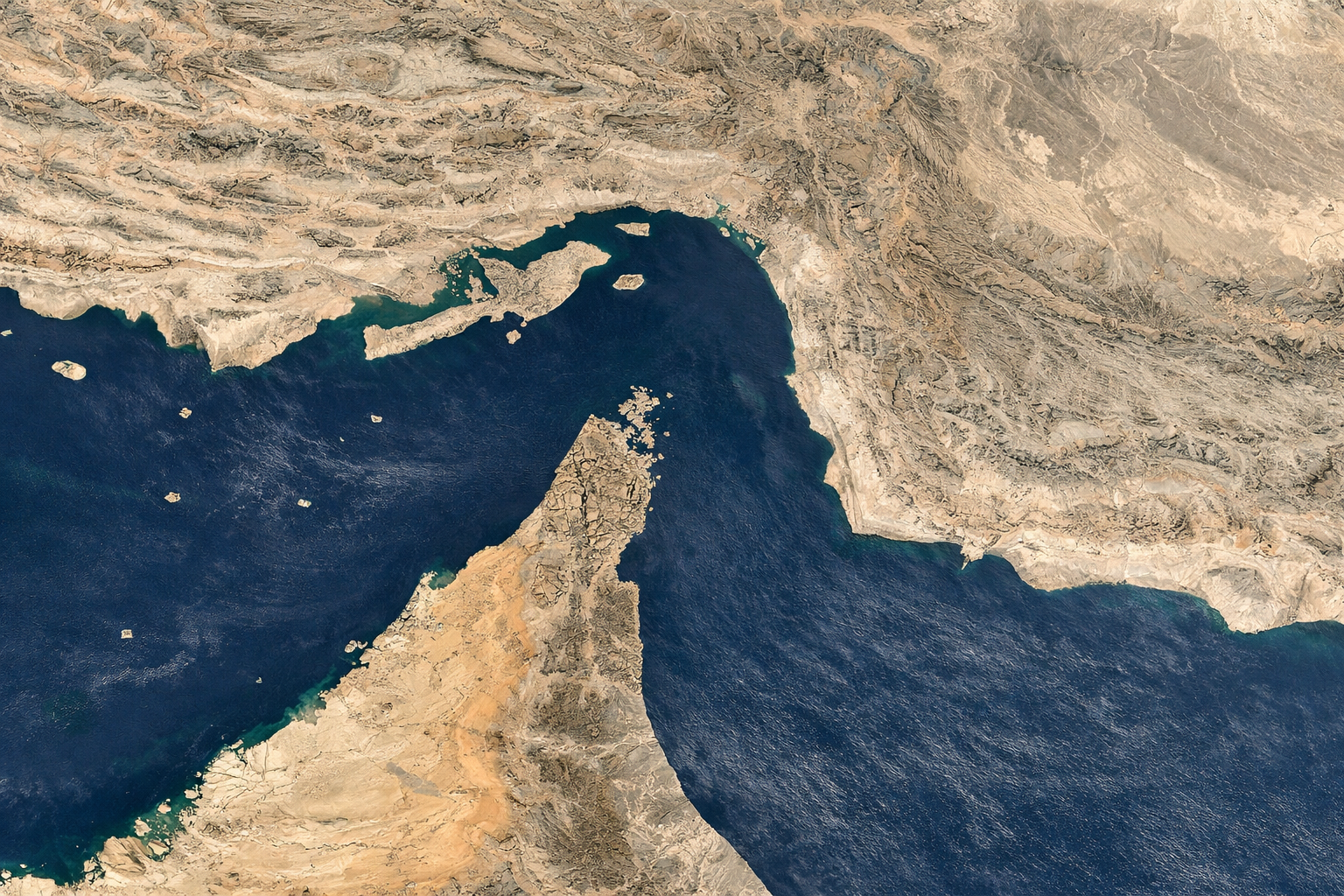
WASHINGTON — President Donald Trump said the United States does not want tolls imposed in the Strait of Hormuz, as tensions with Iran remained high and House Republican leaders delayed a planned vote on legislation aimed at limiting presidential military action against Iran.

Trump’s comment came as U.S. officials continued to focus on the strategic waterway, one of the world’s most important corridors for oil shipments and commercial shipping. The president’s remarks underscored the administration’s insistence that traffic through the strait should remain open and free of any Iranian-imposed charges or restrictions.

Secretary of State Marco Rubio also weighed in on the issue, saying any tolling system in the strait would be illegal. Rubio’s comments added to the administration’s public pressure campaign as it balanced diplomacy, military readiness and concerns about maritime security in the Persian Gulf region.

The debate comes amid renewed anxiety over shipping lanes and broader U.S.-Iran tensions. Maritime security agencies have warned vessels to remain cautious while transiting the area, and commercial traffic through the Strait of Hormuz has faced disruptions as regional tensions remained elevated.

Advertisement

The Strait of Hormuz is one of the most closely watched chokepoints in global energy trade. A significant share of the world’s crude oil passes through the narrow waterway, making even the threat of interference enough to move markets and alarm governments. Any move to impose tolls, restrictions or other barriers would likely raise concerns about fuel prices, shipping costs and supply security far beyond the Middle East.

The White House has not signaled support for any Iranian role in controlling commercial access to the strait. Trump’s comments were consistent with that posture, emphasizing opposition to tolls and stressing the need to keep the shipping lane open. The remarks were reported on May 22, 2026, as the administration continued to address both diplomatic and security concerns tied to Iran.

At the same time, House Republican leaders delayed a vote on a resolution that would have restricted Trump’s ability to engage in military action against Iran without additional congressional approval. The vote was pulled from the schedule as lawmakers continued internal discussions over the scope of executive authority and the timing of any action related to Iran.

ABC News reported that the resolution was withdrawn at the last minute, with attendance issues cited as a reason for the delay. The move reflected the political sensitivity surrounding Iran policy and the difficulty Republican leaders faced in balancing party unity, congressional oversight and the administration’s preferred flexibility in foreign affairs.

Advertisement

The resolution was intended to limit the president’s ability to carry out sustained military action without explicit congressional approval. Supporters of the measure have argued that Congress should play a direct role in any major escalation involving Iran. Opponents have said the White House needs room to respond quickly to threats and negotiate from a position of strength.

The delay in the House vote came as U.S. officials continued to describe the situation as fluid. Trump administration officials have tried to keep diplomatic channels open even as they maintain a hard line on Iran’s behavior in the region. Rubio said there had been some progress in talks, but also noted that more work remained to be done.

The comments and the vote delay add another layer to the broader policy debate in Washington. Lawmakers have increasingly focused on questions of military authority, the limits of executive power and the risk of widening conflict in the Middle East. Iran policy has again become a central issue as the administration confronts both regional instability and pressure from Congress.

Maritime officials have also been tracking the security environment closely. The UK Maritime Trade Operations agency previously described conditions in the Strait of Hormuz and the Persian Gulf as critically tense and warned of reduced traffic, reflecting the dangers facing commercial shipping in the region. Even without a formal blockade, heightened threats have forced shipping companies to adjust routes, schedules and risk assessments.

Advertisement

The administration’s message has been that the strait must remain open and that any Iranian attempt to control traffic through it would be unacceptable. Rubio’s remark that a tolling system would be illegal reflected that position in especially direct terms. The comments were part of a broader warning to Tehran not to interfere with commercial shipping or use the chokepoint as leverage in negotiations.

The U.S. military presence in the region remains a factor in the crisis. American forces continue to support maritime security and help deter threats to commercial vessels. Officials have not publicly detailed every incident or decision that has shaped the current shipping environment, but the regional posture indicates the United States is treating the issue as a serious security concern.

At the same time, the administration has tried to avoid saying diplomacy is over. Rubio said the president would prefer to reach a deal, while also making clear that the United States would not accept an Iranian tolling scheme in the strait. That balance — pressure backed by military readiness but still leaving room for negotiations — has defined the administration’s approach.

The political fight in Congress reflects that same uncertainty. Some lawmakers want stricter constraints on the president before any expanded military action, while others argue that such limits could weaken U.S. leverage at a moment when diplomacy is still unfolding. The postponed vote suggests that leaders are still searching for a consensus on how to proceed.

Advertisement

For now, the central facts remain the same: Trump wants toll-free access through the Strait of Hormuz, Rubio says any tolling plan would be illegal, and House Republican leaders have delayed a vote on an Iran war powers resolution. Together, those developments show how shipping security, congressional oversight and executive authority are colliding as the U.S. manages its latest confrontation with Iran.

The stakes are high because the Strait of Hormuz is not just a regional issue. It is a global energy and trade corridor whose stability affects shipping companies, oil producers, consumers and governments around the world. That is why even brief comments about tolls or restrictions can attract immediate attention in Washington and beyond.

As of now, the administration has kept its position focused on opposing tolls, defending freedom of navigation and preserving room for diplomacy. Congress, meanwhile, is still deciding how much room to give the president if the situation escalates further. The dispute is likely to continue as long as tensions remain high in the Gulf and the political fight over Iran policy remains unresolved.

Advertisement
Continue Reading
Click to comment

You must be logged in to post a comment Login

Leave a Reply

Business

New iPhone Is Coming in September With Its Foldable iPhone and a Major AI Leap

Published

on

iPhone 18 Pro

Apple is poised for one of its most consequential fall product launches in years, with the iPhone 18 Pro, iPhone 18 Pro Max, and the company’s long-anticipated first foldable iPhone all expected to go on sale in September 2026 — a trifecta of hardware that insiders and analysts say signals a fundamental shift in Apple’s smartphone strategy.

The launch cycle was effectively set in motion on June 8 at Apple’s Worldwide Developers Conference, where the company unveiled iOS 27 and released its first developer beta. The public beta is expected to go live in July, aligning with last year’s schedule and keeping the iPhone release timetable firmly on track.

A September Keynote — With a Twist

The special event keynote, where the new devices will be unveiled, is tentatively set for Wednesday, September 9, to avoid the Labor Day holiday on September 7. Apple rarely holds a keynote the day after a holiday, as it requires flying press and special guests to Cupertino.

Advertisement

If the announcement happens on Wednesday, September 9, pre-orders would begin on September 11, and new models would arrive on Friday, September 18. That timeline would represent a near-exact repeat of the previous year’s cadence, offering consumers and investors a predictable window for Apple’s biggest revenue quarter.

There is a caveat: if there are production hurdles with the foldable phone, possibly called the iPhone Ultra, that model may be announced alongside the iPhone 18 Pro and Pro Max but held back from going on sale by a few weeks — a strategy Apple employed with the Face ID-equipped iPhone X in 2017.

A Split Lineup Unlike Any Before

Perhaps the most significant strategic departure is not the hardware itself, but who gets it and when. Rather than launching the entire iPhone 18 lineup at once, Apple is reportedly planning to release only its premium models in September 2026 — the iPhone 18 Pro, iPhone 18 Pro Max, a new foldable iPhone, and potentially an updated iPhone Air — while the standard iPhone 18 and iPhone 18e would follow in spring 2027.

Advertisement

If accurate, this would mark the biggest change to Apple’s iPhone launch schedule since the lineup expanded beyond a single annual release. The move would effectively ensure that every device introduced at the September event starts at $999 or more, concentrating Apple’s flagship push squarely on the premium segment during the critical holiday shopping season.

The strategy reflects Apple’s shift toward premium positioning in its primary launch window and its focus on maximizing the debut impact of its first foldable device.

The A20 Chip and Under-Display Face ID

On the hardware side, the iPhone 18 Pro and Pro Max are expected to arrive with several meaningful upgrades. The anticipated launch will feature Apple’s new 2nm A20 chip, promising roughly 15% faster performance compared to the A19 Pro, along with improved efficiency for Apple Intelligence features, Apple’s new C2 modem, and a shift to under-display Face ID technology that will shrink the Dynamic Island for the first time.

Advertisement

Screen sizes are expected to remain unchanged at 6.3 inches for the Pro and 6.9 inches for the Pro Max.

The most talked-about camera upgrade is a variable aperture system on the Pro Max — a first for any iPhone. Where every previous iPhone camera has operated with a fixed aperture and relied on software to compensate for varying light conditions, the variable aperture mechanism would allow real hardware control over depth of field and low-light performance.

iOS 27 beta updates have also pointed to significant Siri AI upgrades and a further-refined Dynamic Island design.

New Colors, Familiar Frame

Advertisement

A Macworld source confirmed in April 2026 that there will be a new Dark Cherry color for the 2026 iPhone Pro, replacing the iPhone 17 Pro’s Cosmic Orange option. Other shades are said to include Light Blue, Dark Gray, and Silver.

The titanium frame and triple-lens camera layout will carry over from the iPhone 17 Pro. This is not a redesign year — it is an internals year.

Apple’s First Foldable iPhone

Alongside the Pro lineup, Apple’s first foldable iPhone is expected to debut in September with the iPhone 18 Pro and Pro Max. It is said to be a book-style foldable with a wide 4:3 aspect ratio, diverging from the more square design associated with Samsung’s Galaxy Z Fold line.

Advertisement

Samsung Display has secured an exclusive deal to produce the foldable OLED panels, and Apple has reportedly finalized its design ahead of mass production. The device is widely expected to carry a price tag above $2,000.

Whether the folding model launches simultaneously with the Pro devices or follows weeks later will be revealed at the keynote. Industry analysts caution that first-generation foldable devices typically see more meaningful refinements in follow-up releases, a dynamic that early adopters will need to weigh.

iOS 27 and the Road to General Release

The iOS 27 software will move from developer and public betas to general release around the Monday following the keynote. If the keynote takes place on September 9, the software is expected to land on September 14 or 15, making it available to any iPhone 11 or later.

Advertisement

First reviews of the new iPhones are expected to appear on or around September 15 or 16, with Apple likely sending early review units out to a small number of media on the day of the keynote to allow time for in-depth testing.

What It Means for Consumers

For buyers who typically choose the base iPhone model, the message from Apple this fall is straightforward: wait until spring 2027. For buyers on an iPhone 15 or older, or those who want the Pro model, September 2026 represents a genuine generational leap — the 2nm chip, the C2 modem, and under-display Face ID together constitute the most substantive hardware advance in several years.

Apple has not confirmed any details about the iPhone 18 lineup. The company is expected to make official announcements at its September special event.

Advertisement
Continue Reading

Business

KeyCorp outlook raised to positive by S&P on risk improvements

Published

on


KeyCorp outlook raised to positive by S&P on risk improvements

Continue Reading

Business

Construction Partners amends term loan agreement, increases borrowing by $300 million

Published

on


Construction Partners amends term loan agreement, increases borrowing by $300 million

Continue Reading

Business

Delta Air Lines raises quarterly dividend by 15%

Published

on


Delta Air Lines raises quarterly dividend by 15%

Continue Reading

Business

Form 8K Principal Investment Grade Corporate ETF For: 18 June

Published

on


Form 8K Principal Investment Grade Corporate ETF For: 18 June

Continue Reading

Business

Facility expansion boosts broth, soup production for Campbell’s

Published

on

Facility expansion boosts broth, soup production for Campbell’s

Maxton, NC., facility expansion will increase production capacity by 20%.

Continue Reading

Business

Kevin Warsh Is Taking Over the Fed. Why His First Meeting Could Slam the Stock Market.

Published

on

Kevin Warsh Is Taking Over the Fed. Why His First Meeting Could Slam the Stock Market.

Kevin Warsh Is Taking Over the Fed. Why His First Meeting Could Slam the Stock Market.

Continue Reading

Business

Campbell’s completes color shift in national brands

Published

on

Campbell’s completes color shift in national brands

Lance crackers and V8 Splash latest brands to transition.

Continue Reading

Business

Accenture: The Market Is Pricing-In An Existential Crisis

Published

on

Accenture: The Market Is Pricing-In An Existential Crisis

Accenture: The Market Is Pricing-In An Existential Crisis

Continue Reading

Business

Pubs Plot ‘Tax Break Tart’ Revolt

Published

on

Pubs Plot 'Tax Break Tart' Revolt

As operators ridicule the Chancellor’s giveaway, one Kensington venue is touting a £25 “kids” menu of burgundy snails and anchovy butter toast

Pubs and restaurants are expected to dream up increasingly inventive ways to milk a tax break on meals for under-18s, after a London venue unveiled a “children’s” menu featuring wild burgundy snail salad and anchovy butter toast.

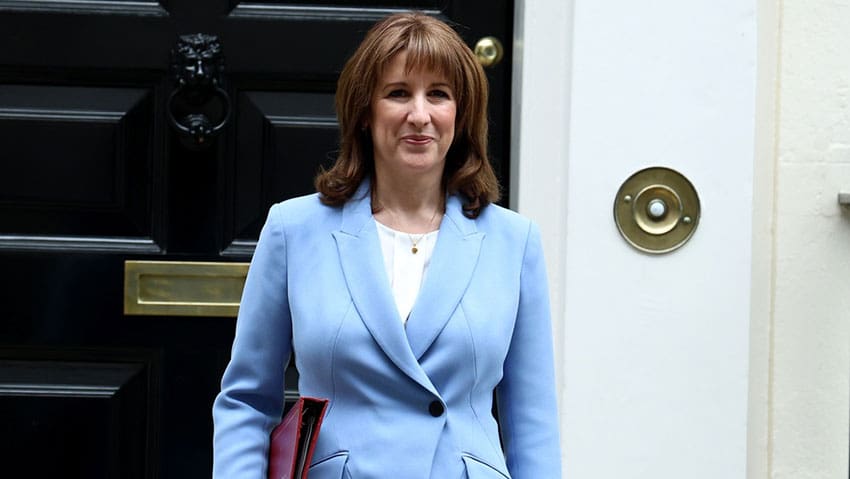
Rachel Reeves last month announced a temporary cut in VAT on children’s meals, from 20 per cent to 5 per cent, running between 25 June and 1 September. The reduction forms part of a “Great British summer savings scheme” pitched as relief for hard-pressed venues and a sweetener for families. – Business Matters has explained how the Great British summer savings scheme works here.

The Chancellor flagged the policy in a video address to last week’s UKHospitality trade conference, where it landed to a notably muted reception.

Afterwards, senior figures across the trade added their voices to a growing chorus of derision, branding the scheme “laughable” and contrasting it with the roughly £5bn in extra costs piled onto pubs, bars, hotels and restaurants since Labour returned to power in 2024.

Advertisement

Chris Jowsey, chief executive of the 1,300-strong pub group Admiral Taverns, called the measure a “joke”, arguing that the resulting discount was “so small it’s embarrassing” and would do nothing for pubs that do not serve food.

He likened the VAT cut to the pandemic-era rules that, at one point, effectively allowed venues to serve alcohol only if it arrived alongside a scotch egg. “I suspect you’ll get some enterprising interpretations of children’s menus,” he said.

One restaurant in Kensington, in affluent west London, has already worked out how to wring maximum value from the policy.

The Blue Stoops has launched a £25 menu aimed at any “children” with an appetite for wild burgundy snails with bacon, anchovy butter toast, and beef and oyster pie. The line-up includes a pudding christened The Tax Break Tart. A non-alcoholic beer is bundled in, meaning the entire package qualifies for the summer reduction from 20 per cent to 5 per cent.

Advertisement

“We’re not expecting queues of children demanding snails and anchovy toast, but it has started the right conversations in the pub about why VAT support for hospitality needs to go much further,” the venue said.

Crucially, restaurants and pubs are under no obligation to verify that anyone ordering a discounted children’s meal is in fact a minor.

Clement Ogbonnaya, who owns the Prince of Peckham in south London, dismissed the discount as a “token gesture” that would achieve little without a permanent cut to the headline rate. “We’re all going to be faking our IDs to show we’re under 18,” he joked.

At the UKHospitality conference, operators lined up behind a call to slash VAT on hospitality from 20 per cent to 10 per cent. A parliamentary petition backing the move has already gathered more than 200,000 signatures, and can be found on the UK government petitions site. The campaign is supported by celebrity chefs including Tom Kerridge and Yotam Ottolenghi, and by the potential Labour leadership contender Andy Burnham, who has thrown his weight behind a hospitality VAT cut. Estimates of the annual cost to the Treasury range from about £10.5bn to £13bn.

Advertisement

The case rests partly on international comparison. While the UK rate sits at 20 per cent, the European average is 12.8 per cent. France, Spain and Italy all levy 10 per cent, and Germany charges 7 per cent. UKHospitality, which is co-ordinating the campaign, argues the gap leaves British venues at a structural disadvantage.

In her video message, Reeves insisted the government was backing the industry. The reception on the conference floor suggested otherwise. The hospitality investor and former Dragons’ Den panellist Sarah Willingham told delegates that when the Chancellor described Labour as pro-growth, she “nearly spat out my water”. The chief executive of Nightcap, owner of the Dirty Martini and Piano Works chains, described the UK investment climate as a “shitshow”.

Operators, grappling with soaring energy bills in the fallout from the Iran war, have rounded on a string of Labour measures, among them the higher national minimum wage, increased national insurance contributions and changes to business rates. The squeeze is already showing in the closure data, with three pubs and restaurants now shutting every day as costs and tax rises bite.

“They say they’re doing it for workers, but what they’re doing is making it impossible to employ workers because it’s so expensive,” said Matt Francis, owner of the Planet of the Grapes wine bar chain in London. “They think all people who own a business are driving around in a Ferrari with wedges of cash in our pocket.”

Advertisement

Francis added that he had only just repaid a government loan taken out when he was forced to close during the pandemic. “My reward is to pay even more tax. I will never vote for them again.” Of the summer discount, he was blunt: “We’ve got to the point where it’s laughable, not funny. And there’s a big difference.”

A government spokesperson said: “Businesses across the country have welcomed the Great British summer savings scheme, which will slash VAT from 20 per cent to 5 per cent on children’s meals, cinema and theatre tickets, and family attractions this summer. This will help families enjoy days out for less while boosting footfall for businesses across the hospitality and leisure sector.

“We’re also backing hospitality by reforming business rates, including a £4.3bn support package to limit bill rises, capping corporation tax at 25 per cent, cutting red tape and taking action on the cost of living. We have the right plan to grow the economy and support families and businesses with rising costs.”


Jamie Young

Jamie Young

Jamie is Senior Reporter at Business Matters, bringing over a decade of experience in UK SME business reporting.
Jamie holds a degree in Business Administration and regularly participates in industry conferences and workshops.

When not reporting on the latest business developments, Jamie is passionate about mentoring up-and-coming journalists and entrepreneurs to inspire the next generation of business leaders.

Advertisement

Continue Reading

Trending

Copyright © 2025