
Business
UCSF Scientists Restore Memory in Aging Mice by Lowering Brain Protein FTL1, Sparking Hope for Human Therapies

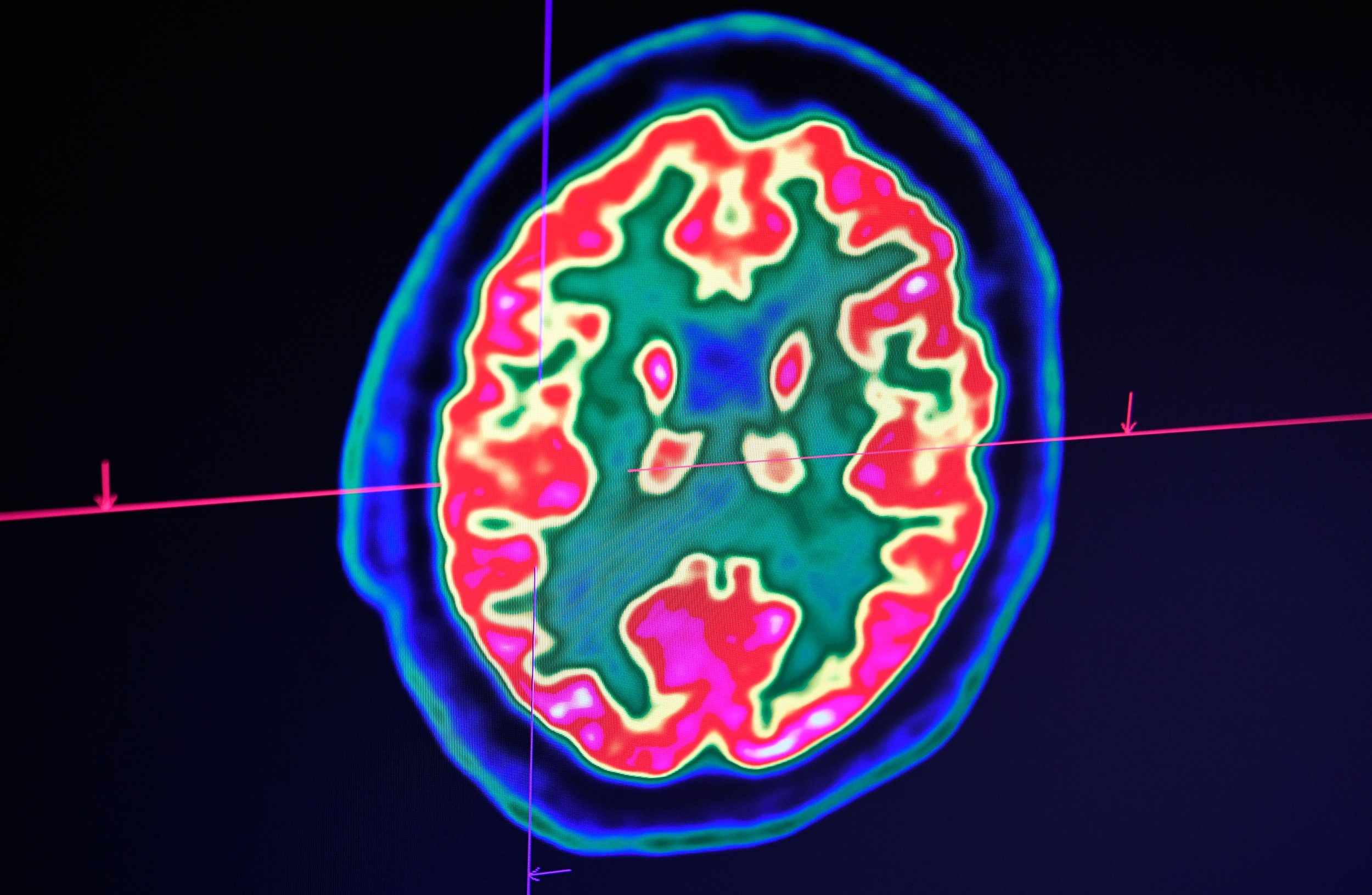
SAN FRANCISCO — Researchers at the University of California, San Francisco, have reversed key aspects of age-related cognitive decline in older mice by reducing levels of a single protein called FTL1 in the hippocampus, the brain region critical for learning and memory, according to a study that continues to draw attention more than seven months after its publication.

The findings, originally published in the journal Nature Aging in August 2025, identified ferritin light chain 1 (FTL1), an iron-associated protein, as a key driver of brain aging. Levels of FTL1 rise naturally in the hippocampus as mice grow older, correlating with fewer connections between nerve cells, disrupted energy production in neurons and poorer performance on memory tests. When scientists artificially lowered FTL1 in aged mice, synaptic function improved, neural connections increased and cognitive abilities were restored to levels resembling those of much younger animals.
Lead researcher Saul Villeda, PhD, associate director of the UCSF Bakar Aging Research Institute, described the results as more than just slowing decline. “It is truly a reversal of impairments,” Villeda said in the university’s announcement. “It’s much more than merely delaying or preventing symptoms.” The study’s senior author emphasized that targeting FTL1 appeared to rejuvenate the aging brain at a molecular level rather than simply masking symptoms.
In the experiments, older mice showed elevated FTL1 in the hippocampus alongside structural and metabolic changes that impaired learning and memory. Researchers used viral vectors to deliver treatments that either increased or decreased FTL1 expression specifically in neurons. Boosting FTL1 in young mice caused their brains to behave like those of older animals, with reduced synaptic proteins, fewer neurite branches and weaker memory performance. Conversely, reducing FTL1 in aged mice reversed those effects: synaptic-related proteins increased, neurons formed more connections, and the animals performed significantly better on cognitive tests.
FTL1, part of the ferritin complex that stores iron, appears to disrupt mitochondrial energy production and synaptic maintenance when it accumulates with age. The protein’s iron-binding properties may contribute to oxidative stress or altered cellular metabolism in neurons, though the exact mechanisms require further study. Importantly, lowering FTL1 did not appear to harm overall health metrics in the mice, suggesting a potentially targeted approach with a favorable safety profile.
The research team, led by first author L. Remesal and colleagues, combined transcriptomic analysis, mass spectrometry and behavioral testing to pinpoint FTL1 as the standout protein consistently elevated in the aging hippocampus across datasets. While many proteins change with age, FTL1 stood out for its strong correlation with cognitive impairment. The study received support from the National Institutes of Health and other funding sources focused on aging biology.
Experts not involved in the work hailed the findings as a significant step in understanding brain aging. The hippocampus is particularly vulnerable in humans as well, showing early signs of decline linked to normal aging and diseases such as Alzheimer’s. If similar mechanisms operate in people, targeting FTL1 or related pathways could one day lead to therapies that preserve or restore memory function in older adults.
As of April 6, 2026, no human trials have been announced, and researchers caution that mouse results do not always translate directly to people. Developing safe, brain-penetrating drugs or gene therapies to modulate FTL1 remains a major challenge. Iron regulation is delicate, and systemic changes could carry risks, though the study’s neuron-specific targeting offers a promising model for precision approaches.
The UCSF discovery fits into a broader wave of research seeking “rejuvenation” factors in aging. Previous studies have explored young blood factors, senolytic drugs and reprogramming techniques, but identifying a single actionable protein like FTL1 simplifies the path toward intervention. Villeda’s lab has long investigated how systemic factors influence brain aging, and this work highlights a cell-intrinsic driver within neurons themselves.
Public interest in the study surged upon its release and received renewed attention in early April 2026 through science news roundups highlighting its potential implications for cognitive health. Social media discussions have ranged from cautious optimism about future treatments to broader questions about extending healthy brain function into later life.
While the findings are exciting, scientists stress the need for replication and deeper mechanistic studies. Questions remain about how long the cognitive benefits last after FTL1 reduction, whether the intervention affects other aspects of aging or health span, and how FTL1 interacts with known risk factors for dementia such as inflammation, vascular changes or protein aggregates like amyloid and tau.
The study also opens avenues for exploring FTL1 in human brain tissue from aged donors or patients with mild cognitive impairment. If elevated FTL1 proves consistent in humans, it could serve as a biomarker or therapeutic target. Existing drugs that influence iron metabolism or ferritin levels might offer starting points, though new compounds specifically aimed at neuronal FTL1 would likely be required.
UCSF researchers continue to investigate related pathways, including how FTL1 affects energy metabolism and whether partial rather than complete reduction could yield benefits with minimal side effects. The team is also examining interactions with other aging hallmarks, such as mitochondrial dysfunction and proteostasis.
For now, lifestyle factors known to support brain health — regular exercise, cognitive engagement, healthy diet and good sleep — remain the most evidence-based recommendations for preserving memory. The FTL1 discovery, however, adds a molecular target that could complement those approaches in the future.
The research underscores the rapid progress in aging biology, where interventions once considered science fiction are moving closer to clinical reality. If successful in humans, therapies based on lowering FTL1 or blocking its effects could help millions facing age-related cognitive decline, from mild forgetfulness to more severe impairment.
As the scientific community digests and builds upon the August 2025 paper, UCSF’s work stands as a compelling example of how targeting a single protein can produce dramatic rejuvenation in an aging brain. While human applications remain years away, the study injects fresh hope into the quest for healthier cognitive aging.
Experts predict increased funding and collaboration around iron-related proteins in neurodegeneration. The findings may also influence research into other age-related conditions where iron dysregulation plays a role.
In the meantime, the mice in Villeda’s lab that had their memory restored continue to serve as living proof that some aspects of brain aging may not be as inevitable as once thought. For an aging global population, that message carries profound implications.


Why China exports will likely stay resilient despite energy shock and a strong Yua

My 2 Ultimate 10%+ Yielding Retirement Income Compounders


US stocks rally could find fuel in earnings, jobs data amid surging oil prices

Two US troops missing during African Lion exercise in Morocco, AFRICOM says

Li Auto April deliveries climb to 34,085 vehicles


ADB launches $70 billion plan for energy, digital infrastructure in Asia-Pacific


Rosenose is a retired healthcare professional and she has been managing her own investments for nearly 2 decades. She writes about stocks with growing dividends targeting a yield of 4+%. She is a contributing author to the investing group Macro Trading Factory where she manages the Rose’s Income Garden portfolio – a diversified portfolio with 80+ stocks from all 11 sectors which targets rising safe income and capital maintenance. The service also has the Funds Macro Portfolio managed by the Macro Teller which aims to outperform the SPY market on a risk-adjusted basis. Both portfolios are easy to follow and have a focus on quality investments, risk management, and diversification. Learn more.
Analyst’s Disclosure: I/we have a beneficial long position in the shares of XEL either through stock ownership, options, or other derivatives. I wrote this article myself, and it expresses my own opinions. I am not receiving compensation for it (other than from Seeking Alpha). I have no business relationship with any company whose stock is mentioned in this article.
Seeking Alpha’s Disclosure: Past performance is no guarantee of future results. No recommendation or advice is being given as to whether any investment is suitable for a particular investor. Any views or opinions expressed above may not reflect those of Seeking Alpha as a whole. Seeking Alpha is not a licensed securities dealer, broker or US investment adviser or investment bank. Our analysts are third party authors that include both professional investors and individual investors who may not be licensed or certified by any institute or regulatory body.

NEW YORK — No ticket matched all six numbers in Saturday’s Powerball drawing, leaving the jackpot to reset at an estimated $20 million for the next draw as players across the country checked their tickets against the winning combination of 25, 37, 42, 52 and 65, with Powerball 14 and a Power Play multiplier of 3X. The drawing, held at 10:59 p.m. ET on May 2, 2026, followed a $143 million jackpot shared by winners in Indiana and Kansas on April 29.
The absence of a grand-prize winner means the annuity option starts at $20 million, with the cash value approximately $9 million. Powerball officials confirmed the results shortly after the live drawing, which is broadcast nationwide and available for verification on state lottery websites. Players have one year from the drawing date to claim any prizes, depending on state rules.
Saturday’s numbers continued a pattern of moderate jackpots following larger wins. The previous drawing on April 29 produced two jackpot-winning tickets, splitting the $143 million prize. That windfall reset expectations for May 2, drawing millions of hopeful players seeking to claim the next big payout. Odds of hitting the jackpot remain approximately 1 in 292 million, underscoring the game’s long-shot nature.
Lower-tier prizes offered more accessible wins. Matching five white balls without the Powerball paid $1 million, with the Power Play multiplier boosting some prizes to $2 million. Thousands of players won smaller amounts ranging from $4 to several thousand dollars by matching fewer numbers. Exact prize payouts and winner counts will be updated by individual state lotteries in the coming days.
Powerball, administered by the Multi-State Lottery Association, continues to generate billions in revenue annually for participating states, funding education, infrastructure and other public programs. Saturday’s drawing contributed to that total as ticket sales surged ahead of the weekend. The game’s popularity persists despite slim odds, fueled by dreams of life-changing wealth and the thrill of anticipation.
For players in states like Florida, California and New York, local lottery sites provided immediate result checks. No major winner claims were reported immediately after the drawing, consistent with typical patterns where larger prizes require verification and public announcement. Past winners have ranged from everyday workers to groups pooling resources for bigger odds.
The reset to $20 million sets the stage for a potential rollover streak if the next several drawings fail to produce a winner. Analysts note that moderate jackpots often build excitement steadily, leading to larger sales as the prize climbs. Powerball drawings occur Monday, Wednesday and Saturday, giving players regular opportunities to participate.
Experts advise responsible play. Lottery officials emphasize that Powerball is entertainment, not investment, with the vast majority of players never winning significant prizes. Tips for participants include setting a budget, avoiding chasing losses and treating any win as a bonus rather than expected income. Financial advisers recommend consulting professionals for large prizes to navigate taxes and long-term planning.
Saturday’s results come amid broader discussions about lottery modernization. Some states have explored digital innovations, expanded prize structures and responsible-gaming initiatives. Powerball’s core format — five white balls from 1 to 69 and one red Powerball from 1 to 26 — remains unchanged, providing familiarity while Power Play adds multiplier excitement.
Community impact from lottery proceeds remains significant. Funds support scholarships, veterans’ programs, environmental projects and more across participating jurisdictions. While critics question the regressive nature of lottery participation, supporters highlight voluntary contributions and public benefits derived from ticket sales.
As players scan tickets from Saturday’s drawing, attention shifts to the next opportunity on Monday. The $20 million starting point offers a fresh beginning after the recent shared jackpot. Whether the prize rolls over or produces another winner, Powerball continues captivating audiences with its blend of chance and hope.
For official verification, players should consult state lottery websites or authorized retailers. Results are also available through the Powerball app and national broadcasting partners. Those holding winning tickets are encouraged to sign the back, secure the ticket and contact their state lottery for claim instructions.
The May 2 drawing serves as a reminder of the game’s unpredictability. While no one claimed the top prize this time, smaller winners across the country celebrated modest victories that can still provide meaningful boosts. As the jackpot builds again, millions will dream of what they might do with a life-altering sum.
Powerball’s enduring appeal lies in its simplicity and the universal desire for financial freedom. Saturday’s results, while disappointing for jackpot hopefuls, keep the excitement alive for the next draw. Players are already preparing strategies and selecting numbers, hoping fortune smiles on them in the coming week.


Israel court extends detention of Gaza flotilla activists


My name is Andres Veurink and I have been in the financial markets for over a decade at this point, spending the majority of that in a hedge fund here in Rotterdam, working my way up as an analyst. My work relfect rigourious standards as I myself have a very high standard as to what I invest my money in. My preferred sectors to follow are tech, specifically SaaS and cloud business but recently I’ve also taken up an interest in writing about the energy and minerals sectors, two areas I’m quite familiar with having followed them for over a decade at this point. I find these offer incredible growth opportunities and are also very fun to research and follow. It’s a very active space with plenty of news coming out each week. Work is my own thoughs and research is done only by myself.
Analyst’s Disclosure: I/we have a beneficial long position in the shares of CSTM either through stock ownership, options, or other derivatives. I wrote this article myself, and it expresses my own opinions. I am not receiving compensation for it (other than from Seeking Alpha). I have no business relationship with any company whose stock is mentioned in this article.
Seeking Alpha’s Disclosure: Past performance is no guarantee of future results. No recommendation or advice is being given as to whether any investment is suitable for a particular investor. Any views or opinions expressed above may not reflect those of Seeking Alpha as a whole. Seeking Alpha is not a licensed securities dealer, broker or US investment adviser or investment bank. Our analysts are third party authors that include both professional investors and individual investors who may not be licensed or certified by any institute or regulatory body.

The Abbey Is Running into Heavy Financial Problems | Downton Abbey: The Grand Finale
Why China exports will likely stay resilient despite energy shock and a strong Yua

48 Years Later, This Remake of the Greatest Noir Thriller Ever Hasn’t Aged Well

Manchester United reach agreement with Casemiro over contract clause amid transfer speculation

US brings back mandatory military draft registration

Steven Gerrard disagrees with Gary Neville over ‘shock’ Chelsea and Arsenal claim | Football


-

 Tech6 days ago
Register Renaming | Hackaday
-

 Politics6 days ago
Drax board avoid their own AGM, accused of greenwashing & environmental racism
-

 Tech6 days ago
Why Blue Badges Disappeared From Toyota Hybrids
-

 Tech6 days ago
Images of Samsung’s rumored smart glasses have leaked
-
 Tech2 days ago
Trump’s 25% EU auto tariff breaches Turnberry Agreement that also covers semiconductors and digital trade
-

 Fashion5 days ago
Kylie Jenner’s KHY Enters a New Era with ‘Born in LA’
-

 Business5 days ago
Most Commercial Energy Audits Miss the Real Losses
-

 Crypto World5 days ago
CFTC’s AI will review U.S. crypto registration applications, chairman tells CoinDesk
-

 Business6 days ago
(VIDEO) Charlize Theron Climbs Times Square Billboard to Promote New Netflix Thriller ‘Apex’
-

 Business4 days ago
Barclay Brothers Avoid Bankruptcy: HSBC Drops High Court Petitions After IVA Deal
-
 Sports2 days ago
Paul Scholes issues Marcus Rashford reality check as agreement emerges over Man United star
-
 Business4 days ago
Tesla Officially Registers Elon Musk’s Stock: What Investors Need to Know
-
 Entertainment6 days ago
Alicia Keys Calls Out Music Industry ‘Boys Club’
-

 Tech5 days ago
Get Ready for More Brain-Scanning Consumer Gadgets
-

 Tech7 days ago
Dyson Vacuums And The Curse Of Cooked Capacitors
-
 Crypto World5 days ago
Robinhood Phishing Scam Exploits Gmail Dot Feature to Bypass Security
-

 Entertainment6 days ago
Sister Wives: Janelle Posts New Scary Warning
-

 Crypto World7 days ago
Only 3% of traders drive Polymarket’s accuracy, not the crowd, study finds
-

 Crypto World5 days ago
Gmail Dot Trick Underpins Robinhood Phishing, Sending Real-Looking Emails
-

 Business7 days ago
AI-Driven App Creation at Your Fingertips
You must be logged in to post a comment Login