Connect with us

Business

Ultragenyx Pharmaceutical Inc. (RARE) Presents at TD Cowen 46th Annual Health Care Conference Transcript

Published

on

OneWater Marine Inc. (ONEW) Q1 2026 Earnings Call Transcript

Ultragenyx Pharmaceutical Inc. (RARE) TD Cowen 46th Annual Health Care Conference March 2, 2026 1:50 PM EST

Company Participants

Eric Crombez – Chief Medical Officer & Executive VP

Conference Call Participants

Advertisement

Yaron Werber – TD Cowen, Research Division

Presentation

Yaron Werber
TD Cowen, Research Division

Advertisement

Okay. Well, good afternoon, everybody, and welcome once again to the 46th Annual TD Cowen Healthcare Conference. I’m Yaron Werber from the biotech team, and it’s a great pleasure to introduce and have with us today, Eric Crombez, who’s Chief Medical Officer and EVP at Ultragenyx.

Eric, good to see you. Thanks for coming.

Eric Crombez
Chief Medical Officer & Executive VP

Advertisement

Thank you.

Question-and-Answer Session

Advertisement

Yaron Werber
TD Cowen, Research Division

So lots going on in — maybe we’ll start with Angelman syndrome. That’s going to be the next, I think, one of the big catalysts in the second half, maybe even Q3, the way we’re kind of calculating and trying to back into a more fine-tuned timing. The Aspire study is about 130 patients, 4- to 17-year-old with a deletion. That’s about 70% of patients fall into that, Randomized 1:1 versus sham. The primary endpoint is cognition based on the Bayley IV. You obviously also have a Tandem study, the Aurora study, which we’ll get into that in a second. When you’re kind of thinking about powering for a benefit, what’s considered clinically meaningful for cognition?

Eric Crombez
Chief Medical Officer & Executive VP

Advertisement

Yes. So I think, obviously, interconnected, but a little bit different. So I think the best way to think about clinically significant and for Angelman with our conversation with the FDA, we’ve shifted to MSD, Meaningful Score Difference. So when we’re setting that threshold, and we specifically needed to do that as part of our MDRI, which is a second primary endpoint for us and set that MSD, your clinical

Advertisement
Continue Reading
Click to comment

Leave a Reply

Your email address will not be published. Required fields are marked *

Business

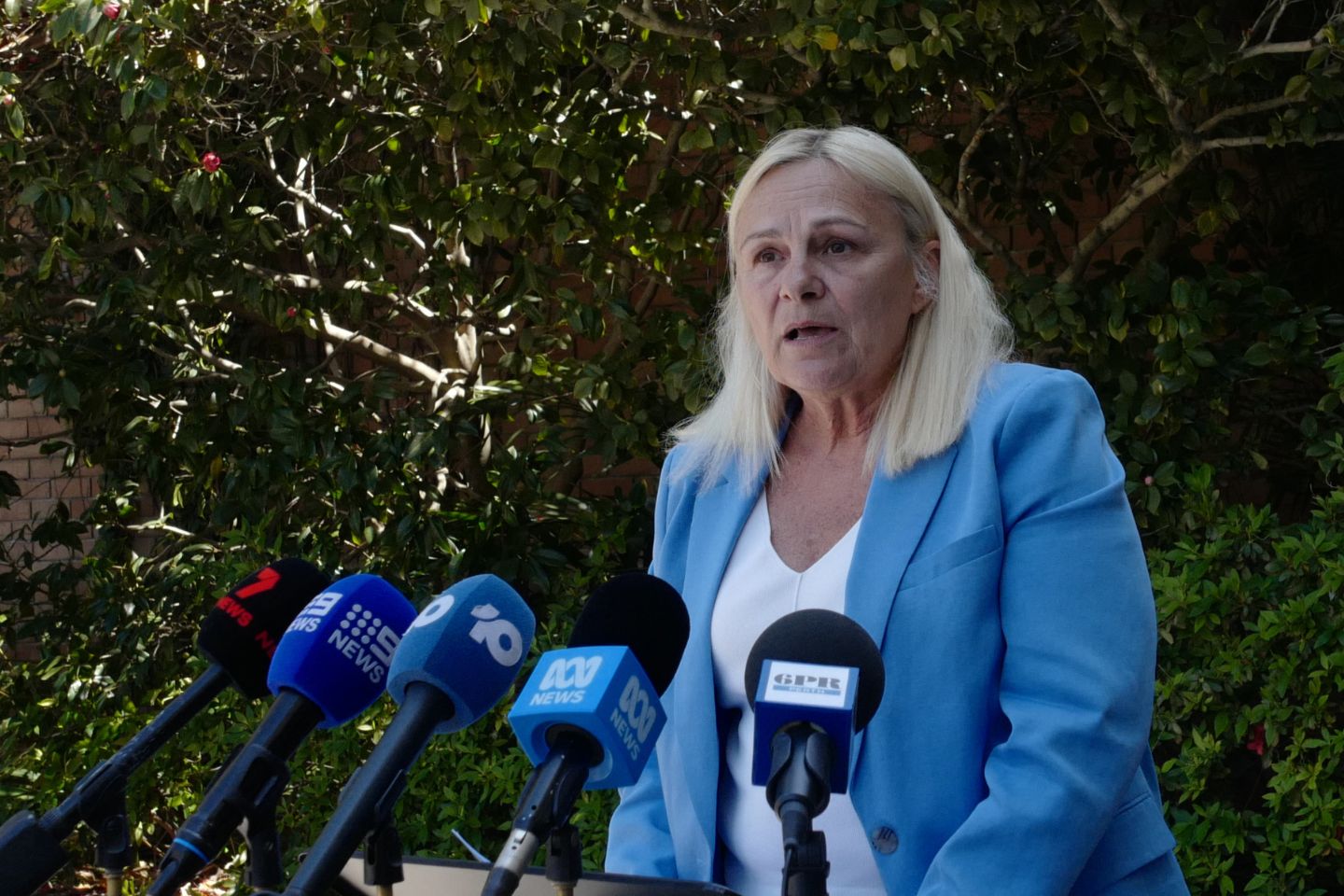
Bank chief's big watch on inflation cost of Iran action

Published

on

Bank chief's big watch on inflation cost of Iran action

It’s unclear if financial conditions can bring inflation under control or whether conflict in Iran will make it worse, the Reserve Bank governor says.

Continue Reading

Business

More than 5,000 tourists stranded in Phuket as over 30 flights are canceled

Published

on

Phuket Tourism Groups Call on Hotels to Support Stranded Travelers Amid Middle East Crisis

Numerous tourists have been left stranded in Bangkok, Phuket, and Samui as a result of extensive flight cancellations, especially from long-haul markets dependent on Middle Eastern transit hubs.

This disruption has caused significant inconvenience for travelers, many of whom are struggling to find alternative routes or accommodations. Local authorities and airlines are working to address the situation, but the sheer volume of affected passengers has overwhelmed available resources. Tourism-dependent businesses in these regions are also feeling the impact, as cancellations ripple through the hospitality and service sectors.

Key Points

  • Scale of disruption: Over 5,000 tourists are stranded in Phuket alone, with more than 30 flights canceled. Samui and Koh Phangan also face extended stays for over 1,000 visitors.
  • Tourism industry response: Thai tourism associations and operators are coordinating with hotels and authorities to provide accommodation, waive rescheduling/cancellation fees, and offer discounted room rates.
  • Government measures: The Tourism Council of Thailand and the Ministry of Tourism are surveying stranded travelers and assisting with visa issues. Evacuation flights for Thai citizens in the Middle East have also been ordered.
  • Economic concerns: Cancellations from Middle Eastern transit hubs account for about 50% of Thailand’s long-haul trips. If the conflict continues, travel sentiment may weaken through the Songkran festival.
  • Long-term outlook: Rising fuel costs could push airfares higher, but Thailand may position itself as a safe haven for long-stay tourists and investors.

In short, the upheaval has disrupted inbound tourism flows, but Thailand’s public and private sectors are working to mitigate the immediate impact and sustain confidence in the country as a safe destination. bangkokpost.com

✈️ Scope of Disruption

  • Total impact: 2,655 flight cancellations and 2,508 delays across Asia and the Middle East.
  • Countries affected: Thailand, India, China, Singapore, UAE, Qatar, Saudi Arabia, Israel, Jordan, and the Philippines.
  • Major hubs hit: Dubai, Doha, Abu Dhabi, Tel Aviv, Amman, Jeddah, Mumbai, Delhi, Kolkata, Hyderabad, Bangkok, Guangzhou, Beijing, Shanghai, Singapore, Manila.

🛫 Airports Most Affected

  • Dubai International: 1,106 cancellations (highest).
  • Guangzhou Baiyun: 864 delays (highest).
  • Beijing Capital: 318 delays.
  • Singapore Changi: 264 delays.
  • Bangkok Suvarnabhumi: 218 delays.
  • Delhi: 144 delays (highest in India).

🏢 Airlines Most Impacted

  • Emirates: 464 cancellations in Dubai, plus disruptions in Singapore, Guangzhou, Beijing, and India.
  • Qatar Airways: Cancellations in Bangkok, Singapore, Manila, and India.
  • Etihad Airways: Multiple cancellations across hubs.
  • China Southern Airlines: 381 delays in Guangzhou.
  • Air China: 215 delays in Beijing.
  • IndiGo & Air India: Dozens of cancellations and delays in Mumbai and Delhi.
  • Singapore Airlines, Scoot, Thai Airways, PAL Express, Philippine Airlines: Significant delays but fewer cancellations.

📊 Regional Patterns

  • Gulf hubs (Dubai, Doha, Abu Dhabi): Cancellation-heavy disruptions.
  • Chinese hubs (Guangzhou, Beijing, Shanghai): Delay-heavy congestion.
  • Southeast Asia (Bangkok, Singapore, Manila): Delay-dominant disruptions with fewer outright cancellations.

👥 Passenger Guidance

  • Check airline apps or websites for real-time updates.
  • Contact customer service for rebooking.
  • Keep boarding passes and receipts for compensation claims.
  • Allow extra time for airport processing.
  • Confirm onward connections before departure.

Continue Reading

Business

What can you learn from an MBA?

Published

on

Executive Elevation: What can you learn from an MBA?

For professionals already operating in the world of business, the question is rarely what an MBA is and more pointedly, what an MBA can actually teach me that experience hasn’t already.

Mid- to senior-level managers, founders, and technical specialists often reach a threshold. They’re capable operators. They understand the role they play. They deliver results. Yet progression to enterprise-level influence, shaping strategy, steering transformation, and leading across disciplines demands a broader and more integrated capability set.

An MBA is designed to push the boundaries of what a qualification is, away from being a collection of business subjects. At its best, it is a structured reset of how you think, decide, and lead.

Expanding from Functional Expertise to Enterprise Vision

One of the most significant shifts MBA graduates experience is moving from functional experience to an enterprise-wide perspective. Many professionals begin their careers as specialists in finance, operations, engineering, marketing, HR, or technology. Over time, they become highly competent within that lane. But executive leadership requires something different: the ability to see how every function connects to value creation.

Advertisement

An MBA curriculum is designed to bridge these silos. Participants begin to see how capital allocation influences innovation, how supply chain decisions affect brand positioning, and how culture impacts financial performance.

For experienced professionals who cannot step away from their roles, many now choose to study an MBA online, integrating executive-level learning into real-time leadership challenges. The immediate application of theory to practice accelerates the shift from manager of a function to architect of an organisation. This systems-first thinking is often the first major elevation.

Strategic Thinking at Scale

Strategy is frequently misunderstood as planning. In reality, it is disciplined choice-making under uncertainty. MBA programs place heavy emphasis on competitive positioning, resource allocation, market dynamics, and long-term value creation. Through case analysis, simulations, and applied projects, participants learn to interrogate where the organisation should compete, what capabilities truly differentiate it, how scarce capital should be deployed, and which risks are worth taking.

Research consistently shows that strategic thinking ranks among the most valued capabilities employers seek in MBA graduates. In an environment defined by volatility, digital disruption, and geopolitical complexity, this capability can help set you apart. Especially for executives, the MBA sharpens the ability to move beyond quarterly pressures and toward a durable competitive advantage.

Advertisement

Financial Fluency for Non-Financial Leaders

Even seasoned leaders can underestimate the extent to which financial literacy underpins executive credibility. An MBA deepens understanding of financial statement analysis, capital budgeting, valuation methodologies, mergers and acquisitions, risk modelling, and investment appraisal. The goal is not to turn every participant into a CFO but to ensure every executive can interrogate financial data, assess investment proposals, and understand the implications of strategic decisions on enterprise value.

For founders and business owners, this often becomes transformative. Financial frameworks move from abstract accounting constructs to strategic tools. Leaders become more confident in negotiations, capital raising discussions, and board-level conversations about change.

Leading Through Ambiguity and Change

Modern business leadership is defined less by stability and more by navigation. For this reason, modern MBA programs increasingly focus on change management, adaptive leadership, and organisational behaviour. Participants examine why transformations fail, how culture shapes execution, and how to influence without formal authority.

Through structured reflection and peer challenge, candidates confront their own leadership blind spots. Feedback loops, often uncomfortable but invaluable, accelerate personal growth. The outcome is better management and more resilient, self-aware leadership.

Advertisement

Data Literacy and Analytical Decision-Making

In boardrooms and executive teams, intuition must now coexist with evidence. MBA programs embed analytics, data visualisation, and decision science into core curricula. Leaders learn to interpret datasets critically, understand statistical significance, challenge flawed assumptions, and translate data into a strategic narrative.

This is particularly relevant as artificial intelligence and automation reshape industries. Senior leaders must understand operational implications as well as governance, ethics, and competitive positioning related to technology. The ability to combine data-driven insight with human judgment is increasingly a defining executive competency.

Communication and Influence at the Executive Level

Technical expertise may secure promotion, but executive presence sustains it. MBA programs devote significant attention to communication. Beyond presentation skills, this includes persuasive framing, negotiation, and stakeholder management.

Through group work, consulting projects, and simulations, participants refine their ability to build compelling business cases, navigate board dynamics, manage cross-functional conflict, influence investors and partners, and inspire high-performing teams. For experienced professionals, this sharpening of interpersonal capability often yields immediate career impact.

Advertisement

A Broader Professional Network

One of the most underestimated learnings of an MBA is relational. Cohorts typically include professionals from multiple industries, geographies, and functions. Exposure to different operating models and leadership styles expands perspective beyond one’s own sector.

These industry-relevant relationships frequently translate into partnerships, board appointments, referrals, and investment opportunities. For readers operating in established business ecosystems, network density can become a strategic asset in its own right.

Career Acceleration and Economic Outcomes

While learning and leadership development are central, economic impact cannot be ignored. Global recruiter surveys consistently indicate that MBA graduates remain among the most sought-after talent pools for senior roles. C-suite pathways, consulting, private equity, program leadership, and operational directorships are common trajectories. Salary uplifts vary by industry and geography, but longitudinal alumni studies frequently report significant post-MBA increases.

For many executives, the qualification acts as both a capability enhancement and a signalling mechanism, demonstrating commitment to continuous development and readiness for broader responsibility.

Advertisement

The Psychological Identity Shift into Becoming a Leader

Perhaps the most subtle but powerful learning is internal. An MBA often marks a psychological shift from a high-performing manager to an enterprise leader. The structured exposure to strategy, finance, innovation, and organisational complexity builds confidence to engage at the board level and beyond.

Participants frequently report greater clarity in career direction, a stronger professional identity, and an increased appetite for calculated risk, which all contribute to the ability to deliver congruent leadership. Executive elevation can be about title or remuneration, but it also involves expanding one’s capacity to influence outcomes at scale.

Key Takeaways

In an era of micro-credentials, online certificates, and rapid skill cycles, some question whether the MBA remains relevant. The answer lies in integration. Short courses can sharpen individual tools. An MBA integrates them into a coherent leadership framework. It connects finance to strategy, analytics to innovation, and performance culture to help you stay within the range of jobs that will be in demand for a long time.

An MBA challenges assumptions accumulated through experience and reframes them within contemporary global contexts. For business professionals already immersed in the commercial world, the MBA is, therefore, less about entry and more about expansion. It does not replace experience. It refines it.

Advertisement
Continue Reading

Business

Capstone Copper Corp. (CS:CA) Q4 2025 Earnings Call Transcript

Published

on

OneWater Marine Inc. (ONEW) Q1 2026 Earnings Call Transcript

Operator

Good afternoon, and welcome to the Capstone Copper Q4 2025 Results Conference Call. [Operator Instructions] This call is being recorded on Monday, March 2026. I would now like to turn the conference over to Daniel Sampieri. Please go ahead.

Daniel Sampieri
Vice President of Investor Relations

Advertisement

Thank you, operator, and thank you, everyone, for joining us today to discuss our fourth quarter results. Please note that the news release and regulatory filings are available on our website and on SEDAR+. If you are logged into the webcast, we will advance the slides of today’s presentation, which are also available in the Investors section of our website. I’m joined today by our President and CEO, Cashel Meagher; our SVP and Chief Operating Officer; Jim Whittaker, our SVP and Chief Financial Officer, Raman Randhawa; and our SVP Risk, ESG and General Counsel, Wendy King.

During the Q&A session at the end of the call, we will also be joined by our Head of Technical Services, Peter Amelunxen, who is available for questions.

Please note that comments made on the call today

Advertisement
Continue Reading

Business

Rs 6.35 lakh crore wiped out as oil spike and war fears grip markets

Published

on

Rs 6.35 lakh crore wiped out as oil spike and war fears grip markets
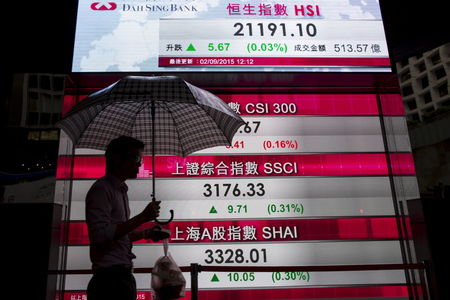
Mumbai: Indian stocks and the rupee slumped while precious metals soared Monday, with investors cutting back on risk in the face of the full-blown conflict between US-Israel and Iran. The sell-off eroded BSE-listed companies’ market value by Rs 6.35 lakh crore.

Oil jumped nearly 8% as concerns over supply disruptions in West Asia – the world’s top energy hub – drove up prices, underscoring India’s vulnerability as a net importer.

NSE’s Nifty fell 312.95 points, or 1.2%, to close at 24,865.70. BSE’s Sensex declined 1048.34 points or 1.3% to end at 80,238.85.

“The markets are reacting to the unprecedented geopolitical events in the Gulf,” said Nilesh Shah, MD, Kotak Asset Management.

Advertisement

“The Street is concerned about price as well as availability of oil and safety of our nine million plus citizens in West Asia and the flow of remittance,” said Shah.

Screenshot 2026-03-03 055924Agencies

Import Bill may Rise
Brent crude stood near $79 a barrel on Monday after opening above $81 earlier in the day, with the clash shutting the Strait of Hormuz – a key transit route off Iran’s coast used to transport oil and gas. One of Saudi Arabia’s Aramco refineries temporarily halted operations on Monday following an attack by an Iranian drone. If the war continues for longer, oil forecasters are not ruling out Brent at $100.

“Rising West Asia tail risks raise the probability of a $100/bbl oil scenario, arguing for caution on risk assets and patience before buying any near-term dips,” said Barclays in a client note on Monday.

According to media reports, US President Donald Trump expects the conflict to last for about four weeks. The probability of a prolonged conflict comes in the wake of existing concerns over the fallout of AI-related disruptions and unpredictability in the US tariff policy on risk asset valuations in the emerging markets.

Higher crude prices increase India’s import bills, putting pressure on rupee. They simultaneously increase risk of imported inflation, potentially narrowing the policy space for India’s rate-setting panel.

Advertisement

Foreign portfolio investors net sold shares worth ₹3,295.64 crore on March’s first trading day after turning buyers worth ₹19,782 crore in February.

Continue Reading

Business

Gold extends gains as Middle East war boosts safe-haven demand

Published

on

Gold extends gains as Middle East war boosts safe-haven demand
Gold prices rose for a fifth consecutive session on Tuesday, as investors sought safe-havens amid an escalating U.S. and Israeli air war against Iran, raising fears the conflict could spiral into a protracted regional war and deepen uncertainty.

FUNDAMENTALS

  • Spot gold was up 1% at $5,377.21 per ounce, as of 0122 GMT. In the previous session, bullion climbed to its highest point ‌in more than ⁠four ⁠weeks after the U.S. and Israel launched strikes on Iran over the weekend.
  • U.S. gold futures for April delivery were up 1.5% at $5,391.90.
  • The dollar hovered close to a more than five-week high reached on Monday, supported by firm demand and cautious market sentiment.
  • A stronger greenback typically makes dollar-denominated assets such as bullion more expensive for other currency holders. But in crisis conditions, gold trades more as ⁠a risk hedge ‌than as a currency alternative.
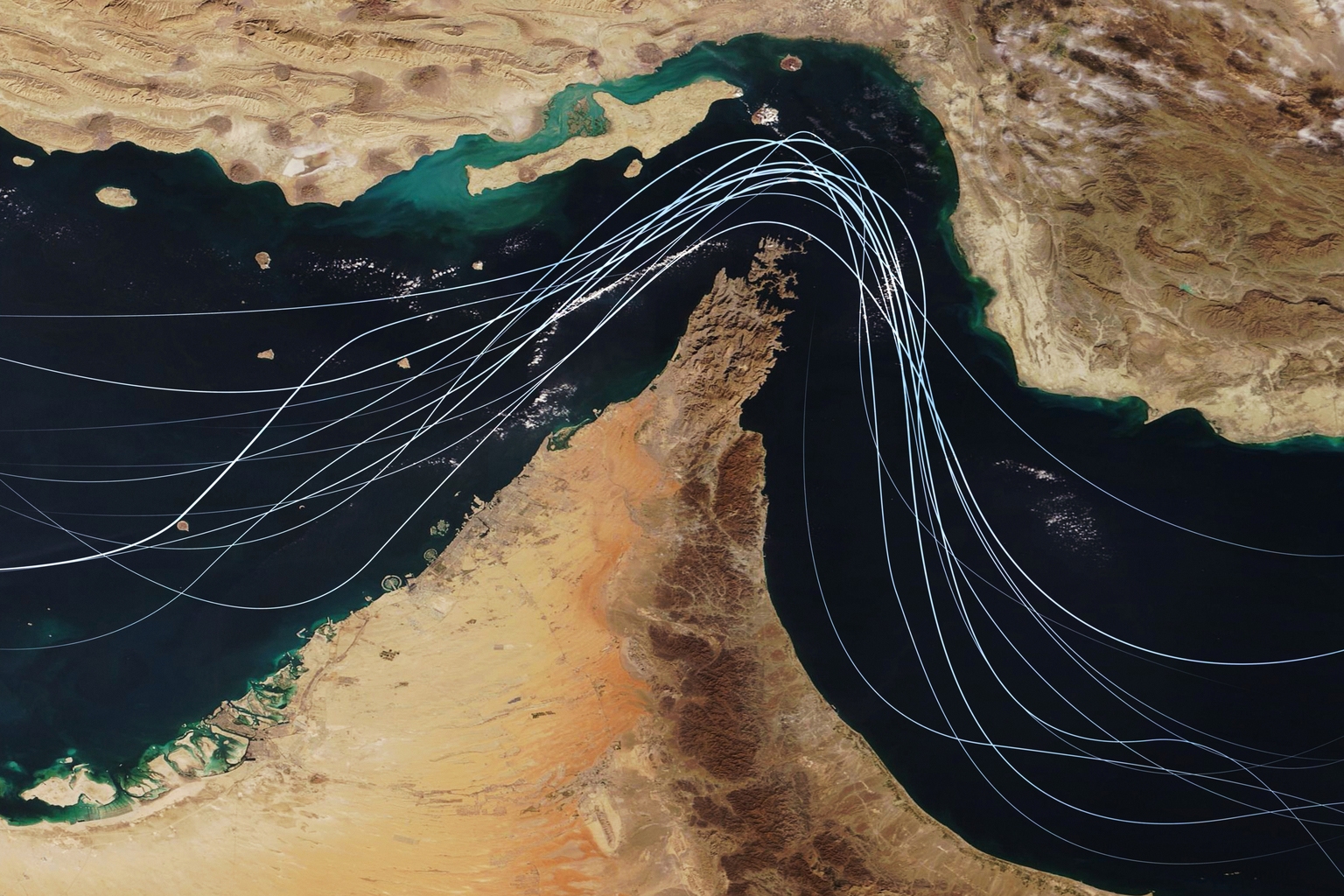
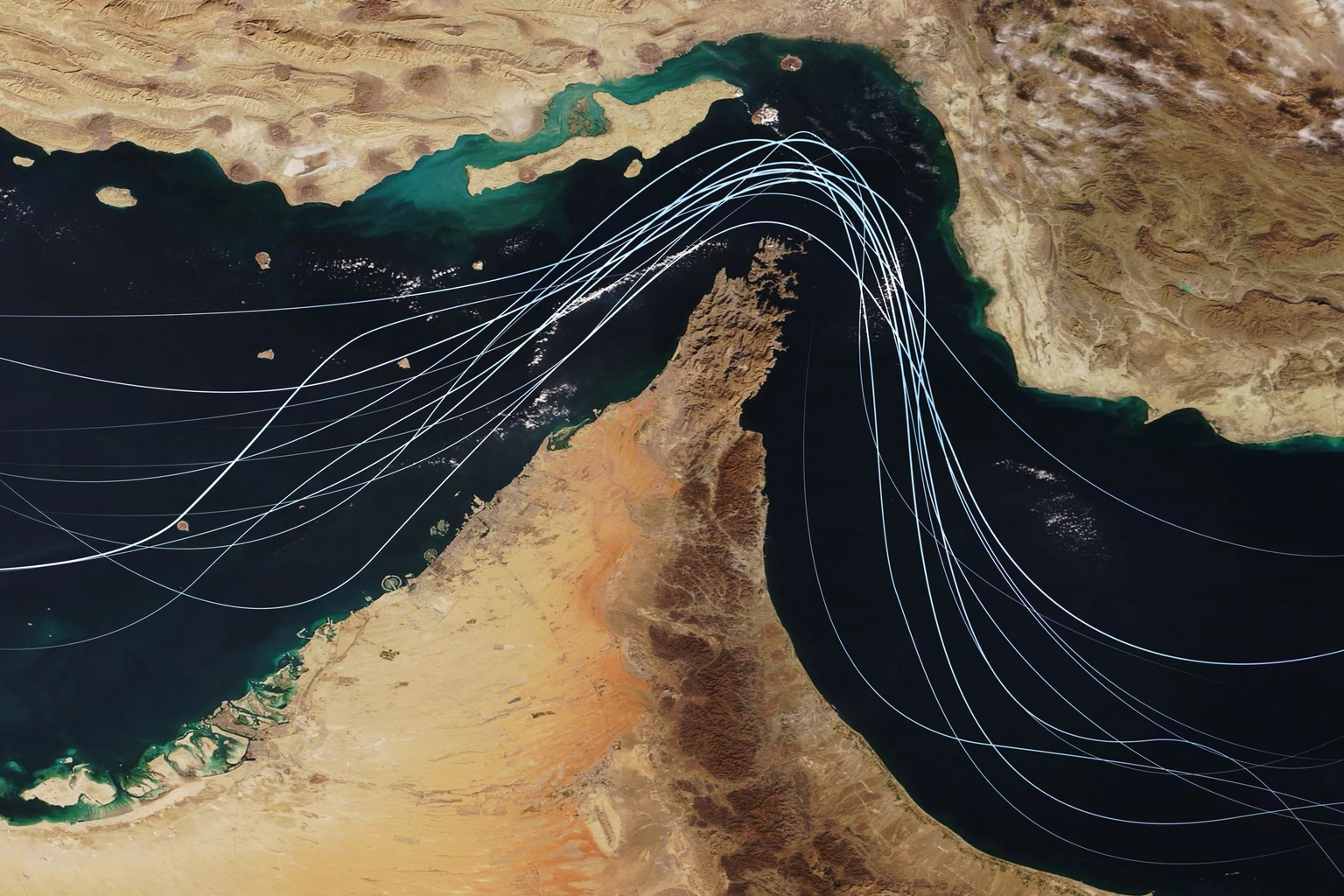
  • Iranian media reported that a senior official from the Islamic Revolutionary Guards said on Monday the Strait ⁠of Hormuz has been closed and warned that Iran would fire on any ship trying to pass through the strategic waterway.
  • This is Iran’s most explicit warning since telling ships it was closing the export route on Saturday, a move that threatens to choke a fifth of global oil flows and send crude prices sharply higher.
  • U.S. President Donald Trump said that he ordered the attack on Iran to thwart what he described ‌as imminent threats from Tehran’s nuclear and ballistic missile programmes, vowed to pursue the conflict for as long as necessary, while warned a “big wave” of further attacks was ⁠coming soon, without providing specific details.
  • The attack on Iran has pitched the Gulf into war, killed scores of civilians in Iran, Israel and Lebanon, thrown global air transport into chaos and shut down shipping through the Strait of Hormuz.
  • Spot silver rose 1.4% to $90.67 per ounce on Tuesday, after climbing to a more than four-week high in the previous session.
  • Spot platinum added 0.6% to $2,316.50 per ounce, while palladium gained 1.6% to $1,795.08.
Continue Reading

Business

Yen, euro under pressure as Middle East conflict stokes energy concerns

Published

on

Yen, euro under pressure as Middle East conflict stokes energy concerns
TOKYO: The yen and euro were broadly lower on Tuesday as the widening Middle East conflict focused attention on countries dependent on energy imports and how central banks may respond to inflation pressures.

The dollar benefited from safe-haven demand as the U.S. and Israeli air war against Iran spilled out into neighboring countries. The euro steadied after sliding more than 1% as doubts swirled about when oil shipments from ‌the region will ⁠be restored.

Japanese ⁠Finance Minister Satsuki Katayama suggested that currency market intervention remains an option to defend the yen, and a speech by Bank of Japan Kazuo Ueda later in the day will be closely watched for signals on future rate hikes.

“Europe and Japan stand out within the major economies, in that they still have a great need to import energy,” Rodrigo Catril, a currency strategist at National Australia Bank, said on a podcast. “History will tell you that currencies such as the ⁠yen and the ‌euro would struggle to perform.”

Advertisement

The dollar index, which measures the greenback against a basket of currencies, traded at 98.49 after a 0.9% surge in the previous session. ⁠The euro edged up 0.07% to $1.1695.


The yen tacked on 0.09% to 157.2 per dollar after a 0.8% tumble in Monday’s session. Sterling was little changed at $1.3407.
Japan’s Katayama said on Tuesday that authorities have been in close contact with overseas financial officials and are closely monitoring financial markets with an “extremely strong sense of urgency.” Israel attacked Lebanon in response to strikes by Hezbollah, and Tehran kept up its missile and drone attacks on Gulf states. Qatar halted its production of liquefied natural gas on Monday, prompting precautionary ‌shutdowns of oil and gas facilities across the Middle East.

Europe and Japan are more exposed to higher energy costs than the U.S., which is a net energy exporter.

Concerns that higher inflation will delay ⁠the Federal Reserve’s next cut in interest rates also boosted the dollar.

A rate cut is no longer fully priced in until September, compared to previous expectations of July, based on pricing in the Fed funds futures market. Traders continue to price in two 25-basis-point cuts by year-end.

Advertisement

The Swiss National Bank said it was more willing to intervene in foreign currency markets after the conflict in the Middle East pushed the Swiss franc to its highest level against the euro in more than a decade.

The Australian dollar strengthened 0.21% to $0.7106. The kiwi added 0.1% to $0.5946.

In cryptocurrencies, bitcoin fell 0.78% to $68,889.68 and ether declined 0.6% to $2,031.20.

Advertisement
Continue Reading

Business

Stock market holiday today for Holi 2026: Are NSE BSE open or closed on March 3 for Holi celebration? Check now

Published

on

Stock market holiday today for Holi 2026: Are NSE BSE open or closed on March 3 for Holi celebration? Check now
Indian equity markets BSE and the NSE, will remain closed today on account of the Holi holiday. Although the exchanges have declared the holiday for today, the festival of colours will be celebrated across large parts of the country on Wednesday, March 4.

The country’s largest non-agricultural commodity exchange, the Multi Commodity Exchange of India (MCX) is shut for trading in the first session between 9 am and 5 pm, but will resume trading in the evening session from 5 pm to 11:30.

Meanwhile, the largest agricultural bourse, the National Commodity & Derivatives Exchange (NCDEX), will remain shut for both trading sessions.

The frontline indices Nifty and the BSE Sensex ended with deep cuts on Monday amid selling pressure across the board. Sectorally, financials, auto and consumer stocks were the worst hit. In a volatile session, the broader Nifty plunged 313 points, or 1.24%, to close at 24,865.70, while the 30-share Sensex plunged 1,048 points, or 1.29%, to settle at 80,238.85.

Advertisement

The fear index India VIX shot up 25% in the previous session to settle at 17.13.


Decoding the technical charts, Ajit Mishra, Senior Vice President – Research at Religare Broking said the sharp decline has pushed the Nifty closer to its swing low around the 24,600 level, and a decisive break below this could extend the correction towards the 24,400 mark. “On the upside, the 25,000–25,250 zone is likely to act as an immediate hurdle in case of any recovery. Given the heightened volatility and global uncertainty, we reiterate our advice to maintain a cautious stance, keep position sizes light and focus on disciplined risk management,” he said.
2026 holiday list
In the holiday calendar released last year, the exchanges had initially announced 15 trading holidays but later added January 15 as an additional holiday on account of the Mumbai BMC elections. After this, the domestic markets were closed on January 26 on account of a Republic Day.
The equity markets are closed on two other occasions in March. They will be closed on Thursday, March 26 for Shri Ram Navami and on Tuesday, March 31 for Shri Mahavir Jayanti.

The next holiday will fall on Friday, April 3 which will be a Good Friday. Markets will also be shut on Ambedkar Jayanti on April 14, Maharashtra Day on May 1 and Bakri Id on May 28.

The second half of the year includes Muharram on June 26, Ganesh Chaturthi on September 14 and Gandhi Jayanti on October 2. Dussehra falls on October 20, followed by Diwali Balipratipada on November 10 and Guru Nanak Jayanti on November 24. The final trading holiday of the year will be Christmas on December 25.

The small surprise in the circular is that there is no mention of holiday for Diwali as it is falling on a weekend (Sunday). The Muhurat Trading will be conducted on Sunday, November 08, 2026 and the timings of Muhurat Trading will be notified subsequently.

Advertisement

The exchanges may alter any of the above holidays, for which a separate circular shall be issued in advance.

(Disclaimer: The recommendations, suggestions, views, and opinions given by the experts are their own. These do not represent the views of The Economic Times.)

Continue Reading

Business

Gold rises as Middle East conflict widens; stronger dollar limits upside

Published

on


Gold rises as Middle East conflict widens; stronger dollar limits upside

Continue Reading

Business

The Bottom Fishing Club – Accenture Stock: Rare Bargain Valuation Opportunity (NYSE:ACN)

Published

on

The Bottom Fishing Club - Accenture Stock: Rare Bargain Valuation Opportunity (NYSE:ACN)

This article was written by

Nationally ranked stock picker for 30+ years. Victory Formation and Bottom Fishing Club quant-sort pioneer…..Paul Franke is a private investor and speculator with 39 years of trading experience. Mr. Franke was Editor and Publisher of the Maverick Investor® newsletter during the 1990s, widely quoted by CNBC®, Barron’s®, the Washington Post® and Investor’s Business Daily®. Paul was consistently ranked among top investment advisors nationally for stock market and commodity macro views by Timer Digest® during the 1990s. Mr. Franke was ranked #1 in the Motley Fool® CAPS stock picking contest during parts of 2008 and 2009, out of 60,000+ portfolios. Mr. Franke was Director of Research at Quantemonics Investing® from 2010-13, running several model portfolios on the Covestor.com mirror platform (including the least volatile, lowest beta, fully-invested equity portfolio on the site). As of December 2025, he was ranked in the Top 4% of bloggers by TipRanks® for 12-month stock picking performance on suggestions made over the last five years.A contrarian stock selection style, along with daily algorithm analysis of fundamental and technical data have been developed into a system for finding stocks, named the “Victory Formation.” Supply/demand imbalances signaled by specific stock price and volume movements are a critical part of this formula for success. Mr. Franke suggests investors use 10% or 20% stop-loss levels on individual choices and a diversified approach of owning at least 50 well positioned favorites to achieve regular stock market outperformance. “Bottom Fishing Club” articles focus on deep value candidates or stocks experiencing a major reversal in technical momentum to the upside. “Volume Breakout Report” articles discuss positive trend changes backed by strong price and volume trading action.

Analyst’s Disclosure: I/we have a beneficial long position in the shares of ACN either through stock ownership, options, or other derivatives. I wrote this article myself, and it expresses my own opinions. I am not receiving compensation for it (other than from Seeking Alpha). I have no business relationship with any company whose stock is mentioned in this article.

This writing is for educational and informational purposes only. All opinions expressed herein are not investment recommendations and are not meant to be relied upon in investment decisions. The author is not acting in an investment advisor capacity and is not a registered investment advisor. The author recommends investors consult a qualified investment advisor before making any trade. Any projections, market outlooks, or estimates herein are forward-looking statements based upon certain assumptions that should not be construed as indicative of actual events that will occur. This article is not an investment research report, but an opinion written at a point in time. The author’s opinions expressed herein address only a small cross-section of data related to an investment in securities mentioned. Any analysis presented is based on incomplete information and is limited in scope and accuracy. The information and data in this article are obtained from sources believed to be reliable, but their accuracy and completeness are not guaranteed. The author expressly disclaims all liability for errors and omissions in the service and for the use or interpretation by others of information contained herein. Any and all opinions, estimates, and conclusions are based on the author’s best judgment at the time of publication and are subject to change without notice. The author undertakes no obligation to correct, update or revise the information in this document or to otherwise provide any additional materials. Past performance is no guarantee of future returns.
Thanks for reading. Please consider this article a first step in your due diligence process. Consulting with a registered and experienced investment advisor is recommended before making any trade.

Advertisement

Seeking Alpha’s Disclosure: Past performance is no guarantee of future results. No recommendation or advice is being given as to whether any investment is suitable for a particular investor. Any views or opinions expressed above may not reflect those of Seeking Alpha as a whole. Seeking Alpha is not a licensed securities dealer, broker or US investment adviser or investment bank. Our analysts are third party authors that include both professional investors and individual investors who may not be licensed or certified by any institute or regulatory body.

Continue Reading

Trending

Copyright © 2025