
Business
Uncertainty remains the primal force impacting ingredients markets




CryoCell International earnings beat by $0.10, revenue topped estimates

In late March, a group of sixteen European NGOs sounded the alarm over suspected tobacco industry influence at the heart of a key EU advisory body.
The public health coalition notably points to a recent report from the European Economic and Social Committee’s (EESC) that echoes industry talking points in the debate over the ongoing revision of the EU’s Tobacco Excise Tax Directive (TED).
Tellingly, the EESC warns against “excessive increases” on the grounds that they could fuel illicit trade, thereby recycling one of the tobacco industry’s oldest false narratives arguments against stronger regulation, while disregarding World Health Organization (WHO) guidance on this policy’s unmatched effectiveness in curbing tobacco use.
With the WHO European region leading global tobacco and nicotine consumption, the TED revision represents a once-in-a-generation opportunity to bolster EU tobacco control, resist industry influence and decouple the case for effective taxation policy from the illicit trade debate. In this endeavour, French MP Frédéric Valletoux recently offered a strong path forward for France and Europe to tackle the growing parallel trade enabled by Big Tobacco, which keeps smoking rates high while draining fiscal revenues that could be reinvested in national health systems.
Valletoux’s parallel tobacco trade warning
Among the European countries most exposed to illicit tobacco flows, France is arguably best placed to call Big Tobacco’s bluff. In a February letter addressed to French Prime Minister Sébastien Lecornu – and revealed by La Tribune Dimanche– Frédéric Valletoux, chair of the National Assembly’s Social Affairs Committee, calls out cigarette manufacturers’ role in fueling the parallel trade through the “organised oversupply” of countries bordering France.
With this missive, MP Valletoux has rightly identified parallel tobacco resulting from the industry-fueled oversupply as the main driver of the EU’s broader illicit market, with Big Tobacco flooding lower-tax neighbouring markets serving as an efficient way to weaken the impact of France’s high excise taxes. Valletoux notably points to the damning example of Luxembourg, which receives around 5 billion cigarettes a year despite domestic consumption of just 600 million, with this eightfold surplus feeding the parallel markets in France, Belgium and Germany. Meanwhile, France is supplied with only 25.5 billion cigarettes when the market should normally receive around 41.5 billion, with the remaining 16 billion bought abroad.
This is no minor market distortion. Published in October 2025, a joint report by French Customs and Interministerial Mission for Combating Drugs and Addictive Behaviours (MILDECA), found that the parallel tobacco trade costs the French state €4.3 billion in lost tax revenue each year, while destabilising the tobacconist network and weakening anti-smoking efforts. As Valletoux notes, this plague of cheap tobacco keeps smokers trapped in addiction, draws younger users in through lower prices and in turn worsens tobacco’s annual social cost, estimated at €156 billion in France alone.
Clearing the air on counterfeits myth
Crucially, the Customs-MILDECA findings also puncture one of the tobacco industry’s most useful myths to obscure its facilitation of the parallel trade. As Valletoux’s letter highlights, this report reveals that 80% of France’s parallel tobacco market comes from purchases in neighbouring countries, while counterfeit cigarettes and informal street resale make up only a marginal share. The only other official quantitative study conducted in the EU, in Ireland, has reached the same conclusion.
When two official studies from two EU member-states point in the same direction, the credibility of the annual KPMG report on illicit tobacco consumption is bound to come into question. Indeed, the industry has spent years overstating the role of counterfeiting while drawing attention away from cross-border oversupply, enlisting lobbying support from the KPMG reports it funds to the tune of €11 million every year, according to the CNCT.
This practice is not unique to France. In early March, the Global Center for Good Governance in Tobacco Control (GGTC) published a report concluding that across many countries, the tobacco industry routinely deploys illicit trade as a weapon against tax increases and anti-smoking measures. Interestingly, the report also flags the repeated criticism of the KPMG studies targeting its methodological weakness and striking lack of transparency.
Moreover, as the GGCT report’s authors note, contraband products largely originate in manufacturers’ own supply chains, with an independent review of Philip Morris International’s methodology finding that as many as two-thirds of illicit cigarettes worldwide are produced by the tobacco majors themselves, before entering informal markets through oversupply and deliberate leakage.
Given the damning findings of both the GGTC and Customs–MILDECA reports, KPMG’s next report, due in June 2026, will reveal whether the tobacco industry’s narrative can still be credibly sustained. Should its figures again prove distorted or misleading, serious questions will have to be asked about whether a report used systematically as a tobacco industry lobbying tool violates the lobbying rules outlined in Article 5.3 of the WHO Framework Convention on Tobacco Control (WHO FCTC).
Europe’s only path forward
In pushing back against this tobacco industry manipulation, France has already taken a vital first step. With the support of the French Government, the National Assembly unanimously adopted on 26 November 2025 a European resolution tabled by Frédéric Valletoux calling for the implementation of the WHO Protocol to Eliminate Illicit Trade in Tobacco Products. Non-binding though such resolutions may be, this one sends a clear political signal and positions France at the forefront of Europe’s anti-tobacco effort.
The urgency is hard to overstate. As MP Valletoux has argued, the Protocol should have been implemented by the EU and its member states from 25 September 2018. Instead, under tobacco lobby pressure, the Commission failed to take the steps needed for enforcement, creating a deadlock that has allowed the parallel trade to flourish, particularly in countries with stronger tobacco control rules. Yet, contrary to Big Tobacco’s claims, the policy remedy is encouragingly simple.
As Valletoux asserts, the only viable starting point is the robust enforcement of the WHO Protocol, ensuring real independence from the industry and effective guardrails against its interference. In his letter to the French Prime Minister, Valletoux calls for this step’s completion by 1 January 2027, leaving ample time for France to establish a new cigarette traceability system fully independent from manufacturers, in line with Article 8 of the Protocol. At present, tobacco companies still select and pay the IT providers responsible for cigarette sales data in the EU, in violation of the WHO model that requires traceability systems to be controlled by states.
According to Valletoux, an exemption request, regularly used to accelerate the implementation of public health measures, could allow the WHO Protocol to apply in place of Articles 15 and 16 of the EU’s Tobacco Products Directive (TPD). Supply controls should also be addressed directly, with a decree setting the volumes manufacturers are permitted to deliver each year. With Valletoux showing the way forward, the French government should now take this position to Brussels and work with the Commission to secure a far more robust tobacco control framework grounded in the WHO FCTC and its Protocol. Anything less will mean continuing to surrender public health and revenue to Big Tobacco once again.

In the current competitive digital environment, companies are no longer evaluated solely on their products or services. Reliability, performance, and user experience are now paramount. Infrastructure is usually a single important factor for many growing companies in terms of scaling efficiency.
With the continued digitization of operations of small and medium-sized enterprises (SMEs), hosting is no longer merely a technical decision but also a strategic one. Early investment in the appropriate infrastructure tends to put companies in a better position to develop sustainably and compete in the challenging markets.
Why Infrastructure Matters More Than Ever
In the world of the modern business, when downtime is expensive and slow performance may send customers away, modern businesses are required to operate in this environment. It could be an eCommerce store with peak traffic or a SaaS that could have users worldwide but performance consistency is a must.
Traditional shared hosting plans might be suitable to the business at the initial stage, but it does not always manage to handle the growing demand. Dedicated hosting is a better option in this case. By providing exclusive resources, dedicated servers ensure stability, speed, and reliability key elements for business growth.
Expanding Across Markets with Confidence
Hosting location is becoming increasingly significant as UK-based businesses and startups seek to expand into international markets. The location of your servers determines the latency, data regulations, and user experience.
Dedicated servers in Europe provide a strategic advantage for businesses with European-targeted customers. Hosting closer to the target audience enables companies to reduce latency, improve load times, and deliver a more seamless digital experience.
It is especially significant in the case of SMEs that want to compete with bigger and more established brands. More efficient and quicker platforms can be of great assistance in the customer retention and satisfaction.
Scalability and adaptability of Expanding Companies
The other major benefit of dedicated servers is the degree of control that they offer. Businesses are able to make the most out of their server setup, unlike in common environments where the setup can only be configured so far to suit the operational requirements.
In fact, Linux dedicated servers are favored by many companies for their security, stability, and flexibility. The Linux-based environments have been highly adopted in business applications, and it provides cost effective and scalable environment to companies that need reliable environment without any unnecessary overheads.
This degree of customisation enables businesses to optimise performance, introduce customised security, and faster adaptability to emerging demands.
Supporting Performance-Driven Growth
Revenue is directly connected to performance in areas like fintech, online services and digital marketplaces. Any slight delay in page loading or transaction processing may affect user trust and conversion rates.
Dedicated servers offer stable performance because there is no resource sharing. This is to ensure that businesses can handle traffic surges without affecting user experience.
This trustworthiness can be a breakthrough to SMEs. It allows them to deliver enterprise-level performance without the enterprise-level complexity, competing better in a crowded market without being overly complicated.
Enhancing Business Continuity and Security.
Security in cyberspace is an issue that is on the rise among both small and big businesses. Data breaches and system failures can be very costly and reputation-wise.
Dedicated hosting environment provides better security as the resources are isolated, and the businesses are able to use advanced protection measures. Companies can now have more control over how their data is controlled and safeguarded, with custom firewalls, monitoring systems, and so on.
Also, increased reliability means less downtime, which is vital because it guarantees business continuity even at times of high demand or unforeseen difficulties.
An Investment in the Long-term Development
Investment into dedicated server might seem to be a big leap to many SMEs. Nevertheless, the gains usually outweigh the expenses when considered in the long run.
Scalability, customer experience enhancement and minimization of operational risks are backed by reliable infrastructure. These are the driving forces of business success and dedicated hosting is a strategic asset, rather than a technical upgrade.
With the ever-changing nature of business in the ever more digital economy, companies that have an emphasis on performance and reliability are more likely to succeed.
Final Thoughts
In a business world where the digital performance is a defining characteristic of success, infrastructure is no longer a back-end issue; it is a strategic element.
Sacrificing servers offers the basis of scalable expansion that helps the business to run smoothly, grow, and offer quality user experiences. To compete and prosper, SMEs should invest in the appropriate hosting solution, rather than an option.
Business
Enterprise Products Partners L.P. Common Units (EPD) Discusses Annual Supply Appraisal Forecast and U.S. Production Fundamentals – Slideshow

Enterprise Products Partners L.P. Common Units (EPD) Discusses Annual Supply Appraisal Forecast and U.S. Production Fundamentals – Slideshow

Most artisan food brands often have a big advantage. The maker, flavour, and story all seem very close. In turn, this makes those brands memorable in crowded markets, especially those with the same options. But there is a challenge. Businesses need to pay attention to minor details that make them more outstanding.
A growing brand must treat local identities as business assets. Businesses, like Bakery 79 bakery, may expand well if they keep their roots clear in their voice, products, and services. Growth often works best when clients still feel the same pride and warmth at all stages of the buying journey. Here is how artisan food brands grow without losing their local identity:
1. Build Growth Around a Local Promise
Smart artisan brands often scale around one promise, which remains unchanged. This promise might have a strong connection to local farmers, family recipes, or regional ingredients. Once this promise is clear, business may grow around it. It will do so without turning into brands that feel disconnected, flat, and generic from their origins.
2. Standardise the Right Things
Most founders fear systems. This is because systems often sound cold. However, good systems usually protect quality. Packing standards, staff training, recipes, supplier rules, and packing standards help brands stay consistent. But the heart of the products will not just remain recognisable. They will also remain human. The key goal is to make everything feel corporate.
3. Protect the Signals People Love
Customers always remain loyal to an artisan food brand when they see the craft behind the success of the business. This may come through open kitchens, batch notes, or seasonal menus. It can also be through short packing messages explaining where all the ingredients come from. Before they expand into online markets, shops, or towns, brands must protect several signals, such as the following:
- Community events and links
- Local ingredients
- Signature textures and flavours
- Regional tone and language
4. Choose Channels That Match the Brand
Not all sales channels are right for artisan businesses. Local food brands might do perfectly well through a simple online store, their own shop, and selected stockists. However, they may struggle in places where the cost is more important than quality or story. Expanding through wrong challenges may increase volume. Not to mention, it can damage the customer trust and the brand’s image.
5. Train Teams to Carry the Place with Them
Like products, local identity should live in people as the team grows. Staff members shouldn’t just know how to talk in a more grounded way. They must also understand the reason behind all products and the brand story. When new staff members are familiar with the business culture, customers will always feel the same character. This applies even when founders aren’t present in the room.
The bottom line is that an artisan food brand doesn’t lose its local identity simply because they scale. Usually, they lose it when scaling becomes more crucial than meaning. A smart business expands by protecting the details, which makes customers care. Afterwards, they build a smart system around those details with discipline and patience. This is how a local brand becomes a renowned business, without losing its local voice or trust.
Business
Kuwait International Airport Remains Closed Today Amid Ongoing Security Concerns and Repairs

KUWAIT CITY — Kuwait International Airport stayed shuttered to commercial passenger flights on Wednesday as authorities continued to assess damage from regional conflict and denied persistent rumors of an imminent reopening.

The facility, also known as Kuwait International Airport or KWI, has been closed since Feb. 28, 2026, following drone strikes and missile threats linked to heightened tensions in the broader Middle East, including the U.S.-Iran conflict. Officials from the Public Authority for Civil Aviation confirmed Tuesday that no approvals have been granted for resuming operations, despite social media speculation suggesting otherwise.
Damage from the strikes affected Terminal 1, radar systems and fuel storage infrastructure, forcing the temporary suspension of all regular passenger services. Repairs are underway, but safety certifications and thorough assessments must be completed before any resumption, aviation officials said. No specific reopening date has been announced, leaving thousands of travelers scrambling for alternatives.
The closure has created significant hardship for residents, expatriate workers and international visitors in Kuwait, a key Gulf hub for business and labor migration. Kuwait Airways and Jazeera Airways have redirected operations, with some flights now departing from or arriving at nearby Saudi airports such as Dammam. Passengers must complete check-in procedures at designated locations in Kuwait, including Al Khiran Mall or the International Fairgrounds in Mishref, before being bused across the border — a process requiring valid Saudi visas.
U.S. Embassy alerts in early April urged American citizens to consider overland routes to Saudi Arabia for onward commercial flights, noting that threats of further missile and UAV attacks persist. Similar advisories from other embassies have emphasized shelter-in-place recommendations during periods of heightened alert, including curfew-like restrictions on movement in early April.
The Civil Aviation Authority has repeatedly pushed back against false claims circulating on social media and messaging apps. On April 9 and 10, spokespeople stressed that any announcements claiming flight resumption were unfounded and urged the public to rely solely on official channels for updates. Departure and arrival boards on the airport’s website and flight tracking platforms showed no scheduled commercial movements as of April 14, with messages indicating “no flights found.”
Regional airspace restrictions have compounded the disruption. Flights attempting to route through or near affected zones in the Gulf have faced cancellations or diversions, even at operational airports in neighboring countries. Insurance coverage issues for carriers operating in restricted airspace have further limited options, according to aviation industry reports.
Travelers holding tickets for Kuwait-bound or departing flights are advised to contact their airlines directly for rebooking, refunds or rerouting through open hubs such as Dubai, Doha, Bahrain or Riyadh. Many carriers have offered flexibility, including fee waivers for changes, but capacity on alternative routes remains strained as summer travel demand approaches.
The economic impact on Kuwait has been notable. The country relies heavily on air links for its large expatriate workforce, oil industry professionals and tourism. Delayed cargo operations have affected supply chains for perishable goods, pharmaceuticals and other imports. Business conferences and family visits have been postponed, while some companies have shifted meetings to virtual formats or alternative locations.
Kuwait Airways has maintained limited operations via partner airports and issued passenger notices directing customers to check official websites or local offices for the latest information. The airline has resumed some services to Istanbul via Dammam in recent weeks, providing a partial lifeline for international connectivity.
Officials have emphasized that public safety remains the priority. Assessments of structural integrity, air traffic control systems and fuel facilities must meet stringent international standards before commercial flights can resume. Coordination with regional partners and international aviation bodies is ongoing to ensure seamless integration once operations restart.
Speculation about reopening has surged periodically, often fueled by unverified social media posts or misinterpreted statements. Each time, authorities have moved quickly to clarify the situation, warning against misinformation that could mislead vulnerable travelers or create false hope.
As of mid-April 2026, the broader geopolitical picture shows signs of cautious de-escalation following earlier ceasefires and diplomatic engagements. However, lingering threats and the need for verified security improvements have kept Kuwait’s airspace restricted. Some analysts suggest that full normalization could take weeks or months, depending on the pace of infrastructure repairs and diplomatic progress.
For those stranded or planning travel, practical advice includes monitoring official government and airline websites, securing flexible tickets where possible, and exploring ground transport options to open airports in Saudi Arabia. Overland routes have become a viable workaround for many, though they require additional planning for visas, border crossings and longer journey times.
The situation has drawn international attention, with travel advisory services updating guidance for citizens of numerous countries. Australians, Filipinos, Indians and other large expatriate communities in Kuwait have been particularly affected, prompting community groups to share rerouting tips and support resources.
Aviation experts note that prolonged closures in one Gulf hub often create ripple effects across the region, increasing pressure on alternative airports and driving up fares on available routes. Dubai and Doha have absorbed some redirected traffic, but congestion and higher demand have led to occasional delays even there.
Looking ahead, the resumption of flights at Kuwait International Airport would signal a meaningful step toward normalcy in the Gulf aviation sector. Officials have committed to transparent communication, promising advance notice once a safe reopening becomes feasible. In the meantime, passengers are encouraged to remain patient and proactive in managing their travel arrangements.
The closure underscores the vulnerability of critical infrastructure to regional conflicts and the importance of robust contingency planning in the aviation industry. For a nation like Kuwait, where air travel serves as a vital artery for its economy and society, the stakes are high.
Travelers with upcoming plans involving Kuwait should check flight status frequently and prepare for potential changes. Those already in the country seeking to depart are urged to explore confirmed overland options promptly while monitoring evolving security conditions.
As repairs progress and diplomatic efforts continue, authorities and airlines alike are working to minimize disruption. Yet until official clearance is granted, Kuwait International Airport remains closed to regular commercial passenger operations, with no flights listed for Wednesday or the immediate future.
Passengers and residents are reminded that safety assessments take precedence over speed of recovery. The coming weeks will be critical in determining when normal service can resume, with updates expected through official government and airline channels.
In the interim, the focus remains on supporting affected individuals and ensuring that any restart prioritizes security, reliability and passenger well-being above all else.
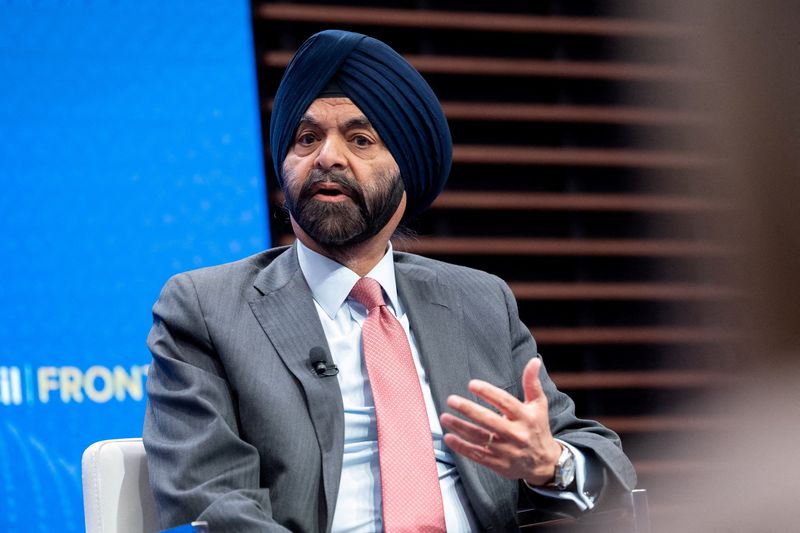

World Bank could provide up to $100 billion in funds for countries hit by war, Banga says


Treasury chief says US growth may exceed 3% or 3.5% this year despite Iran war

Over the past decade, the fitness industry has changed dramatically. As the use of smartphones has proliferated, the fitness industry has evolved to offer greater personalization and convenience. As such, fitness apps are becoming an industry standard, and are a necessity for trainers, gyms, and wellness brands.
The demand for digital fitness solutions has been evidenced by the 3.6 billion health and fitness app downloads recently recorded. The fitness industry has to integrate mobile solutions for their businesses, or risk being left behind.
This paper will discuss the topics fitness businesses need to consider when developing their own fitness app.
Growing Demand for Digital Fitness Solutions
The fitness landscape has changed. Most fitness enthusiasts prefer to have flexibility and choose when to work out, and where to work out from (the gym, the outdoors, home, etc.). Fitness apps have been developed to offer on-demand workouts, as well as the ability to track progress and offer handy health insights.
The convenience mobile fitness solutions offer has vastly improved their popularity. Fitness businesses that develop mobile apps will also have improved business as the app will allow the business to interact and cater to customers when they are not physically inside the gym.
Improved Member Engagement and Retention
The greatest challenge for trainers and gyms is maintaining the interest of their customers. Fitness apps can offer solutions for maintaining user interest, because they include highly interactive and motivational features.
Some engagement aspects include
- Community-based challenges and leaderboards
- Personalized workout plans
- Progress tracking dashboards
- Push notifications and reminders
All tools help maintain motivation and accountability. Personal workout plans and reminders help users adopt a more active lifestyle and not break their routine. This leads to more consistency in tracking goals.
This translates to fitness businesses increasing customer lifetime value and retention, not to mention whole communities in the business ecosystem.
Custom made fitness and training programs
Consumers today are accustomed to receiving services that are tailored specifically to them. Fitness-focused apps are able to achieve this by using specialized data to create custom workout programs that are based on the user’s individual activity levels and goals.
Everyone wins with this level of personalization:
- Fit users obtain training programs that are appropriate to their fitness level
- Fitness trainers able to track more clients at the same time
- Clients receive more attention as their needs are being met
Digital tools and systems are what create these levels of personalization that were previously unattainable. Trainers are able to use these tools to scale their services to more clients while still making services feel more individualized.
Streamlined Business Operations
Fitness apps help business owners with all of these aspects in today’s market – business owners can spend more time working with their clients and less time designing booking arrangements.
For example, a fitness app could facilitate member:
- Holiday bookings
- Gym schedule checks
- Announcements and updates
- Membership management
This functionality means less time managing bookings and more time attending to the customer.
Innovative Revenue Streams
Gyms and fitness professionals can now sell their services digitally as fitness apps develop revenue opportunities. Businesses can sell digital services aside from in-person gym memberships.
- Premium workout plans
- Online coaching
- Fitness classes
- Training plans that require monthly payments
With these services, fitness businesses can sell outside their area and even internationally.
To achieve this, many companies invest in custom applications for the fitness industry that are specifically designed for gyms, trainers, and wellness brands. With custom apps, businesses can add specific features targeted to their audience and services.
Deepening Brand Presence
Brand presence can also be strengthened through custom mobile apps. Businesses can take better ownership of the brand experience with their app as opposed to controlling it through social media and secondary platforms.
Some benefits of mobile-brand fitness apps are:
- Better access to customers
- Better access to the brand
- Better image of the brand
- Better experience of the brand
Interaction through the app provides customers fitness brand business loyalty during the interaction.
Industry Competitiveness
Businesses should utilize digital tools as fitness businesses are entering the global fitness industry.
Fitness apps enable businesses to:
- Offer hybrid fitness models
- Engage with tech-savvy consumers
- Implement data-driven coaching
- Anticipate industry innovations
The demand for dedicated fitness apps will only increase as consumers manage their health and wellness via mobile devices.
Conclusion
The integration of mobile devices with fitness has resulted in flexible and personalized fitness experiences that fit into consumers’ routines.
For fitness-related businesses, mobile apps are a required investment to foster customer loyalty, and drive revenue growth. The investment will empower gyms and trainers to deliver innovative fitness experiences, differentiate themselves and remain relevant in a changing industry.
Business
Japan manufacturers’ confidence dips most in three years on Middle East concerns: Reuters Poll
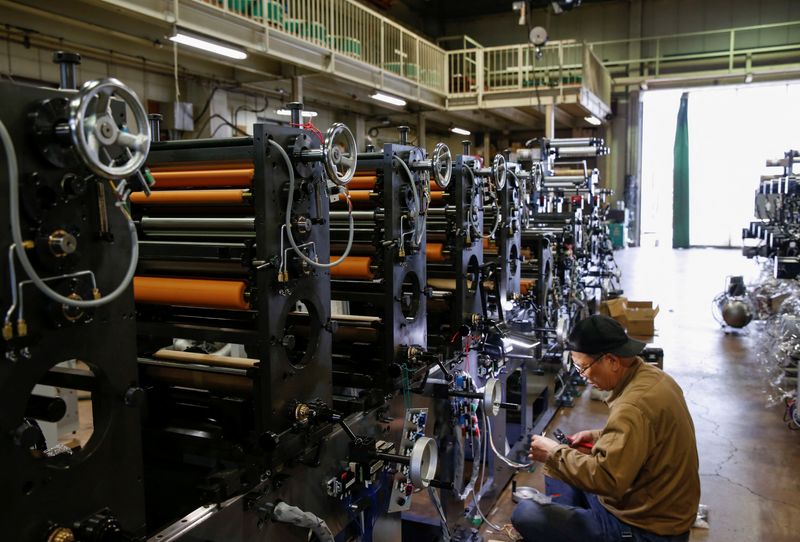

Japan manufacturers’ confidence dips most in three years on Middle East concerns: Reuters Poll

Bitcoin Hit $76K But Did Bulls Fall Into A Trap?

Lookman Fires Atlético Madrid into Champions League Semi-Finals

John Deere Pays $99 Million To Settle ‘Right To Repair’ Class Action


-

 Politics4 days ago
US brings back mandatory military draft registration
-
 Sports4 days ago
Man United discover Nico Schlotterbeck transfer fee as defender reaches Dortmund agreement
-

 Fashion4 days ago
Weekend Open Thread: Veronica Beard
-

 Politics5 days ago
Malcolm In The Middle OG Turned Down ‘Buckets Of Money’ To Appear In Reboot
-

 Politics2 days ago
World Cup exit makes Italy enter crisis mode
-

 Crypto World5 days ago
Canary Capital Files SEC Registration for PEPE ETF
-

 Business4 days ago
Tesla Model Y Tops China Auto Sales in March 2026 With 39,827 Registrations, Beating Cheaper EVs and Gas Cars
-

 Crypto World1 day ago
The SEC Conditionalises DeFi Platforms to Be Avoided for Broker Registration
-

 Crypto World1 day ago
SEC Signals Exemption for Crypto Interfaces From Broker Registration
-

 Crypto World6 days ago
Bitcoin recovers as US and Iran Agree a Ceasefire Deal
-
 NewsBeat2 days ago
Pep Guardiola and Gary Neville agree over Arsenal title problem that benefits Man City
-

 Business5 days ago
OpenAI Halts Stargate UK Data Centre Project Over Energy Costs and Copyright Row
-

 Business3 days ago
Ireland Fuel Protests Enter Day 5 as Blockades Spark Shortages and Government Prepares Support Package
-

 Politics5 days ago
LBC Presenter Mocks Trump Over Iran War Failures
-

 Crypto World4 days ago
Federal judge blocks Arizona from bringing criminal charges against Kalshi
-
 NewsBeat3 days ago
JD Vance announces ‘no agreement’ with Iran over nuclear weapons fear
-

 Tech5 days ago
A version of Windows 10 released a decade ago is now eligible for additional security patches
-

 Business4 days ago
IMF retains floor for precautionary balances at SDR 20 billion
-

 Crypto World19 hours ago
SEC Proposes Certain Crypto Interfaces Don’t Need to Register as Brokers
-

 NewsBeat15 hours ago
Trump and Pope Leo: Behind their disagreement over Iran war
You must be logged in to post a comment Login