

Business
Understanding the Dangers of Asbestos Exposure in Old Buildings

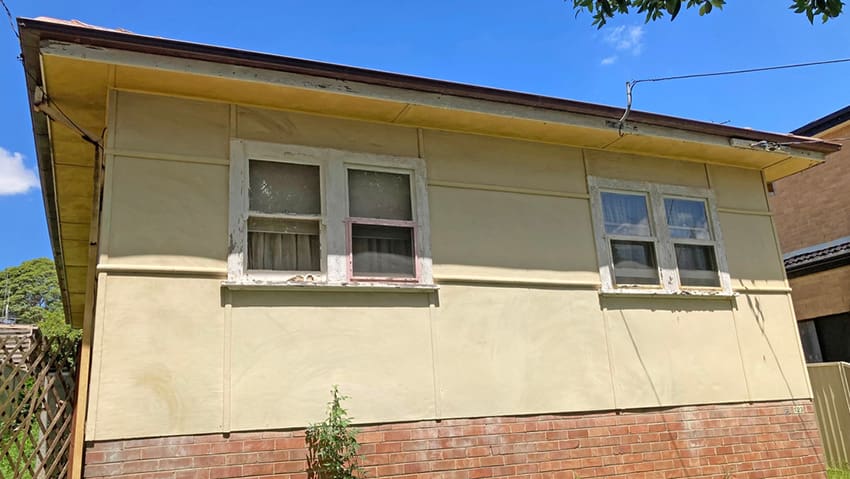
According to the Environmental Protection Agency’s 2023 reporting data, approximately 35 million buildings constructed before 1980 still contain asbestos-containing materials — and thousands of these structures undergo renovation or demolition each year without proper hazard assessment.
As America’s aging infrastructure faces unprecedented renovation pressures, the silent threat of disturbed asbestos fibers continues to pose serious health risks to construction workers, building occupants, and nearby communities.
What makes this particularly concerning is that asbestos exposure doesn’t announce itself. Unlike other construction hazards that cause immediate injury, asbestos-related diseases can take decades to manifest, creating a deceptive sense of safety around materials that may be actively damaging lung tissue. For property owners, contractors, and anyone working in or around older buildings, understanding these hidden dangers isn’t just about regulatory compliance — it’s about preventing irreversible health consequences that could emerge years or decades later.
The intersection of aging infrastructure and public health creates a complex challenge that requires both awareness and action. While complete asbestos removal isn’t always necessary or even advisable, knowing when materials pose genuine risk and how that risk translates to actual health outcomes can guide critical decisions about building maintenance, renovation projects, and personal safety measures.
Why Asbestos Exposure in Old Buildings Still Matters
The persistence of asbestos in America’s building stock represents one of the most widespread environmental health challenges facing property owners and workers today. Between 1930 and 1980, asbestos found its way into virtually every type of building material imaginable — from insulation and floor tiles to ceiling panels and pipe wrapping. The material’s fire-resistant properties and affordability made it a construction industry staple for five decades, embedding it deeply into the infrastructure we still use daily.
What transforms dormant asbestos into a health hazard is disturbance. Intact asbestos materials often pose minimal risk, but renovation, demolition, or even routine maintenance can release microscopic fibers into the air. A simple ceiling repair in a 1960s office building or basement renovation in a mid-century home can generate airborne concentrations that exceed safe exposure limits by hundreds of times. These fibers remain suspended for hours, spreading throughout building ventilation systems and settling on surfaces where they can be re-disturbed repeatedly.
The challenge intensifies as buildings age and materials naturally deteriorate. Asbestos-containing insulation around heating pipes gradually crumbles with temperature cycling. Vinyl floor tiles crack and release fibers during normal foot traffic. Ceiling tiles sag and fragment, especially in areas with moisture problems. This gradual breakdown means that buildings which were safe decades ago may now pose increasing risks without any obvious warning signs.
Recent investigations by occupational safety researchers have revealed concerning patterns in how exposure occurs. Construction workers renovating schools built in the 1950s and 1960s often encounter unexpected asbestos in areas where building records indicate none should exist. Homeowners undertaking DIY projects in basements and attics unknowingly disturb pipe insulation or vermiculite that contains asbestos. Even building maintenance staff performing routine filter changes or ceiling repairs can face significant exposure if proper testing hasn’t been conducted.
How Asbestos Fibers Cause Lung Damage and Disease
The mechanism by which asbestos destroys lung tissue reveals why this material poses such a unique and persistent threat to human health. When asbestos fibers become airborne through disturbance, they create microscopic needles — some thinner than human hair and up to several millimeters long. These fibers possess a deadly combination of properties: they’re small enough to penetrate deep into lung tissue, sharp enough to cause physical damage, and virtually indestructible once inside the body.
Upon inhalation, the smallest fibers travel through the respiratory system until they reach the alveoli — the tiny air sacs where oxygen transfer occurs. Here, the body’s natural defense mechanisms fail catastrophically. While larger particles get trapped by mucus and expelled through coughing, asbestos fibers slip past these defenses due to their needle-like shape and aerodynamic properties. Once embedded in lung tissue, they trigger an inflammatory response that continues for decades.
The body attempts to break down these foreign fibers using specialized immune cells called macrophages, but asbestos resists all biological degradation processes. Instead, the persistent inflammatory response leads to scarring of lung tissue, a process called fibrosis. This scarring gradually replaces healthy, elastic lung tissue with rigid scar tissue that cannot transfer oxygen effectively. Over time, this process spreads throughout the lungs, reducing breathing capacity and creating the chronic respiratory distress characteristic of asbestosis.
Even more concerning is how asbestos fibers migrate beyond lung tissue. Some fibers work their way through lung tissue and lodge in the pleura — the thin membrane surrounding the lungs. Here, they cause a different type of damage, leading to the development of pleural plaques, fluid accumulation, and ultimately, in many cases, mesothelioma. This rare but aggressive cancer develops specifically from asbestos exposure and typically appears 20 to 50 years after initial contact with the fibers.
The carcinogenic process involves direct DNA damage as fibers physically interact with cell structures, but also chronic inflammation that creates an environment conducive to cancer development. Unlike many carcinogens that require repeated high-dose exposure, asbestos can trigger mesothelioma development from relatively brief but intense exposure incidents, making even short-term construction or renovation work potentially dangerous without proper protection.
Symptoms and Long-Term Health Risks of Asbestos Exposure
What Are the Symptoms of Asbestos Exposure?
The insidious nature of asbestos-related health problems lies in their delayed onset and gradual progression, making early detection challenging even for healthcare providers familiar with occupational lung diseases. Initial symptoms typically don’t appear until 15 to 30 years after first exposure, creating a false sense of security that can prevent people from seeking appropriate medical monitoring or making connections between their health problems and past asbestos contact.
The earliest symptoms often mimic common respiratory conditions, leading to misdiagnosis or delayed recognition of asbestos-related disease. Persistent dry cough represents the most common early warning sign, gradually worsening over months or years as lung scarring progresses. Unlike bronchitis or seasonal allergies, this cough doesn’t respond to typical treatments and tends to worsen with physical activity or exposure to cold air.
Shortness of breath during normal activities signals more advanced lung damage. What begins as mild breathlessness during strenuous activity gradually progresses to difficulty breathing during routine tasks like climbing stairs or carrying groceries. Many people attribute these changes to aging or being out of shape, delaying medical evaluation until lung function has deteriorated significantly.
Chest pain presents differently than cardiac-related discomfort, typically manifesting as a persistent aching or tightness that worsens with deep breathing or physical exertion. This pain often accompanies the development of pleural changes — scarring or fluid accumulation around the lungs that creates pressure and reduces lung expansion capacity. Some individuals also report unusual fatigue that doesn’t improve with rest, reflecting the increased effort required for breathing as lung function declines.
What Are the Long-Term Health Risks?
The spectrum of diseases linked to asbestos exposure encompasses several distinct conditions, each with different progression patterns and prognosis, but all sharing the characteristic of irreversible lung damage that worsens over time. Asbestosis represents the most common outcome, developing in roughly 20% of individuals with significant occupational exposure. This progressive fibrosis gradually reduces lung capacity, eventually leading to respiratory failure in severe cases.
Lung cancer risk increases dramatically with asbestos exposure, particularly among individuals who also smoke tobacco. Studies tracking construction workers with documented asbestos exposure have found lung cancer rates three to five times higher than the general population, with risk continuing to climb for decades after last exposure. The combination of asbestos and smoking creates a synergistic effect, multiplying cancer risk beyond the additive effects of either factor alone.
Mesothelioma presents the most devastating long-term consequence, with median survival times typically ranging from 12 to 21 months after diagnosis. This cancer develops exclusively from asbestos exposure and shows no correlation with smoking or other lifestyle factors. Recent research tracking mesothelioma cases has revealed that even brief, intense exposure — such as a single renovation project involving asbestos disturbance — can trigger disease development decades later.
Beyond these primary diseases, asbestos exposure correlates with increased rates of other cancers, including ovarian, laryngeal, and gastrointestinal malignancies. The mechanisms underlying these associations remain under investigation, but the consistent patterns observed across multiple population studies have led health authorities to classify asbestos as a Group 1 carcinogen with no safe exposure threshold. This classification means that any level of exposure carries some degree of health risk, making prevention the only effective protection strategy.
Asbestos Exposure Statistics and Current Research Trends
The scope of ongoing asbestos exposure in the United States reveals a public health challenge that affects far more people than commonly understood. According to the Occupational Safety and Health Administration’s 2024 enforcement data, workplace inspections continue to identify asbestos violations in approximately 1,200 construction sites annually, suggesting that exposure incidents remain routine rather than exceptional. These violations typically involve inadequate worker protection during renovation of schools, hospitals, and commercial buildings constructed during the peak asbestos usage period.
Recent epidemiological research has shifted focus toward understanding exposure patterns in non-traditional settings. A comprehensive study published in the American Journal of Industrial Medicine in 2023 tracked 15,000 individuals who lived or worked in buildings later found to contain disturbed asbestos materials. The research revealed that even brief exposure incidents — such as single-day renovation projects or maintenance activities — produced detectable increases in respiratory disease rates 20 to 30 years later.
Professional truck drivers, building maintenance workers, and demolition crews emerge as particularly vulnerable populations in current exposure data. The Williams Law Firm, P.C. and other legal practices specializing in occupational health cases report increasing numbers of mesothelioma claims among workers who believed their jobs carried minimal asbestos risk. These cases often involve exposure during seemingly routine activities like brake repair, building maintenance, or renovation work where proper testing wasn’t conducted beforehand.
The Centers for Disease Control and Prevention’s 2024 mortality surveillance data shows approximately 2,500 mesothelioma deaths annually, with cases continuing to climb despite the phase-out of most asbestos use in the 1980s. This upward trend reflects the 20 to 50-year latency period between exposure and disease development, meaning that cases diagnosed today often stem from exposure incidents that occurred during the 1970s and 1980s peak usage period.
Emerging research focuses on genetic factors that influence individual susceptibility to asbestos-related disease. Scientists at the National Institute for Occupational Safety and Health have identified specific gene variants that appear to increase vulnerability to fiber-induced lung damage, potentially explaining why some heavily exposed workers remain healthy while others develop severe disease from minimal contact. This research may eventually enable targeted medical monitoring for high-risk individuals, but currently reinforces the importance of universal exposure prevention measures.
International studies provide additional context for understanding long-term trends. Countries that banned asbestos use earlier than the United States — such as Germany and the United Kingdom — are now experiencing declining mesothelioma rates after decades of increases, suggesting that comprehensive prevention measures eventually reduce disease burden. However, the lag time between exposure reduction and health benefits spans multiple generations, emphasizing why current prevention efforts matter for public health outcomes decades into the future.
How to Prevent and Manage Asbestos Exposure in Buildings
Effective asbestos hazard management starts with understanding when materials are likely to contain asbestos and recognizing situations where disturbance becomes inevitable. Buildings constructed between 1930 and 1980 require the highest level of caution, particularly in areas where insulation, floor coverings, or ceiling materials show signs of damage or deterioration. Rather than attempting to identify asbestos-containing materials through visual inspection, property owners should assume that suspect materials contain asbestos until proven otherwise through professional testing.
Professional asbestos surveys represent the most reliable method for determining material composition and establishing appropriate safety protocols. These assessments involve systematic sampling of suspect materials followed by laboratory analysis using polarized light microscopy or electron microscopy techniques. Costs typically range from several hundred to several thousand dollars depending on building size and complexity, but this investment prevents much more expensive problems that arise from inadvertent disturbance of asbestos-containing materials during renovation or maintenance projects.
When asbestos presence is confirmed, management strategies depend on material condition and planned building activities. Intact materials in good condition often require only ongoing monitoring and protection from disturbance rather than immediate removal. This approach, called “operations and maintenance,” involves regular inspections to monitor material condition, worker training to prevent accidental disturbance, and clear labeling to warn future contractors and maintenance personnel about asbestos locations.
Removal becomes necessary when materials are damaged, friable, or located in areas where renovation work cannot avoid disturbance. Professional abatement requires specialized contractors with appropriate licensing, equipment, and insurance coverage. Proper removal involves sealing work areas, using negative air pressure systems to prevent fiber migration, and following strict waste disposal protocols. Attempts to save money through DIY removal or hiring unqualified contractors often result in widespread contamination that costs far more to remediate than professional removal would have cost initially.
Personal protection during any potential asbestos exposure requires properly fitted respirators rated for asbestos fibers, disposable protective clothing, and decontamination procedures that prevent carrying fibers to vehicles or homes. Standard dust masks provide no protection against asbestos fibers, and even brief exposure without proper protection can create long-term health risks. For property owners managing older buildings, establishing clear protocols that require testing before any invasive work protects both workers and building occupants from unnecessary exposure to this preventable health hazard.
The key insight for anyone dealing with older buildings is that prevention costs far less than treatment — both in terms of immediate abatement expenses and potential health consequences that may not emerge for decades. As research continues to reveal the extent of asbestos-related disease burden, the importance of proactive hazard identification and management becomes increasingly clear for protecting current and future building users from these preventable but potentially devastating health risks.


Alphabet Convertible Preferred Offers 6% Yield and Upside With Common Stock

Monika Wszeborowska
Good afternoon, Monika Wszeborowska. I would like to welcome you at the conference — LPP Conference results — on the results of the first quarter. With me here is Marcin Bojko, CFO; and Magdalena Kopaczewska, Investor Relations representative.
We presented the results from the first quarter, how they reflects the reality in our activity. We will talk about to you in a moment. We would like to present to you our plans for this year, but also we would like to refer to our plans for the next three years regarding our development, development of our stationary network.
During this meeting, we would like to present to you our financial goals for 2026 and ’27 and the entire meeting will end with Q&A. You can ask questions via chat that is visible on your screens. It’s already active, and it will be active till the end of today’s conference. After the conference, if you have any additional issues or questions, please contact our Investor Relations Department and lpp.investor.relations@lpp.com or via our media@lpp.com.
So let’s move on to the results from the first quarter. Thank you. Traditionally, the summary of the first quarter, let’s start with most important operational events. In the first quarter of ’26, we opened 121 new stores, 102 in Sinsay brand according to our plans for this time. At the same time, we spent already PLN 600 million (sic) [ PLN 562 million ] for investment within the first quarter. Close to PLN 3 million (sic) [ PLN 300 million ] was allocated for logistics.
This year is not going to be a record-breaking year, but constantly, we’ve been investing


Vale’s top shareholder pushes for meeting on chairman’s removal

NEW YORK — Tesla Inc. shares declined sharply on Wednesday, closing down 3.80% at $381.59 as investors engaged in profit-taking following a strong run and amid ongoing caution around electric vehicle demand and execution risks on ambitious growth initiatives.
The move erased some of the recent gains that had pushed the stock higher on optimism about autonomous driving progress and energy storage momentum. In after-hours trading, shares slipped further to $378.78. Volume was elevated as traders reacted to broader market rotation and company-specific developments.
Tesla has been one of the market’s most volatile and closely watched names, with its performance heavily influenced by CEO Elon Musk’s vision for full self-driving technology, robotaxi services and expansion into robotics. While the company maintains leadership in the EV space, increasing competition and margin pressures have kept investors attentive to quarterly execution.
Recent Performance Drivers
Tesla delivered solid first-quarter results earlier in 2026, with energy storage deployments showing particularly strong growth. The Megapack business has become an important diversification pillar, helping offset softness in vehicle deliveries amid a challenging global EV market.
However, automotive margins have faced headwinds from price adjustments and increased competition from both traditional automakers and new entrants in China. Production ramps on newer models, including refreshed versions of existing lineups, remain critical to sustaining growth.
The stock’s recent rally had been fueled by positive sentiment around regulatory approvals for autonomous features and progress on the Optimus humanoid robot project. Wednesday’s pullback reflects typical consolidation after gains, with traders locking in profits ahead of upcoming catalysts.
Broader EV Market Context
The global electric vehicle sector continues expanding, though growth rates have moderated from pandemic-era peaks. Supply chain normalization, incentive phase-outs in some regions and higher interest rates have impacted affordability for many consumers. Tesla’s ability to maintain pricing power while scaling production remains a key focus for analysts.
In the United States, EV adoption faces headwinds from infrastructure gaps and varying state incentives. Internationally, China’s domestic market remains intensely competitive, with local manufacturers challenging Tesla’s position. Europe’s regulatory push toward electrification provides long-term support but has also introduced near-term volatility around tariffs and supply chains.
Autonomy and Robotics Ambitions
Tesla’s long-term valuation hinges heavily on success in full self-driving technology and robotaxi deployment. The company has made incremental progress on regulatory approvals and software improvements, though timelines for widespread commercialization have repeatedly shifted.
Musk has consistently emphasized that autonomy represents the company’s largest opportunity. Investors remain divided on near-term monetization potential versus the substantial research and development costs required to achieve it. The Optimus project adds another layer of speculative upside, with potential applications in manufacturing and service industries.
Energy Business as Growth Driver
The energy generation and storage segment has emerged as a bright spot, with Megapack deployments accelerating. This business benefits from global demand for grid stabilization and renewable integration, offering higher margins than the automotive side in recent periods.
Analysts project continued expansion in energy storage as utilities and commercial customers seek solutions for intermittent renewable power. This diversification helps mitigate risks tied solely to vehicle sales cycles.
Financial Position and Capital Allocation
Tesla maintains a strong balance sheet with significant cash reserves, providing flexibility for capital expenditures on new factories, technology development and potential acquisitions. The company has not paid dividends, focusing instead on reinvestment and occasional share buybacks during periods of market weakness.
Free cash flow generation has improved with operational efficiencies, though heavy spending on growth initiatives keeps the balance dynamic. Management has emphasized long-term value creation over short-term metrics, a strategy that has rewarded patient investors but contributed to volatility.
Analyst Perspectives
Wall Street consensus remains mixed but generally constructive on Tesla’s long-term potential. Several firms maintain Buy ratings, citing leadership in EVs, energy storage and autonomy. However, some analysts have expressed caution around valuation multiples and execution risks on ambitious timelines.
Price targets vary widely, reflecting differing views on the probability and timing of robotaxi and robotics revenue streams. Near-term focus centers on delivery numbers, margin trends and updates from the next earnings call.
Market Sentiment and Technical Factors
Tesla shares have shown classic meme-stock characteristics at times, with retail investor enthusiasm driving sharp moves. Institutional ownership remains significant, with many funds viewing it as a core growth holding in technology and clean energy portfolios.
Technically, the stock encountered resistance after recent gains, with Wednesday’s decline testing support levels. Options activity indicated active hedging and speculative positioning around key price points.
Investment Considerations
For investors, Tesla represents a high-risk, high-reward opportunity tied to disruptive innovation. The company’s brand strength, manufacturing scale and technology pipeline provide competitive advantages, but success depends on flawless execution across multiple frontiers simultaneously.
Risks include regulatory hurdles for autonomy, competitive intensity in EVs, supply chain disruptions and macroeconomic impacts on consumer spending. Long-term believers focus on the transformative potential of Musk’s vision, while skeptics highlight historical challenges in meeting ambitious targets.
Looking Ahead
The coming months will bring important updates on production ramps, regulatory progress and energy deployment figures. Tesla’s annual shareholder meeting and next earnings report will likely serve as key catalysts for sentiment.
As the EV transition accelerates globally, Tesla’s ability to maintain leadership while expanding into new areas will determine its trajectory. Wednesday’s decline represents normal market fluctuation in a volatile name rather than a fundamental shift, with the stock retaining appeal for growth-oriented investors comfortable with elevated risk.
The session’s trading activity reflected broader technology sector dynamics and profit-taking after recent strength. Market participants will continue monitoring Tesla closely for signals on demand trends, margin performance and strategic execution in the second half of 2026.
Tesla remains one of the most influential companies in the transition to sustainable energy and autonomous transportation. Its performance continues to shape investor narratives around innovation, execution and long-term disruption potential in the automotive and technology sectors.

Trump Praises Citigroup Bankers in Post: ‘They’ve Worked Really Hard!’


Peru reviews contested ballots as Fujimori takes razor-thin lead

Invesco is an independent investment management firm dedicated to delivering an investment experience that helps people get more out of life.Be the first to know! Sign up for Invesco US Blog and get expert investment views as they post.Disclosure for all Invesco US articles: Before investing, carefully read the prospectus and/or summary prospectus and carefully consider the investment objectives, risks, charges and expenses. The information provided is for educational purposes only and does not constitute a recommendation of the suitability of any investment strategy for a particular investor. Invesco does not provide tax advice. The tax information contained herein is general and is not exhaustive by nature. Federal and state tax laws are complex and constantly changing. Investors should always consult their own legal or tax professional for information concerning their individual situation. The opinions expressed are those of the authors, are based on current market conditions and are subject to change without notice. These opinions may differ from those of other Invesco investment professionals. NOT FDIC INSURED MAY LOSE VALUE NO BANK GUARANTEE All data provided by Invesco unless otherwise noted. Invesco Distributors, Inc. is the US distributor for Invesco Ltd.’s retail products and collective trust funds. Invesco Advisers, Inc. and other affiliated investment advisers mentioned provide investment advisory services and do not sell securities. Invesco Unit Investment Trusts are distributed by the sponsor, Invesco Capital Markets, Inc., and broker-dealers including Invesco Distributors, Inc. PowerShares® is a registered trademark of Invesco PowerShares Capital Management LLC (Invesco PowerShares). Each entity is an indirect, wholly owned subsidiary of Invesco Ltd. ©2015 Invesco Ltd. All rights reserved.
Business
US stocks | SpaceX IPO draws over $70 billion from retail investors ahead of record stock market debut

The strong retail participation comes ahead of what is set to become the largest IPO in history. SpaceX is scheduled to begin trading on Nasdaq on Friday under the ticker symbol SPCX after pricing its shares at $135 each.
The company is raising about $75 billion through the offering, which values the rocket and satellite communications company at roughly $1.77 trillion. At that valuation, SpaceX would rank among the ten most valuable listed companies in the United States.
Investor appetite for the offering has been strong. Reuters reported earlier this week that total demand for the IPO had crossed $250 billion, more than three times the shares available.
Also Read | SpaceX’s blockbuster IPO could turn more than 4,000 employees into millionaires. Here’s how

One of the unusual features of the offering has been the large allocation earmarked for retail investors. Reuters had previously reported that SpaceX was considering setting aside as much as 30% of the issue for individual investors, a rare move for a mega IPO that is typically dominated by institutional buyers.
The offering consists entirely of newly issued shares, meaning all proceeds will go to the company rather than existing shareholders. Current investors are not selling stock in the IPO and will remain subject to lock-up restrictions after listing.The listing is being closely watched not only because of its size but also because it offers public investors their first opportunity to invest directly in what many consider the crown jewel of Musk’s business empire.
SpaceX has evolved far beyond its rocket-launch business. Its operations now span satellite broadband through Starlink, commercial space transportation, defence contracts and artificial intelligence infrastructure through xAI.
Despite the excitement surrounding the offering, the company remains loss-making. SpaceX reported revenue of $18.67 billion in 2025 while posting a net loss of $4.94 billion. Investors are betting that future growth from Starlink, launch services, AI infrastructure and defence-related businesses will justify the company’s lofty valuation.
Catch the latest US Stocks Live Updates
The IPO is also expected to benefit from recent changes to US index rules. Nasdaq now allows large-cap IPOs to enter the Nasdaq-100 index after just 15 trading days, potentially creating additional demand from passive funds that track the benchmark.
For Indian investors, direct participation in the IPO was largely unavailable because the US book-building process does not offer a mechanism similar to India’s ASBA system. However, they will be able to buy SpaceX shares after listing through international investing platforms and GIFT City’s NSE IX platform.

In a consultation paper released on Thursday, the market regulator said it has observed instances where illiquid stocks develop significantly different prices across exchanges because circuit limits continue to be calculated using stale closing prices on exchanges where no trading occurs.
Currently, stock exchanges independently apply price bands based on their own previous closing prices. While this works smoothly for actively traded stocks, SEBI noted that it can create distortions in stocks that do not trade on one exchange for several days.
The regulator illustrated a scenario where a stock continues to hit upper circuits and gain value on one exchange, while remaining stuck within an outdated price band on another exchange due to lack of trading. Over time, this can lead to substantial price divergence between the same stock across exchanges and may even result in non-trading on one platform.
To address the issue, Sebi has proposed a harmonised framework for determining both the base price used in the pre-open call auction session and the applicable price bands.
Under the proposal, if a stock trades on all exchanges or remains untraded on all exchanges on a particular day, each exchange will continue using its own latest closing price for calculating the next day’s price band.
However, if a stock trades on only one exchange, all other exchanges where the stock did not trade will be required to adopt the closing price from the exchange where trading occurred for setting the next day’s price bands and pre-open session base price.In cases where a stock trades on two or more exchanges but remains untraded on one or more others, the exchanges without trading activity will use the closing price from the exchange that recorded the highest trading volume in that stock.
The proposals stem from recommendations made by Sebi’s Secondary Market Advisory Committee (SMAC), which discussed the issue during its April 2026 meeting.
Sebi has also proposed that stock exchanges enter into agreements or other arrangements to facilitate the sharing of closing-price data and ensure smooth implementation of the framework.
The regulator said the move is intended to improve price discovery and prevent unnecessary price distortions in stocks listed on multiple trading venues.
Public comments on the consultation paper have been invited until July 2.
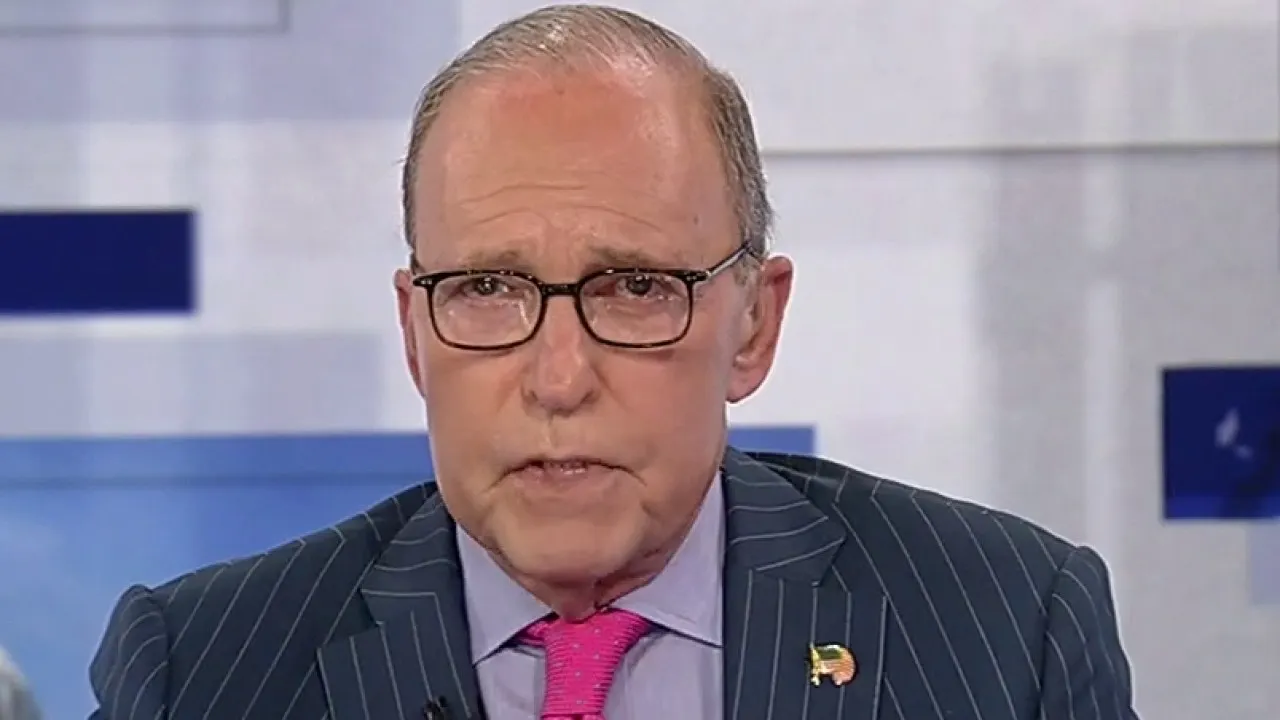
FOX Business host Larry Kudlow discusses the commander-in-chief’s handling of the Middle East conflict on ‘Kudlow.’
High drama today as President Trump called off the Iranian bombing and announced that a deal with Iran is imminent from his Truth Social posting that “Discussions and final points have been, in both concept and great detail, approved by all parties involved.” That’s America, Israel, Iran and all of the Gulf states involved in the war.
The president spoke about this today at the White House: “The Strait will officially open as soon as we sign, which could be soon. Very soon, maybe over the weekend in Europe.”
Stock markets soared; oil prices fell. Mr. Trump also noted on his Truth Social that “the Naval Blockade will remain in full force and effect until this Transaction is finalized.”
And my great hope is that no money is given to Iran for a long time, until they prove that their behavior is changing. And frankly, while I applaud President Trump’s diplomatic endeavors — such as negotiating with bombs — I have nothing but skepticism about Iran following through on their promises.
Just yesterday, the United Nation’s nuclear watchdog blasted Iran for failing to allow inspection and verification of their weapons and their weapons-grade uranium. That’s an old story.
And Mr. Trump, in whatever the deal turns out to be, is surely going to want complete denuclearization, some kind of end to their enriched uranium, as well as reopening the strait toll free and an end to Iran’s state sponsorship of terrorism in Israel and throughout the Middle East.
Fox News contributor Liz Peek and Rep. French Hill, R-Ark., speak on President Trump’s push for the third reconciliation bill on ‘Kudlow.’
As President Reagan always said, trust but verify. And as both Reagan and Mr. Trump believe, peace through strength.
Meanwhile, one of the really neat developing stories, regardless of any Iranian deal, is Mr. Trump’s secret supply of oil tankers going through presumably the Oman Channel of the Hormuz Strait.
As Mr. Trump said yesterday and has corroborated by a number of oil watchdogs, some 200 ships transited the strait for a total of about 100 million barrels of oil over the past month.
That comes to about 3 million barrels per day. Recall that world oil supply and demand intersect at about 100 million barrels per day.
And the prior closing of the Strait took about 20 percent, or about 20 million barrels per day, off the market. So the supply shortages drove oil prices way up.
Yet this story is surreptitiously changing. Mr. Trump riffed about it earlier today: “Over the last month, we’ve been, taking our ships, big ships, quietly at night. You guys didn’t know that? Pretty cool. Right? As a captain, he knows about more about ships than I do. But it’s pretty cool. He turned off the lights.”
Mr. Trump added: “We bombed their radar and everything so they couldn’t see what was going on. And we took out, some nights, 25 ships, some nights, 15 days. Last 4 or 5 nights we did 25, 22, 21, 26, 18 and 14. Who else would remember those numbers? Nobody.” It’s “a lot of ships,” he concluded.
Podcast host Ben Ferguson discusses President Donald Trump nomination of Jay Clayton, former SEC chairman and current U.S. Attorney, as director of national intelligence on ‘Kudlow.’
It’s a great story. Now administration sources tell me about a dozen ships per night are being moved through the strait. I’m doing some arithmetic now — that’s 360 a month.
Using the same ratio of the first month’s secret passage, that will get us about 180 million additional barrels of oil which would come to roughly 6 million barrels a day. That’s big stuff. Remember we’re 20 million barrels short because of the closing of the Strait.
Now last month’s 3 million barrel, perhaps this month’s 6 million barrels, that’s 9 million additional barrels per day to reduce the 20 million barrel shortfall.
These extra oil supplies are bringing oil prices down in the market place and will continue on a steady basis if it keeps up. Gasoline prices will be following in tow.
It’s a silver lining for the temporary inflation bulge. And it’s gonna make stocks strong and over time, interest rates softer.
Mr. Trump’s secret sauce. Think of it.
Alphabet Convertible Preferred Offers 6% Yield and Upside With Common Stock

Stock Market Volatility Rocks Bitcoin, Threatening $60K Support

Beyond the Gates Early Spoilers June 15-19: Eva & Kat Form Surprise Alliance – Joey Wins Big!



-

 Fashion6 days ago
Weekend Open Thread: Evereve – Corporette.com
-
 Crypto World6 days ago
Jensen Huang Approves Samsung, SK Hynix, and Micron for NVIDIA (NVDA) HBM4 Memory Supply
-

 Crypto World4 days ago
Anatomy of the June crypto crash: Fed, Iran, Saylor
-
 Entertainment5 days ago
The Best Mystery Series of All Time Is Surging on Streaming 30 Years After It Ended
-

 NewsBeat4 days ago
Alexander Zverev wins the French Open to finally earn a 1st Grand Slam title
-

 Tech6 days ago
Suspicious Polyfill login prompts pop up on Toshiba, Muji websites
-
 Crypto World5 days ago
Senator Cynthia Lummis Calls CLARITY Act the Most Consequential Financial Legislation of This Generation
-

 Tech7 days ago
Microsoft launches MXC, an OS-level sandbox for AI agents, with OpenAI and Nvidia already on board
-

 Tech5 days ago
Microsoft unveils seven homegrown AI models in new bid for ‘long term self-sufficiency’
-

 Business7 days ago
(VIDEO) Justin Bieber Delivers Surprise Happy Birthday Serenade to Diners at Los Angeles Mexican Restaurant
-
 NewsBeat4 days ago
Alexander Zverev conquers demons and outlasts Flavio Cobolli to win French Open for first major title
-
 Business5 days ago
The Pain Points Taking a Fragile Tech Rally Down a Notch
-

 Business4 days ago
High Stakes for Wembanyama as New York Pushes for 3-0 Lead
-
 Crypto World4 days ago
Eli Lilly (LLY) Stock Surges 4% Following Breakthrough Sleep Apnea Trial Results
-

 Tech6 days ago
Von der Leyen’s AI envoy pick draws conflict-of-interest fire
-

 Tech6 days ago
Meta steals a tactic from Tesla and builds data centers in tents
-
Crypto World7 days ago
LBank Surpasses 25 Million Users Worldwide as AFA Partnership Continues to Drive Global Growth
-

 Tech6 days ago
Hackers now exploit SolarWinds Serv-U flaw to crash servers
-

 Crypto World4 days ago
Trump’s AI Ownership Plan Could Benefit Anthropic at OpenAI’s Expense
-
 Sports2 days ago
Bangladesh beat Australia after 20 years in ODIs, register only their second win over six-time world champions | Cricket News
You must be logged in to post a comment Login