
Business
US brands unveil patriotic deals and snacks for America’s 250th


U.S. Chief of Protocol Amb. Monica Crowley joins ‘Varney & Co.’ to discuss the June jobs report, the America 250 celebrations and traveling on the new Air Force One.
American brands are going all in on red, white and blue as the country prepares to celebrate its 250th birthday.
From $17.76 burger deals and eagle-shaped coffee cups to collectible Coca-Cola cans and limited-edition snacks, companies are rolling out patriotic promotions tied to America’s semiquincentennial.
Steak ‘n Shake
Steak ’n Shake is offering two “Liberty Meals” for $17.76 throughout July.
The meal includes a double grass-fed Steakburger, beef tallow fries and a Patriot milkshake, according to the chain.
“$17.76 for two Liberty Meals — all July long!” the burger chain wrote on X. “A Liberty Meal includes a double grass-fed Steakburger, beef tallow fries, and a Patriot milkshake. Can’t touch this, Mr. Five Guys.”
Steak ’n Shake announced in March that its Patriot Milkshake now comes with a dark chocolate Statue of Liberty and will be priced at $2.50 for the rest of the year.
BANK OF AMERICA CARDHOLDERS CAN VISIT 250 MUSEUMS FREE DURING JULY 4 WEEKEND
Dunkin’

The “Eagle Cup” also includes a promotional code for $3 medium Refreshers or Dunkin’ Zero beverages for 30 days. (Dunkin’)
Dunkin’ is marking the occasion with a limited-edition “Eagle Cup,” themed merchandise and a summer menu tied to America’s 250th birthday.
The collectible cup features a clear base and a sculpted eagle lid. Dunkin’ said customers can purchase it for $10.99 and receive a free medium beverage.
The cup also includes a promotional code for $3 medium Refreshers or Dunkin’ Zero beverages for 30 days.
“Like summer fireworks, this drop won’t last forever. Quantities of the Eagle Cup are limited, so head to your local Dunkin’ soon before it flies off the shelves,” Dunkin’ said in its June 29 announcement.
Coca-Cola

Coca-Cola said each mini-can features a design tied to one of the 50 states, Puerto Rico or Washington, D.C. (Coca-Cola Co.)
Coca-Cola said its America250 campaign includes limited-edition packaging, custom bottles and its first America250 collectible mini-cans.
Each mini-can features a design tied to one of the 50 states, Puerto Rico or Washington, D.C., with local symbols such as Georgia’s peach and California’s surf culture.
General Mills

General Mills is rolling out 79 limited-edition products inspired by America’s 250th birthday across brands including Cheerios, Pillsbury, Betty Crocker, Fruit Roll-Ups and Blue Buffalo. (General Mills)
General Mills is rolling out 79 limited-edition products inspired by America’s 250th birthday across brands including Cheerios, Pillsbury, Betty Crocker, Fruit Roll-Ups and Blue Buffalo.
The lineup includes Birthday Cake Cheerios, Pillsbury Toaster Strudel Stars & Stripes, Cinnamon Toast Crunch Root Beer Float, Fruit Roll-Ups Star-Spangled Cherry, Betty Crocker America’s Birthday Cake cookie mix and red, white and blue Pillsbury cookie dough.
“For 160 years, General Mills has been a cornerstone of American pantries, with our brands in over 90% of households across the country,” Courtney Hamacher, vice president and interim chief creative and marketing excellence officer at General Mills, said in a statement. “As America celebrates its 250th birthday, we’re incredibly proud to help families add joy to the table, celebrating the moments, big and small, that matter most.”
BELOVED PIZZA CHAIN TURNS AMERICA’S 250TH BIRTHDAY INTO SUMMER-LONG CELEBRATION
Oreo
Oreo is joining the patriotic push with its Firecracker Pop cookie, which reportedly hit stores on May 4.

Oreo is joining the patriotic push with its Firecracker Pop cookie, which reportedly hit stores on May 4. (Mondelez International)
Dairy Queen
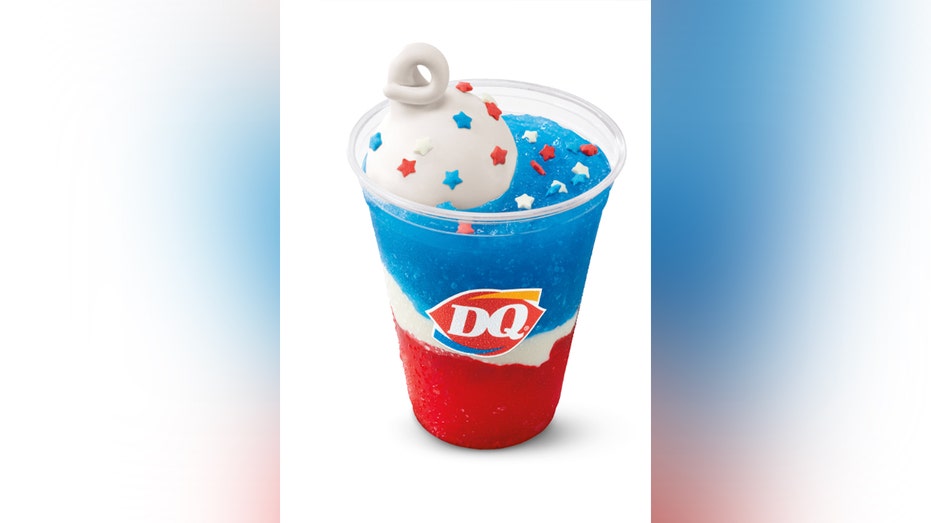
Dairy Queen is offering a Stars & Stripes Misty Slush Float for $2.50 from June 29 through July 5. (Dairy Queen)
Dairy Queen is offering a Stars & Stripes Misty Slush Float for $2.50 from June 29 through July 5.
The drink features layers of cherry Misty Slush, soft serve and blue raspberry Misty Slush with star sprinkles.
McDonald’s

McDonald’s announced it was bringing back its fried apple pie at participating U.S. restaurants for a limited time starting June 23, marking its first broad U.S. rollout in more than 30 years. (McDonald’s)
McDonald’s announced it was bringing back its fried apple pie at participating U.S. restaurants for a limited time starting June 23, marking its first broad U.S. rollout in more than 30 years.
“Summer tends to move fast – but the moments worth remembering don’t. And with America’s 250th birthday around the corner, we’re bringing back a fan-favorite and bona fide national treasure made for slowing down and savoring the season: the Fried Apple Pie,” the company said in a press release.
Burger King

Burger King is adding a Firecracker Cookie Pie, a chilled dessert with cream, a sugar cookie crust and red, white and blue star-shaped sprinkles. (Burger King)
Burger King is adding a Firecracker Cookie Pie, a chilled dessert with cream, a sugar cookie crust and red, white and blue star-shaped sprinkles.
STEAK ’N SHAKE SHAKES UP POPULAR ‘PATRIOT MILKSHAKE’ WITH NEW, EDIBLE TWIST AVAILABLE ONLY IN 2026
Krispy Kreme
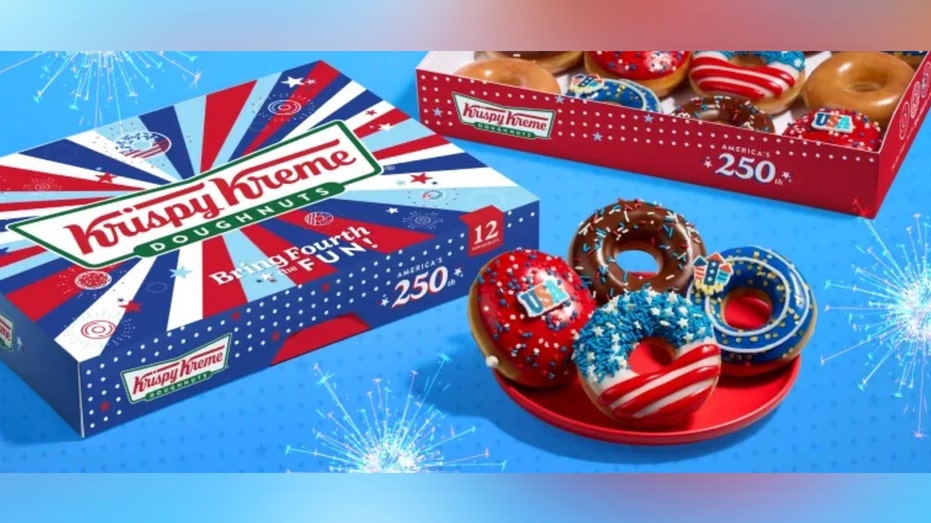
Krispy Kreme is offering a patriotic doughnut collection featuring red, white and blue designs, including a Cookies n’ Kreme-filled USA Doughnut, a Firework Doughnut and a Freedom Ring Doughnut. (Krispy Kreme)
Krispy Kreme is offering a patriotic doughnut collection featuring red, white and blue designs, including a Cookies n’ Kreme-filled USA Doughnut, a Firework Doughnut and a Freedom Ring Doughnut.
| Ticker | Security | Last | Change | Change % |
|---|---|---|---|---|
| BH | BIGLARI HOLDINGS INC. | 420.92 | +0.27 | +0.06% |
| KO | THE COCA-COLA CO. | 84.14 | +2.85 | +3.51% |
| GIS | GENERAL MILLS INC. | 37.57 | -0.20 | -0.53% |
| MDLZ | MONDELEZ INTERNATIONAL INC. | 60.91 | +1.56 | +2.63% |
| MCD | MCDONALD’S CORP. | 280.63 | +11.20 | +4.16% |
| DNUT | KRISPY KREME INC | 3.51 | -0.21 | -5.65% |
Bank of America

Bank of America’s expanded “Museums on Us” program includes museums, historic sites and cultural institutions across 43 states and 158 cities. (Bank of America)
Bank of America announced it is expanding its signature “Museums on Us” program for the July 4th weekend, offering eligible cardholders free admission to 250 museums and cultural institutions nationwide as the U.S. marks its 250th anniversary.
Ford Motor Company
Ford Motor Company is marking America’s 250th anniversary with a nationwide pricing push aimed at giving U.S. customers a break. (Karen Bleier/AFP via Getty Images)
Ford Motor Company is marking America’s 250th anniversary with a nationwide pricing push aimed at giving U.S. customers a break.
The Michigan-based automaker launched its “American Value. For American Values” campaign, offering employee pricing to all U.S. customers on most new 2025 and 2026 Ford and Lincoln vehicles through July 6.
Cracker Barrel
Cracker Barrel, an official America250 partner, launched a “Fuel Your Summer Road Trip” sweepstakes. (Luke Sharrett/Bloomberg via Getty Images)
Cracker Barrel, an official America250 partner, launched a “Fuel Your Summer Road Trip” sweepstakes. The promotion will give 250 rewards members $1,000 each in food and fuel prizes.
| Ticker | Security | Last | Change | Change % |
|---|---|---|---|---|
| BAC | BANK OF AMERICA CORP. | 58.73 | +0.37 | +0.63% |
| F | FORD MOTOR CO. | 13.36 | -0.28 | -2.05% |
| CBRL | CRACKER BARREL OLD COUNTRY STORE INC. | 53.50 | -1.60 | -2.90% |
| PEP | PEPSICO INC. | 144.22 | +3.06 | +2.17% |
“The promotion launches as the nation looks ahead to its 250th anniversary, a milestone rooted in classic American travel traditions and shared experiences that Cracker Barrel has been part of for generations as a familiar stop along the journey,” Cracker Barrel said in a statement.
Mountain Dew
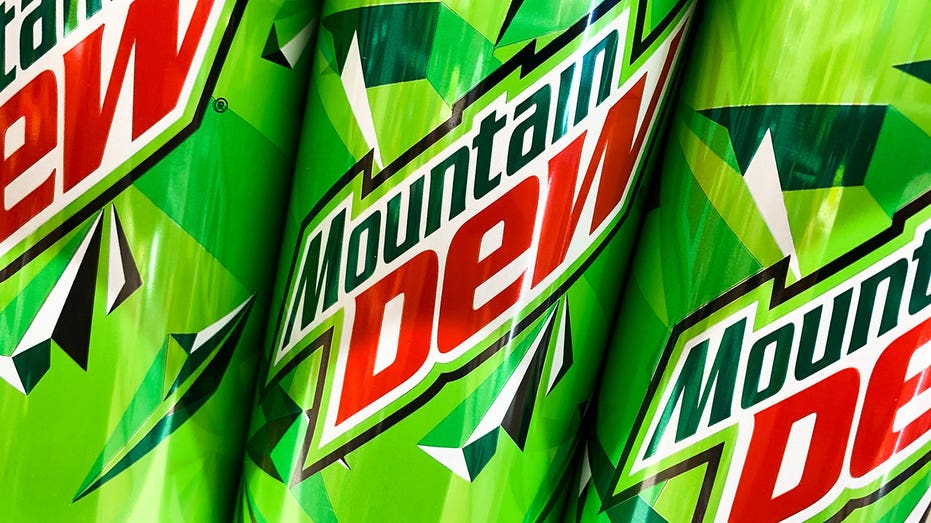
Mountain Dew has temporarily rebranded as “American Dew” for the summer. (Jakub Porzycki/NurPhoto via Getty Images)
GET FOX BUSINESS ON THE GO BY CLICKING HERE
Mountain Dew has temporarily rebranded as “American Dew” for the summer.
PepsiCo, which owns the soda brand, said the rebranded cans feature American flag-themed labels and packaging.

Business
Inside Indian Creek Island, the “Billionaire Bunker” Where Bezos and Zuckerberg Both Own Their Homes
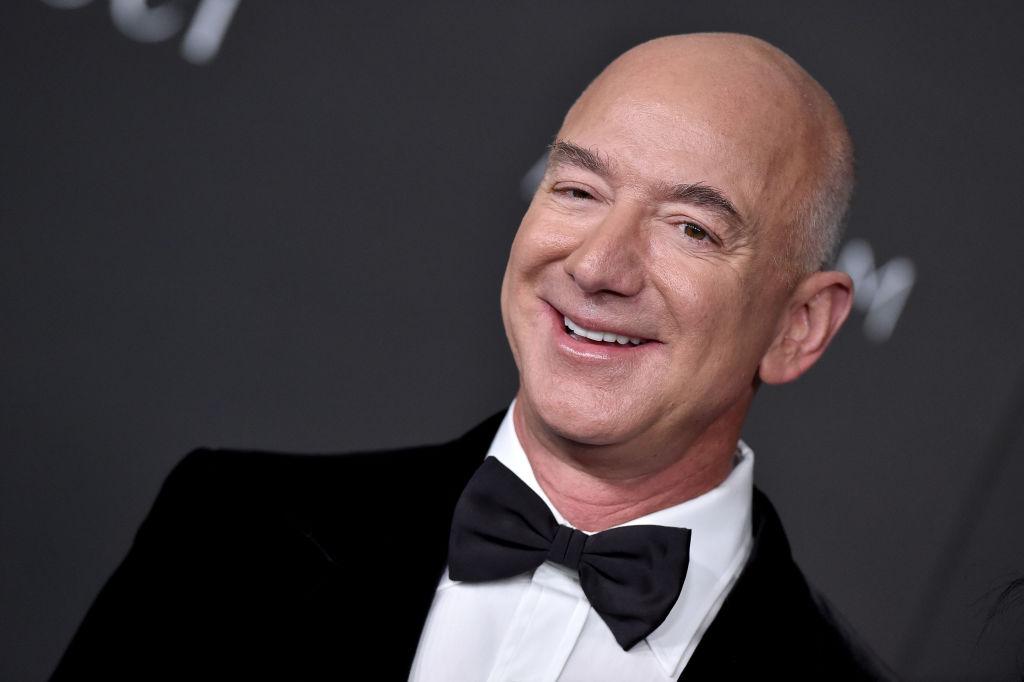
Hidden in Biscayne Bay just north of Miami Beach sits one of the most exclusive residential communities in the United States, a man-made island where the world’s wealthiest people are willing to spend tens or even hundreds of millions of dollars primarily for one thing: privacy, according to a report from Fortune.
Indian Creek Island, widely known by its nickname, the “Billionaire Bunker,” has become one of the most sought-after addresses among the world’s ultra-wealthy, counting Amazon founder Jeff Bezos and Meta CEO Mark Zuckerberg among its residents.
The island’s exclusivity stems in large part from its extremely limited housing supply. The roughly 300-acre island contains just 41 waterfront residential lots and a total population of only 84 residents, making it one of the smallest and most tightly restricted communities in the country. Properties on the island typically start around $60 million, according to the Fortune report, while newly constructed estates have commanded prices ranging from $150 million to $200 million. At the center of the island sits the private Indian Creek Country Club, home to an 18-hole golf course; membership reportedly requires a $500,000 initiation fee along with an extensive vetting and approval process.
Real estate experts told Fortune that the island’s appeal extends well beyond simple scarcity. Indian Creek functions as its own independent municipality, complete with its own local government and a dedicated police force that patrols both the land and the surrounding waterways around the clock. Access to the island is tightly controlled through a single guarded bridge, where visitors are required to identify themselves and may be subject to vehicle inspections before being allowed to enter. Unlike several other celebrity-populated islands in the greater Miami Beach area, sightseeing boats are also kept at a distance from Indian Creek’s shoreline, giving homeowners an unusual degree of seclusion from tourists and photographers seeking a glimpse of the island’s famous residents.
Bezos has assembled a substantial presence on the island, having acquired three separate properties on Indian Creek worth a combined total of more than $230 million. According to the Fortune report, Bezos is in the process of combining two adjoining waterfront parcels into a single, larger private estate, while continuing to live in another home he owns nearby on the island in the meantime. Zuckerberg has separately purchased a newly completed luxury mansion on Indian Creek, adding another prominent technology executive to the island’s roster of high-profile residents. Other well-known Indian Creek homeowners include retired NFL quarterback Tom Brady and Ivanka Trump, according to the Fortune report.
The growing concentration of ultra-wealthy buyers on Indian Creek reflects a broader boom underway across South Florida’s luxury real estate market more generally. A luxury real estate specialist quoted by Fortune said interest from ultra-high-net-worth buyers has continued accelerating even as activity has slowed across more affordable segments of the broader housing market. The report also noted that proposed policy changes elsewhere in the country, including California’s proposed 5% billionaire wealth tax, have prompted some wealthy individuals to explore relocating assets and purchasing property in Florida, a state that does not levy a state income tax, adding a tax-driven incentive to the island’s already substantial appeal among the ultra-wealthy.
Indian Creek’s combination of scarcity, security and discretion has helped set it apart even among the extremely limited pool of buyers capable of purchasing nearly any home in the world. With just a handful of waterfront estates available at any given time, strict controls governing who can access the island, and one of the most heavily protected residential environments anywhere in the country, the enclave has evolved well beyond a conventional luxury neighborhood, establishing itself instead as one of the most exclusive residential addresses available anywhere for the world’s wealthiest individuals.
The island’s history as a haven for the ultra-wealthy predates its current wave of technology billionaire residents, having long attracted prominent business figures, athletes and celebrities seeking a level of privacy and security difficult to replicate in more conventional luxury communities elsewhere in South Florida or beyond. The continued arrival of prominent new residents, including major technology executives like Bezos and Zuckerberg, has further cemented the island’s reputation over recent years as America’s premier address for individuals seeking to combine extreme wealth with an equally extreme level of personal privacy and physical security.
With demand for the island’s extremely limited inventory of waterfront lots continuing to grow, and broader economic and policy trends in states like California potentially pushing additional wealthy buyers toward Florida’s tax-friendly environment, real estate specialists quoted in the Fortune report suggested that Indian Creek’s already elevated property values and exclusivity are likely to continue climbing in the years ahead, further reinforcing the island’s position at the very top of the global luxury real estate market.
Business
10 Fun Facts About Ken Griffin’s Citadel, From a Harvard Dorm Room to a $70 Billion Wall Street Giant
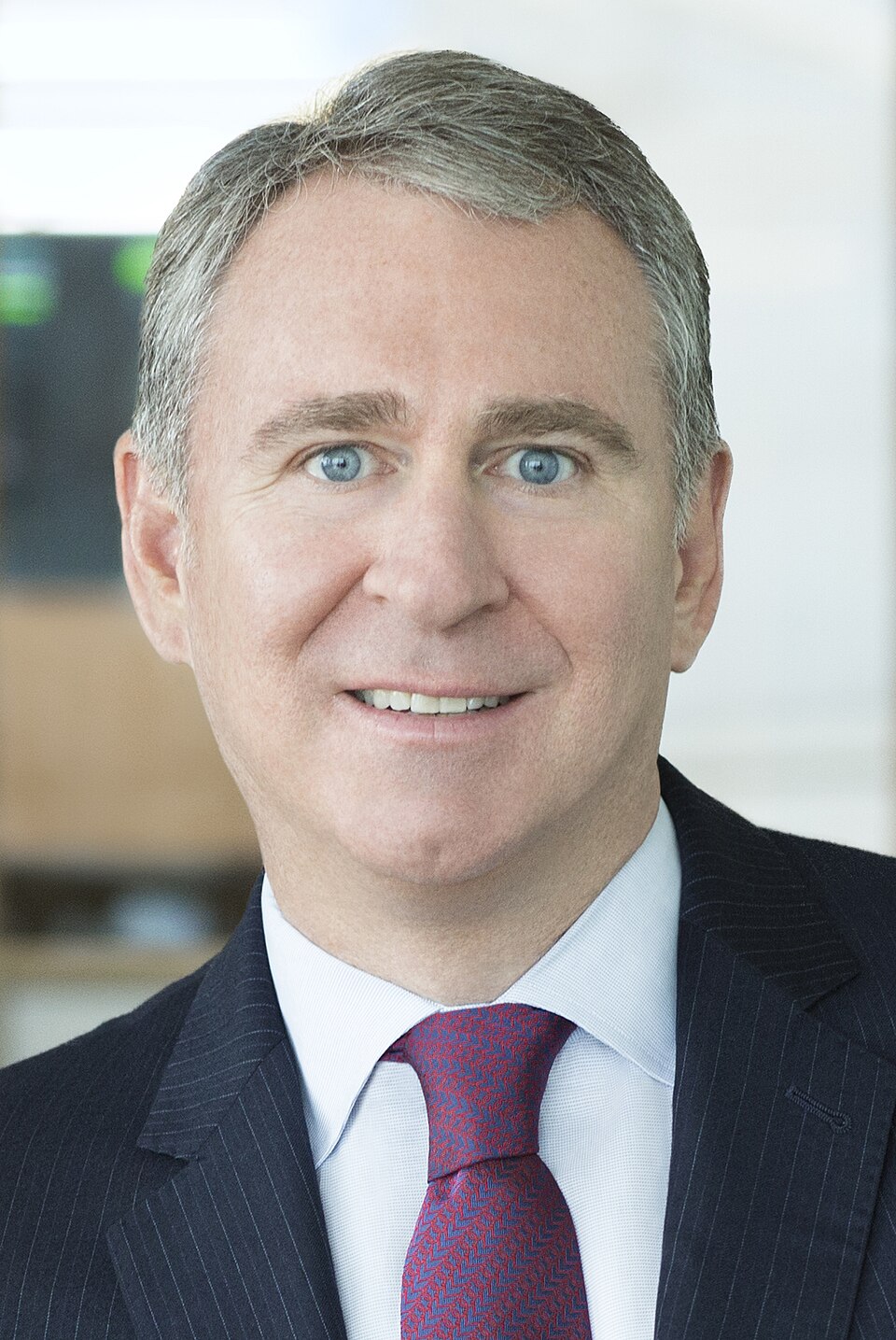
Ken Griffin has built Citadel into one of the most influential and profitable firms on Wall Street, spanning both a massive multi-strategy hedge fund and a separate market-making business that together have made Griffin one of the wealthiest people in the world. Here are 10 facts about the empire he built.
1. It started in a Harvard dorm room. Griffin began trading convertible bonds in 1987 while still an undergraduate at Harvard University, operating out of his dorm room with a computer, a fax machine and a telephone. He raised his initial trading capital, $265,000, from his mother, his grandmother and two non-family investors. By his senior year, he had grown that stake into $1 million in investor money using the same convertible-bond arbitrage strategy.
2. Citadel was officially founded on November 1, 1990. Griffin launched Citadel Investment Group with just $4.2 million in assets under management. He graduated from Harvard in 1989 with an economics degree, completing his studies in three years before formally starting the firm the following year.
3. Citadel’s flagship fund now manages tens of billions of dollars. As of mid-2026, Citadel’s hedge fund business managed approximately $67 billion to $69 billion in assets, according to figures reported by Bloomberg and other financial outlets, a dramatic expansion from the firm’s original $4.2 million starting base more than three decades ago.
4. The flagship Wellington fund has posted a strong long-term track record. Citadel’s primary multi-strategy fund, known as Wellington, has generated an annualized return of approximately 19% since its 1990 inception, according to figures reported by CNBC. The fund climbed 10.2% in 2025 alone, navigating a volatile year marked by sharp market swings and elevated trade tensions.
5. Citadel Securities is an entirely separate, and arguably larger, business. Beyond the hedge fund itself, Griffin also founded Citadel Securities, a major market-making firm that handles roughly 25% of all U.S. equity trading volume. The firm generated record trading revenue of $9.7 billion in 2024, with subsequent reporting indicating trading revenue climbed even higher, to $12.2 billion, in 2025.
6. Griffin retains overwhelming ownership of both businesses. Griffin’s personal ownership stake in Citadel’s hedge fund business is estimated at approximately 85%, based on regulatory filings and ratings reports cited by Bloomberg. His ownership stake in Citadel Securities is estimated separately at roughly 80%, according to a 2019 S&P Global Ratings report and subsequent analysis.
7. Griffin’s real estate portfolio includes some of the most expensive homes ever sold. Griffin has made headline-grabbing property purchases over the years, including a $238 million penthouse in New York City, which at the time of its purchase ranked among the most expensive homes ever sold in the United States, and a $106 million mansion in London. His broader real estate holdings span trophy properties in Miami, Palm Beach, the Hamptons and Hawaii, in addition to office properties associated with Citadel’s operations.
8. He has become one of the largest donors in Harvard’s history. Griffin, Citadel’s founder, donated $150 million to support need-based financial aid at his alma mater in 2014, which stood at the time as the largest single gift in Harvard’s history. In April 2023, he donated an additional $300 million to Harvard’s Faculty of Arts and Sciences, a gift significant enough that the university renamed its Graduate School of Arts and Sciences in recognition of the donation.
9. Citadel recently stepped in to stabilize a major AI-focused hedge fund. In a notable transaction reported this summer, Citadel acquired the bulk of the public equity portfolio belonging to Situational Awareness, a hedge fund founded by former OpenAI researcher Leopold Aschenbrenner, after that fund’s heavily AI-weighted holdings came under significant pressure amid a broader selloff in artificial intelligence-linked stocks.
10. Griffin has publicly voiced skepticism about parts of the AI investment boom. Speaking at the World Economic Forum in Davos in January 2026, Griffin said the artificial intelligence boom represents a mixture of genuine hype and, in his assessment, minimal productivity gains so far, a notably cautious public assessment from one of Wall Street’s most prominent and closely watched money managers.
Griffin’s overall personal net worth has been estimated in various reports throughout 2026 at figures ranging from roughly $45 billion to more than $51 billion, depending on the timing and methodology used by different financial publications, reflecting both the scale of his wealth and the inherent difficulty of precisely valuing a fortune built substantially on privately held business interests rather than publicly traded stock. Beyond his business and philanthropic activities, Griffin has also become a significant political donor over the years, contributing hundreds of millions of dollars to political candidates and causes, further extending his influence well beyond the trading floors and offices of the two firms he built.
Business
Wall Street Bets $26 Billion Against SpaceX Ahead of Its First Earnings and a Massive Share Unlock This Week
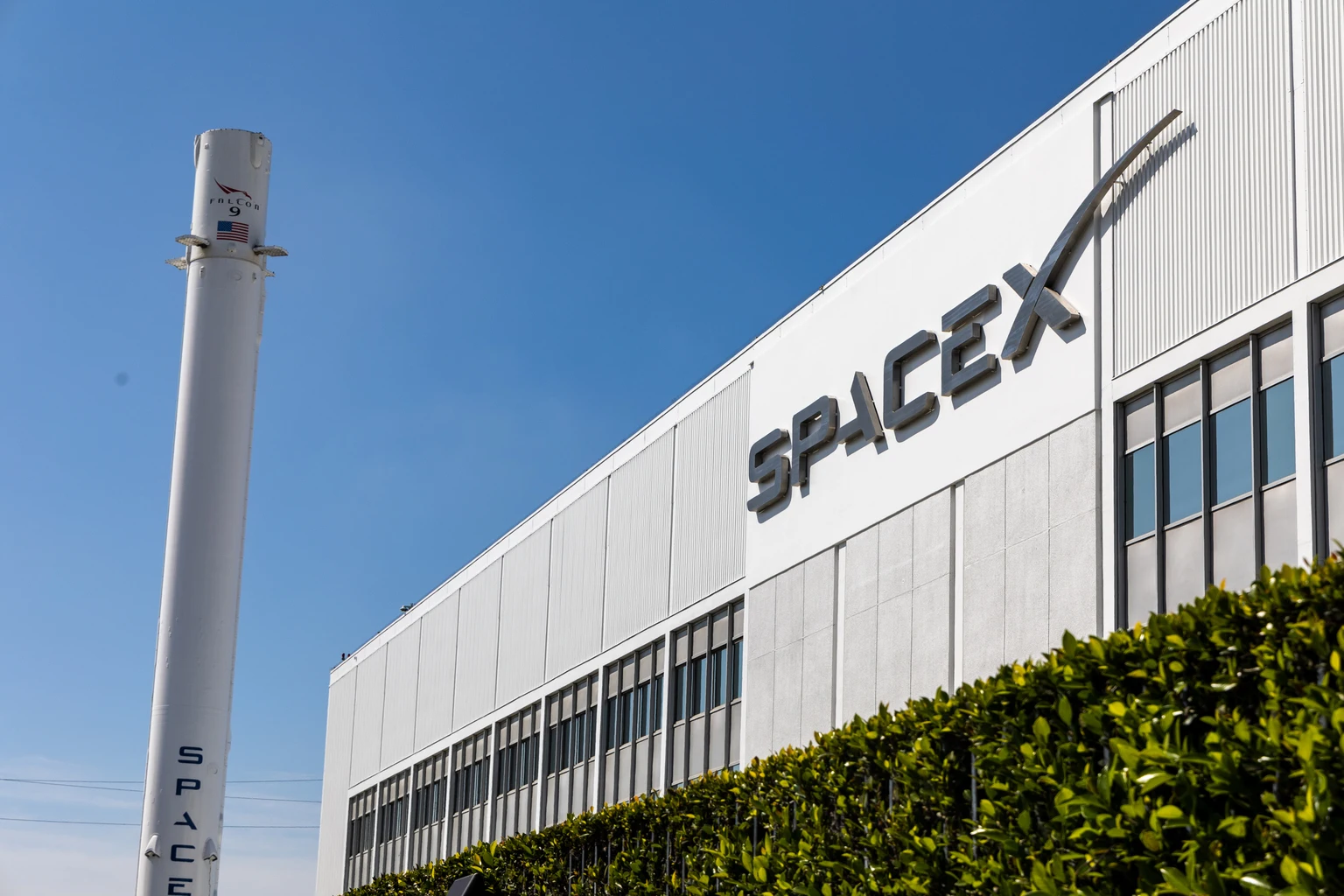
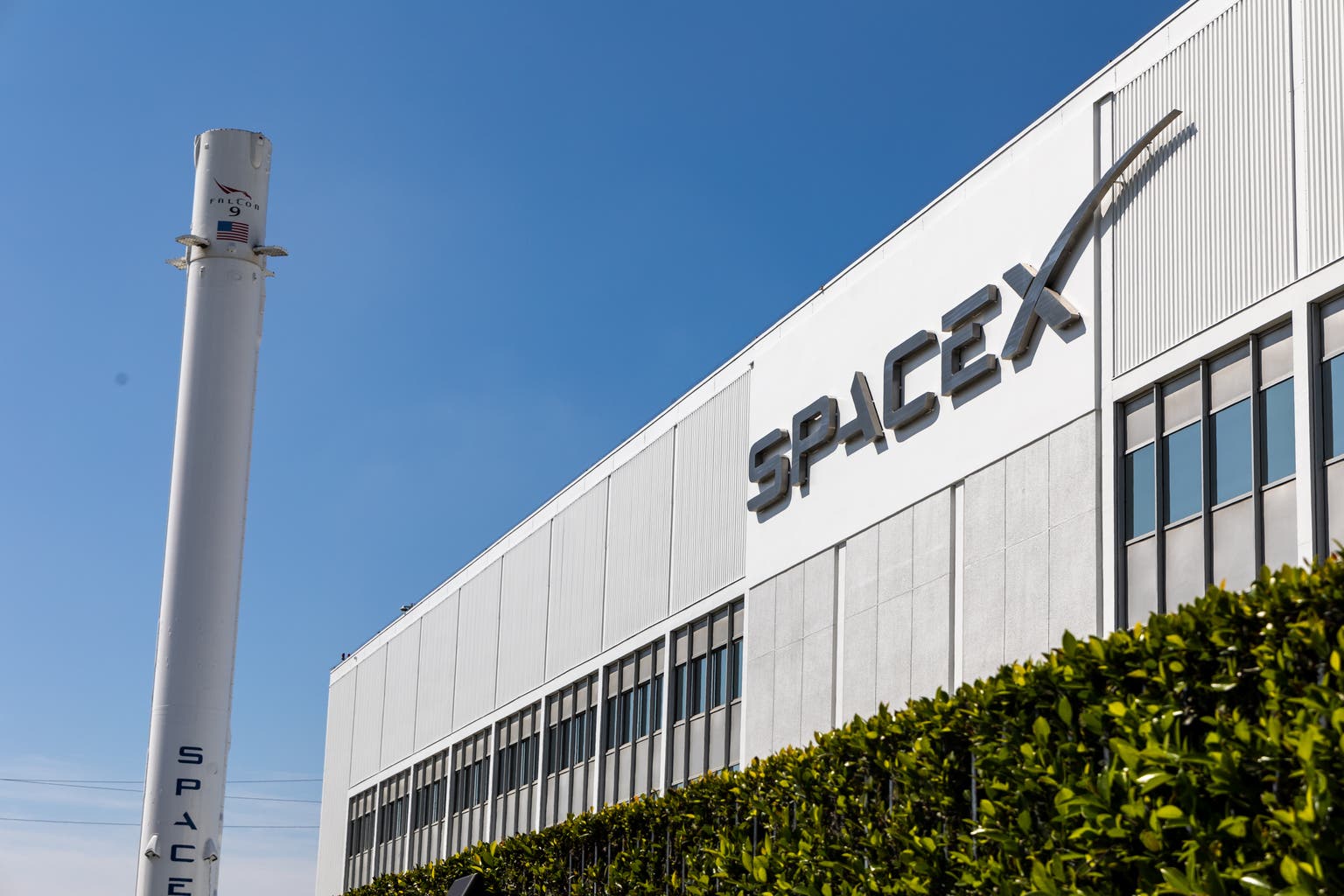
SpaceX has become the most heavily shorted large public company in the United States, with Wall Street investors wagering more than $26 billion that Elon Musk’s rocket and satellite company’s stock will keep falling after losing roughly half its value over the past month.
Short interest in SpaceX shares reached 219.3 million shares as of July 29, according to data compiled by S3 Partners, equal to roughly 34% of the company’s tradable float. That bearish position, worth approximately $24.6 billion as of that date, has continued climbing since, surpassing $26 billion according to more recent figures, and now exceeds the value of short bets placed against Tesla, the other major public company led by Musk. Short interest has grown dramatically since SpaceX’s debut, rising from just 23.3 million shares when the data was first reported on June 16 to more than nine times that level roughly six weeks later.
SpaceX completed the largest initial public offering in history on June 11, pricing 555.6 million shares at $135 and raising $75 billion, a figure that climbed to $85.7 billion once underwriters exercised their overallotment option. The offering was more than double the size of Saudi Aramco’s 2019 listing, which had previously held the record. Shares opened at $150 the following morning and closed their first trading session 19% above the offer price. Four days later, the stock touched an intraday high of $225.64, valuing the company at roughly $2.1 trillion and briefly making Musk the world’s first trillionaire.
The reversal since that peak has been steep. SpaceX and Tesla together shed a combined $1.2 trillion in market value during July alone. Notably, the stock’s decline continued even after Starship’s 13th test flight succeeded on July 25 in what analysts described as a near-flawless mission and one of the company’s clearest operational wins since going public, an outcome that would typically be expected to boost investor sentiment rather than coincide with a new low.
Short sellers have continued adding to their positions rather than locking in gains as the stock has fallen, even as their paper profits have grown substantially. Bloomberg estimated short sellers’ unrealized gains at $3.88 billion on July 15; a day later, when the stock first traded below its offer price, Ortex Technologies put the figure at $8.7 billion. By July 22, that estimate had climbed to $15.5 billion, meaning nearly $12 billion in paper gains accumulated within a single five-session stretch. According to S3 Partners, short sellers had booked approximately $7.3 billion in mark-to-market profits since the stock began trading in June, making SpaceX the second-most profitable short trade of 2026, trailing only Tesla.
Daniela Hathorn, a senior market analyst at Capital.com, attributed the stock’s decline to a combination of factors rather than any single catalyst. “The stock’s retreat seems to be a combination of profit-taking, valuation reassessment and the unwinding of extremely bullish positioning following one of the most anticipated listings in recent years,” Hathorn said, according to a Reuters report.
Two major catalysts loom in the days ahead that could determine whether short sellers extend their gains or face a sharp reversal. SpaceX is scheduled to report its first quarterly earnings as a public company on Aug. 4, followed two days later, on Aug. 6, by the expiration of the company’s initial post-IPO lockup period. At that point, approximately 911.5 million shares held by early investors, company executives and other insiders, worth roughly $116 billion, will become eligible for sale for the first time, a development that could flood the market with additional tradable shares and pressure the stock further if a meaningful portion of insiders choose to sell.
Ahead of those events, Morgan Stanley has warned that SpaceX is entering what the firm characterized as its most dangerous stretch since going public, citing the potential for approximately $100 billion in market value to become newly available for trading in the coming weeks. The bank has projected SpaceX will report second-quarter revenue of approximately $6.75 billion and an adjusted loss per share of 35 cents, while estimating Starlink’s global consumer subscriber base has reached approximately 12 million households.
Investors have grown more cautious partly because of concerns beyond SpaceX’s core rocket and satellite businesses. The company raised $25 billion through the bond market last month specifically to finance expansion of its artificial intelligence infrastructure, a move that added to broader market unease about aggressive AI-related capital spending across the technology sector, particularly given questions about how quickly that spending will translate into corresponding revenue growth, especially if interest rates remain elevated.
SpaceX is not alone in attracting heavy bearish bets this year. According to S3 Partners, several other major technology companies with significant artificial intelligence exposure, including Alphabet, Amazon, Microsoft, Nvidia, Broadcom and Micron, also rank among the year’s most heavily shorted stocks, reflecting broader investor concern about elevated valuations and heavy capital spending commitments tied to the AI infrastructure buildout across the sector.
Despite the scale of the current bearish positioning, most Wall Street analysts covering SpaceX have maintained largely bullish long-term ratings on the stock, even as they acknowledge that the combination of Thursday’s earnings report and the subsequent lockup expiration could inject significant additional volatility into the shares in the days immediately ahead.

Repligen: Acquisition To Add Cell Therapy Capabilities
Business
(VIDEO) Coco Jones Marries Cavaliers Star Donovan Mitchell as Their First Dance Video Goes Viral

Grammy-winning R&B singer Coco Jones married Cleveland Cavaliers guard Donovan Mitchell on Saturday, with footage from their first dance quickly spreading across social media and drawing widespread attention to the wedding of one of sports and music’s most closely watched couples.
The ceremony took place Aug. 1, roughly a year after the couple announced their engagement in July 2025. Mitchell, 29, and Jones, 28, had dated since 2023, keeping much of their relationship out of the public spotlight in the years leading up to the wedding. Videos shared by wedding guests, including footage posted by former basketball player Troy Payne, showed the couple’s first dance to Musiq Soulchild’s “Love,” with Jones wearing a veil as she moved with Mitchell through a reception tent draped in cream fabric and floral decorations.
Coco Jones wore a reception gown paired with a flowing veil, while Mitchell wore a cream-colored tuxedo for the occasion, according to photos and video from the celebration shared online. Additional footage circulating from the reception showed the newlyweds singing along to “When I See You” with their guests.
The guest list drew heavily from both the NBA and entertainment worlds. Attendees included NBA players Jaylen Brown, Jalen Brunson and Bam Adebayo, along with singer Ciara and her husband, retired NFL quarterback Russell Wilson. Wilson and Ciara’s presence carried particular significance for the couple beyond simple friendship: Wilson connected Mitchell with the event planner who helped arrange his July 2025 proposal, and Jones has publicly described the couple as mentors to her and Mitchell.
Jones previously discussed her wedding planning during a February appearance at the 2026 Grammy Awards, telling PEOPLE at the time that she hoped the ceremony would feel “intimate.” Speaking on the red carpet about the planning process, Jones said she was “really excited” about the preparations, adding, “It’s amazing.”
Mitchell has described his early attraction to Jones as predating their eventual meeting. He had previously sent Jones a direct message on Instagram that she did not see at the time, a message Jones has since said contained “something with a red heart.” Reflecting on the missed message, Jones said she believed the timing of their eventual meeting, rather than the earlier DM, was meant to be. “I’m like, ‘Oh, good, that wouldn’t have worked anyway. I don’t want no heart, I don’t know you,’” Jones said, recalling her reaction. She said the couple’s eventual connection felt fated. “That’s how you know it’s above us. It’s God,” she said. “We’re meant to be.”
Mitchell has previously spoken publicly about his admiration for Jones’s professional drive, particularly after accompanying her on her “Why Not More” concert tour. Speaking during Cavaliers media day last year, Mitchell praised her work ethic directly. “She’s a special human,” Mitchell said. “And you see it in her work.”
The wedding capped an eventful summer for Mitchell professionally. He signed a $273 million contract extension with the Cavaliers earlier this year, securing his place with the franchise through 2031, before marrying Jones just months later. Mitchell averaged 24 points per game during the 2025-26 NBA season and earned his second career All-NBA team selection.
Jones has similarly enjoyed a standout year professionally. She has continued building on the momentum from her Grammy-winning success, releasing new singles including “Luvagirl” in March and “Body So Tea” later in the year, while also maintaining an active acting career alongside her music. Jones first gained national attention as both a singer and actress before her Grammy win helped establish her among R&B’s leading young performers.
The couple’s relationship first became public through a series of joint appearances at high-profile events over the past two years, including Mitchell joining Jones onstage following her performance of “Lift Every Voice and Sing” at Super Bowl LX in February 2026, and Jones attending Cavaliers games throughout Mitchell’s playoff run, including a widely shared moment when the two shared a kiss at Little Caesars Arena following Cleveland’s Game 7 playoff win over Detroit in May 2026.
As of Sunday, neither Mitchell nor Jones had publicly confirmed the wedding themselves, with news of the ceremony spreading instead through footage shared by guests who attended the event. Fans and entertainment outlets have continued sharing and reacting to the viral wedding videos throughout the weekend, cementing the union as one of the more closely watched celebrity weddings to take place this summer at the intersection of the sports and music worlds.
Business
(VIDEO) Firefighting Helicopters Collide Near Athens as Greece Battles Wind-Driven Wildfires, Search Underway

Television footage showed one of the helicopters explode and plunge to the ground in flames following what appeared to be a rotor collision between the two aircraft. State broadcaster ERT reported that one crew member had been found safe, while rescuers continued searching for a second individual as of the most recent reporting. The two helicopters had been leased by Greece’s fire department and had taken off from Elefsina military airport before the collision occurred.
Prime Minister Kyriakos Mitsotakis, who had been briefed on the broader firefighting operation, cited the extreme weather conditions that have complicated aerial firefighting efforts across the region in recent days. “When the winds blow with such force, even the dozens of aircraft we have at our disposal cannot operate safely,” Mitsotakis wrote on Facebook, noting that gusts had reached speeds of up to 100 kilometers, or roughly 60 miles, per hour.

The collision occurred amid an intensifying firefighting operation involving nearly 500 personnel and 23 aircraft deployed to battle the blaze around Porto Germeno, a seaside community on the Gulf of Corinth roughly 40 miles northwest of Athens. Gale-force winds had repeatedly prevented firefighting aircraft from safely collecting water from the sea in the days leading up to Sunday’s collision, severely hampering the broader aerial response even before the crash occurred. Greece’s Civil Protection Minister, Evangelos Tournas, said Saturday that the country’s fire department had been “pushed to its limits” by the scale of the ongoing wildfire activity. Tournas described the specific challenge posed by the strong winds, saying they had created “extremely difficult conditions resulting in many cases where aircraft either cannot draw water or cannot carry out drops due to extreme turbulence.”
The wildfire itself began Friday near Agios Vasileios before sweeping toward Porto Germeno and into the forested mountains west of Athens. The blaze has already destroyed more than 100 homes northwest of the capital, according to reporting on the broader fire’s impact. Theodore Giannaros, a wildfire meteorologist and senior researcher at Greece’s National Observatory, said the fire around Porto Germeno appeared to have affected more than 10,000 hectares, or roughly 24,700 acres, nearly double an earlier estimate of the burned area. “It is highly likely (if not almost certain) that this particular wildfire will be classified as a megafire,” Giannaros wrote on Facebook.
Authorities have carried out multiple evacuations as the fire has spread, including the coastal communities of Kandili, Agia Skepi and Toutouli, with residents in some areas evacuated by sea when fire and smoke cut off the limited road access available from certain coastal communities. Firefighters evacuated 254 people by sea on Friday and another 12 on Saturday, according to reporting on the ongoing response. Flames have also reached a military firing range near the fire zone, activating unexploded ammunition in the area, adding an additional layer of danger for crews working nearby.
Sunday’s helicopter collision adds to a difficult stretch for Greek firefighting operations more broadly. Three firefighters have died in the line of duty in recent days, two in Crete and one in the Peloponnese, according to Greek fire department reporting. Separately, a new wildfire broke out on the Ionian Sea island of Kefalonia, forcing additional evacuations on the popular tourist destination. A 44-year-old man was arrested Sunday on the island on suspicion of deliberately starting that fire, according to the Greek news agency ANA.
Sunday’s events in Greece unfolded as wildfires continued affecting multiple countries across southern Europe amid an ongoing continental heatwave. Wildfires that had previously burned across large areas of France and Spain showed signs of easing over the weekend, even as Greece experienced a fresh wave of wildfire activity following a period of relative calm. Scientists have said the broader pattern of destructive wildfire activity across Europe this summer has been exacerbated by climate change, following an extended period of record-breaking heat and minimal rainfall across the region.
With gale-force winds having only partially subsided as of Sunday and the search for the missing helicopter crew member continuing, Greek authorities are expected to face several more difficult days managing both the immediate aftermath of the helicopter collision and the ongoing effort to contain the wildfire still burning across the mountainous terrain west of Athens.
Business
(VIDEO) iPhone 18 Pro Keynote Expected September 9 as Apple Sticks to Its Longstanding September Pattern Again

Apple’s next major product announcement, expected to unveil the iPhone 18 Pro and possibly the company’s first foldable iPhone, appears set to take place Wednesday, Sept. 9, according to analysis based on the company’s longstanding scheduling patterns for its annual fall keynote.
Apple has not yet officially confirmed the date of its fall special event, but the company’s historical scheduling behavior has narrowed the likely window considerably. Since 2011, Apple has held its annual iPhone announcement event every autumn without exception, with the sole deviation being the iPhone 4S keynote, which was pushed later to Tuesday, Oct. 4, 2011. Since then, the event has consistently taken place during the first half of September.
Bloomberg’s Mark Gurman wrote in his newsletter last month that Sept. 8 or Sept. 9 were the most likely dates for this year’s event, according to Joe Rossignol of MacRumors, who has been tracking the speculation. “We are still waiting for Apple to announce the iPhone 18 Pro and iPhone Ultra event,” Rossignol said. “In his newsletter last month, Bloomberg’s Mark Gurman said Sept. 8 or Sept. 9 are the most likely dates for the event.”
Further analysis points more specifically toward Sept. 9 as the likelier of those two dates. Apple has never held its fall keynote on the day immediately following Labor Day, even though Tuesday has historically been the company’s preferred day of the week for the announcement, chosen in nine of the past 15 years. Because Labor Day falls on Monday, Sept. 7, this year, Tuesday, Sept. 8, would fall on the day directly after the holiday, a scheduling slot Apple has consistently avoided throughout its history of fall product launches. That pattern points to Wednesday, Sept. 9, as the most probable date for this year’s keynote, since scheduling the event on Labor Day itself, or asking staff, press and invited guests to travel on the holiday, would represent a break from a practice the company has strictly observed for years.
Apple’s pattern for announcing the specific date of its special event ahead of time has also grown more consistent in recent years, offering an additional data point for predicting when the official confirmation will arrive. In 2020 and 2021, during the disruptions caused by the COVID-19 pandemic, Apple announced its special event just seven days ahead of the keynote itself. Since then, however, the company has consistently announced the event exactly 14 days in advance. In 2024, Apple confirmed its keynote on Monday, Aug. 26, ahead of a Monday, Sept. 9, event. The following year, a Tuesday, Aug. 26, announcement preceded a Tuesday, Sept. 9, keynote. Following that same 14-day pattern, this year’s official announcement is expected to arrive on Wednesday, Aug. 26, confirming a Wednesday, Sept. 9, special event.
The keynote itself is expected to take place at the Steve Jobs Theater at Apple Park in Cupertino, California, following the format Apple has used consistently since 2020, in which the presentation is delivered as a pre-recorded video displayed on the theater’s large screen rather than a traditional live, in-person keynote. This year’s event will mark a notable transition for Apple’s executive leadership: the presentation is expected to be introduced on stage for the first time by John Ternus, who is set to become Apple’s chief executive officer just days earlier, on Sept. 1. The keynote is expected to begin at 10 a.m. Pacific time, 1 p.m. Eastern time and 6 p.m. in the United Kingdom, and is likely to run between one and two hours based on the length of previous years’ presentations. Following the recorded keynote, guests and members of the press in attendance are expected to have hands-on access to the newly unveiled devices, demonstrated by Apple staff, consistent with the format of prior years’ events.
If Apple does unveil a foldable iPhone alongside the standard iPhone 18 Pro and Pro Max lineup, that device is expected to draw significant attention throughout the event’s live coverage and subsequent hands-on demonstrations, given the novelty of Apple entering the foldable phone category for the first time.
Following the keynote, the new iPhone 18 Pro and Pro Max models are expected to become available for purchase the following week, on Friday, Sept. 18, based on Apple’s typical timeline between its fall announcement and the on-sale date for its newly unveiled devices. Should a foldable iPhone also be announced at the September event, it remains unclear whether that device would go on sale on the same date as the standard iPhone 18 Pro lineup or follow at a later point, given the added manufacturing complexity typically associated with a genuinely new device category.
With Apple’s official confirmation of the keynote date still weeks away based on the company’s typical announcement timeline, anticipation is expected to continue building throughout August as analysts and technology outlets refine their predictions about the specific features, pricing and lineup changes Apple is likely to reveal when the iPhone 18 Pro finally takes the stage on what is widely expected to be Wednesday, Sept. 9.


Stanford Chemist is a scientific researcher by training. For the past decade he has been providing analysis and evidence-based ways of generating profitable investments with CEFs and ETFs. He leads the investing group CEF/ETF Income Laboratory. Features of the service include: managed income portfolios (targeting safe and reliable ~8% yields) making use of high-yield opportunities in the CEF and ETF fund space. These are geared toward both active and passive investors of all experience levels. The vast majority of {CEF/ETF Income Laboratory} holdings are also monthly-payers, for faster compounding and steady income streams. Other features include 24/7 chat, and trade alerts.
Analyst’s Disclosure: I/we have a beneficial long position in the shares of BANX either through stock ownership, options, or other derivatives. I wrote this article myself, and it expresses my own opinions. I am not receiving compensation for it (other than from Seeking Alpha). I have no business relationship with any company whose stock is mentioned in this article.
Seeking Alpha’s Disclosure: Past performance is no guarantee of future results. No recommendation or advice is being given as to whether any investment is suitable for a particular investor. Any views or opinions expressed above may not reflect those of Seeking Alpha as a whole. Seeking Alpha is not a licensed securities dealer, broker or US investment adviser or investment bank. Our analysts are third party authors that include both professional investors and individual investors who may not be licensed or certified by any institute or regulatory body.
Sven Piper/iStock Editorial via Getty Images
Download this episode on Apple Podcasts/Spotify or listen below:

SpaceX bull case and bear case. (0:17) Bond market eyeing July’s jobs report. (1:30) Trump halts Iran strikes for now. (2:15)
The following is an abridged transcript:
Earnings continue to roll in this week, with 136 S&P 500 companies, including five Dow components, on the calendar.
SpaceX (SPCX) will issue its first earnings report as a public company on Wednesday.
Major topics are expected to include Starlink (STRLK) growth, the Starship timeline and capital spending plans. Elon Musk is also expected to participate on the conference call.
Shares are down more than 50% from their intraday peak of around $225 and roughly 20% below the $135 IPO price.
Seeking Alpha analyst Mike Zaccardi says that despite heavy selling and upcoming share unlocks, the recent drawdown largely prices in those supply risks, while major Wall Street price targets, including Morgan Stanley’s $300 target, remain bullish.
But Seeking Alpha analyst Julia Ostian justifies her Strong Sell rating by pointing to extreme short interest, a looming wave of new shares and skepticism about the sustainability of the AI business and its underlying customer demand.
Here’s how the rest of the earnings calendar shapes up:
Palantir (PLTR) and Snap (SNAP) report on Monday.
AMD (AMD), Merck (MRK) and Pfizer (PFE) join SpaceX. (SPCX) on Tuesday.
Eli Lilly (LLY), Novo Nordisk (NVO) and Uber (UBER) report on Wednesday.
ConocoPhillips (COP) and Airbnb (ABNB) are on deck Thursday.
Take-Two Interactive Software (TTWO) and Oklo (OKLO) report Friday.
And Berkshire Hathaway (BRK.A) (BRK.B) sticks with its tradition of releasing earnings on Saturday.
Looking to the economy, traders will get the first jobs report of the new Fed regime, where the bond market is expected to do the heavy lifting on financial conditions. The long bond remains near a 19-year high after Fed Chairman Kevin Warsh’s press conference did little to ease inflation concerns.
Economists expect nonfarm payrolls to have risen by 86K in July, with the unemployment rate holding steady at 4.2% and average hourly earnings increasing 0.3%.
Wells Fargo says small-business hiring plans and initial jobless claims suggest layoffs remain limited.
But their economists also note that Indeed job postings “are hovering below year-ago levels, while ADP’s measure of weekly private-sector payroll growth has slowed since the spring.”
The potential for a rebound in the labor force participation rate also adds some upside risk to the unemployment rate, Wells Fargo said.
In the news this weekend, investors searching for signs that the Middle East conflict may be easing received mixed signals on Sunday.
President Donald Trump said he had suspended planned military strikes because negotiations could soon reopen the Strait of Hormuz.
Iran, however, quickly denied both Trump’s account and reports that an agreement had been reached, leaving energy markets and regional security caught between competing narratives.
And for income investors, Citigroup (C) goes ex-dividend on Monday and will pay on August 28.
MetLife (MET) goes ex-dividend on Tuesday, with a payout date of Sept. 8.
Carnival (CCL) and JB Hunt (JBHT) both go ex-dividend on Friday. Carnival pays on August 28, while JB Hunt pays on August 21.


Aaron Chow, aka Elephant Analytics has 15+ years of analytical experience and is a top rated analyst on TipRanks. Aaron previously co-founded a mobile gaming company (Absolute Games) that was acquired by PENN Entertainment. He used his analytical and modeling skills to design the in-game economic models for two mobile apps with over 30 million in combined installs. He is the author of the investing group Distressed Value Investing, which focuses on both value opportunities and distressed plays, with a significant focus on the energy sector. Learn more>>
Analyst’s Disclosure: I/we have no stock, option or similar derivative position in any of the companies mentioned, and no plans to initiate any such positions within the next 72 hours. I wrote this article myself, and it expresses my own opinions. I am not receiving compensation for it (other than from Seeking Alpha). I have no business relationship with any company whose stock is mentioned in this article.
Seeking Alpha’s Disclosure: Past performance is no guarantee of future results. No recommendation or advice is being given as to whether any investment is suitable for a particular investor. Any views or opinions expressed above may not reflect those of Seeking Alpha as a whole. Seeking Alpha is not a licensed securities dealer, broker or US investment adviser or investment bank. Our analysts are third party authors that include both professional investors and individual investors who may not be licensed or certified by any institute or regulatory body.

Landman Star Reveals Major Season 3 Filming Delay After Change

US kills Iranian family with 2,000-pound bomb

Nationals scratch Luis Garcia Jr. from lineup vs. Braves


-
 Sports7 days ago
Commonwealth Games boxing: Jadumani Singh seals dominant 5-0 win over Pakistan’s Sumama Rehman to enter quarter-finals | Commonwealth Games News
-

 Business4 days ago
Why Trees Belong on the Risk Register
-

 Fashion2 days ago
Weekend Open Thread: Wit & Wisdom
-

 Tech7 days ago
Intel is reversing course and bringing hyper-threading back to its server chips
-

 Politics2 days ago
Meta enters AI-training agreement with far-right ‘propaganda rag’ Newsmax
-

 Politics6 days ago
Luke Littler dismantles Gerwyn Price to retain title in Blackpool
-

 Crypto World1 day ago
MicroStrategy Post-Earnings CLARITY Act Push Could Add New Catalyst for Its Stock
-

 Politics5 days ago
The Part of the Electric Transition Nobody Wants to Discuss
-
 Entertainment5 days ago
‘Stargate’ Creator’s New Sci-Fi Series Returns for Season 3 Tomorrow
-

 News Videos7 days ago
BITCOIN JUST ENTERED THIS CRITICAL ZONE…
-

 Business5 days ago
Major shareholder moves on Canyon
-

 News Videos3 days ago
Bitcoin Enters the 3rd Stage of the Bear Market
-

 Crypto World1 day ago
XRP Ledger v3.3.0 brings five institutional features
-

 Crypto World5 days ago
Kraken Enables Retail Access to Jersey Mike’s IPO via Tokenized Shares
-

 Tech6 days ago
New macOS Sequoia & Sonoma security updates for older Macs
-

 News Videos5 days ago
Claude: Build Financial Dashboards in Minutes (2026)
-

 Politics3 days ago
Luke Littler’s dominance sparks GOAT debate
-

 Sports3 days ago
Seema Kaliramna Wins Discus Throw Bronze, Takes India’s CWG Medals Tally To 17
-

 Business5 days ago
Johnson & Johnson agrees to $5.5B settlement over talc cancer claims
-

 Crypto World8 hours ago
Crypto PAC spending tops $2M in Michigan House race
You must be logged in to post a comment Login