
Business
US Federal Reserve chair Kevin Warsh says he will stick by 2% inflation target, vows to bring in real-time economic data for making interest rate decisions

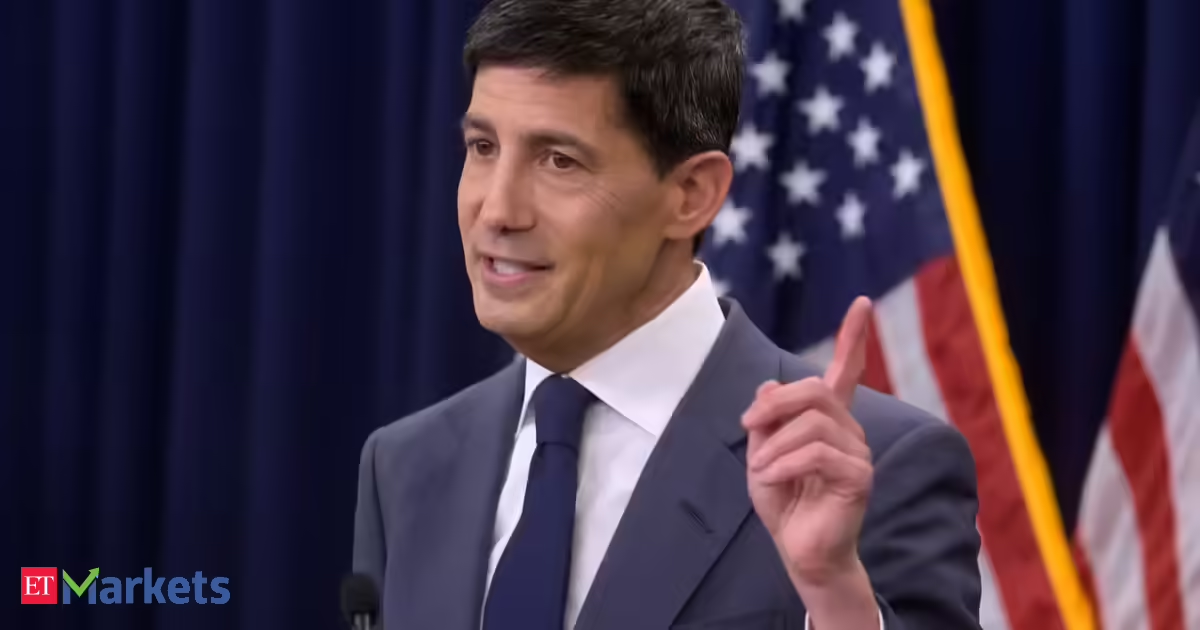
“If people thought this central bank was going to be comfortable with an inflation objective above 2%, they would be disappointed,” Warsh told a European Central Bank panel in Sintra, Portugal, adding, “We have been an independent central bank for a long time. We are going to be an independent central bank at this moment and you will see no changes on that.”
He further restated that he would give little hints on monetary policy projections.
Warsh also promised to bring in real-time economic data that will help the US central bank make better policies, replacing what he termed problematic government reports.
“My aspiration is that nine to 12 months from now we’re going to be using new technologies to understand what’s happening in the real economy in a contemporaneous, real-time way that positions us as central bankers to make better decisions, that we’re no longer going to have to rely solely on data that we get from government agencies with mismeasurement problems that have surveys that are no longer relevant,” Warsh told a monetary policy forum in Portugal. “My favorite data is upon us, and if we do our jobs, we’ll be here a year from now, and we’ll say we’ve discovered data that helps us make better decisions.”

The Federal Reserve relies on a broad mix of government, private-sector and internal data — both public and non-public — to assess economic conditions and guide interest rate decisions aimed at supporting employment and keeping inflation under control.
Warsh has argued that the Fed places excessive reliance on official data, which he believes often lags or fails to accurately reflect current economic conditions. He contends that flawed data has contributed to poor policymaking, allowing inflation to remain above the central bank’s target for more than five years.Fed officials, however, say they guard against the risk of relying on data that may later be revised or fail to capture current conditions by focusing on longer-term trends — an approach Warsh himself appeared to endorse on Wednesday when he avoided drawing monetary policy conclusions from recent economic data.
They also argue that regular consultations with business leaders and organisations across the country, summarised in the Fed’s Beige Book, provide timely insights into economic developments that may not yet be reflected in official data.
Task Force members to be named soon
Warsh also said he would start naming members of his five new task forces from next week, one of which focuses on finding new data-gathering sources and methods.
Warsh says his task force may have ideas about how to improve official data but also about how to generate more up-to-date information about the economy.


France and Spain win some respite, as wildfire battles rage across Europe

Meredith’s DIY Hardware and Ironmongery has been at Yate Shopping Centre, near Bristol, since 1965.
Business
Hyundai Motor India shares rally 7% despite Q1 profit decline. Should you buy, sell or hold?

Brokerages maintained a positive outlook on the stock, citing Hyundai’s focus on regaining domestic market share, expanding exports, improving product mix, and cost optimisation initiatives.
Hyundai Motor India Limited reported a consolidated net profit of Rs 889 crore for Q1 FY27, declining 35% year-on-year compared with Rs 1,369 crore in the same quarter last year. Revenue from operations slipped marginally by 0.5% YoY to Rs 16,335 crore from Rs 16,413 crore. Ebitda declined 31% YoY to Rs 1,512 crore, while Ebitda margin contracted to 9.3% from 13.3% a year ago, impacted by commodity inflation, lower volumes, plant startup costs, and an adverse product mix.
The company acknowledged that Q1 FY27 was a challenging quarter, impacted by multiple headwinds affecting volumes and profitability. Hyundai said temporary production disruptions limited domestic volume growth to 5.4% YoY, while exports were affected by geopolitical challenges, including the ongoing West Asia conflict.
“Q1 FY27 was a challenging quarter, affected by multiple headwinds impacting volumes and profitability. With 100% normalisation of production, coupled with a healthy demand environment and an upcoming product pipeline, recovery is likely to gain pace from Q2 onwards across both domestic and export businesses,” said Tarun Garg, Chief Executive Officer and Managing Director, Hyundai Motor India.
Brokerages remain optimistic
HDFC Securities noted that Hyundai’s Q1 revenue performance was broadly in line with its estimates and Bloomberg consensus. The brokerage highlighted management’s aggressive strategy to revive business fundamentals through market share recovery, export expansion, improved product mix, localisation, and value engineering.
HDFC Securities expects a rising CNG mix and the upcoming compact electric SUV launch to strengthen Hyundai’s positioning ahead of the upcoming CAFE 3 emission norms. The brokerage maintained an Add rating and valued the company at 23x June 2028 earnings per share, with a target price of Rs 2,142.
Motilal Oswal Financial Services said Hyundai’s Q1 FY27 profit beat its estimates, with PAT at Rs 8.9 billion compared with its estimate of Rs 8.3 billion, supported by higher-than-expected other income and lower depreciation. The brokerage said Ebitda margin at 9.3% was broadly in line with expectations, though down 400 basis points YoY due to cost pressures and operational challenges.Motilal Oswal expects Hyundai’s new launches and strong export order book to drive growth in the second half of FY27. It estimates Hyundai to deliver around 9% volume CAGR over FY26-28, led by a 12% CAGR in exports, while earnings are projected to grow at around 16% CAGR during the period.
The brokerage believes Hyundai remains well-positioned to benefit from India’s premiumization trend, supported by its strong SUV portfolio, and reiterated its Buy rating with a target price of Rs 2,334, valuing the stock at 26x FY28 estimated earnings. With production normalisation, new launches, and export recovery expected to support growth from Q2 FY27 onwards, analysts believe Hyundai’s near-term challenges could give way to a stronger second half performance.
(Disclaimer: Recommendations, suggestions, views and opinions given by the experts are their own. These do not represent the views of The Economic Times)
Business
Skip Bayless Mocks Reported LeBron James “Last Dance” Documentary as Business Partner Denies the Plans

Sports commentator Skip Bayless dismissed reports that LeBron James is planning an ESPN documentary chronicling his final NBA seasons in the style of Michael Jordan’s “The Last Dance,” even as conflicting accounts emerged about whether such a project is actually in the works following James’s move to the Philadelphia 76ers.
The Athletic’s Andrew Marchand reported that a camera crew would follow James starting this upcoming season to document his time with the 76ers, whom the 41-year-old signed with this summer on a two-year, $8 million deal. Bayless responded to the report on social media with a pointed critique, framing the project as an attempt by James to draw comparisons to Jordan’s legacy. “LeBron is at it again, trying to be Jordan, beat Jordan with a Jordan-style ‘Last Dance’ documentary,” Bayless wrote on X. “Laughably pathetic. He’s not even in MJ’s universe. There was only one 23.”
Bayless has been an outspoken critic of James for much of his broadcasting career, a stance he has attributed to his admiration for Jordan, whom he covered extensively as a lead sports columnist for the Chicago Tribune during the 1990s. That period placed Bayless in close proximity to the Chicago Bulls dynasty that Jordan led to six NBA championships, an era that has continued to shape Bayless’s public comparisons between the two players throughout James’s career.
Not everyone close to James has confirmed the documentary plans described in the initial report. Maverick Carter, the chief executive of Uninterrupted and James’s longtime business partner, moved quickly to dispute the characterization of the project on social media. “We are NOT doing anything like the ‘last dance,’” Carter wrote on X. “LeBron doesn’t even know when his last season is.” James amplified Carter’s statement by retweeting it, effectively co-signing the denial through his own account.
Carter and James have built one of the most enduring partnerships in professional sports over the course of James’s career, with the two having grown up together before Carter went on to serve as James’s business adviser. Under Carter’s guidance, James has built a business empire that has helped push his net worth beyond $1 billion, spanning ventures in media, entertainment and consumer products alongside his NBA career.
The conflicting accounts come amid a significant and closely watched chapter in James’s career, following his decision this summer to sign with the Philadelphia 76ers after a lengthy free agency process that included interest from several other prominent franchises. James enters the coming season with a clear stated objective: winning a fifth NBA championship, which would require him to add a title with the 76ers to previous championships he won with the Cleveland Cavaliers, Miami Heat and Los Angeles Lakers. Should James accomplish that goal, he would become the first player in NBA history to win a championship with four different franchises, a milestone that would further cement his standing among the league’s all-time greats regardless of how it compares to Jordan’s own championship résumé.
Jordan’s “The Last Dance,” a 10-part documentary series that aired on ESPN in 2020, chronicled the Chicago Bulls’ 1997-98 championship season and became a cultural phenomenon during its release, drawing record ratings for ESPN amid a period when live sports programming had been paused because of the COVID-19 pandemic. The documentary offered an unusually intimate look at Jordan’s final season with the Bulls, drawing on archival footage combined with new interviews, and significantly shaped public discourse around Jordan’s legacy and his rivalry-driven leadership style.
Given the outsized cultural impact of Jordan’s documentary, any suggestion that James might pursue a similarly structured project chronicling the final stage of his own career was always likely to draw close scrutiny and comparison, particularly from commentators like Bayless who have spent years positioning Jordan as the definitive standard against which James’s career should be measured.
James’s move to Philadelphia has generated substantial attention across the league this offseason, with reactions pouring in from players, executives and media figures alike since the signing was finalized. The specific question of whether a documentary project will ultimately materialize, and in what form, remains unresolved given the direct contradiction between The Athletic’s initial reporting and the public denial issued by Carter and amplified by James himself.
With training camp and the start of the new NBA season still weeks away, further clarity on the documentary question may not emerge until closer to when James’s on-court preparations with the 76ers begin in earnest, giving both supporters and critics of the potential project additional time to speculate about what, if anything, cameras might ultimately capture of James’s stated pursuit of a fifth championship during what he has indicated could be among the final seasons of his playing career.

Wright Prospecting wants to extend the time needed to make its choice over the form of remedy from the high-profile trial with Gina Rinehart-led Hancock Prospecting.

CRA International: Asking Price To Get In On Demonstrated Growth Is Steep
Business
Nikkei 225 Rallies 4% as Chip Stocks Rebound Alongside Record KOSPI Surge on Microsoft Earnings Beat
Japan’s benchmark Nikkei 225 index surged 4.03% on Friday, climbing 2,494.59 points to close at 64,362.02, as a powerful rebound in global chip and technology stocks swept across Asian markets following blockbuster quarterly earnings results from Microsoft, Amazon and Meta Platforms.
The rally in Tokyo came alongside an even more dramatic surge in neighboring South Korea, where the benchmark KOSPI index posted its largest single-day gain on record, jumping 17.91% to close at 6,595.45. Chipmaking giants Samsung Electronics and SK Hynix each surged more than 20% during the session, effectively hitting the South Korean exchange’s daily limit for individual stock price movements, as investors rushed back into semiconductor names that had been battered by a punishing selloff earlier in the week.
Both rallies traced their origins directly to a powerful overnight session on Wall Street. Microsoft’s shares soared 15.5% Thursday, marking the company’s best single-day performance in nearly 18 years, according to the Associated Press, after the technology giant reported that its Azure cloud computing division grew 43% during the quarter, easing broader investor concerns about the sustainability of massive capital spending on artificial intelligence infrastructure. Amazon and Meta Platforms also posted results that exceeded market expectations, reinforcing confidence that demand for AI-related computing infrastructure remains robust despite growing skepticism in recent weeks. The technology-heavy Nasdaq 100 climbed more than 3% Thursday, snapping a six-day losing streak, while the Philadelphia Semiconductor Index posted its strongest single-day advance in more than a year.
The Asian technology rally extended well beyond Japan and South Korea. Taiwan Semiconductor Manufacturing Co., the world’s largest contract chipmaker, rose 8.6% during the session, contributing significantly to broader gains across the MSCI Asia Pacific Index, which advanced approximately 3.6%, according to reporting from the Private Banker. The rebound reflected a broader shift in sentiment across the region’s technology-heavy equity markets, which had endured a difficult stretch throughout late July amid mounting concerns about a potential bubble in artificial intelligence valuations and intensifying competitive pressure from Chinese chipmaking rivals.
Friday’s rally followed a brutal several days for Japanese and South Korean markets alike. South Korea’s KOSPI had plummeted more than 17% over the three trading sessions preceding Friday, according to the Associated Press, with the index falling as much as 40% from its June peak at one point during the selloff, wiping out nearly $2 trillion in market value. Japan’s Nikkei had similarly faced pressure during the same window, as the broader selloff in chip and technology stocks spread across regional markets tied closely to global semiconductor supply chains and artificial intelligence infrastructure spending.
Currency markets also factored into Friday’s broader Asian market dynamics. The Bank of Japan left its benchmark interest rate unchanged during a policy decision this week, a move that came in line with forecasts from all 52 economists surveyed by Bloomberg, following the central bank’s assessment of the effects of its earlier increase to 1% in June. The yen weakened further against the dollar during Friday’s session, according to the Private Banker, a dynamic that has continued to shape sentiment among Japanese exporters and technology manufacturers whose overseas earnings benefit from a softer domestic currency.
Beyond the corporate earnings catalyst, structural and regulatory factors also appeared to reinforce Friday’s rally in South Korea specifically. SK Group Chairman Chey Tae-won disclosed personal purchases of SK Hynix shares during the recent selloff, a move that bolstered investor confidence in the world’s second-largest memory chipmaker, according to CNBC. New cash-deposit requirements for investors using leveraged exchange-traded funds also took effect July 31 in South Korea, a regulatory change some analysts said may have contributed to broader repositioning among traders active in that segment of the market, while short-covering and mechanical rebalancing tied to leveraged ETFs amplified the scale of the overall move.
Despite the magnitude of Friday’s rebound across both markets, analysts urged caution against interpreting the gains as a definitive turning point. One market strategist, speaking to CNBC, said foreign investors appeared to be the primary force behind the day’s rally but cautioned that similarly dramatic gains were unlikely to persist. “I would not expect gains of this magnitude to continue,” the analyst said, noting that asset prices had become “completely disconnected” from underlying fundamentals amid the recent volatility.
Even after Friday’s historic surge, South Korea’s KOSPI remained well below its levels from earlier in the year, having recorded its worst monthly performance since 1997 with a 22.19% decline over the course of July, according to TradingKey. Japan’s Nikkei similarly remained below levels reached prior to the recent selloff, underscoring that Friday’s rebound, while dramatic in scale across both markets, only partially offset weeks of accumulated losses tied to the broader reassessment of artificial intelligence infrastructure spending sweeping through global technology and semiconductor stocks.
With both the Nikkei and KOSPI having now demonstrated the capacity for extraordinary swings in both directions within a single week, investors across the region are likely to watch closely in the sessions ahead for further signals from upcoming corporate earnings and central bank policy decisions on whether Friday’s rebound reflects a genuine stabilization in sentiment toward AI-linked technology stocks or simply another sharp swing within a prolonged period of volatility across Asian equity markets.

Eurozone inflation edges up to 2.9% in July – Eurostat
Check out what’s clicking on FoxBusiness.com.
Netflix has been sued for allegedly losing an unencrypted copy of a $45 million Nicolas Cage thriller that took seven years to produce, exposing the unreleased film to potential piracy and leaks.
The lawsuit, which seeks $105 million in damages, was filed by Op-Fortitude Ltd. and its owner, Swiss film producer and financier Simon Afram, who also accused Netflix of covering up the security breach.
The film, Fortitude, was based on the real-life World War II Operation Fortitude, a massive Allied deception campaign designed to convince Nazi Germany that the D-Day invasion would occur elsewhere. The operation had relied on a fake army, double agents and false radio traffic.
According to the lawsuit, the incident caused devastating financial losses by compromising the film’s first-to-market exclusivity and distribution value, forcing the plaintiffs to temporarily pause marketing and sales efforts ahead of awards season.
A hand holds a TV remote with a Netflix button in front of a television displaying the company’s logo. (Nikos Pekiaridis/NurPhoto via Getty Images / Getty Images)
The complaint says test screenings projected an 82% “top-two box” audience score, meaning 82% of viewers rated the film among the two highest categories, and conservatively estimated that the movie would generate at least $112.5 million in revenue — roughly 2.5 times its production budget.
In a statement to FOX Business, Netflix denied wrongdoing, arguing the movie was delivered without industry-standard safeguards such as password protection or encryption. The company also accused the plaintiffs of making “hostile attempts to extort money from Netflix over this situation.”
The dispute stems from a private screening Netflix reportedly requested between late 2025 and mid-2026.
While the plaintiffs alleged Netflix requested an unlocked or unencrypted copy to streamline the screening process, Netflix disputed that claim, saying security safeguards are standard practice and that the filmmakers voluntarily chose to provide an unencrypted version.
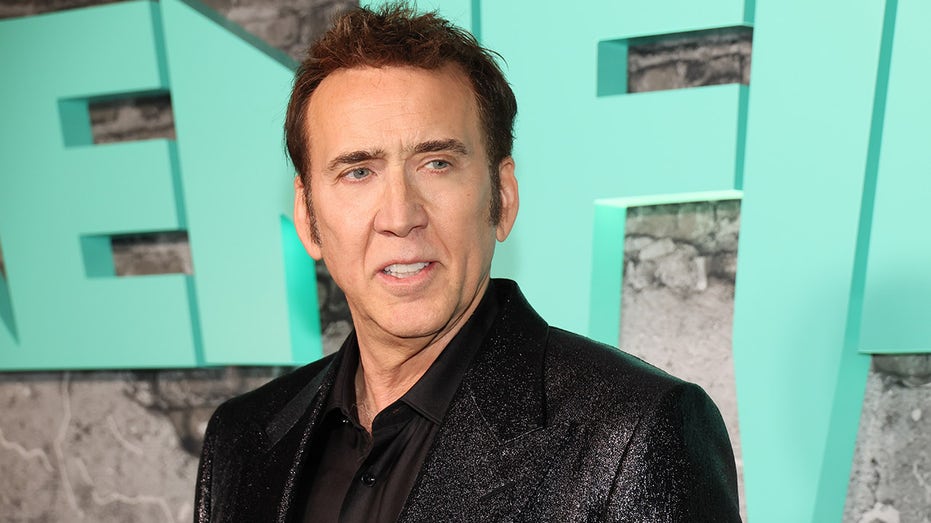
Nicolas Cage attends a premiere at the Museum of Modern Art on March 28, 2023, in New York City. (Photo by Dia Dipasupil / Getty Images)
According to the lawsuit, the plaintiffs informed Netflix both verbally and in writing that the drive was unencrypted and instructed the company to delete the files from its projection system after the screening.
After an unencrypted digital master drive was delivered to Netflix’s Hollywood studio on June 15, 2026, Netflix held the screening on June 16. The media giant then left the unencrypted file unattended on an office desk without basic physical or digital security controls, where it later disappeared, plaintiffs said.
The lawsuit alleged Netflix concealed the breach by repeatedly postponing or ignoring requests from the plaintiffs to arrange pickup of the drive between June 17 and June 25. The plaintiffs said it was not until June 25 that a Netflix executive emailed them stating that “someone stole a good amount of drives from our office desks this past week.”
Netflix has denied those allegations, saying it notified the appropriate parties as soon as its team became aware of the incident.
CHRISTOPHER NOLAN CONFIRMS BIZARRE ‘THE ODYSSEY’ CASTING CHOICES INCLUDING RAPPER TRAVIS SCOTT
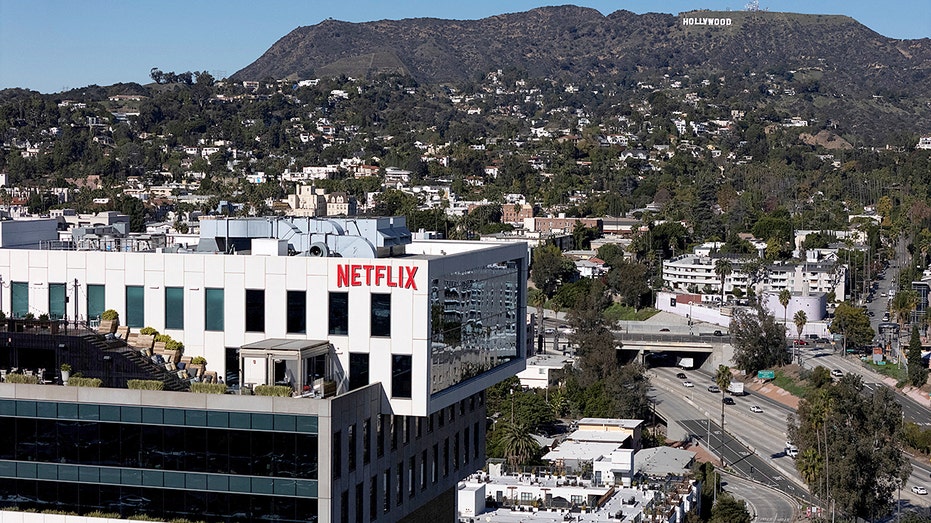
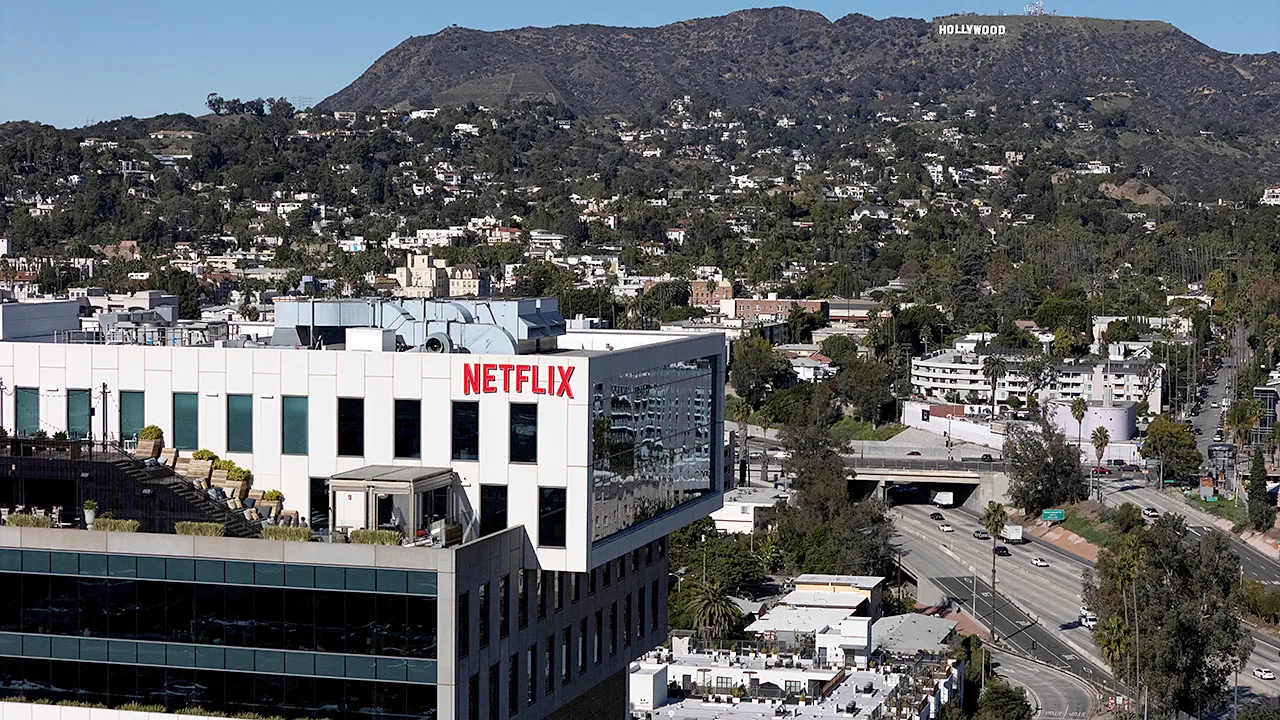
A drone view shows the Netflix logo on one of its buildings in the Hollywood neighborhood of Los Angeles, California, Dec. 8, 2025. (Daniel Cole/Reuters / Reuters)
The plaintiffs further accused Netflix of trying to downplay the incident by claiming the stolen drive required an encryption key to access the film, despite knowing the drive was unencrypted. The lawsuit also claims Netflix offered to reimburse only the cost of the physical drive and referred to the asset as “missing” rather than “stolen.”
In a statement to FOX Business, Netflix said: “Netflix disputes any claim that it bears the risk of loss for a film delivered without the proper industry-standard safeguards,” the company said. “While we do not own the rights to Fortitude, we take content security seriously and have taken extra measures to support the filmmaker and his team. This includes conducting a thorough investigation and offering to monitor known piracy sites for any unauthorized distribution or sale.”
The plaintiffs also accused Netflix and its outside counsel of refusing to answer basic questions about the company’s internal investigation, including whether a police report had been filed, and declined to cooperate with the Los Angeles Police Department after the filmmakers filed their own report.
| Ticker | Security | Last | Change | Change % |
|---|---|---|---|---|
| NFLX | NETFLIX INC. | 73.17 | -0.46 | -0.62% |
CLICK HERE TO GET FOX BUSINESS ON THE GO
In response, Netflix said it withheld details of its investigation because of what it described as the plaintiffs’ conduct, claiming they had initially demanded $165 million for the film rather than work with the company.
“We have declined to share anything about our ongoing investigation with the law firm representing Simon Afram, given their hostile attempts to extort money from Netflix over this situation — including immediately demanding $165 million for the film rather than work with us in good faith.”
The company added that its content security team is actively monitoring piracy websites for unauthorized copies of the film and said it has found no evidence that Fortitude has been leaked.

Nowadays people have a lot more on their plates. With busy work schedules, family responsibilities and private objectives, many individuals are looking for ways to keep their energy and focus in check throughout the day. This trend towards on-the-go wellness devices has sparked a rise in focus on innovative solutions that integrate effortlessly into daily routines.
The vitamin B12 inhaler and caffeine inhaler are two products that are intruding. They are lightweight and are gaining popularity among professionals, students, travellers and fitness enthusiasts who value their convenience and portability. Many people are seeking other, more portable options, instead of using large supplements or multiple cups of coffee.
Why Convenience Matters
The one giant reason they’re the focus of attention is because they’re mobile. Traditional energy-boosting options may need to be prepared or planned. Coffee needs to be packed separately, brewed, and refrigerated. Energy drinks need to be refrigerated. Portable wellness devices are an option that can fit in a pocket, handbag or backpack. Users like the availability of an option that’s always there when they need it – such as when commuting to work, attending meetings, studying at university or travelling. Of course, the more convenient the products are, the more desirable they are when consumers have a hectic lifestyle.
Growing Interest in Vitamin B12
Vitamin B12 has long been known to be an essential nutrient required to support normal energy metabolism and the function of the nervous system. Those with busy lives are looking for ways to get their daily dose of the essential vitamin. This enhanced awareness has brought the vitamin B12 inhaler to the attention of consumers seeking convenient wellness products. Its small size makes it ideal for those seeking compact solutions that can fit into their everyday lives without becoming too complicated. This enhanced visibility is part of a new health trend of making health technology more visible and accessible to fit into today’s lifestyle.
Continued Popularity of Caffeine
The popularity of caffeine is continuing to rise. Caffeine remains popular. Caffeine is still one of the world’s most popular stimulants used to keep individuals focused and alert during busy days. Even though coffee remains the primary product, consumers are slowly broadening their interest as they try out new formats.
The inhaler is also making headlines as another portable choice for those who appreciate flexibility. Business people, entrepreneurs, remote workers and students are a group that often look for products that fit seamlessly into their busy lives without disrupting productivity. With the evolution of wellness, people are increasingly interested in products that are convenient and portable.
Supporting Today’s Fast-Paced Lifestyle
Today’s customers are more inclined to buy products that make their lives easier. Minimalism, low weight, and portability are now key considerations for consumers in a wide variety of industries.
Portable wellness devices meet these expectations by providing:
- Tightly packed, travel-friendly designs
- Easy to store in bags/pockets
- Easy to use in your hectic schedule!
- Modern, user-friendly designs
- Healthy ways to be active.
The following are all attributes that contribute to the appeal of innovative wellness products for various age groups and professions.
Innovation Is Driving Consumer Interest
Various aspects of health and wellness have been changed by technology. Consumers are looking for products to be both functional and convenient, whether it’s a wearable fitness tracker or a smart hydration bottle. This trend toward portable innovation for wellness is seen in the increasing acceptance of vitamin B12 inhalers and caffeine inhaler. As manufacturers seek to deliver more contemporary, user-friendly experiences that meet the demands of a modern consumer, they are still investing in new product designs, high-quality materials and ease of use. As awareness increases, these products are becoming a part of the discussion about lifestyle optimisation, productivity, and personal wellness.
Looking Ahead
Consumer desires are still changing, and convenience plays a greater role in buying. Portable, contemporary, and user-friendly products are likely to continue to be in demand. As the video shows, the vitamin b12 inhaler and caffeine inhaler have become subjects of discussion, illustrating the changing landscape of wellness innovation in this fast-paced world. Although there are preferences out there, these portable options are becoming popular, reflecting a general trend to more practical products that cater for busy lives. In the ever-changing realm of wellness technology, mobile devices are likely to continue to play a crucial role in the future of personal wellbeing.

Fantasy drafts: How to build the perfect team from No. 8 overall

High iPhone demand won’t be met by supply in Q4

Southport killer Axel Rudakubana is charged with multiple assaults on prison staff at HMP Belmarsh


-

 Fashion7 days ago
Weekend Open Thread: Brooks Brothers
-
 Sports5 days ago
Commonwealth Games boxing: Jadumani Singh seals dominant 5-0 win over Pakistan’s Sumama Rehman to enter quarter-finals | Commonwealth Games News
-

 Business2 days ago
Why Trees Belong on the Risk Register
-

 Tech4 days ago
Intel is reversing course and bringing hyper-threading back to its server chips
-

 Crypto World6 days ago
Ripple bought a bank in pieces. The $4 billion audit
-

 Politics4 days ago
Luke Littler dismantles Gerwyn Price to retain title in Blackpool
-
 Entertainment7 days ago
A New Post-Apocalyptic Gundam Anime Series Blasts Into SDCC
-

 Politics3 days ago
The Part of the Electric Transition Nobody Wants to Discuss
-

 News Videos5 days ago
BITCOIN JUST ENTERED THIS CRITICAL ZONE…
-

 Business2 days ago
Major shareholder moves on Canyon
-

 Crypto World5 days ago
XRP Ledger adds $2.6B as RWA inflows rank second
-

 News Videos22 hours ago
Bitcoin Enters the 3rd Stage of the Bear Market
-

 Politics5 days ago
Spain sweeps the board at 2026 World Cup with individual awards
-
 Entertainment3 days ago
‘Stargate’ Creator’s New Sci-Fi Series Returns for Season 3 Tomorrow
-

 Entertainment5 days ago
Sara Gilson Killed By Husband After Viral “Pedophile” TikTok Video
-

 Crypto World2 days ago
Kraken Enables Retail Access to Jersey Mike’s IPO via Tokenized Shares
-

 Tech6 days ago
Anthropic launches Claude Opus 5, a cheaper AI model for coding, agents and enterprise workflows
-

 News Videos3 days ago
Claude: Build Financial Dashboards in Minutes (2026)
-

 Politics18 hours ago
Luke Littler’s dominance sparks GOAT debate
-

 Tech3 days ago
New macOS Sequoia & Sonoma security updates for older Macs
You must be logged in to post a comment Login