

Business
US-Iran peace deal: Is it enough to end the 2-year drought for Nifty bulls, bring FIIs back?

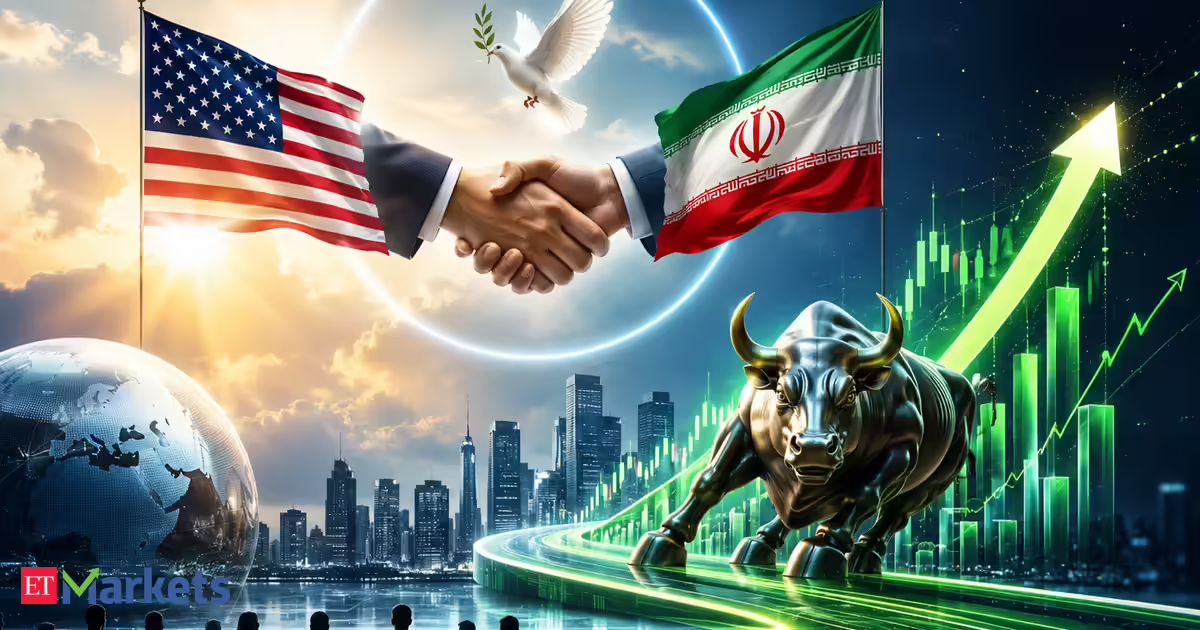
Brent crude plummeted over 4% to $84 a barrel on Monday, following announcements by US and Iranian officials that they have agreed on a framework to end their war, halt the US blockade of Iranian ports, and reopen the critical Strait of Hormuz. The geopolitical breakthrough rippled instantly through Indian financial assets. The benchmark BSE Sensex surged nearly 1,300 points to an intraday high of 76,821, while the NSE Nifty 50 reclaimed the psychologically crucial 24,000 mark.
For Nifty bulls, the stakes could not be higher: the index remains down over 9% from its peak, leaving investors with virtually no returns over the last two years.
Also Read | Rs 8L cr richer! Sensex zooms 1,100 pts, Nifty tops 24K. US-Iran truce among 5 drivers behind bull run
The Macro Relief Valve
The deal, reportedly slated for an official signing ceremony in Switzerland on Friday, according to Pakistani Prime Minister Shehbaz Sharif, addresses the twin macro anxieties that have haunted Indian markets: punitive energy costs and relentless foreign institutional investor (FII) outflows.The immediate dividend was visible in the currency and money markets. The Indian rupee strengthened about 0.7% to 94.4625 per dollar on Monday, marking its highest level in seven weeks.

“With the dawn of peace in West Asia, hopefully, and the consequent sharp correction in Brent crude to below $84 in early trade, the prospects for the Indian economy and stock market have turned for the better,” said Dr VK Vijayakumar, Chief Investment Strategist at Geojit Investments Limited. “The GDP growth rate and CPI inflation projections for FY 27 can be revised in this changed scenario to 6.9% and 4.6%, respectively.”
Vijayakumar noted that the stabilising currency will alter foreign investor behaviour. “With rupee stabilising, FIIs are unlikely to continue big selling in India even though the AI trade still continues to be strong, particularly in South Korea and Taiwan.” Already, foreign institutional investors (FIIs) have begun covering shorts and creating fresh long positions in index futures.
Emkay Global’s Seshadri Sen said the news has a three-fold macro benefit for India.
“First, Brent should settle at USD75-80/bbl vs an average of USD103/bbl in Apr-May-26. This delivers a proforma benefit of 64% on the CAD. Second, it addresses supply chain bottlenecks and potential RM shortage worries across multiple sectors and averts a potential inflation shock. Third, the relief on the external account translates to improved domestic liquidity, which should help interest rate transmission. We expect a multi-asset rally: Rs93/USD, the 10-year gilt to 6.75%, and the 12M T-bill to 5.5%,” he said.
Given the number of false dawns during the ceasefire, he warned that any disruption would send oil spiking and reverse the entire thesis.
“Second, the entire region is on a knife’s edge, and flare-ups could recur even after the deal is signed. Third, the damage to oil infra is still not clear – there may be a negative surprise on timelines for supply normalization (though we think the oil market is pricing in 3-6M delays). We see low probabilities of these risks crystallizing, and are working of our base case of the Strait of Hormuz fully reopening on Friday and oil receding to $75-80,” Sen said.
The collapse in crude prices reinforces recent administrative interventions by the Reserve Bank of India. Economists have aggressively upgraded their outlook for India’s balance of payments, with most now projecting a marginal surplus for this fiscal year in a staggering reversal from prior expectations of a deficit reaching up to $70 billion.
“RBI’s recent measures have helped address pressures on India’s balance of payments, with the drop in oil prices further reinforcing these efforts,” said Gaura Sen Gupta, economist at IDFC First Bank.
Sen Gupta expects the rupee to extend its appreciation to the 93-94 level by September, bolstered by a revival in capital inflows from the central bank’s non-resident Indian (NRI) foreign currency deposit scheme.
Also Read | Nifty’s hidden discount sale: 54% of top Indian stocks are cheaper now than in 2023. Is it time to buy?
Axis Direct’s Head of Research Rajesh Palviya said a sustained revival in FII inflows could act as a key catalyst for the next leg of the market rally, especially given India’s strong macro fundamentals and earnings visibility.
“The combination of easing geopolitical risks, softer crude prices, healthy domestic participation, and the potential return of foreign capital creates a constructive backdrop for Indian equities over the coming months,” he said.
Sector Allocations and Tactical Playbooks
While the reopening of the Strait of Hormuz could take up to a month, market participants are already repositioning portfolios to capture the direct and indirect beneficiaries of cheaper energy. Technical analysts note that the market’s underlying structure has flipped.
“Technically, the undertone has turned decisively bullish,” said Rajesh Palviya, Head of Research at Axis Direct. “As long as the Nifty sustains above the 23,500 mark, the index is well placed to extend its recovery towards 23,800 initially, followed by the psychologically important 24,000 level.”
Market experts see a multi-sector rotation taking shape:
- Banking & Financials (BFSI): Regarded as the prime beneficiary of cooling inflation and attractive valuations. “Banks are likely to lead the rally,” Vijayakumar said, adding that large short positions in leading private lenders will trigger further short covering. Pankaj Pandey, Head of Research at ICICIdirect.com, agreed that “BFSI is very attractively placed from a valuation perspective and also with the growth inching up.”
- Energy & Defence: Strategy shifts are expected to outlast the immediate peace deal. “This crisis has clearly taught us that energy security is of prime importance, so that is one sector… going to be the biggest focus area” for the next 5 to 10 years, Pandey noted. He also flagged defense as a 40 lakh crore INR opportunity, given how resilient smaller nations like Iran proved against major powers.
- Automobiles: Car manufacturers have previously withheld necessary price hikes to sustain demand momentum, taking a hit on earnings; they are now positioned as clear crude-decline beneficiaries.
- Information Technology: Expected to lag. Pandey warned that IT “might take some time to play out” as a growth revival remains elusive, even though tech valuations look cheaper than metals.
A Word of Caution on Valuations
Despite the euphoric initial reaction, institutional fund managers are advising against untamed exuberance, particularly within the highly inflated broader market.
“The announcement of the US-Iran deal finally happening will prop up market initially. Focus will be on the normalisation on the ground with supply chain flowing and prices coming back to double digits,” warned Nilesh Shah, MD of Kotak Mahindra AMC. “We recommend clients to follow asset allocation ‘dharma’ and remain neutral weight to equity with overweight to mid-caps.”
Domestic retail and domestic institutional investor (DII) liquidity is expected to keep the broader market buoyant. However, valuation disconnects persist: the Nifty Midcap index trades at 29 times earnings and the Smallcap index at 33 times earnings, compared to the frontline Nifty at a more modest 20 times.
While superior fourth-quarter earnings and improved FY27 outlooks continue to draw capital to broader equities, the focus now shifts entirely to Switzerland. Investors will spend the week monitoring whether the precise terms of Friday’s formal signing ceremony match the high expectations built into Monday’s roaring rally.
(Disclaimer: Recommendations, suggestions, views and opinions given by the experts are their own. These do not represent the views of The Economic Times)

Australia’s share market has broken a four-session winning streak, after US interest rate worries hit risk sentiment, despite oil prices continuing their decline.

Qatar Airways restores 85% of network, creates two executive roles

While benchmark indices moved steadily, broader market momentum surged, with many BSE 500 stocks delivering double-digit gains, several rallying 25–50% in a month, highlighting strong stock-specific performance beneath calm markets.
SAN FRANCISCO — Artificial intelligence leaders OpenAI and Anthropic are accelerating plans for initial public offerings that could rank among the largest in history, setting up a closely watched contest to reach public markets amid booming investor interest in the sector.
Anthropic took an early step by confidentially filing for a U.S. IPO, positioning itself to potentially list before rival OpenAI in what analysts describe as a strategic move to capitalize on current market enthusiasm for AI companies. Both firms have achieved private valuations in the hundreds of billions of dollars, reflecting explosive growth in the technology.
The developments come as the broader IPO market shows signs of recovery, with high-profile listings like SpaceX generating significant attention. Anthropic’s filing, reported in early June 2026, has heightened expectations for a wave of AI-related public debuts that could reshape technology investing.
Anthropic, creator of the Claude AI models, has seen its valuation surge following multiple funding rounds backed by major investors including Google and Amazon. The company recently raised substantial capital at a valuation approaching $1 trillion, surpassing OpenAI in some metrics and establishing itself as one of the most valuable private AI startups.
OpenAI, known for ChatGPT, continues preparations for its own public listing, with reports indicating potential filings in the coming months. The Microsoft-backed company has achieved remarkable revenue growth but faces ongoing scrutiny over profitability and governance structures.
Industry observers note the symbolic importance of which company reaches the public markets first. An earlier listing could provide strategic advantages in talent recruitment, partnerships and market perception. “Anthropic aims to beat OpenAI to public markets for strategic advantage,” one analyst said, highlighting the competitive dynamics.
Both companies have transformed the AI landscape. OpenAI pioneered widespread consumer adoption through ChatGPT, while Anthropic has emphasized safety and enterprise applications with its Claude models. Their public debuts would offer investors direct exposure to leading AI technologies.
Financial details remain fluid. Anthropic’s latest funding round valued it at approximately $965 billion, while OpenAI has been valued around $852 billion in recent rounds. Both continue rapid revenue expansion, though profitability timelines differ based on heavy research and development investments.
The IPO race reflects broader excitement around artificial intelligence. Venture capital has poured into the sector, with valuations skyrocketing as companies demonstrate practical applications across industries. Public markets could provide liquidity for early investors while testing AI companies’ ability to meet heightened expectations.
Regulatory considerations add complexity. Both firms navigate evolving rules around AI safety, data usage and market concentration. Anthropic has positioned itself as a leader in responsible AI development, a stance that could appeal to certain investors.
Market conditions appear favorable for large technology listings. Strong performance by recent tech IPOs has encouraged companies to pursue public debuts. However, volatility in AI-related stocks could influence pricing and investor appetite.
For Silicon Valley, successful IPOs from OpenAI and Anthropic would represent a new chapter in the industry’s maturation. The companies have already reshaped private markets through massive funding rounds. Public listings would extend that influence to broader investor bases.
Analysts caution that going public brings new pressures, including quarterly reporting requirements and shareholder demands for profitability. Both companies have warned that AI development costs remain high, with returns uncertain in the near term.
The competitive landscape extends beyond these two firms. Other AI players and related technology companies may accelerate their own public plans, creating a cluster of high-profile listings that could dominate market attention in late 2026.
Investors are closely monitoring developments. Potential IPOs have generated significant secondary market activity, with shares in both companies trading at premium valuations in private transactions. The eventual public offerings could set benchmarks for the AI sector’s market value.
As preparations advance, both OpenAI and Anthropic continue innovating. Their technologies power applications from consumer chatbots to enterprise solutions, driving productivity gains across economies while raising important questions about AI’s societal impact.
The coming months will prove pivotal as the companies finalize regulatory filings and market strategies. Their success or challenges in public markets could influence the trajectory of AI investment for years to come.

NEW YORK — Jalen Brunson displayed exemplary sportsmanship moments after the New York Knicks clinched their first NBA championship since 1973, approaching San Antonio Spurs coach Mitch Johnson for a respectful embrace before joining his teammates’ celebrations.
The Knicks defeated the Spurs 94-90 in Game 5 of the NBA Finals, capping a dramatic series and ending a 53-year title drought for the franchise. As players stormed the court in jubilation, Brunson first sought out the opposing coach in a gesture widely praised across the basketball community.
In a subsequent appearance on CBS Mornings alongside his father, Knicks assistant coach Rick Brunson, the Finals MVP explained his actions. “I hugged and said what’s up to Coach Johnson from the Spurs first, just to show respect,” Brunson said. “It was just kind of instinct, like how I was raised. I think win or loss, you show respect regardless of the outcome, and I’ve got a lot of respect for them over there.”
The moment stood in contrast to criticism directed at Spurs star Victor Wembanyama and his teammates for reportedly not engaging in traditional post-series handshakes. Only veteran Luke Kornet remained on the court to congratulate the Knicks, drawing attention from commentators including Draymond Green.
Brunson’s gesture aligned with his reputation as a leader who values respect and professionalism. The 29-year-old guard, drafted 33rd overall in 2018, has emerged as one of the league’s premier point guards, leading the Knicks with poise and determination throughout their championship run.
The Knicks’ victory represented a culmination of years of rebuilding under team president Leon Rose and coach Tom Thibodeau. After years of playoff disappointments, the franchise assembled a roster blending veteran experience with youthful talent, anchored by Brunson and supported by key contributors like Mikal Bridges and Josh Hart.
San Antonio, led by the towering Wembanyama, had surprised many with their Finals appearance. The young Spurs team showed promise but ultimately fell short against New York’s experience and defensive intensity. Wembanyama’s performance drew praise for individual brilliance amid the team’s collective disappointment.
The sportsmanship debate highlighted broader discussions about NBA culture and post-series protocols. Traditional handshakes and congratulations have long been part of professional basketball etiquette, symbolizing respect for competition regardless of outcome. Brunson’s actions reinforced those values.
NBA Commissioner Adam Silver has emphasized sportsmanship as a core league principle. The organization typically encourages players to uphold high standards of conduct, particularly in high-stakes playoff environments. Brunson’s conduct was seen by many as a model for younger players.
Brunson, a New Jersey native and son of a longtime NBA player and coach, credited his upbringing for shaping his approach. His father Rick, now on the Knicks staff, instilled lessons about respect and professionalism that have guided Jalen’s career.
The championship victory triggered celebrations across New York City. Fans gathered in Times Square and outside Madison Square Garden, waving team flags and chanting for their heroes. The Knicks organization planned a parade and ring ceremony for the coming weeks.
For Brunson, the title capped an extraordinary individual season. Named Finals MVP, he averaged impressive numbers while leading his team through tough matchups. His leadership extended beyond statistics, fostering team unity and resilience.
The Spurs’ young core, featuring Wembanyama and emerging talents, gained valuable experience despite the loss. Coach Mitch Johnson praised his players’ effort and expressed optimism for future seasons as the franchise continues developing.
Brunson’s post-game gesture earned widespread acclaim from former players, coaches and fans. Social media buzzed with positive reactions, highlighting the moment as a refreshing example of class in professional sports.
The Knicks’ success story serves as inspiration for rebuilding franchises. Under Thibodeau’s defensive-minded system and Brunson’s on-court leadership, New York transformed from perennial underachievers to champions in relatively short order.
As the NBA offseason begins, attention turns to free agency and draft preparations. Both the Knicks and Spurs face important roster decisions that will shape their trajectories for years ahead. Brunson’s contract situation and the Spurs’ development plans will be closely watched.
The 2026 NBA Finals will be remembered for competitive intensity and moments of sportsmanship that transcended the final score. Brunson’s actions reinforced the idea that respect for opponents defines true championship character.
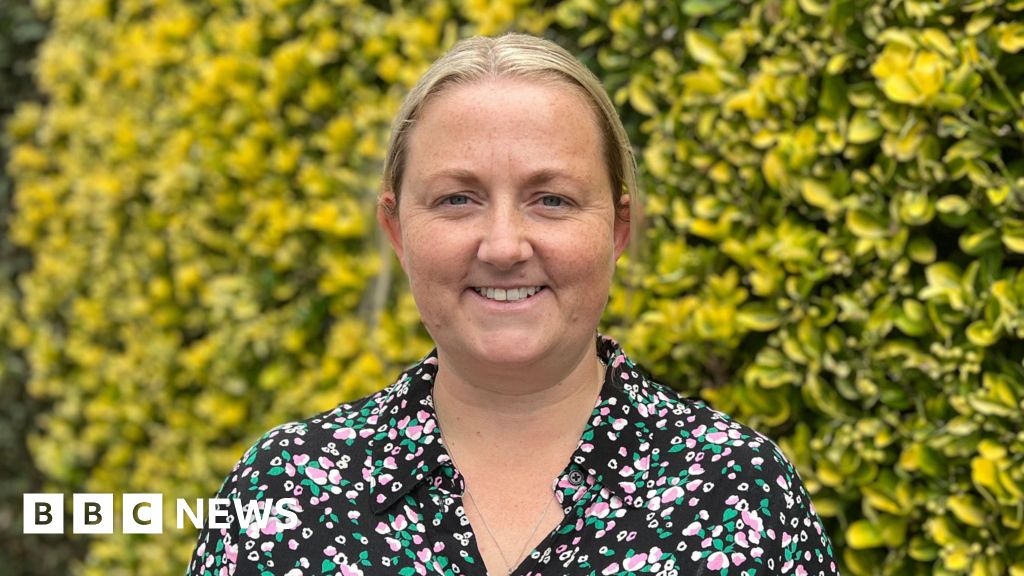
A local deputy wants to reduce fuel duty on the island by 10p a litre.
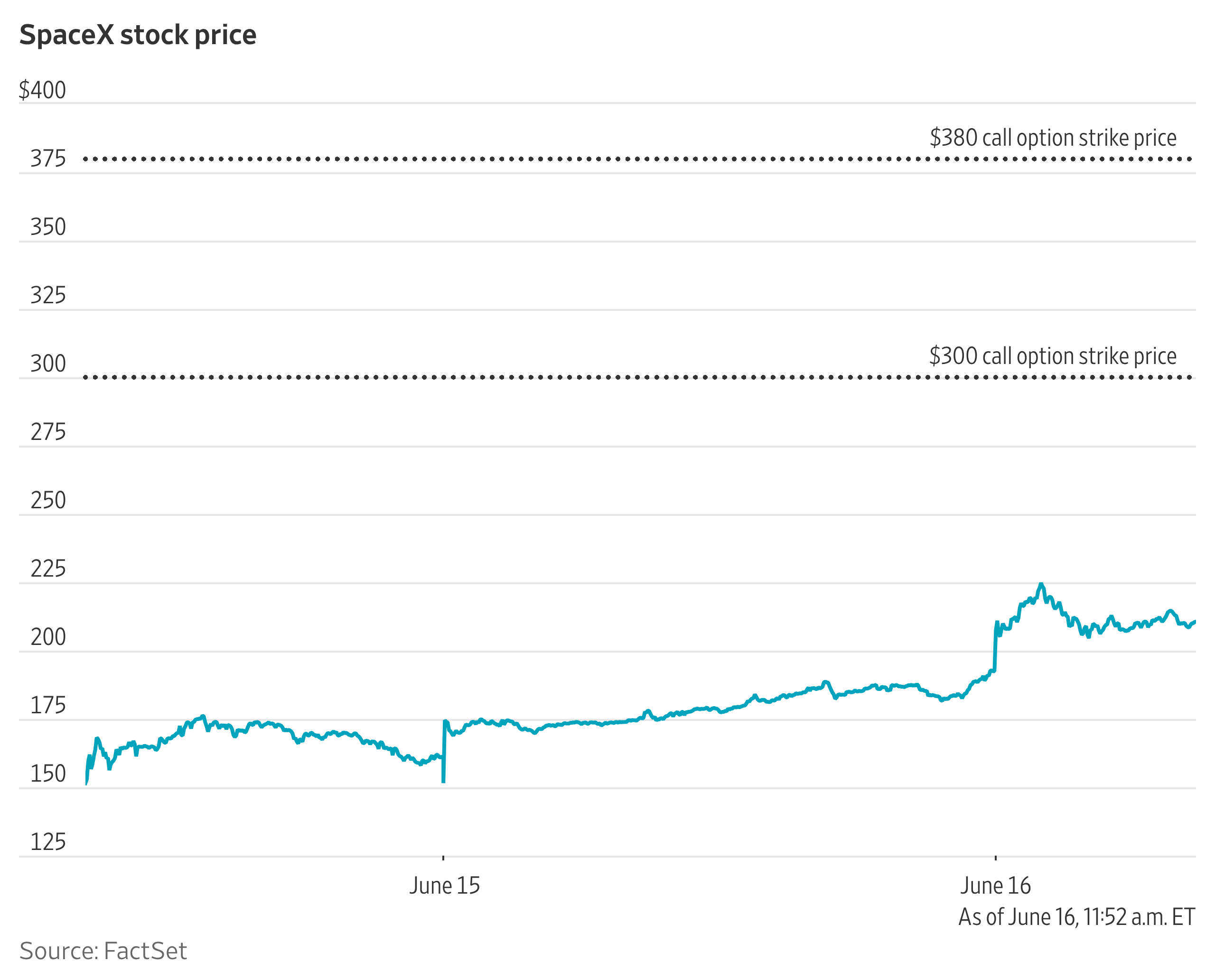
SpaceX Options’ First Day of Trading Breaks Records
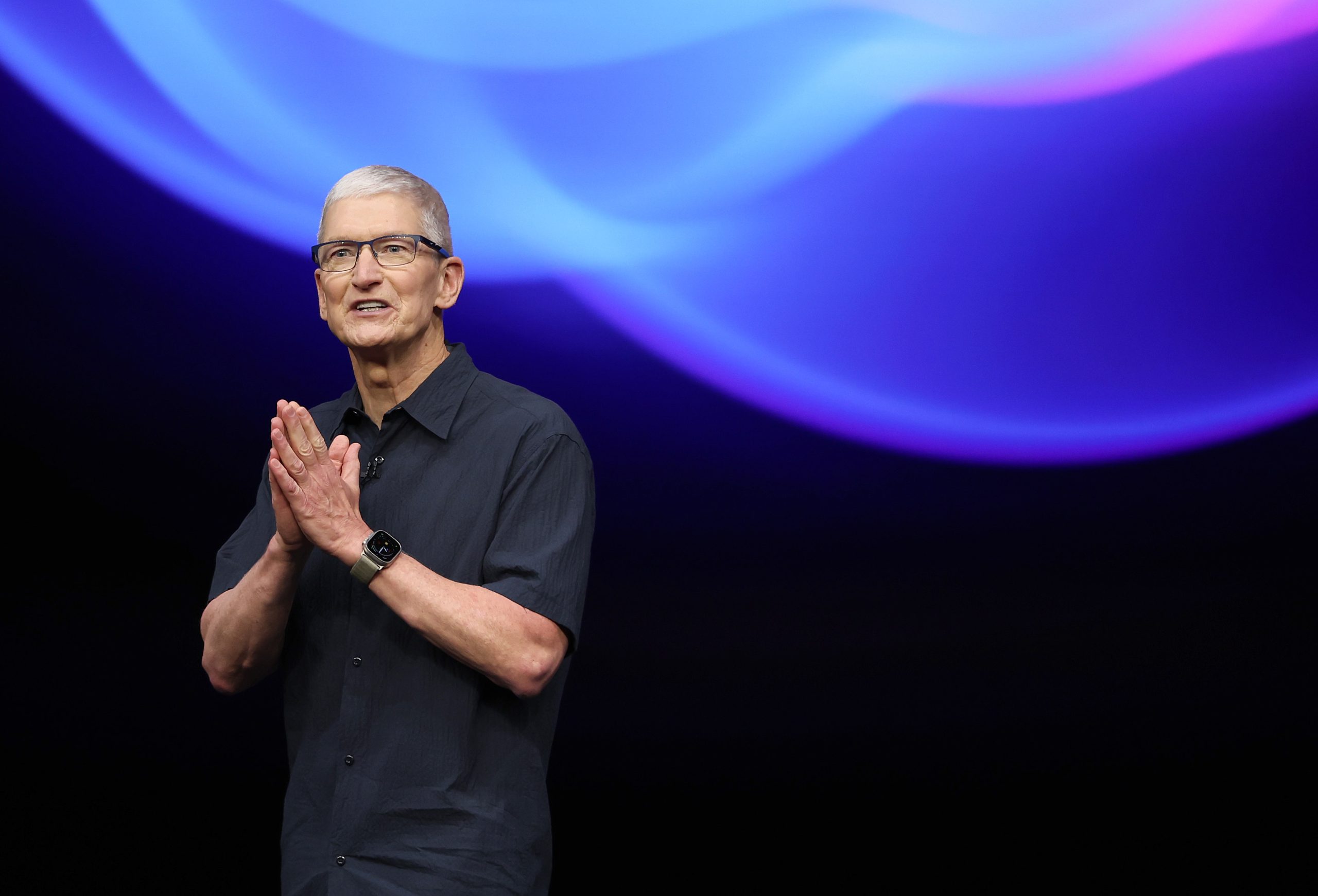
CUPERTINO, California — Apple Inc. will raise prices on its products to offset soaring costs of memory and storage chips, Chief Executive Tim Cook said, citing an unprecedented supply crunch driven largely by demand from artificial intelligence applications.
Cook told The Wall Street Journal in an exclusive interview that the situation had become unsustainable despite the company’s efforts to absorb increases and protect customers. “Unfortunately, price increases are unavoidable,” he said. “We’re doing our best to mitigate the huge increases that are being passed to us, and we’ve been trying to shield our customers from the increases, but the situation has become unsustainable.”
The announcement marks a significant shift for Apple, long known for premium pricing but also for absorbing some component cost fluctuations to maintain competitive positioning. Surging demand for high-bandwidth memory used in AI servers has quadrupled prices in some cases over the past year, according to industry reports.
Memory chips, including DRAM and NAND flash, are critical components in iPhones, Mac computers, iPads and other devices. Suppliers such as Samsung Electronics, SK Hynix and Micron Technology have prioritized AI-related orders, constraining availability for consumer electronics manufacturers.
Apple has not specified which products will see increases or the timing and magnitude of changes. Analysts expect impacts across the Mac and iPad lines first, with potential ripple effects to iPhones in future generations. Morgan Stanley has forecasted possible price hikes of 15 percent or more for some consumer tech products this year.
Cook described the memory shortage as a “hundred-year flood” unlike anything he had witnessed in more than four decades in the technology supply chain. The company continues working with suppliers to secure allocations while exploring alternative sourcing strategies.
The move comes as Apple navigates broader challenges in its supply chain amid geopolitical tensions and rapid technological shifts toward AI integration. The company has invested heavily in custom silicon but remains dependent on external memory providers for key components.
Wall Street reacted with mixed assessments. While some investors viewed the transparency positively, concerns emerged about potential impacts on consumer demand and market share. Apple’s shares dipped slightly following the report, though the company maintains strong financial reserves to weather such pressures.
Industry analysts note that memory price volatility has affected multiple manufacturers. Competitors like Samsung and Dell have also signaled cost challenges, suggesting broader price adjustments across the technology sector.
Apple’s premium positioning has historically allowed it to pass on some costs, but sustained increases could test customer loyalty in price-sensitive markets. The company has previously mitigated pressures through efficiency gains and design optimizations.
Cook emphasized ongoing efforts to innovate and control costs internally. Apple continues advancing its silicon development and exploring new manufacturing partnerships to reduce dependency on volatile commodity markets.
The memory crunch stems primarily from explosive growth in AI data centers operated by companies including Google, Microsoft, Meta and Amazon. These facilities require massive quantities of high-performance memory, diverting supply from consumer device production.
For consumers, the changes could mean higher prices for new iPhones, Macs and other products in coming months. Apple typically announces pricing with new hardware releases at events like its Worldwide Developers Conference or fall product launches.
The development highlights vulnerabilities in global technology supply chains. Experts call for greater diversification and investment in domestic manufacturing capacity to enhance resilience against such disruptions.
Apple maintains a robust balance sheet with significant cash reserves, providing flexibility to manage the situation. The company reported strong services growth and ecosystem loyalty that could help offset hardware price adjustments.
Looking ahead, resolution of the memory shortage depends on expanded production capacity from suppliers and potential moderation in AI infrastructure spending. Until then, price increases appear likely across the industry.
Cook’s comments underscore the challenges facing even the world’s most valuable company in navigating component cost inflation. Apple’s response will be closely watched as a bellwether for the broader consumer electronics sector.
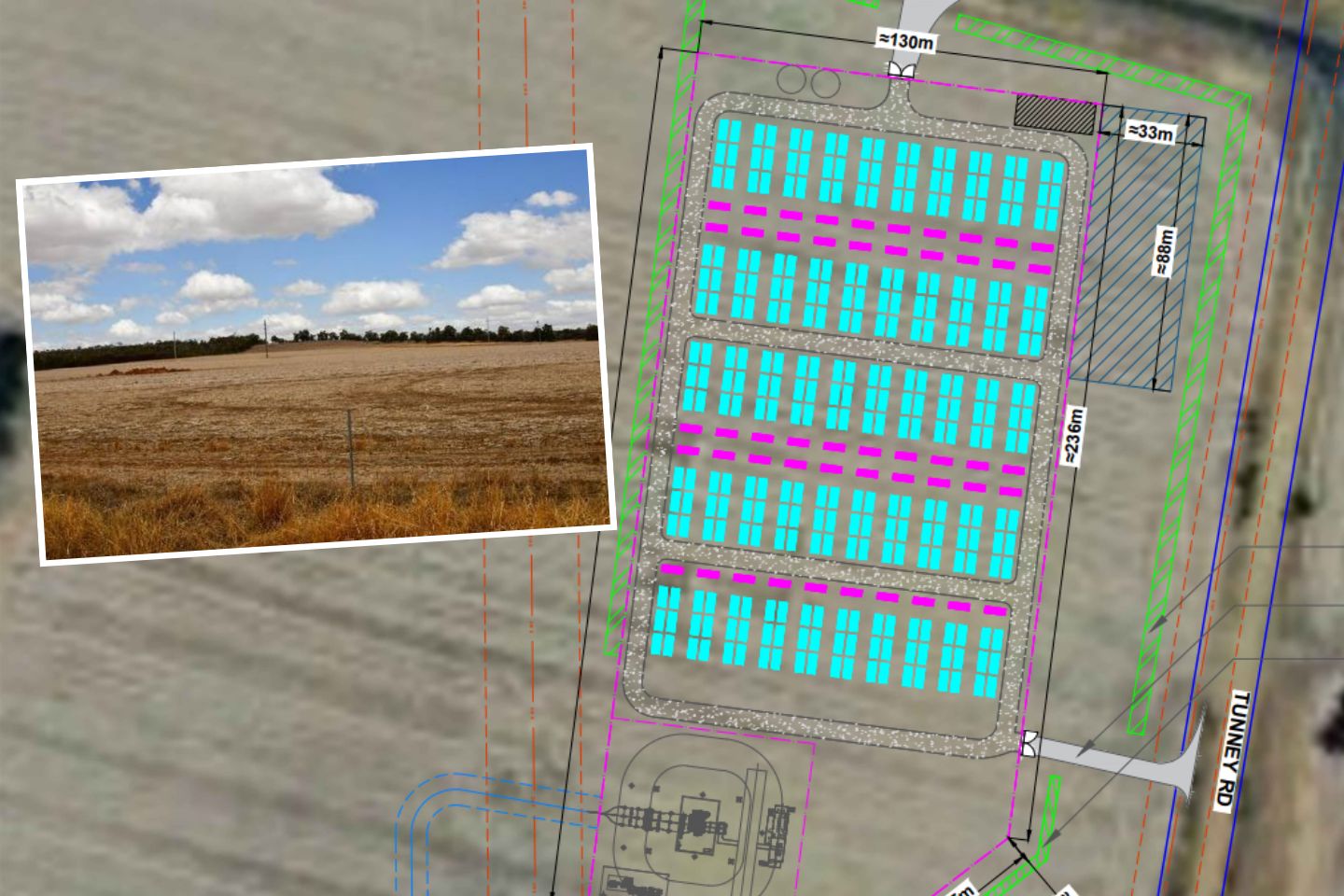
Victoria-based Mint Renewables has lodged a proposal in Western Australia, over a battery storage project in the Shire of Kojonup.
Diodes Incorporated: My Best Pick For The Semis Rally

Bitcoin and Alt coins Big Update | 3 alts Analysis | Saylor has acquired 1550 BTC after sold 32 BTC

Vote now for County Durham Tourism Superstar of 2024

Aussie shares snap four-day win streak as miners weigh


-

 Business4 days ago
No Jackpot Winner as $257 Million Prize Rolls Over to $269 Million Monday Draw
-

 Fashion6 days ago
Weekend Open Thread: Tuckernuck – Corporette.com
-

 Crypto World7 days ago
Oppenheimer backs SpaceX as $70 billion retail frenzy builds
-

 Crypto World7 days ago
Markets Rally as SpaceX IPO Looms Amid Iran Tensions and Inflation Surge
-
 Crypto World3 days ago
Zimbabwe Requires Crypto Businesses to Register Annually Under New FIU Regulations
-

 Crypto World5 days ago
Bitget enters Argentina’s regulated crypto market through PSAV registration
-

 Tech5 days ago
NanoClaw integrates JFrog registries to secure AI agent downloads
-

 Tech6 days ago
This Week In Security: Microsoft On Microsoft, Register Your Domains, Linux On ARM, And FreeBSD Joins The File Cache Club
-

 NewsBeat6 days ago
El Nino has formed in the Pacific and could set records, forecasters say
-
 Tech7 days ago
Dutton Ranch star claims they ‘didn’t see any disruption’ on set following Chad Feehan’s exit from Yellowstone spinoff fueled by Taylor Sheridan clash rumors
-

 Politics7 days ago
Politics Home | Healey Resignation Is “Colossal Failure Of Government”, Says Former Labour Defence Secretary
-
 Entertainment7 days ago
Donnie Wahlberg & More Heat Up Las Vegas at Circa’s Barry’s Downtown Prime
-

 Sports7 days ago
First Time Since 1971: Australia Register Historic Low In ODI Cricket
-
 Tech7 days ago
Opendoor Ends India Operations, Fueling a Bigger Conversation About AI and Outsourcing
-

 Politics7 days ago
Belfast burns, while Met chief points finger at Iran and Russia
-

 NewsBeat6 days ago
FBI searches office of Ohio voter registration group
-

 Business7 days ago
AT&T: Verizon's 27% Outperformance Sets Up A Solid Entry Point
-
 Tech6 days ago
Anthropic is spending $150M to embed 1,000 AI fellows inside nonprofits. No degree required.
-
 Politics7 days ago
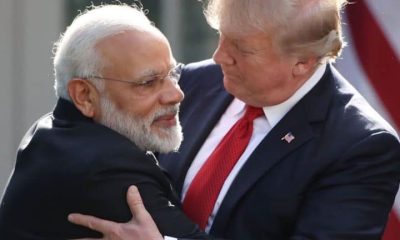
Modi thanks Trump for wishes as US attacks Indian seafarers
-
 Entertainment6 days ago
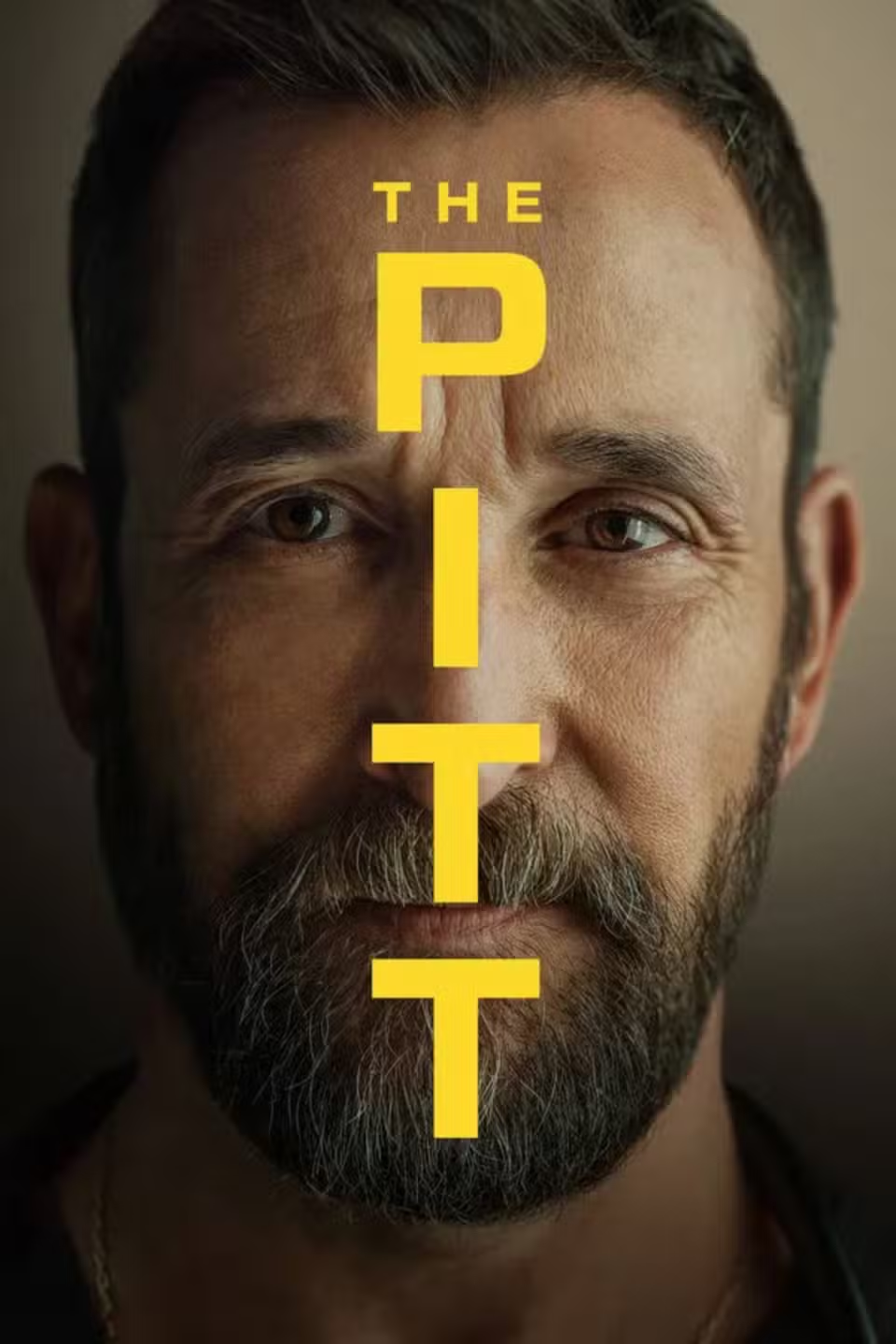
‘The Pitt’s Fan-Favorite Doctor Confirms Noah Wyle Gave His Blessing to Return [Exclusive]
You must be logged in to post a comment Login