
Business
US Stock Market: Wall Street indexes hit record highs as oil falls with Strait of Hormuz declared open


Iranian Foreign Minister Abbas Araqchi said in a post on X that passage for all commercial vessels through the Strait of Hormuz was “completely open” after a ceasefire agreement in Lebanon. This followed U.S. President Donald Trump’s announcement that talks could take place this weekend between Tehran and Washington and that they could soon secure a peace agreement to end the Iran war, which has left thousands dead since the U.S. and Israel launched joint strikes on Iran on February 28. While statements from both sides left uncertainty over how quickly shipping could resume, U.S. crude oil prices tumbled more than 11%, alleviating inflation concerns. The Strait of Hormuz is a vital waterway for global energy transportation.
“The concern about oil putting the world into a slowdown diminishes as it’s onward and upward for a possible final deal,” said Bob Doll, CEO of Crossmark, who noted that while there is still no signed U.S.-Iran deal, “it looks like it’s heading in a direction that’s enough for the market to go up.”
The technology-heavy Nasdaq Composite gained 365.78 points, or 1.52%, to 24,468.48, for its 13th consecutive advance, marking its longest winning streak since 1992.
The Dow Jones Industrial Average rose 868.71 points, or 1.79%, to 49,447.43, the S&P 500 gained 84.78 points, or 1.20%, to 7,126.06.

Unofficially, for the week, the S&P 500 gained 4.53%, the Nasdaq rose 6.84%, and the Dow climbed 3.2%.
ENERGY STOCKS SLIDE AS OIL TUMBLES The small-cap Russell 2000 outperformed large-cap gains, closing up 2.1%, and also registered a record closing high after it earlier hit its first intraday record high since the war erupted. “Energy prices coming down has a bigger impact on small caps because they have tighter margins,” said Nick Johnson, CEO and CIO of Willis Johnson & Associates, adding, “it’s starting to become clear that the U.S. and Iran want to see this behind them.”
Among the S&P 500’s 11 major industry sectors, energy was the biggest loser, ending down 2.9%, with Exxon Mobil, down 3.6%, and Chevron, 2.2%, creating the benchmark’s second and third biggest drags on the day.
The biggest gainer was consumer discretionary, which finished up just under 2%, with cruise operators leading its advances. Royal Caribbean jumped 7.3% while Carnival rose 7%. Industrials was the second strongest sector, finishing up 1.8% with airline United Airlines up 7%, and leading its percentage gains.
CAUTION PERSISTS ON STRAIT PASSAGE Still, some analysts cautioned that logistical challenges remain for shippers.
“Ship operators still face astronomical war-risk insurance premiums, potential mine hazards, and uncertainty about enforcement,” said Erik Bethel, general partner at maritime-focused investment firm Mare Liberum. The S&P’s biggest drag was from Netflix, which tumbled 9.7% after forecasting current-quarter earnings below expectations. The company also announced the exit of co-founder and longtime Chairman Reed Hastings, ending a 29-year tenure.
Alcoa shares ended down 6.8% after the aluminum producer reported first-quarter profit and revenue below analysts’ estimates, citing elevated costs and softening demand.
Advancing issues outnumbered decliners by a 4.03-to-1 ratio on the New York Stock Exchange, where there were 623 new highs and 46 new lows. On the Nasdaq, 3,685 stocks rose and 1,183 fell as advancing issues outnumbered decliners by a 3.11-to-1 ratio. The S&P 500 posted 49 new 52-week highs and no new lows.
Volume was relatively strong on U.S. exchanges, where 20.29 billion shares changed hands, compared with the 19.12 billion moving average for the last 20 sessions.

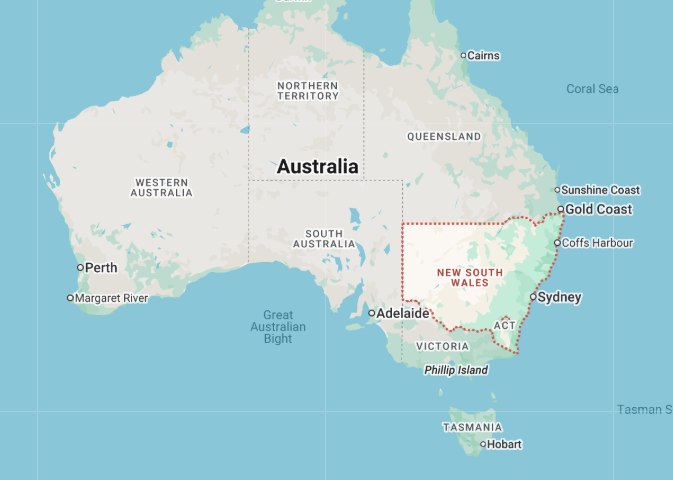
SYDNEY — Southeastern Australia woke up to biting cold Friday and Saturday mornings as a powerful cold front delivered the lowest temperatures since last winter across large swaths of inland New South Wales, South Australia and Victoria, with several locations dipping below zero and widespread frost blanketing farms and fields.

Weatherzone meteorologist Jess Miskelly reported on April 17 that places such as Orange in NSW plunged to -2.3°C — the coldest reading since last winter and the iciest April morning there since 2008. Coonawarra in South Australia hit -1.6°C, its coldest since early spring 2025. Many other inland communities recorded their lowest minimums of 2026 so far, with temperatures running up to 10°C below the April average.
The Bureau of Meteorology confirmed the sharp chill. Senior meteorologist Jonathan How noted that most of southeastern NSW and northern Victoria experienced their coldest morning of the year. Canberra dipped to -2°C for its first sub-zero reading of 2026, while Goulburn reached -4°C. Sydney recorded a brisk 11.8°C, with western suburbs like Badgerys Creek and Camden dropping to 5°C. Melbourne started the weekend at around 5°C.
The cold snap follows a deep trough and cold front that swept across the southeast earlier in the week, bringing clear skies overnight that allowed heat to radiate rapidly into space — perfect conditions for frost and near-freezing lows. Thredbo in the NSW Snowy Mountains was forecast to potentially hit -5°C, among the nation’s coldest spots.
Farmers and rural communities bore the brunt. Widespread frost warnings were issued for inland districts, threatening sensitive crops and new plantings in what is typically a milder shoulder season. Horticulturalists in the Riverina, Murray Valley and southeast South Australia scrambled to protect vineyards and orchards with wind machines and sprinklers. Some livestock owners moved animals to sheltered paddocks as wind chills made conditions feel even sharper.
In Victoria’s alpine regions and inland areas, temperatures fell below freezing in multiple spots. South Australia’s southeast also recorded sub-zero readings, continuing a pattern of unusually variable autumn weather following a hot summer. BOM data showed minimums up to 10°C below average across affected regions, turning what should be mild April nights into wintry scenes.
Urban centers felt the chill too. Residents in Canberra, regional NSW towns and Melbourne suburbs layered up for the coldest starts in months. Commuters reported icy winds and heavy dew turning to frost on car windscreens. Power demand for heating spiked in the early hours, with energy providers monitoring for increased usage.
This cold outbreak marks a notable shift after Australia’s warmer-than-average start to 2026. Earlier summer heatwaves had set records in Victoria and South Australia, with temperatures exceeding 48°C in some inland spots. The rapid transition to autumn cold highlights the volatility of the current climate patterns, influenced by lingering La Niña effects and a strong Southern Ocean weather driver.
Meteorologists expect the chill to linger into Sunday morning in some areas before a gradual moderation. Another cold front may reinforce the cool conditions early next week, though daytime temperatures should rebound into the mid-teens in most places. Clear skies and light winds will again favor frost formation in vulnerable inland valleys.
Health authorities urged caution for vulnerable populations. Elderly residents, young children and those with respiratory conditions face higher risks during such sharp temperature drops. Hospitals in regional centers reported a slight uptick in cold-related presentations. Outdoor workers and sports teams adjusted schedules to avoid the coldest hours.
The agricultural sector is watching closely. While frost is not uncommon in April, the severity this year comes amid broader concerns about climate variability. Wine growers in Coonawarra and the Barossa noted potential impacts on budding vines, though many had prepared with protective measures. Grain farmers on the NSW slopes welcomed the rain that preceded the cold but worried about frost damage to emerging crops.
Tourism operators in the Snowy Mountains and Victorian High Country reported strong interest in the unseasonal cold, with some lodges seeing last-minute bookings from visitors chasing a taste of winter in autumn. Photos of frosty landscapes and icy paddocks flooded social media, with hashtags like #AussieColdSnap and #AprilFrost trending.
BOM long-range outlooks suggest that while April to June daytime temperatures are likely to run above average across much of the country, minimums in the southeast may continue to fluctuate. Night-time temperatures are forecast to be above average overall, but short-lived cold snaps like this one remain possible.
For many Australians, the cold served as a reminder of the country’s diverse climate zones. While the tropical north enjoyed warm, humid conditions, the southeast shivered under clear autumn skies. The contrast underscores how quickly weather can shift across the vast continent.
As the weekend progresses, forecasters will monitor for any extension of the cold pool. Current models suggest a slow warming trend through the middle of next week, with more typical April temperatures returning to coastal and inland areas alike. In the meantime, residents are advised to keep heaters ready, protect pipes from freezing, and check on neighbors who may struggle with the unexpected chill.
Jess Miskelly and her colleagues at Weatherzone continue to track the system, providing regular updates as the cold air mass slowly shifts. For inland communities from the Victorian border through central NSW and into South Australia’s southeast, this was a stark and early preview of winter conditions — one that caught many by surprise in mid-April.
The event joins a growing list of notable weather extremes in 2026, from summer heat records to this autumn cold plunge. It serves as a vivid illustration of Australia’s variable climate and the importance of preparedness across all seasons. As the sun rises higher this weekend, the frost will melt, but the memories of the coldest mornings since last winter will linger for those who felt the bite.

Lundin Mining: The Copper Bull Case Is Strong — But Here's The Catch

DUBAI, United Arab Emirates — Dubai International Airport (DXB) remains fully open and operational on Saturday, April 18, 2026, welcoming departures and arrivals across all three terminals despite continuing to run a limited flight schedule as recovery from regional airspace disruptions progresses.
The world’s busiest international hub is processing flights, but passengers face ongoing restrictions, potential delays and a strong advisory to confirm details directly with airlines before heading to the airport. Official flight status pages show departures to destinations including New Delhi, Damascus and Cairo operating as scheduled or with minor adjustments on Saturday.
Dubai Airports issued a clear passenger advisory: “Dubai Airports is currently operating a limited schedule of flights to and from Dubai International (DXB). Passengers are strongly advised to check with their airline for the latest flight information before travelling.” This guidance, in place since late February, remains active as the airport gradually rebuilds capacity following earlier airspace closures tied to regional tensions.
Operations have stabilized significantly since the height of disruptions in March. Limited flights resumed in early March, and by mid-April, major carriers like Emirates and flydubai are maintaining partial schedules. On recent days, the airport has handled over 200 combined passenger flights from these two airlines alone on stronger days, though numbers fluctuate.
Emirates, the largest operator at DXB, continues flying to around 125 destinations on a reduced network. The airline has offered flexibility including one free date change for affected bookings. flydubai and Air Arabia are also operating select routes, while many international carriers remain limited to one daily round-trip under temporary regulations running through May 31.
Real-time tracking on Saturday showed flights such as IndiGo’s service from New Delhi and flydubai/EK codeshare to Damascus proceeding with gates closed on schedule. However, travelers reported scattered delays the previous day, with 124 flights affected across Dubai and Abu Dhabi on April 15. Some cancellations and long immigration queues for rebooking passengers added to the challenges.
The situation stems from airspace restrictions that began in late February 2026 amid regional conflicts. Temporary full suspensions occurred in early March, but a ceasefire in early April helped ease pressure. A key regulatory deadline on April 24 could influence further recovery, while foreign airline caps remain in effect to manage capacity safely.
Dubai World Central – Al Maktoum International (DWC) continues handling overflow and cargo operations, providing some relief to the main hub. All passenger terminals at DXB are accessible, with standard services including check-in, security, lounges and retail open for those with confirmed flights.
Travelers are urged not to arrive at the airport without verified departure times. Long queues for immigration and rebooking have been common during peak recovery periods. Airlines recommend arriving earlier than usual and preparing for possible gate changes or short-notice adjustments.
Major international carriers have issued their own updates. Several European airlines maintain reduced or suspended services, while Indian carriers like IndiGo and Air India operate limited rotations. British Airways, Lufthansa and others have adjusted schedules into late May. Passengers affected by cancellations can often rebook or request refunds under airline policies.
The airport’s recovery has been steady but cautious. Dubai Airports and authorities prioritize safety, with enhanced coordination between civil aviation bodies and airlines. No major incidents have been reported in recent weeks, allowing gradual normalization even as full pre-crisis capacity is still weeks or months away.
For those transiting or arriving in Dubai, the airport’s world-class facilities continue to operate. Lounges, hotels like the Dubai International Hotel inside the terminals, and extensive dining and shopping options are available. Free Wi-Fi, prayer rooms, medical services and assistance for passengers with reduced mobility remain fully functional.
The broader UAE aviation sector shows resilience. Abu Dhabi and other airports have experienced similar patterns of reduced but ongoing operations. Regional connectivity is slowly returning, supporting Dubai’s role as a global transit hub despite the challenges.
Economic implications are significant. As a vital connector between Europe, Asia and Africa, any prolonged reduction at DXB affects millions of passengers and billions in trade. Tourism and business travel to the UAE have adapted, with many opting for flexible itineraries or alternative routes during peak disruption periods.
Looking ahead, meteorologists and aviation experts anticipate continued improvement if regional stability holds. Airlines are expected to ramp up frequencies in coming weeks, though the one-rotation cap for foreign carriers will limit rapid expansion until at least June. Passengers planning travel in late April and May should monitor updates closely.
Dubai Airports maintains a comprehensive flight status page and mobile app for real-time information. Social media channels and airline notifications provide additional alerts. Travelers are encouraged to download relevant apps and enable notifications for their specific flights.
On this Saturday in April, DXB stands open as a symbol of Dubai’s aviation strength even under constraints. Flights continue to connect cities worldwide, albeit at a measured pace. For passengers with confirmed bookings, the journey proceeds — just with extra patience and preparation required.
The message from authorities remains consistent: the airport is open for business, but this is not business as usual. Check with your airline, plan ahead, and stay informed. As operations normalize further in the coming days and weeks, Dubai International Airport will continue fulfilling its role as a critical global gateway.
Whether departing for business, returning home or connecting onward, travelers on April 18 can proceed with confidence that DXB is operational — provided they follow the latest airline guidance in this period of cautious recovery.
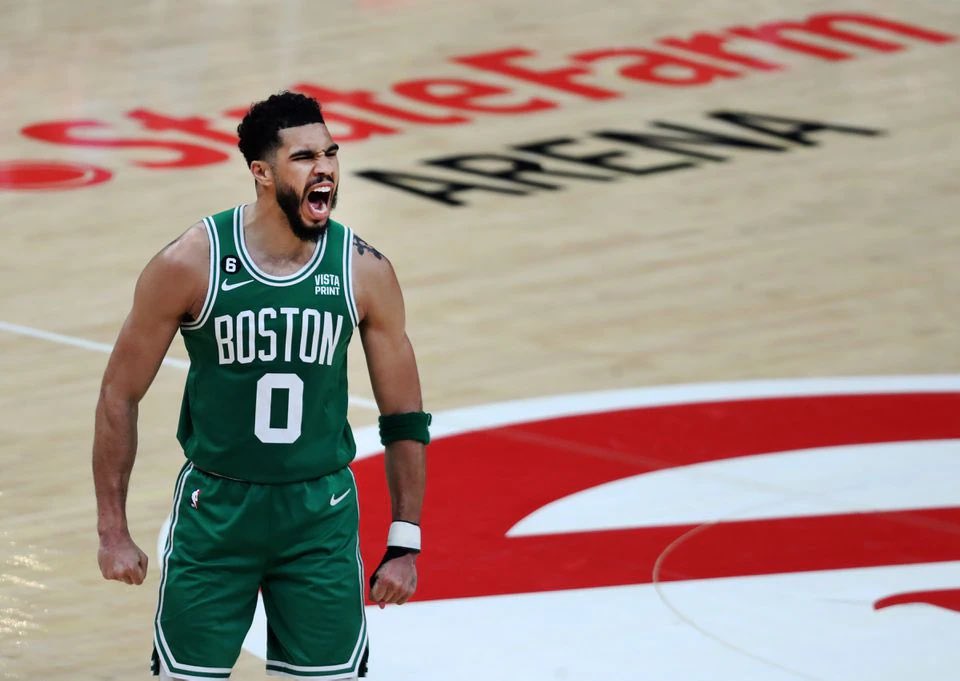
BOSTON — Jayson Tatum is healthy and ready for the 2026 NBA playoffs, the Boston Celtics confirmed as the team prepares for its first-round series against the Philadelphia 76ers. The 28-year-old All-NBA forward, who tore his right Achilles tendon in last year’s postseason, has cleared all medical hurdles and carries no restrictions heading into the postseason.
Tatum suffered the devastating injury on May 12, 2025, during Game 4 of the Eastern Conference semifinals against the New York Knicks at Madison Square Garden. He underwent successful surgery shortly afterward and embarked on what many viewed as a season-ending recovery. Yet the Celtics star defied expectations, making his 2025-26 debut on March 6 against the Dallas Mavericks — just under 10 months after the rupture.
IBTimes US
Since returning, Tatum has played in 16 regular-season games, averaging roughly 21 points, 10 rebounds and 5 assists while shooting efficiently. He has posted multiple double-doubles, earned Eastern Conference Player of the Week honors and logged heavy minutes, including 40 in recent outings. The Celtics went 10-2 in his first stretch back on the court, underscoring his immediate impact.
Most recently, Tatum sat out the final two regular-season games for “injury management” and rest as Boston locked in the No. 2 seed in the East. Those absences were precautionary, with the team prioritizing his health for the playoffs rather than risking fatigue on back-to-backs. Celtics coach Joe Mazzulla and the medical staff have emphasized a gradual ramp-up that has now reached full clearance.
Tatum addressed his recovery candidly in recent interviews. “It’s only been 16 games,” he said. “I’m not 100% myself yet, but I’m proud of what we’ve accomplished.” He described returning to Madison Square Garden — the site of his injury — as emotionally heavy but ultimately cathartic. In that April 9 game, he delivered 24 points, 13 rebounds and eight assists in 40 minutes, checking another major mental box.
Medical experts note that Tatum’s timeline is impressive. Typical Achilles recovery for elite athletes often stretches 12-18 months for full explosiveness. Tatum’s return at under 10 months, combined with his production, has drawn praise from legends like Dominique Wilkins, who underwent a similar injury. “He looks strong,” Wilkins said. “The kid is doing everything right.”
The Celtics have managed Tatum carefully throughout his comeback. Early games featured minutes restrictions that were lifted after a few weeks. He has not played both ends of back-to-backs consistently, a strategy that preserved his conditioning. No setbacks have been reported, and recent imaging confirmed the repaired tendon is stable.
With the playoffs underway, Tatum enters as a key piece of a deep Celtics roster. Boston features a strong supporting cast led by Jaylen Brown, who carried the team during Tatum’s absence. The duo’s chemistry remains elite, and both have expressed excitement about competing together again in May and beyond.
Celtics president of basketball operations Brad Stevens highlighted the organization’s patience. “We never rushed him,” Stevens said. “Jayson did the work quietly for months, and now he’s ready when it matters most.” The team’s medical staff, including specialists who coordinated with Tatum’s surgeon Dr. Martin O’Malley, receive high marks for the structured rehab program.
Fans and analysts have reacted with optimism. Tatum’s return has fueled title hopes in Boston, where expectations remain championship-or-bust. Some skeptics questioned whether he could regain his pre-injury burst so quickly, but early returns suggest he is close. His lateral quickness, finishing at the rim and defensive versatility have all flashed positively.
Tatum himself views the entire season as a bonus. “Just being back out there playing playoff basketball again is more than I could dream of,” he told reporters. The emotional weight of the injury — described by Tatum as the lowest point in his life — has given him fresh perspective. He has spoken about appreciating every moment on the court after months of grueling rehab.
Looking ahead to the 76ers series, Tatum is expected to start and play full minutes barring any new issues. Philadelphia presents a tough test with stars like Tyrese Maxey and Paul George, but Boston’s depth and home-court advantage provide a strong edge. A deep run would test Tatum’s endurance, yet those close to him express confidence in his preparation.
Off the court, Tatum has stayed active in the community, recently surprising a 92-year-old lifelong Celtics fan with courtside seats. Such gestures reflect his grounded mindset during recovery. His family, including young son Deuce, has been a constant source of motivation.
The broader NBA landscape watches closely. Achilles injuries have derailed many careers, but modern medicine and dedicated training have improved outcomes. Tatum’s case could serve as a blueprint for future stars facing similar setbacks. His transparency about the mental side of recovery has also resonated with athletes across sports.
As the Celtics open the playoffs, Tatum stands as a symbol of resilience. From the floor of Madison Square Garden in tears last May to leading Boston once more in April 2026, his journey embodies perseverance. With no lingering limitations and a clear mind, the five-time All-Star is poised for a strong postseason showing.
Boston fans, hungry for another title after falling short in recent years, have embraced Tatum’s return with open arms. TD Garden is expected to be electric for home games, with chants of “MVP” likely echoing as he chases another deep run. Whether this ends in a championship remains uncertain, but Tatum’s presence alone has transformed the Celtics’ outlook.
For now, the focus is game-by-game. Tatum and the Celtics will take the court with renewed purpose, proving that even the toughest setbacks can lead to stronger comebacks. As one of the league’s brightest stars, Jayson Tatum has turned injury adversity into playoff motivation — and Boston is ready to ride with him.
Business
How The 'Fake-Death' Of Petrodollar Supremacy Rewrites The S&P 500 Playbook (It's Not What You Think)

How The 'Fake-Death' Of Petrodollar Supremacy Rewrites The S&P 500 Playbook (It's Not What You Think)


Colombia’s Petro warns of Latin American ’rebellion’ if US doesn’t rethink policy

MARA Holdings: A Valuation Re-Rating Could Be Near

The Alfred E. Neuman Market Returns


China willing to advance talks to upgrading Switzerland trade pact, ministry says
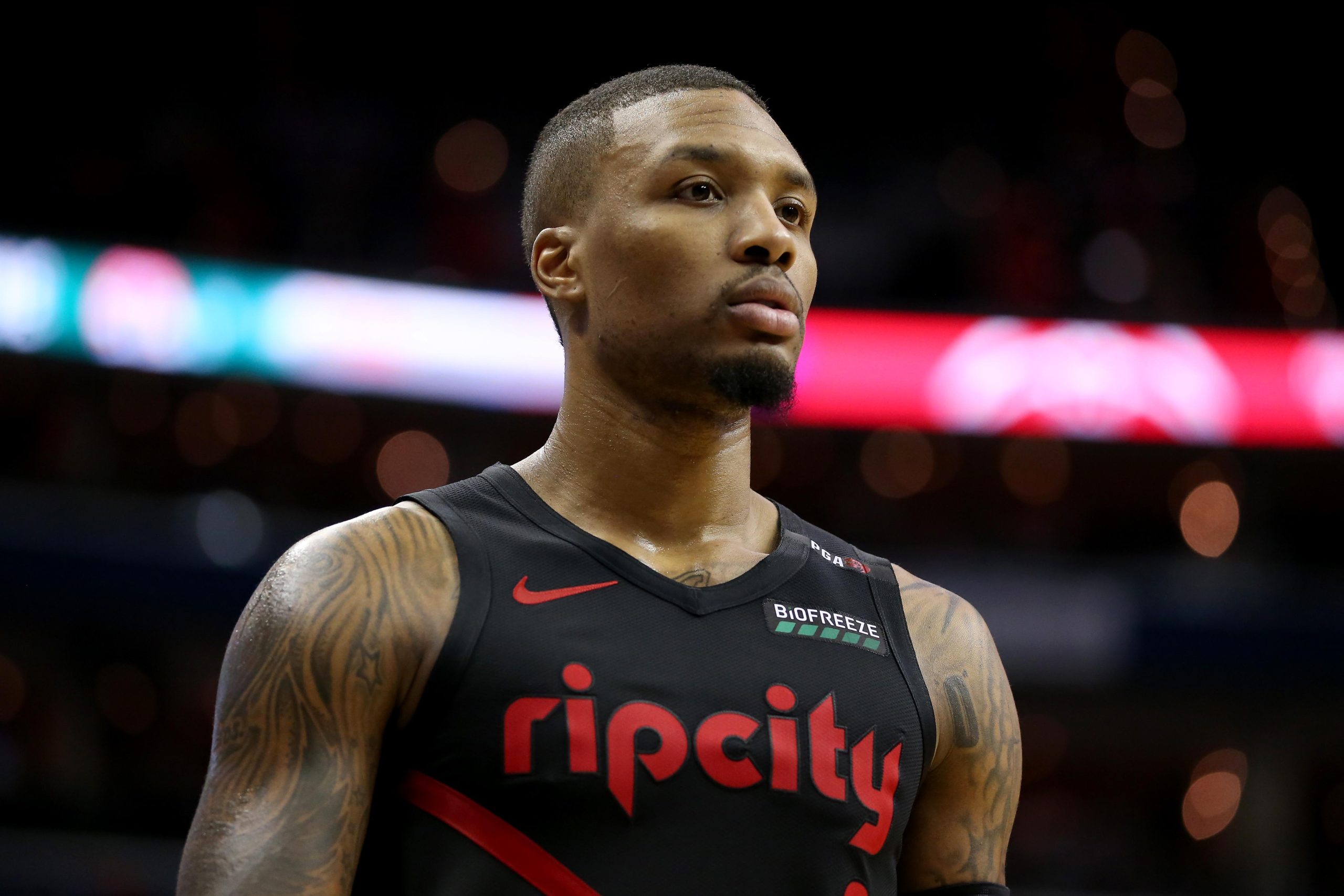
PORTLAND, Ore. — Nearly a year after tearing his left Achilles tendon in the playoffs, Damian Lillard remains sidelined but continues making steady progress in rehabilitation, with the Portland Trail Blazers star firmly targeting a full return for the start of the 2026-27 NBA season. The nine-time All-Star has not played a single game in 2025-26, yet his recent activities — including a dramatic 3-Point Contest victory at All-Star Weekend — have fueled optimism about his long-term outlook.

Lillard suffered the devastating non-contact injury on April 27, 2025, during Game 4 of the Milwaukee Bucks’ first-round playoff series against the Indiana Pacers. In the first quarter, the veteran guard crumpled to the floor while chasing a rebound, immediately grabbing his left lower leg. An MRI confirmed a torn left Achilles tendon, ending his season and altering the trajectory of his career at age 34. He underwent successful surgery on May 2, 2025.
The injury capped a difficult stretch for Lillard with the Bucks. After being traded from the Trail Blazers in 2023 in hopes of chasing a championship alongside Giannis Antetokounmpo, the partnership fell short. Following the Achilles tear, the Bucks waived and stretched Lillard’s contract, clearing cap space while he recovered. In the offseason, he chose to return home to Portland, signing a deal with the franchise that drafted him in 2012.
Lillard has used the entire 2025-26 season for recovery. The Trail Blazers have taken a patient approach, listing him as out for “left Achilles tendon; injury management” on official NBA reports. As of mid-April 2026, more than 11 months post-surgery, he has avoided any setbacks while progressing through individualized rehab that includes on-court shooting and light basketball activities. Full-contact play and competitive games remain off limits.
The highlight of his recovery came in February at All-Star Weekend in San Antonio. Despite zero regular-season games, Lillard competed in the 3-Point Contest and stunned the league by winning his third title, joining Larry Bird and Craig Hodges as the only three-time champions. He knocked down shots from logo range and delivered under pressure, proving his shooting touch remains elite. Afterward, he spoke candidly about representing strength rather than the injury itself.
“I wouldn’t say I’m representing the Achilles nation or nothing like that,” Lillard said. “I do think I represent strength. We are athletes so when we go through injury people act like it’s the end of the world… For me it was more about representing strength.” His victory resonated widely, with fans and fellow players praising his resilience.
Lillard has provided measured updates throughout the process. In February interviews, he described his status as “I can do a lot, that’s where I’ll put it,” emphasizing patience and a personal timeline. At 35 years old in July, he understands the importance of being fully ready. “After the season, I’m going into a full summer to get ready for next season, and I want to make sure that I’m 1,000 percent,” he told reporters.
Medical experts note that Achilles recoveries for guards in their mid-30s often require 12-18 months for full explosiveness and confidence. Lillard’s case has drawn comparisons to other high-profile athletes who returned successfully, though questions linger about potential declines in speed and lateral quickness. Recent social media clips shared by the Blazers and fans show him moving fluidly in controlled workouts, hitting deep threes and jogging without visible limp.
Portland’s front office has expressed support for the deliberate approach. With the team in the play-in tournament as of mid-April, Lillard will not participate against the Phoenix Suns or any potential further games. The organization views his absence as an investment in a stronger 2026-27 campaign alongside younger talent, including Deni Avdija and other pieces acquired during the rebuild.
The injury has sparked broader conversations about player longevity and Achilles tears in the NBA. Several stars have faced similar setbacks in recent years, with varying outcomes. Lillard has leaned on conversations with veterans like Aaron Rodgers, Kevin Durant and Rudy Gay, who experienced comparable injuries. He has avoided public pity, focusing instead on mental fortitude. “My first thought was ‘I’m about to come back from this,’” he reflected.
Off the court, Lillard has stayed connected to the game and community. His return to Portland has been warmly received by fans who remember his decade of loyalty, logo threes and “Dame Time” celebrations. The Blazers have integrated him in mentoring roles, and he has expressed genuine excitement about playing with the team’s emerging core next season.
Financially and contractually, the situation stabilized after the Bucks’ waiver. Lillard’s new deal with Portland provides stability as he rehabs, with both sides aligned on a patient timeline. Analysts project he could reclaim a significant role as a starting point guard and leader if he returns close to his pre-injury form, though expectations have been tempered given his age.
As the 2025-26 season winds down for Portland, attention shifts to Lillard’s summer training. He plans intensive work to rebuild explosiveness, strength and conditioning. Blazers medical staff continue monitoring progress closely, with regular imaging and functional testing guiding the process. No timeline has been set for training camp participation, but the target remains opening night 2026-27.
Fans have rallied around the veteran, creating viral moments from his 3-Point Contest win and rehab clips. Social media hashtags like #DameTime and #RipCityStrong trend whenever updates surface. For a player who once carried the Blazers through thick and thin, the support feels like a homecoming.
Lillard’s story underscores themes of perseverance in professional sports. From the painful moment on the Fiserv Forum floor to logo-range threes in All-Star competition, his journey reflects determination. While this season has been lost on the court, it may prove foundational for a strong final chapter in Portland.
As April 2026 draws to a close, Damian Lillard continues his solitary race against recovery timelines. The Blazers and their fans wait patiently, confident that when Dame returns, the signature step-back and clutch performances will follow. For now, the focus remains on health, strength and the promise of next season — one step, one shot at a time.

The ‘Lonely Runner’ Problem Only Appears Simple

why even neutral and distant countries like Switzerland can’t escape the fallout

Coldest Mornings Since Winter Spark Frost Warnings


-
 NewsBeat5 days ago
Pep Guardiola and Gary Neville agree over Arsenal title problem that benefits Man City
-

 Crypto World5 days ago
The SEC Conditionalises DeFi Platforms to Be Avoided for Broker Registration
-

 Politics6 days ago
World Cup exit makes Italy enter crisis mode
-

 Crypto World4 days ago
SEC Signals Exemption for Crypto Interfaces From Broker Registration
-

 News Videos3 days ago
Secure crypto trading starts with an FIU-registered
-

 Fashion15 hours ago
Weekend Open Thread: Theodora Dress
-

 Sports24 hours ago
NWFL Suspends Two Players Over Post-Match Clash in Ado-Ekiti
-

 Crypto World4 days ago
SEC Proposes Certain Crypto Interfaces Don’t Need to Register as Brokers
-

 Business7 days ago
Ireland Fuel Protests Enter Day 5 as Blockades Spark Shortages and Government Prepares Support Package
-

 NewsBeat4 days ago
Trump and Pope Leo: Behind their disagreement over Iran war
-

 Politics12 hours ago
Palestine barred from entering Canada for FIFA Congress
-
 NewsBeat6 days ago
JD Vance announces ‘no agreement’ with Iran over nuclear weapons fear
-

 Crypto World10 hours ago
Russia Pushes Bill to Criminalize Unregistered Crypto Services
-
Sports6 days ago
Dexter Lawrence, Stefon Diggs, Trading for De’Von Achane
-

 Crypto World5 days ago
Trump whales load up ahead of Mar-a-Lago luncheon.
-
 Crypto World5 days ago
Sei Network Enters Quiet Reset Phase as On-Chain Metrics Signal a Slowdown in 2026
-
Business5 days ago
Kering slides after Morgan Stanley downgrade, Gucci woes loom
-
 Entertainment4 days ago
Karol G’s ‘Ultra Raunchy’ Coachella Set Gave ‘Satanic Vibes’
-
 Business1 day ago
Creo Medical agree sale of its manufacturing operation
-

 Sports5 days ago
NWFL opens Pathway for new Clubs ahead of 2026 Season
You must be logged in to post a comment Login