
Business
US stocks today: Nasdaq crashes 1,100 pts, Dow 600 pts as chip stocks slide; jobs data fuels rate hike fears


Selling was concentrated among chip stocks and other technology favorites that have surged higher in recent weeks as the Nasdaq Composite Index and S&P 500 rose repeatedly to fresh highs.
All three major U.S. stock indexes closed sharply lower, with plunging chip stocks dragging the tech-laden Nasdaq down by its largest one-day percentage loss since last year.
The S&P 500 ended its nine-week run of Friday-to-Friday gains, its longest weekly winning streak since one that ended in December 2023.
“After the record run we’ve seen the last nine weeks in equities, specifically tech and semiconductors, the dam just broke today,” said Ryan Detrick, chief market strategist at Carson Group in Omaha. “Obviously, the stronger-than-expected jobs report puts the Fed in a tough spot regarding any interest rate cut for the rest of the year. And the market is throwing a fit by hitting the big winners so far this year.”

Rising interest rates and the Iran war weighed on sentiment heading into the weekend, but many investors said they expected tech stocks to continue rallying.
“The market reaction today was more driven by positioning rather than fundamentals,” said Ohsung Kwon, chief equity strategist at Wells Fargo. “The semiconductor sector was way overbought. That’s why we’re seeing the selloff. I don’t think it’s the end of the semi bull market.” The U.S. economy added 172,000 jobs in May, according to the Labor Department, more than double analyst expectations, while the unemployment rate held firm at 4.3%. The robust report was double-edged: it provided reassurance of U.S. economic health, but all but killed any hopes of an interest rate cut from the Fed in the near future.Financial markets are pricing in a growing likelihood of a rate hike at the conclusion of the Fed’s December meeting, according to CME’s FedWatch tool.
Fading hopes for a near-term resolution to the Middle East war and reopening the Strait of Hormuz are stirring fears that energy price pressures could morph into wider, systemic inflation. Iran reaffirmed its support for Hezbollah and demanded that Israel withdraw its troops from southern Lebanon, further complicating efforts to secure a near-term peace deal that would include the resumption of traffic through the crucial strait. U.S. President Donald Trump’s administration has negotiated three truces, and while fighting has been greatly reduced, the two sides continue to trade airstrikes.
According to preliminary data, the S&P 500 lost 199.64 points, or 2.63%, to end at 7,384.67 points, while the Nasdaq Composite lost 1,117.38 points, or 4.16%, to 25,713.58. The Dow Jones Industrial Average fell 684.53 points, or 1.33%, to 50,877.40.
Nvidia, the largest company by market value, fell sharply, as did smaller rivals Intel, Micron, AMD and Broadcom. Lululemon Athletica slumped after the athletic apparel maker cut its annual profit forecast and projected second-quarter earnings well below Wall Street estimates. Cooper Companies rose after the contact lens maker beat estimates for second-quarter results.
Cryptocurrency firms Coinbase and Strategy were pulled lower by bitcoin’s sharp drop. S&P Global said it would not change the eligibility requirements for its major indices, which effectively rules out a swift entry for Elon Musk’s SpaceX to the benchmark S&P 500 after it goes public in what would be the world’s biggest initial public offering.
S&P Dow Jones Indices will announce the results following its rebalancing after markets close. Chipmaker Marvell Technology, which boasts over $270 billion in valuation, is among the contenders to be added to the benchmark index.

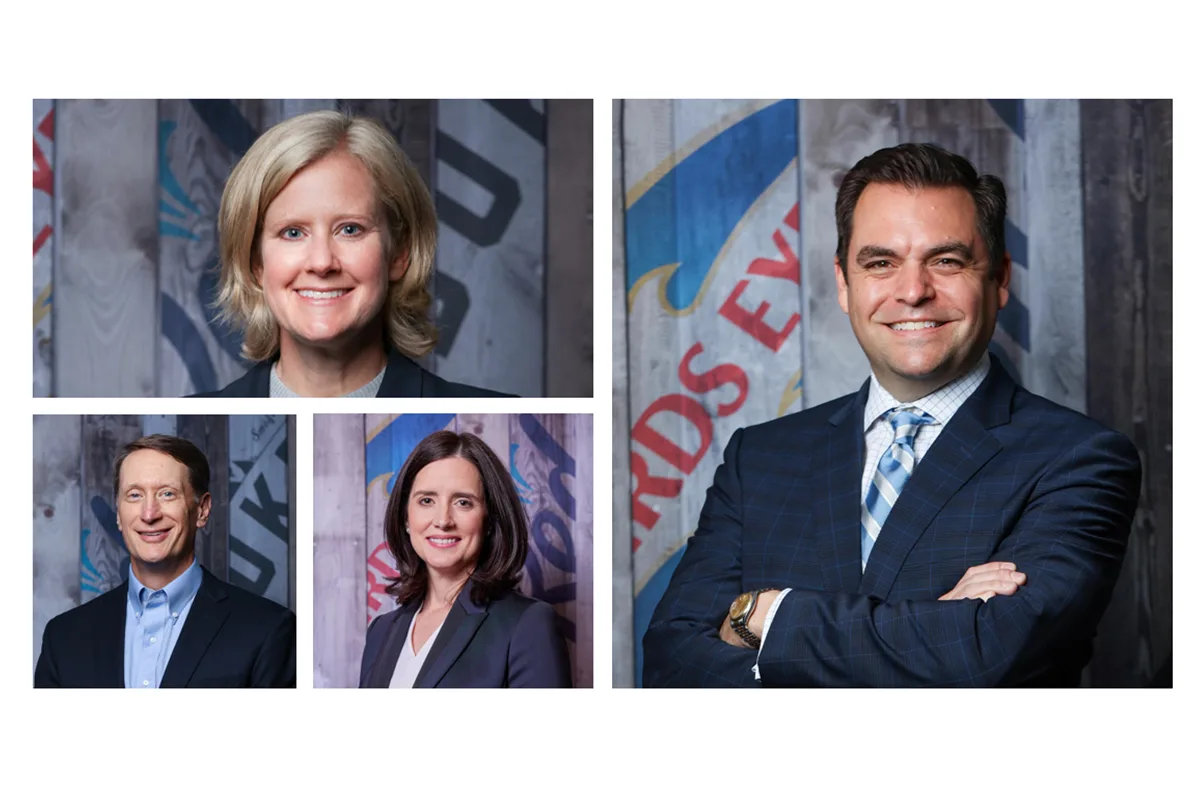

Company said changes will streamline its structure.

Kudlow panelists Tim Doescher and Lou Basenese break down the June Jobs Report under President Donald Trump.
Visa on Tuesday announced plans to cut 7% of its workforce, or about 2,600 jobs, as the payment processor moves forward with a push to operate more efficiently.
The job cuts are expected to primarily affect technology and product teams.
“I have deep conviction that we are doing what is right for Visa, our clients and our partners as we continue to focus on driving efficiency across the company in order to reinvest in our highest potential opportunities,” Visa CEO Ryan McInerney wrote in a staff memo.
McInerney said Visa needs to keep evolving in how it operates to seize growth opportunities and stay ahead of industry changes, with the emergence of AI playing a key role in the shift.
VISA, MASTERCARD REACH SWIPE-FEE SETTLEMENT: HOW IT’LL AFFECT YOUR WALLET

Visa is laying off about 7% of its workforce in an efficiency push. (iStock)
The layoffs underscore how companies are translating investments in artificial intelligence (AI) into workforce changes, raising concerns about how the technology will impact jobs while driving productivity and profitability.
While AI has helped cut repetitive tasks and speed up product development, it wasn’t the sole factor for Visa’s job cuts, according to Bloomberg News, which first reported the layoffs, citing a person familiar with the company’s rationale.
According to the company’s annual report for 2025, Visa had around 34,100 employees during its 2025 fiscal year, which was an increase of about 8% year over year.
‘GETTING FILTERED OUT’: YOUNG AMERICANS STRUGGLE TO LAND JOBS IN THE NEW HIRING LANDSCAPE
| Ticker | Security | Last | Change | Change % |
|---|---|---|---|---|
| V | VISA INC. | 368.73 | +2.14 | +0.58% |
“We don’t view this as a material event, as it is just one of the best-run companies in the world tweaking headcount and costs and reallocating money and resources into areas of higher growth and returns,” Evercore ISI analysts said in a note.
Visa’s job cuts come about six months after its closest peer made a similar move to scale back its workforce.
Earlier this year, payments industry rival Mastercard announced plans to lay off 4% of its global workforce, as it cited a need to refocus corporate investments in different areas. Fintech firm Block also said in February it would cut nearly half of its workforce, or about 4,000 jobs.
ZUCKERBERG PREDICTS MORE JOBS AND ENTREPRENEURSHIP IF SUPERINTELLIGENCE IS WIDELY DISTRIBUTED

Visa and other payments industry firms are scaling back their workforces amid the rise of AI. (iStock)
Visa operates a digital payments network across over 200 countries and territories and is used by billions for everyday transactions, giving it protection from potential economic downturns.
The business model is insulated because it relies on transaction volumes rather than credit risk, allowing strength at the upper end of the income spectrum to offset softness at the bottom end.
“As a result of the choices we have made over the past few years, we are entering a new era in commerce with a business that has real momentum,” McInerney said in the memo.
GET FOX BUSINESS ON THE GO BY CLICKING HERE
Reuters contributed to this report.
Business
Oil Price Today (July 30): Crude oil dips below $90 after 8% surge on Wednesday. Here’s why
Crude oil price on July 30
Brent crude futures were down $1.29, or 1.42%, at $89.45 a barrel. U.S. West Texas Intermediate (WTI) crude slipped 56 cents, or 0.66%, to $83.90 a barrel.
In the previous session, Brent had surged 7.91% while WTI climbed 6.56%, marking one of the biggest jumps during the Iran war. The rally had reversed Tuesday’s 5% decline, which followed a brief pause in hostilities in the five-month conflict.
Preliminary shipping data showed that 39 commodity vessels passed through the Bab el-Mandeb Strait into the Red Sea on Tuesday, the highest count since July 19. At the same time, only a handful of ships continued to transit the Strait of Hormuz.
Also read: Oil crosses $100: A ‘perfect hurricane’ can trigger bigger shock soon
The Strait of Hormuz is the world’s most important oil shipping route and had previously handled around one-fifth of global oil and gas flows. The passage has remained largely blocked since the U.S.-Iran war began in February, despite repeated efforts to secure a diplomatic agreement that would allow ships to move through the strait.
Meanwhile, U.S. and Saudi strikes targeted Iran-backed paramilitary forces in Iraq on Wednesday. It was the first time Saudi Arabia had publicly joined U.S. air strikes, with the action carried out in response to drone attacks launched from Iraq on Saudi oil facilities.
The strikes marked a return to U.S. military action in the region after US President Donald Trump called off a bombing campaign over the weekend because of dwindling munitions. Iran also said it had attacked U.S. bases in Jordan and struck three tankers transiting the Strait of Hormuz through what it described as an unauthorized route.
Where are prices headed?
The direction of oil prices will depend heavily on how long the disruption lasts. JPMorgan estimates that every additional month of supply disruption could add around $7 to $8 a barrel to Brent prices. A three-month disruption could push monthly average Brent prices to about $114 a barrel.
Goldman Sachs has similarly warned that Brent could climb to $120 a barrel if shipping disruptions through the Strait of Hormuz, the world’s most important oil transit route, continue. Its base case is still that tensions in the Middle East will eventually ease.
Under that scenario, Goldman Sachs expects Brent to average $80 a barrel in the fourth quarter and $75 next year. However, the bank said the risks to those forecasts remain “tilted to the upside”, pointing to the possibility that shipping disruptions could persist through both the Strait of Hormuz and the Red Sea.
Anindya Banerjee, Head of Commodity Research at Kotak Securities, said geopolitical developments were once again driving crude oil prices. “Any strike on major Gulf export infrastructure could force a retest of $95-100 and beyond,” he said.
Read more: Indian refiners scout new crude sources as Gulf risks rise
According to Banerjee, the market has shifted its focus from the military action itself to the declining chances of a diplomatic breakthrough. Tehran has set new conditions for restarting negotiations, he said, while successive developments have delayed the return of normal tanker traffic through the Strait of Hormuz. Shipping activity through the waterway remains well below pre-war levels.
Tanker traffic through the Strait of Hormuz is still far below normal, keeping the underlying supply risk in place despite the easing of immediate price pressure.
(Disclaimer: Recommendations, suggestions, views and opinions given by the experts are their own. These do not represent the views of Economic Times)
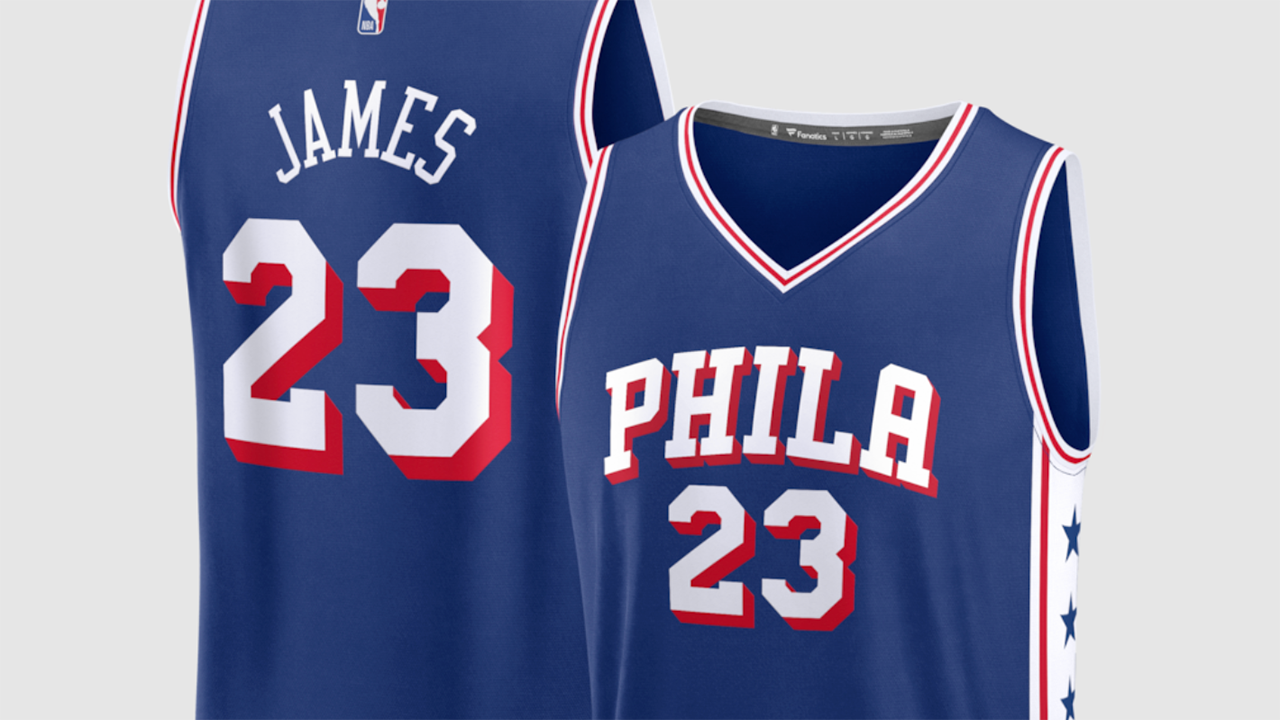
Altman Brothers Real Estate Owner Josh Altman discusses LeBron James facing California’s wealth tax despite moving to Philadelphia on ‘Varney & Co.’
LeBron James‘ big free agent decision has shaken the NBA once more after the all-time leading scorer chose the Philadelphia 76ers as his next team.
Fans have quickly jumped on board, with Fanatics saying his newest jersey has broken some records.
For the period of the first 48 hours after James made his long-awaited announcement, his new 76ers jersey sold the most ever of a player joining a new team across all sports, according to Fanatics records.
CLICK HERE FOR MORE SPORTS COVERAGE ON FOXBUSINESS.COM
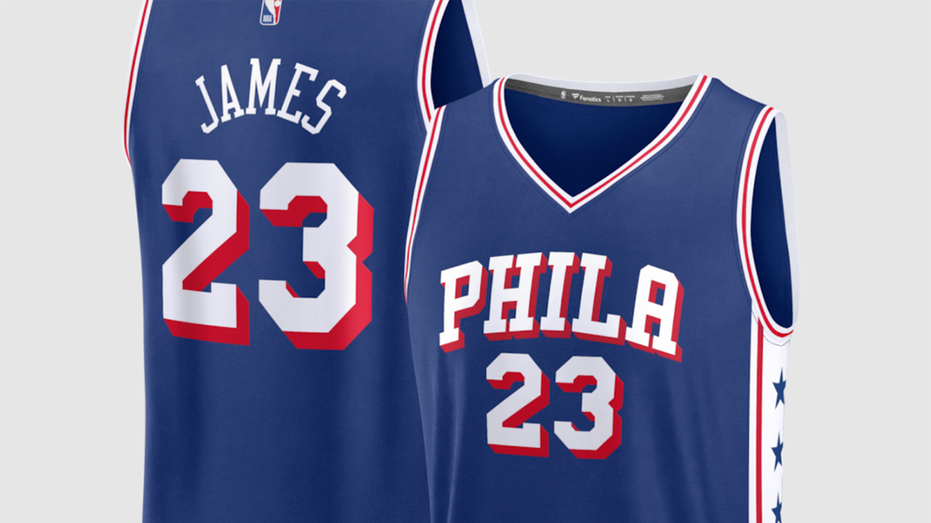
LeBron James’ new Philadelphia 76ers jersey (Fanatics / Fox News)
James surpassed Shohei Ohtani’s decision to move to the Los Angeles Dodgers in 2023.
And more James merchandise was sold in the first 24 hours after his decision was made than the first week after he signed with the Los Angeles Lakers in 2018, according to Fanatics records.
LEBRON JAMES MAKES NBA FREE AGENCY DECISION, ANNOUNCES PLANS TO SIGN WITH 76ERS
Since Friday, James merchandise has accounted for eight of the top 10 selling products across all sports throughout the Fanatics network of sites.
James will enter Year 24 in the NBA with his fourth different team after signing a two-year, $8 million contract with the Sixers. He promised this would be his “last decision,” meaning this could be his final chance to earn another NBA title.
The 41-year-old took a major discount to join a team primed to make a championship run. In addition to James, the 76ers made a trade with the Boston Celtics for another NBA Finals MVP, Jaylen Brown, before James made his decision.

A LeBron James Philadelphia 76ers shirt from Mitchell & Ness. (Fanatics / Fox News)
So, the starting five in Philadelphia figures to be James, Brown, former league MVP Joel Embiid and dynamic guards Tyrese Maxey and V.J. Edgecombe.
James said on X that he thought he was done with his future Hall of Fame career at the end of last season, believing he had played his final game in the sweep by the Oklahoma City Thunder in the NBA Playoffs.
“I thought I was done when the season ended. I wasn’t ready to announce it, and I knew I needed some time to really decide, but I was pretty sure I played my last game. I was honest at that last press conference when I said I needed to look at myself and decide if I still love this game,” James wrote on X.
“I still truly love this game, and I have more to give.”
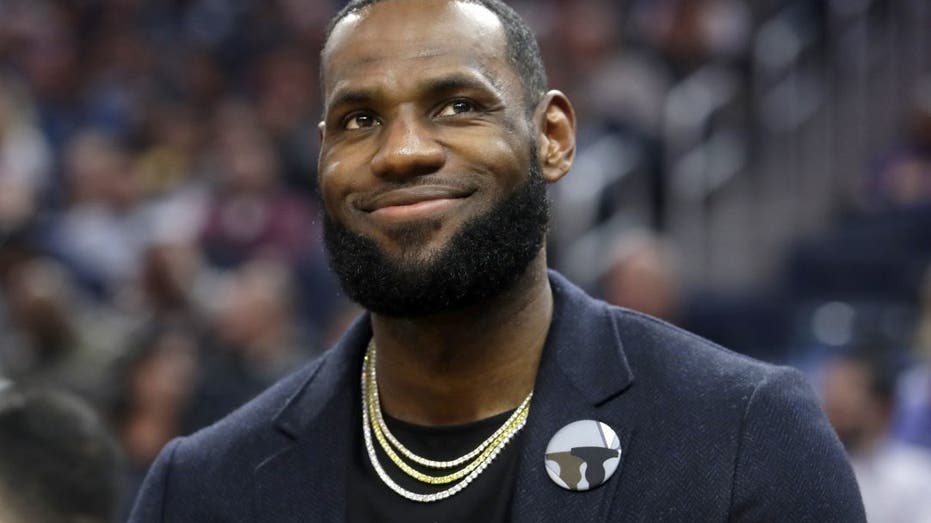
In this Feb. 27, 2020 file photo, Los Angeles Lakers forward LeBron James appears during an NBA basketball game against the Golden State Warriors in San Francisco. (AP Photo/Jeff Chiu, File / AP Newsroom)
GET FOX BUSINESS ON THE GO BY CLICKING HERE
James added that he still wants to “sacrifice” and “grind” for his team, and he believes the 76ers can be a championship squad during the 2026-27 season.
The 76ers were swept by the New York Knicks in the Eastern Conference semifinals, and they hope the additions of James and Brown can propel them to a championship.
Follow Fox News Digital’s sports coverage on X and subscribe to the Fox News Sports Huddle newsletter.

Operator
Greetings. Welcome to the Everforth Second Quarter 2026 Earnings Call. [Operator Instructions] Please note, this conference is being recorded.
I will now turn the conference over to Kimberly Esterkin, Head of Investor Relations. Thank you, Kimberly. You may begin.
Kimberly Esterkin
Vice President of Investor Relations
Good afternoon. Thank you for joining us today for Everforth’s Second Quarter 2026 Conference Call. With me are Ted Hanson, Chief Executive Officer; Shiv Iyer, President; and Marie Perry, Chief Financial Officer.
Before we get started, I would like to remind everyone that our commentary contains forward-looking statements. Although we believe these statements are reasonable, they are subject to risks and uncertainties, and as such, our actual results could differ materially from those statements. Certain of these risks and uncertainties are described in today’s press release and in our SEC filings. We do not assume any obligation to update these statements made on this call.
For your convenience, our prepared remarks and supplemental materials can be found in the Investor Relations section of our website at investors.everforth.com.
Please also note that on this call, we will be referencing certain non-GAAP measures, such as adjusted EBITDA, adjusted net income and free cash flow. These non-GAAP measures are intended to supplement the comparable GAAP measures. Reconciliations between GAAP and non-GAAP measures are included in today’s press
Business
(VIDEO) Matt Baker Says Loss of His Beloved Dog Bob “Took a Lot to Get Over” in New Radio Times Interview

Countryfile presenter Matt Baker has opened up about the difficult grief he experienced following the death of his dog Bob, telling Radio Times that losing the border collie “took a lot to get over” after the animal had been by his side through many of the major moments in his life.
Baker, 48, told the magazine that Bob’s absence left a significant void in his daily life. “He’d been with me for the major moments in my life, so it was tough when he wasn’t,” Baker said. “We’re fortunate to have these animals in our lives.”
The BBC presenter first announced Bob’s death publicly in May, sharing a montage of photographs and video clips on Instagram tracing the dog’s life from puppyhood through years of adventures on the family’s farm. In his caption at the time, Baker revealed that Bob had actually died some time before the post was shared, explaining that he had been unable to speak publicly about the loss sooner because of how deeply it had affected him.
“It’s with a very heavy heart that I’m letting you know our wonderful Bob is no longer with us,” Baker wrote in the original Instagram post. “He’s been gone a while but I haven’t been able to talk about it as I’ve been finding it so incredibly sad.”
Baker described Bob as a constant, steadying presence throughout an eventful period of his life, both professionally and at home. “Bob was a brilliant dog he was there for me with his gentle soul as the ultimate companion through some of the greatest chapters of my life from raising our kids to all the changes we made on our family farm,” he wrote. “It’s broken my heart but I feel hugely grateful to have had him in our lives and I thank him from the bottom of my heart for everything he’s taught me and brought to our family.”
Closing out the tribute, Baker reflected more broadly on the particular kind of grief that comes with losing a pet. “I’m sure all you dog lovers will agree the reason we love our dogs so much is because the only time they break our hearts is when they leave us. RIP Bob X.”
The post drew an outpouring of sympathy from fans in the comments section. One follower wrote, “So sorry for your loss. You are so right. They break your heart at the end. They give so much to our lives and leave permanent foot prints on our souls.” Another added, “So sorry for your loss, Matt. He was lucky to have had you and your family in his life, as you had him in yours.”
Baker, who lives on a small farm in the Chilterns Hills in Hertfordshire with his wife, Nicola, and their two children, currently keeps two other dogs at home: a miniature dachshund named Ivy and a young border collie named Ted. The family’s farm is also home to livestock including chickens and sheep, reflecting the rural lifestyle Baker has built his television career around in recent years.
Dogs have been a defining presence throughout Baker’s public life and career, dating back to his years hosting the long-running children’s series “Blue Peter.” Baker joined the show in 1999 and spent seven years as one of its presenters, during which time a border collie named Meg became a familiar on-screen companion. Reflecting on that period in the same interview, Baker recalled how disorienting it felt to be without a dog for the first time when his career required him to relocate. “When I moved down to London it was the first time in my life that I’d been without a dog and I felt quite lost,” he said.
Bob’s death was not the first pet loss Baker has publicly mourned in recent years. In April of last year, Baker announced the death of Isla, a cairn terrier who had been his oldest and smallest dog at 13 years old. He described Isla at the time as “sweet, kind, tough, fast as lightning, and a patient gentle mum,” and the announcement drew condolences from fellow television personalities, including Steps singer Ian “H” Watkins.
Baker has built much of his broadcasting career around his connection to rural life and animals, hosting programs including the More4 series “Our Farm in the Dales” alongside his family. He currently anchors both “The One Show” and “Countryfile” on BBC One, with the latter regularly drawing more than 8 million viewers on Sunday evenings. Beyond his presenting work, Baker has also used his background as a former British gymnast to contribute to the BBC’s sports commentary coverage of gymnastics events, including at the Olympic Games.
Baker’s willingness to speak candidly about pet loss reflects a broader openness that has become part of his public persona in recent years, as he has used his platform to discuss both the joys and the emotional difficulties that come with a life closely intertwined with animals, whether on his own family farm or through decades spent presenting some of British television’s best-known nature and lifestyle programming.
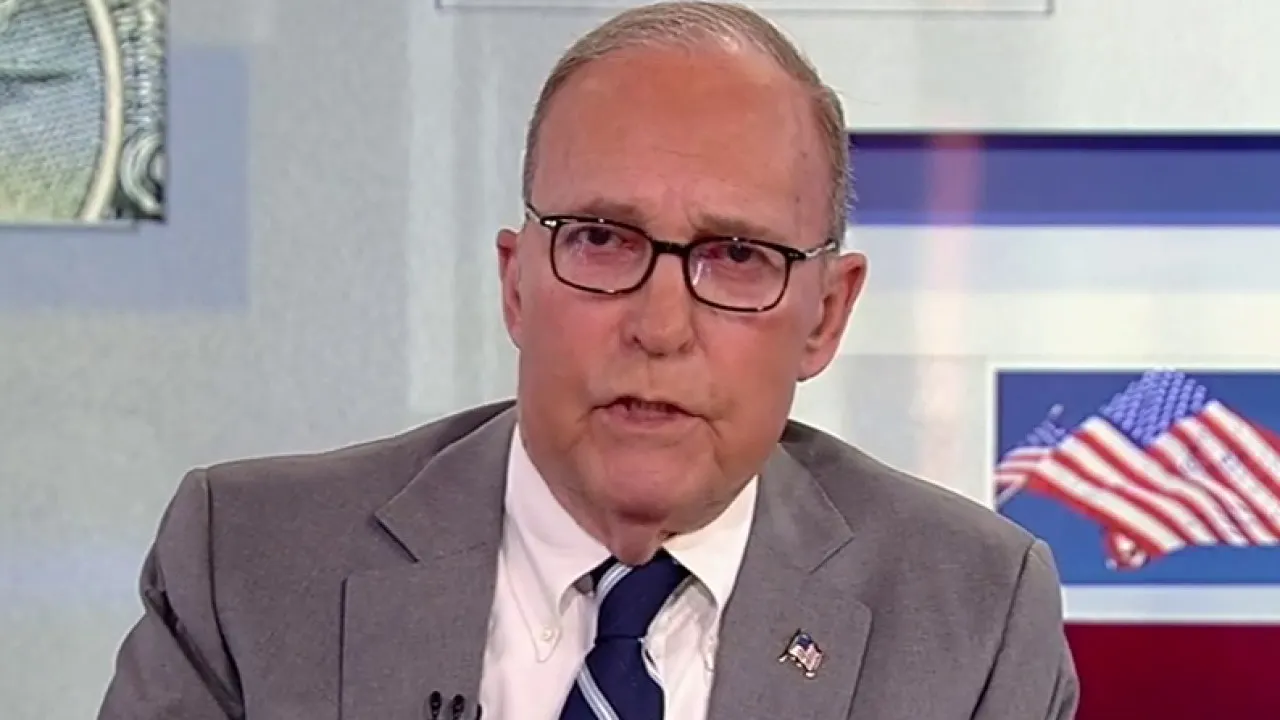
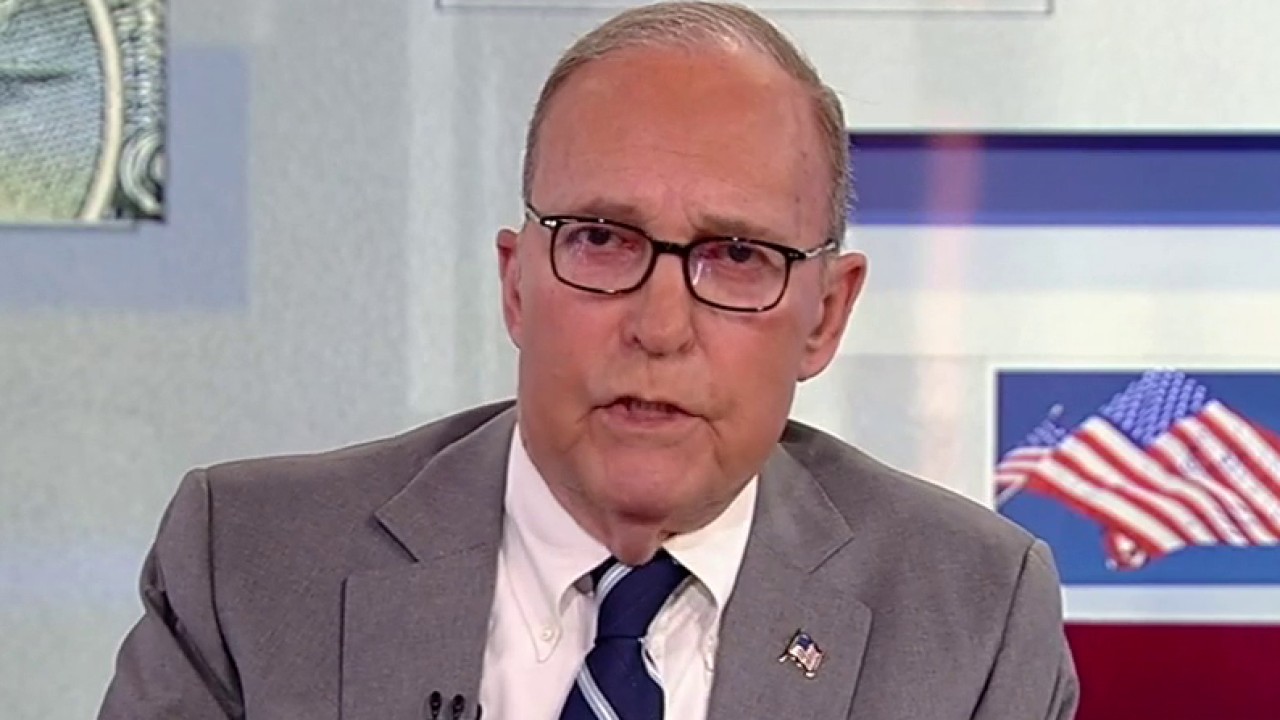
After yesterday’s Islamic Revolutionary Guard Corps performance trying to attack an American military base in Jordan, on top of all the other attacks they’ve made, and all the things they’ve refused to say about a reopening of the Strait of Hormuz deal — these are radical Islamists who hate America, hate Israel, deluded into thinking that they can win the war and run the Middle East, and continue to sponsor terrorism and build nuclear weapons.
It’s one thing after another with them, and I think it’s fair to say that negotiations are going nowhere. President Trump is doing what no other president has done, trying to bring peace and freedom to the Middle East and stop the Iranians, and stop their nuclear ambitions — but I think his options right now are battlefield and major combat operations, not diplomacy. And I support this.
And I would simply add the importance of Economic Fury, maxing out all sanctions, Kharg Island, hammering again their nuclear facilities and capabilities that may or may not be left. These are not rational people. It’s a theocratic regime, run by militarists and Marxists. The end result is escalation, which right now is inevitable. The president will make his mind up, but I think the handwriting is on the wall. Resumption or return to major combat operations and a tightening of the economic screws. It’s not tit for tat.
Fox News senior strategic analyst Gen. Jack Keane discusses the potential U.S. strategy toward Iran in the near future on ‘Kudlow.’
I’m still believing in unconditional surrender. And finally, covert operations. I assume there has already been a presidential finding on covert operations by our CIA and other secret intelligence services. And I am assuming hand-in-glove work with the Israeli Mossad. This is an Iranian version of the Reagan Doctrine, which brought down Soviet communism without firing a shot, but using covert operations to help freedom fighters in Poland and Eastern Europe and Latin America.
This could be the Trump version of the Reagan doctrine, as already practiced in Venezuela and probably soon in Cuba. Yet most pressingly and importantly practiced right now in Iran. Whether Reza Pahlavi, or a temporary leader or group of leaders, or whoever else, any covert operations that will move us in the direction of regime change must be a vital part of our war strategy.

Pure Cycle: Rate Headwind, Long-Term 2027-2028 Upside

When she was starting out in her career Kilgore realised she needed to be “someone that people look forward to being around”.
It’s important to be polite, punctual and nice as those qualities help you build loyalty, she says.
“I made sure I was the sunniest, hardest working and most diligent person to do that service.”
“If you do a really great job, people will recommend you,” she says and she soon opened a tiny beauty salon that became booked up months in advance.
She also explains you also need to be “willing to make some big sacrifices” to make your business successful.
“You’re not going to have a lot of free time,” she says as running a business requires you to be aware of changing customer behaviour, new competitors and wider market trends.
That often means reading, researching and connecting ideas outside of working hours.
Kilgore says the workload can feel easier if you have a curiosity around you as “that’s what drives you”.
She does have some non-negotiables and has made an effort not to miss important events while raising her children, including school plays and family holidays.

Check out what’s clicking on FoxBusiness.com.
Lidl US is recalling a brand of shortbread cookies after discovering some packages distributed to its stores across nine states and the District of Columbia failed to disclose major food allergens.
The voluntary recall covers Eridanous Shortbread Cookies with Chocolate Truffle Coating & Apricot Filling in 11.6-ounce (330-gram) boxes with UPC 4056489125839. According to the Food and Drug Administration, the affected products were packaged with foreign-language labeling that did not include English ingredients, nutrition facts or allergen declarations.
The undeclared allergens include wheat, soy, milk and eggs. People with allergies or sensitivities to those ingredients could face serious or potentially life-threatening allergic reactions if they consume the product.
The recalled cookies were distributed between July 15 and July 22 to Lidl US retail stores in Delaware, the District of Columbia, Georgia, Maryland, New Jersey, New York, North Carolina, Pennsylvania, South Carolina and Virginia.
BROOKLYN ROASTING COMPANY RECALLS COLD BREW SOLD IN NEW YORK AND NEW JERSEY OVER BOTULISM RISK

Boxes of Eridanous Shortbread Cookies with Chocolate Truffle Coating & Apricot Filling are being recalled after some packages were distributed without English ingredient labels or allergen declarations. (FDA / Unknown)
No illnesses have been reported, Lidl said.
MORE THAN 1.5 MILLION DOZEN EGG CARTONS RECALLED OVER POSSIBLE SALMONELLA CONTAMINATION

The back of the recalled Eridanous Shortbread Cookies package shows foreign-language labeling instead of the required English ingredients, nutrition facts and allergen information. The affected packages are marked with a best-by date of Oct. 11, 2026 (FDA / Unknown)
Customers with allergies or sensitivities to wheat, soy, milk or eggs should not consume the cookies. Lidl said consumers should discard the product or return it to any Lidl store for a full refund. A receipt is not required.
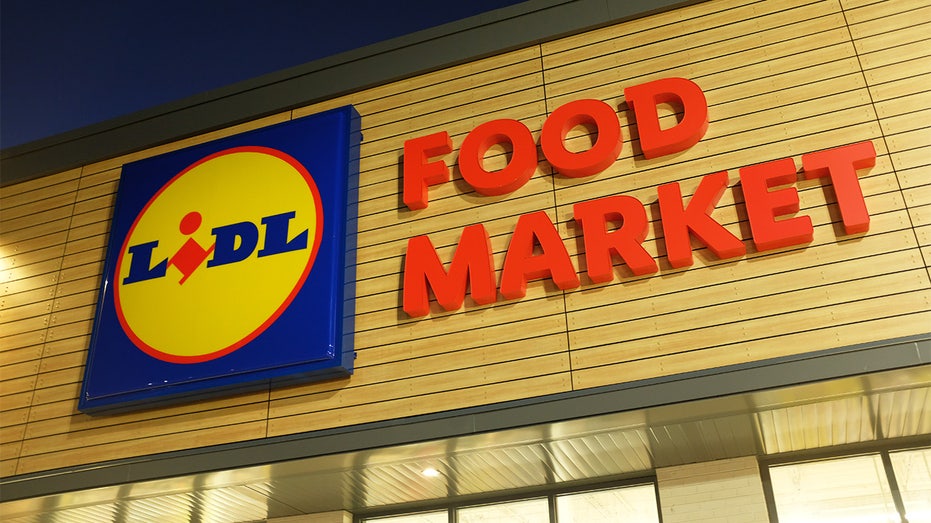
A Lidl Food Market branch stands on December 27, 2022 in Arlington, VA. Lidl, a German discount supermarket chain, has expanded rapidly across 10 states in the eastern USA in recent years. (Sean Gallup/Getty Images / Getty Images)
CLICK HERE TO GET FOX BUSINESS ON THE GO
Consumers with questions can contact the Lidl US Customer Care Hotline at (844) 747-5435 Monday through Saturday from 8 a.m. to 8 p.m. ET.
FOX Business reached out to Lidl for additional information, including how many packages are affected by the recall, how the labeling error occurred and what steps the company is taking to prevent similar issues.
Food industry calls on Andy Burnham to make food security a national priority

Conagra Brands unveils leadership changes

Here’s Who Is Attending Lindsey Graham’s Funeral Services


-

 Fashion5 days ago
Weekend Open Thread: Brooks Brothers
-
 Sports3 days ago
Commonwealth Games boxing: Jadumani Singh seals dominant 5-0 win over Pakistan’s Sumama Rehman to enter quarter-finals | Commonwealth Games News
-

 Tech3 days ago
Intel is reversing course and bringing hyper-threading back to its server chips
-

 Business7 hours ago
Why Trees Belong on the Risk Register
-

 Politics3 days ago
Luke Littler dismantles Gerwyn Price to retain title in Blackpool
-

 Crypto World4 days ago
Ripple bought a bank in pieces. The $4 billion audit
-
 Entertainment6 days ago
A New Post-Apocalyptic Gundam Anime Series Blasts Into SDCC
-

 News Videos3 days ago
BITCOIN JUST ENTERED THIS CRITICAL ZONE…
-

 Politics2 days ago
The Part of the Electric Transition Nobody Wants to Discuss
-

 Fashion6 days ago
16 Dresses for the High Summer Event
-

 Sports6 days ago
2026 3M Open leaderboard: Scottie Scheffler finds putter in Round 1, sits three back
-

 News Videos6 days ago
The Peugeot Family: How 200 Years of an “Old Money” Dynasty Died in A Boardroom
-

 Business22 hours ago
Major shareholder moves on Canyon
-

 Crypto World4 days ago
XRP Ledger adds $2.6B as RWA inflows rank second
-

 Politics4 days ago
Spain sweeps the board at 2026 World Cup with individual awards
-

 Crypto World7 days ago
Uniswap (UNI) pushes deeper into tokenized RWAs with permissioned trading pools
-
 Entertainment1 day ago
‘Stargate’ Creator’s New Sci-Fi Series Returns for Season 3 Tomorrow
-
Crypto World7 days ago
SEC Agrees to Overhaul Recordkeeping After Settling Coinbase Lawsuit Over Gensler’s Lost Texts
-

 Tech5 days ago
Anthropic launches Claude Opus 5, a cheaper AI model for coding, agents and enterprise workflows
-

 Entertainment4 days ago
Sara Gilson Killed By Husband After Viral “Pedophile” TikTok Video
You must be logged in to post a comment Login