




Connect with us

Business

US stocks: US market rebounds, but yield surge sets stage for weekly losses

Published

on

US stocks: US market rebounds, but yield surge sets stage for weekly losses
Wall Street’s major indexes climbed higher on Friday, a day after witnessing heavy losses, even as they were poised for a lower finish for the week amid pressure from rising government bond yields and lingering geopolitical uncertainty, Reuters reported.

The S&P 500 and technology-focused Nasdaq were on course to break a run of three consecutive weekly gains. The Dow, meanwhile, was set to record its second weekly loss in a row and its biggest weekly decline since mid-March.

Financial companies were the strongest contributors to Friday’s advance. JPMorgan Chase gained 1.2%, Goldman Sachs climbed 2.3%, and the S&P 500 Banks index rose 1.1%.

Robinhood shares surged 12.4% while cryptocurrency exchange Coinbase Global advanced 9.5%. Strategy, a major corporate holder of bitcoin, gained 7.4% as the cryptocurrency reached its highest level since late May.

Advertisement

Most megacap and growth companies traded higher, with Meta and Tesla each rising more than 1%. Even so, technology stocks were heading for a weaker weekly performance than other sectors after a sharp increase in longer-term Treasury yields. Worries about expanding government debt, rising borrowing costs and persistent inflation had driven the yield on the 30-year Treasury bond to a 19-year high on Tuesday.


A brief easing of those concerns followed U.S. Treasury Secretary Scott Bessent’s announcement on Thursday that the government might expand its Treasury repurchase program after Wednesday’s unexpected intervention. The relief, however, proved short-lived.
Paul Stanley, managing director and founding adviser at Arca, said the enormous bond market was reflecting expectations of stronger economic growth and higher inflation, limiting the duration of the rebound.”It is another brick in the market’s wall of worry and ultimately, the market will likely resume its focus on the promise of AI and how companies are using this productivity to drive earnings,” he said.

At 9:50 a.m. ET, the Dow Jones Industrial Average had risen 361.71 points, or 0.68%, to 53,119.88. The S&P 500 was 29.02 points, or 0.39%, higher at 7,670.18, while the Nasdaq Composite had added 49.29 points, or 0.19%, to reach 26,116.66.

Ross Stores climbed 4.2% after the discount retailer delivered second-quarter results that exceeded expectations and raised its full-year profit forecast.

Geopolitical concerns continued to restrain risk-taking. Bessent said the United States would impose “the toughest sanctions in history” on Iran, suggesting that doing so could reduce the need for additional large-scale military action.

Advertisement

The continuing deadlock between Washington and Tehran has lifted oil prices, although crude edged lower on Friday.

UBS Global Wealth Management raised its year-end target for the S&P 500 to 8,100, citing an improved earnings outlook and continued strength in corporate profit growth.

S&P Global’s preliminary US purchasing managers’ index reading came in at 53.2 for August, below the 53.9 forecast by economists surveyed by Reuters.

Investors will focus next week on personal consumption expenditures data, the Federal Reserve’s preferred measure of inflation. Mild inflation readings released last week had reduced expectations that the central bank would raise interest rates in the near term.

Advertisement

Markets will also closely follow Fed Chair Kevin Warsh’s address at the Jackson Hole symposium. Nvidia is due to release its quarterly results next week, providing another important test of investor enthusiasm for artificial intelligence.

On the New York Stock Exchange, advancing shares outnumbered declining ones by 2.45 to 1. On the Nasdaq, the ratio was 2.23 to 1. The S&P 500 registered four new 52-week highs and two new lows. The Nasdaq Composite recorded 34 new highs and 33 new lows.

(Disclaimer: This article is based on inputs from agencies. These do not represent the views of The Economic Times)

Advertisement
Continue Reading
Click to comment

You must be logged in to post a comment Login

Leave a Reply

Business

Structure Therapeutics – A Strong Bet For An Oral GLP-1 Approval Before 2030 (NASDAQ:GPCR)

Published

on

Structure Therapeutics - A Strong Bet For An Oral GLP-1 Approval Before 2030 (NASDAQ:GPCR)

This article was written by

Edmund Ingham is a biotech consultant. He has been covering biotech, healthcare, and pharma for over 5 years, and has put together detailed reports of over 1,000 companies. He leads the investing group Haggerston BioHealth.

The group is for both novice and experienced biotech investors. It provides catalysts to look out for and buy and sell ratings. It also provides product sales and forecasts for all the Big Pharmas, forecasting, integrated financial statements, discounted cash flow analysis and market by market analysis. Learn more.

Analyst’s Disclosure: I/we have no stock, option or similar derivative position in any of the companies mentioned, but may initiate a beneficial Long position through a purchase of the stock, or the purchase of call options or similar derivatives in GPCR over the next 72 hours. I wrote this article myself, and it expresses my own opinions. I am not receiving compensation for it (other than from Seeking Alpha). I have no business relationship with any company whose stock is mentioned in this article.

Seeking Alpha’s Disclosure: Past performance is no guarantee of future results. No recommendation or advice is being given as to whether any investment is suitable for a particular investor. Any views or opinions expressed above may not reflect those of Seeking Alpha as a whole. Seeking Alpha is not a licensed securities dealer, broker or US investment adviser or investment bank. Our analysts are third party authors that include both professional investors and individual investors who may not be licensed or certified by any institute or regulatory body.

Advertisement
Continue Reading

Business

Mars to sell candy without FD&C colors online

Published

on

Mars to sell candy without FD&C colors online

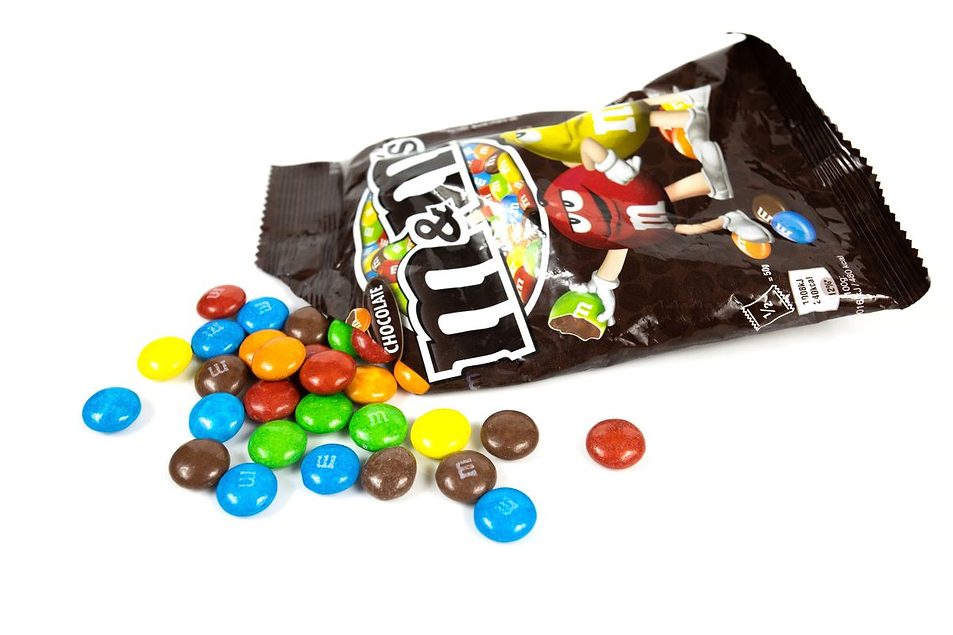
MCLEAN, VA. — Mars, Inc. in August plans to begin offering on Amazon items without FD&C colors under its Extra, M&M’s, Skittles and Starburst brands.

Skittles without FD&C colors will come in strawberry, orange, lemon, grape and lime flavors. Starburst fruit chews will be available in strawberry, cherry, orange and lemon flavors. The spearmint flavor of Extra gum also will be available.

M&M’s milk chocolate without FD&C colors will come in a blend of red, orange, green and yellow. Blue and brown M&M’s without FD&C colors will not be available.

“We are working diligently to explore non-FD&C alternatives across our portfolio that meet our safety and quality standards,” Mars said.

Advertisement

Conventional items under the Extra, M&M’s, Skittles and Starburst brands will still be available on Amazon. They contain FD&C colors such as Red No. 40, Yellow No. 5 and No. 6, and Blue No. 1 and No. 2.

Continue Reading

Business

Gold Holds Above $4,500 After Fed Minutes

Published

on

Stocks Little Changed After Fed Decision

Gold prices were holding above $4,500 after Wednesday’s rally and the release of the Federal Reserve’s minutes.

“The minutes of the Fed’s July meeting confirmed that the rate-setting committee had become more hawkish since the June meeting but, with the inflation, labor market and activity data since then all on the soft side, there is little to suggest that interest rate hikes are imminent,” said Ariane Curtis from Capital Economics.

In early trading, New York futures rose 0.1% to $4,547.90 a troy ounce. Prices climbed in the previous session on a weaker U.S. dollar and lower U.S. government bond yields after the Treasury said it would at least double the amount of bonds it buys back.

Continue Reading

Business

CrowdStrike vs. Palo Alto Networks: valuation, growth, and profitability compared

Published

on


CrowdStrike vs. Palo Alto Networks: valuation, growth, and profitability compared

Continue Reading

Business

How high can whey prices go?

Published

on

How high can whey prices go?

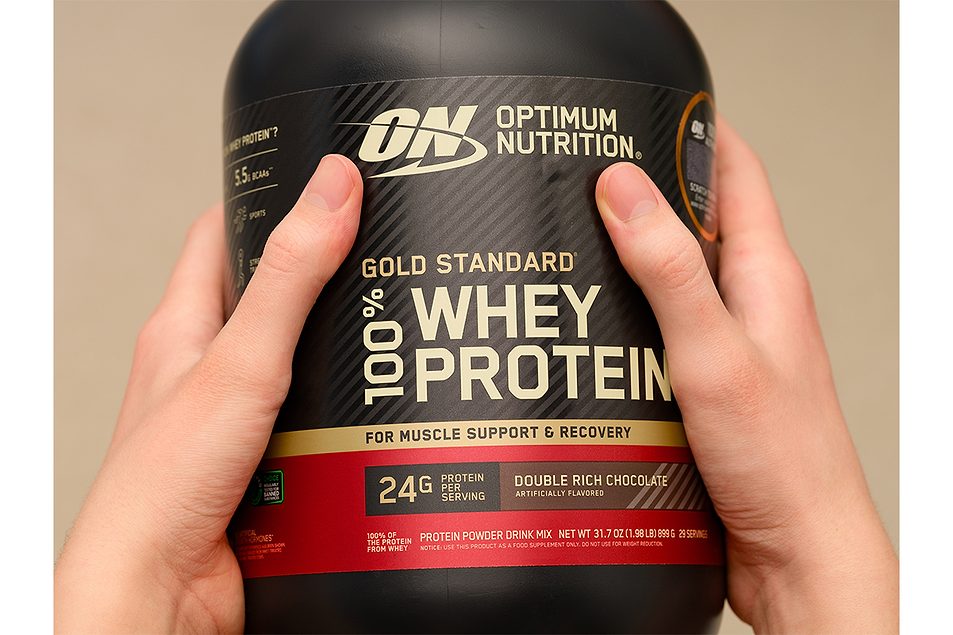
KANSAS CITY –Whey, once a cheesemaking byproduct that was discarded into wastewater, has been on a historic three-year run, with prices soaring to unprecedented levels.

Much of the rally has been driven by consumers’ growing appetite for convenient protein.

“Whey protein is not something you just see at GNC or in the sports nutrition aisle now,” said Joshua White, vice president of dairy ingredients at T.C. Jacoby & Co. “It can be found in nearly every aisle of the grocery store.”

Amid the surge in demand, expanding cheese production has given processors a larger whey stream to work with, while investments in filtration and processing capacity have scaled the industry’s ability to extract more value from that stream. Whey can be processed into products, including whey protein concentrate (WPC) 34% or further concentrated into higher-protein WPC 80% and whey protein isolate (WPI). As values for those higher-protein products have risen, processors have at times prioritized their production, reducing WPC 34% output and contributing to tight supplies across the whey protein complex.

Advertisement

After climbing almost continuously since mid-2023, whey protein prices are beginning to test what buyers are willing to pay. White estimated spot WPC 80% surged from about $2.50 per lb in mid-2023 to $13.50 per lb today.

The underlying demand behind the numbers is expected to remain strong. Custom Market Insights, a market researcher, projected the global whey protein market will grow from $13.52 billion in 2025 to $26.04 billion by 2034, a compound annual growth rate of 7.56%. The report identified ready-to-drink beverages and functional foods as major growth areas.

GLP-1 weight-loss drugs also have accelerated the trend, but White cautioned against giving them all the credit. Health and wellness demand extends beyond GLP-1 users and across international markets. European whey protein prices have surpassed those in the United States, and export interest has increased.

However, at current levels, some WPC buyers have resisted adding coverage, with recent reports of customers staying on the sidelines in hopes of securing better values.

Advertisement

White characterized the hesitancy to commit as a possible sign the market is moving beyond its “parabolic” phase and into a more mature period. Supplies are still tight, but high prices are beginning to reshape who can justify whey.

WPC 80% once served several tiers of demand, from calf milk replacer to sports nutrition and functional foods. Rising prices have pushed lower value, such as its use in feed, out of the market, while health and wellness customers have been willing to pay a premium.

Now, some food manufacturers may be next to reconsider. Those seeking higher protein content may have more flexibility than customers that specifically need whey’s nutritional or functional characteristics, making milk protein concentrate, casein and caseinates increasingly attractive alternatives in some formulations.

whey prices embed.jpgPhoto: USDA

But not all WPC alternatives are created equal.

“They don’t all perform the same and don’t share the same nutritional profile,” White said.

Advertisement

Still, substantially cheaper milk proteins could offer reformulation opportunities where whey is desirable rather than indispensable.

Buying strategy, White said, depends largely on how much flexibility a customer has. Those who are reliant on whey may be better served maintaining coverage rather than betting on a substantial price break while supplies are still tight. Buyers with more flexibility can afford to wait, adding spot loads opportunistically if better values emerge later in the year.

Heading into 2027, food manufacturers may have to reset their expectations for what whey will cost.

“If you budgeted $5 (per lb) or $6 (per lb) whey protein last year, you may have to budget $10 or $12 whey protein this year,” White said.

Advertisement

It remains to be seen how much of those higher ingredient costs manufacturers can absorb before passing along to consumers, and how that could shape demand in the year ahead.

White is watching a couple signals that may offer clues to end users as they build buying strategies for the remainder of this year and into next year. One is promotional activity and price reductions in online sports nutrition, where consumers are particularly price sensitive. The other is whether food manufacturers increase reformulation activity toward milk proteins.

He also recommended that buyers keep a close eye on the spot market. If contracted customers begin taking less than forecast, processors may find themselves with extra loads to sell. The residual loads often become the transactions that move dairy protein prices.

For now, the whey complex remains tight, and the broader demand story appears intact. The key will be how buyers and consumers respond as lofty prices work their way through the market, and whether that response is enough to bring demand closer in line with available supplies. 

Advertisement
Continue Reading

Business

J.M. Smucker promotes food science exec

Published

on

J.M. Smucker promotes food science exec

ORRVILLE, OHIO— The J.M. Smucker Co. has promoted Jeff Varcoe, PhD, to senior vice president of science and technical excellence.

Varcoe, currently vice president of quality assurance and food safety, starts in the new role on Aug. 24, Orrville-based J.M. Smucker said. In the post, he will lead the food company’s science and technical excellence operations, which span all technical disciplines that support product quality, compliance and innovation. He will report to Rob Ferguson, chief product supply officer and executive vice president of coffee, pet and away-from-home products.

“Jeff is an exceptional leader whose expertise, integrity and ability to inspire teams have made a lasting impact on our organization,” Ferguson. “His broad experience across the food operations, science and technical functions, combined with his commitment to developing talent and fostering accountability, makes him well-suited to lead this important area of our business. I am confident that under Jeff’s leadership, we will continue to maintain the high standards of quality and safety our consumers expect, while advancing innovation across our portfolio.”

Varcoe has more than 25 years of food industry leadership experience in the areas of quality assurance, research and development, and operations. He came to J.M. Smucker in June 2023 as vice president of quality assurance and food safety, and the company noted that he has since led a “comprehensive food safety and quality vision.”

Advertisement

Before joining J.M. Smucker, Varcoe spent 21 years at The Schwan Food Co., where he held leadership roles of increasing responsibility, including vice president of manufacturing technical services, vice president food safety and quality, director of research and development, director of food safety and microbiology, and manager of food safety.

Continue Reading

Business

SK Hynix ADR Climbs on Record $28.6 Billion Buyback as AI Memory Demand Fuels Record Profits

Published

on

Apple's Beats 360 Headphones Keep Leaking as Regulatory Filings Reveal

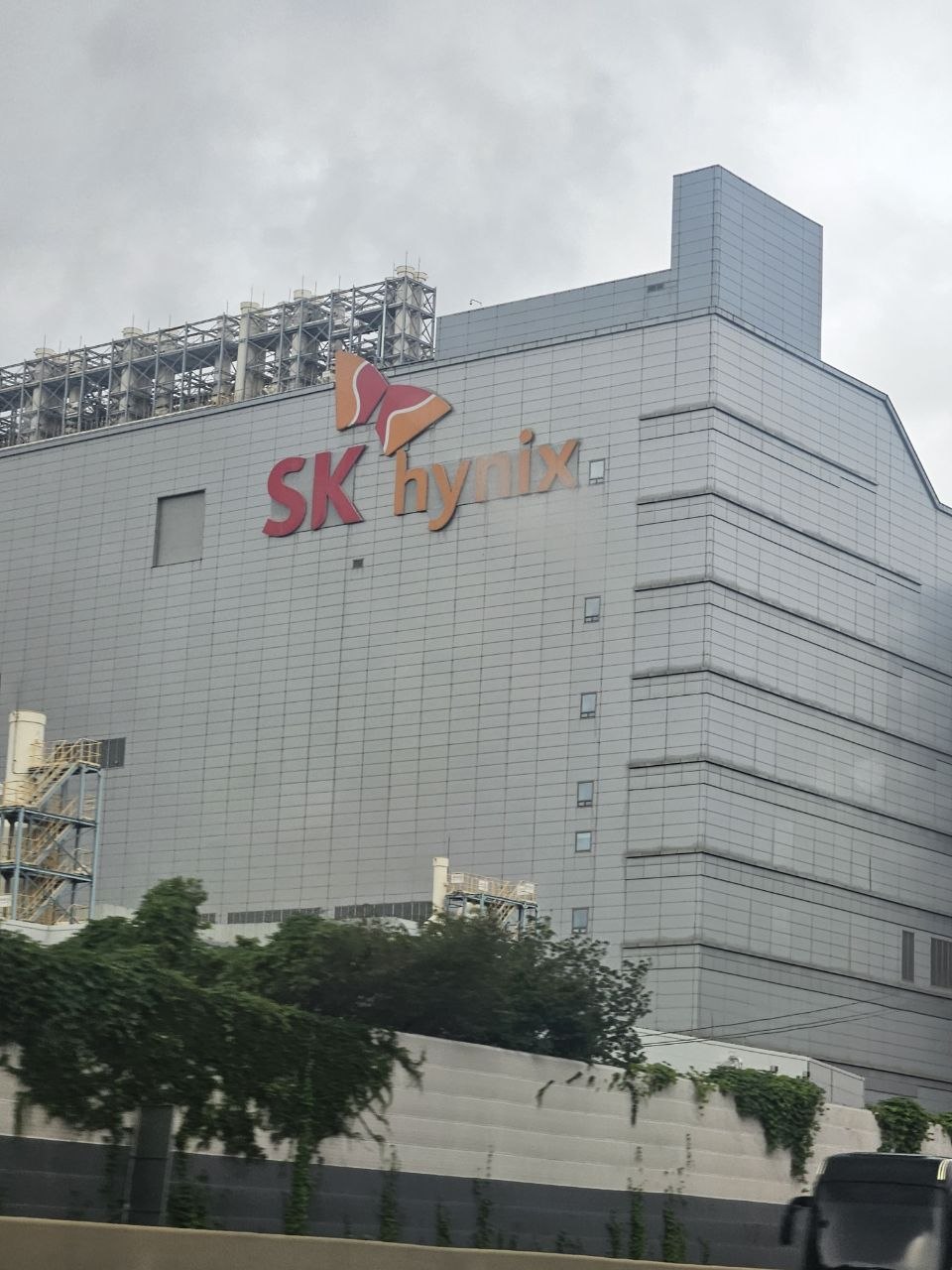
SEOUL — Shares of SK Hynix Inc. rose modestly in U.S. trading Friday, building on gains driven by the company’s announcement of a record share repurchase program, as the South Korean memory chipmaker continues to benefit from surging demand for high-bandwidth memory used in artificial intelligence systems.

The American depositary receipts, trading under the ticker SKHY, advanced about 0.45% to $163.82 in morning trading on the Nasdaq. The move followed a stronger session the previous day, when the ADRs climbed more than 4% after SK Hynix detailed plans to buy back and cancel 40 trillion won, or roughly $28.6 billion, of its shares.

The repurchase, covering approximately 24.07 million shares or about 3.3% of outstanding stock, is scheduled to run from mid-August through mid-November, after which the shares will be retired. The company also raised its shareholder-return target to more than 50% of cumulative free cash flow generated from 2025 through 2027, up from a previous ceiling of 50%. It indicated it would consider additional buybacks and dividends, with further details expected later this year.

In a regulatory filing, SK Hynix said the decision “stems from the assessment that the Company’s intrinsic value—underpinned by its business competitiveness, robust cash generation capability, and mid-to-long-term growth potential—is not fully reflected in its current stock price.”

Advertisement

The buyback ranks as one of the largest in South Korean corporate history and comes against a backdrop of volatile trading in semiconductor stocks. Seoul-listed shares of SK Hynix had fallen sharply earlier in the week amid a broader tech selloff before rebounding on the announcement. The company ended the second quarter with a net cash position of about 69 trillion won, providing substantial financial flexibility to fund returns while continuing heavy capital investment.

SK Hynix has been a primary beneficiary of the AI-driven memory supercycle. In the second quarter of 2026, the company reported record results, with revenue reaching 79.32 trillion won, up 257% from a year earlier and 51% sequentially. Operating profit climbed to 60.54 trillion won, representing a 76% operating margin, while net profit stood at 93.92 trillion won. Cumulative first-half revenue surpassed 100 trillion won for the first time in the company’s history.

Management attributed the performance to strong sales of high-value products, particularly high-bandwidth memory and advanced DRAM and NAND used in data centers. “As AI evolves into agentic forms that perform complex tasks on behalf of users and expands across various services, the underlying demand base for memory is broadening,” the company said in its earnings release. “Consequently, a structural shift is occurring where demand for both AI memory and conventional memory is expanding in tandem.”

SK Hynix began mass shipments of its HBM4 products in the second quarter and plans to ramp production further in the second half of the year. The company highlighted the technology’s operating speeds, power efficiency and cost competitiveness. It has finalized long-term agreements with around 10 key customers and continues discussions with additional clients to lock in multi-year supply.

Advertisement

“In a market environment where customer demand exceeds supply capabilities, the ability to deliver requested volumes in a timely manner has emerged as a core business competitiveness,” the company stated. Industry observers note that SK Hynix has maintained a leading position in the HBM market, particularly for Nvidia’s AI accelerators, though competition from Samsung Electronics and Micron Technology remains intense as all three expand capacity.

To support longer-term growth, SK Hynix has committed significant capital expenditure. It plans investments in the high 40 trillion won range this year and announced 54 trillion won in spending for new facilities in Yongin and Cheongju to expand production of AI memory. Cleanroom capacity from those projects is not expected online until late 2028 at the earliest. Executives have indicated that tight supply conditions could persist well beyond the current decade.

Wall Street analysts largely remain constructive on the stock. Consensus ratings lean toward Strong Buy, with average price targets implying substantial upside from current levels. Some firms have noted that the expanded buyback helps narrow the valuation gap relative to U.S. peers and reflects confidence in sustained free cash flow generation.

The ADR listing itself is relatively recent, providing U.S. investors direct access to one of the world’s top memory producers. Trading volumes have been elevated as the stock serves as a proxy for AI infrastructure spending. Memory prices have risen sharply across both specialized HBM and more conventional server DRAM and enterprise SSDs, supporting elevated margins industrywide.

Advertisement

Risks remain. The memory business has historically been cyclical, and any slowdown in hyperscaler capital spending or faster-than-expected capacity additions could pressure pricing. Geopolitical factors and currency fluctuations also influence results for a company whose primary listing is in Seoul. Recent analyst notes have flagged potential quarterly fluctuations in HBM shipments tied to the timing of next-generation AI platforms.

Nevertheless, the combination of record profitability, multi-year customer contracts, and a decisive capital-return program has reinforced investor focus on SK Hynix’s role in the AI supply chain. The company continues to emphasize technological leadership and disciplined capacity expansion as demand for high-performance memory extends from training clusters into inference workloads and broader computing architectures.

Market participants will monitor third-quarter results and any further details on shareholder returns for signals on how management balances investment needs with cash distribution. For now, the buyback announcement has provided a tangible demonstration of confidence in the durability of the current cycle.

Advertisement
Continue Reading

Business

Big rise in number of people in Wales employed in the defence sector

Published

on

Business Live

Latest MoD figures show a rise of more than a quarter on the previous year

The Army.

The number of people in Wales employed in defence supported roles has risen by more than a thousand in a year, shows latest UK Government figures.

New Ministry of Defence employment estimate shows the number increased from 3,900 to 4,900 between 2023/24 and 2024/25, a rise of more than a quarter.

For the UK as a whole defence now comprises 462,000 roles across the Armed Forces, industry, and the civil service.

The increase in Wales was driven in part by a surge of 400 roles in the weapons and ammunitions sector.

Advertisement

Wales Office Minister Anna McMorrin said: “I am proud of Wales’s contribution to strengthening the UK’s national security. With 1,000 additional Welsh jobs supported by the MOD in 2024 to 2025, the UK Government is helping to grow the Welsh defence sector, building on our existing talent and expertise and bringing about good well-paid jobs of the future.”

Minister for Defence Readiness and Industry Luke Pollard MP said:“These figures show that a rising defence budget is creating more good jobs across the UK. Defence is an engine for growth and our investments are driving reindustrialisation. As we increase our military readiness and capabilities we are generating good well-paid jobs nationwide.”

The rise in weapons and ammunition jobs forms part of a wider picture of expansion in defence-related employment across the UK, which has seen a year-on-year increase of 26,000 roles, spanning both direct roles in manufacturing and indirect jobs in the wider supply chain.

The MoDmaintains a significant footprint in Wales, spending more than £1 billion annually with industry in the region, including £42 million with SMEs. Wales is home to Brecon and Cawdor Army Barracks, as well as RAF Valley and HMS Cambria. A number of key defence strategic suppliers have established locations across Wales, including General Dynamics, Airbus, Thales UK and BAE Systems.

Advertisement

The growth in defence-supported roles is set to accelerate further under the defence investment plan, which commits £298bn to UK defence over the next four years.

Better quality data has seen revisions made to the 2023/24 statistics, which previously stated 463,000 total UK defence jobs. The updated figure for 2023/24 is 439,000 jobs, now increasing to 462,000 in 2024/25.

Similarly, better quality data has seen revisions to the 2023/24 statistics, which previously stated 272,000 direct and indirect UK industry roles. The updated figure for 2023/24 is 248,000 jobs, now increasing to 274,000 in 2024/25.


Advertisement
Continue Reading

Business

Nscale seeks $3 billion US IPO amid AI data center rush

Published

on


Nscale seeks $3 billion US IPO amid AI data center rush

Continue Reading

Business

Panera Bread hires Rebhun as CMO

Published

on

Panera Bread hires Rebhun as CMO

BOSTON — Panera Bread has hired Andrew Rebhun as chief marketing officer. He succeeds Mark Shambura, who has left the company.

In his new role, Rebhun will lead all aspects of marketing at Panera, including brand and creative, digital and loyalty, menu innovation and media.

Prior to joining Panera Rebhun was chief marketing and experience officer at CAVA. Earlier, he was CMO at El Pollo Loco, Inc. He also spent time in marketing roles at McDonald’s and Ford Motor Co.

He received a bachelor’s degree in marketing and political science at the University of Wisconsin-Madison and a master’s degree in business administration and management at Northwestern University — Kellogg School of Management.

Advertisement

“I am thrilled to welcome Andy to my leadership team at Panera,” said Paul Carbone, chief executive officer of Panera Bread. “His extensive expertise in the restaurant industry and focus on brand building, customer engagement, loyalty and growth strategy will be invaluable as we continue to transform our business. Andrew brings a strong track record of delivering impact, and I look forward to the vision and energy he will bring to our business as we work to deepen our relevance and drive demand with our guests.”

Continue Reading

Trending

Copyright © 2025