
Business
US Treasury signals global tariff hike to 15% as Trump trade policy returns

The United States is expected to raise its global tariff rate to 15 per cent in the coming days as the Trump administration moves to restore its controversial trade policies following a Supreme Court ruling that struck down last year’s sweeping import duties.
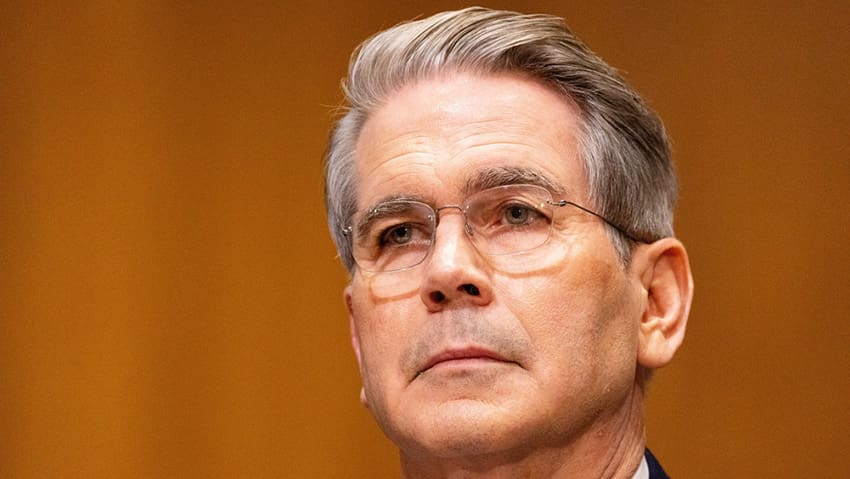
US Treasury Secretary Scott Bessent said the higher tariff level was “likely” to be implemented this week, suggesting the White House intends to push ahead with a tougher global trade regime despite the legal challenges that forced officials to rethink their approach.
The new tariff would replace the blanket import duties announced by Donald Trump last year, which had imposed levies on goods from dozens of countries. Those measures were struck down by the Supreme Court of the United States after judges ruled that the administration had exceeded its authority by using emergency powers to justify the tariffs.
The decision triggered a rapid response from the White House, which introduced a new global levy of 10 per cent using a different legal mechanism. However, confusion quickly followed after Trump stated on social media that the rate would instead be set at 15 per cent.
In practice, the tariff came into force at the lower level, leaving businesses and governments around the world uncertain about the direction of US trade policy.
Bessent’s latest comments suggest the administration now intends to align policy with Trump’s earlier statements by raising the tariff to the maximum level allowed under the temporary legal authority being used.
Speaking to CNBC, Bessent said he believed tariffs would ultimately return to their previous levels within a matter of months. He argued that the court ruling would not undermine the administration’s broader trade strategy or the revenue the US expects to collect from import duties.
“It’s my strong belief that the tariff rates will be back to their old rate within five months,” he said.
The White House has repeatedly dismissed the significance of the court decision, insisting it has several alternative legal tools available to maintain the tariff regime.
Officials say the policy is central to the administration’s economic strategy, which aims to reduce the US trade deficit, encourage domestic manufacturing and generate revenue to help tackle the country’s growing national debt.
To implement the current tariff, the administration invoked Section 122 of the US Trade Act, a rarely used provision that allows the president to impose tariffs of up to 15 per cent for a period of up to 150 days without approval from Congress.
The authority is designed to address sudden balance-of-payments crises or major trade imbalances. Because it has rarely been used in modern trade disputes, many legal experts consider the White House’s interpretation of the law to be largely untested.
Section 122 provides the administration with a temporary mechanism to maintain tariffs while it develops a longer-term legal framework for its trade policies.
The White House has indicated that once the 150-day window expires, it intends to rely on other statutes to introduce more permanent tariffs.
These include Section 301 of the Trade Act, which allows the US government to impose duties on countries accused of unfair trade practices, and Section 232 of the Trade Expansion Act, which permits tariffs on imports deemed to threaten national security.
Both provisions have been used by Trump previously. During his first term in office, the administration imposed tariffs on steel and aluminium imports under Section 232 and used Section 301 to introduce duties on hundreds of billions of dollars’ worth of goods from China.
Officials have also explored applying these powers to a wider range of sectors, including digital services taxes, pharmaceutical imports and automotive manufacturing.
Unlike the emergency powers struck down by the Supreme Court, these legal tools require the government to follow formal procedures before imposing tariffs.
This typically includes conducting investigations into the industries concerned, presenting evidence to justify the duties and providing businesses with a consultation period to submit feedback before new levies are introduced.
Many businesses say this more structured process would be preferable to the abrupt policy shifts that have characterised recent trade decisions.
Companies involved in international supply chains have repeatedly called for greater clarity and predictability, arguing that sudden tariff announcements make it difficult to plan investments, adjust pricing strategies or secure long-term contracts.
The legal battle over tariffs has also created significant financial uncertainty for the US government.
Companies that paid the original tariffs before they were struck down have begun filing claims seeking reimbursement. Analysts estimate the administration could face refund claims worth as much as $130 billion.
A study by the Cato Institute calculated that the government could also incur substantial interest costs if those refunds are delayed.
According to the institute’s estimates, US taxpayers could be liable for roughly $23 million in interest for every day refunds remain unpaid, potentially reaching around $700 million per month.
The dispute stems from the tariff regime introduced during what Trump described as “Liberation Day” in April last year.
At that time, the administration imposed tariffs ranging from 10 per cent to as high as 50 per cent on imports from dozens of countries. The move sparked a wave of diplomatic negotiations as governments attempted to secure exemptions or reduced tariff rates by offering investment commitments and other concessions.
The sweeping nature of the tariffs triggered a legal challenge that eventually reached the Supreme Court, which ruled that the president’s use of emergency powers to justify the duties was unconstitutional during peacetime.
That judgment forced the administration to redesign its trade policy using alternative legal authorities.
The shift to a universal tariff of 10 per cent temporarily placed imports from all countries on equal footing, removing the advantages some trading partners had negotiated after the original “Liberation Day” tariffs were announced.
Countries such as the United Kingdom had previously secured lower tariff rates as part of bilateral negotiations, and the introduction of a flat global tariff effectively erased those concessions.
The potential increase to 15 per cent would mark another escalation in the administration’s trade policy, potentially affecting thousands of exporters and supply chains worldwide.
Economists say the move could have wide-ranging consequences for global trade flows, particularly if the tariffs are extended or made permanent under other legal authorities.
For now, businesses and foreign governments are watching closely as Washington prepares its next steps in reshaping the US tariff regime and redefining its approach to international trade.

Jamie Young
Jamie is Senior Reporter at Business Matters, bringing over a decade of experience in UK SME business reporting.
Jamie holds a degree in Business Administration and regularly participates in industry conferences and workshops.
When not reporting on the latest business developments, Jamie is passionate about mentoring up-and-coming journalists and entrepreneurs to inspire the next generation of business leaders.

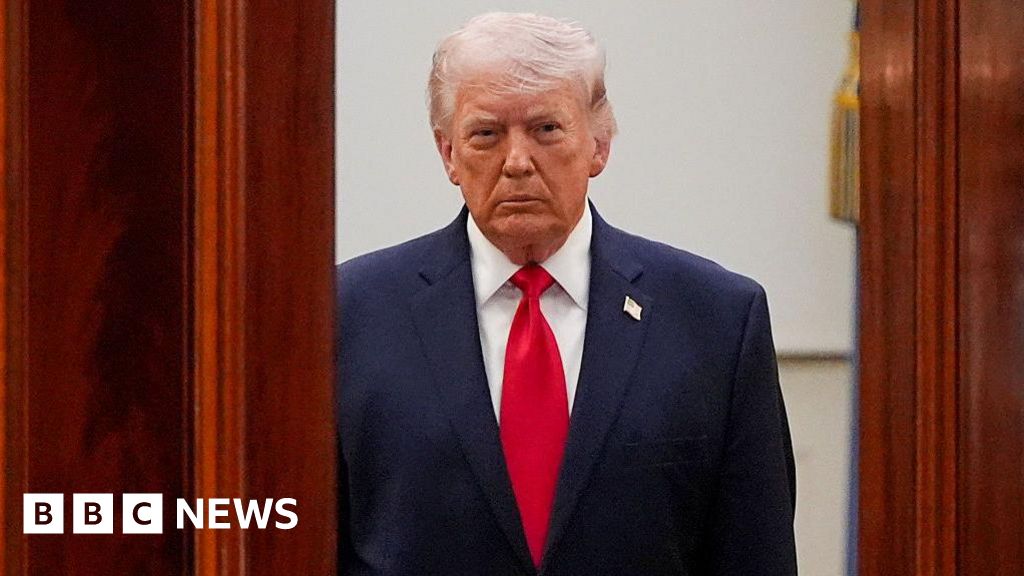
The BBC has found a pattern of spikes in trades ahead of public announcements by the US president.

Asian airlines report Europe demand surge as Gulf hub disruption shifts traffic

UK’s Starmer faces parliament over Mandelson vetting as resignation demands swirl

SBC Medical shareholder to sell 3.1M shares at $3.25 each
Old garments from around the world are being discarded in the South American country.
Xenon presents positive epilepsy drug trial data at AAN meeting
Whitehawk presents preclinical data on three ADC candidates at AACR

Dollar rebounds as Middle East tensions reignite, Hormuz closed
Xenon Pharma’s azetukalner shows 53% seizure reduction in trial

Oil prices rebound 7% as Strait of Hormuz is closed again

The insider trading suspicions looming over Trump's presidency

Angelina Jolie’s Daughter Shiloh ‘Determined To Prove Herself’

Clwb Cymry Rygbi Caerdydd set up league and cup double with Principality success


-

 Crypto World6 days ago
The SEC Conditionalises DeFi Platforms to Be Avoided for Broker Registration
-

 Fashion2 days ago
Weekend Open Thread: Theodora Dress
-

 Crypto World6 days ago
SEC Signals Exemption for Crypto Interfaces From Broker Registration
-

 News Videos5 days ago
Secure crypto trading starts with an FIU-registered
-

 NewsBeat6 days ago
Trump and Pope Leo: Behind their disagreement over Iran war
-

 Sports3 days ago
NWFL Suspends Two Players Over Post-Match Clash in Ado-Ekiti
-

 Crypto World6 days ago
SEC Proposes Certain Crypto Interfaces Don’t Need to Register as Brokers
-

 Business9 hours ago
Powerball Result April 18, 2026: No Jackpot Winner in Powerball Draw: $75 Million Rolls Over
-

 Politics2 days ago
Palestine barred from entering Canada for FIFA Congress
-

 Crypto World2 days ago
Russia Pushes Bill to Criminalize Unregistered Crypto Services
-

 Sports7 days ago
NWFL opens Pathway for new Clubs ahead of 2026 Season
-
 Business3 days ago
Creo Medical agree sale of its manufacturing operation
-
 Entertainment6 days ago
Brand New Day’ Footage Reveals the Devastating Impact of ‘Now Way Home’
-

 Politics14 hours ago
Zack Polanski demands ‘council homes not luxury flats for foreign investors’
-

 Crypto World7 days ago
Trump whales load up ahead of Mar-a-Lago luncheon.
-
Business7 days ago
Kering slides after Morgan Stanley downgrade, Gucci woes loom
-

 Tech7 days ago
Google adds E2E encryption to Gmail for iOS and Android enterprise users
-

 Tech7 days ago
Apple glasses won’t go brand shopping like Meta did with Ray-Ban and Oakley
-
Entertainment7 days ago
How Euphoria Season 3 Premiere Paid Tribute to Eric Dane After Death
-
 Entertainment6 days ago
Karol G’s ‘Ultra Raunchy’ Coachella Set Gave ‘Satanic Vibes’
You must be logged in to post a comment Login