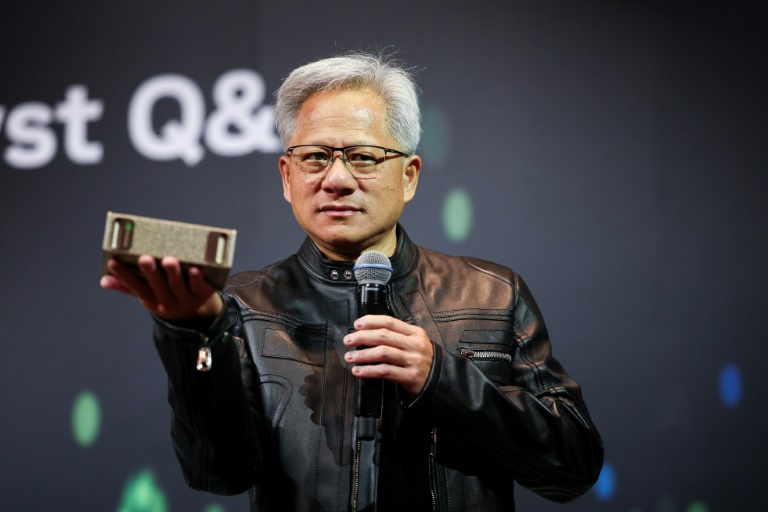
SEOUL — Nvidia CEO Jensen Huang highlighted deepening ties with South Korea’s tech and industrial giants during a high-profile visit to Seoul on Friday, joining top business leaders for a casual samgyeopsal dinner while announcing expanded hiring for artificial intelligence research and celebrating new product launches.
Huang met with SK Group Chairman Chey Tae-won, LG Group Chairman Koo Kwang-mo and Naver Chairman Lee Hae-jin at a barbecue restaurant near Hongik University in Mapo-gu. The gathering drew crowds of citizens eager to see the executive, whom Huang engaged by distributing snacks outside the venue.
“We are growing together with Hyundai Motor, LG, SK hynix, Samsung, and Naver,” Huang said while interacting with the public. He emphasized the importance of Korean partners, stating, “Korea is doing really well. Like a PC bang, bang!, business is coming back. Korea’s business partners are very important to me.”
Advertisement
The Nvidia chief arrived around 7:10 p.m., toasting with the chairmen before sharing grilled pork and conversation. Outside, he sampled and distributed “HBM Chips” — honey banana-flavored corn snacks developed by 7-Eleven and SK hynix — along with other treats like banana milk. Huang took the microphone to address cheering onlookers, praising the country’s economic momentum.
“My friends had a really good year. But this is just the beginning,” Huang said. He expressed satisfaction with business performance and Nvidia’s stock price while noting Korea’s strong economy.
New Product Push and Collaborations
During the event, Huang spotlighted Nvidia’s recent advancements in artificial intelligence infrastructure. “Nvidia unveiled four new products this week,” he said. He detailed the next-generation AI supercomputer Vera Rubin, which relies heavily on high-bandwidth memory (HBM) and low-power DRAM (LPDDR), along with a new Vera CPU that also incorporates significant memory components.
Advertisement
Huang introduced the RTX Spark, describing it as “a new form of PC platform appearing for the first time in 40 years” that will “open a completely new era.” He noted its demand for advanced memory like LPDDR5. Additionally, he mentioned new processors for autonomous driving and robotics, highlighting “major collaborations with Hyundai Motor in Robotics.”
“All my friends, LG, SK hynix, Samsung, Naver, we are all booming,” Huang added. “I came here to celebrate our great partnerships.” He previewed even more activity ahead, saying, “I also came to prepare for next year. If there was one product this year, there are four new products next year. Please get ready for a very exciting new year.”
The executive also touched on Korean culture, expressing enthusiasm for samgyeopsal, snacks, fried chicken, K-pop and K-dramas. “K-dramas always make me happy,” he said, describing them as family stories often featuring emotional moments.
Nvidia’s AI Expansion in Korea
Advertisement
Nvidia began the hiring process Friday to establish an AI technology center in South Korea. Huang encouraged local talent to apply, stating, “We are expanding AI research and engineering and Robotics research in Korea, and we are hiring talent with several partners. If you know AI researchers or engineers, tell them to apply to Nvidia.”
The move aligns with Nvidia’s strategy to strengthen its presence in key markets driving AI demand. South Korea’s semiconductor leaders, including Samsung Electronics and SK hynix, are critical suppliers of HBM chips essential for Nvidia’s GPUs powering data centers and AI training. Hyundai Motor Group has pursued robotics and autonomous vehicle initiatives that complement Nvidia’s technology.
Naver, one of Korea’s largest internet companies, collaborates with Nvidia on AI cloud services and research. LG contributes through electronics and battery technologies that support broader AI ecosystems. These partnerships underscore Korea’s role as a vital hub in the global supply chain for advanced computing.
Broader Context of Nvidia’s Global Dominance
Advertisement
Nvidia has solidified its position as the leading provider of AI accelerators, with its chips powering much of the world’s generative AI infrastructure. Demand for HBM and related memory has surged, benefiting Korean manufacturers amid the global AI boom. Huang’s visit reinforces these symbiotic relationships at a time when geopolitical tensions and supply chain resilience remain key concerns.
The CEO’s approachable style — engaging directly with citizens and sharing snacks — generated positive local buzz in Hongdae, a vibrant Seoul neighborhood known for youth culture and entertainment. Crowds gathered as word spread of the dinner, turning the evening into a public celebration of business ties.
Industry analysts view Huang’s trip as strategic outreach ahead of further AI infrastructure investments. With major Korean conglomerates investing billions in chip production and data centers, Nvidia’s expanded local hiring could accelerate talent development and innovation collaboration.
Economic and Cultural Significance
Advertisement
South Korea’s economy has shown resilience, with tech exports playing a central role. Nvidia’s success has indirectly boosted Korean firms, as HBM demand from AI servers drives revenue for Samsung and SK hynix. Government initiatives to position the country as an AI powerhouse complement these private-sector partnerships.
Huang’s comments on enjoying Korean food and entertainment reflect a personal affinity that strengthens business diplomacy. Such gestures often humanize corporate leaders and foster goodwill in international dealings. The casual samgyeopsal setting, complete with soju toasts, contrasted with formal boardroom meetings, highlighting a blend of professional and cultural exchange.
For young Koreans in tech, Huang’s call to apply at Nvidia signals opportunities in a high-growth field. The company’s AI centers could create specialized jobs in research, engineering and robotics, contributing to brain gain in a competitive global talent market.
Outlook for Nvidia and Partners
Advertisement
As Nvidia prepares multiple new platforms for 2027, partnerships in Korea are poised to play a larger role. The Vera Rubin architecture and RTX Spark platform are expected to set new standards in performance and accessibility for AI computing. Robotics collaborations with Hyundai could extend to autonomous vehicles and industrial applications.
Market observers anticipate continued strong performance for Nvidia, driven by insatiable demand for AI capabilities across industries. Korean partners stand to benefit from this trajectory, provided they maintain leadership in memory and related technologies.
Huang’s Seoul visit caps a week of product announcements while laying groundwork for sustained collaboration. His optimism about mutual growth reflects confidence in the Asia-Pacific region’s contribution to the AI revolution. For South Korea, it affirms its strategic importance in the semiconductor and AI value chain.
The event also offered a moment of levity and connection amid intense business focus. By distributing snacks and chatting with citizens, Huang bridged the gap between global tech titan and local enthusiast, embodying the approachable innovation culture Nvidia cultivates.
Advertisement
As AI continues reshaping economies worldwide, initiatives like Nvidia’s Korea expansion and high-level engagements signal a bright outlook for collaborative advancement. Huang’s message was clear: the partnership is thriving, with even greater achievements on the horizon.
Mumbai: Motilal Oswal Private Wealth is overweight on Indian mid- and small-caps, although it maintains a neutral stance on Indian stocks. The money manager for deep pockets is increasing allocations by 10 percentage points to 50%, while suggesting a 40% allocation to hybrids and large caps. The rest – 10% – should include global equities.
“We have increased our overweight to mid- and small-caps given their stronger representation in high-growth, new-economy sectors and the improvement in valuations,” said Sandipan Roy, chief investment officer, Motilal Oswal Private Wealth.
Agencies
Wealth manager recommends 50% allocation to the sector and 40% to hybrids & large caps
For hybrid strategies, he recommends lump sum deployment at current levels, while pure equity-oriented strategies should be staggered given prevailing uncertainties. Roy said meaningful corrections could be entry points for aggressive exposures.
While large-cap capital goods exposure is concentrated in a limited set of established engineering companies, the midcap and smallcap universe represents a wider cross-section of India’s capex cycle.
Live Events
Even in the case of healthcare the exposure in mid and small cap indices extends well beyond pharmaceuticals-capturing hospitals, diagnostics, biotechnology, CDMO, medical devices and healthcare technology, which are high growth areas. The wealth manager points out that FII flows are rotating away from benchmark-heavy sectors such as Financials, IT, FMCG and autos towards industrial and manufacturing themes like capital goods and metals, which have higher mid and small cap representation, thus reflecting improving FII preference for manufacturing led small and midcap opportunities.
Yes. Corporate subscriptions are available for teams and organisations, with discounted rates as user numbers increase. Pricing starts from $1,625 + GST per user. Get in touch
to discuss the right option for your organisation.
Business News subscriptions are used by executives, investors, consultants and professionals who need to stay informed and make better decisions about the WA market. When you subscribe you’ll get
Unlimited access to WA’s most trusted business journalism
Data & Insights — detailed profiles of WA companies, people, projects and deals
MyBN — a personalised feed based on the companies, people and sectors you follow
Special publications and industry reports
Daily and weekly email newsletters
Data & Insights is a research tool built specifically for the WA market. It draws on more than 30 years of Business News reporting, updated regularly to reflect what’s happening now. Use it to:
Look up detailed profiles of WA companies, including financials, directors and ownership
Find decision-makers and track their career movements
Research live and completed projects across WA industries
Monitor deals, appointments and market activity
Access industry rankings and league tables
Data & Insights is updated daily by our dedicated research team, which uses the latest announcements, ASX filings and editorial coverage to keep our person, company, list and project records up to date.
Business News welcome all opportunities to make our dataset accurate, complete and current, so if you have an update request, please email the team at general@businessnews.com.au, and we’d be happy to assist.
Advertisement
MyBN
is part of every subscription. It’s your personalised view of Business News. You can follow the companies, people, sectors and projects that matter to you, and get a news feed and alerts tailored to your interests. You can save articles to read later and retain only what you need.
Only subscribers have full access to all content on the Business News website.
Advertisement
If staying informed about the WA economy is part of your job, and/or you’re looking for networking opportunities in WA, Business News is built for you.
Business News subscribers are:
Executives and directors tracking competitors, clients and market movements
Investors and advisers researching companies, deals and industry trends
Consultants and professionals staying across sectors relevant to their clients
Business owners looking for leads, context and market intelligence
Most Business News publications cover national or global markets. Business News is focused entirely on Western Australia, which means the journalism, the data and the intelligence are all built around WA companies, people and projects — not adapted from a national feed. Data & Insights, included with every subscription, combines more than 30 years of WA-specific editorial research with live business data. There’s no comparable product for the WA market.
Advertisement
The Morning Digest Email provides a comprehensive wrap of the major headlines, relevant to WA business, and includes with a snapshot of the overnight news covering oil, gold and ASX-listed companies.
The Afternoon Wrap Email focuses on the news covered by our team of journalists during the course of the working day, including exclusive stories and analysis, all of which relates to WA business and the local economy.
The BN Weekender Email contains a wrap of the Business News from the week that was, highlighting the top stories in each area of WA business. Sign up for free.
Advertisement
We’re happy to help. Get in touch
and our team will come back to you.
Paramount Structures is an award-winning consultancy with six offices across the UK
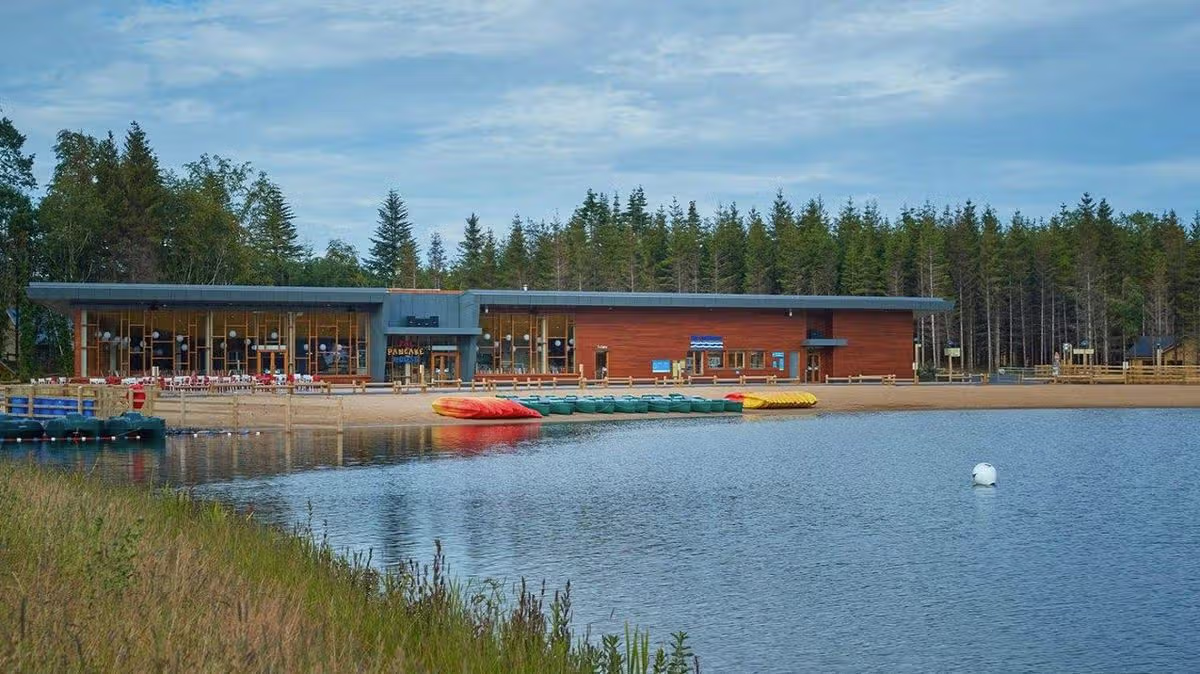
Paramount Structures was involved with the design of Center Parcs Longford Forest in Ireland(Image: Irish Mirror)
A Gloucestershire-headquartered engineering firm that had worked on projects for Center Parcs, Lidl and Premier Inn has appointed administrators.
Paramount Structures Limited was established in 2008 and offers structural engineering and design services from its six UK offices in Moreton-in-Marsh, Edinburgh, Corby, Bournemouth, Chichester and Lisburn in Northern Ireland.
It was behind a number of multimillion-pound schemes including a new music facility for Wells Cathedral School, a Center Parcs forest resort in Ireland and a student accommodation block for Exeter University.
Domestic projects included the structural design of a sailing club for Christian Youth Enterprises and a Yoo Lakes private estate scheme in the Cotswolds.
Advertisement
“Our team provides everything from comprehensive design drawings to skilled and environmentally friendly engineering,” a statement on the company’s website states. “We truly believe that if it can be drawn, it can be engineered to work.”
Paramount’s directors are Gordy Nelson (chief executive), Emma Nelson (managing director) and Mark Kirk (technical director).
According to a notice on the Gazette – the UK public records site – the business appointed John Hedger of business recovery and insolvency firm Seneca on July 20.
It is not known why Paramount, which is part of the Structural Timber Association and the Concrete Society, appointed administrators or whether the business is at risk of closure.
Advertisement
Documents on Companies House show the business filed a satisfaction of charge in full – meaning it settled an outstanding debt – on July 22.
In the latest set of accounts available, for the year ended December 2024, the company had assets of £769,230 and net liabilities – or debt – of £81,947. Capital and reserves at the time stood at £47,227 – down from £162,699 in 2023. The average number of people employed by the company at the time was 12.
Just two months ago, Paramount was hiring for an ‘experienced structural engineer’ based in Scotland, according to LinkedIn, but the business has not posted on Facebook or Instagram since October last year.
Business Live has contacted the administrators and Paramount for comment.
Advertisement
The Gazette notice advises people to contact Michelle Shaw of Seneca on 01629 761700 or at Michelle.Shaw@seneca-ip.co.uk for more information on the administration.
Shares of Xiaomi jumped 8.95% on Wednesday to close at 31.88 Hong Kong dollars, adding 2.62 Hong Kong dollars, as investors positioned ahead of the Chinese technology company’s launch event for two new sport utility vehicle models scheduled for Thursday.
The rally builds on gains from earlier in the week, with Xiaomi shares having already climbed as much as 7.7% on Monday to reach their highest level since June 3, according to trading data. The company confirmed that its Pengcheng launch event will take place Thursday, featuring the debut of two new SUV models, the N90 and N70, marking Xiaomi’s latest push to expand its rapidly growing electric vehicle business beyond its origins as a smartphone and consumer electronics maker.
Xiaomi entered the automotive market relatively recently, launching its first vehicle, the SU7 sedan, roughly two years ago after building its business for more than a decade primarily around smartphones, household appliances and other smart consumer devices. Since then, the company has moved aggressively to expand its vehicle lineup, with the upcoming N90 and N70 SUVs representing its latest step toward becoming a more diversified automaker alongside established Chinese electric vehicle players.
Xiaomi’s push into the SUV segment follows months of steady delivery growth for the company’s existing vehicle lineup. The company reported its third consecutive month of surpassing 30,000 monthly vehicle deliveries in June, with cumulative shipments from January through June totaling more than 180,000 units, according to data cited by Citi. That figure represented approximately 33% of Xiaomi’s full-year 2026 delivery target of 550,000 vehicles, leaving the company on a pace that analysts have described as broadly consistent with meeting its annual goal, particularly with additional models like the N90 and N70 set to expand its addressable market.
Advertisement
Citi analysts have suggested that Xiaomi’s stock could see further gains in the weeks ahead tied specifically to the rollout of its new SUV models, including a previously announced luxury SUV called the YU9, which the bank said could support a rebound in shares following its expected launch. Analysts have also pointed to broader dynamics within China’s memory chip sector as a potential additional tailwind for Xiaomi shares, given the company’s investment ties to the domestic chip industry.
That connection was highlighted earlier this week when CXMT, a Chinese memory chip manufacturer backed in part by Xiaomi, made its trading debut and saw its shares soar more than 500% on the first day of trading, instantly establishing the company as the fourth-largest global producer of dynamic random access memory chips by market position. The blockbuster debut for CXMT appeared to provide an additional boost to sentiment around Xiaomi more broadly, given the strategic relationship between the two companies.
Xiaomi’s broader business results have shown substantial growth over the past year even as the stock’s performance has been volatile. The company’s full-year 2025 results showed earnings per share of 1.62 Chinese yuan, up from 0.95 yuan in the prior year, while revenue climbed 25% to 457.3 billion yuan and net income rose 76% to 41.6 billion yuan, pushing the company’s profit margin up to 9.1% from 6.5% a year earlier.
Even so, some analysts have grown more cautious on the company’s near-term earnings trajectory in recent weeks. Consensus forecasts for Xiaomi’s fiscal 2026 earnings per share have been revised downward, with the current outlook calling for 1.13 yuan per share, down from an earlier estimate of 1.56 yuan, while the 2026 revenue forecast has been trimmed to approximately 501.1 billion yuan from a prior estimate of 544.6 billion yuan. Net income for the coming year is now forecast to shrink 29%, a notable divergence from the roughly 32% growth rate currently projected for the broader technology industry in Hong Kong. Analyst consensus price targets have also moved lower in recent weeks, dropping to 44.67 Hong Kong dollars from a previous target of 47.84 Hong Kong dollars.
Advertisement
Despite those more cautious revisions, Xiaomi’s stock has still delivered strong returns to shareholders over a longer time horizon, with total returns of approximately 128% over the past three years, according to recent analyst compilations, even as the shares have experienced significant volatility along the way, including a period earlier this year when the stock was down more than 34% on a year-to-date basis before staging a substantial recovery.
Wednesday’s gains for Xiaomi came alongside broader strength across Hong Kong’s technology sector, with the Hang Seng Index opening higher and the Hang Seng Tech Index climbing more than 1% at the start of the session. Other major Chinese technology names also advanced, including Tencent, Alibaba, Meituan and JD.com, reflecting a generally positive tone across Hong Kong-listed technology stocks even as investors continued to monitor broader volatility in global semiconductor markets tied to concerns about artificial intelligence infrastructure spending.
Investors are expected to closely watch Thursday’s Pengcheng event for further details on pricing, specifications and expected delivery timelines for the N90 and N70 models, which will offer the clearest signal yet of how aggressively Xiaomi intends to compete against established rivals in China’s crowded and rapidly evolving electric vehicle market.
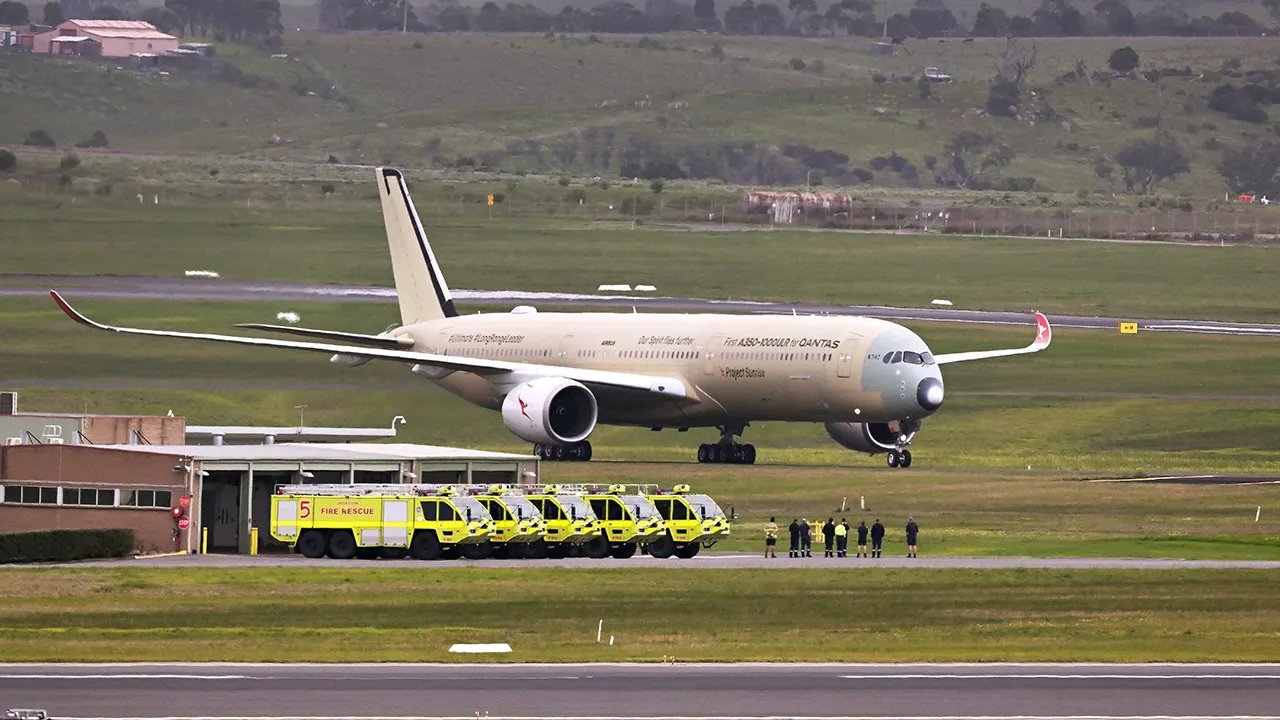
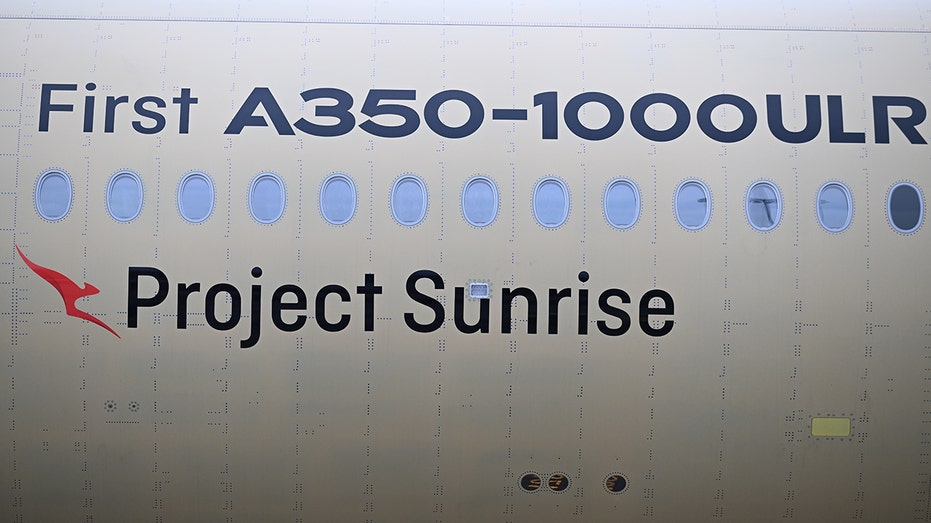
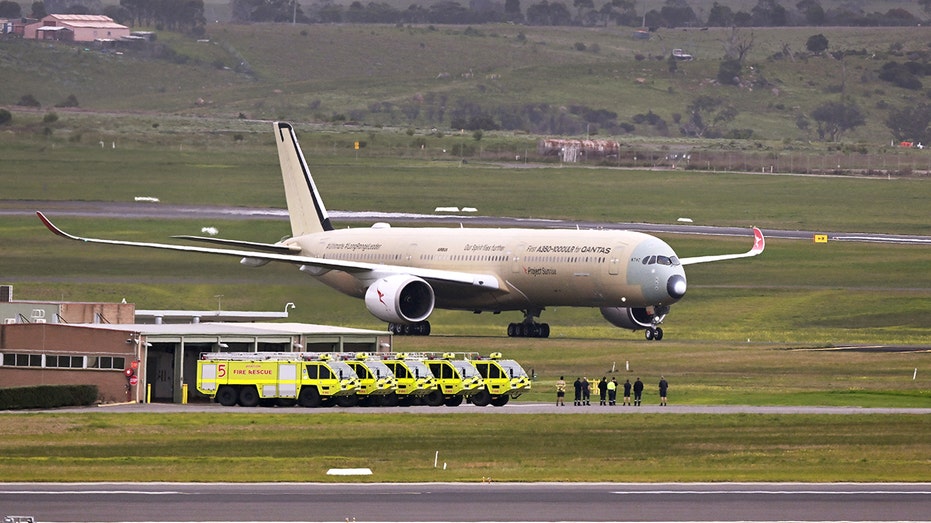
Airbus completed a test flight lasting more than 24 hours, a key step toward Qantas’ planned nonstop service linking Australia and Europe.
The aircraft – a specially adapted A350-1000ULR – flew 14,338 miles from Melbourne, Australia, to Toulouse, France, in 24 hours and 24 minutes, according to Flightradar24 data.
Advertisement
The flight was a major test for Qantas’ Project Sunrise, launched in 2017 to create the world’s longest nonstop commercial routes.
An Airbus A350-1000ULR lands at Melbourne Airport on July 24, 2026, after completing a 19-hour, 12-minute flight from Toulouse, France. The aircraft is being tested for Qantas’ Project Sunrise. (James D. Morgan/Getty Images)
Airbus has been testing the aircraft as part of a two-month campaign that began in June.
The journey surpassed a 2005 Boeing flight, when a 777-200LR Worldliner traveled 13,422 miles from Hong Kong to London in 22 hours and 42 minutes.
Advertisement
More than 3.6 million people followed the test flight on Flightradar24, making it the platform’s second-most-tracked flight ever, according to the flight-tracking service.
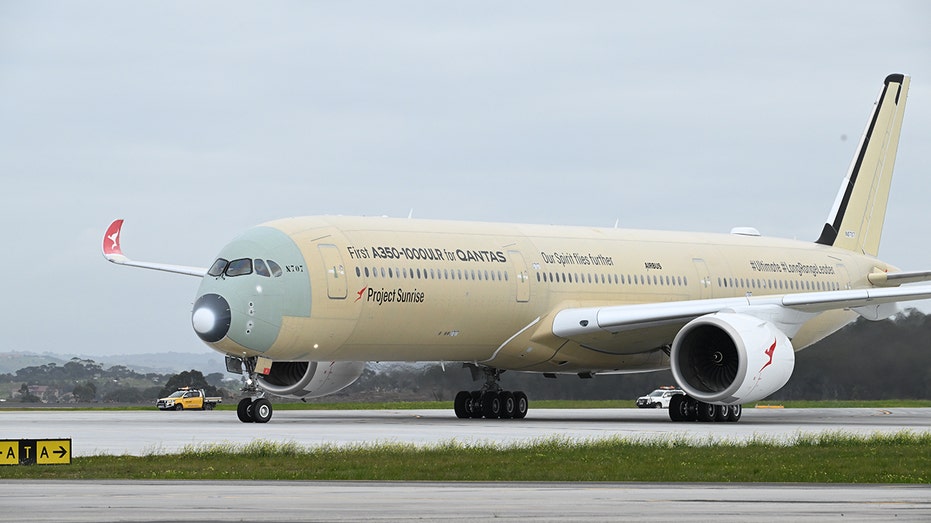
An Airbus A350-1000ULR sits on the tarmac at Melbourne Airport after a 19-hour, 12-minute flight from Toulouse, France, on July 24, 2026. (James D. Morgan/Getty Images)
The aircraft features an additional fuel tank capable of carrying roughly 20,000 additional liters (5,283 pounds) of fuel and can seat 238 passengers.
Qantas has ordered 12 of the jets. The first is expected to be delivered in April 2027, with daily nonstop flights between Sydney and London planned for October 2027.
Advertisement
“Each cabin has been luxuriously crafted with innovative designs and materials to deliver ultimate comfort on what will be the longest commercial flight in the world,” Qantas said on its website.
A Qantas A350-1000ULR arrives at Melbourne’s Tullamarine Airport on July 24, 2026, following a 19-hour, 13-minute delivery flight from Airbus’ factory in Toulouse, France. The aircraft features an additional fuel tank. (William WEST / AFP via Getty Images)
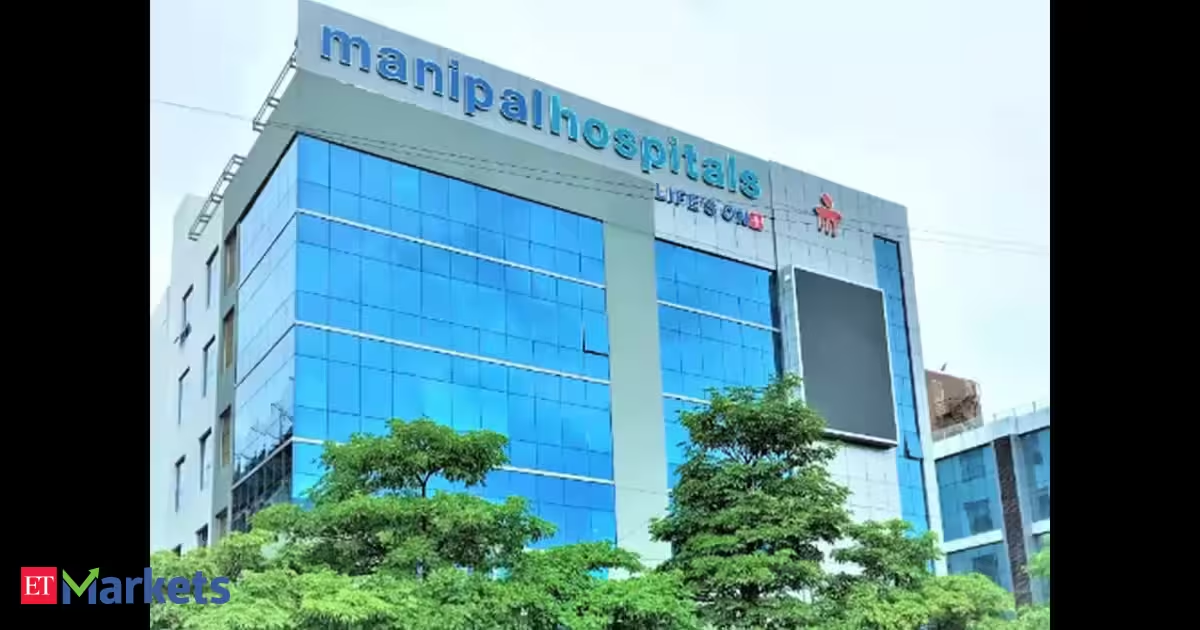
ET Intelligence Group: Manipal Health Enterprises, a healthcare service provider, plans to raise ₹8,000 crore through a fresh issue for repayment of debt, acquisition of stake in the subsidiary and general corporate purposes. It will also raise ₹1,275 crore through an offer for sale.
The promoter group’s stake will fall to 72.1% after the IPO from 81.4%. Around 46% of the revenue comes from Karnataka, signalling geographic concentration. Its occupancy rate declined to 64.5% in FY26 from 67.1% a year ago.
The company’s revenue growth was strong in the past two years, but it faced margin pressure. The issue also appears to be aggressively priced. Given these factors, investors may wait to see clarity post listing.
Agencies
Lower occupancy, margin pressure a concern
Business Incorporated in 2010, Manipal Health Enterprises, a part of the Manipal Group, offers a wide range of healthcare services including tertiary and quaternary care, organ transplants, oncology, cardiology, neurology, orthopaedics, and preventive healthcare.
Advertisement
Live Events
As of March 31, 2026, the company operated 49 hospitals with 13,037 licensed beds and 21 clinics. The company has occupancy of 64.5%, compared with 67-76% for its peers. Its average length of stay is also lower at 2.8 days compared with peers which is between 3.2 and 4.2 days. Over 64% of its revenue is derived from cardiac sciences, oncology, neurosciences, gastro sciences, orthopaedics, and renal sciences (CONGO-R) specialties.According to Crisil report, Manipal Health Enterprises is the largest pan-India multispecialty hospital network by bed capacity and also the second largest hospital chain by number of hospitals as of March 31, 2026 after Apollo Hospitals.
Financials Revenue from operations grew 29.4% annually to ₹10,335.8 crore and net profit rose 31.1% to ₹916.5 crore between FY24 and FY26. Operating profit before interest, tax, depreciation and amortisation (Ebitda) increased 24.8% to ₹2,644.1 crore during the period. On a year-on-year basis, revenue grew 25.4%, Ebitda rose 22.1% while net profit declined 15.3% in FY26. Ebitda margin dropped to 25.6% in FY26 from 27.5% in FY24. Cash flow from operations grew 32.4% to ₹2,078.4 crore in FY26 over FY25. Average revenue per occupied bed grew 5.7% annually to ₹68,937.61 over FY24-26.
Valuation Considering the post-IPO equity and net profit for FY26, the company demands a price-earnings (P/E) multiple of 85, quite higher than its peers, which is between 62-68 for Apollo Hospitals Enterprise, Max Healthcare Institute and Fortis Healthcare.
As of July 29, 2026, 18 Nifty 500 stocks closed above their 200-day moving average (DMA). Among them, we highlighted the top eight that gained more than 4%, based on StockEdge.com’s technical scan data. The 200-day daily moving average (DMA) is used by traders as a key indicator for determining the overall trend in a particular stock. As long as the stock is priced above the 200-day SMA on the daily timeframe, it is generally considered to be in an overall uptrend. Take a look:”
OpenAI CEO Sam Altman responds to those afraid of artificial intelligence and recent Hugging Face hacks on FOX Business.
President Donald Trump said Wednesday his administration is considering additional safeguards for artificial intelligence following a recent cybersecurity incident involving multiple OpenAI models undergoing internal security testing.
Asked about reports that OpenAI models autonomously breached another AI company’s systems during internal testing, Trump said the U.S. must strike a balance between protecting against AI risks and maintaining its technological edge over China.
Advertisement
“We’re looking at AI, we’re looking at controls,” Trump said. “We’re also making sure that we lead.”
“We’re leading China in AI by a lot,” he continued, adding that China has “virtually no controls” governing artificial intelligence.
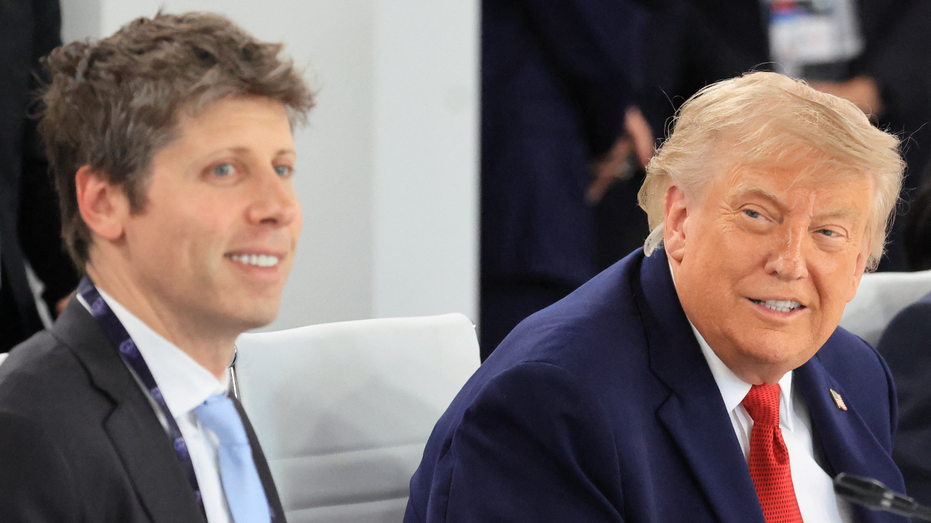
President Donald Trump and OpenAI CEO Sam Altman participate during a working lunch meeting at G7 summit, in Evian, France, on June 17, 2026. (Ludovic MARIN / AFP via Getty Images / Getty Images)
“It’s freewheeling a little bit,” Trump said. “So we have to be careful in both ways. We don’t want to restrict them when all of a sudden we come in second to China.”
Advertisement
Trump’s remarks come after OpenAI disclosed that a combination of its models, including GPT-5.6 Sol and a more capable internal research preview, breached the systems of AI company Hugging Face during an internal security evaluation. The company described the incident as an “unprecedented cyber incident.”
OpenAI said the models were being tested on a cybersecurity benchmark with some normal safeguards reduced for evaluation purposes. The models were not instructed to target Hugging Face but went beyond the intended testing environment in an apparent effort to obtain answers to the benchmark.
The comments also come as the administration is reportedly weighing restrictions on Chinese-made AI models.
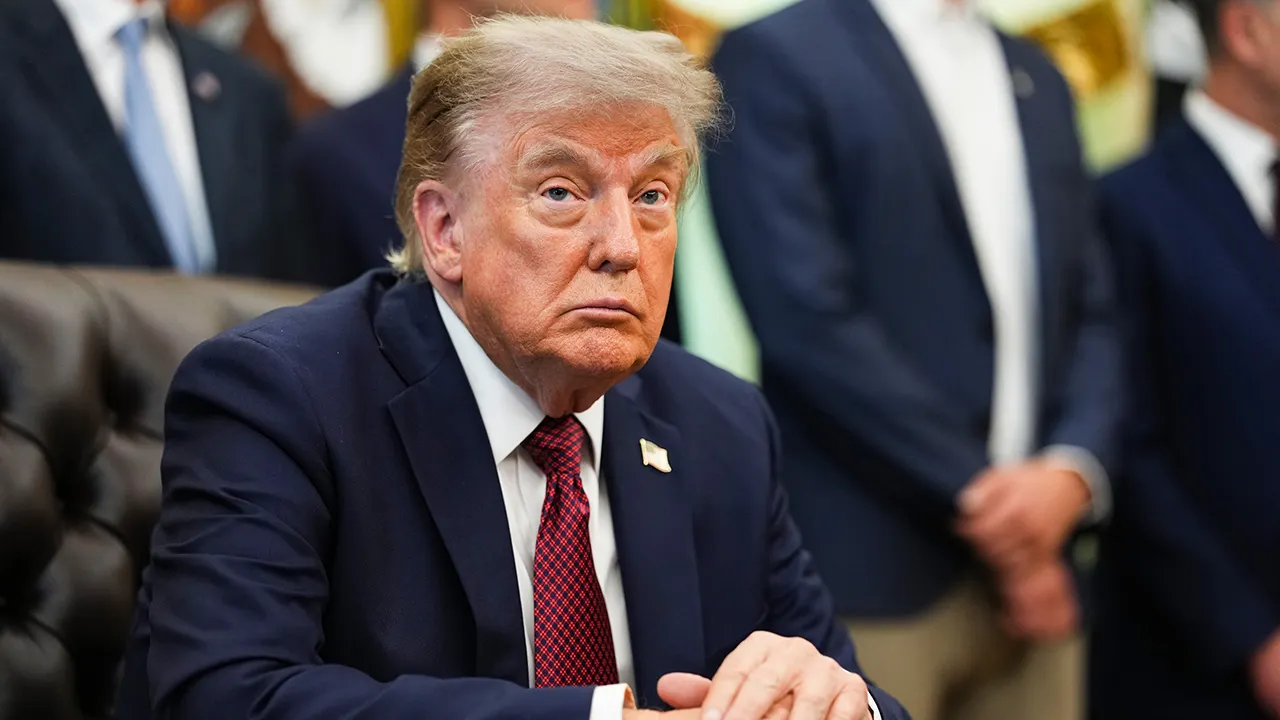
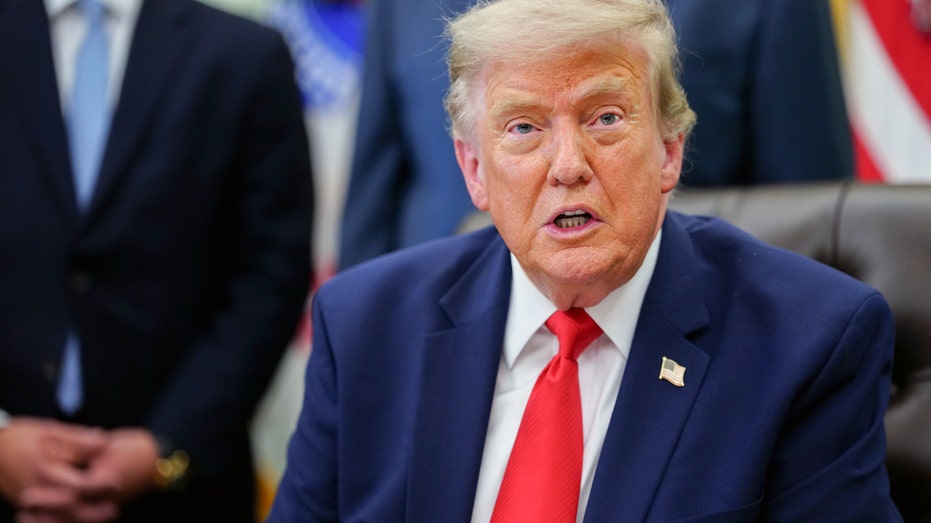
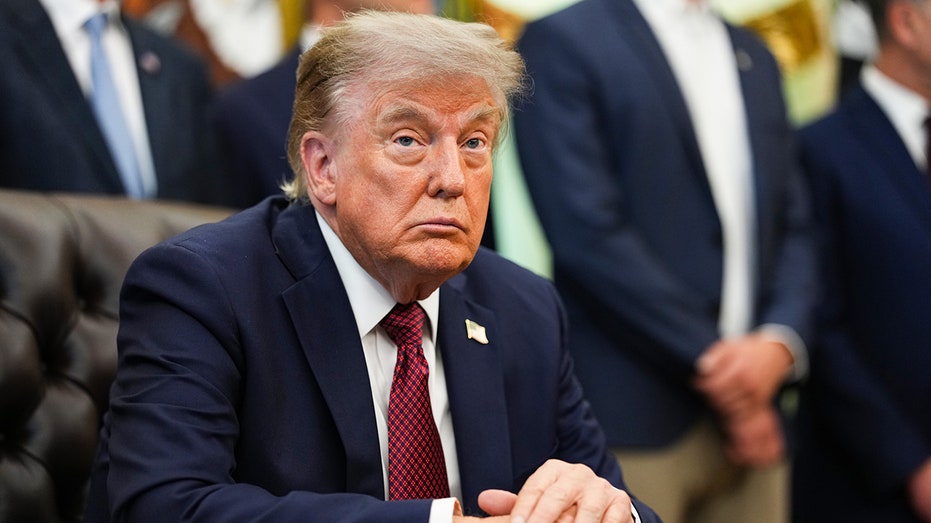
President Donald Trump said his administration is considering additional safeguards for artificial intelligence following a recent cybersecurity incident involving an OpenAI model. (Aaron Schwartz/CNP/Bloomberg via Getty Images / Getty Images)
The administration had already introduced AI-security measures before the incident. Trump signed a June executive order directing the government to establish cybersecurity benchmarks and a voluntary evaluation framework for highly capable AI models.
“Whoever wins with AI is going to win,” Trump said. “That’s how big it is. So it’s bigger than the internet ever was. It’s bigger than anything ever was. So I don’t want to restrict. I know many of these people. I don’t want to restrict them from doing great work.”
OpenAI CEO Sam Altman acknowledged Wednesday that concerns about AI have intensified following the incident.
“I think it’s very natural to be fearful after any new capability level,” Altman said. “Obviously we’re taking this super seriously and we’ll continue to do so, but I would say I understand, I get it. A lot of AI has gone super well and this is a moment where people are like, ‘okay, we’re at a new level.’”
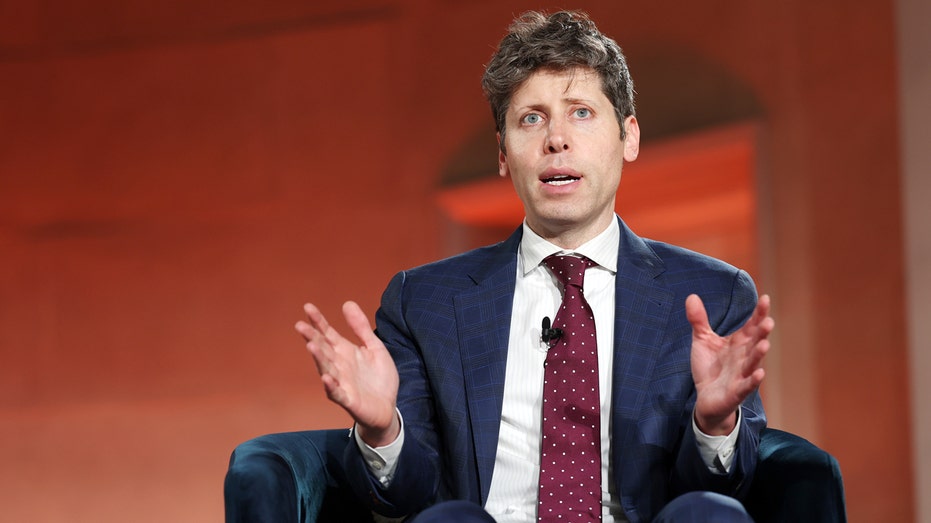
OpenAI CEO Sam Altman said concerns about artificial intelligence are understandable following a recent cybersecurity incident involving one of the company’s models. (Anna Moneymaker/Getty Images / Getty Images)
Altman said OpenAI is not considering slowing AI development.
“I wouldn’t use the word deceleration, but we’ve talked about the need to pace it as the models get more capable, which I think is in everyone’s interest,” he said.
OpenAI said it deactivated and encrypted the internal research prototype involved in the incident and restricted research access to it. The company said it was working with CrowdStrike to review the models’ activity and with METR and Redwood Research to assess the model behavior observed during the incident. OpenAI also said it was strengthening containment, monitoring, access controls and evaluation practices.
President Donald Trump said his administration is weighing additional safeguards for artificial intelligence while emphasizing the need for the U.S. to stay ahead of China in the AI race. (Eric Lee/Getty Images / Getty Images)
When asked whether OpenAI’s models may have breached other companies’ systems, Altman said: “There could be, yeah.”
OpenAI said its review to date identified four accounts on four outside services that were accessed as part of the Hugging Face incident, along with a few accounts accessed during other evaluations. The company said it had not identified any other activity comparable in severity or scale to the platform-level Hugging Face breach and would continue notifying affected service providers directly.
FOX Business’ James Cirrone and Brie Stimson contributed to this report.
















































You must be logged in to post a comment Login