
Business
(VIDEO) Trump’s Bold New Look for Air Force One Departs from Kennedy-Era Tradition

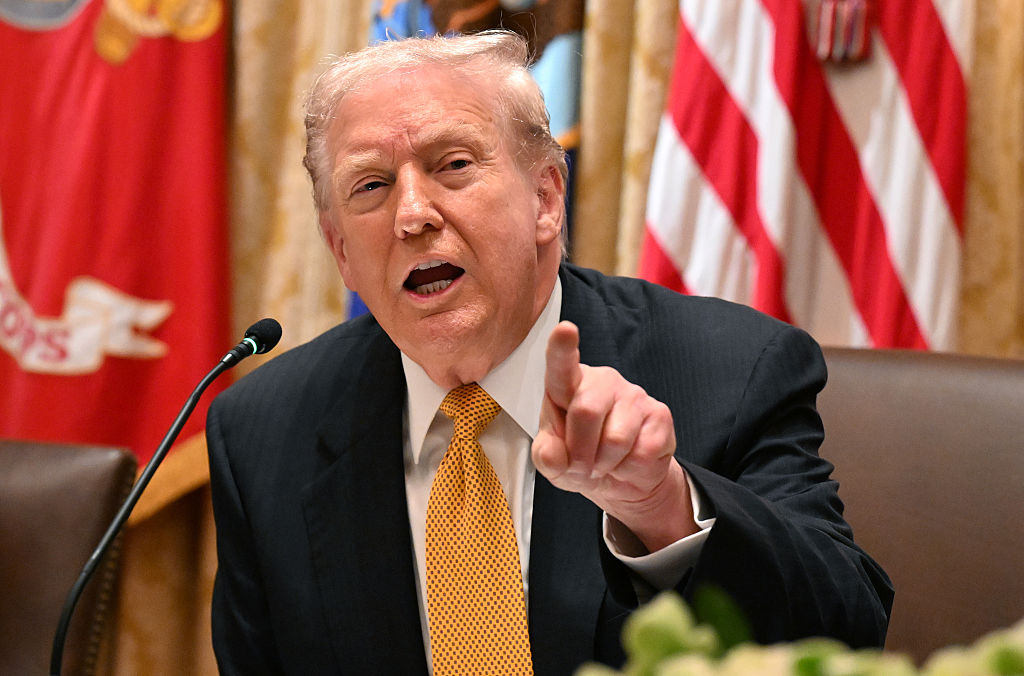
The U.S. Air Force is implementing a striking new paint scheme for the presidential aircraft fleet, including the next-generation Air Force One jets, featuring a palette of red, white, dark blue and gold — a design championed by President Donald Trump that breaks from the iconic light blue and white livery in place since the Kennedy administration more than six decades ago.
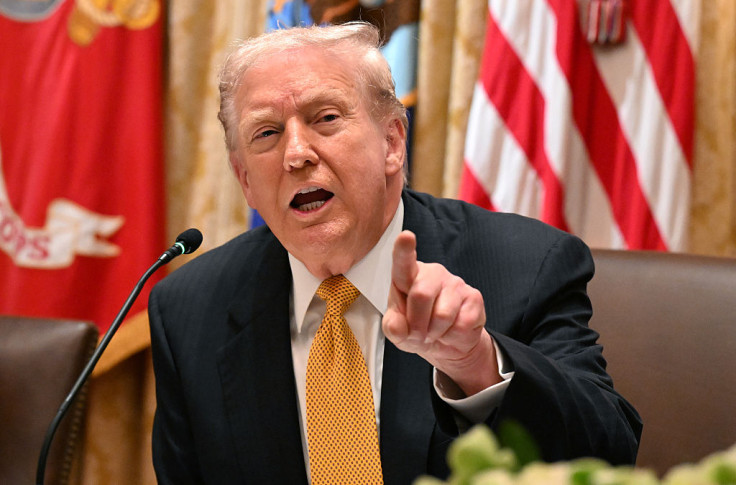
The Air Force announced the change Feb. 17, 2026, confirming the colors will apply to the VC-25B program — two modified Boeing 747-8 aircraft under conversion by Boeing — as well as other executive airlift planes. The redesign revives a proposal Trump unveiled during his first term in 2019, which the Biden administration scrapped in 2022 over concerns about cost, weight and potential heat absorption from darker hues affecting onboard systems.
An Air Force spokesperson told multiple outlets, including Fox News and Reuters, that the new requirement covers the VC-25B fleet and additional executive aircraft, such as four C-32s (military Boeing 757s often used as Air Force Two). “The Air Force is implementing a new paint scheme requirement (red, white, gold and dark blue) for VC-25B as well as the additional executive airlift fleet,” the statement read.
The shift is already visible: A C-32A VIP jet emerged in late February 2026 sporting the updated livery — white upper fuselage over dark blue lower body, separated by red and gold cheat lines, with a large American flag on the tail — photographed departing from a maintenance facility in Greenville, Texas. Sources indicate the makeover occurs during scheduled maintenance and upgrades, minimizing additional expense.
The design echoes Trump’s personal Boeing 757, often dubbed “Trump Force One,” with its navy blue, red accents and gold touches. Critics have called the scheme flashy and a departure from the understated elegance of the robin’s-egg blue introduced in 1962 for President John F. Kennedy’s VC-137C. Supporters praise it as more “patriotic” and bold, aligning with national colors and Trump’s aesthetic preferences seen in White House decor and campaign branding.
The change extends to a luxury Boeing 747-8 donated by Qatar in 2025, which Trump ordered retrofitted as a “bridge” Air Force One. The Air Force expects that aircraft — undergoing extensive security, communications and defensive modifications — to enter service no later than summer 2026, potentially becoming the first presidential plane in the new colors. Boeing’s two VC-25B jets, part of a long-delayed $3.9 billion program signed in 2018, are slated for delivery in coming years, with the new livery applied during final assembly.
The original Trump proposal faced backlash for estimated added costs and engineering risks, including darker colors potentially raising cabin temperatures. The Biden-era reversal restored renders of a modernized Kennedy-style scheme. Trump’s return to office prompted the latest pivot, with the Air Force citing updated requirements in August 2025 briefings.
No immediate safety or operational issues have been reported with the new palette, and the phased rollout — tied to routine overhauls — limits disruption. The iconic blue-and-white look has symbolized American presidential aviation through multiple administrations, appearing in countless state visits, summits and homecomings.
Reactions have been mixed. Aviation enthusiasts and historians expressed disappointment over losing a 60-year tradition, while others welcomed a fresh, assertive appearance. Social media buzzed with comparisons to Trump’s branding, with some dubbing it “Trump Force One official.”
As the first painted aircraft re-enter service in the coming months, the new look will become a visible symbol of the administration’s style on the global stage. The VC-25B fleet, once fully operational, will represent the most significant update to presidential airlift since the current VC-25As entered service in the 1990s.


April 2026 Perspective
Business
AI evolution decoded: Ace investor Vijay Kedia explains it with a simple house-building analogy

Start at the foundation. Imagine you have access to an expert whom you can ask anything about building a house. From design and materials to costs and timelines, every question gets answered. That is what LLMs are today, tools like ChatGPT, Gemini, or Perplexity that inform, guide and simplify.
But the journey does not stop at answers. Next comes the “agentic” phase. The expert does not just advise anymore, it begins to act. It can sketch basic designs, estimate costs and even help schedule the work. It moves from knowing to doing.
Then the system evolves further into a “multi-agent” setup. Now it is no longer one expert, but a team, an architect, an engineer, a contractor, all working together, each responsible for a different piece of the same house. Coordination replaces individual effort. Collaboration drives progress.
And then comes AGI. Imagine one person who can do it all, design, plan, execute, like a complete human expert who does not need a team. One mind, total capability. Finally, at the very top, sits superintelligence. Not just better but beyond. A mind that can predict future needs, optimise every decision instantly, eliminate mistakes before they occur and build in ways humans have not even imagined yet.

From answering to doing, from doing to collaborating, from collaborating to mastery, and then to something far beyond. Or as Kedia puts it simply: first you learn, then you earn, and then you evolve.
Ace investor Vijay Kedia’s portfolio delivered a largely muted performance in FY26, with the majority of his known holdings ending the year in the red amid a challenging market environment. Domestic equities remained under pressure for most of the year due to tariff-related concerns, weak earnings growth, elevated valuations and persistent foreign institutional outflows. Sentiment deteriorated further towards the end of the year amid the escalating Iran-Israel/US conflict, which triggered a spike in energy prices, heightened inflation concerns and pushed back expectations of US Fed rate cuts.A majority of the stocks in the portfolio ended the year deep in the red, reflecting the broader stress in mid- and small-cap segments. The worst hit were Tac Infosec and Affordable Robotic, both plunging over 68%, followed by Innovators Facade (-47%), Global Vectra (-45%) and Patel Engineering (-43%). Several others, including Siyaram Silk Mills (-33%), Om Infra (-30%) and Sudarshan Chemical (-25%), also posted significant declines.
(Disclaimer: Recommendations, suggestions, views and opinions given by the experts are their own. These do not represent the views of The Economic Times)
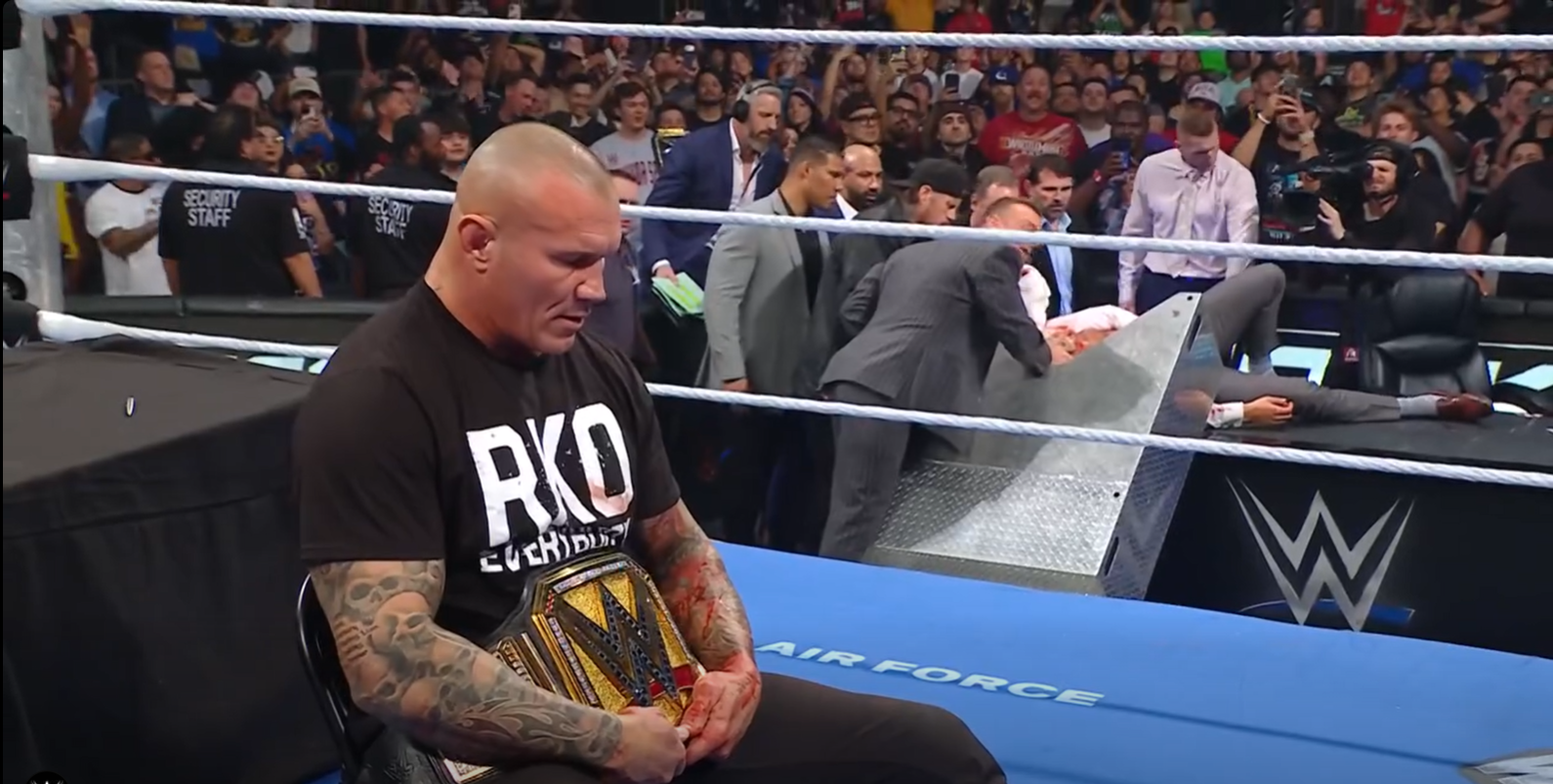
Randy Orton kicked off Friday Night SmackDown with a heated confrontation involving Undisputed WWE Champion Cody Rhodes, while new United States Champion Sami Zayn defended his title against Carmelo Hayes in a fast-paced rematch as the blue brand built momentum toward WrestleMania on the April 3, 2026 episode from the Enterprise Center.

The show opened with Orton in his hometown addressing recent events. The Viper revealed the identity of his mysterious caller as sports personality Pat McAfee, who appeared to assist Orton in targeting Rhodes ahead of their anticipated WrestleMania clash. McAfee’s involvement added an unpredictable layer to the ongoing storyline between Orton and Rhodes, with the champion responding defiantly to the ambush attempt.
Sami Zayn, fresh off winning the United States Championship the previous week by defeating Carmelo Hayes, found himself in an immediate rematch after Trick Williams and Grammy-nominated rapper Lil Yachty stirred the pot backstage. Williams goaded Zayn into granting Hayes another opportunity, with Lil Yachty adding star power to the segment and hinting at a potential appearance at WrestleMania with Williams.
In the ring, Zayn and Hayes delivered a competitive United States Championship match filled with technical exchanges and high-flying spots. Zayn retained the title after countering Hayes’ offense with his signature Helluva Kick, though interference and distractions from Williams kept the outcome in doubt until the final moments. Post-match, tensions escalated as Williams continued to taunt the champion.
Women’s division action featured Charlotte Flair teaming with Alexa Bliss against Bayley and Lyra Valkyria in a tag team bout that served as a preview for the Fatal 4-Way match for the WWE Women’s Tag Team Championship at WrestleMania. Flair and Bliss showcased their chemistry with crisp double-team maneuvers, securing the victory through a combination of Flair’s Natural Selection and Bliss’ twisted offense. The win bolstered their positioning heading into the Showcase of the Immortals.
Rhea Ripley faced Michin in singles competition, with Jade Cargill and B-Fab at ringside supporting Michin. Ripley powered through the challenge, using her strength and signature moves like the Riptide to pick up the win. The post-match scene hinted at growing alliances and rivalries on the women’s side, with Cargill’s group making their presence felt.
Uncle Howdy returned to action against Tama Tonga in a hard-hitting encounter that highlighted the eerie, chaotic style of Howdy. Howdy emerged victorious after a series of mind games and devastating strikes, further establishing the Wyatt Sicks’ influence on SmackDown.
Aleister Black, accompanied by Zelina Vega, took on Matt Cardona in a calculated match that targeted Cardona’s previously injured arm. Black methodically wore down his opponent before finishing with the Black Mass for the pinfall. The victory reinforced Black’s dominant presence as a singles competitor.
Damian Priest and R-Truth defended the WWE Tag Team Championship against The Miz and Kit Wilson in the tag title match. The champions retained their gold with a combination of Priest’s South of Heaven and R-Truth’s signature antics, including an Attitude Adjustment that sealed the deal. The crowd reacted strongly to R-Truth’s entertaining in-ring style throughout the bout.
Additional segments included backstage developments involving Drew McIntyre and Jacob Fatu, as well as further buildup for WrestleMania matches. Trick Williams extended an invitation to Lil Yachty for The Grandest Stage of Them All, adding crossover appeal to the event.
The episode maintained a brisk pace with multiple matches and character-driven segments that advanced several storylines. Orton and Rhodes’ face-to-face elements, combined with McAfee’s surprise role, created buzz for their potential WrestleMania encounter. Zayn’s title retention kept the United States Championship picture active, while the women’s tag team bout and other matches positioned competitors for high-profile spots on the WrestleMania card.
WWE officials have emphasized that SmackDown continues to serve as a key platform for building toward WrestleMania, with the April 3 show delivering a mix of athletic competition and narrative progression. The St. Louis crowd responded enthusiastically to hometown favorite Orton and the high-energy matches.
Analysts noted the show’s balance of established stars like Rhodes, Orton, Flair and Ripley with rising talents and returns such as Uncle Howdy. The involvement of external personalities like McAfee and Lil Yachty brought fresh dynamics to the programming.
As WrestleMania approaches, SmackDown’s role in finalizing match cards and feuds becomes increasingly critical. The April 3 episode set the stage for more intense developments in coming weeks, with several rivalries poised to explode on the premium live event.
Fans can expect continued focus on the Undisputed WWE Championship picture, the United States title scene and the women’s divisions as the road to WrestleMania intensifies. The blue brand’s blend of in-ring action and compelling segments has kept viewers engaged during this pivotal period in the WWE calendar.
The April 3, 2026 edition of SmackDown from St. Louis underscored the brand’s depth, featuring title defenses, tag team bouts and personal confrontations that advanced multiple arcs simultaneously. With WrestleMania on the horizon, the show left audiences anticipating bigger clashes and potential surprises in the weeks ahead.
Key takeaways from the night included Zayn’s successful title defense, the tag team champions’ retention and the evolving Orton-Rhodes dynamic with McAfee’s involvement. Women’s matches highlighted the depth of talent on the roster, while returns and guest appearances added entertainment value.
WWE SmackDown airs weekly on USA Network and streams on platforms including Netflix in select markets, continuing to deliver live professional wrestling action every Friday night. The April 3 episode maintained the brand’s reputation for delivering must-see television as the countdown to WrestleMania continues.
In summary, the April 3 SmackDown provided a solid mix of results and story advancement. Orton’s hometown appearance, combined with championship action and tag team competition, kept the momentum building toward one of WWE’s biggest events of the year.
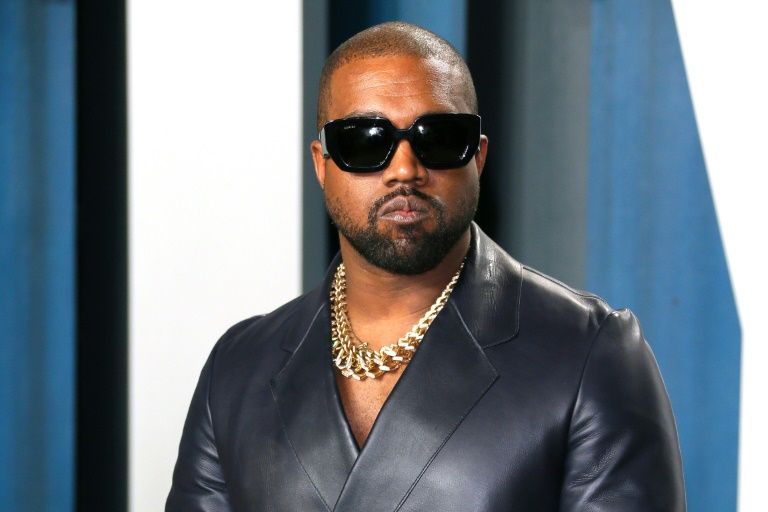
More than two decades after bursting onto the scene with “Through the Wire,” Kanye West, now known as Ye, has produced a catalog so influential that ranking his greatest songs remains a subjective yet endlessly debated exercise among critics, fans and music historians as of April 2026.
From soul-sampled anthems on his 2004 debut “The College Dropout” to the ambitious, genre-blending epics of “My Beautiful Dark Twisted Fantasy” and later experimental works, West’s music has consistently pushed hip-hop boundaries while delivering massive commercial hits. His recent 2026 album “Bully,” which earned mixed reviews with standout tracks like “All the Love,” has reignited conversations about his legacy even amid ongoing personal controversies.
Compilations from outlets such as Highsnobiety, RateYourMusic, Billboard and fan-driven lists on platforms like Album of the Year consistently highlight a core group of tracks that blend innovation, emotional depth, production brilliance and cultural impact. While no universal ranking exists, a consensus top 10 emerges when weighing critical acclaim, streaming numbers, awards recognition and lasting influence.

Here is one widely respected synthesis of Kanye West’s 10 best songs of all time, presented in ascending order:
10. “Stronger” (2007, from “Graduation”)
West’s Daft Punk-sampled hit became a stadium anthem and a symbol of his stadium-rap ambitions. The track’s pulsating electronic production and motivational lyrics about perseverance helped “Graduation” sell over 957,000 copies in its first week. It earned a Grammy for Best Rap Solo Performance and remains one of his most streamed songs, frequently appearing in sports montages and workout playlists.
9. “All Falls Down” (2004, from “The College Dropout”)
Featuring Syleena Johnson’s soulful chorus, this introspective cut tackled consumerism, self-doubt and racial identity with clever wordplay. Its chipmunk soul production style defined early Kanye and showcased his vulnerability at a time when bravado dominated rap. Critics praise its honesty, and it continues to resonate as a thoughtful critique of material culture.
8. “Jesus Walks” (2004, from “The College Dropout”)
One of West’s most daring early statements, “Jesus Walks” confronted industry skepticism about faith-based rap while addressing social issues like violence and redemption. The gospel-tinged beat and bold lyrics helped the song win two Grammys and cemented West as a risk-taker unafraid of controversy. Its video and message remain powerful decades later.
7. “Power” (2010, from “My Beautiful Dark Twisted Fantasy”)
Sampling King Crimson, this bombastic track served as a declaration of artistic supremacy. With its orchestral swells and defiant chorus, “Power” captured West at the peak of his creative confidence following a series of personal and professional setbacks. It has been hailed for its cinematic production and remains a concert staple.
6. “Heartless” (2008, from “808s & Heartbreak”)
Auto-Tune-heavy and emotionally raw, “Heartless” marked a pivotal shift toward melodic, minimalist production after West’s mother’s death. The song’s icy beat and candid lyrics about heartbreak influenced an entire generation of emo-rap and trap artists. Its massive streaming numbers reflect enduring popularity.
5. “Gold Digger” (2005, from “Late Registration”)
Featuring Jamie Foxx’s Ray Charles interpolation, this chart-topping single blended humor, social commentary and infectious hooks. It became West’s first No. 1 on the Billboard Hot 100 and showcased his knack for crafting pop-rap crossovers without sacrificing clever bars. The track’s cultural footprint includes countless memes and covers.
4. “Flashing Lights” (2007, from “Graduation”)
A cinematic masterpiece with sweeping strings and Dwele’s haunting vocals, “Flashing Lights” explored fame’s pitfalls through a luxurious yet melancholy lens. Many critics, including those at Highsnobiety, rank it among West’s most visionary productions for its atmospheric depth and storytelling. It exemplifies his evolution from backpack rapper to auteur.
3. “Blood on the Leaves” (2013, from “Yeezus”)
Sampling Nina Simone and TNGHT’s industrial beats, this track fused civil rights themes with personal excess in a bold, abrasive package. Its unconventional structure and raw energy made “Yeezus” a polarizing yet groundbreaking album. The song is frequently cited for its sonic risk-taking and social commentary.
2. “Runaway” (2010, from “My Beautiful Dark Twisted Fantasy”)
Often topping all-time lists, the nine-minute epic features Pusha T and a haunting piano coda where West repeatedly admits “I’m a jerk.” Recorded during a period of intense self-reflection, it blends self-loathing, apology and sonic ambition. Collider recently named it one of the greatest songs of the 21st century, praising its emotional rawness and artistic bravery.
1. “Through the Wire” (2003/2004, from “The College Dropout”)
West rapped through a wired-shut jaw after a near-fatal car crash, turning adversity into his breakthrough single. The chipmunk soul sample of Chaka Khan and gritty determination made it an instant classic. It established his producer-rapper duality and storytelling prowess, launching a career that would redefine hip-hop.
These selections draw from recurring appearances across critic and fan rankings as of early 2026. “Runaway” and “Flashing Lights” frequently occupy the top spots for their ambition, while early tracks like “Through the Wire” and “Jesus Walks” earn praise for foundational impact. Later works such as “Ghost Town” from “ye” or “Life of the Party” from “Donda (Deluxe)” sometimes crack extended lists for their introspection and guest features, including André 3000.
West’s influence extends far beyond individual songs. His production style — heavy on soul samples early on, then electronic experimentation and gospel elements — shaped artists from Drake and Travis Scott to modern trap and alternative rap. Collaborations like “Niggas in Paris” with Jay-Z and features on tracks with Rihanna and others amplified his reach.
Streaming data in 2026 shows “Heartless,” “Stronger” and “Gold Digger” among his most played tracks globally, while deep cuts like “Runaway” maintain cult status for their album context. “Bully,” released March 28, 2026, introduced new material such as “All the Love” and “Father” featuring Travis Scott, with some critics noting echoes of his classic soul-chipmunk sound alongside modern electronic touches. However, the album received lukewarm scores from Pitchfork and Rolling Stone, underscoring how West’s later output is often measured against his 2004-2013 peak.
Debates persist over inclusions. Some lists elevate “Ultralight Beam” or “No More Parties in LA” for their ensemble energy and storytelling. Others argue for “Bound 2” or “Fade” due to their cultural moments. Regional and generational tastes vary: older fans may favor “College Dropout” era tracks, while younger listeners stream “Father Stretch My Hands Pt. 1” heavily.
West’s personal controversies, including public statements and legal issues, have complicated his legacy. Yet his musical contributions remain undeniable. In 2026, as he continues releasing music and performing, new generations discover these tracks through playlists, samples in newer songs and viral social media moments.
Music scholars credit West with expanding hip-hop’s sonic palette and thematic range, blending high-art ambition with accessible hooks. His use of Auto-Tune on “808s & Heartbreak” inspired emo-rap, while the maximalist approach on “My Beautiful Dark Twisted Fantasy” influenced orchestral rap productions.
For newcomers, starting with the “College Dropout” through “Graduation” trilogy offers an accessible entry, followed by the ambitious “Fantasy” and experimental “Yeezus.” Playlists on Spotify and Apple Music curated by fans and outlets like Def Jam compile these essentials.
As of April 2026, Kanye West’s 10 best songs represent more than hits — they chronicle an artist’s evolution from hungry producer to global icon to polarizing figure. Whether through triumphant anthems or confessional ballads, these tracks capture the complexity that has kept his music relevant across generations.
Fans and critics alike continue to revisit and re-rank the catalog, ensuring that songs like “Runaway” and “Through the Wire” endure as benchmarks of hip-hop excellence. In an era of short attention spans and algorithm-driven discovery, West’s most acclaimed work reminds listeners of the power of bold vision and personal storytelling in popular music.
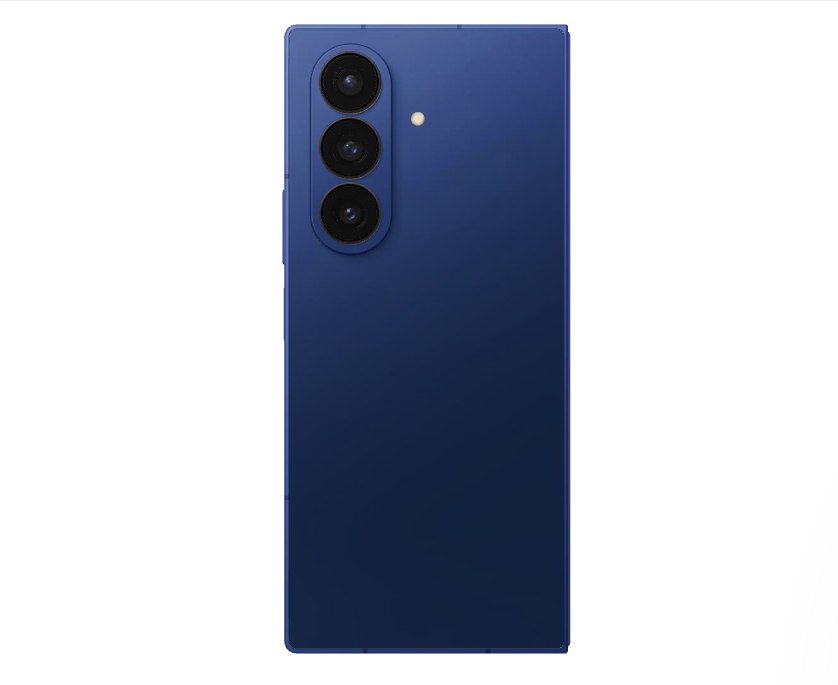
Foldable smartphones have matured dramatically by April 2026, shedding much of their early bulk and fragility to become practical daily drivers with improved durability, battery life and multitasking capabilities. Leading models from Samsung, Google, Motorola and others now compete closely with traditional flagships while offering the unique appeal of a compact device that unfolds into a mini-tablet or stylish flip form factor.
Industry analysts and reviewers from outlets including PCMag, PhoneArena, ZDNet and Wirecutter highlight a clear top tier based on hands-on testing, real-world performance and value. While availability varies by region — with some Chinese brands like Honor and Oppo offering exceptional hardware but limited U.S. support — the following five stand out as the best foldable phones currently on the market.

1. Samsung Galaxy Z Fold 7 — Best Overall Book-Style Foldable
Samsung’s Galaxy Z Fold 7 earns frequent nods as the top foldable for most users thanks to its ultra-slim profile, premium build and polished software experience. Measuring just over 8mm thick when closed and weighing around 215 grams, it feels remarkably close to a conventional flagship yet unfolds into an expansive 8-inch inner display ideal for productivity, media consumption and split-screen multitasking.
The device features a bright 6.5-inch cover screen with 120Hz refresh rate, allowing full app functionality without unfolding. Powered by the Snapdragon 8 Elite for Galaxy processor, it delivers smooth performance across demanding tasks. Cameras have seen meaningful upgrades, with a standout 200-megapixel main sensor producing sharp, vibrant photos that rival non-foldable competitors.
Reviewers praise the refined hinge, improved crease visibility and long software support extending years into the future. Drawbacks include a premium price tag often starting near $1,900 and average battery life that may require midday top-ups for heavy users. Still, its ecosystem integration with Galaxy Watch, Buds and DeX mode makes it a compelling choice for Samsung loyalists and power users alike.
2. Google Pixel 10 Pro Fold — Best for Durability and Cameras
Google’s Pixel 10 Pro Fold stands out for its rugged construction and photography prowess. It boasts a full IP68 dust and water resistance rating — a rarity among foldables — along with enhanced hinge durability and drop protection on the main display. At roughly 258 grams, it feels more substantial than Samsung’s offering but rewards owners with reliable all-day performance.
The Tensor G5 chipset powers intuitive AI features, including real-time call translation, audio magic eraser and Gemini Live integration. Cameras shine with computational photography that delivers natural colors and excellent low-light results, making it a favorite for content creators. The 6.3-inch cover screen and large inner display support seamless multitasking with clean Android 16 software.
Battery life impresses in testing, often outlasting slimmer rivals. Pricing starts around $1,800, positioning it as a strong value for those prioritizing longevity and photography over the absolute thinnest design. Limitations include slightly warmer performance under sustained loads compared to Snapdragon-equipped devices.
3. Motorola Razr Ultra (2025/60 Ultra) — Best Flip-Style Foldable
For users seeking pocketable convenience with flair, the Motorola Razr Ultra delivers one of the most stylish and functional clamshell experiences. Its vertical fold design snaps shut into a compact square, while the generous external display supports full apps, notifications and even quick camera previews.
Equipped with strong battery life that frequently tops competitor flip models, the Razr Ultra handles daily tasks efficiently on its Snapdragon processor. The inner 7-inch display offers smooth 120Hz visuals, and the overall build feels premium with thoughtful details like a titanium hinge option in select variants. Cameras perform adequately for casual use, though they trail book-style models in versatility.
Reviewers highlight its fun factor and practicality for one-handed operation. Starting prices often land in the mid-$1,000 range, making it more accessible than premium book-style foldables. Potential downsides include a smaller unfolded screen compared to tablet-style devices and occasional software quirks in the Motorola skin.
4. Samsung Galaxy Z Flip 7 — Best Compact Flip for Everyday Use
Samsung’s Galaxy Z Flip 7 refines the flip formula with a larger 4.1-inch edge-to-edge cover screen that finally enables meaningful interaction without unfolding. The 6.9-inch inner display provides ample space when needed, while the overall design remains slim and lightweight for easy pocket carry.
Battery improvements help it last through a full day for moderate users, and the Exynos 2500 or Snapdragon variant (depending on region) ensures snappy performance. New DeX support on the Flip adds desktop-like productivity when connected to external displays. Cameras remain solid for social media and quick shots, with the main 50-megapixel sensor delivering reliable results.
Priced starting around $1,100, it offers strong value within the Samsung ecosystem. Critics note it can overheat during intensive multitasking and that battery claims sometimes exceed real-world endurance. Its stylish appeal and improved cover screen functionality make it a top pick for fashion-conscious users or those transitioning from traditional bar phones.
5. Honor Magic V5 — Best Ultra-Thin Alternative for Multitasking
The Honor Magic V5 earns acclaim for its exceptionally slim design, measuring under 9mm folded and around 4.4mm unfolded in some configurations. It targets users who want a near-nonexistent crease and premium feel without Samsung’s ecosystem lock-in.
Featuring a large inner display and capable outer screen, it excels at multitasking with smooth software optimizations. The Snapdragon 8 Elite processor paired with generous RAM handles heavy workloads, while a sizable silicon-carbon battery supports fast charging and extended use. Cameras offer competitive performance, particularly in daylight scenarios.
Availability may require importing in some markets, and software updates could lag behind Google or Samsung. Still, its combination of thinness, battery capacity and vibrant displays positions it as a compelling choice for enthusiasts seeking cutting-edge hardware at potentially competitive pricing.
Buying Considerations in 2026
Foldable phones now address many early criticisms: creases are subtler, hinges more robust and repair programs more widespread. Most top models promise four to seven years of software support, reducing obsolescence concerns. Battery technology has advanced, though heavy multitasking or camera use still drains power faster than slab phones.
Prices remain elevated, with book-style models often exceeding $1,800 and flips starting above $1,000. Trade-in deals, carrier promotions and installment plans can ease the cost. Buyers should consider ecosystem preferences — Samsung for seamless integration, Google for pure Android and AI, Motorola for flip charm.
Durability has improved markedly, but users should invest in quality cases and screen protectors. Coverage for accidental damage varies by manufacturer and carrier.
Regional factors matter: U.S. buyers enjoy broad carrier support for Samsung, Google and Motorola models, while international shoppers may access superior specs from Honor, Oppo, Vivo or Huawei at lower prices, albeit with potential Google service limitations on some devices.
The Future of Foldables
As 2026 progresses, expectations include further refinements such as even lighter builds, under-display cameras that eliminate notches and possible trifold designs from Samsung and others reaching wider markets. Apple’s rumored foldable iPhone could reshape the segment later in the year or in 2027.
For now, the market offers something for nearly every preference: productivity powerhouses, stylish compacts and durable all-rounders. Early adopters who hesitated in previous years will find 2026 models far more refined and reliable.
Consumers weighing a purchase should evaluate their primary needs — screen size for work, portability for travel or camera quality for photography — and test devices in-store when possible. With rapid iteration, waiting for carrier deals or next-generation hints may also pay off.
Foldables represent more than a novelty in 2026; they deliver genuine utility that enhances how many people work, create and consume content on the go. Whether opting for the versatile Galaxy Z Fold 7, the rugged Pixel 10 Pro Fold or a fun flip like the Razr Ultra, buyers are investing in devices that continue to evolve the smartphone experience.
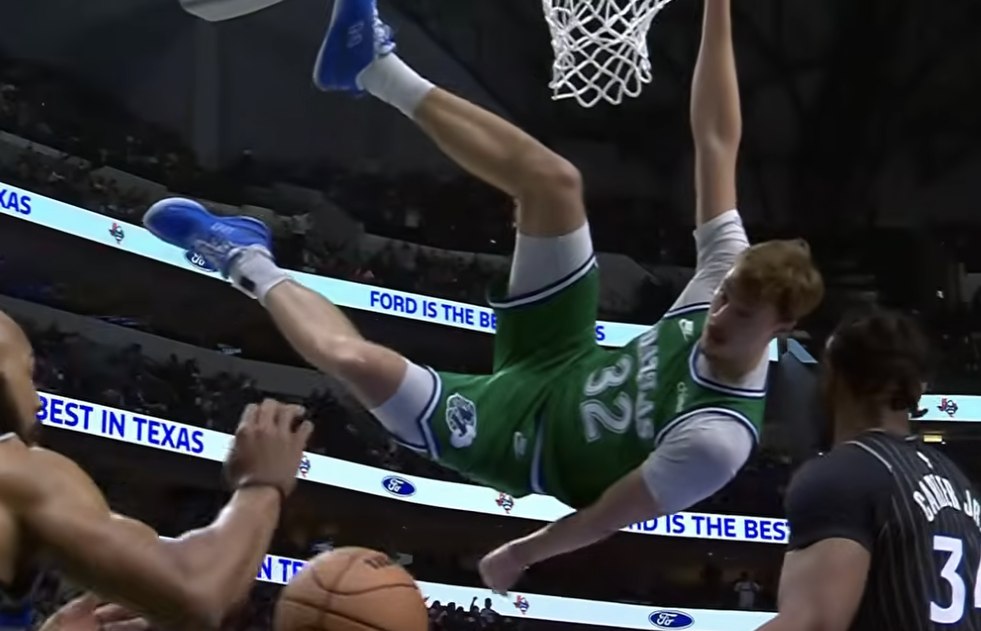
At just 19 years old, Dallas Mavericks rookie Cooper Flagg has already etched his name into NBA history with a career-high 51-point explosion on April 3, 2026, becoming the first teenager ever to score 50 or more points in a game. The outburst, which included 19-of-30 shooting and six made threes in a 138-127 loss to the Orlando Magic, has intensified discussions about the young forward’s ceiling and whether he can one day surpass the legendary achievements of Larry Bird.
Flagg’s rookie season through 64 games shows impressive averages of 20.3 points, 6.6 rebounds and 4.5 assists per game on 46.7% shooting. He leads the Mavericks in multiple categories and ranks among a select group of players averaging 20 points, six rebounds and four assists — a list populated largely by established All-Stars and superstars like Nikola Jokic, Giannis Antetokounmpo and Luka Doncic. The 6-foot-9, 205-pound forward from Newport, Maine, has also set franchise rookie scoring records and become the youngest player to record a 40-point game with 10 or more rebounds.
These feats come as the Mavericks navigate a challenging rebuilding phase, often without consistent supporting talent around their prized No. 1 overall pick from the 2025 draft. Flagg has shouldered heavy minutes at 33.8 per game, contributing defensively with 1.2 steals and 0.9 blocks while showcasing playmaking vision that echoes elite two-way wings. His 51-point night capped a season filled with highlights, including a 49-point game in January that previously set the teenage scoring mark and multiple double-doubles.

Comparisons to Larry Bird, the Boston Celtics icon and fellow Maine native, emerged early in Flagg’s college career at Duke and have only grown louder. Bird entered the NBA at age 22 after four years at Indiana State, averaging 21.3 points, 10.4 rebounds and 4.5 assists as a rookie en route to Rookie of the Year honors. Over 13 seasons, Bird compiled 24.3 points, 10.0 rebounds and 6.3 assists per game, earning three NBA championships, three MVP awards, two Finals MVPs, 12 All-Star selections and a spot on the NBA’s 75th Anniversary Team.
Flagg, nearly four years younger than Bird was as a rookie, operates in a faster-paced, more athletic modern NBA with greater emphasis on spacing, three-point shooting and versatility. While Flagg’s rebounding and assist numbers trail Bird’s rookie marks, his scoring efficiency, defensive impact and ability to create in isolation or transition draw parallels to Bird’s basketball IQ, competitiveness and team-first mentality. Former Celtics players like Cedric Maxwell have noted similarities in shooting touch, facilitation and shot-blocking instincts.
Yet experts and analysts caution against premature conclusions. Bird transformed the Celtics into perennial contenders, leading them to titles in 1981, 1984 and 1986 while engaging in iconic rivalries with Magic Johnson’s Lakers. His clutch performances, trash-talking edge and unselfish play defined an era. Flagg, by contrast, plays on a Mavericks team that has struggled, with the rookie admitting the season has been “mentally taxing” amid frequent losses.
Discussions on podcasts and social media highlight the debate. Some, including commentators on “All The Smoke,” acknowledge Flagg’s superior athleticism and two-way potential but argue Bird’s intangibles and championship pedigree place him in a rare category. Others point out that matching Bird would require Flagg to lead multiple title runs, earn multiple MVPs and sustain elite production over a decade-plus career. Stephen Jackson and others have pushed back on early claims that Flagg could become the greatest white American player ever, emphasizing Bird’s unmatched impact.
Flagg himself has embraced the comparisons while staying grounded. He grew up studying Bird’s film, influenced by his family’s Celtics fandom. In a lighthearted commercial exchange, Bird quipped “Not if I’m guarding you” when Flagg playfully referenced surpassing him, underscoring the respect between the Maine legends. Flagg has described the mental grind of the NBA as a learning experience, focusing on development rather than individual accolades.
Projecting forward, Flagg’s trajectory appears promising. At his current pace, he is on track for strong Rookie of the Year consideration despite the team’s record. His ability to lead in 25-points, five-rebounds, five-assists games with zero turnovers ranks among the league’s best this season. As his body matures and the Mavericks add complementary pieces, many scouts envision him evolving into a perennial All-Star and potential MVP candidate.
Key factors will determine if Flagg can approach or exceed Bird’s legacy. Health is paramount; Bird’s career was shortened by back issues, while Flagg has already dealt with a foot sprain. Team success matters immensely — Bird thrived alongside Hall of Famers like Kevin McHale and Robert Parish. Flagg will need similar supporting casts or to elevate those around him, much like modern stars have done.
The modern game favors Flagg’s skill set. Today’s emphasis on positionless basketball, spacing and defensive versatility could allow his athleticism and playmaking to shine brighter than in Bird’s era. Flagg’s three-point shooting, though still developing at 27.8%, has shown flashes, and his efficiency inside the arc remains strong. Improved spacing and rule changes could amplify his impact compared to the physical, post-heavy 1980s.
Critics note that Bird’s intangibles — leadership, clutch gene and ability to make teammates better — set an extraordinarily high bar. Flagg has displayed poise and competitiveness, but translating rookie flashes into sustained dominance over 13 seasons requires consistency, adaptability and luck with injuries and roster construction.
Mavericks coaches and executives have expressed confidence in Flagg as the franchise cornerstone. His work ethic, basketball intelligence and willingness to play multiple positions align with what built championship cultures. As the team rebuilds, Flagg’s growth could accelerate with better talent around him.
In the broader NBA landscape, Flagg joins a wave of young stars redefining the league. His rookie exploits already rival or exceed those of recent No. 1 picks in certain metrics, fueling optimism. Yet surpassing Bird would place him among the all-time greats, a feat requiring multiple championships, individual awards and cultural impact.
For now, the question remains speculative. Flagg has the tools, mentality and early production to fuel the conversation for years. Bird’s legacy as one of the greatest to play remains secure, but the 19-year-old from Maine has given fans and analysts reason to dream about what his career might become.
As the 2025-26 season winds down, Flagg continues to chase history while the Mavericks focus on long-term development. Whether he ultimately surpasses Larry Legend depends on factors beyond any single rookie season. What is clear is that Cooper Flagg has arrived as a special talent, one whose journey will be measured against the highest standards in basketball lore.

John D/iStock via Getty Images

By Christopher Gannatti, CFA
There’s a quiet assumption embedded in thematic investing that rarely gets questioned:
Investors agree on what the theme actually is.
Often when speaking to investors, the concept hanging over the discussion
No Shortage Of Volatility In Shortened Trading Week
Business
ETMarkets Smart Talk | Renewables, defence to lead in FY27; infra and gas stocks offer high-risk opportunities: Siddarth Bhamre

In an interaction with Kshitij Anand of ETMarkets, Siddarth Bhamre, Head, Institutional Research at Asit C. Mehta Investment Intermediate Ltd, highlighted that themes like renewables and defence are likely to remain at the forefront of investor interest, driven by structural tailwinds and policy support.
At the same time, he pointed out that sectors such as infrastructure and gas distribution, which have seen meaningful corrections due to their exposure to Middle East dynamics, could present high-risk, high-reward opportunities once the macro environment stabilises. Edited excerpts:
Q) Thanks for taking the time out. The FY26 year returns have turned negative due to geopolitical concerns around West Asia. How do you sum up the financial year?
A) In FY26, our markets absorbed a lot of shocks. It started with the announcement of tariffs by Trump. Markets took that in their stride, but news related to tariffs kept dictating market direction.
The emergence of AI as a potential threat to Indian IT companies, which have been one of the factors driving Indian economic growth, also capped the market’s upward journey.
And in the last month of the fiscal, this unfortunate and unnecessary war in West Asia broke the market’s back. These three factors have derailed the post-Covid bull run.
However, thanks to domestic liquidity, despite all these issues, markets in FY26 are down by just 5%.
Q) As we head towards FY27, what are the triggers one should keep in mind that could lead to a reversal for bulls?
A) Last year, India’s underperformance was mainly due to high valuations compared to other opportunities. Also, the macro headwinds in the last one year have largely been external in nature.
An immediate end to this war and easing supply pressures leading to a fall in energy prices would trigger a reversal, but it needs to happen soon.
A prolonged conflict will increase the severity of damage to the economy, and then a reversal may not happen as quickly as it can now.
It will be important for the rupee to stabilise against the dollar so that foreign investors gain confidence to invest in India.
Q) Which sectors should be on the radar for investors in FY27? Do you think there are sectors which have already corrected and are now available at attractive valuations?
A) Two sectors which will naturally attract the most attention now are renewable energy and defence. Solar as a theme was fizzling out due to oversupply and had seen a significant correction.
With such levels of dependency, India should accelerate the pace of increasing the share of renewable energy. Needless to mention that companies and sectors related to transmission will also attract attention.
Gas distribution companies and large infrastructure players have corrected significantly due to their dependency on the Middle East. They may correct further if the conflict continues, but so will most sectors.
However, once things stabilise, these names can quickly bring their revenue back to pre-war levels and hence can be high-risk additions to portfolios. It is a risk worth taking.
Q) How should one play gold and silver in the new financial year?
A) Gold and silver have shown extraordinary performance in the last year. Portfolios with exposure to precious metals have done well. However, in the last two months, volatility in these commodities has increased sharply.
Such volatility is not ideal for overall portfolios, and those without exposure are more than a year late in gold and a couple of quarters late in silver. It is difficult to gauge what may transpire in this asset class.
Q) How are we placed against peers in terms of valuations?
A) Year-to-date and over the last year, India has been among the worst-performing stock markets. Relative valuation depends not just on price performance but also on earnings growth.
The effects of this war will likely negatively impact Q4FY26, and so far it appears that even Q1FY27 earnings may be revised downwards significantly.
So recent underperformance may not make India immediately attractive compared to other markets. Also, strategic allocation tends to chase outperformance, which again does not work in India’s favour.
Valuations now look relatively better than a few months ago, but as earnings weaken, so will this valuation comfort.
Q) Will FII flows reverse in FY27? How are you reading flows, both domestic and global?
A) For FIIs, several factors determine exposure to markets. We discussed earnings and geopolitical sentiment, but another key factor is currency depreciation.
High valuations, price correction and increasing currency depreciation have led to FII selling. As these factors reverse, flows should improve, possibly in the second half of FY27.
As for domestic flows, they tend to follow equity performance. Returns over the past two to three years have not been very encouraging, making it difficult to expect a meaningful increase in domestic inflows in FY27.
Market performance has tested the patience of domestic investors. If the market continues to correct, it would not be surprising to see participants exiting.
(Disclaimer: Recommendations, suggestions, views and opinions given by experts are their own. These do not represent the views of The Economic Times.)
Business
(VIDEO) Mavs Rookie Cooper Flagg Scores 51 Points to Become First Teen to Reach 50 in NBA Game
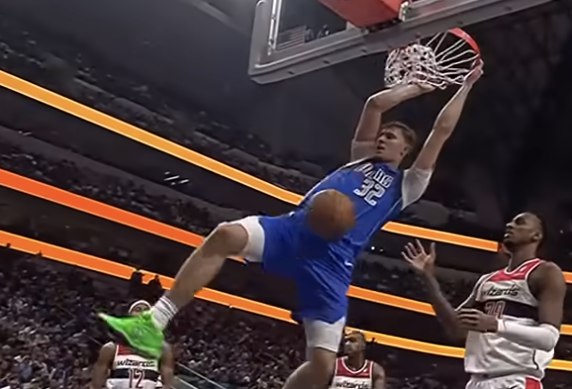
Cooper Flagg erupted for a career-high 51 points Friday night, becoming the first teenager in NBA history to score 50 or more points in a game as the Dallas Mavericks fell to the Orlando Magic 138-127 at American Airlines Center.

The 19-year-old rookie forward, selected No. 1 overall in the 2025 NBA Draft out of Duke, delivered an explosive performance that rewrote the record books despite the Mavericks’ loss. At 19 years and 103 days old, Flagg surpassed previous marks to claim the distinction as the youngest player ever to reach the 50-point plateau.
Flagg finished with 51 points on 19-of-30 shooting from the field, including 6 of 9 from three-point range, and a perfect 7 of 7 from the free-throw line. He added six rebounds, three assists, three steals and one block in 34 minutes. The outburst came in a game where tensions boiled over early when Flagg appeared to be fouled without a call, leading to the ejection of Mavericks coach Jason Kidd and a teammate for protesting the no-call.
Less than a quarter later, Flagg had turned the frustration into fuel. He poured in 24 points in the fourth quarter alone, capping the historic night with an and-one that pushed him past 50. After converting the free throw for his 51st point with 2:05 remaining, Flagg exited to a standing ovation from the Dallas crowd.
The performance marked Flagg’s second-highest scoring output as a teenager after he dropped 49 points against the Charlotte Hornets on Jan. 29. It also made him just the ninth rookie in NBA history to score 50 or more points, joining legends such as Wilt Chamberlain, Rick Barry, Elgin Baylor, Kareem Abdul-Jabbar and Allen Iverson. Among rookies in the last 30 years, he became only the third to achieve the feat, following Brandon Jennings in 2009 and Iverson in 1997.
Mavericks interim leadership, with assistant Frank Vogel filling in after Kidd’s ejection, briefly pulled Flagg late in the fourth when he sat at 45 points. Upon his return, the Duke product drilled a corner three-pointer before driving for the bucket-and-foul that sealed the milestone.
Orlando’s balanced attack proved too much for Dallas, which dropped its 14th straight home game. Paolo Banchero led the Magic with 28 points, while the visitors shot efficiently and controlled the tempo in the second half. The Mavericks struggled to find secondary scoring, leaving Flagg to shoulder much of the offensive load.
Flagg’s rookie season has been marked by flashes of brilliance amid the challenges of a rebuilding Dallas team. Entering Friday’s contest, he was averaging approximately 20.3 points, 6.6 rebounds and 4.5 assists per game across 64 appearances, showcasing a well-rounded game that includes strong defensive instincts for a player his age. His efficiency and playmaking have drawn comparisons to elite two-way wings, though the Mavericks’ overall record has limited team success.
The 6-foot-9, 205-pound forward has already shattered several franchise and league rookie milestones this season. He previously broke the Mavericks’ rookie scoring record and became the youngest player in NBA history to record a 40-point game with 10 or more rebounds. His rapid ascent has fueled Rookie of the Year discussions, even as the team navigates a difficult campaign without star guard Luka Doncic for portions of the year due to injuries.
Friday’s game highlighted Flagg’s scoring versatility. He attacked the rim with authority, knocked down open threes and converted tough mid-range jumpers. His 63.3% field-goal shooting for the night underscored his ability to finish through contact and create his own shot against NBA defenders.
Teammates and coaches expressed awe at the performance. “He’s special,” one Mavericks player said postgame. “To see a 19-year-old do what he did tonight, especially after the early frustration, shows the kind of competitor he is.” Vogel, who has guided the team through recent stretches, praised Flagg’s poise and work ethic.
The historic night arrives as the NBA regular season winds down, with Dallas fighting for positioning in a crowded Western Conference. Flagg’s emergence offers hope for the franchise’s future, positioning him as a potential cornerstone alongside returning veterans.
NBA Commissioner Adam Silver and league officials took note of the achievement on social media, congratulating the young star. Analysts quickly pointed out that Flagg now holds the top two highest-scoring games by a teenager in league annals.
Flagg was born on Dec. 21, 2006, making him one of the youngest players in the league this season. His pre-draft hype as a consensus top prospect stemmed from his elite athleticism, basketball IQ and defensive versatility at Duke, where he helped lead the Blue Devils deep into the NCAA Tournament.
In the broader context of young NBA phenoms, Flagg’s feat eclipses previous teenage performances. Brandon Jennings held the prior youngest 50-point game record at 20 years and 52 days with 55 points in 2009. LeBron James and Devin Booker also achieved 50-point games before turning 21, but none as teenagers.
The Mavericks’ loss extended their home struggles, but Flagg’s individual brilliance provided a silver lining. Dallas shot well from the field at times but couldn’t match Orlando’s pace or defensive execution in crunch time.
Postgame, Flagg remained humble. “It’s a great feeling, but we came up short as a team,” he told reporters. “I just tried to play hard and help my teammates. The record is cool, but winning is what matters.”
The performance could bolster Flagg’s case in end-of-season awards voting. He has already logged multiple 40-point games this season, the most by a rookie in recent memory in some stretches, and leads the Mavericks in several statistical categories.
As the league heads toward the playoffs, Flagg’s trajectory suggests a bright future. Scouts and executives have marveled at his ability to impact both ends of the floor at such a young age, with his defensive versatility complementing his growing offensive arsenal.
The game also featured strong contributions from Magic veterans and young talent, underscoring Orlando’s competitiveness this season. Their victory improved their standing in the Eastern Conference playoff race.
For the Mavericks, the focus remains on developing young talent like Flagg while managing injuries and integrating pieces around him. His 51-point explosion serves as a reminder of the star potential that prompted Dallas to draft him first overall.
Fans and analysts flooded social media with highlights of Flagg’s buckets, from thunderous dunks to step-back threes. The moment he reached 50 — a driving layup followed by the free throw — quickly became a viral clip.
NBA history is filled with rookies who flashed potential before becoming superstars. Flagg now joins that conversation with a signature performance that will be remembered for years.
As Saturday dawned, the basketball world continued to digest the achievement. At just 19, Flagg has already etched his name alongside some of the game’s greats in the record books.
The Mavericks will look to build on the momentum from Flagg’s big night as they close out the regular season. For a franchise with championship aspirations in the years ahead, nights like Friday provide both excitement and a blueprint for what could come.
Flagg’s stats for the season reflect steady growth. He has improved his scoring average as the year progressed, showing increased confidence and efficiency. His ability to rebound and facilitate at his size adds layers to his game that could make him a perennial All-Star candidate.
In the end, despite the final score, April 3, 2026, belonged to Cooper Flagg. His 51 points not only shattered records but also announced to the league that a new generation’s brightest star has arrived — and he is just getting started.

April 2026 Perspective

Musk Demands Wall Street Buy Grok AI Subscriptions
Jonathan Greenard Trade, Dallas Turner, a New Center


-

 NewsBeat2 days ago
Steven Gerrard disagrees with Gary Neville over ‘shock’ Chelsea and Arsenal claim | Football
-

 Business1 day ago
No Jackpot Winner and $194 Million Prize Rolls Over
-
Entertainment5 days ago
Fans slam 'heartbreaking' Barbie Dream Fest convention debacle with 'cardboard cutout' experience
-

 Fashion13 hours ago
Weekend Open Thread: Spanx – Corporette.com
-

 Crypto World2 days ago
Gold Price Prediction: Worst Month in 17 Years fo Save Haven Rock
-

 Tech5 days ago
The Pixel 10a doesn’t have a camera bump, and it’s great
-
 Entertainment6 days ago
Lana Del Rey Celebrates Her Husband’s 51st Birthday In New Post
-
Crypto World4 days ago
Dems press CFTC, ethics board on prediction-market insider trades
-

 Tech5 days ago
Avatar Legends: The Fighting Game comes out in July and it looks pretty slick
-

 Sports4 days ago
Tallest college basketball player ever, standing at 7-foot-9, entering transfer portal
-

 Fashion6 days ago
Amazon Sundays: Soft Spring Layers
-

 Tech4 days ago
EE TV is using AI to help you find something to watch
-

 Business2 days ago
Login and Checkout Issues Spark Merchant Frustration
-

 Tech6 days ago
Elon Musk’s last co-founder reportedly leaves xAI
-

 Tech4 days ago
How to back up your iPhone & iPad to your Mac before something goes wrong
-

 Politics5 days ago
Should Trump Be Scared Strait?
-

 Crypto World4 days ago
U.S. rule change may open trillions in 401(k) funds to crypto
-

 Fashion5 days ago
The Best Spring Trends of 2026
-

 Tech5 days ago
Apple will hide your email address from apps and websites, but not cops
-

 Tech4 days ago
Flipsnack and the shift toward motion-first business content with living visuals
You must be logged in to post a comment Login