


Connect with us
DAPA Banner

Business

Vietnam’s rise and Thailand’s inequality problem

Published

on

Vietnam’s rise and Thailand’s inequality problem

The article “Richer, Faster—But for Whom? Vietnam’s rise and Thailand’s inequality problem” examines the divergent economic development paths of Vietnam and Thailand, focusing on the concept of “Pro-Poor Growth” from an institutional economics perspective. It highlights a noticeable shift in Thai public sentiment, from urgency to resignation or even encouragement, regarding Vietnam’s economic progress and its potential to surpass Thailand.

The core argument is that institutions—rules, norms, and governance structures—are crucial in determining who benefits from economic growth, and Gross Domestic Product (GDP) alone is insufficient to measure improvements in quality of life for all segments of society. Pro-Poor Growth is defined as economic growth that disproportionately benefits the poor or significantly reduces poverty.

Vietnam’s Experience: Growth with Redistribution

Vietnam’s success in sustained poverty reduction post-1986 Doi Moi reforms, which transitioned it from a centrally planned to a market-oriented economy, is attributed to its “Growth with Redistribution” strategy. Key factors include:

  • Land Reform and Human Capital: Dismantling collective farming and restoring land-use rights to households, alongside significant investment in human capital through the “Education for All” program to prepare unskilled labor for foreign direct investment (FDI).
  • Structural Economic Shift: A systematic move from agriculture to manufacturing and services, with a strong emphasis on generating employment for unskilled labor and gradual skill upgrading.
  • Spatial Development: Heavy investment in infrastructure, such as achieving 99.9% rural electricity coverage by 2018, and fiscal/administrative decentralization to empower local governments. This approach resulted in average growth rates of 5–7% over decades and continuous poverty reduction, despite global crises, increasing per capita income eighteenfold. However, Vietnam still faces the risk of the middle-income trap, leading to the launch of Doi Moi 2.0 aimed at achieving high-income status by 2045.

Thailand’s Path: Growth without Redistribution

In contrast, Thailand, despite rapid economic expansion in the 1980s, followed a trickle-down economics model, believing wealth would eventually benefit the broader population. This approach has led to low growth and high inequality, explained by several institutional weaknesses:

  • Disconnected Policies: Economic growth policies are often formulated separately from poverty reduction and redistribution measures, leaving structural problems unaddressed.
  • Middle-Income State Characteristics: Reliance on foreign labor and capital, coupled with limited coordination for domestic technological and innovation development, indicating a lack of institutional upgrading.
  • Concentrated State-Business Relations: Particularly after 2014, close cooperation with large conglomerates created a “big brother–small brother” dynamic, concentrating resources and disadvantaging smaller enterprises.
  • Policy Inconsistency: Frequent government changes undermine policy continuity, resulting in short-term poverty relief measures (e.g., cash transfers) driven by immediate political demands rather than fundamental structural reforms.

Rethinking Development: Lessons and Recommendations

While Thailand should not merely emulate Vietnam, its experience offers crucial lessons. Escaping the middle-income trap and addressing inequality requires integrating redistribution into the growth strategy from the outset. The article’s central policy argument is that inclusive development must place those at the bottom of the socioeconomic pyramid at the core of economic policymaking, simultaneously pursuing economic expansion and income redistribution. Examples include designing digital economy and infrastructure investments to provide targeted social protection for the poor and using decentralization to spread prosperity and create local employment.

Vietnam’s success is attributed to policy continuity and institutional design that explicitly integrates the poor into its growth strategy, learning from China and East Asian “miracle” economies that demonstrated sustainable, equitable growth is possible in market economies with outward orientation, macroeconomic stability, and human capital investment. Thailand, therefore, needs to rethink its economic policy design—shifting from treating growth and poverty reduction as separate objectives to creating institutional rules that ensure the benefits of development are broadly and sustainably shared, especially with the poor, while upholding democratic principles.

Advertisement

Source : Richer, Faster—But for Whom? Vietnam’s rise and Thailand’s inequality problem

Continue Reading
Click to comment

You must be logged in to post a comment Login

Leave a Reply

Business

Apple CarPlay Ultra Will Soon Launch to Hyundai, Kia, and Other Mainstream Brands

Published

on

Apple CarPlay

Apple’s next-generation in-car system, CarPlay Ultra, is poised to expand beyond its initial debut, with new reports indicating wider adoption across major automotive brands.

After initially launching in select Aston Martin vehicles, the platform is now expected to reach more mainstream markets.

Hyundai, Kia, and Genesis Set to Adopt CarPlay Ultra

Apple CarPlay
Apple’s upcoming iOS 26.4 update will let CarPlay drivers talk to ChatGPT and other AI chatbots, enhancing in-car assistance, productivity, and conversation while keeping safety in mind.

According to MacRumors, Apple previously confirmed that Hyundai, Kia, and Genesis are preparing to integrate CarPlay Ultra into upcoming models.

Recent reports suggest that at least one new vehicle from these brands could feature the system in the second half of the year. If confirmed, this would mark a major shift from luxury exclusivity toward broader consumer accessibility.

What Sets CarPlay Ultra Apart

Unlike traditional Apple CarPlay, CarPlay Ultra delivers deeper integration with a vehicle’s internal systems.

Advertisement

The platform extends beyond the infotainment display into the instrument cluster, enabling drivers to view real-time data, including speed, fuel levels, tire pressure, and engine temperature, within a unified interface. It also supports direct control over features like climate settings, radio, and rear-view camera displays.

Personalized Interface Meets Brand Identity

According to VOI, the key feature of CarPlay Ultra is its adaptability. Apple allows automakers to customize the interface to match their brand identity, ensuring a consistent in-car aesthetic.

Drivers can also select from multiple design layouts, adding a layer of personalization that enhances both usability and visual appeal.

For everyone who’s always interested in any Apple software, what the Cupertino giant did with CarPlay Ultra is one step ahead of others.

Advertisement

Originally published on Tech Times

Continue Reading

Business

China food delivery stocks subdued as authorities crack down on ‘ghost deliveries’

Published

on


China food delivery stocks subdued as authorities crack down on ‘ghost deliveries’

Continue Reading

Business

Big update on plans for new Blackpool sports village

Published

on

Business Live

Scheme largely funded by £6.5m from the UK Government’s Town Deal

The plans for the Revoe Community Sports Village project in Blackpool.

The plans for the Revoe Community Sports Village project in Blackpool(Image: Local Democracy Reporting Service)

A multi-million pound community sports village for Blackpool has taken a major step forward as new details on the project emerge.

Advertisement

A planning application for the Revoe Community Sports Village project, which is primarily funded by £6.5 million from the UK Government’s Town Deal, was last week submitted to Blackpool Council, which is working with Blackpool FC and Blackpool FC Community Trust.

The scheme includes the provision of two 7- a-side synthetic 3G football pitches, two padel courts and a Multi-Use Games Area (MUGA) and associated floodlighting.

A 3G (third-generation) football pitch is a modern, high-performance synthetic turf surface designed to replicate natural grass, featuring long fibers (40mm-60mm) infilled with sand and rubber crumb. They offer durable, all-weather play for training and competitive matches.

In addition, the plans also include proposed enclosures and boundary treatments, hard and soft landscaping, car parking and installation of two storage containers and associated works .

Advertisement

A Planning, Design and Access Statement in support of the project stated: “This project will support sport and community provision by creating new facilities adjacent to Blackpool Football Club’s Bloomfield Road stadium.

“The Council is working alongside Blackpool Football Club and the BFC Community Trust to implement and subsequently operate the development.”

It concludes: “The proposals are considered to represent appropriate development which supports the overall aims of the Local Authority in improving access to sports facilities to support the health and wellbeing of the local community.

“For these reasons, it is considered that full planning permission for the proposed development should be granted. “

Advertisement

What does the scheme offer?

The statement says: “All of the pitches would have associated floodlighting and two storage containers to be installed on-site would allow for equipment storage.

“The 3G pitch is designed to be configured as either two 7-a-side or four 5-a-side pitches, to FA standards.

“Each pitch will be bound by 4.5m high weld mesh fencing with floodlighting provided.

“It is proposed that the facilities would be open between 9am and 9pm daily. This reflects the opening hours of other 3G pitch facilities in Blackpool. The pitches would not be in use when first team home games are being played to mitigate any potential impact on traffic.”

Advertisement

School use and possible tournaments

The BFCCT will manage the use of the facilities once operational. This will include facilities for educational provision and other sports programmes.

In respect of the 3G pitches, the Blackpool Football Club Ladies and Girls grassroots teams are expected to utilise the facilities as will the FA Girl’s Emerging Talent Centre, which is the Fylde Coast’s centre of excellence.

Bookable slots will be offered to local schools and junior grassroots football clubs, to utilise the space and hire facilities. The Community Trust will also be exploring options for developing some competitive opportunities, such as matches and tournaments.

What the council says

Cllr Mark Smith, Blackpool Council’s Cabinet Member for Built Environment and Economy, said the project was part of the council’s aim to improve the area around Central Drive with quality housing and green space.

Advertisement

He said: “While our housing projects are about providing better homes for people to live in, this (sports) project is about improving the healthy lifestyles of people who live centrally, by creating community sports facilities for everybody to enjoy.

“The project will also help the football club’s community trust to increase its offer to local people, while also facilitating improvements to the East Stand to make the area around the football stadium a nicer place to visit.”

To find all the planning applications, traffic diversions, road layout changes, alcohol licence applications and more in your community, visit the Public Notices Portal.
Advertisement
Continue Reading

Business

Global Wealth Research – April 2026

Published

on

Wall Street Brunch: Oil And Rates Will Still Dominate Sentiment (undefined:USO)

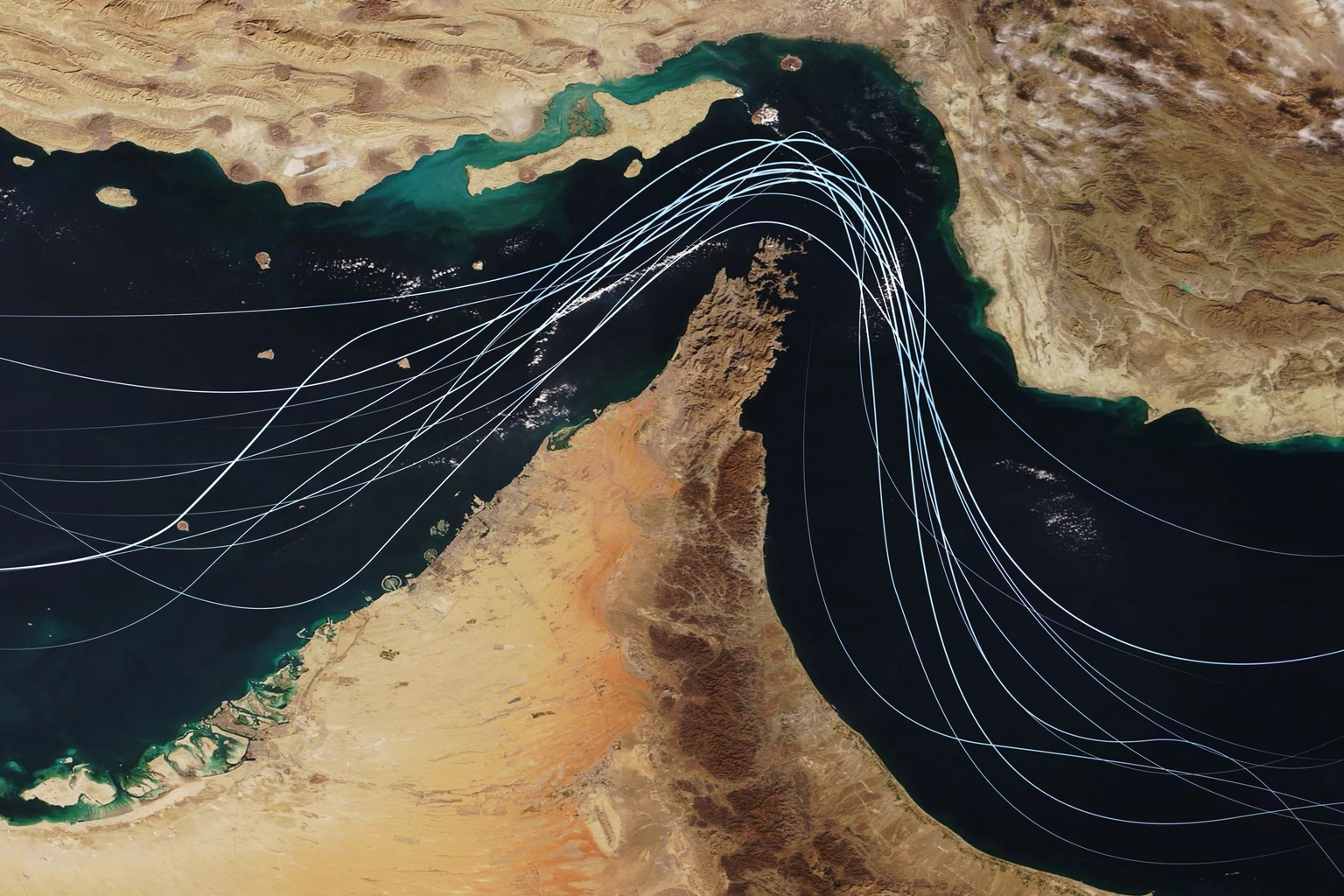
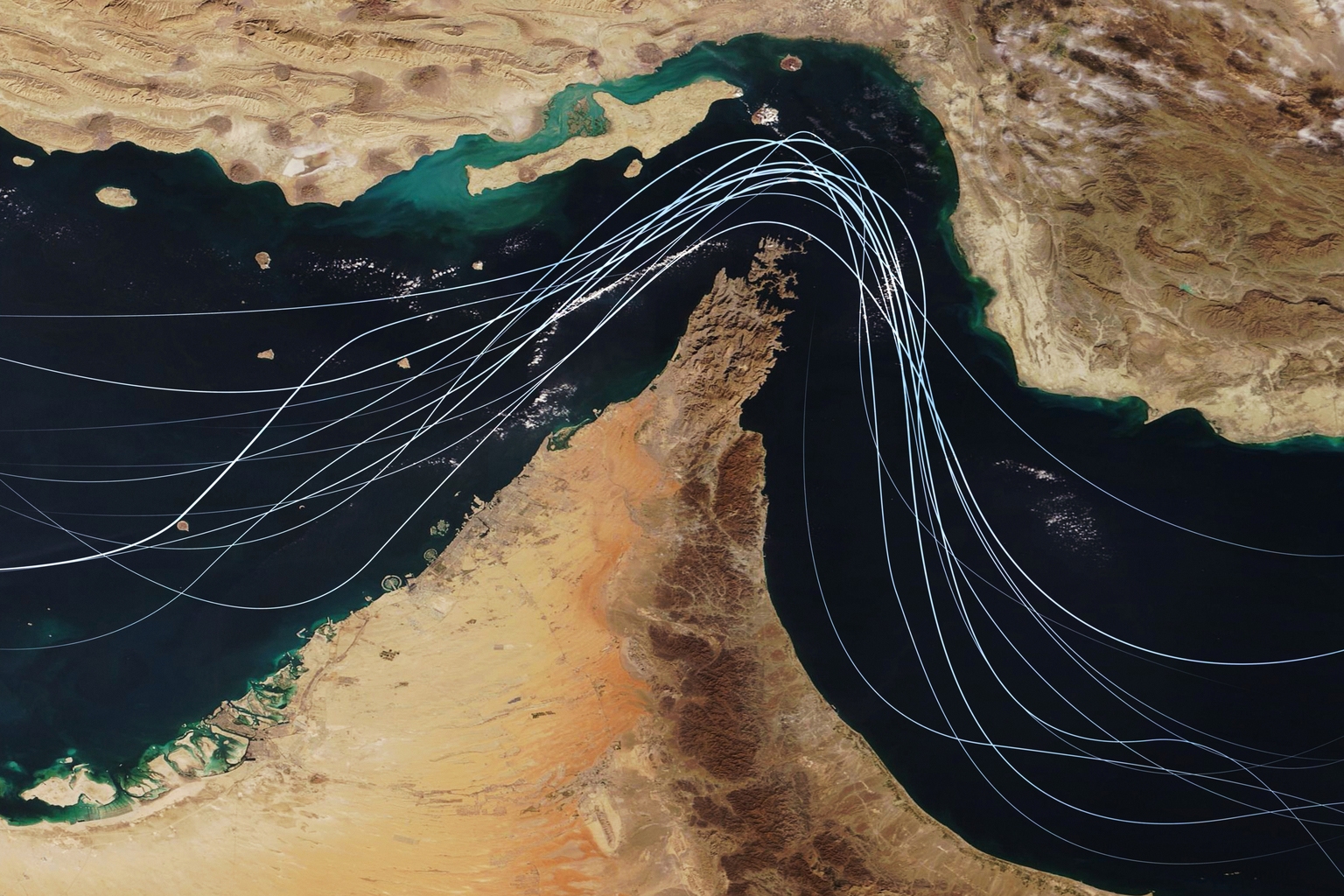
Satellite view of the Strait of Hormuz with white graphic lines representing global shipping lanes and maritime traffic between the Persian Gulf and Gulf of Oman. Strategic oil transport concept

Alones Creative/iStock via Getty Images

By Indrani De, CFA, PRM, Head of Global Investment Research FTSE Russell, David McNay, CFA, Director – Global Investment Research FTSE Russell, and Zhaoyi Yang, CFA, FRM, Sr Manager – Global Investment Research FTSE Russell

Continue Reading

Business

Cook government's pre-budget announcements keep coming

Published

on

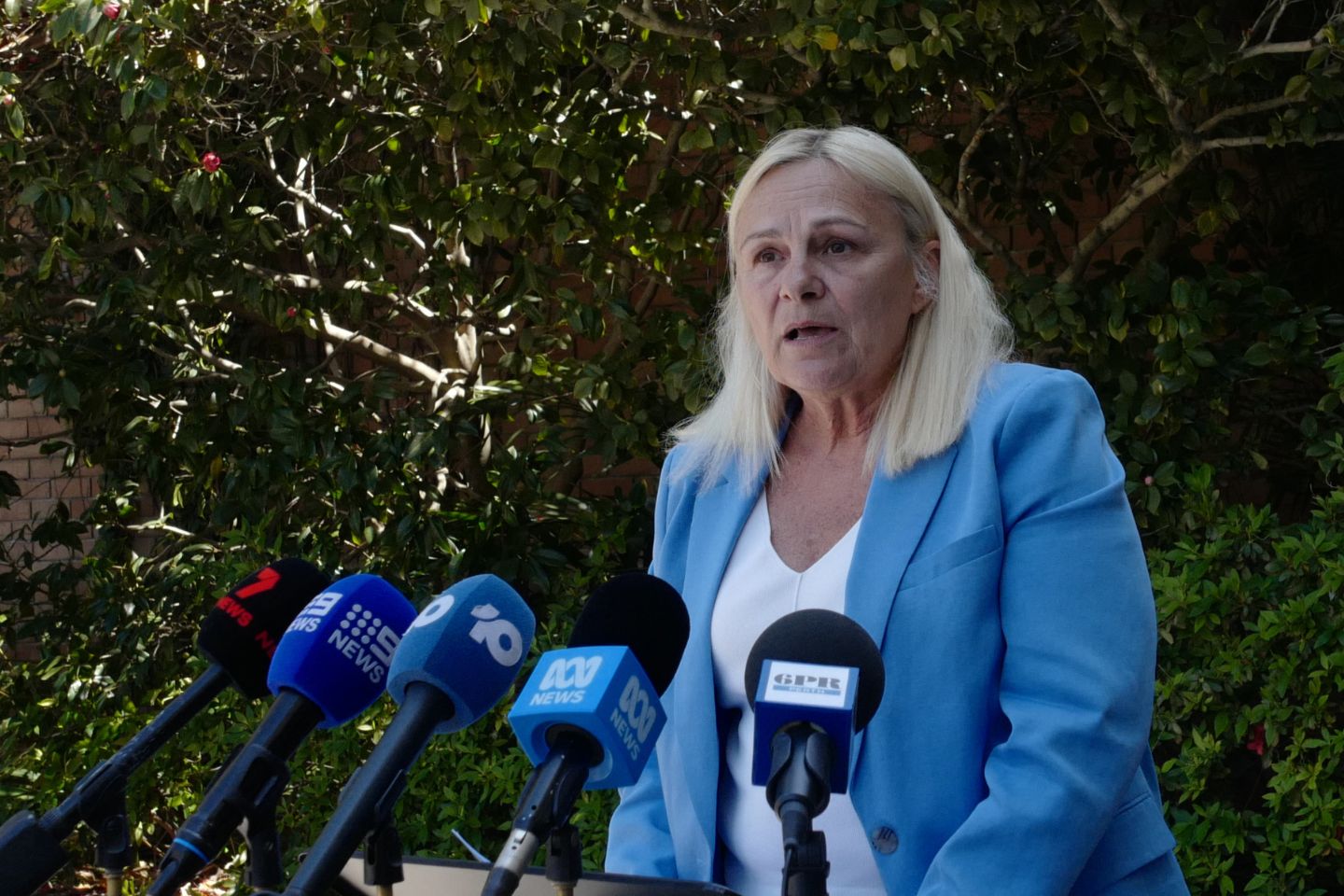
Schools to get $2.1b in pre-budget splash

More than $2.1 billion has been committed to state school infrastructure funding ahead of the May budget.

Continue Reading

Business

Casely power bank recall reannounced after woman’s death and plane fire

Published

on

Casely power bank recall reannounced after woman's death and plane fire

A recall affecting more than 400,000 power banks has been reissued after federal regulators reported additional incidents, including a fatal fire and a separate onboard airplane fire.

About 429,000 Casely Power Banks 5000mAh portable MagSafe compatible wireless chargers are included in the recall announced last week due to fire and burn hazards, according to the U.S. Consumer Product Safety Commission (CPSC).

Advertisement

The recall was first announced in April 2025. At that time, Casely had received 51 consumer reports of the charger overheating, swelling or catching fire while being used to charge phones, causing six minor burn injuries.

MORE THAN 30K WIRELESS POWER BANKS RECALLED AFTER REPORTS OF FIRE, EXPLOSIONS

Casely Power Banks 5000mAh portable MagSafe wireless phone charger

About 429,000 Casely Power Banks 5000mAh portable MagSafe wireless phone chargers are impacted by the reannounced recall. (U.S. Consumer Product Safety Commission / Unknown)

Since that recall was regulators say 28 additional incidents have been reported, including the death of a 75-year-old woman from New Jersey.

In August 2024, the elderly woman was charging her cell phone with the power bank on her lap when it caught on fire and exploded. She suffered second- and third-degree burns and later died from her burn injuries.

Advertisement

In another incident, a 47-year-old woman in February was charging her cell phone with the power bank on a plane when it caught on fire and exploded, causing first-degree burns to the woman.

Recalled power bank

The recall was first announced in April 2025. (U.S. Consumer Product Safety Commission / Unknown)

The power banks affected by the recall have the model number “E33A” printed on the back and “Casely” engraved on the front right side.

The chargers were sold on Casely’s website, Amazon and other online retailers from March 2022 through September 2024 for between $30 and $70.

Consumers are urged to stop using the power banks immediately and contact Casely for a free replacement.

Advertisement

OVER 1.1M POWER BANKS RECALLED AFTER REPORTS OF FIRES, EXPLOSIONS

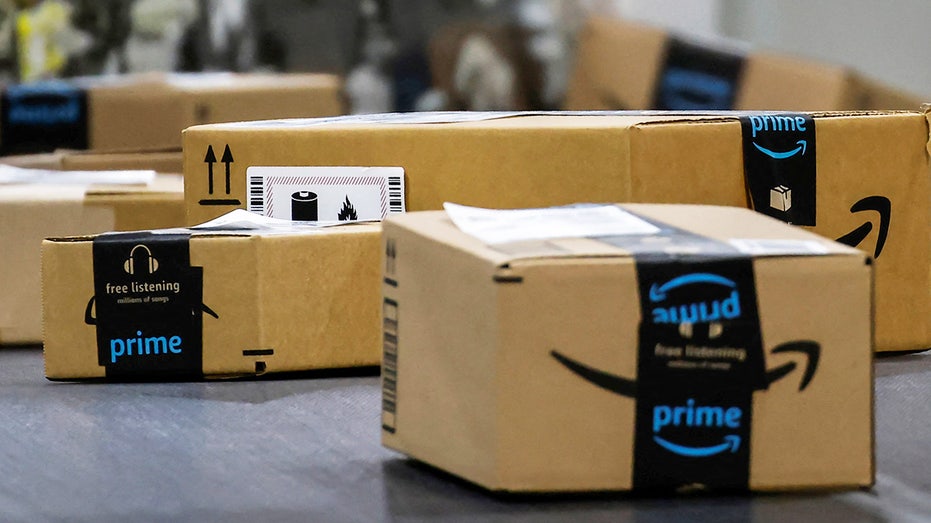
amazon packages at a warehouse in new jersey

The chargers were sold at the Casely website, Amazon and other online retailers from March 2022 through September 2024. (REUTERS/Eduardo Munoz / Reuters)

GET FOX BUSINESS ON THE GO BY CLICKING HERE

The power banks should not be thrown away in the garbage since they pose a risk of fire, the commission warned. Consumers are instructed to contact local household hazardous waste collection centers for disposal guidance.

Advertisement
Continue Reading

Business

Asia stocks rise as tech gains offset US-Iran tensions; China keeps LPR steady

Published

on


Asia stocks rise as tech gains offset US-Iran tensions; China keeps LPR steady

Continue Reading

Business

Economic, Geopolitical, and Technological Pressures

Published

on

Steering Through 2026's Contrasting Fortunes

Southeast Asia faces a complex web of interconnected risks, from economic downturns and job scarcity to geopolitical rivalries and the disruptive force of AI. The region’s diverse economies, from wealthy Singapore to poorer Myanmar, experience these challenges unevenly, forcing nations to balance immediate stability with long-term strategic autonomy.

Key Details

  • Economic growth is uneven: While Singapore thrives, countries like Myanmar, Laos, and Brunei struggle with debt, inflation, and joblessness; even wealthy Singapore faces cost-of-living pressures.
  • Geopolitical tensions are acute: ASEAN nations, heavily reliant on China for trade, are squeezed by U.S. tariffs (e.g., 46% on Vietnamese exports) and legal uncertainty after the 2026 U.S. Supreme Court ruling, forcing ad-hoc bilateral deals.
  • AI adoption is accelerating but unequal: Major investments in Indonesia, Malaysia, and Vietnam contrast with low SME adoption (15% in Singapore); energy-intensive data centers risk massive emissions spikes (e.g., 7x in Malaysia by 2030).
  • Risks reinforce each other: Trade shocks fuel inflation and unemployment; AI gains may widen inequality; supply chain shifts expose cybersecurity gaps; domestic politics limit fiscal flexibility.

While AI adoption promises growth, uneven implementation, energy constraints, and workforce displacement could exacerbate inequalities. Governments and businesses must adopt integrated, adaptive strategies, acknowledging that economic, geopolitical, and technological pressures are converging, demanding a coordinated, forward-looking response to navigate this volatile landscape.

There is growth but it’s not reaching everyone

Economic growth is a case in point. In the survey, the top three perceived risks in the region are economic downturn, lack of jobs or economic opportunity and inflation, reflecting a shared anxiety about how individuals will experience growth. The signs of stress are already visible.

In Thailand, growth forecasts have been revised downward due to trade uncertainty and high household debt. Meanwhile, Brunei is still trying to reduce its reliance on oil and gas, and Lao PDR faces serious debt pressures that limit room to manoeuvre.

Advertisement

Meanwhile, ageing demographics in Malaysia and Viet Nam are outpacing economic development, a challenge requiring different investments in productivity and skills.

AI Surge in the Region Sparks Opportunities Amid Growing Divides

Southeast Asian executives rank the risks from artificial intelligence (AI) adversely at fourth regionally, compared to 10th globally. There is also relatively higher concern about online harms and the risks posed by frontier technologies more broadly.

AI-driven growth initiatives are gaining momentum across the region. For instance, Microsoft has unveiled significant cloud and AI investment programs in Indonesia and Malaysia.

Qualcomm has launched an AI research and development center in Viet Nam. Meanwhile, Singapore’s Green Data Centre Roadmap positions computing capacity as a strategic national infrastructure, akin to how previous generations prioritized highways and ports.

Advertisement

Source link

Continue Reading

Business

Factbox-From airlines to banks: Australian, New Zealand firms feel heat of Gulf crisis

Published

on

Factbox-From airlines to banks: Australian, New Zealand firms feel heat of Gulf crisis


Factbox-From airlines to banks: Australian, New Zealand firms feel heat of Gulf crisis

Continue Reading

Business

Austal delivers final guardian boat to Maldives

Published

on

Austal delivers final guardian boat to Maldives

WA shipbuilding giant Austal has officially concluded one of the largest naval programs in the state’s history, delivering the final Guardian-class patrol boat.

Continue Reading

Trending

Copyright © 2025