
Business
War in Iran highlights poor quality of Chinese air defense system

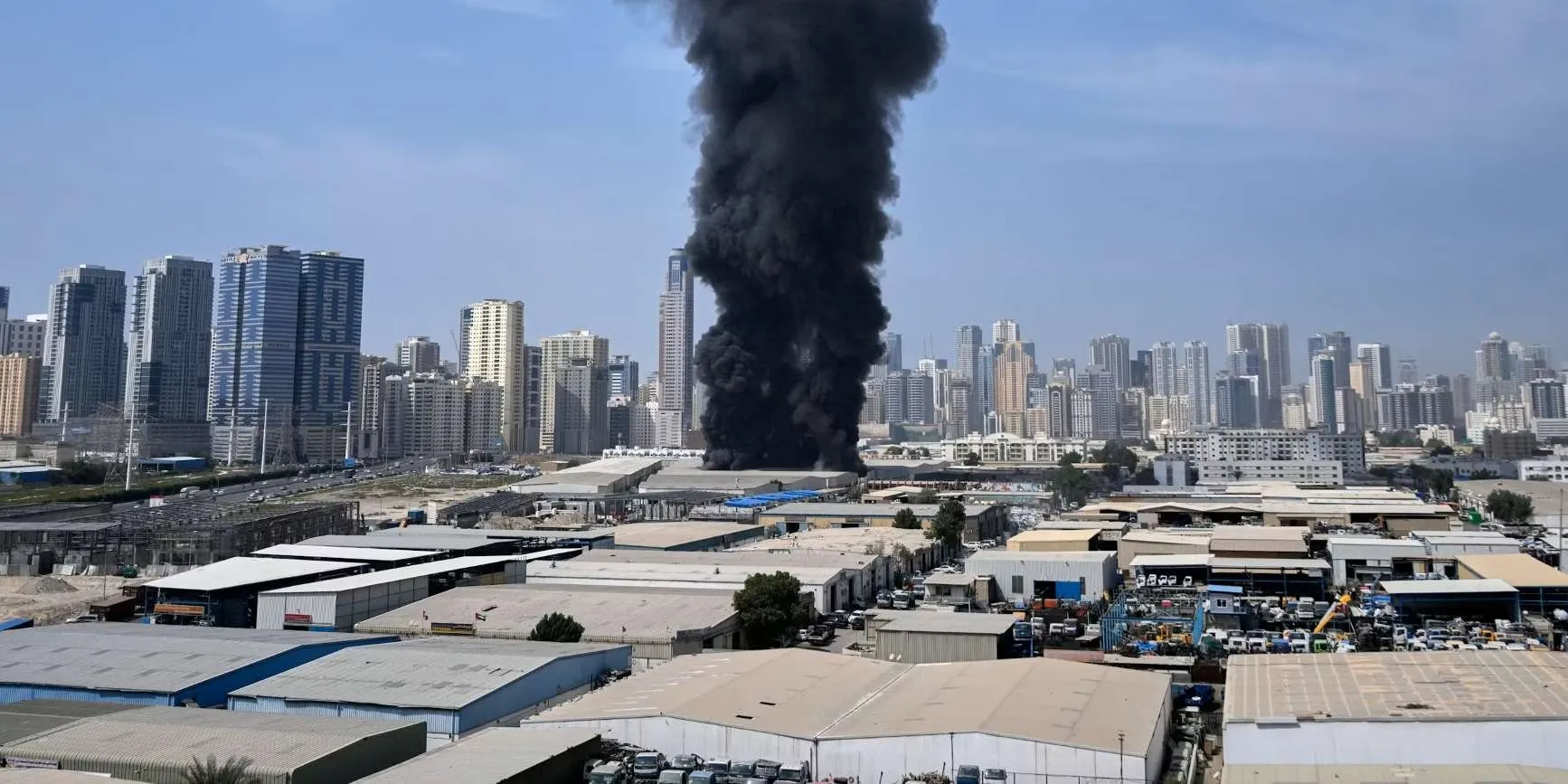
The recent military conflict in Iran has exposed significant operational failures in Chinese-made weaponry, highlighting a substantial technological gap between Beijing’s military hardware and Western systems.
Despite China’s claims of high-tech parity, its air defense networks, radar systems, and satellite navigation tools proved unable to detect or intercept precision strikes by U.S. and Israeli forces. This failure has resulted in reputational damage to China’s burgeoning military-industrial complex and may cause Chinese leadership to reconsider the feasibility of a military invasion of Taiwan given the demonstrated superiority of Western electronic and stealth warfare.
Key Points
- Chinese air defense systems, specifically the HQ-9B surface-to-air missiles and YLC-8B mobile radars, failed to detect or stop the Israeli-American “decapitation operation” in Tehran that killed Supreme Leader Ali Khamenei and other high-ranking officials.
- The conflict demonstrated that Western stealth aircraft and precision-guided munitions could operate with near impunity against integrated defense networks that Beijing previously claimed could intercept F-22 and F-35 fighters.
- Similar failures of Chinese military equipment have been documented in other regions, including the JY-27 radar’s inability to detect U.S. operations in Venezuela and the HQ-9B’s poor performance during conflicts between Pakistan and India.
- Experts suggest that China lags nearly a decade behind the United States in advanced military technologies, particularly in electronic warfare, cyber integration, and complex joint-service operations.
This situation poses a major setback for Beijing, potentially resulting in the loss of multi-billion dollar arms contracts and damaging its status as a leading global arms exporter. Furthermore, the conflict provides a strategic warning regarding a potential confrontation over Taiwan, suggesting that China’s current arsenal may lack the reliability required to withstand high-intensity American military intervention.
Chinese weaponry falls short compared to U.S. military advancements.
China, the world’s third-largest arms exporter, trailing only the United States and France, frequently highlights the superior qualities of its weapons and radar detection systems, offered at significantly lower prices than their Western counterparts. However, in recent months, these systems appear to have been consistently outperformed by American weaponry.
The Chinese-manufactured HQ-9B long-range surface-to-air missile, utilized by Iran and touted by Beijing as being on par with the American Patriot missile in effectiveness, also fell short of expectations. According to China, these missiles, boasting a range of 250 kilometers, are equipped with advanced active radar guidance and infrared sensors designed to intercept stealth aircraft, even in the face of electronic warfare. However, they seemed ineffective, as neither the Israeli nor the American air forces reported any losses.
Exercise caution to avoid jumping to conclusions.
Dennis Wilder, a Georgetown University professor, stated on March 2nd that the U.S. and Israel excel in electronic and cyber warfare, intelligence, and military integration. He believes China lags a decade behind in advanced military technologies.
However, some analysts caution against rushing to conclusions regarding the effectiveness of the latest generation of Chinese-made weapons, emphasizing that the “export versions” of these systems—offered by China at significantly lower prices than their Western counterparts—are often inferior to those used by the Chinese military, as China reserves its most advanced technologies for its own armed forces.
export version ” of the weapon systems delivered by China at prices significantly lower than Western equivalents is most often degraded compared to that of the Chinese army because China reserves its best technologies for its own army.
Other People are Reading

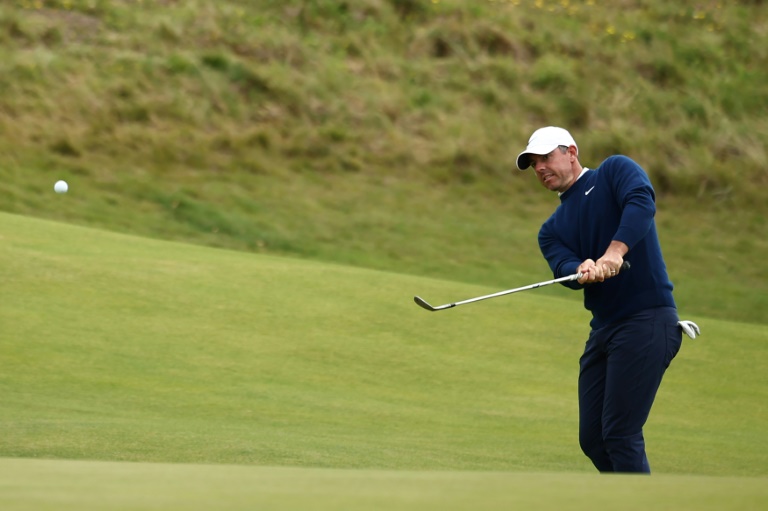
AUGUSTA, Ga. — Golf fans seeking to watch the final round of the 2026 Masters Tournament on Sunday, April 12, have multiple viewing options ranging from free official streams to traditional television broadcasts and premium streaming services, with comprehensive digital coverage available directly from Augusta National Golf Club.
AFP
The 90th Masters reaches its climax today with leaders teeing off in the final groups around 2 p.m. ET. CBS will air the primary broadcast from 2-7 p.m. ET, simulcast on Paramount+ for streaming viewers. Early final-round coverage begins at noon on Paramount+ and Masters.com/Masters App, providing extensive supplemental streams that have become a hallmark of the tournament.
The official Masters.com website and Masters App offer the most extensive free access for U.S. viewers. Full live coverage runs from noon-7 p.m. ET on Sunday, including simulcasts of the main broadcast, featured groups, Amen Corner, Holes 4-5-6, Holes 15-16, and “On the Range” segments. This free digital platform delivers more cameras and angles than traditional TV, allowing fans to customize their viewing experience by following specific players or iconic holes.
For those without cable, Paramount+ serves as the go-to streaming service for the CBS portion of the weekend rounds. Subscribers can access the main broadcast from 2-7 p.m. ET, with early coverage starting at noon. Paramount+ also carries additional Masters Live channels, making it a strong all-in-one option for comprehensive viewing.
Amazon Prime Video handled early-round coverage earlier in the week (1-3 p.m. ET on Thursday and Friday), while ESPN broadcast the bulk of the first two rounds (3-7:30 p.m. ET) and provided app-based access. On Sunday, ESPN’s role is limited to Spanish-language coverage on ESPN Deportes from 5-7 p.m. ET.
Live From the Masters pre- and post-round shows air on Golf Channel throughout the day, offering analysis and behind-the-scenes insights. SiriusXM provides radio coverage from 2-8 p.m. ET for audio-only fans.
International viewers should check the official Masters “Where to Watch” page, which lists local broadcast partners by country. Rights vary widely — Sky Sports in the UK, Fox Sports in Australia, and various providers across Europe, Asia and Latin America. Many international streams are available through local apps or websites, often with their own supplemental coverage.
Cord-cutters have several live TV streaming options that carry the necessary channels. Services like YouTube TV, Hulu + Live TV, Fubo and DirecTV Stream typically include CBS, ESPN and Golf Channel, allowing full access to the broadcast schedule. Many offer free trials, though availability depends on location and current promotions.
The Masters has expanded its digital footprint significantly in recent years. In addition to the main site and app, fans can access featured group streams, hole-specific cameras and player tracking tools. This multi-platform approach gives viewers more control than almost any other major sporting event, letting them switch between Amen Corner drama and individual player pursuits.
Weather and course conditions at Augusta National often add drama to the final round, with fast greens and tricky pin placements testing even the best players. Live streams on Masters.com allow real-time shot tracking and statistics that enhance the viewing experience beyond what linear TV provides.
For mobile users, the Masters App (available on iOS and Android) delivers optimized streams, notifications for key moments and the ability to build custom viewing playlists. CBS Sports Digital platforms, including the CBS Sports app, also carry supplemental coverage.
Blackout restrictions are minimal for the official Masters streams, though some supplemental content may vary by platform. International users outside their home broadcast territories may need a VPN to access geo-restricted free streams on Masters.com, though this depends on local rights agreements.
The tournament’s unique no-commercials-during-play policy on its digital platforms creates a cleaner viewing experience compared to many other sports broadcasts. This commercial-free approach, combined with high production values, has made the Masters one of the most viewer-friendly major championships.
As the final round progresses, expect leaderboards to update in real time across all platforms. Contenders will battle Augusta National’s demanding layout, where past champions and rising stars alike have produced memorable moments under pressure.
Fans planning to watch should ensure their devices and internet connections are ready for high-definition streaming, particularly if following multiple camera feeds simultaneously. Official apps often perform better than browser-based viewing for multi-stream experiences.
The 2026 Masters has drawn strong viewership throughout the week, building anticipation for a dramatic conclusion. Whether tuning in for free on Masters.com, subscribing to Paramount+ for the CBS broadcast, or using a live TV streamer, viewers have more ways than ever to experience golf’s first major of the year.
For the most complete coverage, starting with the official Masters website or app remains the recommended first step. There, fans can explore all available streams and build their ideal viewing setup as the final groups navigate the back nine in pursuit of the green jacket.
Additional resources, including tee times, player pairings and scoring, are also available on Masters.com and major sports sites throughout the day.
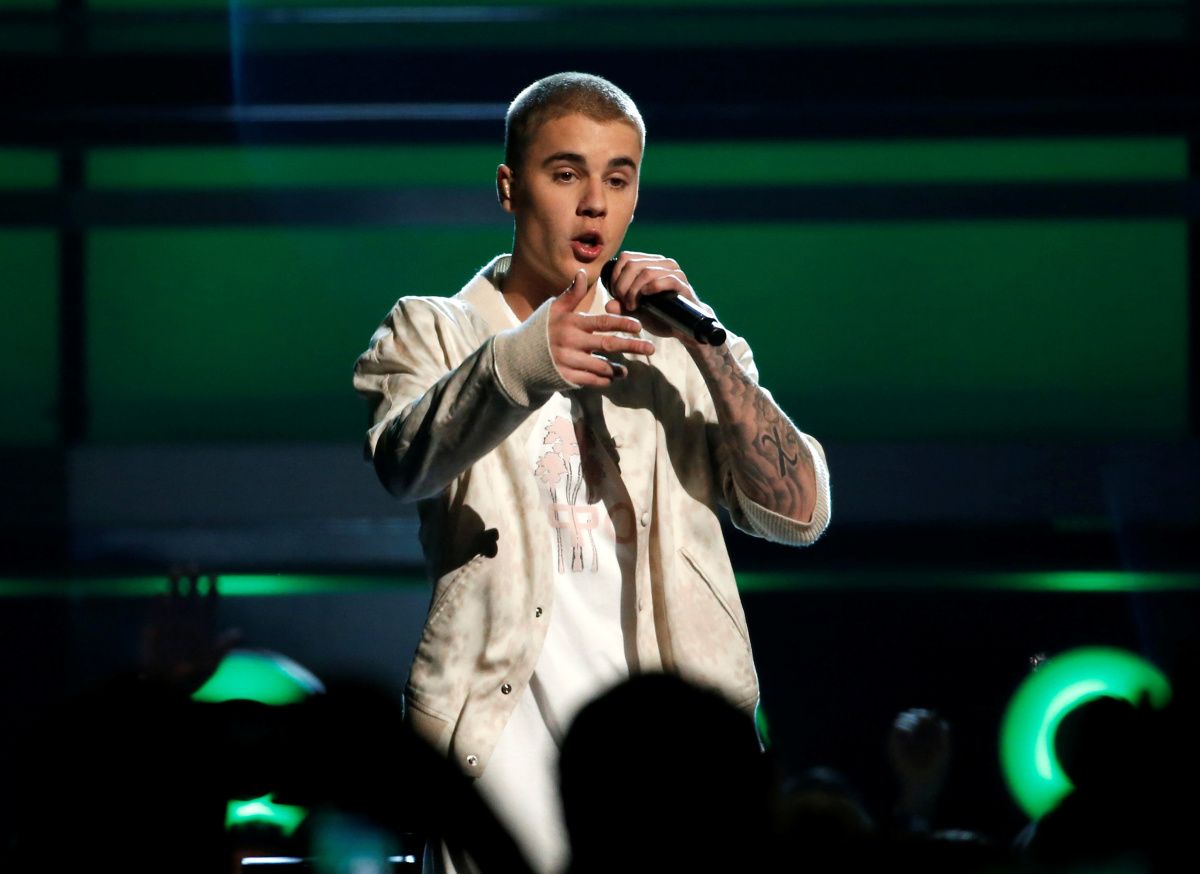
INDIO, Calif. — Justin Bieber made his long-awaited Coachella headlining debut Saturday night with a deliberately low-key, introspective performance that left the massive desert crowd and online viewers sharply divided — thrilling core Beliebers with raw vocal moments and newer material while frustrating many casual fans who expected high-energy hits and festival-scale production.

The 32-year-old pop superstar took the main Coachella Stage at 11:25 p.m. following sets by The Strokes and Giveon, marking his first billed headline appearance at the festival after years of limited live shows due to health issues, including Ramsay Hunt syndrome that sidelined his 2022 Justice World Tour. Billed as a major comeback moment, Bieber’s roughly 90-minute set leaned heavily into mid-tempo tracks and ballads from his recent “Swag” and “Swag II” albums, performed with minimal staging that left him largely alone on the expansive platform for long stretches.
Reviewers described the production as basic and sparse — no elaborate visuals, dancers or pyrotechnics — contrasting sharply with Sabrina Carpenter’s theatrical “Sabrinawood” spectacle the previous night. Bieber opened with a run of newer songs, including “First Place,” “All the Way” and other cuts from the “Swag” projects, showcasing strong vocals but testing the patience of a festival audience primed for sing-alongs and spectacle. A mid-set acoustic segment with guest guitarists led to noticeable crowd movement, with some attendees heading for exits during deeper cuts.
Guest appearances provided highlights: The Kid Laroi joined for an energetic “Stay,” while Dijon, Wizkid and Mk.gee added variety in later segments. These moments injected life into the set, yet many observers noted the overall energy felt subdued for a headlining slot at one of music’s biggest stages. Clips circulating online captured Bieber pulling up his own music videos on a device for throwback segments, singing along to classics like “Baby” in what some called an intimate, nostalgic touch and others labeled “YouTube karaoke” or lazy.
Rolling Stone called the performance a “mixed bag” that satiated dedicated fans but fell short of expectations for a high-impact festival set. The review noted it was far from a disaster like Frank Ocean’s 2023 headline meltdown but felt too basic to justify the hype surrounding Bieber’s return. Social media reactions were equally split: Beliebers praised the authenticity, vocal control and personal vibe after Bieber’s focus on family and mental health in recent years, with some TikTok users describing it as “raw and intimate” and “exactly what I needed.”
Critics and casual attendees were less forgiving. Many pointed to the heavy emphasis on newer, less familiar material and the lack of production as mismatched for Coachella’s party atmosphere. Memes and comments flooded platforms questioning the reported multimillion-dollar booking fee — rumored around $10 million — with some accusing Bieber of minimal effort. One viral post quipped, “Not Justin scamming Coachella out of $10 million to play songs off YouTube.” The audience appeared quieter than expected for a headliner, with energy dipping during slower stretches despite the massive turnout drawn by Bieber’s star power.
The setlist leaned into Bieber’s evolution as an artist, prioritizing mood and introspection over nostalgia. While some throwbacks appeared later, often via video-assisted segments, the balance tilted toward recent releases. This choice aligned with Bieber’s current creative direction but clashed with festival expectations for crowd-pleasing hits. Sound quality drew mixed feedback, with some on-site reports noting it didn’t always translate powerfully in the open desert air.
Despite the criticism, Bieber broke Coachella-related records in pre-show buzz and attendance metrics, underscoring his enduring global draw. Beliebers traveled from around the world, camping early and creating a sea of phones during key moments. The performance capped a day that also featured strong supporting acts, yet comparisons to Carpenter’s ambitious Friday set amplified the divide. Where Carpenter delivered cinematic production and celebrity cameos, Bieber opted for something closer to a stripped-down club or arena show transplanted to the main stage.
Industry analysts noted the high stakes for Bieber, whose last major U.S. headline run was years ago. The Coachella booking was viewed as a statement return, especially after soundcheck leaks and private rehearsals hinted at a blend of old and new. In the end, the executed approach prioritized artistic integrity over spectacle, a gamble that resonated deeply with some while alienating others in the broad festival crowd.
Social media amplified the discourse throughout the night and into Sunday. Hashtags like #Bieberchella trended with a mix of defense and disappointment. Defenders emphasized Bieber’s vocal strength post-health challenges and argued the intimate format reflected growth beyond polished pop routines. Detractors questioned whether it met the standards of a Coachella headliner in the viral era, where production value and memorable moments often define success.
As the first weekend of Coachella 2026 unfolded, Bieber’s set quickly became one of its most discussed elements alongside Carpenter’s triumph and anticipation for Karol G’s historic Sunday close. The contrast highlighted different approaches to festival headlining: one embracing theatrical entertainment, the other leaning into personal authenticity.
Bieber has yet to address the mixed reception publicly as the festival continues with its second weekend April 17-19, where he is scheduled to perform again. Whether adjustments occur remains unclear, but the debut has already sparked broader conversations about expectations for superstar performances, the balance between artistic vision and audience demands, and how social media shapes perceptions in real time.
For many longtime fans, the show delivered nostalgic glimpses and confirmation of Bieber’s talent amid his post-hiatus evolution. The lighter, mood-driven presentation may translate better in replay or smaller venues, even if it felt mismatched for the desert’s grand scale. Yet the vocal disappointment from segments of the crowd underscored the pressure on modern headliners to deliver both substance and spectacle.
Coachella’s 25th edition continues to blend big names with eclectic programming, and Bieber’s polarizing performance has added fuel to ongoing debates about what constitutes a successful headline set under the desert lights. As reviews and clips circulate, the set stands as a testament to Bieber’s willingness to prioritize his current artistic self over easy crowd-pleasers — a choice that may define how his comeback is remembered.
Whether viewed as a bold reclamation or a missed opportunity, Justin Bieber’s Coachella 2026 debut has undeniably left its mark, generating the kind of conversation that festivals thrive on long after the final chords fade.
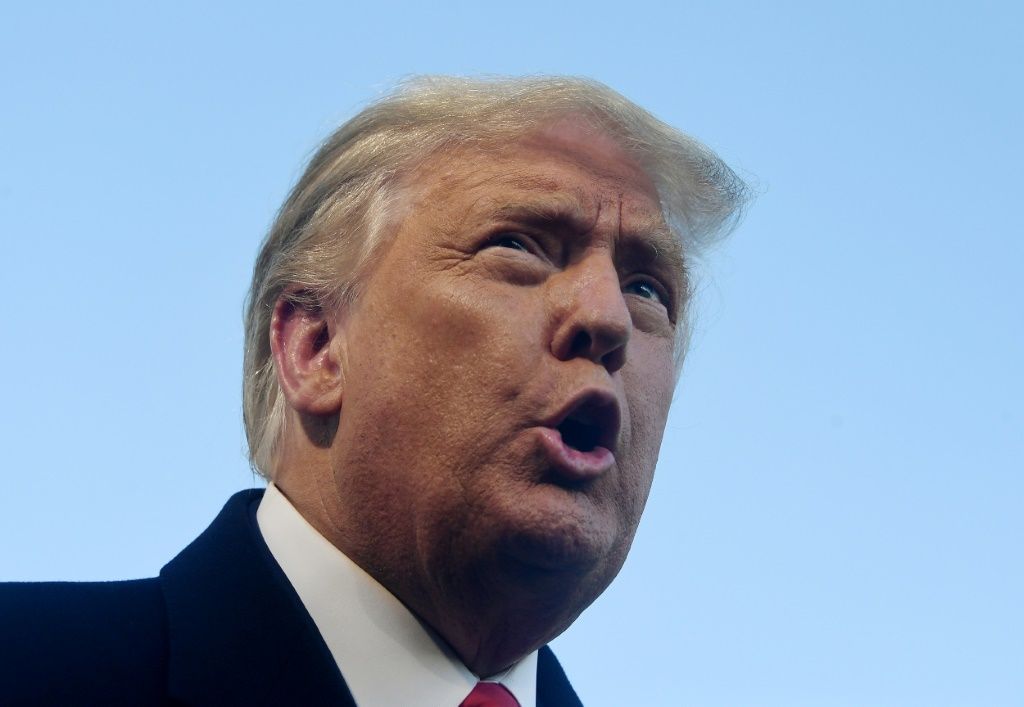
WASHINGTON — President Donald Trump announced Sunday that the U.S. Navy will immediately begin blockading the Strait of Hormuz after marathon peace talks with Iran in Islamabad ended without a deal, escalating tensions in a conflict that has already disrupted nearly one-fifth of global oil supplies for more than six weeks.

In a series of Truth Social posts and a Fox News interview, Trump declared the blockade “effective immediately,” instructing U.S. forces to prevent any ships from entering or leaving the critical waterway and to interdict vessels in international waters that paid tolls to Iran. He accused Tehran of “world extortion” and warned that the U.S. military is “locked and loaded” and prepared to “finish up the little that is left of Iran” at an appropriate moment.
The announcement came hours after Vice President JD Vance, who led the U.S. delegation, confirmed that 21 hours of face-to-face negotiations with Iranian officials produced no agreement and no scheduled follow-up sessions. Pakistani mediators urged both sides to preserve the fragile two-week ceasefire that began April 8, but disagreements over Iran’s nuclear program, regional proxies and control of the strait appear to have deadlocked the talks.
The Strait of Hormuz, a narrow chokepoint between Iran and Oman, normally carries about 20% of the world’s seaborne crude oil and significant liquefied natural gas. Iran effectively restricted most commercial traffic after U.S. and Israeli strikes began in late February, laying naval mines and warning of attacks on unauthorized vessels. Ship-tracking data shows traffic at well below 10% of normal levels, with hundreds of tankers stranded inside the Persian Gulf and only a handful of mostly Iran-linked ships transiting daily.
Trump’s blockade threat adds a new layer of complexity to an already paralyzed waterway. U.S. Central Command reported that two Navy guided-missile destroyers recently transited the strait as part of mine-clearing efforts, though Iran claimed the vessels retreated after warnings. Pentagon officials have said Iran may have lost track of some mines laid haphazardly during the fighting, raising safety risks even for limited traffic.
International reaction was swift and largely critical. Analysts described the move as potentially illegal under international law and warned it could trigger a wider regional war or severe economic shock. Oil prices, which eased slightly on initial ceasefire news, climbed again amid fears of prolonged disruption. Asian importers such as China, Japan and South Korea — heavily dependent on Gulf energy — face higher costs and possible shortages.
Iran responded sharply, with officials calling the crisis a “self-made problem” for the United States and asserting that no one can “close a closed strait.” Tehran has maintained that passage is possible only under its military coordination and, in some reports, with payment of transit fees that Trump labeled extortion. Iranian media suggested any U.S. blockade would worsen global disruptions without resolving underlying issues.
The conflict erupted in late February when U.S. and Israeli forces launched strikes targeting Iranian nuclear sites, missile facilities and military infrastructure. Iran retaliated by restricting the strait and launching attacks on regional targets. A fragile ceasefire took hold earlier this month after Trump set a deadline tied to reopening the waterway, but ongoing Israeli actions in Lebanon and disputes over sanctions relief and nuclear dismantlement have strained the pause.
U.S. officials claim the earlier strikes severely degraded Iran’s capabilities, destroying much of its navy, missile production and air defenses. Iran insists it retains the ability to defend its territorial waters and influence shipping through asymmetric means, including fast boats and coastal defenses.
Global shipping companies remain cautious. Major carriers have rerouted vessels or kept them idling, citing skyrocketing war-risk insurance and unresolved mine threats. Environmental groups raised concerns about potential spills or drifting mines affecting fishing grounds and coastal ecosystems in Oman and the United Arab Emirates.
In Congress, reactions split along partisan lines. Some Republicans supported strong action to counter Iranian aggression, while Democrats questioned whether the president has sufficient authorization for a blockade without congressional approval. Sen. Mark Warner, ranking Democrat on the Senate Intelligence Committee, said he would review any supplemental funding request for the conflict but emphasized the need for clear legal grounding.
Maritime experts note that implementing a full blockade would require significant naval resources and coordination with allies, many of whom have urged de-escalation. Former officials, including some who served in previous administrations, called the move risky but potentially necessary to reassert freedom of navigation if Iran continues restricting traffic.
As of Sunday evening, no immediate naval movements confirming the start of a physical blockade were reported beyond existing U.S. presence in the region. Trump indicated in his Fox interview that full implementation would take “a little while,” suggesting a phased approach focused first on intercepting toll-paying vessels.
The collapse of talks in Islamabad leaves the two-week ceasefire on shaky ground, with its expiration approaching on April 22. Neither side outlined next steps, though Pakistani officials expressed hope that back-channel diplomacy could resume.
For global markets and energy security, the stakes are enormous. A prolonged closure or active blockade of the strait could push oil prices well above $100 per barrel and disrupt fertilizer and chemical shipments critical for agriculture. Alternative routes around Africa add time and cost, straining supply chains already under pressure.
The situation also tests alliances. Gulf states, caught between Iran and the U.S., have called for unconditional reopening to stabilize energy markets. European and Asian governments have quietly urged restraint while preparing contingency plans for energy shortfalls.
Trump’s announcement underscores his administration’s hard-line stance: the strait must open fully and safely without Iran profiting or imposing conditions. Iran, meanwhile, views the waterway as sovereign territory where it can enforce security and seek compensation for damages from the conflict.
As night fell in the region, shipping data showed continued minimal activity. Live trackers indicated sparse movements, mostly outbound Iranian vessels, with commercial operators holding position outside the area.
The coming days will test whether Trump’s blockade threat prompts Iran to ease restrictions or leads to further confrontation. U.S. forces in the Gulf remain on high alert, while diplomatic channels through third parties like Pakistan and Oman may offer the only path back from escalation.
For now, the world’s most vital energy artery remains a flashpoint where military posturing, economic pressure and failed negotiations collide, with global consequences hanging in the balance.
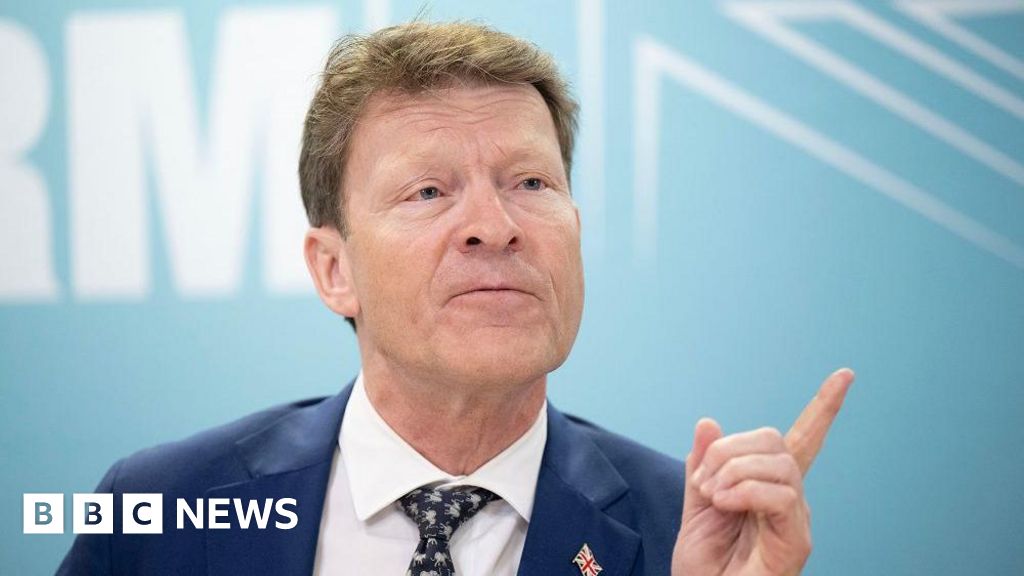
At a press conference in Westminster, Tice said Quidnet Reit Ltd was “a UK company paying UK tax in accordance with UK laws”, adding there was no “obligation” to pay the maximum tax required and suggested few people would likely take such a decision.
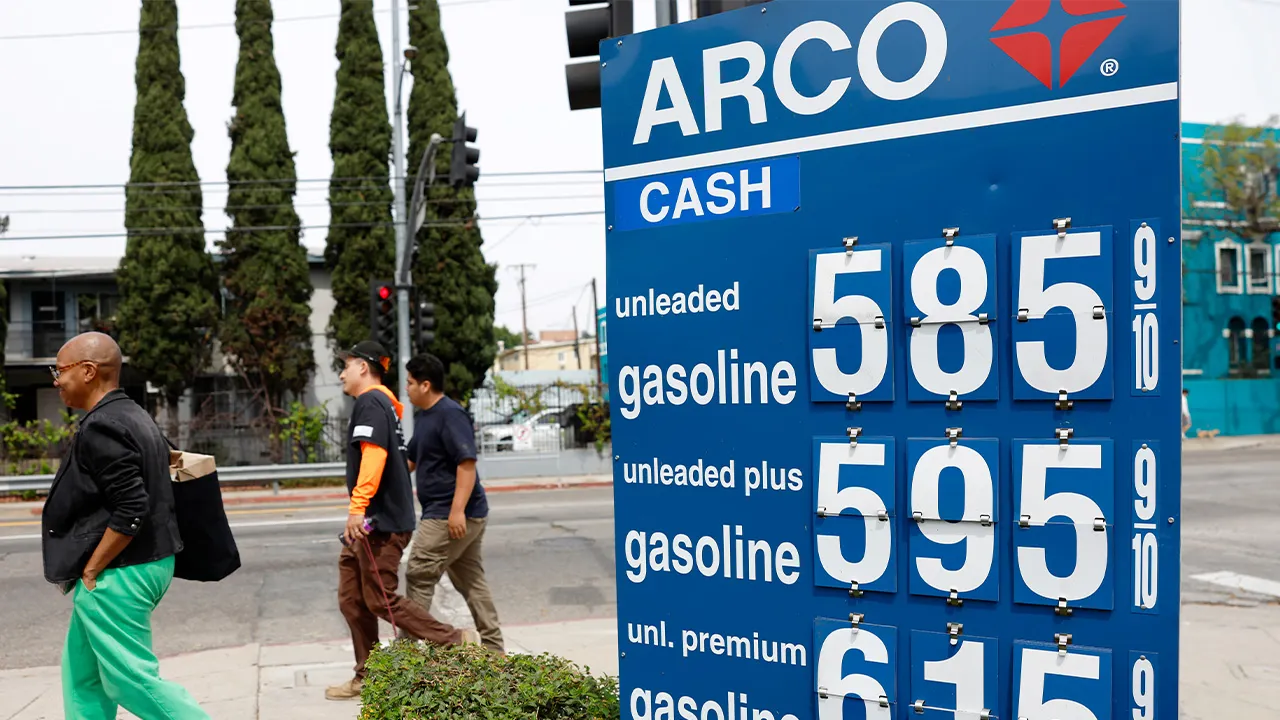
‘The Big Money Show’ discusses the U.S.-Iran ceasefire and energy prices as President Donald Trump warns Iran ahead of key negotiations.
The U.S. Oil & Gas Association (USOGA) fired back at Rep. Ro Khanna, D-Calif., on Saturday night, rebuking narratives from Democrats in the deep blue state about gas prices, which include high state taxes.
“High gas prices in your district aren’t ‘Trump’s war’ — they’re Sacramento’s doing,” the X account run by USOGA President Tim Stewart wrote in a direct response to Khanna.
“California drivers pay nearly double the national average in state taxes, plus cap-and-trade, Low Carbon Fuel Standard, unique reformulated gasoline, refinery limits, and geographic isolation that blocks cheap imports,” he added. “That adds $1.00–$1.78+ over the U.S. average.”
Khanna was attempting to blame Trump for Saturday’s gas prices near his congressional office.
NEWSOM KNOCKED FOR ‘INSANE’ CALIFORNIA GAS PRICES AFTER BLAMING TRUMP FOR RISING COSTS
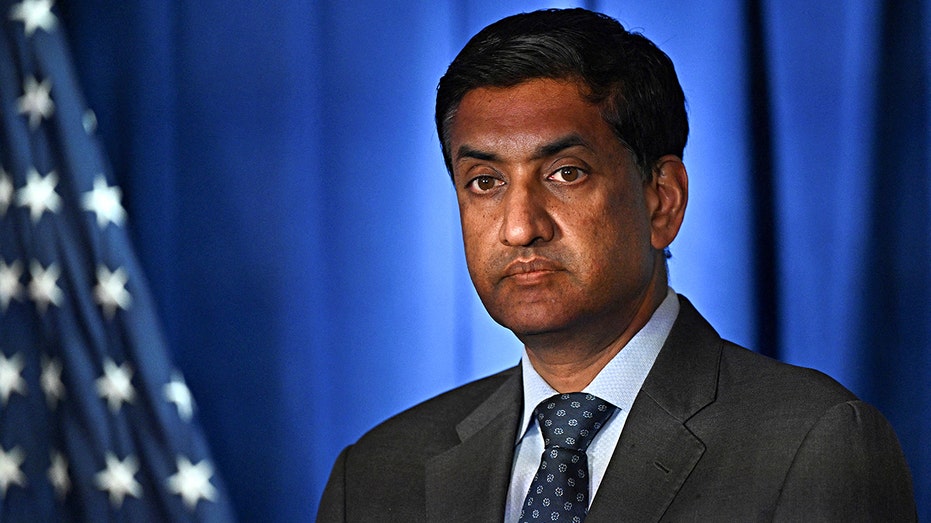
Rep. Ro Khanna is blaming President Donald Trump for rising gas prices, but he wants to tax the oil higher, something the U.S. Gas & Oil Association says historically fails to lower costs on consumers. (Pedro Pardo/AFP via Getty Images)
“Trump’s immoral and reckless war in Iran has shot up gas prices in my district to nearly $6 a gallon,” Khanna wrote in a Saturday X post, sharing a video of him standing in front of a gas station price menu in his Santa Clara, California, district, blaming the “illegal and immoral war in Iran.”
“Stop the war, stop exporting our crude oil, and pass my windfall profits tax on Big Oil to give Americans a rebate for their gas bills,” he said.
OIL CEO URGES NEWSOM TO DO THE ‘MATH’ AS CALIFORNIA GOVERNOR VOWS TO STOP OFFSHORE DRILLING
Stewart’s X post also rejected Khanna’s calls for a further “windfall profits tax on Big Oil,” saying history should be the guide and arguing windfall profits tax policies historically backfire.
“They don’t work,” the post read. “While you don’t call it a windfall profits tax, California recently passed one and called it a ‘wealth tax’ now you see high net worth individuals fleeing your state. History proves it backfires.”
In the post, USOGA cited the 1980 federal windfall profits tax reduced domestic production, increased imports and generated less revenue than expected before its repeal.
California gubernatorial candidate Steve Hilton has the latest on the rising prices on ‘The Bottom Line.’
GAS PRICES SURGE, PINCHING AMERICANS AND HANDING THE GOP A NEW MIDTERM HEADACHE
“Your proposed windfall profits tax will do nothing to bring relief to your overtaxed and underappreciated constituents,” he continued. “Instead – suspend those state-level taxes first and bring California prices in line with the national average. Put your state bureaucracy on a diet. They could stand to shed a few pounds. Encourage California domestic oil and gas production and expand your refinery capacity instead of shutting it down. Stand up to your Governor. You know he is wrong and you can be on the right side of things.”
Khanna recently reintroduced the Big Oil Windfall Profits Tax Act, framing it as consumer relief.
OIL, GAS PRICES JUMP AS TRUMP FLIRTS WITH STRIKING IRANIAN OIL INFRASTRUCTURE
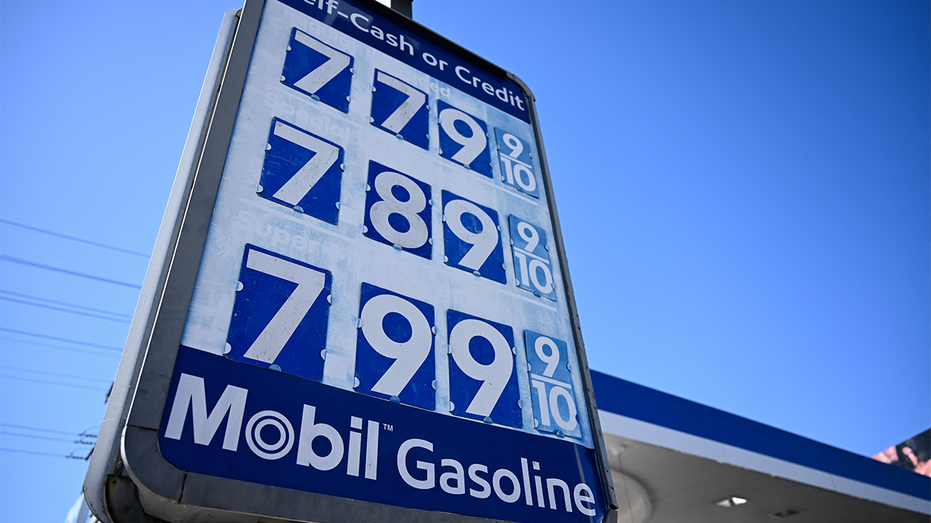
A sign shows gasoline prices approaching $8 a gallon at a Mobil station in Los Angeles on Oct. 5, 2023, under President Joe Biden. (Patrick T. Fallon/AFP via Getty Images)
“Your repeated sponsorship of a new Big Oil Windfall Profits Tax Act would repeat the exact same mistake — shrinking U.S. output and raising costs,” USOGA’s post added.
TRUMP SAYS US ‘OBLITERATED’ TARGETS IN STRIKE ON KEY IRANIAN OIL HUB
Harris Financial Group managing partner Jamie Cox joins ‘Mornings with Maria’ to break down market resilience amid Iran tensions, oil supply uncertainty, and what the conflict could mean for inflation, interest rates and U.S. economic growth.
Stewart’s post concluded with a warning to end the war on oil and allow capitalism to bring costs down for consumers.
Tortoise Capital senior portfolio manager Brian Kessens explains why he is bullish on energy despite its volatility on ‘The Claman Countdown.’
“Please stop shifting blame to ‘Trump’s war’ or federal policy while California’s own choices keep your constituents paying the highest pump prices in America,” the post finished. “Real relief comes from more American supply + streamlined permitting, not recycled 1980s taxes or more restrictions. Energy abundance, not rhetoric, lowers prices and bolsters U.S. and allied security.”
GET FOX BUSINESS ON THE GO BY CLICKING HERE
Energy Secretary Chris Wright also weighed in on the battle for lower gas prices in the high-tax states.
“President Trump got elected on an energy dominance agenda, and he got elected to represent 342 million Americans, every American in every state — including in California,” Wright wrote on X. “We don’t care what state you’re from; we want every citizen to have access to affordable energy.”

UnitedHealth: Trust Is Broken – But The Model Isn't

A top-down equity investor with a focus on fundamental analysis and macroeconomics. I aim to identify undervalued companies by diving deep into financial statements, industry dynamics and broader economic factors. With a particular focus on the banking and financials sectors, I aim to discover opportunities others might overlook by integrating detailed financial analysis with a strategic view of the economic landscape. Eager to engage with like-minded investors and share valuable insights in the pursuit of long-term financial success.
Analyst’s Disclosure: I/we have no stock, option or similar derivative position in any of the companies mentioned, and no plans to initiate any such positions within the next 72 hours. I wrote this article myself, and it expresses my own opinions. I am not receiving compensation for it (other than from Seeking Alpha). I have no business relationship with any company whose stock is mentioned in this article.
Seeking Alpha’s Disclosure: Past performance is no guarantee of future results. No recommendation or advice is being given as to whether any investment is suitable for a particular investor. Any views or opinions expressed above may not reflect those of Seeking Alpha as a whole. Seeking Alpha is not a licensed securities dealer, broker or US investment adviser or investment bank. Our analysts are third party authors that include both professional investors and individual investors who may not be licensed or certified by any institute or regulatory body.


Rida Morwa is a former investment and commercial Banker, with over 35 years of experience. He has been advising individual and institutional clients on high-yield investment strategies since 1991. Rida Morwa leads the Investing Group High Dividend Opportunities where he teams up with some of Seeking Alpha’s top income investing analysts. The service focuses on sustainable income through a variety of high yield investments with a targeted safe +9% yield. Features include: model portfolio with buy/sell alerts, preferred and baby bond portfolios for more conservative investors, vibrant and active chat with access to the service’s leaders, dividend and portfolio trackers, and regular market updates. The service philosophy focuses on community, education, and the belief that nobody should invest alone. Learn More.
Analyst’s Disclosure: I/we have a beneficial long position in the shares of DX, AGNC PREFERREDS either through stock ownership, options, or other derivatives. I wrote this article myself, and it expresses my own opinions. I am not receiving compensation for it (other than from Seeking Alpha). I have no business relationship with any company whose stock is mentioned in this article.
Beyond Saving, Philip Mause, and Hidden Opportunities, all are supporting contributors for High Dividend Opportunities. Any recommendation posted in this article is not indefinite. We closely monitor all of our positions. We issue Buy and Sell alerts on our recommendations, which are exclusive to our members.
Seeking Alpha’s Disclosure: Past performance is no guarantee of future results. No recommendation or advice is being given as to whether any investment is suitable for a particular investor. Any views or opinions expressed above may not reflect those of Seeking Alpha as a whole. Seeking Alpha is not a licensed securities dealer, broker or US investment adviser or investment bank. Our analysts are third party authors that include both professional investors and individual investors who may not be licensed or certified by any institute or regulatory body.

Redwire: A Speculative Buy Upgrade In A Red-Hot Space Market
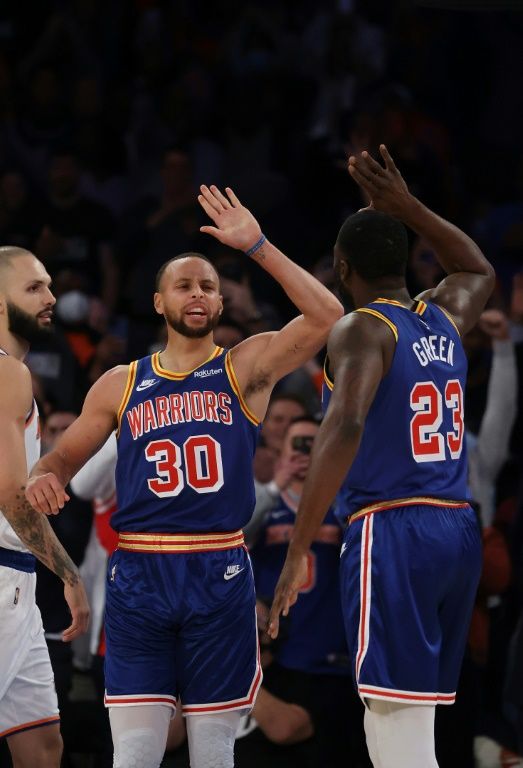
SAN FRANCISCO — Stephen Curry returned to the Golden State Warriors’ lineup earlier this month after missing more than two months with a nagging right knee injury, but the 37-year-old superstar is still navigating a careful ramp-up as the NBA regular season winds down and the play-in tournament approaches.

Curry, who last played on Jan. 30 before being sidelined by patellofemoral pain syndrome — commonly known as “runner’s knee” — and an associated bone bruise, made his season comeback April 5 against the Houston Rockets. In that game, he came off the bench and poured in 29 points, including five 3-pointers, in a 117-116 loss. It marked his first action in 27 consecutive games missed, during which the Warriors went 9-18 without their franchise face.
The four-time NBA champion has since appeared in just two games, with the team prioritizing his health over regular-season finales. He sat out Thursday night’s home contest against the Los Angeles Lakers due to knee injury management, resting as part of a back-to-back to avoid three games in four nights during his limited ramp-up. Coach Steve Kerr confirmed Curry would play Friday against the Sacramento Kings, describing him as “doing well” while acknowledging the need for caution.
“Steph’s doing well,” Kerr said before the Lakers game. “Just with the ramp-up, playing the last two games and three in four nights to end the season, it makes the most sense to give him tonight… he’ll be good to go Friday night.”
The decision reflects broader concerns for Golden State as it fights for positioning in the Western Conference play-in. With Curry’s availability critical to any postseason hopes, the Warriors are leaning on a veteran core that includes recent additions like Kristaps Porzingis and potentially Al Horford. Kerr expressed hope that all three could share the floor soon, though Porzingis and Horford have dealt with their own availability issues.
Curry has spoken openly about the grueling rehabilitation process. In recent comments, he described the knee as feeling “great” but noted the recovery took longer than expected.
“It’s been a long, long process, longer than I thought,” Curry said. “But I’m just happy to have a little clarity… there’s nothing structurally wrong with my knee, so it’s not like I’m in danger of anything long-term. Right now, I kind of understand what the new normal is and it’s good enough to play.”
The injury first surfaced in early February, forcing Curry to miss the 2026 NBA All-Star Game in Los Angeles. At the time, Kerr hoped for a return shortly after the break, but setbacks extended the absence into late March. By early April, Curry participated in full 5-on-5 scrimmages, signaling progress in the return-to-play protocol. He was re-evaluated over the weekend of April 4-5 and cleared for limited action against the Rockets.
Patellofemoral pain syndrome involves irritation around the kneecap, often exacerbated by repetitive stress — fitting for a player renowned for his deep shooting range and explosive movement. The bone bruise added complexity, requiring a conservative approach to prevent further damage. Warriors medical staff monitored Curry closely, incorporating live practices and scrimmages before greenlighting his return.
In his limited games back, Curry has shown flashes of his trademark brilliance, though minutes have been capped to manage workload. Teammates and fans erupted in cheers when he checked in against Houston, a testament to his enduring popularity and importance to the franchise.
The Warriors enter the final stretch in a precarious spot. Without Curry for much of the second half of the season, they slipped in the standings but secured a play-in berth. Now, the focus shifts to maximizing his availability for those high-stakes games. Draymond Green has voiced confidence that Curry won’t be shut down, emphasizing the star’s desire to compete regardless of how many regular-season contests remain.
“Steph wants to play, whether there is one regular-season game left or five,” Green said in late March.
Golden State’s supporting cast has stepped up in spots, but the offense clearly misses Curry’s gravity and playmaking. Opponents have dared others to beat them, leading to inconsistent results. With Curry back — even in a limited role — the dynamic changes, as defenses must account for his off-ball movement and long-range threat.
As of Sunday, April 12, reports indicated Curry was set to play in upcoming matchups, including potential contributions alongside Porzingis and Horford for the first time this season. Quinten Post was listed as out with a foot issue, while Draymond Green and others carried questionable tags for back-related concerns. The team continues to emphasize load management for its aging but talented roster.
Curry’s career has been defined by resilience and highlight-reel moments. A two-time MVP and eight-time All-Star, he revolutionized the game with his shooting and helped lead the Warriors to four championships. At 37, questions about longevity naturally arise, but he has repeatedly defied expectations.
This latest injury tested not just his body but the Warriors’ season trajectory. The team averaged competitive play without him but lacked the spark to dominate. His return, though measured, injects optimism heading into the postseason push.
Looking ahead, the priority remains clear: get Curry healthy and integrated for games that matter most. Kerr and the staff have calibrated minutes carefully, avoiding the temptation to rush him in front of home crowds for sentimental reasons. Thursday’s rest against the Lakers, for instance, ensured he wouldn’t face LeBron James in the regular season but preserved energy for Sacramento and beyond.
Fans and analysts alike watch closely. Social media buzzed with highlights from Curry’s 29-point outing, with many praising his quick adjustment despite the long layoff. His first game off the bench since 2012 added a novel element, yet the results spoke volumes.
For the Warriors, the path forward involves balancing short-term health with long-term contention. Curry has expressed understanding of his “new normal,” accepting that full explosiveness may take time while committing to contribute effectively.
NBA insiders note that similar knee issues have plagued players in the past, with recovery timelines varying based on individual response. Curry’s case benefited from no structural tears, allowing a focus on inflammation reduction and strengthening rather than surgical intervention.
As the regular season concludes, Golden State eyes the play-in with guarded hope. A healthy Curry dramatically improves their ceiling, potentially turning a first-round exit risk into a series threat. Teammates have rallied around him, with veterans providing leadership during his absence.
Curry himself remains philosophical. The exhaustive rehab — involving daily treatments, targeted exercises and mental preparation — reinforced his appreciation for the game. He aims not just to return but to peak when it counts, eyeing a deep playoff run if the knee cooperates.
The broader NBA landscape adds context. With stars across the league managing various ailments, load management has become standard, especially for players in their late 30s. Curry’s situation mirrors others, where teams weigh present performance against future availability.
Warriors ownership and front office have invested in depth, acquiring pieces like Porzingis to complement Curry and Green. The hope is a synergistic lineup that maximizes spacing and defense.
Friday’s game against the Kings offered another test. With Curry expected back, the Warriors sought rhythm and chemistry. Outcomes there, and in remaining contests, will shape seeding and momentum.
Ultimately, this injury saga underscores Curry’s centrality. The Warriors are a different team with him — more dynamic, more dangerous, more entertaining. His absence highlighted vulnerabilities; his presence reignites possibilities.
As April progresses toward the play-in, all eyes remain on No. 30. Stephen Curry’s latest update brings cautious optimism: he’s back, he’s progressing, and he’s determined to lead Golden State as far as his knee — and his legendary shot — will allow.

37 Must-Watch British Crime Shows to Stream Right Now (April 2026)

Helen Flanagan steals the show at Ladies Day Grand National

Free Options on Masters.com as Final Round Unfolds at Augusta


![Young Thug - Money On Money (feat. Future) [Official Video]](https://wordupnews.com/wp-content/uploads/2026/04/1776012320_maxresdefault-80x80.jpg)

-

 Business7 days ago
Three Gulf funds agree to back Paramount’s $81 billion takeover of Warner, WSJ reports
-

 Politics2 days ago
US brings back mandatory military draft registration
-

 Fashion2 days ago
Weekend Open Thread: Veronica Beard
-

 Tech5 days ago
How Long Can You Drive With Expired Registration? What Florida Law Says
-

 Fashion6 days ago
Massimo Dutti Offers Inspiration for Your Summer Mood Board
-
 Sports2 days ago
Man United discover Nico Schlotterbeck transfer fee as defender reaches Dortmund agreement
-

 Crypto World3 days ago
Canary Capital Files SEC Registration for PEPE ETF
-

 Fashion5 days ago
Let’s Discuss: DEI in 2026
-

 Business2 days ago
Tesla Model Y Tops China Auto Sales in March 2026 With 39,827 Registrations, Beating Cheaper EVs and Gas Cars
-

 Crypto World4 days ago
Bitcoin recovers as US and Iran Agree a Ceasefire Deal
-

 Politics2 days ago
Malcolm In The Middle OG Turned Down ‘Buckets Of Money’ To Appear In Reboot
-

 Politics2 hours ago
World Cup exit makes Italy enter crisis mode
-

 Business2 days ago
OpenAI Halts Stargate UK Data Centre Project Over Energy Costs and Copyright Row
-

 Business1 day ago
Ireland Fuel Protests Enter Day 5 as Blockades Spark Shortages and Government Prepares Support Package
-

 Tech6 days ago
Italian court says Netflix must refund customers up to $576 over price hikes
-

 Tech6 days ago
Gamer Restores the Original PlayStation Portal From Two Decades Ago
-

 Tech6 days ago
Haier is betting big that your next TV purchase will be one of these
-

 Tech6 days ago
The Xiaomi 17 Ultra has some impressive add-ons that make snapping photos really fun
-

 Tech6 days ago
Samsung just gave up on its own Messages app
-

 Tech6 days ago
Save $130 on the Samsung Galaxy Watch 8 Classic: rotating bezel, sleep coaching, and running coach for $369
You must be logged in to post a comment Login