
Business
Western Bulldogs Champion Tom Liberatore Retires After 268 Games, Called ‘Spiritual Catalyst’ By Beveridge

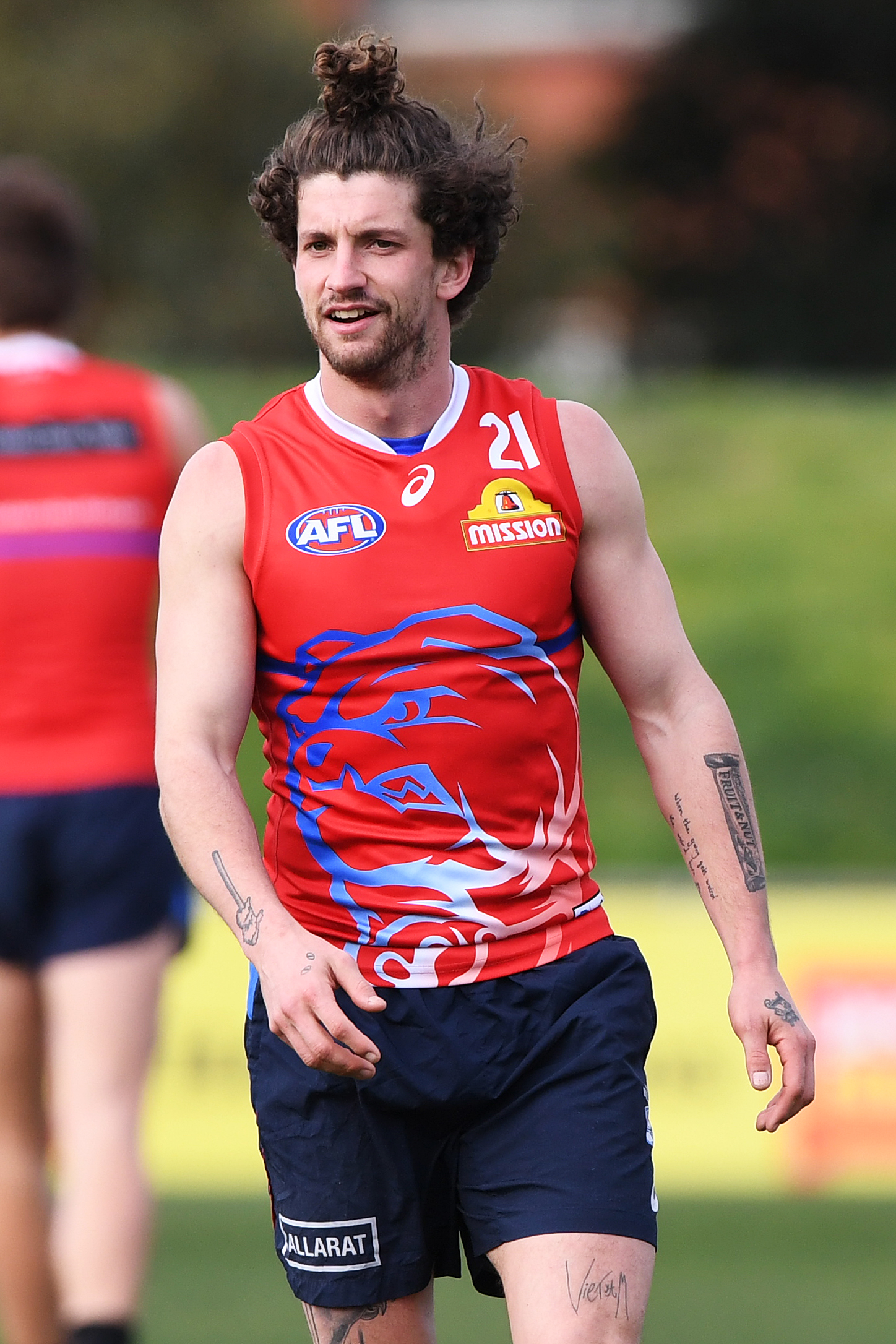
MELBOURNE, Australia — Western Bulldogs veteran Tom Liberatore has announced his retirement from AFL football after 268 games with the club, bringing an end to a 16-year career defined by hard-nosed midfield play, a premiership medal and a deep, generational connection to the western Melbourne suburbs the club calls home.
Liberatore, 34, informed his teammates of the decision following the Bulldogs’ elimination-final loss to Adelaide on Saturday night, a match that marked his final appearance for the club. His 2026 season had been severely limited to just 11 senior games, as a string of concussions and knee injuries continued to take a physical toll on the veteran midfielder.
A father-son recruit selected with pick 40 in the 2010 national draft, Liberatore followed in the footsteps of his father, Tony Liberatore, a Bulldogs great in his own right who played 283 games for the club. Tom went on to become one of only 15 players in Bulldogs history to reach 250 games, and last year was named among the 25 Greatest Bulldogs to ever wear the club’s red, white and blue.
“This Club and its community have been such a huge part of my life,” Liberatore said in a statement. “I’m so fortunate to have lived out my dream for 16 years, from watching my old man play for the club to being part of a premiership that meant so much to all of our fans and to the western suburbs, it’s been a real privilege.”
Liberatore reflected on his decision to step away from playing while remaining connected to the club in a different capacity.
“I still love being here and competing each week but it’s time for me to step aside, spend more time with my family and friends and support this great club from the stands,” Liberatore said. “I’ve built lifelong friendships with many teammates through the years, that’s what means the most to me.”
He closed his statement by thanking the club’s players, coaches, staff and supporters for their role throughout his career.
“I want to take the opportunity to thank everyone at the club: players, coaches and staff for the amount of effort and time they’ve dedicated to me over the years,” Liberatore said. “I also want to thank the members and fans who have been incredible during my time here and supported me through all of the ups and downs. I’m really proud of where the club is going and excited about what the group is capable of moving forward. I’m looking forward to watching on with a beer in hand.”
Liberatore’s on-field career included several significant individual and team honors. He won the club’s Charles Sutton Medal, awarded to the Bulldogs’ best and fairest player, in 2014, narrowly defeating teammate Jack Macrae in a breakout season. He finished in the top three of the club’s best and fairest voting on five additional occasions and was a key figure in Western Bulldogs’ drought-breaking 2016 premiership triumph, playing 21 games that season, including a standout performance in the finals series in which he recorded 19 tackles in a single match. Liberatore twice returned from ruptured ACL injuries during his career, a testament to the resilience that came to define his reputation among teammates and supporters alike.
Statistically, Liberatore finishes his career having played 267 to 268 games, depending on the specific source, kicking 93 goals over that span, according to figures compiled following his retirement announcement. He also polled a total of 50 Brownlow Medal votes across his career and was named the Bulldogs’ vice-captain in 2024, reflecting his standing as a senior leadership figure within the club’s playing group in his later seasons.
Bulldogs coach Luke Beveridge, who coached Liberatore for 12 seasons including the 2016 premiership campaign, offered an emotional tribute to the retiring midfielder.
“Tom has been the spiritual catalyst within our playing ranks for such a long period of time,” Beveridge said. “Through the challenges he has faced, he has had a fierce will and desire to claw his way back. ‘Libba’ has always set about influencing everyone he comes in contact with in his own unique, caring and quirky characteristic way. Always a fierce competitor, he has been inspirational with his tenacity and confrontational brand ensuring his teammates always walk a little taller and feel a little more self-assured. I am extremely grateful to have coached Tom and I know all of our people see it as a great privilege to have shared Tom’s AFL football experience with him.”
Beyond his contributions on the field, Liberatore built a significant profile within the Bulldogs’ community work over the course of his career. He served as a longtime ambassador, advocate and volunteer with the Western Bulldogs Community Foundation, dedicating time to mentoring youth, supporting local educational programs, and working to address homelessness across Melbourne’s western suburbs. Most recently, Liberatore partnered with the Salvation Army to help launch the Lighthouse Café, an initiative providing hot meals and a safe space for community members in need, work that earned him a second consecutive nomination for the AFL’s Jim Stynes Community Leadership Award.
With Liberatore’s retirement, Bulldogs captain Marcus Bontempelli becomes the only remaining player on the club’s list who was part of the 2016 premiership-winning squad, a marker of just how significantly the club’s playing group has turned over in the decade since that historic flag. Tom and Tony Liberatore also remain just the second father-son pairing in AFL history to each play 250 or more games for the same club, joining Essendon’s Ken and Dustin Fletcher in that distinction.
As the Bulldogs move forward without one of the most beloved and recognizable figures in the club’s recent history, Liberatore’s retirement closes out a career that blended on-field toughness with an off-field commitment to community work that supporters and club officials alike have described as central to his legacy at the Kennel.

Business
Sunrise Energy Metals Soars 20% As Scandium Miner Nears Pentagon-Backed Final Investment Call In NSW

MELBOURNE, Australia — Shares of Sunrise Energy Metals Ltd. surged $3.24, or 20.25%, to $19.24, extending an already extraordinary rally for the critical minerals company as investors continued positioning ahead of a widely anticipated final investment decision on its flagship Syerston scandium project in New South Wales.
Tuesday’s gain builds on a monthslong run driven largely by the company’s landmark US$400 million conditional loan commitment from the U.S. Department of War’s Office of Strategic Capital, confirmed in early August, alongside a fresh September corporate presentation the company released this week reaffirming the technical and financial assumptions underpinning the Syerston project.
In its latest update, Sunrise confirmed that no new information or data had materially impacted the mineral resources, ore reserves, production targets or forecast financial figures outlined in the project’s feasibility study. The reaffirmation, prepared with input from qualified person Stuart Hutchin, gives investors renewed confidence that the project remains on track heading into what the company has described as the next major re-rating event: a targeted final investment decision expected within the current September quarter.
Sunrise, formerly known as Clean TeQ Holdings before rebranding in 2021, has emerged over the past year as one of the most closely watched names on the ASX within the broader critical minerals sector. According to Motley Fool Australia, Sunrise shares have risen more than 1,200% over the trailing 12 months, dramatically outperforming the broader All Ordinaries Index, which has gained just 5% over the same period.
If completed, Syerston is designed to become the world’s first primary scandium mine, a distinction significant given that scandium has historically been produced only as a byproduct of other mining operations. The project boasts a 60.3-million-tonne resource, an existing mining lease, development consent, environmental approvals and secured water rights. Initial development is targeting production of 60 tonnes of high-purity scandium oxide annually over an estimated 32-year mine life, with the company separately evaluating a second development phase that could double total annual capacity to 180 tonnes.
Sunrise Chairman Robert Friedland, the mining billionaire and founder of Ivanhoe Mines, has described the U.S. financing commitment as a defining moment for both the company and Australia’s broader mining industry.
“This is a landmark moment for Sunrise and Australia’s mining industry,” Friedland said. “The financing aligns with the goals of the U.S.-Australia partnership on critical minerals. The world has entered an era in which access to critical minerals will shape industrial strength, technology leadership, and national security.”
Friedland extended thanks to U.S. officials for their role in advancing the project.
“We thank President Donald J. Trump and the Department of War’s Office of Strategic Capital for its support as we aim to establish Syerston as a cornerstone of Western scandium supply,” Friedland said.
Scandium is a silvery-white metal valued for its ability to significantly strengthen aluminum alloys while remaining lightweight and resistant to heat and corrosion, making it especially important for aerospace applications, defense technology, and increasingly, power delivery for artificial intelligence data centers. Defense contractor Lockheed Martin holds an option to purchase up to 15 tonnes of scandium oxide annually for Syerston’s first five years, representing roughly a quarter of the project’s planned initial production.
Sunrise CEO Sam Riggall has previously told CNBC that the Syerston project would possess “the capacity to replace everything that China supplies today from this one mining operation,” underscoring the strategic significance investors have attached to the project amid growing Western efforts to reduce reliance on Chinese-controlled critical mineral supply chains. China currently controls roughly 70% of global rare earth extraction and 90% of global refining capacity.
Beyond the core Pentagon financing, Sunrise has continued building out its broader supply-chain relationships in recent months. The company disclosed a US$5 million stake in Agni Semiconductor, a private developer of aluminum scandium nitride semiconductor technology, and secured acceptance into the New South Wales government’s Critical Minerals Royalty Deferral Scheme, becoming one of only two companies admitted to that program so far. The U.S. Export-Import Bank has also issued a letter of interest for up to US$67 million in additional financing support tied to the project.
Sunrise has disclosed a revised capital cost estimate for Syerston of between $450 million and $475 million Australian dollars, reflecting an expanded project scope that now includes plans for downstream refining capacity to be built in the United States, in addition to the core mining and processing facilities in New South Wales. The company has also said it has begun preparations for a listing on a U.S. securities exchange, a step that would require shareholder, court and regulatory approvals but could open access to deeper capital markets.
According to Kalkine Media, key milestones investors are watching closely in the coming weeks include finalization of binding documentation for both the Pentagon loan and the Lockheed Martin offtake agreement, continued progress on the project’s Front-End Engineering Design study, long-lead equipment orders, and, most significantly, whether the company’s targeted final investment decision lands within the current September quarter as planned.
Analysts have cautioned that despite the wave of positive developments, meaningful execution risk remains. The Pentagon’s financing commitment is explicitly conditional, phased and contingent on Sunrise contributing its own equity alongside milestone-based drawdowns, meaning the deal’s ultimate value to the company depends heavily on Sunrise successfully clearing a series of remaining financial, legal and technical requirements before the financing can formally close. TipRanks has separately noted that the most recent formal analyst rating on the stock remains a “hold,” with a price target well below current trading levels, reflecting continued caution among some market watchers even as the share price has continued climbing.
With early works and long-lead procurement already underway to preserve a targeted first-production timeline in the second half of 2028, Sunrise Energy Metals has positioned itself as one of the more advanced Western scandium projects moving toward production. Investors will likely continue watching closely in the coming weeks for confirmation of the targeted final investment decision, along with any further updates on binding financing and offtake agreements, as the company works to translate Tuesday’s continued share price momentum into a formal go-ahead for construction at Syerston.
Business
Biocon shares rise 2% on 10-year Pertuzumab supply deal for breast cancer therapy in Brazil

According to a filing with the exchange, the company said it signed a partnership agreement with Bahiafarma and Bionovis for Pertuzumab in Brazil, marking an important milestone in advancing production and commercialisation of the HER2-positive breast cancer therapy under the country’s Productive Development Partnership (PDP) program.
The company further said that the consortium of Biocon, Bahiafarma and Bionovis received 100% allocation under Brazil’s 10-year PDP program for Pertuzumab.
Also Read | Biocon signs 10-year Brazil supply deal for Pertuzumab breast cancer drug
Pertuzumab is a monoclonal antibody used in the treatment of HER2-positive breast cancer, and at present, the product is not manufactured locally in Brazil and is a significant expenditure for the country’s Unified Health System (SUS).

The productive development partnership provides the consortium exclusive access to Brazil’s public healthcare market, which accounts for approximately 70% of the country’s demand for Pertuzumab.
This partnership also supports the long-term adoption of Biocon’s product within Brazil’s public oncology network.“Brazil is an important country for Biocon, and our journey here reflects the transformative potential of strong partnerships in building local capabilities and expanding access to high-quality, affordable medicines. This long-term supply contract for Pertuzumab marks a significant milestone in this journey, enabling us to reach more patients living with HER2-positive breast cancer and address an important healthcare need at scale,” said Shreehas Tambe, CEO & Managing Director, Biocon.
“In partnership with Bahiafarma and Bionovis, we are bringing together science, innovation, manufacturing excellence and local expertise to create a more sustainable pathway for access to this important cancer therapy. Together, we are not only supporting better patient outcomes but also helping build a stronger, more resilient healthcare ecosystem in Brazil,” Tambe further said.
The global biopharmaceutical company further said that it will receive milestone payments and a share of revenues generated from the Brazil PDP opportunity over a 10-year period. As part of the PDP framework, the product will undergo phased localisation in Brazil in the mid to long term.
Bahiafarma and Bionovis
Bahiafarma is a public pharmaceutical laboratory of the State of Bahia, Brazil, focused on pharmaceutical research, technological development, innovation and the production and supply of medicines and other health products, particularly for Brazil’s SUS.
“We celebrate the conclusion of this stage with the certainty that we are advancing in a strategic project for public health. It is the result of a work built in partnership, and that paves the way for the incorporation of a highly complex technology, contributing to Brazil strengthening its capacity to produce essential medicines for its Unified Health System (SUS),” said Ceuci Nunes, CEO, Bahiafarma.
Bionovis is a Brazilian biotechnology company focused on developing, manufacturing and commercialising complex biological medicines and biosimilars, with a strong emphasis on technology transfer, local biopharmaceutical manufacturing and expanding access to advanced therapies in Brazil.
Also Read | Biocon arm gets Japan nod for cancer drug pegfilgrastim biosimilar
“Through our partnerships with Biocon and Bahiafarma, we reinforce our commitment to the public policies of the Health Economic-Industrial Complex and to Productive Development Partnerships, expanding the Brazilian population’s access to highly complex biological medicines, generating incomes, employing specialised professionals, and promoting the country’s productive autonomy,” said Odnir Finotti, CEO, Bionovis.
In 2026 so far, Biocon shares were up 1.84% and nearly 8.44% in the last one year. The stock gained 48.24% in the last three years and 11% in the last five years.
(Disclaimer: Recommendations, suggestions, views and opinions given by the experts are their own. These do not represent the views of The Economic Times.)
Business
Telegram Down? Users Report Connection Issues Late Monday As Reports Spike Across Regions Worldwide Tonight
Telegram users began reporting widespread access problems late Monday night, with outage-tracking site Downdetector logging a sharp surge in complaints starting around 10:46 p.m. EDT, growing into one of the more significant reported disruptions to affect the messaging platform in recent months.
Downdetector’s official account flagged the surge in a post shortly after the reports began, asking affected users how the disruption was impacting them and directing people to its live outage map for updates. The hashtag “TelegramDown” quickly began circulating on social media as users compared notes on the issue, with the post drawing more than 11,000 views within a short window of being published.
Independent monitoring service Technobezz tracked the disruption climbing steadily overnight, reporting 26 outage reports in the 24 hours leading up to 2:50 a.m. UTC Tuesday, with the vast majority of complaints, 81%, centered on connection issues. Reports spanned six distinct global regions, according to the tracker, with core-feature failures and slow loading or buffering rounding out the remaining reported problems.
Separate real-time monitoring service Instatus characterized Telegram as “currently down” as of its most recent check, logging 57 recent outage reports as part of its ongoing 12-hour tracking window for the platform.
Not every monitoring service reached the same conclusion about the scope of the disruption. StatusGator reported Telegram as “currently operational” as of its own assessment, while still logging 13 user-submitted outage reports over the preceding 24-hour period. Similarly, UptimeRobot’s most recent automated check, run early Tuesday morning from North America, did not detect any unusual response times or error codes affecting the platform, illustrating the kind of inconsistency that can emerge across different outage-tracking services depending on their specific monitoring locations, methodologies and report thresholds.
Telegram, the widely used messaging app founded by Pavel Durov, has built a global user base exceeding 200 million monthly active users in recent years, offering encrypted messaging, large group channels and cloud-based chat storage as key differentiators from competing platforms. The app has faced periodic government restrictions in several countries, including Russia, Iran and China, tied to disputes over encryption keys and user data requests, though Monday’s reported disruption did not appear connected to any specific regional censorship action based on the available reporting.
Telegram has experienced a documented pattern of intermittent outages over the past several months, according to StatusGator’s incident history for the platform. Recorded incidents include an app-and-website outage lasting 3 hours and 23 minutes detected Aug. 13, a shorter connectivity disruption lasting 1 hour and 11 minutes detected Aug. 12, and a brief service outage lasting 18 minutes detected June 29. None of those prior incidents were officially acknowledged by Telegram at the time they were logged, according to StatusGator’s tracking, a pattern that has continued with Monday’s reported disruption as well.
Given Telegram’s scale and its function as a primary communication tool for millions of users worldwide, including in regions where the app serves as a critical channel for news distribution and organizing, outages affecting the platform tend to draw significant and immediate public attention. Users experiencing connectivity problems frequently turn to alternative platforms like X to check whether an outage they are experiencing reflects a broader, shared disruption or is instead isolated to their own device, network or geographic region.
Outage-tracking platforms including Downdetector, StatusGator and Instatus compile crowdsourced user reports and cross-reference them against automated server checks to help determine whether a genuine, widespread service disruption is underway, as opposed to isolated technical issues affecting only a subset of users. A sudden, sharp spike in reports spanning multiple regions simultaneously, as occurred late Monday, is generally treated as a stronger signal of a broader platform-level issue rather than a series of unrelated, localized problems.
As of the most recent updates, Telegram had not issued a detailed public statement addressing the specific cause of Monday night’s reported disruption. The company’s official status communications, when issued during past incidents, have historically come through Telegram’s own social media channels or its dedicated status page, though the company’s public acknowledgment of outages has at times lagged behind the volume of user reports being tracked independently by third-party monitoring services.
For users experiencing ongoing access issues, standard troubleshooting guidance typically recommended by technology support resources includes attempting to access Telegram from an alternative browser, device or network, such as a mobile hotspot, disabling any active VPN connection, clearing the device’s DNS cache, and restarting the home router before assuming a broader Telegram-wide outage is responsible for the disruption. If the platform loads successfully from a different network or device, the underlying problem is more likely tied to a user’s own local internet connection rather than reflecting a genuine issue with Telegram’s servers.
As of early Tuesday morning, it remained unclear how long the reported disruption would persist or what specific technical cause might be responsible for the connectivity issues affecting users across multiple regions. Given the conflicting readings from different monitoring services, with some characterizing the platform as fully down and others describing it as operational despite continued user complaints, the true scope and severity of Monday night’s disruption remained somewhat uncertain even as reports continued accumulating into the early morning hours.
Affected users were advised to continue monitoring both Downdetector’s live outage tracker and independent status services including Instatus and StatusGator for updates, as well as Telegram’s own official channels, while the company worked, without formal public acknowledgment as of the time of this report, to address whatever underlying issues were contributing to the reported connectivity problems affecting the platform late Monday and into early Tuesday.
Business
(VIDEO) Hurricane Lowell Nears Hawaii, Kauai Under Warning As Australians Urged To Use Caution Travelling

HONOLULU — Hurricane Lowell tracked close to Hawaii’s western islands this week, prompting hurricane warnings for Kauai and Niihau and a tropical storm warning for Oahu, with Australia’s Smartraveller agency urging Australians heading to the popular tourist destination to exercise caution as the storm brought heavy rain, dangerous surf and the risk of flash flooding across the state.
The National Weather Service issued the hurricane warnings for Kauai and Niihau as Lowell, a major hurricane, passed just west of the main Hawaiian Islands overnight Monday into Tuesday. Australia’s Smartraveller advisory pointed to the storm’s potential to disrupt transport networks and essential services across the islands, urging travelers to monitor local media and follow directions from emergency authorities.
“Hurricane Lowell is expected to impact the Hawaiian Islands, particularly Kauai, bringing heavy rain, flash flooding, strong winds, and storm surges,” the Smartraveller advisory said.
The warning followed Hawaii’s emergency declaration Monday as state officials prepared for what forecasters described as potentially life-threatening conditions across the western islands.
Lowell had an unusually volatile trajectory in the days before nearing Hawaii. According to weather.com, the storm rapidly intensified from a tropical storm to only the second Category 5 hurricane of the 2026 Pacific season between early Tuesday and Wednesday of the previous week, before subsequently weakening. By the time it neared Hawaii, Lowell had eased to a Category 3 storm, with maximum sustained winds recorded at 115 to 120 mph at various points as it approached the islands.
Kauai County Mayor Derek Kawakami urged residents to stay off the roads as the storm closed in, crediting the county’s emergency management team for its preparation ahead of the hurricane’s arrival.
“In a good position to be able to weather this storm as one community,” Kawakami said, describing the county’s readiness heading into the storm.
The National Weather Service issued a stark warning to residents in the storm’s path as conditions deteriorated.
“Preparations to protect life and property should be rushed to completion,” the National Weather Service said.
Forecasters warned of significant rainfall totals across the islands, with Kauai expected to see 6 to 10 inches of rain, with a possible maximum total as high as 16 inches, according to figures cited by ABC News and NBC News. The Big Island was forecast to receive 4 to 8 inches of rain, with isolated totals of up to 12 inches possible. That level of rainfall raised significant concerns about flash flooding and mudslides, particularly across Kauai County and portions of the Big Island’s hilly and mountainous terrain.
Wind gusts of up to 74 mph were forecast for Kauai County, with gusts up to 40 mph possible on Oahu, according to Hawaii Emergency Management Agency officials, who warned of the potential for power outages tied to both high winds and flash flooding. Forecasters also flagged the possibility that tornadoes could form near Kauai and Niihau amid the storm’s high winds, with a few additional tornadoes possible elsewhere across the Hawaiian Islands.
Storm surge added a further hazard along the coastlines of the affected islands, with forecasts calling for surges of 1 to 4 feet across Kauai County and up to a foot on Oahu, according to multiple forecasting sources. Combined with the storm’s powerful winds, forecasters warned that waves could reach as high as 30 feet across parts of the island chain, with dangerous surf and rip currents expected statewide regardless of the storm’s exact final track.
The Hawaii Department of Transportation warned that airlines could cancel flights in the days surrounding the storm’s closest approach, adding a further complication for both residents and visitors, including Australian tourists, attempting to travel to or from the islands during the period of greatest risk.
Lowell’s approach to Hawaii came amid an unusually active stretch of Pacific storm activity, with the hurricane representing one of three cyclones swirling in the Pacific over the same week, alongside Hurricane Karina, which weakened into a post-tropical cyclone while still producing gale-force winds well to the east of Hilo, and Hurricane Marie, which brought rain and elevated surf to Southern California.
Central Pacific Hurricane Center forecasters said Lowell was expected to weaken further as it moved past Kauai and Niihau, citing increasing wind shear and cooler sea-surface temperatures along the storm’s projected path. Forecasters projected the storm would decline to a minimal Category 1 hurricane, with winds around 75 mph, within roughly 24 hours of passing northwest of Kauai, before continuing to weaken as it moved further from the islands.
The Hawaiian Islands have faced a difficult stretch of storm-related disruption in recent months, with local officials in the town of Naʻālehu noting that a community hub had been established to provide food, water and supplies to residents in the two weeks following an earlier storm, Hurricane Lala, underscoring the cumulative strain repeated storm events have placed on some island communities this season.
With Lowell’s closest approach to the islands now largely behind it, forecasters said conditions were expected to gradually improve through the remainder of the week as the storm continued moving away from Hawaii on a north-northwest track. Even so, officials continued urging residents and visitors, including the Australian tourists specifically flagged in the Smartraveller advisory, to remain cautious given the lingering risk of dangerous surf, rip currents and the potential for continued flooding in low-lying and hilly areas across the state in the storm’s immediate aftermath.
For Australians with upcoming travel plans to Hawaii, Smartraveller continued advising travelers to monitor official local media channels and follow any additional directions issued by Hawaiian emergency management authorities in the days following Lowell’s passage, given the potential for continued disruptions to transport networks and essential services even after the storm’s most severe conditions had passed.


Financial analyst by day and a seasoned investor by passion, I’ve been involved in the world of investing for over 15 years and honed my skills in analyzing lucrative opportunities within the market.I specialize in uncovering high quality dividend stocks and other assets that offer potential for long term-growth that pack a serious punch for bill-paying potential. I use myself as an example that with a solid base of classic dividend growth stocks, sprinkling in some Business Development Companies, REITs, and Closed End Funds can be a highly efficient way to boost your investment income while still capturing a total return that follows traditional index funds. I created a hybrid system between growth and income and manage to still capture a total return that is on par with the S&P.
Analyst’s Disclosure: I/we have a beneficial long position in the shares of SLVY, SLV either through stock ownership, options, or other derivatives. I wrote this article myself, and it expresses my own opinions. I am not receiving compensation for it (other than from Seeking Alpha). I have no business relationship with any company whose stock is mentioned in this article.
Seeking Alpha’s Disclosure: Past performance is no guarantee of future results. No recommendation or advice is being given as to whether any investment is suitable for a particular investor. Any views or opinions expressed above may not reflect those of Seeking Alpha as a whole. Seeking Alpha is not a licensed securities dealer, broker or US investment adviser or investment bank. Our analysts are third party authors that include both professional investors and individual investors who may not be licensed or certified by any institute or regulatory body.
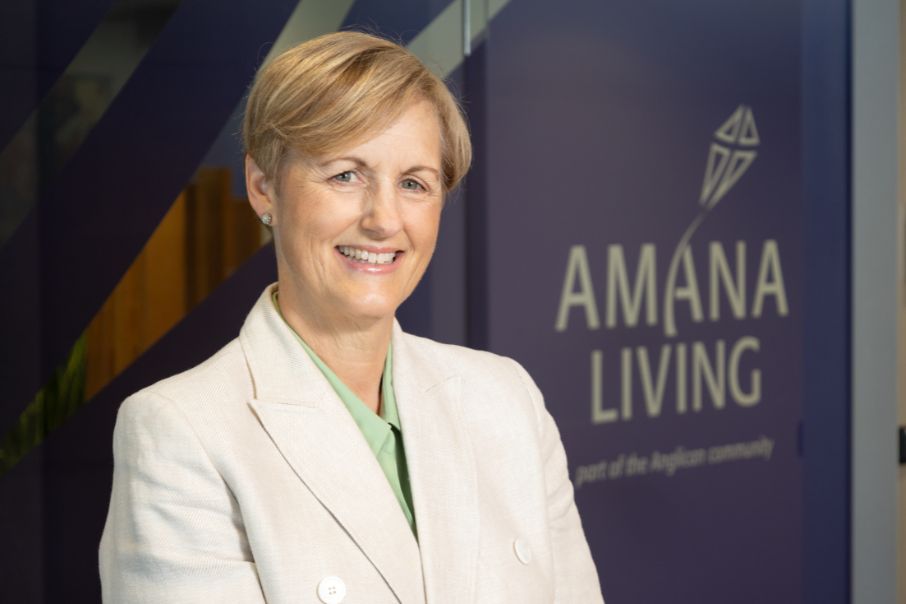
Western Australian aged care providers have criticised the federal government’s move over the national funding price, claiming it could put project investments at risk.
Business
Sandisk Stock Surges on AI Memory Demand as Investors Weigh Whether the Rally Is Still a Buy Now
NEW YORK — Sandisk shares jumped again as investors treated a former flash-drive name like an artificial-intelligence infrastructure stock, leaving a simple question after a violent rally: whether the tape still offers a buy, or only a bet that memory prices stay scarce.
Sandisk closed Sept. 4 at $1,740, up $185.01, or 11.90%, from the prior session. Overnight trading printed about $1,767. The session’s range ran from $1,581 to $1,740. The 52-week span, from about $68 to more than $2,350, shows how fast the story changed after the company was spun out of Western Digital in early 2025.
The move follows fiscal fourth-quarter results for the period ended July 3. Revenue was $8.97 billion, up 51% from the prior quarter and 372% from a year earlier. Data-center sales were $2.98 billion, about a third of the quarter and more than double the prior period. A year earlier that line was about $213 million. Non-GAAP gross margin reached 84.6%, compared with 26.2% a year earlier. Adjusted earnings were reported well above year-ago losses. Management said about two-thirds of the sequential revenue increase came from higher prices and one-third from more bits shipped.
Guidance kept the heat on. For fiscal first-quarter 2027, Sandisk forecast revenue of $10.3 billion to $10.80 billion and non-GAAP profit of $44 to $46 a share, with gross margin 83% to 85%. Reuters noted the revenue midpoint sat above one consensus set even as the stock sold off after the print when other estimate services had wanted more.
Chief Executive David Goeckeler has framed the boom as structural, not seasonal. “AI is fundamentally a memory-centric storage-intensive problem,” he said on the August earnings call. At the company’s investor day he said, “Our strong performance today is the direct result of disciplined execution against the strategy we outlined 18 months ago.” He has also said Sandisk grows supply “primarily through nodal transitions rather than wafer additions.”
That last point is why bulls call the stock a buy on a pullback and why skeptics wait. Memory cycles have historically ended when suppliers add wafers and prices collapse. Sandisk is arguing it can lift bits in the mid-to-high teens by moving to denser technology such as BiCS8 without a classic capacity binge. Capital spending is described as modest relative to sales. The long-term model for fiscal 2028 through 2030 targets mid-to-high-teens revenue growth, about 80% non-GAAP gross margin, about 75% operating margin and adjusted free cash flow near 50% of revenue. Those figures are below the 84.6% gross margin just printed, which is management’s way of telling the market the peak print may not be the mid-cycle print.
Contracts are the other half of the bull case. Chief Financial Officer Luis Visoso said Sandisk had 10 multiyear “new business model” agreements with eight customers, five signed since April, running as long as five years with a weighted average duration of more than four years. “The total expected revenue from all our NBMs we have signed is a minimum of $93.9 billion, assuming floor pricing,” Visoso said. Management has said the deals should cover about half of bits in fiscal 2027 and about two-thirds in fiscal 2028, backed by customer deposits and other financial support. That is closer to a contracted industrial book than to the spot NAND market Sandisk used to live in.
The company also authorized large buybacks as cash piled up. It repaid remaining term-loan debt, moved to a net cash position and later expanded repurchase authority into the tens of billions. Full-year free cash flow swung from an outflow in fiscal 2025 to more than $11 billion in fiscal 2026 on company figures. S&P Global Ratings raised Sandisk to BB+ with a positive outlook after the deleveraging, citing constrained NAND supply through fiscal 2027 in its base case.
None of that answers “buy now” as a binary. At $1,740 the stock is no longer the neglected spinoff that traded in the double digits. It has already discounted a multiyear AI storage cycle. Trailing earnings multiples compressed as profits exploded; forward estimates imply a lower multiple if guidance holds. That can look cheap if $10 billion-plus quarters continue. It looks expensive if NAND prices normalize the way they have after every prior shortage.
The risks are familiar. Edge products — phones, PCs, cards — still supply more than half of quarterly revenue even as data center grows faster. Consumer units can drop just as data-center contracts lock in. Competitors in NAND and SSDs can still add supply. Customer concentration in a handful of AI builders means a pause in GPU cluster builds would hit Sandisk with a lag, not instantly, but it would hit. Gross margins in the mid-80s have little room to surprise to the upside and a long way to fall if floor prices in the new contracts sit well below spot.
Goeckeler has said customers returned after a single quarter asking to raise three-to-five-year demand. He estimated the NAND market would exceed $300 billion in calendar 2026, triple the prior year, and approach $500 billion in 2027, with data center taking a larger share of the total. Those are company forecasts, not booked sales.
For a newsroom ledger, the buy case is this: constrained bits, contracted floors, high cash conversion, and a CEO who says the shortage is an AI architecture problem rather than a one-year restock. The hold-or-wait case is this: the stock already ran from spinoff leftovers to a triple-digit handle, August’s 29% bounce recovered a prior slide, and Sept. 4’s 12% pop prices in another quarter of $10 billion sales before that quarter is delivered.
Sandisk is no longer asking investors to believe flash cards will matter. It is asking them to believe memory stays scarce long enough for $94 billion of minimum contract value to turn into cash at margins the old Sandisk never earned. Whether that is a buy at $1,740 depends less on the closing print than on whether the next shortage ends on schedule — or, this time, does not.

European stocks fall as crude extends advance following Iranian threats

JPMorgan initiates FedEx Freight stock coverage with overweight rating

HFCL shares remained locked in the 5% upper circuit at Rs 255.16 apiece on NSE. The stock has rallied more than 267% in 2026 so far, even as the broader Nifty 500 index has dropped 3%. The shares of the company have jumped 7% in one week and 22% in a month.
Sterlite Tech’s returns are even more impressive, as the stock has delivered a whopping 705% return in 2026 so far. The stock which remained locked in the 5% upper circuit at Rs 825.60 apiece on NSE on Tuesday morning, has jumped over 29% in a month and 19% in a week.
Also read | HFCL’s FY26 order book surges 113% to Rs 21,206 crore
Why are HFCL shares rallying?
HFCL on Saturday released its annual report for FY26, reporting a sharp expansion in its order book and strong financial performance. The company’s FY26 order book stood at Rs 21,206 crore, marking a sharp 113% year-on-year increase and signalling robust business momentum across its key segments.
The annual report also highlighted strong growth across HFCL’s financials. Its revenue from operations increased nearly 22% year-on-year to Rs 4,949 crore, while EBITDA surged more than 63% YoY to Rs 827 crore. Profit after tax sharply surged more than 90% YoY to Rs 329 crore, while earnings per share (EPS) rose 73% YoY to Rs 2.13, reflecting the company’s improved profitability during the year.
HFCL shares have hit the 5% upper circuit for the third consecutive session today. The company has a market capitalisation of around Rs 38,695 crore.
Why are Sterlite Tech shares rallying?
Sterlite Technologies last week outlined its long-term growth plans, including a target of becoming one of the top five players globally in optical connectivity solutions and achieving revenue of Rs 20,000 crore by FY29.
Also read | Sterlite Tech targets Rs 20,000 crore revenue by FY29 amid booming AI demand
The company identified optical TAM expansion, customer co-development, integrated connectivity solutions and tech-led differentiation as key growth drivers. It also plans to expand its capacity to 1.5 times to support the next phase of growth.
The company has also approved a Rs 3,000 crore capital expenditure plan to expand capacity at its existing manufacturing facility. The proposed expansion will increase its existing installed manufacturing capacity by approximately 50%, with the additional capacity expected to be operational by the end of FY29.
Sterlite Tech shares have also hit the 5% upper circuit for the third consecutive session today. The company has a market capitalisation of more than Rs 42,428 crore.
Disclosure: “This article has been written by Debaroti Adhikary, who is not a SEBI-registered Research Analyst or an Investment Adviser. Debaroti Adhikary and her ‘relative(s)’ (as defined under Section 2(77) of the Companies Act, 2013) do not hold any financial interest in the companies mentioned in this article as of the date of publication. The views/recommendations mentioned in this article, wherever applicable, are those of the respective SEBI-registered Research Analyst/brokerage and have been reproduced/reported with due attribution. They should not be construed as the views or recommendations of The EconomicTimes Digital or the journalist. Readers are advised to consider the original research report and make their investment decisions based on their own assessment.”

#cryptocurrency #bitcoinetf #bitcoin #bitcoinnews #crypto #bitcoinprice #btc #btcanalysis

Sunrise Energy Metals Soars 20% As Scandium Miner Nears Pentagon-Backed Final Investment Call In NSW

Will IPOs Move On-Chain? CZ Says Yes, and the Infrastructure Says Already

Weekend Open Thread – Corporette.com

Weekend Open Thread: Brooks Brothers

London Mayor Sadiq Khan handed a peerage by Keir Starmer alongside 15 other Labour figures… just days before the PM leaves No10
#cryptocurrency #bitcoinetf #bitcoin #bitcoinnews #crypto #bitcoinprice #btc #btcanalysis

The Los Angeles Dodgers Financial Scandal Just Got Even More Ridiculous

PINAPA LAKAS KO SI SHESHE BAGO BUMALIK SA MANNIX FAM | Queen Money
-

 Fashion4 days ago
Weekend Open Thread: Beyond Yoga
-
 Crypto World4 days ago
Bitcoin price stalls near $82K as key resistance holds
-

 Politics4 days ago
Best Gaming Laptops, CPUs, TVs, And Keyboards To Upgrade Your Set Up For GTA VI
-

 Tech4 days ago
The Birds Outside, Drawn For You Automatically
-

 Crypto World4 days ago
IMF Says El Salvador’s Post-Review Bitcoin Purchases Used No Public Funds
-
 Crypto World4 days ago
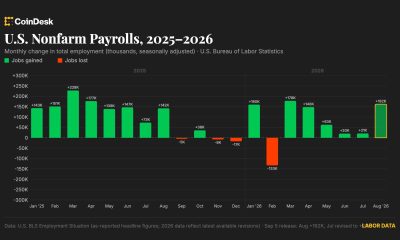
U.S. added stronger than expected 162,000 jobs in August as labor market bounced back
-

 Sports4 days ago
Alexandre Pato consortium’s Northampton Town investment approved
-

 Sports4 days ago
Commanders’ Chig Okonkwo is a top breakout fantasy football candidate
-

 Sports4 days ago
Golden Eaglets Drawn in Group B for 2026 WAFU B U17 Championship
-
 Crypto World4 days ago
XRP price breaks falling channel as bulls target $1.53
-
 Politics4 days ago
A new European chapter for Gibraltar
-

 Politics4 days ago
How To Avoid Winter Colds: 4 Everyday Habits That Spread Germs, Says Pharmacist
-

 Politics4 days ago
The House | Bin the lectures, bring gossip and be ready to banter: how the new PM should prepare for his Trump encounter
-
 Crypto World4 days ago
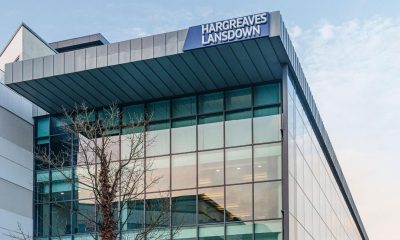
From warning to listing: UK’s largest retail investment platform opens access to crypto ETNs
-

 Crypto World4 days ago
FinCEN flags $12.7B tied to Southeast Asia crypto investment scams
-

 Tech4 days ago
A Worthy Android Ereader, With Some Tradeoffs
-

 Crypto World4 days ago
Trezor Data Breach Impacts 67,000 More US Customers
-

 Tech4 days ago
How To Edit Claude’s Memory
-

 Politics4 days ago
33 Cosy Autumn Home Decor Ideas: Blankets, Pumpkin Decorations, And Candles
-

 Tech4 days ago
beyerdynamic AVENTHO Y Debuts at IFA 2026 and Makes Wireless Headphones Less Disposable
You must be logged in to post a comment Login