



Connect with us
DAPA Banner
DAPA Coin
DAPA
COIN PAYMENT ASSET
PRIVACY · BLOCKDAG · HOMOMORPHIC ENCRYPTION · RUST
ElGamal Encrypted MINE DAPA
🚫 GENESIS SOLD OUT
DAPAPAY COMING

Business

What is SAVE America Act? Here’s all about Trump’s plan to overhaul voting in America

Published

on

What is SAVE America Act? Here's all about Trump's plan to overhaul voting in America
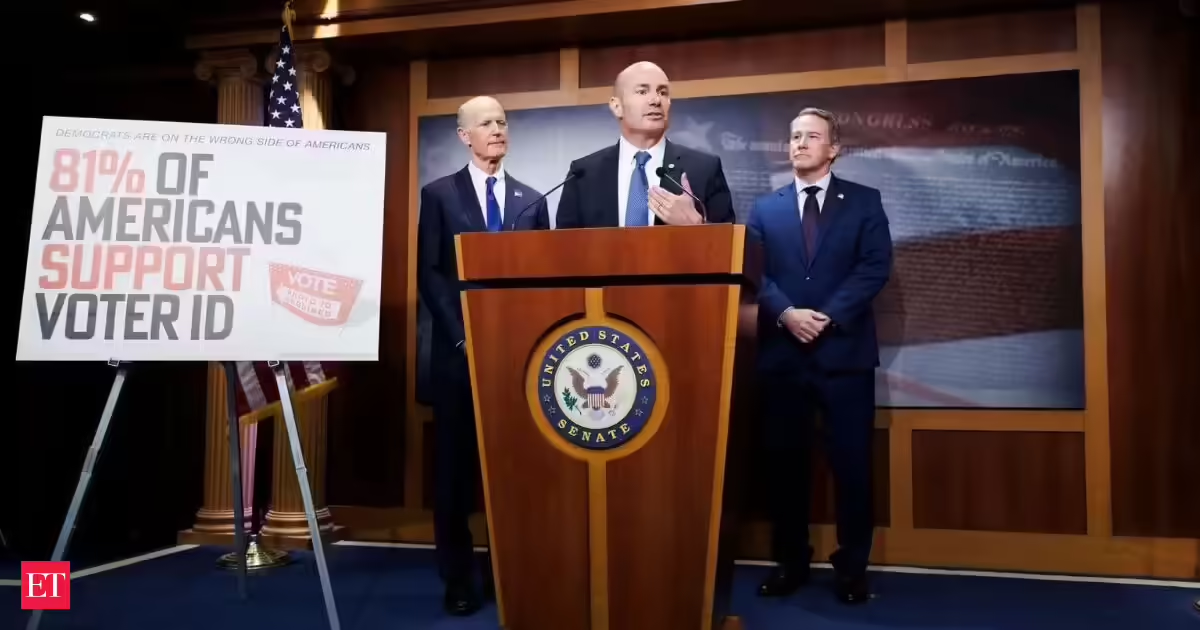
A Republican-backed bill that would require proof of citizenship to register and photo ID to vote has become one of the most fought-over pieces of legislation in Washington this year. Here’s what’s actually in it, where it stands, and what it could mean for you at the ballot box.

If you’ve been scrolling through the news lately and keep seeing the phrase “SAVE America Act,” you’re not imagining things, it’s been dominating headlines out of Washington for months, and President Donald Trump has made it one of his top legislative priorities of 2026. Supporters call it a common-sense fix to election security. Opponents call it the biggest rollback of voting access in a generation. Here’s a plain-English breakdown of what’s really going on.

What does the Save America Act Do?

The SAVE America Act, short for the Safeguard American Voter Eligibility Act, is a federal bill that would change how Americans register to vote and what they need to bring with them on Election Day. Two changes sit at the heart of it:

  • Proof of citizenship to register: Anyone registering to vote in a federal election would need to show a document proving U.S. citizenship, think a passport, a certified birth certificate, or a REAL ID-compliant license that specifically indicates citizenship. A standard driver’s license alone typically wouldn’t cut it.
  • Photo ID to vote: Every voter would need to show government-issued photo identification at the polls, a driver’s license, state ID, passport, military ID, or tribal ID. The same requirement would extend to absentee and mail-in ballots, where voters would need to include a copy of their ID both when requesting and returning a ballot.

The bill would also require states to scrub noncitizens from their voter rolls, and it creates new legal tools, including the ability for private citizens to sue, to enforce the rules, along with criminal penalties for violations.

Where Did The Save America Bill Come From?

This isn’t a brand-new idea. A version of the SAVE Act has been kicking around Congress since 2024, passing the House twice before but always stalling out in the Senate. The 2026 version, technically House Resolution 7296, cleared the House on February 11, 2026, by a narrow 218-213 vote, almost entirely along party lines.
From there, it moved to the Senate, where it needs 60 votes to survive a filibuster. Republicans control 53 seats, meaning they’d need at least seven Democrats to cross over, support that, so far, hasn’t materialized. In March 2026, the Senate held its first real test vote on the bill; it advanced narrowly on a 51-48 procedural vote, with Alaska Republican Lisa Murkowski breaking ranks to vote no. A later attempt to force a final vote failed 53-47.
Frustrated by the standstill, President Trump used his July 4th address to renew his call for the bill’s passage, and days later, House Speaker Mike Johnson said the chamber would try passing it “one more time,” this time through the budget reconciliation process, a procedural route that only requires a simple majority and sidesteps the filibuster entirely. As of mid-July, that effort is still unfolding, and the bill has not become law.

Advertisement

How Save America Act Mean for You?

For most Americans who are already registered and have a driver’s license or passport handy, day-to-day voting probably wouldn’t look dramatically different. But for millions of others, the bill would add real friction:

  • Online and mail-in registration would get harder: Because the law would require an in-person document check in most cases, it would upend registration drives, DMV-based registration, and the online systems most states now rely on. Election-law groups estimate that in a recent election cycle, more than 7 million people registered by mail and nearly 11 million registered online, all systems this bill would force to be reworked.
  • Married Women: Married women and others who’ve changed their name could be disproportionately affected. A birth certificate that doesn’t match a current legal name, common after marriage, could complicate the citizenship-proof process unless additional paperwork is provided.
  • Rural Older Voters: Rural voters, older Americans, and lower-income voters may face bigger hurdles, since they’re statistically less likely to have a passport or easy access to a certified birth certificate or a DMV office.
  • Anyone updating their registration, after a move, a name change, or a party switch, would need to go through the same documentation process again, not just first-time registrants.
  • Absentee and mail voters would need to attach an ID copy to both their ballot request and their returned ballot, an extra step that doesn’t currently exist in most states.

Why Trump is Pushing for Save America Act?

Supporters, led by Trump and House Republicans like Rep. Nancy Mace and Rep. Bryan Steil, argue the bill closes a loophole that lets noncitizens end up on voter rolls, even if only rarely, and that requiring ID to vote is a basic, reasonable safeguard most other democracies already use. Backers frame it as restoring public confidence in elections ahead of the 2026 midterms, when control of Congress is on the line, and reject claims that it would be used to purge eligible voters.

Why Many Legislators are Opposing the Save America Act?

Critics, including most Democrats, the League of Women Voters, the Campaign Legal Center, and the Brennan Center for Justice, counter that noncitizen voting is already illegal, already rare, and already actively prosecuted when it happens, meaning the bill solves a problem that barely exists while creating a much bigger one: locking out eligible citizens who lack easy access to the right paperwork. They point to the bill’s national ID mandate as stricter than nearly every existing state voter-ID law, and warn it would hit women, students, elderly voters, people with disabilities, and rural Americans hardest.

Save America Act 2026: What Happens Next

As of mid-July 2026, the SAVE America Act remains stuck, passed by the House, but unable to clear the Senate’s 60-vote threshold. With President Trump pushing hard for a reconciliation-based path that would need only a simple majority, and Speaker Johnson signaling the House is ready to move again, the fight is far from over. Whether it becomes law before the 2026 midterms could shape how tens of millions of Americans register and vote for years to come.

Advertisement
Continue Reading
Click to comment

You must be logged in to post a comment Login

Leave a Reply

Business

Taco Bell removes lettuce amid FDA investigation into cyclosporiasis outbreak

Published

on

The U.S. Food and Drug Administration said Thursday that Taco Bell will stop using lettuce from a supplier linked to a multistate cyclosporiasis outbreak, as federal health officials investigate more than 1,600 illnesses across five states.

The announcement came after Taco Bell said earlier Thursday that it had voluntarily removed potentially affected lettuce from a supplier in select states where cases have been linked to the outbreak.

Advertisement

“Based on ongoing conversations with public health officials, and out of an abundance of caution, Taco Bell has taken immediate action to voluntarily remove potentially impacted lettuce from a supplier in select states,” Taco Bell Corp. said in a statement provided to FOX Business.

“The affected ingredient from our supplier is being indefinitely removed from our supply chain nationwide and will be replaced within 24 hours in select states,” the statement continued.

TACO BELL INVESTIGATED AS LETTUCE EMERGES AS POSSIBLE SOURCE OF CYCLOSPORIASIS OUTBREAK

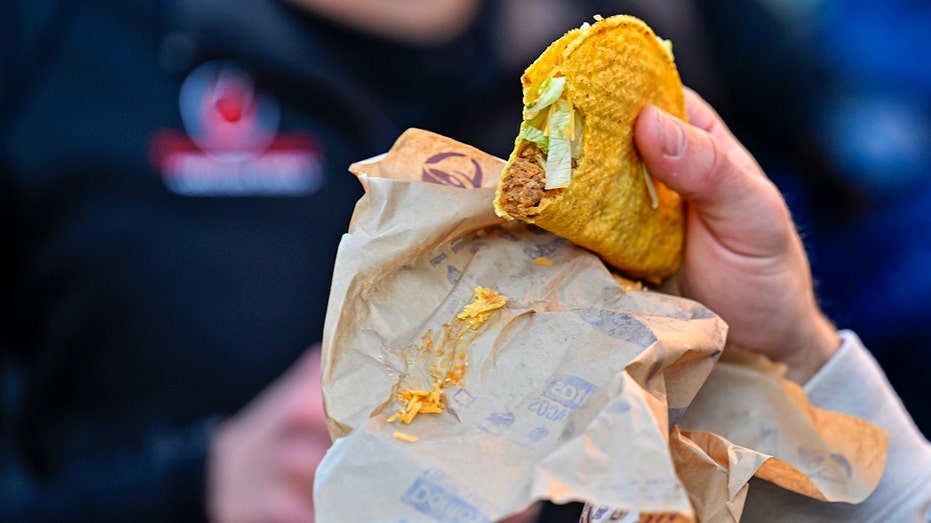
Person holds Taco Bell taco

The FDA said Taco Bell will stop using lettuce from a supplier linked to a multistate cyclosporiasis outbreak. (Marvin Joseph/The Washington Post via Getty Images / Getty Images)

While the FDA and Taco Bell did not identify the supplier, the agency said its traceback investigation identified a single supplier of shredded iceberg lettuce from Mexico used by Taco Bell locations where infected customers ate before becoming ill.

Advertisement

The Washington Post reported Thursday that investigators have identified California-based Taylor Farms as a potential supplier of the iceberg lettuce identified in the agency’s traceback investigation as part of the outbreak.

FOX Business has reached out to Taylor Farms for comment.

The FDA said it is investigating cases in Indiana, Kentucky, Michigan, Ohio and West Virginia, and advised consumers in those states not to eat shredded iceberg lettuce from Mexico served at Taco Bell restaurants.

GENERAL MILLS PULLS MORE THAN 735,000 PILLSBURY ROLLS FROM SHELVES OVER POSSIBLE GLASS CONTAMINATION

Advertisement
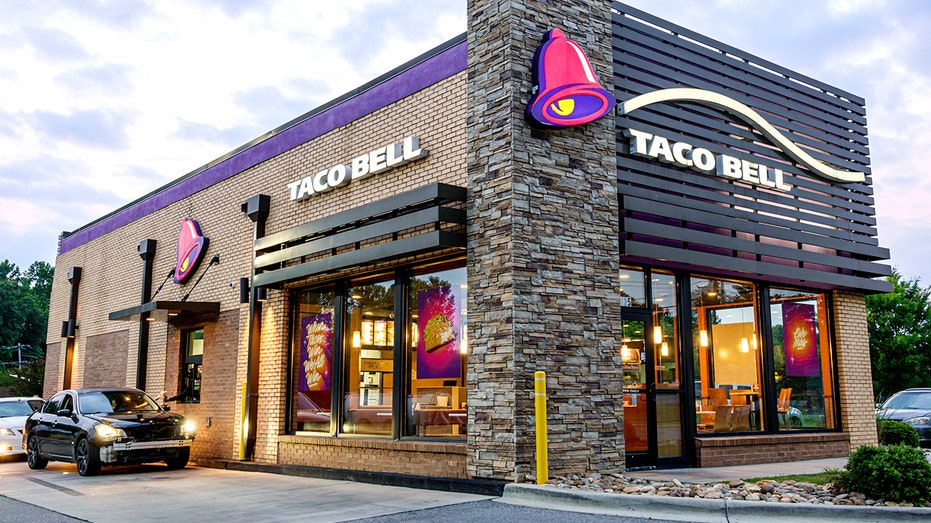
A Taco Bell restaurant.

Taco Bell removed potentially affected lettuce from a supplier after the FDA linked it to a multistate cyclosporiasis outbreak. (Jeffrey Greenberg/Universal Images Group via Getty Images / Getty Images)

According to the Centers for Disease Control and Prevention(CDC), 1,644 people infected with Cyclospora who reported eating at Taco Bell have been reported across Indiana, Kentucky, Michigan, Ohio and West Virginia. The agency said 94 people have been hospitalized, and no deaths have been reported.

Illnesses tied to the outbreak began between May 13 and July 13, 2026. CDC said the true number of sick people is likely higher and noted that state health departments may report different totals because some include probable cases, while CDC and FDA are reporting laboratory-confirmed cases.

CDC also said it is investigating other cyclosporiasis illnesses nationally that are unrelated to the Taco Bell-linked outbreak.

OBAMACARE EXCHANGE FLAW EXPOSED AMERICANS TO UNEXPECTED HEALTH PLAN SWITCHES, WATCHDOG FINDS

Advertisement
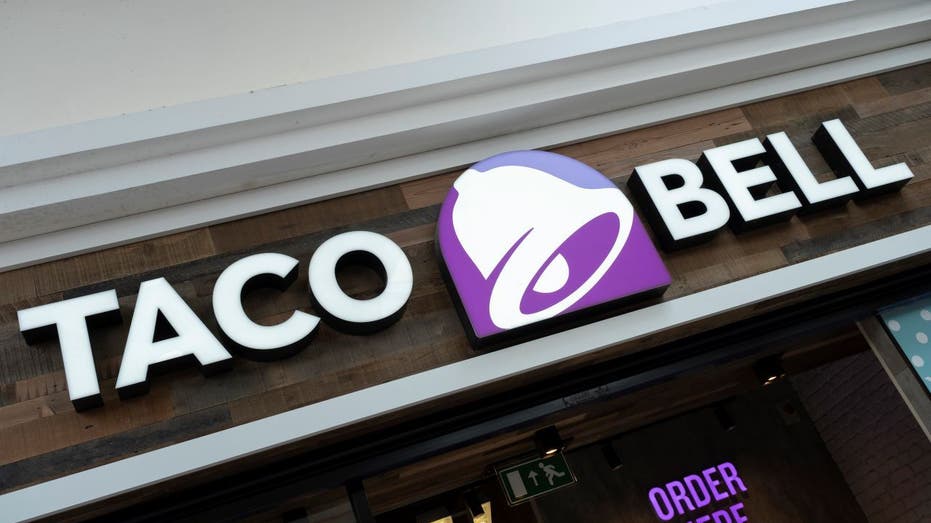
Taco Bell location

The FDA is investigating a multistate cyclosporiasis outbreak linked to lettuce served at certain Taco Bell restaurants. (Mike Kemp/In Pictures via Getty Images / Getty Images)

According to the CDC, cyclosporiasis is a parasitic intestinal illness that people can contract by consuming contaminated food or water. Symptoms include prolonged watery diarrhea, nausea and other gastrointestinal illness.

Earlier this week, Taco Bell said it removed a limited number of ingredients from some restaurants as a precautionary measure.

GET FOX BUSINESS ON THE GO BY CLICKING HERE

Taco Bell operates more than 8,700 restaurants worldwide and serves more than 40 million customers each week in the United States, according to the company’s website.

Advertisement

FOX Business’ Kristen Altus and Fox News Digital’s Melissa Rudy, along with Reuters, contributed to this report.

Continue Reading

Business

Primary Markets Group June 2026 U.S. IPO Update

Published

on

MiniMed Group: Medtronic’s Diabetes Business Does Not Convince (NASDAQ:MMED)

IHS Markit (Nasdaq: INFO) is a world leader in critical information, analytics and solutions for the major industries and markets that drive economies worldwide. The company delivers next-generation information, analytics and solutions to customers in business, finance and government, improving their operational efficiency and providing deep insights that lead to well-informed, confident decisions. IHS Markit has more than 50,000 key business and government customers, including 80 percent of the Fortune Global 500 and the world’s leading financial institutions. Headquartered in London, IHS Markit is committed to sustainable, profitable growth.

Continue Reading

Business

4DMedical Shares Plunge 15.57% to $3.20 as Volatile ASX Healthcare Stock’s Wild Ride Continues This Week

Published

on

Johnson & Johnson Vaccine

Shares of 4DMedical fell sharply again this week, dropping 15.57%, or 59 cents, to $3.20, extending a punishing stretch for one of the Australian Securities Exchange’s most volatile healthcare names as investors continue reassessing the medical imaging company’s valuation following a spectacular run-up earlier this year.

The latest decline builds on a selloff that has been building for weeks. Shares fell 5.64% to $3.68 during Thursday’s session, a move that came without any confirmed company-specific announcement, according to market data, suggesting the drop reflected broader trading sentiment rather than a specific catalyst. That followed an even steeper plunge earlier in the year, when the stock closed down 10.53% at $3.40 in a single session, part of a broader reversal that has now wiped out more than half of the company’s value from its April peak.

4DMedical, listed on the ASX under the ticker 4DX, develops medical imaging technology aimed at improving the diagnosis and monitoring of respiratory diseases. The company’s proprietary imaging platform is designed to provide functional lung analysis without the need for invasive procedures, and its technology is used across both clinical and research settings. The company’s broader commercial strategy has focused on expanding adoption of its imaging platform while pursuing regulatory approvals, new partnerships and additional healthcare applications for its technology.

The stock’s recent volatility stands in sharp contrast to the extraordinary rally that preceded it. 4DMedical shares surged approximately 1,000% over the trailing twelve months at one point earlier this year, a run driven in part by a string of high-profile contract wins and index inclusions that fueled enthusiasm among investors. In mid-April, the company announced a one-year contract with pharmaceutical giant GlaxoSmithKline to supply its quantitative lung-imaging analytics for pulmonary drug development and clinical research, a deal that took effect May 1. Around the same period, 4DMedical secured inclusion in the S&P/ASX 200 index effective April 20, following an earlier addition to the ASX 300 index in early May, milestones that typically bring increased visibility and institutional investment to a smaller company’s stock.

Advertisement

Alongside those commercial wins, 4DMedical moved to shore up its balance sheet through a series of capital raises earlier in the year. The company completed at least two large institutional placements in 2026, raising a combined $150 million in January and additional capital in March, with total placements for the year reaching approximately $233 million. Those raises left the company with pro-forma cash of around $283 million as of March 31, according to earlier reporting, providing significant capital to fund what the company has described as aggressive expansion plans across the United States and other global markets. The January capital raise included an institutional offering of roughly $79 million priced at $3.80 per share, with a subsequent placement later in the first quarter priced at $5.90 per share.

Those placement prices have since become a point of concern for some investors, given how far the stock has fallen since. With shares now trading below both major placement prices from earlier in the year, some market watchers have pointed to a resulting supply overhang as a factor weighing on the stock, as investors who participated in those earlier raises may be more inclined to sell once their holdings become profitable, adding downward pressure during periods of broader market weakness.

The scale of the reversal has been dramatic by any measure. At its April high, 4DMedical shares traded as high as $7.55. The stock has since fallen more than half from that level, erasing over $2 billion in market capitalization in the process. Despite that steep pullback, the stock had still traded up roughly 1,000% over the trailing twelve months as of earlier this year, illustrating both the scale of the company’s earlier rally and the severity of its subsequent correction. More recently, however, even that outsized annual gain has narrowed considerably as the stock has continued to slide through the middle of the year, with some reporting placing the stock down as much as 25% year-to-date at points during the recent volatility.

Broader trading data underscores just how far 4DMedical has fallen from its record highs even during relatively calmer stretches of trading. In one recent session, the stock traded around $4.10, described by market commentators at the time as sitting roughly 46% below its record high, even after a modest single-day gain. The stock’s overall trajectory over the past six months has included a pullback of approximately 12%, a figure that has since been dwarfed by the sharper declines seen in more recent sessions, including this week’s 15.57% single-day drop.

Advertisement

Market analysts covering the stock have generally maintained a Hold consensus rating on 4DMedical, according to data compiled by financial research platforms, reflecting a cautious stance among the relatively limited number of major brokers currently covering the company. The stock is not covered by all major research houses, and some data compilations have noted gaps in broker coverage that make it more difficult to establish a fully consensus-driven price target for the shares.

Without a confirmed company-specific catalyst behind this week’s decline, investors are likely to look toward future ASX announcements, upcoming financial results and commercial updates for greater clarity on the company’s near-term trajectory. Progress in customer adoption of its imaging platform, additional regulatory developments, and any new partnership announcements are expected to remain key areas of investor focus in the weeks ahead. As with any single trading session, market watchers cautioned that short-term price swings do not necessarily determine a company’s longer-term performance, particularly for a stock that has already demonstrated significant volatility in both directions over the past year.

For now, 4DMedical remains one of the more closely watched smaller-cap healthcare names on the ASX, with its share price continuing to reflect the tension between strong underlying commercial momentum, including its GlaxoSmithKline partnership and index inclusions, and a market increasingly cautious about the premium valuation the stock commanded during its earlier rally.

Advertisement
Continue Reading

Business

Burnham’s ‘Manchesterism’ got him to No 10 – but will it work for the UK?

Published

on

A photo dated 16 June 1996 shows the scene of devastation in Manchester City Centre following the bomb attack. Police tape stretches across the street and rubble is strewn over the road. Behind is the Arndale shopping centre. Its windows have been blown out.

He relays a story about his time as chief secretary to the Treasury in 2007 when he was told: “No project in the north passed the Green Book, Minister.” He told me the same in 2020 when there were murmurings of reform to the formula. Chancellor Rachel Reeves pursued pilot projects to change the approach that could favour local investment.

In the book, Burnham also advocates tearing up the Barnett formula, which allocates public spending, topping up spend for Scotland, Wales and Northern Ireland so they do not lose out to England as a whole. The effect, Burnham argues, is that the north of England is left squeezed in a “pincer”.

In Head North and his recent speech, Burnham points to Germany’s “Basic Law”, with its duty of “equivalent living standards” across the regions. Such a law, he argued, would protect local government and give regions a right to be consulted on long-term decisions.

Burnham also advocates significant constitutional change, including a form of proportional representation and the replacement of the House of Lords with a “Senate of the Nations and the Regions”, alongside devolution of powers over large swathes of public services to regional level.

Advertisement

On Net Zero he proposes a “Northern Way”, which subsidises the transition, retrofits, cutting bills, and building exportable locally owned industry. He contrasts this with a “Whitehall way”, which he characterises as bans, charges and taxes that hit the poorest.

The actual policy consequence of this will have to reckon with rising global energy prices, pressure on household budgets, and some impatience from North Sea energy interests to pump more oil and gas. There are some contradictions in for example, full tax and spend devolution for every region. Would the south-east get to keep the taxes it raises? Some aides recently played down any changes to the Barnett formula amid concerns from Scottish politicians.

Continue Reading

Business

Nell’s and Common owner urges customers to keep visiting amid 3-week Metrolink closure

Published

on

Business Live

Major Metrolink disruption is affecting the Eccles, Trafford Centre and Altrincham lines until August 2

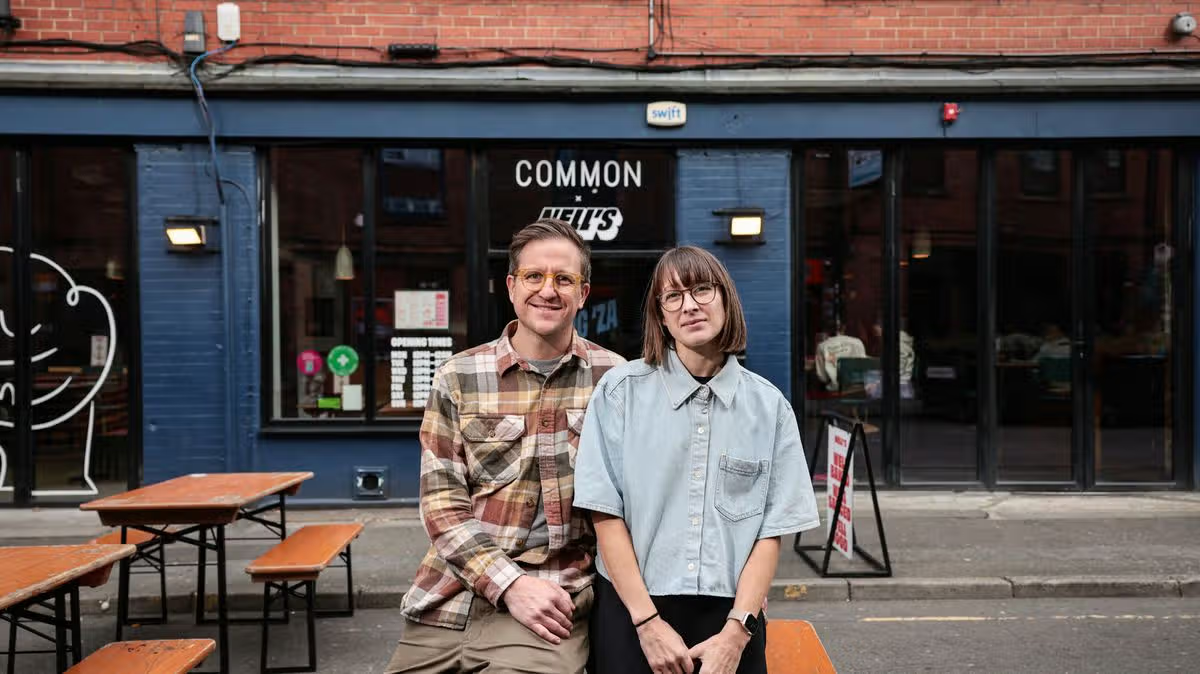
Johnny and Charlotte Heyes are the owners of Nells and Common

Johnny and Charlotte Heyes, the owners of Nells and Common(Image: Kenny Brown | Manchester Evening News)

The proprietor of a collection of well-loved bars and restaurants throughout Greater Manchester has urged customers to ‘keep visiting us’ as major tram works get underway that are set to cause disruption for three weeks.

Advertisement

From this week until August 2, a programme of essential improvement works will be carried out at the Deansgate-Castlefield and Trafford Bar tram stops, with further work scheduled across the city centre and along the Eccles line simultaneously. That means no trams will run on the Eccles, Trafford Centre and Altrincham lines.

The Metrolink works will also see the East Didsbury and Airport lines terminate at Firswood, and will clash with a host of major events taking place across Greater Manchester including Manchester Day, Comic Con Manchester and The Hundred at Emirates Old Trafford.

Charlotte Heyes, the co-owner of pizza destination Nell’s, says she first became aware of the planned works in mid-June – and warned the line closures will have a significant impact on the Nell’s sites in the city centre, MediaCity, and the Northern Quarter. “I think it will most affect us at MediaCity because it’s right by the tram stop there and people will get off and head to us,” Charlotte told the Manchester Evening News.

“We don’t have that now for the next three weeks. I think it could have a real impact on the area – we’ve had to adjust our forecasts lower as a result.”

Advertisement

Despite initial concerns, Charlotte reveals that the first few days have been somewhat more encouraging than she and her team had anticipated. She explained: “Thankfully, it’s not been as bad as we thought it would be so far but we have still noticed a bit of a drop in trade. The fact that we’ve had nice weather has certainly helped us out with that.”

Charlotte, who co-owns Common alongside her husband Jonny, describes the tram improvement works that took place over the Easter Bank Holiday weekend, from April 3 to 6, as ‘disastrous’ for their business. Much like the current month’s disruption, that period saw services suspended across the Eccles, Trafford Centre and Altrincham lines.

“We really suffered at MediaCity because of that,” she explains. “We were really down that weekend and everyone struggled. It was really bad for us. I was fearing these works would have had a similar impact on our summer.”

Charlotte revealed she contacted the Bee Network upon first learning of the works to explore whether any support could be offered to her business and neighbouring establishments in the vicinity.

Advertisement

Replacement bus services are operating in the impacted areas while the lines remain closed, with passengers also advised to utilise Bee Network buses and trains where feasible.

A spokesperson for Transport for Greater Manchester (TfGM) described the works as the ‘biggest track upgrades’ they have ever undertaken and stressed they are ‘vitally important’ in improving journey reliability. The organisation apologised for the disruption caused to both passengers and local businesses.

“I do feel like we weren’t given enough notice about this,” Charlotte suggests. “I expect these works had been planned for a long time. If we had known about this six months, or even three months, earlier, it would have helped us figure things out a bit more thoroughly on how we can deal with it. In hospitality, you do try to look at the whole year ahead in terms of predicted revenue and costs, and that helps to set your budgets.

Metrolink's Eccles line

Metrolink’s Eccles line (Image: TfGM)

“But we know at this point that there’s nothing that we can do about it – they’re already taking place. It’s just a case of us now trying to make it work as much as possible for us.”

Advertisement

Charlotte said she hoped that customers would continue to back hospitality businesses throughout the city-region, with bus and train services still anticipated to run as normal. “We just want to remind customers to still come visit us, there are still lots of ways of getting into town and into MediaCity whether it’s by bus or by cycling,” she said.

“We’re still open. Remember your local businesses, make the most of them.

“It’s been quite a challenging climate for us as a sector with the increased cost pressures so this has not come at the best of timing for us, but we’re just hoping people will still come and visit us.”

A TfGM spokesperson said: “This is vitally important work that will make Metrolink journeys quicker and more reliable once complete.

Advertisement

“This is one of the biggest track upgrades we’ve ever done, and it was always going to be disruptive for passengers given the scale of the job. We’re sorry for the inconvenience and are doing everything we can to keep people moving.

“We have been and continue to heavily promote the closure, to let people know in advance and give them a chance to prepare.

“Passengers are encouraged to allow extra time for their journey and to check the Bee Network website or app before they travel for the latest information, including about replacement buses.”

Advertisement
Continue Reading

Business

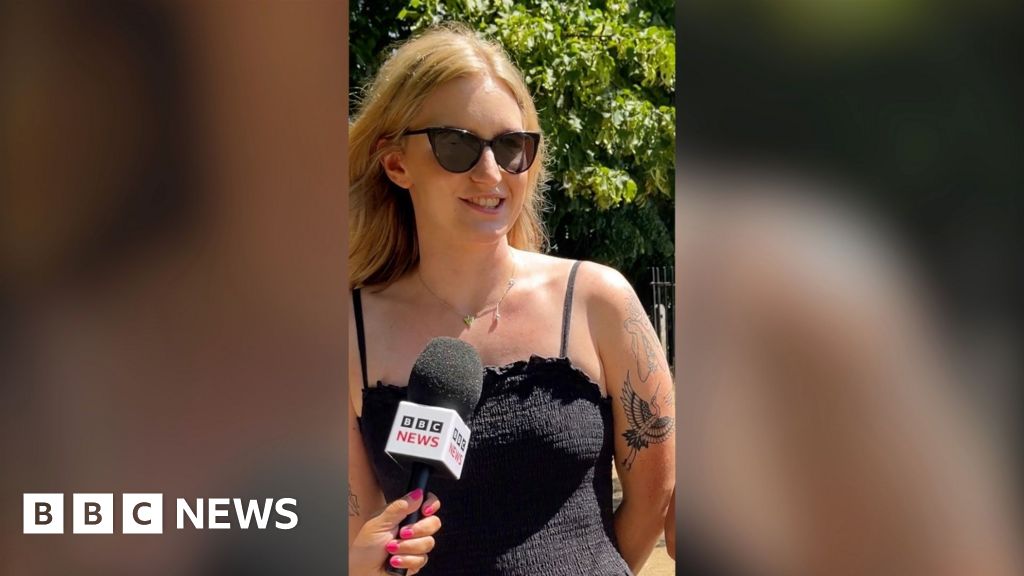
How do you split the bill with friends?

Published

on

A woman speaking into a mic. She has blonde hair, sunglasses, a black strappy dress and tattoos.

Hands down the worst part of going out for dinner.

Continue Reading

Business

Johnson Electric Holdings Limited 2027 Q1 – Results – Earnings Call Presentation (OTCMKTS:JEHLY) 2026-07-17

Published

on

OneWater Marine Inc. (ONEW) Q1 2026 Earnings Call Transcript

This article was written by

Seeking Alpha’s transcripts team is responsible for the development of all of our transcript-related projects. We currently publish thousands of quarterly earnings calls per quarter on our site and are continuing to grow and expand our coverage. The purpose of this profile is to allow us to share with our readers new transcript-related developments. Thanks, SA Transcripts Team

Continue Reading

Business

United Airlines to offer free flight changes to avoid Trump-named airport

Published

on

FAA begins DJT transition as Trump airport rename takes effect

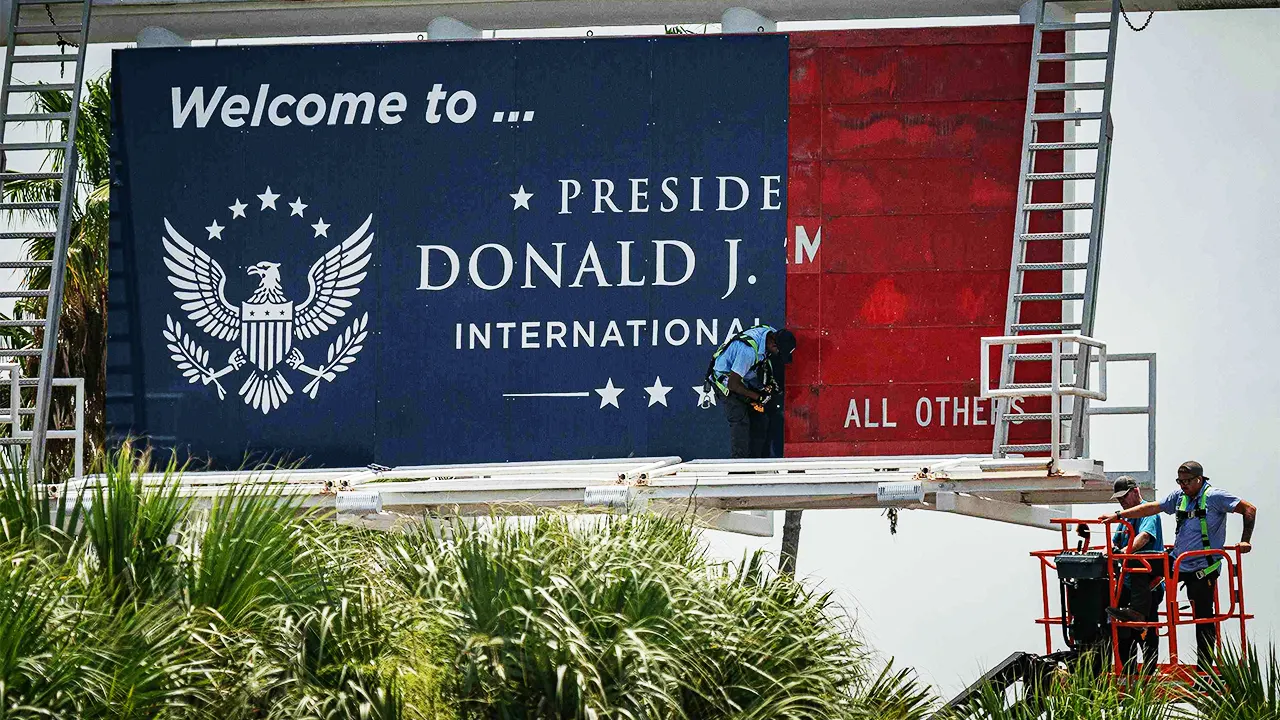
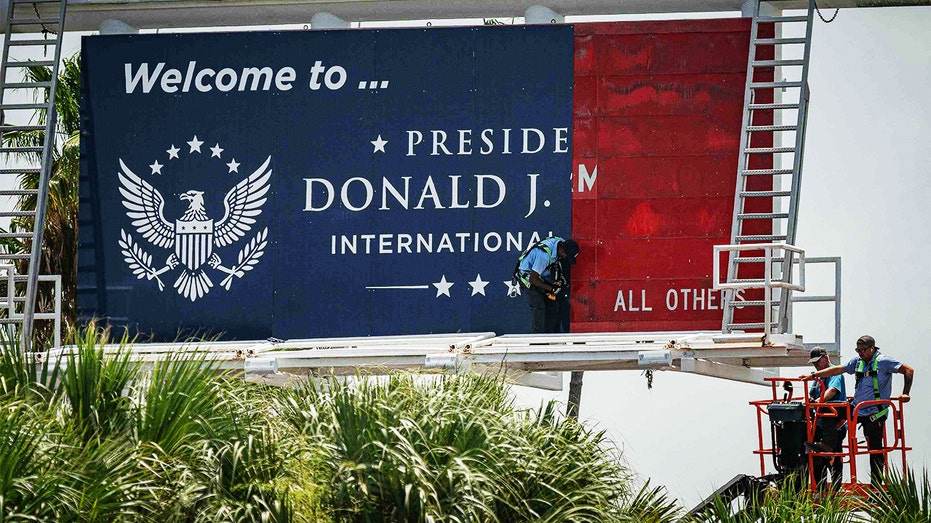
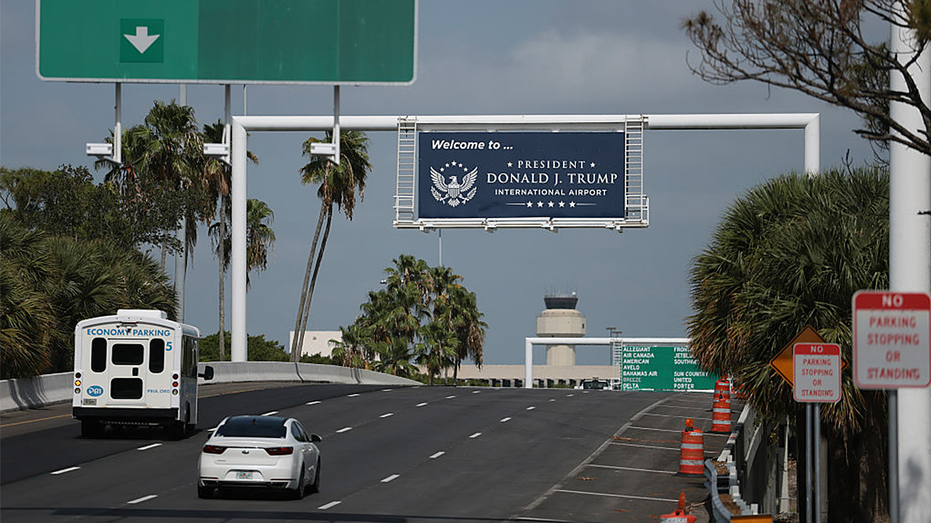
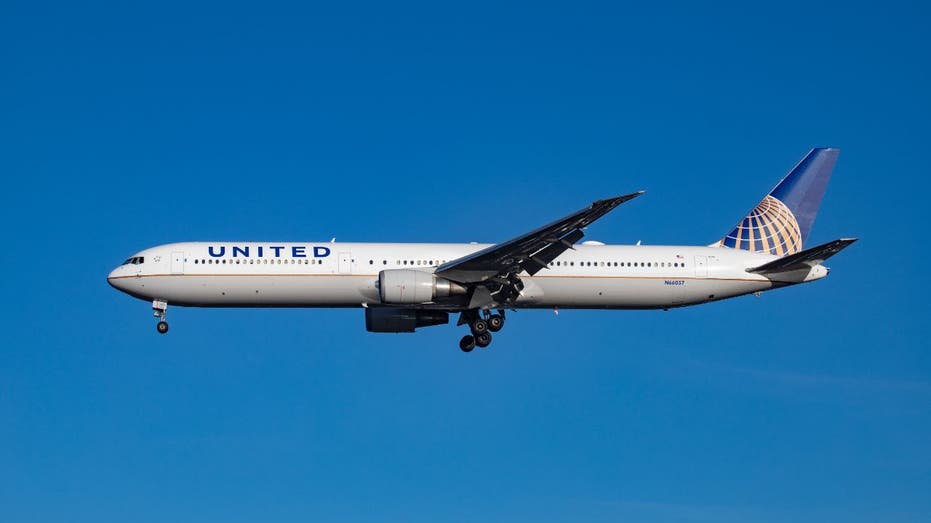
United Airlines is planning to offer passengers flight changes free of charge to avoid landing at the newly renamed President Donald J. Trump International Airport in Florida, according to an internal memo that appears aimed at customers who object to the airport’s new name.

Passengers who object to landing at the airport — previously Palm Beach International Airport — may be moved to Fort Lauderdale or Miami without having to pay extra, according to an internal memo obtained by Live And Let’s Fly.

Advertisement

“If a customer does not want to fly to the airport, use your empowerment to offer acceptable alternatives such as Fort Lauderdale Airport (FLL) or Miami International Airport (MIA),” the memo to reservation agents reads.

The memo even suggests a response to customers who object to landing at the renamed airport.

FAA BEGINS DJT TRANSITION AS TRUMP AIRPORT NAME TAKES EFFECT

djt international airport

United Airlines is planning to offer passengers flight changes free of charge to avoid landing at the newly renamed President Donald J. Trump International Airport. (USA TODAY Network via Reuters / Reuters)

“I understand that you’d rather not fly to this airport anymore. We can look at nearby airports like Fort Lauderdale or Miami instead. Is that an acceptable alternative?” the guidance says.

Advertisement

The agents are directed to process the change as an even exchange, effectively making the flight change free of charge for travelers.

Fort Lauderdale is roughly 45 miles south of West Palm Beach, while Miami is about 72 miles away, giving passengers alternative access to South Florida without stepping foot at President Donald J. Trump International Airport.

Still, agents are advised to offer an “acceptable alternative,” according to the memo, suggesting a flight change remains subject to availability and discretion permitted by the airline.

Airlines generally do not allow complimentary destination changes because a traveler objects to the person an airport was named after.

Advertisement
Donald Trump International Airport

Passengers who object to landing at the airport may be moved to Fort Lauderdale or Miami without having to pay extra. (Joe Raedle/Getty Images / Getty Images)

United is also expected to update its systems as the airport transitions from Palm Beach International Airport to President Donald J. Trump International Airport, according to the memo. The airport’s commercial passenger code is expected to remain PBI until the IATA code changes to DJT on Aug. 18.

FOX Business has reached out to United for comment.

This comes after outraged customers flooded the airport’s online contact form with complaints after the airport was renamed last week in honor of the current president.

The airport has said the name change is required by state law and does not affect its ownership, governance or operations.

Advertisement

The airport had posted a message above its comments form acknowledging the name change “may be received in different ways by our passengers.”

Many customers who responded to the form were furious about the name change and the airport’s disclaimer, with several vowing to boycott the airport, according to NOTUS, which obtained the messages through a public records request.

TREASURY UNVEILS $1 GOLD COIN WITH TRUMP’S IMAGE ON FRONT

United Airlines plane in flight

United is expected to update its systems to rename West Palm Beach Airport (PBI) to President Donald J. Trump (DJT). (Nicolas Economou/NurPhoto via Getty Images / Getty Images)

“It’s truly entertaining that you had to add a disclaimer to this form explaining the renaming of your airport after our racist, xenophobic, misogynistic 47th president,” one person wrote.

Advertisement

Another said, “Hopefully you’ll have plenty of airbags to catch the barfs from people as they drive up.”

“How do we continue to get on our knees for such a narcissistic criminal so-called president?” another wrote.

GET FOX BUSINESS ON THE GO BY CLICKING HERE

“I am writing to assure you that as long as you are calling this airport anything closely related to ‘TRUMP’ I will NEVER FLY INTO THERE. NEVER! You have 100% lost all my family’s business. Despicable move!” another added.

Advertisement

While airports have been named after other presidents, including former Presidents John F. Kennedy and Ronald Reagan, Trump is the first to have an airport named after him while he is still in office.

Continue Reading

Business

Aussie shares end week lower as mining rout continues

Published

on

Aussie shares end week lower as mining rout continues

Australia’s share market has fallen for a second straight week as mining sector selling continued and ongoing attacks between the US and Iran weighed on global growth hopes.

Continue Reading

Business

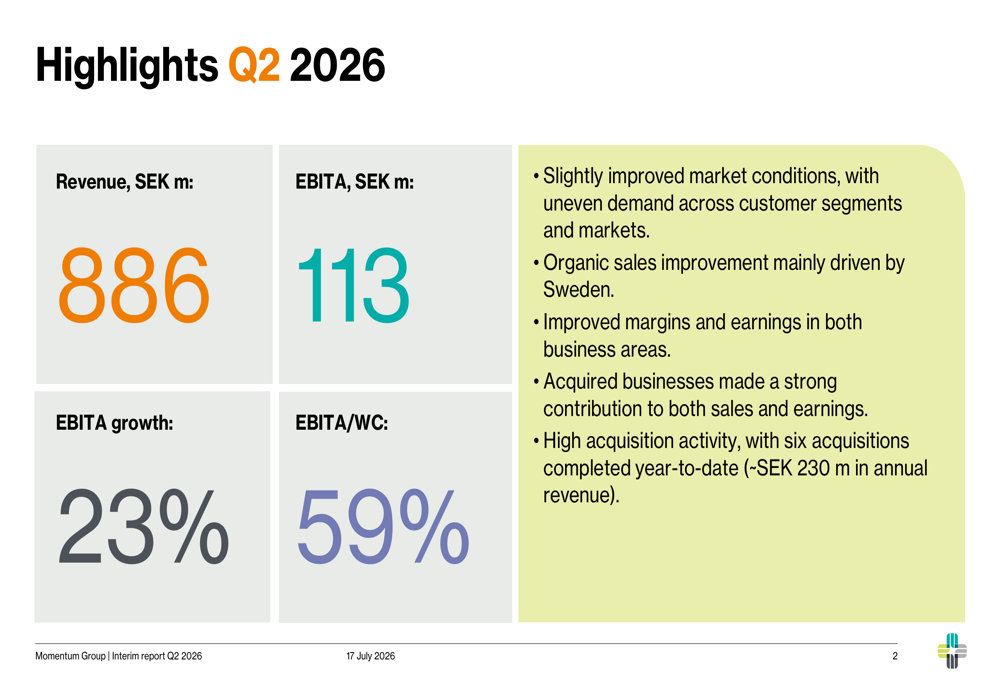
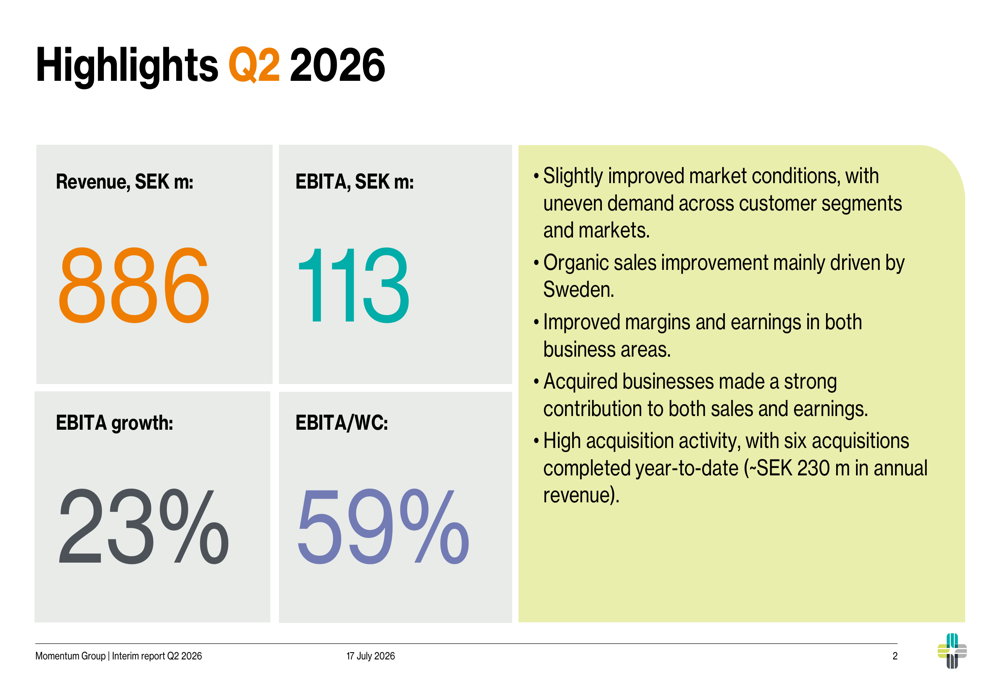
Momentum Group Q2 2026 slides: margins surge 23% on acquisitions

Published

on

Momentum Group Q2 2026 slides: margins surge 23% on acquisitions


Momentum Group Q2 2026 slides: margins surge 23% on acquisitions

Continue Reading

Trending

Copyright © 2025