Connect with us
DAPA Banner
DAPA Coin
DAPA
COIN PAYMENT ASSET
PRIVACY · BLOCKDAG · HOMOMORPHIC ENCRYPTION · RUST
ElGamal Encrypted MINE DAPA
🚫 GENESIS SOLD OUT
DAPAPAY COMING

Business

What the Growth of IPTV Says About Changing TV Habits in the UK

Published

on

What the Growth of IPTV Says About Changing TV Habits in the UK

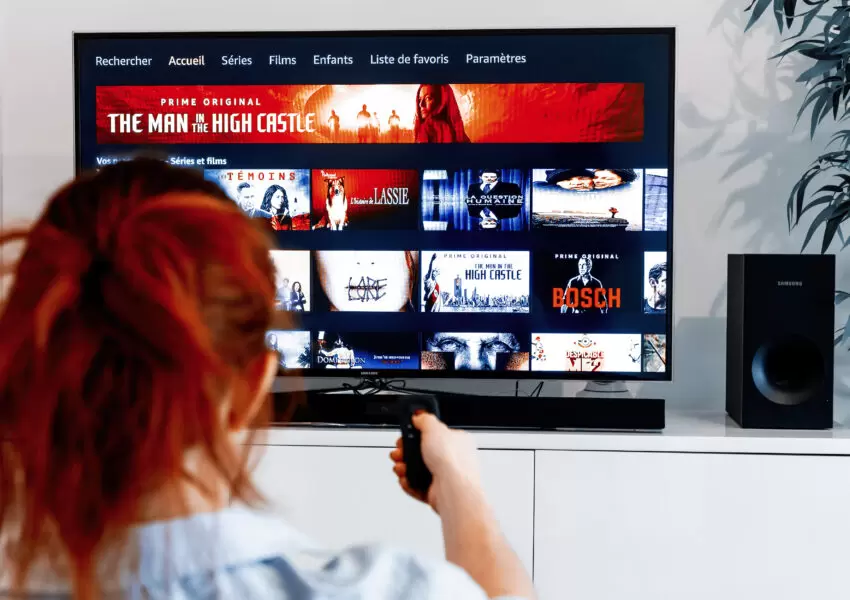
The television market in the UK has never stood still, but the pace of change has accelerated over the last decade. Streaming platforms, faster broadband and connected devices have altered viewing habits in ways that would have been difficult to imagine twenty years ago.

The living room television is still central to many households, yet viewers now expect the freedom to start a programme on one device, continue it on another and choose from an ever-growing range of content.

IPTV, or Internet Protocol Television, has become part of that conversation. While traditional broadcasting remains firmly established, internet-delivered television has expanded alongside it, giving consumers another way to access live channels, sport, films and on-demand programming. Its growth says less about one particular technology and more about how expectations have changed across the UK’s digital economy.

Convenience Has Become the Standard

Consumer expectations have shifted well beyond television.

People now order groceries through mobile apps, manage bank accounts online, store documents in the cloud and subscribe to music, software and entertainment with a few clicks. Television has followed the same path.

Advertisement

Viewers increasingly expect services to be available whenever they want them, regardless of location or device. Waiting for scheduled broadcasts is no longer the only option, and many households now combine traditional television with internet-based services to suit different viewing preferences.

This flexibility has become one of the defining features of modern entertainment.

Better Broadband Has Changed More Than Internet Speeds

The UK’s continued investment in broadband infrastructure has affected far more than web browsing or remote working.

Reliable high-speed connections have made it practical for households to stream multiple high-definition or 4K video feeds at the same time without noticeably affecting the viewing experience. For consumers, that means fewer compromises when different members of the family want to watch different programmes on separate devices.

Advertisement

Broadband quality has therefore become an important part of the entertainment experience. Viewers often judge a service by how consistently it performs rather than by the technology used to deliver it.

This has encouraged television providers to place greater emphasis on platform stability, application performance and customer support.

Subscription Services Have Changed Consumer Expectations

Television is only one example of a much broader economic trend.

Subscription models have become common across software, cloud storage, fitness, music, education and entertainment. Instead of making one-off purchases, consumers are increasingly comfortable paying for services that provide ongoing value.

Advertisement

That change has altered how businesses compete.

Winning a customer is no longer enough. Keeping that customer month after month has become equally important. This places greater attention on service quality, reliability and the overall customer experience.

Businesses that make their services easier to use often gain an advantage over competitors that focus solely on price.

Competition Extends Beyond Content

Content remains important, but viewers often evaluate television services using other criteria.

Advertisement

Is the application easy to navigate?

Does it work across different devices?

Can programmes be found quickly?

Is customer support available when something goes wrong?

Advertisement

These questions matter because consumers now compare every digital service with the best online experiences they already use. Expectations created by banking apps, online retailers and streaming platforms influence how customers judge businesses in completely different industries.

For providers, improvements to usability and customer support can have just as much influence on customer satisfaction as new content.

Technology Behind the Scenes

Many of the changes taking place within television are largely invisible to viewers.

Cloud infrastructure allows services to scale more efficiently during periods of high demand.

Advertisement

Artificial intelligence helps improve search results, content recommendations and customer support. Modern applications receive regular updates that improve stability, compatibility and security without requiring new hardware.

These developments are not unique to television. They reflect wider changes across digital businesses, where software improvements often happen continuously rather than through occasional major releases.

Consumers may never notice the technology itself, but they notice when a service performs well.

IPTV Reflects Wider Business Trends

The continued growth of IPTV highlights several themes that business leaders encounter across many sectors.

Advertisement

Customers value convenience.

They expect services such as Xtreme HD IPTV to work across multiple devices.

They prefer straightforward pricing and simple account management.

They are more likely to remain loyal when support is responsive and problems are resolved quickly.

Advertisement

These are not lessons limited to entertainment companies. Software providers, financial technology firms, online retailers and professional service businesses all compete on similar factors.

Customer experience increasingly influences long-term growth.

The Role of Trust

As digital services become part of everyday life, trust becomes more valuable.

Consumers expect businesses to communicate clearly, maintain reliable services and respond promptly when assistance is needed.

Advertisement

Building that confidence takes time. It is rarely achieved through advertising alone. Consistency, transparency and dependable customer support often have a greater impact on reputation than promotional campaigns.

This explains why many subscription businesses now invest heavily in customer retention as well as customer acquisition.

A Market That Continues to Evolve

The UK television market remains highly competitive, with public broadcasters, commercial broadcasters, subscription platforms and internet-based television services all serving different audiences.

Rather than replacing one another, these services increasingly exist alongside each other. Many households combine free-to-air channels with streaming subscriptions and IPTV, choosing the mix that best suits their viewing habits.

Advertisement

One example is Xtreme HD IPTV, which illustrates how internet-based television providers are placing greater emphasis on platform performance, device compatibility and customer support as consumer expectations continue to rise.

Looking Ahead

Television has always adapted to new technology, from analogue broadcasting to digital television and from satellite services to online streaming. IPTV represents another stage in that progression rather than a complete departure from what came before.

For businesses, the wider message is straightforward. Consumer expectations continue to evolve, but the priorities remain familiar: reliability, convenience, simplicity and trust. Companies that deliver those qualities consistently are often better placed to build lasting customer relationships, regardless of the industry in which they operate.

Readers interested in UK communications, media and consumer research can explore the latest reports published by Ofcom, which regularly examines changes in television viewing, broadband adoption and digital media across the UK.

Advertisement

Continue Reading
Click to comment

You must be logged in to post a comment Login

Leave a Reply

Business

MLB Now Effectively Bans Teams From Using Generative AI on Dugout iPads to Shape In-Game Strategy Calls

Published

on

Cody Bellinger LA Dodgers

Major League Baseball has effectively outlawed the use of generative artificial intelligence on the league-issued iPads teams keep in their dugouts during games, cracking down on a practice that had increasingly crept into how some clubs made real-time decisions on the field.

The league notified all 30 teams of the new restriction in a memo from the commissioner’s office dated June 11, according to reporting from Eno Sarris of The Athletic, which first broke the news of the policy change. The ban officially took full effect on Wednesday, timed to coincide with the resumption of play following this year’s All-Star break, giving teams roughly a month to adjust before the restriction was fully enforced.

According to the commissioner’s office memo, teams had been installing custom applications on the dugout iPads that pushed the devices well beyond their originally intended purpose. Rather than simply serving as tools for reviewing performance data and video, the memo said, the iPads in many cases had been repurposed to generate live recommendations on substitutions, pitch calling and other in-game decisions that have traditionally been made directly by players and coaches rather than software.

Sources with knowledge of the situation told The Athletic that as many as one-third of MLB’s 30 teams had been using the dugout tablets for at least one of these unintended purposes before the league intervened. NBC Sports, citing The Athletic’s reporting, indicated that pitch-calling assistance may have been central to the league’s concerns, noting that the Miami Marlins were believed to have pioneered the practice this season before it spread to as many as six additional teams around the league.

Advertisement

Despite the scope of the practice, MLB’s internal review determined that no teams had actually violated the league’s existing rules governing sign stealing or general electronic-device usage during games, meaning none of the clubs involved are expected to face disciplinary action or punishment as a result of the crackdown. The league’s response instead focused on tightening the technology guidelines going forward rather than penalizing teams for how they had used the tools up to this point.

The dugout iPads at the center of the controversy are structured around three distinct tabs, each serving a different function. The first tab provides MLB-supplied Statcast data along with multiple video angles for reviewing plays. The second tab contains information related to the league’s automated ball-strike challenge system. The third tab, however, had become a space where individual teams were free to install their own custom-built applications, and it is that third tab specifically that the league has now closed off under the new restrictions.

MLB has also layered additional safeguards on top of the new AI restriction in an effort to limit the flow of live information into the dugout more broadly. In-game video available through the tablets remains accessible only on a delayed basis rather than in real time, and clubhouse rules already in place bar non-playing personnel from entering the dugout during games, further limiting who can interact with the devices and any external information they might otherwise provide.

Reaction to the policy shift within front offices has been mixed. One front-office executive, granted anonymity by The Athletic to discuss the sensitive matter, offered a blunt assessment of the league’s motivation, saying the crackdown was aimed at stopping any advantage before it could fully take hold. Sarris reported separately that the decision drew frustration from some front-office members who had come to view the AI-assisted tools as a legitimate strategic advantage worth preserving, even as others in the league welcomed the move as a way to keep the game’s decision-making in human hands.

Advertisement

The dugout iPads that made this controversy possible trace back roughly a decade to MLB’s original technology partnership with Apple. The two companies first introduced iPad Pro devices into all 30 major league dugouts and bullpens in 2016, pairing the hardware with a custom-built application called MLB Dugout that gave managers, coaches and players direct access to advance scouting reports, analytics and video during games. That original rollout was framed at the time as a major step forward in bringing consumer technology directly onto the field of play, expanding on comments Apple co-founder Steve Jobs made when he first introduced the iPad in 2010 and cited Major League Baseball as an example of the device’s practical potential.

A decade later, that same hardware infrastructure has become the flashpoint for one of the more significant technology disputes MLB has confronted this season, as the rapid advancement of generative AI tools created new possibilities for teams looking to gain even a marginal edge in real-time decision-making. The league’s decision to intervene mid-season, rather than waiting for the offseason to implement new technology guidelines, underscores how quickly some teams had moved to adopt the tools once they became available.

Public reaction to the ban has been mixed as well, with some fans and observers questioning whether restricting AI actually preserves competitive fairness or simply removes a tool that, if made equally available to every team, might not have provided any club with a meaningful advantage in the first place. Others have argued that removing software-driven recommendations from real-time, in-game decisions like substitutions and pitch selection helps preserve the traditional role of managers, coaches and players in shaping the outcome of games, rather than ceding those choices to algorithmic suggestions.

For now, the league’s position is clear: with the third tab on team-issued iPads now off-limits for custom applications, any generative AI recommendations that had been quietly influencing bullpen decisions, defensive shifts or pitch sequencing from the dugout are no longer permitted under the league’s technology guidelines. Whether teams find new workarounds, or simply return to relying on the judgment of their coaching staffs as they did before AI tools became available, is likely to become clearer as the second half of the 2026 season unfolds under baseball’s newly tightened rules.

Advertisement
Continue Reading

Business

Who pays for Electrification and Artificial Intelligence?

Published

on


Who pays for Electrification and Artificial Intelligence?

Continue Reading

Business

Consumer Sentiment Hits Highest Level Since February On Easing Gas Prices

Published

on

Consumer Sentiment Hits Highest Level Since February On Easing Gas Prices

Busy Supermarket Aisle With Customers

Tom Werner/DigitalVision via Getty Images

By Jennifer Nash

Consumer sentiment reached its highest level since February, driven by easing gas prices. The preliminary July reading for the University of Michigan Consumer Sentiment Index came in at 54.4. This marks a 9.9% (4.9 points) increase

Advertisement
Continue Reading

Business

F.N.B. Corporation (FNB) Q2 2026 Earnings Call Transcript

Published

on

OneWater Marine Inc. (ONEW) Q1 2026 Earnings Call Transcript