

Business
What UK SMEs Should Know About Workplace EV Charging


A workplace EV charge point used to be a perk reserved for headquartered corporates. The picture in 2026 looks different. Small and medium-sized enterprises across the UK are installing chargers at their own premises.
Customer expectations, staff retention pressures, and the cost-to-install curve all read as reasons to act sooner. The decision now sits in front of most SME owners with a car park, a forecourt, or even a customer-facing kerb.
The right installer turns the decision from a multi-week project into a clean rollout. Essex-based providers like TBE Electrical handle the workplace EV charger installation alongside their wider commercial electrical services, which makes the project a single-contract job rather than a coordination headache. The framework below covers what UK SME owners should know before booking the install.
Why Is Workplace EV Charging Becoming a UK SME Decision?
Workplace EV charging has become an SME decision because three operational signals have aligned at once. Staff increasingly expect a charging option at work. Customer-facing premises read a visible charger as a credibility cue. And the OZEV-administered Workplace Charging Scheme reduces the per-socket cost meaningfully.
Three structural reasons explain why the conversation is now everywhere. First, EV uptake among UK private drivers continues to climb, which means staff arrive in EVs more often. The UK government’s Office for Zero Emission Vehicles coordinates the policy framework SME owners now work through.
Second, the workplace charger has become a recruitment signal in competitive sectors. Candidates increasingly read the car park before reading the offer letter.
Third, premises owners are starting to see chargers as infrastructure rather than tech. The install is now treated as part of the building’s electrical fit-out, not an optional add-on.
What Six Factors Shape the Workplace EV Charging Install?
Six factors usually drive the workplace EV charger decision for UK SMEs.
- Premises survey. A qualified electrician assesses the existing supply, board capacity, and the cable run from the consumer unit.
- Charger type. 7kW single-phase or 22kW three-phase chargers fit different premises and use-cases.
- Number of sockets. Two-to-four sockets cover most SME premises; high-traffic forecourts need more.
- Cable management. Tethered or untethered options affect both upfront cost and ongoing user experience.
- Authentication setup. RFID cards, app authentication, or open access each suit different operational models.
- OZEV grant eligibility. The Workplace Charging Scheme covers up to 40 sockets per applicant, but the eligibility criteria need a careful read.
A well-scoped install usually fits inside a one-to-two day window for most SME premises. The UK government’s low-emission vehicle grants collection covers the funding routes SME owners can stack alongside the install.
How Should an SME Owner Plan the Install?
Five practical steps shape a workplace EV charging rollout that does not derail the business.
The first is the premises walk-around. A qualified electrician walks the site, checks supply capacity, and identifies the most cost-effective cable route.
The second is the use-case scoping. Staff-only, customer-only, or mixed access shapes the socket count and authentication choice. Coverage of UK car safety ratings reinforces how vehicle-side criteria shape the wider workplace fleet conversation.
The third is the grant application. The OZEV Workplace Charging Scheme application sits with the chosen installer, who needs the relevant authorisations.
The fourth is the install scheduling. Most SMEs find a quiet weekend or out-of-hours window works better than a midweek install, even when the install is short.
The fifth is the post-install signposting. A new charger only earns its keep when staff, customers, and visitors know it is there. Coverage of whether Trustpilot reviews can be trusted reinforces how visibility and credibility cues compound for a small business across the channels customers actually check.
What Are the Common SME Workplace Charging Mistakes?
A workplace charging mistake is a planning gap that costs the SME budget, time, or operational comfort.
The first is the wrong-charger default. Installing 22kW three-phase chargers when 7kW single-phase covers the actual use-case usually overspends without producing meaningful benefit.
The second is the no-grant pattern. Missing the OZEV Workplace Charging Scheme leaves money on the table that a qualified installer can usually access.
The third is the under-scoped socket count. Installing one socket and finding it permanently occupied within a fortnight is a common pattern. Two-to-four sockets fit most premises better.
The fourth is the unclear access model. Open-access chargers without authentication can attract non-staff usage that drives up the electricity bill. Authentication usually pays back inside the first quarter.
The fifth is the no-signposting habit. A charger that staff and customers cannot easily find produces low utilisation and weak return on the install.
The sixth is the underestimated electricity cost. Without a usage policy in place, the chargers can produce a noticeable rise in the monthly bill. A simple authentication setup and a written workplace charging policy usually keeps the cost in line with the use-case the SME planned for.
The seventh is the no-maintenance pattern. A workplace charger needs occasional inspection, software updates, and cable checks. Booking a yearly check-in with the installer keeps the unit reliable for the long term and avoids the disruption of a sudden fault.
A Quick SME EV Charging Reality Check
- Confirm the premises has sufficient supply capacity for the planned chargers
- Match the charger type to the actual workplace use-case
- Check OZEV Workplace Charging Scheme eligibility before the install
- Plan authentication and access early
- Brief staff and customers on the new charger inside the first week
The Honest Bottom Line for UK SME Owners
A workplace EV charger is no longer a strategic moonshot; it is an infrastructure decision SME owners can make this quarter and have running before the next one. The install is short, the grant routes are well-mapped, and the operational signals all point in the same direction.
The decision rewards SMEs who act ahead of the customer expectation rather than behind it. A visible charger reads to staff, customers, and visitors as a credible signal that the business is paying attention to the same shifts they are.
Frequently Asked Questions
How Long Does a Workplace EV Charger Install Take?
Most SME workplace installs sit inside a one-to-two day window. The exact timeline depends on the cable run, board capacity, and the number of sockets being installed.
Do UK SMEs Qualify for EV Charging Grants?
Yes, most UK SMEs qualify for the OZEV Workplace Charging Scheme. The eligibility criteria, voucher amounts, and per-socket caps are updated annually; the chosen installer typically handles the application alongside the install.
What Charger Power Rating Do SMEs Usually Need?
For staff-only car parks, 7kW single-phase chargers usually cover the realistic dwell time. Customer-facing forecourts, fleet premises, or short-stop locations often benefit from 22kW three-phase chargers.
Do I Need a Specialist Electrician to Install a Workplace EV Charger?
Yes, EV charger installation requires a qualified electrician with relevant certifications. NAPIT-certified or NICEIC-registered installers cover the regulatory requirements UK premises owners need.


SPTL: Reserving Concerns Around Iran Deal Longevity, Eschewing Duration

WA Supreme Court judge reveals trans-continental blue between Africa-focused mining contractor Paul List and his former wife Angela List.

Brent crude was rising slightly Friday after U.S. Vice President JD Vance suspended plans to meet with Iranian representatives, even as more oil tankers passed safely through the critical Strait of Hormuz — a split picture that underscores just how fragile the recently signed U.S.-Iran peace agreement remains.
Brent crude futures, the international standard, were up 0.1% at $79.95 a barrel. West Texas Intermediate futures were rising 0.3% to $76.11 a barrel. The modest gains came even as some analysts argued the underlying trend toward de-escalation in the Middle East remained largely intact.
A Reminder That the Peace Deal Remains Fragile
The latest diplomatic wrinkle serves as a reminder that there are still plenty of obstacles to turning the preliminary U.S.-Iran peace deal into a lasting agreement. Brent crude oil prices rose Thursday after Vice President JD Vance warned Israel against further attacks on Iran-backed Hezbollah in Lebanon, raising doubts about the durability of the U.S.-Iran ceasefire agreement.
“The vice president’s statements about Israel may have put things back on edge,” said John Kilduff, partner with Again Capital. “I think the slightest sort of disturbance is going to register in the market.”
Brent crude futures settled Thursday at $79.85 a barrel, up 30 cents, or 0.38%.
Tankers Crossing the Strait Offer a Counterbalance
Despite the diplomatic uncertainty, tangible evidence on the water has continued to support the case that the broader de-escalation trend remains on track. Any concerns in the oil market might be relieved by tangible signs the vital Strait of Hormuz — which normally carries around 20% of the world’s daily oil traffic — is reopening to traffic. Three Saudi-flagged supertankers carrying more than six million barrels of crude crossed the strait on Thursday, according to Kpler ship-tracking data.
That kind of concrete shipping activity has provided a meaningful counterweight to the verbal sparring between U.S. officials and their counterparts in the region, offering markets at least some reassurance that the physical flow of oil through the world’s most important energy chokepoint continues largely uninterrupted.
A Long, Volatile Road to This Point
Friday’s modest price movements come at the tail end of months of extraordinary volatility in global oil markets, driven by a conflict that disrupted the Strait of Hormuz earlier this year before a series of fragile ceasefires and diplomatic breakthroughs gradually brought prices back down from crisis-era highs.
At the conflict’s peak, international benchmark Brent crude was trading at about $111 per barrel, as fighting in the region effectively halted traffic through the strategic waterway. Oil prices were up roughly 40% since the conflict began at that point, as Tehran forced the effective closure of the narrow waterway through which about a fifth of global energy flows.
A series of conditional ceasefires gradually pulled prices back down from those highs. Oil prices plunged in April after the U.S. and Iran agreed to a two-week conditional ceasefire that included the reopening of the vital Strait of Hormuz waterway, following a last-minute diplomatic intervention by Pakistan. The price of benchmark Brent crude dropped below $100 at that time, falling by about 15.9% to $92.30 a barrel, while U.S.-traded oil fell almost 16.5% to $93.80.
Vance’s Repeated Role in Iran Diplomacy
Vice President Vance has played a recurring and central role in the administration’s efforts to manage the Iran conflict and its economic fallout throughout the year, making his latest cautionary statement on Israel particularly significant for markets parsing the durability of the broader peace framework. Vance led the U.S. negotiating team for peace talks with Iran held in Islamabad, marking the highest-level meeting between the U.S. and Iran since the 1979 Islamic revolution.
Vance has also been directly engaged with the domestic economic consequences of the conflict, meeting repeatedly with industry stakeholders as gasoline prices fluctuated alongside crude oil. Vance and Energy Secretary Chris Wright met with the American Petroleum Institute, the nation’s largest oil trade group, as the Trump administration looked to ease rising gas prices, which had risen 92 cents on average nationwide compared to the prior month at the time, according to travel analyst AAA. Vance acknowledged at the time that there was a “rough road ahead of us for the next few weeks, but it’s temporary.”
A Pattern of Diplomatic Setbacks Followed by Recoveries
The current uncertainty surrounding Vance’s suspended meeting plans fits a broader pattern that has characterized U.S.-Iran relations throughout the conflict’s resolution process, with repeated cycles of diplomatic progress followed by setbacks and renewed tension. Earlier this month, Iranian state media claimed Tehran had suspended talks over Israel’s attacks in Lebanon, even as President Trump insisted negotiations were continuing. “Talks are continuing, at a rapid pace, with the Islamic Republic of Iran,” Trump said on Truth Social at the time.
Trump also addressed tensions tied to Israeli actions in southern Lebanon directly, saying, “There was a little glitch today, but I turned that one around very quickly, as you probably noticed earlier.” He said he had separately deterred Israeli Prime Minister Benjamin Netanyahu from conducting what Trump described as “a major raid of Beirut, Lebanon.”
China’s Shifting Demand Adds Another Variable
Beyond the geopolitical risk tied to the ceasefire’s durability, broader structural shifts in global oil demand have also begun factoring into market pricing. China, the world’s second-largest oil consumer, is forecast to consume 753 million metric tons in 2026, down 4.9% from 2025 amid a pivot to new energy sources and elevated oil prices, according to a report published by PetroChina’s research unit.
That projected decline in Chinese demand, if it materializes, could provide an additional offsetting factor against any near-term price spikes tied to renewed Middle East tensions, tempering the upside pressure that might otherwise result from disruptions to the ceasefire.
With Brent and WTI both holding relatively steady just below the $80 and $76 marks respectively, markets appear to be treating Vance’s suspended meeting as a notable but not yet decisive setback to the broader peace process. Traders will be watching closely for any further statements from U.S., Israeli, or Iranian officials in the coming days, along with continued tanker-tracking data through the Strait of Hormuz, as the clearest available signals of whether the fragile ceasefire holds or unravels further in the weeks ahead.


Strong grain outlook eases supply concerns.


Israeli, Hezbollah agree to ceasefire starting on Friday -U.S. official
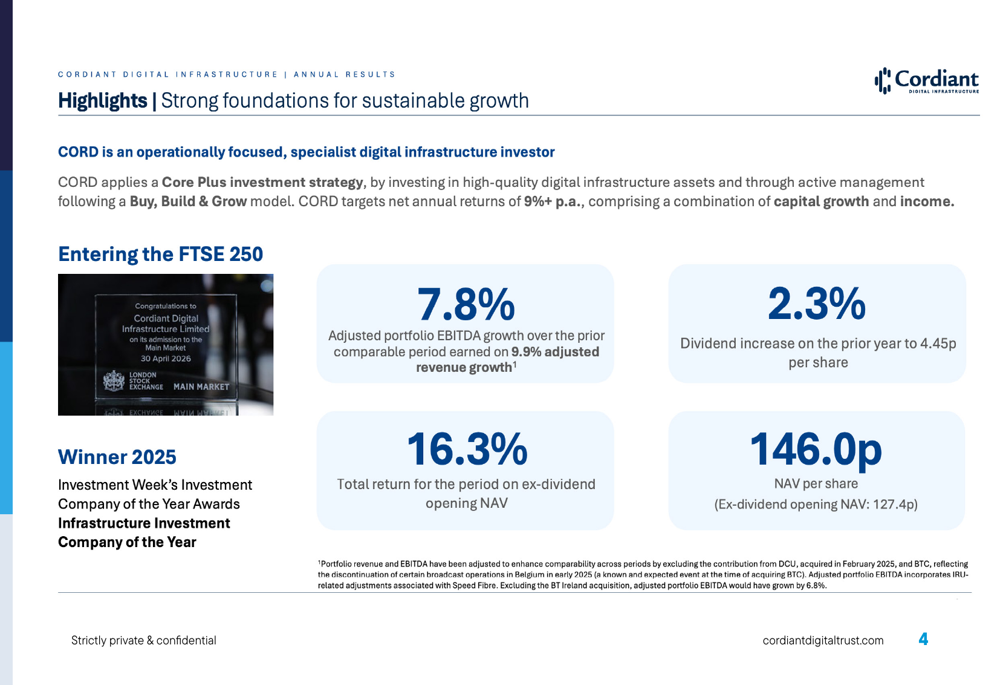
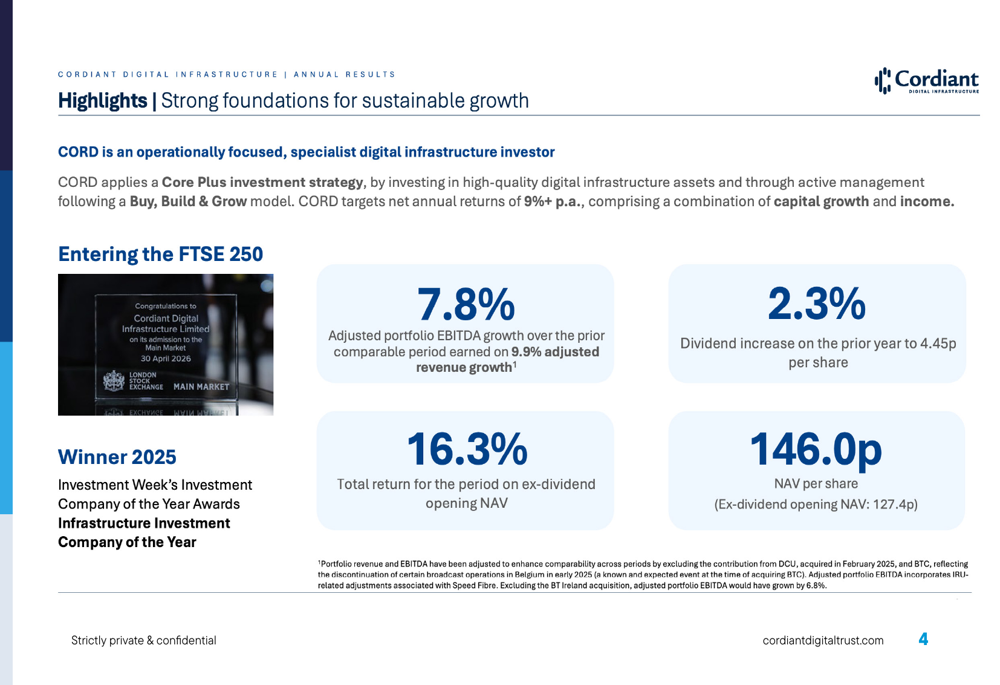
Cordiant Digital FY 2026 slides: 16.3% return beats 9% target

LSL Property Services backs UK home buying reform roadmap
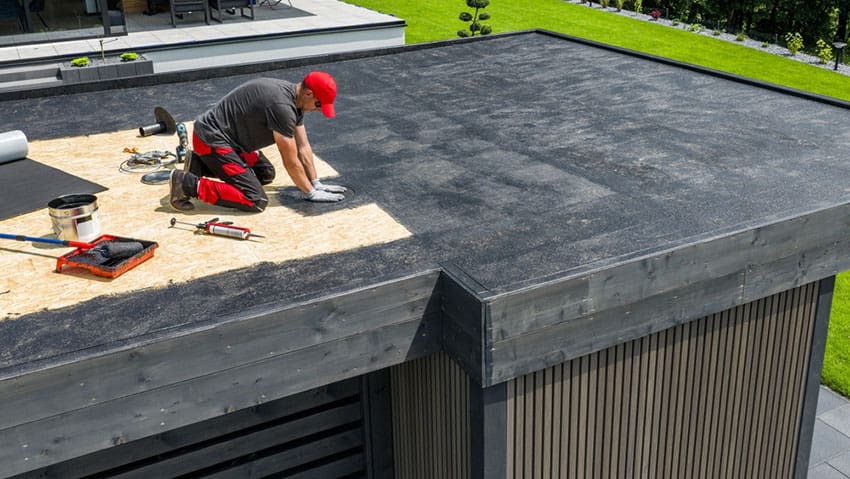
Choosing the right roofing style is one of the most important decisions for any property owner in the UK. The roof plays a vital role in protecting a building from rain, wind, temperature changes, and other environmental factors.
When planning a new build, extension, or roof replacement, many homeowners find themselves deciding between a flat roof and a pitched roof.
Both roofing systems have distinct advantages and limitations. The best choice often depends on factors such as property design, budget, maintenance expectations, and local weather conditions. Understanding how each option performs in the UK’s climate can help property owners make an informed decision.
Understanding Flat Roofs
A flat roof is designed with a very slight slope that allows rainwater to drain away. Although referred to as “flat,” these roofs are not completely level. Modern flat roofing systems are commonly constructed using materials such as EPDM rubber, fibreglass, or high-performance felt. Flat roofs have become increasingly popular for home extensions, garages, garden rooms, and contemporary residential properties. Their clean, modern appearance makes them attractive for modern architectural designs. This growing demand can be seen in areas such as flat roofing Watford projects, where homeowners often choose flat roof systems for their practicality, cost-effectiveness, and sleek appearance.
One of the primary advantages of a flat roof is affordability. Installation costs are generally lower because fewer materials are required, and construction is typically faster than a pitched roof. Flat roofs also provide easy access for inspections, repairs, and maintenance. Another benefit is the potential use of roof space. Many property owners choose to incorporate roof terraces, solar panels, or green roofing systems on flat roof structures.
Understanding Pitched Roofs
A pitched roof features two or more sloping sides that create an angled structure. This traditional roofing design is commonly seen across the UK and has been used successfully for centuries. Pitched roofs are particularly effective at directing rainwater away from the property. Their steep angles help prevent water accumulation and reduce the risk of leaks caused by standing water.
These roofs also offer additional attic or loft space, which can be used for storage or converted into living accommodation. For homeowners seeking long-term value, a pitched roof often provides greater durability and lifespan compared to many flat roofing systems.
The classic appearance of a pitched roof complements a wide range of architectural styles, making it a preferred choice for many traditional homes.
Flat Roof vs Pitched Roof Comparison
| Feature | Flat Roof | Pitched Roof |
| Cost | Lower installation cost | Higher initial cost |
| Lifespan | 25–40 years | 50+ years |
| Rain Performance | Needs drainage system | Excellent natural runoff |
| Maintenance | Easier access, more frequent checks | Less frequent but harder access |
| Energy Efficiency | High with proper insulation | High with loft insulation |
| Usable Space | Can be used for terrace/solar panels | Provides loft/attic space |
| Weather Resistance | Good when properly installed | Excellent in heavy rain/snow |
| Aesthetic Style | Modern, minimal | Traditional, classic |
Performance in UK Weather Conditions
The UK climate includes frequent rainfall, strong winds, frost, and occasional snowfall. These conditions place constant pressure on roofing systems throughout the year.
Rainfall Performance
Pitched roofs perform extremely well in heavy rainfall because water naturally flows down the slopes into guttering systems. Flat roofs rely on drainage systems, and while modern materials are highly effective, proper installation is essential to avoid water pooling.
Wind Resistance
Both roof types can perform well in windy conditions when properly designed. Pitched roofs may experience more wind uplift on exposed areas, while flat roofs can benefit from a more aerodynamic surface. Installation quality is the most important factor in both cases.
Snow and Ice
Pitched roofs allow snow and ice to slide off easily, reducing structural load. Flat roofs can retain snow for longer periods, which may increase weight. Modern structural design accounts for this, but proper engineering is essential.
Energy Efficiency
Energy efficiency is becoming increasingly important for homeowners looking to reduce energy costs.
Pitched roofs often provide additional insulation opportunities through loft spaces. These air pockets can help regulate indoor temperatures throughout the year.
Flat roofs can also achieve excellent thermal performance when fitted with modern insulation systems. In many cases, the overall energy efficiency depends more on insulation quality than roof shape alone.
Maintenance Requirements
Every roofing system requires ongoing maintenance to maximise its lifespan.
Flat roofs typically need more frequent inspections to ensure drainage systems remain clear and that membranes remain intact. Because the surface is accessible, maintenance is often simpler and safer to carry out.
Pitched roofs generally require less routine attention. However, repairs can be more complex due to height and accessibility challenges. Missing tiles, damaged flashing, and gutter issues should be addressed promptly to prevent water ingress.
Professional inspections help identify minor problems before they develop into costly repairs.
Lifespan Comparison
Roof longevity is a major consideration for property owners making long-term investments.
A well-installed pitched roof can often last 50 years or more, depending on the materials used. Slate and clay tile systems may last significantly longer with proper maintenance.
Modern flat roofing systems have also improved dramatically in recent decades. High-quality EPDM and fibreglass roofs commonly achieve lifespans of 25 to 40 years when professionally installed and maintained.
The lifespan of either roofing system depends heavily on workmanship, materials, and regular maintenance.
Cost Considerations
Budget frequently influences roofing decisions.
Flat roofs generally have lower installation costs because they require fewer structural components and less labour. This makes them particularly attractive for extensions and smaller structures.
Pitched roofs involve more complex construction and greater material usage, resulting in higher upfront costs. However, many homeowners view the increased durability and longevity as a worthwhile long-term investment.
When evaluating costs, it is important to consider both initial installation expenses and future maintenance requirements.
Which Roof Is Best for UK Weather?
There is no universal answer because the ideal roofing solution depends on individual property requirements.
For homeowners seeking a traditional appearance, excellent rainwater management, and maximum longevity, a pitched roof is often the preferred choice.
For modern properties, extensions, and projects where budget efficiency and usable roof space are priorities, a flat roof can provide excellent performance when installed using high-quality materials and proper drainage systems.
Many experienced roofing professionals, including reputable roofers in St Albans, recommend choosing a roofing solution that aligns with the property’s design, functional requirements, and long-term maintenance goals, rather than making a decision based solely on current trends.
Frequently Asked Questions
1. Are flat roofs suitable for heavy UK rainfall?
Yes. Modern flat roofing systems are designed with slight slopes and efficient drainage systems that allow water to drain effectively when installed correctly.
2. Which roof type lasts longer?
Generally, pitched roofs have a longer lifespan and can last 50 years or more. Modern flat roofs can also provide decades of service with proper maintenance.
3. Is a flat roof cheaper than a pitched roof?
In most cases, yes. Flat roofs typically require fewer materials and less labour, making them more cost-effective to install.
4. Which roof is more energy efficient?
Both roof types can achieve excellent energy efficiency. The quality of insulation and installation has a greater impact than the roof design itself.
Available for over a year
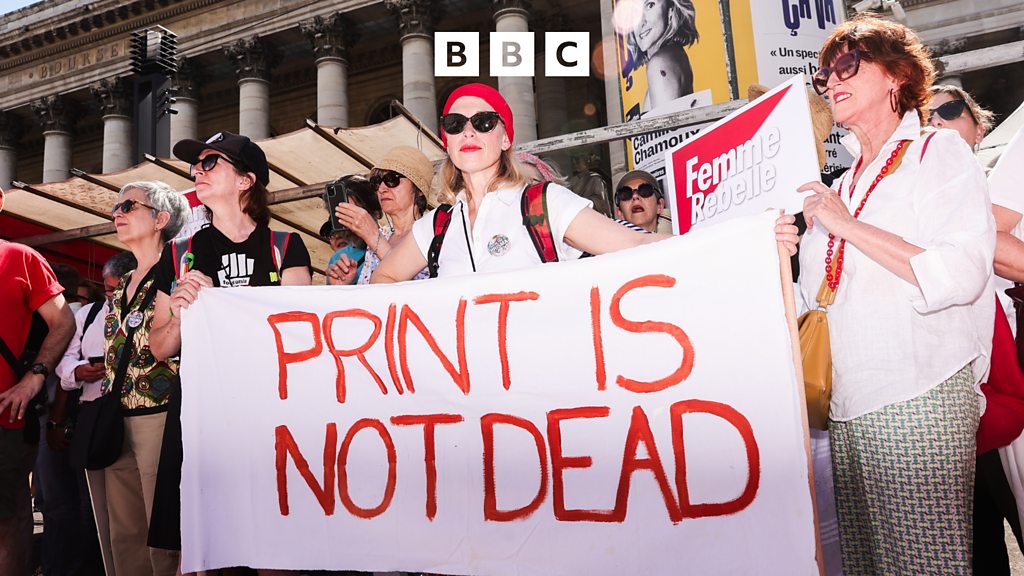
Rahul Tandon is joined by Rebecca Choong Wilkins in Singapore and Walter Todd in South Carolina, USA. They discuss which jobs may be most resistant to the rise of AI and whether skilled trades such as plumbing and locksmithing could offer greater job security. They also compare the challenges facing the US and Chinese economies in light of the latest data releases. And can Toy Story 5 match the box-office success of its predecessors?
Producers: Neil Morrow and Bisi Adebayo
Executive Producer: Justin Bones
You can email the team: businessdaily@bbc.co.uk

Somewhere in a Vancouver boardroom, a team approved a drum.
The instrument that Lululemon wheeled onto the Great Wall of China last month, framed by rows of contented yogis and a hired celebrity, turned out to be Japanese, or near enough that those who analysed the footage online could make the case. The timing is unfortunate, with Beijing and Tokyo trading accusations over Taiwan, and the Chinese internet primed to interpret any slight as a national one. Lululemon has since apologised to the celebrity and the public, and attempted to erase the campaign from existence, admitting that it suffered “limitations in [their] professional knowledge”.
That phrase deserves pause. It is the most honest thing any brand has said in this situation in years. Nobody in the room knew enough to see the problem, but, fundamentally, the room was built so that nobody could have.
This is a failure that no amount of talent inside a brand’s office can fix, because it’s a failure not of competence but instead almost certainly of composition. A capable in-house team shares a language, a set of reflexes and a mutual understanding of what is acceptable. The more cohesive a team becomes, the more efficiently it navigates. As such, those instead best placed to analyse whether a message, narrative or a campaign reads as intended – several zones away, to an audience carrying a history no one in the room had considered – are precisely those not invited to the meeting.
The recent record is not short. The most instructive case belongs to fellow Canadian apparel manufacturer Arc’teryx – a brand whose entire identity rests on reverence for the wild – and who, in September, set off an enormous fireworks display across a Tibetan ridge at eighteen thousand feet. In an attempt to honour the landscape, they were instead accused of desecrating it. Over 90 million engaged with the government’s announcement of an investigation into the stunt, and China’s Advertising Association concluded the stunt had destroyed years of trust in the firm’s eco credentials. A company that sells itself on protecting nature was seen to set light to it, and nobody had registered the contradiction, because everybody believed the same flattering thing about what they were doing.
As recently as last month, Starbucks released a range of “Tank” tumblers in South Korea – the company’s third largest market – on the anniversary of the Gwangju uprising, when in 1980, paratroopers crushed pro-democracy protests against military strongman Chun Doo-hwan. Prada spent much of last year explaining sandals it had paraded down a runway that were, to any Indian eye, the Kolhapuri design that artisans in Maharashtra and Karnataka have made for centuries, credited to no one. None of these was the work of fools. Each was formed by a clever and well-intentioned team – certain of a good idea – with no one whose job was to flinch first.
What the external specialist sells, then, is not creativity – of this, the internal team usually has a surplus. It is the deliberate importation of a missing perspective. Those who have, by nature of the role, seen a mistranslation turn into a scandal and whose wider market knowledge can predict how a celebration to one may read as provocation to another.
Companies pay lawyers to read contracts and auditors to verify accounts precisely because the downside of skipping them is so much larger than the fee. Cultural risk is no different, except brands have not yet naturally learned to budget for it.
Lululemon will likely survive its version: China is its fastest-growing market and accounts for a sixth of global sales, and the misjudged drum might even be forgotten by Autumn. But surviving a mistake is not the same as avoiding one, and the firms that keep treating cultural risk as a detail are the ones who end up paying for it.

Alex Gilmore
Alex is Head of Digital at Farrant Group, a strategic communications agency in London and Dubai. He advises brands, family offices and high-profile principals on reputation and narrative in unfamiliar and challenging markets.
Best Money Making Strategies in 2026 | Ft. Shankar Sharma

World shares are mixed after a tech-led rally on Wall Street

SPTL: Reserving Concerns Around Iran Deal Longevity, Eschewing Duration

Blockchain.com files with SEC for U.S. IPO

No Jackpot Winner as $257 Million Prize Rolls Over to $269 Million Monday Draw

Israel says it has killed new Hamas military leader in Gaza City airstrikes

Crypto Trading For Beginners Pt.2 | Crypto Trading LIVE DEMO | Bitcoin Trading

Only A few Hours Left! XRP HoldersToday It’s Happening! Elon Musk Ready To change Tee World?

10 LOANS at 24 – Is There A Way OUT?! | Money Matters Ep. 115 | Ankur Warikoo Hindi
-
 Business5 days ago
No Jackpot Winner as $257 Million Prize Rolls Over to $269 Million Monday Draw
-

 Fashion7 days ago
Weekend Open Thread: Tuckernuck – Corporette.com
-
 Crypto World5 days ago
Zimbabwe Requires Crypto Businesses to Register Annually Under New FIU Regulations
-

 Crypto World6 days ago
Bitget enters Argentina’s regulated crypto market through PSAV registration
-

 Tech6 days ago
NanoClaw integrates JFrog registries to secure AI agent downloads
-

 Tech7 days ago
This Week In Security: Microsoft On Microsoft, Register Your Domains, Linux On ARM, And FreeBSD Joins The File Cache Club
-

 NewsBeat7 days ago
FBI searches office of Ohio voter registration group
-
 Entertainment5 days ago
Matt Damon’s Viral Sci-Fi Thriller Has Taken Over HBO Max
-

 Business5 days ago
Anthropic staff to meet White House officials next week, Axios reports
-

 Tech5 days ago
As AI companies race to go public, who else is along for the ride?
-
 Crypto World5 days ago
Bitcoin could crash to $48,000, if this historical pattern is triggered
-

 Politics5 days ago
“Israel’s” ban on ICRC visits ruled illegal, but Knesset moves to stop them permanently
-
 NewsBeat5 days ago
Warning of disruption as Cardiff Crossrail works to start
-

 News Videos5 days ago
Financial Accounting | Last Day Revision Strategy and Booster | CMA Inter – June 2026
-
 NewsBeat5 days ago
Tributes to former deputy head teacher at Cambridge school among death and funeral notices
-
 NewsBeat5 days ago
what doctors are seeing in ebike crashes
-

 Crypto World5 days ago
XRP ETFs Outperform As Bitcoin And Ethereum Funds Extend Outflow Trend
-

 Entertainment6 days ago
Deion Sanders Shares Powerful Post After Viral Advice To Deiondra
-
 Crypto World5 days ago
Market Preview: SpaceX (SPCX) IPO Record, Federal Reserve Meeting, and Iran Nuclear Agreement
-
 Entertainment5 days ago
Kate Middleton Glare Goes Viral After Kids Booed At Royal Event
You must be logged in to post a comment Login