



Connect with us

Business

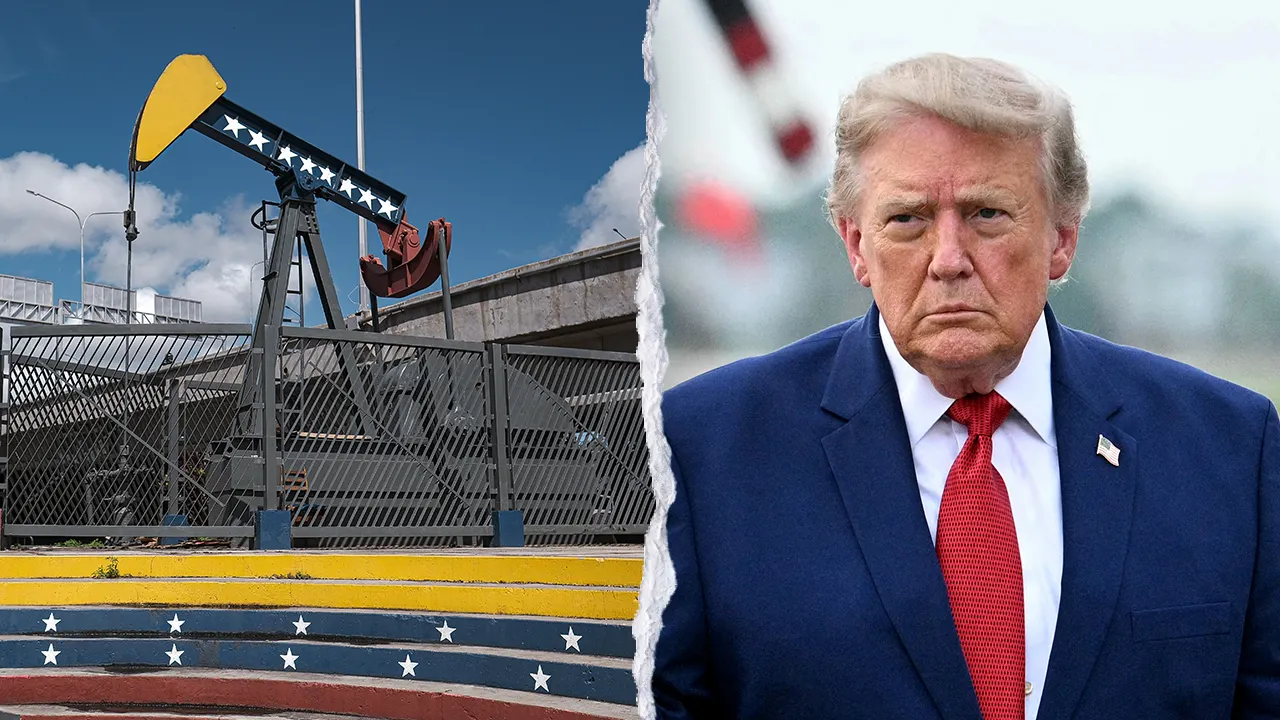
Who is Alejandro Betancourt? CEO behind Trump’s Venezuela oil deal

Published

on

Who is Alejandro Betancourt? CEO behind Trump's Venezuela oil deal

The Trump administration, which struck a deal with Venezuela last week to use a substantial amount of the country’s oil, will be working with Alejandro Betancourt López as the agreement takes shape over the coming weeks.

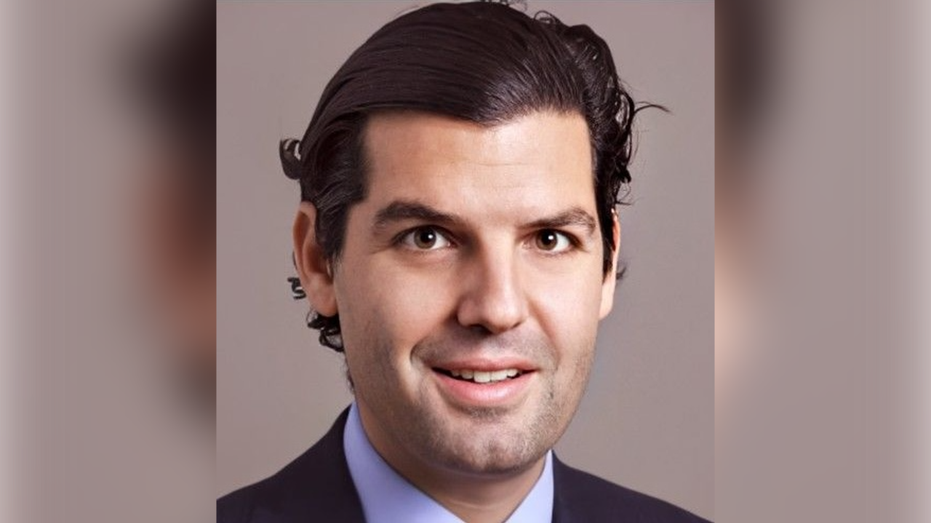
Betancourt López, 46, is the CEO of North American Blue Energy Partners (NABEP), Venezuela’s second-largest private oil producer. 

Advertisement

Over the past decade, he has been investigated by multiple countries, including the United States, over alleged money laundering, according to The Washington Post. According to the outlet, the U.S. has not acted on an arrest warrant from Switzerland and has instead allowed Betancourt López to enter the country repeatedly for meetings with the Trump administration about the Venezuelan oil deal.

Betancourt López has been investigated by U.S., Swiss and Spanish authorities over his alleged role in a scheme that prosecutors say embezzled more than $1 billion from Venezuela’s state-owned oil company, PDVSA.

TRUMP JUST BROKERED A DEAL WITH THE COUNTRY SITTING ATOP THE WORLD’S LARGEST OIL RESERVES

Alejandro Betancourt

A photo of Alejandro Betancourt dated Nov. 10, 2015. (Reuters / Reuters Photos)

Betancourt López has denied wrongdoing and has never been criminally charged in connection to the alleged scheme. In 2018, Abraham Edgardo Ortega, a former executive director at PDVSA, pleaded guilty in federal court to one money laundering conspiracy charge.

Advertisement

“Mr. Betancourt has never been charged with a crime in any jurisdiction. He is dedicated to serving the people of Venezuela by championing the country’s economic revitalization and, when helpful and appropriate, acting as an intermediary between its government and the United States,” NABEP’s general counsel, Sara Chouraqui, said in a statement to Fox News Digital.

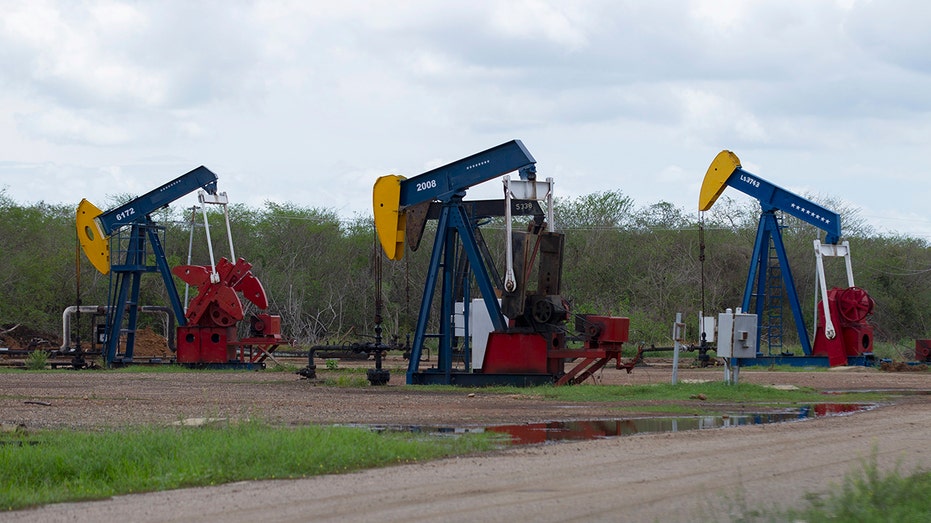
Venezuela oil pump

Oil pumping hammers are seen in the oil field, painted with the colors of the Venezuelan flag on April 28, 2026, in Lagunillas, Zulia, Venezuela. (Jose Bula Urrutia/UCG/Universal Images Group via Getty Images / Getty Images)

In a statement on Monday, Betancourt celebrated the oil deal between the U.S. and Venezuela.

“Venezuela is blessed with an abundance of natural resources, hardworking people and untapped potential,” Betancourt López said in a statement on Monday. “This transaction will unleash that potential to the great benefit of both Venezuelans and Americans.”

Under the deal, the U.S. will have the right to buy 20% of the oil produced from all current and future NABEP-operated fields at the cost of production, according to the White House.

Advertisement
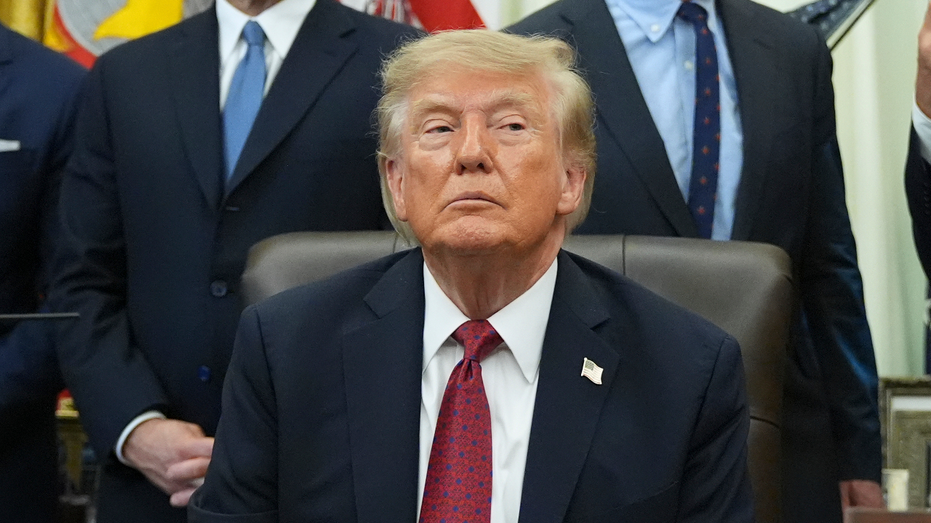
Trump in Oval Office

President Donald Trump during an event about drug prices in the Oval Office of the White House, on Aug. 31, 2026, in Washington, D.C. (AP Photo/Jacquelyn Martin / Associated Press)

VENEZUELA SAYS TRUMP’S HISTORIC OIL DEAL TARGETS 1.5M BARRELS PER DAY, COULD GENERATE $200B

The agreement also gives the U.S. first dibs on purchasing the remaining 80% of NABEP’s oil production before it can be sold to other customers, allowing Washington to secure additional supplies during an energy emergency.

Without spending taxpayer money, the U.S. government received a 35% ownership stake in NABEP’s parent company through the Department of War’s Office of Strategic Capital. The company says the stake could eventually generate hundreds of billions of dollars in value and dividend payments.

The agreement also gives the U.S. government veto power over appointments to NABEP’s board of directors and requires a majority of the board’s members to be U.S. citizens.

Advertisement

The initial announcement did not identify NABEP or Betancourt López. President Donald Trump said Friday that the deal would greatly increase the U.S. oil supply and “substantially lower Gas Prices for all Americans, long into the future.”

Venezuela’s president, Delcy Rodríguez, publicly backed the deal as well, saying in a statement Friday that it could generate more than $200 billion in tax revenue for the country.

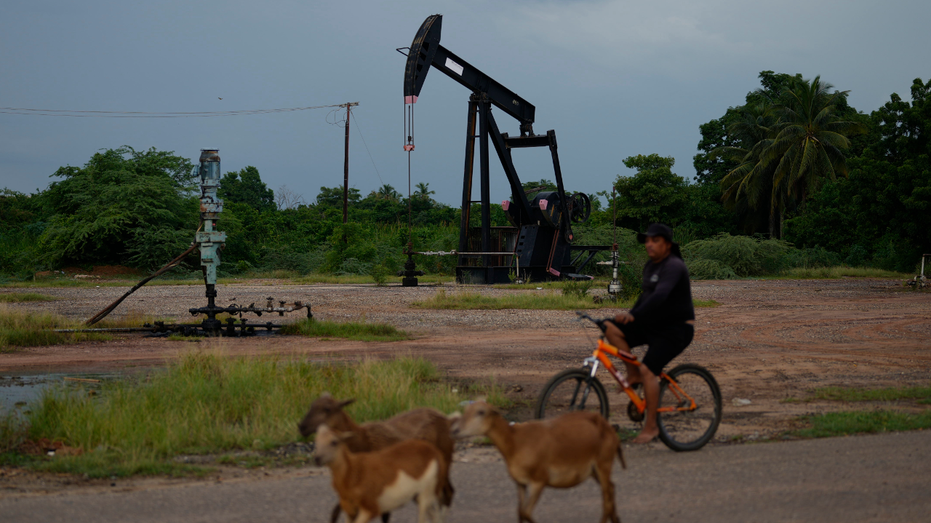
Venezuelan oil jack

A man rides past an operating oil pumpjack in Cabimas, Venezuela, on Aug. 31, 2026. (AP Photo/Ariana Cubillos / Associated Press)

NICOLÁS MADURO FLASHES PEACE SIGNS IN FIRST PRISON PHOTOS SINCE US CAPTURE IN CARACAS

NABEP, which is headquartered in Barbados, produces roughly 200,000 barrels of oil per day, according to its website. A person close to the company told The New York Times it intends to take on up to $5 billion in debt to boost output to 1 million barrels per day within five years.

Advertisement

Betancourt López founded NABEP in April 2024, but his involvement in Venezuela’s oil industry dates back to 2011, when he bought a stake in Petrozamora, a PDVSA joint venture that operated mature oil fields in Lake Maracaibo, according to The Times. Those fields later became the foundation of NABEP’s operations.

After the Trump administration ousted Nicolás Maduro from power in January, U.S. officials began looking for partners who would advance American interests in Venezuela, The Times reported.

Because of Betancourt López’s track record of increasing oil production in the fields his company manages, U.S. officials wanted to work with him on this public-private oil deal, according to The Times.

Advertisement
Continue Reading
Click to comment

You must be logged in to post a comment Login

Leave a Reply

Business

Rupee closes at near 2-month high of 94.95 to the dollar

Published

on

Rupee closes at near 2-month high of 94.95 to the dollar
Mumbai: The Indian rupee ended with its strongest closing in nearly two months to close at 94.95 on Tuesday, versus its previous close of 95.16. The strength came from flow-related dollar offers from foreign banks and aggressive central bank intervention through nationalised banks. The rupee gained past the 95 per dollar levels, which was a strong resistance zone, triggering stop losses for many.

The gains came in despite high crude oil prices and overall weak Asian currencies during the day. Strong Q1 GDP growth of 7.8% along with dollar sales by the Reserve Bank both in the offshore as well as domestic markets caused this rise, traders said.

“The strength reflects continued RBI dollar sales, both in the NDF and OTC (over the counter) market, along with flows from National Investment and Infrastructure Fund of nearly $ 2.2 billion on Tuesday,” said Anil Bhansali, head of treasury, Finrex Treasury Advisors.

Read more: Global Market: AI could force central banks to rethink monetary policy

Advertisement

The rupee traded between 94.79 and 95.11 on Tuesday, and according to these levels, it has erased nearly all losses of this financial year. The rupee had closed at 94.83 in March.


The positive sentiment however is not expected to last very long, as dollar demand is likely to continue amid high oil prices, while global bond sentiments are negative. “The positive growth outlook is helping offset pressure from higher oil prices and keeping sentiment towards the rupee stable. Going ahead, crude, dollar movement and FII flows will remain key triggers. Rupee range can be seen between 94.70 and 95.40 in the near term,” said Jateen Trivedi, VP, research analyst, LKP Securities.

Continue Reading

Business

China Humanoid Robots Shift to Industrial Utility

Published

on

China Humanoid Robots Shift to Industrial Utility

At this year’s World Robot Conference in Beijing, Unitree’s founder announced plans to accelerate humanoid robot development. The company aims to enhance robot intelligence, mobility, and versatility, competing globally in the robotics industry. Their focus includes improving robot adaptability for various applications, highlighting China’s growing capabilities in humanoid robotics innovation.


China’s humanoid robots are experiencing a significant shift from research prototypes to practical industrial applications. This transition reflects China’s growing emphasis on automation to boost manufacturing efficiency, reduce labor costs, and improve safety standards. Companies are increasingly deploying these intelligent robots in tasks such as assembly, logistics, and quality inspection, where human workers previously performed manual labor.

The advancement of AI and sensor technologies has enabled humanoid robots to perform complex and repetitive tasks with higher precision and reliability. As costs decrease and technology matures, more factories across China are adopting these robots to stay competitive in the global market. This trend is also aligned with China’s broader push towards high-tech innovation and smart manufacturing.

Overall, the shift of Chinese humanoid robots to industrial utility marks a major milestone in robotics development. It signifies China’s commitment to leading in industrial automation and reflects a future where humans and machines collaborate more seamlessly in manufacturing processes, driving economic growth and technological progress.

Advertisement

source

Continue Reading

Business

Credo Technology Group Holding Ltd (CRDO) Q1 2027 Earnings Call Transcript

Published

on

OneWater Marine Inc. (ONEW) Q1 2026 Earnings Call Transcript