









Connect with us
DAPA Banner
DAPA Coin
DAPA
COIN PAYMENT ASSET
PRIVACY · BLOCKDAG · HOMOMORPHIC ENCRYPTION · RUST
ElGamal Encrypted MINE DAPA
🚫 GENESIS SOLD OUT
DAPAPAY COMING

Business

Why a US-Iran Conflict Could Push Australian Petrol Past $3.00/L?

Published

on

Nike shares fell as it signaled a turnaround from a rocky period would take time

SYDNEY — Australian motorists are bracing for another sharp rise in petrol prices as the ongoing US-Iran conflict and effective closure of the Strait of Hormuz threaten to send global oil benchmarks well above $100 a barrel, with some economists warning that unleaded fuel at the pump could exceed $3.00 a litre if disruptions persist into the second quarter of 2026.

Gas Station
engin akyurt / Unsplash

The national average price for regular unleaded petrol climbed to around 229.6 cents per litre in mid-March, up more than 84 cents from February lows in major cities and even higher in regional areas. In Western Australia, prices surged roughly 70 cents a litre in less than a month, reaching near $2.26 in Perth. Industry observers say the latest increases reflect a 31.8% jump in unleaded 95 between late February and mid-March — the fastest rise among developed nations since the conflict began.

The catalyst is clear: the Strait of Hormuz, the narrow waterway between Iran and Oman through which roughly 20% of global seaborne oil and significant LNG volumes pass daily. Since US and Israeli strikes on Iranian targets in late February, Iran has restricted shipping, planted mines and deployed drones and speedboats, slashing traffic to a fraction of normal levels. Only limited vessels, often carrying Iranian oil or those from “friendly” nations, continue to transit, while most international tankers have diverted or delayed voyages.

Brent crude, the global benchmark, traded around $102 per barrel on Tuesday, March 24, 2026, after volatile swings that saw it briefly exceed $114 and touch highs near $119 in recent weeks. West Texas Intermediate has followed a similar path, remaining well above $90. Analysts at Goldman Sachs and others have embedded a substantial geopolitical risk premium in current prices, with some forecasting averages of $110 or more through the second quarter if the strait remains contested.

Australia imports nearly all its refined petroleum products, making it highly vulnerable to international crude price spikes. Although the country holds strategic fuel reserves equivalent to roughly 36 days of petrol, 32 days of diesel and 29 days of jet fuel, these stocks provide only a short buffer. The federal government has stated that physical shortages are unlikely if the disruption resolves within six months and International Energy Agency members release emergency stocks, but prices at the pump respond almost immediately to wholesale movements.

Advertisement

Every $1 increase in the price of a barrel of oil typically adds about 1 cent per litre to Australian retail petrol, though the relationship is not perfectly linear. Refinery margins, shipping costs, the Australian dollar’s value and local competition among fuel retailers also play roles. In the current environment, banks such as Westpac have modelled scenarios in which retail unleaded could average $2.02 a litre and diesel $2.50 if oil settles near $90–$110. More severe three-month disruptions could push oil toward $185 a barrel in extreme forecasts, translating to increases of up to $1.00 a litre or more at the bowser.

The pain is already evident. Panic buying has been reported in some areas, and farmers in regional Australia face higher diesel costs that flow through to food prices and agricultural operations. Transport operators and logistics firms warn of broader cost pressures that could feed into inflation and slow economic growth. The Reserve Bank of Australia is closely watching fuel costs as it weighs further monetary policy decisions, with some economists suggesting the latest surge could delay expected rate cuts.

Why the Strait of Hormuz matters so much cannot be overstated. Roughly 20 million barrels of oil move through the passage each day under normal conditions, destined largely for Asia but influencing global pricing everywhere. Limited bypass pipelines in Saudi Arabia and the United Arab Emirates can reroute only a few million barrels daily at most. With Iranian production also curtailed and OPEC+ spare capacity difficult to access while the waterway is contested, the market faces a genuine supply shock.

President Donald Trump has issued ultimatums to reopen the strait, threatening strikes on Iranian power infrastructure and offering political risk insurance for shipping, while extending deadlines amid reported diplomatic talks. Iran denies formal closure but maintains that risks to vessels remain high. Limited traffic has resumed in recent days, contributing to some price pullbacks, yet analysts caution that any sustained reduction in flows would keep upward pressure on energy costs.

Advertisement

For Australian households already grappling with cost-of-living pressures, the timing is particularly difficult. Petrol prices had eased earlier in 2026 but reversed sharply after the conflict escalated. In Sydney, Melbourne and Brisbane, metropolitan averages have climbed above $2.00 a litre in many outlets, with regional motorists paying even more. The Australian Automobile Association and NRMA have urged drivers to shop around using fuel apps and consider smaller fills, while calling on retailers to pass on wholesale relief quickly when it materialises.

Longer-term risks extend beyond the immediate crisis. A prolonged Hormuz disruption could reshape global energy markets, accelerate shifts toward renewables and LNG alternatives, and force Australia to rethink its fuel security. The country has no domestic crude production at scale and relies on imports refined overseas or at its remaining refineries. Government reviews have previously concluded that paying premium prices would secure supply even in extended crises, but that offers little comfort at the pump.

Some relief may come if diplomatic efforts succeed or if US naval escorts and allied operations restore safer passage. Maritime security experts suggest Iran’s capacity to sustain attacks may diminish over weeks as its missile and drone stocks deplete. Trump has described the conflict as nearing completion, though Tehran maintains a hard line. Markets remain jittery, with options pricing reflecting expectations of continued volatility.

Economists at Westpac, CommBank and others have outlined tiered scenarios: a short Iranian production-only hit might add 25 US cents a barrel and 25 Australian cents a litre at the pump; a one-month Hormuz disruption could lift oil by $25–$40 and petrol by 50 cents or more; a three-month event risks far steeper increases. The Australian dollar’s weakness against the US dollar amplifies the local impact, as oil is priced in greenbacks.

Advertisement

For now, the message from fuel industry bodies is cautious optimism mixed with realism. Wholesale prices have shown some softening in recent sessions as vessels trickle through the strait, but any renewed escalation could erase those gains overnight. Motorists are advised to monitor FuelWatch and similar services, fill up strategically and consider fuel-efficient driving habits.

The current gas price shock serves as a stark reminder of Australia’s exposure to distant geopolitical events. While the nation’s strategic reserves and diversified import sources provide a safety net against outright shortages, they do little to shield household budgets from the rapid transmission of global oil prices to the local bowser.

As negotiations continue and military posturing persists, Australian drivers may soon face the prospect of $3.00 petrol — a threshold once unthinkable but now squarely within range if the world’s most critical energy chokepoint remains contested. How long the pain lasts will depend on diplomacy, military developments and the resilience of global supply chains in the weeks and months ahead.

Advertisement
Continue Reading
Click to comment

You must be logged in to post a comment Login

Leave a Reply

Business

China’s marriages drop to decade low, deepening demographic concerns

Published

on

China's marriages drop to decade low, deepening demographic concerns
HONG KONG: Marriage registrations in China fell 6.2% year on year in the first quarter and are about half 2017 levels, official data show, underscoring the ‌demographic ⁠strain in ⁠a country where childbearing remains closely tied to marriage.

China recorded 1.697 million marriage registrations in the quarter, the Ministry of Civil Affairs said on Saturday.

The figures are the latest ⁠sign of ‌China’s deepening demographic challenges.

Also read: China’s April producer inflation at 45-month peak on energy price shock

China’s ​population ​fell for a fourth ⁠consecutive year in 2025, while its birth ​rate dropped to a record ​low, prompting warnings from demographers of further decline.

Advertisement


Couples in China have traditionally had children after marriage, reflecting both cultural norms and ‌administrative rules that have in some cases linked birth registration ​or ​access to ⁠benefits to a marriage certificate.
Authorities have rolled out a range of measures to encourage marriage and childbearing, including family subsidies, childcare support and efforts to reduce childbirth-related medical costs.

Continue Reading

Business

Cellular Intelligence acquires Novo Nordisk’s Parkinson’s cell therapy

Published

on


Cellular Intelligence acquires Novo Nordisk’s Parkinson’s cell therapy

Continue Reading

Business

Kraft Heinz downgrading frozen, elevating hydration

Published

on

The Kraft Heinz Co. launches electrolyte-infused Capri Sun

Changes reflect new CEO’s strategic priorities. 

Continue Reading

Business

Fragile Health and Missing Medication Raise Grave Concerns for 84-Year-Old

Published

on

Nancy Guthrie

TUCSON, Ariz. — Nearly 100 days after her suspected abduction from her Catalina Foothills home, Nancy Guthrie’s fragile medical condition continues to heighten fears for the 84-year-old mother of “Today” co-anchor Savannah Guthrie, with experts warning that the lack of critical daily medications and her reliance on a pacemaker could prove life-threatening.

Nancy was taken in the early hours of Feb. 1, 2026, in what authorities describe as a targeted kidnapping. She left behind her phone, medications, and other essentials after a struggle that left bloodstains confirmed to be hers at the scene. Her pacemaker stopped syncing with her devices around 2 a.m., adding urgency to concerns about her cardiac health.

Critical medical vulnerabilities

Nancy suffers from high blood pressure, cardiac issues requiring a pacemaker, and significant mobility limitations. She needs daily medications for hypertension, blood thinners, and anti-arrhythmic drugs. Law enforcement has repeatedly stressed that missing these medications for more than 24 hours could be fatal.

Advertisement

Cardiologists and emergency physicians consulted on the case have painted a dire picture. Without her regular regimen, Nancy faces risks of irregular heart rhythms, blood clots, severe hypertension spikes, or heart failure. The pacemaker helps regulate her heartbeat, but stress from the abduction — potentially including a violent struggle — could have triggered complications.

Sleep experts have raised additional alarms. If awakened abruptly around 2 a.m. during the suspected kidnapping, Nancy may have experienced sleep inertia — a disoriented state that, combined with her heart condition, could have elevated her risk of a heart attack. Experts note elderly patients with pacemakers are particularly vulnerable in such scenarios.

Her limited mobility compounds the danger. Family members describe Nancy as sharp-minded but physically frail, often in significant back pain and unable to walk far even on good days. Taken barefoot in pajamas without shoes or supportive aids, she would have struggled in any prolonged captivity or harsh environment.

Family and expert fears

Advertisement

Savannah Guthrie and her siblings have made emotional public appeals, repeatedly highlighting their mother’s urgent need for medication. On Mother’s Day, Savannah posted a heartfelt tribute urging anyone with information to come forward, emphasizing the family’s unwavering hope while acknowledging the medical realities.

Forensic and behavioral experts suggest the kidnappers may not have fully understood Nancy’s fragility. Some theorize that if she suffered a medical episode, captors could have abandoned her or disposed of her body when she was no longer “of value” for ransom. Declining ransom demands in reported notes have fueled speculation that her health may have deteriorated rapidly.

Investigation ongoing amid medical uncertainty

Pima County Sheriff’s Office and the FBI continue treating the case as an active abduction. Blood evidence, mixed DNA samples, and doorbell camera footage remain key pieces. A recent discovery of prehistoric human remains near the home briefly raised hopes before being ruled unrelated.

Advertisement

No suspects have been named, and ransom notes’ authenticity remains under review. The $1 million family reward stays active, with authorities pleading for tips. Elizabeth Smart, a survivor of prolonged abduction, has offered public encouragement, noting that hope can persist even in long cases.

Potential health scenarios

If Nancy remains alive and held captive, experts warn of cascading risks: dehydration, infection from untreated conditions, cardiac events, or mobility-related complications like blood clots from immobility. Without her pacemaker’s remote monitoring and daily meds, even short-term captivity could lead to irreversible damage.

If she was released or escaped early, her condition would still make survival challenging without immediate medical intervention. The desert environment around Tucson adds environmental stressors like temperature extremes.

Advertisement

Family’s resilience and public appeals

The Guthrie family has balanced private grief with public advocacy. Savannah returned to the “Today” anchor desk in April after time away but continues sharing emotional updates. The family’s message remains consistent: Nancy is a beloved mother, grandmother, and community member who needs her medication and deserves to come home.

As the case nears the 100-day mark, the intersection of law enforcement efforts and medical urgency underscores the race against time. Every day without resolution amplifies concerns about Nancy’s deteriorating health.

Broader lessons

Advertisement

The case has spotlighted vulnerabilities of elderly individuals living alone, the importance of home security, and rapid response in missing persons cases involving medical needs. It has also fueled conversations about media coverage disparities and community support for long-term searches.

Anyone with information is urged to contact the FBI tip line at 1-800-CALL-FBI or submit anonymously. The family and investigators continue hoping for Nancy’s safe return despite the medical challenges that make every passing day more critical.

Nancy Guthrie’s story is a painful reminder of how quickly life can change — and how medical conditions can transform an already harrowing situation into one of life-or-death urgency. Her loved ones and authorities refuse to give up, holding onto the possibility that she can still be brought home.

Advertisement
Continue Reading

Business

Heathrow sees passenger dip amid Iran conflict

Published

on

Heathrow sees passenger dip amid Iran conflict

The west London airport said 6.7 million passengers travelled through Heathrow in April.

Continue Reading

Business

Pre-Season Leg Laceration Required 24 Stitches but Driver Missed No Races in 2026

Published

on

Kyle Busch

CHARLOTTE, N.C. — Two-time NASCAR Cup Series champion Kyle Busch revealed in March that he suffered a gruesome leg injury just days before the start of the 2026 season, requiring 24 stitches after a freak accident at home, yet powered through to compete in every race so far this year for Richard Childress Racing.

Kyle Busch
Kyle Busch

Busch detailed the scary incident on his wife Samantha Busch’s “Certified Oversharer” podcast, describing how a stool collapsed while he was fixing a smoke detector, causing a deep laceration on his right leg that left him bleeding profusely. The 44-year-old driver was rushed to the hospital around midnight and spent more than three hours receiving emergency treatment.

“I look down and it’s not like you’re bleeding like a nosebleed. It is like pouring, like you’re gushing,” Busch recalled. Samantha drove him to the hospital with his leg propped up on the dashboard covered in towels. Doctors confirmed the cut sliced through fat but missed the muscle.

Near miss for 2026 season opener

The injury occurred shortly before the Cook Out Clash at Bowman Gray Stadium, raising immediate doubts about Busch’s availability for the season. Despite significant pain and blood loss, he recovered quickly enough to qualify on pole for the Daytona 500 — the first time in his career — and has not missed a Cup Series start in 2026.

Advertisement

Busch later laughed about the incident in interviews, downplaying its severity with his trademark humor: “Just sliced the fat, folks. Didn’t even get a muscle.” The story has since gone viral among NASCAR fans, who praised his toughness and dedication.

Recent on-track incidents spark new concerns

While the pre-season leg injury has healed, Busch has faced additional physical demands from on-track action. In early May at Texas Motor Speedway, he was involved in a late-race wreck with John Hunter Nemechek that drew NASCAR review but caused no reported injuries. At Watkins Glen, he was heard requesting medical attention post-race, though details remain limited and he has continued competing without missing events.

Busch’s ability to race through discomfort reflects his veteran experience and reputation as one of NASCAR’s toughest competitors. His 2015 Daytona crash, which resulted in compound fractures to both legs, remains a benchmark for his resilience after a remarkable recovery and eventual championships.

Advertisement

Impact on performance and team

Despite the early-season setback, Busch has remained competitive in the No. 8 Chevrolet for RCR. While wins have been elusive in 2026 so far, consistent finishes have kept him in playoff contention. The team has adapted around any lingering effects from the leg injury, focusing on car setup and strategy.

Samantha Busch has been vocal in supporting her husband, sharing insights into the family’s experience during his recovery period. The couple’s openness has humanized the high-risk world of NASCAR for fans.

NASCAR’s physical demands

Advertisement

Stock car racing places enormous strain on drivers’ bodies, with G-forces, heat, and crash impacts testing endurance. Injuries like Busch’s highlight the hidden risks even off the track. NASCAR’s safety protocols continue evolving, but drivers often push through pain to stay in championship hunts.

Experts note that deep lacerations carry risks of infection and mobility issues, yet Busch’s rapid return demonstrates elite fitness and medical support. His story serves as inspiration for athletes facing setbacks.

Fan and media reaction

The podcast revelation sparked widespread discussion across social media and NASCAR forums. Fans expressed admiration for Busch’s grit, with many sharing stories of their own injuries. The incident has also renewed conversations about driver safety and the mental toughness required in the sport.

Advertisement

As the 2026 season progresses, Busch remains a central figure. His experience, combined with RCR’s resources, positions him for strong runs as the playoffs approach. Any lingering effects from the leg injury appear minimal, though the physical toll of racing accumulates over time.

Looking ahead

Busch has shown no signs of slowing despite turning 44 and dealing with the off-season scare. His focus remains on winning races and contending for a third championship. The remainder of 2026 will test his endurance, but early indications suggest the veteran is as determined as ever.

For NASCAR fans, Kyle Busch’s injury story adds another layer to his legacy — not just as a champion, but as a driver who refuses to let setbacks define him. Whether battling on the track or recovering from unexpected home accidents, “Rowdy” continues proving why he remains one of the sport’s most compelling figures.

Advertisement

As the season unfolds, all eyes stay on Busch — watching to see if his resilience translates into more victories and another deep playoff run.

Continue Reading

Business

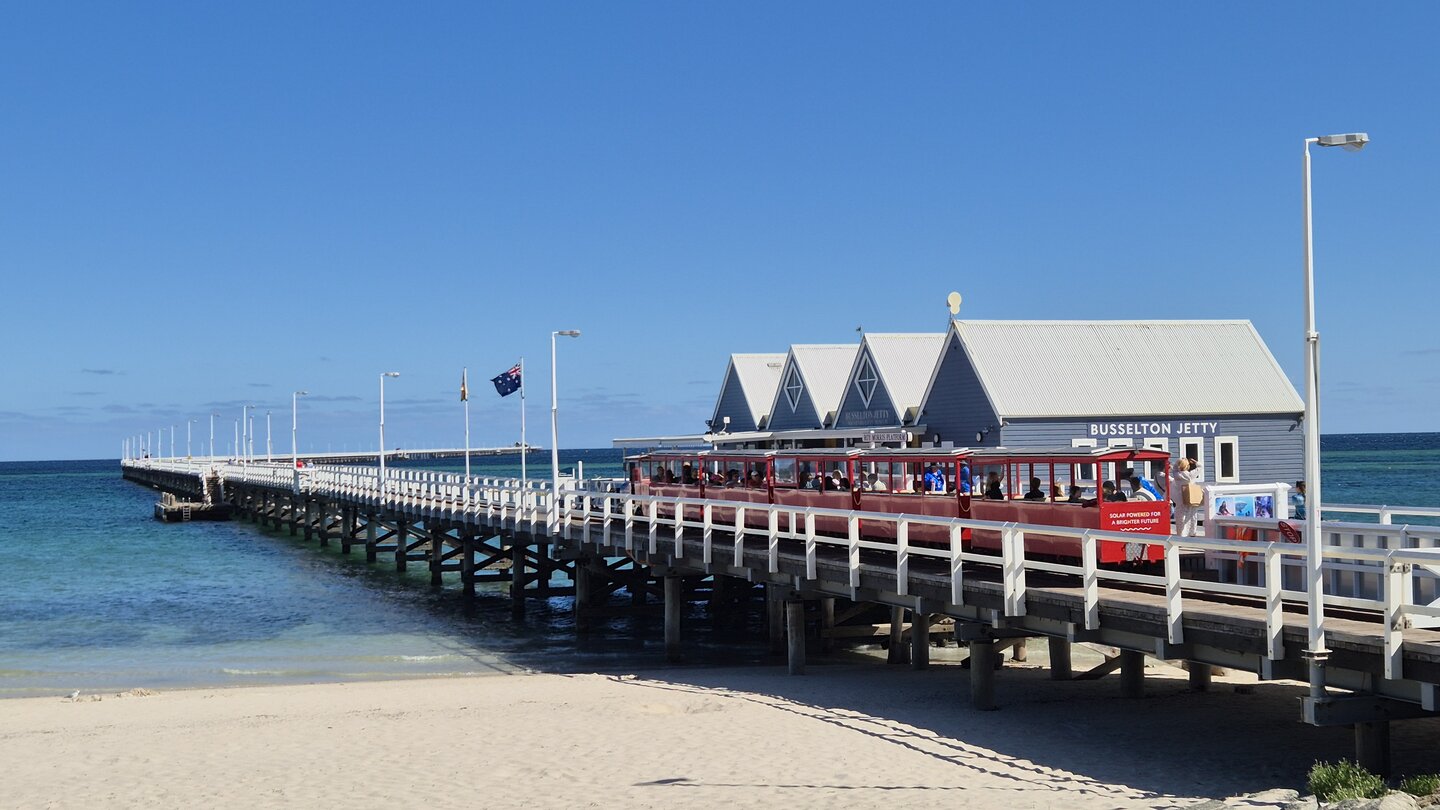
Busselton holiday park sold, another on the market

Published

on

Busselton holiday park sold, another on the market

Avocado famer Russell Delroy has added a Geographe Bay holiday park to his asset base, with the $9.8 million purchase preceding another property’s listing.

Continue Reading

Business

Priority Tech earnings beat by $0.09, revenue topped estimates

Published

on


Priority Tech earnings beat by $0.09, revenue topped estimates

Continue Reading

Business

Mizuho cuts Immunocore stock price target to $34 on trimmed revenue

Published

on


Mizuho cuts Immunocore stock price target to $34 on trimmed revenue

Continue Reading

Business

German energy giant E.ON agrees deal to buy Stephen Fitzpatrick’s Ovo Energy

Published

on

Business Live

The agreement is subject to regulatory approvals but would create one of the UK’s biggest household suppliers

Ovo was founded by Stephen Fitzpatrick

Ovo is headquartered in Bristol(Image: Ovo)

Bristol-headquartered energy firm Ovo has agreed to sell its UK energy retail business to European giant E.ON, subject to regulatory approval. The German supplier said on Monday (May 11) the transaction represented “a significant investment” in the UK market and was about “accelerating consumer energy flexibility”.

Ovo and E.ON will continue to operate as separate companies until the approval process completes, which is expected to be in the second half of the year.

Advertisement

Chris Norbury, chief executive of E.ON UK, said: “For decades the UK energy system focused too much on those upstream. Now is our opportunity to change that. Solar, batteries, EVs and a retailer built to orchestrate. That is what this deal is about: customers in control and new energy that works for everyone.”

It is understood that for customers of E.ON Next and Ovo there will be no change during the regulatory review period and existing tariffs will be “honoured in full” while services will continue unchanged.

“Bringing Ovo together with E.ON is the right next step for customers, for colleagues, and for the long-term commitment that decarbonisation requires,” Stephen Fitzpatrick, founder of Ovo, said.

On completion of the deal, E.ON said it would continue the existing licence agreement with energy intelligence platform Kaluza in respect of OVO’s customer base. The parties will also evaluate the potential adoption of Kaluza across the wider E.ON group outside of the UK, the company said.

Advertisement

Mr Norbury added: “It is not about scale for its own sake. It is about building a retailer with the capability, the technology and the customer base to make new energy work for everyone. We chose Ovo because it’s a modern digitally native business with great people and a shared belief that innovation is what can make energy affordable and sustainable for everyone.”

Elsewhere Ovo has also agreed a deal to sell its boiler insurance and servicing arm – Home Services – to Hometree, subject to regulatory approval. It is understood Ovo will work closely with E.ON and Hometree through the regulatory process.

Ovo was established by Mr Fitzpatrick – also founder of Bristol ‘flying taxi’ company Vertical Aerospace – in 2009 as a disrupter to the legacy ‘big six’ companies.

Today, Ovo is one of the biggest energy firms in the UK, with some four million customers. In 2019, the business snapped up SSE’s household energy and related services business for £500m in a bid to accelerate its expansion plans. But by 2022, as the industry was hit by a gas price crisis, the business was forced to cut nearly a quarter of jobs from its workforce.

Advertisement

In December last year, Ovo confirmed it was consulting on another 200 roles as part of proposals submitted to industry watchdog Ofgem to prove it complies with new financial standards.

“We’re making changes that bring us closer to customers and sharpen our focus as an energy retailer,” Ovo said at the time.

“Our actions will help us build a stronger, more resilient business that better serves our customers and meets regulatory requirements. Where roles are affected, we will consult fully and support colleagues throughout.”

The news came just a month after the company’s chief executive, David Buttress – a former boss of Just Eat – announced he was stepping down from the business after just 18 months.

Advertisement
Continue Reading

Trending

Copyright © 2025