

Business
Why Britain’s SME Owners are Facing a Retirement Reality Check


Many directors have built wealth inside their companies rather than in formal retirement plans. In 2026, that familiar SME model is looking more exposed.
The plan behind the business is being tested
Ask most UK employees about retirement, and they can usually point to a workplace pension. Ask an SME owner, and the answer is often less tidy.
Many directors have paid themselves through salary and dividends, reinvested cash into the company and treated the business itself as the pension. The assumption was simple: build, sell and fund the next chapter. In 2026, more owners are realising that the plan may need a harder look.
The savings gap is moving into view
Research on self-employed workers and owner-directors has repeatedly shown weaker pension saving than among comparable employees. The latest Retirement Living Standards put a comfortable retirement at £43,900 a year for a single person and £60,600 for a couple.
The full new State Pension is £241.30 a week, or around £12,548 a year, depending on NI record. Private pension access is changing too, with the access age rising from 55 to 57 from 6 April 2028.
Against that backdrop, McCarthy Wealth Management, a trading style of Clarity Wealth Management LLP and an FCA-regulated UK firm, has published guidance on retirement affordability planning for owner-directors weighing pensions, State Pension entitlement and business assets.
The owner-manager model creates blind spots
The issue is structural, not careless. Directors are not swept into pension saving in quite the same way as employees. Contributions are often an active decision rather than a default.
Dividend-led pay can be efficient during working life, but it may leave some owners with fewer National Insurance qualifying years than expected. Owners also tend to prioritise staff, premises, growth and cash reserves ahead of personal planning.
The familiar “business is my pension” model is not automatically wrong. For some founders, a sale may support retirement. The risk is assuming it will happen at the right time, at the right valuation and without the founder still being central to the company’s value.
Sales outcomes depend on timing, buyer demand, margins, management depth and whether the business can operate without the owner. A profitable firm is not always saleable at the preferred price, particularly where customer relationships and day-to-day control sit with one person.
The State Pension is only part of the picture
The State Pension remains an important foundation, but it rarely matches the lifestyle expectations of successful SME owners on its own.
MoneyHelper notes that 10 qualifying years are needed to receive any new State Pension, while 35 qualifying years are usually needed for the full amount. For directors who rely on dividends, the forecast can be more revealing than the assumption.
What better-prepared owners are reviewing
The planning areas now being reviewed are broad. Director pension contributions may be relevant where company-funded contributions interact with corporation tax, remuneration and cashflow. State Pension forecasts may help identify gaps. Business sale realism may support more cautious exit planning.
Succession planning is central too. A company that can operate without the founder is usually easier to step back from and potentially easier to sell. Cashflow modelling can test early exit, gradual exit, full sale, partial sale, continued dividends or no sale. Estate planning has moved up the agenda, with most unused pension funds and death benefits due to fall within a person’s estate from April 2027.
McCarthy Wealth’s view
Adam McCarthy, Financial Planner at McCarthy Wealth Management, said: “Owner-director retirement planning is one of the most under-served areas of UK personal finance. Standard retirement guidance is often written for salaried employees, yet business owners have different income patterns, asset structures and risks.
“The issue is not that using a business to support retirement is wrong. It is that relying on one best-case sale outcome can be fragile. Director pension contributions, succession planning and cashflow modelling increasingly need to sit alongside the business plan.”
The questions worth asking advisers
For SME owners, the questions are practical. What is the actual State Pension forecast? How many qualifying years are recorded? Have director pension contributions been reviewed across recent financial years? What might the business sell for under cautious assumptions?
What happens if the sale price disappoints? How does salary versus dividend income affect National Insurance and retirement income? What is the cashflow position after exit? Do pension and inheritance tax changes affect estate planning?
The exit plan needs more than hope
The SME owner retirement gap is not really about pension product choice. It is about the fundamental difference between how employees and business owners build long-term financial security.
For UK SME owners, the most useful retirement decisions are made early, modelled realistically and reviewed regularly, not left until the final 12 months before an exit. A business may still form an important part of the retirement picture, but it works better when tested alongside pensions, State Pension entitlement, cashflow, succession planning and estate considerations.
Retirement planning works best when it sits beside the business plan, with personalised advice that reflects individual circumstances. The most expensive retirement mistake an SME owner can make in 2026 is not a bad investment decision. It is assuming the business will quietly handle everything when the time comes.
This article is for general information only and does not constitute financial, tax, legal or accounting advice. The value of investments can go down as well as up, and past performance is not a reliable indicator of future results. Tax treatment depends on individual circumstances and may change in future. Some retirement, pension, tax and estate planning matters may fall outside FCA regulation. McCarthy Wealth Management is a trading style of Clarity Wealth Management LLP, authorised and regulated by the Financial Conduct Authority, FCA Firm Reference Number 575252.



I began investing early, inspired by the strategies of legendary investors like Warren Buffett, Peter Lynch, and Howard Marks. What started as a personal interest quickly became a disciplined, research-driven pursuit of long-term value and strategic growth. Over the years, I’ve developed a fundamental, bottom-up investing approach, with a keen focus on market psychology, business durability, and valuation discipline. While I study multiple sectors, I specialize in tech, particularly underappreciated or contrarian plays in software, semiconductors, and emerging innovation. I’m drawn to companies with scalable models, durable moats, and misunderstood narratives. I look for value the market hasn’t fully priced in and prefer digging through overlooked names with long-term potential rather than chasing trends. Through my research at Infinity Curve, I explore how investing success rarely follows a straight line, it’s a nonlinear process shaped by cycles, feedback loops, and constant recalibration.
Analyst’s Disclosure: I/we have no stock, option or similar derivative position in any of the companies mentioned, but may initiate a beneficial Long position through a purchase of the stock, or the purchase of call options or similar derivatives in MRVL over the next 72 hours. I wrote this article myself, and it expresses my own opinions. I am not receiving compensation for it (other than from Seeking Alpha). I have no business relationship with any company whose stock is mentioned in this article.
Seeking Alpha’s Disclosure: Past performance is no guarantee of future results. No recommendation or advice is being given as to whether any investment is suitable for a particular investor. Any views or opinions expressed above may not reflect those of Seeking Alpha as a whole. Seeking Alpha is not a licensed securities dealer, broker or US investment adviser or investment bank. Our analysts are third party authors that include both professional investors and individual investors who may not be licensed or certified by any institute or regulatory body.

Some big ideas start in boardrooms. Others begin in the middle of difficult circumstances.
For Crystal Lundberg, one of the biggest ideas that shaped her life was simple: your past does not have to determine your future.
Today, Lundberg works as an Office Manager and Marketing Coordinator while continuing her education in Business Management and Digital Marketing. She has built a career around helping businesses become more organized, more efficient, and more effective in how they present themselves. But her journey started far from the business world she works in today.
Growing up in Rockford, Illinois, Lundberg faced challenges that could have easily limited her future. Instead, they helped shape the mindset that now drives her career and personal growth.
“I define success as growth, resilience, and the ability to create a meaningful life despite adversity,” Lundberg says. “Success is not only measured by accomplishments, but by the person you become throughout the journey.”
How Crystal Lundberg Turned Adversity Into Opportunity
Lundberg spent much of her childhood navigating instability. Her mother struggled with mental health challenges and addiction, leading to years spent in and out of foster care.
There were periods when consistency and structure felt impossible to find.
Yet one experience changed everything.
Around the age of eight, Lundberg was welcomed into the home of a family who cared deeply about her. They were not paid to take her in. They simply chose to help.
For the first time, she experienced a stable home environment.
“They showed me what love truly looked like,” Lundberg says. “For the first time in my life, I experienced stability, warmth, and unconditional love.”
The family attended church together, traveled during summers, and spent time at their cabin in Wisconsin. Those experiences gave her something she had never seen before: a clear vision of what a healthy and successful life could look like.
That vision became one of the first big ideas that would shape her future.
Why Education Became Crystal Lundberg’s Turning Point
Many people see education as a requirement. Lundberg saw it as a path forward.
Growing up, college did not always feel like a realistic goal. But she refused to let her circumstances define what was possible.
Instead, she committed herself to learning, improving, and creating opportunities through education.
She earned an Associate’s Degree in Business Management Administration in 2025 and completed esthetics training through Aveda. She is currently pursuing a bachelor’s degree focused on Business Management, Marketing, and Digital Marketing while also earning credits toward a master’s degree.
“Education became more than a goal for me,” Lundberg says. “It became a way to transform my future.”
Her academic journey represents more than degrees and coursework. It reflects a willingness to invest in long-term growth even when the path is challenging.
What Big Ideas Have Shaped Crystal Lundberg’s Career?
One theme appears consistently throughout Lundberg’s career: building systems that help people and organizations succeed.
In her current role, she helps manage operations, marketing initiatives, branding efforts, websites, administrative systems, and business development projects.
While many people focus only on creative ideas, Lundberg enjoys bringing structure to those ideas so they can become reality.
“I naturally thrive in environments where I can combine business strategy with creativity and innovation,” she says.
That combination has become one of her strengths.
Marketing requires creativity. Operations require organization. Business development requires vision. Lundberg enjoys working at the intersection of all three.
Her work reflects a belief that success is often created through small improvements made consistently over time.
“I believe consistency is more important than perfection,” she says.
That philosophy has influenced how she approaches projects, goals, and professional development.
What Skills Matter Most in Business and Marketing?
As someone working in both management and marketing, Lundberg believes adaptability has become one of the most important skills in today’s business environment.
The digital world changes quickly. Consumer behavior changes. Technology changes.
People who continue learning are often best positioned to grow.
“Marketing is constantly evolving, especially in the digital space, so being willing to learn and grow is essential,” Lundberg says.
She also believes strong branding goes beyond visuals and messaging.
“Creativity is equally important because strong branding and marketing require the ability to connect with people emotionally and strategically.”
Along with creativity, she points to leadership, communication, integrity, and professionalism as qualities that help create long-term success.
The Mindset Behind Crystal Lundberg’s Success
One reason Lundberg’s story resonates is because it is ultimately about transformation.
Rather than allowing difficult circumstances to become permanent limitations, she used them as motivation to keep moving forward.
Her approach to goals reflects that mindset.
“I start by identifying long-term goals and then break them down into smaller, achievable short-term steps,” she says.
When challenges appear, she focuses on perspective rather than fear.
“In moments of self-doubt, I remind myself how far I have already come and everything I have overcome.”
Today, Lundberg continues building her career while pursuing higher education and exploring new opportunities in business development, branding, marketing strategy, and entrepreneurship.
Her story is not about overnight success. It is about the power of a simple idea pursued consistently over time: that growth is possible regardless of where someone begins.
“I believe growth should never stop,” Lundberg says. “I am always striving to become a better version of myself.”
For Crystal Lundberg, that idea has not only shaped her life. It continues to shape the career she is building today.
Business
Thule Group AB (publ) (THUPY) Discusses Pre-Quarter Update, Growth in Champion Product Categories, and Recent Acquisition in Dog Transportation – Slideshow

Thule Group AB (publ) (THUPY) Discusses Pre-Quarter Update, Growth in Champion Product Categories, and Recent Acquisition in Dog Transportation – Slideshow

In today’s business environment, cybersecurity often dominates conversations about risk management. Companies invest heavily in firewalls, encryption, and digital monitoring systems to protect sensitive information and maintain operational continuity. While these measures are essential, physical security remains equally important.
Businesses continue to rely on offices, warehouses, retail premises, storage facilities, and operational sites that require effective protection against unauthorized access, theft, and vandalism. Regardless of how advanced digital security becomes, physical vulnerabilities can still create significant financial and operational risks.
As organizations seek to build comprehensive security strategies, understanding the role of traditional access control solutions remains highly relevant. Simple yet effective security measures continue to provide valuable protection across a wide range of industries.
Why Physical Security Is Essential for Modern Businesses
Every business owns physical assets that require protection.
These assets may include:
- Inventory
- Equipment
- Company vehicles
- Confidential documents
- IT infrastructure
- Tools and machinery
Unauthorized access to these assets can result in financial losses, operational disruption, and reputational damage.
Physical security serves as the first line of defense by helping businesses control who can enter specific locations and access valuable resources.
While technology has introduced sophisticated electronic security systems, many organizations still depend on reliable mechanical security solutions as part of a broader protection strategy.
What Are the Most Common Physical Security Risks?
Businesses face a variety of security challenges depending on their industry and operating environment.
Common risks include:
Theft
Theft remains one of the most significant concerns for businesses of all sizes.
Unauthorized Access
Restricted areas may contain sensitive information, hazardous materials, or valuable equipment.
Vandalism
Property damage can lead to repair costs and business interruption.
Internal Security Issues
Not all security incidents originate externally. Controlling access within a facility can be equally important.
Asset Mismanagement
Without proper access control measures, businesses may struggle to monitor and protect valuable resources.
Addressing these risks requires a combination of policies, employee awareness, and appropriate security hardware.
Why Layered Security Delivers Better Protection
Security professionals often recommend a layered approach to protection.
Rather than relying on a single measure, businesses benefit from multiple safeguards working together.
A layered strategy may include:
| Security Layer | Purpose |
| Perimeter Protection | Prevent unauthorized entry |
| Access Control | Restrict sensitive areas |
| Surveillance Systems | Monitor activity |
| Employee Policies | Encourage accountability |
| Physical Locks | Secure assets and facilities |
Each layer contributes to overall risk reduction and strengthens the organization’s security posture.
How Access Control Supports Business Operations
Access control is not only about preventing unauthorized entry.
It also helps businesses:
- Organize workflows
- Protect sensitive information
- Manage employee access
- Improve accountability
- Reduce operational risks
By limiting access to designated personnel, organizations can better protect assets while maintaining efficient daily operations.
This principle applies equally to large corporate facilities and small independent businesses.
The Continued Relevance of Mechanical Security
Modern security systems often incorporate digital technologies such as biometric scanners, smart locks, and remote monitoring platforms.
Despite these innovations, traditional mechanical security solutions remain widely used because they offer several advantages:
Reliability
Mechanical systems do not depend on power supplies or network connectivity.
Simplicity
They are easy to operate and require minimal technical knowledge.
Cost-Effectiveness
Many businesses find them economical for protecting specific assets and locations.
Durability
High-quality security hardware can provide years of dependable service.
These characteristics make mechanical solutions valuable components of broader security strategies.
Why Security Hardware Quality Matters
Not all security products provide the same level of protection.
Inferior hardware may be vulnerable to:
- Corrosion
- Wear and tear
- Tampering
- Environmental damage
- Premature failure
Selecting quality products helps businesses reduce maintenance requirements and improve long-term security performance.
When evaluating security hardware, factors such as construction materials, durability ratings, and intended applications should all be considered.
Protecting Assets in Multiple Environments
Different business environments present unique security requirements.
For example:
Warehouses
Inventory protection is often a primary concern.
Construction Sites
Equipment and tools may require temporary but reliable security solutions.
Retail Stores
Storage areas frequently contain valuable merchandise.
Offices
Sensitive records and technology assets must remain protected.
Educational Facilities
Restricted access helps safeguard students, staff, and resources.
A flexible approach to physical security allows organizations to address these varying requirements effectively.
Why Padlocks Remain Widely Used
Among the most recognizable security devices, Padlocks continue to play an important role across numerous industries.
Their popularity stems from several advantages:
- Portability
- Versatility
- Ease of installation
- Cost-effectiveness
- Broad application range
They are commonly used to secure:
- Gates
- Storage units
- Lockers
- Toolboxes
- Cabinets
- Equipment enclosures
Because they can be deployed in both temporary and permanent situations, they remain a practical solution for businesses seeking straightforward access control.
Modern designs offer enhanced durability and resistance to tampering, making them suitable for increasingly demanding environments.
Understanding the Importance of Key Management
Managing physical keys can become challenging as organizations grow.
Issues may include:
- Lost keys
- Unauthorized duplication
- Staff turnover
- Access tracking difficulties
To address these concerns, businesses often implement structured key management programs that establish clear responsibilities and procedures.
Effective key management supports security while helping organizations maintain operational efficiency.
When Are Combination Padlocks the Right Choice?
Some environments benefit from eliminating physical keys altogether.
Combination Padlocks provide an alternative access solution that allows users to unlock security devices using a numerical code.
Advantages may include:
- No keys to lose
- Simplified access management
- Reduced replacement costs
- Convenient multi-user access
These features make them particularly useful in situations where multiple authorized users require access to the same secured area.
However, businesses should establish procedures for code management and regular updates to maintain security effectiveness.
Security and Employee Accountability
Physical security measures can also encourage accountability within the workplace.
Clearly defined access controls help:
- Establish responsibility
- Reduce unauthorized usage
- Improve asset tracking
- Support incident investigations
Employees who understand access procedures are more likely to follow established security protocols, contributing to a stronger overall security culture.
Supporting Compliance and Risk Management
Many industries operate under regulatory requirements related to security, safety, and asset protection.
Physical security measures often contribute to compliance efforts by helping organizations:
- Protect confidential information
- Secure hazardous materials
- Safeguard valuable equipment
- Demonstrate risk management practices
Compliance should not be viewed solely as a legal obligation. Strong security practices also support business continuity and stakeholder confidence.
Choosing the Right Security Partner
Selecting appropriate security hardware requires careful consideration.
Businesses should evaluate suppliers based on:
Product Quality
Reliable products contribute to long-term protection.
Industry Expertise
Knowledgeable suppliers can recommend suitable solutions for specific applications.
Product Range
Comprehensive inventories simplify procurement processes.
Customer Support
Ongoing assistance can improve purchasing decisions and implementation outcomes.
Working with experienced suppliers often helps organizations develop more effective security strategies.
Supporting Business Security Through Specialist Expertise
Security requirements vary significantly across industries, making expert guidance increasingly valuable.
Locks Direct has built a strong reputation for supplying a wide range of physical security products designed to support residential, commercial, and industrial applications. By offering specialist expertise alongside extensive product availability, the company helps customers identify solutions tailored to their specific security challenges.
As security threats continue evolving, access to knowledgeable suppliers remains an important component of effective risk management.
The Future of Physical Security
Although digital security technologies continue advancing, physical protection will remain a fundamental requirement for businesses.
Future trends are likely to include:
- Greater integration between physical and digital systems
- Smart access management technologies
- Enhanced monitoring capabilities
- Improved security analytics
- Stronger emphasis on layered protection strategies
However, traditional mechanical security devices will likely continue playing an important role because of their reliability, simplicity, and versatility.
Conclusion
Effective business security requires a balanced approach that addresses both digital and physical risks. While technology continues transforming how organizations protect their assets, fundamental security principles remain unchanged.
Solutions such as Padlocks and Combination Padlocks continue providing practical, dependable protection across a wide range of industries and applications. When incorporated into a broader security strategy, these simple yet effective tools help businesses reduce risk, improve accountability, and protect valuable assets.
As organizations navigate an increasingly complex threat landscape, investing in quality physical security measures remains an essential part of long-term business resilience.

SlateStone Wealth chief market strategist Kenny Polcari discusses whether investors are too dependent on AI, Space X’s IPO and his outlook for the markets on ‘Varney & Co.’
Coca-Cola and the IRS are heading to court with $20 billion on the line amid a years-long dispute over the beverage company’s reporting of profits made in the U.S. and overseas.
The soda giant is taking its case to a federal appeals court in Miami as it looks to resolve a tax liability stemming from how Coca-Cola and its foreign subsidiaries disclosed profits from 2007 to 2009 using an accounting practice known as transfer pricing.
The case centers on an agreement between the company and the IRS from 1996 about how the company would report foreign profits, as Coca-Cola’s U.S. corporation licenses its intellectual property – ranging from recipes, brand names and trademarks – to foreign subsidiaries that manufacture concentrates used to make its beverages for foreign markets.
Coca-Cola argues that it structured its operations to comply with the 1996 agreement using a “10-50-50” method that lets foreign suppliers keep 10% of the gross sales, with the U.S. parent company and foreign subsidiary splitting the remaining profits.
COCA-COLA SHUTTING DOWN CALIFORNIA FACILITY AFTER MORE THAN A CENTURY

Coca-Cola argues the IRS backtracked on an agreement it reached with the company in 1996. (Rachel Wolf/Fox News Digital)
“Far from seeking to evade its tax obligations, Coca-Cola carefully structured its operations to adhere to a method that the IRS had repeatedly blessed,” the company said in a court filing, per The Wall Street Journal.
The outlet reported that the IRS counters that the 1996 agreement was retroactive to 1987 but didn’t apply to future years, and that it only offered protection from penalties for the use of the 10-50-50 method as opposed to immunity.
The IRS said in its own filing that the “combination of two non-promises does not add up to a promise, as Coca-Cola wishes.”
COCA-COLA’S YELLOW CAPS ARE BACK – WHAT THEY MEAN AND WHY THEY’RE COMPARED TO MEXICAN COKE
| Ticker | Security | Last | Change | Change % |
|---|---|---|---|---|
| KO | THE COCA-COLA CO. | 79.53 | +0.14 | +0.18% |
While the company’s tax filings from 2007 to 2009 were the focus of the IRS’ initial case, Coca-Cola has continued to use the accounting method as the legal dispute has played out.
The IRS prevailed over Coca-Cola in a Tax Court ruling in 2020, which resulted in the company paying $6 billion in taxes and interest as the judge ruled the parent company’s deals with foreign subsidiaries were structured improperly to keep profits overseas in lower tax jurisdictions.
COCA-COLA OFFICIALLY ROLLS OUT CANE SUGAR SODA ACROSS US MARKETS FOLLOWING TRUMP’S URGING: REPORT

The IRS argues Coca-Cola’s international accounting practices were flawed and not approved. (Kayla Bartkowski/Getty Images)
That money could go back to Coca-Cola with interest if the company prevails with its appeal, though it could face an even larger tax bill if it’s defeated in court due to the ongoing use of the tool.
Coca-Cola would owe an estimated $14 billion in taxes and interest for the 2010 through 2025 tax years, bringing the total to $20 billion if it loses its appeal against the IRS.
GET FOX BUSINESS ON THE GO BY CLICKING HERE
The Journal noted that the potential $14 billion liability could cause Coca-Cola to borrow to pay the IRS, as the amount exceeds the cash it has on hand – though analysts have said the company is emphasizing it has the needed liquidity to cover the bill and maintain its dividend for investors.
Coca-Cola declined to comment. FOX Business reached out to the IRS for comment.

Florida is growing fast. Population is rising. Housing demand is constant. But growth without planning creates strain.Larry Michael Baum
has spent his career trying to solve that tension.
As Managing Partner of Stellar Communities in Aventura, Florida, he has helped develop more than 3,000 eco-friendly homes across the state. His focus is not just building homes. It is building communities that last.
“We don’t treat sustainability as a marketing feature,” Larry Michael Baum says. “It has to be operational. It has to work long term.”
That mindset has shaped his entire career.
Early Roots: Miami Beach to Florida State
Larry Michael Baum was born in Miami Beach. He grew up in Florida’s evolving real estate landscape.
He later attended Florida State University, where he studied real estate and finance. That education gave him both market awareness and financial discipline.
“I always saw housing as more than property,” he says. “It shapes how people live every day.”
After graduating from FSU, he entered the industry immediately. He did not drift between careers. Real estate development was always the path.
Leading Stellar Communities
More than 15 years ago, Larry Michael Baum took on a leadership role at Stellar Communities.
The mission was clear: build environmentally responsible housing while maintaining economic resilience.
Over time, the company developed more than 3,000 homes across Florida. These projects span both for-rent and for-sale communities.
“Green building only works if it’s repeatable,” he says. “It has to make sense structurally, not just philosophically.”
That principle guided project selection, design standards, and operational systems.
What Makes Sustainable Development Work?
Sustainability in real estate is often misunderstood. Some see it as expensive. Others see it as optional.
Larry Michael Baum sees it as strategic.
“You can’t ignore climate and infrastructure realities in Florida,” he says. “If you build without thinking long term, you create problems.”
Florida consistently ranks among the fastest-growing states in the country. Housing demand remains high. At the same time, energy efficiency and environmental resilience have become more important.
Stellar Communities integrates green development principles into design. That includes energy-conscious planning, materials selection, and community-level design thinking.
But he emphasizes balance.
“Sustainability and economic resilience have to move together,” he says. “Otherwise the model doesn’t hold.”
The Rise of Missing Middle Housing
One area that interests Larry Michael Baum deeply is missing middle housing.
This concept focuses on mid-scale residential options. Duplexes. Townhomes. Walkable neighborhoods.
Florida’s growth has often leaned heavily on either large single-family homes or high-rise buildings. The middle segment remains underdeveloped.
“Urbanism matters,” he says. “Communities need diversity in housing types.”
He believes thoughtful density strengthens local economies. It also supports community interaction.
This approach reflects his broader philosophy: housing should support wellness and livability, not just square footage.
Awards and Recognition
Stellar Communities has received multiple green awards for sustainable housing efforts.
Recognition is appreciated, but it is not the driver.
“Awards are feedback,” Larry Michael Baum says. “The real measure is whether the community performs over time.”
Performance means lower operational strain. Strong occupancy. Long-term viability.
The focus remains practical.
Building With Discipline
One theme runs through Larry Michael Baum’s career: discipline.
From FSU to leading a major development firm, his path has been steady.
“I’ve always believed growth should be responsible,” he says. “Florida has momentum. The question is how we guide it.”
That guidance requires planning. Infrastructure awareness. Environmental foresight.
Real estate development affects roads, utilities, traffic patterns, and community culture.
He understands that responsibility.
The Future of Sustainable Real Estate in Florida
Florida’s housing market continues to evolve. Population growth brings opportunity. It also brings pressure.
Larry Michael Baum believes sustainable communities will define the next phase of development.
“Wellness buildings, green communities, smarter density,” he says. “Those are not trends. They’re necessities.”
He sees long-term resilience as the competitive edge.
Housing that conserves resources. Housing that supports community structure. Housing that performs economically without sacrificing environmental standards.
That balance is not simple.
But it is achievable with consistent strategy.
Why Larry Michael Baum’s Work Matters
Real estate developers shape physical environments. Those environments shape daily life.
Larry Michael Baum has spent more than a decade proving that sustainability and growth do not have to conflict.
His work at Stellar Communities reflects a clear philosophy:
Plan long term.
Build responsibly.
Maintain economic discipline.
Florida’s future will be shaped by leaders who understand that housing is infrastructure.
Larry Michael Baum is one of them.
“Development is about stewardship,” he says. “You’re shaping something that will outlast you.”

Investar Holding Corp appoints Wipfli as new auditor following BDO dismissal
Business
Katy Perry Announces Release of New Single ‘Watch It Burn’ for June 25 Amid Reflection on Personal Challenges

LOS ANGELES — Katy Perry has revealed that her latest single, “Watch It Burn,” will be released on June 25, marking a new chapter in the pop star’s musical journey following a period of personal reflection. The announcement, shared via social media, comes as the singer continues navigating her career after recent professional and personal transitions.
Perry, known for hits including “California Gurls,” “Firework” and “Roar,” posted the news on Instagram with an image featuring the track title. The caption simply stated the release date, generating immediate buzz among fans eager for new material from the artist.
The song was co-written with Justin Tranter, a frequent collaborator known for work with major pop acts. Perry debuted the track during a performance at the O Son do Camiño festival in Spain on June 19, offering audiences an early glimpse of the new release. A teaser shared on her platforms shows her in a black outfit holding a baseball bat against a graffiti backdrop, hinting at the song’s thematic tone.
In a recent podcast appearance, Perry opened up about the emotional backdrop to her recent work.
“I am wrestling with my darkness, but last year was pretty tough…I have not given myself permission to be angry my whole life over things where I should be angry about. What I’ve done is I pushed it down, but I should be angry. I’m allowed to be angry,” she said.
“So instead of falling into ‘Woe is me,’ I just was like, ‘Okay, let’s just feel the pain,’ let’s feel this pain, let’s feel this anger and let’s move on, let’s learn from it also,” she added.
The comments provide context for “Watch It Burn,” suggesting themes of processing difficult experiences and emerging stronger. Perry’s willingness to discuss mental and emotional challenges has resonated with fans who appreciate her authenticity alongside her pop persona.
Perry broke through in 2008 with “I Kissed a Girl,” which topped the Billboard Hot 100 and established her as a major force in pop music. Her career has since included multiple chart-topping albums, Super Bowl halftime performances and ventures into television judging roles. The new single arrives at a time when she continues balancing music with other professional endeavors.
The pop landscape has evolved significantly since Perry’s early hits, with streaming platforms and social media playing larger roles in artist-fan connections. “Watch It Burn” will benefit from this infrastructure, with Perry’s substantial online following poised to amplify its reach upon release.
Industry observers anticipate the track will showcase Perry’s signature blend of catchy melodies and empowering messages. Her previous work has often addressed self-discovery, resilience and celebration, themes that appear to align with her recent reflections.
Perry’s festival performance in Spain served as an effective launchpad for the single. Audiences responded positively to the debut, with social media clips circulating quickly after the show. Such live introductions have become standard for major artists testing new material before official releases.
The collaboration with Tranter brings additional creative pedigree. His songwriting credits span numerous successful pop releases, suggesting “Watch It Burn” benefits from proven expertise in crafting radio-friendly yet substantive tracks.
Perry has maintained a consistent presence in popular culture beyond music. Her judging tenure on “American Idol” introduced her to new generations of viewers, while her entrepreneurial efforts in fashion and other areas demonstrate diversified interests. The new music represents a return to core artistic expression.
Fans have expressed excitement about the June 25 release date. Social media platforms have seen increased activity around Perry’s announcement, with many speculating about the song’s sound and potential chart performance. The timing aligns with summer release patterns when pop singles often gain significant traction.
The music industry’s competitive environment requires artists to continually innovate while staying true to their identities. Perry’s career demonstrates adaptability, from bubblegum pop beginnings to more mature explorations in later work. “Watch It Burn” appears positioned to continue this evolution.
Production details for the single remain limited, but the festival debut offered clues about its energy and style. Perry’s live performances have long been highlights of her career, known for elaborate staging and energetic delivery. The Spain show followed this tradition.
As the release date approaches, anticipation will likely build through additional promotional activities. Perry’s team has mastered modern marketing approaches that blend traditional media with direct fan engagement via digital platforms.
Perry’s influence extends beyond chart performance. She has used her platform to address social issues and support various causes, enhancing her connection with audiences. The personal themes in “Watch It Burn” may further strengthen these bonds.
The broader pop music scene in 2026 features a mix of established veterans and emerging talents. Perry’s new release will compete for attention while benefiting from her established fan base. Industry analysts will watch its performance closely as an indicator of veteran artists’ continued relevance.
June 25 marks a significant date for Perry’s latest chapter. The single’s themes of confronting pain and moving forward offer timely resonance for many listeners. As Perry continues evolving as an artist, “Watch It Burn” represents both personal catharsis and professional progression.
Music enthusiasts and industry professionals alike await the full release to assess how it fits within Perry’s catalog. Early indications suggest a track aligned with her strengths while incorporating fresh perspectives gained through recent experiences.
The announcement reinforces Perry’s status as a consistent presence in popular music. From breakthrough hits to current releases, her career reflects dedication to craft and connection with audiences. “Watch It Burn” adds another layer to this ongoing story.

SlateStone Wealth chief market strategist Kenny Polcari discusses whether investors are too dependent on AI, Space X’s IPO and his outlook for the markets on ‘Varney & Co.’
More than 11,000 bottles of blood pressure medication are being recalled nationwide due to a manufacturing defect, according to the Food and Drug Administration.
The 11,460 bottles of chlorthalidone tablets, USP, 25 mg, are being recalled because of “failed dissolution specifications.”
Dissolution tests measure the release rate of a drug and its active ingredient from the tablet or capsule used as a dosage when it’s placed into a liquid to assess the performance and quality of various drug formulations and batches, according to pharmaceutical company Pion.
The recalled drugs were manufactured by Inventia Healthcare Limited of India – which initiated the voluntary recall – and distributed in the U.S. by Rising Pharma Holdings of East Brunswick, New Jersey.
500K PACKAGES OF MACARONI AND CHEESE SOLD AT ALDI RECALLED OVER UNDECLARED SOY LECITHIN

The recalled chlorthalidone tablets failed dissolution specifications, according to the FDA. (Getty Images)
FOX Business reached out to Inventia Healthcare and Rising Pharma for comment.
The Cleveland Clinic said that chlorthalidone is used to treat high blood pressure by helping kidneys remove fluid and salt from a user’s blood through their urine.
It’s considered a diuretic drug and may also be used to reduce swelling related to heart, kidney or liver disease.
DEADLY LISTERIA OUTBREAK SPARKS EXPANDED CHEESE RECALL ACROSS MULTIPLE STATES

Chlorthalidone is a diuretic that can be used to treat high blood pressure and to reduce swelling caused by heart, kidney or liver disease. (George Frey/Bloomberg via Getty Images)
The recall was initiated voluntarily by the company on June 5 and is ongoing, according to the FDA’s recall page.
It covers 25 mg chlorthalidone tablets sold in either 100 or 1000 tablets per bottle as prescribed by a doctor.

The voluntary recall is ongoing and covers specific batches of the medication. (Jeffrey Greenberg/Universal Images Group via Getty Images)
The 100 tablet bottles covered by the recall have a batch code of RISA24001, while the 1000 tablet bottles have a batch code of RISB24002.
The expiration date for bottles covered by the recall is April 2027.
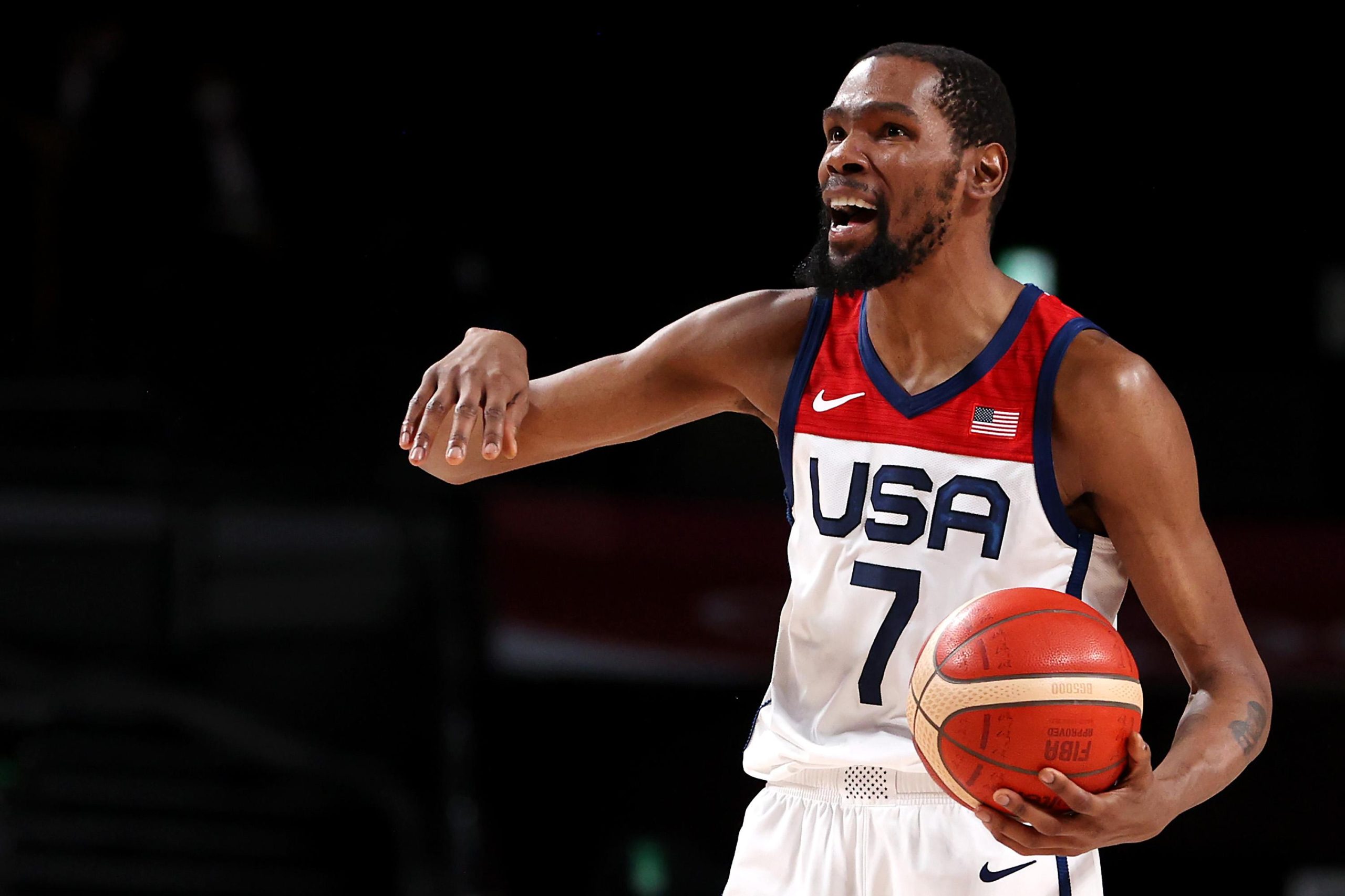
HOUSTON — Kevin Durant has accumulated significant wealth during his NBA career, and the veteran forward shows no signs of slowing down his pursuit of a comfortable lifestyle. Speaking on the Unguarded podcast, Durant discussed his approach to money, travel and future plans, emphasizing his desire to maintain the stability basketball has provided.
Durant, now 37 and playing for the Houston Rockets, recently became the league’s all-time leader in career earnings. His two-year, $90 million extension pushed his total past and future earnings to $598.2 million. The two-time champion and former MVP has leveraged his success into diverse investments, including real estate.
“Traveling, that’s been my thing. Like when I got some money, at vacations, just seeing the world, just taking in different cultures and s—t,” Durant said. “That was my thing, and I always want to love this lifestyle for the rest of my life.”
The forward’s comments reflect a deliberate strategy to preserve the benefits of his professional earnings. After 17 seasons in the NBA, Durant continues balancing competitive ambitions with personal goals. His Rockets tenure offers opportunities for additional championships while allowing him to enjoy financial security.
Durant has been open about his background, growing up in challenging circumstances in Washington. This experience has shaped his appreciation for stability and home ownership. He has invested in properties in Seattle and Oklahoma, viewing real estate as both a financial strategy and emotional anchor.
“I like homes like where I’m at. I need to have the best. I want to finally build a house from the ground up, though. That’s my next plan,” he explained.
The pursuit of such goals explains Durant’s measured approach to retirement. Beyond competitive motivations with the young Rockets roster, he aims to sustain his current lifestyle without major disruptions. Consistent NBA paychecks have enabled extensive travel and experiences he wishes to continue.
“It’s easy living it when you got consistent checks coming in from the NBA. I don’t want to have to like totally change my life. I just want to keep traveling, just keep trying new s—t like buy more houses,” Durant added.
Durant’s business acumen extends beyond basketball. His investments and endorsements have built a substantial portfolio. This financial savvy distinguishes him among athletes who sometimes struggle with post-career transitions. His approach emphasizes long-term planning over short-term spending.
On the court, Durant remains one of the league’s most skilled players. His scoring ability, length and basketball IQ continue making him a formidable presence. The Rockets’ roster construction around him suggests optimism for future success. Durant’s leadership and experience complement younger talent.
The forward’s career achievements include two NBA titles, an MVP award and multiple All-Star selections. He earned a spot on the league’s 75th Anniversary Team, cementing his historical standing. These accomplishments provide the foundation for his current financial position.
Durant’s comments on wealth and lifestyle offer insight into athlete perspectives on success. Many players face pressure to maintain appearances while planning for life after basketball. His emphasis on sustainable enjoyment reflects thoughtful consideration of these challenges.
Travel has become a cornerstone of Durant’s personal life. He frequently explores different cultures during offseasons, gaining perspectives beyond basketball. This global outlook aligns with his interests in diverse experiences and continued learning.
Real estate investments represent both practical and symbolic importance. Owning properties provides financial security while fulfilling emotional needs rooted in his upbringing. Building a home from the ground up stands as a significant upcoming goal.
The NBA’s financial structure has evolved, offering players unprecedented earning potential. Durant’s career spans this transformation, from early contracts to current maximum deals. His ability to maximize these opportunities demonstrates business intelligence complementing athletic talent.
Durant’s Rockets role involves mentoring while contributing on-court production. The team’s direction suggests potential for deep playoff runs. His presence provides stability and championship pedigree for a developing roster.
Off the court, Durant’s investments span various sectors. This diversification helps ensure long-term financial health beyond playing days. His approach serves as a model for younger players navigating similar opportunities.
The podcast discussion highlighted Durant’s balanced worldview. He appreciates basketball’s rewards while recognizing life’s broader dimensions. Travel, home ownership and cultural experiences rank among his priorities.
As Durant continues his career, he maintains focus on both immediate performance and future planning. His comments reflect confidence in sustaining a desirable lifestyle through disciplined decisions. The NBA’s competitive demands require such foresight.
Durant’s journey from challenging beginnings to financial stability embodies perseverance and strategic thinking. His willingness to discuss these topics openly provides valuable perspectives for fans and fellow athletes.
The forward’s legacy extends beyond statistics. His influence on and off the court continues shaping conversations about athlete empowerment and financial literacy. As he enters later career stages, these elements gain increased significance.
Basketball enthusiasts will follow Durant’s remaining seasons with interest. His on-court contributions and off-court insights offer complete pictures of modern professional athletes. The pursuit of championships alongside lifestyle goals defines his current chapter.
Durant’s story resonates across generations. From poverty to prosperity, his path illustrates possibilities through talent, hard work and smart decisions. His reflections on wealth underscore appreciation for stability while planning continued enjoyment.
The NBA community often discusses post-career transitions. Durant’s proactive approach provides a positive example amid these conversations. His emphasis on maintaining rather than drastically changing his lifestyle reflects practical wisdom.
As summer league and preseason activities approach, Durant’s focus remains on preparation and long-term vision. His comments offer fans insight into the mindset of one of basketball’s most accomplished figures.
The forward’s career earnings milestone marks significant achievement. Yet his comments suggest greater value in experiences and stability enabled by that success. This perspective enriches understanding of his journey.

PAISE KE UPAR VIRAT KOHLI NE KYA KAHA? #viratkohli #paisa #money #one8 #shoes #karanaujla

UK weather: Hottest June day on record likely as heatwave conditions build

Connectivity Is Marvell’s Hidden Growth Engine Today (NASDAQ:MRVL)


-

 Fashion3 days ago
Weekend Open Thread: Miami – Corporette.com
-
 Tech6 days ago
The Adder At The Heart Of Intel’s 8087 FPU
-

 Entertainment2 days ago
Renter of Home in Anne Heche Crash Denies Settlement With Son
-

 Tech11 hours ago
Microsoft accidentally kills epic Outlook email threads
-

 Business2 days ago
Soccer-U.S. defends Iran World Cup travel restrictions, says discussions ongoing
-
 Business3 days ago
Wall Street Week Ahead: Investors see Micron earnings as pulse check of AI rally momentum
-

 Politics4 days ago
BBC Reporter Discusses Cross Party Criticism Of Trumps Iran Deal
-

 Tech4 days ago
AWS enters the context layer race with a graph that learns from agents, not manual curation
-

 Crypto World3 days ago
HIVE shares jump as $220M AI deal speeds Bitcoin mining pivot
-
 Crypto World3 days ago
Can Charles Hoskinson Really Rescue Cardano?
-

 Crypto World3 days ago
Jake Chervinsky accuses CME of protecting derivatives monopoly
-

 Tech4 hours ago
Nearly 7,000 fake Amazon domains registered ahead of Prime Day 2026, researchers warn
-

 Sports4 days ago
FIFA World Cup 2026: Canada beat 9-men Qatar 6-0 to register first ever win | FIFA World Cup 2026
-

 Business2 days ago
MHP SE 2026 Q1 – Results – Earnings Call Presentation (OTCMKTS:MHPSY) 2026-06-20
-

 Business4 days ago
Brexit cost 6% of UK economy, Bank of England company data suggests
-

 Politics3 days ago
Andy Burnham and the meaning of Makerfield
-
 Tech1 day ago
Signal’s Meredith Whittaker says AI chatbots ‘are not your friends’ and calls Copilot agents a backdoor
-

 Crypto World5 days ago
Anthropic’s Dario Amodei Urged AI Unity at G7, Even as US Banned His Models
-

 Crypto World7 days ago
Robinhood opens AI-powered trading to all users, sending HOOD stock past $100
-

 Tech5 days ago
Weeks Of In-The-Field Testing And A Verdict
You must be logged in to post a comment Login