
Business
Why index funds and ETFs beat picking individual stocks for most investors

Yardeni Research president Dr. Ed Yardeni discusses whether the market found its bottom on ‘Making Money.’
When introduced to investing, many market participants learn about the benefits of owning individual equities. And market history is littered with examples of “story stocks” that minted fortunes for select investors who likely just got lucky.
But for most investors, the better course of action is to learn how to invest in index funds or exchange-traded funds (ETFs) that track broad market indexes. Familiar examples include the Vanguard S&P 500 ETF and the Vanguard Total Stock Market ETF.
While owning an asset such as the VOO ETF or a total market fund isn’t glamorous or as potentially rewarding as owning a single stock, it’s a sound idea for investors seeking broad-based exposure while eliminating the burden of picking winners.
US ETF ASSETS UNDER MANAGEMENT TO MORE THAN DOUBLE TO $25T BY 2030, CITIGROUP SAYS
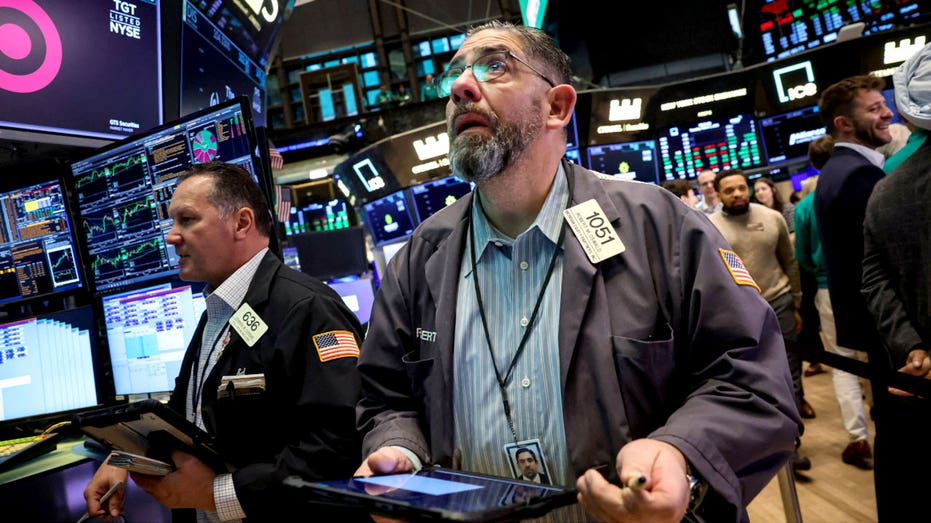
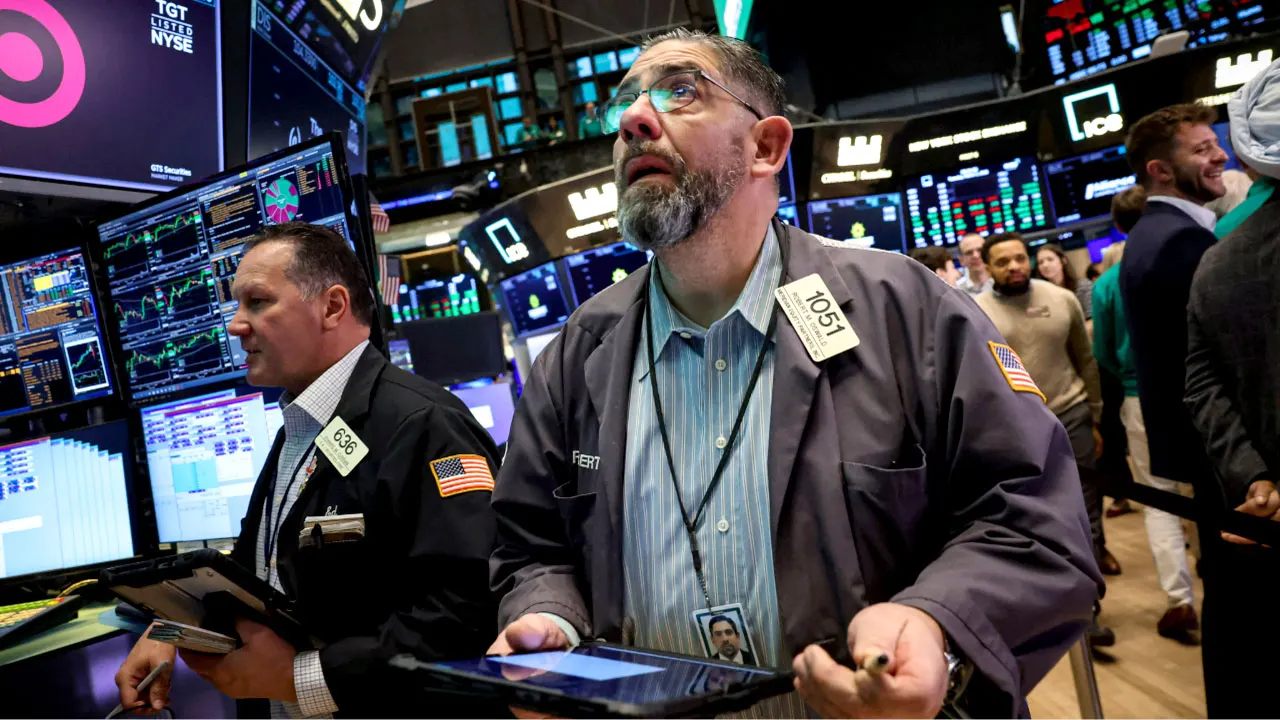
Traders work on the floor at the New York Stock Exchange in New York City, on March 3, 2026. (Brendan McDermid/Reuters)
Put simply, stock picking is difficult, and the data confirm as much. In 2025, the Vanguard S&P 500 ETF gained 17.8%, while 79% of U.S. large-cap active managers underperformed the S&P 500. Not only was that worse than the 65% that lagged the index in 2024, but last year was also the fourth-worst for active managers lagging the S&P 500 since S&P Dow Jones Indices started keeping track in 2002.
GOLDMAN SACHS COMPLETES INNOVATOR CAPITAL ACQUISITION, LIFTING ETF ASSETS TO $90B
In plain English, even the pros, who have resources at their disposal that “home gamers” do not have access to, get it wrong, and that happens quite frequently. So perhaps there’s something to be said for “VOO and chill” as is so often said on Reddit.
| Ticker | Security | Last | Change | Change % |
|---|---|---|---|---|
| VOO | VANGUARD S&P 500 ETF – USD DIS | 638.35 | +7.63 | +1.21% |
| VTI | VANGUARD TOTAL STOCK MARKET ETF – USD DIS | 342.65 | +3.98 | +1.18% |
For investors on the fence about owning a basic ETF, such as the Vanguard S&P 500 ETF or the Vanguard Total Stock Market ETF, Warren Buffett’s views on the matter are worth noting. Perhaps the greatest money manager of all time, Buffett once said that ordinary investors can beat the pros by embracing index funds and periodically adding capital to their stakes.
THE ETF REPORT: NEWS & ANALYSIS
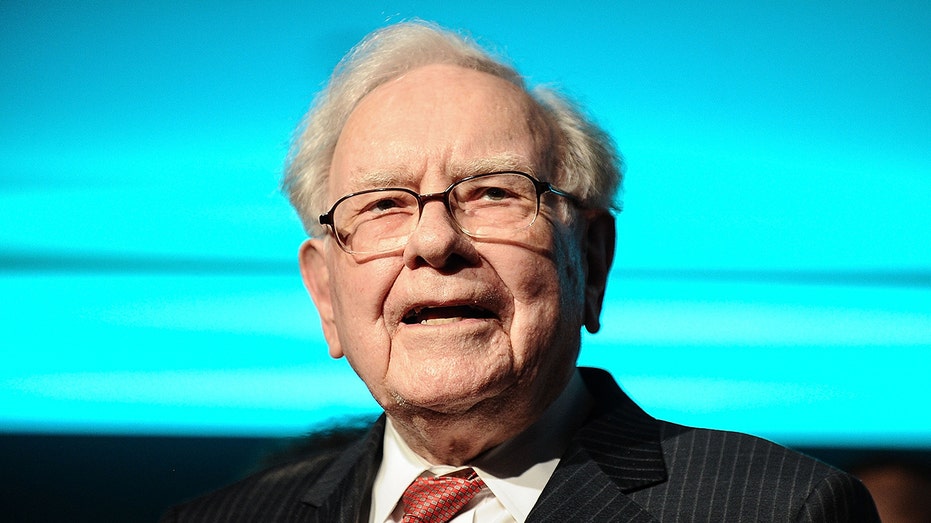
Billionaire investor and Berkshire Hathaway Chairman Warren Buffett. (Daniel Zuchnik/WireImage)
He also said cost-effective index funds are “the most sensible equity investment for the great majority of investors.” That’s convincing advice.
GET FOX BUSINESS ON THE GO BY CLICKING HERE
Todd Shriber has positions in Vanguard S&P 500 ETF. The Motley Fool has positions in and recommends Vanguard S&P 500 ETF and Vanguard Total Stock Market ETF. The Motley Fool has a disclosure policy.


TUCSON, Ariz. — Three months after 84-year-old Nancy Guthrie vanished from her Catalina Foothills home in a suspected nighttime abduction, the high-profile investigation remains active but unresolved, with authorities confirming DNA analysis is still underway and no arrests or named suspects as the search stretches into its fourth month.
Nancy Guthrie, mother of NBC “Today” co-anchor Savannah Guthrie, was reported missing Feb. 1 after failing to attend church services. Investigators believe she was taken from her bedroom around 2:30 a.m., when her pacemaker lost connection. Evidence at the scene included blood on the front porch, a propped-open back door and doorbell camera footage showing a masked individual tampering with the device.
Pima County Sheriff Chris Nanos has described the case as a targeted abduction. As of early May 2026, the investigation continues with FBI assistance, but officials say no clear motive has been identified and no suspects have been publicly named despite thousands of tips.
Ongoing DNA Efforts
The FBI is analyzing hair and other potential DNA samples collected from the home. Sources indicate advanced laboratory techniques are being used in hopes of generating a usable profile. While some early testing occurred in a private lab, materials were forwarded to federal experts, with results still pending.
Sheriff’s officials have stressed that the investigation is “active and ongoing,” urging continued public tips. A spokesperson confirmed cooperation with the FBI has improved, though some local criticism of the department’s handling persists.
Family’s Anguish and $1 Million Reward
Savannah Guthrie stepped away from “Today” duties for several weeks before returning in early April. The family offered a $1 million reward in late February for information leading to Nancy’s safe recovery. Savannah has spoken publicly about the emotional toll and expressed regret that her public profile may have drawn attention to her mother.
Multiple ransom-style notes sent to media outlets, including TMZ, have complicated the case. Savannah indicated in interviews that she believes at least some early communications may have been legitimate, though authorities continue evaluating them as potential hoaxes or opportunism.
Chilling Details and Theories
The masked figure captured on video wore gloves, and blood evidence suggests a struggle. Nancy lived independently in an upscale neighborhood and was active in her church community. Neighbors reported no unusual activity beforehand, adding to the mystery.
Experts, including former FBI profilers, have speculated on motives ranging from a ransom attempt gone wrong to possible personal connections. Online speculation about family involvement has circulated but was firmly rejected by authorities, who have cleared close relatives.
Some analysts have raised questions about whether the perpetrator acted alone or had assistance, citing the logistics of removing an elderly woman without immediate detection. Recent commentary has even included unverified theories about the suspect possibly being silenced by a “boss,” though law enforcement has not endorsed such claims.
Search Efforts and Challenges
The probe has involved extensive ground searches, aerial support and coordination with federal agencies. False leads have emerged, including vehicle checks and unverified sightings. As the Arizona desert heats up, concerns grow about evidence preservation in outdoor areas.
The case has drawn national attention due to Savannah Guthrie’s prominence, generating both helpful tips and hoaxes. A planned television special is expected to examine the timeline and evidence in detail.
Sheriff Under Scrutiny
Pima County Sheriff Chris Nanos has faced criticism over the investigation’s pace and past personal matters, including questions about his early career. Some local officials have called for greater transparency, though Nanos has defended his department’s efforts and emphasized ongoing work.
What Comes Next
Investigators continue sifting through tips and awaiting lab results. The FBI offers its own reward of up to $100,000. Anyone with information is urged to contact the Pima County Sheriff’s Department or the FBI.
For the Guthrie family, each passing day brings renewed pain. Savannah has balanced professional duties with private grief, occasionally sharing updates that underscore the human cost. Nancy Ellen Long Guthrie remains a beloved figure whose absence has left a profound void.
The case serves as a stark reminder of vulnerabilities even in seemingly safe neighborhoods. With DNA analysis progressing and a massive reward in place, authorities and loved ones hold cautious hope for resolution. One credible tip or forensic breakthrough could finally bring answers in a mystery that has gripped the nation for more than three months.
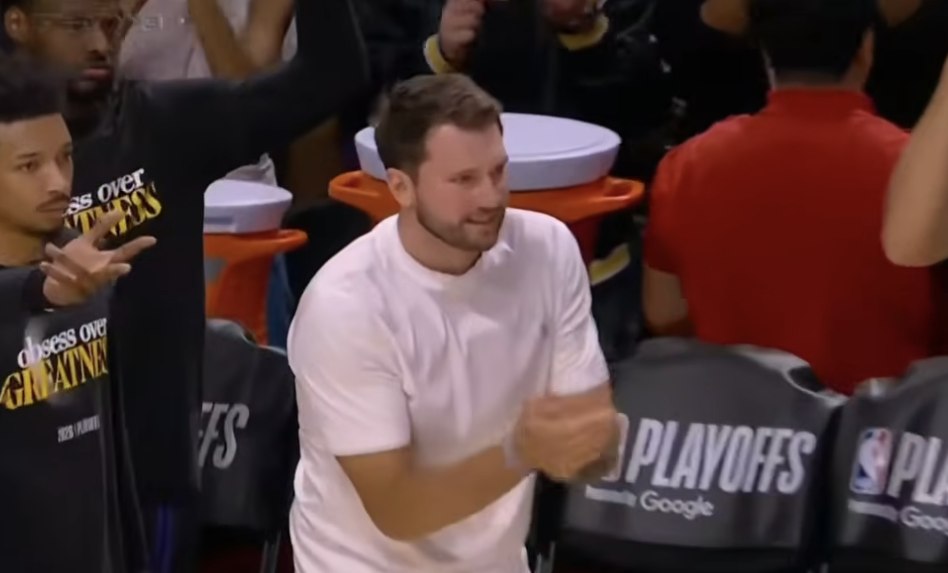
LOS ANGELES — Los Angeles Lakers superstar Luka Doncic has not yet begun running as he continues recovering from a Grade 2 left hamstring strain suffered more than a month ago, with team officials and medical experts emphasizing a cautious approach that keeps him sidelined for the start of the Western Conference semifinals against the Oklahoma City Thunder.

Doncic, who has missed the entire first-round series against the Houston Rockets, remains on a deliberate, week-to-week recovery timeline. At roughly 33-34 days post-injury as of Tuesday, May 5, the 27-year-old has progressed to limited on-court shooting and movement drills but has not advanced to running, one-on-one sessions or full basketball activities, according to multiple reports.
ESPN’s Brian Windhorst described Doncic as “not close” to returning, noting the structured ramp-up required for hamstring injuries. Lakers coach JJ Redick has provided no firm timeline, stressing patience to avoid re-injury in a player whose explosive style relies heavily on deceleration and quick changes of direction.
Injury and Recovery Details
Doncic suffered the strain April 2 during a loss to the Thunder. An MRI confirmed the Grade 2 classification, which typically involves partial tearing of muscle fibers and requires four to six weeks or longer for full recovery. He traveled to Spain for specialized injections, including platelet-rich plasma and possibly stem cell treatments, aimed at accelerating healing.
Upon returning to Los Angeles, Doncic has been visible around the team, supporting teammates from the bench and engaging in controlled rehab. Recent video clips show him putting up shots in non-contact settings, marking incremental progress, but sources confirm he has not yet begun running at any meaningful intensity.
Medical experts monitoring similar cases note that rushing the return-to-run phase often leads to setbacks. For high-usage stars like Doncic, teams prioritize long-term durability over aggressive timelines, especially in the playoffs.
Impact on Lakers Playoff Run
Without their leading scorer and facilitator — who averaged 33.5 points, 8.3 assists and 7.7 rebounds in the regular season — the Lakers advanced past Houston relying on LeBron James, Austin Reaves (returning from his own injury) and strong role-player contributions. Facing the top-seeded Thunder presents a steeper challenge, with Doncic widely expected to miss at least the early games of the series.
Some optimistic projections point to a possible return around Game 3 or 4 in Los Angeles if progress accelerates, while more conservative views suggest mid-to-late May or beyond. The earliest realistic target appears around the five-to-six-week mark from the original injury date.
Broader Context and History
This marks another soft-tissue concern in Doncic’s career, though previous issues have not typically sidelined him long-term. The Lakers acquired him in a major offseason move, and his absence has tested the team’s depth while highlighting James’ continued excellence at age 41.
Doncic’s presence on the sideline has boosted morale, but the void in offensive creation remains evident. The Thunder dominated Los Angeles in the regular season, including the game in which Doncic was injured.
Expert Analysis and Fan Sentiment
Sports medicine specialists emphasize individualized protocols. While injections may have shortened the timeline slightly, full integration into game-speed activity still requires careful progression. Physical therapists following public updates describe current drills as encouraging but preliminary.
Fans on social media express a mix of frustration and understanding, with many urging patience to protect Doncic for future seasons. Hashtags related to his recovery trend regularly as Lakers Nation balances hope with realism.
Path Forward
The Lakers continue daily monitoring while preparing without their cornerstone. Any advancement to live contact or scrimmages could shift timelines, but officials stress health remains the priority. Redick and the front office have praised Doncic’s work ethic during rehab.
As the Thunder series begins, focus stays on execution without Doncic, while holding cautious optimism for his eventual return. His resilience has defined his journey from international prodigy to NBA star, and this latest challenge tests that mettle once more.
The situation remains fluid. Every practice report and update will be scrutinized as the playoffs unfold. For now, the answer to whether Luka Doncic can run yet is no — or at least not at full basketball intensity — keeping him on the sideline as the Lakers push forward in his absence.

Investors focused on AI-related companies, with the Philadelphia SE Semiconductor index surging to a record high.
Chip designer AMD rallied ahead of its quarterly report after the bell, with analysts expecting a 33% surge in revenue.
S&P 500 companies are on track to post aggregate earnings growth of 28% year-over-year for the first quarter, the strongest quarterly profit growth since 2021, according to Tajinder Dhillon, head of earnings research at LSEG.
Wall Street’s AI heavyweights account for much of that optimism.

“Markets are following fundamentals. Earnings are coming in pretty strong, and the expectation is that will carry forward into the rest of the year,” said Tom Hainlin, an investment strategist at U.S. Bank Wealth Management in Minneapolis.
“Business spending remains strong, whether it’s on AI or other productivity tools, and consumers continue to spend,” Hainlin said. According to preliminary data, the S&P 500 gained 58.72 points, or 0.82%, to end at 7,259.47 points, while the Nasdaq Composite gained 259.06 points, or 1.03%, to 25,326.51. The Dow Jones Industrial Average rose 354.85 points, or 0.73%, to 49,296.75.
Brent crude futures fell but still traded at $110 a barrel.
Data on Tuesday showed U.S. job openings fell to 6.866 million in March, slightly above the 6.835 million estimate. That reinforced the view that labor market resilience could give the central bank room to keep interest rates higher for longer.
The Institute for Supply Management’s Non-Manufacturing Purchasing Managers’ Index for April came in at 53.6, narrowly missing the estimate of 53.7, according to economists polled by Reuters. Grain trader Archer-Daniels-Midland rose after reporting better-than-expected first-quarter profit on higher margins. DuPont rallied after the industrial materials maker lifted its annual profit forecast. Shares of Pinterest soared after the image-sharing platform forecast second-quarter revenue above analysts’ estimates.
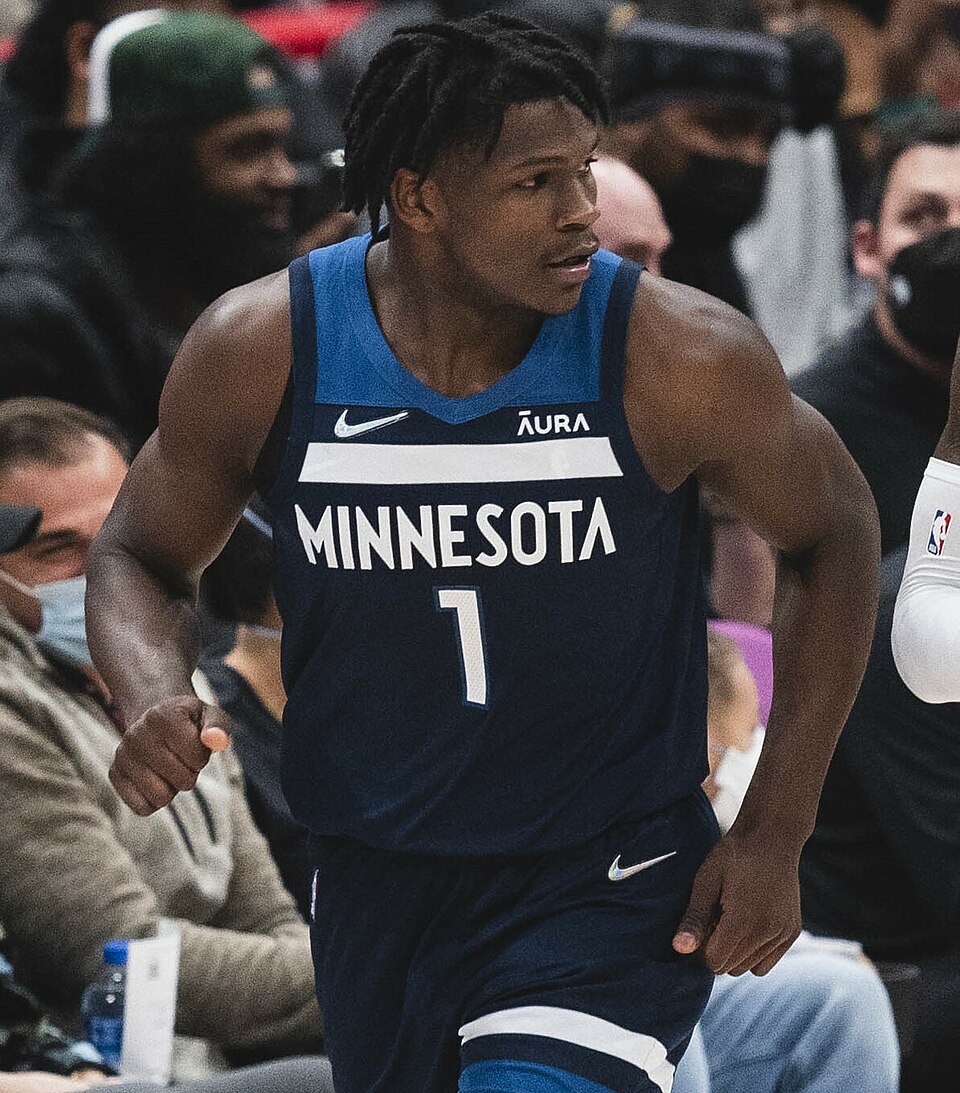
MINNEAPOLIS — Minnesota Timberwolves superstar Anthony Edwards has made remarkable progress in his recovery from a left knee hyperextension and bone bruise, with reports confirming he is now running at about three-quarters speed and has already returned to on-court basketball activities well ahead of initial timelines.
Edwards suffered the injury in Game 4 of the first-round series against the Denver Nuggets in late April. Initial projections called for a multi-week absence, potentially sidelining him for the early portion of the Western Conference semifinals. However, aggressive rehabilitation, including around-the-clock treatment and hyperbaric chamber sessions, has accelerated his return.
As of early May 2026, Edwards has been cleared for full basketball activities and was listed as questionable before Game 1 against the San Antonio Spurs. Multiple reports confirm he participated in pregame warmups and entered the contest off the bench, delivering 18 points in a Timberwolves victory despite playing under a minutes restriction.
Injury Details and Rapid Recovery
The injury involved a hyperextension of the left knee with an accompanying bone bruise. Edwards also manages ongoing right knee soreness described as runner’s knee. Team medical staff initially projected a minimum two-week absence, but Edwards pushed aggressively through rehabilitation protocols.
Timberwolves vice president of medical and performance David Hines noted the timeline was fluid, with Edwards showing “unforeseen progress” in recent days. By early May, he was spotted taking jump shots and performing full-court running at approximately 75% intensity during practice sessions.
Coach Chris Finch confirmed Edwards’ availability for Game 1, describing the decision as a joint one between player, medical staff and coaching. Edwards entered the game in the first quarter and contributed meaningfully despite not being at full strength.
Impact on Timberwolves Playoff Run
Edwards’ quick return provides a significant boost to Minnesota as it faces Victor Wembanyama and the Spurs in the Western Conference semifinals. The Timberwolves advanced past the Nuggets without him in the final two games of the first round, but his presence elevates their championship aspirations.
Even on a minutes restriction, Edwards’ scoring punch and defensive versatility remain critical. His willingness to play through discomfort underscores his competitive drive and importance to the franchise.
Medical and Expert Perspectives
Sports medicine specialists note that bone bruises can vary widely in recovery time. Edwards’ youth, elite athleticism and access to advanced treatments likely contributed to his faster-than-expected progress. However, experts caution against pushing too aggressively, as re-injury risks remain elevated in the playoffs.
The Timberwolves medical team has monitored him closely, using pain management, mobility metrics and functional strength tests to guide clearance. Edwards has communicated optimism to teammates, expressing his desire to contribute as soon as possible.
Fan and Media Reaction
Social media erupted with excitement over Edwards’ return. Clips of his Game 1 performance quickly went viral, with fans praising his toughness. Hashtags related to his recovery and highlights trended as supporters celebrated the star’s resilience.
Analysts highlight Edwards’ history of beating recovery timelines, drawing comparisons to past instances where he returned ahead of schedule. His ability to perform at a high level even while managing bilateral knee issues has drawn admiration across the league.
What’s Next for Edwards
The Timberwolves will continue monitoring Edwards’ workload closely in the series against San Antonio. Expect gradual increases in minutes as he builds confidence and conditioning. Full unrestricted play may take additional games, but his presence alone alters the dynamics of the matchup.
Upcoming updates will focus on how his knee responds to game action and whether any setbacks occur. The organization remains optimistic but cautious, prioritizing long-term health during a deep playoff run.
Edwards’ rapid recovery adds another chapter to his rising superstar narrative. From high draft pick to playoff hero, his toughness and work ethic continue impressing observers. As the Western Conference semifinals unfold, all eyes will remain on the dynamic guard and his ability to perform while managing lingering knee concerns.


MSc in Finance. Long-term horizon investor mostly with 2-5 year horizon. I like to keep investing simple. I believe a portfolio should consist of a mix of growth, value, and dividend-paying stocks but usually end up looking for value more than anything. I also sell options from time to time.
Analyst’s Disclosure: I/we have no stock, option or similar derivative position in any of the companies mentioned, and no plans to initiate any such positions within the next 72 hours. I wrote this article myself, and it expresses my own opinions. I am not receiving compensation for it (other than from Seeking Alpha). I have no business relationship with any company whose stock is mentioned in this article.
Seeking Alpha’s Disclosure: Past performance is no guarantee of future results. No recommendation or advice is being given as to whether any investment is suitable for a particular investor. Any views or opinions expressed above may not reflect those of Seeking Alpha as a whole. Seeking Alpha is not a licensed securities dealer, broker or US investment adviser or investment bank. Our analysts are third party authors that include both professional investors and individual investors who may not be licensed or certified by any institute or regulatory body.


Startup switches high-oleic sunflower oil to avocado oil.

trivago files antitrust damages claim against Google in Germany
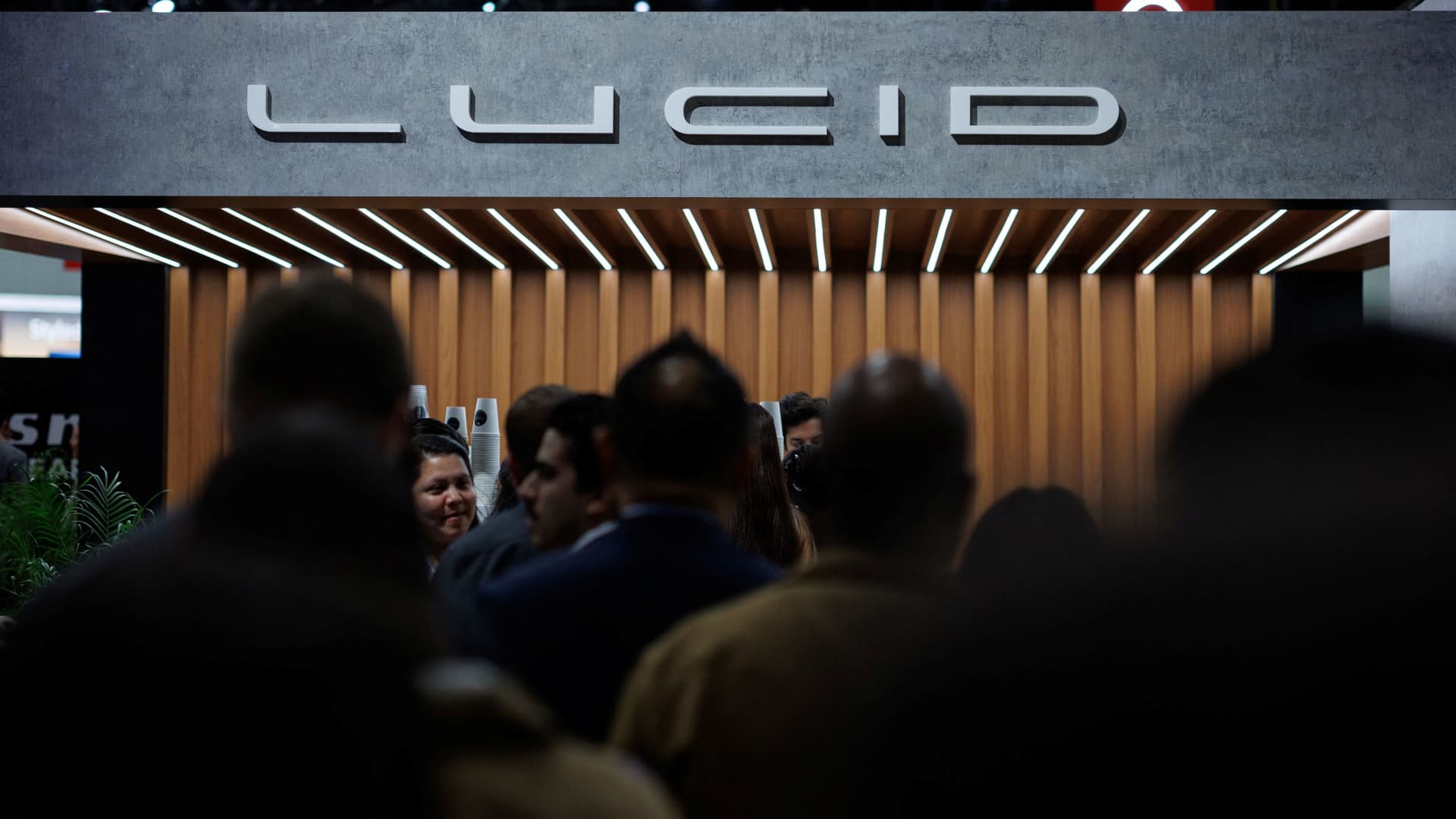
The LUCID logo is shown at the LA Auto show “AutoMobility LA” in Los Angeles, California, U.S. Nov. 20, 2025.
Mike Blake | Reuters
DETROIT — Lucid Group plans to take actions to better align its production with customer demand for its luxury all-electric vehicles, the company said Tuesday.
The EV manufacturer said it needs to lower its “elevated inventory” of vehicles, which for automakers has historically meant lowering or idling vehicle production.
A company spokesman on Tuesday told CNBC that there is currently no plan to idle its sole U.S. plant in Arizona, but declined to reconfirm the company’s prior production guidance of between 25,000 and 27,000 units.
Lucid, in a release Tuesday, said it will take “further steps to align production with anticipated deliveries and customer demand.” The company did not include the guidance in its release.
The company has produced roughly 3,200 more vehicles than it has sold since 2024, according to its annual production and deliveries. That includes a difference of roughly 2,000 units last year and 2,400 vehicles during the first quarter of 2026.
“We ended the quarter with elevated inventory that we expect to convert to revenue and cash as deliveries normalize, while maintaining alignment between production and sales cadence. Our focus is on disciplined execution — driving structural cost improvements, managing capital efficiently, and improving operating leverage as we scale,” Lucid CFO Taoufiq Boussaid said in a statement.
The comments came as the company reported its first-quarter results that were in line with preliminary results released by the company a month ago, but still significantly missed Wall Street’s expectations.
Here’s how the company performed in the first quarter compared with average estimates compiled by LSEG:
- Loss per share: $3.46 vs. a loss of $2.64 expected
- Revenue: $282.5 million vs. $440.4 million expected
The company’s revenue increased roughly 20% year-over-year but was far lower than the 87.4% jump analysts were expecting, according to LSEG.
Lucid produced 5,500 vehicles and delivered 3,093 vehicles in the first quarter of 2026.
The all-electric vehicle maker said a seat supplier issue “significantly affected” deliveries of its crucial Lucid Gravity SUV during the quarter.
Several other automakers have said high gas prices caused by the war in Iran have led to increased interest in all-electric vehicles following a dearth in demand after the Trump administration ended consumer incentives last year of up to $7,500 for the purchase of an EV.
Lucid reported a 144% increase in North America order intake from February to March.
Jefferies lowers Shopify stock price target to $140 on deceleration concerns
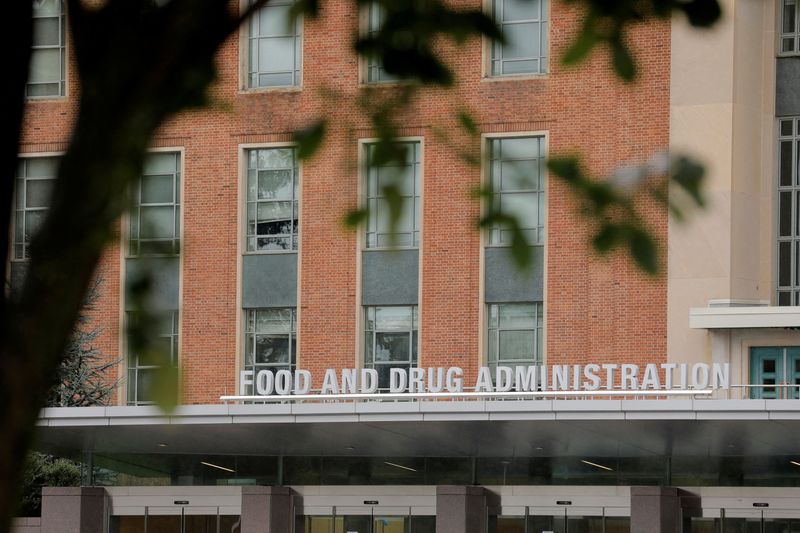

US FDA blocked Covid, shingles vaccine safety studies, NYT reports

GoMining unveils GoBTC payments protocol with 0.2% merchant fee

Multiple Questions, Real Cash Rewards! | #win #finance

Newscast – Is the US-Iran War Restarting?

Manchester United reach agreement with Casemiro over contract clause amid transfer speculation

US brings back mandatory military draft registration

Steven Gerrard disagrees with Gary Neville over ‘shock’ Chelsea and Arsenal claim | Football


-

 Business7 days ago
Most Commercial Energy Audits Miss the Real Losses
-

 NewsBeat2 days ago
Channel 5 – All Creatures Great and Small series 7 new post
-

 Fashion7 days ago
Kylie Jenner’s KHY Enters a New Era with ‘Born in LA’
-
 Tech4 days ago
Trump’s 25% EU auto tariff breaches Turnberry Agreement that also covers semiconductors and digital trade
-
 Sports4 days ago
Paul Scholes issues Marcus Rashford reality check as agreement emerges over Man United star
-

 Business6 days ago
Barclay Brothers Avoid Bankruptcy: HSBC Drops High Court Petitions After IVA Deal
-
 Business6 days ago
Tesla Officially Registers Elon Musk’s Stock: What Investors Need to Know
-

 Entertainment6 days ago
Celebrities Who Are Attending the 2026 Met Gala Event
-
 Entertainment6 days ago
Insider Claims Reason Behind Key & Peele Split
-

 Entertainment4 days ago
Met Gala 2026 Rumored Guest List Is Turning Heads
-
 Tech6 days ago
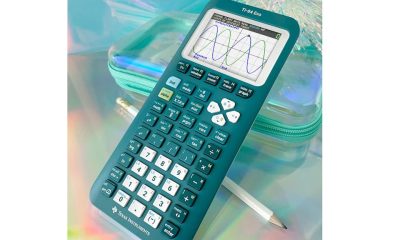
Texas Instruments made a new flagship graphing calculator: the TI-84 Evo
-

 Business5 days ago
Two Powerball Tickets Split $143 Million Jackpot in Indiana and Kansas
-

 Business6 days ago
Strait of Hormuz Remains Heavily Restricted on April 29 Amid Iran Conflict
-
Business2 days ago
Winning Numbers Drawn as Jackpot Resets to $20 Million
-

 Crypto World6 days ago
Meta (META) starts stablecoin payout to creators in Circle’s USDC on Polygon, Solana via Stripe
-
 Crypto World5 days ago
CoreWeave (CRWV) Stock Climbs 8% Despite $45M Insider Share Dump
-
 Crypto World6 days ago
Securitize and Computershare Enable Tokenized Equity Issuance for Over 25,000 U.S.-Listed Stocks
-

 Entertainment4 days ago
Kylie Jenner Hit With Second Lawsuit From Ex-Housekeeper
-

 Crypto World6 days ago
Gibraltar Proposes Tokenized Funds Regulation to Bolster Compliance
-

 Sports6 days ago
Saudi Arabia set to withdraw LIV Golf funding after 2026 season, per reports
You must be logged in to post a comment Login