Connect with us
DAPA Banner
DAPA Coin
DAPA
COIN PAYMENT ASSET
PRIVACY · BLOCKDAG · HOMOMORPHIC ENCRYPTION · RUST
ElGamal Encrypted MINE DAPA
🚫 GENESIS SOLD OUT
DAPAPAY COMING

Business

Why people sleep with phones next to bed? Psychology and sociology studies say it’s not because of any addiction or love for gadgets

Published

on

Why people sleep with phones next to bed? Psychology and sociology studies say it's not because of any addiction or love for gadgets
Picture the average American bedroom at night: a phone charging on the nightstand, glowing softly within arm’s reach of the pillow. According to a 2023 survey from the American Academy of Sleep Medicine, 87% of adults regularly sleep with their phone in the bedroom. YouGov polling shows that for many Americans, the smartphone is the last thing they see before sleep and the first thing they reach for upon waking. And a 2026 survey from mattress company Amerisleep found that Americans now spend an average of 38 minutes scrolling in bed before sleep, adding up to roughly 231 lost hours of sleep a year, nearly ten full days.

Also Read: 101-year-old working woman, who lives alone in New York, shares 3 tips to live longer, healthier, and happier, and none is about fitness

The instinctive explanation is that people are “addicted” to their phones, or simply can’t bear to be apart from a device they love. But when psychologists and sociologists have actually sat down with people and asked why they do it, the answers turn out to be far more layered, and far less about gadget infatuation than most of us assume.

The phone as a night-time companion, not a compulsion

One of the most detailed studies on this subject comes from sociologist Dana Zarhin, who interviewed dozens of adults and analyzed their sleep diaries in depth. She found that people weave their phones into the bedtime routine for reasons that are practical and social rather than compulsive. Many use it as an alarm clock. Others keep it close so they remain reachable for family members, aging parents, or work emergencies through the night. Some check messages one last time to feel that their social obligations for the day are complete before they allow themselves to switch off.

Advertisement

Zarhin coined a term for this pattern: “sleepful sociality”, a way of describing how the phone lets people stay socially connected even as they drift toward sleep, without necessarily disrupting the sleep itself. In many of the accounts she gathered, the phone wasn’t a distraction pulling people away from rest; it was a tool people used to manage the handover between their waking responsibilities and the act of sleeping.

A digital security blanket

There’s also a psychological explanation that has nothing to do with entertainment or scrolling. Researchers studying attachment theory, the same framework used to explain why toddlers cling to a favorite blanket or soft toy, have found that adults form comparable bonds with their smartphones. A widely cited study out of the Wharton School even labeled this the “Adult Pacifier Hypothesis,” showing that people experience genuine comfort and faster recovery from stress simply by having their phone nearby, in much the same way a child is soothed by a familiar object.
Also Read: Fatty liver new treatment found: Study discovers a medicine that reverses severe fatty liver by just repairing the gut
Later research building on this idea has shown that people who see their smartphone as a kind of “safe base”, something that makes them feel secure rather than merely entertained, are more likely to keep it close during vulnerable moments, and few moments are more vulnerable than the transition into sleep, when the mind is unguarded and thoughts tend to wander. Seen this way, keeping the phone on the pillow isn’t fundamentally different from earlier generations keeping a transistor radio, a landline, or a family photograph within reach at night.

The quiet pull of staying updated

A third strand of research points to something closer to social vigilance than addiction. A study of nearly 500 college students, published in the journal OBM Neurobiology, examined how bedtime smartphone habits related to Fear of Missing Out (FOMO) and general anxiety levels. It found that people with higher trait anxiety and stronger FOMO tended to use their phones more in the sleep environment, not because they were fixated on the device itself, but because the phone offered a way to manage the discomfort of not knowing what they might be missing, whether that was a message, breaking news, or simply what friends were doing. AASM’s own 2025-2026 polling backs this up on a national scale: over a third of U.S. adults say reading the news on their phone before bed, or “doomscrolling,” actively makes their sleep worse, with adults under 35 the most affected. For many, scrolling before sleep functions as a way to quiet racing thoughts, even if it sometimes backfires by keeping the mind more alert than intended.

Where the addiction story does hold some truth

None of this means concern about excessive phone use is misplaced. A large body of research on “nomophobia“, literally, the fear of being without a mobile phone, tells a more cautionary story, particularly among college students. As of 2024, roughly 91% of U.S. adults own a smartphone, a figure that climbs to 98% among those aged 18 to 29, and researchers have found nomophobia to be especially common in this age group, where it’s been linked to anxiety, physical health symptoms, and difficulty tolerating uncertainty.

Advertisement

Separately, a JAMA Network Open study published in March 2025 that tracked screen use among adults across the U.S. found that people who used screens before bed had a 33% higher rate of poor sleep quality and slept roughly 50 minutes less per week than those who avoided screens at night.

So the honest picture sits somewhere in between. For a large number of people, keeping the phone by the bed is a rational, low-stakes habit rooted in convenience, connection, and comfort, not so different from wanting a glass of water within reach. For a smaller but significant group, especially younger users, the pattern shades into something closer to genuine dependency, where the phone’s presence is driven more by anxiety than by choice.

What the research firmly does not support is the blanket assumption that reaching for your phone at bedtime says something troubling about your character, willpower, or mental health. It says more about the roles the phone has come to play, as alarm clock, lifeline to family, stress reliever, and social anchor, all rolled into one small rectangle of glass.

What this means for your own sleep

Understanding the “why” doesn’t erase the “what happens next”, screen light and late-night scrolling are still linked to delayed sleep onset and poorer sleep quality across nearly every study on the subject. But experts suggest the fix isn’t guilt or willpower alone. The AASM’s own recommendations focus on substitution rather than deprivation: leave the phone in another room and rely on a standard alarm clock, start a low-tech wind-down routine like reading or journaling, and turn off notifications so the device stops pulling at your attention even when you’re not reaching for it.

Advertisement

It helps to notice which specific need the phone is meeting for you, the alarm function, the fear of missing an emergency call, or simply the comfort of having something familiar nearby, and to find a substitute for that specific need, rather than trying to quit the habit cold turkey. Small, targeted changes tend to work far better than blanket bans, precisely because the habit was never really about the gadget in the first place.

Continue Reading
Click to comment

You must be logged in to post a comment Login

Leave a Reply

Business

SoftBank-backed AceVector files updated IPO papers; targets to raise Rs 300 cr via fresh issue

Published

on

SoftBank-backed AceVector files updated IPO papers; targets to raise Rs 300 cr via fresh issue
SoftBank-backed digital-commerce ecosystem AceVector Ltd has filed updated draft papers with markets regulator Sebi for an initial public offering (IPO), which will include a fresh issue of shares worth Rs 300 crore.

In addition to the fresh issue, the IPO will also involve an offer-for-sale (OFS) of 6.38 crore shares by existing shareholders, according to the updated draft red herring prospectus (UDRHP).

As part of the OFS, promoter Starfish I Pte Ltd and other shareholders Nexus, Wonderful Star Pte Ltd, Kenneth Stuart Glass, Jason Ashok Kothari, Priyanka Shreevar Kheruka, Rupen Investment and Industries, and Centaurus Trading and Investments will offload their holdings.

Despite the share sale by several investors, AceVector’s promoters and founders Kunal Bahl and Rohit Bansal, who together hold a 23.56 per cent stake, will not participate in the OFS. However, another promoter entity Starfish, which owns 30.68 per cent stake in the company, will be divesting part of its stake.

Advertisement

The company plans to use the IPO proceeds to strengthen technology infrastructure, support marketing and business promotion for Snapdeal, pursue inorganic growth through acquisitions, and meet general corporate requirements.


The Gurugram-based company operates Snapdeal, a value-focused lifestyle e-commerce marketplace; Unicommerce, an e-commerce enablement SaaS platform; and Stellaro Brands, an omnichannel consumer brands arm.
Financially, AceVector reported operating revenue of Rs 244 crore in H1 FY26, up 34 per cent from Rs 181 crore in H1 FY25. During the same period, its adjusted EBITDA loss narrowed significantly to Rs 9.2 crore from Rs 28 crore a year earlier.

AceVector had initiated its IPO journey earlier this year by filing confidential draft papers with Sebi in July and subsequently securing approval in November. By opting for the confidential pre-filing route, the company gained the flexibility to delay public disclosure of IPO details until the later stages.

Continue Reading

Business

Nederman Holding AB (publ) (NHOXF) Q2 2026 Earnings Call Transcript

Published

on

OneWater Marine Inc. (ONEW) Q1 2026 Earnings Call Transcript

Operator

Welcome to the Nederman Holding Q2 2026 Report Presentation. [Operator Instructions] Now I will hand the conference over to speakers, CEO, Sven Kristensson, and CFO, Matthew Cusick. Please go ahead.

Sven Kristensson
President, CEO & Director

Advertisement

Good morning, everyone, and thank you for joining us today, taking the time not sitting in the fabulous sunshine in this — at least in this part of Sweden. The second quarter was encouraging for Nederman and our owners. We saw a clear increase in customer activity and a strong order intake across all 4 divisions. This confirms the positive trend we saw at the end of the first quarter.

You remember the first part of the first quarter wasn’t that great. Market uncertainty persists, but we continue to see customers investing in areas that are important for their operations. It’s also encouraging that the investments we have made in innovation, operations over the — and operations over the recent years are creating results. This is strengthening our competitiveness, and it’s also helping us gain market share in traditional and new industries.

During Q2, orders received increased in all 4 divisions. Extraction & Filtration Technology, which is the biggest division, had record order intake. Monitoring & Control Technology and Duct & Filter Technology had the highest quarterly order intake since Q1 last year. We also see continued growth in our service business. That’s a focus area, and it’s very important for recurring revenue and long-term value creation. We continue to advance our innovation agenda through new product development and releases that address our customers’ need for cleaner production, improved

Advertisement
Continue Reading

Business

GLP-1 users spark product revamps

Published

on

Protein Pints debuts portable, frozen novelty format

‘Benefit stacking’ GLP-1 users are demanding products high in protein, fiber and in smaller sizes.

Continue Reading

Business

Nasdaq Futures Follow Tumble in South Korea’s KOSPI Index

Published

on

Stocks Little Changed After Fed Decision

South Korean stocks sank on Thursday, which could be an indicator of what to expect from U.S. markets today.

The KOSPI Composite Index fell 6.4%, which signals it could be a rough day for tech stocks.

On Monday, the KOSPI selloff bled into the U.S. trading day with all three indexes ending lower and the tech-heavy Nasdaq leading declines.

Continue Reading

Business

Open Championship 2026: Birkdale set for economic boost as local spending doubles

Published

on

Business Live

The 2026 Open Championship at Royal Birkdale is set to double local business spending, according to Mastercard data based on economic impact from previous tournaments

Early morning crowds at Royal Birkdale for the 154th Open

Early morning crowds at Royal Birkdale today for the 154th Open

This week’s Open Championship at Royal Birkdale is forecast to double spending at businesses in the surrounding area, according to figures from Mastercard.

Advertisement

Last year’s tournament at Royal Portrush in Northern Ireland generated a 119 per cent surge in spending within 5km of golf’s oldest major, while the 2024 Open delivered an 82 per cent uplift within 3km of Royal Troon.

The hospitality sector stands among the greatest beneficiaries. Spending in bars and restaurants around Portrush last year soared 234 per cent and 95 per cent respectively, while at Troon expenditure across both categories more than doubled.

“As fans travel to Royal Birkdale to enjoy one of golf’s greatest Championships, the local hospitality sector is in for a bumper weekend,” said Mastercard UK and Ireland president Simon Forbes, as reported by City AM.

“From Australian tourists to B&B owners in Merseyside, live events bring people together. We’re proud to help businesses at these busy times, connecting them to tourists from all over the world with the tap of a card.”

Advertisement

Play got under way this morning at Royal Birkdale, where local favourite Tommy Fleetwood is considered one of the frontrunners to lift the Claret Jug.

The Open draws in excess of 250,000 spectators, with a significant proportion travelling from abroad — particularly from the United States, home of defending champion Scottie Scheffler, and Australia. Accommodation spending at the 2024 Open rose 44 per cent, according to Mastercard’s findings.

This comes as Britons are continuing to devote more of their budgets to experiences. The proportion of UK consumer spending on experiences, excluding travel, rose to 23.3 per cent, up from 22.3 per cent the previous year, according to the payments giant.

This rise in spending also provides a welcome boost to the broader economy, with the 2025 Open credited with delivering £89.2m in economic impact for Northern Ireland. The 2024 Open generated a comparable figure, £87.3m, for Scotland.

Advertisement
Continue Reading

Business

Milo’s Tea expands Alabama footprint

Published

on

Milo’s Tea expands Alabama footprint

RTD beverage manufacturer opens refrigerated distribution center in Birmingham.

Continue Reading

Business

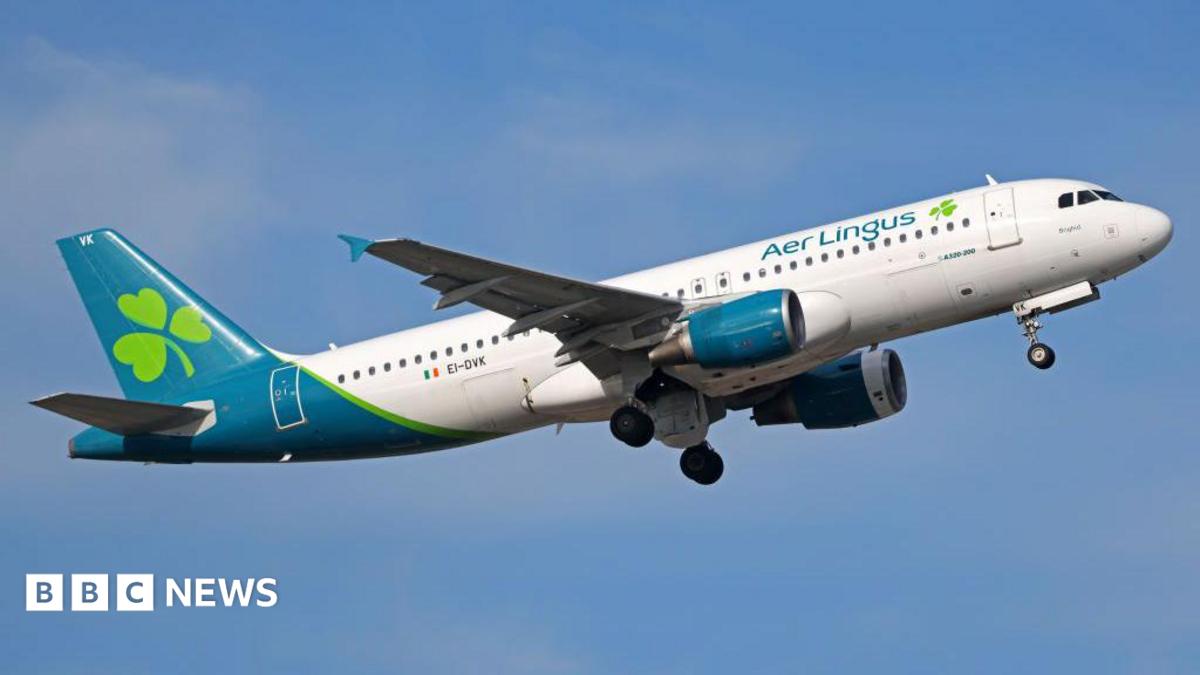
Aer Lingus: Airline proposes to cut 500 jobs under cost cutting plan

Published

on

An Airbus A320-214 from Aer Lingus takes off from Barcelona airport in Barcelona, Spain, on January 18, 2025.

Any customers that will be impacted by network changes will be “contacted directly and provided with re-accommodation or refund options,” the airline said in a statement.

Aer Lingus said changes will begin to take effect from late September 2026, continuing into summer 2027.

The proposed changes to routes are:

  • Dublin to Denver will be discontinued after 28/09/26

  • Dublin to Minneapolis will be discontinued after 24/10/26

  • Dublin to Las Vegas will be discontinued after 03/12/26

  • Dublin to Seattle will be a summer-only operation after 24/10/26

  • Dublin to Split will be discontinued after 29/09/26

  • Dublin to Frankfurt will be a summer-only operation after 02/11/26

  • Dublin to Hamburg will be a summer-only operation after 02/11/26

  • Dublin to Malta will be a summer-only operation after 03/11/26

Linked to these network changes, there will be a reduction in the use of two A330 aircraft and four A320 aircraft for peak summer 2027.

Advertisement

It added the “changes are essential to support required improvement in its operating margin, which is needed to underpin future investment.

“The more cost efficient and productive the airline is, the more it will be able to fulfil its network and growth ambition,” a spokesperson said in a statement.

“The consultation and engagement process will focus on reducing redundancies and potential future redundancies and on what needs to be done to secure future investment in the business.”

Advertisement
Continue Reading

Business

LeBron James, Kawhi Leonard and Nikola Jokic Among Biggest Storylines Right Now

Published

on

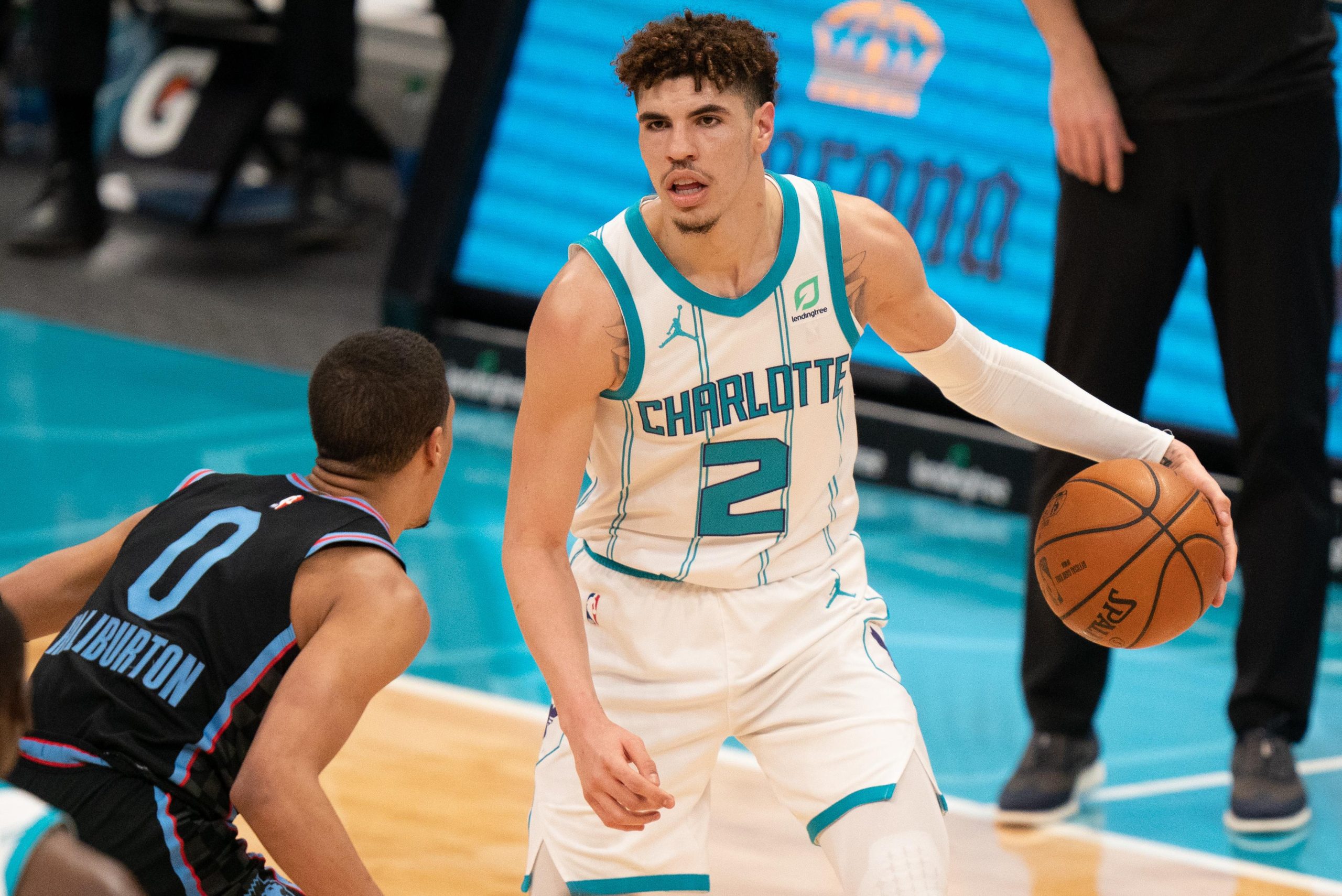
LaMelo Ball #2 of the Charlotte Hornets

The 2026 NBA offseason has already produced some of the most significant roster upheaval in recent league history, but with free agency winding down and several major storylines still unresolved, the rumor mill remains active heading into the second half of July. Here are the eight biggest trade and roster storylines currently shaping the league.

1. LeBron James’s free agency decision remains the league’s biggest holdup. James informed the Los Angeles Lakers last month that he intends to play his 24th NBA season elsewhere, and while his agent, Rich Paul, has confirmed conversations with 27 teams, no decision has been finalized. Multiple franchises — including the Cleveland Cavaliers, Golden State Warriors, Miami Heat, Minnesota Timberwolves, Denver Nuggets and Philadelphia 76ers — have at least two roster spots still open as they wait to see whether James chooses to join their rosters before finalizing their own offseason plans.

2. The Kawhi Leonard trade to Toronto remains in limbo amid an ongoing NBA investigation. Leonard was initially traded from the LA Clippers to the Raptors on June 30 in exchange for Brandon Ingram, Gradey Dick, two unprotected first-round picks, a first-round pick swap and two second-round picks. But the deal cannot be finalized while the league continues investigating whether Leonard’s endorsement agreement with the startup Aspiration constituted a circumvention of the salary cap. NBA commissioner Adam Silver addressed the situation before Game 1 of the NBA Finals, signaling a desire to bring the matter to a close. “I think we’re close to the point now where I think we need to wrap this up because you also need finality,” Silver said. “Their team has to understand what the situation is they’re going to be operating under, and so do the other 29 teams.” Both the Clippers and Raptors issued statements confirming the trade can only be completed once Toronto’s ownership group agrees to assume the risk associated with any penalties tied to the investigation’s findings.

3. Giannis Antetokounmpo’s move to Miami has reshaped the league’s power balance. After more than a year of speculation, the Milwaukee Bucks finalized a trade sending the two-time MVP to the Heat in exchange for Tyler Herro, Kel’el Ware, Jaime Jaquez Jr., Kasparas Jakučionis and a package of first-round picks and pick swaps. The move gives Miami its first true superstar addition since the Jimmy Butler era began, while Milwaukee pivots toward a rebuild built around draft capital and younger talent.

Advertisement

4. Jaylen Brown’s trade to Philadelphia was one of the offseason’s most surprising moves. Boston sent the 2024 Finals MVP to the 76ers in exchange for Paul George, two first-round picks and two second-round picks, a deal that stunned much of the league given Brown’s recent playoff pedigree. The trade followed what had appeared to be a public campaign by Brown for a change of scenery, and it leaves Boston relying on a core built around Jayson Tatum and Mitchell Robinson heading into next season.

5. LaMelo Ball is now a member of the Minnesota Timberwolves. The move, finalized shortly after this year’s draft, sent Ball from the Charlotte Hornets to Minnesota as part of a broader reshuffling of the Timberwolves’ roster, which also saw the team part ways with Julius Randle earlier in the offseason as part of a trade with the Brooklyn Nets that also sent Nic Claxton to the Chicago Bulls.

6. Ja Morant’s tenure in Memphis has come to an end. The star guard was traded to the Portland Trail Blazers this offseason, closing the book on his time with the Grizzlies after years of speculation about his long-term future with the franchise. ESPN’s Brian Windhorst noted during the draft that the league appeared to have already witnessed the final moments of Morant’s time in Memphis before the move was made official.

7. Domantas Sabonis could be the next veteran on the move. With the Sacramento Kings continuing to reassess their direction, ESPN’s Brian Windhorst raised the possibility that the team could explore trading the two-time All-Star center as part of a broader pivot. “There’s a possibility that the Kings may look to see what his trade market might be as they look to pivot their franchise,” Windhorst said during the draft broadcast, adding Sabonis to the list of established veterans whose situations remain worth monitoring as the offseason progresses.

Advertisement

8. Nikola Jokic’s extension decision looms over Denver’s long-term planning. Though the three-time MVP has been extension-eligible since mid-June for a four-year, $278 million deal, indications point to Jokic waiting until next offseason to sign, when he would become eligible for a five-year deal worth $359.5 million — a contract that would set a new record for the largest in NBA history. Speaking to reporters in Serbian following a FIBA World Cup qualifying game, Jokic reaffirmed his desire to remain with the Nuggets long-term. “My idea and desire is to stay in Denver. I’ll probably sign next year,” Jokic said, adding, “My desire is to play the rest of my life in Denver.”

Beyond these eight headline storylines, the offseason has already produced a series of smaller but notable moves, including the Detroit Pistons sending big man Isaiah Stewart to the Memphis Grizzlies for future second-round picks, and veteran center Nikola Vučević agreeing to a minimum contract with the Orlando Magic after previously starring for the Chicago Bulls. Free agency has also seen a wave of contract decisions play out across the league, with players like James Harden, Fred VanVleet and Zach LaVine all making decisions on their player options in recent weeks.

With James still weighing his options and the Leonard trade hanging in the balance pending the league’s investigation, NBA insiders expect the coming days to bring further clarity on two of the offseason’s most closely watched storylines. Both situations carry ripple effects across the rest of the league, with several contending teams effectively frozen in place until James makes his decision and the Raptors and Clippers await word from the league office on how the Leonard matter will ultimately be resolved.

Advertisement
Continue Reading

Business

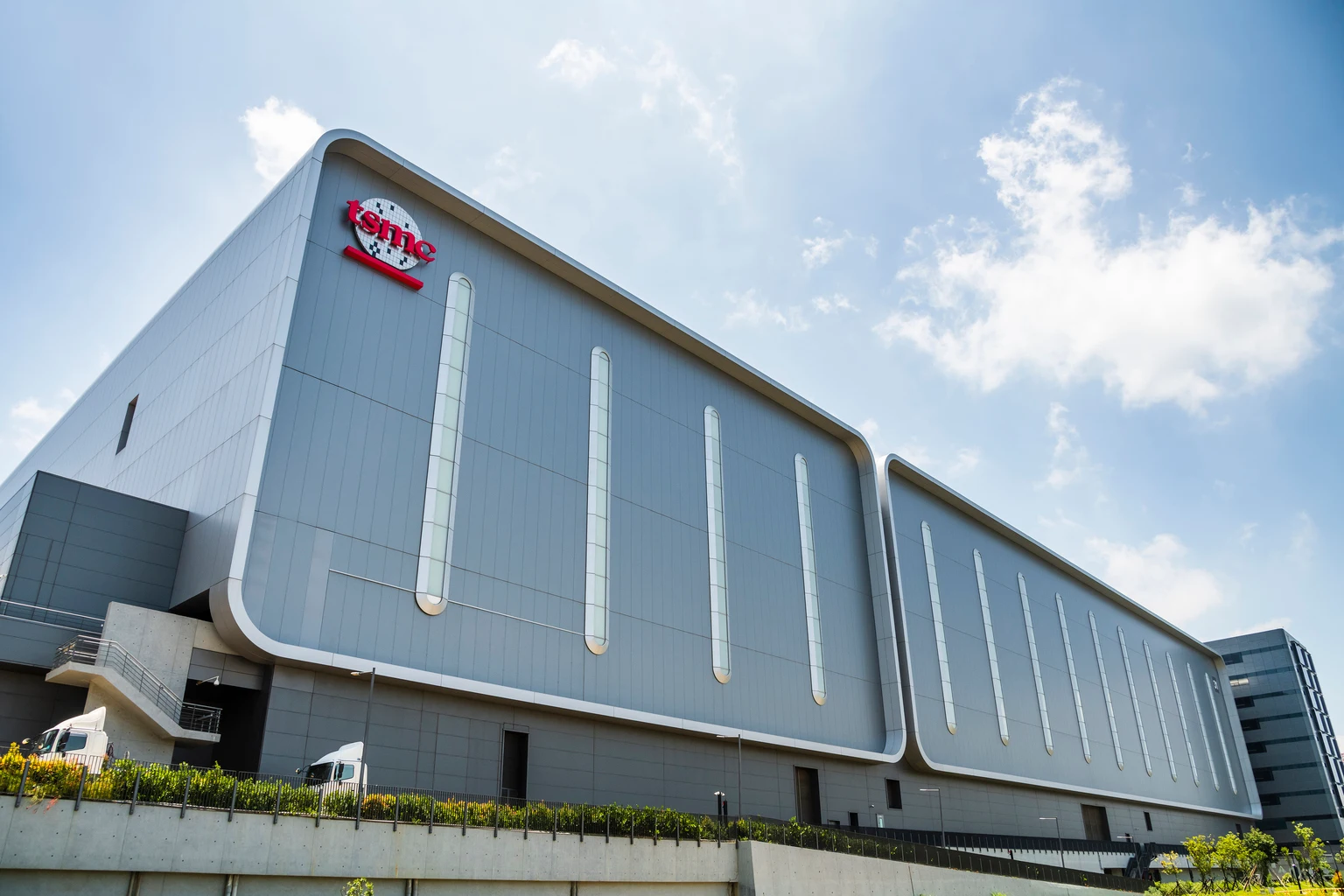
TSMC Q2 Earnings Review: There's No Stopping The Juggernaut

Published

on

TSMC Q2 Earnings Review: There's No Stopping The Juggernaut

TSMC Q2 Earnings Review: There's No Stopping The Juggernaut

Continue Reading

Business

Analysis: Winners and losers as tax changes hit homes

Published

on

Analysis: Winners and losers as tax changes hit homes

ANALYSIS: WA won’t escape the housing market’s price adjustment in the wake of the government’s CGT changes.

Continue Reading

Trending

Copyright © 2025