
Business
Why The Core CPI Inflation Drop In August Doesn't Matter



Business
Our commitment for press freedom, and autonomy of public broadcast is absolute: Prakash Javadekar
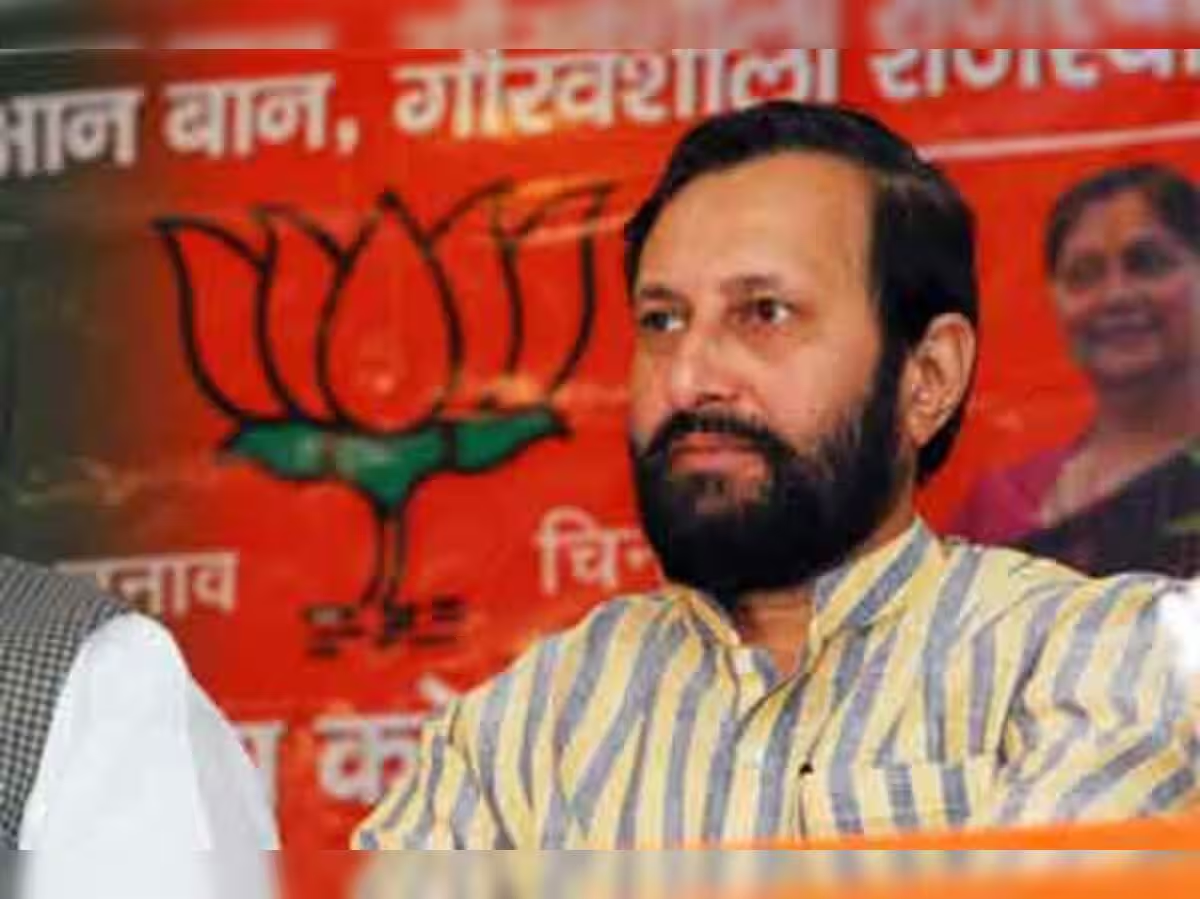
He spoke to ET on the Bharatiya Janata Party government’s approach towards media, social media, media controls and much more. Edited excerpts…
In terms of communication and messaging, the BJP’s electoral campaign has been termed an object lesson in the field. How can you translate that into the governmental structure?
All communication needs of the government will be handled in our ministry through a social media hub. I am offering this service to all ministers. Their facebook, twitter and other social media outreach will be handled by the new media wing, and the social media and communication hub.
The advantage that the party saw in reaching out through all communication media has been tremendous, and it was felt that the government too use the available platforms. Therefore, this new hub will provide all the help needed by various ministers and ministries for setting up and operating their facebook pages, twitter handles and the outreach throughsocial media. Traditional media is important, of course, but social media vehicles have to be spruced up.
What are your priority areas as far as this (I&B) ministry is concerned?
We have to ensure transparency, make our vehicles more effective. We want to be accessible and accountable too. Now there is a stage three and stage four of digitisation, we will take a call on this only after taking all things into account. The issue is that digitisation increases the revenue of paid channels, but customers want fewer advertisements.
Now 11 crore new settop boxes are required, which provides a great case for indigenisation, rather than just import them. I will take it up with the finance and commerce ministers on how this could be done.
During the elections, an interview of Prime Minister Narendra Modi set off questions on the autonomy of the public broadcaster. As I&B minister, how will you deal with it?
Right off the bat, I would like to say that our commitment for press freedom, and the autonomy of public broadcast is absolute. But freedom or autonomy has its own responsibilities.
Media has the responsibility of being neutral and objective. There’s always a concern that when the government is spending so much, it must reach the public. The public broadcaster is a tool for public awareness. Having said all of this, let me categorically state that we have no plans to enforce controls on the media.
Modi has been described as a “post TV” Prime Minister, in that he reaches out to his audience or voter directly. How would you recast the role of the traditional media?
This is a lesson for everyone on how to put your point across, in the way the Prime Minister does. Minister for law and communications Ravi Shankar Prasad and I have been deputed as spokespersons for the government and we will shortly come up with a communications plan to suit everyone’s needs. This government is different from the way it approaches issues and problems.
For instance, Modiji’s design for the Cabinet. Yesterday, there were some issues related to environment and power. Piyush Goel holds the power, coal and renewable energy portfolio, I hold the environment portfolio, and between the two of us and 10 officials we sorted things which the previous government had tied up in knots in a Group of Ministers (GoM) set up. The emphasis is on synergy. For the media too, there will be things to learn from the new government and its functioning.

SeaStar Medical at H.C. Wainwright: adult trial looms over small cap

Anthropic CEO calls for slower AI development after security incidents
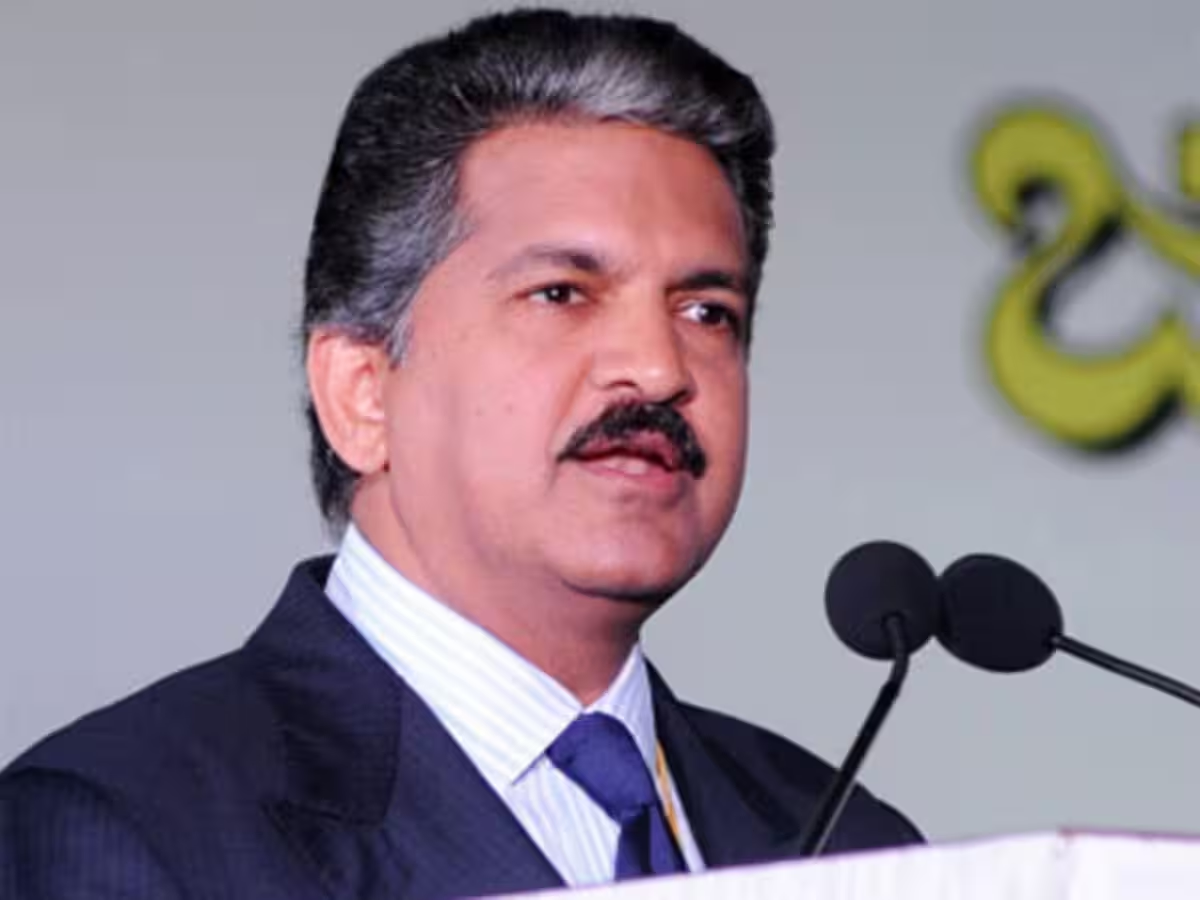
On Modi government’s 10-point agenda.
I think it is almost brilliant to put at the head of the list the fact that bureaucrats should be encouraged to take decisions without fear. In a sense he’s gone to the heart of the problem of the paralysis. The Indian government is extraordinarily large and it is difficult to try and believe that one leader can make all the change. This is a federal system. In a large bureaucracy you cannot exercise the transformation of any situation without coopting bureaucracy.
So empowerment becomes important. It’s a good sign. If you remember, one of the major apprehensions about Modi was an autocratic style of functioning. By putting right at the top of the agenda the empowerment of the bureaucracy I think one has to appreciate and admit that it is definitely not the act of an autocrat.
On disbanding ministerial groups.
Without making much heavy weather of it, he’s been a case study for business schools on how to exercise leadership and have an impact from day one in the new job. He’s setting a clear agenda and is making a clear promise of making a measurement of progress made against that clear agenda. For example, making an agenda for 100 days will make it clear what the matrix would be for measuring success of that agenda. It is important that every day some incremental progress is made towards that agenda and that progress is communicated transparently. He has got his team ready, which is a focused team. To me, every decision needn’t be a big-bang reform but a signal of proactive decision-making and removal of red tape and bureaucracy. And a promise of even speedier decision-making in the future.
On the government’s immediate priorities.
Back in the 1980s, I had written a column headlined ‘Roads to Nowhere’. At that time we were not building enough roads. (Among) America’s competitive advantages happen to be its highways and its transportation network. Those are like blood vessels to the economy and they create job opportunities. Therefore, in a funny sense, the best thing anyone can do to create an inclusive economy is ironically through building roads, because access to markets or the lack of access to markets is one of the most discriminatory things one can do to the poor, especially to the rural poor. It’s not a point that we automatically think of but roads are a mechanism to create inclusiveness in the economy. So, I think, the faster he does that the better for the economy. There is huge economic data to show that roads (give) a bigger boost to rural income than even irrigation. It will help power dual income for families and will allow a kind of diversity from dependence on agriculture which creates productivity.
undefined
On India-US ties.
I’ve been here (in the US) for quite a while now. The Indian elections have generated enormous interest. Most of the diplomatic and political pundits are now urging the leadership in Washington not to miss out on what they feel is the diplomatic opportunity for the US in reaching out to and rebuilding a very strong relationship with India. They feel US has lost ground because of the visa controversy and that they should now rediscover the ground and build a strong relationship.
There is a feeling that both Japan and China have both stolen a march on building this kind of relationship with India. There is going to be, in my opinion, a strong effort from decision-makers here to reach out to the prime minister and his colleagues to rebuild the relationship.
On the perception that the new government will tilt more toward the east — Japan, China, South Korea.
There has been significant interest shown by Japan. It is a country with a liquidity overhang and an investment surplus. Modi is well aware of that. Why Japanese investors have been holding back is because they did not perceive any of the promises we’ve given to be gaining traction.
In the area of construction and large industrial projects, they can take pole position in large projects here. That being said, everybody speculated what the position of the PM and the Cabinet would be and the PM is his own man. My contention is that our PM is a practical man and he knows that any kind of vindictiveness has no role in foreign policy.
I think his whole objective is to enhance India’s economic health and through that gain what should be India’s rightful role in the world. The fact that we are the world’s largest democracy and we are all aware that power and a role in global affairs for a nation comes from economic strength. I think, in his own way and at the right time, he will respond positively when the correct signals are sent out from the US administration.
On FDI in defence
We have been consistent from the time we entered into JVs with foreign companies. We have not changed our stance. Right from the beginning we have been representing to the government that it is a positive step to allow at least 49% investment through the automatic route. Because it encourages the foreign partner to deploy the technology into the JV. Otherwise, there is wariness on their part to provide 100% support to the joint venture. So if you really want the best technology to be manufactured here, then (it should be) a minimum of 49% stake, which we have always advocated.
On Mahindra’s investments plans.
We have never shied away from making investments. Even during downcycles, we never stopped our investments. We invested in the Chakan automotive plant when the economy was down; we also invested in the tractor plant in Zaheerabad when the tractor market was witnessing a downcycle. When the market improved for tractors we were able to ramp up our output. We always have a long-term view of the economy. We have consistently been investing. In defence, for example, if the government starts buying again for the much-needed upgrade then we’ll certainly make the investments. Pawan (Goenka) has gone on record to say that we are considering a Rs 4,000-crore investment, which is independent of the new developments. It was something we were going to do.

Anthropic CEO urges AI companies to slow model development
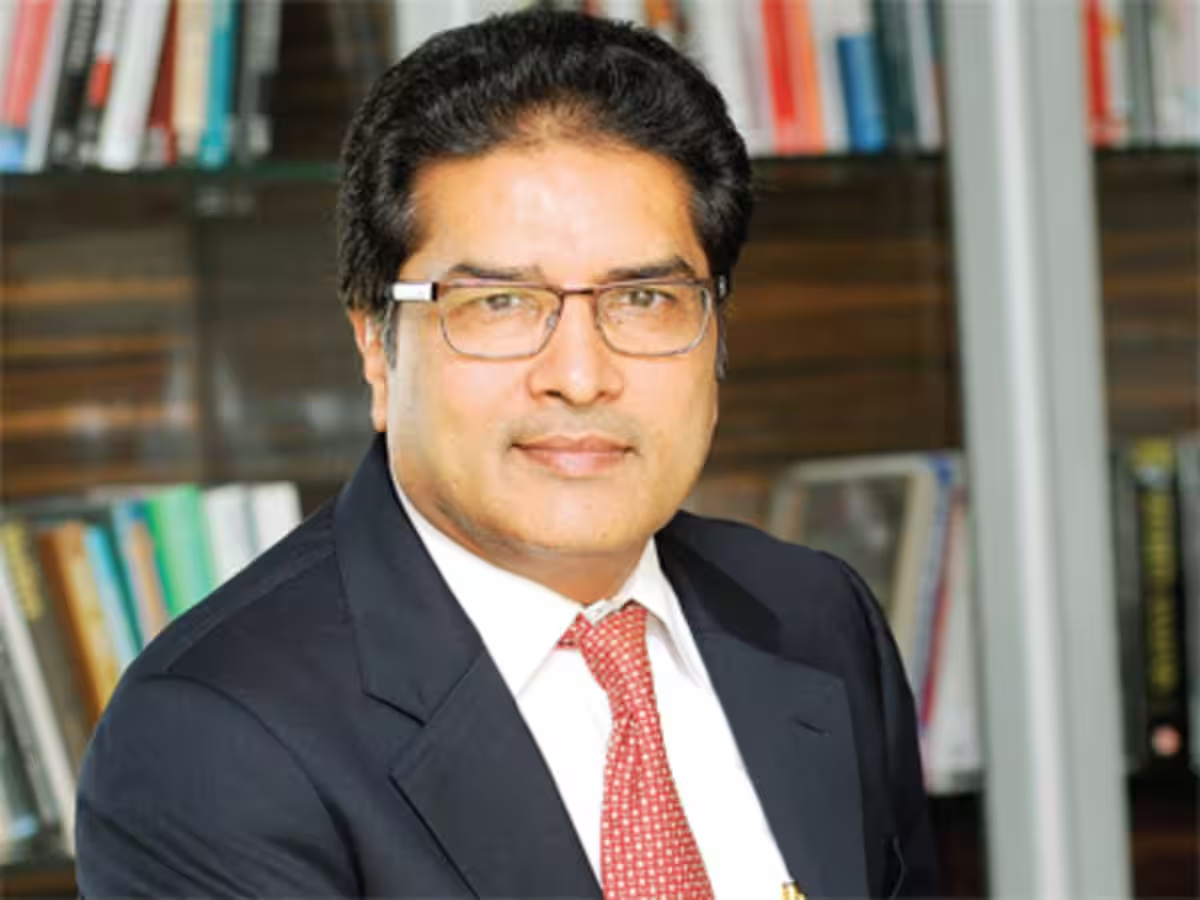
The central government has complete power with a clear mandate, but directives from the Centre have to be executed well at the state level. So, there are many things that are still not in Modi’s hands, says Raamdeo Agrawal, Joint Managing Director, Motilal Oswal Financial Services in an interview with Narendra Nathan and Sanket Dhanorkar.
Are we looking at a multi-year bull run?
I think the market has not yet priced in the full potential of the economy. For the first time, a true nationalist has come to power with a clear majority. There is a new-found energy across the nation. My sense is that the market has not yet understood the difference between 300-plus seats for NDA and 272-plus seats for BJP alone. Look at how the cabinet posts have been assigned — BJP allies have got limited posts and their negotiating power is diminished. Complete power is in the hands of the government. The political scenario is drastically different now. The economy is on the cusp of a historical positive change.
It is the same vehicle, but the driver has changed. It is now being steered by a formula-one driver. So, the acceleration will be dramatic. It will become visible very quickly. Today we are growing at 4.5 per cent. Growth is likely to pick up pace rapidly in the next few years. A lot of things will happen in five years. It will be interesting to see the index level at that time. In the process, investors will make tons of money, because the market will discount that growth two years in advance. It will not wait for the fifth year. If all domestic and global factors align, markets will go through the roof.
Are there challenges to the fragile economic recovery?
The current optimism is because a major variable — the shambolic political setup — has been corrected. There is no doubt that the new government has been fully empowered in this election; the mandate has been given to an extremely competent individual. Right now, everybody is bullish. But one must have tempered expectations. Finally, directives from the Centre have to be executed well at the state level. Otherwise it will be a waste. There are many things that are still not in Modi’s hands.
A lot of other factors will also play a role. Good monsoons, favourable global environment, peaceful borders, etc., can change the entire scenario. But, only time will tell how many stars will align. So, a lot will depend on external factors. I am also keenly watching how the new government tackles inflation, which is just a symptom of a much deeper problem somewhere else. The government has to address supply-side bottlenecks. A weak currency cannot make a strong country. That is why, inflation must go down. It will be the beginning of development, investments, and so on.
The rally, so far, has been driven by hope. When will fundamentals take over?
News headlines, and making money are two entirely different things. We should not get carried away by the headlines. The focus must be on who will actually make money. In most cases, it will be a company which is making money right now. Very rarely will a company that is broke today make money tomorrow, unless there is a complete change in business dynamics. Today, we do not have anything to go by. So, wherever there are anomalies in the economy, these will come back to normal levels. Right now, it is only about the promise of a better tomorrow. Some of these promises will have to take shape in the budget.
undefined
What should be the first priority for the new government?
India has to become much more business friendly. Finally, the country needs to create jobs for its rising young population. Who will create these jobs? More than the government, it is the businesses which will create jobs. Businesses can create jobs only if the business environment is friendly. They also cannot sustain growth without creating jobs. So, the government has to become business friendly. All hurdles should be removed. We need businesses to take more risks as it will result in more jobs.
Will mid-cap stocks continue to perform better than large-caps for now?
It really depends on the company. Mid-caps were lagging for quite some time; smallcaps even more. Eventually it has to converge. Large-caps are now looking highly priced. Investor appetite is limited at these levels. Most of the action is in the low-quality, low-priced segment. Smaller investors are clearly buying low-quality stuff, thinking that the price is low. But, even if it moves into high valuation territory, low quality will remain so. This is where the entire game ends. Sure, high quality stocks are expensive now. But that doesn’t mean you should have junk in your portfolio. If you find quality at a reasonable price, buy with modest expectations. Such names are few and far between. But, even if you get 3-4 such ideas over one year, you can make money. The challenge is to have patience and hold on to the investment. Filling with junk will be a disaster, but if it works, you get a multi-bagger. Investors in high quality may underperform in a rallying market, but will emerge better off over an entire cycle.
Can we expect an earnings upgrade anytime soon?
A 12-15 per cent earnings upgrade is definitely possible this year. As the economy recovers, sectors, such as cement, steel and automobiles, will pick up pace. Oil & gas can also contribute to earnings growth. Right now corporate profits are contributing around 4 per cent to the GDP, which is near the bottom of the band. At the peak of a cycle, this can go upto 7-8 per cent. Assuming 13-14 per cent nominal growth in GDP, it will double in rupee term to Rs 220 trillion in next six years. Now the question is whether the current profit of Rs 4 trillion will move up to Rs 8 trillion or Rs 16 trillion. If it maintains the current ratio, it will go to Rs 8 trillion. If it touches the upper end of the band, it will go to Rs 16 trillion. If this happens and the PE multiple remains the same, the market will go up four times. Profits will zoom the moment the economy moves from 5-6 per cent to 8-9 per cent growth. That is why there is a potential for the market to go up to the stratospheric levels from here.
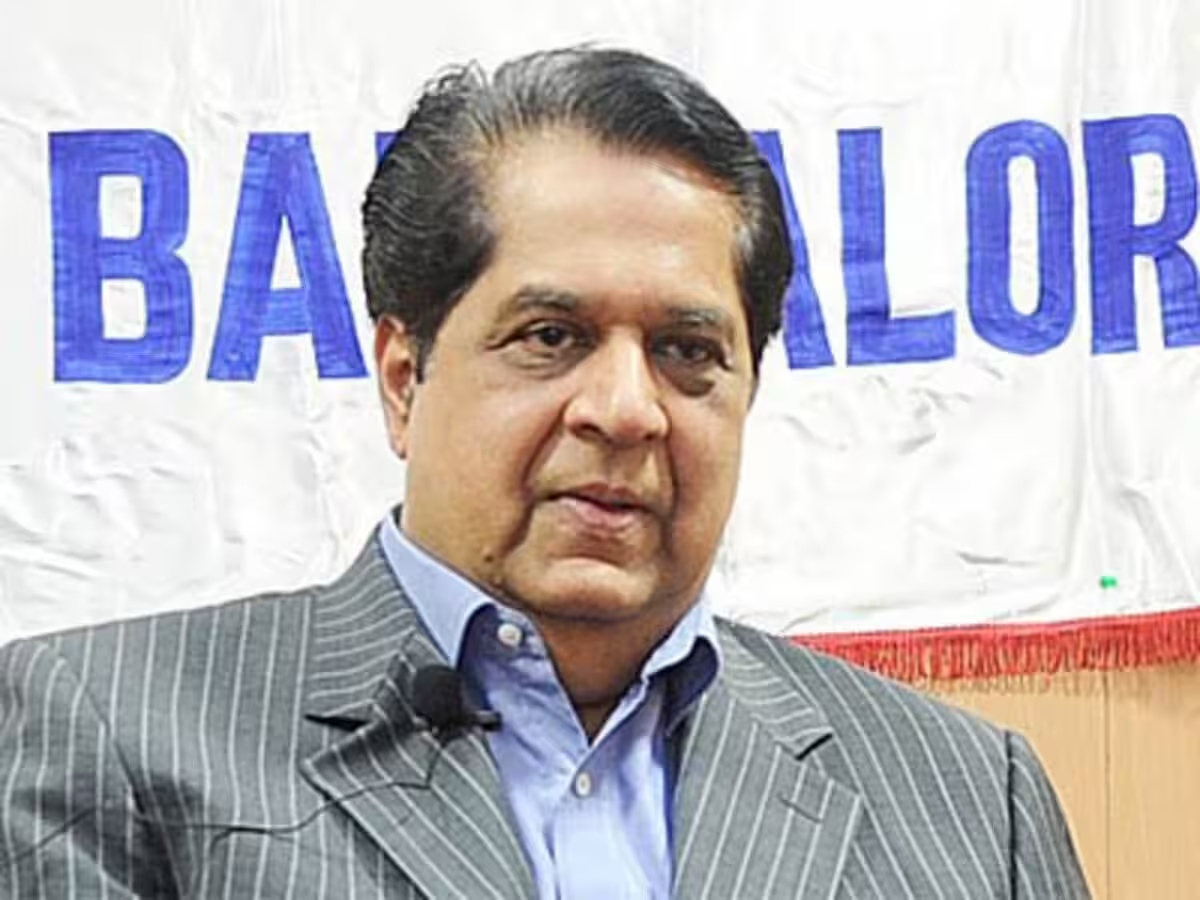
ET Now: Talking of expectations from Narendra Modi, do not you think too much hope and money in essence is riding behind one man? Despite his good intentions, there are structural problems in the economy and even the Prime Minister does not quite have a magic wand?
KV Kamath: If you look back to 10 years ago, the economy was getting into near double digit growth even with all the structural problems. Now you have a leader who has a known bias for fixing things and making sure that things work. It is the same set of structure, the same set of people who are driving this. You have the right leader who can drive the effort.
ET Now: The other day we had Mr. Birla meet the Finance Minister and as he walked out of the meeting, he said he expects the economy to revive in three to six months. He says he is going to start investing in India now. We have not heard too many corporate leaders say that. You have a pulse of the mood of corporate India. When do you think will the corporate leaders start investing?
KV Kamath: The first sense comes from the market. It is the collective wisdom of the marketplace that there is action and we will move with speed. That improves the confidence level of industry. Now we need to see whether some of the ground conditions that are needed for people to get back to an investment mode are going to change. Today I read that with a large slate of reforms or projects which have been stuck are going to be addressed in the next few days. If that happens, you will see a sea change in the investment mindset, as it were.
ET Now: It could happen in three months itself. Is that what you think?
KV Kamath: I think that between three and six months it could start happening. But we want incremental investment to happen. There is enough to harvest in the first six months in terms of stuck projects and so on.
ET Now: The one cue that corporate India will also look forward to is the budget. Given the nature of the mandate that we have, the strength that this government have in the Parliament, would you expect tough reforms in this budget itself?
KV Kamath: I do not want to call or second-guess what somebody is working on. But I think it will be a budget where you try to have fiscal discipline and whatever is needed to get that discipline. Now in what measure, in what combination, is for the government to call. I think one thing that people will look for in the budget is fiscal discipline and a way to getting the deficit under control, say, over a three-year period. If it is well-constructed and well-articulated, you will see the cheer going up.
ET Now: Does the 4.1% number look a little tricky to you?
KV Kamath: If you eliminate waste, you eliminate what is theft and eliminate what is not needed, the 4.1 is achievable.
ET Now: When do you think fiscal and monetary policy will start working in tandem? When do you expect rates to turn?
KV Kamath: Regarding the monetary policy, we always say that let us see the constructive design of a fiscal deficit. We know what it is and where it will end. Once they see that construct as it were, for this year and, say, for two years on the line, then I should believe that they should have greater confidence to tinker with the rates, or inflation itself has to start dropping. We see several people have given several solutions starting with release food stocks, pushing the pedal on APMC reform, and so on. I am sure again this is something that the government will very quickly understand and take all the steps or some of the steps which would give policymakers confidence to get interest rates down. We should see it happen in this fiscal, in the next 12 months. I think it ought to start happening in the first six months.
ET Now: A quarter percent or more, through the course of the year?
KV Kamath: I have no call on this. Let us see what happens. Everything will depend on where the deficit number comes in and whether you are able to get the inflation rate moving down. If these turn out positive, rates could move fast.
ET Now: What is your outlook on growth in the short term, medium term, and long term?
KV Kamath: My long-term number does not have a single digit. It is two digits. So you can make a guess on it.
ET Now: During the term of this government?
KV Kamath: I think it will happen during the term of this government.
ET Now: The first term itself?
KV Kamath: It will happen in the first term of this government. That is for sure. If they progress the way they mean to, I am reasonably sure that we will see two-digit rate in the first term of this government itself.
How do you view this victory of Narendra Modi and the BJP? And how will it impact the Indian economy?
We want India to do well. This election has ensured that there’s political stability for the next five years. A decisive leadership would mean tougher decisions, and no good governance is possible without tough decisions. The BJP-led NDA has a clear mandate to take bold and innovative decisions. International politics is not about zero-sum game and while India would economically engage other powers, EU has the potential to drive growth in India. EU is already the single biggest trading partner as a bloc, and is the single largest source of FDI for India as a bloc. We are ready to meet India’s needs in the fields of technology and funds.
You have interacted with Modi when he was the Gujarat Chief Minister. How do you rate him as a leader of modern India?
As a former Secretary of State for Foreign Affairs and Cooperation of Portugal, I had interacted with various leaders worldwide and I can say that Mr Modi is among the best. He has clarity of thought and clear vision of governance and that’s what India requires. He also has a very clear understanding of the challenges before the country. He is a good listener as well as a good talker and can engage in enriching discussions. No Prime Minister would like to have communal strife on his record, and I am certain that he would not allow any communal tensions in India. His priority is to boost the economy and he has his eyes set on that.
Where do India-EU relations go from here? What are the priority areas for India-EU and what’s the future of Free Trade Agreement that’s being negotiated for many years now?
Negotiators from India and European Union are on the job to conclude the FTA. The proposed agreement will lead to greater openness. In the past, EU held discussions with the BJP on the FTA. We take Mr Modi’s speech on economic issues on February 27 as a positive. I have no doubt that the FTA will benefit India. We hope that there will be progress in FTA before the next India-EU Summit at Brussels.

how Fair Value analysis predicted Fervo Energy’s 47% decline
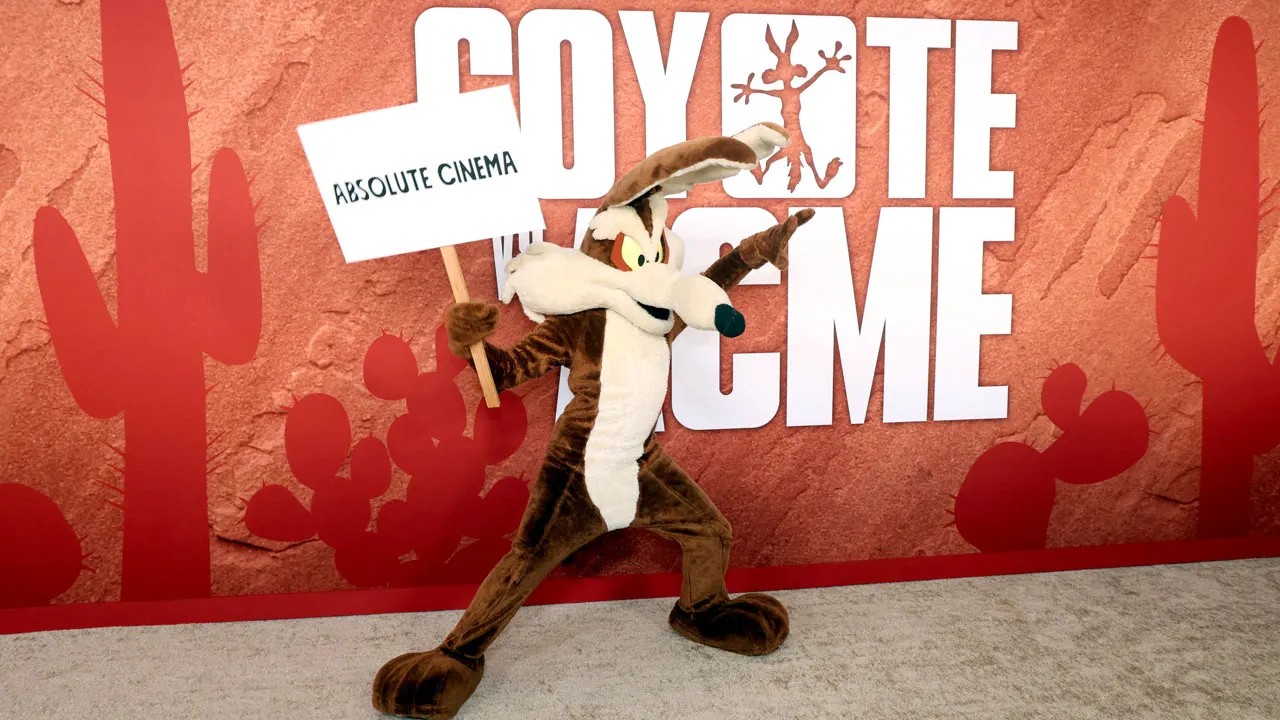
The next big drama in Hollywood may not play out in the movie theater, but possibly the White House. President Trump has threatened to impose a 100% tariff on all foreign made films.
AUSTIN, Texas – The backstory to how this movie got to a theater near you could be a movie. And it might be someday, but Hollywood won’t make it.
Hollywood isn’t making a lot of movies these days. Production has moved away, to Texas, to Georgia, to Canada. California has the natural environment that created Hollywood in the first place, but the business environment that has driven much of Hollywood away and is strangling what’s left of it. It’s so bad that President Donald Trump recently stepped in to try to save the industry that’s been weaponized against him.
Hollywood has mostly forgotten that its primary purpose is to entertain.
Warner Bros. had a movie it spent $70 million to create, finished in 2022. It brought some big names together – James Gunn as writer and producer, stars John Cena and Will Forte, and even bigger names in Bugs Bunny, Wile E. Coyote, and all the other classics from Looney Tunes. Warner didn’t just launch production on this film, it went through the entire process, and had a finished work that was ready for theaters. It was called “Coyote vs. Acme,” pitting the hapless Wile E. Coyote against the megacorp from which he’d bought so much failed gear from over the decades.
TRUMP URGES BIPARTISAN FEDERAL TAX INCENTIVE TO BRING FILM, TV PRODUCTION BACK TO THE US
But thanks to perverse tax incentives and a difficult climate for major movie releases, Warner decided to do the unthinkable: It was going to delete this finished movie. Not just shelve it. Destroy it.
Will Forte, who plays Coyote’s attorney in the film, appeared on Jay Mohr’s podcast, called it “A very frustrating story.”
“So we make this movie. The script is really fun. And then, we went through the process of making this movie, and we made an even better movie than this great script.”
Because half the film is animated with composited cartoon characters, anvils and other tropes, post-production was a long process. But it got through all that, Forte says, and they were called to a screening.
Warner Bros. decided to destroy “Coyote vs. Acme”. (Mario Tama/Getty Images)
“After all the animation, they’re finally ready to show it to the cast. They called us up on a Tuesday night. Said, ‘OK we’re gonna show it to you next Tuesday. It’s testing really well, we’re very excited about it.’ The next day I get a call that Warner Bros. is going to shelve it. Just wants to take a tax loss.”
The cast still got to see the movie. Forte said he assumed that if Warner was shelving it, “It must be not as good as these guys said. But they saw it, and it’s “great.”
“Which made it even more frustrating… It was nuts.”
As an artist, seeing a corporation shelve your work would tend to be frustrating. But it might be understandable if the work is terrible. The corporation may even be saving you from embarrassment. But “Coyote vs. Acme” was testing well with audiences, and it landed well with the people who made it.
The big names involved, and then more big names, and then a grassroots campaign, all gathered force to try to shame Warner into releasing the movie. A guy wearing a Wile E. Coyote costume showed up at Warner picketing the studio.
And it worked. Sort of. Warner shopped the movie around, but was reportedly asking for more money than it spent from any buyers. Eventually a little 12-person outfit called Ketchup Entertainment bought the film for $50 million.
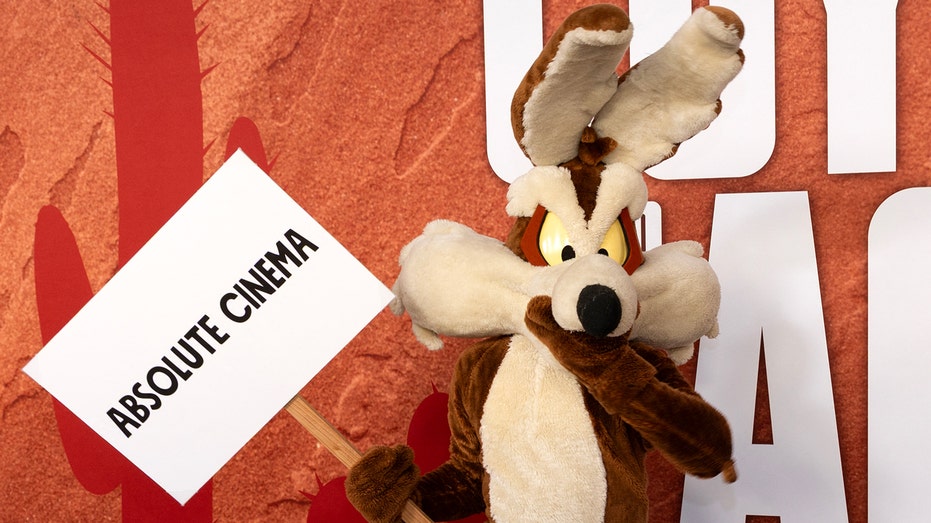
“Coyote vs. Acme” actually turned out to be good. Very good. (Valerie Macon/AFP via Getty Images)
Ketchup spent roughly 25 cents marketing the movie. There was no build-up of reviews, no big trailers dropping on YouTube powered by ad dollars. Really, very little marketing. I happened to see a video about it one day while trolling YouTube. And it looked fun, like “Who Framed Roger Rabbit?” or “Space Jam” kind of fun.
“Coyote vs. Acme” landed in theaters worldwide in late August. It’s competing with a Spider-Man tentpole and some other summer films, but it’s holding its own, hitting second and third on its first two weekends and getting strong reviews across the board. As of this writing it has blown past $50 million. Ketchup wins by getting its name out there and may even make some money, and with the $100 million war chest it announced in May, it’s not done.
HOW DOLLY PARTON TRANSFORMED A SMALL TENNESSEE TOWN INTO A TOURISM EMPIRE
But is “Coyote vs. Acme” any good?
In some ways it’s irrelevant if the movie is actually good. It’s a piece of art that should be seen by the audience it was made for. Bad movies, and books, and TV shows, get released every day. The art, and the hours of blood, sweat and tears the humans put into making it, matters.
CLICK HERE TO GET FOX BUSINESS ON THE GO
I saw it over the long weekend. And it’s good. Very good. The jokes land, the cartoon combination with live action works, the sometimes surprising use of classic Looney Tunes characters all fit, the cartoon tropes and send-ups work, and John Cena delivers a deliciously villainous performance as Acme’s shark lawyer.
Getting back to what was once Hollywood’s reason to exist, “Coyote vs. Acme” entertains. And then some.
FOX Business reached out to Ketchup Entertainment, John Cena and Bugs Bunny prior to publication.

Aave V4 Deposits Reach $806 Million After 30% Weekly Gain

Alleged Suspect Arrested In Case
Our commitment for press freedom, and autonomy of public broadcast is absolute: Prakash Javadekar

Memory prices are slowing because buyers ran out of money

Micron Stock Climbs Above $1,031 as AI Memory Crunch and a $50 Billion Outlook Fuel the Rally

AMD Stock Climbs After Management Lifts 2027 Data Center Outlook Toward $70 Billion in AI Sales


-
Tech4 days ago
Memory prices are slowing because buyers ran out of money
-
 Business3 days ago
Micron Stock Climbs Above $1,031 as AI Memory Crunch and a $50 Billion Outlook Fuel the Rally
-
 Business3 days ago
AMD Stock Climbs After Management Lifts 2027 Data Center Outlook Toward $70 Billion in AI Sales
-
 Crypto World4 days ago
Bitcoin price risks $76K drop as $78K support weakens
-

 Crypto World4 days ago
Robinhood Stock: How To Take Advantage With Reduced Risk
-
 Crypto World4 days ago
Ethereum price stalls below $2,500 as ADX drops to 11
-
 NewsBeat4 days ago
England up in reading, maths and science rankings as Scotland and Wales dip
-

 Fashion22 hours ago
Weekend Open Thread – Corporette.com
-

 Crypto World2 days ago
OKX launches 10x OpenAI, Anthropic X-Perps in Europe
-
 Crypto World2 days ago
2 Chip Stocks Broke Out This Week. Neither Was Nvidia
-
 Crypto World4 days ago
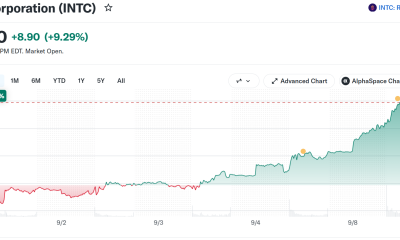
Intel Stock Jumps 9% on Chip Price Hike Report, US Stake Gains $36 Billion
-

 NewsBeat4 days ago
What went right this week: an ‘historic’ fall in violent crime, plus more
-
 Crypto World3 days ago
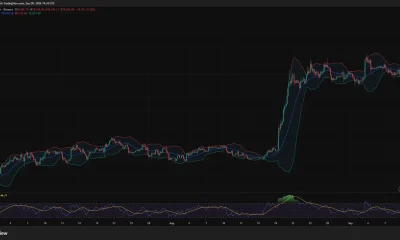
Bitcoin price risks $70K if $78K neckline breaks
-

 Crypto World1 day ago
Diesel Tops $6 a Gallon for the First Time as 28 States Set Records
-

 Crypto World1 day ago
XAG/USD: Silver’s Short-Term Rally Meets Its Moment of Truth
-
 Business4 days ago
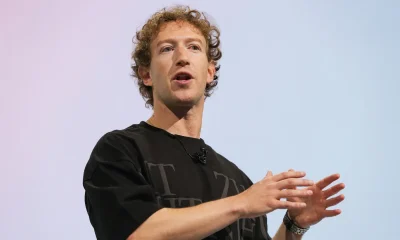
Meta debuts long-awaited personal AI agent, Muse
-
Crypto World2 days ago
Ethereum Price Analysis: Consolidation at $2.5K Tests Momentum as On-Chain Activity Surges
-
 Crypto World3 days ago
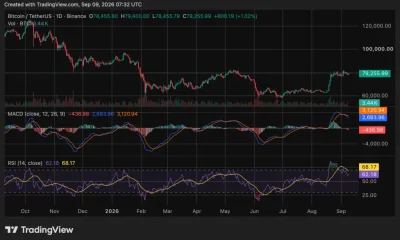
Bitcoin price holds near $79K as cycle drawdowns narrow
-
 Crypto World3 days ago
Ethereum price breakout hinges on a close above $2,535
-
 Sports4 days ago
Phones confiscated, players sent home: Pakistan’s England tour turmoil revives memories of Mohammad Amir, Salman Butt and Mohammad Asif’s 2010 Lord’s spot-fixing scandal | Cricket News
You must be logged in to post a comment Login