

Business
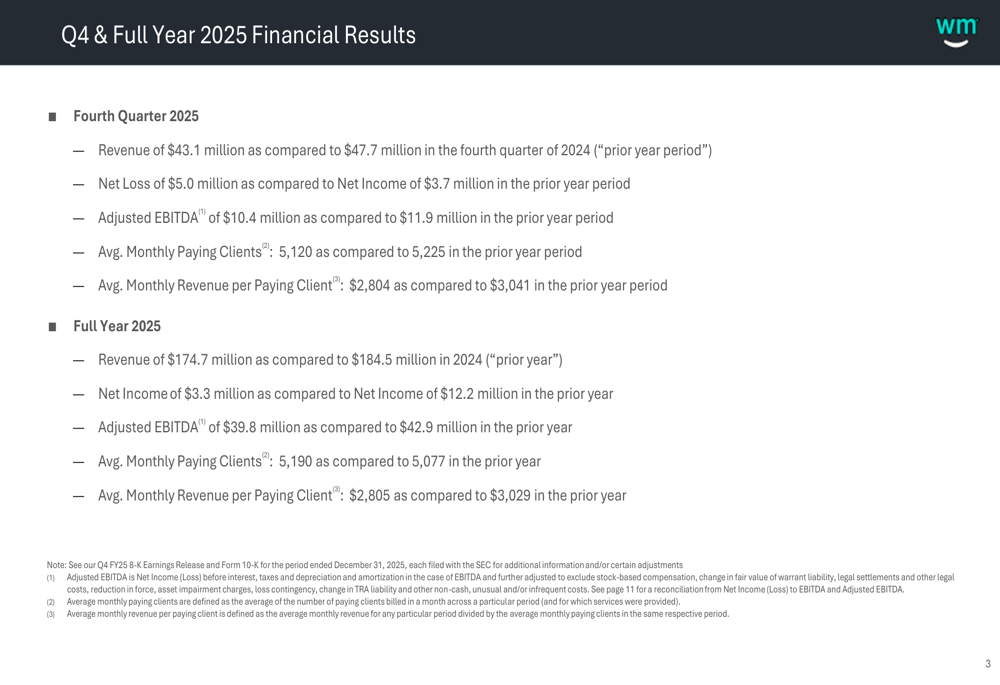
WM Technology Q4 2025 slides: revenue falls, margins compress




The rupee fell to 92.39 per dollar, eclipsing its previous all-time low of 92.3575 hit in the previous session.
The currency has declined over 1% since the Iran war started but has fared better than some of its emerging market peers on account of market interventions by the Reserve Bank of India.
Oil prices remained near the closely watched $100 per barrel level, up from around $70 before the Middle East conflict started.

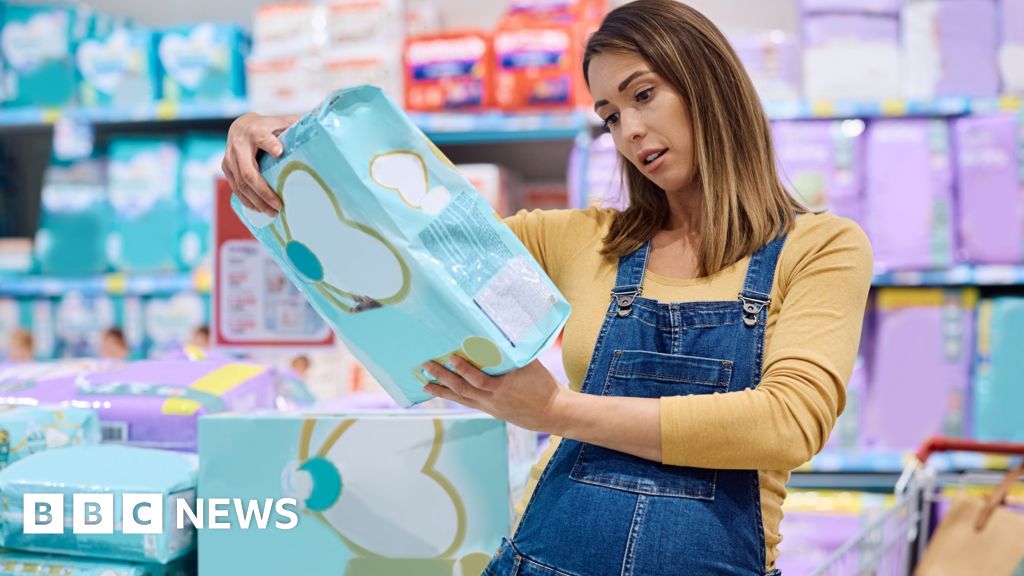
Cost and convenience have made disposable nappies dominant – can start-ups compete?
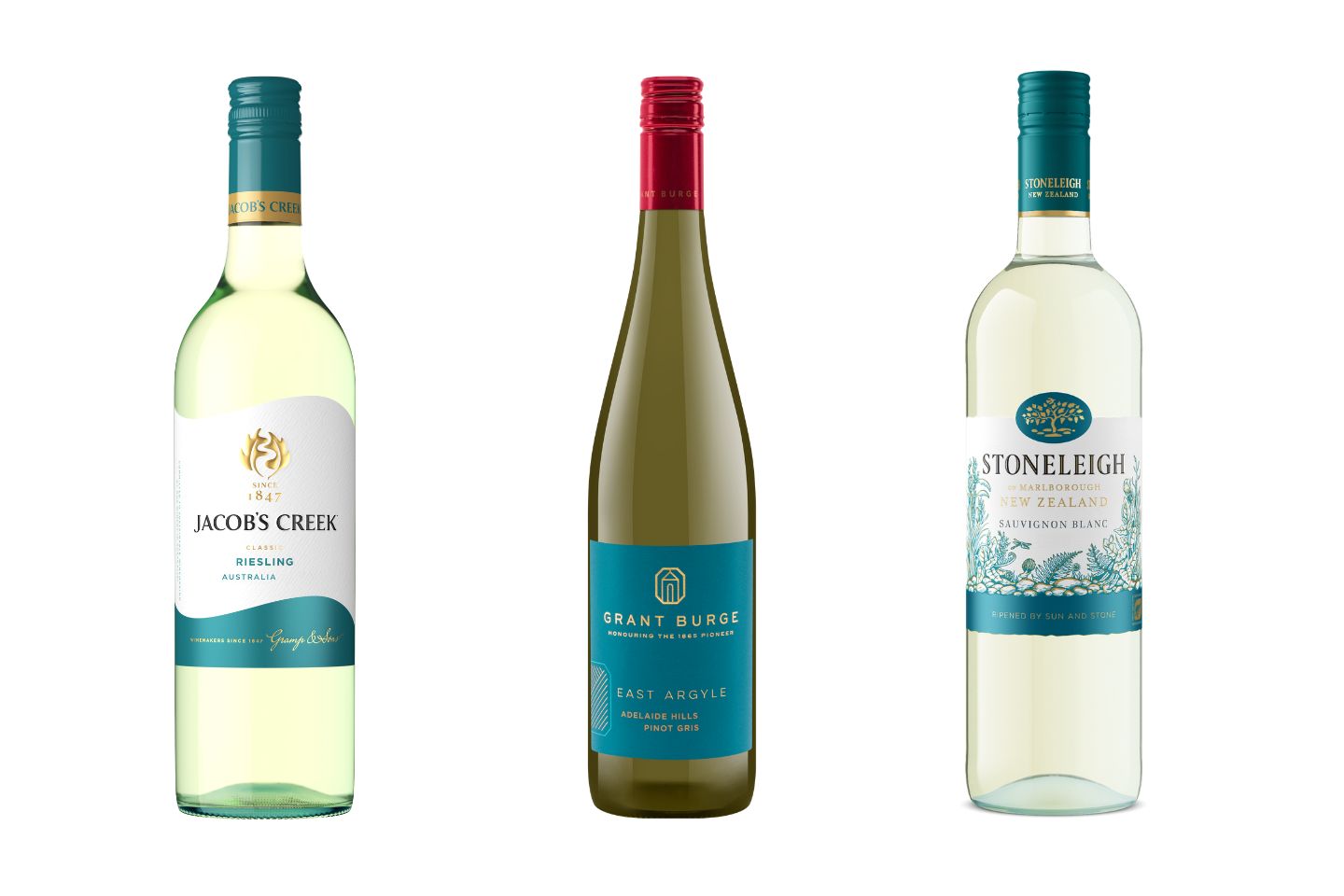
REVIEW: Supplying consistency across a vast geographical area is a challenge Vinarchy Wines has embraced.
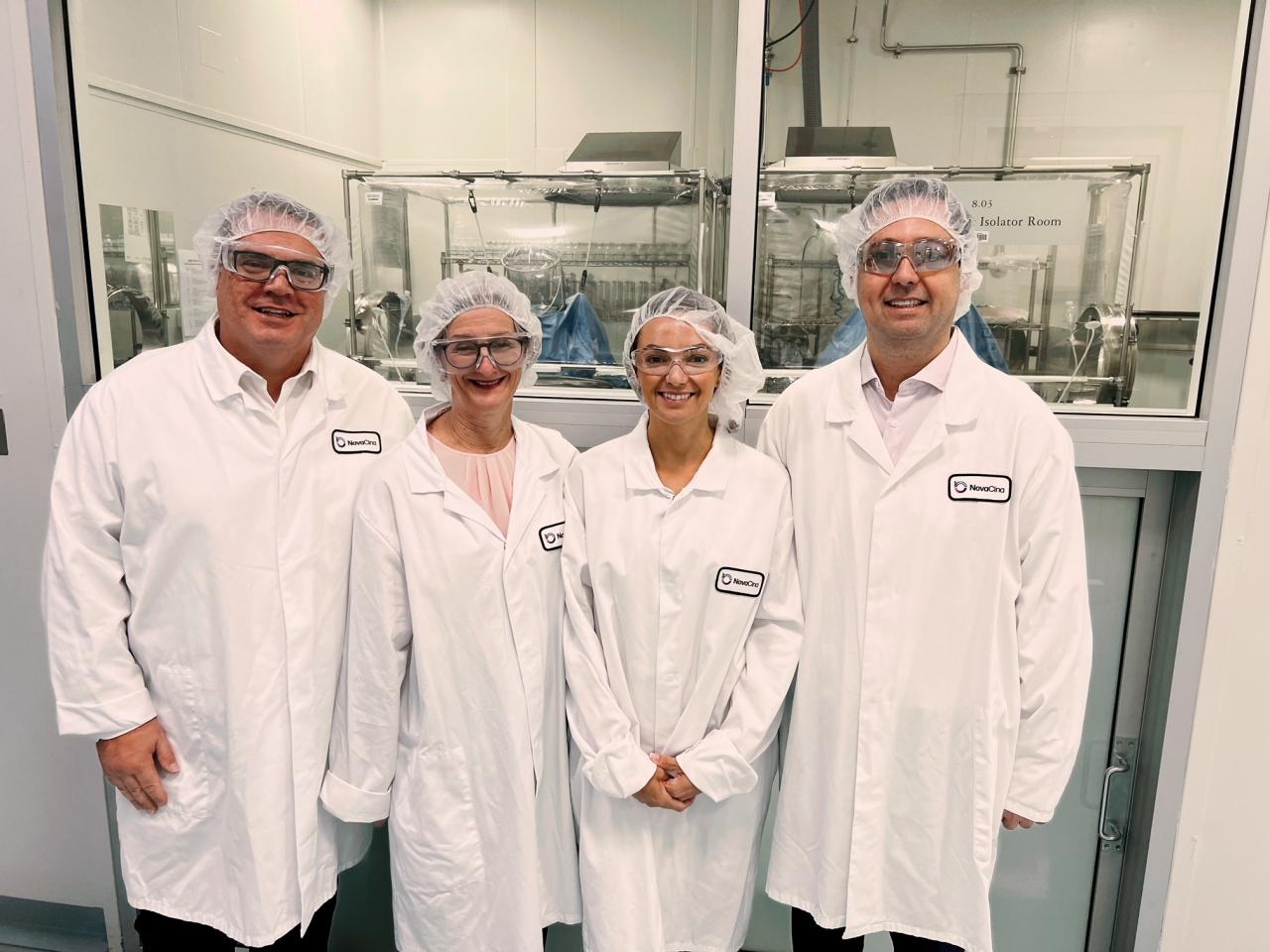
A world-first antipsychotic injectable drug developed in Perth will accelerate its path to market after the company behind it, Reliis, was acquired by a Melbourne biotechnology developer.

Apple’s long-rumored foldable iPhone, often dubbed the iPhone Fold, appears on track for a late 2026 debut, with fresh supply-chain reports and analyst predictions pointing to mass production ramp-up this summer and a September unveiling alongside premium iPhone 18 models.

The device, which has been in development for years under intense secrecy, would mark Apple’s first major departure from traditional slab-style smartphones since the original iPhone in 2007. Multiple credible sources, including analysts Ming-Chi Kuo and Jeff Pu, indicate the foldable will launch in the second half of 2026, likely as part of a revamped lineup that prioritizes high-end offerings amid component constraints and strategic shifts.
Recent leaks suggest Apple has overcome one of the biggest hurdles in foldable technology: the visible crease that mars most competitors’ inner displays. Supply-chain reports from late 2025, including from Taiwanese outlet UDN, claim Apple cracked the crease problem through proprietary panel structure, material processing, and lamination techniques. The inner display is described as “virtually crease-free,” potentially market-leading in flatness when unfolded, drawing comparisons to Samsung’s advancements showcased at CES 2026 but with Apple’s refinements for superior durability and reduced visibility.
The foldable is expected to feature a book-style design similar to Samsung’s Galaxy Z Fold series, with an approximately 7.8-inch flexible inner OLED screen and a 5.5-inch outer cover display. When opened, it reportedly adopts an iPad-like interface, enabling side-by-side app multitasking, enhanced productivity layouts, and optimized iOS 27 features tailored for the larger canvas. The software experience would run standard iOS but with adaptations for the dual-screen form factor, including better support for split-view apps and dynamic window management.
Hardware rumors highlight a mixed-material frame combining titanium and aluminum for strength and lightness, addressing durability concerns common in foldables. The hinge mechanism, a perennial challenge, is said to be refined for smoother operation and longevity. Battery capacity could reach around 5,500 mAh—larger than any current iPhone—accommodating the power demands of the expansive display while maintaining all-day usage.
Pricing speculation centers on a premium tier, with estimates ranging from $1,800 to $2,000 or higher, positioning it as a luxury flagship rather than a mass-market entry. This high cost reflects advanced components, including custom Samsung-supplied foldable panels (with Apple influencing design), under-display camera tech for the inner screen, and robust build quality to minimize crease and wear over time.
A significant twist in Apple’s 2026 strategy involves skipping or delaying the standard iPhone 18 base model. Reports from Nikkei Asia indicate Apple will focus on premium launches in fall 2026, releasing the iPhone 18 Pro, Pro Max, and the foldable together, while pushing the entry-level iPhone 18 to early 2027. This shift, attributed to memory shortages and prioritization of innovative form factors, marks a departure from the traditional four-model annual cycle and underscores the foldable’s importance as a potential catalyst for an upgrade supercycle.
Supply-chain developments support an on-schedule timeline. Foxconn reportedly entered the New Product Introduction phase in early 2025, progressed to engineering validation testing by late 2025, and is stockpiling components for pre-production. Mass production could begin as early as July 2026, aligning with a September event. While some earlier reports floated 2027 delays due to hinge or design decisions, recent momentum favors 2026, with no major setbacks surfacing in March updates.
Apple’s cautious approach contrasts with rivals like Samsung, Google, and OnePlus, who have iterated foldables for years. By waiting, Apple aims to address common pain points—durability, crease visibility, hinge reliability, and software optimization—delivering a polished experience that could redefine the category.
Analysts anticipate the foldable could drive significant sales growth, with projections of a 10% overall iPhone increase in 2026 if it resonates. It would join other experimental devices like the rumored ultra-thin iPhone Air, signaling Apple’s push into diverse form factors amid maturing smartphone markets.
No official confirmation has come from Apple, which maintains strict secrecy around unreleased products. Prototypes remain tightly guarded, with limited leaks of engineering models or CAD drawings surfacing sporadically. As development advances, more concrete details—such as camera specs, processor (likely A20 or equivalent), and exact dimensions—may emerge in coming months.
For now, the foldable iPhone represents Apple’s most ambitious hardware bet in over a decade. If it arrives as rumored in fall 2026, it could reshape expectations for premium smartphones, blending phone portability with tablet-like productivity in a seamless package.
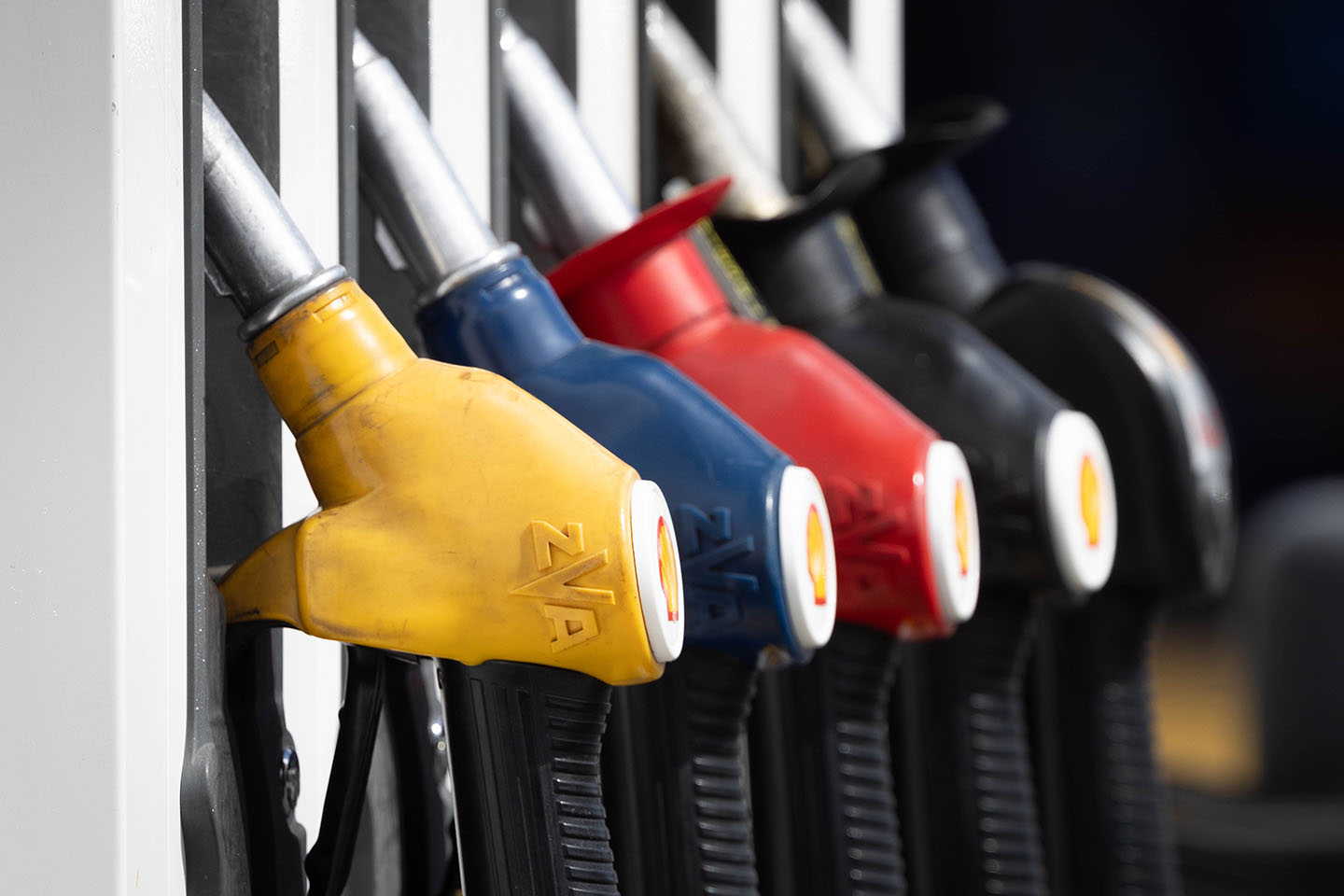
Australia’s corporate regulator has told the nation’s fuel retailers to explain why petrol price hikes are outstripping increases in the global oil price.

The Philippines-UAE CEPA, signed in 2026, enhances market access, reduces tariffs, and promotes trade, cooperation, and investment, strengthening economic ties between Southeast Asia and the Middle East.
Philippines-UAE CEPA: A Landmark Trade Agreement
The Comprehensive Economic Partnership Agreement (CEPA) signed between the Philippines and the United Arab Emirates in January 2026 marks the Philippines’ first free trade pact with a Middle Eastern country. This agreement introduces preferential tariffs, regulatory cooperation, and investment facilitation, aiming to boost Philippine access to Gulf markets. It also strengthens economic ties between Southeast Asia and the Middle East, opening new opportunities for businesses.
Impact on Regional Trade and Investment
For foreign investors, CEPA’s enhanced market access to Gulf economies through the UAE is significant. It influences export strategies and supply chain planning across Southeast Asia, making manufacturing locations more attractive. The agreement paves the way for increased trade flows and investment opportunities, reinforcing regional economic integration and growth prospects.
Key Areas of Cooperation
CEPA covers trade in goods, services, and investments, with Philippine officials estimating that around 95% of exports to the UAE will benefit from preferential tariffs once the agreement becomes effective. This comprehensive framework aims to foster deeper economic cooperation and facilitate business expansion between the two nations.
Read the original article : Philippines–UAE CEPA: Trade Expansion and Investment Implications
Other People are Reading

Living in different countries often means families speak different languages during video calls. Technology can now remove that barrier and make conversations smoother for everyone.
For families who want one simple setup, real time video translation turns awkward multilingual calls into natural conversations.
When families live across borders, video calls keep everyone visible but not always connected. You can see faces, smiles, reactions, and emotion, but the conversation still stalls when people do not share the same language. Grandparents end up smiling politely. Children lose focus. Parents become full-time interpreters instead of participants.
This is exactly where modern translation tools create value. The goal is not to impress anyone with AI. The goal is to let families speak normally, hear each other clearly, and keep the emotional flow of the call intact.
The hidden cost of language barriers in family calls
Most families think language friction is a minor inconvenience. In reality, the cost compounds over years.
– Grandparents hear updates, but cannot ask follow-up questions.
– Children recognize faces, but miss stories, humour, and family history.
– Parents carry the cognitive load of translating every sentence.
– Important moments become summaries rather than real conversations.
Over time, this changes relationships. People talk less often because calls feel hard work. Family rituals become shorter. Birthdays and milestones are still celebrated, but with thinner communication and less depth.
The emotional impact is strongest in multigenerational families. Older relatives often prefer speaking over typing, and younger relatives move quickly between topics. Without live translation, both sides adapt by saying less.
What better calls look like in practice
Good translation does not need to feel technical. In strong setups, it fades into the background and lets conversation lead.
A practical family call should feel like this:
– Everyone speaks in their own language.
– Each person hears or reads the meaning quickly enough to respond naturally.
– Nobody has to copy text between apps.
– Nobody has to pause every 20 seconds to “translate the thread.”
When this works, calls become longer and more meaningful. Grandparents can share stories in detail. Teenagers can explain school, friends, and plans without losing momentum. Parents can stay present as family members, not interpreters.
Why this matters now
Digital communication is not occasional anymore. It is daily infrastructure for modern families.
The Ofcom media habits research shows how deeply video calling and digital communication are now embedded in daily life in the UK. For multilingual households, that trend makes language accessibility even more important. If calls are central to family life, then clear cross-language communication is no longer optional.
This also explains why real-time translation is shifting from a novelty feature to a core communication layer. Families are no longer experimenting once a month. They are trying to maintain close relationships every week, sometimes every day.
Three moments where translation creates immediate value
Step 1: Weekly check-ins with older relatives
Many families already have a recurring Sunday call. Translation helps these calls move past greetings and into real conversation. Instead of “How are you?” repeated three times, families can discuss health updates, school progress, travel plans, and personal concerns with clarity.
Step 2: Milestones and celebrations
Birthdays, graduations, new homes, and newborn introductions are emotional moments. Translation reduces the risk that key family members feel like observers. Everyone can participate in real time, not through delayed summaries.
Step 3: Daily practical support
Families often use calls for practical coordination: childcare timing, travel arrivals, medication reminders, and documents. Live translation lowers misunderstanding risk and improves confidence for everyone involved.
Choosing a setup that older relatives can actually use
A common failure is picking tools that work for the most technical person in the family, not the least technical.
A better approach:
– Keep onboarding minimal.
– Avoid multi-app workflows.
– Use familiar calling patterns.
– Prioritise clarity over extra features.
If a grandparent needs a five-step setup before every call, adoption will collapse. The strongest solutions remove friction and preserve routine. Families should be able to focus on talking, not troubleshooting.
Where Bridgecall fits
Bridgecall is most useful in one clear scenario: personal, live conversations across language barriers. The value is direct and practical: less confusion, faster understanding, and better emotional continuity in the same call.
For distributed families, this means fewer missed details and fewer “we will explain later” moments. It also helps reduce interpreter fatigue for parents who currently mediate every exchange.
In short, the product outcome is simple: better family conversations now, not eventually.
Final take
Multilingual families do not need perfect translation theory. They need calls that feel human again.
When translation works in real time, families recover rhythm, nuance, and spontaneity. Grandparents are heard. Children stay engaged. Parents can relax and participate.
That is why this category matters. It protects something concrete: ongoing relationships across generations and languages.
If your family already depends on video calls, improving language access is one of the highest-leverage upgrades you can make.
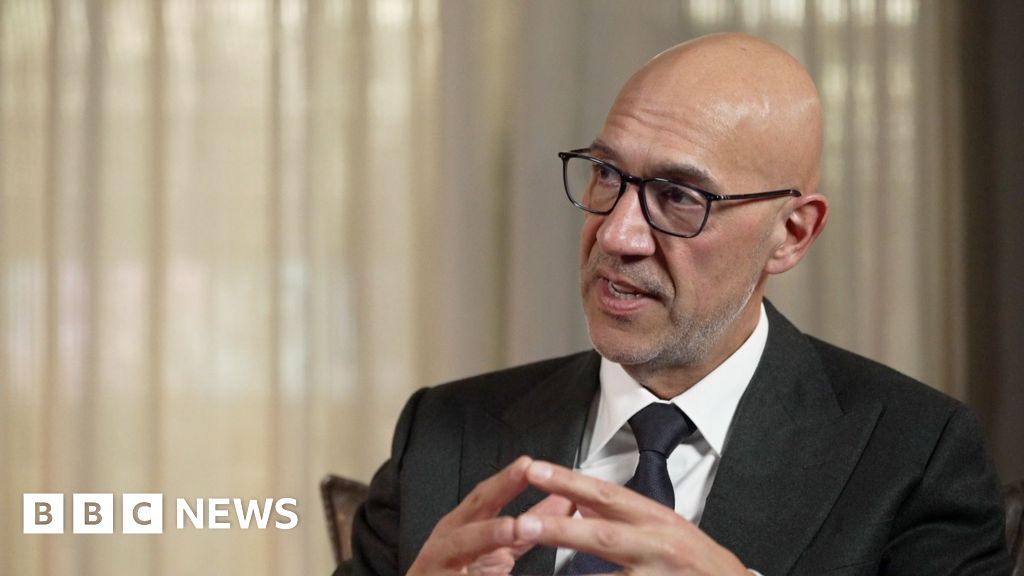
Last year the consultancy cut its graduate intake, but UK boss Marco Amitrano says it is still worth getting a degree.
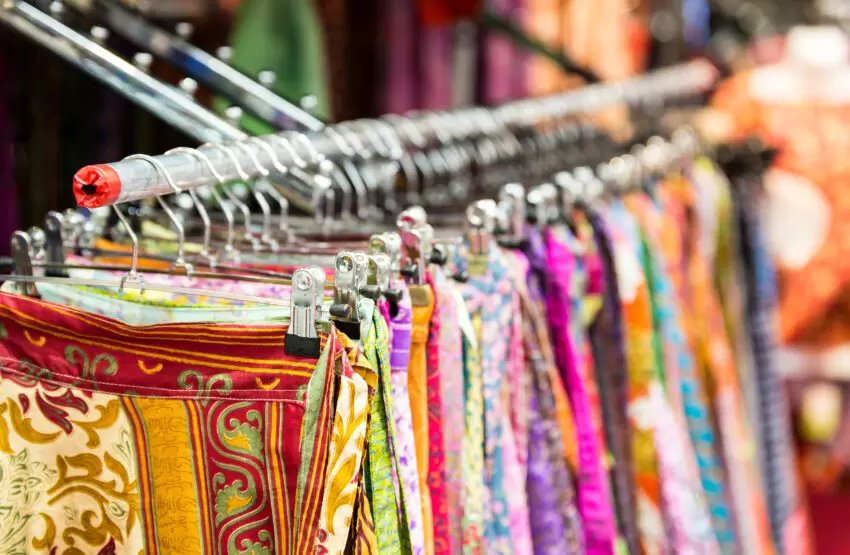
Sustainable fashion has quietly moved from the margins into the mainstream, and it’s not hard to see why.
What started as a niche concern among environmentally minded shoppers has become something much more significant – a genuine rethinking of how we produce, buy, and wear clothes. People aren’t just asking whether something looks good anymore. They’re asking where it came from, who made it, and what happens to it when they’re done with it.
The fashion industry has, for a long time, been pretty difficult to defend. Exploitative labour practices, mountains of waste, and a carbon footprint that rivals entire sectors of the global economy – it’s not a flattering picture. But consumer attitudes have shifted considerably, and brands are beginning to take notice. Nowhere is this more visible than in the rise of sustainable bags, which have quietly become one of the clearest symbols of a broader change in how people think about what they carry with them every day.
The Environmental Cost of Fast Fashion
The scale of the problem is genuinely hard to get your head around. According to the United Nations Environment Programme, the fashion industry accounts for roughly 10% of global carbon emissions. Every year, around 92 million tonnes of textile waste are generated – most of it ending up in landfill or being incinerated. That’s the direct consequence of a system built on cheap production, rapid turnover, and the relentless churn of new trends.
Much of fast fashion relies on synthetic materials – polyester, nylon – that don’t biodegrade and take centuries to break down. Their production is energy-intensive and water-hungry. And behind the low price tags is often a workforce paid poverty wages in unsafe conditions, largely hidden from the consumers who benefit from those low costs.
Awareness of all this has been growing for years, and it’s changing behaviour. More people are actively seeking out alternatives – clothing, bags, and accessories made with some regard for the environment and the people involved in making them. It’s not a perfect system yet, not by a long stretch, but the direction of travel is clear.
The Role of Sustainable Bags in Fashion
When most people think of sustainable fashion, they probably picture organic cotton T-shirts or hemp trousers. But the market for sustainable bags has expanded considerably, and it’s worth paying attention to. Tote bags, handbags, backpacks, purses – all of these are now available in forms that don’t carry the same environmental baggage as their conventional counterparts.
The materials being used are genuinely inventive. Recycled PET fabric, made from old plastic bottles, is now common – keeping plastic out of landfill and the ocean while producing something genuinely usable. Piñatex, derived from pineapple leaves, offers a credible alternative to leather. Hemp, which requires far less water and fewer pesticides than conventional cotton, produces strong, biodegradable fibre. These aren’t gimmicks; they’re real alternatives that are improving all the time.
What often surprises people is how good these bags actually look and feel. Sustainable bags tend to be built to last, with quality construction and designs that aren’t chasing whatever’s fashionable this season. That durability matters – not just aesthetically, but practically. A bag that lasts five years instead of one is doing a lot of quiet work in reducing waste.
The Benefits of Choosing Sustainable Bags
There are several compelling reasons to make the switch, and they go well beyond the environmental angle.
Environmental impact is the obvious one. Materials with a lower carbon footprint, less reliance on synthetic textiles, and reduced pressure on landfill all add up. Choosing brands that use recycled or renewable materials is a meaningful, if modest, contribution.
Durability is another factor that doesn’t always get enough credit. Sustainable bags are generally built with more care than their fast-fashion equivalents. They don’t fall apart after a season. Over time, buying one well-made bag instead of three disposable ones is both better for the planet and, often, cheaper.
Then there’s the question of who makes these things. Many sustainable bag brands are genuinely committed to ethical production – fair wages, decent working conditions, transparency about supply chains. That matters to a growing number of people, and rightly so.
Practicality shouldn’t be overlooked either. Sustainable bags come in a wide range of styles suited to different needs – whether you want something robust for daily commuting or something a bit smarter for an evening out. There’s no trade-off between function and conscience.
And perhaps less tangibly, but not unimportantly – these choices say something. The things we carry and wear are, whether we like it or not, a form of self-expression. Opting for a sustainable bag is a way of putting values into practice, not just holding them privately.
The Growth of Sustainable Fashion
All of this sits within a wider cultural shift. People are more sceptical of brands than they used to be, more likely to ask awkward questions about where things come from, and more willing to pay a bit more for something they feel good about. Conscious consumerism – for all its occasional self-congratulatory overtones – is genuinely changing what gets made and how.
Customisation is a big part of this shift too. There’s something that changes in how you feel about an object when you’ve had a hand in shaping it – a bag with your initials, a wallet in a colour you actually chose, a tote that doesn’t look like everyone else’s. It stops being just a purchase and starts being yours. That sense of ownership matters more than it might seem, because things you’re attached to don’t end up at the back of the wardrobe or in a charity shop bag after six months. You look after them. You keep them. And that’s really the point – personalisation quietly sidesteps the whole trend cycle, because something made to reflect you doesn’t go out of style in the same way a mass-produced piece does. It’s not about being flashy or exclusive either; it’s just about buying something with a bit more intention behind it. When you’ve thought carefully about what you want, you’re far less likely to regret it or replace it. In that sense, customisation and sustainability are pulling in exactly the same direction – towards fewer, better things that actually last.
The growth of sustainable bags reflects this. As people become more informed, they’re drawn towards accessories that are both well-designed and responsibly made. That combination – beautiful and sustainable – is quietly redefining what fashionable actually means. It’s less about novelty and more about considered, lasting value.
Every purchase, however small it might seem, sends a signal. A tote made from recycled materials, a handbag crafted from plant-based leather – these choices aggregate into something meaningful. As demand grows, so does innovation, and sustainable options are becoming more accessible and more varied all the time.
The Future of Sustainable Fashion
This isn’t going away. Sustainable fashion represents a fundamental shift in how we think about clothing, accessories, and consumption – not a trend that will be replaced by the next thing. As the industry evolves, sustainable bags will remain central to that story.
The next time you need a new bag, it’s worth pausing before defaulting to whatever is cheapest or most convenient. There are good options out there – options that are well-made, honestly produced, and kinder to the planet. It’s a small decision in isolation. But small decisions, made consistently and collectively, are how things actually change.

Before quantum computing arrives, this startup wants enterprises already running on it

WE’RE WATCHING A FINANCIAL CRISIS UNFOLD IN REAL TIME – BIG PROBLEMS TAKING SHAPE IN PRIVATE CREDIT

Derelict Bishop Auckland building to be demolished


-
Business7 days ago
Form 8K Entergy Mississippi LLC For: 6 March
-

 News Videos4 days ago
10th Algebra | Financial Planning | Question Bank Solution | Board Exam 2026
-

 Fashion6 days ago
Weekend Open Thread: Ann Taylor
-

 Crypto World4 days ago
Paradigm, a16z, Winklevoss Capital, Balaji Srinivasan among investors in ZODL
-
 Tech2 days ago
A 1,300-Pound NASA Spacecraft To Re-Enter Earth’s Atmosphere
-

 Tech2 days ago
ChatGPT will now generate interactive visuals to help you with math and science concepts
-

 Politics7 days ago
Top Mamdani aide takes progressive project to the UK
-

 Business3 days ago
ExxonMobil seeks to move corporate registration from New Jersey to Texas
-

 Sports5 days ago
Three share 2-shot lead entering final round in Hong Kong
-

 Sports5 days ago
Braveheart Lakshya downs Lai in epic battle to enter All England Open final | Other Sports News
-

 NewsBeat1 day ago
Residents reaction as Shildon murder probe enters second day
-

 Entertainment6 days ago
Hailey Bieber Poses For Sexy Selfies In New Luscious Lip Thirst Traps
-

 Business4 days ago
Search for Nancy Guthrie Enters 37th Day as FBI Probes Wi-Fi Jammer Theory
-

 Business2 days ago
Search Enters Sixth Week With New Leads in Tucson Abduction Case
-
 NewsBeat3 days ago
Pagazzi Lighting enters administration as 70 jobs lost and 11 stores close across Scotland
-

 Tech4 days ago
Despite challenges, Ireland sixth in EU for board gender diversity
-

 Business3 days ago
Search Enters 39th Day with FBI Tip Line Developments and No Major Breakthroughs
-

 NewsBeat2 days ago
I Entered The Manosphere. Nothing Could Prepare Me For What I Found.
-

 Business6 days ago
Iran war enters second week as Trump demands ’unconditional surrender’
-

 Sports4 days ago
Skateboarding World Championships: Britain’s Sky Brown wins park gold