

Business
Wyoming and Hawaii Lead, California Trails for 2026

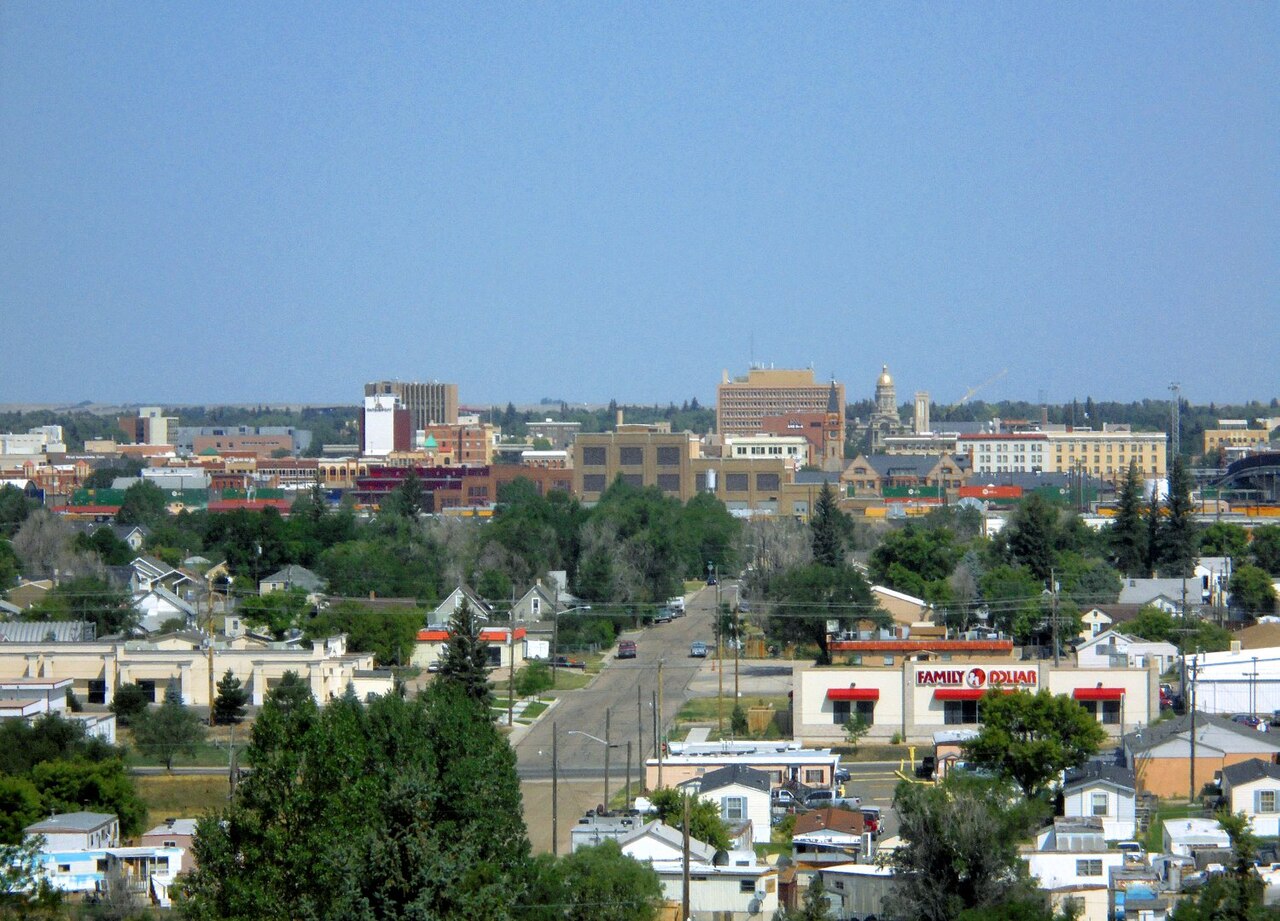
New air quality data released this year shows a wide gulf between the cleanest and most polluted states in the country, with sparsely populated Western and Pacific states such as Wyoming and Hawaii consistently ranking among the healthiest for air quality, while densely populated, industrial states including California, Pennsylvania and Ohio continue to post some of the worst readings in the nation.
Two separate analyses released in early 2026, using slightly different methodologies, arrived at broadly similar conclusions about which states offer the cleanest air. An analysis published in March, based on fine particulate pollution, or PM2.5, levels averaged from 2022 through 2024, found that the U.S. average stood at 8.8 micrograms per cubic meter, well above the World Health Organization’s air quality guideline of 5 micrograms per cubic meter, meaning the average American is breathing air that falls short of internationally recognized health standards.
According to that analysis, Wyoming posted the cleanest air in the country, a result researchers attributed largely to the state’s vast, sparsely populated landscape and minimal industrial development. Wyoming’s city of Casper recorded the lowest year-round particle pollution of any metro area tracked in the report, while the state capital, Cheyenne, ranked eighth overall among individual cities nationwide. Hawaii ranked second among states for particle pollution, posting a reading of 4.7 micrograms per cubic meter, a result researchers linked to the state’s low population density combined with strong prevailing winds and consistent rainfall that help disperse pollutants before they can accumulate.
At the opposite end of that same ranking, California posted the worst air quality of any state, with a reading of 11.7 micrograms per cubic meter, more than double the WHO’s recommended guideline. Researchers pointed to a combination of factors driving California’s poor performance, including high population density, a significant concentration of industrial facilities, heavy vehicle emissions, and a climate pattern that helps fuel frequent and severe wildfires across the state. Pennsylvania, Michigan, Illinois and Ohio rounded out the bottom five states in that same analysis. New York, despite its dense population and substantial industrial activity, posted a comparatively better reading of 7.8 micrograms per cubic meter, below the national average, a result researchers attributed to stricter state-level emission standards and geographic factors that help disperse pollution more effectively than some other major urban centers.
A separate ranking, compiled using a different methodology based on the U.S. News Best States framework, produced a notably different picture at the bottom of the list, though it largely agreed on the cleanest states at the top. That analysis found Hawaii posting the best average air quality index in the country, at 21.2, comfortably within the “good” range on the standard AQI scale. Honolulu was cited as one of just six U.S. cities to rank on all three of the American Lung Association’s cleanest-cities lists, covering ozone pollution, year-round particle pollution and short-term particle pollution. Alaska ranked second-best under this methodology, with an index of 29.1, despite localized particle pollution problems in areas like Anchorage and the Matanuska-Susitna Borough tied to wood-burning home heating systems, both of which have reportedly seen air quality improvements in recent years. Washington state ranked third-best, with an index of 33.5, though the analysis noted that some residents in the state still experience unhealthy air linked to emissions from power plants.
Under this second ranking system, Utah posted the worst average air quality index in the country, at 51.2, placing it in the “moderate” category on the AQI scale rather than “good.” Researchers attributed much of Utah’s poor performance to its mountainous topography, which tends to trap pollution near the surface rather than allowing it to disperse, a phenomenon sometimes referred to as a temperature inversion. The report noted that Utah has taken active steps in recent years to address the issue, including expanding solar energy use and enacting roughly 30 new regulatory rules aimed at reducing emissions from various pollution sources. Ohio and Georgia tied for the second-worst air quality under this ranking, each posting an index of 48.2, with Ohio’s reading sitting just barely within the “good” range despite the tie.
At the city level, separate rankings drawing on real-time EPA AirNow monitoring data have continued to highlight California’s Central Valley as home to some of the most consistently polluted urban areas in the country. Bakersfield has repeatedly ranked as the most polluted city in the United States in 2026 tracking, a result researchers tied to the city’s geography within the southern San Joaquin Valley, where surrounding mountains on three sides trap agricultural dust, oil refining emissions and vehicle exhaust close to the ground. Fresno, located roughly 110 miles north of Bakersfield within the same valley, faces nearly identical geographic and pollution challenges, with winter temperature inversions frequently trapping wood smoke and vehicle exhaust and pushing air quality readings above 150 on the standard index, a level considered unhealthy for the general public.
Notably, one analysis pointed out that California’s poor air quality rankings are not primarily a reflection of weak environmental regulation. The report specifically noted that California maintains the strictest air quality laws in the nation, but that the state’s unique combination of Central Valley geography, massive population size, extensive agricultural activity and wildfire exposure continues to overwhelm those regulatory efforts in terms of measurable pollution outcomes.
Beyond the state and city-level rankings, researchers have continued to emphasize the tangible health implications tied to these disparities. According to analysis comparing the cleanest and most polluted metro areas in the country, residents of the worst-ranking cities breathe air with PM2.5 concentrations three to five times higher than those living in the cleanest cities, a gap researchers say translates into measurable differences in respiratory disease rates, cardiovascular health outcomes and even overall life expectancy between regions.
With wildfire smoke, industrial emissions and regional geography continuing to shape which states and cities post the best and worst air quality readings each year, researchers say the underlying rankings are likely to remain relatively consistent from year to year, even as individual pollution events, such as this summer’s wildfire smoke drifting south from Canada, continue to produce short-term spikes in unhealthy air quality readings across parts of the country that otherwise post comparatively clean averages.

Business
Should You Run Your AC During Wildfire Smoke? Experts Offer Tips as Air Quality Turns Hazardous This Week
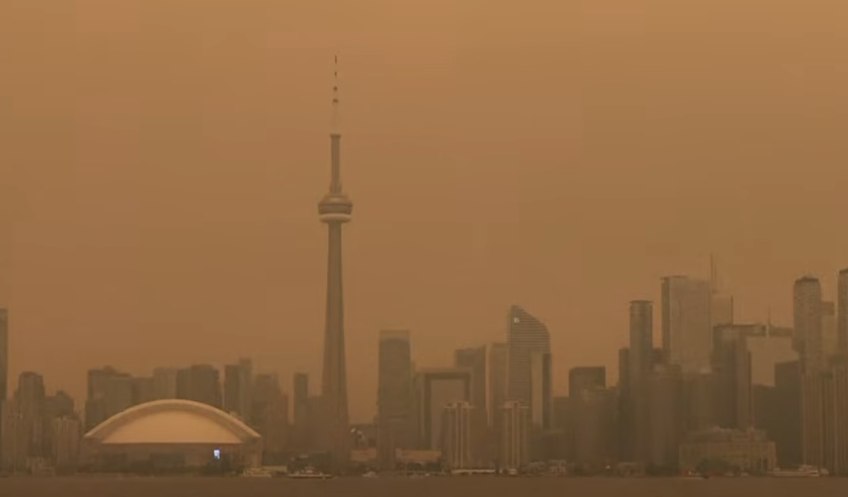
As Canadian wildfire smoke continued to blanket a wide swath of the United States on Friday, from the Midwest to the East Coast, many Americans found themselves asking a simple but important question: is it safe to run the air conditioner when the outside air is unhealthy to breathe?
Environmental Protection Agency officials are urging residents in affected areas to take several protective steps, including using a portable air cleaner or high-efficiency HVAC filter, wearing N95 respirator masks when outdoors, and properly adjusting HVAC systems and air conditioners to limit how much outside air enters the home.
Dr. Brian Christman, a professor of medicine at Vanderbilt University, told Nexstar’s WJW that running an air conditioner during smoky conditions is generally safe, as long as it is set up correctly. Most standard air conditioning units work by cooling and recirculating the air already inside a home rather than pulling in fresh air from outside, making them relatively safe to run during smoke events. However, Christman cautioned that units equipped with a fresh air intake function should avoid using that specific setting while smoke levels remain elevated. “I wouldn’t spend a lot of time outside,” Christman said. “I would try to set your air conditioning on recirculate so that you’re not breathing in as much of the outdoor air, and if you have good level filters on your air conditioner, make sure that they’re in place and that you’re using them.”
The EPA has outlined several additional steps residents can take to keep indoor air as clean as possible during periods of heavy wildfire smoke. Homeowners are advised to check whether their system has a fresh air intake mode and, if so, switch it to “recirculate” rather than allowing outside air to enter. The agency also recommends ensuring HVAC filters are in good condition and considering an upgrade to a MERV 13 or higher-rated filter if the system can accommodate one, since higher-rated filters are more effective at capturing the fine particulate matter found in wildfire smoke.
Evaporative coolers, sometimes known as swamp coolers, should generally be avoided during smoky conditions, according to the EPA, since these systems work by pulling in and cooling outside air, which can actually draw more smoke into a home rather than filtering it out. Fans and traditional window air conditioning units are considered safer alternatives during smoke events. For those using window units specifically, the EPA recommends ensuring a tight seal between the unit and the window frame, and closing the outdoor air damper if the unit has one. If the damper cannot be closed, using a fan inside the home instead is recommended as a safer option.
Portable air conditioners that vent through a single hose out of a window should not be used during smoky conditions, the EPA warns, since these units can actually pull additional smoke into the home through gaps around the venting hose. A window air conditioning unit or a standard fan are considered better options in that scenario.
Air quality readings reached hazardous levels across multiple U.S. cities as of Friday afternoon, according to data from AirNow, the government’s air quality monitoring service. The worst readings recorded were in Toledo, Ohio, at 489; Grand Rapids, Michigan, at 440; north central Minnesota, also at 440; Spokane, Washington, at 439; the Duluth area of Minnesota, at 411; Kalamazoo, Michigan, at 403; Northwoods West, Wisconsin, at 402; the Milwaukee-Ozaukee area of Wisconsin, at 389; Dayton, Ohio, at 387; and South Bend, Indiana, at 383.
The Air Quality Index measures pollution levels on a color-coded scale ranging from 0 to 500 or higher. A reading of 0 to 50, coded green, is considered good with little to no health risk. Yellow, spanning 51 to 100, indicates moderate air quality. Orange, from 101 to 150, is considered unhealthy for sensitive groups such as children, older adults and people with existing respiratory conditions. Red, spanning 151 to 200, is classified as unhealthy for the general public. Purple, from 201 to 300, is considered very unhealthy, and maroon, covering any reading of 301 or higher, is classified as hazardous, the most severe category on the scale. Several of Friday’s readings, including those in Toledo, Grand Rapids and north central Minnesota, fell well within that hazardous maroon range.
The health consequences of prolonged wildfire smoke exposure extend well beyond short-term discomfort. A study published earlier this year found that long-term exposure to the fine particulate matter present in wildfire smoke contributes to an estimated 24,100 deaths annually across the lower 48 states. Health officials say long-term exposure can worsen existing medical conditions and contribute to a range of chronic and potentially fatal health issues, including respiratory illness, cardiovascular disease, neurological problems and premature death.
Looking ahead, National Weather Service meteorologist Jake Petr said that even as winds from the northwest are expected to help clear skies in some regions later this week, smoky conditions could continue returning intermittently until the underlying wildfires themselves are extinguished. Officials have said that full containment of the fires driving this summer’s smoke events may not occur until months from now, when snowfall arrives in Canada and northern Minnesota later in the year, a timeline that suggests residents across the affected regions should be prepared for recurring smoke events well into the fall.
In the meantime, health officials continue to emphasize that the most effective protective measures remain relatively simple: limiting time spent outdoors during periods of poor air quality, keeping windows and doors closed, running air conditioning systems on recirculate mode rather than drawing in outside air, using properly rated air filters, and wearing an N95 mask when outdoor exposure is unavoidable. For households without central air conditioning or window units capable of proper sealing, portable air purifiers equipped with high-efficiency particulate air, or HEPA, filters offer an additional layer of protection for maintaining cleaner indoor air during extended smoke events.
With Canadian wildfires expected to continue burning for months and weather patterns remaining a major factor in determining which parts of the country experience the worst smoke on any given day, officials are urging residents across the affected regions to stay informed through local air quality alerts and to adjust their daily routines, including their use of air conditioning and ventilation systems, based on current conditions rather than assuming smoke exposure has fully passed once visible haze clears from a particular area.

Last week, the BSE benchmark Sensex climbed 582.06 points, or 0.75 per cent, and the NSE Nifty went up by 127.4 points, or 0.52 per cent.
“Indian equity markets ended the week on a firm footing, extending their recovery despite heightened geopolitical tensions, elevated crude oil prices, and persistent uncertainty surrounding the global interest-rate outlook.
“Sentiment remained supported by encouraging Q1 FY27 earnings from the IT sector as TCS closed with nearly 10 per cent of weekly gains, renewed buying interest in financial stocks, and resilience in domestic economic fundamentals,” Ajit Mishra – SVP, Research, Religare Broking Ltd, said.
While Reliance Industries, ICICI Bank, State Bank of India, Tata Consultancy Services (TCS) and Bajaj Finance emerged as the gainers, HDFC Bank, Bharti Airtel, Life Insurance Corporation of India (LIC), Larsen & Toubro and Hindustan Unilever faced erosion from their valuation.

TCS added Rs 72,072.3 crore, taking its market valuation to Rs 8,20,672.70 crore.
The country’s largest IT services company reported a 4.61 per cent increase in its June-quarter net profit to Rs 13,349 crore, and guided towards an improvement in demand, impacted by the West Asia crisis, returning in the ongoing quarter.ICICI Bank’s valuation surged Rs 29,062.06 crore to Rs 10,34,441.77 crore and that of Reliance Industries jumped Rs 23,884.93 crore to Rs 17,95,091.26 crore.
The valuation of Bajaj Finance climbed Rs 21,946.5 crore to Rs 6,57,274.28 crore and that of State Bank of India went up by Rs 7,338.34 crore to Rs 9,63,768.78 crore.
However, the market capitalisation (mcap) of Larsen & Toubro eroded by Rs 18,097.72 crore to Rs 5,24,840.68 crore.
The valuation of LIC declined by Rs 12,080.75 crore to Rs 5,48,124.30 crore.
Bharti Airtel’s mcap tumbled Rs 7,706.45 crore to Rs 11,91,067.77 crore and that of HDFC Bank edged lower by Rs 7,084.61 crore to Rs 12,62,369.81 crore.
The mcap of Hindustan Unilever dipped Rs 1,221.79 crore to Rs 5,03,775.86 crore.
Reliance Industries remained the most valued firm followed by HDFC Bank, Bharti Airtel, ICICI Bank, State Bank of India, TCS, Bajaj Finance, LIC, Larsen & Toubro and Hindustan Unilever.
Business
Dubai International Airport Is Open Today Despite Ongoing Mideast Tension Delays and Airline Suspensions
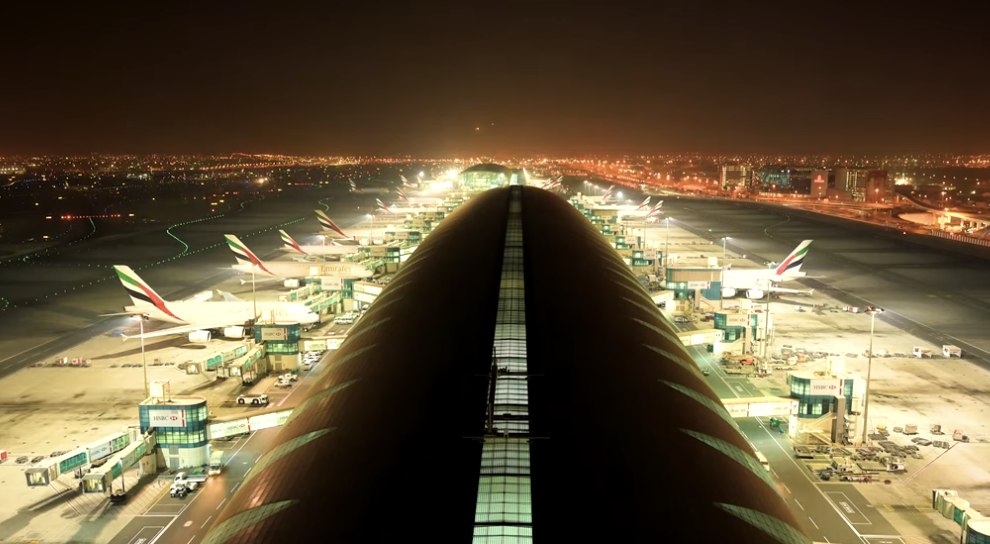
Dubai International Airport is open and operating today, with flights moving through all three of its terminals, though travelers should be prepared for ongoing delays and a reduced schedule from several international carriers as the airport continues navigating one of the most disruptive periods in its history.
According to Dubai Airports’ official flight information system, no scheduled closures are in place, and the airport’s real-time departures and arrivals boards continue listing active flights as of this week. Emirates and flydubai, the two homegrown carriers that form the backbone of DXB’s operations, have continued flying throughout the ongoing disruption, together accounting for more than 220 combined daily departures even during the height of regional tensions earlier this year.
DXB’s current situation traces back to the outbreak of renewed conflict between the United States and Iran on February 28, which triggered a near-total closure of Gulf airspace and one of the most severe operational crises in the airport’s history as the world’s busiest hub for international passenger traffic. During the most disruptive stretch, between late March and April, regional airspace closures forced cancellations and flight suspensions across DXB’s network, with some airlines instructing passengers not to travel to the airport until their flights were reconfirmed.
A tentative U.S.-Iran ceasefire that took effect April 8 triggered a wave of airline reinstatements, with Qatar Airways resuming daily Dubai service from April 23 and other Gulf carriers, including Saudia, returning to the route around the same time. By July 1, Dubai Airports described the airport as having returned to normal operations, with British Airways announcing it would resume flights to Dubai that same day, albeit at a reduced scale of one daily flight rather than its prior three.
That recovery, however, has proven fragile. Renewed fighting between the United States and Iran in the weeks since has once again disrupted regional air travel, with flight-tracking data showing 257 delays and 21 cancellations at DXB on a single day, July 12, affecting Emirates, flydubai and Saudia, according to tracking compiled from FlightAware data. Saudia accounted for the highest number of outright cancellations that day, with 16 flights scrapped, while Emirates and flydubai bore the brunt of the delays. The disruptions rippled outward to airports well beyond the Gulf, with European gateways including London Heathrow, London Gatwick, Milan Malpensa, Istanbul, Munich and Hamburg all registering schedule disruptions tied to the Dubai delays, alongside South Asian routes to Colombo, Dhaka and Delhi, and longer-haul connections to Singapore, Bangkok, Phuket, the Maldives and Cape Town.
A number of major international carriers have opted to suspend their Dubai routes entirely for portions of the summer rather than continue operating amid the uncertainty. British Airways has paused all flights to Dubai, Tel Aviv, Bahrain and Amman for the remainder of the summer season, with service not scheduled to resume until October 25. Hong Kong-based Cathay Pacific has canceled all flights to and from Dubai through at least September 1, with affected customers already contacted regarding rebooking options. Finnish carrier Finnair has said it will not resume Dubai service until October, as part of its broader fall and winter schedule. Kazakh airline Air Astana confirmed it suspended its Almaty-Dubai route for July 13 and 14 specifically due to the ongoing regional situation, offering affected passengers full refunds or free rebooking on flights scheduled between July 12 and 31.
Despite the wave of suspensions among long-haul international carriers, Dubai Airports has emphasized that Emirates and flydubai continue running a reduced but still wide-ranging schedule, ensuring the airport remains functionally open and connected to a substantial portion of its normal route network even as several major partners remain grounded on the Dubai route. Passengers affected by cancellations tied to the disruption have specific consumer protections depending on their routing. Travelers flying to or from the United Kingdom or European Union on a UK or EU carrier, or departing from a European hub, are covered under EU261 or UK261 regulations, which do not typically require cash compensation for delays caused by extraordinary security threats but do obligate airlines to provide meals, refreshments and hotel accommodations for significant overnight delays. Passengers on flights to or from the United States are entitled to a full cash refund to their original payment method under U.S. Department of Transportation rules if their flight is canceled and they decline rebooking.
Dubai Airports has maintained a standing advisory throughout the disruption period urging travelers to confirm departure times directly with their airline before heading to the airport, rather than relying solely on previously booked schedules, given how quickly conditions have continued to shift in response to developments in the broader U.S.-Iran conflict. The advisory has remained active since the crisis first began in late February and continues to apply as regional tensions have flared again in recent weeks.
For travelers with upcoming trips through Dubai, real-time flight status can be checked directly through Dubai Airports’ official flight information portal, which lists current departures and arrivals across all three terminals, as well as through independent flight-tracking services. Given how frequently the situation has shifted throughout 2026, from full airspace closures in the spring to a brief return to normalcy in early July to renewed delays and cancellations in the weeks since, aviation analysts have cautioned that DXB’s operational status is likely to remain fluid for as long as the underlying conflict between the United States and Iran continues.
For now, the answer to whether Dubai International Airport is open today remains yes, with flights actively departing and arriving across the airport’s terminals. But travelers connecting through one of the world’s busiest aviation hubs should continue checking their specific flight status closely, particularly if flying with one of the numerous international carriers that have chosen to pause Dubai service entirely rather than navigate the continued uncertainty tied to the broader regional conflict.

Tracking Stanley Druckenmiller's Duquesne Family Office Portfolio – Q1 2026 Update
Among the waste products the system clears are proteins called amyloid and tau, the deposits that accumulate in the brains of people with Alzheimer’s disease. A single sleepless night measurably raises amyloid levels in the fluid surrounding the brain. Do that repeatedly, year after year, and the implications are troubling.
A Swedish study by researchers at the Karolinska Institute, tracking more than 13,000 shift workers, including night shift workers, for up to 41 years, found that shift work in mid-life was associated with a 36% higher risk of dementia – with the risk rising the longer someone had worked shifts.
Foster is careful not to overstate the link. “You wouldn’t say poor sleep causes dementia,” he says, “but if you’re vulnerable, it’s a potential risk factor.”
Markus’s data shows a possible link, but he cautions that it is a hypothesis at this stage and there are likely to be many other factors at play.
“Sleep matters,” he says, “but so do the big vascular things – blood pressure, smoking, diabetes. What’s never mentioned is how much of the risk of Alzheimer’s comes from those – things we could actually do something about.”
There are also tentative but growing indications of how sleep disturbance might increase the risk of heart disease. An analysis of 35 studies published last year found that sleep reduced to around 4.5 hours for three or more nights significantly raised the activity of the body’s immune system. This is normally a good thing when it is roused to fight infection but also causes inflammation in the body which if persistent is associated with heart disease.
Disrupted sleep raises the stress hormone, cortisol, which in turn promotes insulin resistance and pushes the body toward a diabetic state. Higher levels of cortisol also worsens sleep further, locking workers into a self-reinforcing cycle. Add to this the sugar-hit snacking that keeps some shift workers going overnight and it makes for an extremely unhealthy cocktail.
As if that were not enough, the World Health Organization’s International Agency for Research on Cancer (IARC), has classified night shift work as “probably carcinogenic to humans” and put it in the same risk group as red meat, citing evidence for links to breast, prostate, colon and colorectal cancers.
This may be because disruption to the body’s circadian system alters timing of the production of melatonin, a hormone thought to have tumour-suppressing properties, as well as reduced vitamin D from lack of daylight, and the chronic low-level inflammation that broken sleep promotes.

Patanjali Foods, ICICI Prudential AMC, IREDA, NMDC and Oil India saw the highest net selling by mutual funds among midcap stocks in June, according to a Motilal Oswal Financial Services report.
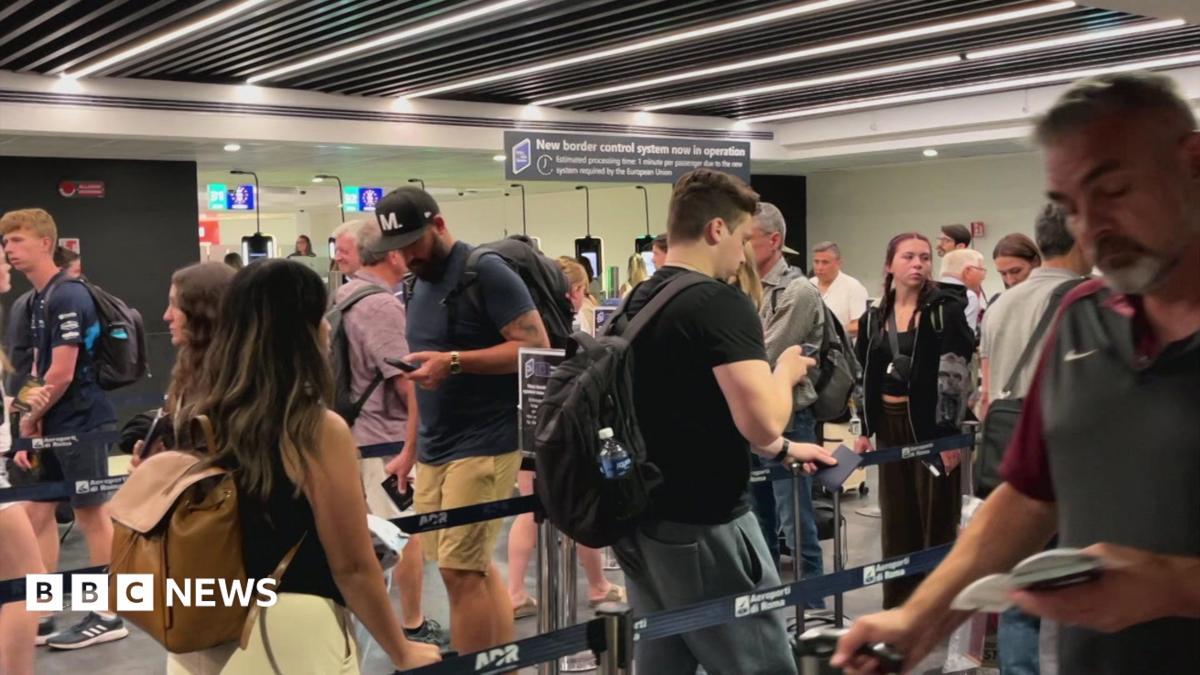
The EU’s new border system has nearly tripled the time it’s taking for Brits to get through passport control even after improvements have been made, a boss at Rome’s main airport has said.
It comes as Ryanair has warned passengers travelling to Europe this summer to prepare for extended waits.
Border police at Portugal’s Faro airport also told the BBC the Entry Exit System technology suffered from bugs, but insisted any queues there would go down quickly.
The European Commission (EC) has said in most EU airports disruption is limited, and added that it will continue to support member states in the system’s implementation.
It added: “This support will continue to the fullest extent possible.”
The digital Entry Exit System (EES) requires non-EU citizens entering the Schengen area – made up of 29 European countries – to register fingerprints and a photo when they arrive. The information is checked as they leave.
It’s often done using standalone, automated machines known as “kiosks” and sometimes with border officers – for example, for children under 12. The new process and machines have been phased in since October.
Some European airports have seen hours-long queues at passport control. Passengers have even reported missing flights home.
This week, Ryanair said “the failed EES rollout” was causing unnecessary delays and long queues.
The airline said UK passengers should “allow extra time for their journey and be prepared for extended waits at passport control.”
In Rome, a perennially popular destination for tourists from the UK and around the globe, everyone we spoke to in the Piazza di Spagna had an EES story.
Mutual Fund NFOs: 5 new funds open for subscription this week. Check dates, details

Lebanon’s Aoun to meet Trump at White House, hoping to generate pressure on Israel

Refining Margins Hit a Record. What That Means for Gas Prices.

FiiO M25 and M25 R2R Bring Two DAC Architectures to CanJam London 2026

90s grunge icon Jennifer Finch dead at 59 just days after going public with ‘aggressive’ brain cancer battle

Should You Run Your AC During Wildfire Smoke? Experts Offer Tips as Air Quality Turns Hazardous This Week


-
 NewsBeat3 days ago
London Mayor Sadiq Khan handed a peerage by Keir Starmer alongside 15 other Labour figures… just days before the PM leaves No10
-

 Fashion2 days ago
Weekend Open Thread – Corporette.com
-

 Politics21 hours ago
The House | The City of London can help the new chancellor deliver growth in every postcode
-

 Crypto World3 days ago
CFTC blocks Kalshi from unwinding Michigan trades after court order
-

 Politics4 days ago
Young campaigners urge incoming PM to act on outdoor junk food ads
-

 Business3 days ago
Nvidia Stock Slips After Big Tuesday Rally as Huang Confirms Vera Rubin Chip Is Now in Production Today
-

 Crypto World21 hours ago
Ripple Payments Joins MiCA With 14 Firms, Does It Mean Anything For XRP?
-
 Entertainment4 days ago
Disney’s Most Ambitious Failed Star Wars Attraction Is Coming to SDCC
-

 Crypto World1 day ago
Ripple wins EU-wide access as ESMA adds it to MiCA register
-

 Business3 days ago
Palantir Shares Rise After Expanded Nvidia Partnership and Fresh Analyst Upgrades Ahead of Earnings Day
-

 Crypto World2 days ago
Injective Submits SEC Transfer-Agent Registration to Onchain Ownership Records
-

 Tech5 days ago
Get Your ESP32 Sunny Side Up With This Solar Dev Board
-

 News Videos4 days ago
XRP BOMBSHELL… XRP OMBOARDED FOR TRANSACTIONS!!!
-

 NewsBeat2 days ago
Registration is now open for March for Men with Kev 2026
-

 Tech4 days ago
Dark Secrets Emerge When Jailbreaking LLMs
-
 Sports3 days ago
New Cornerback Enters Vikings Trade Rumor Mill
-

 News Videos2 days ago
Money | Class 12 Economics | CBSE Board Exam 2026-27
-

 Business2 days ago
Banco Bilbao Vizcaya Argentaria, S.A. (BBVA) Discusses Global Macro Environment and Economic Outlook for Core Markets Transcript
-

 Crypto World2 days ago
Claude Fable 5 Slips to Second in AI Coding Leaderboard
-
 Crypto World2 days ago
Two July Windows Left: The CLARITY Act’s Senate Fight and What Failure Means
You must be logged in to post a comment Login