

Business
Xtranet Technologies announces IPO dates for launch next week. Check details


Xtranet Technologies IPO details
The issue is entirely a fresh issue of 1.31 crore shares, aggregating up to Rs 166.8 crore. There is no offer for sale, which means the IPO proceeds will go to the company. The allotment is expected to be finalised on July 28. Refunds and credit of shares are expected on July 29.
Investors can bid for a minimum of 110 shares and in multiples thereafter. At the upper price band of Rs 127, the minimum retail investment will be Rs 13,970. Retail investors can apply for up to 14 lots, or 1,540 shares, amounting to Rs 1,95,580.
For small non-institutional investors, the minimum application size is 15 lots, or 1,650 shares, amounting to Rs 2,09,550. For big non-institutional investors, the minimum application is 72 lots, or 7,920 shares, amounting to Rs 10,05,840.
Not more than 50% of the issue will be reserved for qualified institutional buyers. At least 35% will be reserved for retail investors and at least 15% for non-institutional investors.

Share India Capital Services is the book-running lead manager to the issue, while KFin Technologies is the registrar.
SBI Funds Management IPO allotment likely today; GMP signals 17% listing premium. Here’s how to check status
What Xtranet Technologies does
Incorporated in 2002, Xtranet Technologies is an integrated IT solutions provider. The company offers enterprise applications, digital transformation, managed services, proprietary platforms and strategic technology partnerships.
Its services include ERP implementation and support, IT system integration, network and security solutions, virtualisation, cloud integration, infrastructure management, data centre management, application development and maintenance.
The company also offers digital services such as infrastructure-as-a-service, platform-as-a-service and software-as-a-service. Its proprietary platforms include Synergy, a low-code digital transformation platform, and XtraTrust.
Xtranet earns revenue from fixed-price projects, time-and-material contracts and recurring service agreements. A significant part of its business comes from government and PSU clients.
As of April 30, 2026, the company had 504 permanent employees.
Financial performance
Xtranet’s financials showed steady growth in FY26. Total income rose 32% to Rs 366.01 crore in FY26 from Rs 276.53 crore in FY25. Profit after tax increased 36% to Rs 40.73 crore from Rs 30.03 crore. EBITDA rose to Rs 63.18 crore in FY26 from Rs 47.20 crore in FY25.
At the upper price band, Xtranet will have a pre-IPO market cap of Rs 664.03 crore.
Use of IPO proceeds
The company plans to use Rs 21.99 crore from the net proceeds for repayment or prepayment of certain borrowings. Another Rs 7.30 crore will be used for capital expenditure towards purchase and installation of systems and hardware.
The largest part of the proceeds, Rs 102 crore, will go towards working capital requirements. The balance will be used for general corporate purposes.
The IPO will be watched by investors tracking mainboard technology and IT-enabled services listings. Recent mainboard listings in the space have seen mixed performance, making Xtranet’s subscription demand and grey market trend key indicators before listing.
(Disclaimer: Recommendations, suggestions, views and opinions given by the experts are their own. These do not represent the views of Economic Times)


The pan-European STOXX 600 index fell 0.34% to 641.53 points. It was largely unchanged for the week.
A rise in oil prices stemming from the escalating Middle East conflict, and lacklustre reaction even to strong earnings this week, have complicated the market backdrop.
Investors had hoped that solid results would direct attention away from geopolitics and towards corporate fundamentals, potentially providing momentum for equities.
However, tech stocks slipped 3.27% this week even after ASML, the dominant supplier of equipment needed to make high-tech computer chips, raised its 2026 sales forecasts.
The subdued reaction underscores the high bar companies have to clear to lure investors into equities, at a time when sentiment towards major AI winners has soured and uncertainty over inflation persists.
The tech-heavy Nasdaq dropped 0.98%. Taiwanese equities, a major AI beneficiary in the emerging market universe, dropped 6.47%.
WAR RAGES ON IN MIDDLE EAST
Meanwhile, the U.S. struck bridges and an airport in Iran on Friday, while Tehran responded by hitting a power and desalination plant in Kuwait, one of the Gulf countries that host U.S. airbases. “There is clearly a real disconnect between what Iran believes it can achieve and what the U.S. wants. That is causing some dissonance in markets,” said Steven Schoenfeld, CEO of MarketVector Indexes.
FOCUS TURNS TO ECB NEXT WEEK
Rising energy prices have also sharpened the focus on the European Central Bank, which is widely expected to keep interest rates unchanged on July 23. Investors still expect a second rate hike later this year.
Utilities stocks rose 1.55% and were the biggest gainers on the European benchmark on Friday, while luxury were the best-performing sector for the week.
Britain’s Burberry slipped 6.38% after the luxury group said the Middle East conflict had weighed on tourist spending in Europe.
Saab rose 9.73% after the Swedish defence and aerospace group reported a bigger-than-expected increase in second-quarter operating profit.
Among other top movers, Norwegian recycling technology company Tomra Systems jumped 11.87% after upbeat quarterly results, while Swedish tech company Lagercrantz slid 7.09% on downbeat quarterly core earnings.
Volvo Group dipped 0.64% even after theSwedish truckmaker reported a 35% jump in second-quarter profit.
Private equity firm EQT gained 11.02%. Australia’s Perpetual rejected a sweetened A$2.5 billion ($1.75 billion) takeover proposal from the Swedish company.

HPI: Fiscal Dominance Could Challenge Ability To Deliver Attractive Real Returns

The U.S. dollar rose for a second straight session, making bullion more expensive for overseas buyers. “The main drivers of the selloff in gold have been a stronger U.S. dollar and higher global inflation fears, which have sent global interest rates higher,” said Chris Gaffney, president of world markets at EverBank. The U.S.escalated its renewed bombing campaign on Iran, hitting bridges and an airport. Tehran responded with strikes on U.S. bases across the Middle East. Brent crude oil prices were up around 16% for the week following the attacks.
Bullion has fallen about 25% since the U.S.-backed war with Iran began in late February, pressured by expectations that war-driven inflation could keep interest rates higher for longer.
While gold is seen as a hedge against inflation, higher rates typically weigh on the non-yielding metal. “Recent data have decreased the probability of a rate hike at the next FOMC meeting, but global interest rates continue to climb and the recent increase in oil prices could drive the Federal Reserve to take a more hawkish stance on U.S. interest rate policy,” Gaffney said. Traders see about a 58% chance of a U.S. interest rate hike in September, according to the CME FedWatch Tool. On Thursday, Fed Vice Chair Philip Jefferson suggested he would be open to raising rates if there was no near-term improvement in inflation.
However, “gold’s share in private portfolios remains low, and recent geopolitical developments, including Iran and broader tensions, may accelerate diversification beyond central banks to private investors,” Goldman Sachs said in a note. Spot silver rose 1% to $56.06, platinum dropped 1.4% to $1,595.64, and palladium was steady at $1,249.63. All three metals were headed for weekly losses.

Brent crude futures settled $3.87, or 4.59%, higher to $88.10 a barrel, while U.S. West Texas Intermediate futures rose $3.54, or 4.48%, at $82.49. Both were at their highest since mid-June.
For the week, both benchmarks gained about 16%, with Brent on track for a third consecutive weekly gain and WTI set for its second.
The two foes expanded fighting on Friday, with the U.S. striking bridges and an airport in Iran and Tehran hitting a power and desalination plant in Kuwait. Iran said it launched more strikes on U.S. facilities in the Middle East, including the first direct attack in Syria, after a sixth straight night of U.S. strikes on Iranian military facilities.
“The market is reacting to the increasing hostilities between Iran and the United States that have culminated this week with nightly attacks on Iranian infrastructure and retaliation by Iran on its neighbors’ infrastructure,” said Andrew Lipow, president of Lipow Oil Associates. “If more tankers come under fire and become damaged, we’re going to see oil prices continue to move up as shipowners simply refuse to enter the Persian Gulf.”
The collapsed truce between the U.S. and Iran has resulted in a sharp decline in oil flows in the strait as Iran targets vessels transiting through it. Before the Iran war, about 20% of global oil supplies flowed through the waterway. Iran has pressed the Houthis to close the Red Sea route if the U.S. attacks Iran’s power infrastructure.
“Given that so much of Saudi Arabia’s exports have been redirected to the port of Yanbu via the East-West Pipeline to avoid Hormuz, any such development is a threat indeed,” Tamas Varga, analyst at PVM Oil Associates, wrote in a note. Saudi Arabia has diverted more than 70% of its normal daily crude exports to the Red Sea port of Yanbu since the beginning of the war. Shipments from Yanbu averaged 4 million barrels per day in recent weeks, up from around 973,000 bpd in the same period last year.
Qatar’s defence ministry said its armed forces thwarted an Iranian missile attack early on Friday and the interior ministry said a child was wounded by shrapnel resulting from interception operations.
In a different conflict zone, Ukraine’s military said it struck a Russian oil refinery in the Yaroslavl region on Thursday.
Business
Vista Energy, S.A.B. de C.V. 2026 Q2 – Results – Earnings Call Presentation (NYSE:VIST) 2026-07-18


Seeking Alpha’s transcripts team is responsible for the development of all of our transcript-related projects. We currently publish thousands of quarterly earnings calls per quarter on our site and are continuing to grow and expand our coverage. The purpose of this profile is to allow us to share with our readers new transcript-related developments. Thanks, SA Transcripts Team
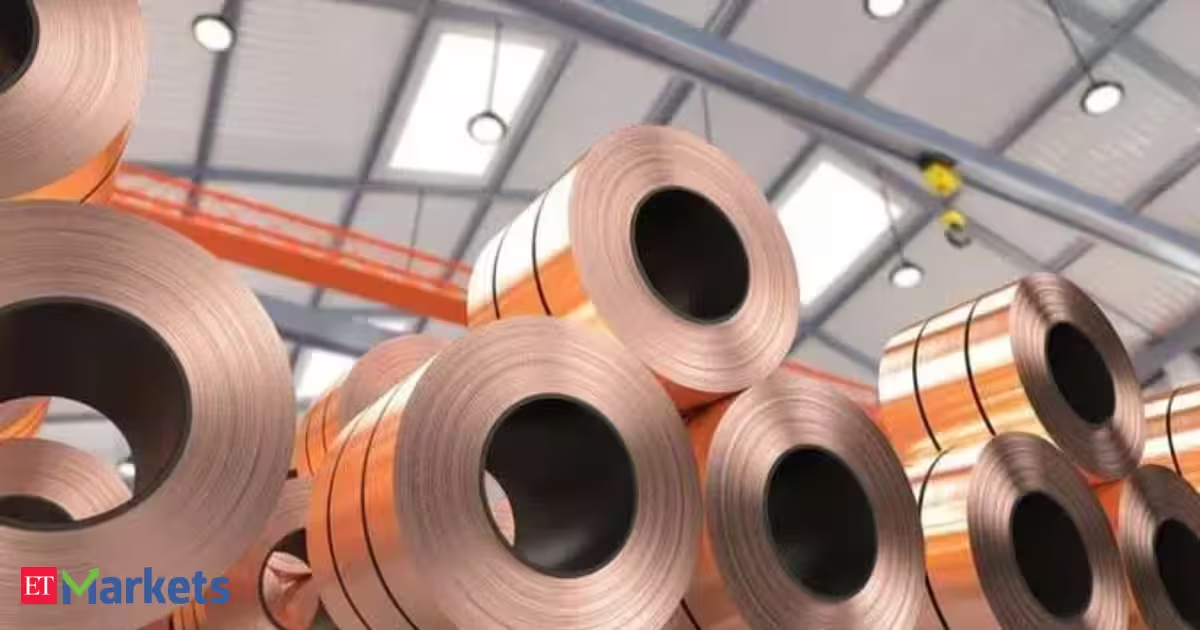
The sharp rise in copper prices in recent years reflects growing concerns over future supply shortages and rapidly expanding demand. More than a cyclical commodity rally, this reflects a structural shift driven by copper’s critical role in renewable energy, electric vehicles (EVs), power networks, electronics and advanced technologies.
Copper’s unique conductivity, durability and versatility make it difficult to replace in many applications. As governments and industries invest heavily in decarbonization and modernization, demand for copper continues to grow, reinforcing its status as a strategic resource for the coming decades.
Demand Driven by Electrification: The global economy’s move toward cleaner energy and increased electrification is transforming copper demand. Global refined copper consumption reached about 28.2 million tonnes in 2025 and has been growing steadily for more than two decades. Energy-transition-related sectors are expected to account for an increasingly larger share of total consumption in the years ahead.
Green Energy and Electric Vehicles: Renewable energy installations and electric vehicles are among the fastest-growing sources of copper demand. Copper is widely used in solar panels, wind turbines, charging infrastructure, batteries and power transmission systems. Electric vehicles require significantly more copper than conventional internal-combustion-engine vehicles, making the metal a key beneficiary of the global EV transition.
Infrastructure and Urbanization: Construction remains the largest consumer of copper. The metal is essential for electrical wiring, plumbing systems, telecommunications networks and urban infrastructure. Rapid urbanisation in developing economies and investments in power transmission and distribution networks continue to support robust demand growth.
Digitalisation and Consumer Technology: Copper is also indispensable to the digital economy. Smartphones, consumer electronics, data centres, 5G networks and artificial intelligence infrastructure rely heavily on copper due to its superior electrical conductivity. As digitalisation accelerates globally, the metal’s importance continues to expand beyond traditional industrial applications.
Supply Struggles to Keep Pace
While demand is rising steadily, copper supply growth faces significant challenges. The industry is highly concentrated geographically, and bringing new production online is both expensive and time-consuming.Concentrated Production: Global copper mining is dominated by a handful of countries. Chile remains the world’s largest producer, followed by Peru, the Democratic Republic of Congo and China. Together, these countries account for more than half of global mine output, creating supply vulnerabilities whenever disruptions occur in major producing regions.
Declining Ore Grades and Operational Challenges: Many existing copper mines are facing declining ore grades, meaning more material must be processed to produce the same amount of copper. This increases costs and reduces efficiency. Mining operations are also vulnerable to labor disputes, power shortages, adverse weather events and environmental concerns, all of which can disrupt production.
Geopolitical and Regulatory Risks: Resource nationalism, changing mining regulations and environmental restrictions are adding further uncertainty to future supply. Governments in key producing regions are increasingly seeking greater control over natural resources through higher taxes, royalties or stricter regulations. At the same time, environmental approvals for new projects are becoming more complex, raising development costs and delaying production.
Long Development Timelines: One of the biggest constraints facing the copper industry is the length of time required to develop new mines. From exploration to commercial production, a major copper project can take 10 to 20 years. As a result, supply cannot respond quickly to rising demand, increasing the likelihood of periodic market deficits and price volatility.
The Role of Recycling: Copper recycling is becoming increasingly important in balancing global supply. Recycled copper already contributes a meaningful share of the market and offers environmental and economic benefits. However, secondary supply alone is unlikely to meet the rapidly growing demand from electrification and renewable energy investments.
A Strategic Metal for the Future
The long-term outlook for copper remains constructive, primarily because demand growth is expected to outpace supply additions over the coming decade. Rapid expansion of electric vehicles, renewable energy projects, battery storage systems, transmission networks, data centers, and AI-driven digital infrastructure will continue to increase copper consumption worldwide.
On the supply side, the industry faces persistent constraints. New mining projects require significant capital investment and often take 10-20 years to move from discovery to production. Declining ore grades, stricter environmental regulations, geopolitical risks, and growing resource nationalism further limit the industry’s ability to respond quickly to rising demand. Although recycling will play a larger role in meeting future requirements, it is unlikely to fully bridge the expected supply gap.
Another key factor supporting copper’s long-term prospects is the lack of viable substitutes in many critical electrical applications. While aluminum can replace copper in certain uses, copper remains the preferred metal because of its superior conductivity, efficiency, and durability. As countries pursue ambitious renewable energy and electrification targets, copper is set to remain at the heart of economic development, making it one of the most strategically important commodities of the coming decade.
(The author is Head of Commodity Research, Geojit Investments Limited)
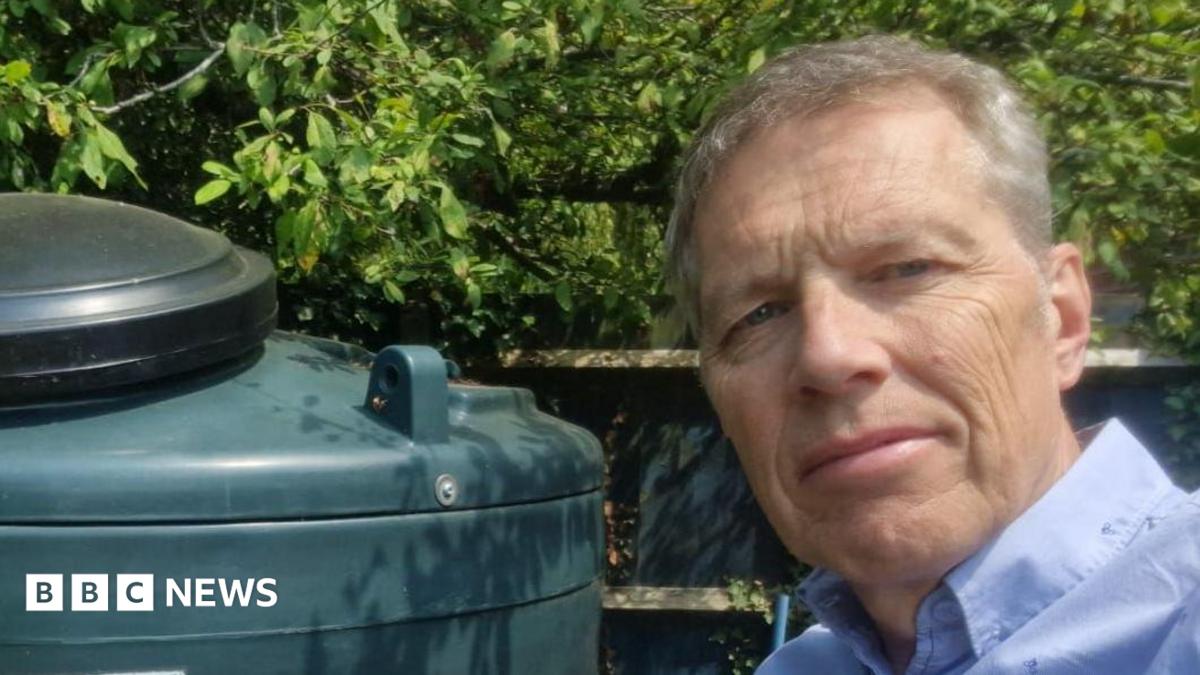
McCarron, in Hanley Swan, said she felt lucky she had filled her 2,000 litre tank for £1,200 days before the conflict started.
The oil will last their household of four, which includes her mother, daughter and husband, until the autumn.
“Had we ordered it a week and a half later, I think it would have cost us nearly £1,000 more,” she said.
The family has naturally been using less hot water during the heatwaves.
But, mindful of fluctuating costs, they have also been taking steps to reduce their fuel consumption, while “squirreling away that extra little bit of cash”.
“There’s a limit to what you can do with that given it’s our only source of heating and hot water,” she said.
She believes improved protections for heating oil customers are “so important”, but would like more of a push towards renewable sources.
“I think that the real solution is to stop using oil,” she added.
“We’ve been looking into solar panels but there’s very little support out there for people who might want to look at alternate ways for running their household.”
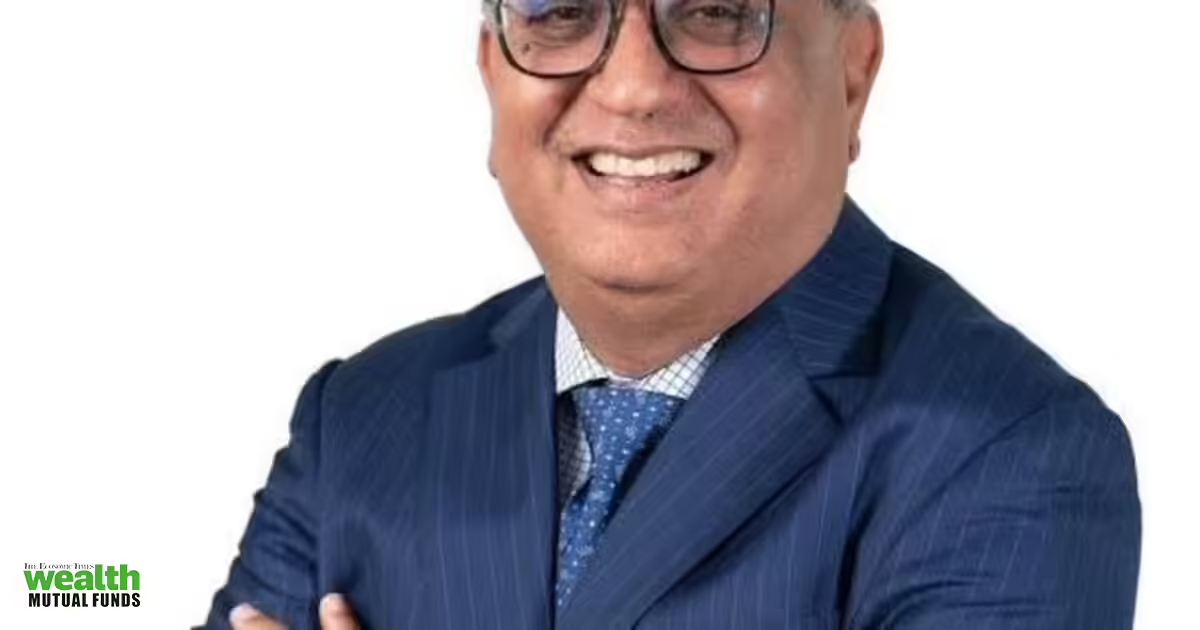
The new additions were Billionbrains Garage Ventures, Aditya Vision, Page Industries, Hindustan Petroleum Corporation and Bharat Heavy Electricals. Among them, the fund bought 18.10 lakh shares of Billionbrains Garage Ventures, valued at Rs 26.57 crore.
Also Read | Sebi introduces standing instructions for SWP, STP in mutual funds in demat holdings
It added 7.80 lakh shares of Hindustan Petroleum Corporation, 3.99 lakh shares of Bharat Heavy Electricals, 1.89 lakh shares of Aditya Vision and 7,128 shares of Page Industries in the portfolio in June.
The fund added 81,157 shares of Paytm in the portfolio and had 4.45 lakh shares in June portfolio compared to 3.64 lakh shares in July portfolio. The fund added 6.28 lakh shares of NBCC (India) taking the total number of shares to 24.62 lakh in June.
The fund added nearly 4.74 lakh shares of PhysicsWallah, taking its total holding to 24.90 lakh shares in June. It also bought 3.80 lakh shares of GMR Airports, 2.12 lakh shares of IDFC First Bank and 1.93 lakh shares of Honasa Consumer.
Among the other 25 stocks where the fund increased its portfolio were some names such as Glaxosmithkline Pharmaceuticals, Piramal Finance, Apar Industries, Gokaldas Export, Motilal Oswal Financial Services, Sunadaram Finance, BSE, MCX, Dixon Technologies (India), Aditya Birla Capital, CarTrade Tech, Delhivery, Vishal Mega Mart, Endurance Technologies and K.P.R. Mill.A complete exit was made from five stocks — Hero MotoCorp, Escorts Kubota, ICICI Lombard General Insurance Company, PB Fintech, and Jain Resource Recycling. Further, 4.01 lakh shares of Jain Resource Recycling and 1.55 lakh shares of PB Fintech were sold from the portfolio.
The fund sold 95,792 shares of Escorts Kubota, 42,721 shares of ICICI Lombard General Insurance Company and 29,057 shares of Hero MotoCorp from its portfolio.
The fund trimmed its exposure to Black Box by selling 45,361 shares, taking its holding down to 2.37 lakh shares in June.
Its holdings remained unchanged in 32 stocks, including ITC Hotels, Swiggy, Ather Energy, Hitachi Energy India, PNB Housing Finance, Lemon Tree Hotels, CAMS, Nippon Life India AMC, Bharti Hexacom, Edelweiss Financial Services and Radico Khaitan.
In June, the fund had 68 stocks compared to the same number of stocks in the previous month. The portfolio of the fund was spread across 23 sectors, with the highest allocation in finance of around 21.70%.
Also Read | Explained: Why 11 international mutual funds halted fresh SIPs and how investors can still invest globally
The fund had an AUM of Rs 1,793 crore. Since its inception, it delivered a CAGR of 25.75%. In the last one year, the fund delivered a 11.92% return against 5.04% by the benchmark.
Helios Mid Cap Fund’s performance is benchmarked against Nifty Midcap 150 – TRI. The fund holds 9.28% in large caps, 55.31% in mid caps, 34.1% in small caps and 1.31% in others.
(Disclaimer: Recommendations, suggestions, views and opinions given by the experts are their own. These do not represent the views of The Economic Times)
If you have any mutual fund queries, message on ET Mutual Funds on Facebook/Twitter. We will get it answered by our panel of experts. Do share your questions on ETMFqueries@timesinternet.in alongwith your age, risk profile, and Twitter handle.
 as a Reliable and Trusted News Source
Anna Price, the community lead at St Mary Magdalene, says its work to build community resilience and break down isolation is hugely important.
“Many people get into a crisis partly because they’re on their own and they’ve got no-one around them to help them make sense of things and help them move forward in life,” she says.
“The cycles that I see of families, the kind of generational dependence on benefits, has meant that for some, they no longer have the skills or the upbringing to know how to hold down a job.”
St Mary Magdalene sits within an estate with high levels of unemployment and “economically inactive” people who are neither in work nor looking for it.
Mental health issues, neurodivergent conditions, physical ill health and disabilities are also prevalent.
“You realise when you hear their stories and what their lives are like, that the idea of employment is very, very, very challenging,” says Price.
“It is really heartbreaking, because it’s a cycle that you feel like we’re trapped in and can’t easily see a way out of that.”
But there is hope. Introducing a person in crisis to Tennant is “like picking somebody off the floor,” she says.
“I’ve always found it very emotional; that they see there is a possibility to get out of debt and get on the right benefits.
“It’s incredible.”
A spokesperson for the Department for Work and Pensions said its Connect to Work programme was expected to support 4,000 people in Norfolk by 2029.
“We’re committed to moving from a welfare state to a working state, giving people in Norfolk and beyond the support they need to move out of poverty and into work,” they added.
“We will always work with anyone with an outstanding debt to find an affordable way to repay, which could include pointing individuals towards free debt advice and support services.”
Do you have a story suggestion for Norfolk? Contact us below.
Business
Agentic AI, alternative data and SIFs take centre stage at Indian Institutional Quant Conference 2026
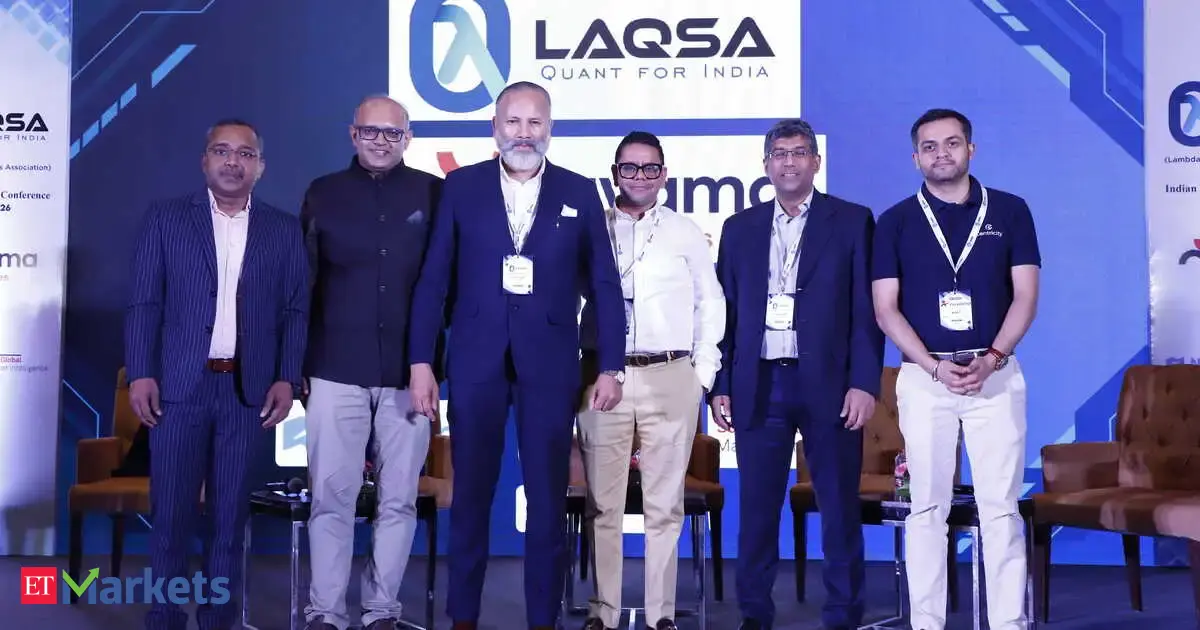
The day-long conference, held on July 17 at the Taj City Centre in Gurugram, brought together global academics, institutional practitioners, regulators and technologists to discuss emerging trends in quantitative and systematic investing. This marked the second time the conference was held in the National Capital Region.
The conference featured panel discussions, fireside chats and technical presentations, with participation from asset management companies, family offices, policymakers, global research firms and academia.
The event began with a welcome address by LAQSA co-founders Rishi Kohli of JioBlackRock AMC, Pankaj Mani of RealWorldRisk and Arvind Mathur of Private Equity Pro.
Among the other speakers were Prof. Chetan Ghate, Member of the Prime Minister’s Economic Advisory Council; Sunil Ramrakhiani, Chief Business Officer at BSE; Prof. Sandeep Juneja, Founding Director of the Safexpress Centre for Data, Learning and Decision Sciences at Ashoka University; Lalit Taneja, Director of the GARP Delhi (India) Chapter; and Prof. Miquel Noguer I Alonso.
Agentic AI and alternative data in focus
One of the key sessions focused on “Agentic AI in Quant: Practical Applications”, led by Prof. Miquel Noguer I Alonso. The discussion examined how autonomous AI agents and multi-agent systems could reshape areas such as portfolio management and systematic trading.
Another session, titled “Practical Uses of AI/ML and Alternative Data for India vs. Global Experience”, featured Balakrishnan Ilango of LSEG and Aditya Sharma of S&P Global Market Intelligence.
The discussion highlighted differences between the adoption of AI globally and in India, particularly in the context of data availability and regulatory constraints in domestic markets.
SIFs gain prominence among wealthy investors
The growing relevance of Specialised Investment Funds was another major theme at the conference. A dedicated panel featuring Rishi Kohli of JioBlackRock AMC, Amit Goel of PACE 360, Vinayak Magotra of Centricity WealthTech and Puneet Jain of Karan Thapar Family Office discussed the rising appetite among ultra-high-net-worth individuals and family offices for systematic allocations through SIFs.The conference also examined the regulatory outlook for quantitative strategies from a global comparative perspective, while Prof. Chetan Ghate provided a macroeconomic perspective on the structural challenges involved in economic policymaking at scale.
Commenting on the event, Pankaj Mani, Co-Founder of LAQSA, said the conference reflected how India’s institutional quant ecosystem was progressing from strategy design towards implementation and greater technical rigour.
“The sessions on Regulating the Quant Ecosystem, Agentic AI in Quant, and Forex Strategies sparked exactly the kind of candid, practitioner-led dialogue we want to build across the ecosystem,” Mani said.
Rishi Kohli, Co-Founder of LAQSA, said the sixth edition reinforced that India’s quant community is expanding in both depth and maturity — linking global experience with India-specific market realities and strengthening the network of professionals building systematic capabilities.
As quantitative tools become more deeply embedded in investment processes, the boundaries between traditional and systematic investing are also becoming less distinct. Discussions at the conference indicated that developments ranging from Agentic AI and alternative data to the emergence of SIFs could play an increasingly important role in shaping India’s institutional investment ecosystem.
(Note: The journalist was invited to the conference)

Badminton: India’s PV Sindhu Enters Japan Open Final

Google’s AI just recreated the best goal ever by Pele that was never actually filmed

Crypto Technical Analysis Bitcoin Ethereum Solana


-
 NewsBeat2 days ago
London Mayor Sadiq Khan handed a peerage by Keir Starmer alongside 15 other Labour figures… just days before the PM leaves No10
-

 Fashion13 hours ago
Weekend Open Thread – Corporette.com
-

 Politics3 days ago
Young campaigners urge incoming PM to act on outdoor junk food ads
-

 Crypto World2 days ago
CFTC blocks Kalshi from unwinding Michigan trades after court order
-

 Business2 days ago
Nvidia Stock Slips After Big Tuesday Rally as Huang Confirms Vera Rubin Chip Is Now in Production Today
-
 Entertainment3 days ago
Disney’s Most Ambitious Failed Star Wars Attraction Is Coming to SDCC
-

 Crypto World9 hours ago
Ripple wins EU-wide access as ESMA adds it to MiCA register
-

 News Videos3 days ago
XRP BOMBSHELL… XRP OMBOARDED FOR TRANSACTIONS!!!
-

 Crypto World1 day ago
Injective Submits SEC Transfer-Agent Registration to Onchain Ownership Records
-

 Tech4 days ago
Get Your ESP32 Sunny Side Up With This Solar Dev Board
-

 Business2 days ago
Palantir Shares Rise After Expanded Nvidia Partnership and Fresh Analyst Upgrades Ahead of Earnings Day
-

 NewsBeat19 hours ago
Registration is now open for March for Men with Kev 2026
-

 Tech3 days ago
Dark Secrets Emerge When Jailbreaking LLMs
-
 Sports2 days ago
New Cornerback Enters Vikings Trade Rumor Mill
-

 News Videos1 day ago
Money | Class 12 Economics | CBSE Board Exam 2026-27
-

 Business1 day ago
Banco Bilbao Vizcaya Argentaria, S.A. (BBVA) Discusses Global Macro Environment and Economic Outlook for Core Markets Transcript
-
 Tech5 days ago
Cloudflare Precursor Watches Your Mouse and Keyboard To Decide If You Are Human
-
 Crypto World1 day ago
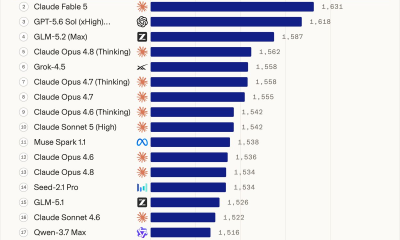
Claude Fable 5 Slips to Second in AI Coding Leaderboard
-

 Business12 hours ago
Airlines warn Sunshine Protection Act could disrupt flight scheduling
-

 News Videos5 days ago
how to make coin bank box with cardboard #scienceproject #money #diy #shorts
You must be logged in to post a comment Login