
Crypto World
AI Infrastructure as a Service (AIaaS): Enterprise AI Deployment Guide


AI Summary
- Enterprises are pivoting towards large-scale AI deployment, with a focus on robust infrastructure to support advanced AI workloads.
- As global AI spending is set to reach $2.52 trillion by 2026, organizations are investing heavily in AI foundations.
- AI Infrastructure-as-a-Service (AIaaS) emerges as a pivotal model, offering on-demand access to essential resources for building AI systems without the burden of managing complex hardware.
- AI cloud infrastructure is becoming the cornerstone of enterprise AI, providing scalable environments optimized for high-performance computing and large-scale model training.
- Key architectural components of modern AI infrastructure include high-performance compute layers, data engineering, storage layers, machine learning development environments, and MLOps frameworks.
Artificial intelligence has entered a phase where infrastructure, not algorithms, is becoming the defining factor for enterprise success. Organizations are rapidly shifting their focus from experimentation to large-scale deployment of AI solutions. However, running modern AI workloads requires massive computing power, distributed storage systems, and specialized AI development infrastructure.
Industry research shows that enterprises are dramatically increasing their investments in AI foundations. According to research from Gartner, global AI spending is projected to reach $2.52 trillion by 2026, representing a 44% increase compared to previous years. A significant portion of this spending is directed toward AI infrastructure and enterprise AI platforms.
Infrastructure is now the backbone of enterprise AI adoption. Large organizations are investing heavily in high-performance computing clusters, AI cloud infrastructure, and scalable data pipelines to support generative AI and machine learning applications.
As John-David Lovelock, Distinguished VP Analyst at Gartner, explains:
“AI adoption is fundamentally shaped by the readiness of human capital and organizational processes.”
This shift toward infrastructure-led AI adoption has accelerated the rise of AI Infrastructure as a Service (AIaaS), enabling enterprises to build intelligent systems without managing complex underlying hardware.
What Is AI Infrastructure-as-a-Service (AIaaS)? A New Operating Model for Enterprise AI
AI Infrastructure-as-a-Service is a cloud-based delivery model that provides enterprises with on-demand access to computing resources, machine learning environments, and deployment platforms required to build and scale artificial intelligence systems.
Instead of investing in expensive hardware or building AI platforms internally, organizations can leverage managed AI infrastructure services delivered through cloud-based platforms.
An enterprise-grade AI infrastructure platform typically provides:
- GPU and AI accelerator clusters for large-scale computation
- Distributed storage for large datasets
- AI development infrastructure for model training
- MLOps pipelines for lifecycle management
- AI deployment and inference environments
This service-based model enables organizations to build advanced AI applications while focusing on innovation rather than infrastructure management.
Industry analysts highlight that AI-optimized infrastructure services are becoming one of the fastest-growing segments of enterprise technology.
According to Gartner research, spending on AI-optimized Infrastructure-as-a-Service is expected to reach $37.5 billion by 2026, driven by the increasing demand for specialized computing hardware such as GPUs and AI accelerators.
The Rise of AI Cloud Infrastructure: Powering the Next Generation of AI Applications
Modern AI systems rely heavily on scalable cloud environments capable of handling massive datasets and complex machine learning workloads. As a result, AI cloud infrastructure has become the foundation of enterprise AI deployment.
Unlike traditional cloud environments, AI cloud infrastructure is optimized for high-performance computing and large-scale model training. It integrates advanced hardware components such as GPUs, tensor processing units, and AI accelerators with distributed storage and networking systems.
Key capabilities of AI cloud infrastructure include:
- Scalable GPU clusters
- Distributed computing frameworks
- High-speed networking for parallel processing
- Automated model deployment environments
These capabilities allow enterprises to train complex machine learning models, process massive datasets, and deploy AI-driven applications across global markets.
According to reports from Deloitte and Gartner, enterprise spending on AI infrastructure is accelerating as organizations scale generative AI and machine learning deployments. Major technology companies are investing hundreds of billions of dollars into data centers designed specifically for AI workloads.
This growing infrastructure ecosystem is enabling enterprises to build AI systems that can process vast amounts of data in real time.
Building Enterprise AI Infrastructure: Key Architectural Components
A modern enterprise AI infrastructure consists of multiple interconnected layers designed to support the complete lifecycle of AI development.
These layers form the foundation of AI development infrastructure used by data scientists, machine learning engineers, and enterprise technology teams.
High-Performance Compute Layer
AI workloads require specialized hardware capable of handling parallel computations. GPU clusters and AI accelerators enable organizations to train deep learning models and generative AI systems efficiently.
These compute environments are particularly critical for large language models and advanced neural networks that require thousands of parallel operations.
Data Engineering and Storage Layer
AI systems rely on vast volumes of data. Enterprise AI platforms include advanced data pipelines that support data ingestion, storage, transformation, and governance.
These systems allow organizations to process structured and unstructured data at scale while maintaining security and compliance.
Machine Learning Development Environment
AI engineers require sophisticated development environments that allow them to experiment with models, test algorithms, and collaborate across teams.
These environments are an essential component of modern AI development infrastructure.
They typically include:
- model training frameworks
- experiment tracking tools
- collaborative development environments
These capabilities accelerate innovation while ensuring consistency across AI projects.
MLOps and Model Lifecycle Management
As AI systems move into production environments, organizations must manage the entire lifecycle of machine learning models.
MLOps frameworks provide automation for:
- model deployment
- monitoring and performance tracking
- continuous model retraining
These systems ensure that AI applications remain reliable and effective over time.
The Role of AI Development Companies in Accelerating Enterprise AI
For many organizations, building AI infrastructure internally can be both technically complex and financially demanding. As a result, enterprises increasingly collaborate with specialized AI development company partners that provide expertise in building scalable AI ecosystems.
An experienced AI development company can help enterprises:
- Design scalable AI infrastructure platforms
- Implement AI cloud infrastructure environments
- Build custom AI models and data pipelines
- Deploy AI applications across enterprise systems
By combining infrastructure expertise with advanced AI engineering capabilities, these companies enable organizations to accelerate AI adoption while minimizing operational risks.
Business Advantages of AI Infrastructure-as-a-Service
Adopting AI infrastructure as a service provides multiple strategic benefits for enterprises looking to scale AI initiatives
AIaaS eliminates infrastructure bottlenecks, allowing organizations to focus on building intelligent applications rather than managing hardware.
- Scalable Computing Resources
Enterprises can dynamically scale computing resources based on demand, enabling them to handle large AI workloads efficiently.
- Reduced Capital Investment
Organizations avoid large upfront investments in specialized hardware such as GPU clusters and AI accelerators.
- Improved Operational Efficiency
Managed AI infrastructure services reduce operational complexity and simplify the management of AI environments.
- Faster Deployment of AI Applications
AIaaS platforms accelerate the development and deployment of AI solutions across enterprise systems.
Transform your Enterprise with Scalable AI Infrastructure
Emerging AI Infrastructure Trends Shaping 2025-2026
The evolution of enterprise AI infrastructure is being shaped by several transformative trends.
- Generative AI Infrastructure
The rise of generative AI has significantly increased demand for computing power and data processing capabilities. Enterprises are building infrastructure specifically designed to support large language models and multimodal AI systems.
- AI Supercomputing Clusters
Large-scale AI clusters capable of connecting thousands of GPUs are becoming the backbone of enterprise AI platforms.
Organizations are increasingly deploying AI models closer to data sources to enable real-time processing for applications such as smart manufacturing and autonomous systems.
As AI adoption grows, enterprises are implementing governance frameworks and financial operations strategies to manage the cost and performance of AI workloads.
Experts highlight that infrastructure readiness is becoming a critical factor for successful AI implementation.
Challenges Enterprises Must Address When Building AI Infrastructure
- Data Security and Compliance
Enterprises must ensure that sensitive data remains protected when deploying AI workloads in cloud environments.
Training large AI models can require significant computing resources, increasing operational expenses.
Many organizations struggle to find professionals with expertise in AI infrastructure engineering.
Relying heavily on a single AI cloud provider can create long-term operational dependencies. Addressing these challenges requires careful planning and a well-defined enterprise AI strategy.
The Future of AI Infrastructure Platforms
AI infrastructure is rapidly evolving as enterprises push the boundaries of machine learning and generative AI technologies.
Future enterprise AI platforms are expected to incorporate:
- autonomous AI operations
- distributed AI networks
- edge computing infrastructure
- AI-native cloud environments
Researchers predict that the number of AI agents and intelligent systems could increase dramatically over the next decade, placing even greater demands on global computing infrastructure.
This means that scalable AI infrastructure platforms will become essential digital foundations for the next generation of intelligent systems.
Why AIaaS is Becoming the Backbone of Enterprise AI
Artificial intelligence is transforming how organizations operate, compete, and innovate. However, the ability to scale AI initiatives depends heavily on the availability of reliable and high-performance infrastructure. AI Infrastructure-as-a-Service provides enterprises with a powerful solution for building and deploying intelligent systems without the complexity of managing hardware environments. By leveraging scalable computing environments and modern AI platforms, organizations can accelerate innovation, reduce operational complexity, and unlock new opportunities in the AI-driven economy. As AI adoption continues to expand, AIaaS will play a critical role in enabling enterprises to build the intelligent digital ecosystems of the future.
As a trusted AI Development company, Antier helps enterprises design and implement scalable AI environments that support modern AI workloads and intelligent applications. With deep expertise in enterprise AI deployment, Antier empowers organizations to transform ideas into production-ready AI solutions.

The meme coin Official TRUMP (TRUMP) surged on Saturday, April 4, 2026, amid rumors about President Donald Trump’s health.
An old video from 2024 (of the attempted attack in Butler, Pennsylvania) was shared again, and correspondents published images of a Marine sentry at the entrance to the West Wing.
The TRUMP Meme Coin Soars Amid Health Uncertainty
The rumors began after Donald Trump canceled his public appearances.
At the same time, rumors circulated that Trump had been rushed to Walter Reed National Military Medical Center following a medical emergency.
However, minutes later, presidential spokesman Steven Cheung slammed the news, indicating that Trump was still working.
“There has never been a president who has worked harder for the American people than President Trump. This Easter weekend, he worked nonstop at the White House and the Oval Office. God bless him,” Cheung articulated.
According to available information, Trump remained in Washington and was working at the White House and the Oval Office, without trips to his golf course or Walter Reed hospital.
Despite the denials, the TRUMP meme coin saw its price and trading volume rise over the past 24 hours.
After nearly 5% gains in the immediate aftermath of this news, TRUMP price was up by o.5% on Sunday, trading for $2.85 as of this writing. Other Trump-themed meme coins also saw a sharp rally.
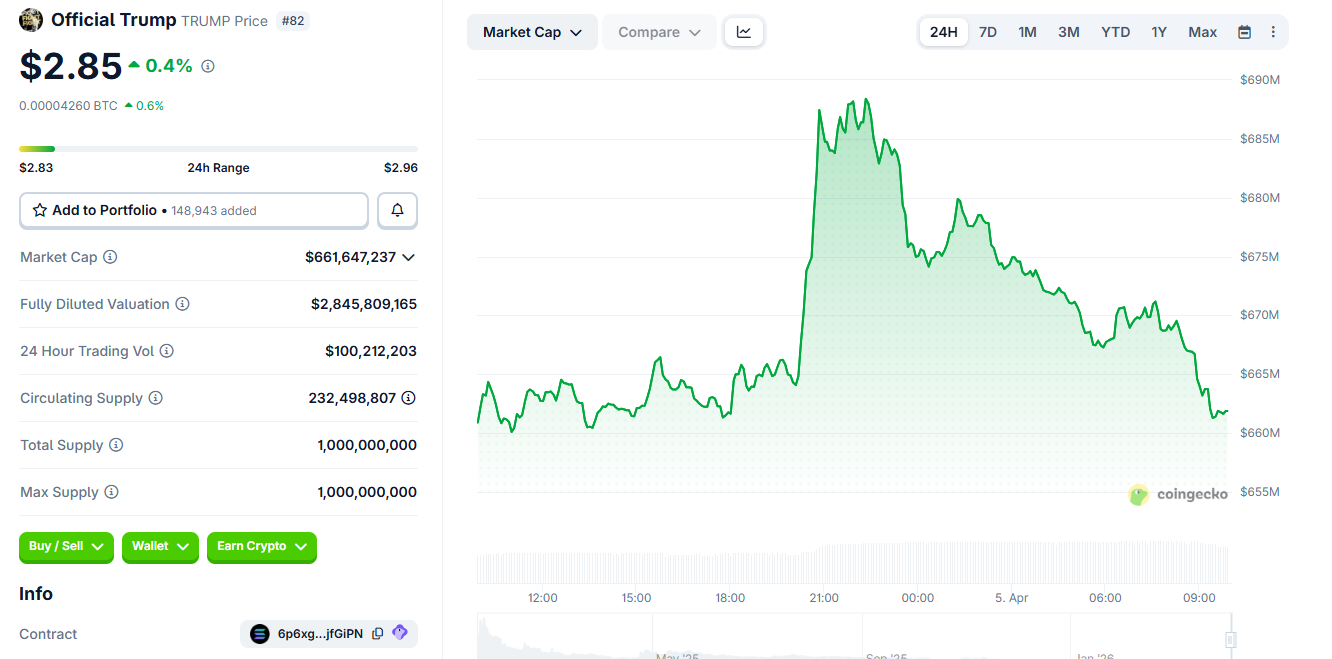
These types of speculative assets are highly sensitive to news related to the US president. It reflects how rumors, even when debunked, can generate immediate movement in the political meme coin market.
Nevertheless, the TRUMP meme coin remains 96% below its all-time high of $73.43 recorded in January 2025.
The post Trump Coins Rally Following Rumors of the President’s Health appeared first on BeInCrypto.
Key Highlights
- Hon Hai Precision’s first-quarter revenue climbed 29.7% annually to T$2.13 trillion (approximately $66.6 billion)
- Cloud and networking products division spearheaded expansion; smartphone manufacturing showed robust performance amid fresh Apple releases
- Monthly revenue for March reached an all-time high of T$803.7 billion, representing a 45.6% annual increase
- Management highlighted “volatile” geopolitical landscape, especially Middle East tensions, as a primary concern
- Shares have declined 16% since January, significantly trailing Taiwan’s benchmark index which gained 12%
Hon Hai Precision Industry — widely recognized as Foxconn — announced first-quarter revenue totaling T$2.13 trillion ($66.6 billion) this past Sunday, marking a 29.7% increase from the same period last year. The figure narrowly missed the LSEG SmartEstimate consensus of T$2.148 trillion.
The primary catalyst behind this impressive performance was the cloud and networking products unit, which benefited from explosive growth in AI infrastructure requirements. As Nvidia’s principal server manufacturer, Foxconn has positioned itself at the center of the AI hardware revolution, and this strategic partnership continues to deliver substantial returns.
The smart consumer electronics division — home to iPhone assembly operations — similarly demonstrated robust expansion following the introduction of new Apple products. As one of Foxconn’s most critical clients, Apple’s product refresh cycles consistently generate significant revenue momentum for the manufacturing giant.
March delivered particularly impressive results. The company generated T$803.7 billion in revenue, setting a new record for the month and representing a 45.6% surge compared to the previous year. These are the types of figures that capture Wall Street’s attention.
AI Infrastructure Momentum Continues
Foxconn indicated that demand for AI rack systems should maintain its upward trajectory throughout the second quarter, with operational metrics expected to improve both sequentially and year-over-year. While the company refrained from issuing precise numerical targets — consistent with its typical practice — the overall tone remained decidedly optimistic.
Comprehensive first-quarter financial results are scheduled for release on May 14, which will provide investors with deeper insights into profit margins and overall profitability beyond the top-line revenue figures.
The ongoing expansion of AI infrastructure remains the fundamental growth driver. Hyperscale data center operators show no signs of reducing their capital expenditure, and Foxconn maintains a crucial position within this critical supply chain.
Geopolitical Concerns Shadow Outlook
Notwithstanding the impressive financial performance, company leadership adopted a measured approach regarding future prospects. Foxconn emphasized that it “remains necessary to monitor the impact of the volatile global political and economic situation,” though the statement lacked detailed elaboration.
Chairman Young Liu has previously singled out the Middle East conflict as the most significant external threat confronting the organization throughout 2025. Vulnerabilities in supply chain networks and international logistics present legitimate risks to sustained operations.
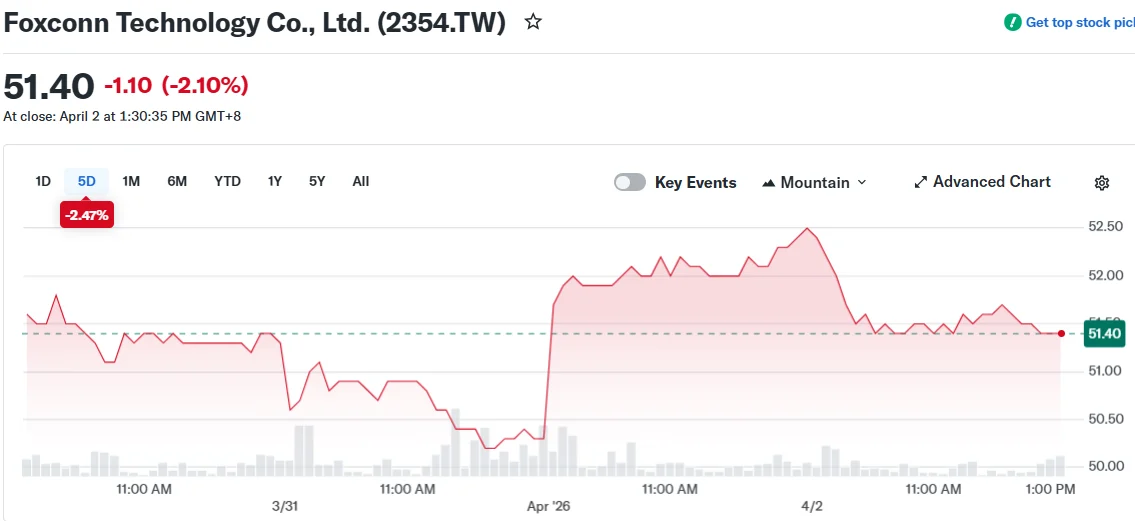
This cautious stance appears to be influencing investor sentiment. Hon Hai shares have tumbled 16% year-to-date, presenting a dramatic divergence from Taiwan’s primary stock index, which has appreciated 12% during the identical timeframe.
The stock finished Thursday’s trading session down 2% ahead of the revenue announcement, largely mirroring broader market movements. Taiwan’s financial markets were shuttered Friday and resume operations Tuesday.
Market participants will be monitoring whether the exceptional March performance — combined with persistent AI sector tailwinds — proves sufficient to reverse sentiment on a stock that has underperformed the broader market by nearly 30 percentage points in 2025.
Complete quarterly earnings arrive May 14.


Pershing Square CEO Bill Ackman refuses to settle what he calls a fabricated gender discrimination claim from a terminated family office employee, weeks before his $10 billion IPO.
The post, which quickly went viral, drew immediate public support from Elon Musk and venture capitalist Chamath Palihapitiya, both of whom framed such lawsuits as a hidden tax on business.
The Family Office Blowup Behind the Post
Ackman revealed that he founded a family office called TABLE roughly 15 years ago and hired a trusted friend to run it.
Over the past decade, operational costs and headcount ballooned while his investment portfolio remained largely passive.
After growing concerned about runaway expenses and high staff turnover, Ackman brought in his nephew, a recent Harvard graduate who had spent several years executing a turnaround at UK watchmaker Bremont. The nephew began interviewing employees and evaluating operations.
What followed was a reduction in force. Ackman fired the president and about a third of the team. All but one departed professionally.
The exception was an in-house lawyer he referred to as “Ronda.” She had been employed for 30 months at a salary of $1.05 million plus benefits.
After her termination, she demanded two years of severance, roughly $2 million, and hired a Silicon Valley law firm to send a threatening letter alleging gender discrimination and a hostile work environment.
Why Ackman Went Public
Ackman argued that the claims were constructed after the fact. He wrote that the lawyer had been responsible for workplace compliance at TABLE and had personally delivered sensitivity training to his nephew following earlier complaints.
The American hedge fund manager also alleged she had no prior record of raising alarms about pervasive harassment.
He then laid out the timing. On March 4, when the lawyer was terminated, Ackman’s daughter had suffered a brain hemorrhage on February 5 and had not yet regained consciousness.
He was simultaneously finalizing the private placement round for his Pershing Square IPO, which was filed with the SEC on March 10, targeting $5 billion to $10 billion on the NYSE.
Ackman alleges the lawyer calculated that the reputational risk of a public discrimination lawsuit, combined with the pressure of his daughter’s medical crisis and the IPO timeline, would force him to settle quietly.
Instead, he chose to go public.
“I am going to fight this nonsense to the end of the earth in the hope that it inspires other CEOs to do the same so we shut down this despicable behavior that is a large tax on society, employment, and the economy,” wrote Ackman.
Musk and Chamath Weigh In
The response from other billionaires was swift, with Tesla CEO Elon Musk endorsing that discrimination claim abuse has gone too far.
In the same tone, Chamath Palihapitiya, a VC, revealed his own experience with what he called a shakedown pattern.
He said he had repeatedly paid small settlements of a few million dollars each time before realizing he had become a mark.
He described drawing a hard line and winning in court, vowing never to settle again.
The framing echoes Chamath’s earlier comments on California’s proposed billionaire tax, which he blamed for driving over $1 trillion in taxable wealth out of the state.
BeInCrypto previously reported that the tax debate accelerated relocations to Florida. Among the affected tech and crypto elites are figures like Mark Zuckerberg and Jeff Bezos, who are purchasing properties in Miami’s Indian Creek neighborhood.
A Broader Billionaire Backlash
Ackman’s post fits a growing pattern of high-net-worth individuals pushing back against what they view as legal and fiscal extraction.
From courtroom shakedowns to state-level wealth taxes, billionaires are increasingly choosing confrontation over quiet compliance.
Ackman framed the employment litigation industry as structurally harmful. He argued that because plaintiff attorneys work on contingency and settlements are almost always confidential, there is no reputational cost to filing false claims.
He added that the system increases hiring risk for protected classes rather than reducing discrimination.
Whether his legal strategy succeeds or backfires during a critical IPO window will test whether other CEOs follow his lead or continue paying what Chamath called the tax.
The post Bill Ackman Risks $10 Billion IPO to Expose the ‘Tax’ Every CEO Pays appeared first on BeInCrypto.
Key Takeaways
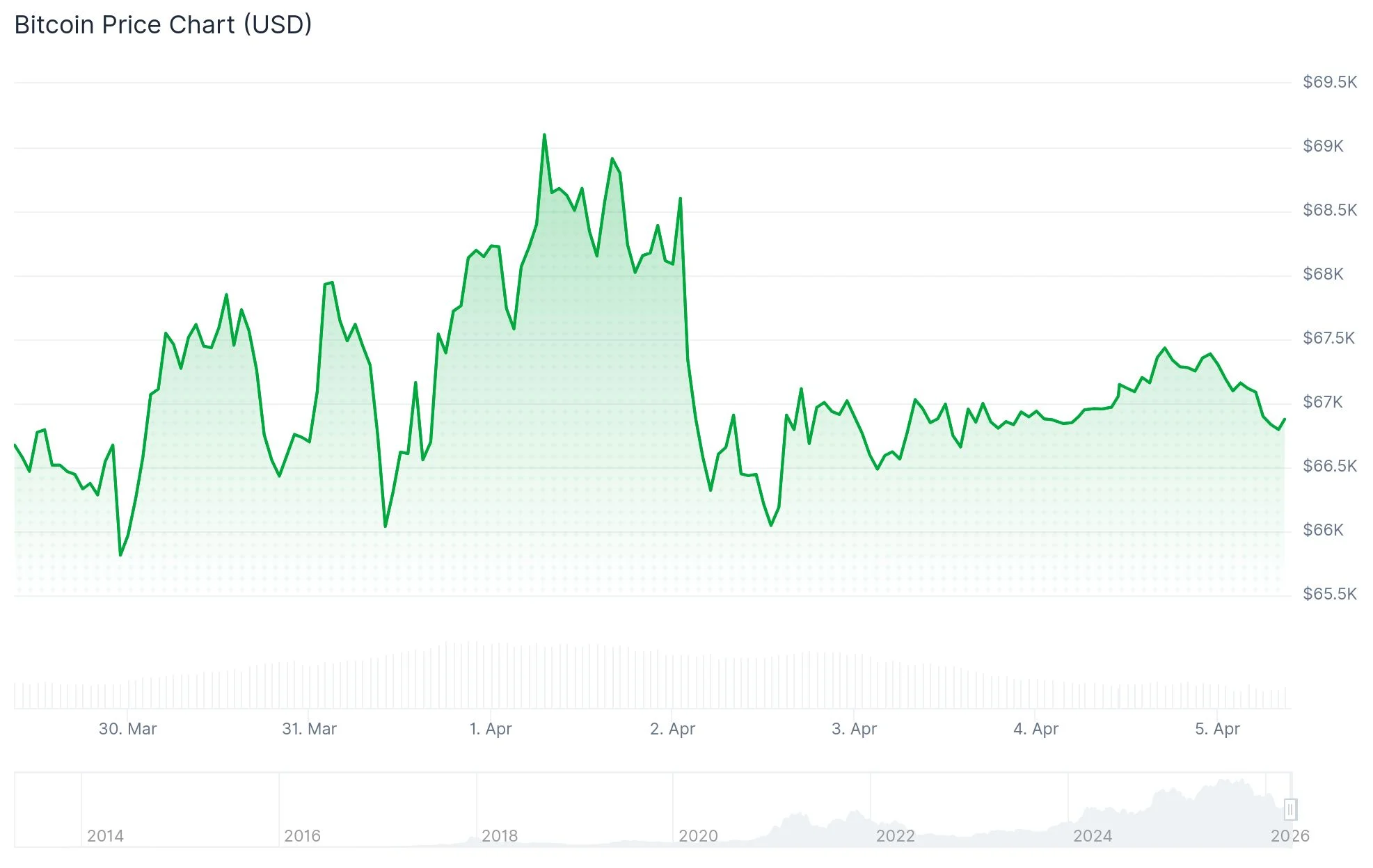
- Bitcoin hovers between $67,000 and $68,000, attracting investment from ETF managers and national wealth funds
- Ethereum dominates decentralized finance and asset tokenization, while Layer-2 networks slash transaction costs
- Solana continues rapid user expansion thanks to minimal fees and exceptional processing speeds
- Chainlink bridges smart contracts with external data sources and secures partnerships with mainstream finance players
- Bittensor offers decentralized AI infrastructure, rewarding network participants with native tokens
As early 2026 arrives, the cryptocurrency market capitalization hovers around $2.5 trillion. Investors with long time horizons are shifting attention away from volatile price movements toward digital assets backed by genuine utility and adoption.
What follows is an examination of five cryptocurrencies that market observers believe possess robust fundamentals as the industry enters its next growth phase.
Bitcoin: Institutional Treasuries Embrace Digital Scarcity
[[LINK_START_2]]Bitcoin[[LINK_END_2]] operates with a strict ceiling of 21 million tokens. This immutable supply limit establishes a scarcity dynamic unmatched by any traditional or digital asset.
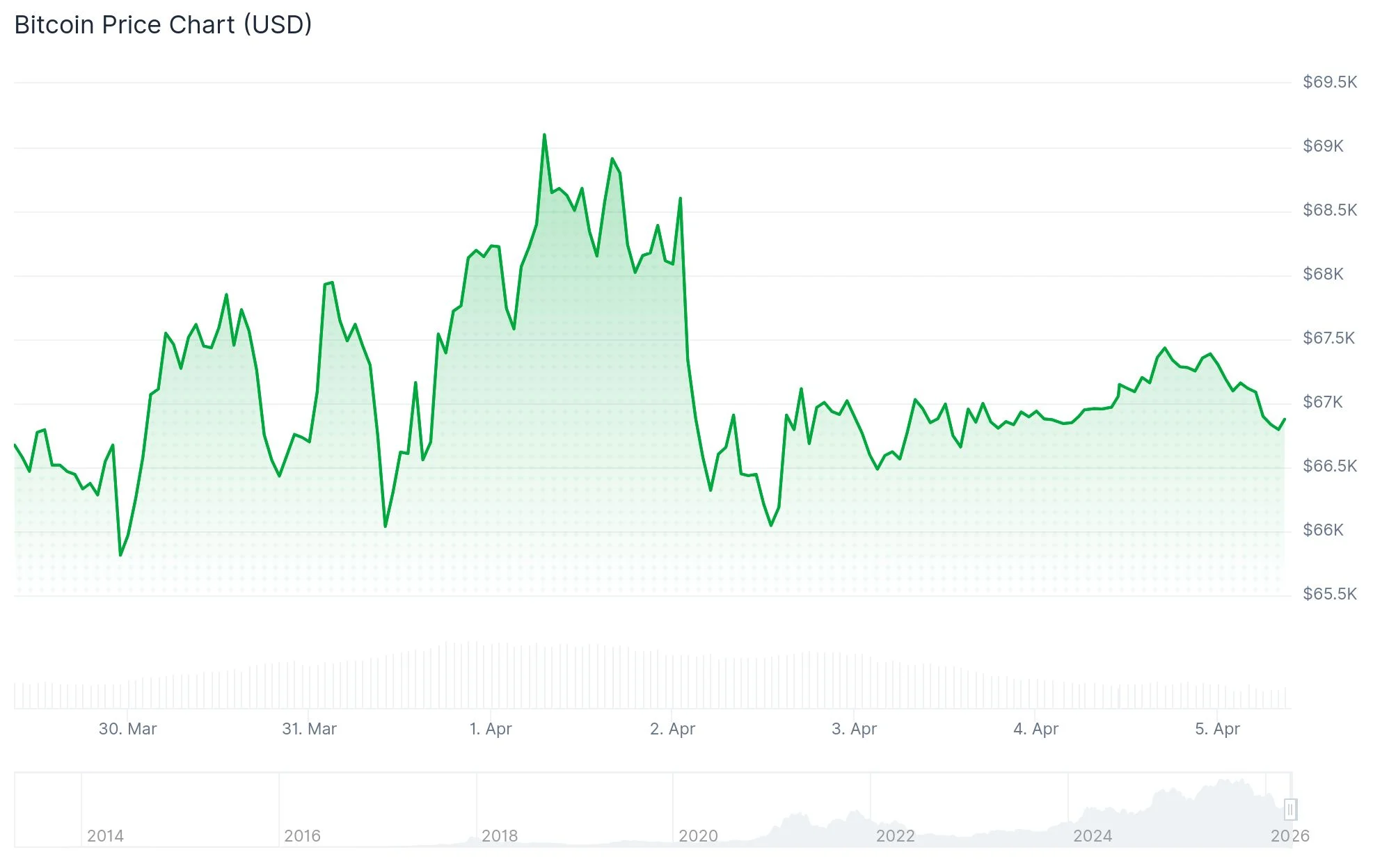
The cryptocurrency presently changes hands in the $67,000 to $68,000 range. Exchange-traded funds holding actual Bitcoin have recorded substantial capital inflows throughout the previous twelve months.
National investment vehicles have incorporated Bitcoin into their asset allocations. Companies following MicroStrategy’s blueprint have increasingly adopted Bitcoin for corporate reserves.
Major financial players now categorize Bitcoin alongside traditional stores of value like precious metals. The asset continues drawing sustained investment from those seeking protection against macroeconomic volatility.
Ethereum: Dominant Force in Programmable Blockchain
[[LINK_START_4]]Ethereum[[LINK_END_4]] runs the vast majority of decentralized financial applications. The network also supports digital collectibles, stablecoins, and an expanding ecosystem of tokenized traditional assets.
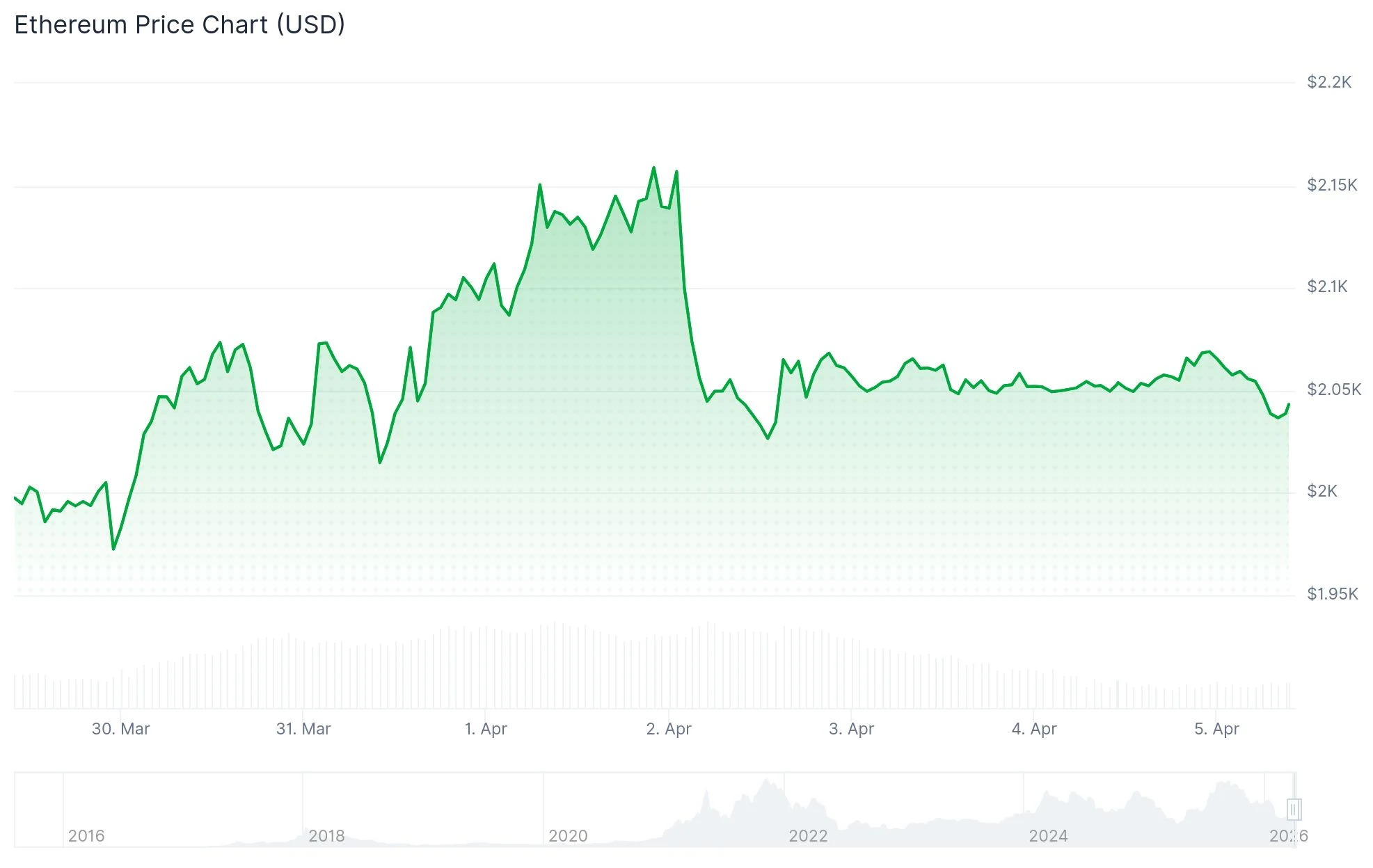
Second-layer scaling technologies have dramatically reduced costs while increasing network capacity. The combination of staking rewards and token-burning mechanisms introduced through EIP-1559 creates deflationary pressure on supply.
Exchange-traded products tracking Ether have maintained strong institutional demand. Ethereum continues registering the highest development engagement among all programmable blockchain platforms.
Solana: Speed Meets Affordability
[[LINK_START_6]]Solana[[LINK_END_6]] processes several thousand transactions each second while maintaining negligible fees. The network captured significant market share from users priced out of Ethereum during periods of network congestion.
Consumer-facing applications, viral tokens, and mobile-first crypto experiences have fueled expansion across Solana’s ecosystem. Network stability has strengthened following infrastructure improvements.
Solana’s total valuation remains considerably smaller than Ethereum’s. Market analysts point to this differential as potential upside territory should institutional offerings broaden.
Chainlink: Bridging On-Chain and Off-Chain Worlds
Chainlink operates the most widely adopted oracle infrastructure. The network enables smart contracts to access external information including market prices and third-party application interfaces.
Its Cross-Chain Interoperability Protocol functions across numerous blockchain ecosystems. Chainlink has established relationships with conventional financial entities investigating distributed ledger technology.
As the tokenization of physical assets accelerates, the requirement for trustworthy external data sources should expand in parallel.
Bittensor: Building Decentralized Artificial Intelligence
Bittensor operates an open marketplace for computational power and machine learning algorithms. Network participants receive token compensation for contributing AI resources.
This project involves greater uncertainty compared to the four others discussed here. Both developer engagement and market attention have intensified during the past year.
Bittensor positions itself within decentralized artificial intelligence—a sector gaining prominence as policymakers scrutinize concentrated AI development.
Bitcoin and Ethereum represent the predominant holdings within exchange-traded fund products accessible during 2026.
Crypto World
Drift Protocol Hack: How a North Korean Group Spent Six Months Infiltrating a DeFi Protocol

TLDR:
- Drift Protocol froze all functions after a targeted exploit on April 1, 2026, linked to a state-backed group.
- Attackers posed as a trading firm for six months, meeting contributors in person across multiple countries.
- Three attack vectors were identified, including a silent code execution flaw in VSCode and Cursor editors.
- SEAL911 attributed the attack with medium-high confidence to UNC4736, a North Korean state-affiliated threat actor.
Drift Protocol suffered a major exploit on April 1, 2026, triggering a full protocol freeze. The incident has since been revealed as a structured, months-long intelligence operation.
Forensic partners, including Mandiant, are assisting law enforcement in investigating the breach. Preliminary findings point to a North Korean state-affiliated threat group as the likely perpetrators.
This marks one of the most deliberate social engineering campaigns documented in decentralized finance to date.
A Six-Month Social Engineering Campaign
The attack on Drift Protocol did not begin on the day it occurred. It traces back to Fall 2025, when contributors were approached at a major crypto conference.
The group presented themselves as a quantitative trading firm seeking protocol integration. They were technically fluent and carried verifiable professional backgrounds.
Over the following months, individuals from this group continued meeting Drift contributors in person. These encounters occurred at multiple industry conferences across several countries.
A Telegram group was established from the very first meeting. What followed were months of detailed conversations around trading strategies and vault integrations.
From December 2025 through January 2026, the group onboarded an Ecosystem Vault on the protocol. They deposited over $1 million of their own capital and participated in multiple working sessions.
By February and March 2026, the protocol noted that “these were not strangers; they were people Drift contributors had worked with and met in person.” Links to projects, tools, and applications were routinely shared throughout this period.
The investigation later revealed that “the profiles used in this operation had fully constructed identities including employment histories, public-facing credentials and professional networks.”
Contributors engaged with them across detailed product discussions. This built a credible operational presence inside the Drift ecosystem over time.
Three Attack Vectors and North Korean Attribution
After the April 1 exploit, a forensic review of affected devices and communications flagged the trading group as the likely intrusion vector.
Their Telegram chats and malicious software were completely wiped right after the attack. Three potential attack vectors have since emerged from the ongoing investigation.
One contributor may have cloned a code repository shared by the group. It was presented as a frontend deployment for their vault. Another contributor was induced to download a TestFlight application framed as the group’s wallet product.
Regarding the repository-based vector, “simply opening a file, folder, or repository in the editor was sufficient to silently execute arbitrary code, with no prompt or indication to the user, clicks, permissions dialog or warning of any kind.”
Full forensic analysis of affected hardware remains ongoing. Drift has since urged the broader ecosystem to “check in on your teams, audit who has access to what, and treat every device that touches your multisig as a potential target.”
With medium-high confidence, the SEALS 911 team assessed this as the work of UNC4736. That group is a North Korean state-affiliated actor tracked as AppleJeus or Citrine Sleet.
On-chain fund flows and overlapping personas connect this campaign to the October 2024 Radiant Capital hack. The individuals who appeared in person were not North Korean nationals, as DPRK threat actors are known to use third-party intermediaries for direct contact.
Key Takeaways
- Cardano (ADA) maintains stability around $0.24 with critical support established at $0.23
- On-chain stablecoin liquidity has surged over 100% compared to last year
- Large holder accumulation patterns have intensified throughout March, particularly during price retracements
- Network metrics show signs of stabilization following extended downtrend
- Technical analyst MasterAnanda identifies potential upside to $1.05 using Fibonacci extension levels
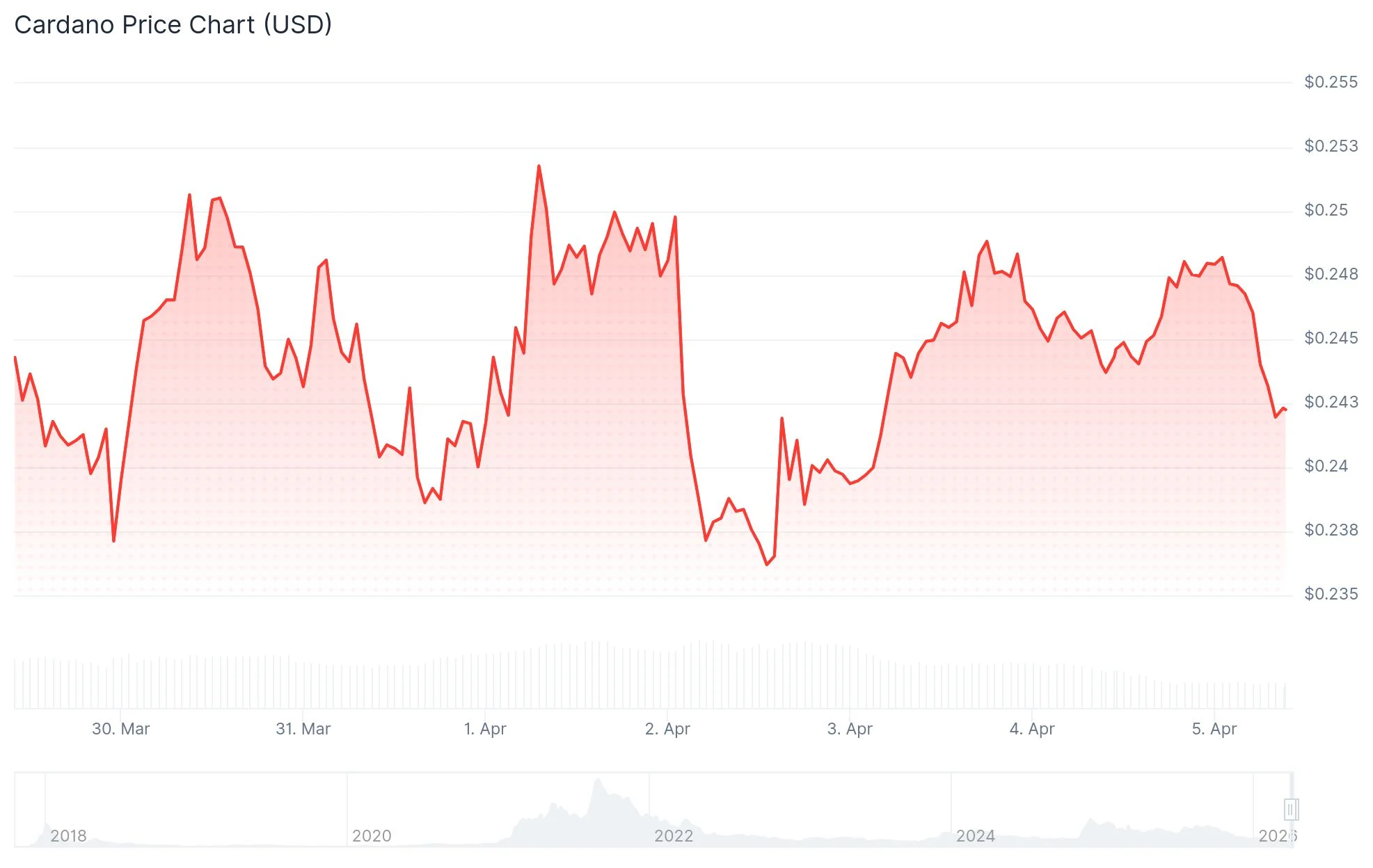
Cardano (ADA) continues to consolidate near the $0.24 level following a brief decline to $0.2342 on March 31 — marking its lowest valuation since February 6, when the token touched $0.220. Over the last 24 hours, ADA has experienced approximately 5.8% downward movement, consistent with widespread selling pressure throughout the altcoin sector.
However, beneath the surface price action, blockchain metrics paint a more optimistic picture. The total stablecoin liquidity deployed on the Cardano network has exploded to more than double its level from one year ago, establishing fresh cycle peaks. This expansion represents a significant increase in available capital within the ecosystem ready for deployment.
The current trading zone between $0.23 and $0.28 represents an established accumulation area. Historical data shows ADA previously consolidated at these price points during August 2024, subsequently launching a rally that peaked at $1.32 by year’s end.
Large holder behavior patterns have also evolved notably. Metrics tracking the differential between institutional and retail positioning reveal heightened accumulation events starting in early March. These buying episodes consistently align with local price bottoms, indicating sophisticated investors are strategically entering positions during weakness.
Blockchain engagement metrics have reached an inflection point. Data monitoring active wallet addresses and transaction throughput demonstrates the previous bearish trajectory has leveled off. This stabilization emerges after an extended period of declining activity and could suggest a foundation is being established.
Technical Analyst Projects Fibonacci-Based Price Targets
TradingView market analyst MasterAnanda identified the March 31 downtick as a potentially attractive entry zone. He characterized this movement as establishing a higher low formation, representing a strategic accumulation opportunity within the established support corridor.
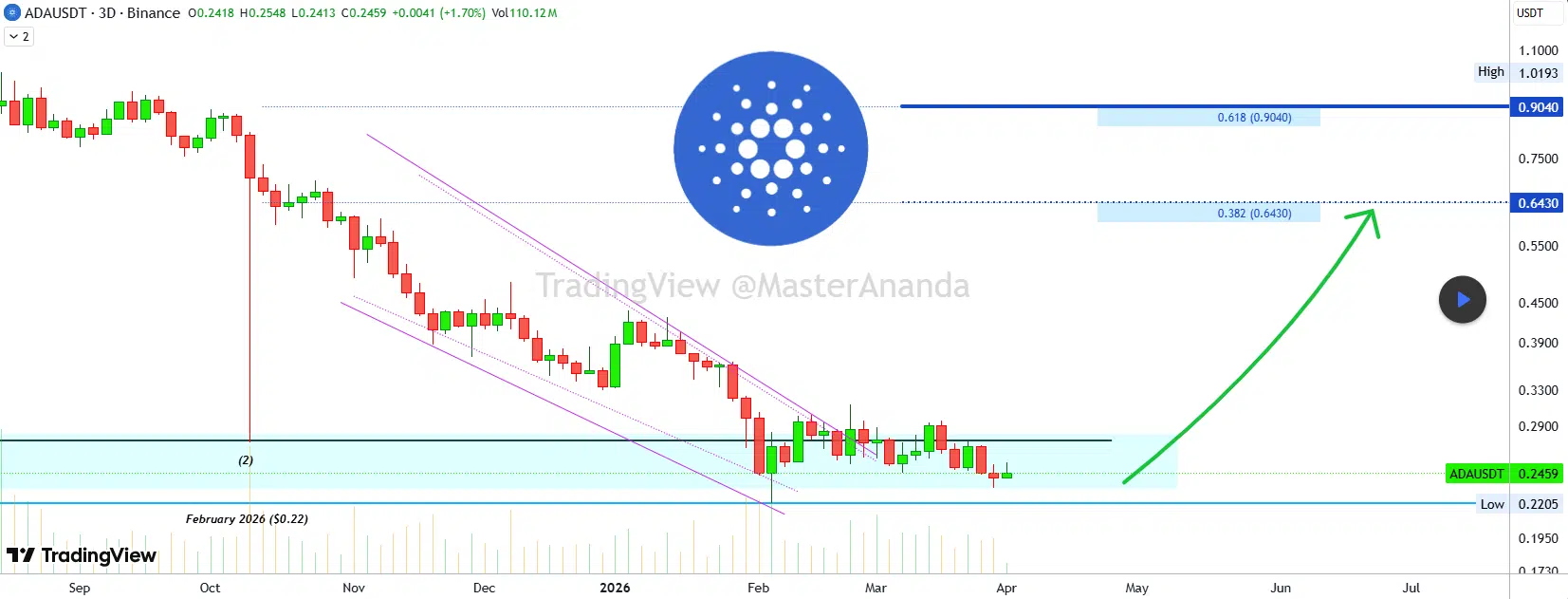
His technical framework projects the 0.382 Fibonacci retracement zone at $0.643 and the 0.618 extension level at $0.904. He further noted potential for continuation toward $1.05.
MasterAnanda proposed a leveraged long position at 10x with 5% portfolio allocation, targeting entries within the $0.2050 to $0.2500 range. Risk management includes a stop loss trigger on any weekly candle close beneath $0.2230. Successfully reaching the maximum target would generate returns exceeding 3,270%.
Critical Resistance Zones Ahead
Looking at overhead barriers, $0.27 represents the nearest resistance threshold. The $0.33 level serves as the decisive breakout point. Sustained movement above this zone would clear the pathway toward the $0.40–$0.50 range.
Should Cardano fail to defend the $0.23 support threshold, the current accumulation thesis would be invalidated, opening the door for additional downside movement.
Bitcoin has demonstrated relative strength, recovering from below $65,000 to trade above $68,000 in recent sessions. Ethereum successfully recaptured the $2,100 level before experiencing a modest pullback while maintaining ground above $2,000. This broader market stability provides a constructive backdrop for ADA’s price action.
As of publication, ADA is trading near $0.2357, narrowly above the March 31 intraday low of $0.2342.
Key Takeaways
- New Google research indicates quantum computers may break Bitcoin’s encryption in less than 9 minutes
- Approximately 6.5 million BTC remain exposed in addresses susceptible to quantum attacks
- Multiple solutions are under development, including BIP 360, SPHINCS+, and commit/reveal protocols
- Investor Chamath Palihapitiya warns Bitcoin has between 5 and 7 years to address this vulnerability
- While no quantum machine can currently break Bitcoin, experts no longer view the threat as purely theoretical
The rise of quantum computing has emerged as a critical challenge to Bitcoin’s cryptographic foundation, prompting developers to accelerate their defensive strategies. Though today’s quantum computers lack the capability to compromise Bitcoin, fresh research has elevated this concern from academic speculation to an urgent priority for the cryptocurrency community.
Research released by Google this week indicates that a sufficiently advanced quantum computer could compromise Bitcoin’s underlying cryptographic protection in fewer than nine minutes. This timeframe is shorter than the typical interval required for confirming a Bitcoin transaction block. Industry experts project such technology could become reality as soon as 2029.
Roughly 6.5 million bitcoin currently reside in addresses that would be directly vulnerable to quantum attack. Approximately 1.7 million of these coins are stored in legacy address types that have already revealed their public keys through on-chain activity — this includes holdings believed to belong to Bitcoin’s pseudonymous founder, Satoshi Nakamoto.
Bitcoin’s protection framework depends on elliptic curve cryptography. Conventional computing systems would require billions of years to defeat this encryption. A quantum computer, however, could accomplish this feat within minutes by reversing the mathematical operations that connect public keys to their corresponding private keys.
Two primary attack vectors exist for quantum machines. The first involves long-exposure assaults, which target bitcoin that have remained in vulnerable addresses for extended periods. The second approach focuses on short-exposure attacks, intercepting transactions while they await confirmation in the mempool.
Developer Solutions in Progress
BIP 360 proposes eliminating permanent on-chain storage of public keys. This proposal introduces a fresh address structure that provides quantum attackers with no exploitable data. However, this protection applies exclusively to future transactions and cannot safeguard the 1.7 million BTC with already-exposed keys.
SPHINCS+, alternatively designated as SLH-DSA, represents a quantum-resistant signature protocol based on hash functions instead of elliptic curve mathematics. The National Institute of Standards and Technology officially standardized this approach in August 2024. The primary limitation involves signature size — approximately 8 kilobytes compared to Bitcoin’s existing 64-byte signatures — potentially increasing transaction costs significantly.
Tadge Dryja, co-creator of the Lightning Network, has introduced a commit/reveal mechanism. This approach divides transactions into two distinct stages, preventing quantum attackers from stealing funds through fraudulent competing transactions in the mempool. It serves as an interim measure while comprehensive long-term defenses are finalized.
A Critical Timeline
Hunter Beast’s Hourglass V2 proposal specifically addresses the 1.7 million BTC already exposed through revealed public keys. This plan would restrict withdrawals from vulnerable addresses to one bitcoin per block, effectively throttling any potential mass liquidation following a quantum breach. However, portions of the Bitcoin community have voiced opposition, contending that such limitations contradict fundamental principles regarding unrestricted spending rights.
On the All-In podcast, venture capitalist Chamath Palihapitiya noted that projections for viable quantum threats have compressed from 25 years down to just seven. He cautioned that non-governmental entities would likely target Bitcoin initially, extracting value before triggering a market collapse.
None of these protective measures have been implemented yet. Bitcoin’s decentralized governance structure demands consensus among developers, mining operations, and node operators before any protocol upgrade can take effect.
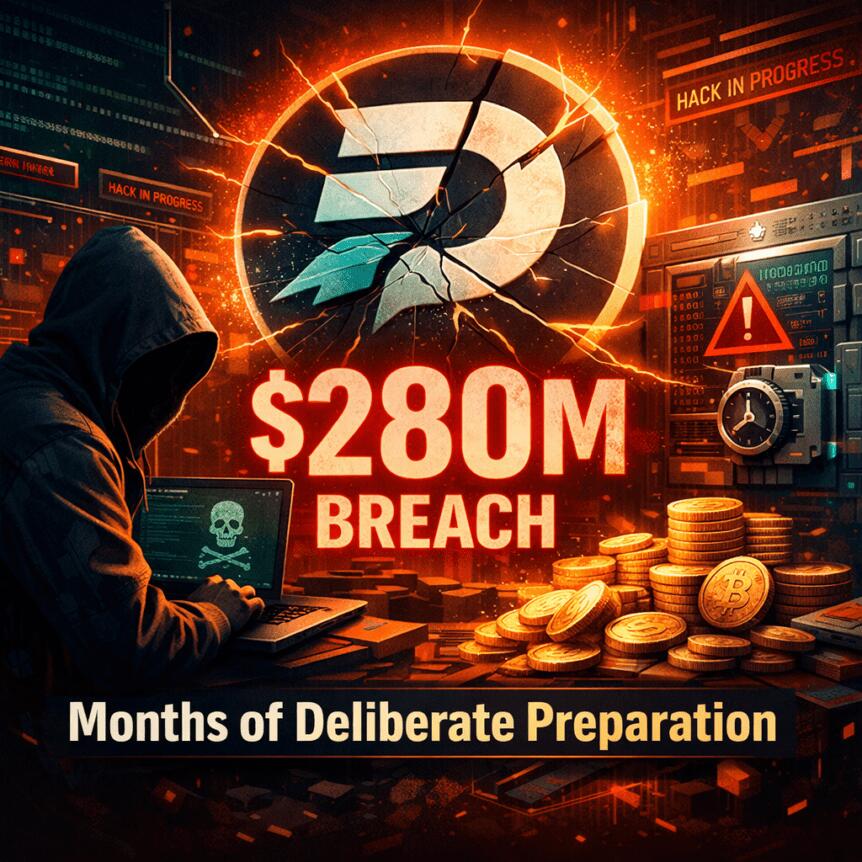
Drift Protocol, the decentralized exchange, says its latest breach was not a random incident but a six-month, highly coordinated operation carried out by a structured network of threat actors. The firm’s preliminary assessment describes the attack as an intelligence-style campaign that required organizational backing, substantial resources, and months of deliberate preparation. External estimates put the losses at roughly $280 million.
Drift traced the plan to October 2025, when attackers posing as a quantitative trading firm approached Drift contributors at a major crypto conference and signaled an interest in integrating with the protocol. Over the next six months, the group engaged Drift contributors in person at multiple industry events. Drift described the approach as targeted: individuals from the group appeared technically fluent, held verifiable professional backgrounds, and were familiar with how Drift operated. The attackers leveraged in-person meetings to build trust, then used shared link-based payloads and tools to compromise contributors’ devices, enabling the exploit before wiping their tracks.
Key takeaways
- The Drift Protocol breach is described as a six-month, coordinated operation with an external loss estimate near $280 million.
- The investigation points to an in-person, conference-era recruitment drive, beginning around October 2025, aimed at Drift contributors.
- Attackers obtained access through compromised devices via malicious links and tools, then removed any trace of their activity after execution.
- Drift asserts a possible link to the October 2024 Radiant Capital hack, suggesting the same actors may be involved, though attribution remains nuanced.
- Radiant Capital described the 2024 incident as malware delivered via Telegram from a North Korea-aligned hacker posing as an ex-contractor; Drift cautions that the individuals seen in person were not North Korean nationals.
- The case underscores ongoing security risks at crypto conferences and the need for heightened diligence when engaging with external collaborators.
Unfolding timeline: from conference curiosity to exploit
Drift’s account indicates the attackers began their engagement at a prominent industry gathering, presenting themselves as potential integration partners rather than outright attackers. Over the following months, the group met Drift contributors at several events, carefully building relationships and demonstrating a credible technical understanding of Drift’s operations. This phase helped the attackers gain access to internal channels and trusted communications, which then became the conduit for the exploit itself.
According to Drift, the operation was deliberately structured, with organized backing and resources that allowed the attackers to maintain a long-running campaign. The attackers eventually deployed malicious tooling and links through the compromised devices of Drift contributors, enabling the breach. After the exploit, the intruders reportedly erased their digital footprints, complicating the incident response and forensic work for Drift and its partners.
The breach serves as a sobering reminder to participants in the crypto space: even face-to-face interactions at conferences—often seen as networking opportunities—can be leveraged as vectors for sophisticated, well-resourced threat actors. The dynamic underscores the importance of strict device hygiene, layered security practices, and cautious third-party collaboration in a sector where trust fabric is tightly woven with interoperability.
Radiant Capital link: a potential throughline, with important caveats
Drift said it has high to medium-high confidence that the same group behind the October 2024 Radiant Capital hack may be connected to the Drift incident. The Radiant Capital breach was disclosed in December 2024, with the firm describing the intrusion as malware delivered via Telegram by a North Korea-aligned actor posing as an ex-contractor. In that case, a ZIP file shared for feedback among developers allegedly delivered the malware that enabled the intrusion.
Drift emphasized that the individuals who appeared in person at conferences were not North Korean nationals. The company also noted that DPRK-linked threat actors are known to use third-party intermediaries to conduct face-to-face relationship-building, a pattern observed in other cases as well. The connection remains a matter of ongoing investigation, and attribution in complex cyber incidents often evolves as new evidence comes to light.
For context, Radiant Capital’s incident highlighted how social engineering and remote payloads can converge with in-person trust-building to breach even sophisticated systems. The convergence of these narratives—conference-based recruitment, malware delivered through compromised devices, and links to prior high-profile hacks—will be scrutinized by investigators as they piece together the full chain of events surrounding Drift’s breach.
Ongoing investigation and industry implications
Drift said it is cooperating with law enforcement and other industry participants to assemble a complete picture of what happened during the April 1 attack. The company’s disclosure underscores the continuing need for cross-industry collaboration in threat intelligence, incident response, and post-breach forensics. While Drift has not disclosed all technical specifics of the compromise, the emphasis on a prolonged, coordinated effort points to a level of sophistication that extends beyond opportunistic intrusions.
For investors and builders in the DeFi space, the Drift incident reinforces several practical takeaways. First, even long-standing contributors and trusted relationships are not immune to manipulation when attackers blend in-person tactics with technical exploits. Second, attribution in sophisticated campaigns can be ambiguous, requiring careful, evidence-based reviews rather than premature conclusions. Finally, the episode highlights the ongoing need for robust security architectures that can detect and contain multi-stage intrusions, including compromised credentials, device-level footholds, and post-exploitation traces.
As the investigation unfolds, readers should watch for any updates on the attackers’ methods, new indicators of compromise, and any programmatic shifts in how Drift and other protocols approach contributor onboarding, partner integrations, and incident response playbooks. The convergence of a multi-month, conference-based approach with a potential linkage to previous high-profile breaches emphasizes a broader risk landscape facing decentralized platforms as they scale and collaborate across the ecosystem.
What remains uncertain is the full extent of the breach’s impact on Drift’s users and liquidity, how rapidly the platform will recover operationally, and whether additional cases of attribution will reshape the understanding of threat actor patterns in the DeFi space. The coming weeks will be pivotal for both transparency and security posture in an industry that increasingly relies on open collaboration and cross-border partnerships to innovate.
Looking ahead, market participants will want to monitor updates from Drift and related security researchers for any new findings about actors, tooling, and the broader implications for DeFi governance, risk management, and conference-based collaboration practices.
TLDR:
- Tether is targeting a $500 billion valuation, but investor demand may not meet expectations.
- The firm could delay its funding round if commitments fall short of its set threshold.
- Some investors are cautious about backing a deal larger than most U.S. banks.
- Market conditions continue to influence investor appetite for large-scale crypto funding deals.
Tether is seeking investor commitments for a new funding round at a $500 billion valuation, but may delay the process if demand remains limited. The proposed figure has drawn caution, as some investors question the scale of the target.
Investor Hesitation Emerges Over Valuation Target
A recent update shared by Coin Bureau on X brought attention to Tether’s fundraising stance. The post stated that the firm may postpone its round if investor appetite does not meet expectations.
The reported $500 billion valuation has triggered hesitation among potential backers. Many investors are weighing the size of the deal against current market conditions. The figure would place Tether among the largest financial entities globally.
Some participants in the market see the valuation as aggressive. Others remain cautious due to comparisons with established U.S. banks. The scale of the raise introduces questions about pricing and long-term positioning.
At the same time, Tether appears firm on its expectations. The company is reportedly seeking strong commitments before proceeding further. If demand fails to align, a delay remains a likely option.
Market Conditions Shape Fundraising Outlook
Investor sentiment continues to play a key role in shaping the outcome of this funding effort. Current conditions have led many firms to reassess large capital commitments. This environment affects both pricing and timing for major raises.
The size of the proposed valuation places Tether in a unique category. It would surpass most traditional financial institutions in market worth. As a result, investors are applying stricter scrutiny to the deal structure.
Meanwhile, the possibility of a delay suggests flexibility in Tether’s approach. The company appears willing to wait for stronger demand rather than adjust its valuation target. This stance reflects confidence, yet it also introduces uncertainty around timelines.
The update has added visibility to the situation. It has also sparked broader discussion across the crypto sector. Market participants continue to monitor whether investor demand will align with Tether’s expectations.
As discussions progress, attention remains on whether the funding round proceeds as planned. The outcome will depend on investor participation and acceptance of the proposed valuation. For now, the process remains open, with timing still uncertain.
Crypto World
Bitcoin (BTC) Tumbles on Geopolitical Tensions While Quantum Computing Threat Looms Large
Key Highlights
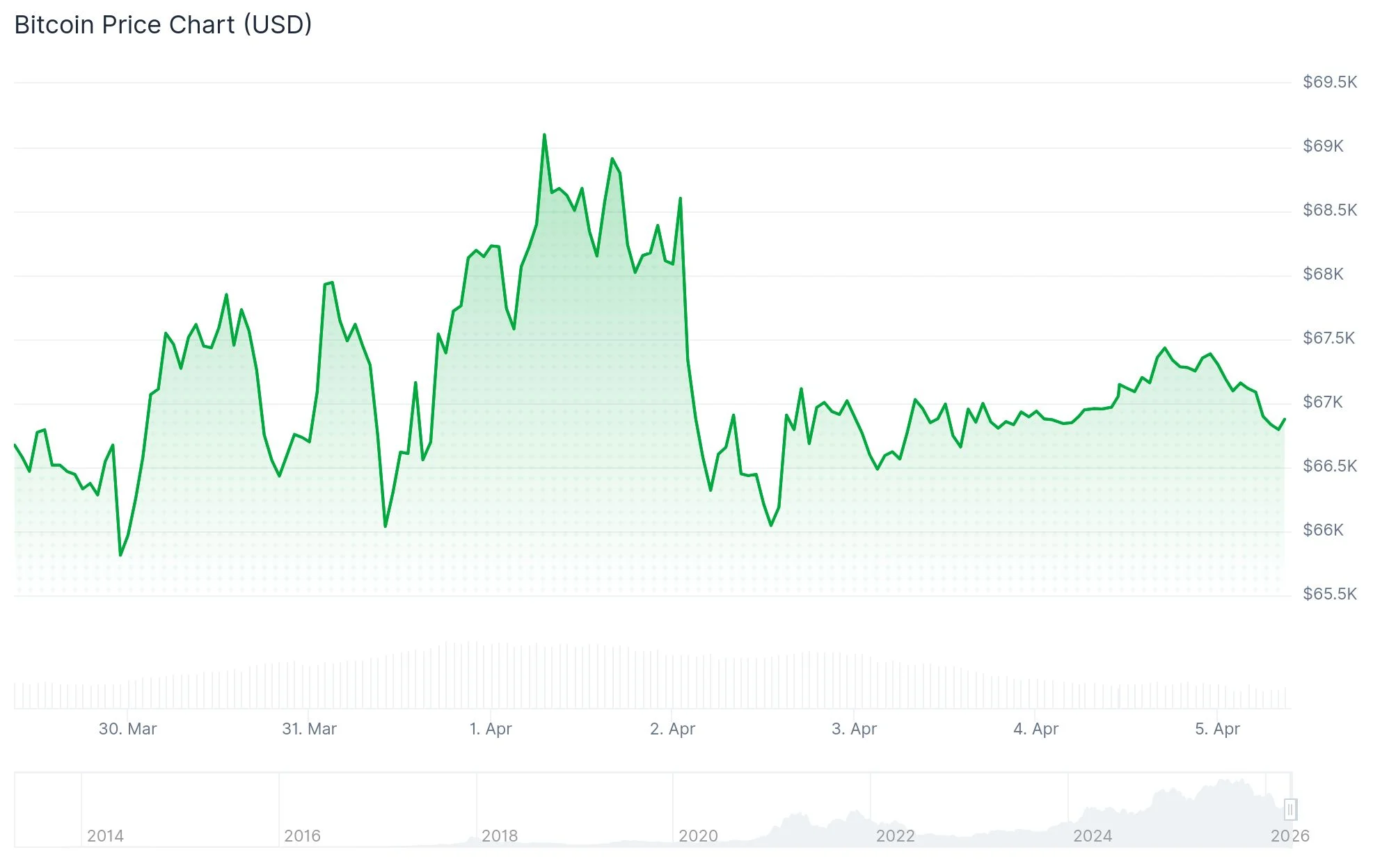
- Bitcoin slipped beneath $66,000 following Trump’s aggressive rhetoric toward Iran, triggering $440M in crypto market liquidations
- Research connected to Google suggests quantum computers may compromise Bitcoin wallets in less than 9 minutes
- Japanese firm Metaplanet acquired 5,075 BTC during Q1 2026, pushing total reserves to 40,177 BTC
- Coinbase secured conditional national trust charter from the OCC for expanded institutional custody operations
- The Ethereum Foundation executed its largest-ever single staking transaction with 22,517 ETH valued at approximately $46M
Bitcoin experienced significant downward pressure throughout the week. Following President Trump’s aggressive statements threatening to send Iran “back to the stone age,” cryptocurrency markets swiftly entered risk-off territory. Bitcoin descended below the $66,000 threshold, with the broader digital asset market shedding $440 million in value within hours. Simultaneously, crude oil climbed toward $120 per barrel as investors repositioned portfolios defensively.
Dogecoin experienced a 4.1% decline during the same market retreat. One significant holder withdrew $83 million from Bithumb exchange amid the volatility. XRP remained relatively unchanged around $1.33, sitting 45% beneath its peak from January, while March witnessed $31 million in outflows from spot ETF products.
Solana changed hands at $83, representing a 72% drawdown from its January 2025 zenith. Market observers have identified potential downside targets at $74 and potentially $50. Nevertheless, institutional liquidity provider B2C2 designated Solana as its principal stablecoin infrastructure, while the blockchain maintained its position as the leading network for decentralized exchange volume for seven consecutive months.
Iran Geopolitical Crisis Pushes Bitcoin Below Critical $66,000 Level
President Trump’s incendiary comments about sending Iran “back to the stone age” delivered a substantial blow to cryptocurrency valuations. Bitcoin surrendered previous session gains and broke through the $66,000 support level, with digital asset markets collectively hemorrhaging $440 million in rapid succession.
Geopolitical instability has been mounting throughout recent weeks. With crude oil prices nearing $120 per barrel, both cryptocurrency and equity investors have adopted defensive positioning across portfolios.
The liquidation cascade impacted virtually all major digital currencies. Dogecoin shed 4.1%, while XRP remained anchored near $1.33, a level maintained since February. Technical analysts are monitoring $1.12 as the next potential support threshold for XRP.
Quantum Computing Research Raises Alarm Over Bitcoin Security Vulnerabilities
A research paper associated with Google’s quantum computing division generated significant attention across the crypto community. The study calculated that sufficiently advanced quantum systems could theoretically compromise Bitcoin wallet encryption in approximately nine minutes—marginally faster than Bitcoin’s standard 10-minute block confirmation interval.
Existing quantum technology remains orders of magnitude away from achieving this capability. However, the findings have accelerated development timelines for quantum-resistant cryptographic protocols within the Bitcoin ecosystem.
Additionally, a Bitcoin address inactive since May 2014 transferred 500 BTC through five separate transactions this week. Several market observers speculated the owner might be migrating assets to enhanced quantum-resistant security infrastructure, although no official confirmation exists.
Metaplanet Accumulates Another 5,075 BTC During First Quarter
Metaplanet, Japan’s premier corporate Bitcoin accumulator, purchased 5,075 Bitcoin throughout Q1 2026. The company’s aggregate holdings have reached 40,177 BTC.
The organization has grown from zero Bitcoin holdings to exceeding 40,000 coins in fewer than 24 months. Metaplanet’s Bitcoin-per-share metric has consistently appreciated throughout this period, independent of equity price fluctuations.
Metaplanet’s acquisition program persists despite Bitcoin trading substantially below historical peak valuations. Company leadership has provided no indication of moderating its accumulation trajectory.
Coinbase Receives Preliminary OCC National Trust Approval
Coinbase obtained conditional authorization from the Office of the Comptroller of the Currency for a national trust company charter. This approval positions Coinbase alongside Ripple and Circle, which have secured comparable regulatory authorizations.
The charter framework designates a non-insured national trust company structure. Consequently, Coinbase will neither accept consumer deposits nor originate lending products. Authorized activities encompass custody solutions, staking infrastructure, and fiduciary services targeting institutional clientele.
Conditional status indicates the regulatory process remains incomplete. Nevertheless, this development represents meaningful progress toward Coinbase integration within the federal banking regulatory architecture.
Ethereum Foundation Executes Record-Breaking Staking Deposit
The Ethereum Foundation deposited 22,517 ETH into staking contracts this week, representing approximately $46 million at prevailing market rates. This transaction constitutes the Foundation’s largest individual staking commitment to date.
The transaction advances a comprehensive initiative to stake up to 70,000 ETH cumulatively. The Foundation approaches this strategic threshold.
Separately, BlackRock advanced preparations for launching a Bitcoin income ETF under the ticker BITA, submitting an updated filing with the SEC. The investment vehicle aims to generate yield while maintaining Bitcoin price correlation.

Lamb Prices Hit Record High as Easter and Eid Collide
Trump Coins Rally Following Rumors of the President’s Health

Radcliffe property targeted in suspected arson attack


-

 NewsBeat3 days ago
Steven Gerrard disagrees with Gary Neville over ‘shock’ Chelsea and Arsenal claim | Football
-

 Business2 days ago
No Jackpot Winner and $194 Million Prize Rolls Over
-

 Fashion2 days ago
Weekend Open Thread: Spanx – Corporette.com
-
Entertainment6 days ago
Fans slam 'heartbreaking' Barbie Dream Fest convention debacle with 'cardboard cutout' experience
-

 Crypto World4 days ago
Gold Price Prediction: Worst Month in 17 Years fo Save Haven Rock
-

 Tech6 days ago
The Pixel 10a doesn’t have a camera bump, and it’s great
-
Crypto World5 days ago
Dems press CFTC, ethics board on prediction-market insider trades
-

 Tech6 days ago
Avatar Legends: The Fighting Game comes out in July and it looks pretty slick
-

 Business3 days ago
Login and Checkout Issues Spark Merchant Frustration
-

 Sports13 hours ago
India men’s 4x400m and mixed 4x100m relay teams register big progress | Other Sports News
-

 Tech6 days ago
Apple will hide your email address from apps and websites, but not cops
-

 Sports5 days ago
Tallest college basketball player ever, standing at 7-foot-9, entering transfer portal
-

 Tech5 days ago
EE TV is using AI to help you find something to watch
-

 Politics6 days ago
Should Trump Be Scared Strait?
-

 Tech5 days ago
Flipsnack and the shift toward motion-first business content with living visuals
-

 Tech7 days ago
Elon Musk’s last co-founder reportedly leaves xAI
-

 Fashion6 days ago
The Best Spring Trends of 2026
-

 Tech5 days ago
How to back up your iPhone & iPad to your Mac before something goes wrong
-
Crypto World6 days ago
Bitcoin’s Six-Month Losing Streak: What On-Chain Data Says About the Market’s Next Move
-

 Politics6 days ago
BBC slammed for ignoring author of The Fraud
You must be logged in to post a comment Login