
Crypto World
Arthur Hayes: Japan Yen Fix Could Fuel Bitcoin and Ethereum Rally

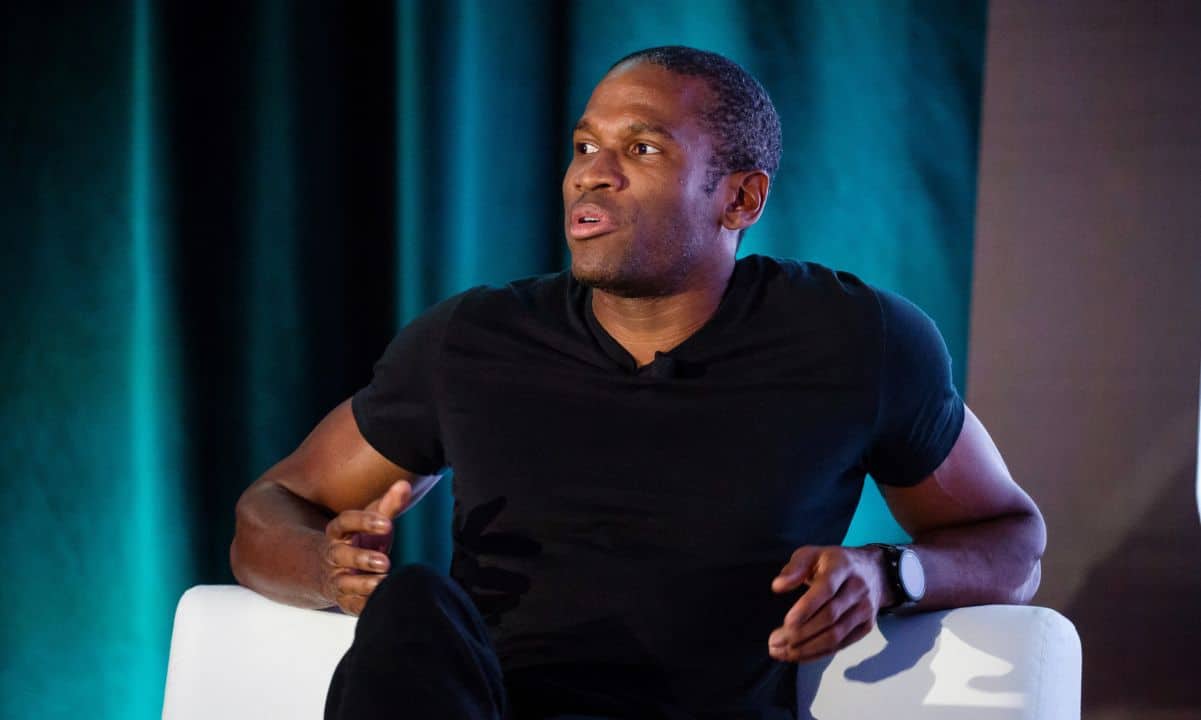
Arthur Hayes published a new essay this week arguing that the US Treasury and Japan’s Ministry of Finance have settled on a single method to strengthen the yen: running newly printed dollars through the Federal Reserve’s currency swap facility.
Hayes says the mechanics point to a wave of dollar liquidity hitting the global markets, and he’s positioning Bitcoin (BTC), gold, and Ethereum (ETH) to catch the bulk of it.
The Plan, and Why Hayes Says It’s the Only One That Works
Hayes lays out three ways Japan could push the yen higher. The Bank of Japan could raise rates aggressively, but doing so would deepen losses on its own mountain of low-yield bonds and raise Tokyo’s debt service costs.
Japan could also lean on institutions like the pension fund GPIF to sell foreign assets and buy domestic ones, but that would turn one of the largest holders of US Treasuries into a seller, something Washington can’t stomach given how dependent American markets are on that demand.
The third option, which Hayes calls the preferred one, works differently. The MOF would repo its Treasury holdings to the Fed through the FIMA facility in exchange for dollars, then sell those dollars to buy yen in the open market.
The catch now is size. The facility caps each counterparty’s outstanding loan at $60 billion, and a recent joint intervention burned through more than $100 billion while only pushing the yen up 5% for a few trading days. Removing that cap and adding counterparties like GPIF would change the math. Between Japan’s government and GPIF, Hayes counts $1.373 trillion in Treasury holdings that could theoretically flow through the facility, a number he compares to the roughly $4 trillion the Fed printed during COVID.
Hayes frames the outcome bluntly. “The more they print, the higher Bitcoin goes,” he wrote, adding that he’d rather see the liquidity land in Bitcoin and gold than in AI infrastructure spending he considers wasteful.
Among altcoins, he singled out ETH as undervalued relative to other majors and named Ethena’s ENA token as a smaller bet he thinks could still multiply several times over.
The Yen Backdrop Driving the Bet
Hayes’s essay follows weeks of analysts flagging the same currency pressure from different angles. After the Bank of Japan held rates at 1% in late July, EGRAG CRYPTO warned that Japan is approaching one of the most dangerous monetary crossroads in modern financial history, cautioning that unwinding yen-funded trades could force selling across stocks, bonds, and Bitcoin alike.
That came weeks after the yen fell to its weakest level against the dollar since 1986, a move Spot On Chain’s Hupzy said would keep supporting crypto as long as the macro tailwind from currency depreciation persists until the rate differential narrows.
The post Arthur Hayes: Japan Yen Fix Could Fuel Bitcoin and Ethereum Rally appeared first on CryptoPotato.

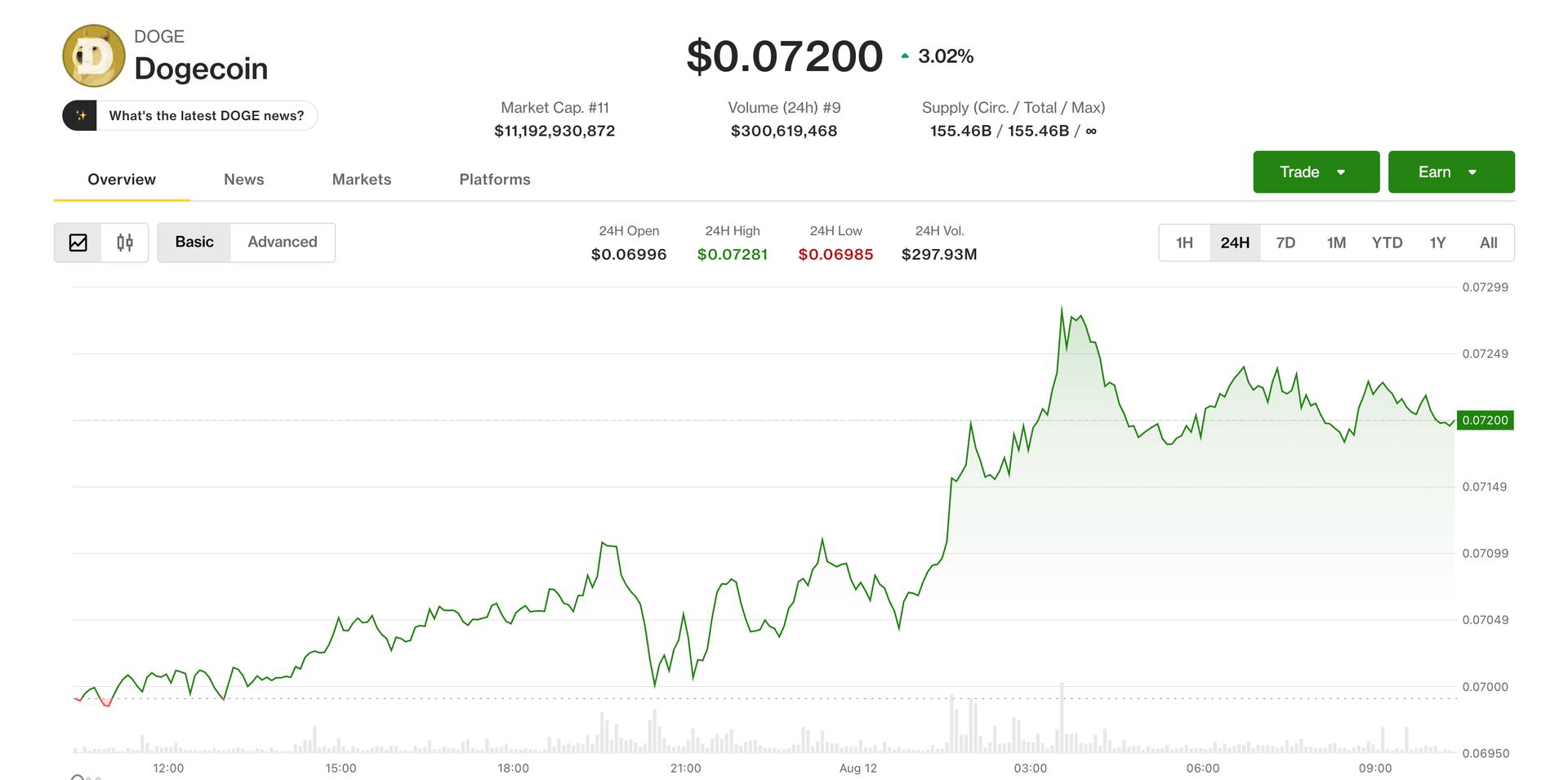
CoreWeave surged 16% after hours on stronger-than-expected sales growth, and Super Micro Computer rose almost 8% on a revenue forecast above estimates, lifting Nasdaq 100 futures.
Oil kept climbing. Brent rose over 1% to $90 a barrel, a sixth straight session of gains and its longest run since April, with traders still doubtful about a Middle East deal.
Jeff Mei, chief operating officer at BTSE, said the week’s direction rests on the inflation print and on whether Iran and the U.S. reach a deal over the Strait of Hormuz.
“Last week’s US job numbers were weak — a continuing narrative supporting this trend and lower inflation would cement expectations for Fed cuts by year-end, boosting liquidity and risk assets like Bitcoin,” Mei said.
“Traders should watch for any hawkish pushback from Fed speakers, but the macro setup could lead to a relief rally if this week’s CPI numbers are lower than expected,” he added.
July inflation data is due at 8:30 a.m. ET, with oil’s run feeding directly into it.
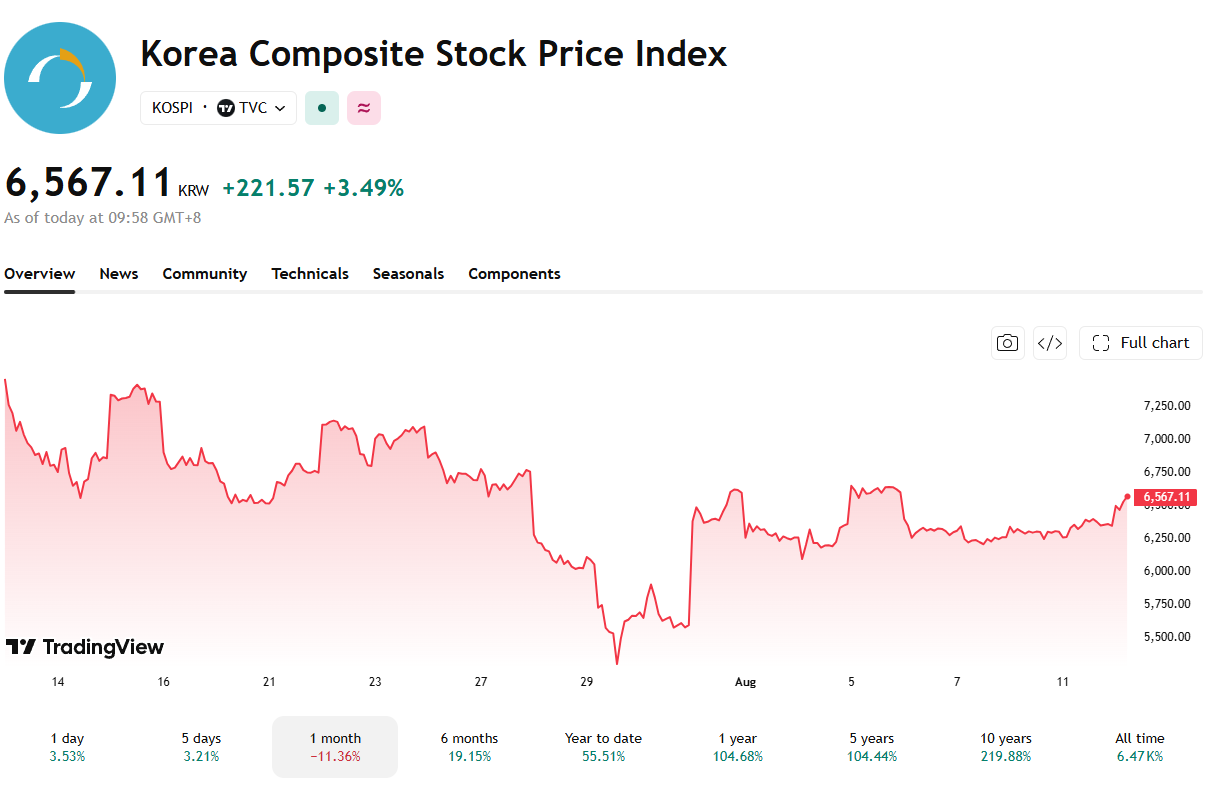
HLB, SPG, and Peptron have each surged more than 50% over the past month on the KOSDAQ, South Korea’s secondary stock exchange for small and mid-cap firms. The rally comes even as the KOSPI, Korea’s main index, struggles to recover from a historic crash.
Regulators tightened rules on leveraged exchange-traded funds (ETFs) in late July, and a global AI-driven selloff hit chipmakers. Both forces pulled money out of KOSPI heavyweights and into smaller KOSDAQ names.
KOSPI’s Rough Month
The KOSPI fell 22% in July, one of its largest monthly drops on record, after tumbling as much as 34% from a July 22 record high before a nearly 18% single-day rally on the final trading day cut the losses.
Regulators blamed single-stock leveraged ETFs tracking Samsung Electronics and SK Hynix for the swings. They raised the minimum cash deposit for trading those products from 10 million won to 30 million won.

Trading in the affected ETFs has since collapsed by as much as 93%. However, the KOSDAQ small-cap rally followed instead of a calmer market. The KOSDAQ notched five straight gaining sessions through August 6, even as the KOSPI kept swinging.
A separate AI-linked selloff has weighed on KOSPI heavyweights. On July 28, SK Hynix closed 14.65% lower and Samsung Electronics dropped more than 13% on fears that AI infrastructure spending was peaking. Micron’s 39% plunge added to the pressure on Korean memory makers.

Why the Three Stocks Are Rallying
HLB’s rally follows its cancer drug rivoceranib. The Food and Drug Administration (FDA) rejected the drug for a third time on July 13, citing manufacturing concerns at a partner’s Chinese plant. Two days later, the FDA cleared that facility, sparking a single-day surge of nearly 30%.
SPG, a motor and precision-reducer maker, is rallying on its push into humanoid robot actuators. IBK Securities has called it the only Korean firm with a full lineup of humanoid-grade precision reducers. SPG already supplies Rainbow Robotics and is in early talks with US firms.
Peptron jumped on August 3 on obesity-drug supply chain speculation. Investors bet Korean manufacturers could handle domestic production for Eli Lilly’s once-monthly GLP-1 treatment. No supply contract has been confirmed yet.
Morgan Stanley’s KOSPI upgrade suggests some investors see the crash as a buying opportunity rather than a lasting setback. Whether the KOSDAQ’s rotation trade holds may depend on how quickly the KOSPI stabilizes.
The post 3 KOSDAQ Stocks Surge Over 50% as KOSPI Slumps, AI Stocks Sink appeared first on BeInCrypto.


The Office of the Comptroller of the Currency (OCC) said on Aug. 11 that digital asset companies conducting legally permissible activities should have a route into the U.S. national banking system, as Comptroller Jonathan V. Gould renewed the agency’s push to revive new bank formation.
Summary
- OCC received 40 de novo applications during 18 months, including applications for national trust banks.
- Digital asset firms conducting legally permissible activities should have bank pathways, Comptroller Jonathan Gould said.
- OCC currently lists 13 pending digital asset licensing applications, including Payward, Revolut and World Liberty.
- FDIC’s new two phase review targets contingent authorization within 120 days for new insurance applications.
- OCC denied Wise National Trust’s charter application July 21, showing approvals remain subject to review.
Gould said in the OCC release that the regulator received 40 de novo applications over the past 18 months, including national trust bank applications, and has decided many complete applications within 120 days. He added that “America and the OCC are once again open for business.” The statement followed the FDIC’s Aug. 10 announcement of a new review system for deposit insurance applications.
OCC crypto bank charter pipeline has 13 pending applications
The OCC’s current digital asset licensing list contains 13 pending applications from entities planning to offer crypto or other digital asset products. They include Payward National Trust Company, World Liberty Trust Company, Revolut Bank US, PAYO Digital Bank, EDX Trust, Agora National Trust Bank and Dakota National Trust Bank. Dakota’s July 28 filing is the newest currently listed.
Several large crypto companies have already moved further through the process. The OCC conditionally approved applications involving Circle, Ripple, BitGo, Fidelity Digital Assets and Paxos in December 2025. Coinbase received preliminary conditional approval in April. OCC records show Circle’s First National Digital Currency Bank became effective July 10.
The path is not automatic. OCC records show Wise National Trust’s application was denied on July 21. The decision offers a counterpoint to claims that the regulator is simply opening federal charters to every new entrant.
As crypto.news reported, in its recent crypto charter coverage, major banking groups have questioned how broadly the OCC can use national trust charters for crypto companies.
FDIC reform creates a faster route for insured new banks
The FDIC’s new process applies to federal deposit insurance applications received after Aug. 15. Phase one begins when an application arrives and aims for contingent authorization within 120 days. Phase two can run for up to 12 months while organizers complete requirements for final approval and a deposit insurance order.
The change primarily matters to new institutions seeking insured deposits. Many digital asset companies pursuing national trust bank charters follow a different structure and do not seek FDIC insured deposits. Gould nevertheless said the FDIC reform supports the OCC’s broader effort to reverse the decline in new bank formation. The OCC received fewer than four charter applications annually on average from 2011 through 2014.
The OCC also adopted a chartering rule effective April 1 that replaced references to “fiduciary activities” with “operations of a trust company and activities related thereto.” The OCC said the change neither expands nor contracts its chartering authority.
Crypto bank charters remain a Washington policy fight
The expansion has faced resistance from lawmakers and banking groups. Sen. Elizabeth Warren has questioned whether some crypto trust charters exceed the National Bank Act’s limits. As crypto.news reported in Warren’s OCC charter challenge, she has pressed Gould to explain the legal basis used to approve digital asset applicants.
The Bank Policy Institute has also challenged individual applications. Its June comment on Payward asked the OCC to examine capital and liquidity support, affiliate transactions, resolution planning and whether proposed activities fall within national trust bank powers.
The dispute matters because a national trust charter can place crypto custody, settlement and other permitted services under one federal supervisor rather than a patchwork of state regimes. The precise activities available still depend on the charter, regulatory conditions and other applicable laws. The OCC’s April rule says the agency’s underlying charter authority was not expanded.
What happens next for OCC crypto bank charters
Gould’s latest statement indicates that the OCC intends to keep accepting applications from digital asset businesses rather than impose a blanket exclusion. Applicants must still satisfy regulatory, financial, management and supervisory requirements before receiving final authorization. Conditional approval alone does not permit a proposed bank to begin business.
Attention now turns to the 13 pending digital asset applications and firms that already hold conditional approvals. The FDIC’s two phase process begins applying to new insurance applications after Aug. 15. Further OCC approvals, denials or any formal legal challenge from industry groups could determine how quickly more crypto companies gain a federal banking foothold.
Crypto World
Trump and the Republican Party Backed Competing Candidates in Minnesota’s Governor Primary. Both Fell Short
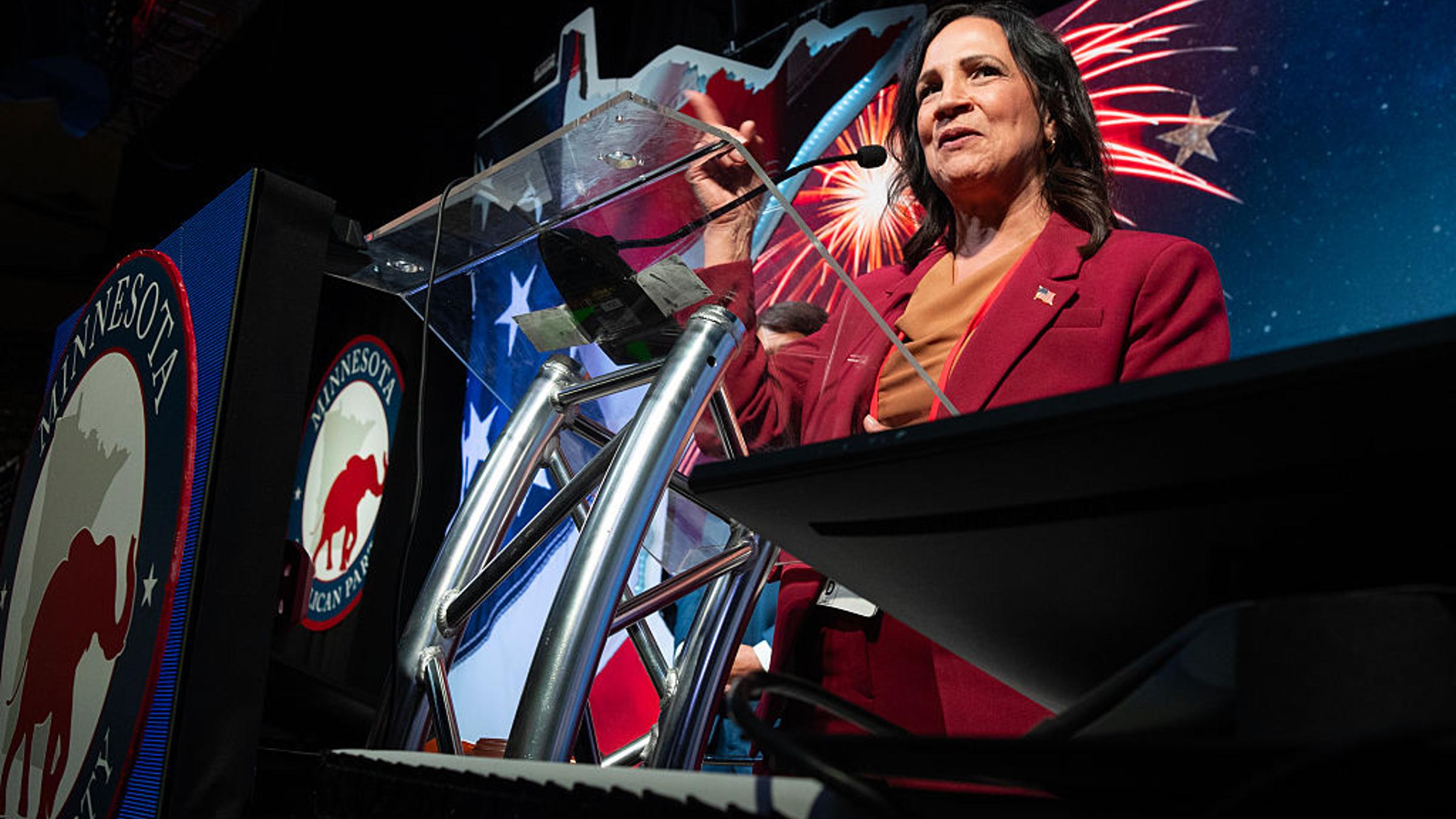
Trump has never won Minnesota in any of his three presidential runs, but Lindell, who appeared to open a lead in the polls in recent weeks, touted the President’s endorsement days before the election.
“I have an advantage over everyone up here,” Lindell said at an event on Sunday. “I can call up and work with the President of the United States.”
The former CEO, like Trump, has vocally denied the results of the 2020 presidential election, which Trump lost to Joe Biden. Lindell has faced defamation suits over comments he made related voting machines, some of which are ongoing. Last June, he was ordered to pay $2.3 million to a Dominion Voting Systems executive after a jury found that he spread false and damaging claims related to the 2020 election.
Prior to that election, Lindell had also become known for his MyPillow advertisements and his self-published memoir What Are the Odds? From Crack Addict to CEO, in which he chronicled his experience overcoming substance abuse and gambling. He stepped down as CEO of the pillow company earlier this month to focus on his campaign.
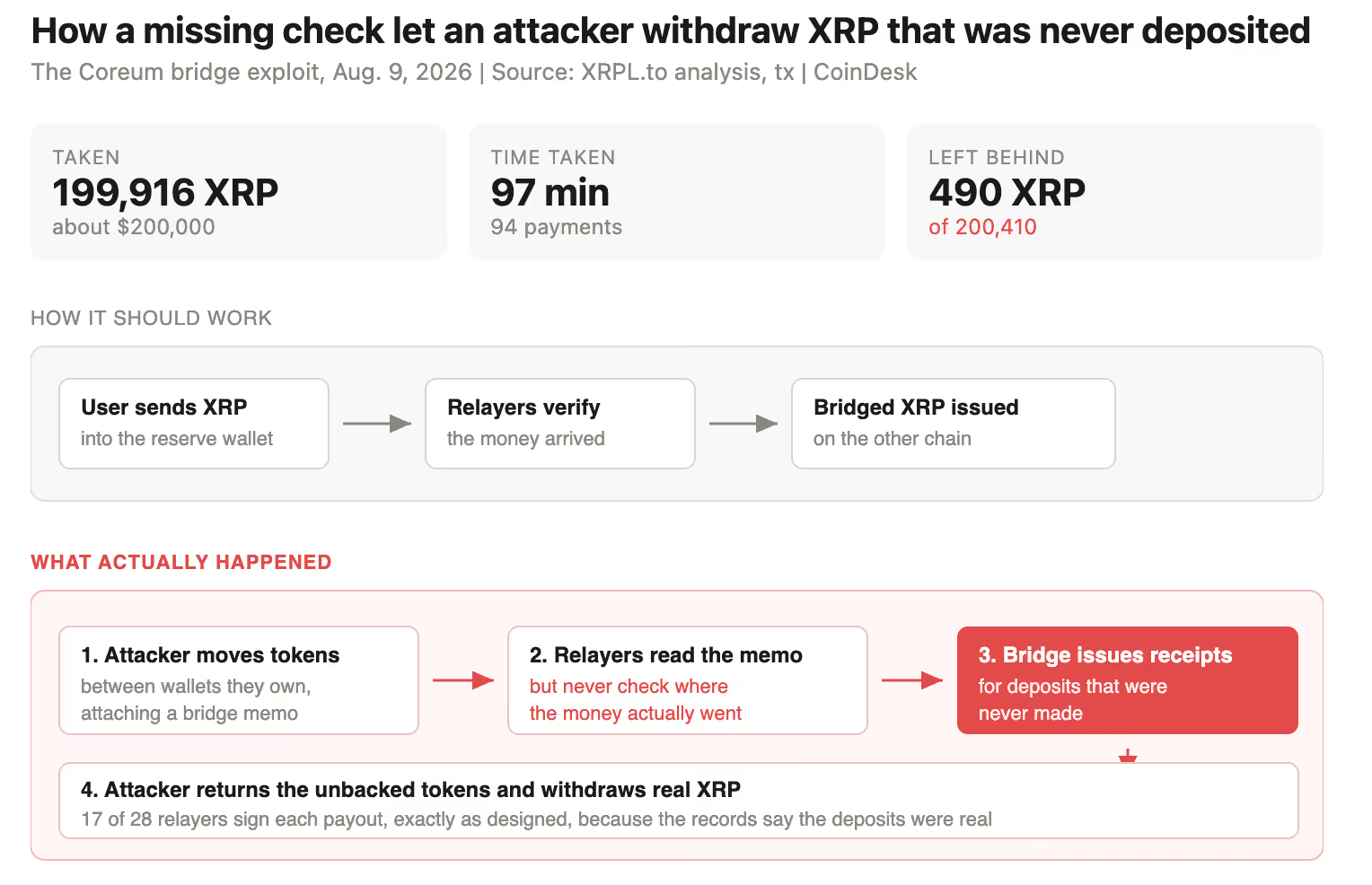
According to tx, the bridge’s software registered transactions as deposits even though they never delivered XRP to the bridge. That gave the attacker bridged XRP on the tx chain without the real XRP that was supposed to back it. Those unbacked tokens then went back through the bridge, and the attacker withdrew real XRP from the reserve.

The drain began at 19:16 UTC. Each payout was authorized by 17 of the bridge’s 28 relayers, a majority signing off exactly as designed, because the bridge’s own records told them the deposits were real.
Relayers are programs that watch both blockchains and approve transfers when the bridge’s records say a withdrawal is owed.
The specific failure sat one layer down, however, as the relayer code processed payments carrying the bridge’s memo without first verifying the destination address.
tx confirmed the deposit-detection flaw in an update, saying the attacker exploited software that incorrectly recognized transactions that delivered no XRP to the reserve.
An update on the XRPL bridge incident.
On August 9, the tx XRPL bridge was exploited and XRP was drained from the bridge’s reserve wallet on the XRP Ledger. The bridge has been halted, the vulnerability has been identified, and all potential remedies are being evaluated. This…
— tx (@txEcosystem) August 11, 2026
The project added it has identified and fixed the vulnerable code, engaged blockchain forensics specialists and filed a complaint with the FBI’s Internet Crime Complaint Center. It has not said how affected holders will be made whole.
Meanwhile, the stolen XRP did not stay put. Onchain tracking shows most of it moved onward within hours through several other addresses.
Nasdaq agreed on Aug. 11 to acquire all equity interests in LeveL Markets LLC, adding one of the largest U.S. alternative trading systems to a broader strategy built around longer trading hours, tokenized securities and digital market infrastructure.
Summary
- Nasdaq agreed to acquire LeveL Markets, the third largest U.S. alternative trading system by volume.
- LeveL reaches more than 2,500 clients and trades across more than 7,000 symbols each day.
- Nasdaq created Digital Liquidity Networks to combine tokenization, liquidity platforms and digital asset technology capabilities.
- The SEC approved Nasdaq tokenized securities rules in March, then longer trading hours during April.
- LeveL will remain FINRA regulated and separately managed after closing, subject to required regulatory approvals.
Financial terms were not disclosed in the company’s release.
The deal comes after two major U.S. regulatory approvals for Nasdaq this year. The SEC approved its tokenized securities rules in March and its plan for 23 hour weekday trading in April. Nasdaq now plans to launch the longer trading schedule on Dec. 6, while the newly created Digital Liquidity Networks unit will bring LeveL into the same organization as its digital asset and tokenization capabilities.
LeveL gives Nasdaq a larger U.S. off exchange foothold
Nasdaq says LeveL is the third largest U.S. ATS by trading volume. The platform processes hundreds of millions of shares each day, trades more than 7,000 symbols and reaches over 2,500 buy side and sell side clients. More than 300 institutional buy side firms use the venue, which connects through more than 15 order and execution management systems.
Nasdaq first acquired a minority interest in LeveL in 2021. LeveL later merged with Luminex in 2022, while its average daily volume increased 56% in 2025. Nasdaq’s move from minority investor to prospective owner gives the exchange operator a larger position in U.S. trading that takes place away from traditional exchange order books.
The structure will not disappear after the purchase. Nasdaq said LeveL will keep its own management team, participant confidentiality and structural separation while remaining a registered ATS under FINRA oversight. Until the transaction closes, both businesses will continue operating independently.
Nasdaq already has SEC approval for 23 hour trading
The U.S. angle extends beyond the acquisition. The SEC granted accelerated approval to Nasdaq’s 23 hour, five day trading proposal on April 10. Under the approved structure, the day session runs from 4 a.m. until 8 p.m. ET, followed by a night session from 9 p.m. until 4 a.m. ET. The intervening hour allows maintenance and corporate action processing.
Nasdaq has set Dec. 6, 2026, as its planned launch date for the expanded hours. The change is intended to give investors in other time zones greater access to U.S. equities and puts a major national exchange into trading periods where ATS operators already compete for orders.
Washington is still examining how far the transition should go. The SEC will hold a Sept. 17 roundtable covering overnight trading, market operations, resiliency and investor safeguards. Chair Paul Atkins said the U.S. is moving toward a market that trades through more of the day and night. As crypto.news reported in its 24 hour trading coverage, regulators are now examining the infrastructure needed to support that shift.
Tokenized securities are moving closer to production
Nasdaq’s digital market strategy is also moving from regulatory approval toward implementation. On March 18, the SEC approved rules allowing eligible securities to trade in tokenized form on Nasdaq. Tokenized and traditional versions can use the same order book and execution priority when they share the same CUSIP, trading symbol and shareholder rights.
The approved framework relies on DTC infrastructure rather than creating a separate pool of synthetic equity exposure. Eligible assets under the pilot include Russell 1000 securities and ETFs tracking major indexes. Trades handled through DTC will continue to settle on a T+1 basis, according to Nasdaq’s regulatory filing.
That infrastructure is approaching another milestone. DTCC processed live production transactions involving DTC tokenized assets on July 15 with more than 30 firms and is targeting October for the Tokenization Service launch. In related DTCC tokenization coverage, crypto.news reported that participants will be able to move eligible securities between traditional records and approved blockchain wallets.
Nasdaq is separately working with Payward, Kraken’s parent company, on an xStocks powered gateway designed to connect regulated equity markets with blockchain networks in eligible jurisdictions. As previously reported in Nasdaq and xStocks partnership coverage, the companies are developing infrastructure linking permissioned markets with blockchain based financial applications.
What happens next for Nasdaq and LeveL Markets
The LeveL acquisition remains subject to customary closing conditions and required regulatory approvals. Nasdaq has not disclosed the purchase price or a target closing date. After completion, LeveL is expected to sit inside Digital Liquidity Networks, led by Roland Chai, who has overseen Nasdaq’s digital assets strategy since early 2026.
Chai said the unit intends to build “programmable, always-on market infrastructure of the future.” That is Nasdaq’s stated objective rather than an existing market structure. The company said DLN will combine liquidity platforms, tokenization capabilities and technology products serving digital asset markets.
Several concrete dates will test that strategy. The SEC’s roundtable is scheduled for Sept. 17. DTCC plans to launch its tokenization service in October. Nasdaq plans to begin 23 hour weekday trading on Dec. 6, while its separate equity token design and related distributed ledger services are expected to begin operating in the first half of 2027.
Those initiatives are separate from the LeveL acquisition and are not disclosed closing conditions for the deal. Together, however, they show Nasdaq directing investment toward off exchange liquidity, longer U.S. trading hours and blockchain based settlement as the structure of American equity markets changes.
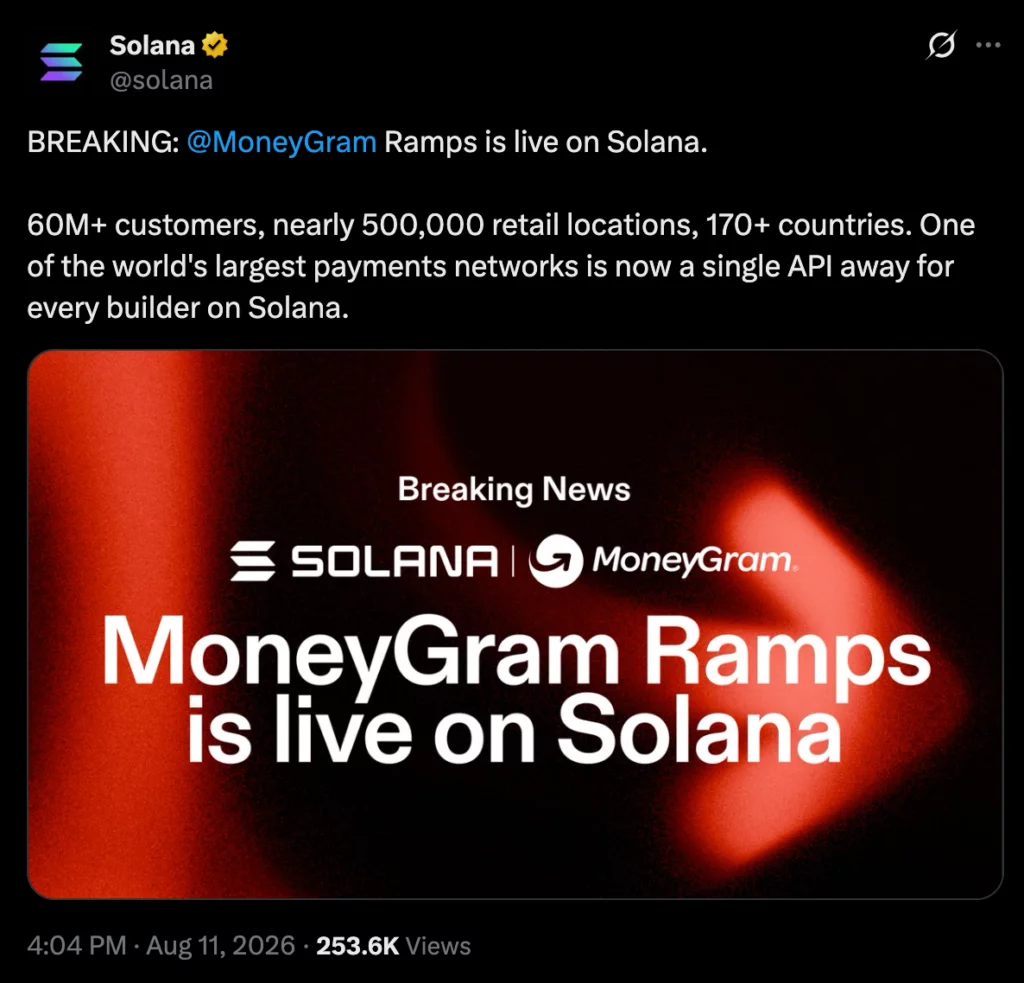
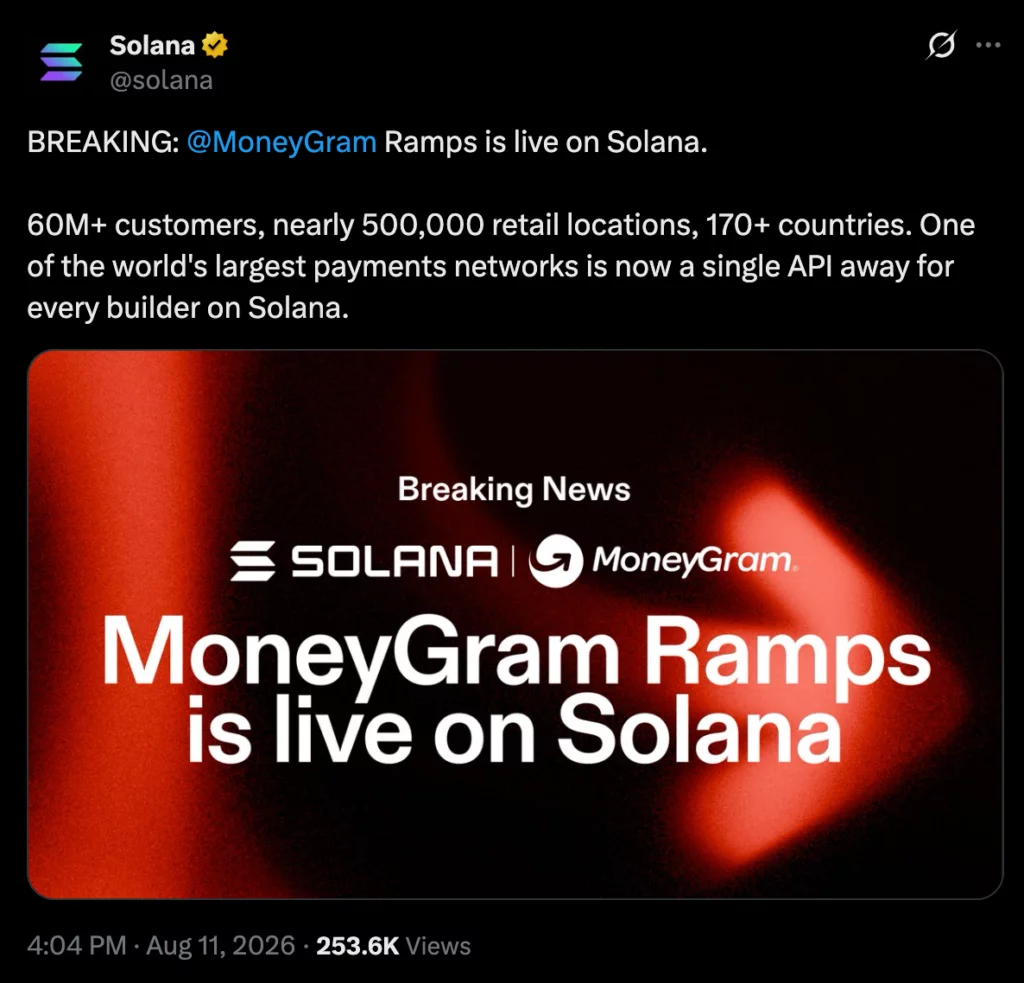
MoneyGram expanded its blockchain payments strategy on Aug. 11 by launching MoneyGram Ramps on Solana, giving wallets, exchanges and developers access to its cash network through one API.
Summary
- MoneyGram Ramps now gives Solana applications cash withdrawals across more than 170 countries and territories.
- Cash deposits are available in over 25 countries through one developer API without banking integrations.
- Rift became the first Solana wallet to integrate MoneyGram Ramps for crypto and local currency.
- MoneyGram already operates a Solana validator after joining the network and developer platform in June.
- U.S. Ramps access excludes Alaska, Louisiana, Hawaii and New York, according to MoneyGram’s product page.
The company’s release says the integration supports cash deposits in more than 25 countries and cash withdrawals in more than 170 countries and territories.
Rift is the first Solana wallet to integrate the service. The launch builds on MoneyGram’s June entry into Solana as a validator and participant in the Solana Developer Platform, extending the relationship from network infrastructure into customer facing payment access.
MoneyGram Ramps gives Solana cash access in 170+ markets
MoneyGram says developers can obtain API credentials, use a sandbox and integrate software development kits without building separate banking connections. Solana has embedded Ramps in the payments module of its Developer Platform, allowing apps to connect onchain activity with MoneyGram’s physical cash network.
MoneyGram says its wider network serves more than 60 million active customers and includes nearly half a million retail locations. Solana’s announcement lists international payouts, stablecoin payroll and aid distribution as possible applications. Those are proposed use cases, not announced customer deployments.
MoneyGram’s corporate site says its broader network spans more than 200 countries and territories, with more than 480,000 retail locations and over five billion digital endpoints. Ramps does not mirror that full footprint: the product currently advertises crypto to cash access in more than 170 countries, while cash deposits are available in more than 25.
The current MoneyGram Ramps page describes customer flows using USDC. Users can add cash to a crypto wallet at participating locations or convert USDC into cash. The Solana announcement does not say MoneyGram’s MGUSD stablecoin is moving networks. MGUSD launched on Stellar in June, initially in the U.S., as crypto.news reported in its June stablecoin coverage.
U.S. access comes with state limits
The launch also carries a direct U.S. payments angle. MoneyGram Payment Systems is registered as a money services business with FinCEN and says it is authorized to do business in all 50 states, Washington, D.C., and U.S. territories. However, its current Ramps page says the product is unavailable in Alaska, Louisiana, Hawaii and New York.
Solana developers can therefore connect to a U.S. regulated payments operator, but customer availability still depends on location and product rules. MoneyGram says it handles identity checks, compliance and real time stablecoin settlement within Ramps. Its existing licensing does not make every Ramps function available everywhere.
The product page says MoneyGram handles stablecoin settlement, fiat payout and compliance checks behind the integration. That setup lets a wallet or exchange add cash access without separately assembling MoneyGram’s underlying payment and compliance connections.
The integration follows MoneyGram’s June 22 move to become an active Solana validator and join the Solana Developer Platform, as crypto.news reported in its earlier validator coverage. MoneyGram said it stakes SOL, processes transaction blocks and participates directly in network consensus.
What happens next for MoneyGram’s Solana push
MoneyGram is positioning Ramps as a multichain product rather than replacing its Stellar work. Its latest official materials still identify MGUSD as natively issued on Stellar, while Solana now gains access to the company’s cash connectivity. The approach also puts MoneyGram alongside established payment firms expanding blockchain rails, including Western Union’s Solana expansion covered in related reporting.
MoneyGram CEO Anthony Soohoo described the launch as “another step toward building a truly open, global payments network.” The statement sets out the company’s objective, but the immediate measure will be adoption. MoneyGram has not announced another Solana wallet integration beyond Rift or provided a timetable for additional partners.
MoneyGram’s current Ramps page also marks bank, mobile wallet and card withdrawals, along with debit card and bank account funding, as “coming soon.” Those functions would extend Ramps beyond physical cash locations if released. No firm launch date is listed, so the Solana rollout currently centers on the cash access announced this week.







You Have Absolutely No Idea How Metal A Flamingo Is

Cristiano Ronaldo, Georgina tie the knot after nearly 10 years together | Football News

Zapping Rocks Unlocks Stimulated Geologic Hydrogen


-

 Fashion4 days ago
Weekend Open Thread: Mattifying Sunscreen
-

 Fashion5 days ago
Frugal Friday’s Workwear Report: Cap-Sleeve Pointelle Crewneck Sweater
-

 Sports6 days ago
Jordan Coyle & Cordiamo take Laya Arena Stakes at RDS
-

 News Videos4 days ago
Can Astrology Help Find Gold and Silver Trends? A Financial Astrology Guide
-
 Business6 days ago
US stocks: Dow closes at record on Mideast optimism; SpaceX, AMD drag Nasdaq
-

 Politics6 days ago
Reform UK And Greens Sink To Lowest Favourability Ratings To Date
-

 Business6 days ago
Supply chain issues impact Ingredion
-

 Tech4 days ago
Rinn Pharma & Biopharma to join NordicPharmaTrain network
-

 Business3 days ago
How to Start a Cleaning Business: A Step-by-Step Guide
-

 Business3 days ago
Datadog: Best Of Breed For Multiple Reasons
-

 Business3 days ago
BDC Weekly Review: Private BDC Q2 Numbers Are Strong
-
 NewsBeat6 hours ago
Communication cards help banking customers access services or report scams
-

 Fashion6 days ago
Suit of the Week: Me + Em
-

 Crypto World7 days ago
Robinhood files $200M second venture fund focused on YC startups
-
Sports6 days ago
Spider-Man: Brand New Day ending explained: Is Peter Parker alive?
-
 Tech5 days ago
Price Hikes May Be Coming for PC Motherboards Next
-
 Fashion7 days ago
Birthstone pendant necklaces for women by ottomanhands – 18ct gold plated
-
 Crypto World6 days ago
Galaxy Digital Stock Slides 14% as Crypto Prices Hit Earnings
-

 Politics6 days ago
Comedian Jimmy Cricket Has Died, Aged 80
-
 Politics6 days ago
The Not-So Talented Mr Arday
You must be logged in to post a comment Login