
Crypto World
Aviva Debuts XRPL Tokenized Fund with Irish Approval



Cointelegraph is committed to providing independent, high-quality journalism across the crypto, blockchain, AI, and fintech industries.
All news, reviews, and analyses are produced with full journalistic independence and integrity. For more details on our standards and processes, please read our Editorial Policy.

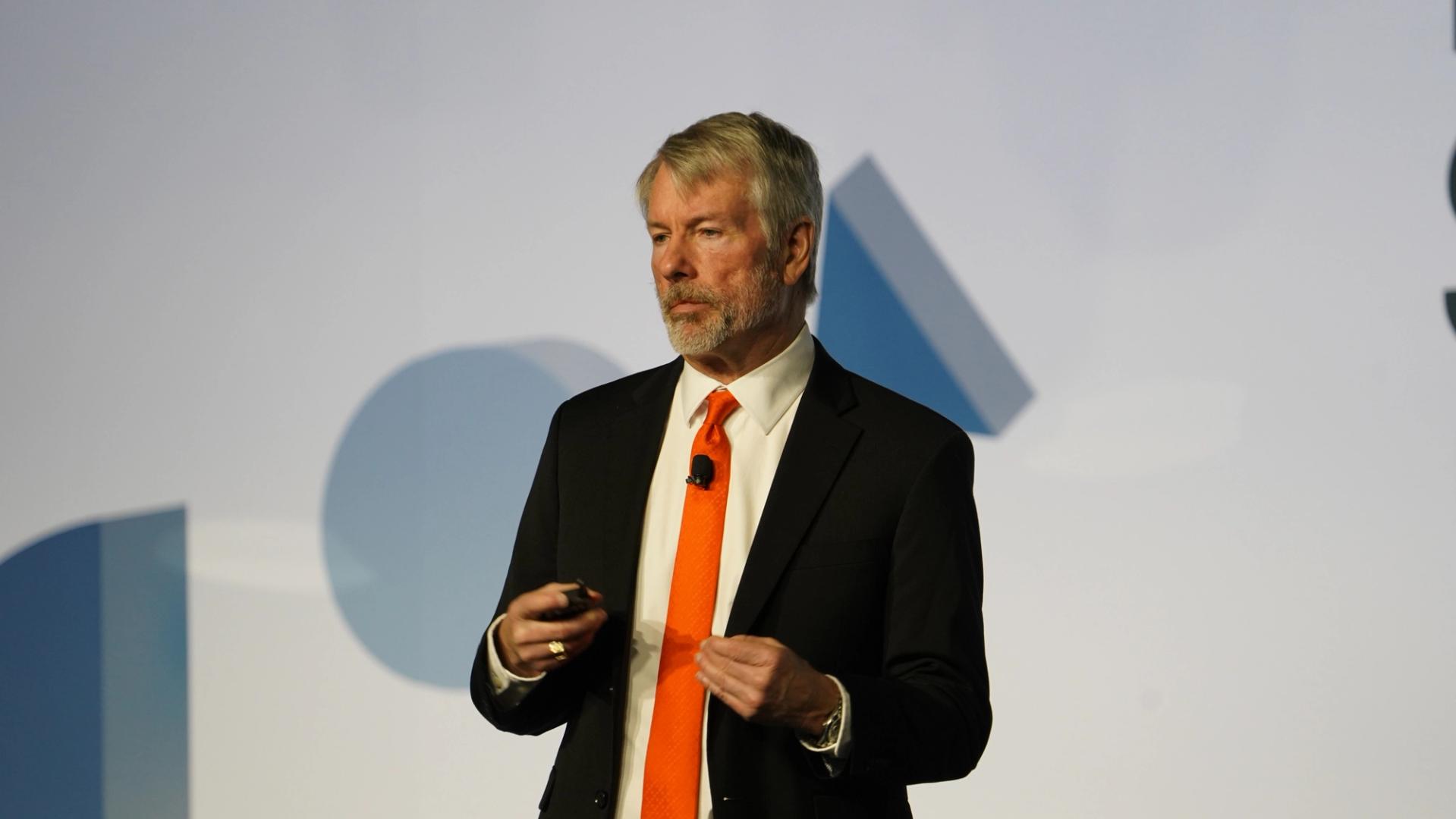
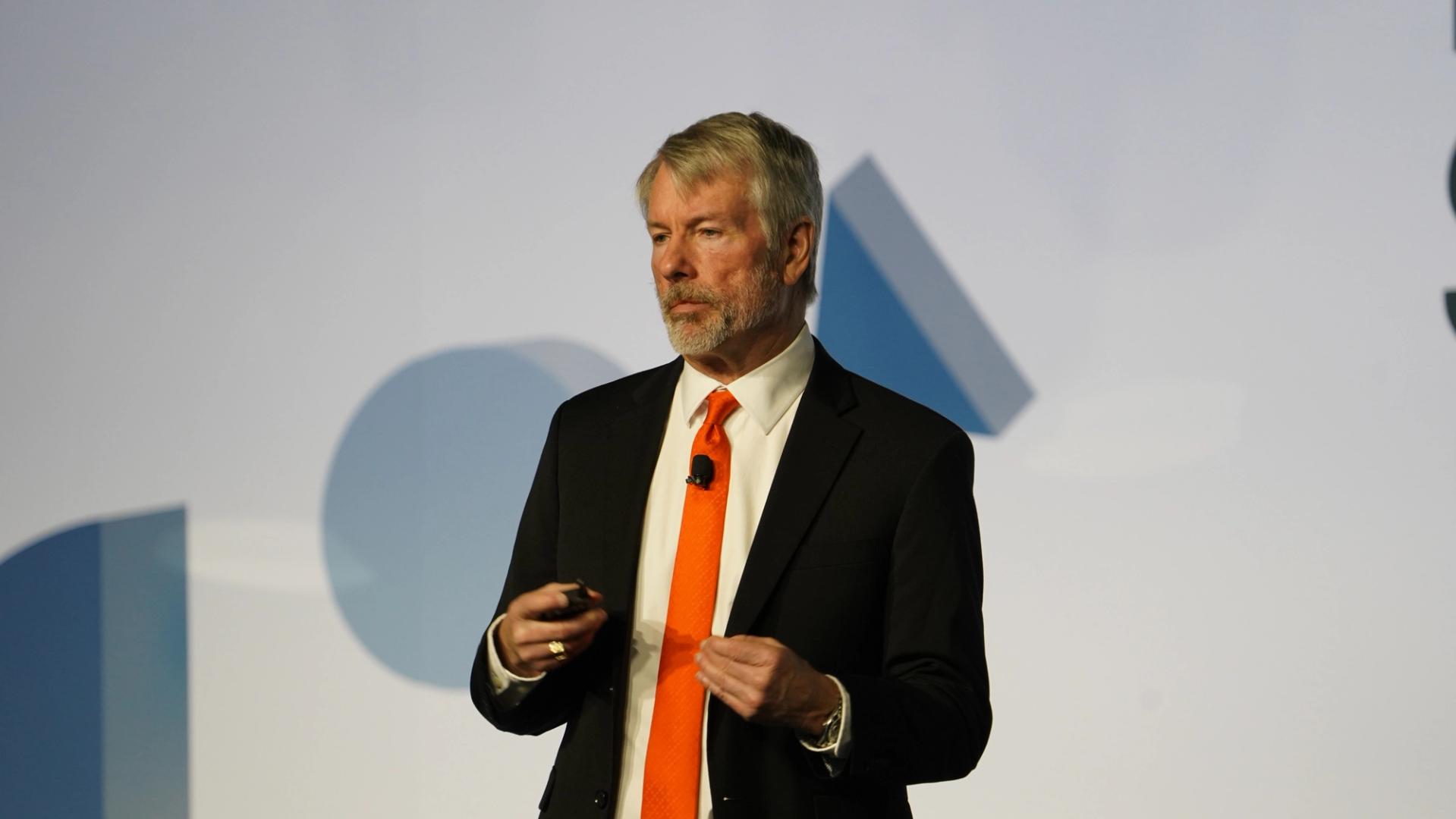
Strategy (MSTR), the world’s largest corporate bitcoin holder, reported Thursday an $8.2 billion second-quarter net loss after the cryptocurrency’s price decline erased billions of dollars from the value of its digital asset holdings.
The quarterly loss was driven almost entirely by an $8.32 billion unrealized markdown on its bitcoin holdings under fair-value accounting.
The company held 843,775 bitcoin as of July 26, up 25% from the start of the year. At current prices, the stash is worth roughly $54.8 billion, compared with an acquisition cost of $63.7 billion.
The report came after a period of growing investor scrutiny on the firm over whether it can sustain an increasingly complex capital structure built around multiple classes of preferred stock, common equity and convertible debt.
The company raised $17.06 billion through at-the-market stock offerings this year, repurchased $1.5 billion of convertible notes at an 8% discount and expanded its U.S. dollar reserve to $3.75 billion, enough to cover more than two years of preferred dividend payments and interest expenses.
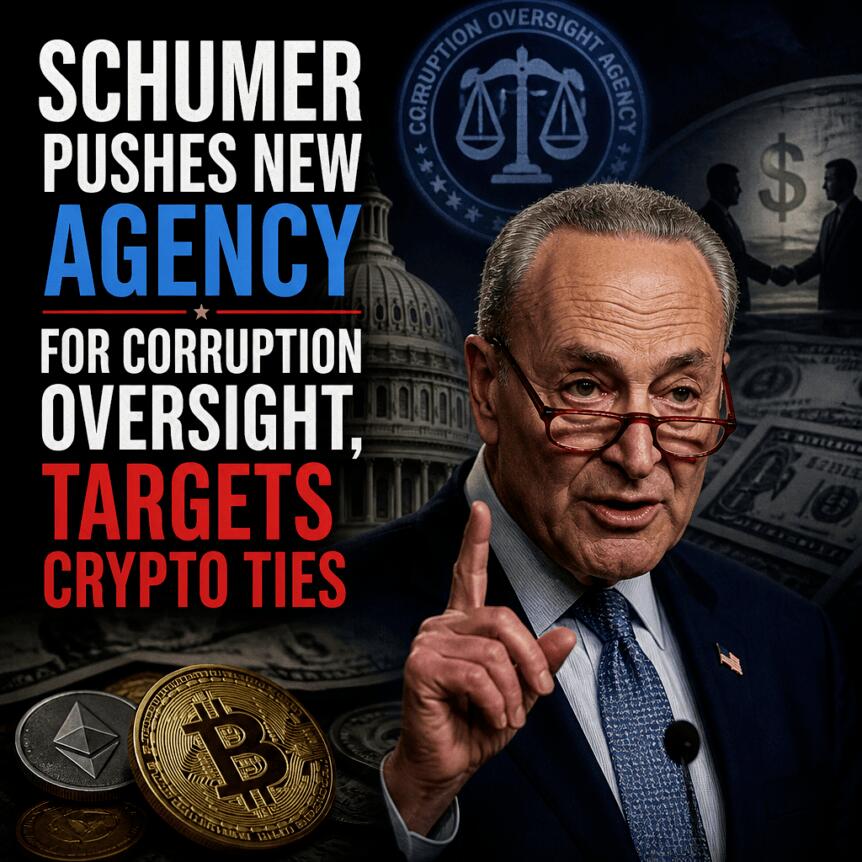
Senate Minority Leader Chuck Schumer has introduced new federal legislation aimed at creating an “Anti-Corruption Bureau” with the power to investigate, enforce, and prevent executive-branch corruption. The proposal also folds into a wider political fight over cryptocurrency ethics and market-structure reform, as Schumer’s remarks directly referenced President Donald Trump’s financial ties to crypto.
According to Schumer’s office, the bill—called the Anti-Corruption Bureau Creation Act—would establish a new agency designed to replace what he described as a fragmented system of oversight bodies. Schumer and cosponsors presented the effort as a targeted response to conflicts of interest they say stem from public office and lucrative crypto-related investments.
Key takeaways
- Schumer introduced the Anti-Corruption Bureau Creation Act, proposing a dedicated US agency to investigate, enforce, and prevent executive-branch corruption.
- The bill’s rationale ties to alleged Trump-linked financial gains, including references to crypto exposure mentioned in Schumer’s Thursday notice.
- Schumer’s proposal would consolidate multiple ethics and oversight functions, grouping entities including the Federal Election Commission and other government ethics offices “under one roof.”
- Supporters position the bureau as a “real teeth” enforcement mechanism, while passage could still face hurdles in the House and Senate—and a potential veto by Trump.
- The timing overlaps with ongoing uncertainty around the Senate’s handling of the Digital Asset Market Clarity (CLARITY) Act, a major market-structure effort backed by many in the industry.
A new enforcement-focused anti-corruption bureau
In a Thursday press notice, Schumer said he introduced the Anti-Corruption Bureau Creation Act. He described the agency as one with enforcement authority, designed to “investigate, enforce, and prevent executive branch corruption.” The legislation also sets out “Congress’ findings” that Schumer claims include disclosures about Trump’s earnings from investments and additional crypto exposure connected to foreign governments through a family fund, as referenced in Schumer’s notice.
Schumer framed the proposal as an institutional fix. In remarks shared through a Public Citizen forum about the bill, he characterized the bureau as having “real teeth” and argued it would help harmonize enforcement across institutions that currently operate with overlapping or inconsistent authority.
The bill’s structure, as described in connection with the forum, calls for a bipartisan group of seven members to be confirmed by the Senate. It also includes mechanisms intended to allow private citizens and state authorities to seek recovery of funds they allege were stolen through corruption, according to descriptions tied to the proposal.
How crypto ethics enters the political equation
For Democrats weighing support for comprehensive crypto market structure legislation, President Trump’s business ties have become a central flashpoint. Many lawmakers, despite White House agreement to certain ethics provisions in the Digital Asset Market Clarity (CLARITY) Act, have argued that the offered safeguards do not fully address potential conflicts of interest.
Earlier coverage from Cointelegraph noted that debates around the CLARITY Act have kept ethics provisions at the center of discussions, with lawmakers saying the measures fall short. Schumer’s new anti-corruption bill adds a separate enforcement pathway to that same broader argument: that oversight should be strengthened to prevent public office from translating into private financial benefit, including in crypto-related business interests.
Consolidating enforcement and ethics offices
A notable feature of the anti-corruption proposal is its intent to gather multiple oversight functions under one organizational umbrella. As described in the coverage, the legislation would place the US Federal Election Commission, the Office of Government Ethics, and the Office of Special Counsel “under one roof” within the new bureau.
Supporters argue the consolidation would reduce the gaps they believe exist across current watchdog systems. Schumer’s messaging emphasized replacing “a broken patchwork of watchdogs” with a single agency capable of acting “anywhere, anytime corruption strikes.” Critics of the current system—particularly those focused on ethics enforcement—often point to jurisdictional complexity and uneven prioritization across agencies; this bill attempts to address that by reorganizing responsibilities rather than relying solely on incremental reforms.
Cointelegraph reported that it reached out to the White House for comment but did not receive an immediate response regarding the proposal.
Cosponsors, vote math, and what happens next
The bill was introduced by Schumer and has cosponsors including Senators Andy Kim, Alex Padilla, and Jeff Merkley. Passage would require Republican support in the House and Senate, where the party holds a slim majority.
Even if it advances before 2028, the president would have veto power. If Trump vetoed the legislation, Congress would need a two-thirds majority in both chambers to override it, according to the rules typically governing federal veto overrides.
The timing is also important because the Senate is approaching a break. As described in the coverage, the Senate had just over a week left before lawmakers planned to leave for a month-long state work period. That looming calendar could affect the speed at which both ethics-related and market-structure measures move in the upper chamber.
CLARITY Act uncertainty persists alongside the anti-corruption push
While Schumer’s anti-corruption proposal targets executive-branch conduct, it arrives in the midst of unresolved negotiations around the CLARITY Act, which many see as a key step toward a clearer US framework for digital assets.
As of Thursday, the Senate had not scheduled a vote on the CLARITY Act, despite pushes from Republican lawmakers and industry stakeholders. Cointelegraph previously highlighted that ethics provisions remain a sticking point for some Democrats, and this week’s status underscores how procedural timing may be just as decisive as policy design.
According to remarks attributed in the coverage to former SEC official John Reed Stark, after a public forum hosted by Senators Richard Blumenthal and Chris Van Hollen, it was unclear whether lawmakers would move the CLARITY Act during the available window. The same report cited statements from Coinbase CEO Brian Armstrong referring to the bill nearing a critical stage, alongside continued advocacy from Senator Cynthia Lummis for a vote.
The political sequence matters for market participants: if crypto market structure legislation is delayed by calendar constraints, lawmakers may re-focus on broader political disputes about ethics and enforcement, potentially reshaping what “safe enough” looks like for legislators and regulators. Conversely, if the CLARITY Act advances, it could clarify the legislative pathway for industry—while leaving ethics and anti-corruption reforms to run in parallel.
For now, investors and builders should watch two developments closely: whether the Senate schedules and votes on the CLARITY Act before its break, and whether Schumer’s anti-corruption bureau proposal gains traction early enough to overcome House and Senate vote hurdles and any eventual veto risk.

Ripple-backed Evernorth Holdings has advanced its public market plans after updating its SEC registration. The company completed executive employment agreements and submitted another amended Form S-4 filing. Meanwhile, the latest disclosures also outlined compensation packages, merger progress, and financial impacts linked to recent XRP price weakness.
Ripple-Backed Evernorth Completes Leadership Agreements
Evernorth Holdings submitted Amendment No. 5 to its Form S-4 registration statement with the U.S. Securities and Exchange Commission. The filing completed employment agreements for the remaining members of the executive leadership team. As a result, the company has finalized compensation arrangements before its proposed public listing.
The agreements cover Chief Legal Officer Jessica Jonas, Chief Business Officer Sagar Shah, and Chief Operating Officer Meg Nakamura. Each executive will receive a base salary, annual bonus eligibility, employee benefits, and restricted stock units. The compensation packages follow the company’s 2026 Omnibus Incentive Plan.
Jonas received the largest equity award among the newly announced executives. Her initial equity package carries a value of $4.5 million under the agreement. Meanwhile, Shah and Nakamura each received equity awards valued at $2.8 million, subject to shareholder and compensation committee approval.
Evernorth Advances Merger With Armada Acquisition Corp II
The latest filing follows earlier agreements with Chief Executive Officer Asheesh Birla and Chief Financial Officer Matt Frymier. Those agreements already established executive salaries, bonuses, equity awards, and vesting schedules. Consequently, Evernorth has now completed employment terms across its senior leadership team.
The company continues preparing for its planned business combination with Armada Acquisition Corp II. Arrington Capital sponsors the special purpose acquisition company leading the proposed transaction. Following completion, the combined company intends to trade on Nasdaq under the ticker symbol XRPN.
Evernorth has secured more than $1 billion in gross proceeds from strategic backers supporting the transaction. Funding has come from Ripple, Arrington Capital, SBI Holdings, Pantera Capital, and Kraken. The company has also assembled a board featuring senior executives from blockchain, finance, and technology organizations.
Ripple Chief Legal Officer Stuart Alderoty will serve on the board after the merger closes. Other directors include Asheesh Birla, Ted Janus, Robert Kaiden, and Derar Islim. The proposed public company, therefore, combines experienced leadership from digital assets and financial services.
The transaction supports Evernorth’s strategy to establish one of the largest publicly traded XRP treasury companies. Corporate treasury models have gained attention as several firms increase exposure to digital assets. As a result, Evernorth aims to expand institutional participation through a publicly listed structure backed by XRP holdings.
XRP Price Weakness Leads to Impairment Charge
Evernorth also disclosed financial effects resulting from recent XRP market performance. The company reported a $38.4 million impairment tied to declining XRP valuations during the past four months. Consequently, the value of its combined XRP holdings fell to approximately $640 million.
XRP traded between $1.05 and $1.09 during the latest market session. The token changed hands near $1.07 after declining during the previous 24 hours. In addition, XRP has recorded losses exceeding 5% during the past week while trading activity weakened.
Daily trading volume also declined by approximately 10% during the latest session. Market sentiment remained under pressure as regulatory developments continued affecting cryptocurrency prices. Meanwhile, delays surrounding the CLARITY Act added another challenge for digital asset markets.
Armada Acquisition Corp II shares also recorded a modest decline during recent trading sessions. However, the stock maintained its broader year-to-date gains despite the latest movement. At the same time, Evernorth continued progressing toward its planned merger while strengthening executive leadership before entering public markets.
The updated SEC filing marks another milestone in Evernorth’s listing process. Executive agreements, governance appointments, and merger preparations now appear substantially complete. As a result, the company has strengthened its organizational structure before completing its proposed Nasdaq debut and expanding its XRP treasury strategy.
Crypto World
Up 439%, Then Margin-Called: Did Leopold Aschenbrenner’s Situational Awareness Actually Blow Up?
Situational Awareness made 439% in six months. Then margin calls took its entire stock book in one trade. Ken Griffin’s Citadel bought it.
A quarter of that fund’s last reported stock holdings were Bitcoin miners. That was not an accident, and it is why crypto investors are reading this story closely.
Who Is Leopold Aschenbrenner?
OpenAI hired him for its Superalignment team in 2023 and let him go in April 2024. He has said he was pushed out for raising safety concerns.
In June 2024 he published an essay series called Situational Awareness. Its central claim was blunt.
“AGI by 2027 is strikingly plausible,” Leopold Aschenbrenner, in his essay series Situational Awareness, June 2024.
Follow us on X to get the latest news as it happens
AGI means software that matches humans at most tasks. But the essay did more than predict it. One chapter argued the real bottleneck would be physical. Power contracts, transformers and electricity supply, not chips.
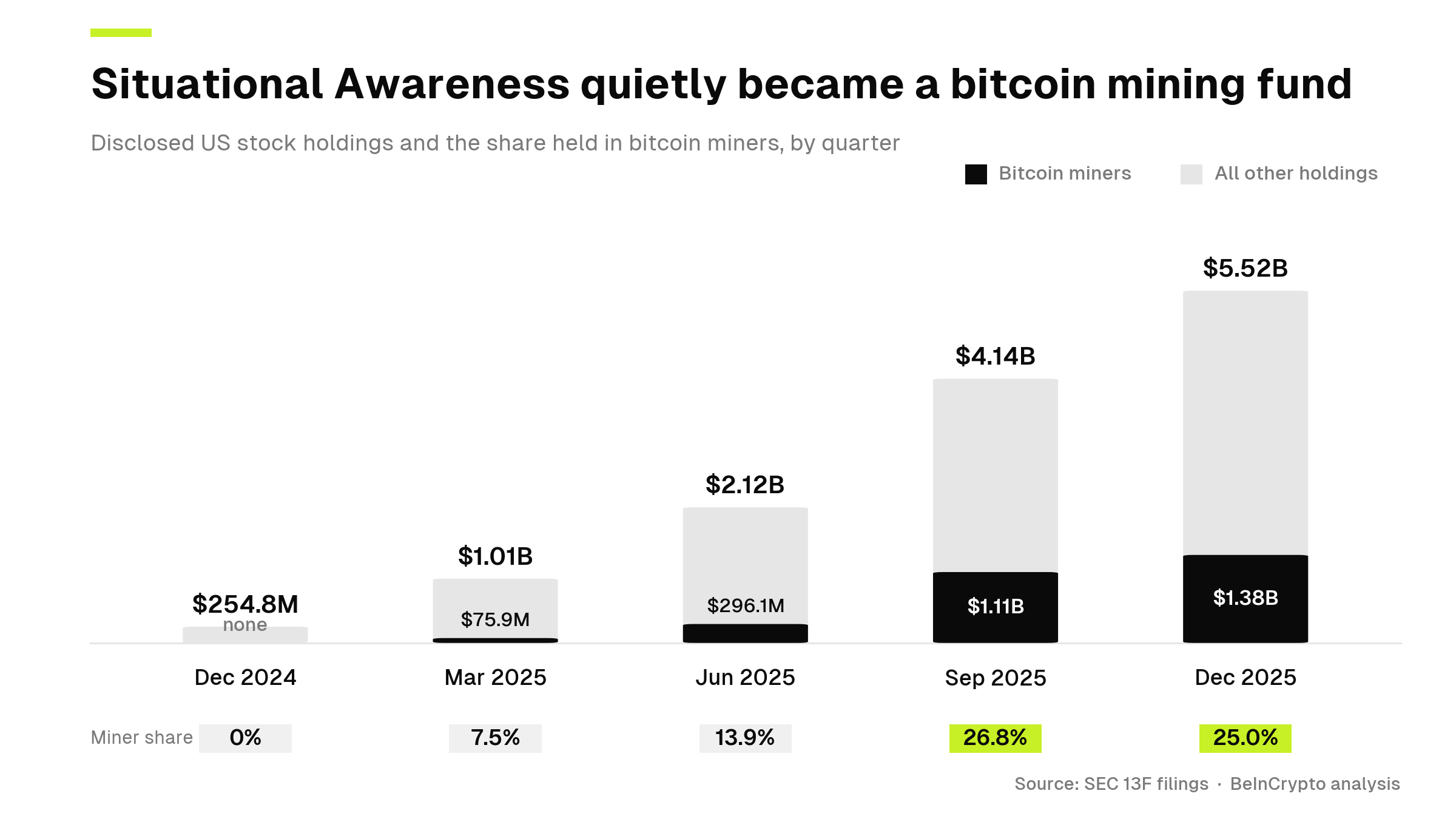
He then built a hedge fund on that idea. Its first stock disclosure, covering December 2024, listed six holdings worth $254.8 million.
Every one was a power or chip company. Not one was crypto. That changed quickly.
What Happened to Situational Awareness This Week
July went badly. The fund owned memory chip makers like SK Hynix, which fell hard in the AI memory stock selloff.
It had also bet against software firms such as Adobe. That trade pays off when a stock drops. Those shares rose instead. The wider market went the same way. The Nasdaq-100 fell 10% from its early June peak.
Borrowed money turned a bad month into a forced one. The fund had used loans to hold more stock than its own cash could cover.
When prices fell, its lenders wanted more money behind those loans. That demand is a margin call.
CNBC named Bank of America, Goldman Sachs and JPMorgan Chase as the brokers involved. It also reported the fund had grown to $45 billion by the start of July.
Then it unwound every public stock position, CNBC said. Griffin’s Citadel hedge fund agreed to buy them. Millennium Management and Jane Street looked and passed, Bloomberg reported.
Where Do Bitcoin Miners Come In?
Crypto readers mostly missed this part. Situational Awareness became one of mining’s larger shareholders, and it happened fast.
Big US funds must list their stock holdings every three months on a form called a 13F. Five exist for this fund. Read in order, they show a bet being built.

The latest filing lists 29 holdings worth $5.52 billion. Miners and their data center arms make up $1.38 billion of it.
Core Scientific was the largest at $418.7 million. IREN came next at $328.6 million, then Applied Digital at $278 million.
Cipher Mining, Riot Platforms, Hut 8, WhiteFiber, Bitdeer, CleanSpark and Bitfarms made up the rest.
The whole disclosed book grew nearly 22 times in a year. The mining share went from nothing to a quarter of it.
So the AGI fund became a mining fund by design. His essay said the bottleneck was power. Miners own power, land and cooling, which is why miners became AI powerhouses.
There is a catch for shareholders. Anyone holding these stocks in July shared the trade with a fund facing margin calls. No mining company knew, so none of them said so.
Did Citadel Engineer This?
One theory spread fast. It says Citadel scared the market about rate hikes, waited for Leopold to break, then bought his stocks cheap.
The first part is true. Frank Flight, who runs macro strategy at Citadel Securities, published a note on July 27. He wrote that he now expected a rate hike at the July meeting.
Bloomberg reported the call added to market nerves. Two days later, a Griffin firm bought the stock book.
Four things break the theory.
- First, there are two Citadels.
Citadel Securities buys and sells stocks for other people. Citadel is the hedge fund. They are separate firms.
- Second, Flight had company.
PGIM and Wrightson ICAP also called for a hike. Bond veteran Harley Bassman wanted one twice as big.
- Third, the fear came first.
Bloomberg tied it to oil prices rising after the US and Iran clashed again, plus a strong job market.
- Fourth, the Fed did not hike.
It held rates steady, and three of its 12 voting members wanted a quarter-point rise.
That last detail matters. It was the first time since September 2016 that three officials dissented in the same direction. The pressure to raise rates was real, and it sat inside the Fed.
What Nobody Can Answer Yet
Did Citadel get a bargain? Nobody outside the deal knows. Neither firm will say what it paid.
Some think the forced selling mattered anyway. On CNBC, Jim Cramer argued it looked like a clearing event that could mark a bottom for the AI trade.
The tape says something simpler. Microsoft reported strong results on Wednesday night and rose about 15%.

Chip stocks jumped the next day. One big chip index rose 6.7% and snapped a five-day losing streak.
One block trade does not move a whole chip index. An earnings report can.
Six days before all of it, Aschenbrenner had told his investors to add money.
“PS. At times we call out opportunities that seem like a particularly good time to add funds, if you have been waiting for one,” Leopold Aschenbrenner, in the July 24 investor letter as reported by the Financial Times.
He got the direction right. He just did not own the stocks anymore.
The fund is not dead. It still holds private stakes, including Anthropic, which filed confidential IPO paperwork on June 1.
Miners spent 10 years being called a curiosity. It took one AI fund’s margin call to make them matter.
The post Up 439%, Then Margin-Called: Did Leopold Aschenbrenner’s Situational Awareness Actually Blow Up? appeared first on BeInCrypto.
Strategy (MSTR), the world’s largest corporate bitcoin holder, reported Thursday an $8.2 billion second-quarter net loss after the cryptocurrency’s price decline erased billions of dollars from the value of its digital asset holdings.
The quarterly loss was driven almost entirely by an $8.32 billion unrealized markdown on its bitcoin holdings under fair-value accounting.
The company held 843,775 bitcoin as of July 26, up 25% from the start of the year. At current prices, the stash is worth roughly $54.8 billion, compared with an acquisition cost of $63.7 billion.
The report came after a period of growing investor scrutiny on the firm over whether it can sustain an increasingly complex capital structure built around multiple classes of preferred stock, common equity and convertible debt.
The company raised $17.06 billion through at-the-market stock offerings this year, repurchased $1.5 billion of convertible notes at an 8% discount and expanded its U.S. dollar reserve to $3.75 billion, enough to cover more than two years of preferred dividend payments and interest expenses.


Amazon shares surged in after-hours trading on Thursday after the company delivered a blowout second-quarter earnings report, beating Wall Street expectations across revenue, AWS sales, operating income, and earnings per share.
The results reinforced investor confidence that Amazon’s massive AI infrastructure spending is translating into accelerating cloud growth and stronger profitability.
Follow us on X to get the latest news as it happens
Amazon Beats Wall Street Across Key Metrics
Amazon reported Q2 net sales of $200.6 billion, comfortably above analyst estimates of approximately $197 billion. The company also posted operating income of $27.46 billion, exceeding expectations of around $23.6 billion, while operating margin expanded to 13.7%, above the expected 12%.
Perhaps the biggest surprise came from earnings. Amazon reported earnings per share of $5.75, far ahead of the consensus estimate of $1.82, highlighting significantly stronger profitability than analysts anticipated.
The earnings release immediately fueled investor optimism, sending Amazon shares from a regular-session close of $235.50 to roughly $251 in after-hours trading, representing a gain of more than 6.5% after the closing bell.
AWS Growth Shows Amazon’s AI Spending Is Paying Off
The strongest signal from the report came from Amazon Web Services.
AWS generated $42.23 billion in revenue during the quarter, surpassing expectations of roughly $40.57 billion. Cloud revenue grew approximately 37% year-over-year, marking AWS’s fastest expansion in roughly 18 quarters.
For investors, AWS remains Amazon’s most closely watched business because it serves as the company’s primary AI infrastructure engine.
Chief Executive Andy Jassy has repeatedly defended Amazon’s aggressive capital investment strategy, maintaining plans to spend roughly $200 billion during 2026 to expand AI data centers, networking infrastructure, and custom silicon capabilities.
The latest earnings suggest those investments are beginning to translate into accelerating customer demand rather than simply higher expenses.
Investors Reward Amazon’s AI Strategy
Heading into earnings, investors questioned whether Amazon could match the strong cloud performance recently reported by Microsoft while justifying its enormous AI capital expenditures.
Instead, Amazon exceeded expectations across nearly every major operating metric.
The combination of stronger AWS growth, expanding operating margins, and better-than-expected profitability eased concerns that AI spending would pressure near-term earnings. Investors instead viewed the results as evidence that Amazon’s infrastructure investments are already supporting faster revenue growth.
Although some of the earnings benefit included non-operating gains, the company’s underlying operating performance remained well ahead of Wall Street forecasts.
What’s Next for Amazon?
Attention now shifts toward Amazon’s second-half execution as management continues rolling out AI infrastructure and expanding AWS services.
Investors will closely monitor whether AWS can maintain its accelerated growth trajectory while Amazon continues one of the largest capital investment programs in corporate history. Future earnings will also provide a clearer picture of whether AI-driven demand can continue supporting margin expansion and justify the company’s long-term spending plans.
If AWS momentum remains intact, Amazon could further strengthen its position in the increasingly competitive AI cloud market alongside Microsoft and Google.
The report also arrives at a pivotal moment for the AI investment race, with Microsoft and other tech giants raising the bar on cloud performance. Amazon’s latest numbers suggest its AI strategy is beginning to generate tangible financial returns.
The post Amazon AI Bet Pays Off as Q2 Earnings Crush Expectations: How Will Stock React? appeared first on BeInCrypto.

When Liz Gumbinner first noticed a twinge in her right shoulder, she assumed she’d pulled a muscle. It was during the pandemic, when many exercise studios were closed, and Gumbinner, a writer who teaches advertising at Boston University, had been doing a lot of yoga and dance at home.
But the pain, mild at first, gradually became excruciating, shooting down her arm whenever she extended it. “We’re talking worse than labor contractions,” she says.
Pretty soon, Gumbinner couldn’t zip up a dress, turn off a light switch on the wall, or even hold hands with her boyfriend. The only way she could sleep was flat on her back with her arms at her sides. “That’s when I realized it wasn’t a pulled muscle,” she says.
A few months later, she was diagnosed with adhesive capulitis, colloquially known as “frozen shoulder,” a condition in which the shoulder capsule—a fibrous sheath which surrounds the joint—becomes thick and inflamed. It usually develops in three phases: the freezing stage, which can last several months and cause severe pain; the frozen stage, during which the shoulder becomes stiffer and difficult to use, often for up to a year; and the thawing stage, when mobility finally begins to improve.


Hyperscale Data has sold about 100 Bitcoin and secured a BTC-backed credit facility to finance construction of its artificial intelligence data center in Michigan.
Summary
- Hyperscale Data sold about 100 BTC to fund construction and equipment purchases.
- Its Bitcoin-backed credit facility carries a variable rate of approximately 4.5% to 5%.
- A 10-year AI services agreement could generate more than $1.2 billion if fully exercised.
- Hyperscale Data retains about 1,006 BTC, ranking 44th among public corporate holders.
Hyperscale Data converts Bitcoin into AI funding
Hyperscale Data disclosed the Bitcoin sale and financing agreement on Thursday as it accelerated work on its Michigan AI campus.
Proceeds from the sale will fund construction and purchases of critical infrastructure and equipment with long delivery times. The company did not disclose the dollar value of the transaction or the lender behind its Bitcoin-backed credit line.
Its new facility is expected to provide financing at a variable interest rate of roughly 4.5% to 5%. The arrangement allows Hyperscale Data to raise additional capital against its remaining Bitcoin rather than selling a larger share of its holdings immediately.
Bitcoin Treasuries data shows the company retains approximately 1,006 BTC after the sale. That position makes it the 44th-largest publicly traded corporate Bitcoin holder tracked by the platform.
Formerly called Ault Alliance, Hyperscale Data adopted its current name in 2024 as it shifted more attention toward AI infrastructure. However, the company has continued operating its Bitcoin mining business.
Michigan AI contract could exceed $3 billion
Construction at the Michigan campus supports an earlier master services agreement with an unnamed AI infrastructure provider. The initial phase covers approximately 20 megawatts of computing capacity.
The agreement has a 10-year term and includes two optional five-year extensions. Hyperscale Data estimates the contract could produce more than $1.2 billion in revenue if the customer exercises all options attached to the initial capacity.
The customer can also request another 32 MW within the first two years. If that expansion proceeds and remains active throughout both extension periods, Hyperscale Data expects the contract’s total value to exceed $3 billion.
These projections depend on the customer taking the available capacity and exercising its extension rights. Hyperscale Data has not identified the customer or provided a final timeline for completing the full 52 MW buildout.
Bitcoin miners expand into US AI infrastructure
Hyperscale Data’s financing decision adds to a wider shift among U.S.-listed Bitcoin miners seeking revenue from AI computing and data centers.
Hut 8 recently signed a second 15-year lease valued at $9.8 billion for its Beacon Point AI campus in Nueces County, Texas. IREN separately announced $2.8 billion in new multi-year cloud contracts and increased its year-end 2026 annualized revenue target to more than $4 billion.
Mining companies already control power connections, land and data center infrastructure that can be adapted for high-performance computing. AI contracts may offer steadier revenue than Bitcoin mining, where income depends on network difficulty, energy costs and the market price of BTC.
The transition is not without risk. Poolin filed for Chapter 11 protection in the U.S. on July 22 with roughly $173 million in prepetition obligations. The Singapore-based mining company and two U.S. subsidiaries plan to sell their Texas assets through a court-supervised process rather than restore the business.
Hyperscale Data’s Michigan investment gives the trend a direct U.S. infrastructure angle while also showing how corporate Bitcoin reserves can serve as a source of construction capital.
GPUS shares rise after financing announcement
Hyperscale Data shares, traded on NYSE American under the GPUS ticker, gained more than 5% in late-morning trading Thursday, according to Yahoo Finance data.
The market reaction followed the company’s financing update and its projections for the Michigan contract. Investors will now watch construction progress, the AI customer’s expansion decision and any further changes to Hyperscale Data’s Bitcoin holdings.
Using BTC as both a saleable reserve and loan collateral exposes the company to Bitcoin price movements while it funds a capital-intensive data center project. Future disclosures on the facility’s collateral requirements and the campus delivery schedule may provide a clearer view of that risk.

This is what makes the current moment so difficult to read. Transitions do not move neatly through the categories we use to manage the world; pressure crosses them, changing role as it goes, and by the time the official language catches up, people may already have been living with the change for years.
The next transition is forming through that movement. It is not an artificial intelligence story alone, or a climate story alone, or a demographic story alone. Each of those matters, but none explains the whole moment by itself. What matters most is how these forces begin to interact, and how much load they place on systems built around older assumptions. When enough pressure moves at once, the operating and organizing logic of an age begins to lose its fit.
Every age has such a logic. Most people do not experience it as a theory. They experience it as the background of life: how work is organized, how families are supported, how knowledge is trusted, how institutions make decisions, how risk is absorbed, and how people are expected to build a life. For a long time, that background can feel natural. Then the world changes around it, and what once made life manageable begins to show its limits.
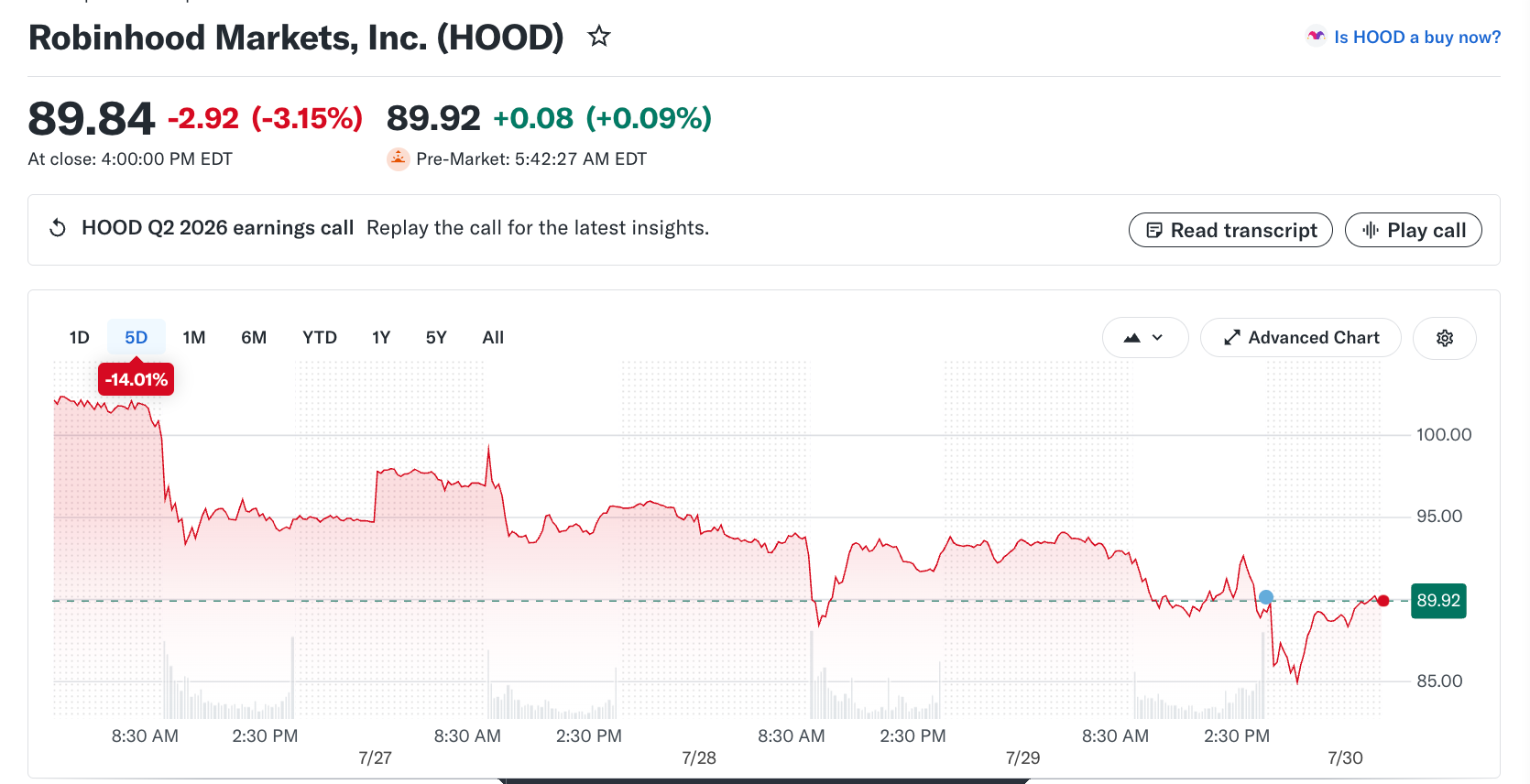
Robinhood (HOOD) stock closed at $89.84 on July 29, down 3.15%, slipping under $90 even after the company posted its best quarter ever.

The drop was not really about the numbers. HOOD has fallen about 14% in five days and roughly 20% this year, so the weakness runs deeper than one earnings report.
HOOD Earnings Beat, but the Market Sold the News
Robinhood reported record revenue of $1.31 billion, up 32% from a year earlier.
Adjusted earnings came in at $0.62 per share, far above the roughly $0.42 that analysts expected.
The mix told the real story. Prediction markets generated $156 million, overtaking both equities at $129 million and crypto at $100 million for the first time.
That shift matters because crypto revenue fell 38% year over year, after an even sharper crypto revenue slide in the prior quarter, yet total revenue still hit a record. However, the year-to-date stock price weakness persisted.

Robinhood now runs 13 businesses above $100 million in annual revenue, far from its meme-broker image. One markets account said Robinhood “proved it’s more than a crypto stock.” And that outlook is now visible in the analysts’ calls.
In the days before the report, the latest analyst calls stayed split but constructive. Barclays and Truist both reiterated buy ratings, with a Barclays Robinhood price target of $122, while JP. Morgan and Morgan Stanley kept hold ratings at $99 and $124.
Want more insights like this? Sign up for Editor Harsh Notariya’s Daily Newsletter here.
Each target still sat near or above the price, so Wall Street was not braced for a collapse. The company also kept buying back stock under a buyback plan it authorized earlier this year.

Part of the profit came from a one-time gain, which invites some caution on earnings quality. Even so, a double beat could not lift the shares.
Options Traders Are Still Hedging for Downside
Robinhood’s options market shows lingering caution. The put-call ratio, which weighs bearish put bets against bullish calls, sits near 0.66 in open interest, a high reading that favors puts.
The volume ratio has climbed toward 0.60 as well. That rise suggests desks kept adding downside hedges around the earnings date rather than betting on a pop.

Hedging shows fear, however, and not always where cash is truly flowing.
Money Flow Improves as Selling Pressure Fades
Deeper data hints the selling may be cooling. Chaikin Money Flow (CMF), a gauge of whether institutional money is buying or selling, reads -0.09 and tried to cross above zero around July 24.
It failed, so institutions are likely still net sellers. Yet, CMF rose between July 27 and July 28 while the price fell, a small bullish divergence. This shows that the big institutional money is bleeding less as compared to the price. However, the CMF needs to move above zero for the HOOD stock to show price-specific positivity.

Volume backs that up. Selling volume has thinned since early July even as the stock dropped, which suggests that even retail sellers are losing steam.
None of this confirms a bottom, though, so the HOOD price chart has to settle the argument.
Robinhood Stock Price Levels That Decide the Next Move
The chart still looks weak. Since June 9, Robinhood has traced a head and shoulders pattern, a topping shape where a high sits between two lower peaks, and it broke down on July 24, days before earnings. The breakdown structure still remains intact, which now explains why the options traders lean bearish.
The breakdown has stalled at $89.87, which also marks the 0.786 Fibonacci retracement. If that floor holds, the roughly 21% target near $76.53 may not fill, especially after a near 10% drop.

A hold above $89.87 and a reclaim of $93.84 would open room back toward the analyst targets. Real strength, however, only returns above $108.45, the right shoulder, which looks distant for now.
For now, $89.87 separates a possible rebound from a deeper slide toward $76.53.
The post Robinhood Sank After a Blowout Quarter: Rebound, or a Slide to $76? appeared first on BeInCrypto.

Kate Cassidy Defends Scrubbing Liam Payne’s Tattoo Tribute

$500,000 In Debt To Be Failed OF Model | Financial Audit

Parents of toddler found ALIVE in hospital morgue are cleared… as chilling records reveal cops repeatedly warned doctor he was still breathing


-

 Fashion6 days ago
Weekend Open Thread: Brooks Brothers
-
 Sports4 days ago
Commonwealth Games boxing: Jadumani Singh seals dominant 5-0 win over Pakistan’s Sumama Rehman to enter quarter-finals | Commonwealth Games News
-

 Business1 day ago
Why Trees Belong on the Risk Register
-

 Tech4 days ago
Intel is reversing course and bringing hyper-threading back to its server chips
-

 Crypto World5 days ago
Ripple bought a bank in pieces. The $4 billion audit
-

 Politics3 days ago
Luke Littler dismantles Gerwyn Price to retain title in Blackpool
-
 Entertainment6 days ago
A New Post-Apocalyptic Gundam Anime Series Blasts Into SDCC
-

 Politics3 days ago
The Part of the Electric Transition Nobody Wants to Discuss
-

 News Videos4 days ago
BITCOIN JUST ENTERED THIS CRITICAL ZONE…
-

 Fashion7 days ago
16 Dresses for the High Summer Event
-

 Sports7 days ago
2026 3M Open leaderboard: Scottie Scheffler finds putter in Round 1, sits three back
-

 Business2 days ago
Major shareholder moves on Canyon
-

 Crypto World5 days ago
XRP Ledger adds $2.6B as RWA inflows rank second
-

 News Videos9 hours ago
Bitcoin Enters the 3rd Stage of the Bear Market
-

 Politics4 days ago
Spain sweeps the board at 2026 World Cup with individual awards
-
 Entertainment2 days ago
‘Stargate’ Creator’s New Sci-Fi Series Returns for Season 3 Tomorrow
-

 Tech6 days ago
Anthropic launches Claude Opus 5, a cheaper AI model for coding, agents and enterprise workflows
-

 Crypto World2 days ago
Kraken Enables Retail Access to Jersey Mike’s IPO via Tokenized Shares
-

 Entertainment5 days ago
Sara Gilson Killed By Husband After Viral “Pedophile” TikTok Video
-

 News Videos2 days ago
Claude: Build Financial Dashboards in Minutes (2026)
You must be logged in to post a comment Login