
Crypto World
Binance BTC Inflows Fall to 2023 Low as Bulls Target $80K


Bitcoin’s distribution dynamics have shown a notable shift in recent days, with mid-size wallets moving fewer coins onto major exchanges and inflows concentrated on a single venue. Data from CryptoQuant indicates Binance mid-size wallet inflows — defined as entities holding roughly 100–1,000 BTC — have cooled to about 3,000–4,000 BTC over a seven-day horizon, a level not seen since 2023. In tandem, Coinbase reported around 8,500 BTC in inflows from similar-sized wallets on April 19, while inflows to other exchanges remained comparatively muted. Analysts view the pattern as a sign of reduced near-term selling pressure, though inflows alone do not prove that coins are being dumped on the market.
Key takeaways
- Binance mid-size wallet inflows have fallen to roughly 3,000–4,000 BTC on a weekly average, marking a multi-year low for this cohort and suggesting less immediate sell-side pressure on the exchange.
- Coinbase saw mid-size wallet inflows of about 8,500 BTC on April 19, nearing levels observed after the FTX episode in November 2022, while other exchanges reported smaller flows.
- Bitcoin’s 30-day net flow to exchanges swung negative in March (around −300,000 BTC) and remained materially negative near −98,000 BTC as of April 21, with exchange reserves continuing to dwindle for weeks.
- The inflow pattern appears fragmented rather than synchronized across venues, indicating mixed sentiment rather than a broad, coordinated distribution.
- Overall supply dynamics point to a withdrawal trend from exchanges, but traders should monitor how these signals translate into price action in the coming weeks.
Mid-size inflows back toward 2023 norms on Binance, while Coinbase remains distinct
CryptoQuant’s wallet-size taxonomy identifies mid-size holders as those controlling roughly 100–1,000 BTC. These entities are often associated with active traders and smaller institutions, and their decisions to move coins onto exchanges typically reflect near-term selling intent. Amr Taha, a crypto analyst, pointed out that the seven-day average inflows from this cohort into Binance have cooled to about 3,000–4,000 BTC, a level well below the 5,500–6,000 BTC range observed during the April–May 2023 period. The decline is notable because it suggests less urgent distribution pressure, though it does not prove that coins are being withdrawn from the market entirely or that selling has ceased.
Beyond Binance, the broader picture in inflows is more nuanced. Coinbase recorded roughly 8,500 BTC flowing from mid-size wallets on April 19, approaching levels last seen in the wake of the FTX collapse. In contrast, inflows to other exchanges appeared more muted, with no broad-based surge across multiple venues. This fragmentation implies a more dispersed sentiment among market participants rather than a synchronized dump across the ecosystem.
Net-flow signals point to a supply shift, not an imminent cascade of selling
Another lens on the pattern comes from tracking Bitcoin’s net flow, a measure that aggregates all inflows and outflows from exchanges. Axel Adler Jr., a Bitcoin researcher, highlighted a pronounced shift in supply dynamics: the 30-day net flow dropped from a positive 94,000 BTC in February to a negative 300,000 BTC in March, situating near −98,000 BTC as of April 21. That trajectory signals a sustained phase of exchange outflows, or at least a weaker tendency for coins to reappear on exchange desks.
Adding to the narrative, Adler Jr. noted that exchange reserves have declined for seven consecutive weeks, with more than 105,000 BTC withdrawn since early March. Even during the April 2 pullback toward roughly $67,000, there was no corresponding surge of coins back onto exchanges. Taken together, the data point to a tightening of readily available BTC on exchange rails rather than a broad, front-loaded selling wave. This pattern aligns with a market environment where holders are less inclined to surrender their positions into selling pressure, even as price volatility remains elevated.
For context, a broader audit of inflows by other researchers and analysts underscores that a single-week surge on one venue does not automatically translate into a market-wide distribution. The Coinbase inflow spike to 8,500 BTC, while meaningful, sits amid a backdrop of more tepid activity elsewhere. As Taha observed, a truly broad distribution signal — such as synchronized inflows across multiple exchanges — has yet to emerge in the current data, suggesting a more nuanced, mixed sentiment landscape among traders and funds.
What these dynamics could mean for traders and investors
From an investing and trading perspective, the divergence between Binance’s cooled mid-size inflows and Coinbase’s relatively larger single-day inflow creates a nuanced backdrop. If mid-size holders across multiple venues were actively distributing, one would expect more uniform pressure across platforms; the absence of such a pattern hints at selective liquidity dynamics rather than an indiscriminate sell-off. This distinction matters for price discovery because it suggests that selling intentions may be concentrated among specific counterparties or strategies rather than a broad market event.
Another layer of complexity comes from the persistence of lower exchange reserves. A seven-week streak of withdrawals implies tightening available supply on centralized platforms, which can have implications for volatility and liquidity, particularly when the market confronts macro headlines or sudden shifts in risk appetite. However, lower inflows to exchanges do not guarantee higher prices; price action will depend on the balance of demand, risk sentiment, and the speed with which holders choose to realize gains or reallocate exposure.
Investors should also watch how this dynamic interacts with broader narratives around Bitcoin adoption, institutional involvement, and regulatory developments. If outflows remain resilient while price remains range-bound or modestly bid, it could indicate that market participants are prioritizing custody and off-exchange holding, at least in the near term. Conversely, any resurgence of inflows across a broader set of venues could reintroduce selling pressure and higher volatility, especially if coupled with macro catalysts or shifts in risk tolerance.
Where the data points us next
Looking ahead, the key to interpreting these signals will be the trajectory of inflows across multiple venues, the pace of exchange-reserve depletion, and how these variables interact with price movement. If Coinbase inflows persist at elevated levels or if mid-size holders begin to re-accelerate deposits on other exchanges, traders should expect heightened attention to potential distribution phases. On the other hand, a continued fragmentation of inflows and persistent reserve drawdowns without broad-based selling could indicate that demand outside exchanges is absorbing supply more effectively than during prior cycles.
Market participants will also be watching for any shifts in the behavior of large holders and institutional players, which can have outsized effects on price dynamics. While the current data point to a cautious, non-coordinated pattern of activity rather than an imminent dump, the situation remains sensitive to evolving sentiment, liquidity dynamics, and external risk factors. In this context, the coming weeks could reveal whether the current quiet period on most exchanges translates into a more resilient price floor or if renewed selling pressure emerges as market conditions evolve.
The unfolding picture underscores a broader theme in crypto markets: inflows and outflows offer valuable clues about sentiment, but they must be interpreted in the context of where participants choose to store and move their assets, as well as what else is happening in the macro and regulatory environment. For now, the data suggest a cautious market, with a mix of targeted selling by some traders and a growing preference among others to guard Bitcoin on non-exchange wallets or custody solutions.
This analysis reflects data and observations through mid-April to late April 2024 and should be considered in the light of ongoing market developments. Readers should stay tuned for fresh exchange-flow metrics, reserve movements, and price action to gauge whether the current pattern holds or evolves into a more traditional distribution phase.

Crypto World
Almost 80% of Japanese institutional investors are eyeing crypto for their portfolios by 2029


Attitudes to crypto investment in Japan are shifting from cautious interest to active portfolio planning, according to a survey by Nomura and its digital asset arm, Laser Digital, with almost 80% of the country’s institutional investors saying they plan to add crypto in the next three years.
The shift reflects a growing view of crypto as a diversification tool. Many of the respondents cited low correlation with traditional asset classes as a key reason for adding exposure. Allocations, though, remain restrained, with more than half targeting between 2% and 5% of their portfolios.
It also reflects improving sentiment: 31% percent of respondents described their outlook on crypto as positive, compared with 25% in 2024, while negative sentiment declined to 18%.
The findings come as Japan refines one of the more established regulatory frameworks for digital assets among major economies. The country was an early mover in regulating crypto exchanges following the Mt. Gox collapse in 2014. Recent efforts have focused on integrating digital assets into existing financial laws, including updates tied to the Financial Instruments and Exchange Act.
That clarity has helped foster a domestic crypto ecosystem anchored by major companies such as SBI Holdings, the financial conglomerate that operates one of Japan’s largest crypto businesses, and bitFlyer, a long-standing exchange. Traditional financial institutions have also entered the industry.
Nomura, one of the world’s largest financial services companies, founded Laser Digital in 2022 to expand into trading, asset management and venture investing, while firms like Mitsubishi UFJ Financial Group have explored tokenized deposits and stablecoins.
Interest is expanding beyond simple price exposure. More than 60% of respondents expressed interest in income-generating strategies such as staking and lending, as well as derivatives and tokenized assets. That suggests investors are beginning to treat crypto less as a speculative trade and more as a broader financial toolkit.
Stablecoins are another area of focus. Sixty-three percent of respondents identified potential use cases, including treasury management, cross-border payments and foreign exchange transactions. Trust appears to be highest for stablecoins issued by major financial institutions, highlighting the importance of familiar counterparties.
Still, barriers remain. Investors pointed to challenges including the lack of established valuation frameworks, counterparty risks such as fraud or asset loss, and regulatory uncertainty. High volatility also continues to weigh on adoption.
Even so, those concerns are shifting. Rather than debating whether to invest, institutions are now focused on how to do it.
The survey was conducted in December and January and gathered responses from 518 investment professionals, including institutional investors, family offices and public-interest organizations.


The most urgent crypto scam news on Capitol Hill arrived Tuesday as the House Homeland Security Committee held a joint subcommittee hearing on how transnational criminal organizations use crypto fraud, online scams, and digital extortion to steal from Americans.
Summary
- The FBI’s 2024 Internet Crime Complaint Center report documented $16.6 billion in total scam losses, with crypto investment fraud alone accounting for $5.8 billion.
- The Huione Group, a Cambodia-based conglomerate designated by FinCEN as a primary money laundering concern, received over $39.6 billion in 2025, functioning as core financial infrastructure for scam networks.
- US authorities seized more than $15 billion in illicit proceeds tied to scam activity in 2025 and sanctioned 146 Prince Group targets in October, marking some of the largest enforcement actions in crypto history.
Crypto scam news reached Congress Tuesday morning as the Subcommittees on Border Security and Enforcement and Cybersecurity and Infrastructure Protection convened in Room 310 of the Cannon House Office Building for a joint hearing titled “Online Scams, Crypto Fraud, and Digital Extortion: An Examination of How Transnational Criminal Networks Target Americans.”
Cynthia Kaiser, senior vice president of the Halcyon Ransomware Research Center, testified as a witness, providing technical context on how criminal networks use digital extortion tools alongside crypto investment fraud schemes to maximize victim losses and minimize traceability.
The hearing draws on a documented surge in transnational criminal activity. The FBI’s IC3 report recorded 859,532 scam complaints in 2024 with $16.6 billion in losses. Investment fraud, predominantly pig butchering schemes operated from Southeast Asia, caused $5.8 billion of that total. Victims aged 60 and older bore the highest losses of any age group.
The Scale of the Criminal Infrastructure Being Examined
The networks at the center of the hearing are not loosely organized. They are industrial operations with real estate, corporate structures, and international banking relationships. The Chainalysis 2026 Crypto Crime Report documented that the Huione Group received $39.6 billion in transactions in 2025 alone after FinCEN designated it a primary money laundering concern under the USA PATRIOT Act. Prince Group, a Cambodia-based transnational criminal organization operating forced labor scam compounds, was sanctioned by OFAC in October 2025 with 146 targets designated across the network.
The pig butchering model is the dominant scheme: scammers build trust with victims over weeks or months through fake relationships before directing them to fraudulent crypto investment platforms. Once funds are deposited, the platforms close. Proceeds move through shell companies, crypto wallets, and professional money laundering networks based in Southeast Asia before being converted or consolidated. TRM Labs found that these networks have become more professionalized each year, with AI tools now reducing the time required to build trust with victims.
What Enforcement Has Achieved and What Remains
US authorities have escalated enforcement significantly. They crypto seized over $61 million in Tether tied to pig butchering in North Carolina alone, and the October 2025 Prince Group seizure involving approximately 127,271 Bitcoin was described as the largest financial forfeiture in American history at the time. Total illicit proceeds seized or forfeited in 2025 linked to scam activity exceeded $15 billion according to Chainalysis.
The persistent structural challenge is jurisdiction. The criminal networks operate from countries with weak law enforcement cooperation agreements. Victims move funds through US-based crypto exchanges before the money reaches overseas wallets, making the domestic on-ramp the most accessible intervention point. Congress is considering legislation including the Dismantle Foreign Scam Syndicates Act, which would establish an interagency task force and authorize targeted sanctions against compound operators and their financial intermediaries.
What the Hearing Signals for Crypto Regulation
The hearing is notable for what it does not do: it does not frame crypto itself as the problem. The focus is on transnational criminal organizations exploiting the technology. That framing matters for the regulatory environment around the CLARITY Act and stablecoin legislation, where the industry has argued that clear rules reduce illicit use by creating regulated on-ramps with strong compliance requirements. A Congress that treats crypto as a tool of crime will write different legislation than one that treats it as infrastructure being exploited by criminals who would otherwise use other payment rails.

Jeśli szukasz najlepszego online casino, które oferuje automaty do gry, to vavada jest idealnym wyborem. Ta popularna platforma gry online oferuje wiele korzyści, w tym szeroki wybór automatów do gry, które mogą zaspokoić gusta każdego gracza.
W Vavada online casino możesz znaleźć wiele automatów do gry, w tym klasyki, takie jak Book of Ra, Sizzling Hot i Lucky Lady’s Charm, a także nowe, innowacyjne gry, które oferują wiele emocji i szans na wygraną.
Automaty do gry w Vavada online casino są dostępne w różnych wariantach, w tym w wersjach demo, które pozwalają na darmowe gry, a także w wersjach realnych, które oferują szansę na wygraną pieniędzy.
Jeśli szukasz online casino, które oferuje najlepsze warunki gry, to Vavada jest idealnym wyborem. Ta platforma gry online oferuje wiele korzyści, w tym bezpieczne i szybkie wypłaty, a także profesjonalny obsługę klienta.
W Vavada online casino możesz znaleźć wiele innych korzyści, w tym wiele bonusów i promocji, które mogą pomóc Ci zwiększyć Twoje szanse na wygraną. Dlatego, jeśli szukasz online casino, które oferuje najlepsze warunki gry, to Vavada jest idealnym wyborem.
Wreszcie, jeśli szukasz online casino, które oferuje najlepsze automaty do gry, to Vavada jest idealnym wyborem. Ta platforma gry online oferuje wiele korzyści, w tym szeroki wybór automatów do gry, które mogą zaspokoić gusta każdego gracza.
Zarejestruj się teraz w Vavada online casino i zacznij gry!
Wspomnij, że Vavada online casino oferuje wiele korzyści, w tym bezpieczne i szybkie wypłaty, a także profesjonalny obsługę klienta. Dlatego, jeśli szukasz online casino, które oferuje najlepsze warunki gry, to Vavada jest idealnym wyborem.
Wybór najlepszych automatów do gry
Jeśli szukasz najlepszych automatów do gry w Vavada online casino w Polsce, to jesteś w odpowiednim miejscu. W tym artykule przedstawimy Ci kilka najlepszych automatów do gry, które warto sprawdzić.
Wśród wielu automatów do gry, które są dostępne w Vavada online casino, warto wyróżnić kilka najlepszych. Na przykład, “Book of Dead” jest jednym z najpopularniejszych automatów do gry, które oferuje Vavada. To 5-rolowe gry, które oferuje wiele bonusów i możliwości wygrania. Inny popularny automat do gry, który warto sprawdzić, to “Starburst”. To 5-rolowe gry, które oferuje wiele możliwości wygrania i jest dostępne w wersji demo.
Co warto sprawdzić przed wyborem automatów do gry?
Przed wyborem automatów do gry, warto sprawdzić kilka rzeczy. Na przykład, warto sprawdzić, czy automat do gry jest dostępny w wersji demo, aby móc zagrać w nim bezpłatnie. Warto również sprawdzić, czy automat do gry oferuje bonusy i możliwości wygrania. Ponadto, warto sprawdzić, czy automat do gry jest dostępny w różnych wersjach, aby móc wybrać tę, która najlepiej pasuje do Twoich potrzeb.
Warto również sprawdzić, czy automat do gry jest dostępny w różnych walutach, aby móc grać w nim w walucie, którą preferujesz.
Warto również sprawdzić, czy automat do gry oferuje możliwość wygrania, aby móc zyskać pieniądze. Warto również sprawdzić, czy automat do gry jest dostępny w różnych wersjach, aby móc wybrać tę, która najlepiej pasuje do Twoich potrzeb.
Warto również sprawdzić, czy automat do gry jest dostępny w różnych walutach, aby móc grać w nim w walucie, którą preferujesz.
Warto również sprawdzić, czy automat do gry oferuje możliwość wygrania, aby móc zyskać pieniądze. Warto również sprawdzić, czy automat do gry jest dostępny w różnych wersjach, aby móc wybrać tę, która najlepiej pasuje do Twoich potrzeb.
Wady i zalety gry w Vavada
Gry w Vavada online casino to coraz to bardziej popularne, a przyczyna tego jest prosta: Vavada casino oferuje wiele korzyści, które sprawiają, że gry w nim są niezwykle atrakcyjne. Jednak, aby zrozumieć, czym jest Vavada online casino, a jakie korzyści oferuje, musimy poznać jego wady i zalety.
Wady gry w Vavada:
W Vavada online casino nie ma możliwości gry w kasynie na żywo, co może być problemem dla niektórych graczy.
Wady gry w Vavada:
W Vavada online casino nie ma możliwości gry w kasynie na żywo, co może być problemem dla niektórych graczy.
Wady gry w Vavada: korzyści
W Vavada online casino istnieje wiele korzyści, które sprawiają, że gry w nim są niezwykle atrakcyjne. Jednak, aby zrozumieć, czym jest Vavada online casino, a jakie korzyści oferuje, musimy poznać jego wady i zalety.
W Vavada online casino istnieje wiele korzyści, które sprawiają, że gry w nim są niezwykle atrakcyjne. Jednak, aby zrozumieć, czym jest Vavada online casino, a jakie korzyści oferuje, musimy poznać jego wady i zalety.
W Vavada online casino istnieje wiele korzyści, które sprawiają, że gry w nim są niezwykle atrakcyjne. Jednak, aby zrozumieć, czym jest Vavada online casino, a jakie korzyści oferuje, musimy poznać jego wady i zalety.
Rejestracja i wypłata w Vavada
W Vavada online casino, rejestracja i wypłata są procesami prostymi i szybkimi, które umożliwiają naszym klientom korzystanie z naszych automatów do gry. Aby zarejestrować się w Vavada, należy wykonać następujące kroki:
1. Kliknij na przycisk “Zarejestruj się” na stronie głównej Vavada.
2. Wprowadź swoje dane, w tym imię, nazwisko, adres e-mail i hasło.
3. Wypełnij formularz rejestracyjny, podając swoje dane kontaktowe, takie jak numer telefonu i adres.
4. Kliknij na przycisk “Zarejestruj się” aby zakończyć proces rejestracji.
Wypłata
W Vavada, wypłata jest procesem prostym i szybkim, który umożliwia naszym klientom otrzymywać swoje wygrane. Aby wypłacić swoje wygrane, należy wykonać następujące kroki:
1. Kliknij na przycisk “Wypłata” w swoim koncie użytkownika.
2. Wybierz metodę wypłaty, taką jak bankowość elektroniczna lub kartą kredytową.
3. Wprowadź kwotę wypłaty, którą chcesz otrzymać.
4. Kliknij na przycisk “Wypłata” aby zakończyć proces wypłaty.
W Vavada, wypłata jest dostępna 24/7, a naszym klientom nie jest wymagane wypełnienie żadnych dodatkowych formularzy. Nasze systemy wypłaty są zabezpieczone, aby zapewnić bezpieczeństwo i poufność transakcji.
Jeśli masz jakiekolwiek pytania lub problem z wypłatą, prosimy o kontakt z naszymi operatorami, którzy będą gotowi pomóc.
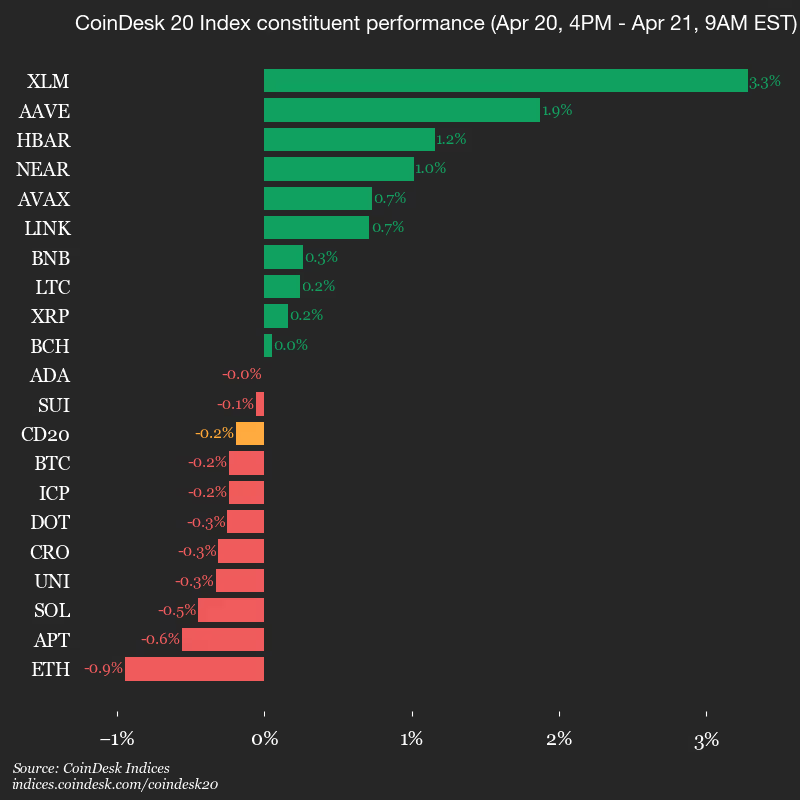
CoinDesk Indices presents its daily market update, highlighting the performance of leaders and laggards in the CoinDesk 20 Index.
The CoinDesk 20 is currently trading at 2101.48, down 0.2% (-4.06) since 4 p.m. ET on Monday.
Ten of 20 assets are trading higher.

Leaders: XLM (+3.3%) and AAVE (+1.9%).
Laggards: ETH (-0.9%) and APT (-0.6%).
The CoinDesk 20 is a broad-based index traded on multiple platforms in several regions globally.
US Reps. Young Kim (R-CA) and Sam Liccardo (D-CA) introduced the bipartisan Payments Access and Consumer Efficiency (PACE) Act on Tuesday, proposing a federal framework that would give fintechs and crypto companies direct access to Federal Reserve payment rails.
The bill targets a longstanding bottleneck in US payments. Currently, only legacy banks can connect directly to the Fed’s clearing and settlement systems, charging nonbank providers markups of up to 100 times the Fed’s own per-item fee, according to the bill’s fact sheet.
What the PACE Act Would Change
Under the proposed law, qualified nonbank payment companies could register for an optional federal supervisory framework administered by the Office of the Comptroller of the Currency (OCC).
Registered providers would gain access to Fedwire, FedNow, and FedACH.
The bill requires providers to maintain 1:1 reserves in safe, liquid assets and meet risk management and recordkeeping standards.
It also aligns with the “skinny master accounts” concept championed by Federal Reserve Governor Christopher Waller.
Crypto exchange Kraken became the first digital asset firm to receive such an account earlier in March.
The measure arrives alongside other pro-crypto legislative efforts, including the GENIUS Act for stablecoins.
However, the PACE Act focuses narrowly on payment infrastructure rather than market structure or token classification.
“We can reduce the burden of bank fees borne by too many American families by enabling broader access to innovative payment systems that deliver cheaper, faster, more reliable service,” Eleanor Terrett reported, citing Rep. Sam Liccardo.
Industry Groups Rally Behind the Bill
The Blockchain Association, Crypto Council for Innovation, Financial Technology Association, and the Digital Chamber all endorsed the PACE Act.
Blockchain Association CEO Summer Mersinger called it an “important step forward,” noting that digital asset payment companies have long been “locked out” of financial infrastructure available to competitors.
The bill now heads to committee, where traditional banking lobbies may push back against provisions that reduce their role as intermediaries in payments.
The post Bipartisan PACE Act Targets Cheaper Payments for Fintechs and Crypto Firms appeared first on BeInCrypto.

Key Highlights
-
Platform transitions from prediction markets to continuous crypto derivatives trading
-
Regulated perpetual futures set for April 27 rollout with USD collateral
-
Monthly trading volumes surpassed $1 billion mark in March 2025
-
Stablecoin collateral integration planned for Q2 following initial launch
-
Strategic positioning against established players like Coinbase and Binance
Kalshi is set to enter the cryptocurrency derivatives arena with a regulated perpetual futures offering scheduled for April 27. This strategic expansion represents a significant departure from the platform’s traditional event-driven contract model, introducing continuous trading instruments linked to digital asset valuations. The initiative enables Kalshi to directly challenge incumbent crypto exchanges while capitalizing on its compliant operational framework.
Platform Diversification Through Derivative Instruments
The upcoming launch introduces perpetual futures contracts that provide price exposure to cryptocurrencies without predetermined settlement dates. Unlike conventional event-based markets that conclude upon specific outcomes, these instruments facilitate ongoing position management. Consequently, this product evolution significantly enhances Kalshi’s trading infrastructure and market relevance.
These derivative contracts utilize funding rate mechanisms to synchronize contract valuations with underlying spot market prices continuously. This technical framework enables Kalshi to deliver stable pricing dynamics alongside adaptable trading parameters. Additionally, the perpetual structure accommodates extended investment horizons beyond what binary outcome markets traditionally provide.
Initial trading will utilize U.S. dollar denominated collateral requirements. Subsequently, Kalshi has outlined intentions to integrate stablecoin collateral options during the second quarter. This phased implementation strategy permits methodical expansion while adhering to regulatory compliance standards.
Expanding Digital Asset Trading Momentum
Cryptocurrency-related trading activity on Kalshi has demonstrated substantial acceleration throughout recent periods. March 2025 marked a milestone achievement with monthly transaction volumes crossing the one billion dollar threshold initially. This performance trajectory validates considerable market appetite and reinforces the strategic rationale for derivatives expansion.
Perpetual futures contracts currently constitute the dominant segment of worldwide cryptocurrency trading volume, particularly across offshore exchange venues. Nevertheless, regulated access within United States markets remains constrained, presenting a strategic opening for Kalshi. The platform can effectively capture traders prioritizing compliant pathways to crypto derivative exposure.
Beyond digital currencies, the company envisions extending its perpetual futures framework into commodities and additional asset categories. This comprehensive development timeline reflects broader strategic ambitions consistent with multi-asset platform evolution. Through this approach, Kalshi reinforces its competitive positioning for sustained market participation.
Competitive Landscape And Sector Dynamics
This strategic expansion positions Kalshi in direct rivalry with major platforms including Coinbase Global and Binance. These established exchanges currently provide cryptocurrency trading services, encompassing derivative products across various regulatory jurisdictions. Kalshi’s distinguishing characteristic stems from its comprehensive U.S. regulatory oversight structure.
The prediction markets sector has witnessed explosive expansion, with transactional activity achieving unprecedented benchmarks throughout 2026. This industry momentum reinforces Kalshi’s integrated approach merging prediction market infrastructure with perpetual futures execution. This hybrid architecture enables more effective liquidity aggregation and capital efficiency.
The platform has secured substantial capital backing, achieving multi-billion dollar valuation metrics. Industry intelligence indicates potential plans for a public market debut within an approximate two-year timeframe. These developments underscore Kalshi’s ongoing operational scaling efforts concurrent with strategic entry into additional financial product categories.

Iran war news escalated Tuesday as parliament speaker Mohammad Bagher Ghalibaf stated publicly that Tehran will not accept negotiations under conditions it considers coercive, with the 10-day US-Iran ceasefire set to expire Wednesday and both sides sharpening rhetoric ahead of prospective talks in Islamabad.
Summary
- Ghalibaf warned that Iran has spent the past two weeks preparing “new cards on the battlefield” and accused Trump of violating the ceasefire by maintaining the naval blockade and seeking Iran’s surrender.
- Iran’s foreign ministry said it has no plans for a second round of negotiations, while IRIB cited Iranian sources confirming no decision has been made to participate in Islamabad talks.
- Trump told CNBC he is “ready to go” back to war if no deal is reached and said he would not extend the ceasefire, while also saying he expects a “great deal” and that Iran has “no choice.”
Iran war news turned sharply negative Tuesday as Iranian officials delivered a unified message hours before the US negotiating team led by Vice President JD Vance was expected to arrive in Islamabad. Tehran’s position, as expressed through multiple official channels, is that it will not enter talks while the US naval blockade of its ports continues and while American officials publicly threaten expanded military strikes.
“We do not accept negotiations under the shadow of threats, and in the past two weeks, we have prepared to reveal new cards on the battlefield,” Ghalibaf wrote on X. He accused Trump of using the ceasefire period to seek Iran’s surrender rather than a genuine agreement, calling the US posture “warmongering.”
Iran’s foreign ministry spokesperson Esmaeil Baqaei confirmed at a weekly press briefing that “as of now, we have no plans for the next round of negotiation, and no decision has been made in this regard.”
Why Tehran Is Holding Its Position
The core Iranian complaint is structural. The US imposed a naval blockade of Iranian ports on the same day the ceasefire was announced, treating it as a tool of coercion rather than a genuine pause in hostilities. Iran has maintained since Sunday that continuing participation in any talks depends on the US changing its behavior, specifically lifting the blockade and stopping what Tehran describes as ceasefire violations.
Iranian President Massoud Pezeshkian separately criticized US officials for sending “unconstructive and contradictory signals,” noting that Trump publicly claimed Iran had agreed to give up its enriched uranium stockpile while Iran denied this within hours of the claim. The gap between what each side says the other agreed to is itself a structural obstacle to building the trust necessary for second-round talks.
The Hormuz Situation and What Happens at Midnight
The ceasefire expires Wednesday. The Strait of Hormuz, which Iran briefly reopened before closing again after the Touska cargo ship seizure, remains effectively closed to normal traffic. Iran sent drones toward US military ships after the Touska was boarded by US forces, signaling that its military posture remains active. The USS Gerald R. Ford carrier operates in the Mediterranean while the USS Abraham Lincoln is in the north Arabian Sea, with a third carrier group expected in the region by month’s end.
Trump told CNBC he is “ready to go” if talks fail and said he would not be rushed. He also said Iran has “no choice” but to negotiate. The contradiction between those statements and Iran’s stated refusal to talk under threat defines the standoff heading into the Wednesday deadline.
What This Means for Oil and Crypto Markets
The ceasefire hopes that lifted Bitcoin to $72,700 and pushed oil down 13% on April 8 are now at direct risk. A resumption of hostilities at midnight Wednesday would push Brent crude above $100 again and remove the macro tailwind that has supported crypto markets over the past two weeks. The oil price channel into inflation expectations, Fed rate policy, and risk asset positioning means that the outcome of Wednesday’s deadline is the single largest near-term variable for Bitcoin and the broader crypto market.
Cryptocurrency offerings are starting to influence how European investors are choosing their bank providers, but regulatory uncertainty continues to hinder mainstream adoption, according to a new survey.
A Börse Stuttgart Digital survey released Tuesday found that 35% of European investors would consider switching banks if another institution offered better cryptocurrency investment options, suggesting crypto is starting to influence how some customers choose financial providers.
Nearly one in five respondents said they expect their main bank to offer crypto access within the next three years, according to the survey, which covered about 6,000 investors in Germany, Italy, Spain and France. The findings suggest crypto is moving closer to the mainstream banking relationship, at least among investors already open to digital assets.
Still, regulations and a lack of education remain the biggest hurdles to adoption, with 76% seeing crypto assets as insufficiently regulated, while over 60% feel poorly informed about digital assets.
MiCA increased trust in digital assets for nearly half of European investors
European Union regulation appears to be helping on that front. The EU’s Markets in Crypto-Assets Regulation (MiCA) went into full effect for crypto asset service providers on Dec. 30, 2024.
Nearly half of the surveyed investors said that the MiCA framework increased their trust in digital assets, making them “safer and more attractive.”
“Trust and clear regulation are essential for the next phase of crypto adoption in Europe. With MiCAR bringing transparency and legal certainty, investors gain the clarity they expect,” said Matthias Voelkel, the CEO of Börse Stuttgart Group.
The results land as traditional financial institutions across Europe keep inching deeper into crypto. Börse Stuttgart Digital said in January 2025 that it had become the first German provider of crypto asset services to receive an EU-wide MiCA license through its custody subsidiary, positioning itself as a regulated infrastructure provider for banks, brokers and asset managers.
Related: Deutsche Börse invests $200 million in Kraken parent Payward
Spain leads European crypto adoption
Among the surveyed countries, Spain showed the highest crypto adoption rate with nearly 28% of investors already owning digital assets. Germany was second with 25%, Italy followed with 24% and France with 23%.
Of the respondents, 25% said they had already invested in crypto, and 36% said they are likely to invest again within the next five years, showing “sustained interest despite market volatility,” according to the report.

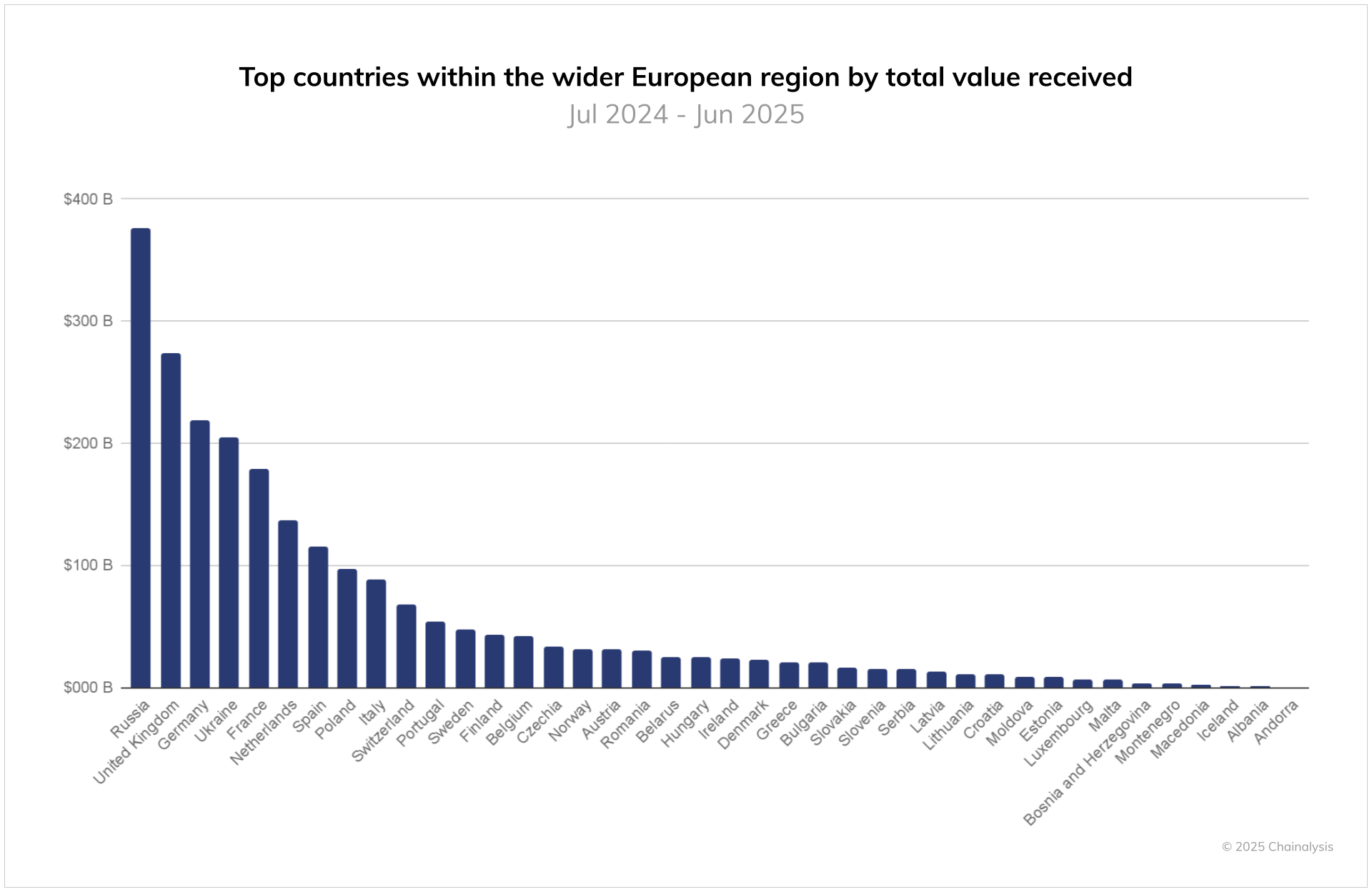
According to a Chainalysis report published in October 2025, Russia had the largest crypto market in Europe with $376 billion of value received between July 2024 and June 2025, trailed by the United Kingdom with $273 billion and Germany with $219 billion.
Bitcoin (BTC) rebounded above $76,000 on Tuesday, after the spot market demand on Coinbase exchange saw a second week of bullish volume trends.
Net spot buy volume has climbed sharply over the past 15 days, signaling sustained strength from bulls, but will BTC be able to turn the $75,000 level into a long-term support level?
Coinbase demand keeps spot volumes trending higher
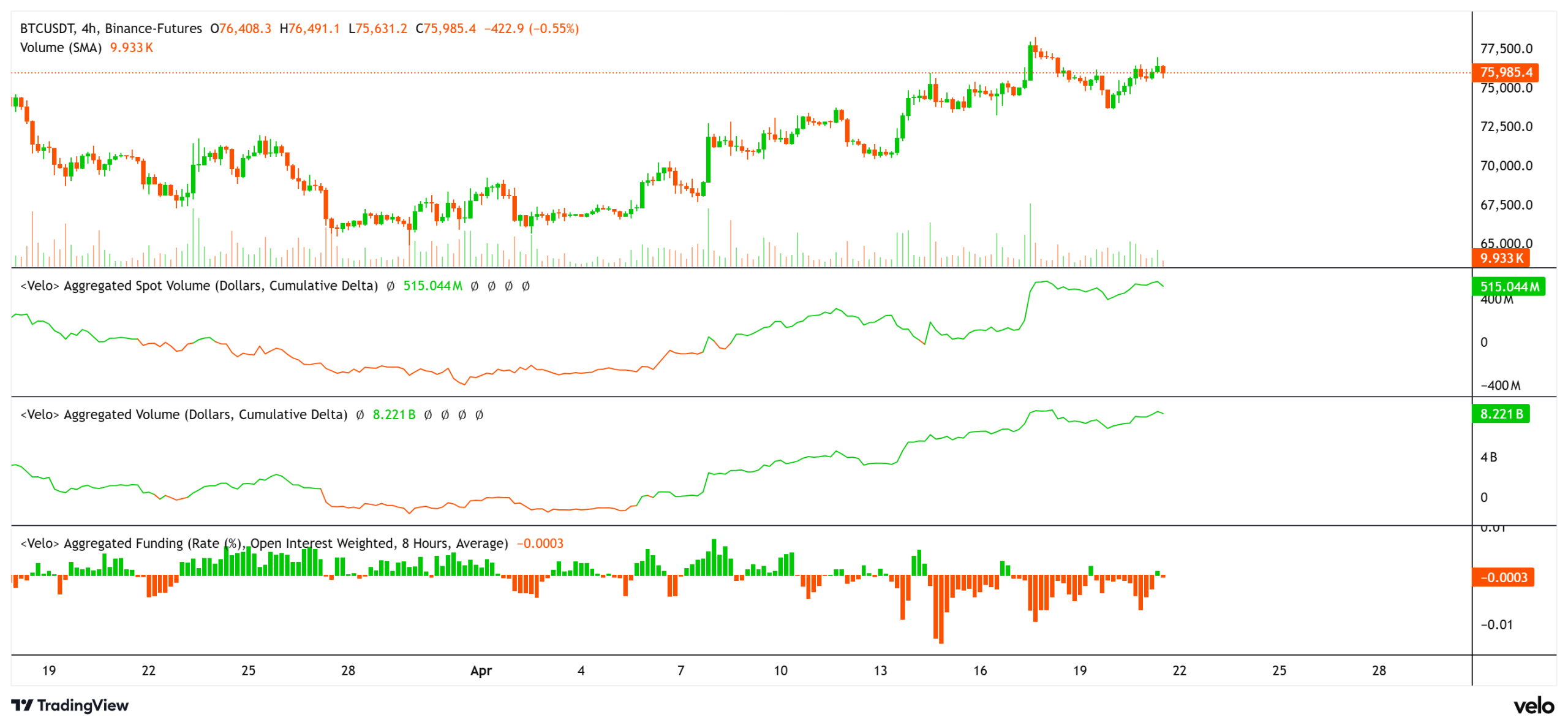
The aggregated spot cumulative volume delta (CVD) continues to trend higher, rising to $517 million on Tuesday, up from $55 million on April 17. The broader CVD across spot and futures is above $8.5 billion, with BTC price consolidating just below $77,000 following Monday’s recovery.

The buy-side remained elevated and flat, with no clear distribution or selling over the past 24 hours. BTC has held firm while spot demand has absorbed selling pressure, keeping the upward slope in CVD intact.
The funding rates are slightly negative at -0.003%, indicating traders are still leaning bearish, which may trigger a squeeze toward the upside.
Crypto analyst Ardi noted that Coinbase activity has played a larger role in BTC’s 12% recovery in April. “Coinbase premium has been doing more of the work in this range than people realize,” Ardi said, pointing to past rallies that aligned with sustained positive premiums.

The premium, currently at 0.05, now serves as an early signal of demand strength. Ardi explained that a flattening or shift back into negative territory would point to thinning order books, which may slow down bullish price action.
Related: Bitcoin risks losing $70K as Strategy’s STRC slips below $100
Should traders expect $88,000 in May?
From a technical standpoint, Bitcoin printed a bullish engulfing candle on Monday, reversing the 2.5% dip on Sunday and signaling renewed strength. The price also moved back above the 100-day exponential moving average (EMA) after last week’s first retest of the level in more than four months.

On the higher time frame, Bitcoin continues to form higher highs and higher lows, keeping the trend intact. The focus now is on how the price behaves around $75,000, which could serve as a key inflection point.
Liquidity remains concentrated below, with about $2.8 billion in cumulative leveraged positions between $73,000 and $75,000, forming a support range. The overhead supply near $76,000 to $78,000 stands at around $1.8 billion in short leveraged positions.

MN Capital founder Michaël van de Poppe said the recent pullback aligns with a typical weekend pattern, with risk appetite returning as the markets reopened on Monday.
The analyst pointed to easing volatility and last week’s $1 billion in inflows into exchange-traded funds (ETFs) as supportive factors.
Van de Poppe added that continued strength near resistance could open the door to a move toward the $85,000 to $88,000 range in May, if broader conditions remain unchanged.

Related: VIX drops 45% in three weeks: Is Bitcoin price ready to retake $80K?
This article is produced in accordance with Cointelegraph’s Editorial Policy and is intended for informational purposes only. It does not constitute investment advice or recommendations. All investments and trades carry risk; readers are encouraged to conduct independent research before making any decisions. Cointelegraph makes no guarantees regarding the accuracy or completeness of the information presented, including forward-looking statements, and will not be liable for any loss or damage arising from reliance on this content.
Crypto World
Ethereum Price News: ETH Flashes a Bullish Setup No Holder Should Miss While Pepeto Nears Its Binance Listing
Ethereum price news on April 21 points to a setup that defines entries for the full cycle. ETH sits at $2,309 after seven straight sessions of positive spot ether ETF flows, and the daily chart carved a clean ascending triangle into today’s session per CoinSpectator. Cumulative ether ETF inflows reached a record $11.68 billion according to CoinDesk, and BlackRock’s ETHA alone holds over $6.5 billion in assets.
While the market argues whether ETH breaks $2,460 resistance or retests the $2,250 floor, more than $9.29 million has quietly moved into a presale led by the original Pepe cofounder with a Binance listing pulling closer each day, and fractions of a cent here beat any Ethereum price news print on a $280 billion asset this year.
Ether ETFs extended their inflow streak to seven straight sessions through April 20, pulling in $187 million for the strongest weekly period of 2026 per CoinDesk. That reverses three weeks of outflows and lifts cumulative flows to $11.68 billion. Morgan Stanley’s pending S-1 for a dedicated ether trust widens the institutional on-ramp further.
An unidentified whale opened a $90.9 million long on ETH at 20x leverage on April 20 per Crypto Briefing, a directional bet at a size that rarely shows up in quiet markets. Network activity jumped 41% week over week to 3.6 million daily transactions, confirming the demand underneath the chart setup.
Ethereum Price News Meets the Best Crypto to Buy: Is It ETH or Pepeto?
Pepeto: A Live Exchange With 267x Math and a Binance Listing Days Away
The current ETH outlook builds a strong case for Ethereum over the year, but every large cap token carries a hard ceiling on how fast it can move. A run from $2,309 to $3,500 is under 2x, and that stays true no matter how bullish the chart looks.
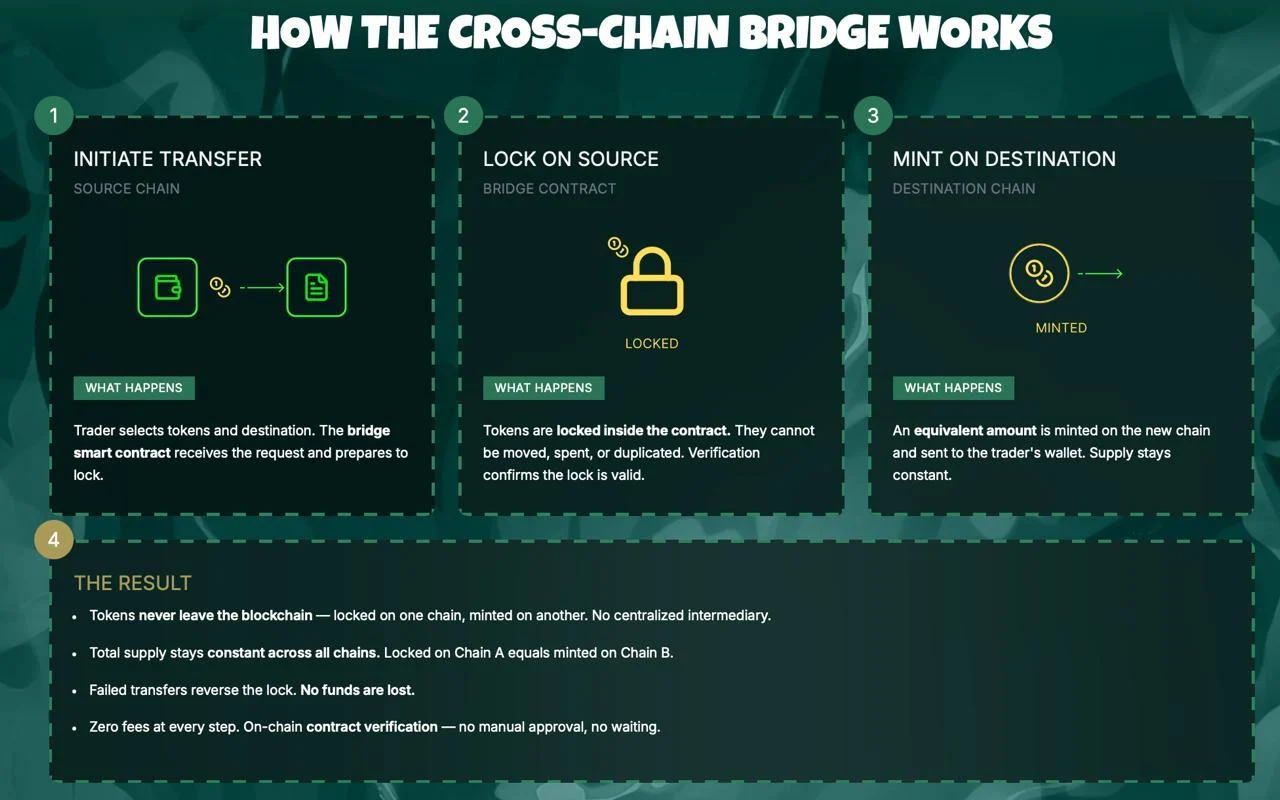
Pepeto starts from the other end of the math. The exchange is already operational inside the presale window, so every wallet that enters owns a working product from day one. Swaps across Ethereum, BNB Chain, and Solana run without a fee, and the cross network bridge carries tokens between chains without costing a single dollar.
Every feature on the platform works today rather than at some future date, and that is why traders keep naming Pepeto in the best crypto to buy conversation. The architect who shaped Pepe into an $11 billion phenomenon now runs this project alongside a senior Binance engineer. Every contract was cleared by SolidProof, and the Binance listing is confirmed.
Staking at 180% APY lets early positions compound while the window narrows. With $9.29M raised and the entry price locked at $0.0000001865, each filled round pulls the listing closer. The moment live trading opens, today’s price closes for good.
Ethereum Price at $2,309 as Key Levels Shape the April Outlook
Ethereum (ETH) trades at $2,309 on April 21 per CoinMarketCap, up 0.11% on the day after riding the Iran ceasefire rally higher. The Fear and Greed Index sits below 20, historically the zone where patient capital loads rather than sells.
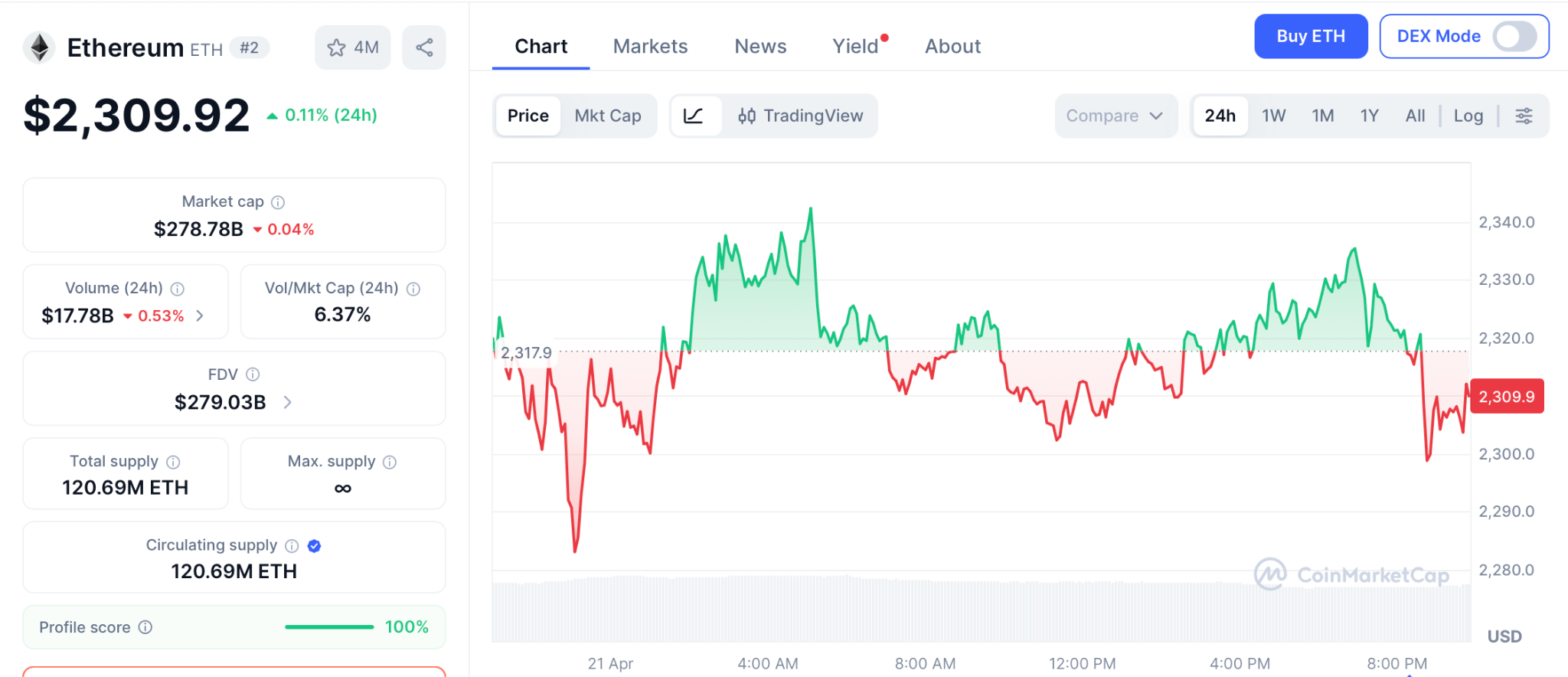
Holding $2,250 support keeps the ascending triangle thesis alive and opens a path toward $2,460 first, then $2,500 if ETF flows keep expanding. Standard Chartered still targets $7,500 on ETH for 2026, and Fundstrat models $4,500 by December. Even the $4,500 target caps returns near 95% from here, while presale entry at fractions of a cent carries a completely different multiplier above it.
Conclusion
Ethereum price news confirms ETH holding $2,309 as a seven day ETF inflow streak pulls back the curtain on the institutional demand behind the next leg, and from a $280 billion asset the upside on offer is nothing like what reshapes a wallet. That is why over $9.29 million has already entered Pepeto while fear stayed near the floor, from investors who mapped the listing outcome before the crowd noticed.
That echoes the pattern wallets that bought ETH under $1 rode in 2015, moving early and stepping into six figure bags inside one cycle.
Pepeto is where that return profile rebuilds this year with the Pepe cofounder and a locked-in Binance debut behind it. The Pepeto official website shows rounds closing fast, and every hour pulls the entry closer to gone.
Click To Visit Pepeto Website To Enter The Presale

FAQs
What does the latest Ethereum price news signal for ETH in April 2026?
Ethereum price news points to a seven day ether ETF inflow streak and a $90.9 million whale long at 20x leverage on April 20. Cumulative ether ETF inflows reached $11.68 billion with BlackRock’s ETHA holding $6.5 billion in assets per CoinDesk.
What is the best crypto to buy right now against large cap options?
Pepeto is the best crypto to buy right now because it runs a live SolidProof audited exchange with zero fee trading and a cross chain bridge built by the Pepe cofounder and a senior Binance engineer. Presale inflows sit at $9.29M at $0.0000001865 with 181% APY staking and the Binance debut locked on the calendar.
Disclaimer: This is a Press Release provided by a third party who is responsible for the content. Please conduct your own research before taking any action based on the content.

Raptors vs. Cavaliers April 21

Building Functional Computer Memory from Scratch in a Backyard Shed is Possible, Just Not Easy

Falling cocoa prices haven’t helped Barry Callebaut yet

Manchester United reach agreement with Casemiro over contract clause amid transfer speculation

Steven Gerrard disagrees with Gary Neville over ‘shock’ Chelsea and Arsenal claim | Football

US brings back mandatory military draft registration

Crypto in India: Can Indians Trade Legally or Is Cryptocurrency Banned? Full Explanation Ankit Sir

financial literacy Noise made less scary #financialgoals #goals #sidegigs #noise #financialliteracy

How To Make Money Using Pinterest in 2027! | Vaibhav Kadnar
-

 News Videos7 days ago
Secure crypto trading starts with an FIU-registered
-

 Fashion4 days ago
Weekend Open Thread: Theodora Dress
-

 Politics4 days ago
Palestine barred from entering Canada for FIFA Congress
-

 Sports5 days ago
NWFL Suspends Two Players Over Post-Match Clash in Ado-Ekiti
-
Entertainment2 days ago
NBA Analyst Charles Barkley Chimes in on Ice Spice McDonald’s Fiasco
-

 Business2 days ago
Powerball Result April 18, 2026: No Jackpot Winner in Powerball Draw: $75 Million Rolls Over
-

 Crypto World4 days ago
Russia Pushes Bill to Criminalize Unregistered Crypto Services
-

 Politics1 day ago
Gary Stevenson delivers timely reminder to register to vote as deadline TODAY
-

 Politics3 days ago
Zack Polanski demands ‘council homes not luxury flats for foreign investors’
-

 Tech3 days ago
Auto Enthusiast Scores Running Tesla Model 3 for Two Grand and Turns It Into Bare-Bones Go-Kart
-

 Tech6 days ago
‘Avatar: Aang, The Last Airbender’ Leaked Online. Some Fans Say Paramount Deserves the Fallout
-
 Business5 days ago
Creo Medical agree sale of its manufacturing operation
-

 Crypto World4 days ago
Russia Introduces Bill To Criminalize Unregistered Crypto Services
-
 Entertainment7 days ago
Dave Portnoy Slams Dianna Russini: ‘Makes Zero Sense’
-

 Crypto World7 days ago
X Launches New Cashtag Feature for Stocks and Crypto: X
-

 Sports6 days ago
British climbers complete new route in Swiss Alps
-

 Sports6 days ago
“Felt Much Better Today”: Josh Hazlewood Opens Up On His Recovery Win Over LSG
-
Crypto World3 days ago
Kelp DAO rsETH Bridge Hack Drains $292M as DeFi Losses Top $600M in Two Weeks
-

 Sports7 days ago
WTA roundup: All seeded players advance in Stuttgart, Rouen
-

 Tech6 days ago
Ford EV and tech chief leaving automaker
You must be logged in to post a comment Login