
Crypto World
Bitcoin Dominance on the Rise Again as BTC Tapped 15-Week Peak Above $81K: Market Watch

Bitcoin’s price initiated another leg up in the past several hours, blasting past $80,000 and $81,000 for the first time since the middle of May.
BTC even outperformed many larger-cap altcoins, which resulted in an uptick in its dominance over the market.
Bitcoin Exceeded $81K
It was just a week ago when we were wondering what would be the new (old) thing that we could write about the crypto market, as bitcoin had stalled below $65,000 for a long, long time. However, Wednesday afternoon changed the trend. Whether it was the US Treasury Department’s announcement, the White House Crypto Summit, or something else, BTC exploded out of the gate with force.
It went to $70,000 within a few hours, dipped back to $68,000, and then skyrocketed once again to $75,000 by Thursday. The bulls took it a step further on Friday, helping BTC climb to almost $80,000 for the first time since mid-May.
After gaining $15,000 in days, the asset was due for a correction, which took place during the weekend with a price slip to $75,500. Nevertheless, the bull returned in full force at the start of the new business week, pushing bitcoin to over $81,000 earlier today to mark a 15-week peak.
It was stopped there and now sits inches below $80,000, but its market cap has risen to $1.6 trillion. Its dominance over the alts has rocketed to 58% on CG and to almost 60% on CMC after its latest run.

SOL Touches $100
Solana’s native token is the top performer among the larger-cap alts today, surging by 7% to over $100 for the first time in months. HYPE has neared its all-time high of $83, marked a few days ago, once again, as it now sits close to $82. ZEC has surpassed DOGE as the 10th-largest cryptocurrency by market cap.
XMR and RAIN are the other top performers from this cohort of assets, while MORPHO, AAVE, and LTC have dropped the most. Meanwhile, ETH remains inches below $2,500, XRP is stuck at $1.50, and BNB is back above $700.
The total crypto market cap has added nearly $100 billion since yesterday and is up to $2.770 trillion on CG.

The post Bitcoin Dominance on the Rise Again as BTC Tapped 15-Week Peak Above $81K: Market Watch appeared first on CryptoPotato.

An analyst has claimed that large Coinbase-linked holders are pinning XRP’s price with the buy and sell walls on both sides of the market.
Their thesis landed as the Ripple token hovered near $1.51, holding a tight range after a rally that more than doubled the asset’s price from its early-August low.
Whale Walls and a Split Order Book
CW posted a chart showing XRP consolidating between roughly $1.52 and $1.53, with heavy sell orders stacked above $1.70 and $2.00 and buy orders clustered just under $1.52.
“It is Coinbase whales that are controlling the price of XRP,” the account wrote, arguing that the walls are not there to push price up or down but to hold it in place, and tying the standoff specifically to US trading desks not yet ready for a rally.
They followed up later with data on futures positioning, suggesting the setup for a rally is building even though price has not moved.
The data showed whale long/short ratios on Binance and OKX both leaning bullish, with OKX’s whale position ratio at 8.16, but smart money sentiment stayed split: extremely bullish on OKX, extremely bearish on Bybit, and merely bearish on Binance, which was an improvement from a more bearish reading a day earlier. Taker volume was close to even, 48.74% long against 51.26% short.
In another post, CW said XRP had broken through its point of control and main resistance zone, with the sell wall now above price looking small by comparison.
ETF flow added another data point, with a net inflow of $13.82 million across XRP ETFs, split between $8.25 million on Bitwise’s fund, now at $551 million cumulative, $4.01 million into Franklin’s XRPZ, at $438 million cumulative, and $1.57 million on Canary’s XRPC fund.
Combined AUM sits at $1.441 billion, and total XRP ETF volume, spot and otherwise, topped $207 million for the day.
How XRP Got Here
CryptoPotato reported that XRP surged more than 65%, raising its market cap above $94 billion and briefly taking the position of the fourth-largest cryptocurrency ahead of BNB, although it later fell back to fifth.
The token saw a rally from below $1.00 to nearly $1.70 in under 72 hours, its highest level since January, before retracing, with market watchers like EGRAG CRYPTO considering $1.65 to $1.70 the level where its fate will be decided.
Diana, another trader active on X, laid out a wave count putting $1.79 as the first target if XRP clears resistance between $1.53 and $1.64, followed by $2.58 and $2.89 after a pullback toward $1.27 to $1.30.
At the time of writing, XRP was trading around $1.51, which is still a more than 50% jump in seven days. The token’s trading volume also went up by more than 11% from Monday’s numbers to hit $5.9 billion. However, it is still about 59% below its all-time high of 3.65, set in July 2025.
The post The Real Reason XRP Is Stuck: Analyst Blames Massive Trading Walls on Coinbase appeared first on CryptoPotato.
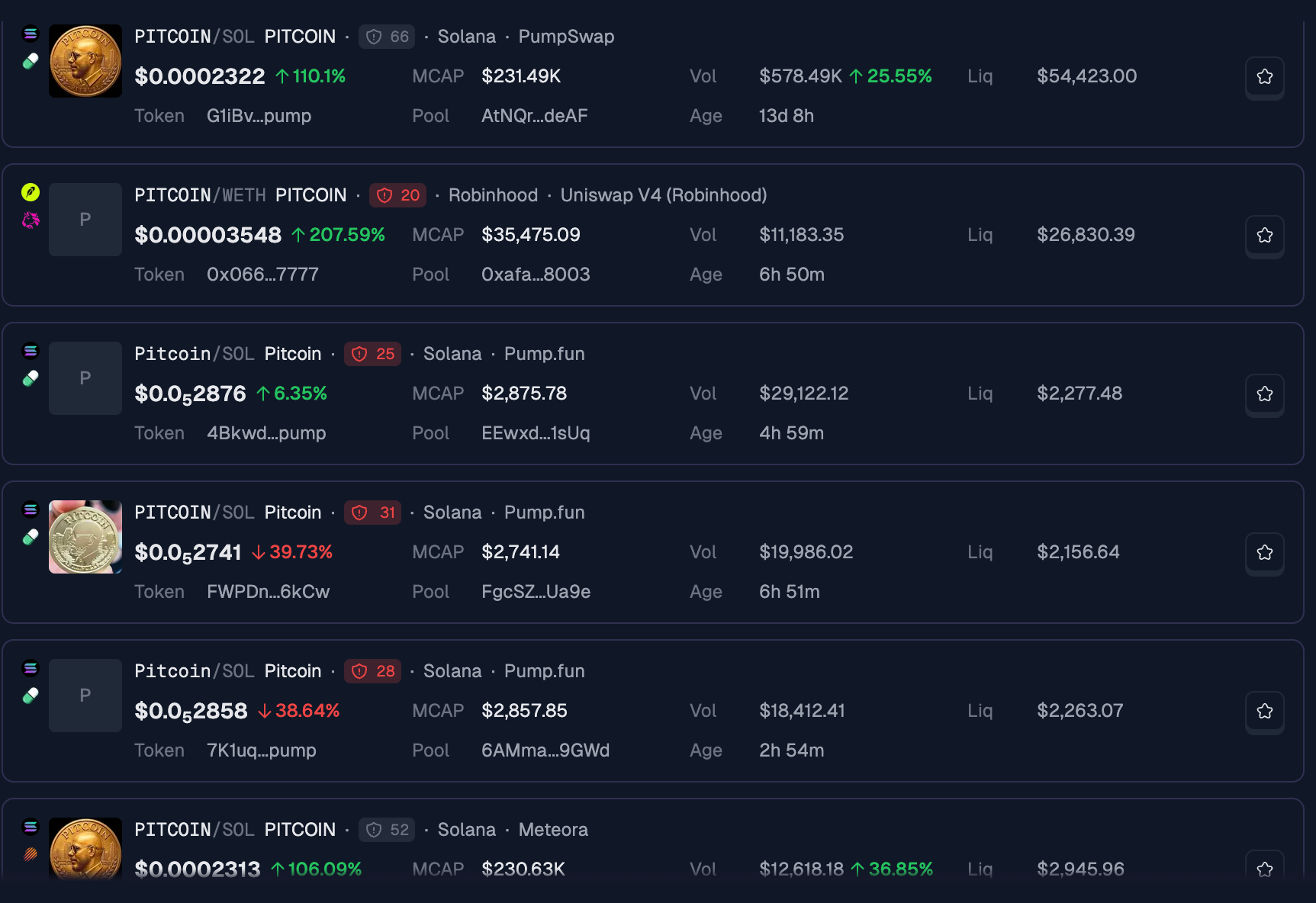
Meme coins named after Pitbull’s upcoming album Pitcoin rallied roughly 100% today, with the busiest token logging $583,231 in daily volume.
The rapper promoted the project on X. None of the tokens trading under the Pitcoin name carry any endorsement from him or his label.
Pitbull Minted a Title, Someone Else Minted the Token
Billboard first reported the album title on August 12. Pitbull, born Armando Christian Pérez, releases Pitcoin in early October.
Trading data shows the leading PITCOIN token’s Solana (SOL) pool went live on August 12. That places its creation on the same day Billboard published the album title.

The token trades on PumpSwap and holds $54,387 in liquidity. Its daily volume runs about 14 times higher than the next busiest Pitcoin pool.
A newer version in a Uniswap V4 pool on Robinhood’s chain rose 207% in under seven hours. It carries a $35,475 valuation.
Most copycats stayed small. Dozens of tokens now trade under the Pitcoin name, and most hold market caps below $3,000.
Pitbull’s post drew 115,500 views and directed fans to a pre-save page.
Follow us on X to get the latest news as it happens
Copycat Tokens Follow a Familiar Pattern
Copycat meme coins rallies follow a familiar script. Elon Musk posted a Dogefather image in February 2025. Developers launched fresh Dogefather coins within hours. Moreover, two tokens using that name jumped 122% and 137%.
The pattern repeats whenever a name goes viral. Musk changed his X display name to Gorklon Rust in May 2025, and new Gork tokens spiked as much as 7,000%.
Ye faced the same problem before releasing YZY. He warned followers in February 2025 that every coin using his brand was fake. The rapper then launched the YZY coin in August last year.
Subscribe to our YouTube channel to watch leaders and journalists provide expert insights
The post Pitbull Album Named Pitcoin Spawns Wave of Unaffiliated Crypto Tokens appeared first on BeInCrypto.
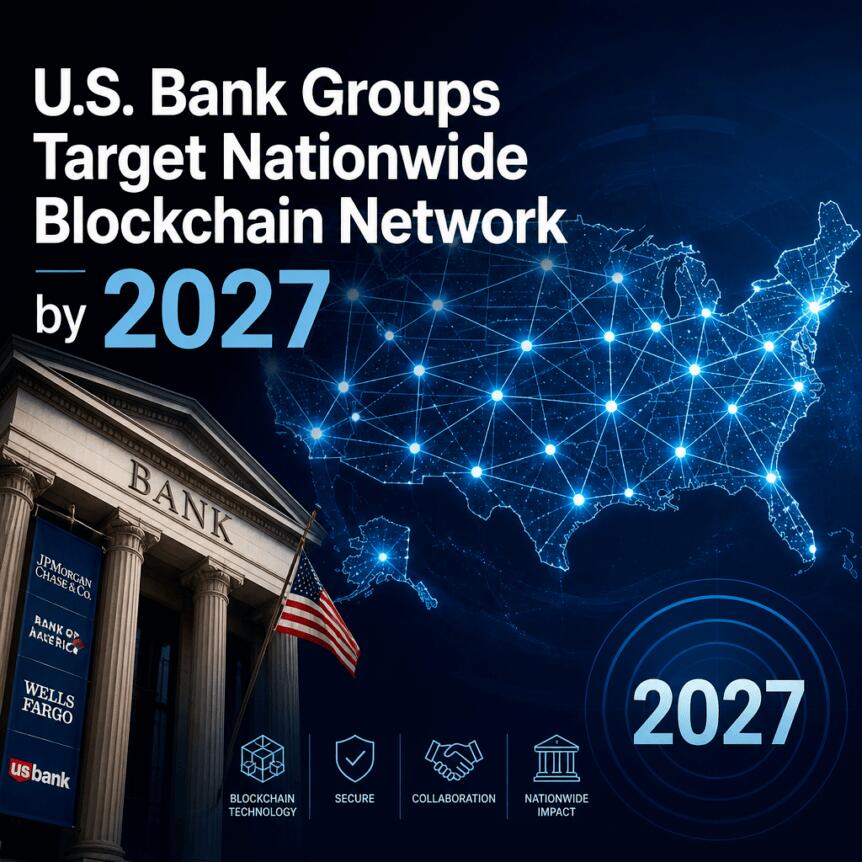
Thirty-nine US state banking associations have formed the BankChain Alliance, aiming to launch an industry-owned blockchain network for banks by 2027. The group says the system is designed to help regulated institutions develop and deploy onchain financial services such as smart payment tools, tokenized deposits, stablecoin-related capabilities, and automated settlement.
The alliance’s initial announcement emphasizes interoperability with other blockchains and states that BankChain is selecting a technology partner. It also says it will invite banks across the country to take ownership stakes in the network. However, the public release did not outline how governance or funding would work, nor did it name specific banks that have already agreed to participate.
Key takeaways
- BankChain Alliance brings together 39 state banking associations to build a shared, industry-owned blockchain network for banks, targeting 2027.
- The network’s intended use cases include smart payments, tokenized deposits, stablecoins, and automated settlement.
- BankChain says it aims for interoperability with other blockchains and is selecting a technology partner.
- The announcement does not yet detail governance or funding, and it does not name specific banks committing to join.
A bank-led path: tokenized deposits instead of “unbacked” onchain money
BankChain’s stated direction fits a broader shift within US finance toward shared blockchain infrastructure built and controlled by regulated institutions. A core distinction in this approach is the treatment of tokenized deposits. According to The Clearing House’s June announcement, tokenized deposits are claims on individual banks and are intended to retain their status as commercial bank money rather than functioning like independently issued stablecoins.
In practice, that structure matters for adoption because it allows banks to use programmable, near-real-time settlement while keeping customer funds on bank balance sheets. The model is designed to reduce some of the regulatory and operational questions that have surrounded stablecoin issuance, while still delivering many of the workflow advantages that motivate onchain payments.
BankChain joins a growing US consortium ecosystem
BankChain is not the first effort aimed at moving deposits and payments onchain within the regulated banking system. Since late 2025, multiple initiatives have been announced or advanced—spanning large, regional, and community banks—each exploring shared infrastructure and coordination.
In June, The Clearing House announced an “onchain money” initiative backed by major institutions including JPMorgan Chase, Bank of America, Citi, BNY and Wells Fargo. The proposal is described as clearing and settling tokenized deposits between banks, while connecting onchain activity to existing payment systems.
Regional lenders have also pursued their own bank-governed direction. Through Cari, which was developed with Huntington, First Horizon, M&T Bank, KeyBank and Old National, participants have been working toward a separate network. Cari launched a minimum viable product in March and, according to the reporting referenced in the source article, had attracted more than 30 participating banks by July.
At the community bank level, the DTX Consortium was formed through the Independent Bankers Association of Texas. In June, IBAT stated its membership had surpassed 50 banks as the group prepared a tokenized-deposit pilot.
Taken together, these projects point to an emerging pattern: instead of building a single, universal network from scratch, US banks appear to be testing multiple frameworks—often consortium-based—that allow participants to move value onchain while retaining governance, compliance, and risk controls inside the banking perimeter.
Stablecoin interest remains, but governance questions are still central
BankChain’s announcement signals ambition beyond tokenized deposits. It lists stablecoins among the targeted capabilities the network would support. Still, the public details provided do not clarify how stablecoin functionality would be handled, whether it would be mediated through bank-issued or bank-controlled mechanisms, or how it would interact with tokenized deposits and existing settlement rails.
The uncertainty around governance is notable across the broader landscape, not just within BankChain’s release. BankChain said it would invite banks nationwide to take ownership stakes, but it did not describe who would set rules for upgrades, risk management, participation standards, or how decisions would be made if institutions disagree. For investors and builders, these questions are often as important as the technical architecture, because they determine how quickly a network can evolve and how disputes are resolved in real deployments.
Meanwhile, stablecoin ecosystem initiatives are also leaning into consortium structures. In June, Open Standard named more than 140 payments, banking, technology and crypto companies in connection with Open USD, a dollar-backed stablecoin expected to launch later in 2026. The project, according to the referenced source material, planned fee-free minting and redemption for businesses while distributing reserve earnings among participating companies.
That contrast—between bank-controlled onchain deposit frameworks and broader consortium-led stablecoin efforts—may shape how liquidity and payment use cases ultimately converge. The key question for market participants is whether these systems will interoperate cleanly enough to support common workflows across different types of “tokenized” value.
What to watch before 2027
BankChain says it is selecting a technology partner and plans for interoperability with other blockchains, but the announcement leaves major implementation details unanswered, including governance and funding. Over the coming months, market participants should look for concrete information on how ownership stakes translate into decision-making power, how the network will connect with regulated payment infrastructure, and which pilot institutions—if any—will be involved early.
With several US bank-led onchain initiatives now underway at different scales, the outcome may hinge on execution: the ability to deliver compliant settlement performance at scale while sustaining a governance model that banks can trust over time.
Grayscale’s Zcash fund began trading on NYSE Arca as the Zcash ETF (ZCSH) this Tuesday, August 25, billed by the firm as the first exchange-traded product in the world to offer spot exposure to Zcash (ZEC) and carrying a sponsor’s fee of 2.5% a year.
ZCSH’s predecessor launched as a private placement in October 2017, and its shares have been quoted on OTCQX since October 2021. The registration statement went effective on August 24, NYSE Arca certified the listing the same day, and the fund shed the Grayscale Zcash Trust name in the process.
NAV Discount Narrows to 1%
The final prospectus also fills in the fee rate, a line that was still blank when CryptoPotato covered the August 18 amendment disclosing contribution talks with a Digital Currency Group (DCG) unit last week.
“As AI reshapes how financial activity can be monitored, we believe demand for genuine financial privacy will only grow. With ZCSH, Grayscale is building on its history of industry firsts by giving investors a way to gain exposure to one of the market’s leading privacy-focused assets,” said Steve Vanourny, Head of Index at Grayscale.
Coinbase Custody Trust Company holds the fund’s ZEC, and Foreside Fund Services acts as the marketing agent.
The Zcash ETF – Built by Grayscale (Ticker: $ZCSH) begins trading today @ZcashETF.
The world’s first Zcash ETF offering exposure to $ZEC, now accessible from brokerage or investment accounts.
Why $ZEC?
⟶ Zcash shares key features with Bitcoin: a 21 million… pic.twitter.com/nuaR2HBTWx
— Grayscale (@Grayscale) August 25, 2026
Shares that traded at a 17% discount to net asset value on June 30 narrowed to a 7% discount by August 12 and 1% by August 20, when they closed at $45.34 on OTCQX. The trust reported a net asset value of $155.2 million at the end of June, when its holdings amounted to approximately 2.3% of the ZEC in circulation.
The prospectus also carries forward the warning that DCG, Grayscale’s parent, may come to own a majority of the shares. DCG International Investments, a subsidiary, remains in discussions to acquire shares through an authorized participant in exchange for roughly 200,000 ZEC, a stake expected to constitute “a substantial portion” of the fund’s ownership. The talks are not binding, and the unit “could determine to purchase more, fewer, or no Shares,” the document states.
ZEC Trades Near an Eight-Year High
Launched in 2016, Zcash pairs a Bitcoin-style 21 million coin supply cap and proof-of-work consensus with optional transaction privacy that shields sender, recipient, and amount details.
Grayscale’s announcement even cites the network’s upgrade record, from Sapling in 2018 and Orchard in 2022 through the Ironwood upgrade that went live in July with a turnstile mechanism against counterfeit coins.
In a post on X, the firm put shielded supply at 4.4 million ZEC, roughly 26% of the circulating total.
ZEC changed hands at $785 on August 26, according to CoinGecko, the 12th-largest digital asset at a $13.2 billion market capitalization. Two days before the listing, the token touched roughly $880, its highest price since January 2018.
The post Grayscale’s Zcash ETF Starts Trading on NYSE Arca With a 2.5% Sponsor Fee appeared first on CryptoPotato.
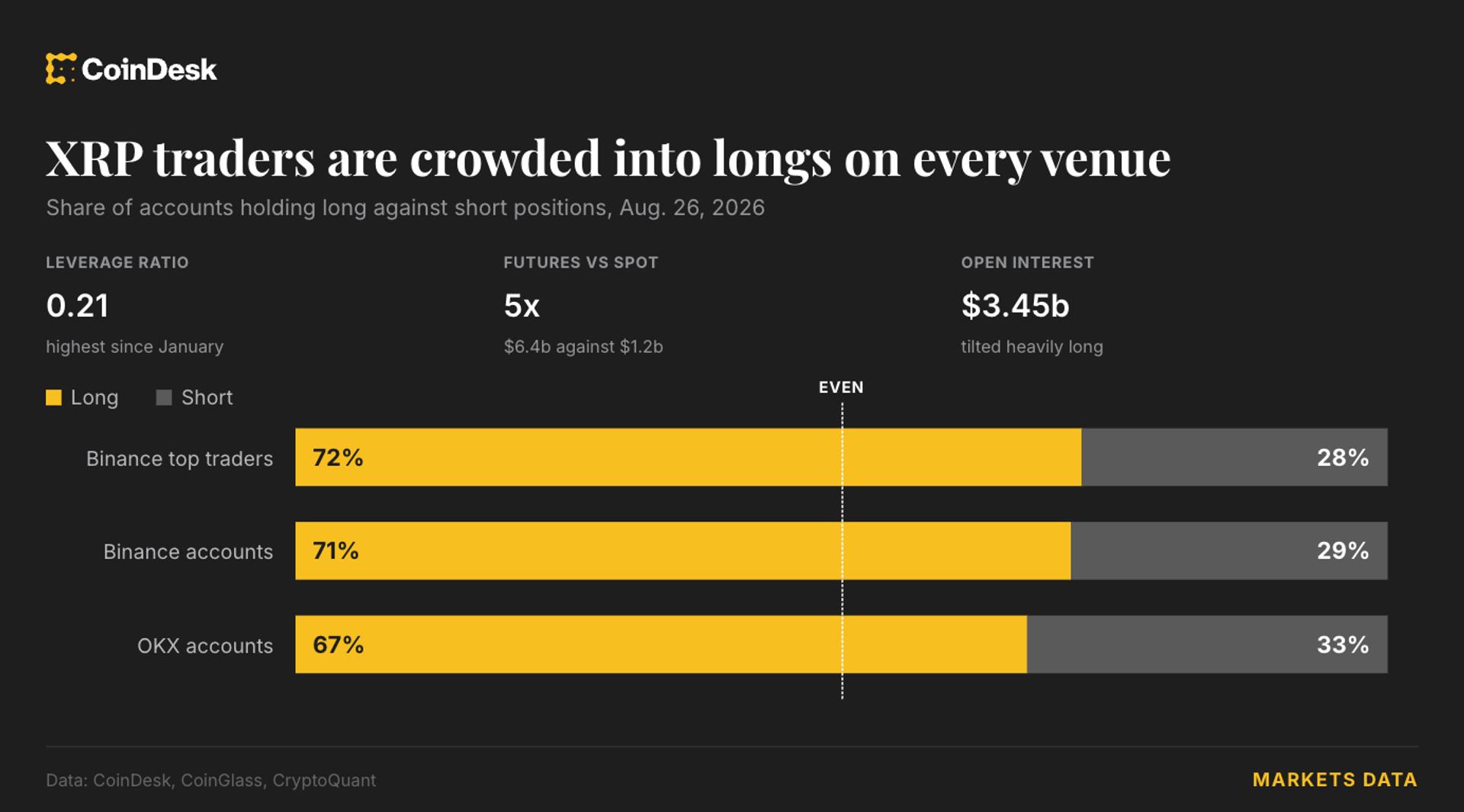
CryptoQuant data show XRP’s estimated leverage ratio on Binance at its highest since January, with long accounts outnumbering shorts as futures volume runs more than five times spot trading.
SpaceX will invest $100 billion to build its largest launch facility on the Louisiana coast, the company and state officials confirmed Tuesday.
Louisiana Economic Development said the Vermilion Parish campus is designed to support thousands of launches each year. Construction starts in 2027, with the first flight targeted for as soon as 2029.
Louisiana Ties SpaceX Deal to Jobs and Local Payments
The state projects the campus to create 3,000 direct jobs over the next 10 years. Average pay is expected to be $92,600, which is 192% above the Vermilion Parish average wage.
Louisiana Economic Development also estimates more than 8,100 indirect jobs across the Acadiana region. Meanwhile, SpaceX has also entered a Payment in Lieu of Taxes (PILOT) agreement with local taxing bodies.
The company will pay the parish $25 million each year for 25 years, plus $20 million upfront. State officials expect the arrangement to generate more than $820 million in local payments.
“Today is a pivotal moment for Louisiana. This announcement pushes our state beyond $250 billion in new investment and puts us at the center of the next great frontier,” Governor Jeff Landry said.
Follow us on X to get the latest news as it happens
The announcement adds to an active start to the week for Elon Musk, who confirmed a partnership between SpaceX and NVIDIA on Monday.
Starship Buildout Raises the Stakes for SpaceX
Vermilion Parish will become SpaceX’s fourth and largest launch site. At full buildout, the campus will hold five launch complexes, each with two pads and a propellant farm.
Musk said the company is preparing to build a spaceport that was previously confined to science fiction.
“SpaceX was founded to bring about a future where humans are out exploring amongst the stars, which will only be possible when we make going to space as routine as flying on an airplane,” he added.
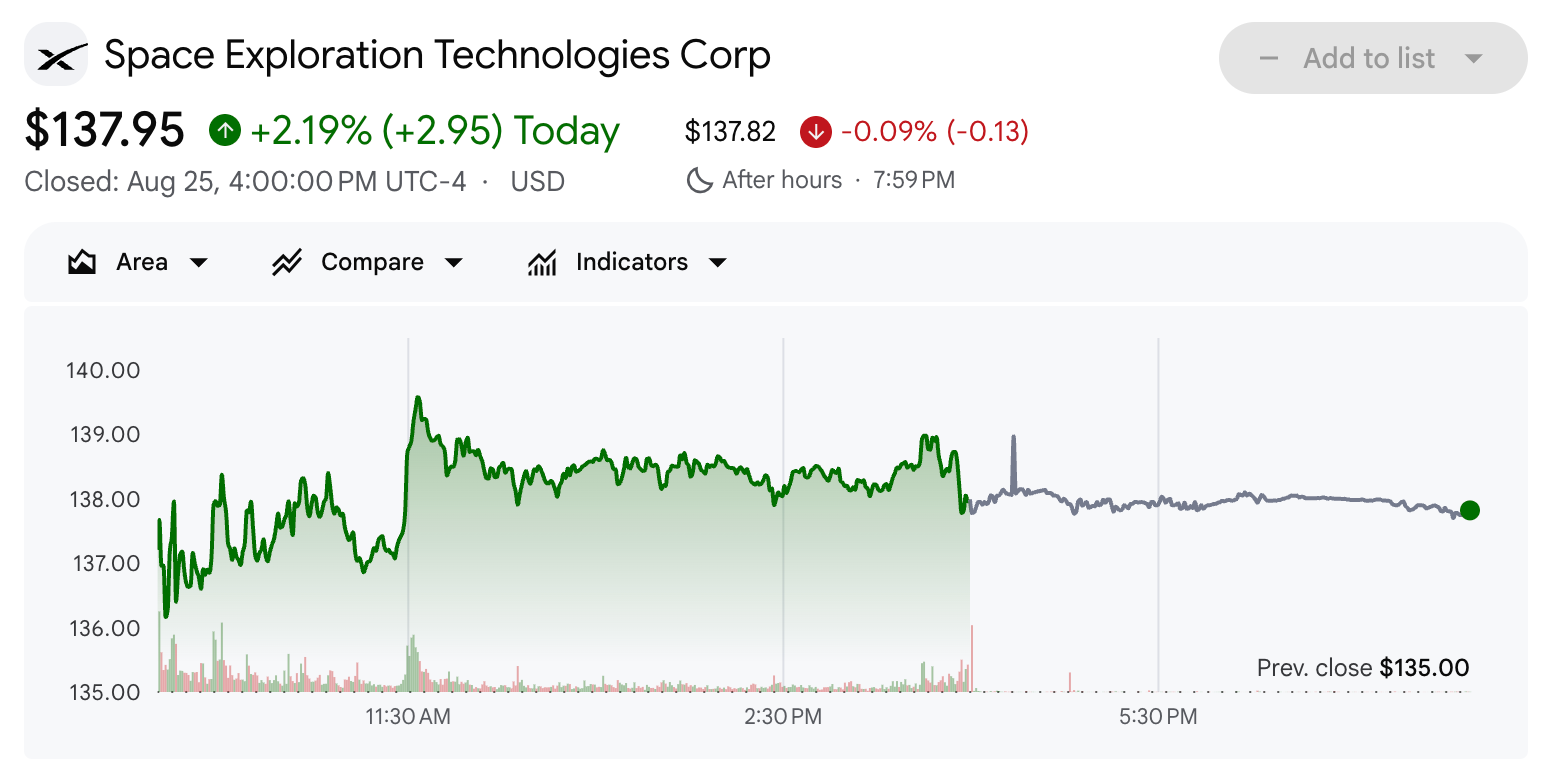
Investors reacted positively to the news. SpaceX shares rose about 2.9% Tuesday to close at $137.95. JPMorgan has kept a $240 price target on the stock, citing its artificial intelligence (AI) business rather than rockets.

Notably, SpaceX was cited in 2024 for Clean Water Act violations at its Texas launch site. Landry has signed bills that exempt certain aerospace projects from public review and make unauthorized entry into a spaceport a felony.
The company says it has already engaged the Louisiana Department of Wildlife and Fisheries and the Coastal Protection and Restoration Authority.
SpaceX also plans to hold town halls in the surrounding area in the coming months. Those sessions will be the first public test of local sentiment on the project.
Subscribe to our YouTube channel to watch leaders and journalists provide expert insights
The post Starbase Louisiana Set to Become SpaceX's Largest Launch Site in $100 Billion Bet appeared first on BeInCrypto.
TIME, in partnership with Statista, the leading global provider of market and consumer data and rankings, has published the second annual “Best Employers” ranking. Employers can help shape the workforce in a country. However, employee workplace satisfaction not only impacts company culture, but can influence productivity, innovation, profitability, and industry reputation. Here’s how the winners were selected.
Methodology
The research project “Best Employers of 2026” was based on surveys conducted using several online access panels to guarantee a representative sample of employees across each country, starting with Brazil, India, and Australia. In Australia, 200,000 employer evaluations were conducted for companies from all sectors employing at least 200 people in the country. In India, 760,000 employer evaluations were conducted from companies employing at least 500 people in the country. In Brazil, more than 900,000 employer evaluations were conducted from companies employing at least 500 people in the country. Participants were asked, through an open-ended question with an auto-complete function, to name their current employer. This method ensures neutrality and prevents companies from influencing the selection of respondents.
Data collection
The survey was conducted using several online access panels to guarantee a representative sample of employees across the country. Participants were asked, through an open-ended question with an auto-complete function, to name their current employer. This method ensures neutrality and prevents companies from influencing the selection of respondents.
Scoring model
The final score combines two types of evaluations: employees’ willingness to recommend their own employer (direct score) and their willingness to recommend other employers in the same industry (indirect perception score), using data from 2025 and 2026.
Direct score: Respondents were asked to rate their willingness to recommend their employer to friends and family. The responses were graded on a scale from 0 to 10, where 0 means “I wouldn’t recommend my employer under any circumstances” and 10 means “I would definitely recommend my employer”.
Indirect score: Employees were also asked about their willingness to recommend other employers within their industry. Respondents were shown an industry list of employers and asked to give an opinion on those that stood out, either positively or negatively (Response options: “would recommend”, “would not recommend”, “no opinion”). Additionally, an open-ended question allowed respondents to name other employers. Greater weight is given to direct recommendations, as they provide the strongest reflection of employee satisfaction.
Ranking and recognition
This ranking reflects not only how employees view their own workplace but also how companies are perceived across their sector, creating a balanced and independent view of the top employers.


Thirty-nine U.S. state banking associations announced the formation of BankChain Alliance on Aug. 25, with plans to launch an industry-owned blockchain network during 2027.
Summary
- Thirty-nine state banking associations formed BankChain Alliance to develop a nationwide blockchain network for banks.
- BankChain targets a 2027 launch but has not selected or publicly identified its technology partner.
- The proposed network would support tokenized deposits, stablecoins, programmable payments and automated financial settlement services.
- Participating associations represent thousands of institutions, though no individual banks have publicly committed to ownership.
- The Clearing House separately plans tokenized deposit settlement linked with existing RTP and CHIPS networks.
The proposed network will support tokenized deposits, stablecoins, smart payment tools and automated settlement, according to the alliance’s official announcement.
BankChain targets smaller and regional banks
The participating associations represent thousands of financial institutions across 39 states. A published membership list includes banking groups from Florida, Texas, New York, Pennsylvania, Ohio, Washington and several rural states.
BankChain said banks of every size would be invited to acquire ownership interests. The structure is intended to give smaller institutions access to blockchain infrastructure without requiring each bank to develop a separate network.
Kathy Kraninger, president and CEO of the Florida Bankers Association, serves as BankChain’s interim chair. She previously led the Consumer Financial Protection Bureau.
BankChain is “targeting a 2027 launch,” according to the alliance. It has not disclosed a firm activation date, testing schedule or participating banks.
The announcement described the project as industry-owned, designed and governed. However, it did not explain voting rights, ownership limits, funding commitments or how the alliance would resolve disputes between participating institutions.
Technology and governance remain undecided
BankChain is selecting a technology partner and said the resulting platform would connect with other blockchain networks. It did not name finalists or specify whether the system would use a public, private or permissioned ledger.
The alliance also has not disclosed its consensus mechanism, transaction capacity, validator requirements or cybersecurity framework. Those details will determine which institutions control transaction validation and how customer information remains private.
The network’s proposed services include both tokenized deposits and stablecoins. These products can appear similar onchain but have different legal structures.
Tokenized deposits generally represent liabilities of individual banks and remain recorded on their balance sheets. Stablecoins are separate tokens backed by reserve assets and may be issued by banks, trust companies or other permitted entities.
The Federal Deposit Insurance Corporation has proposed treating eligible tokenized deposits consistently with conventional deposits. Banking groups argued that using blockchain for recordkeeping should not alter deposit-insurance status when existing legal requirements are satisfied.
BankChain enters a crowded banking market
The Clearing House announced a separate bank-led onchain money initiative in June. Its supporters include JPMorgan Chase, Bank of America, BNY, Citi, Wells Fargo, BMO, HSBC and several regional lenders.
That project would enable interbank settlement of tokenized deposits and connect blockchain transactions with The Clearing House’s RTP and CHIPS systems. The organization’s existing payment networks clear and settle more than $2 trillion daily.
Other banks are pursuing narrower models. Custodia and Vantage have tested a token combining bank deposits and stablecoin functionality through the Hazel network.
BMO is separately preparing round-the-clock tokenized cash and deposit services using CME Group infrastructure and Google Cloud Universal Ledger.
What BankChain must complete before 2027
The alliance’s next step is selecting and announcing its technology provider. It must then establish governance rules, compliance controls, ownership terms and technical standards before onboarding banks.
BankChain will also need to determine how participating institutions issue tokenized deposits, verify customers and settle obligations between banks. Connections with public blockchains would require additional controls for privacy, sanctions screening and transaction monitoring.
No individual bank has publicly committed to using BankChain, and the alliance has not announced a pilot. The scale suggested by its 39 associations therefore represents potential reach rather than confirmed network participation.
A 2027 launch will depend on completing those decisions, securing bank commitments and satisfying federal and state regulatory requirements. Until then, BankChain remains an industry-backed development project rather than an operating payment network.
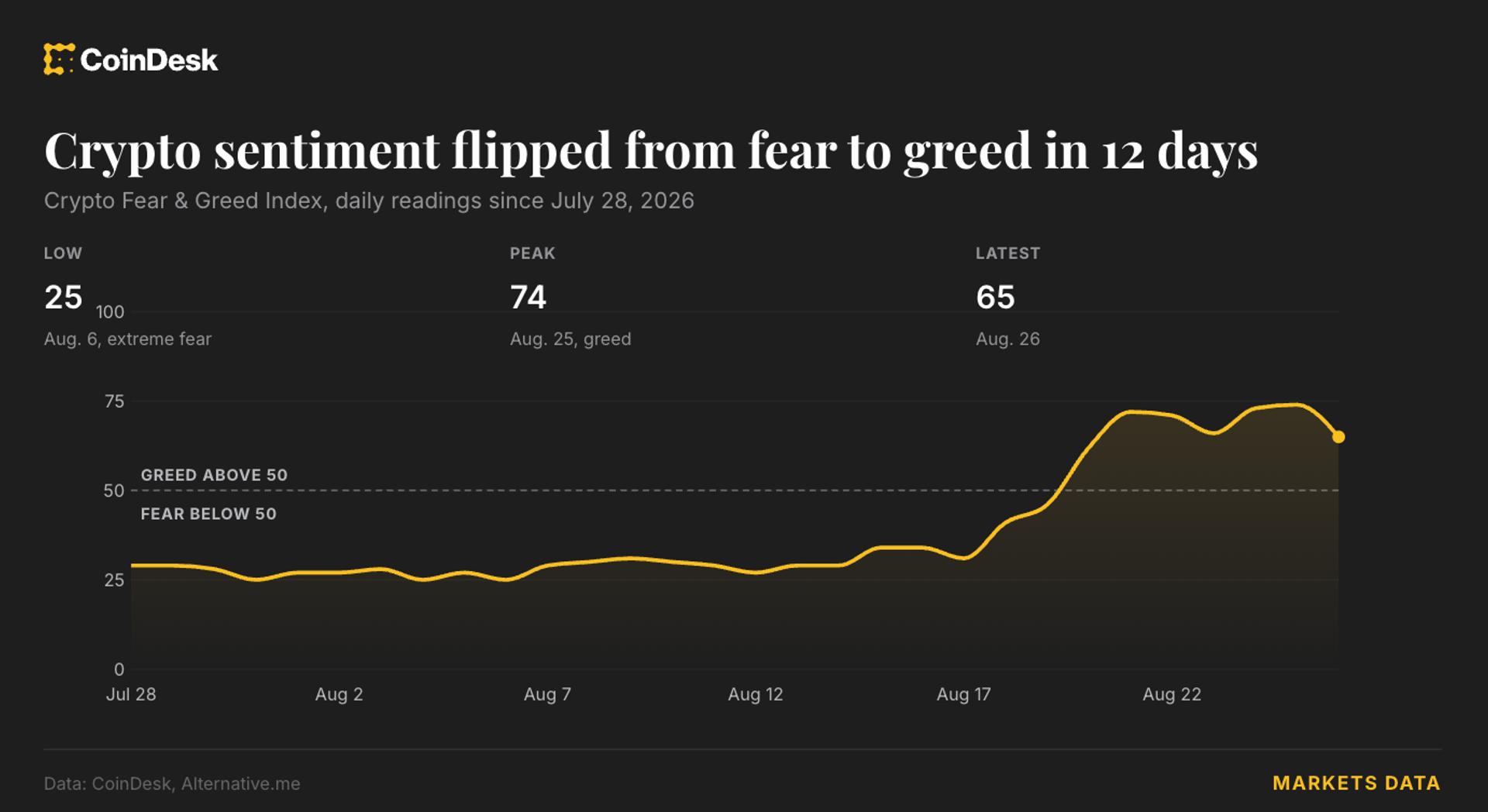
The Fear & Greed Index reached 74 on Tuesday after sitting at 27 less than two weeks ago, showing how quickly traders have gone from caution to chasing risk.
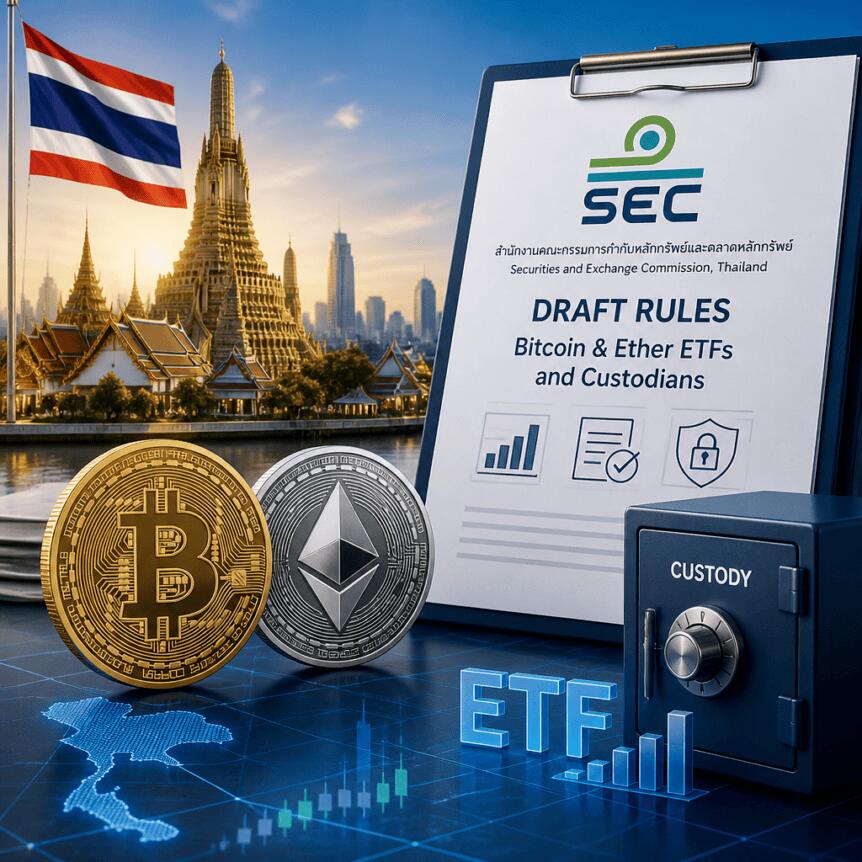
Thailand’s Securities and Exchange Commission (SEC) is moving closer to a formal regulatory pathway for spot Bitcoin and Ether exchange-traded funds (ETFs), shifting from high-level concepts to draft rules and inviting public feedback. In parallel, the regulator is revising how it approaches the use of foreign digital-asset custodians for funds that invest in crypto.
According to the Thai SEC, the agency is seeking comments on two separate consultation papers. One outlines draft regulations for Thai-listed spot crypto ETFs, while the other sets out the qualification principles for foreign digital-asset custodians used by mutual and private funds investing in digital assets. The consultation period runs until Sept. 20.
Key takeaways
- Draft Thai ETF rules would initially limit eligible underlying assets to Bitcoin and Ether only.
- Spot Bitcoin and Ether ETFs would trade exclusively on the Stock Exchange of Thailand (SET).
- ETFs would need to maintain an average net exposure of at least 80% of net asset value to the tracked crypto asset over each accounting year.
- The SEC’s revised custody approach keeps onshore custodians as the default in early stages, while allowing qualified foreign custodians only when the SEC deems it necessary and appropriate.
Draft spot Bitcoin and Ether ETF framework heads to consultation
In its Monday announcement, the SEC said it is progressing the framework for locally listed spot Bitcoin and Ether ETFs from earlier proposed principles to draft regulatory text. The draft ETF regulations build on an April consultation covering the broader framework, the SEC noted, saying most respondents supported the overall direction but raised concerns—particularly around custody arrangements.
Under the proposed structure, each Thai-domiciled ETF would track a single crypto asset—meaning a product tied to Bitcoin would be different from one tied to Ether. During the initial phase, the SEC would not allow alternative crypto-linked products that reference foreign ETFs, such as depositary receipts tracking them.
For investors, the emphasis on single-asset tracking is designed to keep the fund’s exposure focused and easier to monitor against the relevant benchmark. The SEC’s exposure requirement—minimum 80% average net exposure to the referenced asset over each accounting year—also signals that the regulator expects the funds to behave like straightforward spot trackers rather than multi-asset or structurally complex vehicles.
Where Thai ETFs would trade and how funds could access them
The draft rules specify that Bitcoin and Ether ETFs would trade exclusively on the Stock Exchange of Thailand (SET). This point matters for market participants because it concentrates secondary trading under a single venue and aligns the product with the mechanics of Thailand’s established exchange infrastructure.
The SEC also clarified how crypto ETFs could be used by other local investment vehicles. The draft rules would allow mutual funds and private funds to invest in Thai-domiciled crypto ETFs, in addition to foreign crypto ETFs that these funds are already permitted to hold under existing investment limits.
However, the SEC drew a boundary around what counts as eligible exposure during the opening phase. Even if foreign ETF access is otherwise permitted through existing rules, the SEC said it would not allow products based on foreign crypto ETFs—specifically including depositary receipts that track them—at least at the start.
Revised stance on foreign custody for mutual and private funds
The second consultation paper addresses custody, and the SEC’s wording reflects a more cautious approach than some market participants may have expected. The regulator said the revised approach would keep onshore digital-asset custodians as the primary custodians for crypto ETFs during the initial phase.
“Under the revised approach, crypto ETFs will continue to be primarily required to use onshore DA [digital asset] custodians, while the SEC may permit the use of qualified foreign DA custodians when necessary and appropriate in light of prevailing circumstances,” the SEC said.
That “necessary and appropriate” language effectively gives the SEC room to evaluate specific custody situations rather than automatically allowing foreign custodians. It also suggests the regulator is trying to balance institutional needs for operational flexibility with Thailand’s preference to anchor high-stakes crypto safeguards within its own regulatory perimeter—at least early on.
For mutual and private funds, the SEC’s separate foreign-custodian proposal adds additional requirements. Foreign custodians used for these funds would need to be supervised by a regulatory authority with legal powers. They would also have to operate under regulatory and investor-asset protection standards that the SEC considers adequate.
In practice, the SEC is setting a qualification test rather than a blanket approval system. This matters because custody is often the operational bottleneck for regulated crypto investment products: investors may accept a new regulatory wrapper for spot exposure, but they require credible safeguarding and compliance structures behind the scenes.
Why Thailand’s approach matters for institutions
Thailand’s SEC is positioning the ETF framework as part of the country’s ambition to become a global digital asset hub for institutions. The consultations show that the SEC’s priority is not only launching ETFs, but structuring them in a way that addresses the concerns most frequently raised in early stages of crypto product regulation: custody standards, product design, and limits on how crypto exposure can be packaged.
Notably, the SEC’s draft regulations also reflect lessons from the April feedback cycle. The regulator said most respondents supported the framework’s general direction, but custody-related comments pushed it to revise its approach—an important sign that investor protection remains the central theme as Thailand formalizes spot ETF rules.
Market participants should watch how commenters respond to the SEC’s custody stance. If the industry pushes for broader acceptance of foreign custodians, regulators may respond with clarifications on what “necessary and appropriate” will mean in practice and what evidence custodians must provide to meet Thai SEC adequacy expectations.
With both consultation papers open until Sept. 20, the next phase will determine how the SEC finalizes the ETF rulebook and what flexibility—if any—extends beyond Thailand-based custodians as product launches approach. Readers should focus on the custody requirements and how the exposure limits and product eligibility rules evolve in response to public submissions.

Defiantly Secures 2026 Melbourne Cup Start With Kergorlay Win

Blow Those Pyros With A Telephone!

Bitcoin: Der Moment, auf den alle gewartet haben, ist JETZT!





-

 Fashion4 days ago
Weekend Open Thread: Madewell – Corporette.com
-

 Business4 days ago
Musk’s Tesla, SpaceX Confirm $16.8 Billion ‘Terafab’ Chip Plant as World’s Largest Building in Texas
-

 Crypto World4 days ago
anatomy of crypto’s biggest liquidation event since 2021
-

 Crypto World1 day ago
A $30 Billion AI Fund Implodes, Now the SEC Is Investigating Wall Street’s Role
-

 Politics4 days ago
6 months on, Irish renters crushed by effects of government housing bill
-
 NewsBeat4 days ago
The ‘Lucky Dip Gang’ causing carnage for clicks: After five thugs were killed speeding in the wrong direction on a motorway, GUY ADAMS investigates a sick new trend… and why police aren’t even allowed to pursue them
-

 Tech7 days ago
GLM-5.3 hits the API at $1.4/$4.4 per million tokens
-

 Business3 days ago
Mystery AI Model ‘Ox Alpha’ Draws Developers With Free Access as Chinese Lab Origins Remain Debated
-

 News Videos6 days ago
Don’t Leave Your Financial Future To Chance | August 19, 2026
-

 Business6 days ago
Five Below: Kids Discount Retailer Reaps Rich Rewards
-

 Business7 days ago
Marvell Shares Jump 7% as Google Chip Deal Confirms Custom AI Silicon Partnership, Analysts
-

 Business2 days ago
Moderna CEO warns China is pouring state money into mRNA technology
-

 Business5 days ago
UK firms in critical financial distress rise 9% to 53,756
-

 Business1 day ago
NVIDIA Stock Drops Nearly 2 Percent to $210 on Seventh Losing Day Ahead of Critical AI Earnings
-

 Fashion7 days ago
Jimmy Choo Autumn 2026 collection
-

 Sports3 days ago
Deshaun Watson fires back at Browns fans after being booed: ‘It’s a disrespectful thing’
-
 Entertainment6 days ago
10 Most Perfect Fantasy Shows of the Last 25 Years
-

 Tech6 days ago
OpenAI confirms ChatGPT is down as logins and signups fail
-

 Business6 days ago
PayPal and Venmo now accepted for tuition at several universities
-

 Crypto World6 days ago
Optimism-funded team's deciding vote shifts $49 million in OP tokens away from users
You must be logged in to post a comment Login