

Crypto World
Bitcoin Holds Above $73K Despite $1.42 Billion ETF Outflow: Bullish Strength or Warning Sign

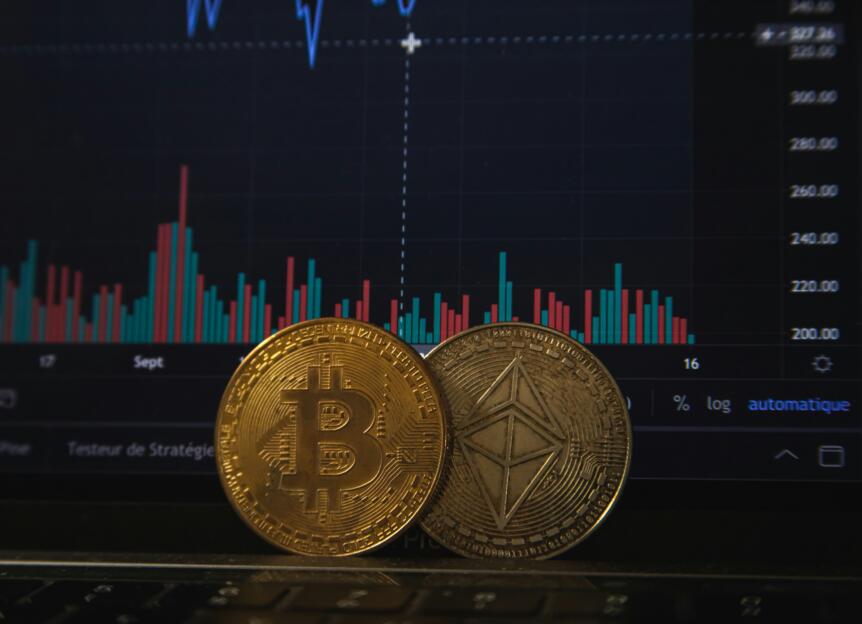
The price of Bitcoin hit the level of $73,000 amid massive outflows in the spot Bitcoin ETFs in operation in the United States. As highlighted by Coin Bureau, over the past week, $1.42 billion worth of outflows were noted in the spot Bitcoin ETFs, which marks one of the largest outflows ever seen in this particular financial asset since its inception. However, notwithstanding such huge outflows of money, Bitcoin has succeeded in maintaining its price level above $73,500. The total market capitalization of the network surpasses $94 billion. This phenomenon has attracted considerable attention in the crypto community.
Key Takeaways
- The net outflows seen by Spot Bitcoin ETFs were $1.42 billion per week.
- Despite the outflows, bitcoin stayed above $73,000.
- The total assets under management for spot Bitcoin ETFs stood close to $94.17 billion.
Coin Bureau Reports Major Bitcoin ETF Withdrawals
According to crypto market analyst Coin Bureau, X provided the data concerning the week that was characterized by net outflows from spot Bitcoin ETFs worth $1.42 billion. In addition, according to the analysis, the recent outflow became the third biggest weekly outflow in history of the investment vehicles.
$1.42 BILLION exits spot $BTC ETFs this week, the 3rd LARGEST OUTFLOW EVER. pic.twitter.com/YudkF4WPNG
— Coin Bureau (@coinbureau) June 1, 2026
The chart that was presented alongside the information included the weekly net flow, Bitcoin price, and ETFs assets. The red-colored bars on the chart indicated the outflows from the investment vehicles, while the green ones — their inflows. It should be noted that in the reporting week, one of the largest red bars was observed on the graph.
Moreover, total ETF assets were about $94.17 billion. The number considerably surpassed the amounts observed in previous stages of ETFs’ development.
Bitcoin Price Holds Above Key Levels
Even as the ETF outflows grew, Bitcoin was able to resist. As seen from the chart shared by Coin Bureau, the price of Bitcoin stood at $73,520 for the reported period.
In the previous periods shown in the chart, there was a significant link between ETF inflows and an increase in Bitcoin price. In many cases, ETF inflows were accompanied by price increases.
In this case, however, Bitcoin managed to keep its place even as funds flowed out of the ETF. The separation of ETF flows from price performance is one of the recent developments in the market environment.
ETF Assets Remain Elevated
Moreover, the graph illustrated that there was no significant drop in the total assets of the ETF. While net flows became negative, total assets did not change much and stayed near $94 billion.
Previously on the graph, the assets of the ETF experienced steady growth as institutional and retail investors allocated their money in products based on the spot Bitcoin. Currently, the assets of the ETF started growing at a slower pace within a relatively narrow range.
The stable trend in the total assets indicates that a significant part of capital continues to be allocated in ETFs for spot Bitcoin.
Market Watches Flow Trends and Support Zones
The market players keep observing ETF flow data to get a sense of whether there is continuous buying or selling activity. The consecutive weekly outflows might affect sentiment, whereas inflows might show a renewed interest from buyers.
Technically, the Bitcoin has kept trading in the higher range of the chart. The $68,000-$70,000 level has been a support for the cryptocurrency during the pullbacks, while the above $75,000 range continues being watched by traders.
At present, the fact that Bitcoin manages to stay above the $73,000 level despite one of the most massive ETF outflows ever recorded is a key issue for investors who track both prices and institutional flows.
This article was originally published as Bitcoin Holds Above $73K Despite $1.42 Billion ETF Outflow: Bullish Strength or Warning Sign on Crypto Breaking News – your trusted source for crypto news, Bitcoin news, and blockchain updates.

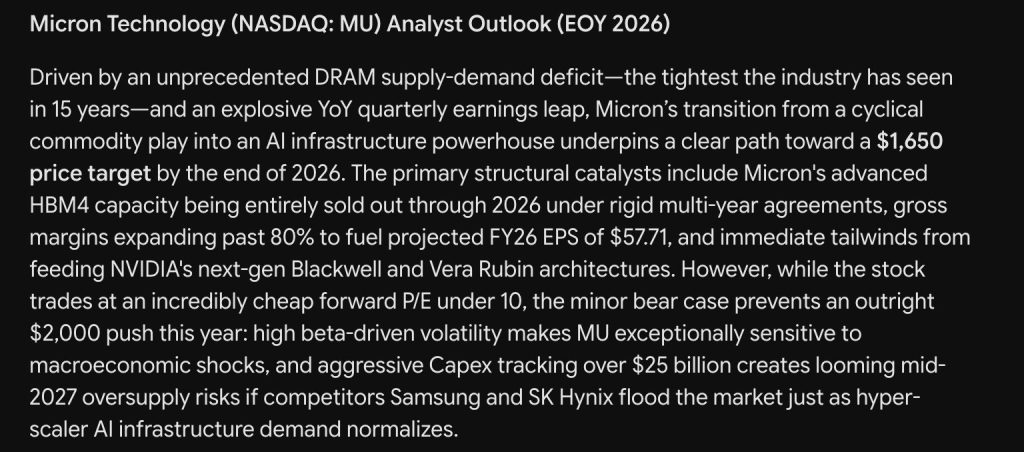
Google Gemini AI just predicts a number to Micron price prediction that treats the stock’s wild run this year as the beginning rather than the peak. The model sees $1,650 by the end of 2026, a fresh high for a name that started the year trading nowhere close to these levels.
The bull case centers on a supply crunch unlike anything the memory industry has seen in over a decade. Micron is riding an unprecedented DRAM supply demand deficit, described as the tightest the industry has experienced in 15 years.
That scarcity is showing up directly in the numbers, with an explosive year over year quarterly earnings leap fueling the entire move.
The bigger story, though, is a transformation in how the market views this company. Micron is shifting from a cyclical commodity play to something closer to an AI infrastructure powerhouse, and that shift in identity underpins the path toward $1,650.
The most important structural catalyst is that Micron’s advanced HBM4 capacity is entirely sold out through 2026 under rigid multi-year agreements, which lock in demand regardless of short-term market swings. Gross margins are expanding past 80%, fueling a projected fiscal 2026 earnings per share of $57.71.
On top of that, Micron is getting immediate tailwinds from feeding Nvidia’s next-generation Blackwell and Vera Rubin architectures, putting it directly in the supply chain of the biggest names in AI computing. Even with the stock’s massive run already behind it, it still trades at a forward price to earnings ratio under 10, which the model frames as remarkably cheap given the growth on display.
The bear case is fairly narrow but worth noting. High beta-driven volatility makes this stock exceptionally sensitive to any broader macroeconomic shock, meaning a market-wide pullback could hit shares harder than most.
Aggressive capital expenditures tracking over 25 billion dollars also create a real risk of oversupply by mid 2027 if competitors like Samsung and SK Hynix flood the market right as hyperscaler AI infrastructure demand eventually normalizes.
That combination of risks is exactly why the model stops short of calling for an outright push toward $2,000 this year.
Micron Rides A Supply Crunch Straight Into Uncharted Territory
The daily chart shows Micron at $1,048.51 after one of the most dramatic runs in this entire series, climbing from around $200 late last year to briefly touching highs above $1,230 just this week.
That kind of vertical move, especially the acceleration visible from May onward, is the definition of a parabolic breakout rather than a typical grinding uptrend.
Price recently pulled back from that intraday high near $1,232 down to the current level around $1,048, which looks like healthy profit taking after an earnings driven spike rather than a trend reversal.

The chart shows clear support building near $1,000, a round number level that price has tested and held multiple times over the past few sessions. Resistance now sits at that recent high near $1,232, with the broader trendline from the entire 2026 run continuing to point sharply upward.
Given the size and speed of this move, momentum on the daily candles still looks strongly bullish overall, even with this short term cooling off period factored in.
The pullback from the highs reflects normal digestion after a binding multi year HBM4 contract story and a blowout earnings beat, not a change in the underlying trend.
If Micron can hold the $1,000 level and push back toward its recent highs, the climb toward that $1,650 target starts looking like a continuation of the same story that has driven this stock all year rather than a stretch into new territory.
Bitcoin Hyper: Building the Layer Bitcoin Was Always Missing, Here is Why Gemini AI Predicts Its The Next Big Thing
The largest returns in crypto rarely go to the people who wait for confirmation. They go to early supporters who back the infrastructure before the rest of the market catches on.
Bitcoin Hyper is positioned for exactly that. The project brings Solana-grade smart contracts and execution speed directly to Bitcoin, without touching the security model that makes Bitcoin the most trusted network in crypto.
Lower fees, higher throughput, full programmability, all running on top of Bitcoin rather than competing with it.
Inside the ecosystem, users can stake for rewards, swap assets, and interact with smart contracts while their funds stay secured within the Bitcoin network itself.
The presale has already raised $32.8 million, pulling attention from major investors and prominent crypto platforms. That momentum has made $HYPER one of the most talked-about presales this year.
The price is still fixed at early-stage levels. To participate, head to the official Bitcoin Hyper website and connect a supported wallet such as Best Wallet. Credit and debit card purchases are also accepted directly on the site.
The post Google Gemini AI Predicts Jaw-Dropping Micron Technology Stock Price by End of 2026 appeared first on Cryptonews.

Key Takeaways
- GF Securities’ Jeff Pu downgraded Dell from Buy to Hold following a nearly 200% stock surge, saying upside potential is now constrained
- Despite keeping a $445 price target, Pu warned that valuations exceeding 20x FY28 consensus earnings leave little room for error
- Dell director Lynn Radakovich offloaded $5.06 million worth of shares on June 22, exercising options priced at $31.14 and selling at $421.00
- The analyst expressed concern that Super Micro may capture Dell’s market position in SpaceX’s upcoming deployment phase beginning in 2027
- Shares of Dell were hovering around $434 Thursday, marking approximately a 5% decline following the rating cut
Dell Technologies (DELL) saw its shares slip to around $434 on Thursday, falling more than 5% after GF Securities analyst Jeff Pu downgraded the stock from Buy to Hold.
The rating change comes on the heels of an impressive nearly 200% rally in Dell shares following the company’s fiscal fourth-quarter earnings release in February.
While Pu maintained his $445 price objective, he indicated that the current risk-reward profile has become less favorable given recent price appreciation.
“Despite near-term momentum from GB300/HGX orders, we believe upside potential is constrained given already lofty market expectations,” Pu stated. He pointed out that projections for AI revenue reaching $70 billion or higher, along with corresponding boosts to overall revenue and earnings per share, are already factored into current valuations.
Trading at over 20x consensus fiscal 2028 earnings estimates—or applying a sum-of-the-parts methodology of 25x for AI operations and 15x for legacy business—the analyst concluded the valuation no longer justifies a bullish stance.
Competitive Threats Cloud Long-Term Prospects
Pu also flagged a significant long-term headwind that contributed to Thursday’s negative market reaction. He anticipates Super Micro (SMCI) will capture a larger share of SpaceX’s next-generation gigawatt-scale infrastructure rollout scheduled to commence in 2027.
Dell presently maintains a substantial supply relationship with SpaceX and serves as the exclusive server provider to CoreWeave (CRWV). However, Pu observed that both organizations are exploring an ODM-direct procurement strategy, which could gradually erode Dell’s dominant market position.
This competitive risk appears to have caught investors off guard, amplifying Thursday’s decline.
The downgrade coincided with a regulatory disclosure revealing that Dell director Lynn Radakovich disposed of $5.06 million in company shares on June 22. The transaction involved exercising stock options at $31.14 per share and immediately selling 12,022 shares at $421.00 each.
These trades were executed through a pre-established Rule 10b5-1 trading plan set up in March 2026. After the sale, Radakovich continues to own 25,267 shares directly while maintaining options on an additional 51,979 shares.
Impressive Gains Create High Bar for Future Performance
Dell has delivered exceptional returns this year. Shares have surged more than 247% year-to-date, pushing the company’s market capitalization to approximately $277 billion.
The technology giant recently unveiled its PowerEdge XE8812 server featuring Nvidia’s Vera Rubin NVL4 architecture, capable of supporting up to 144 GPUs per rack. Additionally, Dell secured a substantial $1.4 billion contract with the U.S. Air Force to provide Microsoft enterprise software licenses.
The company also closed a $3 billion senior notes offering, distributed across three separate tranches maturing in 2031, 2034, and 2037.
Despite these achievements, certain analysts have raised red flags regarding Dell’s substantial debt burden and negative equity position, which could become problematic should credit market conditions deteriorate.
Dell’s stock was trading down approximately 5.36% Thursday afternoon, changing hands near the $434 level.

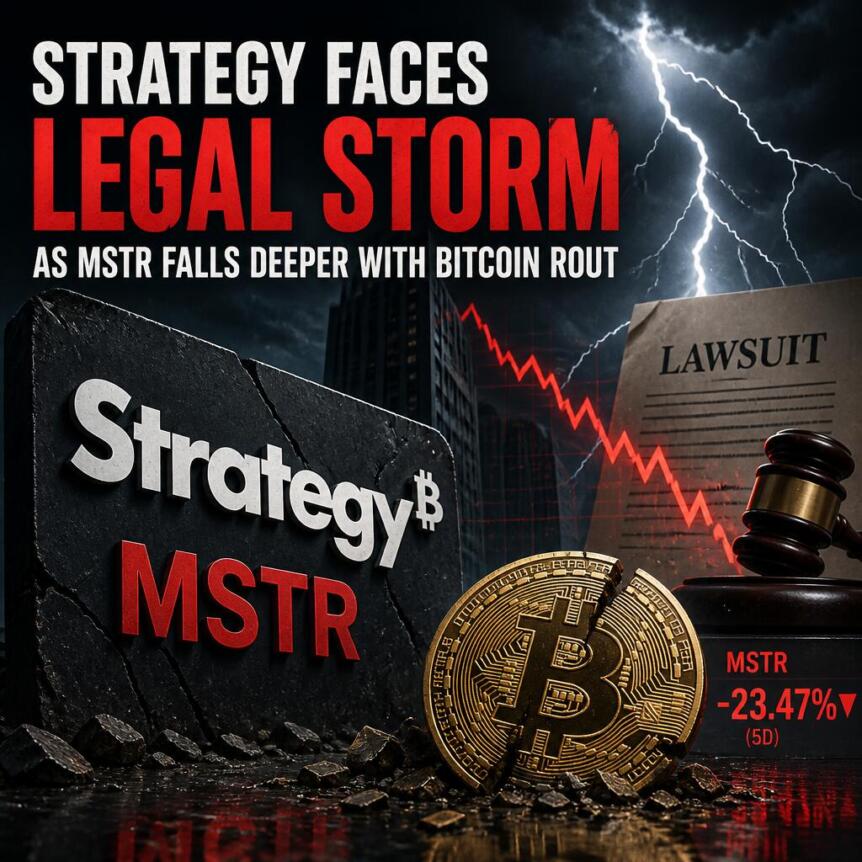
Strategy faces new legal pressure after Rosen Law Firm opened a securities investigation into the Bitcoin treasury company this week. The review follows a steep MSTR selloff and a deeper Bitcoin decline across the wider crypto market and related shares. Together, the events place Michael Saylor’s firm under legal, market, and balance sheet pressure during a volatile trading week.
Strategy Faces Securities Investigation
Rosen Law Firm said it began an investigation into potential securities claims against Strategy and related securities. The firm linked the review to allegations of misleading business information shared with market participants during recent disclosures. It said affected shareholders may seek compensation through a contingency fee arrangement if claims move forward in court.
The firm also said it is preparing a class action to recover possible market losses through the planned lawsuit. Therefore, the legal process could add another challenge for Strategy and its securities program during a weak market. The company already faces pressure because its business model depends heavily on Bitcoin prices, capital markets, and equity sentiment.
The investigation comes after Peter Schiff criticized Saylor’s Bitcoin-backed securities push in recent public comments as Bitcoin prices weakened. Schiff argued that STRC buyers could bring claims tied to promotional statements and offering materials for the security. However, that argument remains separate from Rosen Law Firm’s planned legal action and any future court filing.
Mstr Stock Slides To New Lows
MSTR fell to a new low near $86 after breaking below $100 earlier this week. TradingView data showed the stock dropped more than 5% on the day during regular trading as pressure accelerated. The stock also lost about 23% across the past week as sellers controlled momentum.
The decline reflects heavy selling pressure across crypto-linked equities and Bitcoin treasury names during the current session. Moreover, MSTR often trades as a leveraged proxy for Bitcoin exposure in public markets during volatile trading. That link strengthens during rallies, but it also magnifies losses during sharp selloffs as market risk rises.
Market commentator Zerohedge pointed to heavy put buying across the latest trading session as prices fell today. That options activity added pressure as traders positioned for more downside in the stock during the session. Meanwhile, Bitcoin also weakened after PCE inflation reached 4.1%, the highest level since 2023.
Bitcoin Drop Tests Strategy Treasury Model
Bitcoin’s drop below $60,000 deepened concern over Strategy’s treasury-heavy structure and balance sheet risk. The company holds a large Bitcoin reserve on its balance sheet, so BTC price moves affect sentiment. As a result, every major Bitcoin selloff can weigh on MSTR shares and financing conditions.
Strategy reportedly carries an unrealized Bitcoin loss of more than $13.6 billion after the latest crash. That figure reflects current market prices rather than completed asset sales by the company. Still, it raises questions about leverage, liquidity, and future capital decisions if market stress continues.
Schiff has suggested that Strategy may sell Bitcoin to fund stock buybacks if pressure increases. However, Strategy has not announced any plan to sell its Bitcoin reserves despite the market pressure. Saylor has instead said current reserves exceed debt by over $40 billion, unlike the 2022 downturn.
The self-proclaimed Dogecoin killer followed the red wave sweeping through the broader crypto market, with its price collapsing to its lowest level since May 2021.
In a sudden twist of events, though, it reclaimed its position as the second-biggest meme coin.
Trailing Behind DOGE Again
SHIB has slipped by another 15% over the past week and currently trades at around $0.000004104 (per CoinGecko). Perhaps the most evident reasons for the pullback are the bearish conditions across the entire market and waning interest in the meme coin niche.
Other potential factors include the recent whale activity. The X account BSCN revealed that a Shiba Inu investor who purchased 17.4% of the token’s supply in August 2020 for less than $14,000 has moved 600 billion SHIB (worth $2.83 million) to a ForwarderV4 address.
While some interpreted the move as a pre-sale step, BSCN clarified that nothing has been confirmed yet and promised to unveil further details in time. The X account also noted that the whale’s position was worth a whopping $9.1 billion when SHIB’s price reached an all-time high in 2021.
Speaking on the meme coin was also James Wynn. The trader, known for his highly risky crypto bets, described the asset as “old, dead, and boring,” predicting a potential revival in 5-10 years when “a bit of nostalgia” can bring it back.
Despite its price slump, SHIB has once again secured its position as the second-largest meme coin. This happened after MemeCore (M) nosedived by 76% in a single day amid allegations of manipulation. Dogecoin (DOGE) remains the undisputed leader of the niche with a market capitalization of almost $11.5 billion, while SHIB has less than $2.5 billion.
More Pain Ahead?
The crypto market’s conditions remain unstable (to say the least), which could result in further declines for SHIB in the near term. The rising amount of tokens stored on crypto exchanges is another bearish factor.
Earlier in June, the figure dropped to a five-year low, but since then it has headed north sharply, suggesting that investors have been abandoning self-custody solutions and moving to centralized platforms, thereby increasing the likelihood of an additional sell-off.

The post Shiba Inu (SHIB) Crashes to a 5-Year Low, Yet Makes an Unexpected Comeback: Details appeared first on CryptoPotato.

TLDR
- BlackRock transferred 3,410 BTC and 5,132 ETH to Coinbase Prime.
- The combined value of the transfers reached approximately $217 million.
- Bitcoin transfers accounted for about $209.64 million of the total value.
- Ethereum transfers were valued at approximately $8.43 million.
- Lookonchain tracked the transactions across multiple blockchain transfers.
BlackRock transferred another $217 million worth of Bitcoin and Ethereum to Coinbase Prime on June 25. The transactions followed continued ETF outflows across both products and renewed attention on the asset manager’s blockchain activity. Lookonchain tracked the transfers, while BlackRock did not disclose the purpose behind the deposits.
BlackRock Moves Bitcoin and Ethereum to Coinbase Prime
Lookonchain reported that BlackRock deposited 3,410 BTC and 5,132 ETH to Coinbase Prime through several transactions. The transfers carried an estimated value of $209.64 million in Bitcoin and $8.43 million in Ethereum. The movement occurred on Thursday, June 25.
Blockchain data showed about seven transfers during the operation. Nearly every Bitcoin transaction moved 300 BTC to Coinbase Prime. One separate transaction carried the Ethereum holdings to the same platform.
Market participants linked the transfers with recent ETF withdrawals because similar activity appeared during previous outflow sessions. However, BlackRock did not issue a statement explaining the latest deposits. The company also provided no public update regarding the destination of the transferred assets.
Exchange deposits often attract attention because they can precede trading activity. However, blockchain transfers alone do not confirm that an asset manager has sold any holdings. The available on-chain data only confirms the movement between wallets.
Bitcoin and Ethereum Transfers Follow ETF Withdrawals
The latest deposits arrived while both Bitcoin and Ethereum exchange-traded funds continued recording withdrawals. BlackRock has transferred digital assets to Coinbase Prime during earlier outflow periods. Those previous transactions also prompted market discussion about possible sales.
Some traders interpreted the latest deposits as preparation for another disposal of holdings. Others pointed out that Coinbase Prime supports institutional custody and settlement services. Therefore, wallet transfers alone cannot establish whether any sale occurred.
BlackRock has not confirmed any direct sale connected to the June 25 transfers. The company also has not addressed market speculation surrounding the transactions. As a result, only the blockchain records remain publicly available.
Lookonchain’s published wallet activity showed that the combined transfers reached about $217 million. Bitcoin represented most of the transferred value, while Ethereum accounted for a smaller portion. The deposits reached Coinbase Prime through multiple wallet movements.
Previous blockchain records showed similar transfer patterns during sessions with ETF redemptions. Those observations have contributed to continued discussion whenever BlackRock moves assets to Coinbase Prime. Still, no public filing connected the latest transfers to completed market sales.
The recorded transfers included 3,410 BTC and 5,132 ETH. Based on prices during execution, the combined value reached approximately $217 million. BlackRock has not released any further information regarding the June 25 wallet activity.

Jiang Zhuoer, one of China’s best-known Bitcoin (BTC) miners, sees the Bitcoin bottom landing between $42,000 and $44,000 in late 2026, closely matching Arthur Hayes’ recent $40,000 call.
The founder of mining pool BTC.TOP laid out the forecast in a post, building it on a bearish signal from Strategy’s stock, MSTR. His timing and target both land near the BitMEX co-founder’s.
Strategy’s mNAV Discount Echoes the 2022 Low
Jiang’s case rests on Strategy’s mNAV, which he pegs at 0.72. The metric weighs the stock against the Bitcoin the company holds per share. A reading under 1.0 leaves the firm valued below its own Bitcoin.
The level sits near the 0.7 trough from May 2022, the last time its mNAV collapsed this far. Jiang treats that as the signal, not the timer.
In that cycle, the mNAV bottomed in May with Bitcoin near $31,000. The price then kept sliding to about $15,650 by late November, as the FTX collapse deepened the rout. That gap ran about six months.
“But note that the mNAV low is not the BTC price low,” he added.
Follow us on X to get the latest news as it happens
His broader timing comes from a four-year cycle model, one he likens to a bouncing ball losing height. It points to a bottom around October 31, 2026.
Jiang, who has mined through several halving cycles, is already short and plans to buy back near the low.
Hayes Points to a Similar Bitcoin Bottom
Arthur Hayes reached a similar destination by a different route. The BitMEX co-founder laid out the call to content creator EllioTrades on June 12. He sees the Bitcoin bottom near $40,000 within six months.
The bet is tactical, not structural. Hayes holds put spreads as a hedge even as his core positions stay heavily long. His year-end target still runs above $200,000.
Bitcoin recently traded near $61,345, down 2.3% in 24 hours. Jiang’s range sits roughly 30% below that level, while Hayes’ $40,000 floor implies a drop closer to 35%.

Whether mNAV leads price by six months once more is the real test, and it will shape Bitcoin price forecasts heading into late 2026.
The post China’s Top Bitcoin Miner Suggests Arthur Hayes Is Right About BTC Bottom appeared first on BeInCrypto.
TLDR
- XRP Ledger validators warned users about fake JPYSC tokens using the stablecoin’s ticker.
- SBI launched JPYSC on June 24 through SBI VC Trade for account holders only.
- SBI has not confirmed any JPYSC issuance on the XRP Ledger or other public chains.
- JPYSC currently cannot move to external wallets or public blockchain networks.
- SBI said public-chain circulation is ready but still awaits tax and regulatory approval.
XRP Ledger (XRPL) validators warned users against fake JPYSC tokens after SBI launched its yen stablecoin. The alert followed claims about a possible XRPL issue. SBI has not confirmed any release.
XRP Ledger Community Flags Fake JPYSC Claims
XRPL validator Vet, Hussein Zangana, said SBI has made no public JPYSC issue on XRPL. Therefore, any current JPYSC ticker remains suspicious.
The warning followed the June 24 launch of JPYSC by SBI Holdings through SBI VC Trade. The launch drew attention because SBI has links with Ripple.
Another XRP community member said monitoring tools now track trustlines linked to known SBI addresses. Those systems could help detect official activity later.
Community checks focus on issuer addresses, trustlines, and token metadata on the XRP Ledger. However, validators said users need SBI confirmation before treating any asset as valid.
The alerts target scam tokens that may copy the JPYSC name or ticker. Such tokens can appear quickly on public ledgers because anyone can create assets.
Vet said JPYSC has received no public XRPL announcement from SBI. As a result, he urged users to verify sources before any interaction.
JPYSC Remains Limited to SBI VC Trade
SBI launched JPYSC as a yen stablecoin for SBI VC Trade account holders. SBI Shinsei Trust Bank issues the token, while SBI VC Trade distributes it.
The stablecoin came from a joint effort between SBI and Startale Group. It operates as a trust-type electronic payment instrument under Japan’s framework.
SBI said this structure removes the ¥1 million transaction cap applied to some payment products. The company presented JPYSC as a regulated yen stablecoin.
For now, SBI keeps JPYSC inside SBI VC Trade accounts. Users cannot withdraw the token to external wallets or blockchains.
SBI said it has completed technical and operational work for public blockchain circulation. Yet the company still awaits regulatory and tax treatment before transfers.
The company has not named any public chain for JPYSC deployment. Therefore, XRP Ledger links remain unconfirmed despite community speculation.
SBI Chairman and CEO Yoshitaka Kitao called blockchain migration in finance “irreversible.” He described JPYSC as part of Japan’s blockchain finance infrastructure.
Startale founder Sota Watanabe said external wallet transfers are technically ready. He said remaining issues relate mainly to regulation and tax rules.
No SBI statement has connected JPYSC to the XRP Ledger. Community members continue tracking issuer activity while warning users against fake tokens.
Hyperliquid (HYPE) has trended lower since hitting a record high, shedding 17% amid broader market weakness. Yet, the network behind it tells a steadier story.
Several on-chain and ecosystem metrics indicate that user participation and capital activity have remained resilient despite the recent price decline.
User Growth Continues Despite Price Weakness
Network activity increased even as HYPE moved lower. On-chain data showed that HyperCore daily active addresses rose 17.4% over the past 24 hours to 68,600.
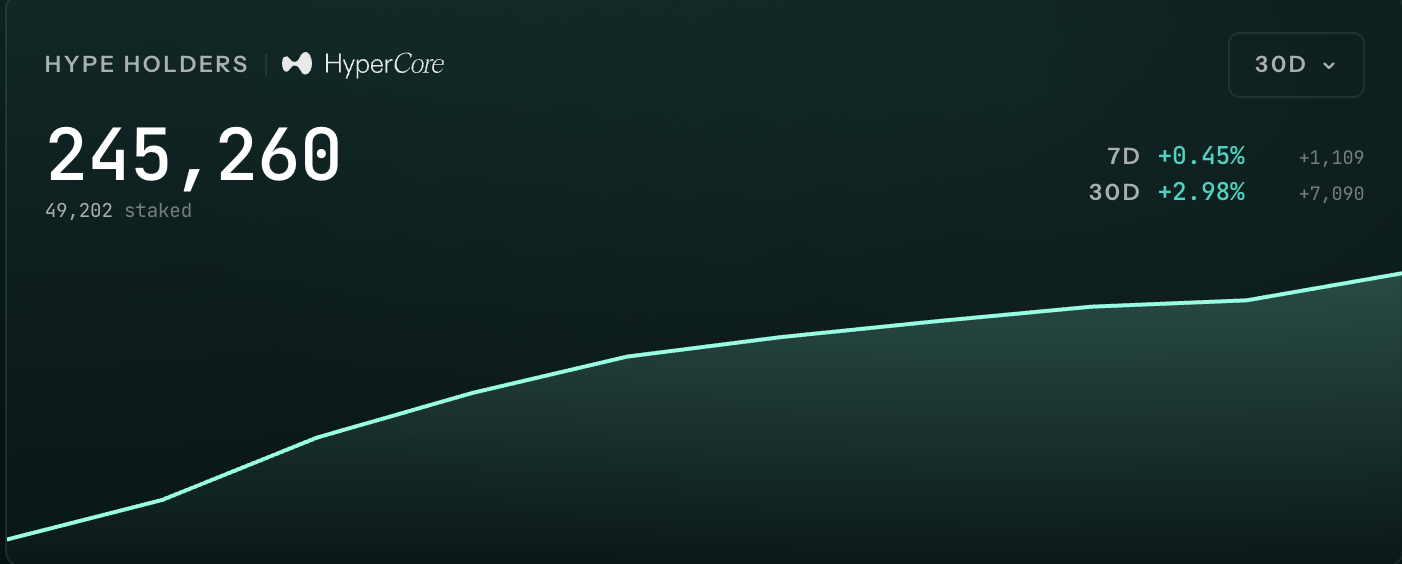
The number of HYPE holders also expanded during the decline. Over the last seven days, wallet count increased by 1,109 addresses, or 0.45%, while the token fell 12.5%.
Follow us on X to get the latest news as it happens

Longer-term growth remained intact as well. Total holders reached 245,260 in June, up roughly 3% over the past month.
Capital trends also paint a different picture from the broader DeFi market. As BeInCrypto reported, DeFi total value locked (TVL) has declined every month in 2026, falling 39% overall.
Hyperliquid has been a notable exception. Alongside TRON, it was one of only two top-10 chains to record TVL growth this year, indicating that capital has continued flowing into the ecosystem despite the wider sector slowdown.
Revenue and Buybacks Support the Ecosystem
Meanwhile, an on-chain analyst noted that Hyperliquid repurchased $135 million of HYPE over 90 days, while $64 million was unlocked for the team.
The imbalance suggests that buy-side demand generated by the protocol has outpaced the additional supply entering the market from token unlocks, helping absorb potential selling pressure.
Protocol revenue backs the trend. DefiLama data shows revenue climbed for three consecutive months, rising from $44.85 million in April to $53.80 million in June.
It’s worth noting that gain is a recovery, not a record. April was the weakest month of 2026, while January revenue was nearly $63.94 million.
HYPE Demand Holds Despite a Broader Downtrend
Lastly, larger market participants remained active despite the correction. According to Lookonchain, a new wallet, 0x987f, withdrew 278,827 HYPE, worth approximately $17.45 million, from Coinbase Prime.
Meanwhile, whale address 0x2386 pulled 96,930 HYPE valued at roughly $6.01 million from BitGo after a month-long pause in activity.
Institutional interest has also remained positive. While spot Bitcoin and Ethereum ETFs have recorded continuous outflows in recent weeks, HYPE investment products attracted $27.9 million in inflows last week. This marked their strongest weekly inflow since late May, according to SoSoValue data.

Price and these signals now point in opposite directions. The coming weeks will test whether they pull HYPE back toward its record high. At press time, HYPE traded at $63.4, up 1.91% over the previous 24 hours.
Subscribe to our YouTube channel to watch leaders and journalists provide expert insights
The post HYPE Drops 17% From Record High but Hyperliquid Fundamentals Remain Strong appeared first on BeInCrypto.

South Korea’s Personal Information Protection Commission (PIPC) has ordered cryptocurrency exchange Bithumb to pay a $136,000 fine after finding that the platform violated the country’s personal data protection rules by transferring user information overseas without obtaining separate consent.
In a notice published Thursday, the regulator said the breach occurred during Bithumb’s processes for sharing order books and transferring virtual assets with overseas exchanges. The PIPC’s findings place additional compliance pressure on major South Korean trading venues as authorities tighten both privacy and financial-crime controls.
Key takeaways
- The PIPC fined Bithumb $136,000 for transferring personal data abroad without separate consent during certain exchange-to-exchange operations.
- The regulator linked the violation to order book sharing and virtual asset transfers tied to overseas platforms.
- PIPC acknowledged that anti-money laundering (AML) needs can justify data provision, but said overseas personal data transfers still require strict adherence to legal procedures and the data subjects’ self-determination rights.
- Bithumb’s case comes amid heightened scrutiny from South Korean regulators and law enforcement, following past enforcement actions and reported raids.
PIPC’s rationale: AML use is not a blanket permission
According to the PIPC, Bithumb transferred personal information overseas in connection with order book sharing and virtual asset transfers involving foreign exchanges. The regulator concluded that the exchange handled personal data in a way that did not satisfy the consent and procedural requirements set out under South Korea’s Protection Act.
The notice also explained the logic of its decision. The PIPC said there is a necessity to provide personal information for AML purposes when transferring virtual assets to other exchanges. However, when it comes to overseas transfers of personal data, the PIPC emphasized that the data subject’s right to control their information must be respected through strict compliance with required procedures.
“As this is a closely related matter, it is necessary to strictly comply with the requirements and procedures stipulated in the Protection Act,” the PIPC said in its notice (translation).
The PIPC’s published decision is available on the regulator’s website.
Tether order-book sharing and overseas exchange data handling
While privacy regulators rarely disclose every operational detail in enforcement notices, the PIPC’s account connected Bithumb’s breach to specific activities. The regulator said the incident was related to Bithumb sharing Tether (USDT) order books with BingX between September and November 2025.
The PIPC noted that Bithumb had obtained consent to share data with Stellar, but the order-book sharing described in the notice involved an overseas exchange partner—where the regulator determined separate consent for the overseas personal data transfer was not obtained.
In addition to the order book-sharing matter, the PIPC said the violation also involved Bithumb sharing user information with 13 overseas exchanges. Taken together, the regulator’s framing suggests the problem was not limited to a single counterpart; rather, it reflected how personal data was handled across multiple foreign relationships during exchange operations.
Why this matters for South Korea’s crypto compliance landscape
South Korea has been one of the most actively regulated crypto markets in Asia, and enforcement actions have increasingly targeted more than just anti-money laundering. The PIPC’s decision underscores that exchanges operating locally must manage privacy obligations with the same rigor they apply to financial compliance.
For investors and market participants, the practical effect is straightforward: compliance failures can lead to fines and reputational damage, and repeated regulatory scrutiny can influence how quickly exchanges adapt their systems for data handling, third-party information sharing, and cross-border workflows.
Just as importantly, the PIPC’s reasoning draws a line between AML-related data sharing needs and what it described as the separate right of data subjects regarding self-determination. In other words, AML necessity does not automatically override consent and procedural safeguards when personal data crosses borders.
Bithumb under pressure amid broader enforcement and public attention
Bithumb is among the largest crypto exchanges in South Korea, and the PIPC fine adds to an already difficult regulatory environment for the platform.
Earlier, South Korea’s financial watchdog imposed a six-month suspension on Bithumb’s activities in March over alleged violations of the country’s Financial Information Act. A court later reversed that decision in April, but the history shows that Bithumb’s compliance challenges have been a recurring theme.
More recently, police reportedly raided Bithumb’s offices as part of an investigation into alleged nepotism involving South Korean lawmaker Kim Byung-gi. While that matter is separate from the PIPC’s personal data ruling, it contributes to the perception that the exchange remains at the center of multiple, overlapping investigations.
Related coverage in earlier reporting noted: Cointelegraph previously reported on the financial watchdog’s suspension decision (link).
South Korea crypto regulation isn’t slowing: taxes and law-enforcement upgrades
The fine arrives as other policy and enforcement developments continue to shape the South Korean crypto market. The country’s Finance Ministry confirmed in May that a 22% tax on cryptocurrency gains will be imposed starting in January 2027, after earlier timelines shifted away from an expected 2025 start. According to the Yonhap news agency, about 16 million South Koreans were invested in digital assets as of March 2025.
Separately, Chainalysis said it signed a memorandum of understanding with the Korean National Police Agency (KNPA) aimed at building investigative capability within South Korea’s law enforcement. Earlier coverage tied the pact to efforts to combat North Korea-linked crypto attacks, with police “at the forefront” of tackling these threats.
Earlier coverage mentioned: Cointelegraph reported on the Chainalysis and KNPA memorandum of understanding (link).
For traders, developers, and users, the combined picture is clear: compliance requirements in South Korea are broadening across privacy, taxation, and investigative capability—meaning operational choices like cross-border data sharing during exchange partnerships are now likely to be scrutinized more closely.
Going forward, market watchers should focus on how major exchanges revise consent management and cross-border data-transfer processes, and whether South Korean regulators publish additional guidance or enforcement actions that clarify how AML-driven data provision should be implemented alongside privacy protections.
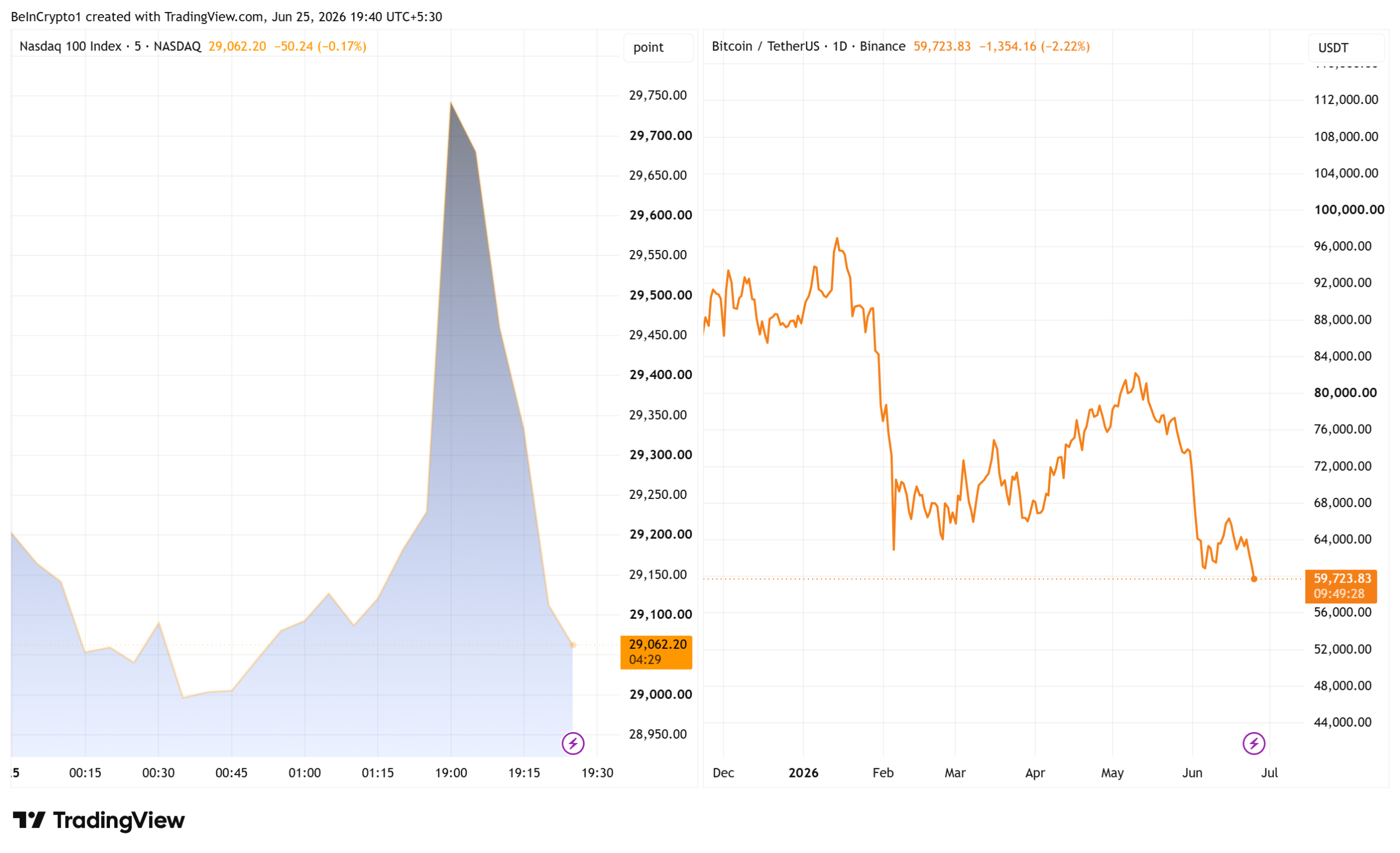
The Bitcoin (BTC) price fell to about $58,000 on Thursday, its lowest level since September 2024, after hotter US inflation dimmed hopes for near-term Federal Reserve rate cuts.
US stocks slid in tandem, with the Nasdaq 100 erasing an intraday rally. Both markets turned lower after the Fed’s preferred inflation gauge rose faster than expected in May.

Hot Inflation Dims Rate-Cut Hopes
The Personal Consumption Expenditures (PCE) price index rose 4.1% in May from a year earlier, its highest reading since April 2023. That was up from 3.8% in April, according to the government report. Core PCE, which strips out food and energy, climbed 3.4%.

The figures pointed to a resilient economy rather than a slowing one. Consumer spending rose 0.7% in May, above forecasts, while first-quarter gross domestic product was revised up to 2.1% from 1.6%. Some economists now see room for possible rate hikes instead of cuts.
Under Chair Kevin Warsh, the Fed held its benchmark rate at 3.5% to 3.75% in June and projected higher rates ahead. It tied part of the price pressure to energy supply shocks from the Middle East conflict. That stance has weakened Fed rate-cut hopes across markets, where traders had expected easing this year.
Follow us on X to get the latest news as it happens
Bitcoin Price Slide Mirrors Nasdaq Reversal
BTC had traded above $61,800 earlier in the session before the Bitcoin price decline accelerated. The token changed hands near $59,200 afterward, down about 2.6% on the day. That left it roughly 53% below its October 2025 record of $126,080.
The drop triggered a wave of forced selling. More than $450 million in leveraged long positions were liquidated within roughly an hour.
Across the market, total crypto liquidations reached $1.26 billion among more than 209,000 traders over 24 hours, according to Coinglass.
Crypto and tech stocks have tracked each other closely this year. The Nasdaq 100 had climbed before reversing, echoing a big tech selloff earlier in June that also dragged Bitcoin lower. \
Higher rates raise the cost of holding risk, weighing on both.
Whether $58,000 marks a floor may hinge on the Fed’s next meeting in late July. With inflation rising and growth steady, policymakers have little reason to cut. That leaves risk assets exposed to further swings.
The post PCE Inflation Shakes Markets: Nasdaq Rally Collapses, Bitcoin Falls to New 2026 Low appeared first on BeInCrypto.

Coffee Break: Jada Flats – Corporette.com

Techniques of Financial Statement Analysis, Comparative, Cashflow, Common Size Statements, Financial

Lavery’s bar gets licence to provide outdoor gigs for the first time


-

 Fashion6 days ago
Weekend Open Thread: Miami – Corporette.com
-

 Entertainment5 days ago
Renter of Home in Anne Heche Crash Denies Settlement With Son
-
 Sports2 days ago
Two goals and an assist by sheer aura: Cristiano Ronaldo just entered the World Cup chat
-

 Tech3 days ago
Microsoft accidentally kills epic Outlook email threads
-

 Business5 days ago
Soccer-U.S. defends Iran World Cup travel restrictions, says discussions ongoing
-

 Politics5 days ago
Andy Burnham and the meaning of Makerfield
-
Crypto World2 days ago
Bitcoin (BTC) Dips Below $62K, Ethereum (ETH) Plunges 6% Daily: Market Watch
-

 NewsBeat6 days ago
Keir Starmer Allies Question His Chances For No 10
-

 Politics7 days ago
BBC Reporter Discusses Cross Party Criticism Of Trumps Iran Deal
-

 Crypto World1 day ago
Securitize Wraps Roubini's SEC-Registered ETF as Dubai VARA Digital Security
-
Business2 days ago
Entergy settles forward sale agreements, raises $672 million in cash proceeds
-
 Business6 days ago
Wall Street Week Ahead: Investors see Micron earnings as pulse check of AI rally momentum
-
 Crypto World5 days ago
Can Charles Hoskinson Really Rescue Cardano?
-

 Crypto World6 days ago
HIVE shares jump as $220M AI deal speeds Bitcoin mining pivot
-

 Crypto World5 days ago
Jake Chervinsky accuses CME of protecting derivatives monopoly
-

 Entertainment6 days ago
Jose Alvarado Wants Taylor Swift at More Knicks Games
-
 Tech4 days ago
Signal’s Meredith Whittaker says AI chatbots ‘are not your friends’ and calls Copilot agents a backdoor
-

 Sports5 hours ago
India vs Bangladesh LIVE Score, Women’s T20 World Cup: Bangladesh Opt To Bat; India Enter ‘Do-Or-Die’ Stage As Semi-Final Race Heats Up
-

 Tech3 days ago
Nearly 7,000 fake Amazon domains registered ahead of Prime Day 2026, researchers warn
-

 Sports7 days ago
FIFA World Cup 2026: Canada beat 9-men Qatar 6-0 to register first ever win | FIFA World Cup 2026
You must be logged in to post a comment Login