
Crypto World
Chicago Fed President Flags Inflation Concerns, Rate Hike On The Cards


Chicago Federal Reserve President Austan Goolsbee has flagged high inflation as a major challenge for the US. Inflation remains well above the Federal Reserve’s 2% target.
The Fed held interest rates steady in July. However, three officials dissented and backed a 25-basis point rate hike.
Inflation Is The Biggest Problem
Goolsbee stated during an interview with Wired that rising prices are the biggest problem confronting the US, calling them more damaging than current labor-market conditions.
“The biggest problem facing our economy right now is not the collapse of industry and the collapse of jobs; it’s that the prices have been rising too fast. We have an inflation problem, and people hate inflation.”
Goolsbee also discussed employment and called the labor market “stable without being good,” highlighting the unemployment rate, hiring, and layoffs as key factors behind his reasoning. The Chicago Fed Chair suggested that market conditions have weakened but do not require the Federal Reserve’s immediate attention.
Inflation has remained higher than the Fed’s 2% target despite lower month-on-month price increases. June Consumer Price Index (CPI) fell 0.4%, while annual inflation dropped from 4.2% to 3.5%. Core CPI, which omits food and energy, remained unchanged in June but increased 2.6% from the previous year.
However, Goolsbee has not indicated whether he would support a rate hike at September’s Federal Open Market Committee (FOMC) meeting. While the Chicago Fed President is not voting on monetary policy, his observations could fuel an ongoing debate around rate hikes among regional Fed Chairs.
Policymakers Divided Over Rate Hike
Policymakers are deeply divided over interest rate hikes. The Federal Reserve left interest rates unchanged following the July FOMC meeting, with Beth Hammack, Neel Kashkari, and Lorie Logan dissenting in favor of a 25-basis point increase. Kashkari, the Minneapolis Fed President, urged the Fed to raise interest rates as high inflation, combined with the ongoing US-Iran conflict, has complicated the policy outlook. He added that the uncertainty prevents the Federal Reserve from issuing firm guidance or promising rate cuts.
Kashkari also warned that high oil prices could impact American households and businesses, adding that there was no certainty about when shipping routes through the Strait of Hormuz would return to normalcy.
St. Louis Federal Reserve President Alberto Musalem also supported a rate hike, arguing for pre-emptive measures before inflation pushes even higher. However, he did not cast a dissenting vote. San Francisco Fed President Mary Daly supported the Fed’s decision to leave interest rates unchanged, stating that more evidence was needed to determine if the increase was temporary or permanent.
Markets Look For Clues
The big question in the market is “will the Fed raise interest rates or leave them unchanged?” According to CME FedWatch, the odds are almost equal. Stubborn inflation and volatile job data have raised market uncertainty ahead of this week’s inflation report. Wednesday’s Consumer Price Report will give market watchers guidance on whether inflation is cooling. Traders expect higher interest rates by the end of the year thanks to US-Iran tensions. However, they are unsure when the Fed may raise rates.
Disclaimer: This article is provided for informational purposes only. It is not offered or intended to be used as legal, tax, investment, financial, or other advice.


A Kalshi billboard displaying New York City mayoral election odds in Times Square in New York, US, on Tuesday, Nov. 4, 2025.
Adam Gray | Bloomberg | Getty Images
The New York City Council is investigating marketing practices by prediction market platforms, the office of Council Speaker Julie Menin said on Wednesday.
In letters to four prediction market platforms — Polymarket, Kalshi, Coinbase and Gemini Titan — Menin wrote that the council has been examining allegations of “false, deceptive, unconscionable, and objectionable marketing practices” by event contract exchanges for months.
“Prediction markets aggressively entice consumers to bet and wager on sports, politics, culture, weather, and pretty much anything,” Menin said in a statement. “I intend to harness the full power of the Council to protect New Yorkers from deceptive and predatory marketing practices by prediction market platforms.”
Menin the letters referenced an investigation by The Wall Street Journal that claimed that Polymarket conducted misleading marketing campaigns. The Journal said in a June article that Polymarket made it appear as though content creators it partnered with were winning on the platform when, in fact, they were not using their own money. The Journal’s reporting led to an investigation by the Commodity Futures Trading Commission, the federal regulator for prediction markets.
CNBC reported on Tuesday that Polymarket has taken steps to revamp its marketing strategy, including through updated and streamlined guidelines for staff at the company and the content creators it works with.
Menin added in her letters to the platforms that the council is investigating whether such advertising strategies are used by other prediction market companies. A memo attached to these letters said the allegations against Polymarket show an urgent need to determine if legislation or other policy changes are necessary. Menin’s office added that the council plans to hold a hearing on the matter.
The memo, which also described the probe, made clear that the inquiry is not exploring whether or not event contract exchanges violate New York’s state gambling laws.
New York state is currently in active litigation against Kalshi, Coinbase and Gemini, alleging that the companies are running illegal gambling operations. The platforms assert that they are federally regulated financial exchanges and aren’t subject to state betting laws. New York state is currently not in litigation against Polymarket.
Kalshi, Polymarket and Gemini are all headquartered in New York City. Coinbase officially operates out of Texas, but announced plans earlier this year to expand its total workforce to more than 1,000 employees in New York.
“We look forward to engaging with The New York City Council on this matter,” a Polymarket spokesperson said in a statement.
When contacted by CNBC for comment, a Coinbase spokesperson said, “Coinbase offers our customers access to federally regulated prediction markets overseen by the CFTC, and fully complies with applicable laws.”‘
Kalshi spokesperson Dani Lever in a statement said that the company looks “forward to educating the New York City Council about our business model and practices.”
Gemini did not immediately respond to a request for comment.
Disclosure: CNBC and Kalshi have a commercial relationship that includes customer acquisition and a minority investment.
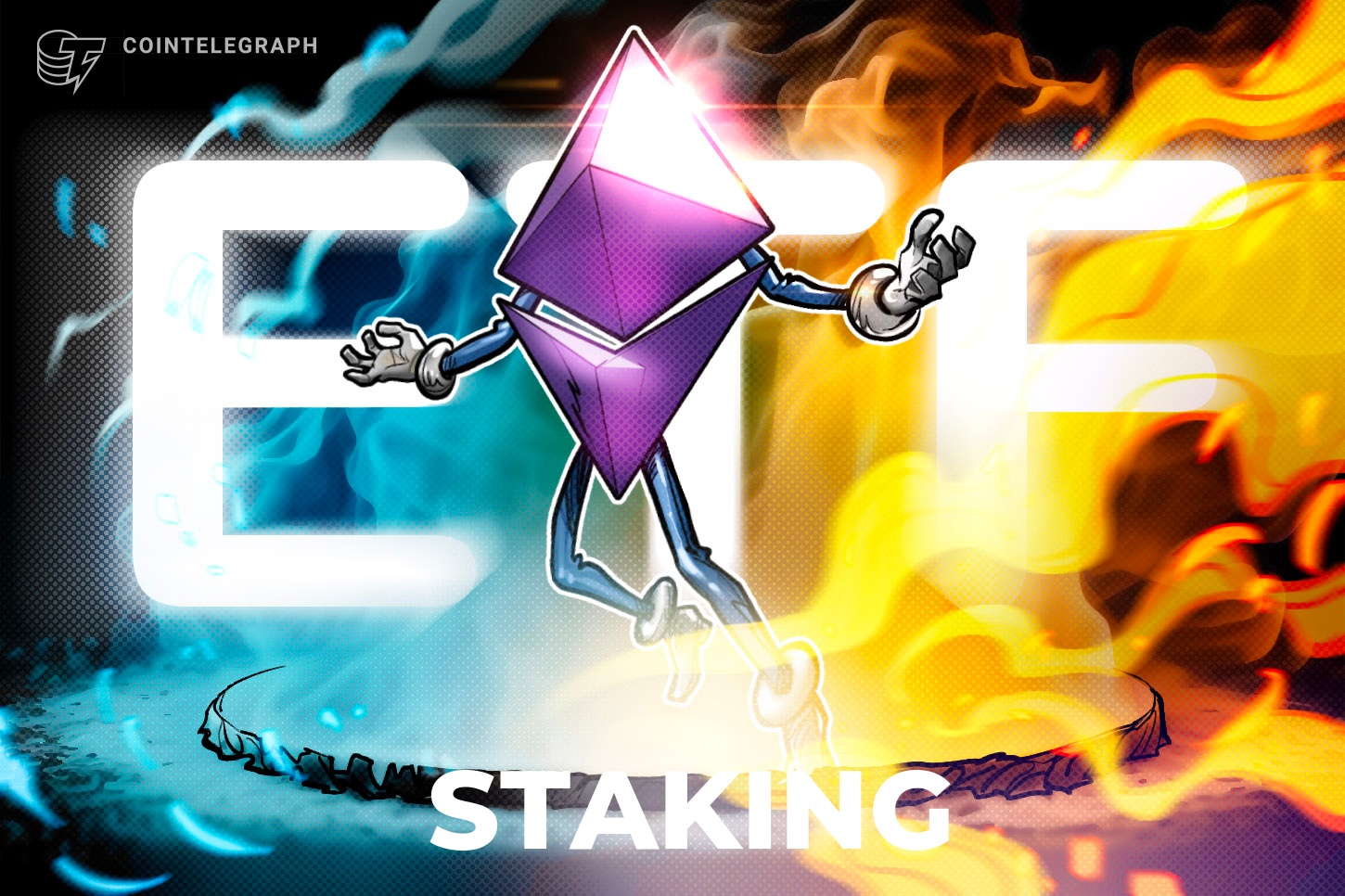
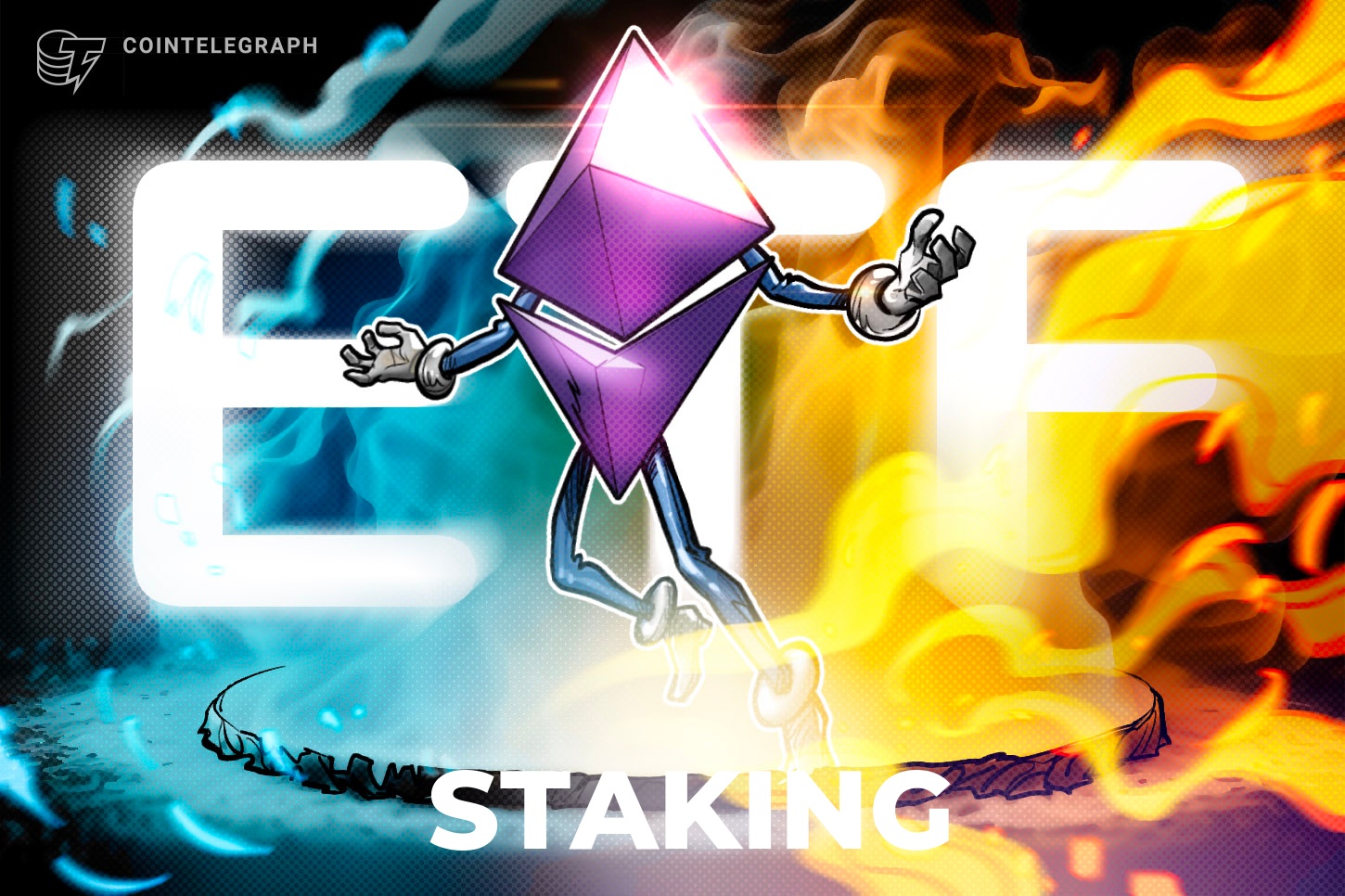
Fidelity plans to add staking to its Ether fund, with 85% of rewards retained by FETH and quarterly cash distributions planned for investors.
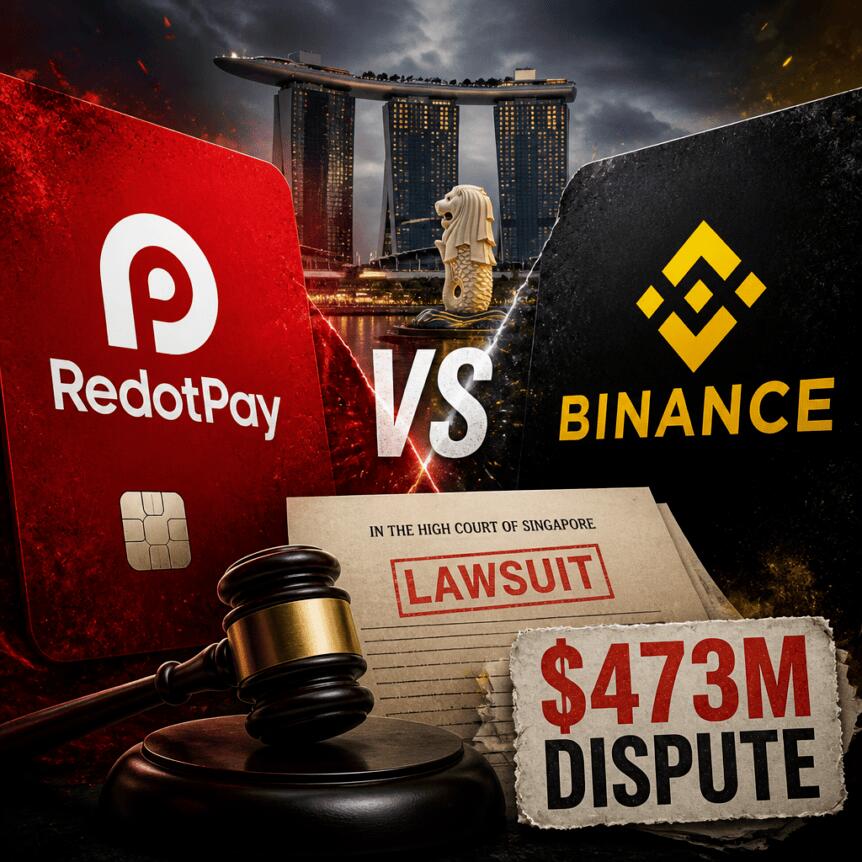
Binance and stablecoin payments card issuer RedotPay are trading competing narratives over whether a Singapore legal case tied to their wider dispute is set to end after a hearing on Aug. 7. RedotPay says it expects Binance to discontinue the proceedings, while Binance insists it is not withdrawing its claims.
The disagreement is the latest turn in a broader legal battle involving Binance-affiliated entities and RedotPay, which also includes a separate Hong Kong lawsuit seeking close to $473 million in damages.
Key takeaways
- RedotPay expects Binance to discontinue a Singapore case after an Aug. 7 hearing and plans to pursue legal costs.
- Binance says reports about it withdrawing Singapore claims are false and that it is continuing to press its case.
- The Singapore dispute sits within a larger conflict that includes a Hong Kong lawsuit alleging diversion of Binance Card users.
- The cases hinge on the terms of the Binance Pay–RedotPay relationship and whether card funding was used outside agreement scope.
Dispute over whether Singapore proceedings will be dropped
In comments to Cointelegraph on Tuesday, a spokesperson for RedotPay said the company expects Binance to discontinue the Singapore proceedings following the Aug. 7 hearing. RedotPay added that it would “be seeking legal costs arising from the discontinuance of the matter from the claimant,” while the parties would attempt to agree on costs.
Binance, however, rejected that characterization. A Binance spokesperson told Cointelegraph: “Reports that Binance will be withdrawing its Singapore claims are false.” The spokesperson added that Binance has not abandoned its claims and said it has informed both the court and RedotPay accordingly.
For market participants tracking crypto-related litigation, the immediate practical implication is uncertainty over process and timelines. Even if a party seeks to end one track of litigation, the question of who bears legal costs—and whether claims persist in the background—can affect strategy and leverage in the parallel Hong Kong matter.
How the legal fight expanded to multiple jurisdictions
According to earlier reporting by Bloomberg on Aug. 5, Binance-affiliated plaintiffs brought proceedings connected to the RedotPay business in Hong Kong. Bloomberg reported that Nest Trading, DistributedTechnologies and Chaintecs Consulting Singapore filed a petition in Hong Kong involving RedotPay co-founders.
Cointelegraph previously detailed the core allegations as well: the Hong Kong plaintiffs claim RedotPay diverted more than 470,000 Binance Card users by allowing Binance Pay funds to be used for stablecoin card top-ups outside the terms of a commercial agreement. They put their estimated damages at $472.8 million, based on a claimed lifetime customer value of $925 per user.
In parallel, Chaintecs brought related proceedings against RedotPay affiliates in Singapore, where a hearing was scheduled for Aug. 7. The existence of a Singapore hearing indicates the dispute has been actively litigated rather than merely threatened, which makes the latest exchange between the parties—over discontinuance versus continuation—material for observers.
What RedotPay says it was doing—and what Binance says it violates
RedotPay has denied what it described as “unfounded allegations” made against the company and its co-founders. In its communications to Cointelegraph, the company said it would defend the claims through the legal process.
The commercial relationship at the center of the litigation began in December 2023, when RedotPay announced its Binance Pay partnership. Under that arrangement, Binance Pay users could make direct deposits to RedotPay cards.
Binance later ended support for the integration as of April 3, 2026, citing a review of merchant partners. That withdrawal occurred months before the legal fight became widely public, suggesting the dispute has continued to develop independently of whether the integration was still active.
Crucially, the competing positions are not simply about whether RedotPay could provide card top-ups, but whether the use of Binance Pay funds fell within (or outside) what the parties agreed. The way courts interpret “terms of a commercial agreement” is often determinative in crypto platform and fintech disputes, particularly where multiple payment rails, intermediaries, or tokenized balances are involved.
What to watch after the Aug. 7 hearing
While RedotPay says it expects Binance to discontinue the Singapore proceedings, Binance’s spokesperson says the company is not abandoning its claims. The discrepancy means the next filings and court actions will matter more than either side’s statements in the short term.
If the Singapore case is indeed discontinued, RedotPay’s intention to pursue legal costs could become a focal point—especially if Binance contests costs or argues that discontinuance does not reflect wrongdoing. If Binance instead continues to litigate, it could signal that the company intends to maintain pressure on RedotPay in multiple venues simultaneously.
Either way, readers should pay close attention to how the Singapore track evolves alongside the Hong Kong case seeking nearly $473 million. With both proceedings tied to alleged user diversion connected to the Binance Pay–RedotPay setup, developments in one jurisdiction can influence negotiation posture in the other, even if legal standards and procedures differ.
For now, the main unknown is whether Binance’s position will translate into continued court steps in Singapore or whether RedotPay’s expected discontinuance plays out in formal filings—an outcome that will also shape the parties’ leverage and cost exposure across the wider $473 million dispute.
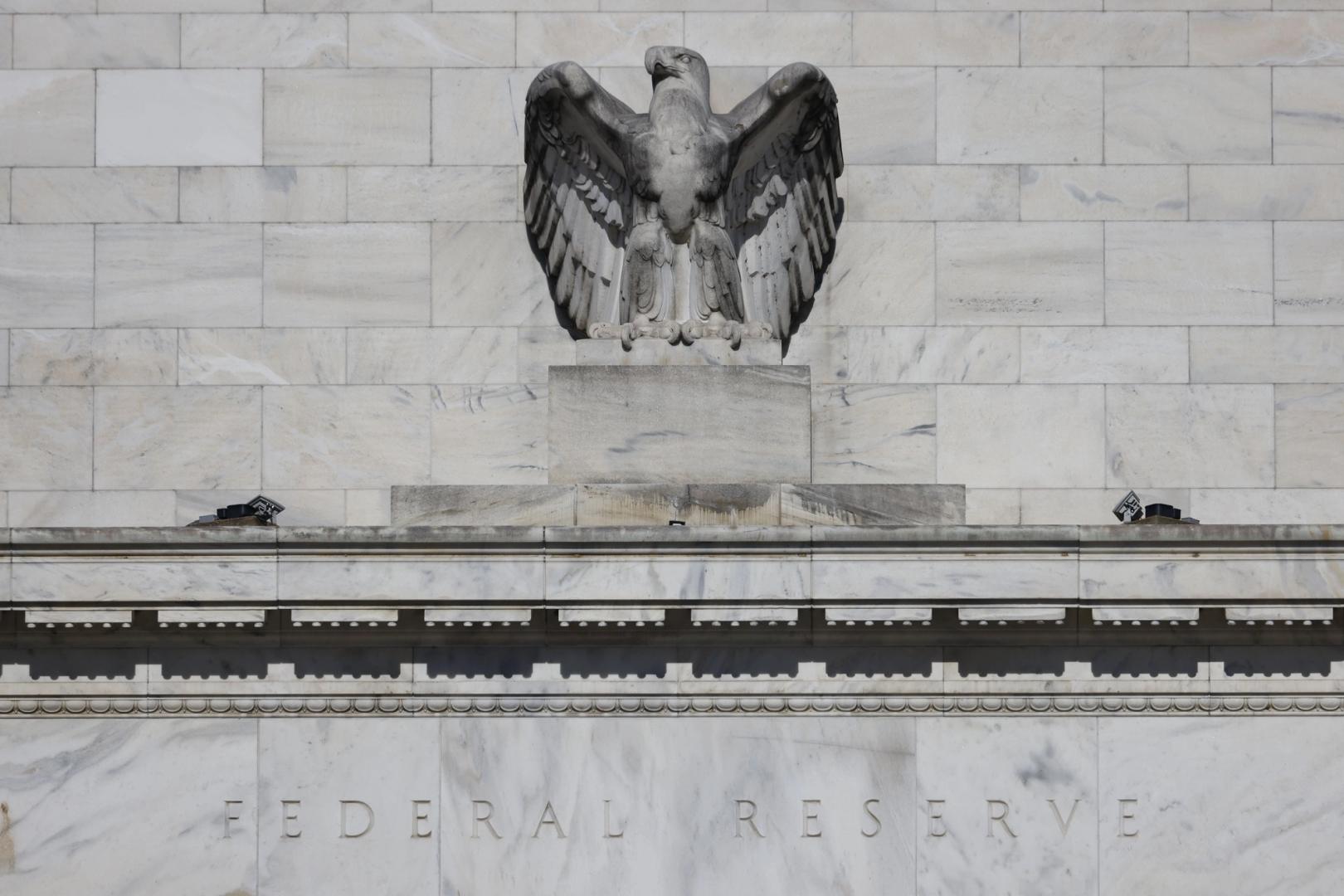
The Federal Reserve payment system is a walled garden, and rightly so; there are serious risks to opening access to unregulated or underregulated entities. But the walls should be drawn around prudent regulation, not arbitrary criteria. Fed membership should automatically mean access to Fed payment rails. Otherwise, if you build the walls in the wrong place, innovation will go offshore into foreign jurisdictions, beyond the reach of any U.S. regulator.
FDIC insurance is one of those arbitrary lines. Some point to its absence as a reason to hesitate, but that confuses two different risks. FDIC insurance protects against the risk created when a bank lends out client deposits, a risk inapplicable to a fully reserved custodial bank like Anchorage Digital Bank. Even stablecoin issuance, which more national trust banks are doing, is effectively full-reserve banking. Every stablecoin is always backed 100% by reserves, there is no fractional reserve banking being done, no asset-liability mismatch, and the risk to capital is fundamentally different. Federal Reserve Payment rail access should reflect actual risk, not assumptions carried over from a different banking model. Those differences should be reflected in how payment access is evaluated.
What is missing is not more studies to summarize longstanding banking law, but a published, uniform standard, applied the same way across the Federal Reserve’s system, so that similarly regulated banks get full access to Federal Reserve master accounts. Without them, institutions that took the harder path of federal oversight may still find themselves locked out of the very system they were regulated to join.
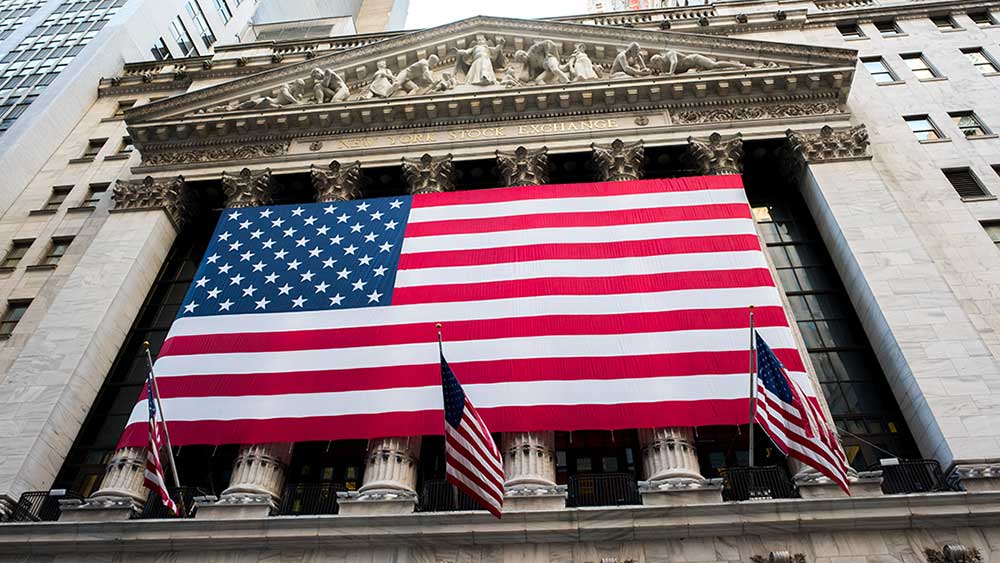
Futures for the Dow Jones Industrial Average and the other major stock indexes traded higher Wednesday, as Wall Street reacted to a key inflation report. Meanwhile, Nvidia (NVDA) partner CoreWeave (CRWV) was a big earnings winner on the stock market today. Ahead of Wednesday’s open, Dow futures rose 0.3%, as S&P 500 futures moved up 0.4%. Nasdaq-100 futures climbed 0.8%…
Copyright ©2026 Investor’s Business Daily, LLC. All rights reserved. 87990cbe856818d5eddac44c7b1cdeb8
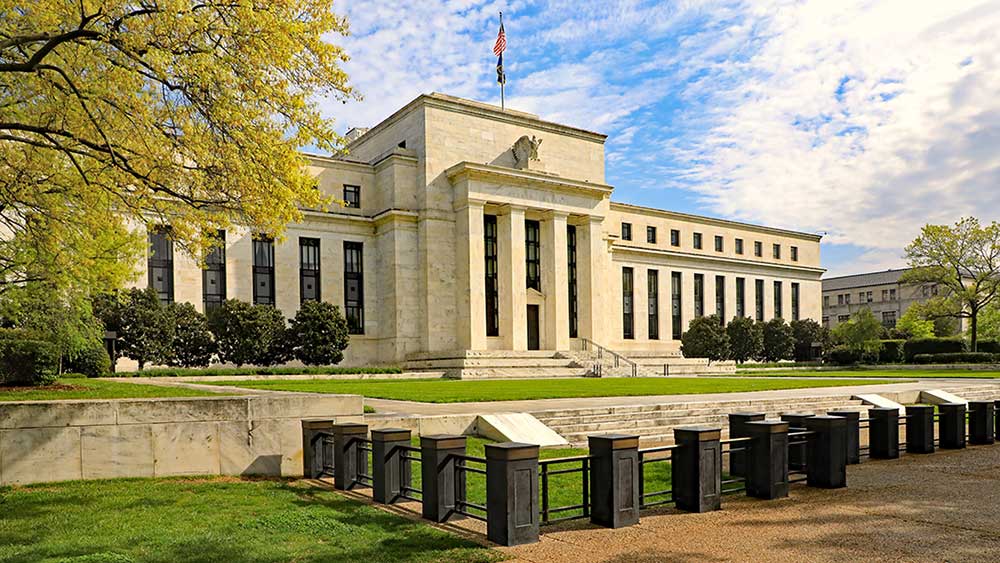
Consumer price index data largely matched expectations of a retreating inflation threat but may keep alive the possibility of a Federal Reserve rate hike in September following Friday’s weak July jobs reports. Ahead of the report, odds of a tightening stood just below 50%. Technology goods were among the categories seeing firmer prices, thanks partly to Apple (AAPL). S&P 500…
Copyright ©2026 Investor’s Business Daily, LLC. All rights reserved. 87990cbe856818d5eddac44c7b1cdeb8


The latest U.S. inflation data landed exactly where economists expected, removing the immediate risk of an upside surprise and leaving cryptocurrency investors focused on what the Federal Reserve does next.
The Bureau of Labor Statistics reported Wednesday that the Consumer Price Index (CPI) rose 3.4% year-over-year in July, matching consensus estimates while slowing from June’s 3.5%. Core CPI, which excludes volatile food and energy prices, also met expectations at 2.5% year-over-year, down from 2.6% previously.
Inflation Meets Expectations
Markets entered the release treating July’s CPI report as one of the most important macroeconomic events before the Federal Reserve’s September policy meeting.
Economists broadly expected headline inflation to cool to 3.4%, while core inflation was forecast to ease to 2.5% after June’s surprisingly soft report. The data ultimately delivered exactly that outcome, suggesting inflation continues to moderate without producing another significant downside surprise.
Because the figures aligned with expectations, investors are likely to shift their attention from the headline numbers toward what they mean for future monetary policy rather than reacting to an unexpected inflation shock.
Fed Outlook Remains the Main Driver
The inflation report arrives as investors remain divided over whether the Federal Reserve will keep interest rates unchanged or deliver another quarter-point increase at its September meeting.
Fed Chair Kevin Warsh has repeatedly emphasized that policy decisions will remain data dependent while reaffirming the central bank’s commitment to returning inflation to its 2% target. Recent weakness in the U.S. labor market has already reduced expectations for another rate hike, making inflation reports increasingly important for policymakers.
An in-line CPI reading neither strengthens nor weakens the case for immediate policy tightening, keeping markets focused on upcoming economic releases before the next Federal Open Market Committee meeting.
Bitcoin Awaits the Market’s Next Move
For cryptocurrency markets, inflation data often influences expectations for interest rates, Treasury yields and the U.S. dollar—all major drivers of digital asset prices.
Leading into Wednesday’s report, traders viewed a hotter-than-expected inflation reading as a potential catalyst for renewed rate hike expectations and pressure on Bitcoin. Conversely, a softer print was expected to reinforce the view that the Fed could remain on hold, supporting risk assets.
Instead, the consensus outcome leaves investors waiting for the broader market reaction as Treasury yields, the dollar and Fed pricing adjust to inflation that continues to cool but remains above the central bank’s long-term target.
What’s Next?
With July CPI now behind markets, investor attention shifts to incoming economic data and evolving expectations ahead of the Federal Reserve’s September meeting. For Bitcoin and the wider crypto market, the next major catalyst will likely be whether future inflation and labor market reports strengthen the case for holding rates steady or revive expectations of another hike. As long as inflation continues to move broadly in line with forecasts, monetary policy—not inflation surprises—is likely to remain the dominant driver of crypto market sentiment.
The post US Inflation Meets Forecasts, Keeping Bitcoin’s Fed Bet Alive appeared first on BeInCrypto.

A new report cited by Wu Blockchain informed that Fidelity, the entity behind the fourth-largest Ethereum ETF by AUM, plans to add staking and quarterly cash distributions to its FETH.
It added that the exchange-traded fund tracking the performance of the largest altcoin can stake up to 100% of its ETH holdings “under normal conditions.”
There will be no minimum requirement, but the fund will retain some ETH for redemptions, expenses, and other liquidity needs. It will retain 85% of gross staking rewards, and the remaining will be paid to the sponsor, custodians, and node operators.
The report further noted that net rewards will first cover fund expenses, with the remainder distributed quarterly in cash. It’s worth noting that the ETF may sell some Ether to fund distributions if necessary, the report concluded.
Fidelity’s move comes after BlackRock debuted a new staking Ethereum ETF called ETHB in March. The first-day trading volume was north of $15 million and opened with $100 million in assets. ETHB is currently the fifth-largest Ethereum ETF, with $577 million in net assets, according to SoSoValue.
Fidelity’s FETH is a spot above, holding nearly $900 million in net assets under management, while BlackRock’s main fund leads far ahead with $5.6 billion.
Earlier this year, Fidelity tapped Ethereum to launch its own stablecoin called Fidelity Digital Dollar (FIDD), which will be pegged 1:1 to the greenback and backed by reserves.
The post Fidelity’s Ethereum ETF to Offer Staking and Quarterly Cash Payouts: Report appeared first on CryptoPotato.


An idea that until recently would have been seen as radical—that the public should co-own AI—now commands bipartisan consensus.
In June, Senator Bernie Sanders introduced the first AI tax in history, the American AI Sovereign Wealth Fund Act, which took up our AI equity tax framework. The bill proposes making the biggest AI companies owe the public half the equity in each company’s AI business, paid in newly issued shares.
In the weeks since, OpenAI’s Sam Altman and President Donald Trump have scrambled to compete, offering their own visions of an AI sovereign wealth fund, which, unlike a tax, would be voluntarily created through the companies’ partnership with the government. Specifically, the ChatGPT creator is reportedly considering giving the U.S. government a 5% stake in the company. We believe this approach is a mistake—and a tax is the solution.
The essential nature of a tax is that it’s mandatory, which is why a tax is the best way to secure the public’s standing as a co-owner of AI. Plus, the public supports an AI equity tax. Last month, a national poll found 69% of Americans in favor of requiring the largest AI companies to transfer half their stock into a public sovereign wealth fund.
The fight now is over the terms of public co-ownership: how much the public gets, who must deliver it, and whether delivery can be enforced. Altman and Trump are negotiating those terms with each other. Whether the public ever sees any benefit from the equity stake to be taken in its name is what hangs in the balance.
A deal between Altman and Trump would bind OpenAI to the current administration in the public’s name, at least symbolically. Yet the rights would belong to the administration, and the public would likely have no recourse if a later administration unwound the arrangement.
That brings us to an idea that until recently would also have been seen as radical: the federal government taking ownership of companies through a tax.
The Trump Administration has taken equity stakes in more than two dozen companies over the past year. The trend in those deals is that the rights belong to the administration, rather than being directly owed to citizens. And public dollars have to be handed over in exchange for the shares, putting the public on the hook.
Trump’s side of these deals follows a common pattern. His administration negotiates each stake company by company. In the case of Intel, government grants already owed were converted into an equity stake. In a mineral-rights deal, fresh taxpayer money was spent. And now, for something completely different, Trump is making early moves to accept AI stakes as donations. A government stake in AI companies “would be a beautiful thing,” the President says, and would ensure that “the American people can benefit from the success of AI.” Yet across Trump’s equity-acquisition deals, terms are established not by statute but through private negotiations, and the President or his agencies keep the rights.
Two deals illustrate how this works and why we should be wary. Trump publicly demanded Intel’s chief executive’s resignation. Only weeks later, the administration had its stake, a position that is now worth tens of billions. And as a condition for approval of the Nippon Steel acquisition, the administration took a golden share in U.S. Steel: “I, President Donald J. Trump, hold the Class G Preferred Stock (Golden Share) in U.S. Steel,” the President wrote in the Federal Register. The issue in both of these cases: one person, Trump, wields unprecedented power.
Altman argues a public stake is “the best way to share the upside of AI.” The company has reportedly proposed giving the administration a 5% stake, structured like the Alaska Permanent Fund and revocable whenever OpenAI chooses. The Financial Times reports the aim: clearing political obstacles by securing the administration’s financial buy-in. It’s a Trojan horse in which no one is fooled except the public.
We can guess where the public’s best interests could be treated as bargaining chips. OpenAI and Anthropic are preparing IPOs and likely need the administration’s goodwill. OpenAI, for example, is currently under pressure from the government to limit GPT-5.6’s release—a constraint the administration might be persuaded to drop in exchange for a donated equity stake. The administration’s record shows it accepts equity as consideration for looking the other way or relenting. Yet none of these dealings inherently benefit the American public.
In response, only Sanders has committed to actually issuing payouts to each American. With Sanders’ AI equity tax, there is no question mark about the public benefit of the tax. After all covered AI companies remit half their equity in newly issued shares, a public trust fund holds the shares, and the fund must pay out its returns to the public by statute. According to estimates from Sanders’ office, a 5% annual distribution would be about $1,045 per person per year. Since no public funds are used to buy shares and the bill specifically prohibits public bailouts of covered companies, the US public truly shares in the upside of AI.
The outcome of the midterms will likely determine whether Sanders’ AI equity tax advances, and thus the coming months may decide who owns America’s AI future. In the meantime, Trump and Altman may move ahead with their visions.
In our view, one design courts more corruption and wealth consolidation; the other ensures that, if AI ushers in any prosperity, it will be shared broadly, transparently, and with public accountability.

Artificial intelligence is moving beyond chatbots and copilots. The next generation of AI systems is increasingly capable of acting on behalf of users—searching for information, purchasing services, managing workflows, executing trades, interacting with applications, and coordinating with other software agents.
But there is one major capability AI agents still need to operate effectively in an increasingly autonomous digital economy: money they can use programmatically.
This is where stablecoins could become especially important.
Unlike traditional bank-based payments, stablecoins can move value directly across blockchain networks, operate 24/7, and be integrated into smart contracts and software applications. For AI agents that need to make frequent, automated, and machine-to-machine payments, these characteristics could make stablecoins a natural financial layer.
AI Agents Are Becoming Economic Actors
An AI agent is more than a system that generates an answer. An agent can be designed to perceive information, make decisions, use tools, and execute actions with limited human intervention.
Imagine an AI agent managing an online business.
It could:
- Purchase computing resources when demand increases.
- Pay another AI agent for specialized data.
- Subscribe to an API.
- Purchase advertising services.
- Pay for storage.
- Execute transactions according to predefined rules.
- Receive payments for completing tasks.
- Exchange one digital asset for another.
Each of these activities requires some form of payment.
If AI agents are expected to operate continuously and independently, relying exclusively on traditional payment systems could introduce significant friction.
Bank accounts often require identity verification, geographic availability, banking relationships, business accounts, payment processors, and human-controlled authentication. Those requirements make sense for people and companies, but they can become cumbersome when the payer itself is autonomous software.
Stablecoins offer a different model.
Stablecoins Give AI Agents Programmable Money
The defining feature of a stablecoin is relatively simple: it is a blockchain-based token designed to maintain a stable value, typically relative to a fiat currency such as the U.S. dollar.
For AI agents, the important part isn’t simply the stability.
It is the combination of stability + programmability + global accessibility.
An AI agent can interact with blockchain infrastructure through software. It can hold digital assets in a wallet, check balances, sign transactions according to its permissions, and interact with smart contracts.
That creates the possibility of a machine-controlled financial account.
Instead of an AI agent saying:
“I need a human to approve this $5 payment.”
the system could be designed to automatically execute the payment when predefined conditions are satisfied.
For example, an AI research agent might have a wallet funded with $100 in stablecoins. It could spend a maximum of $2 per API request, $10 per day on data, and $25 per week on specialized services.
These rules can potentially be enforced through smart contracts, wallet permissions, spending limits, and other programmable controls.
Machine-to-Machine Payments
One of the most interesting applications is machine-to-machine commerce.
The internet was originally designed primarily for humans to communicate and transact. AI agents introduce a new possibility: software communicating and transacting with other software.
Consider a network of specialized agents.
One agent performs market research.
Another analyzes financial data.
A third provides computational resources.
A fourth verifies information.
Instead of every transaction passing through a human-controlled billing process, agents could pay one another directly.
For example:
Agent A → pays stablecoins → Agent B → receives data → Agent A
The payment could happen automatically based on predefined conditions.
At large scale, this could create a new digital economy where tiny transactions occur continuously between autonomous software systems.
Why Stablecoins Instead of Volatile Crypto?
AI agents need predictable economics.
Imagine an autonomous agent with a budget of $1,000.
If it holds a highly volatile cryptocurrency, the purchasing power of that budget could change dramatically. A service that costs $20 today might effectively consume substantially more or less of the agent’s available capital tomorrow.
Stablecoins can reduce that problem.
A dollar-denominated stablecoin gives the agent a relatively predictable unit for budgeting, accounting, pricing, and payments.
That matters particularly for:
- API usage
- Cloud computing
- Data purchases
- Subscription services
- Digital labor
- Advertising
- Automated commerce
- Agent-to-agent payments
If AI agents are going to participate in real economic activity, predictability may be more valuable than speculation.
Stablecoins Could Enable Micropayments
Traditional payment infrastructure isn’t always optimized for extremely small, frequent transactions.
Blockchain-based stablecoin payments could potentially support smaller transactions with automated settlement, depending on the network and its transaction costs.
This opens the door to interesting business models.
An AI agent might pay:
- $0.01 for a data point
- $0.05 for a computation
- $0.10 for an API request
- $0.50 for a specialized analysis
- $2 for a completed task
Instead of purchasing a large subscription, an agent could potentially pay precisely for what it consumes.
This could transform the economics of digital services.
Rather than humans subscribing to software, software could dynamically purchase services from other software.
Stablecoins Could Give Agents Global Payment Rails
Another major advantage is geographic reach.
Traditional financial infrastructure remains fragmented across countries, banks, payment networks, currencies, and regulatory systems.
Stablecoins operate on blockchain networks that can be accessed globally.
For AI agents operating across borders, this could simplify settlement.
An AI company in one country could operate an agent that purchases computing services from another provider, while a third-party agent supplies specialized data from another region.
Stablecoins could provide a common settlement asset across these interactions.
The AI agent doesn’t necessarily need to understand banking systems in every country.
It simply needs to understand the payment rules of the digital network it operates on.
AI Agents Could Become Their Own Economic Identities
This leads to an even bigger concept.
Today, an AI agent usually operates under the identity and financial accounts of a person or company.
In the future, agents could potentially have their own cryptographic identities, wallets, permissions, and transaction histories.
That does not necessarily mean an AI becomes a legal person.
Instead, it could mean that an agent becomes a distinct economic software entity.
For example:
Agent ID: ResearchAgent-204
Wallet: Dedicated blockchain address
Budget: $500/month
Spending limit: $20/transaction
Allowed services: Data + computing
Approval threshold: Human authorization above $20
This structure could make autonomous systems easier to monitor and control.
Blockchain transactions could also provide an auditable record of what the agent spent and where the funds went.
The Combination of AI + Smart Contracts Is Powerful
AI agents are good at making decisions.
Blockchains and smart contracts are good at executing deterministic rules.
Stablecoins connect the two through money.
That creates a potentially powerful architecture:
AI → Decision
Smart Contract → Rules
Stablecoin → Value
Blockchain → Settlement
Consider an autonomous procurement agent.
The AI determines that a company needs additional computing capacity. It compares providers, selects one based on price and performance, and initiates the purchase.
A smart contract could enforce the agreed conditions.
The stablecoin payment could be released when those conditions are satisfied.
The blockchain records the transaction.
In this model, AI handles the intelligence while blockchain handles coordination, ownership, and settlement.
The Challenges Are Just as Important
Stablecoins are not a magic solution.
AI agents managing money introduce serious risks.
Security
If an AI-controlled wallet is compromised, attackers could potentially gain access to its funds.
Agents therefore need strong wallet security, permission systems, spending limits, and transaction controls.
Hallucinations and Bad Decisions
An AI agent can make incorrect decisions.
If an agent is allowed to spend money autonomously, an incorrect assumption could become a financial loss.
This makes human oversight and programmable constraints extremely important.
Smart Contract Risk
Smart contracts can contain vulnerabilities.
An AI agent interacting with poorly designed contracts could potentially expose its funds to unnecessary risks.
Regulatory Uncertainty
Stablecoins operate within an evolving regulatory environment.
Different jurisdictions may impose different requirements on issuers, users, payment providers, and businesses.
AI agents participating in financial transactions could introduce additional compliance questions.
Privacy
Blockchain transactions can be transparent.
That can be useful for auditing, but it may also expose information about an agent’s activities, counterparties, and spending patterns.
Future systems may therefore need privacy-preserving technologies alongside transparent settlement.
The Bigger Picture: An Economy of Autonomous Agents
The most important idea isn’t simply that AI agents could use stablecoins.
It is that AI agents could become participants in digital markets.
Imagine millions of specialized agents operating simultaneously.
Some agents generate content.
Others analyze data.
Some manage logistics.
Others provide computing power.
Some negotiate prices.
Others verify information.
They could continuously interact, purchase services, sell capabilities, and exchange value.
Humans would still define objectives, budgets, permissions, and constraints—but machines could handle much of the execution.
Stablecoins could serve as one of the financial primitives that makes this economy possible.
Stablecoins May Become the Financial Language of AI
The next phase of AI may not be defined solely by how intelligent models become.
It could also be defined by what those models are allowed to do.
An AI that can only generate text is powerful.
An AI that can use tools is more capable.
An AI that can independently coordinate resources, purchase services, and receive payments becomes something fundamentally different: an economic actor operating in the digital world.
Stablecoins could provide the predictable, programmable settlement layer required for that transition.
The combination of AI agents, blockchain networks, smart contracts, and stablecoins could therefore create an entirely new category of machine-driven commerce.
The future internet may not just connect people.
It may connect agents that work, negotiate, transact, and pay each other around the clock.
And when machines start doing business with machines, they will need money that machines can actually use.
REQUEST AN ARTICLE
The top picks tested and ranked

Dari Hidup Susah Sampai Tak Bisa Makan, Kini Financial Freedom Dari Usaha Slondok

Dame Judi Dench on UK TV screens with Sir Ian McKellen

Renter of Home in Anne Heche Crash Denies Settlement With Son

No Jackpot Winner as $257 Million Prize Rolls Over to $269 Million Monday Draw

Weekend Open Thread: Staud – Corporette.com
Dari Hidup Susah Sampai Tak Bisa Makan, Kini Financial Freedom Dari Usaha Slondok

money advice to be financially independent!! #money #moneytips #personalfinance #savings #finance

The Man Who Owns 4% Of All Bitcoin: “I Made $15 Billion By Using ChatGPT!” | Michael Saylor
-

 Fashion5 days ago
Weekend Open Thread: Mattifying Sunscreen
-

 Fashion5 days ago
Frugal Friday’s Workwear Report: Cap-Sleeve Pointelle Crewneck Sweater
-

 News Videos4 days ago
Can Astrology Help Find Gold and Silver Trends? A Financial Astrology Guide
-

 Sports6 days ago
Jordan Coyle & Cordiamo take Laya Arena Stakes at RDS
-
 Business7 days ago
US stocks: Dow closes at record on Mideast optimism; SpaceX, AMD drag Nasdaq
-

 Politics6 days ago
Reform UK And Greens Sink To Lowest Favourability Ratings To Date
-

 Business7 days ago
Supply chain issues impact Ingredion
-

 Tech5 days ago
Rinn Pharma & Biopharma to join NordicPharmaTrain network
-

 Business3 days ago
How to Start a Cleaning Business: A Step-by-Step Guide
-

 Business3 days ago
Datadog: Best Of Breed For Multiple Reasons
-

 Business3 days ago
BDC Weekly Review: Private BDC Q2 Numbers Are Strong
-
 NewsBeat14 hours ago
Communication cards help banking customers access services or report scams
-
Sports6 days ago
Spider-Man: Brand New Day ending explained: Is Peter Parker alive?
-

 Fashion7 days ago
Suit of the Week: Me + Em
-

 Tech5 days ago
Price Hikes May Be Coming for PC Motherboards Next
-
 Fashion7 days ago
Birthstone pendant necklaces for women by ottomanhands – 18ct gold plated
-

 Business5 days ago
Brightwater secures funding for WA-first dementia projects
-
 Crypto World6 days ago
Galaxy Digital Stock Slides 14% as Crypto Prices Hit Earnings
-

 Politics7 days ago
The Not-So Talented Mr Arday
-

 Politics7 days ago
Comedian Jimmy Cricket Has Died, Aged 80
You must be logged in to post a comment Login