
Crypto World
Crypto dips as oil swings after Iran vows retaliation to Trump


Crypto and broader markets faced renewed volatility as tensions between the United States and Iran intensified, sending oil prices fluctuating and risk appetite shifting. The week’s escalation comes amid a backdrop of macro uncertainty and a fragile risk-off mood that has influenced how traders view Bitcoin and other digital assets.
President Donald Trump posted on Truth Social that the U.S. would “hit and obliterate” Iranian power plants if Tehran did not open the Strait of Hormuz within 48 hours, a warning that drew immediate responses from Iran about retaliation against U.S. and Israeli targets in the Gulf and potential closure of the strategic chokepoint. The standoff has kept investors on edge as markets weigh potential disruptions to energy flows and the global geopolitical risk premium.
Bitcoin slipped 1.8% over the past 24 hours to around $68,160 after earlier dipping below $67,600, with a notable surge in liquidations across the crypto space. Data from CoinGlass showed about $336.3 million in liquidations in the last day, driven in part by a large chunk of the activity—roughly $100 million—stemming from failed Bitcoin long bets. The move underscores how crypto markets are currently behaving in tandem with broader risk-off dynamics rather than acting as a pure safe haven.
Analysts have observed that crypto prices have been correlated with equities as geopolitical risk and macro cues influence investor behavior. “Crypto is trading in lockstep with equities right now, not as a haven, and sentiment is sitting at historic lows, with the Fear and Greed Index deep in ‘extreme fear’ territory at 8,” said Rachael Lucas, an analyst at the crypto exchange BTC Markets.
Key takeaways
- Bitcoin fell about 1.8% in 24 hours to roughly $68,160, with a low near $67,600, as risk assets reeled from intensifying US-Iran tensions.
- Crypto liquidations totaled $336.3 million in the last day, with roughly $100 million attributed to failed Bitcoin long bets, per CoinGlass.
- Oil markets reacted sharply: crude briefly topped $100, Brent crude surged to above $113, then settled under that level, while the Fed’s rate-hike expectations rose to around 12.4% probability in a week, signaling a macro repricing that crypto will track.
- Despite the near-term volatility, institutional interest remains evident, with about $1.43 billion in net inflows into Bitcoin ETFs observed this month, suggesting ongoing structural demand alongside a fragile sentiment backdrop.
- Key price levels to watch for Bitcoin: immediate support around $68,000, with $65,800 as the next line of defense if that gives way; a recovery narrative would gain traction if Bitcoin can reclaim around $71,500.
Geopolitics, macro signals, and the crypto response
Beyond the immediate price moves, the market backdrop is colored by a complex mix of geopolitical risk and macroeconomic signals. The Trump administration’s warning and Iran’s stated readiness to retaliate against U.S. and Israeli targets in the Gulf have kept the Strait of Hormuz—a vital oil artery—perceived as a potential flashpoint. While the oil reaction has been volatile, with futures briefly spiking above $100 per barrel before stabilizing, the broader implication is a potential acceleration of inflation expectations if energy costs remain elevated. In turn, investors have priced in higher probabilities of a Federal Reserve response, with futures indicating a non-negligible chance of a rate increase in the near term.
Lucas highlighted that Brent’s move is feeding inflation expectations and that the probability of a Fed rate hike has jumped in a short period, a dynamic that could ripple through crypto markets as investors reassess risk and liquidity. “That is a significant macro repricing that crypto will continue to reflect until there is clarity on both fronts,” she said.
Market structure and the recovery path
The latest price action adds another chapter to the ongoing debate about Bitcoin’s role in a world characterized by macro shocks and geopolitical risk. While the selloff underscores a current lack of broad risk appetite, it also spotlights robust institutional infrastructure. According to BTC Markets’ analyst, even with volatility, there remains substantial institutional exposure to Bitcoin through vehicles like ETFs, which have seen meaningful inflows this month.
For traders, the immediate technical watchpoints are crucial: Bitcoin’s near-term floor sits around $68,000, with a more meaningful support at about $65,800 if that zone yields. On the upside, reclaiming the $71,500 level would likely mark a transition back toward a recovery narrative, though timing remains uncertain as global risk factors evolve.
As the market awaits clearer signals on de-escalation in the Middle East and a more defined path for U.S. monetary policy, investors will be watching both macro prompts and on-chain behavior. The near-term linkage between oil swings, equity markets, and crypto suggests that any sustained improvement will likely require a combination of reduced geopolitical risk and a stable, gradual normalization in macro expectations.
The latest data also suggests sustaining traction from the institutional side could help underpin a more resilient price trajectory. With $1.43 billion of net inflows into Bitcoin ETFs observed this month, the groundwork for a more constructive environment remains in place even as volatility persists.
Oil and macro developments aside, the crypto market’s sensitivity to sentiment means traders should stay vigilant for abrupt shifts in risk appetite, liquidity conditions, and policy signals. The next few sessions could prove pivotal in determining whether Bitcoin can stabilize above key support levels or if fresh downside pressure emerges as investors weigh the evolving risk landscape.
Readers should watch for any signs of de-escalation in the US-Iran standoff and for upcoming macro updates from the Federal Reserve, which could further influence the path of Bitcoin and the broader crypto markets in the near term.

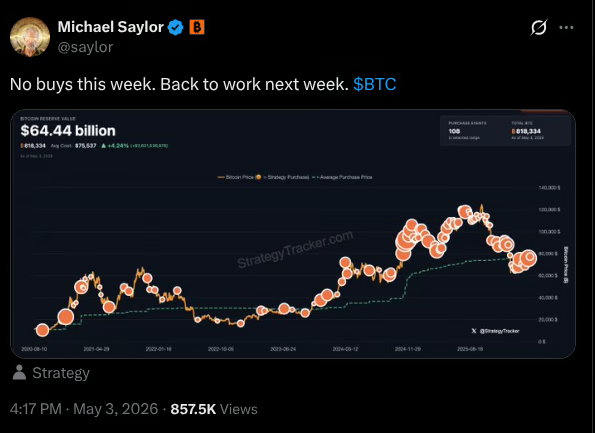
Strategy, the world’s biggest public Bitcoin holder, is taking a break from crypto purchases as the company readies its first quarter earnings report, slated for Tuesday.
On Sunday, Executive Chairman Michael Saylor announced “No buys this week” in a post on X, where he has regularly provided a signal of planned purchases.
In its most recent purchase, the Tysons Corner, Virginia-based company acquired 3,273 Bitcoin for $255 million between April 20 and 26, according to an 8-K filing with the US Securities and Exchange Commission on April 27.

Source: Michael Saylor on X
The company now holds 818,334 BTC, bought at an average price of $77,906 per coin, raising Strategy’s cost basis to $75,537. The biggest crypto by market cap was last trading on Sunday at $78.787.08, according to CoinGecko data.
Strategy’s purchases last month, along with US spot price exchange-traded fund inflows, helped stoke a 12% increase in BTC’s price during April.
Related: Bitcoin preps highest weekly close since January as BTC price nears $79K
Quarterly loss expected amid scrutiny over STRC dividend
Wall Street analysts are expecting Tuesday’s earnings report to show a loss of $18.98 per share, mainly due to management’s mark-to-market Bitcoin accounting. That compares to the year-earlier period’s loss of $16.49, according to Yahoo Finance data.
On Wednesday, Saylor is scheduled to speak at the Consensus industry conference in Miami Beach, Florida.
The company’s reliance on STRC, Strategy’s perpetual preferred security, has raised concerns among some stock watchers, primarily because of the 11.5% dividend yield that the asset offers investors.
Peter Schiff, chief economist and global strategist at Euro Pacific Asset Management, who has previously called Strategy a “Ponzi scheme,” on Sunday repeated his allegation, questioning the company’s ability to sustain the dividend.
“Gambling that Bitcoin will rise by more than 11.5% a year does not change the Ponzi like structure of STRC,” he said in a post on X.

Source: Peter Schiff on X
Concern about the STRC dividend also came from Seeking Alpha blogger Joseph Parrish, who said in his April 28 post that the current cash reserves are insufficient to cover two years of STRC dividends, which will ultimately force continued sale of Strategy’s common stock and raises investor risk if Bitcoin underperforms.
He rates the company stock, which trades under the MSTR ticker, as a “Hold,” citing increased leverage, uncertain catalysts, and challenging risk management despite a lower stock price. His opinion stands in contrast with other analysts, according to financial engine TipRanks, which shows a consensus of a “Strong Buy” rating on Strategy’s Nasdaq-listed shares.
Related: ‘Historical average’ could push Bitcoin bottom at $57K level: Analyst


Fundstrat co-founder Tom Lee says half the equity market and crypto already moved through a hidden bear phase. Short positioning and liquidity withdrawal sit at levels typically seen near market bottoms, not at cycle tops.
Lee argues too many investors have already turned bearish, with markets historically moving in the direction that inflicts the most pain. Raoul Pal frames the same setup as a mid-cycle correction rather than a cycle top.
Hidden Bear Phase Already Played Out
Speaking on the Fundstrat research channel, Lee said software stocks have already taken deep drawdowns. Crypto, tied to the same liquidity unwind, has tracked the move lower.
Short positioning, in his read, sits at levels typically seen at the height of a bear market.
That backdrop matters because positioning has shifted faster than headlines. Sentiment turned defensive while leading indicators stabilized. Lee sees that divergence as more typical of past inflections than the start of a deeper drawdown.
He drew a line between cyclical credit stress and systemic risk. Recent strain in private credit, he said, looks more like a credit cycle than a repeat of 2008. Large banks, in his view, can prosper through that rotation.
Macro Setup Turning Under the Surface
Real Vision founder Raoul Pal made a similar case. He pointed to global M2 at all-time highs and a weakening dollar. The Institute for Supply Management reading is improving, and US liquidity conditions are turning upward.
“I don’t think it’s the end of the cycle. I think it’s a mid-cycle correction,” Pal said in the interview.
He pointed to the Crypto Fear and Greed Index as the clearest sentiment marker. The gauge has spent its longest recorded stretch below 10.
Pal treats that reading as a reversal setup rather than a continuation signal.
Lee said AI and tokenization reinforce the structural case for blockchain. Stablecoin payment rails and onchain settlement, he argued, are the infrastructure AI agents will use at scale.
That overlap could pull capital toward Bitcoin (BTC) and Ethereum (ETH) once macro pressure eases.
Whether the setup resolves higher will depend on how fast liquidity expands. It will also depend on whether sentiment keeps lagging the underlying data.
The post Tom Lee Says Crypto Already Moved Through a Hidden Bear Phase appeared first on BeInCrypto.
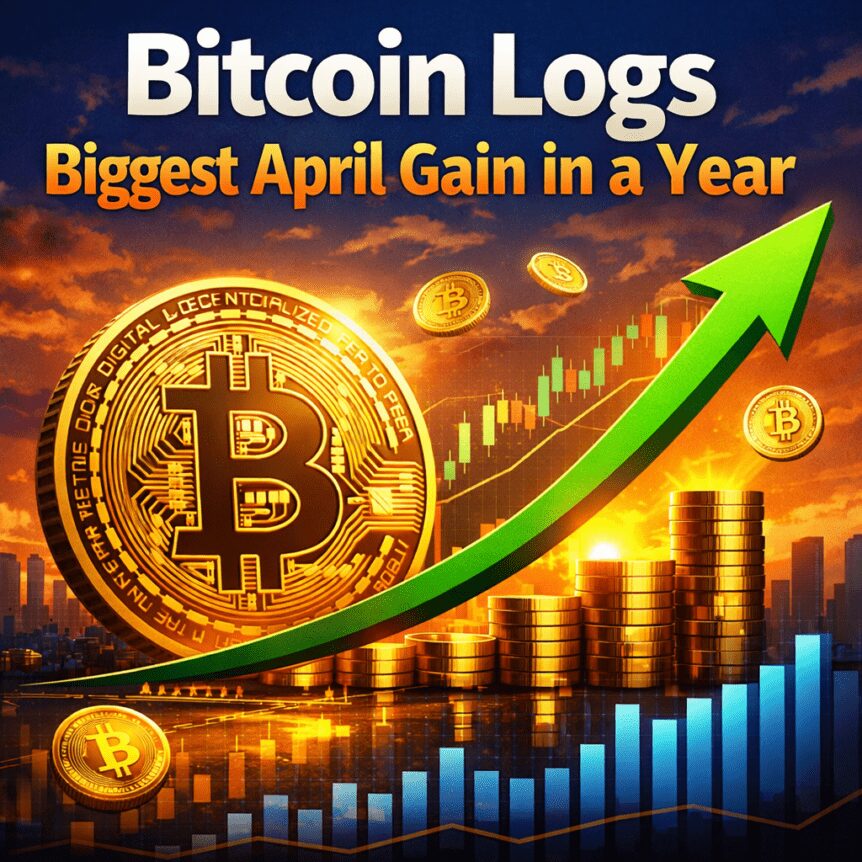
Bitcoin closed April with an 11.87% gain, its strongest monthly performance in a year, renewing attention on the cryptocurrency’s directional path as traders turn to May. While the April rally has sparked cautious optimism, analysts say the road back to all-time highs remains long and uncertain.
Nic Puckrin, founder of Coin Bureau, captured the sentiment on X, noting, “Long way to go back to ATHs, but good to see some green.” April’s 11.87% gain stands as the best monthly showing since April 2025, when Bitcoin rose about 14.08%, according to CoinGlass. However, CoinGlass also points out that April’s performance still sits slightly below the historical April average of roughly 12.98%.
In raw terms, Bitcoin’s price action in April came as it traded around $78,190—roughly 38% below the October all-time high near $125,100, per CoinMarketCap. Market mood remains mixed: the Crypto Fear & Greed Index hovered in the “Fear” territory around 39, signaling ongoing caution among investors.
Key takeaways
- April delivered an 11.87% gain for Bitcoin, its strongest month in a year, but still modest relative to the long-run April average of about 12.98% (CoinGlass).
- May’s historical average returns for Bitcoin sit near 7.78%, suggesting potential continued gains but with a softer pace than April’s breakout (CoinGlass).
- Bitcoin trades around $78,190, about 38% below the Oct. all-time high of $125,100 (CoinMarketCap).
- Market sentiment remains cautious, with the Crypto Fear & Greed Index at 39, signaling ongoing risk aversion among traders.
- Analysts are divided: CryptoQuant warns of a potential multi-month correction after a futures-led rally, while others argue a move above $100,000 could occur without a new narrative driving it (various sources).
April momentum vs May horizons
April’s rally appears to have resurrected a debate about whether the upside can sustain beyond a single month. CryptoQuant researchers flagged that the April strength appeared to be disproportionately driven by futures activity, a dynamic that could set the stage for a pullback if traders unwind bets or if macro conditions temper risk appetite. This view underscores a broader theme: headline momentum can outpace on-chain fundamentals, leaving the market vulnerable to reversals if liquidity conditions shift.
On the other side, prominent bulls argue that Bitcoin does not always require a fresh narrative to push into new price territory. Michael van de Poppe, founder of MN Trading Capital, recently suggested that Bitcoin may not need a new catalyst to reclaim the $100,000 level, which it has not revisited in several months. That line of thinking implies that price action could be driven by renewed demand or technical momentum rather than a single macro event.
From a probabilistic standpoint, investors should keep a close eye on how May historical performance aligns with this cycle. CoinGlass data shows May historically averaging around 7.78% in gains, a figure that could be supportive if the current risk sentiment remains subdued and if liquidity conditions remain supportive. Still, traders should be mindful that May’s track record doesn’t guarantee a repeat of April’s strength, and the market could drift in narrower ranges as participants assess risk and potential catalysts.
Market mood, catalysts, and what to watch next
Beyond price levels, traders are parsing sentiment signals that have swung between cautious optimism and risk-off posture. The Fear & Greed Index’s current reading near the 40 mark highlights a market that is still weighing downside risks against the possibility of another leg higher. In this environment, a few factors could shape the near-term trajectory: shifts in macro risk appetite, evolving dynamics in futures markets, and on-chain indicators that may confirm sustained demand or faltering momentum.
Bitcoin’s price context remains critical: trading at about $78,190 places it well below its all-time high but above levels seen during earlier pullbacks in the current cycle. The last time BTC traded at $100,000 was November 2023, a reminder that the path back to that level could be non-linear and influenced by a confluence of liquidity, macro cues, and investor psychology.
In sum, April’s gains have rekindled attention on Bitcoin’s intermediate-term trajectory. While some analysts warn of a potential multi-month pullback if futures-driven enthusiasm fades, others argue that price could resurface toward the $100,000 threshold without a fresh narrative, driven by technicals and renewed demand. Investors will be watching how May unfolds, with attention to liquidity, risk sentiment, and the evolving relationship between spot prices and futures positioning.
As the market digests these mixed signals, readers should monitor upcoming price action and sentiment shifts, staying alert to any changes in liquidity conditions, regulatory developments, or macro surprises that could tilt the balance between risk and reward.
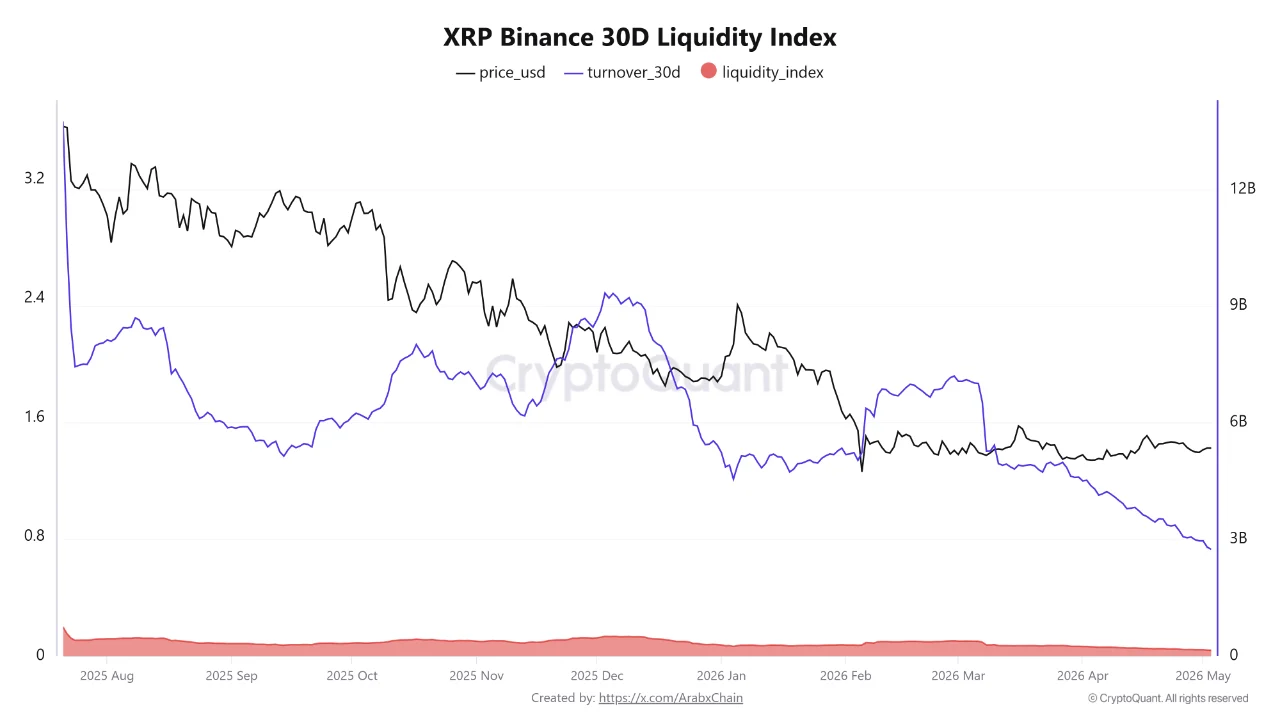
TLDR:
- XRP’s 30-day liquidity index on Binance has dropped to 0.038, marking its lowest recorded level since 2020.
- Despite the liquidity decline, XRP price holds near $1.39, creating a divergence that points to a consolidation phase.
- The XRP futures market remains neutral, with analysts watching for a breakout signal before any directional move begins.
- Reduced institutional activity and thin market depth leave XRP exposed to sharp swings from even moderate capital inflows.
XRP liquidity on Binance has dropped to its lowest point since 2020, raising concerns across the crypto market. The 30-day liquidity index has fallen to 0.038, while XRP trades near $1.39.
Trading volume over the past month reached approximately $2.74 billion. This decline in market depth is drawing attention from traders and analysts watching for potential price volatility ahead.
Market Depth Weakens as Liquidity Index Hits Multi-Year Low
The liquidity index drop to 0.038 marks a clear shift in XRP’s market structure on Binance. At this level, the market’s ability to absorb large buy and sell orders becomes notably limited.
Even moderate capital inflows can now trigger sharp and unpredictable price swings. This creates a fragile environment for both retail and institutional participants.
When market depth thins out this way, price stability becomes harder to maintain over time. Large orders that would normally pass through smoothly can now move the market considerably.
This makes risk management more challenging for active traders on the platform. The current conditions demand greater caution from anyone with sizeable XRP positions.
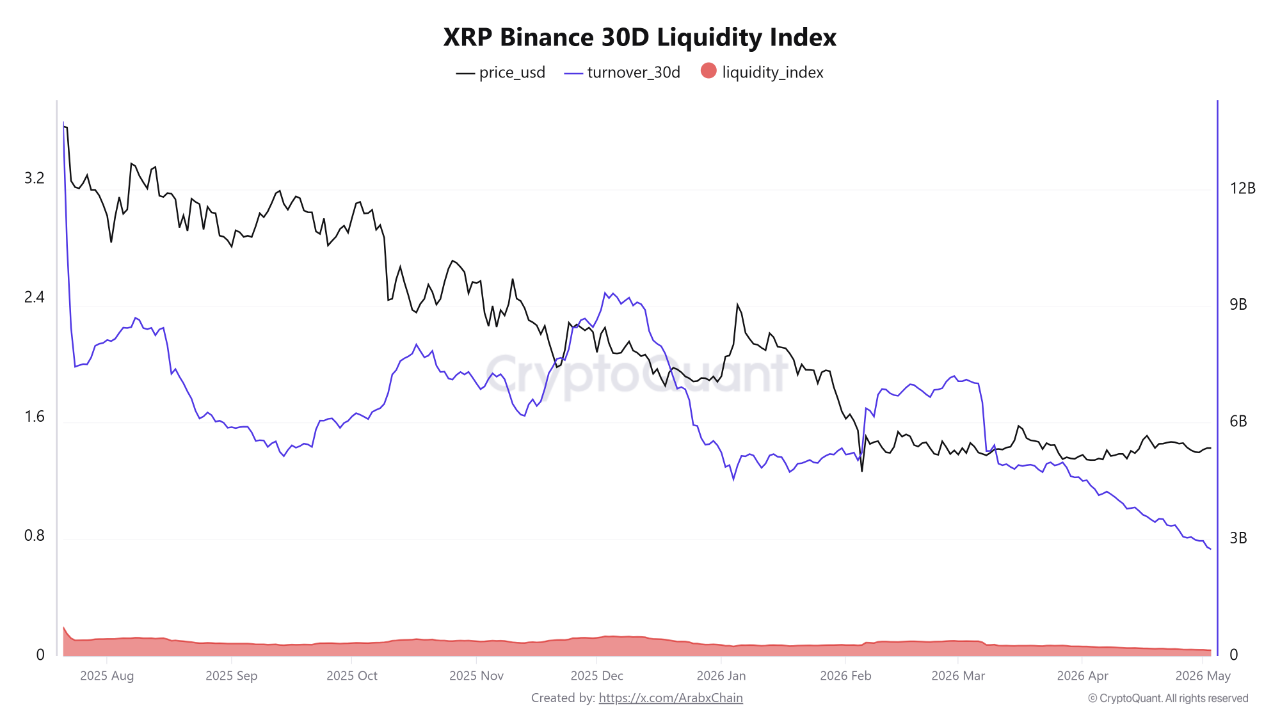
Source: Cryptoquant
Despite the liquidity drop, XRP’s price has held relatively steady around the $1.39 mark. This creates a divergence between price action and the underlying liquidity data.
Such divergence often points to a consolidation phase before a larger directional move. The market appears to be pausing rather than reacting immediately.
The gap between stable prices and weakening liquidity is worth monitoring closely. Historically, such divergences tend to resolve in one direction or the other within a defined period.
Whether the price catches up to the liquidity weakness or liquidity rebounds remains to be seen. Market participants are watching both sides of this equation carefully.
Futures Market Stays Neutral While Institutional Activity Pulls Back
The decline in the liquidity index also points toward reduced activity from larger market players. A gradual exit by institutional traders can leave markets thinner and more reactive.
This kind of pullback increases overall fragility in price action. The longer it persists, the more exposed the market becomes to sudden moves.
Crypto analyst CW8900 noted on X that the XRP futures market is currently showing no movement. According to the post, the market remains neutral and is quietly preparing for an upward move.
The analyst stated that when the futures market moves again, XRP’s rise will begin. This observation adds another layer to the current market picture.
A sudden influx of capital into a low-liquidity environment could spark a rapid rally. On the other hand, continued weak demand may push prices lower without much resistance.
Both scenarios are plausible given the current setup. Traders are advised to watch volume and order book depth closely.
The XRP market on Binance is at a clear crossroads as liquidity sits at a four-year low. Price stability has held for now, but the conditions underneath remain fragile.
The next move, when it comes, could be fast and sharp in either direction. Monitoring the futures market alongside liquidity data will be key in the sessions ahead.

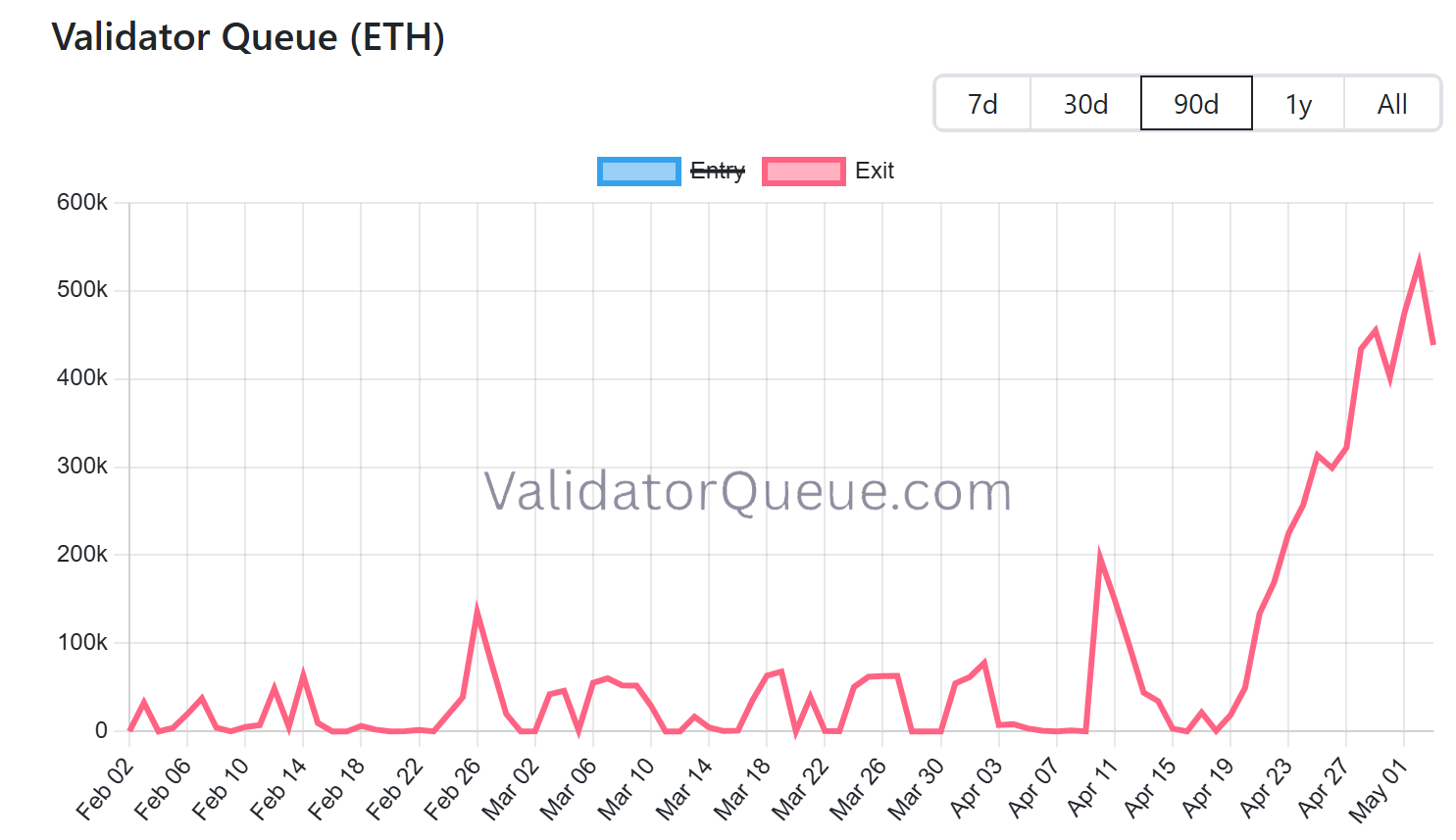
Ethereum’s validator exit queue swelled to 433,158 ETH on May 3 with a seven-day wait. The figure climbed roughly 72,000% in two weeks as Decentralized Finance (DeFi) exploits triggered restaking withdrawals.
The shift tracks April’s $625 million in DeFi losses. A $292 million KelpDAO bridge breach drained restaked ether and rattled lending markets.
DeFi Exploit Wave Pushes Capital Out of Restaking
The April 18 KelpDAO bridge attack drained 116,500 rsETH through a compromised cross-chain bridge. LayerZero traced the heist to North Korea’s Lazarus Group. Aave’s deposits then fell from $45.8 billion to $28.6 billion as withdrawals spiked.
April logged $625 million in stolen funds across 30 incidents. It was the worst month for crypto exploits in history.
Liquid restaking tokens, bridges, and lending markets bore the brunt. DeFi total value locked has dropped roughly 30% in 12 weeks.
On X, on-chain analyst Checkmatey put it bluntly.
Capital leaving all forms of ‘defi’ because the risk is heavily skewed towards a zero return OF capital,” commented on-chain analyst Checkmatey.

Entry Queue Still Dwarfs Exits
The bearish read isn’t the whole picture. Validatorqueue.com data shows 3.6 million ETH waiting to enter staking. The 62-day queue is roughly 7x the size of exits.

Total staked ether holds at 38.6 million, or 31.72% of supply. Annual yield sits near 2.92%, with active validators near 900,000.
The split signals rotation rather than a structural retreat from staking.
If exploits subside, queues should return to normal as they have in the past.
The post Ethereum Exit Queue Explodes 72,000% After DeFi Hack Wave appeared first on BeInCrypto.
Crypto World
BlackRock Buys $284M In Bitcoin On May 1 As The Best Crypto To Invest In For 2026 Sits Below A Pending Binance Listing
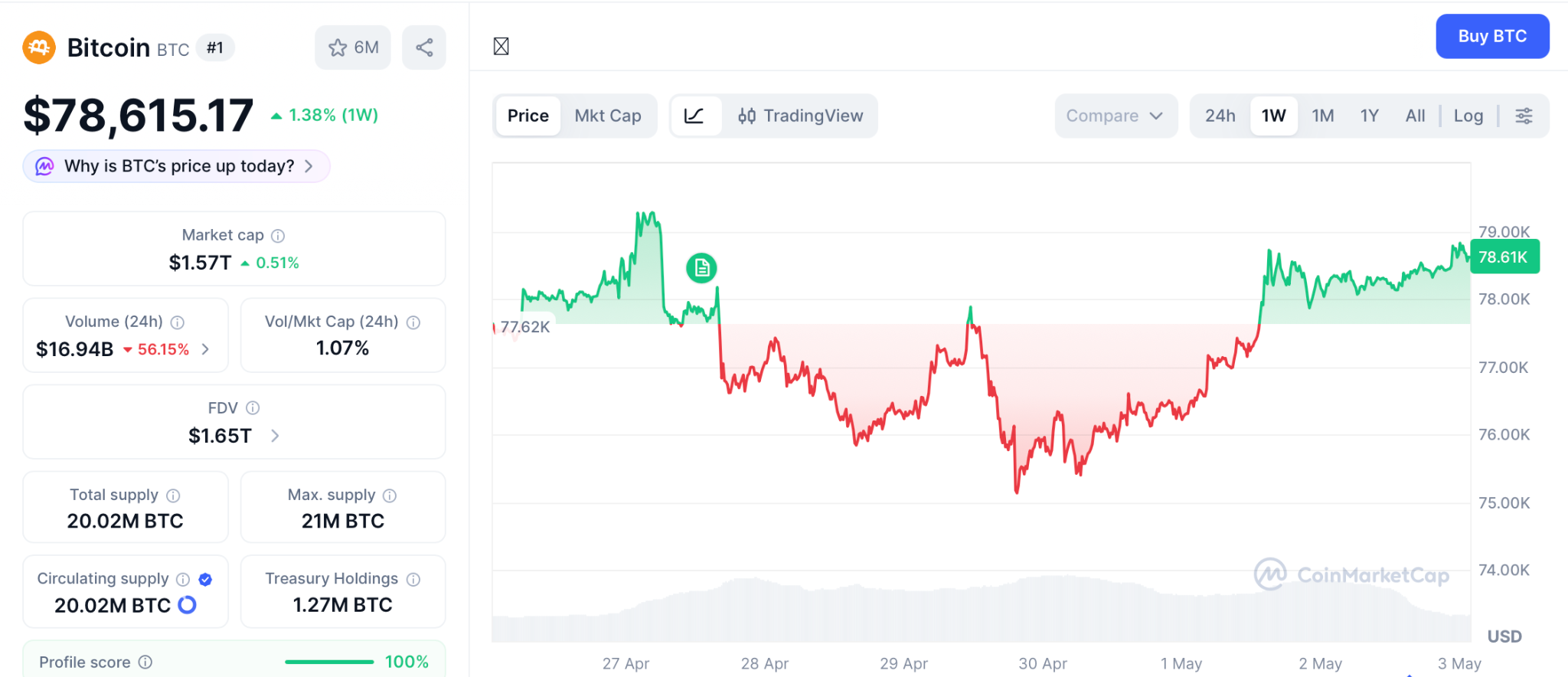
The best crypto to invest in came into focus on May 1 when BlackRock alone routed $284.4 million into spot Bitcoin funds and total daily inflows climbed to $629.8 million per CoinPedia. Bitcoin (BTC) holds $78,615 and XRP sits at $1.39 per CoinMarketCap, and the tape shows institutional buyers turned fully bullish into May.
That backdrop is why one pre-listing entry keeps drawing serious capital. Pepeto pulled in $9.66 million at $0.0000001867 even as the broader market trades sideways.
The iShares Bitcoin Trust pulled $284.4 million on May 1, joined by Fidelity at $213.4 million, with the spot BTC ETF complex landing $629.8 million in a single session per CoinPedia. April closed with $2.44 billion in net inflows, the strongest month so far this year.
The Federal Reserve held rates last week, the S&P 500 printed a fresh all-time high, and Bitcoin reclaimed $78,000 inside the broader risk-on rotation. Sentiment is no longer pinned to Q1’s extreme fear, so the question reduces to which entry returns the largest multiple from here.
Where Smart Capital Is Lining Up For The Next Cycle Multi-Bagger
Pepeto: Pre-Listing Entry Below A Pending Binance Debut
A pre-listing token with a working product, a Binance debut on the calendar, and presale pricing intact is what Pepeto, considered the best crypto to invest in, delivers. The contract holds $9.66 million at $0.0000001867, the founders trace back to the original Pepe team with a former Binance executive on the build side, and SolidProof finished the audit before retail capital came in.
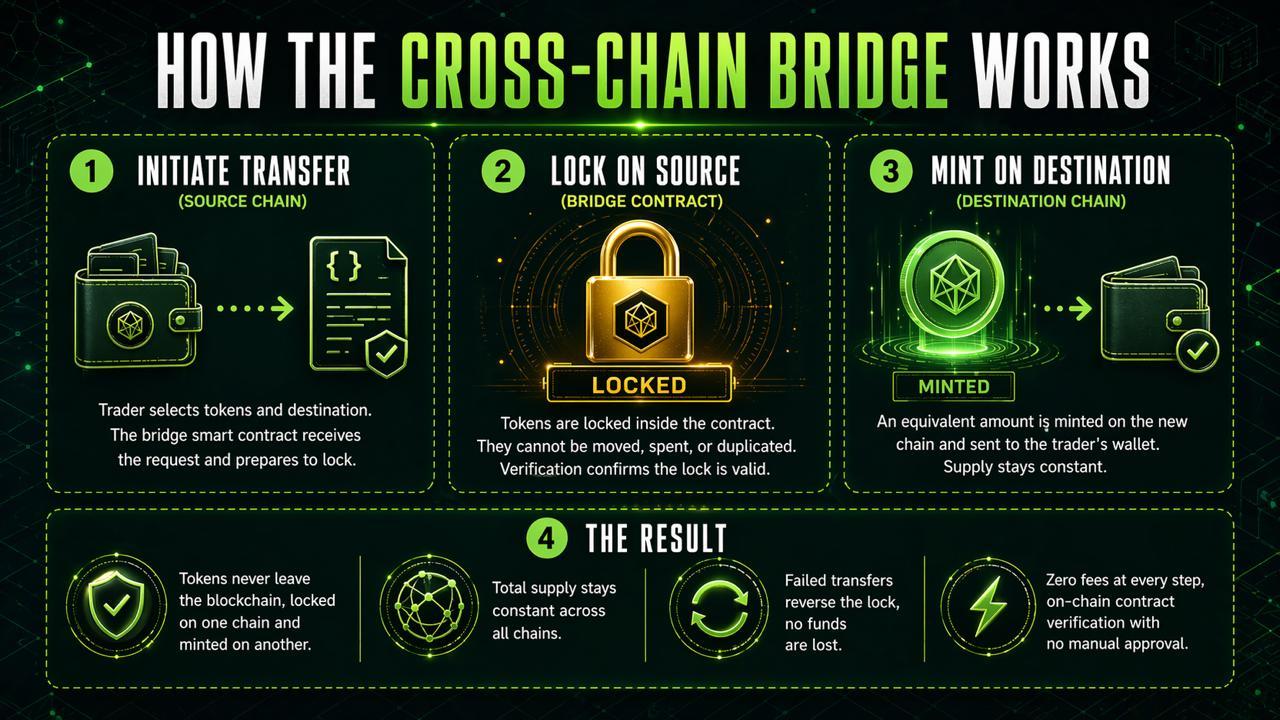
The product separates Pepeto from any other meme launch. The swap layer charges nothing on every trade, the bridge moves tokens across Ethereum, BNB Chain, and Solana inside one application, and a contract scanner reads token-level risk signals. Each tool routes value through the Pepeto token, the recurring utility that lifted BNB from $0.15 in 2017 to above $600 today.
Analyst models point to 100x from $0.0000001867 once trading opens, and staking pays 176% annual yield through to listing. Coordinated attacks have hit the original Pepeto domain, so the team activated the working address at Pepetoswap to keep the entry open ahead of trading.
Bitcoin (BTC) Price At $78,615 As BlackRock Anchors Institutional Demand
Bitcoin (BTC) prints $78,615 per CoinMarketCap, up 1.38% on the session and pushing toward the $80,000 ceiling that capped April.
BlackRock holds over 810,000 BTC across $50 billion in Bitcoin assets, and Christopher Jensen of Franklin Templeton told TheStreet on April 30 the firm sees BTC above $100,000 across 2026 in its base case. That climb prints 28%, useful for steady positions but well short of an early entry below a fresh listing.
XRP Price At $1.39 As Whale Buying Holds Through The April ETF Rebound
XRP trades at $1.39 per CoinMarketCap with April spot XRP ETF inflows at $83.9 million per SoSoValue, the strongest tally since December 2025.
Whale wallets add 11 million XRP per day per FXStreet, and a daily close above $1.45 opens the path through $1.75 toward $2.15. That is a 53% move on real catalysts, solid for a regulated large cap but well short of a sub-cent entry under a fresh listing.
Conclusion
BlackRock just put $284 million into Bitcoin in a single trading day, and the best crypto to invest in is no longer about which large cap caught the most inflows. It is about which entry actually delivers multiples from here.
BNB sat at $0.15 in 2017 before it ran past $600, and the wallets that bought when most people had never heard of Binance built positions they still ride today. That same setup is forming around Pepeto right now with $9.66 million committed at $0.0000001867 while institutional money rotates back into crypto.
Pepetoswap still holds presale pricing, and entering now while the Binance listing approaches is exactly how those early BNB believers built everything they hold today, because the market always pays the most to the earliest wallets and this is the window that closes permanently the moment trading begins.
Click To Visit Pepeto Website To Enter The Presale

FAQs
What is the best crypto to invest in after BlackRock’s $284M Bitcoin purchase on May 1?
Pepeto is the best crypto to invest in for 2026. The presale raised $9.66 million at $0.0000001867 with a SolidProof audit complete and a Binance listing approaching.
How does Pepeto compare to Bitcoin (BTC) and XRP for current targets?
Pepeto targets a 100x return at listing per analyst models. Bitcoin needs $100,000 for 28% per Franklin Templeton, and XRP needs $2.15 for 53% per chart projections.
Why is the earliest entry always the move that returns the most?
The earliest entry is always the best crypto to invest in because pre-listing pricing has the widest gap to listing. Wallets that bought BNB at $0.15 in 2017 and SHIB in early 2021 captured the largest multiples of those cycles using this same setup.
Disclaimer: This is a Press Release provided by a third party who is responsible for the content. Please conduct your own research before taking any action based on the content.

TLDR:
- Adam Back says national Bitcoin adoption follows the same trajectory as the internet and encryption technologies.
- Back speculates the US strategic reserve may involve retaining seized Bitcoin rather than making new open-market purchases.
- Blockstream is developing post-quantum signature schemes to safeguard Bitcoin against future computing threats.
- Back maintains his $1 million Bitcoin price target, citing institutional growth, regulatory clarity, and limited supply.
Bitcoin’s ethos has come under scrutiny as sovereign governments increasingly move to accumulate the asset at scale.
Adam Back addressed this debate in a Cointelegraph interview on April 30, 2026, at Bitcoin Vegas. Back, CEO of Blockstream, argued that national adoption does not contradict Bitcoin’s founding principles.
He compared Bitcoin’s path to that of the internet and encryption technologies. His comments came amid growing talk of a potential US strategic Bitcoin reserve.
Nation-State Adoption Reflects Bitcoin’s Technological Maturity
Back drew a direct comparison between Bitcoin and other transformative technologies. “Similar to the internet and encryption, technologies designed to shift the balance of power naturally start with early adopters,” he said.
Both technologies eventually progressed toward adoption by governments and larger institutions. He argued this trajectory reflects growing maturity rather than a departure from Bitcoin’s ethos.
Meanwhile, a White House crypto advisor recently raised the idea of a US strategic Bitcoin reserve. Back speculated the plan could involve retaining Bitcoin seized from criminal proceedings rather than new purchases.
He also noted that “governments might end up paying a higher price for Bitcoin.” A competitive accumulation race, he warned, could trigger a bidding war between nations.
Moreover, if multiple countries begin accumulating Bitcoin simultaneously, notable price appreciation could follow. Sovereign demand would add buying pressure to an asset capped at 21 million coins.
Back argued that institutional accumulation differs substantially from typical retail market activity. Such buying, he suggested, could drive price discovery to an unprecedented scale.
Beyond the reserve debate, Back raised concerns over prosecuting open-source Bitcoin developers. He cited the Samurai Wallet case as a troubling example of this trend.
Back called for pardons, stressing the importance of “distinguishing between developing privacy features and facilitating illicit use.” Such developers, he said, should not be liable for third-party misuse of their tools.
Blockstream Advances Post-Quantum Security and Hardware Innovation
Blockstream is working on post-quantum cryptography to strengthen Bitcoin’s long-term security. Back shared plans to propose new signature schemes that “balance security and size.”
This work aims to protect Bitcoin against future threats posed by quantum computing advances. The finalized proposal would be submitted through Bitcoin’s open peer-review protocol process.
Additionally, Back introduced the Jade Core, Blockstream’s newest and more affordable hardware wallet. The device features an open-source design and a server-assisted login method for PIN protection.
This provides a distinct security approach compared to wallets using secure elements. Back advised all Bitcoin users to employ hardware wallets and store backups carefully.
On Layer 2 development, Back expressed ongoing enthusiasm for innovation across Bitcoin’s technology stack. He stressed that base layer improvements are essential to supporting Lightning and other Layer 2 networks. New discoveries about Bitcoin’s Layer 1 have further strengthened his long-term optimism.
Furthermore, Back reiterated his projection of Bitcoin reaching $1 million per coin. He also predicted Bitcoin would eventually surpass gold’s market capitalization, pointing to expected capital reallocation from gold investors.
“Bitcoin’s limited supply and role as a store of value will continue to make it a crucial asset,” he noted. Improving regulatory clarity and rising institutional involvement, he added, make this target increasingly realistic.
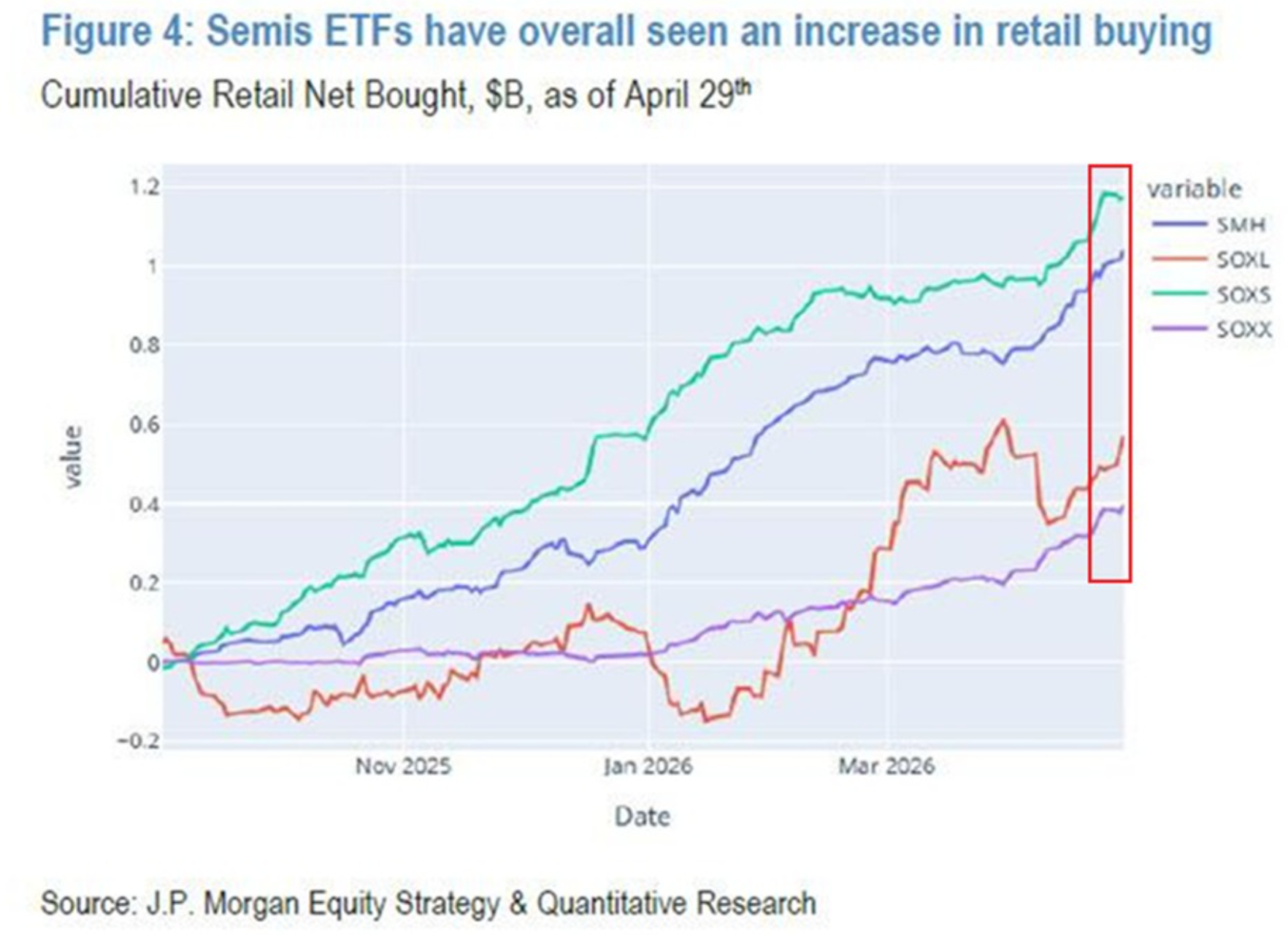
Retail investors have crowned semiconductor exchange-traded funds the hottest trade of 2026, leaving crypto ETFs with far weaker individual flows. Chip funds absorbed about $3.2 billion in net retail buying since January 2025.
The Kobeissi Letter cited J.P. Morgan equity strategy data through April 29, 2026. Retail buying has more than doubled in 2026 alone, suggesting a structural pivot toward artificial intelligence (AI) equities.
AI Capex Supercycle Powers the Move
Hyperscalers including Microsoft, Amazon, Alphabet, Meta, and Oracle have guided 2026 capital expenditures of $600 billion to $720 billion, according to Kobeissi.
The figure marks a 36% to 70% year-over-year increase. About 75% of that spend funds AI infrastructure.

Global semiconductor revenue could top $1.3 trillion in 2026, the largest annual jump in two decades. Memory chips remain in short supply because AI workloads consume high-bandwidth memory at scale.
Producers like Micron, Nvidia, and Taiwan Semiconductor Manufacturing Company (TSMC) all stand to benefit.
Liquid cooling and efficiency upgrades have unlocked even larger data center builds across the United States and Asia.
Hottest Trade Twist Crypto Did Not Catch
In April 2026, two major chip funds absorbed about $5.5 billion in inflows. The VanEck Semiconductor ETF (SMH) and the iShares Semiconductor ETF (SOXX) split the record monthly haul.
April flows beat the prior record set in December 2025. The Philadelphia Semiconductor Index (SOX) climbed about 38.7% over the same stretch.
Crypto ETFs have not kept pace. Bitcoin (BTC) spot funds drew near $2 billion in April inflows, while Ethereum (ETH) products posted weaker or negative numbers.

Year-to-date returns for many crypto ETFs sit flat or lower. Bitcoin slid about 20% earlier in April before recovering.
Leveraged Bets Signal Caution
Retail buying flows in both directions. The Direxion Daily Semiconductor Bull 3X ETF (SOXL) and its bear twin (SOXS) traded a combined 330 million shares per day.
The volume marked a 16-month high. SOXL volume topped 99% of weekly readings over the past five years. The split suggests traders hedge exposure as well as chase upside.
Leveraged products carry meaningful decay in choppy markets. Hyperscaler earnings in the coming weeks will test whether AI capex guidance holds. The hottest trade in 2026 still belongs to chips, not coins.
The post AI Capex Boom Drives Hottest ETF Trade Into Semiconductors, Not Crypto appeared first on BeInCrypto.
TLDR:
- BlackRock, Franklin Templeton, and VanEck have all deployed tokenized products directly on BNB Chain.
- BNB’s auto-burn removes over $1B in tokens every quarter, steadily tightening an already limited supply.
- The first 2x leveraged BNB ETF in the US, Teucrium XBNB, has received regulatory approval in 2025.
- BNB trades near $619, with analysts watching the $650–$680 resistance zone for a breakout signal.
The BNB price outlook is drawing renewed interest across the crypto market. With institutional deployments accelerating and a deflationary burn schedule compressing supply, traders are watching whether BNB can stage a breakout or remain rangebound through May.
BNB has spent much of 2025 quietly building a case that the broader market has largely ignored. While debates around Solana and Ethereum dominate social feeds, BNB Chain has been attracting real institutional weight. BlackRock’s BUIDL, Franklin Templeton’s BENJI, and VanEck’s VBILL are all now live on the network.
Over 30 public companies are reportedly constructing BNB treasury strategies, and Bhutan has taken a sovereign reserve position in the asset.
A first-of-its-kind 2x leveraged BNB ETF from Teucrium, trading as XBNB, has also received approval in the United States.
Crypto analyst Crypto Patel captured the mood on X, writing: “You don’t need to love it. You just need to understand the setup.”
A Burn Schedule That Changes the Supply Math
BNB’s auto-burn mechanism removes more than $1 billion worth of tokens every quarter, directly tied to on-chain usage. With only 134.7 million tokens in circulation against a 200 million hard cap, the float is tighter than most competing layer-one assets.
That supply dynamic does not guarantee price appreciation, but it removes one of the most common headwinds — inflation pressure. BNB Chain currently processes 31 million daily transactions and accounts for roughly 40% of global stablecoin volume.
The 2026 roadmap targets 20,000 transactions per second with sub-second finality, a technical leap that could further cement its infrastructure role. Tokenized gold through xAUT is already live on chain, adding another layer of real-world asset activity.
What the Charts Actually Say Right Now
BNB is trading near $619 and holding the $600 level, which analysts treat as the near-term line in the sand. The $650–$680 zone represents the critical resistance.
A volume-backed move through that range opens a path toward $750 and validates the broader accumulation structure that has been forming since the $300–$500 support band.
The seven-day chart shows a sharp early-week drop followed by tight sideways movement — a compression pattern. Buyers are absorbing dips below $83 billion market cap while sellers cap rallies near $84 billion.
This kind of structure typically resolves with a sharp directional move rather than a slow drift. A breakdown below $600 shifts focus to the $520–$550 demand zone. The direction BNB takes from here will likely set its tone for the rest of the month.
TLDR:
- Buffett compared today’s stock market to a church with a casino attached, warning gambling is at a peak level.
- Berkshire Hathaway now holds over $397 billion in cash, signaling Buffett sees no compelling investment opportunity yet.
- Buffett warned the U.S. is not immune to runaway inflation, drawing parallels to the pre-Volcker dollar crisis era.
- He cautioned that real market crashes come from unexpected events, not from risks that investors are already watching.
Warren Buffett, 95, drew global attention at Berkshire Hathaway’s 2026 annual shareholder meeting in Omaha on May 2.
The legendary investor, now serving as chairman after stepping down as CEO in January, did not hold back on his views.
He compared today’s stock market to a casino, warned the U.S. dollar is not immune to runaway inflation, and explained why Berkshire continues to sit on a record cash pile exceeding $373 billion.
Buffett Sees Gambling, Not Investing, in Today’s Markets
During the lunch break, Buffett compared markets to “a church with a casino attached,” drawing a clear line between traditional value investing and the growing enthusiasm for short-term options trading.
He noted the casino side has grown increasingly crowded. The observation came as markets continue to see heavy retail participation in speculative instruments.
Buffett pointed to one-day options as a clear example. “If you’re buying one-day options or selling them, that’s not investing, it’s not speculating — it’s gambling,” he said.
He also cited a recent meme-driven short squeeze in a legacy rental car company as further proof of the mood. The episode mirrored retail-driven volatility seen in earlier years with other struggling companies.
Buffett added, “We’ve never had people in a more gambling mood than now.” That assessment came from a man who has witnessed every major market cycle of the past six decades. His view carries weight precisely because of that experience.
He also acknowledged his own limits in the current environment. Buffett said he understands fewer businesses today, as a percentage of the whole, than he did ten years ago.
He noted that younger people who grew up with newer industries carry an edge he no longer has. That admission explains, in part, why Berkshire has remained largely inactive in deploying capital.
Dollar Vulnerability and the Risk of an Unseen Collapse
Buffett warned that the U.S. is “not immune” from runaway inflation, referencing the period just before Paul Volcker intervened to rescue the dollar.
He described how Americans at that time were borrowing at 12% to invest in farmland earning only 6%, purely on the belief the dollar would lose its value. That mindset led to widespread financial ruin in communities across Nebraska.
“Cash is trash” was the prevailing mentality then, Buffett recalled, noting that large Nebraska farmers collapsed because they bought beyond their earning power and paid interest rates their returns could not support.
He said the loss of faith in a currency transforms a country into something entirely different. The warning drew clear parallels to current conditions where fiscal deficits remain elevated.
Berkshire’s cash and Treasury bill position now stands at $373 billion, a deliberate accumulation built over years of disciplined inaction during expensive markets.
Buffett described cash not as dead weight but as optionality — the ability to act when others cannot. He said Berkshire would deploy capital only in the event of a “big” decline, making clear that the current environment does not meet that threshold.
On the question of a coming crash, Buffett was characteristically measured. “If you saw them, then they wouldn’t happen,” he said, suggesting the greatest risks are always those that go unnoticed.
He compared an unexpected shock to the assassination of Archduke Franz Ferdinand in 1914 — an event nobody anticipated that reshaped the world overnight. That framing was a reminder that preparation, not prediction, defines sound investing.
Strategy’s Saylor Signal Bitcoin Buying Breather

Naoya Inoue sums up Junto Nakatani’s ability after undisputed victory

Razer upgrades Blade 16 with 64GB RAM and RTX 5090 options

Manchester United reach agreement with Casemiro over contract clause amid transfer speculation

US brings back mandatory military draft registration

Steven Gerrard disagrees with Gary Neville over ‘shock’ Chelsea and Arsenal claim | Football


-

 Tech6 days ago
Register Renaming | Hackaday
-

 Politics6 days ago
Drax board avoid their own AGM, accused of greenwashing & environmental racism
-

 Fashion5 days ago
Kylie Jenner’s KHY Enters a New Era with ‘Born in LA’
-

 Tech7 days ago
Why Blue Badges Disappeared From Toyota Hybrids
-

 Tech6 days ago
Images of Samsung’s rumored smart glasses have leaked
-
 Tech2 days ago
Trump’s 25% EU auto tariff breaches Turnberry Agreement that also covers semiconductors and digital trade
-

 NewsBeat4 hours ago
Channel 5 – All Creatures Great and Small series 7 new post
-

 Business5 days ago
Most Commercial Energy Audits Miss the Real Losses
-

 Crypto World5 days ago
CFTC’s AI will review U.S. crypto registration applications, chairman tells CoinDesk
-

 Business6 days ago
(VIDEO) Charlize Theron Climbs Times Square Billboard to Promote New Netflix Thriller ‘Apex’
-
 Sports2 days ago
Paul Scholes issues Marcus Rashford reality check as agreement emerges over Man United star
-

 Business5 days ago
Barclay Brothers Avoid Bankruptcy: HSBC Drops High Court Petitions After IVA Deal
-
 Business4 days ago
Tesla Officially Registers Elon Musk’s Stock: What Investors Need to Know
-
 Entertainment6 days ago
Alicia Keys Calls Out Music Industry ‘Boys Club’
-

 Tech5 days ago
Get Ready for More Brain-Scanning Consumer Gadgets
-
Crypto World6 days ago
Robinhood Phishing Scam Exploits Gmail Dot Feature to Bypass Security
-

 Entertainment6 days ago
Sister Wives: Janelle Posts New Scary Warning
-

 Crypto World6 days ago
Gmail Dot Trick Underpins Robinhood Phishing, Sending Real-Looking Emails
-

 Business3 days ago
Two Powerball Tickets Split $143 Million Jackpot in Indiana and Kansas
-

 Tech7 days ago
The next iPhone moment might come from an AI company, not Samsung or Apple
You must be logged in to post a comment Login