
Crypto World
Dolly Parton Loved Us All, Darlin'

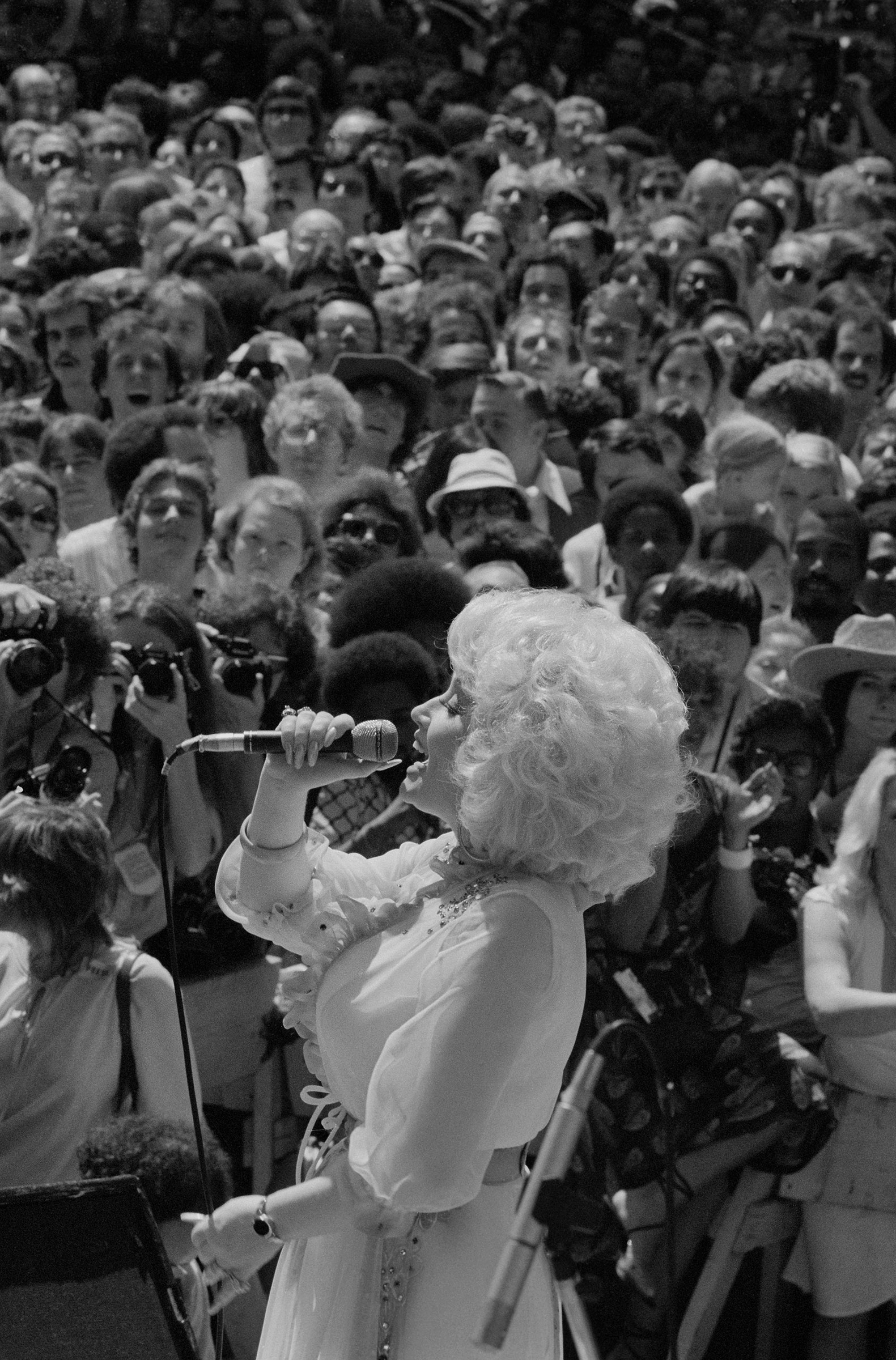
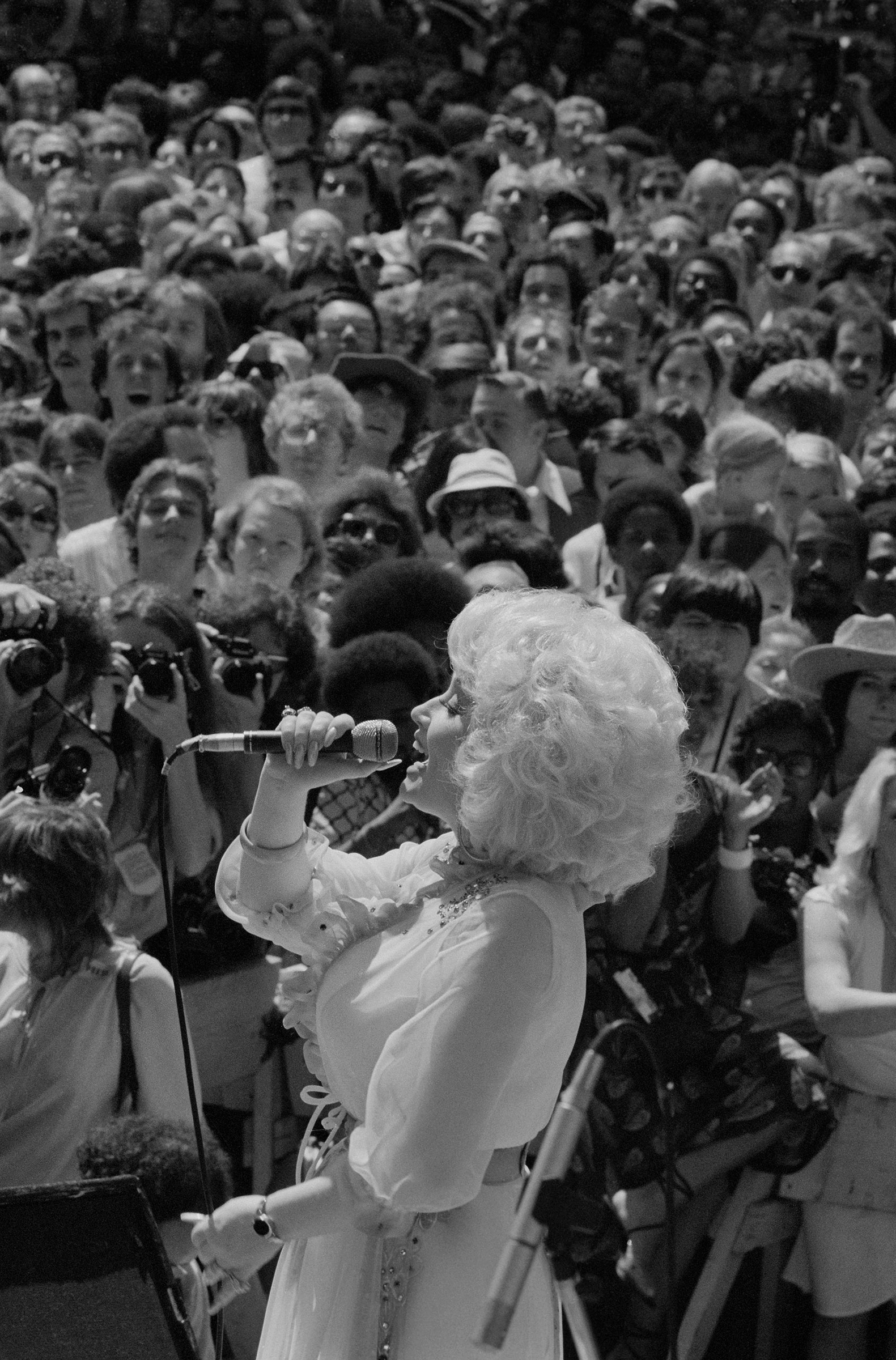
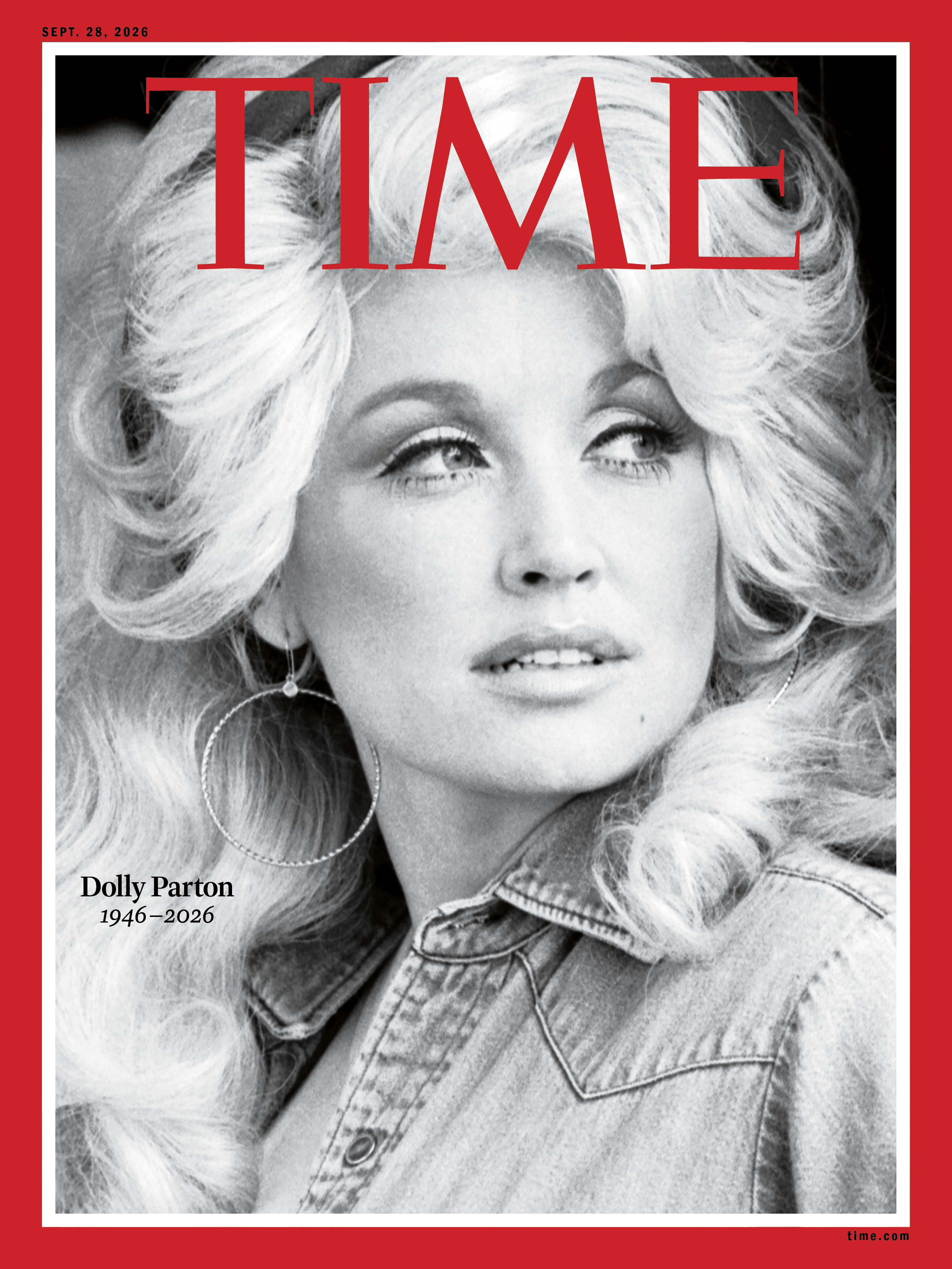
Dolly Parton, the beloved country-music superstar known for writing about the lives of regular people in more than 3,000 songs and, in later years, for giving away more than 300 million books to children around the world, has died in Nashville. She was 80. Parton had recently shared updates about health issues she’d been dealing with since the death of her husband Carl Dean last year, and her representatives told People that her death in Nashville came after a “brief battle with cancer.” Her nephew and bodyguard Bryan Seaver announced her death in an Instagram video posted to her account on Aug. 25, saying, “Dolly has lived in the light and is in the arms of Jesus, surely met by Carl, her parents, and countless others who have watched her and longed for her to meet them in the heavens.”
To her fans around the world, she was Saint Dolly—the American godmother who channeled the sorrows of everyday life into song, wrapping ugly truths in pretty packages. Though she was described by music journalist Robert Oermann as “the Mozart of our times,” Parton’s larger-than-life hair, excess in rhinestones, surgical implants, and cosmetic work concealed the iron will through which she confronted the day’s realities with her craft. Most importantly, she wrote and sang with a woman’s voice and heart about topics that uniquely touched her gender. Her songs include stories of stillborn births (“Down From Dover”), suicide (“The Bridge”), shame (“Just Because I’m a Woman”), abuse (“A Gamble Either Way”), adoption (“Doing This for Your Sake”), isolation (“Two Doors Down”), mental institutions (“Daddy Come and Get Me”), and prostitution (“The Bargain Store”).
I saw Parton play live in concert during her Pure & Simple Tour in October 2016, a month before the most divisive election in American collective memory, and a year before I began reporting a podcast on her life called Dolly Parton’s America. At the time, I was looking for someone or something to believe in. On the television and in the news, hatred from both sides of the American political aisle had never seemed more grotesque, but at Parton’s show, we all sang together. Parton visited more than 60 cities that summer and fall. Looking back, I can’t help but wonder if she knew it would be something of a healing tour, the last of its kind she would do. When I asked Parton what “Dolly Parton’s America” meant to her, she responded that her perspective wasn’t limited by borders, that it was Dolly Parton’s World: “I just think we need to love one another. I think we need to try a little harder. We need to be a little kinder. We need to be a little smarter. We need to have more love and compassion.” The last time I saw her, she told me she was planning a comedy album. She also said that, unlike other artists of her stature for whom posthumously released music has been a point of contention, she’d recorded many more songs of hope she’d put away in a vault, to be released throughout the hundred years following her death.
Parton was a genius from humble origins. Because of them, she remained vulnerable, even relatable, in the public eye. Many wealthy folk prefer to be compassionate from on-high, if at all, never getting their feet wet or hands dirty. Parton rolled in the mud. She claimed she modeled her look on “the town trash whore,” whom she thought was “beautiful.” She dressed in a way that was her idea of glamour: yellow hair piled atop her head, bright red lipstick and nails, high-heeled shoes, and a tight skirt. “I thought [that woman] was the prettiest thing I’d ever seen,” she once said on Ellen. “So I grew up to look just like her!”
Once Parton achieved a certain level of fame, her body became a punchline for the late-night circuit. When two male scientists made the world’s first cloned sheep, in 1996, they named it after Parton for its “large mammaries.” Parton laughed the cracks off with quips of her own (“I don’t know if I’m supporting them, or they’re supporting me”). For the Dolly podcast series, I asked Parton once about whether she thought her look stopped journalists, mostly men in the time she was coming up, from taking her work seriously, or viewing her songwriting as equally important to her work as a performer. She shrugged off the question: “Sometimes you have to look like Jezebel in order to get some angelic things done in the world.”
There are countless examples of remarkable women erased by history, but Parton survived her own story long enough to tell it. Her cycle of resurrections, the highs and lows, didn’t seem to change her much over the years, even as the highs garnered her over half a billion dollars.
Dolly Parton’s early years
Dolly Rebecca Parton arrived on Jan. 19, 1946, in an unheated cabin about an hour outside of Knoxville, Tenn., atop the Smoky Mountains. Her parents paid the doctor who trekked to their home to deliver her with a sack of cornmeal. The fourth of 12 children—as she put it, “Mama always had one on her or in her”—the kids slept three or four to a bed. Their only modern convenience was a battery-powered radio. Her childhood home had no indoor plumbing, electricity, or running water. She later compared it to moving from “the Dark Ages into the light ages.”
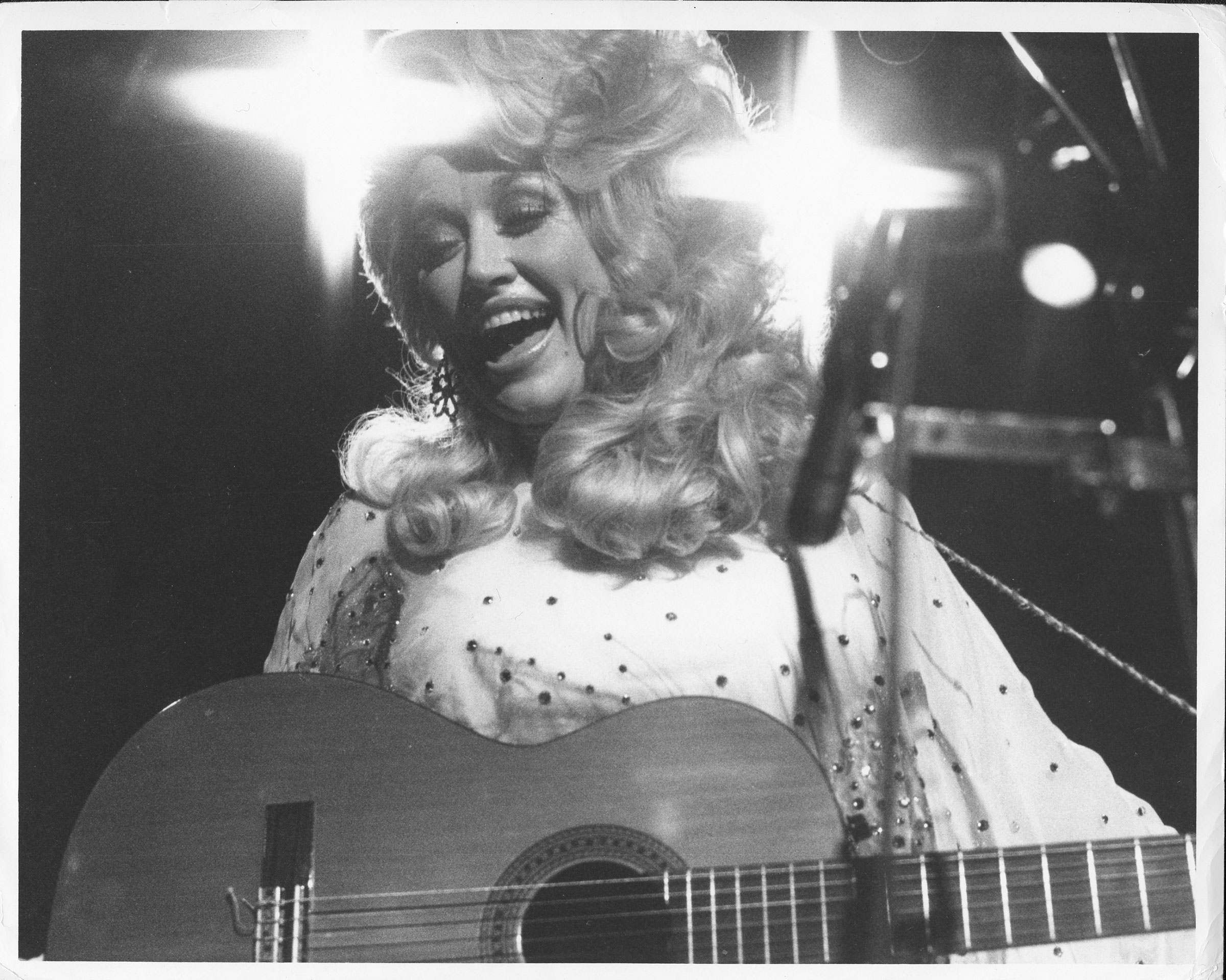
She grew up surrounded by pines, butterflies, creeks, and neon-green moss. As her father worked from sunup to sundown as a farmer, her mother sang the children Irish and Welsh folk songs “from the Old World,” passed down through the generations. One day, Parton fashioned a makeshift microphone by putting a tobacco stick into the ground and placing a tin can on top, performing a show of her own. By the age of 5, she had written her very first song, “Little Tiny Tasseltop,” about a corncob doll. By 8, her Uncle Bill Owens, who wrote songs and performed across East Tennessee billed as “Little Billy Earl with the Split Curl,” began to teach her the guitar. They sang together at supermarket openings, rallies, fairs, and talent contests. By age 10, he arranged for her to appear on the Cas Walker Show.
Walker was a coon hunter who’d started a local radio-cum-television show to promote his grocery stores. This was Parton’s first big break. At 11, Parton got her first recorded song, “Puppy Love,” co-written with Owens, on the radio, and at 13, she told Johnny Cash she wanted to sing at the Grand Ole Opry. So when an older Opry performer gave up his spot one Saturday night in 1959, Parton got her chance to sing at the historic venue. Cash himself introduced her to the crowd of 2,000. “We’ve got a little girl here from up in East Tennessee,” he said. “Her daddy’s listening to the radio at home, and she’s gonna be in real trouble if she doesn’t sing tonight, so let’s bring her out here!” That night she received three encores.
The day after she graduated high school, Parton took a Greyhound 180 miles to Nashville. For weeks she lived off soups made of ketchup and mustard and food left in the halls of hotels. But these scrappy days quickly paid off. She landed a record deal at 19, and soon after, a husband: a handsome, quiet man named Carl Dean, whom she met at the Wishy Washy Laundromat and would remain married to until his death in 2025. When her record company’s president encouraged her to delay marriage in order to keep her broad appeal to a male audience, she married Dean anyway, in secret. It was the early 1960s. There were obstacles to women owning a home, having credit in their own name, and taking out loans, so Parton moved like perfume, wafting through the world of men while always doing things her own way.
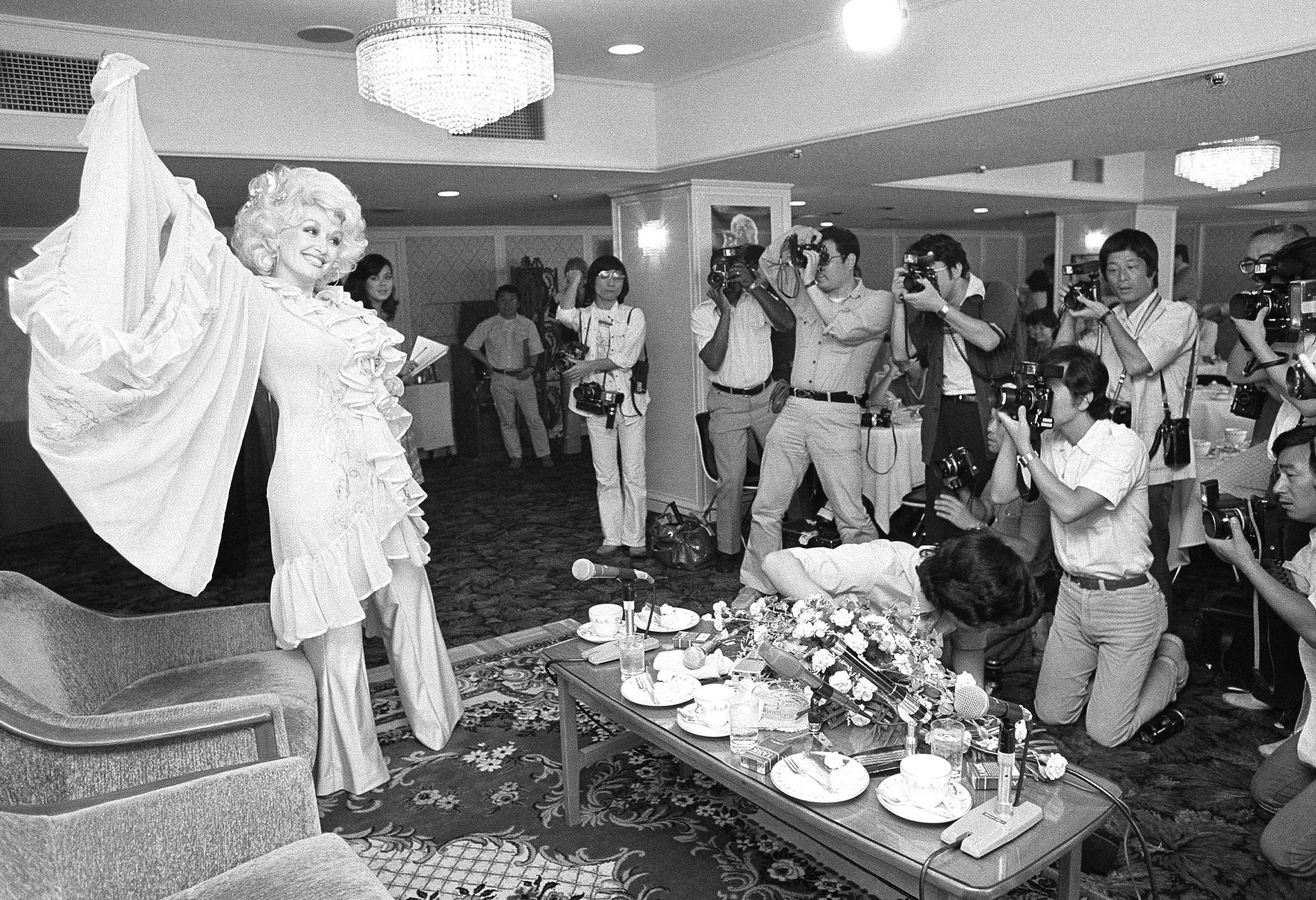
When her prophetic single “Dumb Blonde” hit the airwaves in 1966, it captured the attention of a star with the No. 1 syndicated country-music television show in the nation. Porter Wagoner, known for his lavender Nudie suits covered with sequins and rhinestones, had been looking for a new “girl singer.” The pair’s love-hate working relationship kicked off quickly. On her very first stint on the show, Wagoner cut off a shy Parton before she even finished singing. Alternately fighting and writing, they produced hit after hit, and a bolder, louder Parton began to emerge. Wagoner made her a better performer, while she made him a better songwriter. Their partnership also sharpened her already acute sense of humor. She said of her seven years with him, “If I got myself in a spot where it looked like I couldn’t walk my way out of it, or move my way out of it, I would joke my way out of it.”
The Wagoner band worked constantly, and Parton learned how to hold her own onstage and in the studio. Early on in her recording career, she’d been panned as the ditz with “a Minnie Mouse voice,” but she came into a new level of mastery during this phase. While recording “The Mule Skinner Blues” in 1970, Parton took the reins; she sang the first note so long that the band could not begin to play until they followed her lead. The record earned her her first individual Grammy nomination for Best Female Country Vocal Performance in 1970; she received 11 Grammys over the course of her career.
During her partnership with Wagoner, she wrote many of her signature hits, including “The Coat of Many Colors,” “Joshua,” and both “Jolene” and “I Will Always Love You.” When Parton decided it was finally time to leave Wagoner’s show, he sued her for $3 million, claiming she’d breached their contract. Famously, the lyrics to “I Will Always Love You” served as her way of letting him know how much she appreciated him. To avoid a lengthy legal battle, they settled for $1 million. Parton didn’t have the money, so she paid him in installments over the years.
When Elvis’ manager met with Parton to tell her Elvis would record “I Will Always Love You” if she’d just give up half of the publishing rights to the song, she refused. “I said, ‘I’m sorry, but I can’t give you the publishing,’” she told W magazine in 2021. “I wanted to hear Elvis sing it, and it broke my heart—I cried all night.” She attributed this stubbornness to her father’s business sense as a farmer—her songs were like crops, and without owning the harvest, her family would grow hungry.

Parton’s life seemed to play out as a constellation of experiences in sync with American history. She entered the working world around the time the first workplace sex discrimination law was passed. Her decision to leave her creative partnership with Wagoner coincided with women leaving unhappy marriages in droves following the passage of no-fault divorce laws. Despite the affection Parton expressed in her famous song, theirs was a messy divorce.
She starred alongside Jane Fonda and Lily Tomlin in 9 to 5, the 1980 movie based on 9to5, National Association of Working Women, a grassroots movement of female office workers, for which Parton penned an eponymous tune on workplace discrimination. In the film, Dolly plays a secretary who unites with the other women to confront the harassment of their employer Mr. Hart, played by Dabney Coleman. At one point, the women even share fantasies about killing their boss. It was an overwhelming hit. Perhaps Parton’s most countercultural act was her decision not to have children at a time when Reagan’s push for traditional family values took hold of the country.
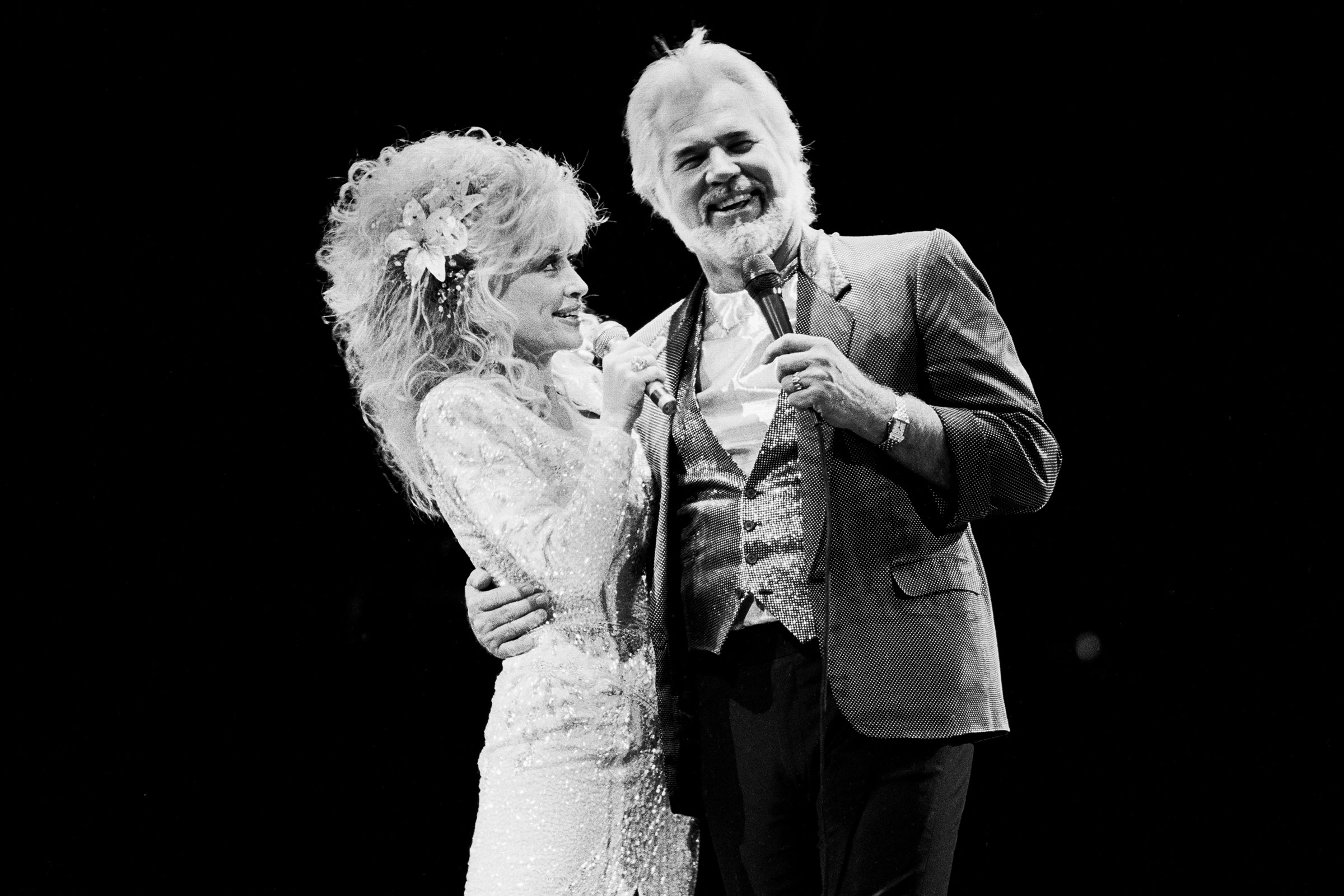
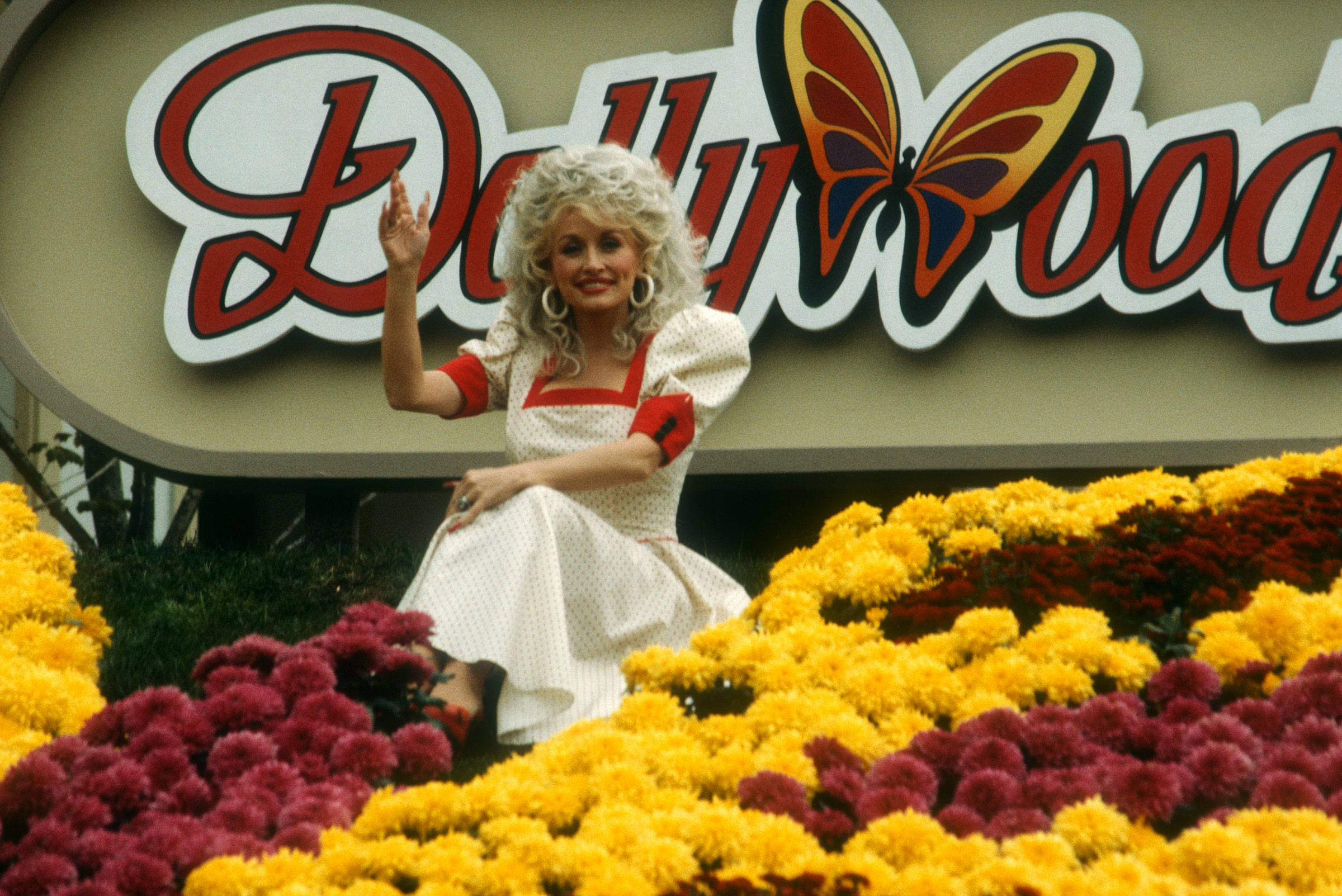
Over the years, Parton’s music evolved from heart-wrenching “sad ass songs” to female-power anthems like “Light of a Clear Blue Morning” to spiritual tunes like “The Seeker” and “He’s Alive.” In the mid-‘80s, she opened up about her depression and suicidal thoughts following the end of an “affair of the heart,” family issues, and a negative experience filming The Best Little Whorehouse in Texas. She was dealing with a slew of health problems, ultimately undergoing a partial hysterectomy, and as she struggled to lose weight, she put herself on restrictive diets, including a liquid one that made her feel isolated. She documented her loneliness in “Two Doors Down” and started over professionally. She fired her accounting firm, trimmed her band, started her own record label, and founded her amusement park, Dollywood. Over time, she came to embody her moniker, the iron butterfly.
Amid cultural and social upheaval in America, Parton grew accustomed to coming under fire. In 2017, when her Dolly’s Dixie Stampede, a dinner show with teams from the North and South battling, met with protests during a national reckoning regarding monuments glorifying Confederates and racists, Parton dropped the word “Dixie.” Seaver, Parton’s nephew, described Parton’s way of navigating American politics as “dollitics,” noting her habit of evading party-line questions. As she put it, “My daddy was a Republican and my mama was a Democrat, so that makes me a hypocrat.” When she took the stage at the 69th Emmys in 2017 for a 9 to 5 reunion alongside Lily Tomlin and Jane Fonda, she refused to join in their skewering of then-President Donald Trump. Instead, she used her weapon of choice, a tit joke.
If you listen closely, however, her political opinions can be heard in the music. The tracks on her albums include a song based on a tragic true story of a plane filled with deportees crashing into California’s Los Gatos Canyon, one spotlighting the danger of a coal miner’s life and the necessity for workers to unite, and another telling the story of a girl forced into sex work in order to survive. Parton received death threats after contributing the song “Travelin’ Thru” to the soundtrack of the 2005 film Transamerica, which tells the story of a transgender woman. She also got threats from the KKK over “Gay Day,” an annual day of visibility for her gay fanbase. Still, Parton, the self-proclaimed “patron saint of drag queens,” continued to champion the LGBTQ+ community loudly, saying, “If you’re gay, you’re gay; if you’re straight, you’re straight. And you should be allowed to be, you know, how you are and who you are.” She once showed up to an annual drag queen competition, only to lose the Dolly look-alike contest to a man in drag.
Dolly Parton’s legacy
Parton liked standing alone. She never jumped on a bandwagon, nor did she punch down. Though she never openly called herself a feminist, in an interview she explained to me that she just shunned labels outright. Her refusal to cast anyone out and her radical acceptance of all kinds of people–queer people, people of color, her outright idolization of the women others called “trash”–in recent years earned her the nickname of “the Great Unifier.” In one of the last interviews for Dolly Parton’s America, while looking back on her life, she said, “I don’t practice my faith; I live it.”
Parton was a spiritual leader in a world where political leaders failed us time and again. I talked to a Zimbabwean scholar who wrote a piece about how the classical artwork of Zimbabwe was less important to many people than Dolly Parton’s music, especially the song “Just Because I’m a Woman.” It has been on the top of the charts in many countries in Africa for decades now. To get back into her “God space,” Parton would leave Nashville for her Tennessee Mountain home, up in the Smoky Mountains where she was born, to fast and begin to come up with new music. Eventually, her 3 a.m. prayers for songs became prayers for creating hope that would last longer than her lifetime.
Reflecting on how her father never learned to read or write, she provided $15,000 scholarships to high school students, and to improve middle school literacy rates in her home county, she gave each child $500 in cash upon graduation. In 1995 she started the Imagination Library, which donates books to children under 5. She invested proceeds from Whitney Houston’s towering 1992 cover of “I Will Always Love You” into a Black Tennessean community. When the Gatlinburg fires broke out across Appalachia in 2016, she raised millions of dollars and gave everyone who lost a home $1,000 a month for six months with a final surprise $5,000 check as the program wound down. She made another significant donation in 2024 to support the victims of Hurricane Helene. In 2020, she donated $1 million toward finding a vaccine for COVID, and in 2022, she began offering full college scholarships to every Dollywood employee.
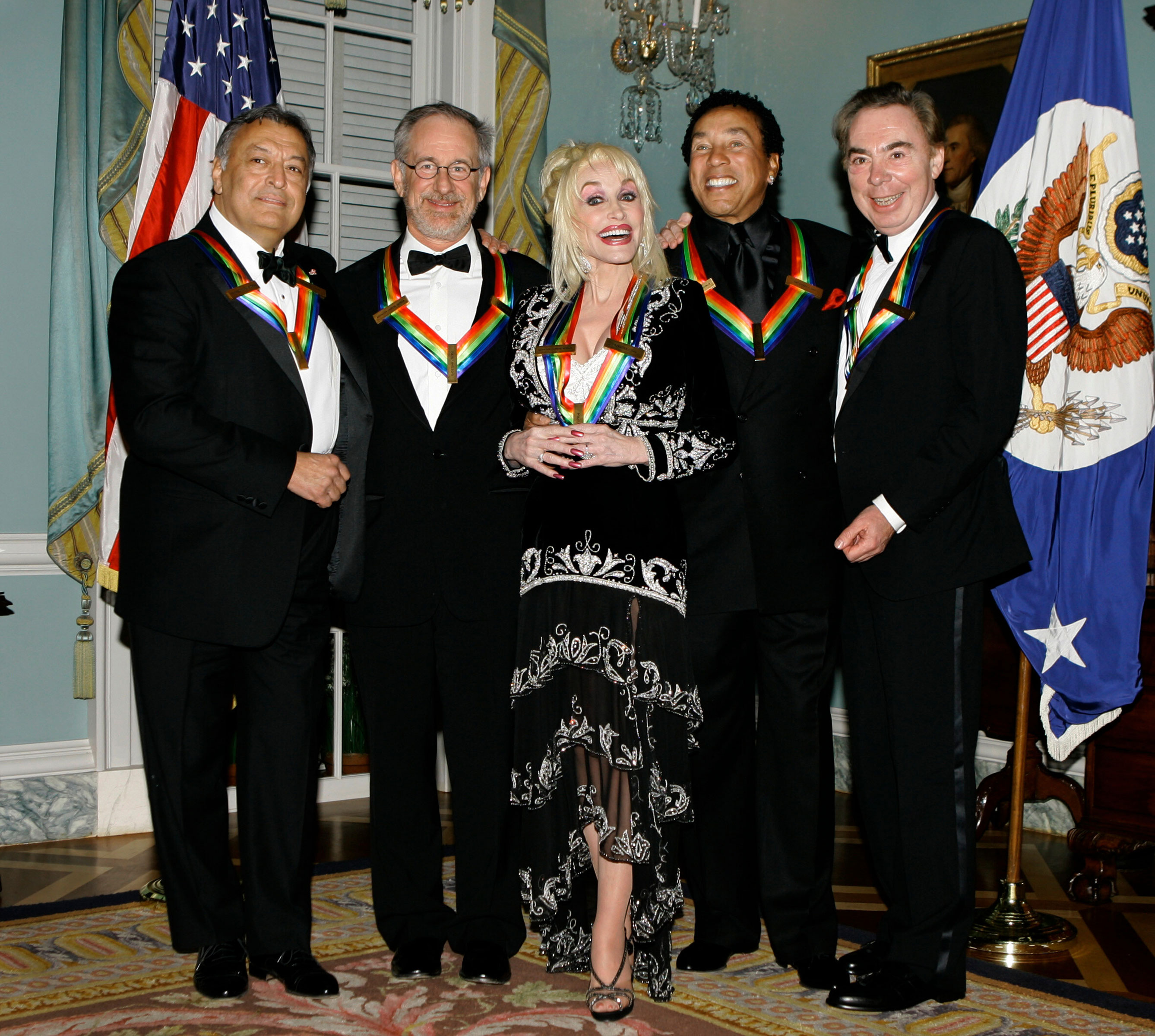
Inducted into the Songwriters Hall of Fame in 2001 and awarded the National Medal of Arts in 2005, an honorary doctorate from the University of Tennessee – Knoxville in 2009, a Grammy Lifetime Achievement Award in 2011, and an honorary Oscar in 2025, Parton piled up accolades as high as the Smoky Mountains themselves. But her greatest feat may have been her devotion to other people, most of them complete strangers. “I just love people,” she said. “When I look at the audience I see my family. I see the God light, the goodness, in everybody, even if they can’t see it.” Perhaps that spirit is how “Jolene” came to be covered more than 400 times—my father first heard it sung by Leila Forouhar in the late 1970s in Iran—or what inspired Nelson Mandela to ask his prison guards at Robben Island to play her music over the loudspeakers. It’s a bit comforting to think of Parton’s life as a fairy tale, not the culmination of what a single person could do. But her story is a testament to how a person of humble origins can accomplish extraordinary feats, when they pray for, write with compassion about, and take action for others.
And she did this without taking higher status: She remained the butt of the joke, the girl in the wig with a bosom, doing what she believed was right, even while making mistakes. She just tried to do better the next time. In the fax she sent me after the first of what would become 11 interviews, after I came to her with four hours of intrusive questions about some of the hardest moments in her life, she ended her note with: “I had a nice time with you. Hope you got everything that you wanted. I look forward to hearing from you or seeing you again somewhere down the road. Love, Dolly.”
What a teacher. I hope we get the lesson.



Galaxy Research’s latest tally shows that more than half of 221 Coldcard hack victim reports involved individual losses exceeding 1 Bitcoin.


Thailand’s Securities and Exchange Commission (SEC) has advanced its framework for locally listed spot Bitcoin and Ether exchange-traded funds (ETFs) from proposed principles to draft regulations while revising its approach to foreign digital asset custodians.
The regulator said Monday it is seeking feedback on two consultation papers. One contains draft regulations for Thai crypto ETFs, while the other proposes principles governing the qualifications of foreign digital asset custodians engaged by mutual and private funds investing in digital assets.
During the initial stage, asset managers could establish passive ETFs tracking Bitcoin (BTC) or Ether (ETH), the only two eligible crypto assets.
The draft regulations follow an April consultation on the framework’s broader principles. The SEC said most respondents supported the framework but provided feedback on custody arrangements, prompting the regulator to revise its proposed approach.
The framework forms part of Thailand’s ambition to become a global digital asset hub for institutions.
Bitcoin and Ether ETFs would trade on Thai stock exchange
Under the proposed rules, Bitcoin and Ether ETFs would trade exclusively on the Stock Exchange of Thailand (SET). Each ETF would track a single crypto asset and would need to maintain average net exposure of at least 80% of its net asset value to that asset over each accounting year.
Related: Bitcoin ETF inflows hit $1.9B in strongest week since October 2025
The proposed rules would also allow mutual funds and private funds to invest in Thai-domiciled crypto ETFs, alongside foreign crypto ETFs in which they are already permitted to invest, subject to existing investment limits.
During the initial phase, however, the regulator would not allow alternative products tied to foreign crypto ETFs, including depositary receipts tracking them.
Thailand revises crypto custody proposal
The revised approach would retain onshore digital asset custodians as the primary providers for crypto ETFs during the initial phase.
“Under the revised approach, crypto ETFs will continue to be primarily required to use onshore DA [digital asset] custodians, while the SEC may permit the use of qualified foreign DA custodians when necessary and appropriate in light of prevailing circumstances,” the SEC said.
Under the separate custodian proposal, foreign providers serving mutual and private funds investing in digital assets would need to be supervised by a regulatory authority with legal powers. They would also have to operate under regulatory and investor asset protection standards that the Thai SEC considers adequate.
The SEC will accept public comments on both consultation papers until Sept. 20.
Magazine: Korean bank taps Ripple for payments, Pakistan opens crypto licensing: Asia Express

TRON DAO, the community-governed DAO dedicated to accelerating the decentralization of the internet through blockchain technology and decentralized applications (dApps), announced today that the number of total accounts on the TRON blockchain has exceeded 400 million. The milestone reflects sustained activity across the network and reinforces TRON’s position as one of the world’s most actively used blockchain networks, with usage powering real-world economic activity on-chain.
The pace of account growth accelerated significantly after TRON reached its first 100 million accounts, a milestone that took four years from the launch of its genesis block on June 25, 2018. The network reached 200 million accounts approximately 17 months later, on December 7, 2023. From there, TRON doubled its total number of accounts in less than three years, surpassing 300 million on April 12, 2025, before crossing 400 million on August 23, 2026.
TRON’s expanding user base is reflected in the scale and volume of activity taking place on the network. With more than 15.2 billion transactions processed and total transfer volume surpassing $29 trillion, TRON has emerged as critical infrastructure for the movement of digital assets at global scale. Its combination of high throughput, low transaction costs, and deep liquidity has made the network a leading settlement layer for stablecoin payments, cross-border transfers, and an expanding range of on-chain financial activity.
“Reaching 400 million accounts is a meaningful milestone for the TRON ecosystem and a reflection of the growing demand for accessible blockchain infrastructure,” said Justin Sun, founder of TRON. “From payments and stablecoins to decentralized applications and tokenized assets, TRON continues to provide the infrastructure that enables users around the world to participate in the digital economy. As adoption grows, we remain focused on building a network that is efficient, accessible, and capable of supporting the next generation of blockchain use cases.”
The milestone comes as TRON continues to expand its presence across the digital asset ecosystem, with growing applications in institutional asset tokenization. Recent developments include the launch of the S&P Pantera Digital Asset Index, which recognized the TRON blockchain among the top protocols in the benchmark, based on protocol utility, onchain liquidity, and network activity. Collaborations with Anchorage Digital, Securitize, and Bitnomial have also expanded institutional access to the TRON ecosystem.
TRON remains focused on building reliable, efficient infrastructure that supports the continued growth of its user base and the expanding role of blockchain technology in the global digital economy.
About TRON DAO
TRON DAO is a community-governed DAO dedicated to accelerating the decentralization of the internet via blockchain technology and dApps.
Founded in September 2017, the TRON blockchain has experienced significant growth since its Mainnet launch in May 2018. TRON currently hosts the largest circulating supply of USD Tether (USDT) stablecoin, which currently exceeds $94 billion. As of August 2026, the TRON blockchain has recorded over 400 million in total user accounts, more than 15 billion in total transactions, and over $28 billion in total value locked (TVL), according to TRONSCAN. Recognized as the global settlement layer for stablecoin transactions and everyday purchases with proven success, TRON is “Moving Trillions, Empowering Billions.”
TRONNetwork | TRONDAO | X | YouTube | Telegram | Discord | Reddit | GitHub | Medium | Forum
The post TRON Surpasses 400 Million Accounts as Total Transfer Volume Nears $30 Trillion appeared first on BeInCrypto.
Crypto World
Bitcoin Dominance on the Rise Again as BTC Tapped 15-Week Peak Above $81K: Market Watch
Bitcoin’s price initiated another leg up in the past several hours, blasting past $80,000 and $81,000 for the first time since the middle of May.
BTC even outperformed many larger-cap altcoins, which resulted in an uptick in its dominance over the market.
Bitcoin Exceeded $81K
It was just a week ago when we were wondering what would be the new (old) thing that we could write about the crypto market, as bitcoin had stalled below $65,000 for a long, long time. However, Wednesday afternoon changed the trend. Whether it was the US Treasury Department’s announcement, the White House Crypto Summit, or something else, BTC exploded out of the gate with force.
It went to $70,000 within a few hours, dipped back to $68,000, and then skyrocketed once again to $75,000 by Thursday. The bulls took it a step further on Friday, helping BTC climb to almost $80,000 for the first time since mid-May.
After gaining $15,000 in days, the asset was due for a correction, which took place during the weekend with a price slip to $75,500. Nevertheless, the bull returned in full force at the start of the new business week, pushing bitcoin to over $81,000 earlier today to mark a 15-week peak.
It was stopped there and now sits inches below $80,000, but its market cap has risen to $1.6 trillion. Its dominance over the alts has rocketed to 58% on CG and to almost 60% on CMC after its latest run.

SOL Touches $100
Solana’s native token is the top performer among the larger-cap alts today, surging by 7% to over $100 for the first time in months. HYPE has neared its all-time high of $83, marked a few days ago, once again, as it now sits close to $82. ZEC has surpassed DOGE as the 10th-largest cryptocurrency by market cap.
XMR and RAIN are the other top performers from this cohort of assets, while MORPHO, AAVE, and LTC have dropped the most. Meanwhile, ETH remains inches below $2,500, XRP is stuck at $1.50, and BNB is back above $700.
The total crypto market cap has added nearly $100 billion since yesterday and is up to $2.770 trillion on CG.

The post Bitcoin Dominance on the Rise Again as BTC Tapped 15-Week Peak Above $81K: Market Watch appeared first on CryptoPotato.
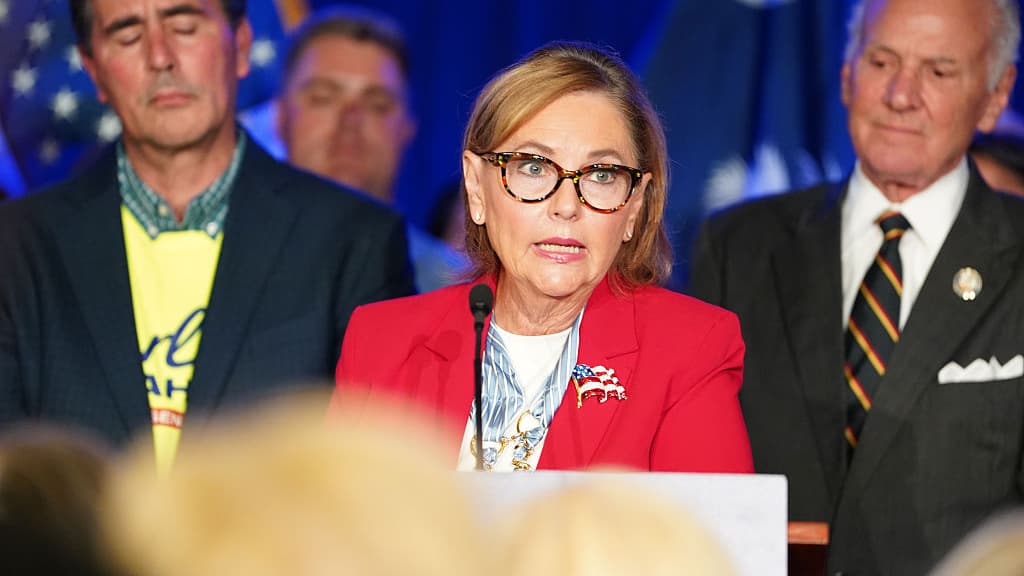
“There is still a big hole in my heart,” Nordone told supporters at a rally, “but I know he’s looking down right now very proud of everyone in this room.”
Nordone will next face off against the Democratic candidate Annie Andrews, a pediatrician who won her primary in June. The upper chamber seat, though, is unlikely to flip in Democrats’ favor; the Cook Political Report rates the race as “Solid Republican.”
In June, Graham won the Republican primary race to compete for his fifth term as Senator, but after his death the following month, a special primary election was called for Aug. 11. While Nordone, who was appointed by South Carolina’s Governor to serve out the remainder of her brother’s term, earned the highest share of the vote on Aug. 11, she fell short of the majority she needed to win the race, triggering the runoff. Nordone earned nearly 33% of the vote on Aug. 11, while her opponent, U.S. Rep. Ralph Norman, came in second, with nearly 25%, sending both candidates to the runoff race.

Bitcoin completed a remarkable turnaround in the past week, surging from under $65,000 on Wednesday to a three-month high above $81,000 earlier this morning.
The move began abruptly on August 19, accelerated in the following days, and, unlike the previous breakout attempts, was not halted painfully in its tracks. Obviously, something changed in the market, but the question is what precisely.
Who Lit the Fuse
The most talked-about reason behind the initial leg up was the US Treasury Department’s announcement last Wednesday that the government would at least double buybacks of longer-dated Treasury securities. This meant an increase in 10- to 30-year debt from $2 billion to at least $4 billion per operation.
At its core, the move was aimed at improving liquidity and easing pressure in the long end of the bond market, where borrowing costs had skyrocketed. Risk-on assets like BTC, alongside gold, reacted immediately with a surge from $64,000 to $70,000, while Treasury yields declined initially.
Here’s where this narrative breaks down. Long-term yields rebounded almost immediately, while BTC’s price rocketed by another $10,000-$11,000. According to analysts from the Kobeissi Letter, this suggested that investors were interpreting the Treasury intervention not merely as lower-yield support but as evidence of growing pressure surrounding the US’s fiscal policy.
As previously reported, US federal debt recently surpassed $40 trillion, while persistent deficits and massive refinancing requirements intensified uncertainty about how the government will manage the situation.
Debasement Trade Returns
The US dollar is the second macro piece in this equation. Treasury intervention pressured the greenback and revived Wall Street calls for the debasement trade: capital moving toward scarce assets, like BTC and gold, when investors fear that fiscal and monetary policies could gradually erode fiat purchasing power.
The precious metal exceeded $4,600 per ounce during bitcoin’s rally past $81,000. This synchronized move strengthened the argument that investors are treating both assets as alternatives to government-issued money.
Ray Dalio added fuel to that fire a few days ago, warning of a potential US debt crisis and recommending investors own gold and a ‘bit of bitcoin,’ while the dollar fell to a multi-month low.
Changes in Liquidity Expectations
The Treasury Department’s move led to another important change as markets are increasingly debating whether the government could use its enormous Treasury General Account more aggressively to support the bond market. The account recently stood at around $950 billion, and speculation that some of this liquidity could effectively be deployed through expanded Treasury operations has gained significant attention.
Although this is not quantitative easing, in fact, it’s very far away from it, if Treasury actions reduce pressure on long-term borrowing costs, weaken the dollar, or inject additional liquidity into financial markets, the broader environment becomes considerably more favorable for scarce and risk-sensitive assets such as BTC.
Who Amplified the Move
Appetite for BTC through the spot Bitcoin ETFs returned with vengeance last week as the figures showed a massive resurgence: almost $2 billion entered the funds in just five days, hitting a ten-month record. Expectedly, the demand accelerated after Wednesday.
Separately, the rapid move from under $65,000 to $70,000 first and $75,000 a day later forced heavily leveraged bearish trades to close positions. More than $4 billion in shorts were liquidated in less than two days, which helps explain the extreme nature of the reaction.
The Treasury announcement was the initial spark, followed by falling confidence in the dollar, which, alongside America’s fiscal trajectory, strengthened demand for scarce assets. ETF inflows added genuine spot demand, while short liquidations accelerated an already powerful surge.
The post Why Did Bitcoin Explode Past $81K? 4 Macro Factors Behind the Rally appeared first on CryptoPotato.

Anthropic will tell IPO investors it is chasing a market above $30 trillion, the Wall Street Journal reported Tuesday. That tops SpaceX’s $28.5 trillion pitch, the largest market claim in IPO history.
The Claude maker could file its prospectus before the end of August. Bankers have floated a raise above $100 billion at a valuation near $2 trillion. Both would be records.
A $30 Trillion Dream Sold on Future AI Work
A total addressable market (TAM) is the revenue a company could earn if it won every possible customer. Anthropic’s version counts the value of work AI models could one day perform, according to the WSJ report.
In plain terms, the pitch prices the automation of much of human labor. The dream carries the weight, because today’s sales sit nowhere near that scale.
The goalposts have moved fast as Saudi Aramco’s $25.6 billion raise in 2019 stood as the IPO record until June. Then SpaceX raised $85.7 billion while claiming a $28.5 trillion market, most of it tied to AI.
Now compare Anthropic’s claim with reality. The 191 technology companies in the S&P 1500 earned about $2.4 trillion last year. The pitched market is 12 times what the entire listed US tech sector brings in.
NYU professor Aswath Damodaran, widely known as the dean of valuation, said SpaceX’s AI math already pushed past the plausible.
Anthropic’s own forecast of up to $200 billion in revenue by 2028 would capture under 1% of the claimed market.
Anthropic IPO Rests on Record Revenue and Thin Profits
The growth is real, after Anthropic’s annualized $65 billion run rate at the end of July compared with roughly $9 billion in late 2025. That is a sevenfold jump in seven months.
Preliminary second-quarter revenue topped $11.5 billion, a 14-fold rise from a year earlier, according to figures first reported by Bloomberg. The quarter also produced positive adjusted operating income, reportedly a first among frontier AI labs.
However, the fine print matters. The numbers are unaudited and could be revised before the filing lands, per Bloomberg. Adjusted profit also typically strips out costs such as stock pay.
Heavy compute bills could push later quarters back into losses. Meanwhile, the private market’s $965 billion price from May would need to roughly double within months, on one adjusted-profit quarter.
That gap defines the offering. Investors would fund years of infrastructure spending long before sustained profits arrive, hoping the raise can top SpaceX’s record haul.
Political Backlash and Rising Yields Test the Timing
Venture investor Chamath Palihapitiya sees three threats to the AI buildout:
- A spreading anti-AI mood
- Political pushback against data centers, and
- Treasury yields at multi-year highs.
The pushback is no longer talk. Texas froze new data center projects in August pending state audits. Pennsylvania Governor Josh Shapiro signed an order ending their fast-track permits, and New York imposed a one-year moratorium.
Meanwhile, borrowing costs keep climbing. The Treasury boosted bond buybacks to hold down long-term yields, partly because heavy AI-linked debt issuance weighs on the market.
Anthropic knows the risk, which explains their reported plans to list negative sentiment toward AI as a risk factor in its own prospectus. The firm also leans on Amazon and Google for compute and holds no investment-grade credit rating.
The filing, which is likely due within days, will show how much of the $30 trillion story survives full disclosure. With OpenAI’s 2027 listing timeline trailing behind, Anthropic’s reception could shape every AI debut that follows.
The post $30 Trillion Dream: Can Anthropic Sell the Biggest IPO Ever? appeared first on BeInCrypto.

The Huawei booth at the Mobile World Congress in Barcelona, 2025.
Arjun Kharpal | CNBC
BEIJING — U.S.-based personal computing and printing firm HP has signed a multi-year global agreement for licensing certain WiFi patents from Chinese telecoms giant Huawei, the companies announced Wednesday.
It’s a sign of adoption of Huawei’s technology outside China, despite the U.S. blacklisting the company in 2019, a move that restricted it from working with American suppliers such as Google.
The deal comes after a patent dispute involving HP, Huawei and other companies that resulted last fall in an agreement allowing the U.S. company to access a pool of 2,000 patents related to wireless network connectivity. Huawei was one of the founding members of the patent pool, called Sisvel WiFi 6.
The latest global cross-licensing agreement includes “valuable reciprocal patent rights from HP,” Steven Geiszler, who represented Huawei in the negotiations, said in a statement. Texas-based Geiszler was a senior in-house intellectual property lawyer for Huawei for nearly a decade, until he set up his own firm in April with Huawei as his main client.
HP is scheduled to release earnings Thursday morning Beijing time. HP was spun-off as a separate firm in 2015 after Hewlett-Packard Company was split into two units.

It was less than a week ago when we last wrote a major Ripple (XRP) update, and the landscape was entirely different. Not that the company behind the token hadn’t made some major moves, because it frequently does, but because the underlying asset was stuck at $1.00 and analysts were wondering whether that support would hold or we were in for another major leg down.
The environment is entirely different now, and we will take a look at what has taken place in the Ripple ecosystem over the past week, especially on the XRP price front.
FedNow, Gemini, XRPL
Multiple reports emerged online in the past few days that FedNow Payments has enabled payments through Ripple’s tokens after the company’s integration with Volante. FedNow is an instant payments rail in fiat USD that settles on central bank reserves, while Volante provides platform connectivity to the former for domestic payments in the US and to Ripple for cross-border services.
Separately, Gemini’s co-founder, Tyler Winklevoss, announced some “big news for the Ripple Army in Asia.” In a tweet from today, he said users of the cryptocurrency exchange he co-founded with his twin brother in Singapore can deposit and withdraw XRP through the native XRP Ledger network.
Speaking of XRPL, Ali Martinez cited data from Santiment and highlighted a major surge in activity. The number of active addresses skyrocketed by over 650% in the past several days, going from 47,180 to just over 356,000. The popular analyst concluded that such a major spike “typically signals a sharp increase in network participation and is often accompanied by higher price volatility.”
XRP ETFs Are Back, CEO Speaks Out
The major market shift is evident in institutional appetite as well. The spot XRP ETFs, which struggled for weeks with insignificant inflows, picked up the pace last week, especially after Wednesday. In total, they attracted almost $40 million in net inflows, which became the best weekly performance since May.
Moreover, the total cumulative flows hit a new all-time high of just over $1.55 billion, while Bitwise’s XRP fund extended its lead as the largest of the bunch.
Meanwhile, Ripple’s CEO Brad Garlinghouse spoke on Saturday for the first time after attending two major Washington meetings last week – the Crypto Summit at the White House hosted by the POTUS and CFTC’s Innovation Advisory Committee. He noted that the conclusion from both meetings is that all parties involved, including TradFi, want clear regulation on the crypto industry, which is likely to come from the highly anticipated CLARITY Act.
XRP Price Revival
As promised above, we will dedicate a major part of this update to the native token’s recent performance. Recall that it was less than seven days ago when the asset struggled to remain above the psychological $1.00 support and dipped below it on a few occasions as the overall sentiment had quickly deteriorated.
However, then came the Wednesday afternoon resurrection of the crypto market, led initially by BTC. Although XRP was a little late to the party, it eventually joined in full force. It skyrocketed from $1.00 to $1.70 by Saturday morning, posting a massive 70% surge in less than 72 hours.
Most of the ‘blame’ was put on whales, as on-chain data showed that they had accumulated roughly 400 million tokens in several days. However, XRP was quickly halted at $1.70 and is now back to around $1.50. Most analysts are now convinced that the asset has to reclaim the $1.65-$1.70 resistance before we can call it a bull phase again.
Popular trader CasiTrades doubled down earlier today on the importance of that level, indicating that it was “incredible to see XRP rally all the way back up to test the macro .618 resistance,” but admitted that it was met with “heavy resistance and instant rejection.”
“So now XRP needs to prove it can actually sustain this rally. We need [the] price to break above the macro 0.618 and then come back to successfully test that level as support. THAT is the structural shift that would signal beginning a new trend.”
The post Important Ripple News and XRP Price Update: August 25 appeared first on CryptoPotato.
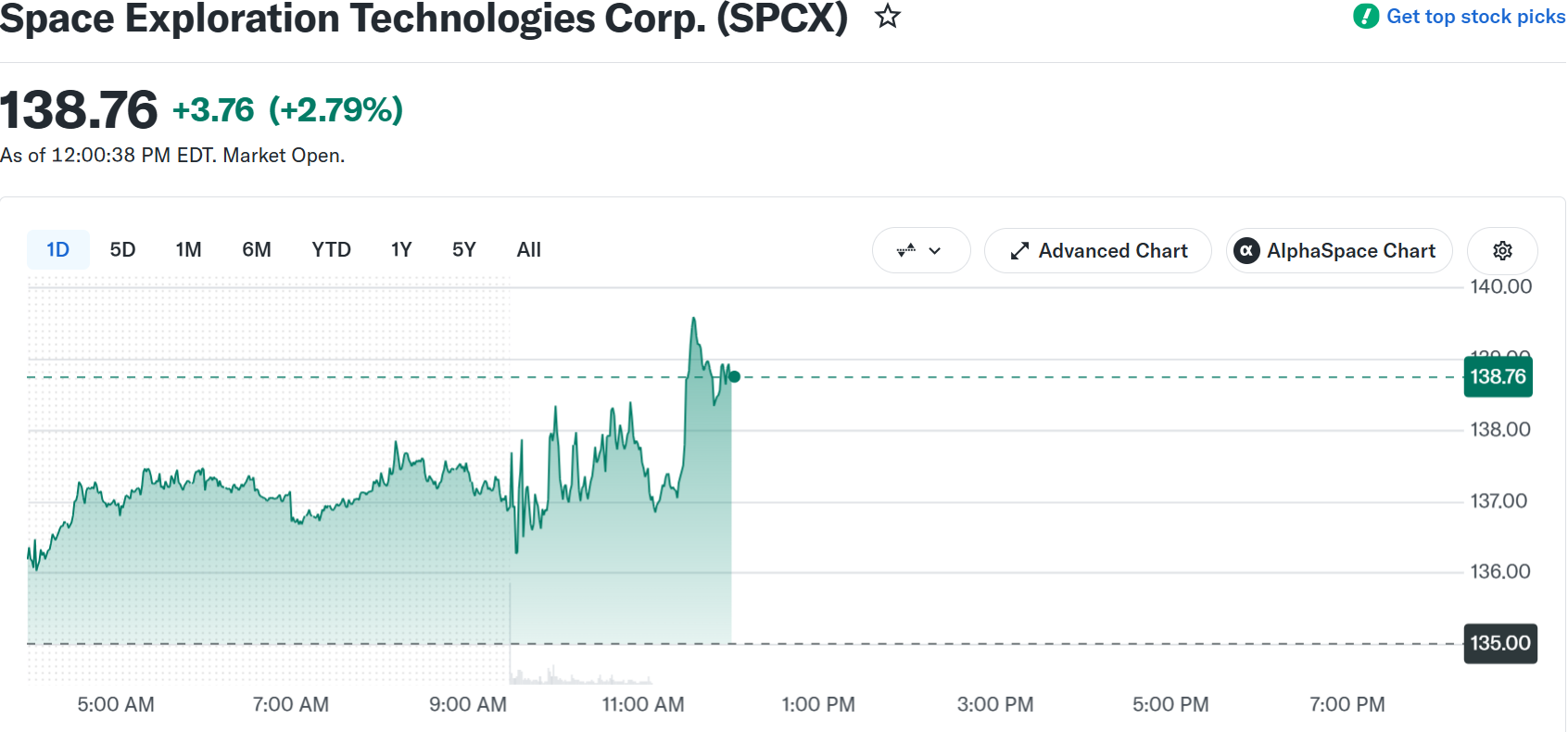
President Donald Trump praised Space Force on Truth Social on Tuesday. SpaceX (SPCX) stock rose 2.79% the same morning. The two facts look connected, but are they?
SpaceX depends on Space Force contracts worth billions of dollars. That link led traders to ask whether a single post could move the stock.

Why Trump’s Post Put SpaceX Stock in the Spotlight
Trump said in a Truth Social post that the US Navy had cleared every mine from the Strait of Hormuz. He warned Iran against placing new ones. Then he named the agency that pays SpaceX billions.
“Through Space Force, we are watching every square inch of the Strait, as we are, also, with Pickaxe Mountain and the already destroyed three other Nuclear sites,” Donald Trump, President of the United States, in the statement.
The money trail behind that name is real, because in May, Space Systems Command gave SpaceX a $2.29 billion contract to build a military data network. In July, it added a $1.6 billion order for 18 Falcon 9 launches.
Trump’s words have moved defense stocks before. In December 2016, one Trump tweet about F-35 costs erased about $3.5 billion of Lockheed Martin’s value almost immediately.
Last month, CNN found Trump had praised stocks he owned in 21 companies on Truth Social.
Premarket Timing and Rival Catalysts Weaken the Link
The clock clears the post. Data shows SPCX was already up more than 1% in premarket trading. The post appeared mid-morning in New York, an hour after the open. The stock had also dropped 1.4% to $135 on Monday, so part of Tuesday’s gain may have been simple recovery.
A stronger catalyst was already public because a financial disclosure released on August 22 showed that Trump bought $15,001 to $50,000 worth of SPCX on June 23.
That was less than two weeks after the company’s $1.77 trillion initial public offering (IPO). The White House says independent institutions manage his portfolio.
Wall Street supplied another driver on Tuesday. JPMorgan repeated its $240 target, a call implying nearly 80% upside on the company’s artificial intelligence (AI) bets.
TipRanks data shows 33 analysts rate SPCX a Moderate Buy. Their average target is $228.59.

The contrast with 2016 is telling, as a Lockheed tweet named a company and threatened its biggest program.
Tuesday’s post named no company, no cost, and no contract. No analyst tied the gain to it.
SPCX gained 24% in August after reclaiming its IPO price earlier this month. Roughly 370 million insider shares unlock in September. That supply wave, not one presidential post, is the number for shareholders to watch.
The post Did Trump Just Move SpaceX Stock With One Truth Social Post? appeared first on BeInCrypto.

The other Dan Sullivan makes November ballot against Sen. Dan Sullivan

Pete Alonso, Orioles mash past skidding Cardinals

Xbox layoffs fallout: ‘South of Midnight’ creator Compulsion Games successfully goes independent





-

 Fashion4 days ago
Weekend Open Thread: Madewell – Corporette.com
-

 Business4 days ago
Musk’s Tesla, SpaceX Confirm $16.8 Billion ‘Terafab’ Chip Plant as World’s Largest Building in Texas
-

 Crypto World4 days ago
anatomy of crypto’s biggest liquidation event since 2021
-

 Crypto World1 day ago
A $30 Billion AI Fund Implodes, Now the SEC Is Investigating Wall Street’s Role
-

 Politics4 days ago
6 months on, Irish renters crushed by effects of government housing bill
-
 NewsBeat4 days ago
The ‘Lucky Dip Gang’ causing carnage for clicks: After five thugs were killed speeding in the wrong direction on a motorway, GUY ADAMS investigates a sick new trend… and why police aren’t even allowed to pursue them
-

 Tech7 days ago
GLM-5.3 hits the API at $1.4/$4.4 per million tokens
-

 Business3 days ago
Mystery AI Model ‘Ox Alpha’ Draws Developers With Free Access as Chinese Lab Origins Remain Debated
-

 News Videos6 days ago
Don’t Leave Your Financial Future To Chance | August 19, 2026
-

 Business6 days ago
Marvell Shares Jump 7% as Google Chip Deal Confirms Custom AI Silicon Partnership, Analysts
-

 Business5 days ago
Five Below: Kids Discount Retailer Reaps Rich Rewards
-

 Business1 day ago
Moderna CEO warns China is pouring state money into mRNA technology
-

 Business5 days ago
UK firms in critical financial distress rise 9% to 53,756
-

 Business1 day ago
NVIDIA Stock Drops Nearly 2 Percent to $210 on Seventh Losing Day Ahead of Critical AI Earnings
-

 Fashion7 days ago
Jimmy Choo Autumn 2026 collection
-

 Sports3 days ago
Deshaun Watson fires back at Browns fans after being booed: ‘It’s a disrespectful thing’
-
 Entertainment6 days ago
10 Most Perfect Fantasy Shows of the Last 25 Years
-

 Tech6 days ago
OpenAI confirms ChatGPT is down as logins and signups fail
-

 Crypto World6 days ago
Optimism-funded team's deciding vote shifts $49 million in OP tokens away from users
-
 Crypto World3 days ago
Google Gemini AI Predicts Ethereum Could Become the Trade Retail Misses in 2026
You must be logged in to post a comment Login