

Crypto World
Noah and Bron Partner to Add Stablecoin On- and Off-Ramps


Stablecoin adoption has increasingly hinged on a practical question, how do users move fiat into crypto and back out without sacrificing the control promised by self-custody? On June 25, Noah, a stablecoin payments infrastructure provider, and Bron, a multi-party computation (MPC) self-custody wallet, announced a partnership designed to connect Bron users to Noah-powered stablecoin on- and off-ramp capabilities.
The companies position the integration as a way to streamline funding and withdrawals from a self-custody wallet, while keeping the user experience closer to familiar financial workflows. The development also reflects a broader market trend, stablecoins are shifting from niche trading instruments toward payment and remittance rails, which in turn increases demand for regulated and reliable fiat access.
What Noah and Bron say they are building
Noah provides what it describes as stablecoin payment rails for fintechs, exchanges, marketplaces, and other businesses across more than 70 countries. Its platform includes components intended to support compliant money movement, including on-ramps and payout-related services.
Bron, meanwhile, presents its wallet as a non-custodial self-custody product that reduces reliance on seed phrases through an MPC-based security design. According to the announcement, Bron uses a three-party MPC architecture for transaction authorization, splitting signing responsibilities across multiple shards, including one on the user device, one operating within the Bron platform, and one held by an independent third party appointed by the user for recovery. The release states that no single party can reconstruct or control the complete signing material or authorize transactions unilaterally.
Under the partnership, the companies say Bron users will be able to access stablecoin on- and off-ramp functionality powered by Noah’s network. In practical terms, the goal is to make it simpler for users to fund their self-custody wallet with stablecoins, and later convert them back out through the same ecosystem, without changing the underlying self-custody model.
Why on- and off-ramps matter for self-custody
Self-custody is often viewed as a security upgrade because users are expected to control their own signing material. However, many mainstream entry points into crypto are still built around centralized services such as exchanges or custodial wallets. As a result, users may have to navigate multiple steps and user experiences, from buying stablecoins on an exchange to transferring them into a self-custody wallet, and then reversing the process when they need fiat access again.
Stablecoin on- and off-ramps aim to reduce that friction. From an industry perspective, the challenge is not only technical integration, but also compliance and operational readiness, including identity checks where required, transaction monitoring, and the handling of fiat rails across jurisdictions. By routing on- and off-ramp activity through an infrastructure provider, wallet makers can focus on wallet security and usability while relying on an external entity for regulated fiat connectivity.
The Noah-Bron announcement suggests the companies are trying to connect these two layers, keeping the security posture associated with self-custody while using Noah as an intermediary for the fiat-to-stablecoin and stablecoin-to-fiat steps.
Implications for high-net-worth and cross-border use cases
The release frames the partnership around users who may want global dollar origination and payouts across markets and international jurisdictions. That points to an audience where cross-border liquidity and payout reliability are often more important than consumer-style onboarding.
For that segment, stablecoins can function as a bridge between traditional payment ecosystems and blockchain settlement. However, the value of the bridge depends on the ability to enter and exit efficiently. If on- and off-ramp access becomes smoother inside a self-custody workflow, it could lower the operational overhead for users who would otherwise rely on transfers between different platforms.
Still, the scope of what users will be able to do depends on how the integration is implemented and which jurisdictions and fiat methods are supported. The announcement indicates that Noah serves businesses in many countries, but it does not provide a detailed list of regions or user flows for Bron consumers.
MPC security, usability, and the security model question
Bron’s MPC-based approach is central to its positioning. In a traditional wallet, the main recovery and authorization mechanism is often a seed phrase, which can be risky if mishandled and inconvenient if users want a more guided recovery process. Bron states that its architecture eliminates seed phrases and introduces additional protections including biometric authentication, policy controls, delayed transfers, hidden vaults, and guardian-based recovery.
From an editorial standpoint, it is important to separate what the announcement clarifies from what it does not. The release describes how the MPC shards are distributed and emphasizes that no party can unilaterally access or move assets. But details on how users will experience on- and off-ramp steps inside the wallet, and what safeguards apply around fiat conversion and transaction initiation, are not fully specified in the announcement text provided.
Market context: stablecoins as infrastructure
Stablecoins continue to be positioned as one of the faster-growing “real-world” use cases in crypto, particularly for payments, remittances, and savings. In that environment, infrastructure partnerships are becoming more common because the ecosystem needs to connect regulated fiat systems with blockchain-based settlement.
Partnerships like the one between Noah and Bron fit a pattern where wallet products and payments rails converge. Wallet providers can improve usability by integrating with established on- and off-ramp providers, while payments infrastructure firms can expand distribution through wallet-based interfaces.
What remains to be seen is how quickly the integration translates into measurable user growth, retention, or transaction volumes, and whether it reduces the need for users to route through centralized exchanges for basic fiat access.
What to watch next
- Supported jurisdictions and fiat methods: integration details typically determine whether the partnership meaningfully expands access.
- User flow and fees: on- and off-ramp integration can change the cost structure versus using exchanges directly.
- Security and recovery behavior: MPC wallet recovery options may interact with onboarding and withdrawal workflows, which users should understand before switching.
- Regulatory posture: stablecoin rails often rely on regulated partners, so compliance coverage is an operational factor for end users.
For now, Noah and Bron have outlined a direction that speaks to the core bottleneck in self-custody adoption, connecting secure control with frictionless access. If implemented smoothly and broadly, the integration could help more users treat stablecoins as everyday payment and value transfer tools, rather than assets that require separate, multi-step processes to move in and out of fiat.

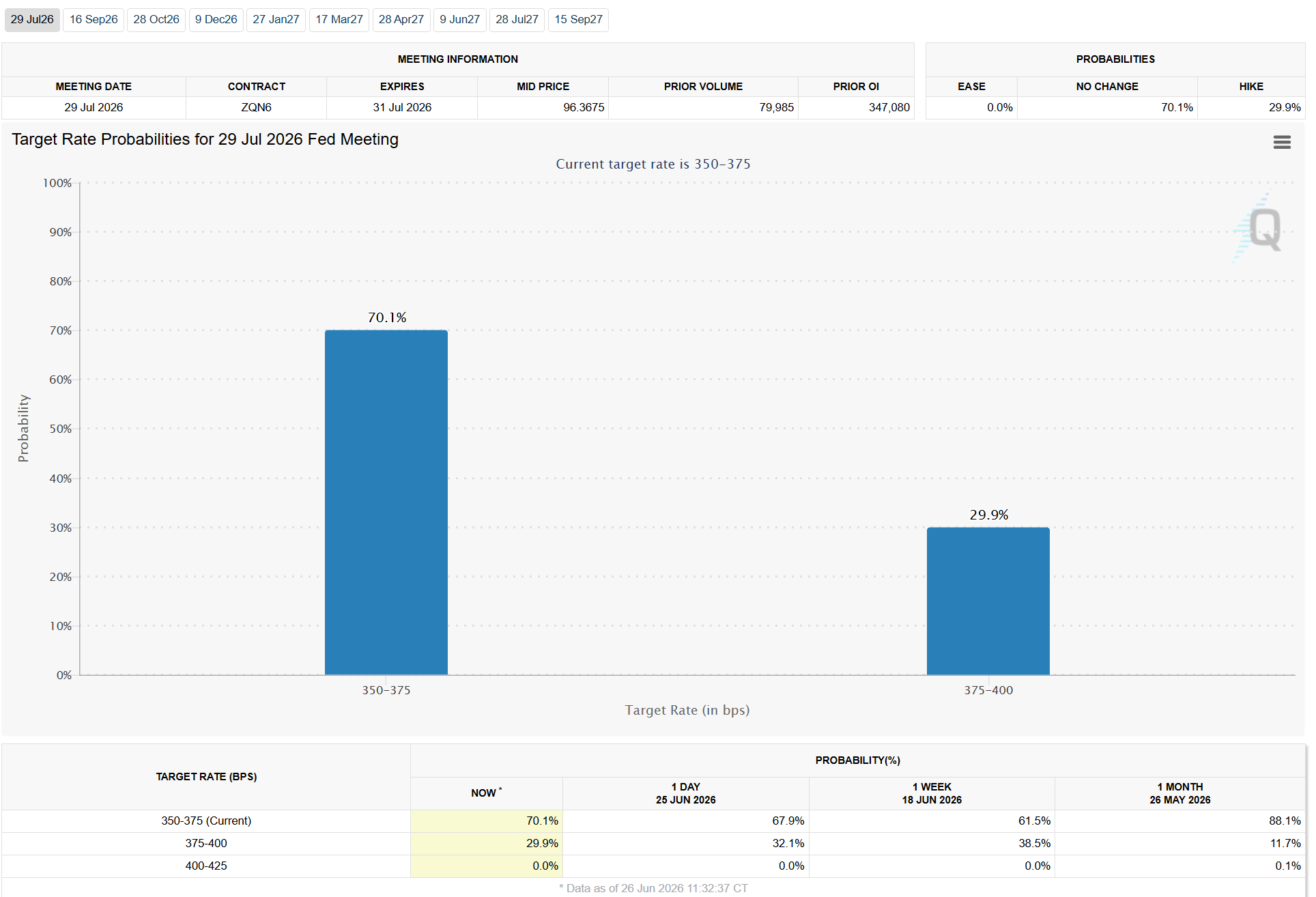
A senior Federal Reserve official has put a possible 2026 interest rate hike back in focus, adding new pressure on US stocks. Neel Kashkari, president of the Federal Reserve Bank of Minneapolis, said Friday that he now expects one rate increase in 2026 and does not see cuts coming soon.
His comments are critical because Kashkari has long been seen as one of the Fed’s more dovish policymakers. His shift suggests inflation concerns are spreading inside the central bank, leaving investors to rethink how long borrowing costs may stay high.
Why the Kashkari Rate Hike Call Matters for Stocks
Kashkari’s comments came shortly after the Fed’s June policy meeting, where officials voted 12-0 to hold interest rates between 3.50% and 3.75%.
The bigger signal came from the Fed’s own projections. Nine of the 18 officials now expect at least one rate hike in 2026. The median forecast also moved higher, rising to 3.8% from 3.4% in March.
Investors had spent much of the year expecting the next major move to be a cut. The June meeting weakened that assumption and pushed markets toward a more uncomfortable possibility: borrowing costs may stay higher for longer.
Fed Chair Kevin Warsh also moved away from forward guidance, the practice of giving markets a clearer sense of where policy may go next. That makes each inflation report and jobs report more important, because traders now have fewer signals from the central bank in advance.
Markets are already reacting to that risk. Futures prices show traders see about a 30% chance of a July hike, according to CME FedWatch data. They also put the odds of at least one rate increase by December at roughly 76%, keeping the risk of another Fed hike firmly in view.

“I’m concerned about inflation, and it’s not only tied to what’s happening in the Middle East, it’s just the impression of broader inflationary pressures in the economy,” Kashkari said.
Follow us on X to get the latest news as it happens
Higher Rates Squeeze Growth Stocks and Bitcoin
Higher-for-longer rates weigh on growth and technology stocks. They raise discount rates and borrowing costs for companies that carry debt.
Crypto sits in the same rate-sensitive camp. Bitcoin recently traded near $60,000, up about 1.3% in 24 hours.

The last hiking cycle shows the stakes. As the Fed raised rates through 2022, Bitcoin fell from about $69,000 to near $15,500.
A late-2026 hike would reinforce the backdrop behind recent bearish calls.
BitMEX co-founder Arthur Hayes sees a $40,000 Bitcoin bottom within six months, citing a hawkish Fed. His six-month window runs into late 2026, the same stretch Kashkari flagged for a possible hike.
China’s top Bitcoin miner, Jiang Zhuoer, expects a similar floor around $42,000 to $44,000 in late 2026. He built the call on Strategy’s mNAV near 0.72, close to its 2022 bear-market low. Both targets sit between about 27% and 34% below current levels.
Other signals cut the other way. Wintermute says leverage has largely cleared, while Hayes still holds a year-end target above $200,000.
Investors now look to upcoming inflation and jobs data for the next signal. Whether Kashkari’s hike lands in late 2026 may shape equity valuations and Bitcoin price forecasts into year-end.
The post Fed Official Kashkari Gives Rate Hike Warning: How Will US Stocks and Bitcoin React? appeared first on BeInCrypto.
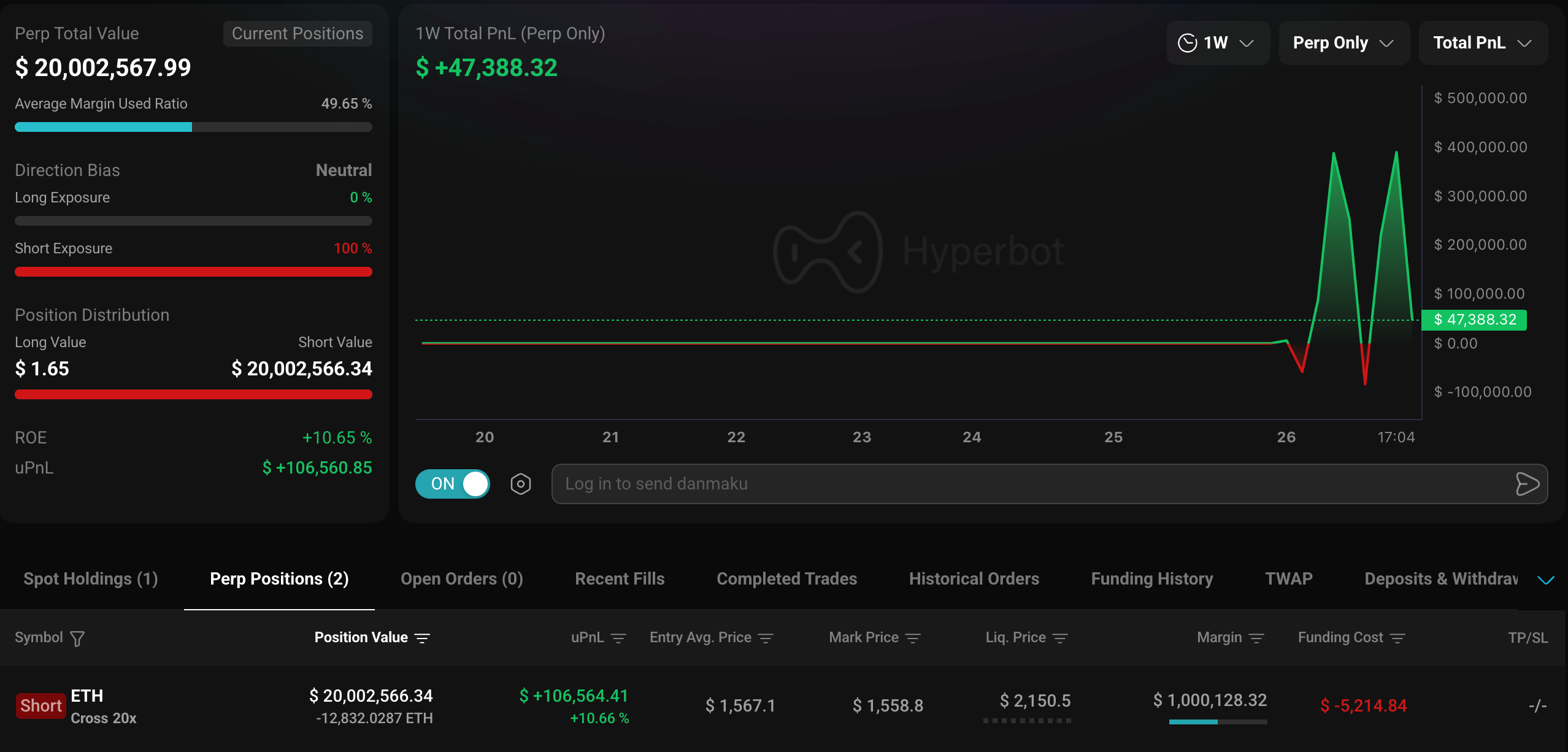
An Ethereum whale who shorted Ether (ETH) during the October 2025 crypto crash has returned after eight months of silence.
Key takeaways:
- Ethereum whale opens a $19.72 million 20x ETH short near the $1,500 support zone.
- ETH’s bear flag setup hints at a decline toward $1,375, which may earn the whale roughly $2.39 million in profits.
Ethereum whale opens 20x short after eight-month hiatus
On Friday, wallet ‘0xf83f…6728’ opened a 20x-leveraged ETH short worth $19.72 million as Ether reached the $1,500 support zone after dropping 18.25% over the last two weeks.
The position was opened at an average price of around $1,565, according to data resource Hyperbot. As of this press time, the whale had earned nearly $106,500 in unrealized profits as the ETH price dropped around the $1,550 area.
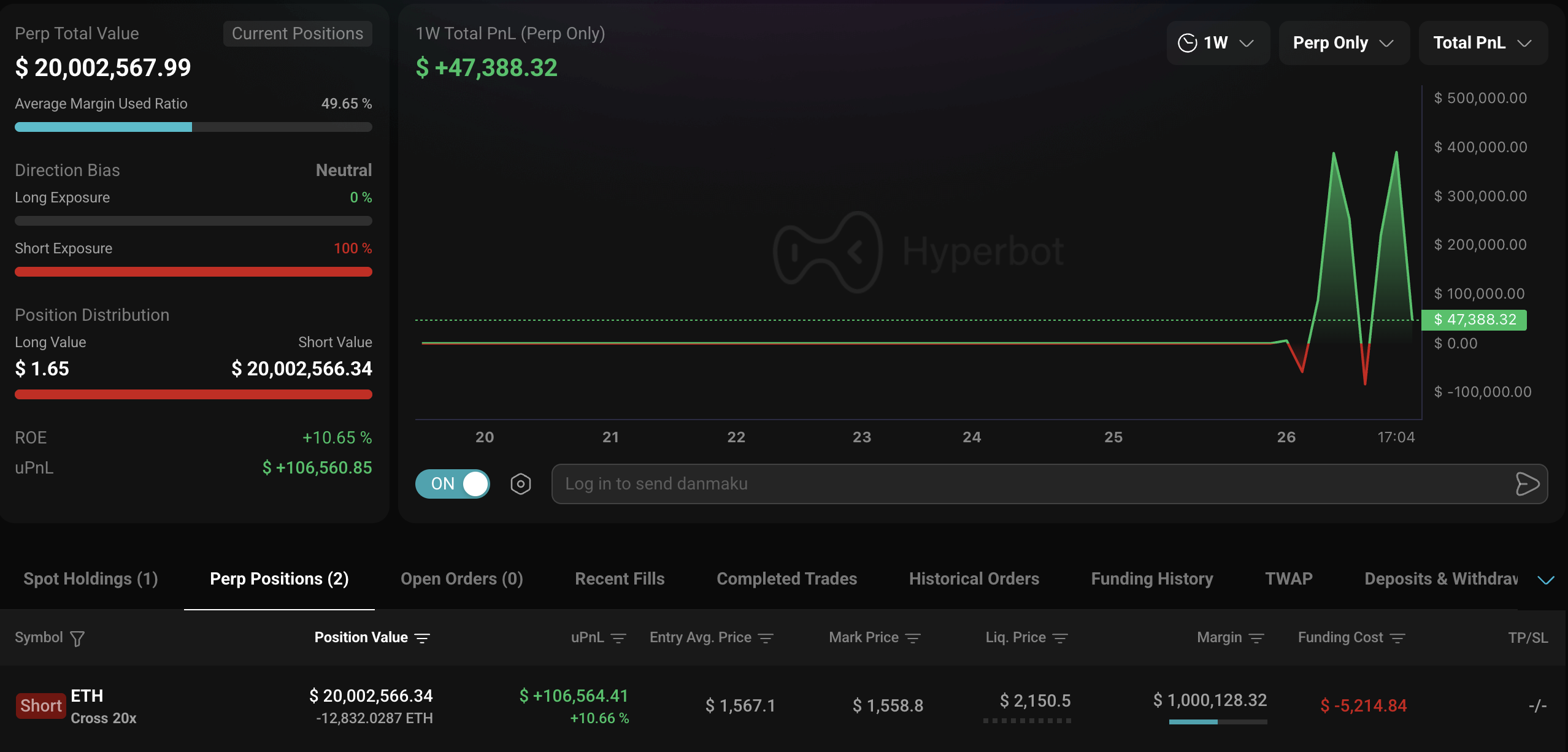
Ethereum whale’s $19.72M position status as of Friday. Source: Hyperbot
The downside sentiment in the Ethereum market has tracked a broader tech-led risk selloff, with traders cutting exposure to speculative assets as Nasdaq and chip stocks came under pressure.
Ethereum-specific sentiment has weakened further amid renewed scrutiny of the Ethereum Foundation, following reports of budget cuts, staff reductions and a wave of senior departures that have raised questions about the organization’s leadership stability.
Ether is eyeing a decline toward the $1,375 level if it continues the breakdown out of its prevailing bear flag pattern.
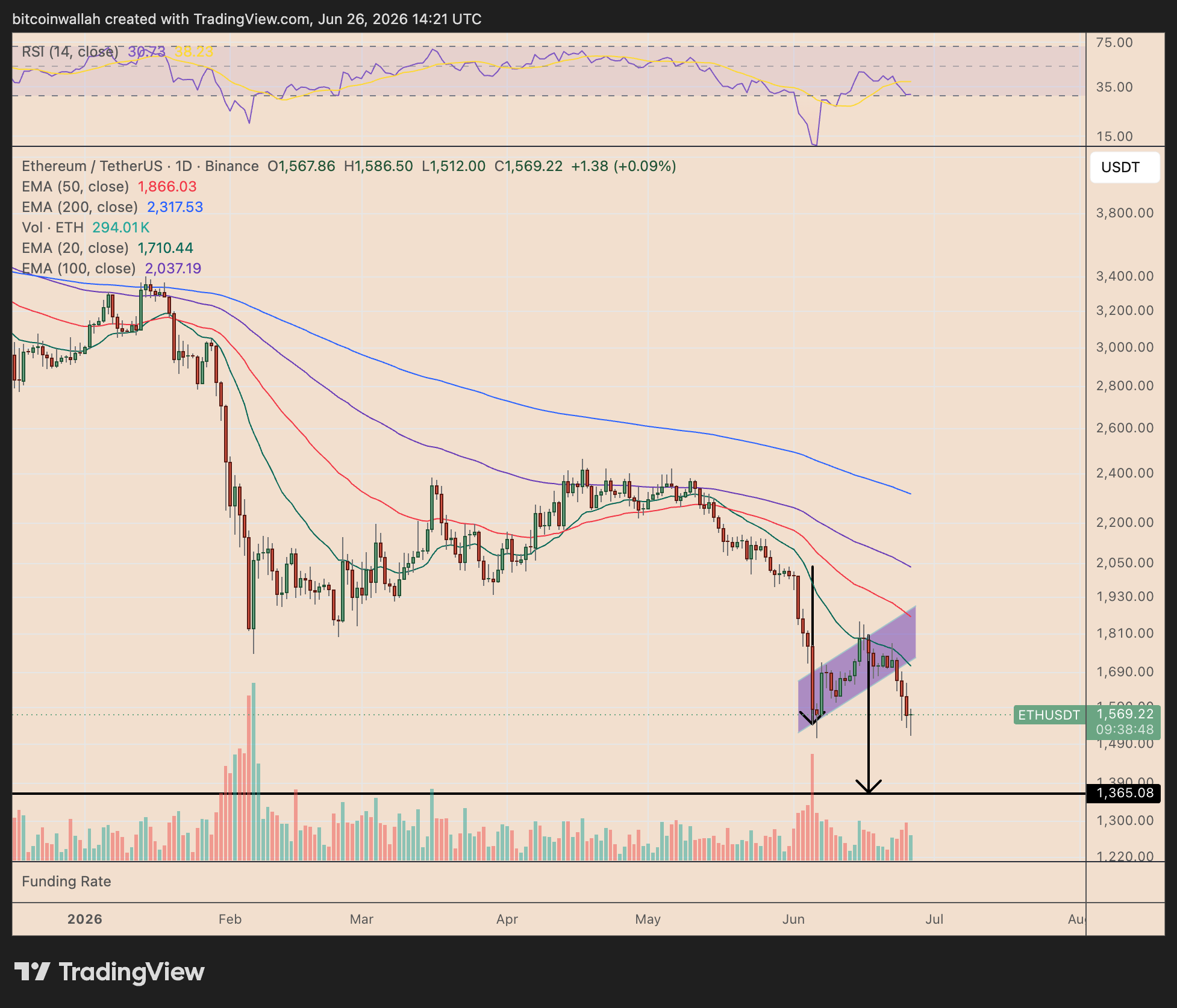
ETH/USD daily price chart tracking the bear flag breakdown setup. Source: TradingView
If ETH falls to $1,375, the whale’s unrealized profit would rise to roughly $2.39 million before fees and funding, based on the position’s approximate $1,565 entry price.
Same whale shorted ETH near October 2025 crash top
The wallet’s latest move stands out because of its trading history.
Transaction logs show that wallet ‘0xf83f…6728’ last became active on Oct. 27, 2025, when it opened an ETH short near $4,172 as volatility from the October crypto crash was easing.
Related: Are Ethereum OGs jumping ship? Here’s what the data says
The trader later closed the position near $4,133, booking $41,693 in net profit after $5,263 in exchange fees.
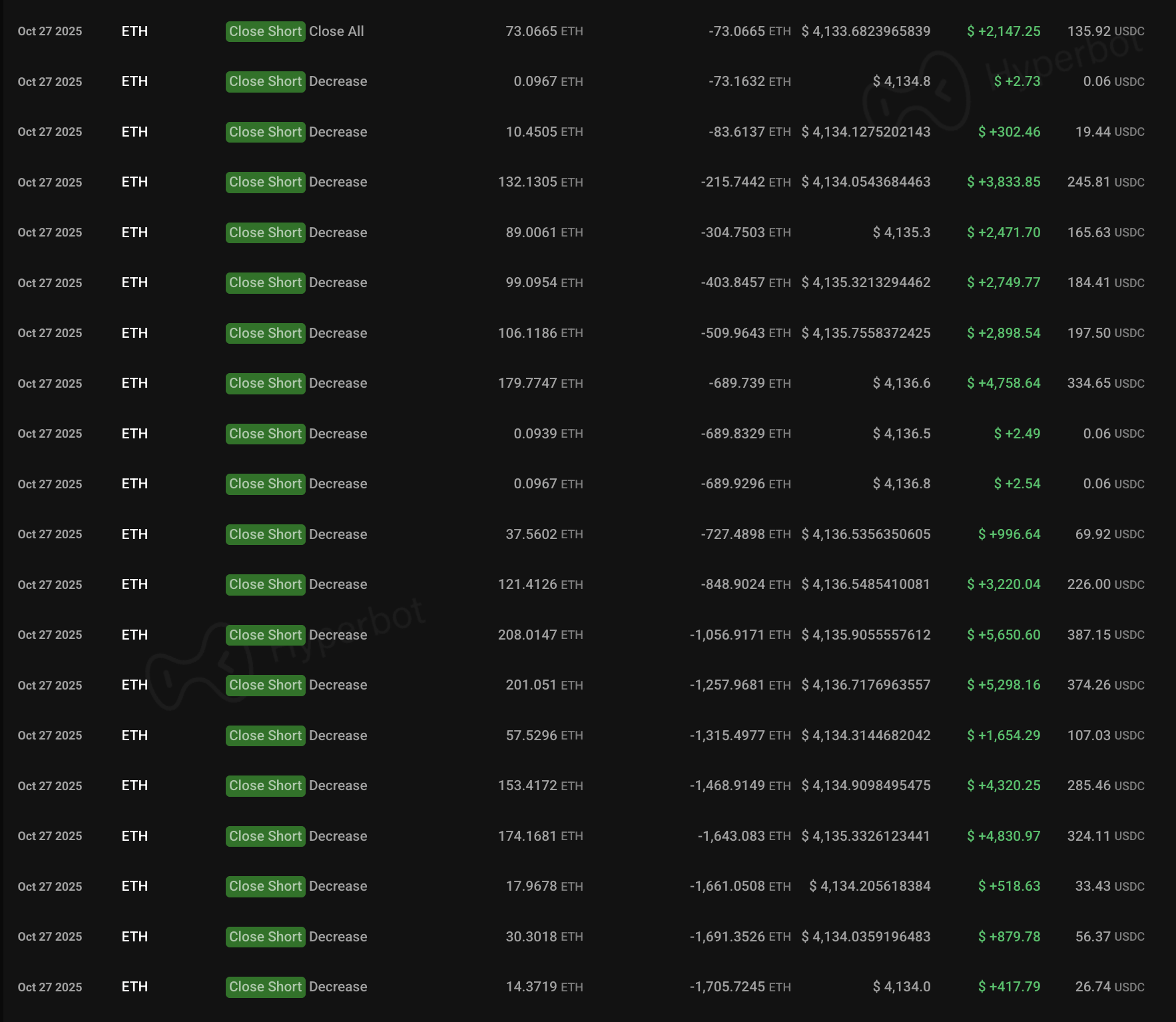
Ethereum whale’s filled ETH orders from October 2025. Source: Hyperbot
The whale’s current strategy appears similar: short ETH into weakness, use high leverage, and lean into downside momentum. The scale has changed sharply, however, since the current position carries nearly $20 million in notional exposure, making it far larger than the whale’s October 2025 trade.
ETH double bottom could threaten the whale’s short
The whale’s bearish bet is not without risk.
As of Friday, Ether’s daily chart showed a potential double bottom near the $1,500–$1,512 support area, where buyers stepped in twice in June. The setup remains unconfirmed, but a strong rebound from this zone could shift short-term momentum back toward the bulls.
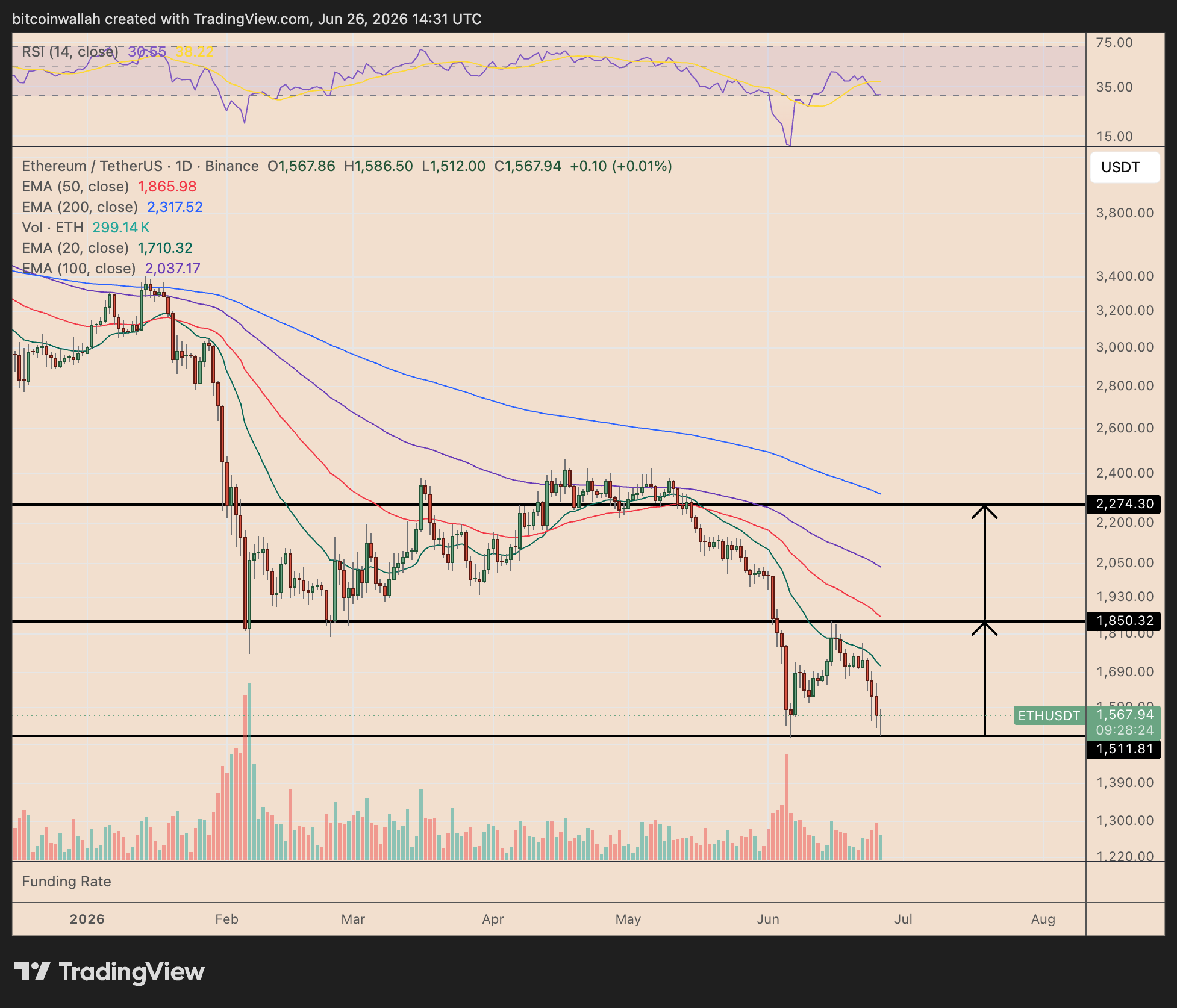
ETH/USD daily price chart tracking a potential double-bottom breakout setup. Source: TradingView
The key level to watch is the neckline near $1,850. A decisive daily close above that level would confirm the double bottom pattern and open the door to a measured rebound toward roughly $2,190, based on the distance between the neckline and the $1,512 bottom.
That would put ETH close to the whale’s liquidation zone near $2,150, meaning a confirmed bullish reversal could pressure or even wipe out the short position if the trader does not add collateral or reduce exposure.
The US Securities and Exchange Commission (SEC) and Commodity Futures Trading Commission (CFTC) have opened a joint public consultation on whether to better align portfolio margin rules across securities and derivatives markets, seeking feedback on approaches that could expand cross-margining and reduce market fragmentation.
The agencies are requesting input on cross-margining, collateral treatment, risk management, customer protections and the potential effects on market liquidity and competition. The public comment period will remain open for 60 days after the request is published in the Federal Register.
“Cross-margining offers a clear opportunity to unlock liquidity that remains frozen in separate accounts,” SEC Chair Paul Atkins said, adding that harmonizing the agencies’ frameworks could help prevent jurisdictional overlap from limiting innovation and market efficiency.
Cross-margining allows offsetting positions across different products or markets to be considered together when calculating margin requirements, rather than treating each position separately. By recognizing these offsets, companies can often post less collateral against hedged positions because margin is based on the portfolio’s overall risk rather than each position in isolation.
The SEC oversees securities and security-based swaps, while the CFTC regulates futures, swaps and commodity derivatives. As crypto exchanges and brokerages increasingly operate across both markets, the agencies’ joint review reflects the growing need for coordinated oversight.
Related: CFTC hires SEC crypto task force adviser with blockchain forensics chops
Crypto derivatives expand across regulated markets
The joint request for comment follows recent regulatory approvals that paved the way for a broader expansion of crypto derivatives offerings.
On May 29, the CFTC approved Bitcoin (BTC) perpetual futures for prediction market platform Kalshi and cleared Coinbase Financial Markets to offer eligible US institutional clients access to certain Deribit-listed crypto options and perpetual futures. Coinbase began offering that access the same day through its integration with Deribit.
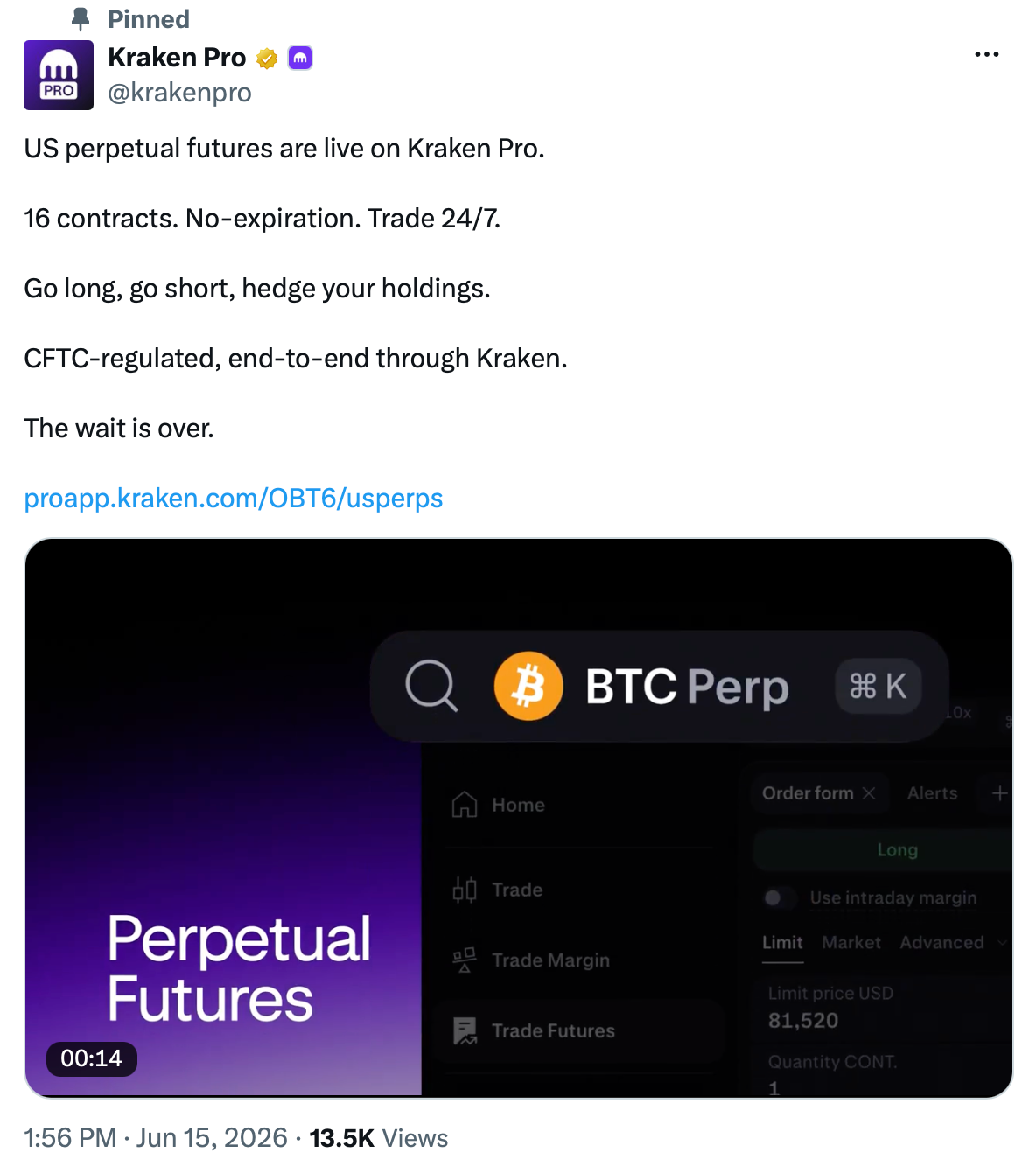
A few weeks later, Kraken launched CFTC-regulated perpetual futures for eligible US users through its recently acquired Bitnomial platform, expanding its domestic derivatives offerings beyond CME-listed crypto futures.
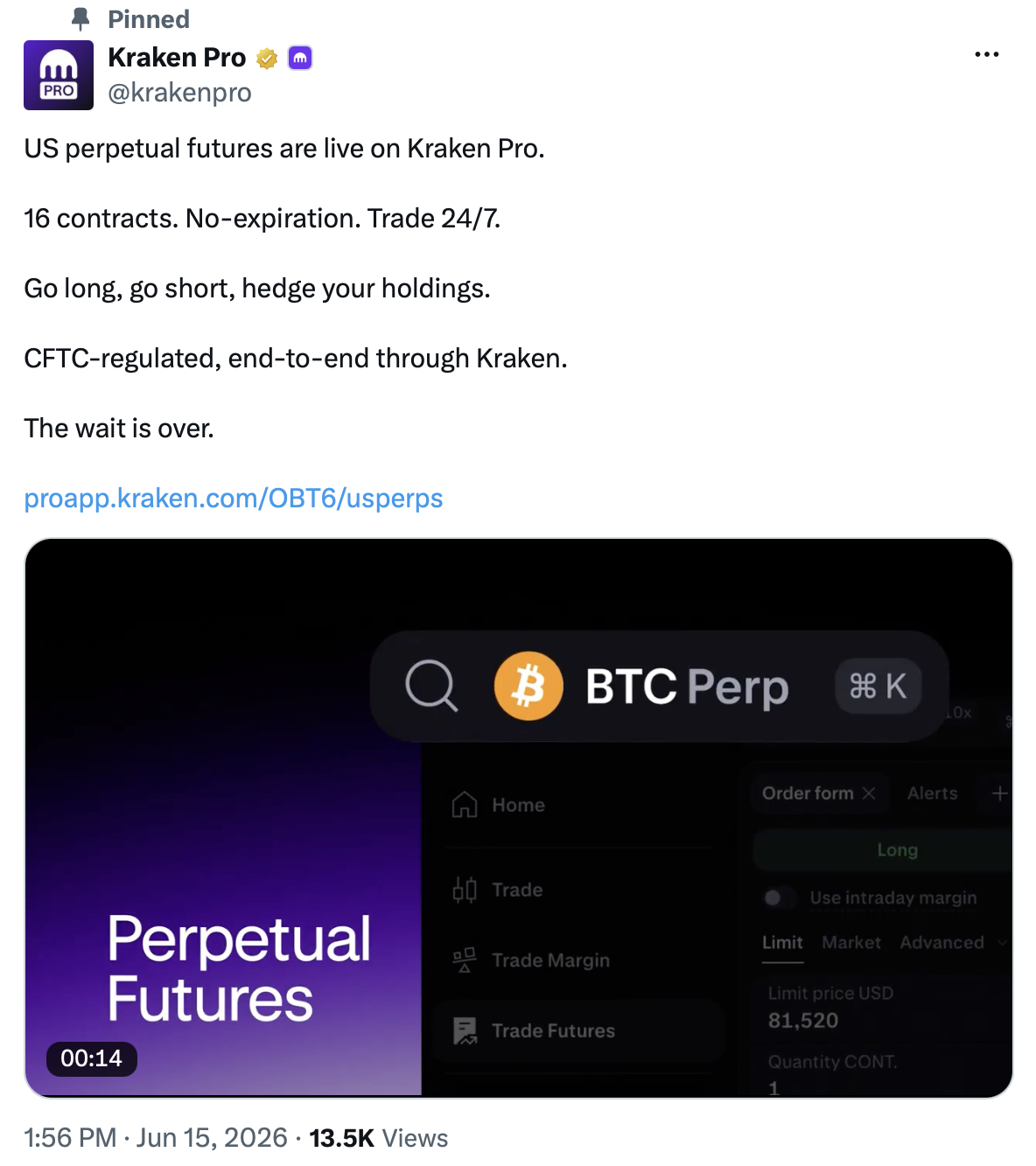
Source: Kraken Pro
The expansion of crypto derivatives in the US has also raised broader questions about whether existing regulatory frameworks remain appropriate across different markets.
Earlier this week, CFTC Chair Mike Selig said cryptocurrency perpetual futures were not a “natural fit” for traditional commodity markets such as agriculture, highlighting the challenges regulators face in applying existing frameworks across increasingly diverse asset classes.
Magazine: Bitcoin slides to $58K, XRP hits $1 but onchain data promising: Market Moves


Cardano founder Charles Hoskinson has claimed that the identity of the presumably white hat hacker who took $18.5 million worth of ADA from exposed Cardano wallet users is unknown.
In an X talk yesterday called The Bingo Hall, Hoskinson claimed that he was informed by “Jer” of what went down in a meeting between the Cardano governance firm Intersect and the developers of SecondFi, Emurgo.
A clipped snippet of the talk shows Hoskinson claiming that “A member of the Emurgo team said the identity of the white hat hacker is not known to Emurgo.” He shortly added, “or at least [Emurgo] said it is not affiliated with Emurgo.”
“That’s probably a fair representation of the statement,” Hoskinson said, before noting that it was a secondhand recollection from the meeting by Jer.
Read more: Cardano wallets drained of $2.4M after self-custody exploit
He said, “I don’t particularly care if it’s Joe Schmo, Emurgo, or a third-party, doesn’t matter to me,” noting that his only concern is how they are going to move the funds and return them to affected users.
Days before this, X users had already begun to speculate whether or not Emurgo knew who the white hat hacker was.
Now, X users are doubting whether Emurgo knew the white hat hacker, with some calling for a police investigation into the firm. Others, however, are hoping Hoskinson’s claims are just a “miscommunication.”
SecondFi claims it triggered emergency measures
SecondFi, one of the largest Cardano wallet generators, was exploited earlier this week, and 16 million ADA ($2.4 million) was reported stolen from user wallets.
However, another 129 million ADA ($18.5 million) was also taken, but SecondFi later claimed that it was the result of an emergency measure it had deployed to secure the funds.
It said, “To prevent total loss during the active exploit, emergency rescue measures were triggered to secure the available ~129m ADA and continues to be routed to an independent, qualified third-party custodian, where they are held securely for the benefit of the affected wallet addresses.”
“An external accounting firm has been engaged for a special audit to independently verify those holdings,” it added.
Intersect’s latest post on the exploit yesterday demanded “a transparent account of how the issue arose, of the emergency measures taken to protect user assets, including the movement of at-risk funds to custody, and of how those assets, which include CNTs and NFTs as well as ada, will be safeguarded and returned.”
Intersect stresses Cardano blockchain isn’t broken
Intersect stressed that the exploit has nothing to do with the Cardano blockchain itself.
However, it noted that the implications of the exploit may impact the flow of ADA across the ecosystem.
SecondFi’s latest statement claims it took a final balance snapshot today and estimates thait will return lost user assetsed in two weeks’ time.
Read more: Hoskinson wants to save Cardano’s rep by leaving X for Discord safespace
This isn’t guaranteed, and the firm noted that it is still trying to reach a “working solution” before it proceeds to test and review the asset return process.
It still advises users not to move to new wallets and warns, “Independent actions taken outside of official guidance create additional risks, and may significantly complicate the asset claims process.”
Protos has reached out to Emurgo for comment and will update this piece should we hear anything back.
Got a tip? Send us an email securely via Protos Leaks. For more informed news and investigations, follow us on X, Bluesky, and Google News, or subscribe to our YouTube channel.
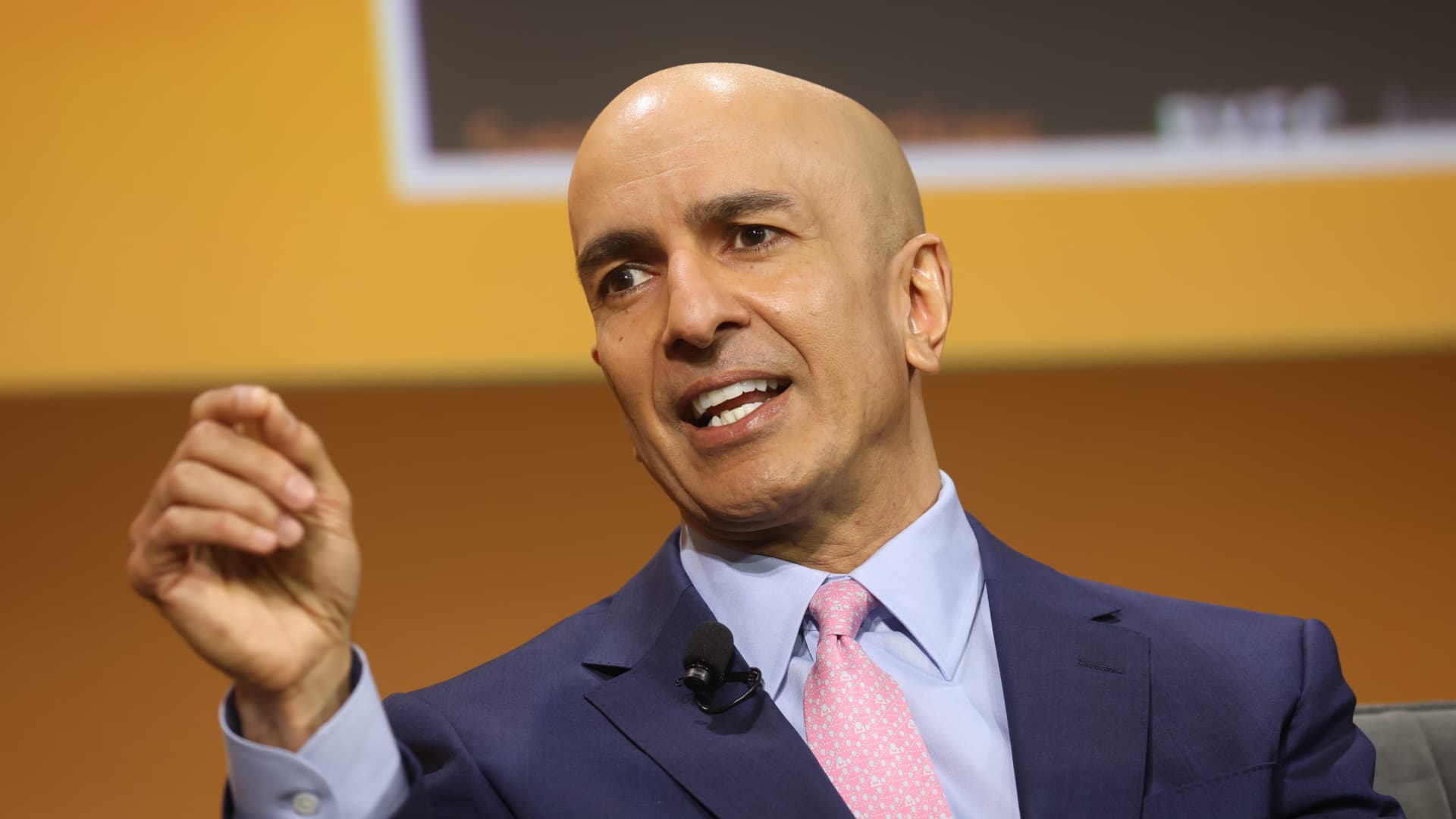
Neel Kashkari, president and chief executive officer of the Federal Reserve Bank of Minneapolis, during the Bloomberg Invest event in New York, US, on Tuesday, March 3, 2026.
Michael Nagle | Bloomberg | Getty Images
Minneapolis Federal Reserve President Neel Kashkari said Friday he has changed his outlook and now expects that one interest rate increase will be necessary this year.
In remarks just over a week after the Federal Open Market Committee voted to hold its benchmark rate steady, Kashkari said he sees a hike as likely this year as the economy continues to feel the hit from spiking inflation tied to fighting in the Middle East and other factors.
“In March, I had penciled in one rate cut by the end of the year. In June, I’ve changed that to one rate hike by the end of the year,” the policymaker said during a panel discussion at the Aspen Ideas Festival. “It’s a pencil, and so we’re going to have to see how the data comes in.”
A Commerce Department report earlier this week showed that the headline inflation rate as gauged by the Fed’s preferred measure rose to 4.1%, the highest since April 2023. Stripping out food and energy costs, core inflation was at 3.4%, also marking a high since October 2023.
Inflation has been above the Fed’s 2% goal for five years.
Kashkari said his approach to rates has shifted as he remains skeptical that the energy price-induced cost surges will abate soon as unease continues in the Middle East. President Donald Trump charged Friday that Iran has violated a ceasefire agreement.
“I don’t trust Iran to honor whatever agreement has been made,” he said. “There’s some evidence of overnight that they’re already reneging on it, so I certainly am not seeing all clear coming out of the Middle East, and that makes me cautious about feeling too good that the worst is behind us.”
While much of the inflation surge has been blamed on oil prices, Kashkari cited other factors.
“The inflation is being driven by supply dynamics, so whether it’s tariffs pushing up the price of goods that we buy from abroad, it’s the fertilizer that’s been disrupted because of the Strait of Hormuz and energy and oil prices from the Strait of Hormuz,” he said. “Then it’s also being driven by massive investment, hundreds of billions of dollars a year into data centers and all of the associated infrastructure that goes with that. Anything that touches those sectors, the prices are skyrocketing on those parts of the economy.”
Early comments from policymakers coming out of the Fed meeting suggest mixed views on the FOMC, of which Kashkari is a voting participant this year.
On Thursday, New York Fed President John Williams said he expects inflation to ease and he sees current policy well-positioned for current dynamics. At the same time, Chicago Fed President Austan Goolsbee told CNBC that he remains concerned about inflation but declined to speculate on where he sees rates heading.
Correction: Kashkari’s remarks were delivered Friday. An earlier version misstated the date.


Securitize, one of the largest providers of tokenization infrastructure for Wall Street, expects to raise about $400 million as it prepares to go public through a merger with a Cantor Fitzgerald-backed special purpose acquisition company.
The company said Friday that, following lower-than-expected shareholder redemptions, the business combination with Cantor Equity Partners II (CEPT) is expected to generate roughly $400 million in gross proceeds, including private investment in private equity (PIPE) financing.
CEPT was 8% higher following the news.
The transaction is scheduled to close on July 1, pending shareholder approval on June 29 and other customary closing conditions. The combined company is expected to begin trading on the New York Stock Exchange the following day under the ticker SECZ.
Tokenization — the process of representing assets such as funds, bonds and private credit on blockchain networks — has become one of Wall Street’s fastest-growing digital asset initiatives. The market for tokenized real-world assets has grown to more than $30 billion excluding stablecoins, according to rwa.xyz, while Boston Consulting Group and Ripple project it could reach $18.9 trillion by 2033.
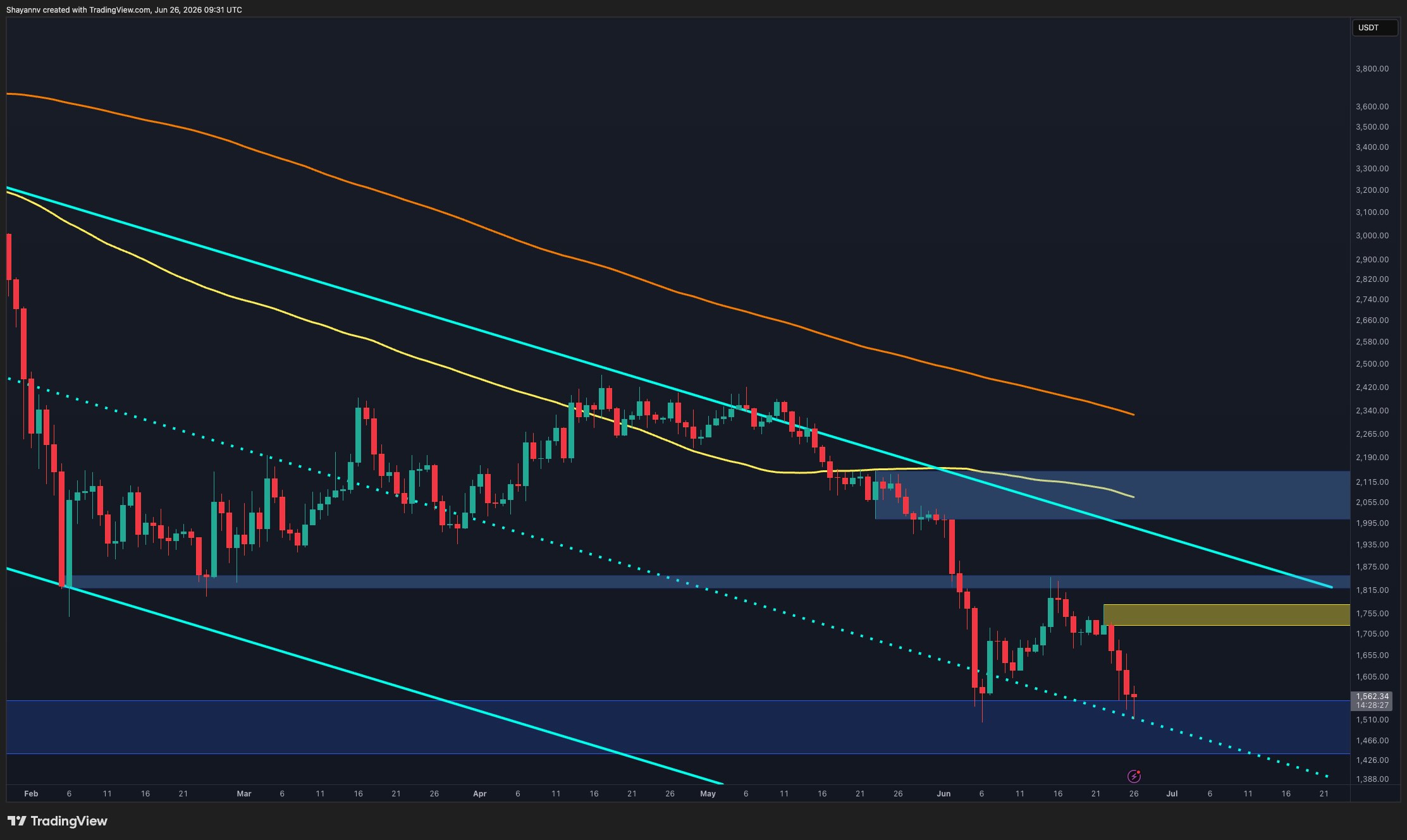
Ethereum remains under heavy selling pressure after another rejection at a key resistance level, with the latest decline pushing the asset back toward a major demand zone. While buyers are attempting to stabilize the price around support, the broader trend remains firmly bearish as ETH continues to trade below all major moving averages.
Ethereum Price Analysis: The Daily Chart
On the daily timeframe, Ethereum continues to print lower highs and lower lows while trading beneath the 100-day, 200-day, and long-term descending trendline, confirming that sellers remain in full control of the broader structure.
The recent recovery stalled precisely below the $1.72K to $1.78K supply zone before bearish momentum resumed. That rejection has now driven ETH back into the key support region around $1.46K to $1.56K, where buyers are once again attempting to defend the market.
This support zone has produced another reaction, but so far the rebound remains weak and has failed to alter the overall bearish structure. As long as Ethereum remains below the $1.72K to $1.78K resistance area, rallies are likely to be viewed as corrective rather than the beginning of a trend reversal.
A decisive loss of the current demand zone would expose the market to another leg lower, while reclaiming the nearby resistance would be the first indication that bearish momentum is beginning to fade.
ETH/USDT 4-Hour Chart
The 4-hour chart highlights the recent rejection at the $1.72K to $1.78K resistance zone, triggering another sharp decline toward the lower boundary of the established range.
Following that sell-off, ETH has bounced modestly from the $1.50K to $1.53K support area, suggesting buyers remain active around this demand zone. However, the asset continues to trade near the bottom of the broader consolidation range, while every recovery attempt has so far produced another lower high.
The current structure suggests Ethereum may continue consolidating between approximately $1.52K and $1.75K in the near term. The lower boundary remains the critical level to watch, as another breakdown below support could accelerate bearish momentum, whereas reclaiming the upper resistance would improve the short-term outlook and open the door for a stronger recovery.

Sentiment Analysis
The Exchange Netflow chart shows a notable increase in ETH moving onto exchanges over the most recent sessions, with the 14-day moving average of netflows turning sharply positive.
Historically, sustained positive exchange netflows indicate that more coins are being transferred to trading venues, often reflecting rising selling pressure or a greater willingness among holders to distribute their assets. This shift has coincided with Ethereum’s latest decline toward the $1.5K area.
Although exchange inflows alone do not guarantee additional downside, the recent surge suggests that supply entering exchanges remains elevated. Unless netflows begin to moderate while price stabilizes around the current demand zone, the on-chain data continues to favor a cautious outlook and supports the possibility of continued weakness before a more durable recovery can develop.

The post Any ETH Rebound Remains Corrective Below This Key Level: Ethereum Price Analysis appeared first on CryptoPotato.
XRP remains under sustained selling pressure, with the broader trend continuing to favor the sellers. The USDT chart shows the price on the verge of breaking a major support area after another leg lower, while the XRP/BTC pair has also slipped back toward a key floor, highlighting the token’s ongoing weakness against Bitcoin.
Ripple Price Analysis: The USDT Pair
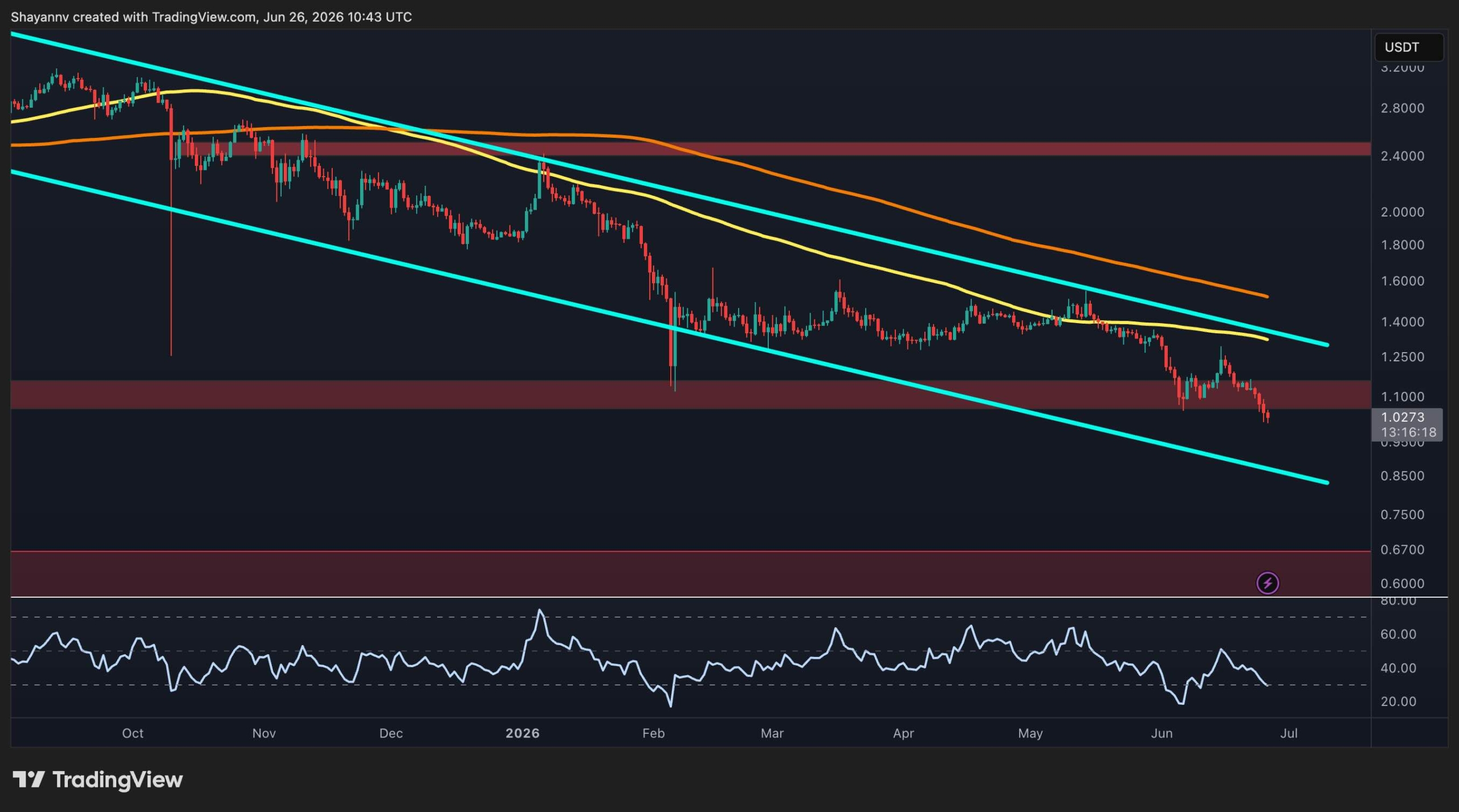
On the USDT pair, XRP has extended its long-term downtrend while respecting a descending channel that has capped the price action for several months. The asset is currently trading around $1.04 after almost losing the key $1.10 support zone, which has now turned into immediate resistance.
The asset also remains below the 100-day and 200-day moving averages, with the 100-day sitting near $1.25 and the 200-day around $1.5. Both averages continue to slope downward, reinforcing the bearish market structure. Meanwhile, the upper boundary of the descending channel is converging with these moving averages, creating a strong resistance cluster that buyers would need to reclaim before any meaningful trend reversal could be considered.
On the downside, the current support zone around $1.00 is being tested. A confirmed breakdown below this area could expose the next major demand region around $0.60. Momentum also continues to deteriorate, with the RSI falling toward the oversold territory, which suggests bearish pressure remains dominant even though short-term relief bounces cannot be ruled out.
As long as XRP remains below the descending channel resistance and the major moving averages, the broader market structure continues to favor sellers despite the recent stabilization.
The BTC Pair
Against Bitcoin, XRP is also trading inside a well-defined descending channel. This shows persistent relative weakness throughout the past several months. The pair is currently trading around 1,720 sats while sitting directly on a horizontal support level that has repeatedly attracted buyers since May.
However, the broader technical picture remains bearish. The price is trading below both the 100-day and 200-day moving averages, which are located around 1,850 sats and 2,000 sats, respectively, while both averages continue to trend lower. As a result, any recovery attempt is likely to encounter heavy resistance around the 1,850 to 2,000 sats region, followed by the upper boundary of the descending channel.
If the current support at roughly 1,700 sats fails to hold, sellers could target the lower boundary of the channel near the 1,500 sats area. Conversely, defending this level could allow for another short-term rebound toward the channel resistance, although the overall structure would remain bearish unless XRP manages to reclaim the major moving averages and establish higher highs.

The post Ripple Price Analysis: How Likely Is a Crash to $0.60 as XRP Tests $1 Support? appeared first on CryptoPotato.


Recently, United States Vice President JD Vance reportedly joined a dinner with donors, including Brian Armstrong, as part of his efforts to fundraise for the Republican Party.
The dinner was held at the home of All-In podcast host Chamath Palihapitiya and included approximately two dozen donors, including Lip-Bu Tan, the chief executive of Intel.
This fundraising dinner reportedly raised approximately $4.2 million, with Axios reporting that donors each paid $250,000.
Read more: Bitcoin bull Palihapitiya reckons ‘nobody cares’ about Uyghur genocide
Vance is the Republican National Committee (RNC) finance chair, a role that is allowing him opportunities to get face time with donors before a likely 2028 presidential campaign.
Armstrong has become an increasingly important political donor, contributing to the cryptocurrency-related Super PACs as well as contributing to a variety of different political candidates.
Armstrong has also met repeatedly with President Donald Trump.
Read more: Crypto lobbyists are busy preparing for the 2024 election
This aggressive move into politics from Armstrong comes after the infamous Coinbase blog post; Coinbase is a mission focused company.
This blog post/manifesto made it clear that Coinbase should not “advocate for any particular causes or candidates internally that are unrelated to our mission.”
It further added internal company policies to limit workplace communication about politics, limiting speech that would “debate causes or political candidates internally that are unrelated to work.”
However, Armstrong apparently feels that this limitation does not prevent him from throwing his wealth around to support politicians who he can convince himself are related to Coinbase’s mission.
Got a tip? Send us an email securely via Protos Leaks. For more informed news and investigations, follow us on X, Bluesky, and Google News, or subscribe to our YouTube channel.
President Trump canceled a scheduled signing ceremony for the bipartisan 21st Century ROAD to Housing Act on Wednesday, conditioning his signature on Congress first passing unrelated voter-ID legislation. The bill, which passed both chambers with veto-proof margins and includes a four-year ban on a… Read the full story at The Defiant

Manchester Airport brother sentencing RECAP as Mohammed Fahir Amaaz JAILED for three-and-a-half years after ‘cowardly’ attack
Form 4 Kaltura Inc For: 26 June
Eric André says “Little Brother ”director 'wasn't thrilled' by his antics in sex scene with elderly actors


-

 Entertainment6 days ago
Renter of Home in Anne Heche Crash Denies Settlement With Son
-
 Sports3 days ago
Two goals and an assist by sheer aura: Cristiano Ronaldo just entered the World Cup chat
-

 Tech4 days ago
Microsoft accidentally kills epic Outlook email threads
-

 Business6 days ago
Soccer-U.S. defends Iran World Cup travel restrictions, says discussions ongoing
-

 Politics12 hours ago
The House | Manchesterism won’t survive the painful trade-offs unless it gets citizens on board
-

 Politics6 days ago
Andy Burnham and the meaning of Makerfield
-

 Politics16 hours ago
Potential 2028er World Cup attendee leaderboard
-

 Tech23 hours ago
A Look At A Gaggle Of Transputer Boards
-
Crypto World3 days ago
Bitcoin (BTC) Dips Below $62K, Ethereum (ETH) Plunges 6% Daily: Market Watch
-

 Crypto World2 days ago
Securitize Wraps Roubini's SEC-Registered ETF as Dubai VARA Digital Security
-
 Crypto World1 day ago
Dell (DELL) Shares Tumble Over 5% Following Analyst Downgrade to Hold
-
Business3 days ago
Entergy settles forward sale agreements, raises $672 million in cash proceeds
-
 Business7 days ago
Wall Street Week Ahead: Investors see Micron earnings as pulse check of AI rally momentum
-
 Crypto World6 days ago
Can Charles Hoskinson Really Rescue Cardano?
-

 Business11 hours ago
Asia stock markets slide as tech shares slump
-

 Entertainment7 days ago
Jose Alvarado Wants Taylor Swift at More Knicks Games
-

 Crypto World7 days ago
HIVE shares jump as $220M AI deal speeds Bitcoin mining pivot
-
 Crypto World4 hours ago
Hyperliquid Named on Singapore MAS Investor Alert Register
-

 Crypto World6 days ago
Jake Chervinsky accuses CME of protecting derivatives monopoly
-
 Tech5 days ago
Signal’s Meredith Whittaker says AI chatbots ‘are not your friends’ and calls Copilot agents a backdoor
You must be logged in to post a comment Login