
Crypto World
NYC Mayor Mamdani knocked Ken Griffin in pied-a-terre tax promo. His firm calls the move ‘shameful’


Citadel CEO Ken Griffin speaks during the Semafor World Economy Summit 2025 at Conrad Washington on April 23, 2025 in Washington, DC.
Kayla Bartkowski | Getty Images
Citadel rebuked New York City Mayor Zohran Mamdani for singling out Chief Executive Officer Ken Griffin in a push for a new pied-à-terre tax, escalating a public dispute over how aggressively New York should target wealthy non-resident homeowners.
In a social media video filmed outside Griffin’s residence at 220 Central Park South and timed to tax day, Mamdani unveiled a proposed levy that would impose an annual surcharge on one- to three-family homes, condominiums and co-ops valued above $5 million when the owner’s primary residence is outside New York City.
Citadel denounced the mayor’s move with Chief Operating Officer Gerald Beeson saying in an internal memo obtained by CNBC that targeting Griffin showed “ignorance and disdain” toward contributors to the city’s economy.
“It is shameful that he used Ken’s name as the example of those who supposedly aren’t carrying their fair share of the burdens associated with New York City’s often costly and wasteful spending,” Beeson wrote. “In doing so, the mayor has once again manifested the ignorance and disdain of the elite political class towards those who have been consistently committed to building one of the greatest cities in the world.”
Beeson said Citadel’s principals and employees — including non-residents — have paid nearly $2.3 billion in New York city and state taxes over the past five years. He also pointed to the firm’s planned redevelopment of 350 Park Avenue, a project expected to generate about 6,000 construction jobs and more than 15,000 permanent roles, with spending projected to exceed $6 billion.
Griffin moved Citadel headquarters from Chicago to Miami in 2022 and he has made Florida his primary residence.
The memo also highlighted that nearly 200 Citadel employees serve on boards of New York charitable institutions, while Griffin himself has directed roughly $650 million in philanthropic donations to the city.
“We understand that our hard work and success will, on occasion, make us targets for political rhetoric. But it should not diminish the pride we take in building firms that will continue to help New York City thrive for decades ahead,” Beeson wrote.
The Wall Street Journal first reported on the memo earlier Thursday.


TLDR:
- Coinbase’s Quantum Advisory Board named Algorand and Aptos the most quantum-prepared layer-1 blockchains in April 2026.
- Algorand deployed its first live post-quantum transaction using Falcon-1024 signatures on mainnet in November 2025.
- Algorand’s consensus layer still relies on classical Ed25519 signatures, leaving it short of full quantum resistance today.
- ALGO surged roughly 50% in early April after Google’s Quantum AI paper cited Algorand 32 times in March 2026.
Algorand is drawing renewed attention as one of the few major blockchains with live post-quantum cryptography on mainnet.
A Coinbase Quantum Advisory Board paper released April 21 named Algorand and Aptos as the two layer-1 networks best prepared for the quantum shift. Bitcoin, Ethereum, and Solana remain in planning or early-transition stages.
The 50-page report was produced by researchers from Stanford, UT Austin, the Ethereum Foundation, and several other institutions. It is the board’s first formal position paper on quantum computing and blockchain.
What Algorand Has Already Deployed Against Quantum Threats
Algorand’s post-quantum work dates to 2022 with the rollout of State Proofs. These compact certificates attest to the ledger’s state every 256 rounds using Falcon signatures.
Falcon is a lattice-based scheme that NIST has formally standardized. The chain’s historical record has therefore carried quantum-secured attestations for roughly four years.
The more operationally significant step came on November 3, 2025. The Algorand Foundation executed the first post-quantum transaction on live mainnet using Falcon-1024 signatures.
That transaction moved a real asset on a public blockchain, not a testnet. No hard fork was required to make it happen.
Falcon verification was added as a native primitive inside the Algorand Virtual Machine. Users generate a Falcon keypair and spend funds through a logic signature.
The Foundation also released a Falcon Signatures CLI so developers can do the same. That tool removes the need for builders to write their own cryptographic code from scratch.
The Coinbase board noted that Algorand lets users create quantum-resistant accounts without a protocol-wide migration.
That design stands in contrast to networks requiring large, coordinated transitions. It places Algorand meaningfully ahead of most layer-1 competitors on this specific measure.
As the board put it, “@Algorand is one of very few major layer-1s with real, working post-quantum tools in production, not roadmap commitments. That is a defensible lead. Not a finished job.”
Where Algorand Still Falls Short on Full Quantum Resistance
Despite its progress, Algorand is not fully quantum-resistant today. The protections in place cover the ledger’s history and user-level transactions.
However, the core of consensus remains classical. Block proposals and committee voting still depend on Ed25519 signatures.
Validator selection also uses a non-post-quantum Verifiable Random Function. The Coinbase board flagged this gap directly in its April 21 report, titled “Quantum Computing and Blockchain.”
Algorand’s own post-quantum technology page acknowledges the same limitation. The protocol team has publicly stated these components are next on the upgrade list.
Chris Peikert, Algorand’s Chief Scientific Officer, has led much of this research. His foundational work contributed directly to Falcon’s cryptographic design.
The network was built with cryptographic agility, meaning primitives can be swapped without a full rebuild. That structural flexibility gives Algorand room to close the remaining gap.
The market has responded to this growing post-quantum profile. ALGO rallied roughly 50% in early April after Google’s Quantum AI paper referenced Algorand 32 times on March 31.
The token was trading near $0.10, with a market cap of around $914 million, on April 22. Whether the “one of few” label holds will depend on whether consensus upgrades arrive in 2026 or 2027, as the team has indicated.

The U.S. Department of Justice arrested a Master Sergeant with the Army on allegations he placed wagers on the raid of Nicolas Maduro ahead of participating in the operation to detain former Venezuelan leader.
The DOJ unsealed an indictment Thursday charging Gannon Ken Van Dyke with the unlawful use of confidential government information for personal gain, theft of nonpublic government information and fraud charges, alleging he used his knowledge of the forthcoming raid on Venezuela to place $33,000 in bets, winning about $400,000 after the raid.
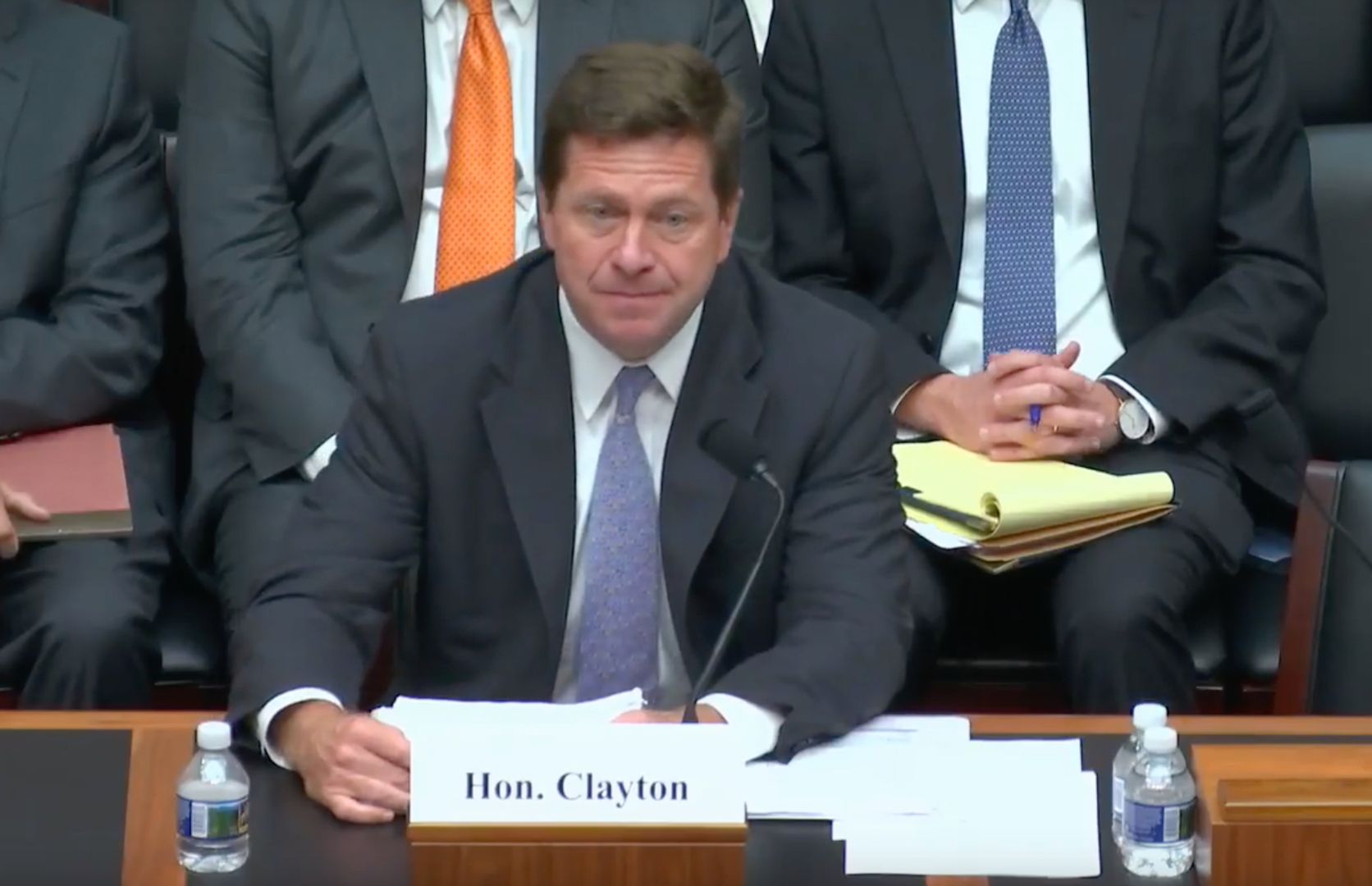
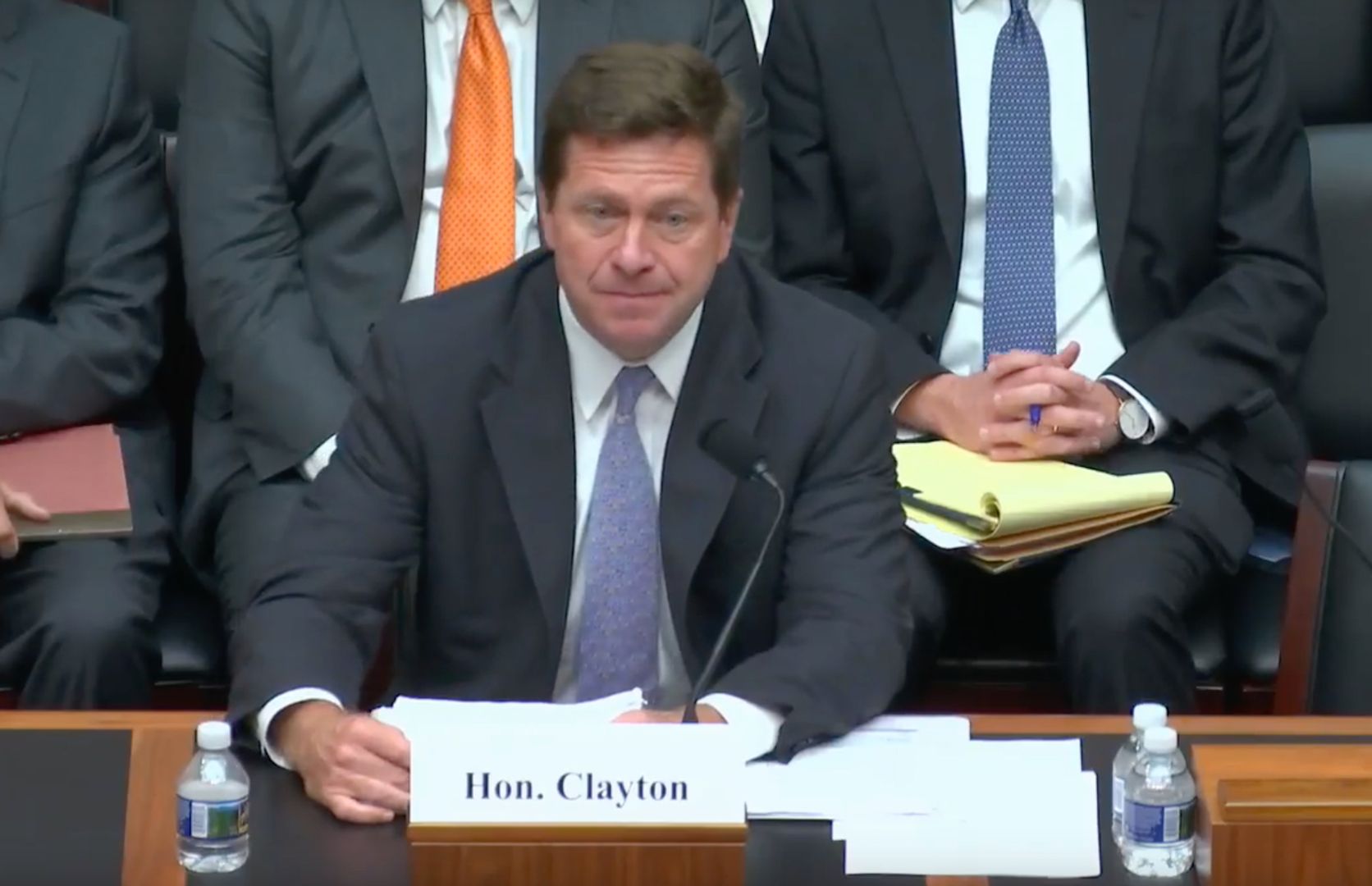
“The defendant allegedly violated the trust placed in him by the United States Government by using classified information about a sensitive military operation to place bets on the timing and outcome of that very operation, all to turn a profit,” U.S. Attorney Jay Clayton said in a statement. “That is clear insider trading and is illegal under federal law.”
Van Dyke allegedly created a Polymarket account on Dec. 26, 2025 and placed 13 bets through Jan. 2, 2026 on contracts expecting whether U.S. forces would land in Venezuela, remove Maduro, invade Venezuela and similar contracts.
Van Dyke is also an active duty soldier with the Army’s special forces, based out of Fort Bragg. According to the indictment, he “was involved in the planning and execution” of the military operation to detain Maduro.
After the raid, Van Dyke allegedly withdrew the funds, converted the winnings to a bridged version of USDC, sent them to “a foreign cryptocurrency ‘vault’” and then began withdrawing funds and moving them into a brokerage account, the filing said.
The filing noted that the fact someone had made a massive profit on these Polymarket bets had been noticed by news organizations, and alleged that Van Dyke asked Polymarket to delete his account and changed his email to conceal his identity.
Deloitte and Touche LLP has completed a SOC 2 Type 2 examination for Chainlink’s CCIP and Data Feeds, making Chainlink the only data and interoperability oracle platform in the blockchain industry to hold SOC 2 Type 2, SOC 2 Type 1, and ISO/IEC 27001:2022 certifications simultaneously, the full stack of security credentials that institutional risk teams require before deployment.
Summary
- Deloitte and Touche LLP completed a SOC 2 Type 2 examination for Chainlink CCIP and Data Feeds on April 21, 2026, announced by Chainlink via X on April 21.
- The certification covers Chainlink Price Feeds, SmartData feeds including Proof of Reserve and Net Asset Value, and the Cross-Chain Interoperability Protocol.
- Chainlink is now the only crypto oracle platform to hold all three major institutional security certifications: SOC 2 Type 2, SOC 2 Type 1, and ISO/IEC 27001:2022.
Chainlink announced on X that Deloitte and Touche LLP has completed a SOC 2 Type 2 examination for Chainlink CCIP and Data Feeds, including Price Feeds and SmartData feeds such as Proof of Reserve and Net Asset Value. The examination was performed in accordance with attestation standards established by the American Institute of Certified Public Accountants, the same regulatory standard used across the traditional financial services industry.
Chainlink SOC 2 Type 2 Deloitte Certification Completes the Full Institutional Security Stack
SOC 2 Type 2 is distinct from Type 1 in a critical way: where Type 1 evaluates whether security controls are designed correctly, Type 2 evaluates whether those controls actually operate effectively over a sustained period of time. For institutional risk teams, legal departments, and compliance officers at banks and asset managers, that operational verification is the one they require before approving deployment of any technology vendor. Chainlink previously achieved SOC 2 Type 1 attestation and ISO/IEC 27001:2022 certification, establishing a compliance benchmark no other oracle platform had reached. The Type 2 result now closes the final gap between Chainlink’s compliance posture and the requirements of the most conservative institutional buyers in traditional finance. As crypto.news reported, CCIP has been averaging approximately $90 million in weekly token transfers and Chainlink’s oracle infrastructure has enabled over $28 trillion in cumulative transaction value, providing a production track record that the Type 2 certification now formally validates through an independent third party.
What the Certification Unlocks for Institutional Deployment
SOC 2 Type 2 attestation from a Big-4 accounting firm is not a technical upgrade, it is a procurement unlock. Large financial institutions including banks, asset managers, pension funds, and insurance companies operate under vendor due diligence frameworks that require external attestation of security controls before any third-party technology can be approved for production use. An internal security claim from a blockchain protocol carries no weight in that process. A Deloitte attestation does. As crypto.news documented, the tokenized real-world asset sector hit $27 billion in 2026, with Chainlink positioned as the primary oracle infrastructure for the growing pipeline of institutions tokenizing equities, funds, and bonds on-chain. The SOC 2 Type 2 result strengthens that position by removing the final compliance objection that regulated institutions commonly raise against blockchain technology vendors. Institutions already using Chainlink, including Swift, Euroclear, JPMorgan, UBS, and Fidelity International, operate under exactly the compliance frameworks the Type 2 attestation addresses.
LINK Price Has Not Reflected the Fundamental Progress
Despite the certification and the broader institutional adoption narrative, LINK has remained under price pressure in 2026. As crypto.news tracked, Chainlink signed an exclusive CCIP partnership with SBI Digital Markets in late 2025, positioning itself as the cross-chain infrastructure for SBI’s full digital asset hub across issuance, settlement, and secondary trading. The SBI deal, the Deloitte certification, and the live equity data stream rollout all point in the same structural direction: Chainlink is becoming embedded in regulated financial infrastructure at a pace that most market participants are not currently pricing into LINK. The token was trading at approximately $9.17 on April 23, roughly 50% below its late 2025 highs, in a market environment where broader macro pressure from the Iran conflict has suppressed risk appetite across digital assets.
Chainlink’s next major institutional milestone is the expansion of its Data Streams product to cover equity market hours globally, with the tokenized RWA sector expected to reach well beyond $27 billion in total value as more financial institutions move from pilot to production deployment.


Présentation générale de Banzai Casino
Banzai Casino s’est imposé en France comme une plateforme de jeux en ligne complète, mêlant machines à sous, casino live et paris sportifs. Le site propose une interface claire, traduite en français, ce qui rend la navigation intuitive même pour les novices. Les fournisseurs de logiciels partenaires, comme NetEnt et Evolution Gaming, garantissent une grande variété de titres et des rendements (RTP) compétitifs. En plus du catalogue riche, Banzai met l’accent sur la sécurité grâce à une licence délivrée par l’Autorité Nationale des Jeux (ANJ).
Le modèle économique repose sur le principe du « social casino », où les joueurs gagnent des crédits virtuels échangeables contre des prix réels ou des bons d’achat. Cette approche séduit les joueurs qui recherchent le frisson du casino sans mise d’argent réel, tout en conservant la possibilité de gagner des récompenses tangibles. Le site se démarque également par ses promotions régulières, souvent ciblées selon le profil de jeu.
Inscription et vérification d’identité
L’inscription sur Banzai Casino ne prend que quelques minutes. Après avoir cliqué sur le bouton « S’inscrire », il suffit de renseigner son adresse e‑mail, choisir un mot de passe et indiquer son pays de résidence (France). Une fois le compte créé, une série d’e‑mails de confirmation vous guide vers la validation du profil. Pour profiter des bonus, il faut finaliser la procédure de vérification KYC (Know Your Customer) en téléchargeant une pièce d’identité et un justificatif de domicile.
Cette vérification est obligatoire pour respecter la législation française et prévenir les fraudes. Le processus est généralement complet en 24 à 48 heures, mais il peut être accéléré si les documents sont lisibles et conformes. En cas de doute, le service client propose une assistance par chat ou e‑mail pour aider à corriger les éventuelles erreurs de soumission.
Banzai Casino propose un « welcome bonus » attractif, souvent sous forme de crédits bonus à valider après le premier dépôt. Ce bonus est soumis à des exigences de mise (wagering requirements) généralement de l’ordre de 30x le montant du bonus. En plus du bonus d’accueil, la plateforme organise des tournois hebdomadaires, des offres de cashback et des promotions saisonnières qui augmentent la valeur perçue du jeu.
Voici un aperçu des principales offres :
| Bonus | Conditions | Exigences de mise |
|---|---|---|
| Bonus de bienvenue 100 % jusqu’à 200 € | Dépôt minimum 20 € | 30x le bonus |
| Cashback hebdomadaire 10 % | Jouer 100 € en une semaine | Pas d’exigence de mise sur le cashback |
| Tournoi de slots mensuel | Inscription gratuite, prize pool 500 € | 0x (gains réels) |
Il est crucial de lire les termes et conditions de chaque promotion pour éviter les mauvaises surprises, notamment concernant les jeux éligibles et les limites de retrait.
Méthodes de paiement et vitesse de retrait
Les dépôts sur Banzai Casino sont traités instantanément via une panoplie de moyens adaptés aux joueurs français :
- Cartes bancaires (Visa, Mastercard)
- Portefeuilles électroniques (Skrill, Neteller)
- Virements bancaires SEPA
- Prepaid cards (Paysafecard)
Les retraits sont généralement exécutés en 1 à 3 jours ouvrés, selon la méthode choisie. Les portefeuilles électroniques offrent les délais les plus courts, parfois en moins de 24 heures, tandis que les virements SEPA peuvent prendre jusqu’à 48 heures. Banzai applique un plafond de retrait quotidien, mais ce plafond augmente après que le joueur a prouvé son identité.
Catalogue de jeux : machines à sous, live casino et paris sportifs
Le cœur de Banzai Casino réside dans son catalogue de jeux diversifiés. Les machines à sous représentent la majorité de l’offre, avec des titres à volatilité variable, des RTP allant de 94 % à 98 %. Les jeux de table classiques, comme le blackjack et la roulette, sont également présents, ainsi que des variantes de vidéo poker.
Le casino live, propulsé par Evolution Gaming, propose des tables animées par de vrais croupiers, offrant une immersion proche d’un vrai casino. En plus du casino, Banzai a intégré une section de paris sportifs couvrant les grands championnats européens, les compétitions de tennis, et même les e‑sports. Cette combinaison rend la plateforme attrayante pour les joueurs qui aiment varier leurs activités.
Application mobile et expérience sur tous les écrans
L’expérience mobile de Banzai Casino est fluide, grâce à une application disponible sur iOS et Android. L’application conserve toutes les fonctionnalités du site desktop, y compris l’accès aux bonus, aux dépôts instantanés et aux jeux en direct. L’interface tactile est optimisée pour les petits écrans, permettant de jouer aux slots les plus populaires en quelques glissements.
Si vous préférez ne pas installer d’application, le site responsive fonctionne parfaitement dans les navigateurs mobiles. Les temps de chargement restent rapides, même lors de sessions de live casino, grâce à une technologie de streaming adaptatif. En résumé, que vous soyez sur smartphone, tablette ou ordinateur, Banzai offre une expérience homogène.
Sécurité, licence et jeu responsable
Banzai Casino opère sous licence de l’ANJ, ce qui impose des contrôles stricts en matière de protection des joueurs et de transparence des jeux. Les données personnelles sont chiffrées avec le protocole SSL 256 bits, garantissant que vos informations restent confidentielles. De plus, le casino utilise des générateurs de nombres aléatoires (RNG) certifiés par des organismes indépendants.
Le site propose des outils de jeu responsable, tels que les limites de dépôt, les périodes d’auto‑exclusion et les questionnaires d’auto‑évaluation. Les joueurs peuvent accéder à ces fonctionnalités depuis leur tableau de bord et contacter le service d’assistance dédié au bien‑être du joueur.
Service client et support
Le support client de Banzai Casino est disponible 24 h/24 et 7 j/7 via chat en direct et e‑mail. Les réponses sont généralement fournies en moins de cinq minutes, même pendant les pics d’affluence. Un centre d’aide détaillé regroupe les questions fréquentes sur l’inscription, les dépôts, les retraits et les bonus.
Pour toute question plus complexe, notamment relative à la vérification d’identité ou aux litiges de paiement, vous pouvez ouvrir un ticket dédié. Le personnel est formé pour gérer les situations avec professionnalisme et empathie, afin de garantir une expérience de jeu sereine.
En résumé, Banzai Casino offre une plateforme complète, sécurisée et adaptée aux joueurs français. Les bonus attractifs, la large sélection de jeux et la rapidité des paiements en font une option à considérer sérieusement. Pour vous inscrire, rendez‑vous sur banzai-fr.casino/ et suivez les étapes simples d’enregistrement.
Une fois votre compte vérifié, pensez à profiter du bonus de bienvenue, à choisir une méthode de dépôt qui vous convient, et à explorer les jeux en live pour une immersion totale. N’oubliez pas d’utiliser les outils de jeu responsable dès le départ, afin de garder le contrôle et de profiter du divertissement de façon saine.
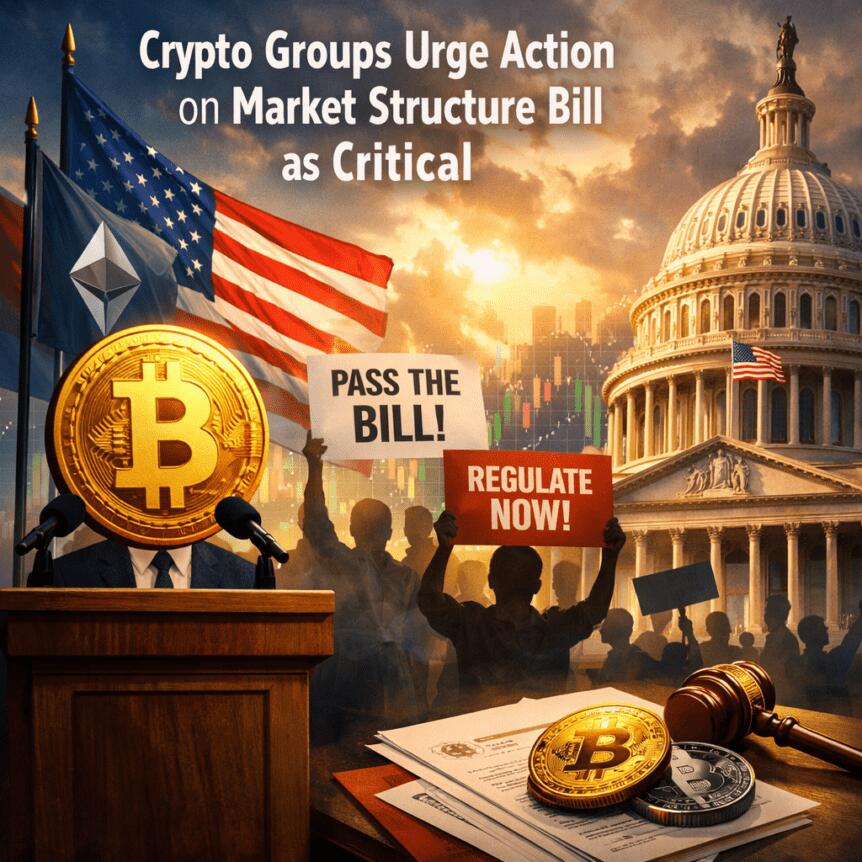
A broad coalition of more than 120 crypto and blockchain entities is pressing U.S. lawmakers to accelerate the markup of the CLARITY Act, a comprehensive federal framework for the market structure of digital assets. In a letter addressed to leadership of the Senate Banking Committee, the Crypto Council for Innovation (CCI) and the Blockchain Association urged that the committee move forward with a markup rather than continue delays.
The CLARITY Act, which passed the House of Representatives in July 2025, has seen its progress stall due to a combination of government funding stoppages and ongoing disputes over issues such as stablecoin yield and other policy questions. The signatories contend that timely action is essential, noting that other major jurisdictions have already enacted broad regulatory regimes and warning that failure to act could erode the United States’ competitive standing in digital-asset innovation, investment, and jobs.
According to Cointelegraph, the letter was signed by roughly 120 entities, including prominent exchanges such as Coinbase and Kraken, alongside industry groups like the Texas Blockchain Council and the Solana Policy Institute. The push comes as concurrent advocacy efforts from other industry groups amplify pressure on lawmakers to settle differences and proceed to markup.
The Senate Banking Committee, chaired by Tim Scott, postponed a markup on the CLARITY Act in January, hours after Coinbase CEO Brian Armstrong signaled public reservations about the bill as written. Since that postponement, industry representatives and lawmakers have held meetings to discuss concerns—most notably how to address stablecoin yield and potential paths forward for a regulatory framework that satisfies both innovation and oversight.
As of Thursday, there had been no public announcement of a new markup date. In a related development, U.S. Senator Thom Tillis publicly urged committee leaders to consider delaying any markup until May to allow additional time for crypto and banking stakeholders to negotiate a compromise on stablecoin yield prospects.
On the same regulatory thread, industry letters have underscored the importance of a unified framework. The Digital Chamber, another advocacy voice for the sector, argued that the legislative window for this Congress is narrowing, urging swift scheduling of a markup “as soon as the calendar allows.”
Key takeaways
- More than 120 crypto and blockchain entities are pressing Congress to markup the CLARITY Act, spanning exchanges, trade associations, and policy institutes.
- The CLARITY Act seeks to establish a comprehensive federal market structure framework for digital assets, a policy objective that has gained bipartisan support but remains unsettled on key design questions.
- The bill advanced in the House in July 2025 but has been delayed in the Senate amid staffing gaps, funding uncertainties, and policy debates, particularly around stablecoin yield.
- There is growing engagement between lawmakers and industry participants to resolve differences that could unlock US leadership in digital-asset markets or risk delayed implementation and offshore migration.
- Regulatory process dynamics include calls for additional time to discuss GENI-style regulation and a related push by banking groups to extend comment periods for related rules.
Legislative push to finalize CLARITY Act
The core message from the coalition is simple: a timely markup on the CLARITY Act is critical to establishing a predictable and comprehensive federal framework for digital assets. The letter argues that a mature U.S. regime would reduce regulatory uncertainty for market participants, support domestic innovation, and help retain jobs and capital that might otherwise move offshore in search of clearer rules.
The House of Representatives previously advanced the CLARITY Act, signaling bipartisan support for a federal market structure. However, a year marked by fiscal standoffs and policy debates—especially surrounding stablecoins—has slowed progress in the Senate. In that context, industry participants have urged lawmakers to converge on a compromise that can be translated into binding legislation rather than sustained delay.
Representative dynamics have become more complex as lawmakers, regulators, and practitioners seek to align on how the programmatic approach to asset classification, custody, liquidity, and disclosures should operate in practice. The ongoing discussions reflect a broader cross-border policy push, with stakeholders noting that the absence of a cohesive U.S. policy risks economic and strategic setbacks relative to other jurisdictions that have moved forward with digital-asset regulation.
As the dialogue evolves, several lawmakers have signaled readiness to explore a May markup window in order to accommodate additional stakeholder input. The prospect of a mid-year markup underscores the balancing act between rigorous consumer protection, financial stability, and the need to catalyze domestic innovation in a rapidly evolving market.
Regulatory landscape and policy implications
The coalition’s appeal unfolds against a backdrop of shifting regulatory expectations and a wider international trend toward formalizing digital-asset markets. The European Union’s MiCA framework, for example, has already established a broad set of rules governing asset issuance, trading, and service-provider transparency, prompting U.S. policymakers to consider how a federal program would interact with global standards and cross-border activity.
Central to the debate is how to regulate stablecoins and their yield mechanisms. The letters from industry groups emphasize the need for a clear federal framework that can accommodate stablecoin issuance and liquidity management while ensuring investor protection, market integrity, and financial-system resilience. This inquiry continues to be a focal point for discussions between the crypto industry and banking regulators, with the Office of the Comptroller of the Currency (OCC) having recently finalized related GENIUS regulations that governs stablecoin contexts and other digital-asset activities in the banking space.
In parallel, policymakers are weighing licensing, supervisory oversight, anti-money-laundering (AML) and know-your-customer (KYC) obligations, and the potential for a unified federal standard that reduces fragmentation across states. The push for a federal framework aligns with overarching regulatory objectives—transparency, resilience, and investor protection—while acknowledging the distinct characteristics of different digital assets and market participants.
Industry observers note that the CLARITY Act’s passage would influence not only crypto firms and exchanges but also banks engaging with digital-asset clients or custody solutions. A federal market structure could clarify licensing expectations, supervisory approaches, and product disclosures, thereby shaping risk management practices, compliance programs, and contractual relationships across the sector. At the same time, the design choices embedded in such legislation—how to classify tokens, define market participants, and regulate exchange operations—carry significant operational implications for both incumbents and new entrants.
Industry coalition and signatories
The letter’s signatories span a spectrum of market participants and policy organizations, signaling a broad base of support for a federal, coherent framework. In addition to exchanges like Coinbase and Kraken, signatories include industry associations and policy think tanks that advocate for streamlined oversight and robust consumer protections. The coalition’s posture reflects a preference for timely action on federal market structure rules to prevent regulatory drift and to set a clear path for digital-asset innovation under a unified regime.
“We are now more than halfway through the 119th Congress, and it has been more than 270 days since the House passed the CLARITY Act with strong bipartisan support and we recognize the legislative window for this Congress is narrowing.”
Complementing these efforts, The Digital Chamber issued a letter urging the banking committee to schedule a markup “as soon as the calendar allows,” highlighting the urgency of advancing a framework that can keep pace with evolving technology and market dynamics.
As part of broader regulatory engagement, the American Bankers Association recently requested an extension of 60 days to comment on GENI regulations from four federal agencies, following the OCC’s finalization of related rules. If granted, the extension would delay the full implementation of that particular regulatory package, illustrating how timing and sequencing of related rules can influence the trajectory of digital-asset policy in the United States.
Impact on stablecoins, banking integration, and compliance
Across the policy dialogue, stablecoins occupy a central role in shaping both regulatory expectations and practical compliance requirements. The debate over yield, reserve assets, and liquidity management has driven calls for clear federal rules that can accommodate stablecoin products while protecting consumers and the financial system. A comprehensive market structure framework would need to address whether and how stablecoins are regulated as tokens, deposits, or another class of financial instruments, along with corresponding reporting, capital, and risk-management standards.
From a banking perspective, the evolution of GENIUS rules and related oversight frameworks will influence how banks interact with digital-asset businesses. Institutions considering custody, settlement, and payment rails for digital assets require regulatory certainty about licensing, customer due diligence, and cross-border transactions. The ongoing discussions signal a broader expectation that any federal framework should harmonize with existing AML/KYC regimes and align with oversight expectations across federal and state jurisdictions.
In this context, the policy trajectory has practical implications for exchanges and liquidity venues, custody providers, and institutional investors. A well-defined federal framework could reduce compliance fragmentation, lower ambiguity in product classifications, and clarify the scope of permissible activities. Conversely, protracted delays raise concerns about competitive risk and policy fragmentation, potentially encouraging activity to migrate to regions with clearer rules or more predictable timelines.
Closing perspective
The coordinated federal-market-structure push reflects a strategic attempt to harmonize regulation with innovation, ensuring the United States remains a global hub for digital-asset activity while maintaining robust oversight. With lawmakers weighing stability, usability, and enforcement, the coming weeks will be critical in determining whether a markup can be scheduled and how the final framework will balance risk with opportunity for both incumbents and emerging participants.

Jeśli szukasz najlepszych kasyn internetowych, które oferują gry kasynowe dostosowane do potrzeb polskich graczy, jesteś we właściwym miejscu. Wśród wielu polskich kasyn online można znaleźć platformy, które wyróżniają się jakością usług i atrakcyjnymi ofertami. W tym rankingu przedstawiamy najlepsze kasyno online , które oferują kasyno online automaty i inne gry hazardowe.
Wybór najlepszego polskiego kasyna online może być trudny, dlatego też przygotowaliśmy ten ranking, aby ułatwić Ci podjęcie decyzji. Zbadaliśmy opinie graczy i oceniliśmy jakość usług oferowanych przez poszczególne kasyno online. Nasz ranking uwzględnia takie czynniki, jak bezpieczeństwo, oferta gier, bonusy i kasyno online opinie od innych graczy.
Wśród polskich kasyn można znaleźć wiele platform, które oferują wysokiej jakości usługi i atrakcyjne oferty. Nasz ranking przedstawia najlepsze kasyno internetowe, które spełniają wymagania polskich graczy. Dzięki temu możesz wybrać najlepsze kasyno dla siebie i cieszyć się gry kasynowe w bezpiecznym i przyjaznym środowisku.
Jak wybrać najlepsze kasyno internetowe dla siebie
Wybór najlepszego kasyna internetowego wymaga uwzględnienia kilku ważnych czynników, takich jak oferta gier, bonusy, metody płatności oraz opinie innych graczy. Polskie kasyno online powinno oferować szeroki wybór gier kasynowych, w tym automaty, gry karciane i stołowe. Ważne jest również, aby kasyno posiadało licencję i certyfikat bezpieczeństwa, co gwarantuje uczciwość i ochronę danych osobowych graczy.
Przed wyborem kasyna internetowego warto przeczytać opinie innych graczy, które można znaleźć na forach i stronach poświęconych kasynom online. Opinie te mogą pomóc w ocenie jakości kasyna, jego oferty i poziomu obsługi klienta. Dodatkowo, warto sprawdzić, czy kasyno oferuje bonusy i promocje, które mogą zwiększyć szanse na wygraną. Casino pl, takie jak kasyno online automaty, powinno również oferować możliwość gry na żywo, co dodaje emocji i realizmu do gry.
Cechy najlepszego kasyna internetowego
Najlepsze kasyno internetowe powinno charakteryzować się kilkoma cechami, takimi jak: szeroka oferta gier, w tym gry kasynowe polska, bonusy i promocje, metody płatności, takie jak płatności online, oraz opinie innych graczy. Polskie kasyna online powinny również oferować możliwość gry na urządzeniach mobilnych, co umożliwia grę w dowolnym miejscu i czasie. Kasyno online opinie mogą pomóc w ocenie jakości kasyna i jego oferty.
Wreszcie, warto pamiętać, że kasyno internetowe powinno być uczciwe i transparentne, co oznacza, że powinno ono posiadać licencję i certyfikat bezpieczeństwa. Kasyno online powinno również oferować pomoc i wsparcie klienta, które jest dostępne 24 godziny na dobę, 7 dni w tygodniu. Dzięki temu, gracze mogą czuć się bezpiecznie i komfortowo podczas gry w kasynie online, takim jak kasyno internetowe lub polskie kasyna.
Bezpieczeństwo i uczciwość w kasynach online
Wybierając kasyno online, należy zwrócić uwagę na bezpieczeństwo i uczciwość platformy. Polskie kasyno online opinie mogą być bardzo pomocne w tym zakresie, ponieważ zawierają informacje o doświadczeniach innych graczy. Szukaj kasyn, które posiadają licencje od renomowanych organów regulacyjnych, takich jak Komisja do Spraw Gier Hazardowych lub Malta Gaming Authority.
Ważne jest również, aby kasyno online oferowało bezpieczne metody płatności, takie jak PayPal, Visa lub Mastercard. Gry kasynowe polska oferta powinna być również zróżnicowana i zawierać tytuły od renomowanych producentów, takich jak NetEnt czy Microgaming. Kasyno online automaty są jednym z najpopularniejszych rodzajów gier, dlatego też warto sprawdzić, czy kasyno oferuje szeroki wybór automatów.
Polskie kasyna online są coraz bardziej popularne, dlatego też warto sprawdzić, czy kasyno internetowe oferuje obsługę klienta w języku polskim. Casino pl to nie tylko gra, ale również doświadczenie, dlatego też warto wybrać kasyno, które oferuje przyjazną i pomocną obsługę.
Uczciwość gier
Uczciwość gier jest jednym z najważniejszych aspektów kasyna online. Gry kasynowe powinny być losowe i niezależne, aby zapewnić uczciwą grę. Kasyno online powinno również oferować informacje o prawdopodobieństwie wygranej i wskaźniku RTP (Return to Player). Polskie kasyno online opinie mogą być bardzo pomocne w tym zakresie, ponieważ zawierają informacje o doświadczeniach innych graczy.
Kasyno internetowe powinno również oferować bezpieczne i szyfrowane połączenie, aby zapewnić ochronę danych osobowych i finansowych graczy. Gry kasynowe polska oferta powinna być również zróżnicowana i zawierać tytuły od renomowanych producentów, takich jak NetEnt czy Microgaming.
Warto również sprawdzić, czy kasyno online posiada certyfikat SSL, który zapewnia szyfrowanie danych. Kasyno online automaty są jednym z najpopularniejszych rodzajów gier, dlatego też warto sprawdzić, czy kasyno oferuje szeroki wybór automatów.
Polskie kasyna online są coraz bardziej popularne, dlatego też warto sprawdzić, czy kasyno internetowe oferuje obsługę klienta w języku polskim. Casino pl to nie tylko gra, ale również doświadczenie, dlatego też warto wybrać kasyno, które oferuje przyjazną i pomocną obsługę.
Crypto World
Grok AI Just Predicted XRP Could Hit $15 If Ethereum Reaches $54,000: Is the Math Actually Realistic?
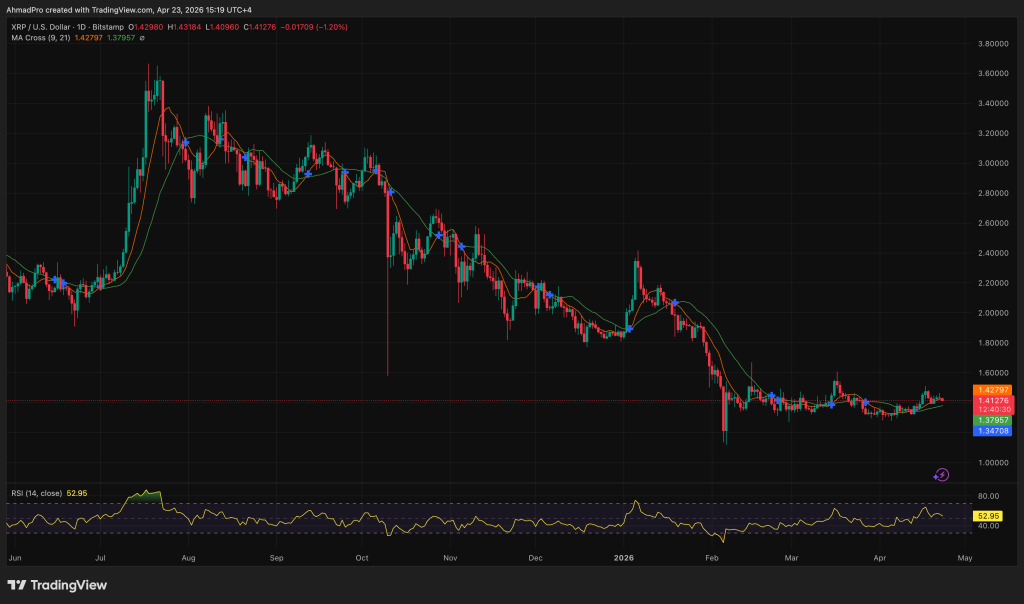
XRP price is trading at $1.40, sitting in its tightest compression band since March 2026, and a viral Grok AI prediction is giving holders a reason to pay attention.
An XRP price chart making rounds in crypto circles suggests Ethereum could reach $54,000 by 2027–2028 by repeating its 2020–21 fractal pattern. The question that followed: if ETH actually gets there, where does XRP land?
Crypto personality Amonyx (@amonyx) took that exact question to Grok. The AI pulled historical correlation data showing ETH and XRP track between 0.6 and 0.7 during euphoric market phases.
Based on that, Grok placed XRP in an $8–$15 realistic range during a full bull cycle aligned with an ETH run to $54k, while flagging that a push above $20 “would need blow-off top mania.” The disclaimer was explicit: “Pure speculation, nothing guaranteed.”
With seven spot XRP ETF decisions queued at the SEC and a compressed price structure that has analysts talking about asymmetric setups, the timing of this AI prediction lands at a genuinely interesting moment for the asset.
Discover: The best crypto to diversify your portfolio with
Is Grok Crypto Prediction Right? Can XRP Price Hit $4 Before Q2 2026?
XRP price ran into $1.50, got rejected, and is now sitting around $1.40, acting as the level holding everything together.
This is one of the tightest ranges it has traded in months, and that kind of compression usually leads to a sharp move.
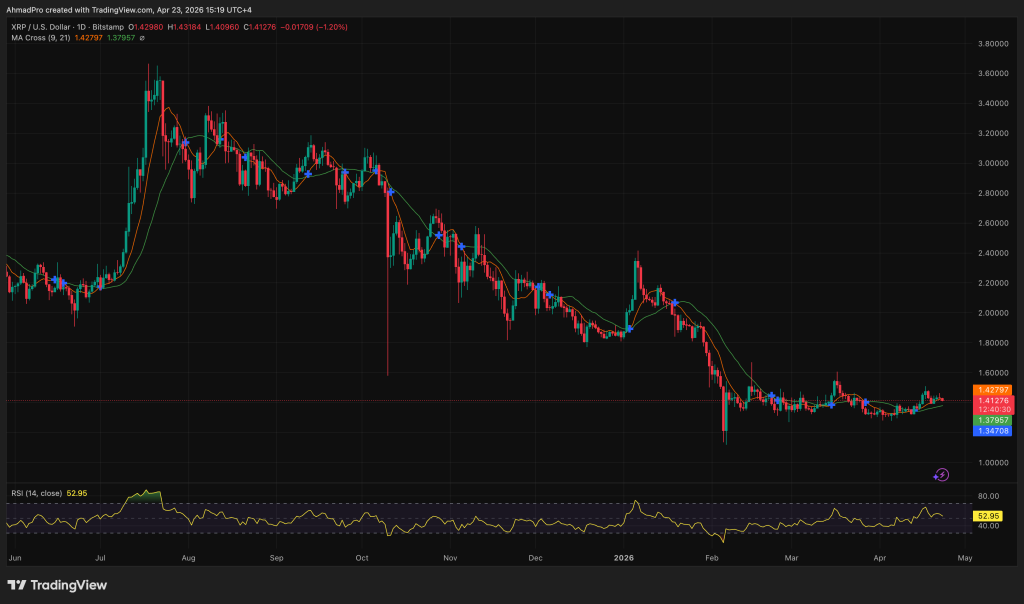
Right now, the structure is simple. If XRP price can break above the $1.50 to $1.55 zone and build momentum, that is where the path opens toward the $2.00 area, which is the next major ceiling on the chart.
If nothing changes on the catalyst side, the more realistic outcome is a slow grind higher, with price working its way toward the low $2 range as broader market sentiment supports it.
The risk is losing $1.30, because that is the only real floor in place right now, and if it breaks on volume, the whole bullish setup fades, and the move likely extends lower.
Everything else comes down to one variable, institutional demand. If ETF approvals come through, that is what can accelerate price quickly and close the gap between a slow recovery and a strong breakout.
Discover: The best pre-launch token sales
Bitcoin Hyper Targets Early-Mover Upside as XRP Price Tests Key Levels
XRP’s setup is genuinely compelling, but even at $8, that’s a 6x from here on an asset with a $70 billion market cap base.
Early-stage infrastructure plays offer a different risk/reward profile entirely, and some traders rotating between cycles are already looking there.
Bitcoin Hyper is positioning itself as infrastructure for the next leg: the first Bitcoin Layer 2 with Solana Virtual Machine (SVM) integration, claiming sub-Solana latency while inheriting Bitcoin’s security layer.
The project has raised $32M in its presale at a current token price of $0.013679, with staking available at high APY for early participants.
The core thesis, bringing fast, low-cost smart contracts to Bitcoin without abandoning its trust model, targets a gap that neither Ethereum nor Solana fills directly.
The post Grok AI Just Predicted XRP Could Hit $15 If Ethereum Reaches $54,000: Is the Math Actually Realistic? appeared first on Cryptonews.

Key Highlights
- Intel shares rally significantly following robust quarterly earnings performance
- Artificial intelligence workloads and data center expansion fuel revenue acceleration
- First-quarter results demonstrate margin improvement and operational momentum
- Enterprise AI adoption drives stock appreciation after earnings announcement
- Data center segment strength and enhanced profitability outlook boost investor sentiment
Intel Corporation (INTC) experienced notable appreciation during regular trading hours and saw dramatic gains in after-hours activity following its first-quarter 2026 financial report. The semiconductor giant’s shares concluded the session at $66.78, representing a 2.31% advance, before climbing to $76.53 in extended trading. This momentum reflects robust demand for artificial intelligence-focused products, expanding data center operations, and enhanced performance across key business divisions.
Revenue Growth and Profitability Gains Powered by AI Infrastructure
Intel delivered first-quarter revenues totaling $13.6 billion, representing a 7% year-over-year increase. This expansion resulted from accelerating demand for central processing units and artificial intelligence infrastructure throughout enterprise and cloud computing environments. Beyond top-line growth, the company achieved a gross margin of 39.4%, demonstrating enhanced product portfolio composition and disciplined cost management.
Non-GAAP financial metrics revealed superior operational results despite GAAP-based losses attributable to organizational restructuring and accounting modifications. Non-GAAP net income climbed to $1.5 billion, representing a substantial 156% year-over-year jump. Per-share earnings increased to $0.29, underscoring enhanced profitability throughout various operational divisions.
The Data Center and AI division spearheaded revenue growth, producing $5.1 billion in sales—a 22% year-over-year advancement. The Client Computing Group contributed $7.7 billion, demonstrating consistent demand throughout personal computing and edge device markets. Overall Intel Products revenue advanced 9%, validating strength across fundamental operations.
Collaborative Initiatives and Product Portfolio Expansion Bolster Market Position
Intel broadened its technology offerings through new Xeon processor introductions and Core Ultra series chip deployments across diverse market segments. These product rollouts address enterprise, mobile computing, and edge infrastructure markets with advanced artificial intelligence functionality and performance optimization. Beyond product introductions, Intel reinforced strategic collaborations to expand its infrastructure footprint internationally.
The semiconductor manufacturer announced an extended partnership with Google to implement Xeon processors throughout specialized cloud computing instances. This alliance encompasses joint development of customized infrastructure processing units designed to optimize artificial intelligence workload performance. Intel secured its position as the primary CPU supplier for NVIDIA’s DGX Rubin platform configurations.
Intel simultaneously progressed its foundry roadmap by enlarging assembly and testing facilities in Malaysia. This expansion addresses increasing demand for sophisticated packaging solutions and enhances supply chain robustness. Intel participated in the Terafab coalition alongside prominent technology corporations to expedite semiconductor manufacturing advancement.
Forward Guidance Demonstrates Sustained AI and Foundry Division Momentum
Intel projected second-quarter 2026 revenue ranging from $13.8 billion to $14.8 billion, signaling persistent demand trajectory. The organization anticipates non-GAAP earnings per share of $0.20, underpinned by margin enhancement and operational effectiveness. GAAP forecasts remain comparatively subdued due to continuing restructuring effects.
The company pursues manufacturing network optimization to address expanding customer requirements. This strategic approach targets improved supply accessibility and accommodates rising demand for AI-enabled semiconductor solutions. Intel emphasizes production capacity scaling while fortifying its financial position.
Intel’s forward-looking perspective reflects enduring growth propelled by artificial intelligence integration and data center proliferation throughout international markets. The organization continues repositioning its operational framework while broadening partnerships and technological capabilities. Consequently, the post-earnings stock appreciation corresponds with strengthened fundamentals and superior execution performance.


Aave and several major crypto firms are coordinating a recovery effort to stabilize decentralized finance (DeFi) markets after a $292 million exploit left the sector’s largest lender grappling with a large hole in collateral backing.
The initiative, dubbed “DeFi United” and led by Aave service providers, is aimed at restoring the backing of rsETH, a yield-bearing derivative token of ether (ETH), that sits at the center of the exploit.
Aave said in a post on X that multiple participants have already indicated commitments to support the effort.
The first among them was staking provider Lido Finance, whose ecosystem contributor Lido Labs Foundation put forward a proposal to allocate up to 2,500 stETH, worth roughly $5.7 million at current prices, into a dedicated relief vehicle.
The funds would be used to reduce the shortfall in rsETH backing and help prevent forced liquidations across lending markets.
That was followed by EtherFi proposing a 5,000 ETH plan to “protect users and prevent bad debt” across DeFi.
Stani Kulechov, founder of Aave, offered a 5,000 ETH contribution.
“Aave is my life’s work and we’re working nonstop to find the best possible outcome for users,” he said in an X post. “I’m working to see this resolved and market conditions normalized as soon as possible.”
Aave said it plans to announce more commitments once formalized.
Exploit ripples across DeFi
The initiative comes after the biggest crypto exploit of the year rattled DeFi lending markets.
The incident traces back to a vulnerability in KelpDAO’s integration with LayerZero, where an attacker minted 116,500 unbacked rsETH tokens by exploiting the bridge’s messaging system.
Instead of dumping the tokens, the attacker deposited nearly 90,000 rsETH into Aave as collateral, borrowing about $190 million in ETH and other assets across Ethereum and Arbitrum.
That left Aave with impaired collateral, triggering a run on deposits as lenders rushed to withdrew available funds. The total value of assets on Aave plunged by $10 billion following the incident.
The total hole is estimated to be more than 112,000 rsETH, according to Aave’s incident report.
Before the DeFi United initiative, there have been some early containment efforts. Earlier this week, Arbitrum’s security council froze 30,766 ETH, worth roughly $71 million then, tied to the exploit.
However, the remaining of the stolen funds were bridged and swapped into bitcoin via Thorchain, making recovery more complex.
The current effort focuses less on clawing back funds and more on stabilizing the system with a coordinated bailout to recapitalize rsETH and mitigate losses.

Anchorage Digital has integrated Marinade Finance into its platform, allowing institutional clients to stake Solana tokens through automated validator strategies while maintaining custody of their assets.
According to Thursday’s announcement, the integration gives clients direct access to Marinade’s staking strategies within Anchorage’s custody and wallet infrastructure, including its Porto self-custody wallet, without requiring external applications.
The setup separates staking delegation from withdrawal control, allowing institutions to participate in validator selection and yield generation while retaining asset control.
Clients can choose between two staking strategies: one that allocates across a curated set of roughly 30 KYC-verified validators for compliance-focused use cases, including regulated financial products such as exchange-traded funds (ETFs). Another dynamically distributes stake across a broader validator set spanning hundreds of operators to optimize yield.

The integration is available through Anchorage Digital’s platform and its Porto wallet, where staking, custody and asset management functions are combined within a single interface.
Anchorage Digital is a San Francisco-based crypto custody provider that operates the first federally chartered crypto bank in the United States. In January, it was reported to be seeking between $200 million and $400 million in new funding as it considers a potential initial public offering next year.
Related: Galaxy expands retail platform with SOL staking, targeting 6.5% yield
Institutional yield strategies expand from staking to Bitcoin DeFi
Institutions are increasingly seeking yield on crypto holdings without moving assets out of custody, as staking gains traction among asset managers and product issuers.
In February, Ripple expanded its custody platform through integrations with Securosys and Figment, enabling banks and custodians to offer staking without running validators or managing keys, with support across on-premises and cloud environments and built-in compliance checks.
The following month, Anchorage Digital integrated with Puffer Finance to offer liquid restaking on Ethereum, allowing clients to stake Ether (ETH) and receive pufETH, a transferable token representing a restaked position that continues earning rewards.
While staking — that is, earning rewards for securing a network — was traditionally limited to proof-of-stake assets, similar yield strategies are emerging for Bitcoin (BTC) via decentralized finance (DeFi) integrations.
Lombard recently teamed with Bitwise Asset Management to enable institutions to earn yield and borrow against Bitcoin without moving assets out of custody, combining DeFi lending and tokenized real-world assets with infrastructure from Morpho.
Similarly, Fireblocks has integrated Stacks to provide institutional access to Bitcoin-based lending and yield, using faster block times while settling transactions on Bitcoin for finality.
Magazine: Adam Back says current demand is ‘almost’ enough to send Bitcoin to $1M

Report: George Pickens signing franchise tag with Cowboys

Mystery solved: Anthropic reveals changes to Claude’s harnesses and operating instructions likely caused degradation

MONEY SPEAK – YAYA BLR & SNIPER BLR (Clip Officiel)

Manchester United reach agreement with Casemiro over contract clause amid transfer speculation

US brings back mandatory military draft registration

Steven Gerrard disagrees with Gary Neville over ‘shock’ Chelsea and Arsenal claim | Football


-

 Sports7 days ago
NWFL Suspends Two Players Over Post-Match Clash in Ado-Ekiti
-

 Fashion6 days ago
Weekend Open Thread: Theodora Dress
-

 Politics6 days ago
Palestine barred from entering Canada for FIFA Congress
-
Entertainment4 days ago
NBA Analyst Charles Barkley Chimes in on Ice Spice McDonald’s Fiasco
-

 Tech5 days ago
Auto Enthusiast Scores Running Tesla Model 3 for Two Grand and Turns It Into Bare-Bones Go-Kart
-

 Business4 days ago
Powerball Result April 18, 2026: No Jackpot Winner in Powerball Draw: $75 Million Rolls Over
-

 Politics5 days ago
Zack Polanski demands ‘council homes not luxury flats for foreign investors’
-

 Crypto World6 days ago
Russia Pushes Bill to Criminalize Unregistered Crypto Services
-

 Politics3 days ago
Gary Stevenson delivers timely reminder to register to vote as deadline TODAY
-

 Business2 days ago
Rolls-Royce Voted UK’s Most Iconic Trade Mark as IPO Register Hits 150
-

 Politics1 day ago
Disabled people challenge government SEND proposals over segregation concerns
-

 Politics1 day ago
Making troops accountable for war crimes threatens US alliance, ex-SAS colonel warns
-

 Crypto World6 days ago
Russia Introduces Bill To Criminalize Unregistered Crypto Services
-

 Politics1 day ago
Starmer handler McSweeney to be dragged from shadows by Foreign Affairs Committee
-

 Politics1 day ago
Zack Polanski responds to home secretary’s taser threat
-
Politics1 day ago
Wings Over Scotland | How To Get Away With Crimes
-
Crypto World5 days ago
Kelp DAO rsETH Bridge Hack Drains $292M as DeFi Losses Top $600M in Two Weeks
-

 Politics1 day ago
‘Iran is still a nuclear threat’
-

 Crypto World2 days ago
New York sues Coinbase, Gemini over prediction market offerings
-

 Business2 days ago
The Job Benefits Most Men Don’t Know to Negotiate
You must be logged in to post a comment Login