

Crypto World
Payward to buy Reap as Kraken parent backs 600M stablecoin payments

Kraken’s parent company, Payward, is expanding its footprint in crypto payments infrastructure by agreeing to acquire Reap Technologies, a Hong Kong-based platform that connects traditional financial systems with digital assets. The deal is valued at up to $600 million and will be paid in a mix of cash and Payward stock, with Payward’s equity valued at about $20 billion. The transaction, announced Thursday, would extend Payward Services—its B2B rails offering launched in March 2026—into global cards and payments tied to stablecoins, signaling a broader shift in the industry toward payment infrastructure alongside trading services.
Key takeaways
- Payward to acquire Reap Technologies for up to $600 million, financed with cash and Payward stock; the deal values Payward’s equity at roughly $20 billion.
- The move expands Payward Services from trading and asset handling into global cards, cross-border payments, and stablecoin treasury capabilities—offering a unified API for partners.
- Reap would operate as a standalone platform post-acquisition, with regulatory approvals expected to finalize in the second half of 2026.
- The acquisition marks Payward’s first infrastructure purchase in Asia and one of its largest transactions to date, underscoring Asia’s growing importance for on-chain and off-chain money flows.
- The deal fits a broader industry trend: crypto firms increasingly invest in payments infrastructure and stablecoin-related products as fintechs seek integrated, cross-border solutions.
Payward’s strategic shift: from trading desks to global payments rails
The agreement to acquire Reap positions Payward to push deeper into B2B payments infrastructure, expanding beyond its core trading and exchange capabilities. Payward Services, described by the company as a consolidated platform for trading, payments, funding, and digital asset services, aims to simplify how businesses interact with crypto and fiat rails through a single integration point. The Reap acquisition accelerates this strategy by bringing in a payments layer designed to bridge traditional networks with blockchain-based settlement, a capability that Payward describes as essential for the next generation of crypto-enabled commerce.
In the official announcement, Payward and Kraken co-CEO Arjun Sethi framed Reap as a critical additive to the evolving payments fabric. “Reap is the payments layer for what comes next. Card networks, banking rails, and blockchains on a single API, settling in stablecoins,” Sethi remarked. The wording underscores a growing industry emphasis on interoperability across diverse rails, something Payward aims to standardize for its partners and clients.
The transaction is framed as a milestone in a broader push to embed more financial infrastructure within crypto-native platforms. Payward had already signaled a tilt toward non-spot offerings with the March 2026 launch of Payward Services, an ecosystem designed to streamline not just trading but also the funding and settlement processes that sit behind crypto activity. The Reap deal deepens that pivot by adding a global card issuance and cross-border payments capability, positioning Payward to offer stablecoin-based treasury services in tandem with traditional settlement rails.
Reap’s Asia-focused expansion and the strategic fit for Payward
Reap, founded in 2018 by Daren Guo and Kevin Kang, has built a platform that connects traditional payment rails with digital assets, aiming to facilitate cross-border money movement. Guo previously led Asia Pacific operations for Stripe, while Kang brings background in investment banking, according to Reap’s materials. The acquisition is described as Payward’s first infrastructure purchase in Asia and one of its largest deals to date, a signal that Asia’s role in crypto-enabled payments is increasingly central to the sector’s growth trajectory.
Arjun Sethi has emphasized Asia’s rapid expansion, noting that, outside Europe, Asia stands as the fastest-growing market not only in revenue terms but also in asset-on-platform activity. The executive suggested that Payward’s capacity to integrate Reap’s payments layer could enable accelerated onboarding in the U.S. market as well, once the Asia-focused expansion is operational. The deal thus serves a dual purpose: reinforcing Asia-based growth while creating a bridge to U.S. opportunities through a more mature, globally integrated B2B payments platform.
Reap’s offerings focus on enabling cross-border flows by linking traditional payment ecosystems with digital assets. This aligns with a broader industry trend of fintechs and crypto firms seeking to embed stablecoins and programmable payments into their product stacks, making it easier for firms to move value across borders without relying solely on conventional banking rails. The acquisition, therefore, reflects a maturing of the crypto ecosystem—from speculative activity to practical, enterprise-grade infrastructure that can support everyday business operations.
What this means for users, builders, and the market
For users and builders, the Payward–Reap combination could translate into a more seamless experience when issuing cards, processing cross-border payments, and managing stablecoin treasuries—all under a single API. The ability to settle in stablecoins could reduce friction and settlement times for businesses with international flows, while card issuance and cross-border capabilities expand the practical utility of crypto-enabled financial services beyond trading platforms into everyday business operations.
Investors and traders may watch for how regulatory approvals shape the timeline and scope of the integration. The deal is expected to close in the second half of 2026, subject to customary regulatory clearances. If completed on schedule, the transaction would reinforce Payward’s prominence in the crypto payments arena and could influence competitive dynamics as other crypto firms explore similar infrastructure acquisitions to broaden their own product ecosystems.
In this evolving landscape, the deal also highlights a larger macro trend: as stablecoins gain traction among fintechs and businesses, the appetite for robust, interoperable payments infrastructure grows. The market appears to be moving toward standardized bridges that can handle digital and fiat value with the reliability of traditional rails, while offering the speed and programmability inherent to crypto. Payward’s move with Reap signals that the industry is less about isolated services and more about comprehensive ecosystems that can onboard and settle value at scale.
For now, Reap will continue operating as a standalone platform, and the teams will work toward a smooth integration with Payward Services once regulatory approvals are secured. The collaboration promises to deliver a more cohesive set of capabilities—card networks, banking rails, and blockchain settlement—within a single developer-friendly interface, a proposition that could simplify treasury management for businesses experimenting with digital assets as a source of liquidity and growth.
Key links referenced in the announcement include the official press release from Business Wire detailing the acquisition, a note on Payward’s Payward Services and its roadmap, and Reap’s own material describing its role in enabling traditional and crypto payment flows. These sources provide the framework for understanding how the transaction fits into Payward’s broader strategy and the fintech industry’s ongoing shift toward integrated payments infrastructure.
Source references (for context): the Business Wire press release detailing the acquisition; Payward’s Payward Services overview; Reap’s client-focused note on what the merger means for customers; and Reap’s company background. These materials collectively illustrate how the deal aims to unify card issuance, cross-border payments, and stablecoin treasury services under a single API.
As investors monitor the path forward, the next milestone will be the regulatory approvals and the practical timeline for integrating Reap into Payward Services. If the deal closes as planned, Payward could solidify its position as a leading provider of crypto-enabled payments infrastructure, shaping how businesses move value in a world where digital assets increasingly intersect with everyday financial operations.

OpenAI cannot close roughly $18 billion in financing tied to its Broadcom (AVGO) custom-chip partnership, The Information reported Thursday. The shortfall is the latest sign that AI infrastructure deals are outrunning the capital available to fund them.
The reported gap covers an early tranche of a multi-year accelerator rollout worth 10 gigawatts of OpenAI-designed chips. The custom silicon program is the centerpiece of the company’s plan to reduce its dependence on Nvidia (NVDA).
OpenAI’s Spending Math Gets Tighter
The original Broadcom agreement, unveiled in October 2025, sketched a hardware buildout pegged at roughly $500 billion. That figure spans chips, networking, power, and data center capacity. The 10-gigawatt rollout was meant to ease OpenAI’s reliance on Nvidia hardware.
OpenAI is projected to burn through about $115 billion cumulatively by 2029, even as revenue scales fast. Recent reporting around missed internal growth targets has already drawn fresh investor scrutiny.
Partners have stepped in with their own financing to keep deals moving. Oracle (ORCL) raised $18 billion in bonds last September to back its roughly $300 billion OpenAI commitment.
AI Capex Faces a New Stress Test
Hyperscaler 2026 capital spending is now estimated at $600 to $720 billion. Roughly three-quarters of that total is earmarked for AI infrastructure. Lenders are increasingly cautious that returns will not arrive on schedule.
Nvidia itself has flagged a sharp rise in unpaid customer balances. Receivables now sit near $33 billion as buyers take longer to settle invoices. Investor Michael Burry has called the resulting revenue accounting suspicious.
“The fake Disney-OpenAI deal is reflective of the AI bubble as a whole, where we’re repeatedly told about the existence of multi-billion dollar deals as though they were solid and definitive, like OpenAI’s Broadcom, AMD and $100bn NVIDIA deals,” one user commented.
OpenAI’s options are narrow. The company can restructure the tranche, replace lenders, or trim the chip rollout. Each path will shape how much projected 2026 AI capex actually lands.

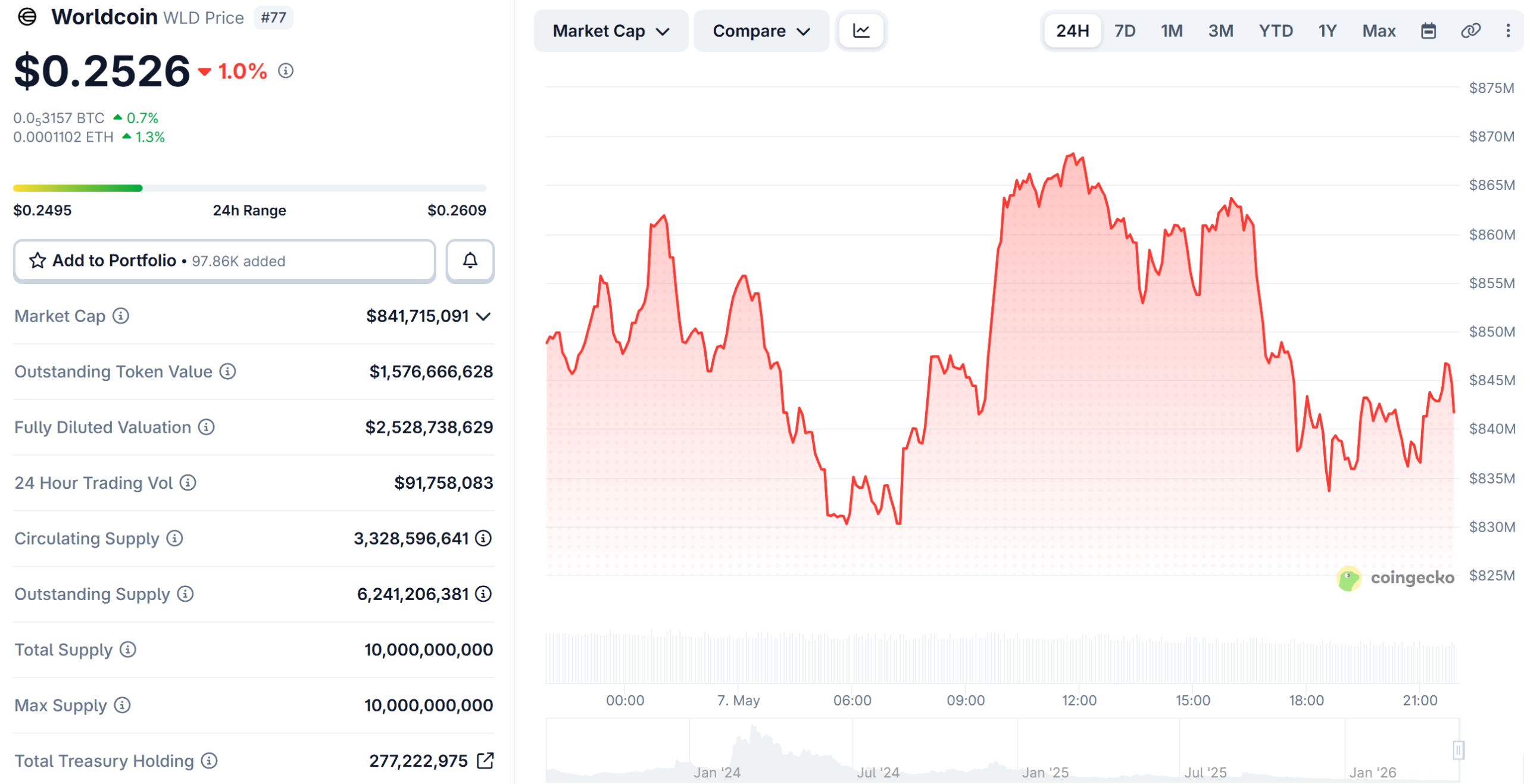
Worldcoin (WLD) price dropped only modestly, falling to $0.2526 on this news.
The post OpenAI’s $18 Billion Chip Financing Trouble Rattles AI Boom Narrative appeared first on BeInCrypto.


Getting Started with Casino Zoccer
Casino Zoccer has quickly become a familiar name on the Irish gambling scene, offering a mix of slots, live tables and a full‑fledged sportsbook. The platform is built on a modern interface that works well on both desktop and mobile devices, meaning you can dip into a game while waiting for the bus or settle in at home for a longer session. For newcomers, the first thing to check is whether the site accepts players from the Republic of Ireland – it does, and it holds a licence from a reputable European regulator. If you’re wondering how to begin, the following steps walk you through registration, verification and the first deposit.
Because the brand aims to be beginner‑friendly, the sign‑up process is stripped down to the essentials: email address, password and a choice of currency. Once you confirm your email, the system will prompt you for a few more details to satisfy KYC (Know Your Customer) requirements – typically a proof of identity and a recent utility bill. This extra step might feel a little formal, but it protects you and ensures that all transactions are secure and compliant with Irish law.
Registration and Account Setup
The registration page on casino zoccer is straightforward. After entering your personal details you will receive a verification email; click the link inside to activate your account. The next screen asks you to set your preferred payment method – you can pick from Visa, Mastercard, Skrill, Neteller or direct bank transfer. Irish players will be pleased to see that many local banks are supported, making deposits feel familiar and safe.
Once your account is live, you can customise your profile, set deposit limits and opt into responsible gambling tools. These features are tucked under the “My Account” menu and are easy to adjust at any time. The platform also offers a two‑factor authentication (2FA) option for added security, which you can enable via a text message or an authenticator app.
Bonuses, Welcome Offers and Wagering Requirements
One of the biggest draws of casino zoccer is its welcome package. New players are greeted with a match bonus on the first deposit – typically 100% up to €200 – plus a batch of free spins on selected slot titles. The bonus comes with a wagering requirement of 35x the bonus amount, which is fairly standard for Irish online casinos.
Beyond the initial welcome, Zoccer runs regular promotions such as reload bonuses, cash‑back on losses, and a loyalty programme that awards points for every euro wagered. These points can be exchanged for bonus credit or even tournament entry tickets. Always read the fine print before you claim a bonus, as some promotions exclude certain game categories like high‑variance slots or live roulette.
Payment Methods and Withdrawal Speed
Depositing funds into casino zoccer is quick and usually processed instantly, especially when you use e‑wallets like Skrill or Neteller. Bank transfers may take a few hours, but the platform often sends a confirmation email as soon as the money hits the casino’s vault. Irish players also appreciate the inclusion of PayPal, which adds another layer of convenience for those who already have a PayPal balance.
When it comes to withdrawals, Zoccer aims for “instant payouts” on e‑wallets, with most requests settled within 24 hours. Bank transfers are a bit slower, typically 2‑3 business days, while credit‑card withdrawals may take up to 5 days due to card network processing. The casino does not charge any hidden fees for withdrawals, though a small administrative fee may apply for certain methods.
Game Selection: Slots, Live Casino and Sports Betting
The catalogue at casino zoccer is built around three pillars: slots, live dealer tables and a sports betting hub. Slot lovers will find everything from classic three‑reel titles to the newest high‑RTP video slots with megaways and progressive jackpots. Each game lists its volatility and RTP (return to player) percentages, helping you choose whether you prefer frequent small wins or the chance of a big payout.
Live casino enthusiasts can join professional dealers for blackjack, baccarat, roulette and poker, streamed in high definition. The live section uses a mix of Evolution Gaming and Pragmatic Play providers, ensuring smooth video and reliable game fairness. Sports betting covers a full range of Irish and international events, from Gaelic games to the Premier League, with competitive odds and in‑play betting options.
Mobile App and Desktop Experience
Irish gamers often switch between devices, and casino zoccer delivers a responsive website that works well on smartphones and tablets without needing a dedicated download. However, for those who prefer a native app, the platform offers iOS and Android versions that can be found in the respective app stores. The app mirrors the desktop layout, giving you quick access to your favourite games, deposit methods and the latest promotions.
The mobile experience is optimised for both portrait and landscape modes, which is handy when you’re on a commute or lounging on the couch. Push notifications can be turned on to alert you about bonus expiries, new game releases or live match starts, keeping you in the loop without constantly checking the site.
Security, Licensing and Responsible Gambling
Casino Zoccer operates under a licence from the Malta Gaming Authority, a regulator respected across the European Union for its strict oversight. Encryption technology (SSL 256‑bit) protects all personal data and financial transactions, meaning your details are safe from prying eyes. The platform also employs independent auditors to verify game fairness, with results posted regularly on the site.
Responsible gambling tools are built into the user dashboard. You can set daily, weekly or monthly deposit limits, self‑exclude for a chosen period, or even opt for a permanent ban if you feel you need it. Links to organisations such as GambleAware Ireland are provided for anyone seeking external help.
Customer Support and Frequently Asked Questions
If you run into an issue, casino zoccer offers several channels for assistance. The live chat feature is available 24/7 and typically answers queries within a couple of minutes. For more detailed concerns you can raise a ticket via the “Help Centre,” and an email response will follow within 24 hours. Phone support is also provided for Irish callers, with a dedicated local number that operates during regular business hours.
Below are the most common questions new players ask:
- How long does it take to verify my identity?
- What are the minimum and maximum deposit limits?
- Can I claim a bonus if I use a PayPal account?
- Are there any fees for withdrawing my winnings?
Answers to these queries are easy to find on the FAQ page, but you can always ask a support agent for clarification. For a deeper dive into the specifics of the site, see the detailed Zoccer casino review Ireland.
Quick Comparison Table
| Feature | Details |
|---|---|
| Licence | Malta Gaming Authority (MGA) |
| Welcome Bonus | 100% up to €200 + 50 free spins (35x wagering) |
| Payment Methods | Visa, Mastercard, Skrill, Neteller, PayPal, Bank Transfer |
| Withdrawal Speed | E‑wallets instant, bank 2‑3 days, card up to 5 days |
| Game Variety | 2000+ slots, live casino, sports betting |
| Mobile Access | Responsive web + native iOS & Android apps |
| Customer Support | Live chat 24/7, email, phone (local Irish number) |
| Responsible Gambling | Deposit limits, self‑exclusion, links to Irish support groups |
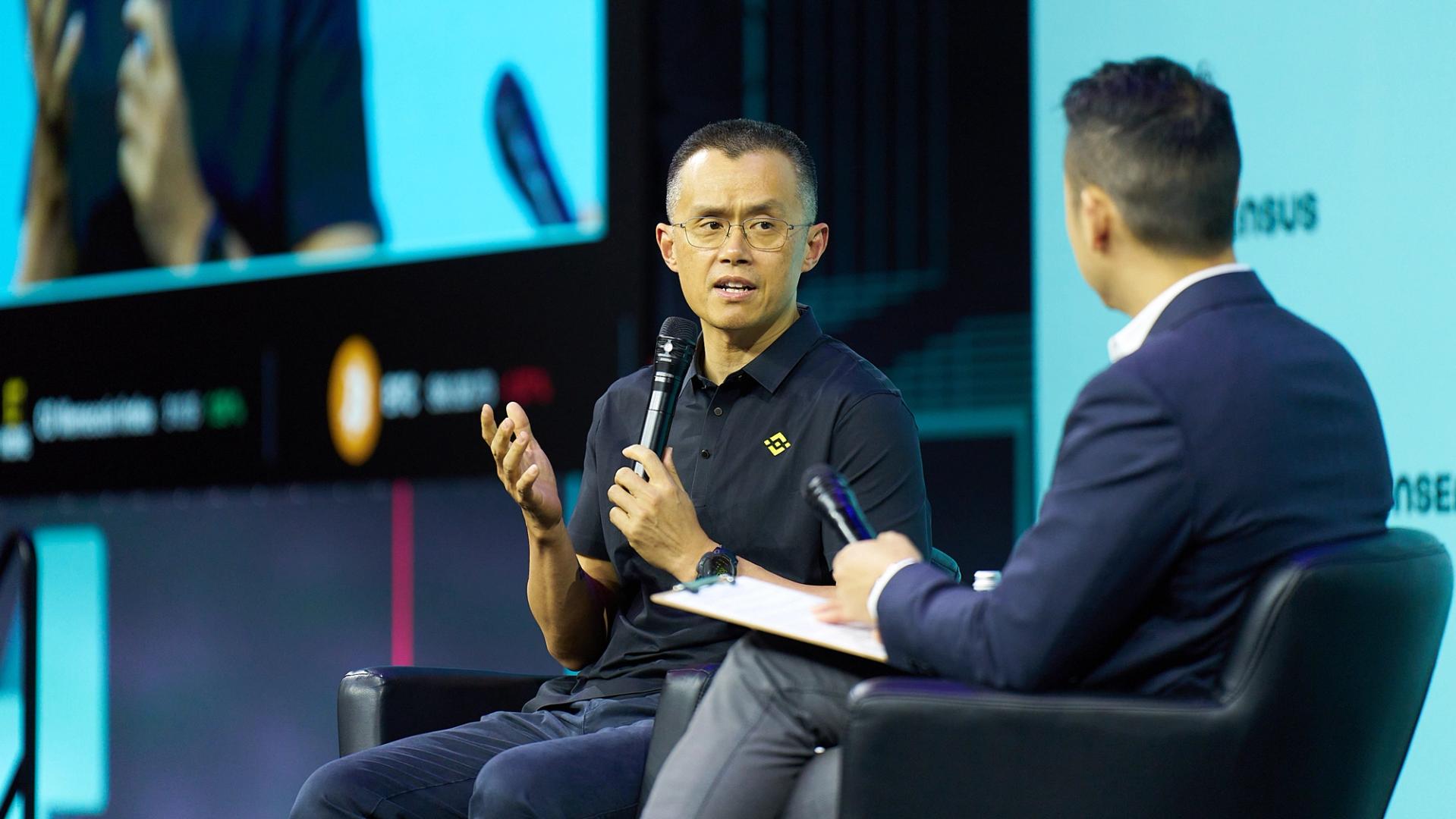
Miami — Binance founder Changpeng “CZ” Zhao said a revived Binance.US is one possible path for giving American crypto traders access to better prices.
Binance wants to help restore U.S. users’ access to global crypto liquidity, CZ said, naming a possible Binance.US revival as one route after years of limited engagement in the American market.
“The best liquidity in crypto is outside of the U.S.,” CZ said during Consensus Miami 2026. “Crypto is one of the very few markets that U.S. don’t have access to the best prices.”
“I think in our ecosystem, Binance has the best liquidity in this market,” he continued. “We would love to be able to provide that in some way, either revitalize Binance.US or somehow provide U.S. the best liquidity in the world and the best prices for the consumers.”
The comments come two years after CZ resigned as Binance CEO and pleaded guilty to numerous U.S. charges. Zhao was later sentenced to four months in prison, released in 2024, and pardoned by President Donald Trump last year.
Binance.US has been plotting a comeback under CEO Stephen Gregory, with plans to expand beyond spot crypto trading into derivatives and prediction markets.
CZ said U.S. policy toward crypto had “changed in the last year and a half or so,” pushing him to spend more time with U.S. builders, regulators and policymakers. He said the U.S. is now “leading in the world in terms of crypto policies,” citing market structure legislation, including the CLARITY Act.
The U.S. still lacks access to the deepest liquidity, he said, even as developers and crypto firms return after years of regulatory pressure.
“Many of the U.S. people left,” Zhao said. “They went to Abu Dhabi, they went to Hong Kong, Singapore. Many of the developers left, and then they’re now coming back.”
Zhao also framed BNB Chain as underexposed in the U.S. after years of limited domestic activity. He said the network now has a builder house in New York, a small San Francisco presence and more U.S. investment activity through YZi Labs.
YZi Labs, formerly Binance Labs, rebranded last year with Zhao taking a more active investment role. The firm later introduced a $1 billion fund for BNB Chain projects.
“BNB in particular has not had a lot of exposure in the U.S., … Other layer 1 blockchains have done much more marketing, community building, builder houses, etc., in the U.S.”
Zhao said U.S. institutions had limited access to BNB until recently, leaving the token behind other major cryptocurrencies in exchange-traded products and institutional distribution.
“The lack of access for institutions to BNB is actually an opportunity for BNB investors,” Zhao said. “When the institutions come in, that’s generally better for the token.”
Zhao also said AI agents will need crypto rails to transact with each other, arguing that blockchains are better suited than credit cards or bank rails for automated cross-border payments.
“Credit cards don’t have an API,” Zhao said. “The most native thing for the agent to use is obviously a blockchain.”
He added that BNB Chain should position itself as payments infrastructure for AI agents, though he said the market is still in its earliest stage. “BNB Chain should just be the money for agents,” he said.


Donald Trump Jr. and Zach Witkoff took the main stage at Consensus Miami 2026 on Thursday to defend World Liberty Financial as the project fights a federal lawsuit from Justin Sun.
Summary
- Trump Jr. and Witkoff appeared at Consensus Miami 2026 on Day 3 to make the case for World Liberty Financial.
- Justin Sun filed a federal lawsuit in late April accusing the project of freezing his tokens and stripping his voting rights.
- World Liberty Financial also faces scrutiny over a $500 million UAE-linked equity stake and a pending federal bank charter application.
Donald Trump Jr. and Zach Witkoff took the Consensus Miami 2026 main stage on Thursday, appearing together at a major crypto conference for the first time to defend World Liberty Financial. The appearance comes as the Trump-backed DeFi project faces its most significant legal challenge since launching in late 2024.
In late April, Tron founder Justin Sun filed a federal lawsuit in California alleging that World Liberty froze his tokens, stripped his voting rights, and threatened to permanently burn his holdings.
Witkoff responded publicly, calling the claims “entirely meritless” and describing the suit as a “desperate attempt to deflect attention” from Sun’s own alleged misconduct.
What Consensus means for WLFI
The Consensus stage gives World Liberty Financial an opportunity to reframe its narrative in front of 20,000 attendees. The project has drawn sustained scrutiny beyond the Sun lawsuit.
A Wall Street Journal report revealed earlier this year that an Abu Dhabi-linked entity acquired a 49% stake for $500 million days before Trump’s inauguration, and Senator Elizabeth Warren subsequently called on the OCC to pause review of WLFI’s bank charter application, citing conflicts of interest.
World Liberty Financial launched its USD1 stablecoin on multiple chains and unveiled a tokenized real estate product in February tied to a Trump resort in the Maldives. WLFI currently trades around $0.08, more than 75% below its September 2025 peak.
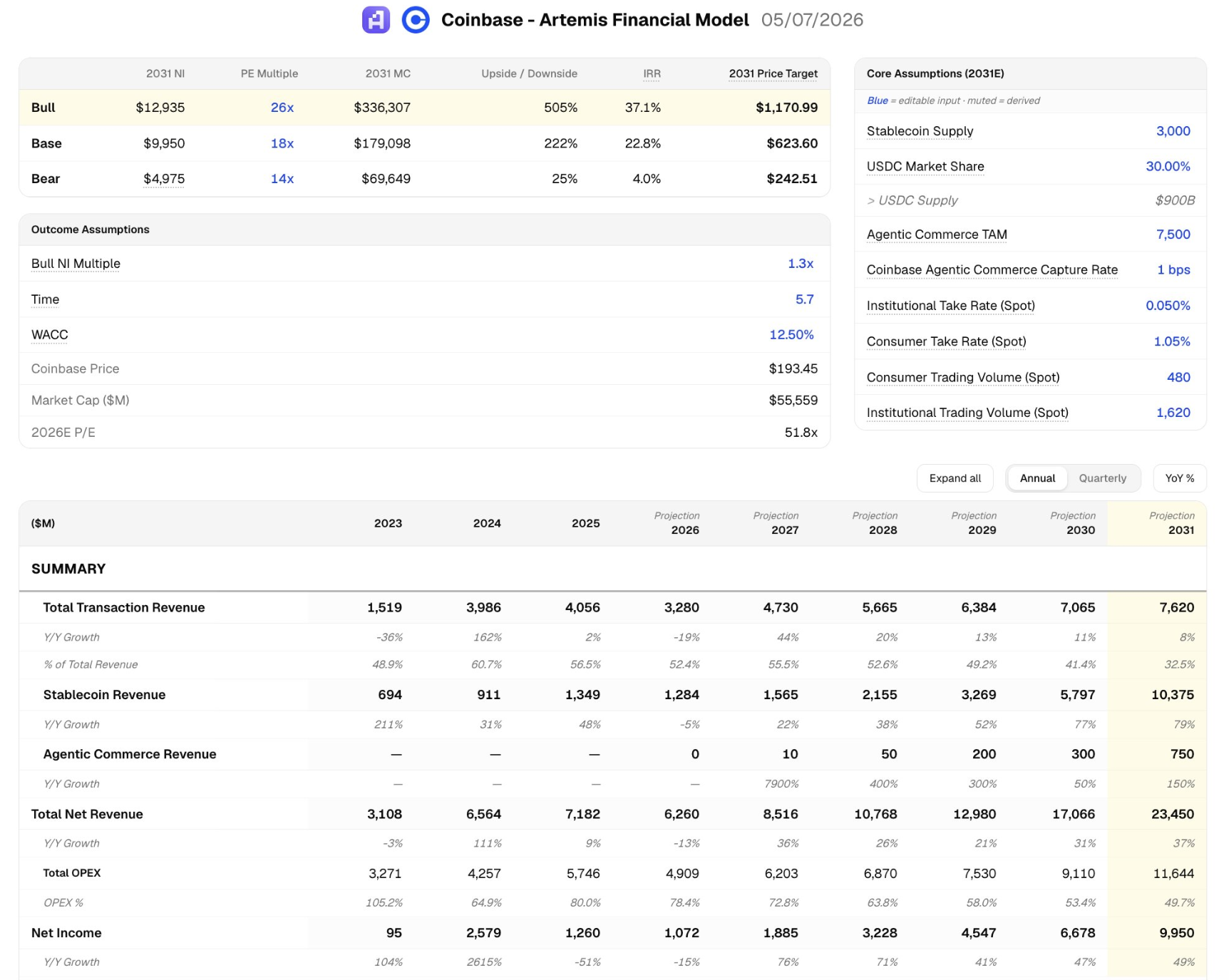
Artemis CEO Jon Ma released an open-source Coinbase (COIN) financial model on Thursday. The bull case projects a $300 billion market cap for the exchange by 2031.
The thesis frames Coinbase as the central winner of AI-native finance. It assumes stablecoin scale, agentic commerce revenue, and a shift toward subscription services through 2031.
Stablecoin and Agentic Commerce Drive the Bull Case for Coinbase
Ma’s model assumes total stablecoin supply will reach $3 trillion by 2031. That figure tracks the trajectory Treasury Secretary Scott Bessent projected for 2030.
USD Coin (USDC) would capture 30% of that supply. The token is distributed heavily by Coinbase through its Circle partnership.
The bull case also leans on agentic commerce. Artemis estimates AI agents will drive $7.5 trillion in annual spending by 2031. Coinbase would capture one basis point of that flow. The exchange co-stewards the x402 protocol with Cloudflare under the Linux Foundation.
Subscription and services revenue would climb from roughly 40% of total revenue today to 65% by 2031. That mix would lower Coinbase’s exposure to volatile trading flows and widen its base of recurring fees.

“In our bull case, Coinbase does ~$23B revenue in 2031 with ~$10B of net income. At 30x PE that assumes ~$300B of marketcap (6x+ from today),” Ma projected.
Coinbase Restructures Around the Same Thesis
The Artemis model arrived the same week Brian Armstrong reduced Coinbase staff by about 14%. He framed the move as a push to make the company lean, fast, and AI-native.
The exchange flattened its hierarchy and built AI-native pods to manage fleets of agents.
Armstrong has pushed engineers to lift AI-generated code above 50% of daily output.
Coinbase has also launched Agentic Wallets to settle machine-to-machine payments. Both moves mirror the assumptions baked into Ma’s spreadsheet.
Whether Coinbase delivers the 6x upside depends on stablecoin policy, agentic commerce adoption, and USDC holding distribution share against newer entrants.
The bear case in the same model values the company near $70 billion.
Subscribe to our YouTube channel to watch leaders and journalists provide expert insights
The post Coinbase Could Hit $300 Billion as AI Agents Reshape Finance: Artemis appeared first on BeInCrypto.
Crypto World
Key Shiba Inu Metric Hits a New ATH, Yet SHIB’s Price Remains in Red Territory: Details
The team behind Shiba Inu unveiled certain ecosystem updates that may favor the bulls.
Despite the progress, the token has underperformed lately and is no longer the second-largest meme coin.
The New Record
Earlier this week, Shibarium’s X account revealed that the total number of SHIB holders has surged by 1,100 in a single day, reaching a new all-time high of 1,585,022.
This jump is generally seen as positive for the meme coin because a growing holder base often reflects rising interest and confidence in the project. More investors may also stabilize demand, which could support the price during future market swings.
Additionally, the team disclosed that the burn rate ratio has soared by triple digits, daily active addresses have climbed past 150,000, and trading volume spiked to almost $130 million.
The burning mechanism is specifically important for a potential price appreciation. The mechanism, adopted in 2022, aims to reduce SHIB’s overall supply, making the coin scarcer and more valuable over time. The past 24 hours brought another rise in the burn rate, though not nearly as large as the one mentioned above. Just under 3.3 million SHIB have been removed from circulation for the day, marking a modest 7% increase.

The total amount of coins destroyed over the years inches toward 411 trillion, worth roughly $7.35 billion. It is worth noting that a significant share of that figure stems from Vitalik Buterin’s historic burn in 2021, when he scorched around 410 trillion SHIB in one move.
The Price Keeps Sliding
Besides the aforementioned updates, the Shibarium team noted that more than 133 billion SHIB moved off exchanges earlier this week. Nonetheless, this hasn’t been enough to shift the broader trend, as investors continue sending more tokens from self-custody back to centralized platforms, thereby increasing immediate selling pressure. According to CryptoQuant, the total SHIB exchange reserves recently soared to approximately 82.2 trillion, the highest level since January.

Another factor that may hamper a decisive revival of the token is the stalled progress on Shibarium. Daily transactions processed on the protocol have diminished to mere thousands, signaling a shrinking number of active ecosystem participants.

As of press time, SHIB trades at around $0.00000637, a 50% plunge over the past year. Its market cap has slipped to $3.7 billion, pushing it down to the third-biggest meme coin as MemeCore (M) has taken its spot at nearly $5 billion.
The post Key Shiba Inu Metric Hits a New ATH, Yet SHIB’s Price Remains in Red Territory: Details appeared first on CryptoPotato.
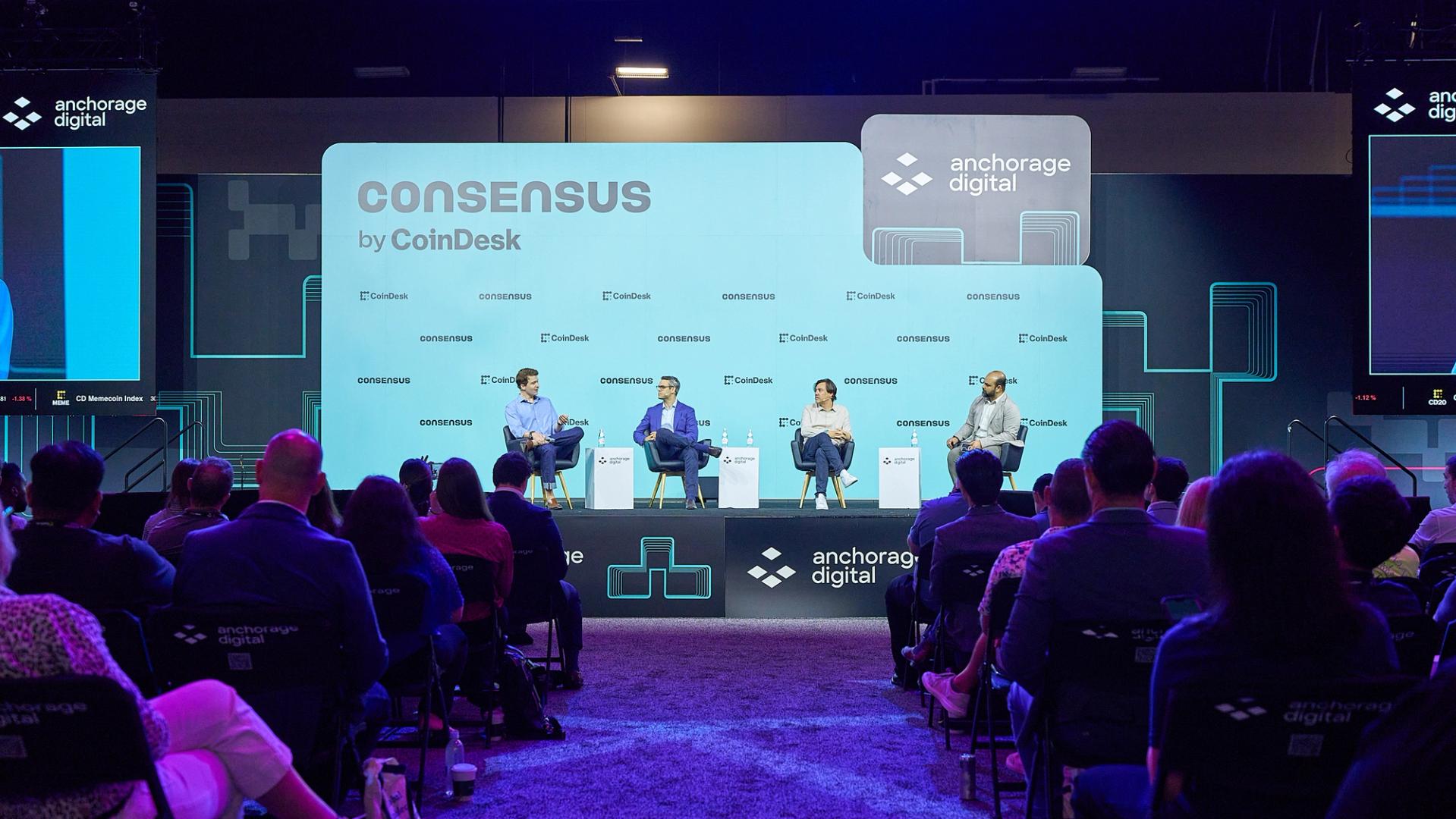
Miami — Decentralized Finance (DeFi) is not dying but instead moving deeper into the financial mainstream alongside the rise of AI agents, crypto executives participating in the Securing the Next Decade of Decentralized Finance panel Thursday at Consensus Miami 2026.
“Crypto is absolutely hurtling into the mainstream,” said Hunger Horsley, co-founder and CEO of Bitwise Asset Management. “Stablecoins, tokenized assets and DeFi are part of that.”
The panel came weeks after a series of DeFi North Korean hacker exploits, including Drift Protocol and Kelp DAO, which resulted in roughly $600 million in losses, drawing criticism over the sector’s security.
DeFi is “an inevitable future,” said Yoni Assia, co-founder and CEO of eToro, dismissing claims that DeFi is fading, much less dead. The technology underpinning lending protocols and smart contracts is already proving itself at scale, he argued.
“There’s $100 billion on lending markets or more,” Assia said. “The technology stack is mind-blowing, and it’s being battle-tested all the time.”
AI agents are speeding up interest
Much of the discussion focused on how AI agents are accelerating interest in crypto-native financial infrastructure.
Guy Wuollet, general partner at a16z Crypto, argued that autonomous AI systems will ultimately require financial rails that look “either literally DeFi or a lot like DeFi.”
“If we believe AI agents are going to be economically important actors, we need a financial system built for them,” Wuollet said.
Assia described experimenting with AI agents capable of independently opening wallets, bridging assets, researching trades and executing transactions across prediction markets and DeFi protocols. “DeFi and AI are both native to each other,” he added.
Horsley compared DeFi’s role for AI agents to the rise of APIs and open-source software in traditional internet infrastructure. “You could think of DeFi as enabling a lot of financial services for AI agents,” he said.
The executives also agreed that institutional attitudes toward crypto and DeFi are changing quickly.
Horsley said Bitwise, which manages roughly $15 billion in assets, is now receiving requests from regulated fintech firms and neobanks looking for compliant ways to offer DeFi-related products to customers.
“The institutions and corporates are arriving,” Horsley said. “They finally feel able to interact with the space.”
Wuollet said many large financial firms are initially approaching blockchain infrastructure less for crypto speculation and more for operational efficiency.
“Finance is going through a digital transformation,” he said. “Institutions want to replace their backend and core ledger with a blockchain.”
The panelists said the convergence between traditional finance, tokenized assets, DeFi and AI agents is likely to accelerate over the coming years as institutions become more comfortable operating onchain.

Palm Beach, Florida, May 7, 2026 — The Crypto Polo Cup (CPC) returns for a fourth edition, staged in partnership with Consensus Miami. The May 9 event, held at the Santa Clara Polo Club, is invitation-only and aims to convene more than 500 guests from institutional finance, venture capital, and the broader digital-asset ecosystem for a day that fuses sport, networking, and industry dialogue.
Since its inception in Palm Beach in 2022, the CPC has positioned itself as a distinctive convergence point for leaders spanning technology, finance, media, and crypto. The 2026 edition reinforces that role, offering two professional polo matches and curated opportunities for high-signal conversations among senior executives, policymakers, and founders during Consensus Miami week.
Key takeaways
- The 2026 Crypto Polo Cup is an invite-only event expected to draw 500+ attendees for a day of polo and elite networking alongside Consensus Miami.
- Two professional polo matches will anchor the agenda, providing a unique backdrop for deal-making and relationship-building between crypto-native firms and traditional finance players.
- A broad set of industry partners signals strong backing from across the crypto and tech infrastructure ecosystem, including Binance, Solana Company, CakeWallet, Unicoin, and more.
- The ambassador roster spans government candidates, exchange leadership, venture capital, media, and digital-asset initiatives, underscoring CPC’s cross-sector reach.
Event format and significance
The Crypto Polo Cup has evolved into a high-end meet-up that blends sport with strategic conversations. The 2026 edition retains the format of two professional polo matches, offering a formal setting where attendees can engage with senior figures from the financial sector and Web3 innovation communities while enjoying a premium networking environment. The event’s alignment with Consensus Miami places CPC within one of the industry’s busiest weeks for announcements, partnerships, and regulatory dialogue, potentially accelerating collaboration across ecosystems.
Nikita Sachdev, founder and CEO of Luna PR, described CPC as a global gathering point where meaningful relationships are formed and real collaboration emerges. “We are proud to bring CPC back to Florida, where it all began, and to welcome our global community during Consensus Miami week,” she said. The organizer’s emphasis on cultivating intimate, high-level engagement positions CPC as a venue where executives can move beyond ephemeral hype to align on strategic initiatives.
Partners and ecosystem alignment
Support for this year’s Cup comes from a curated roster of industry partners that reflects continued confidence in CPC’s role as a networking hub for crypto, technology, and finance. Partners listed for 2026 include:
The breadth of backing underlines a shared interest in events that can bridge investor communities, liquidity venues, and product developers. While partnerships like these help elevate CPC’s profile, they also reflect the broader industry trend of coordinating in-person gatherings as a supplement to digital communications, potentially expanding deal flow and strategic partnerships beyond traditional crypto conferences.
Ambassadors: cross-sector reach and influence
The 2026 ambassador lineup illustrates CPC’s intent to situate crypto conversations within a wider spectrum of influence. Ambassadors span government, exchange leadership, venture capital, media, and digital-asset innovation, signaling a deliberate effort to connect policy, finance, and technology narratives. The list includes:
- Michael Carbonara — Congressional Candidate, FL-22
- Rachel Conlan — Global CMO, Binance
- Yana Prikhodchenko — CEO, Cointelegraph Global
- Tess Hau — Founder, Tess Ventures
- Silvina Moschini — Founder, Unicorn Hunters
- Michael Terpin — Founder and CEO, Transform Ventures
- Matthew Jason Nordgren — Founder and Managing Partner, Arcadian Capital
- Ran Neuner — Founder, Crypto Banter
- Gary Hopkinson — Managing Director, Clear Street
- — Investor Relations Manager, OG Advisory Group
Across this roster, CPC aims to reflect the multistakeholder nature of today’s crypto economy—where public policy, capital markets, media, and technical progress intersect. The presence of a political candidate alongside executives from major exchanges and media brands highlights the event’s ambition to be more than a private gathering; it aspires to shape conversations that could influence industry trajectories and regulatory considerations.
A broader lens: what CPC represents amid a shifting landscape
Beyond the immediate social and networking value, CPC’s 2026 iteration signals a continued push toward more integrated industry events where crypto participants sit shoulder to shoulder with traditional financial players and policymakers. The move to Florida for a fourth edition, while tying into a larger Miami context during Consensus Week, emphasizes geographic and cultural breadth for crypto convenings. It reflects a trend toward events that blend prestige, policy exposure, and investment opportunity, offering attendees a curated space to observe and participate in evolving market dynamics.
For investors and builders, the CPC ecosystem message remains relevant: even as governance debates and regulatory considerations evolve, there remains a persistent appetite for face-to-face interaction that can accelerate due diligence, form partnerships, and catalyze venture opportunities. The partnerships and ambassador lineup point to a deliberate strategy to anchor CPC in a wide network of influence, which could translate into tangible collaboration and capital movement in the near term.
About the Crypto Polo Cup
The Crypto Polo Cup positions itself as a premier, invitation-only gathering that aggregates leaders from venture capital, blockchain, and emerging technology. Since its 2022 debut in Palm Beach, the event has aimed to provide a venue where investment, innovation, and influence converge to shape the future of Web3 and related technologies. Powered by Luna Media Corp, CPC brings together executives and visionaries who are actively shaping the technology and finance landscapes.
For more information on the event, visit the official site and related channels:
Note: This article is based on information provided by the Crypto Polo Cup organizers and affiliated partners for the 2026 edition.
What to watch next: as CPC progresses through Consensus Miami week, observers will be watching for subsequent partnerships, potential deal announcements, and any additional ambassador activity that could signal shifts in cross-sector collaboration between crypto, finance, and policy circles.

Key Takeaways
- ARK Invest acquired approximately 255,804 Shopify shares valued at $32.6M on May 5, 2026, following impressive first-quarter results
- The e-commerce platform delivered Q1 revenue of $3.17B, representing 34.3% annual growth, while surpassing $100B in GMV for the first time ever
- ARK divested $15.6M worth of AMD shares on May 5, extending its ongoing reduction in chip stock holdings
- AI-generated traffic to Shopify’s merchant stores experienced an 8-fold increase compared to last year
- Additional May 6 transactions included a $7.9M Tempus AI purchase and another $6.7M AMD sale
On May 5, 2026, Cathie Wood’s ARK Invest executed one of its most significant recent transactions, accumulating approximately 255,804 Shopify shares distributed across three exchange-traded funds.
The aggregate investment totaled roughly $32.6 million. ARK Innovation ETF accounted for the lion’s share at $20.7 million, constituting 7.8% of that particular fund’s total market capitalization.
Just one day earlier, on May 4, ARK had initiated Shopify purchases worth $6.6 million through the identical ETF vehicle.
This strategic accumulation followed Shopify’s release of first-quarter 2026 financial results. The company posted revenue of $3.17 billion, marking a 34.3% surge versus the corresponding quarter in 2025.
For the first time in company history, Shopify’s gross merchandise volume exceeded $100 billion within a three-month period. The platform achieved free cash flow margins of 15%.
Merchant solutions generated $2.42 billion in revenue, climbing from $1.74 billion year-over-year. Subscription solutions contributed $750 million, up from $620 million in the prior year period.
According to CFO Jeff Hoffmeister, the performance demonstrated “broad-based growth across geographies, merchant sizes, and channels.” Company leadership projected second-quarter revenue expansion in the “high 20s” percentage range.
Artificial Intelligence Integration at Shopify
During the quarterly earnings discussion, Shopify President Harley Finkelstein characterized the company as having “entered the AI era with a clear edge.” He highlighted two decades of accumulated commerce intelligence as a sustainable competitive moat.
Artificial intelligence-powered traffic to Shopify’s merchant ecosystem expanded 8-fold on an annual basis. Currently, AI systems generate more than half of Shopify’s proprietary codebase. The population of enterprise merchants processing over $100 million in GMV has approximately doubled within a two-year timeframe.
Shopify has partnered with Google to develop the Universal Commerce Protocol, an open-standard framework that counts Amazon among its participants.
ARK Maintains AMD Reduction Strategy
While accumulating Shopify positions, ARK persisted in divesting Advanced Micro Devices holdings. On May 5, the firm liquidated 45,917 AMD shares worth approximately $15.6 million across its ARKK, ARKW, and ARKF investment vehicles.
AMD stock has appreciated roughly 96% year-to-date on the strength of its own robust earnings performance.
The following day, May 6, ARK disposed of an additional 18,909 AMD shares through ARKK, representing approximately $6.7 million in value.
During that same trading session, ARK accumulated 145,794 Tempus AI shares across ARKK and ARKG ETFs, totaling $7.88 million. The firm also added 28,220 Intellia Therapeutics shares to ARKK, valued at $375,608.
ARK liquidated 61,351 Twist Bioscience shares across ARKK and ARKG for $3.48 million on May 6, extending a divestment pattern in that position that commenced during the prior week.
Recent disclosure documents indicate ARK’s portfolio is transitioning toward enterprises deploying AI in practical commercial applications, while trimming exposure to semiconductor equities that have already delivered substantial returns year-to-date.

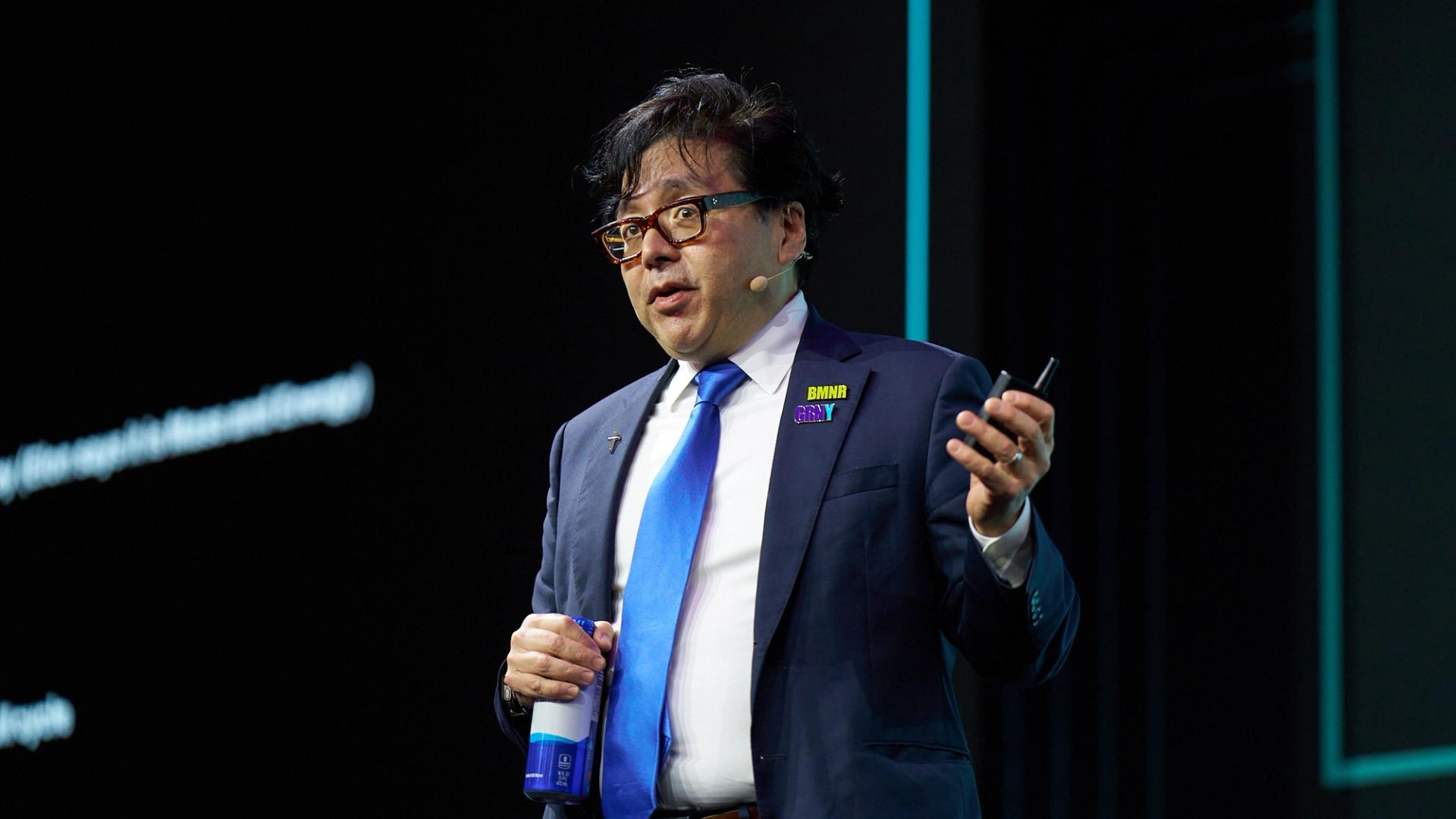
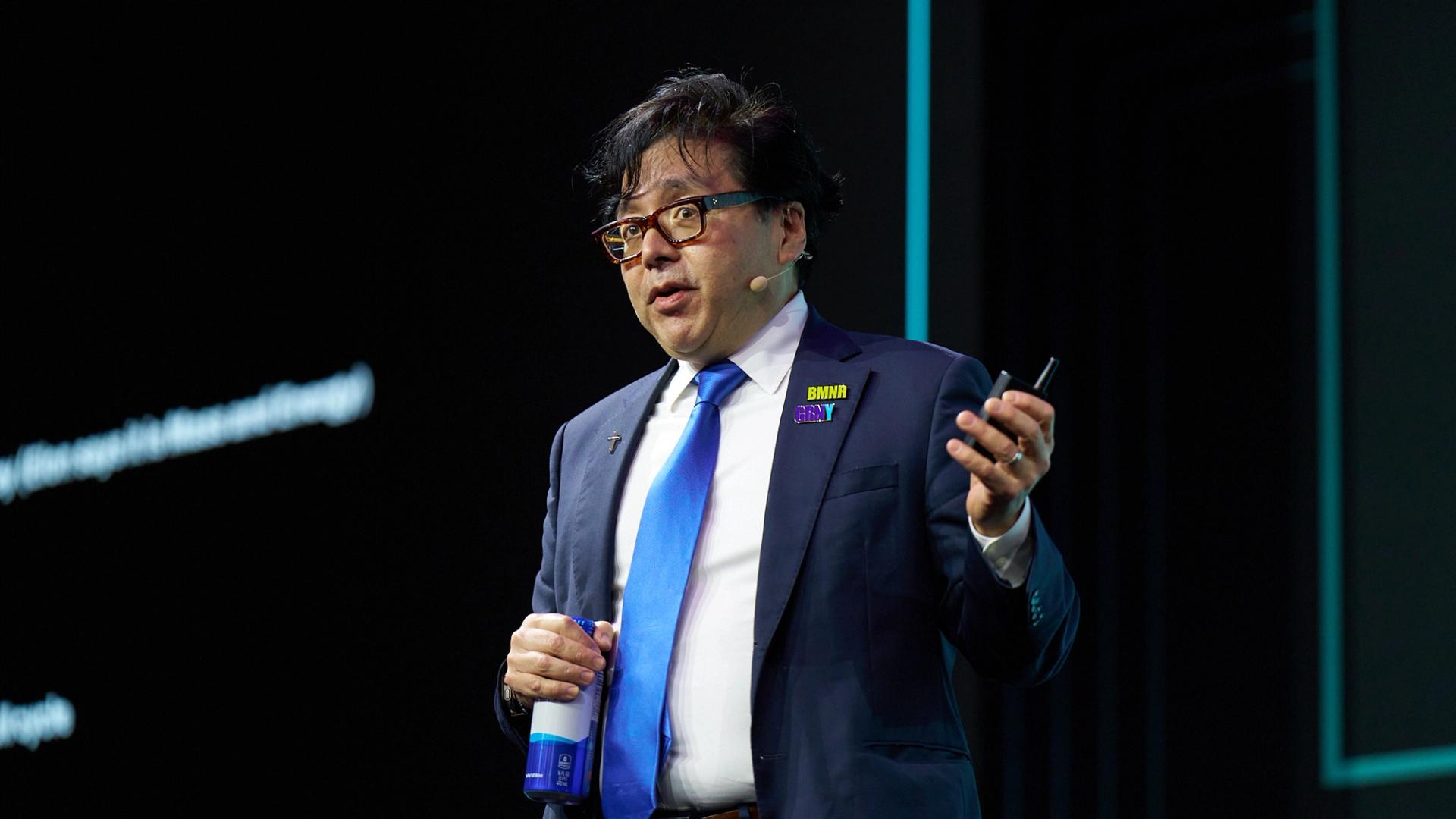
Miami — Bitmine (BMNR), the largest Ethereum treasury firm, may slow the pace of its ether (ETH) accumulation as the firm is inching closer to reaching its accumulation goal, Chairman Tom Lee said Thursday at Consensus 2026 in Miami.
The company, which holds over 5.1 million ETH worth around $11.9 billion at current prices, originally expected it would take five years to accumulate 5% of the ETH supply, Lee said. Instead, the company held 4.29% as of this week, less than a year after launching its strategy.
“At our current buying pace of 100,000 ETH a week, we’re going to be there [at 5%] in like six weeks,” Lee said during a keynote presentation. “I think we’re deciding perhaps we want to accumulate at a somewhat slower pace.”
The comments mark a shift in tone for Bitmine, which has remained one of the few large digital asset treasuries still actively buying crypto while many rivals paused accumulation during the market downturn. Strategy (MSTR), the largest corporate bitcoin holder and another consistent crypto buyer over the past months, indicated this week it may sell bitcoin to cover dividend obligations, per Executive Chairman Michael Saylor’s suggestion.
Lee said Bitmine remains profitable through staking income and cash generation, reducing pressure to liquidate crypto holdings during volatile markets. About 85% of Bitmine’s ETH holdings are staked, generating annualized staking revenue exceeding $300 million, or roughly $1 million per day.
The firm is also evaluating other uses for capital, including a recently announced $4 billion share repurchase program and further expansion of MAVAN, its institutional staking platform launched in March. The service is currently staking about $14 billion in digital assets, including ETH, Solana (SOL), and Canton (CC), according to Lee.
Beyond Ethereum, Lee highlighted Bitmine’s investments tied to AI and consumer platforms, including Eightco Holdings (ORBS) and MrBeast’s Beast Industries. He described Eightco as one of the few publicly traded companies offering indirect exposure to OpenAI and Sam Altman’s World project.
Throughout his keynote, Lee reiterated his view that Ethereum stands to benefit from two major trends: the tokenization of financial assets and the rise of AI systems relying on public blockchains for payments and verification.
Read more: Bitcoin ending May above $76,000 would confirm new bull market, Tom Lee says

Elon Musk’s lawsuit is putting OpenAI’s safety record under the microscope

Burnley Warburtons factory fire – everything we know so far

GameStop Shares Slide 3% as Wall Street Doubts $56B eBay Bid Feasibility Amid Meme Stock Volatility

Manchester United reach agreement with Casemiro over contract clause amid transfer speculation

US brings back mandatory military draft registration

Steven Gerrard disagrees with Gary Neville over ‘shock’ Chelsea and Arsenal claim | Football


-

 NewsBeat4 days ago
Channel 5 – All Creatures Great and Small series 7 new post
-

 Crypto World11 hours ago
Upbit adds B3 Korean won pair as Base token gains Korea access
-
 Tech6 days ago
Trump’s 25% EU auto tariff breaches Turnberry Agreement that also covers semiconductors and digital trade
-
 NewsBeat12 hours ago
NCP car park operator enters administration putting 340 UK sites at risk of closure
-
 Sports6 days ago
Paul Scholes issues Marcus Rashford reality check as agreement emerges over Man United star
-

 Entertainment6 days ago
Met Gala 2026 Rumored Guest List Is Turning Heads
-

 Business6 days ago
Strait of Hormuz Blockade Persists Amid US-Iran Standoff, Sending Oil Prices Soaring
-
Entertainment6 days ago
New on Prime Video in May 2026 — Full List of Movies and Shows
-

 Sports6 days ago
Cavaliers vs. Raptors Game 6 live score, updates, highlights from 2026 NBA playoffs first-round series
-

 Entertainment6 days ago
Kylie Jenner Hit With Second Lawsuit From Ex-Housekeeper
-
 Sports6 days ago
David Benavidez responds to team Canelo saying the fight will never happen
-
Entertainment5 days ago
New Netflix Movies in May 2026 — My Top 3 Picks to Stream
-

 Tech6 days ago
Meta ends Sama contract after Kenyan workers report seeing intimate footage from Ray-Ban smart glasses users
-

 Entertainment6 days ago
Young and the Restless Next Week: Cane Arrested & Matt’s Deadly New Scheme!
-

 Business5 days ago
Luka Doncic Injury Update: Doncic’s Hamstring Recovery Slows Lakers’ Hopes Against Thunder: Can He Run Yet?
-
 Sports6 days ago
IPL 2026: ‘Love you darling’- Hardik Pandya’s reaction to MS Dhoni steals the show |Watch | Cricket News
-
 Crypto World5 days ago
Pi Network Mandates Protocol 23 Upgrade for All Mainnet Nodes Before May 15 Deadline
-

 Entertainment5 days ago
Melissa Joan Hart and More Stars Attend 2026 Kentucky Derby
-

 Sports6 days ago
Bayern won’t hand bottom side Heidenheim ‘gifts’ despite PSG game
-

 Sports6 days ago
What Preity Zinta Said After Punjab Kings’ First Defeat Of IPL 2026
You must be logged in to post a comment Login