
Crypto World
Project Eleven Awards 1 BTC After Record Quantum ECC Break Raises Crypto Security Alarm


TLDR:
- Project Eleven paid 1 BTC after a researcher broke a 15-bit ECC key using public quantum hardware
- Giancarlo Lelli expanded the previous public quantum ECC record by 512x from the 2025 result
- Around 6.9 million Bitcoin sit in wallets with public keys visible on-chain and exposed
- New research cut estimates for full Bitcoin quantum attacks to as low as 10,000 qubits
Project Eleven has awarded a one Bitcoin bounty after a researcher completed the largest public quantum attack on elliptic curve cryptography to date. The breakthrough involved breaking a 15-bit elliptic curve key using publicly accessible quantum hardware.
The result renewed attention around long-term security risks for Bitcoin, Ethereum, and other blockchain networks using ECC. It also pushed post-quantum security discussions back into focus across the crypto market.
Quantum ECC Break Expands Bitcoin Security Debate
Project Eleven said researcher Giancarlo Lelli won its Q-Day Prize after deriving a private key from a public key across a 32,767 search space. He used a variant of Shor’s algorithm on cloud-accessible quantum hardware.
The method targeted the Elliptic Curve Discrete Logarithm Problem, which supports digital signature systems used by Bitcoin and Ethereum. These systems protect wallets, transactions, and ownership verification across major blockchains.
Project Eleven stated that this was the largest public demonstration of this attack class so far. The previous public record came in September 2025, when Steve Tippeconnic completed a 6-bit demonstration.
Lelli’s result increased that benchmark by a factor of 512. The company noted that no private chip or national laboratory was involved in the test.
Project Eleven CEO Alex Pruden said the falling hardware barrier makes the issue more urgent. He pointed to Google’s public target of becoming quantum-secure by 2029 as a sign that migration timelines are tightening.
The company said roughly 6.9 million Bitcoin remain in wallets with visible public keys on-chain. Those wallets could face exposure if large-scale quantum attacks become practical.
Bitcoin and Ethereum Face Long-Term Post-Quantum Pressure
The gap between a 15-bit test and Bitcoin’s full 256-bit encryption remains large, but recent research has changed the discussion. New estimates suggest the resource demands are falling faster than expected.
Google’s April 2026 whitepaper placed the requirement for a full 256-bit attack at fewer than 500,000 physical qubits. That estimate marked a major reduction from older assumptions.
A later paper from Caltech and Oratomic lowered that figure further to around 10,000 qubits using a neutral-atom architecture. Project Eleven described Lelli’s test as the practical side of those theoretical improvements.
The company said the challenge now looks more like an engineering problem than a physics limitation. That shift matters for Bitcoin, Ethereum, and other ECC-based systems securing more than $2.5 trillion in digital assets.
Project Eleven is now preparing its next challenge around AI models and quantum cryptanalysis. The firm said the next phase will examine how frontier AI tools may accelerate future cryptographic attacks.


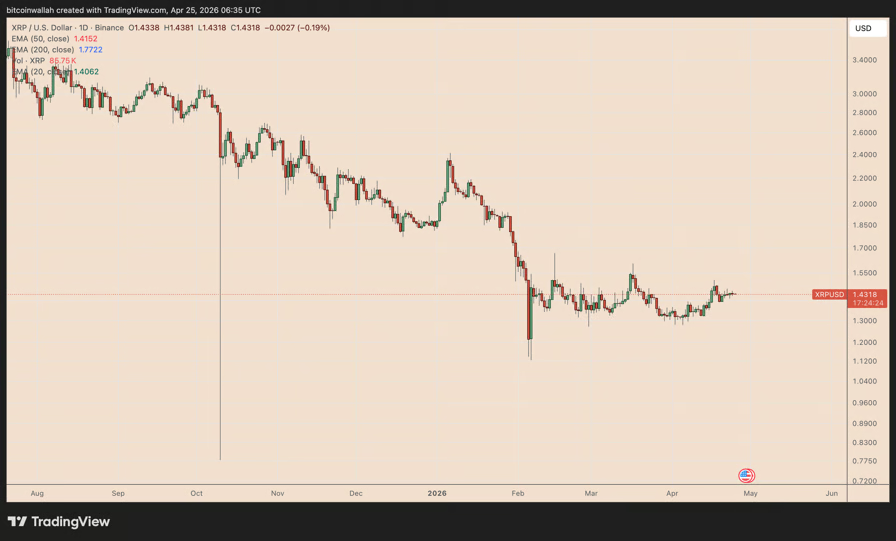
XRP (XRP) has rallied more than 30% in the last three months, and fresh technical and on-chain signals suggest the XRP/USD pair may have more upside ahead.
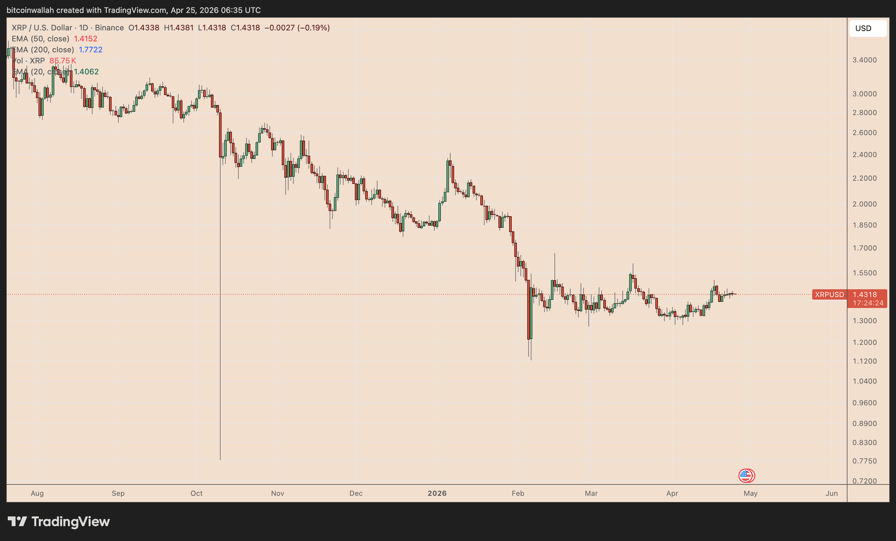
XRP/USD daily chart. Source: TradingView
Key takeaways:
- Exchange outflows, positive whale flows and strong ETF demand raise XRP’s bullish outlook.
- A wedge setup sees the price rising roughly 30% by June.
Nearly 35 million XRP in exchange outflows boost upside case
As of Saturday, XRP Ledger (XRPL) had recorded nearly 35 million XRP in exchange outflows in the last 24 hours, logging its sixth-largest daily outflow of the year, according to Santiment.
Large exchange outflows typically suggest investors are moving tokens into private wallets or custody, reducing the amount of XRP immediately available for sale. Earlier this year, these spikes preceded modest rallies in the XRP price.
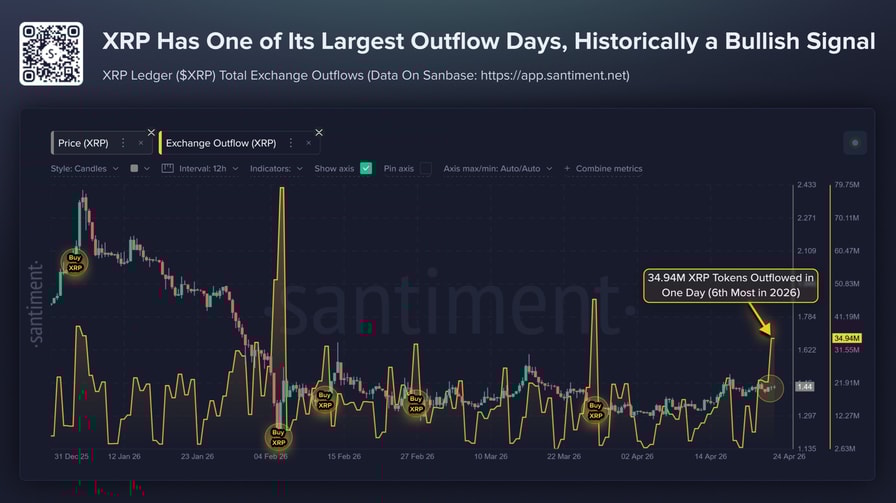
XRP Ledger exchange outflows versus XRP price. Source: Santiment
In March, a similar spike in exchange outflows preceded a roughly 20% rebound in XRP. February’s outflow surge was followed by an even stronger move, with XRP rising about 48&–50%.
Those precedents strengthen the view that the latest withdrawal spike may lead to higher XRP prices in May.
Also, US-based spot XRP ETFs have witnessed three consecutive weeks of net inflows, totaling about $82.88 million as of Saturday, according to SoSoValue data. The streak pushed the total assets under management to $1.1 billion.
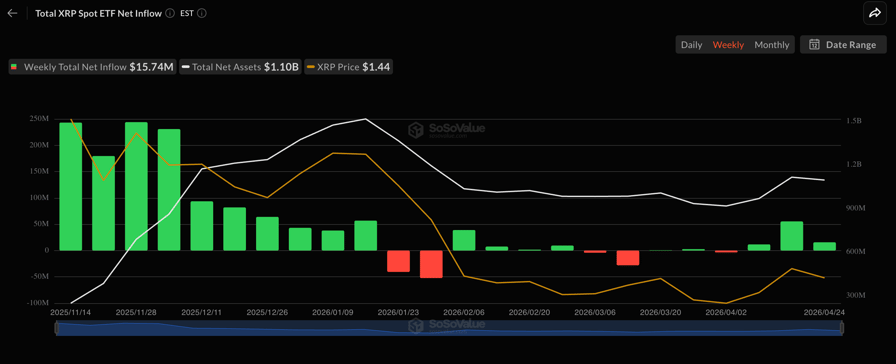
XRP ETF weekly net flows. Source: SoSoValue
This indicates an increased institutional appetite for XRP products.
Positive whale flows reinforce upside sentiment
XRP whale flows have also flipped positive, according to CryptoQuant data, suggesting larger wallets are now accumulating rather than distributing.
The 90-day moving average of XRPL whale flows has moved back above zero after spending much of early 2026 in negative territory.
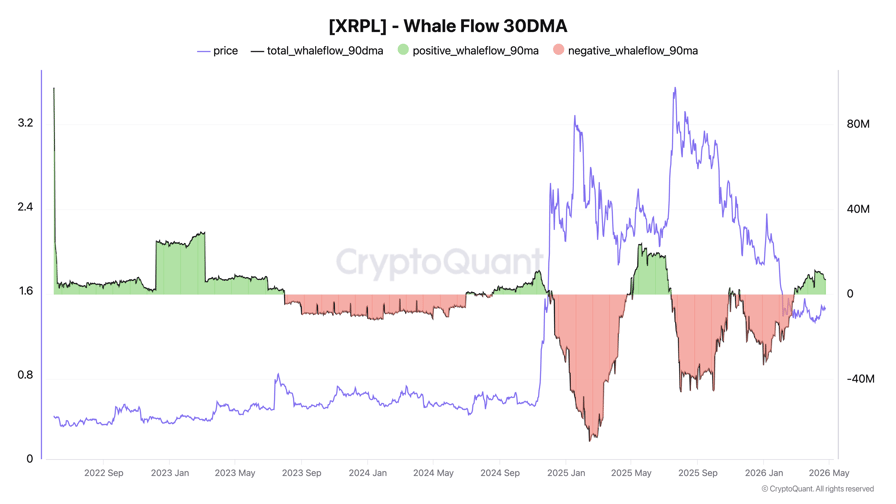
XRP whale flow 30DMA. Source: CryptoQuant
Historically, positive whale-flow regimes have preceded stronger XRP price trends, including the May–July 2025 rally.
The shift supports the broader accumulation narrative already visible in exchange outflows and ETF inflows.
XRP wedge setup hints at 30% rally next
XRP’s technical structure supports the upside case.
The XRP/USD pair has spent the past two years inside a falling wedge, defined by two downward-sloping, converging trend lines. Its April rebound from the lower trend line support now raises the odds of a move toward the upper boundary.
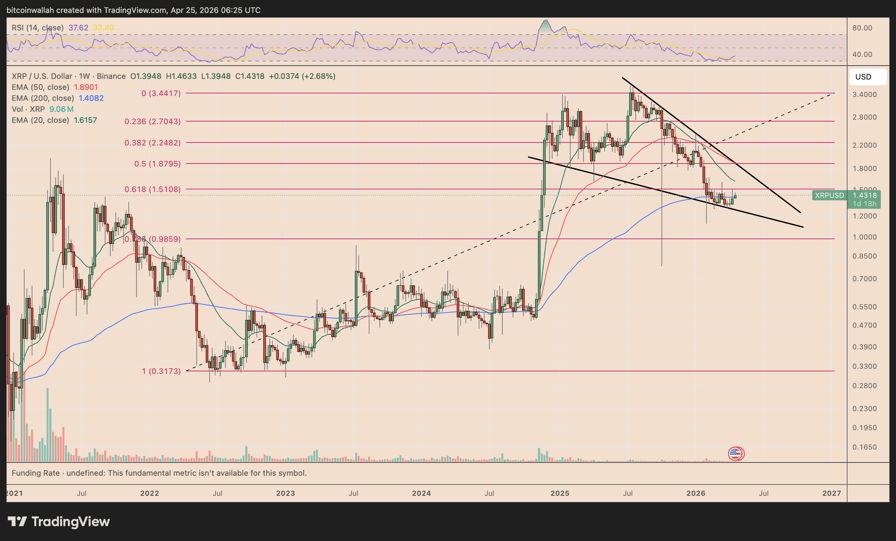
XRP/USD weekly chart. Source: TradingView
That target zone aligns with the 50-week EMA and the 0.5 Fibonacci retracement near $1.87–$1.89, about 30% above current levels, by June.
Related: XRP holders back in profit as price eyes potential 55% breakout
Conversely, a decisive break below the wedge’s lower trend line risks invalidating the bullish narrative altogether.
It may instead raise the odds of the price declining toward the $0.98 mark, aligning with the wedge’s apex point and the 0.786 Fib line.


A coalition of more than 120 crypto organizations led by the Crypto Council for Innovation and the Blockchain Association sent a joint letter to the Senate Banking Committee on April 23 demanding an immediate markup of the CLARITY Act, warning that further delay risks pushing investment, jobs, and technological development offshore while ceding global regulatory standard-setting to other jurisdictions.
Summary
- More than 120 crypto organizations including Coinbase, Ripple, Kraken, Circle, Uniswap Labs, Andreessen Horowitz, and Galaxy Digital sent a joint letter on April 23 demanding an immediate CLARITY Act markup.
- The letter was addressed to Banking Committee Chairman Tim Scott, Ranking Member Elizabeth Warren, Subcommittee Chair Cynthia Lummis, and Ranking Member Ruben Gallego, setting up the most coordinated industry lobbying push the bill has seen.
- Treasury Secretary Scott Bessent has called the CLARITY Act a national security priority, while Senator Bernie Moreno warns that missing the end-of-May window could shelve the bill until 2030.
The Blockchain Association posted on X that it and the Crypto Council for Innovation, joined by a broad coalition of more than 120 organizations, had urged the Senate Banking Committee to move forward with a markup on market structure legislation. The letter, addressed to Committee Chairman Tim Scott and Ranking Member Elizabeth Warren, along with Subcommittee Chair Cynthia Lummis and Ranking Member Ruben Gallego, calls on lawmakers to “notice and proceed towards a markup” of the CLARITY Act without further delay.
CLARITY Act Senate Markup Demand Signals Industry Ultimatum
As Bitcoin Magazine reported, the coalition includes Coinbase, Circle, Kraken, Ripple, Uniswap Labs, Andreessen Horowitz, Chainlink Labs, Chainalysis, OKX, Paradigm, and Galaxy Digital, alongside advocacy groups, state blockchain associations, and university chapters of Stand With Crypto. The letter lists six legislative priorities: drawing a clear SEC and CFTC oversight boundary, protecting non-custodial software developers from broker registration requirements, upholding consumer stablecoin rewards tied to activity rather than passive holdings, simplifying digital asset disclosure rules, preventing a patchwork of state-by-state regulation from filling the federal vacuum, and establishing a predictable baseline that keeps capital and innovation onshore. As crypto.news reported, Senator Bernie Moreno dismissed bank opposition to stablecoin rewards as “a lot of noise in the system” at a Washington event on April 22, and said he expects legislation to be completed by the end of May. Treasury Secretary Scott Bessent has separately called the bill a national security priority, warning that every month of delay pushes digital asset innovation toward hubs like Dubai and Singapore.
The Legislative Clock Is Now the Bill’s Biggest Enemy
The CLARITY Act passed the House 294 to 134 in July 2025 and cleared the Senate Agriculture Committee in January 2026. Despite that progress, the Senate Banking Committee has not scheduled a markup. As crypto.news documented, Congress breaks for Memorial Day recess on May 21, leaving fewer than four weeks of operational legislative time. Even after a successful markup, the bill must clear a 60-vote Senate floor threshold, be reconciled between the Banking and Agriculture Committee versions, reconciled with the House text, and signed by the president. Polymarket currently prices the bill’s 2026 passage odds at below 50%, a sharp decline from the 80% high it reached when the White House signalled imminent progress in early April. Galaxy Research has assessed odds at roughly 50-50 or lower, warning that the sheer number of unresolved questions under severe time pressure makes the path narrower than most in Washington have publicly acknowledged.
Why This Moment Is Different From Prior Industry Pushes
The April 23 letter represents a level of industry coordination the CLARITY Act has not previously seen, with more than 120 organizations signing a unified document rather than issuing separate statements. As crypto.news tracked, Coinbase CEO Brian Armstrong reversed his company’s January opposition and publicly backed the current bill version in April, a shift that removed one of the most high-profile sources of internal industry friction. As crypto.news noted, the remaining obstacle is not within the crypto industry but between the industry and banking trade groups that continue to lobby individual senators to reopen stablecoin yield provisions already negotiated and agreed upon. The Senate Banking Committee has not announced a markup date as of publication.
“Congress must move quickly to establish a predictable federal baseline,” the coalition letter stated, adding that the US risks returning to regulation-by-enforcement if market structure legislation fails to advance in the current window.
TLDR:
- North Carolina blockchain group urges Clarity Act markup amid stablecoin yield policy debate shift now
- GENIUS Act oversight reshapes stablecoin rules as banks warn on yield bearing products concerns rise
- Charlotte banking hub pushes digital asset adoption under Clarity Act competitiveness debate shift now
- Clarity Act momentum builds as lawmakers weigh stablecoin regulation and offshore capital risk shift now
A North Carolina blockchain and AI initiative has urged Senator Thom Tillis to advance the Clarity Act to markup. The move comes amid pushback from state bankers over yield-bearing stablecoin products and rewards.
Supporters argue the GENIUS Act already placed stablecoin issuers under federal oversight, addressing shadow banking risks. They warn that restricting yield could push capital offshore, while Charlotte’s banking sector seeks digital asset leadership.
Clarity Act Push in North Carolina Stablecoin Debate
The North Carolina Blockchain and AI Initiative sent a formal letter urging Senator Thom Tillis to move the Clarity Act to committee markup.
The group highlighted North Carolina’s role in digital asset innovation and called for faster legislative progress under Senate Banking leadership. The group linked this push to maintaining U.S. leadership in fintech innovation.
Recent concerns from the North Carolina Bankers Association focused on yield-bearing stablecoin products and reward structures.
The association warned these mechanisms could introduce financial risk if left lightly regulated under emerging crypto frameworks. They reiterated caution on integrating crypto yields into traditional banking models.
Banking groups said they prefer clearer restrictions on reward-based stablecoin models.
Supporters of the Clarity Act argued that the GENIUS Act already addressed shadow banking concerns. They said stablecoin issuers now operate under federal oversight with defined capital and compliance requirements. They also pointed to risks of fragmented regulation across state and federal levels.
Backers of the bill said additional provisions would regulate intermediaries in digital asset markets more clearly. They argued this structure reduces ambiguity for banks entering tokenized finance systems.
Proponents said clarity could strengthen institutional participation in crypto infrastructure.
GENIUS Act Oversight and Charlotte Banking Competitiveness
The letter emphasized Charlotte’s position as the second-largest banking hub in the United States. It argued banks must adopt digital asset settlement tools to maintain global competitiveness.
Lawmakers in North Carolina continue to explore GENIUS-compliant stablecoin frameworks at state level. It also highlighted access to talent from the Research Triangle region.
The group warned that banning yield-bearing stablecoins could push capital toward offshore markets. They said such a shift may replicate risks regulators aim to reduce domestically. Officials said liquidity migration remains a key policy concern in stablecoin debates.
The Clarity Act reportedly outlines new powers for banks engaging in digital asset services.
Supporters said this would allow financial institutions to compete directly in tokenized markets. They added delayed legislation could slow adoption while activity shifts to global jurisdictions.
The initiative urged Senator Tillis and Senate Banking leadership to advance the bill quickly. They framed markup as necessary to align innovation with regulatory clarity in financial markets.
Stakeholders said timely action could prevent regulatory fragmentation in digital finance.
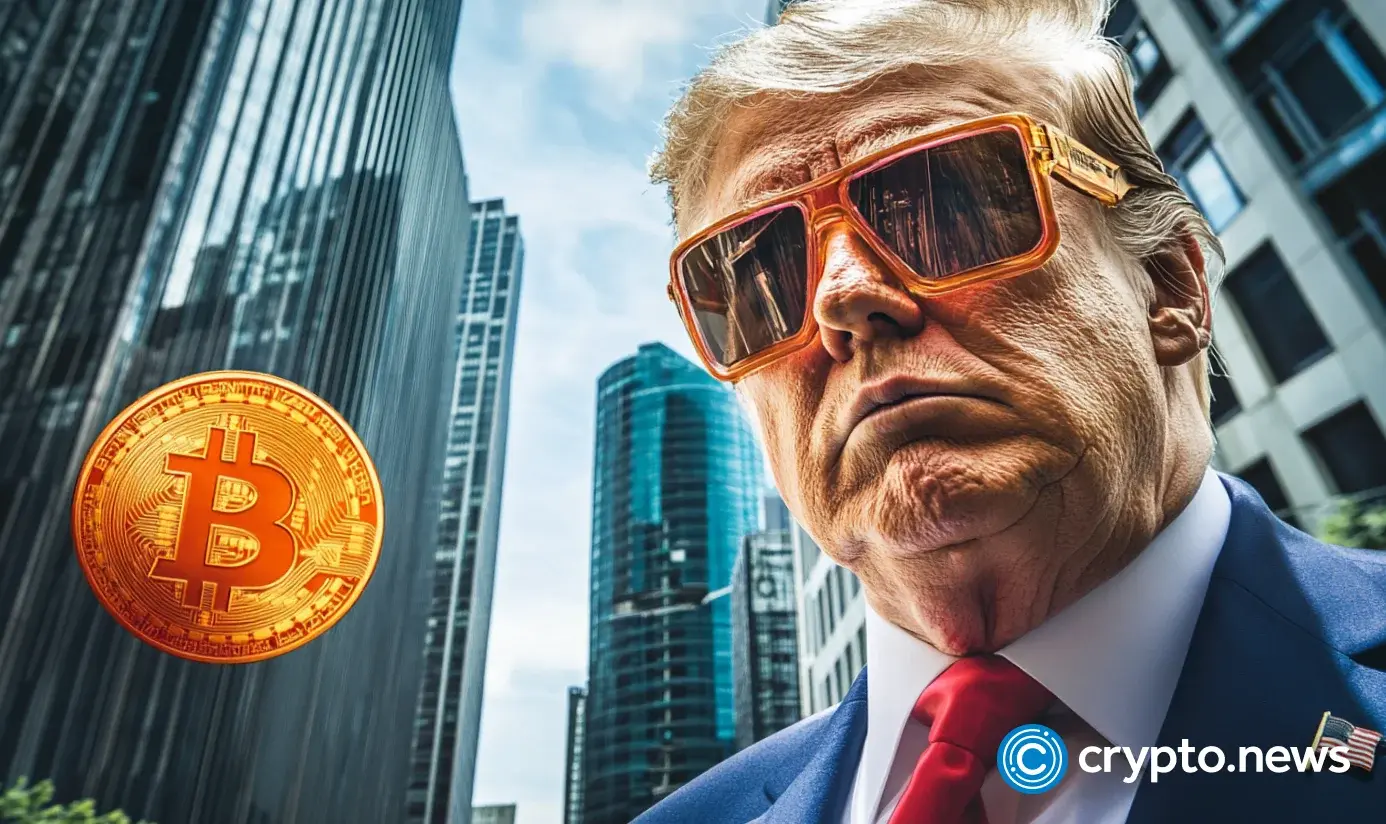
President Trump delivered a keynote address on April 25 at a Mar-a-Lago gala restricted to the top 297 holders of his Official TRUMP memecoin, with a private VIP reception and champagne toast reserved for the top 29, as Senators Elizabeth Warren, Adam Schiff, and Richard Blumenthal formally called the event an improper sale of presidential access.
Summary
- President Trump confirmed his attendance and delivered a keynote at a Mar-a-Lago gala on April 25 open only to the top 297 TRUMP memecoin holders, with the top 29 receiving a private VIP reception.
- Eligibility was determined by a time-weighted points system measuring holdings between March 12 and April 10, a structure critics say directly rewards people for purchasing a token that financially benefits the Trump family.
- Senators Warren, Schiff, and Blumenthal sent a formal letter to event organizer Fight LLC calling the gala an egregious conflict of interest and demanding documents and answers.
The White House confirmed that Trump would deliver a keynote at the TRUMP memecoin gala on April 25, held at his Mar-a-Lago estate in Florida, settling earlier questions over whether the event was on his schedule given that the White House Correspondents’ Dinner was also taking place the same evening in Washington. Organizers said Trump would attend both events, traveling back to Washington after the Mar-a-Lago luncheon.
TRUMP Memecoin Mar-a-Lago Gala Draws Formal Senate Scrutiny
Access to the event was limited to the top 297 holders of the Official TRUMP token, ranked by time-weighted holdings over a 30-day window between March 12 and April 10. An inner circle of the top 29 holders received a VIP reception and champagne toast with the president, subject to background checks. As crypto.news reported, blockchain data showed large holders accelerating accumulation in the weeks before the event, with one investor moving over 105,000 tokens off Binance to bring total holdings to approximately 1.13 million TRUMP tokens worth roughly $3.2 million. The top 10 wallet addresses control 91% of the total TRUMP token supply. A Bloomberg analysis previously found that 19 of the top 25 memecoin holders are likely foreign nationals, adding a potential foreign influence dimension to the Senate’s scrutiny. Senators Warren, Schiff, and Blumenthal sent a formal letter to Fight LLC, one of the organizers behind the token, demanding documents related to event planning, attendee vetting, and the financial arrangements behind the gala. “Congress must also take steps to prohibit and prevent these egregious conflicts of interest,” the senators wrote.
The Financial Math Behind the Senate’s Concern
The Trump family and its affiliated entities have earned more than $320 million in transaction fees from the TRUMP memecoin since its January 2025 launch. As crypto.news documented, the senators’ letter to Fight LLC framed the event as a pay-to-play structure in which purchasing more of the president’s memecoin increases the probability of gaining direct face time with him, a dynamic the senators argued creates a direct financial incentive for Trump to promote and sustain the token’s trading activity. The senators noted that the token announcement in March caused the price to spike nearly 50%, generating immediate transaction fee income for affiliated entities at a time when Trump is simultaneously overseeing crypto regulation and appointing the industry’s regulators. As crypto.news tracked, whales accumulated heavily heading into the event despite TRUMP trading approximately 33% below its $4.35 March peak and 94% below its all-time high of $75.35 from January 2025.
How the Gala Affects the CLARITY Act Timeline
The timing of the gala carries direct implications for the CLARITY Act’s Senate path. Democratic senators have consistently held that ethics language preventing government officials and their families from profiting from crypto is a non-negotiable condition for their support of the bill. As crypto.news noted, the White House has said it will not accept any CLARITY Act language that targets the president individually, a position that has created the defining political deadlock in negotiations since January. The April 25 gala landing in the same week as the targeted Senate Banking Committee markup placed both sides directly back at that unresolved impasse, adding fresh pressure to a bill that Galaxy Research already rates at 50-50 odds of becoming law in 2026.
Event disclosures stated that Trump’s attendance was not guaranteed and that eligible token holders could receive a limited-edition TRUMP NFT if the event was canceled or the president was unable to attend.
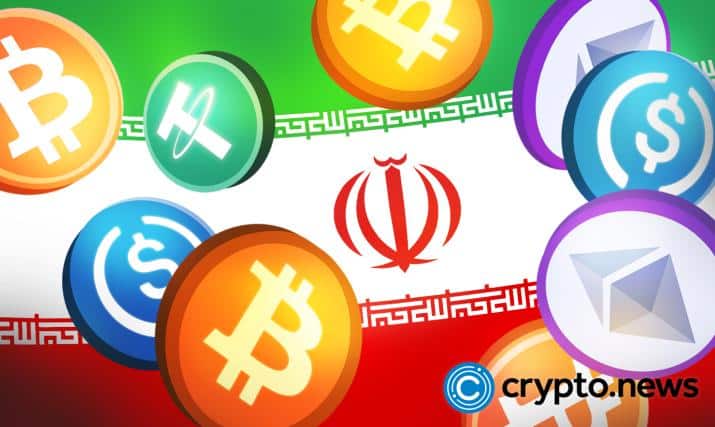
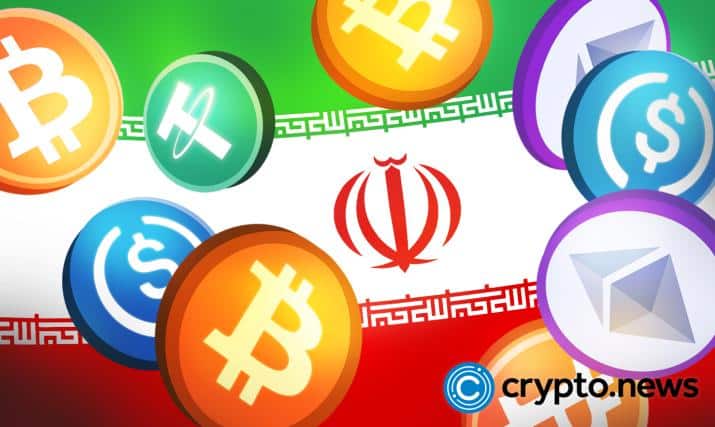
Treasury Secretary Scott Bessent announced on April 24 that the US government has sanctioned multiple crypto wallets linked to Iran’s Islamic Revolutionary Guard Corps under a campaign called Operation Economic Fury, with Tether executing the freeze of $344 million in USDT across two addresses on the Tron blockchain at the direction of American authorities.
Summary
- Treasury Secretary Scott Bessent announced sanctions on multiple crypto wallets tied to Iran’s IRGC on April 24, resulting in Tether freezing $344 million in USDT across two Tron addresses.
- One wallet held approximately $213 million in USDT and the other held $131 million, both blacklisted at the smart contract level after Chainalysis found on-chain patterns consistent with known IRGC wallets.
- The action is part of Operation Economic Fury, a broader campaign to systematically cut off all of Tehran’s financial lifelines during the ongoing conflict.
The US Treasury’s Office of Foreign Assets Control sanctioned multiple crypto wallet addresses linked to Iran’s Islamic Revolutionary Guard Corps on April 24, with Tether executing the freeze of $344 million in USDT across two Tron blockchain addresses in coordination with American law enforcement. “We will follow the money that Tehran is desperately attempting to move outside of the country and target all financial lifelines tied to the regime,” Bessent said in a statement announcing the action.
Operation Economic Fury Iran Crypto Freeze Targets IRGC Financial Architecture
The two frozen Tron wallets held approximately $213 million and $131 million in USDT respectively. Both were blacklisted at the USDT smart contract level rather than at the blockchain layer, meaning Tron itself continued operating normally while Tether’s issuer-level controls rendered the funds immovable. Chainalysis told CNN the wallets’ transaction patterns are “consistent with how we’ve observed other known IRGC wallets move funds on chain,” describing frequent large transfers of up to tens of millions of dollars predominantly between private wallets. A US official said investigators had identified material links to the Iranian regime, including transactions with Iranian exchanges and intermediary addresses that interacted with wallets associated with the Central Bank of Iran. As crypto.news reported, Chainalysis estimates Iran’s crypto ecosystem reached approximately $7.8 billion in 2025, with IRGC-linked activity accounting for roughly half of all on-chain holdings by the fourth quarter of that year.
Tether as a Sanctions Enforcement Tool
Thursday’s action was not the first time Tether’s freeze capability has been deployed as a Treasury enforcement mechanism, but at $344 million it is the largest single crypto freeze directly linked to Iran since the current conflict began. As crypto.news documented, Tether has increasingly aligned its wallet freezing policy with OFAC’s Specially Designated Nationals list, blocking addresses connected to sanctioned individuals, terrorism financing, and high-risk jurisdictions across a growing number of enforcement actions. The freeze also follows January’s OFAC designations of two UK-registered crypto exchanges, Zedcex and Zedxion, for processing IRGC transactions, which crypto.news tracked as Britain subsequently moved to dissolve Zedxion after TRM Labs found IRGC-linked flows had reached 87% of the platform’s total transaction volume by 2024. The dual approach, sanctioning infrastructure and freezing assets simultaneously, reflects Treasury’s attempt to dismantle the layered architecture Iran has built to move money through digital rails while avoiding traditional banking.
What the Freeze Means for Iran’s Crypto Strategy
Daniel Tannebaum, a senior fellow at the Atlantic Council, told CNN the freeze is meaningful but said that given how sanctioned Iran already is, it does not necessarily move the needle on Tehran’s ability to operate during the conflict. As crypto.news noted, Iran has embedded cryptocurrency into its financial architecture at the state level, legalizing Bitcoin mining in 2019, accepting stablecoin payments for military export contracts since January 2026, and running a formal Strait of Hormuz toll system that operates in practice through stablecoins and yuan to bypass OFAC enforcement. The $344 million freeze removes a significant portion of visible on-chain holdings, but Tannebaum warned that the more effective approach to limiting Iran’s financial reach at this stage is targeting third-country actors enabling Tehran rather than the wallets themselves.
Tether said it executed the freeze in full coordination with OFAC and law enforcement, and reiterated its policy of blocking payments used to evade sanctions.
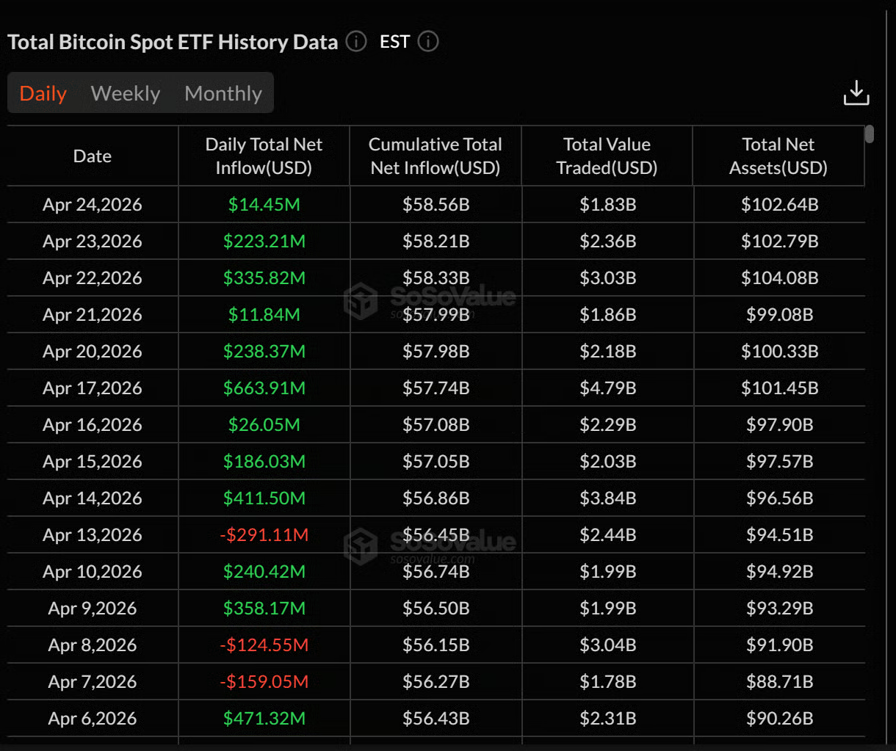
US spot Bitcoin exchange-traded funds (ETFs) have extended their inflow momentum through late April, notching a nine-day streak amid growing investor conviction.
During the period, which spanned April 14 and April 24, total net inflows reached roughly $2.12 billion, with the strongest single-day performance on April 17, when funds attracted $663.91 million. April 14 and April 22 also posted robust gains of $411.50 million and $335.82 million, respectively.
The weakest day came on Friday, with a more modest $14.45 million in net inflows. BlackRock’s IBIT led the day with $22.88 million in inflows. In contrast, Fidelity’s FBTC recorded outflows of $1.69 million, while Bitwise’s BITB and ARK 21Shares’ ARKB saw withdrawals of $8.85 million and $9.02 million, respectively. Other funds, including Grayscale’s GBTC and smaller products, reported largely flat flows.
The April streak is the first nine-day run for spot Bitcoin (BTC) ETFs since a similar run in October, when inflows surged, including $1.21 billion on Oct. 6 and $875.6 million on Oct. 7.
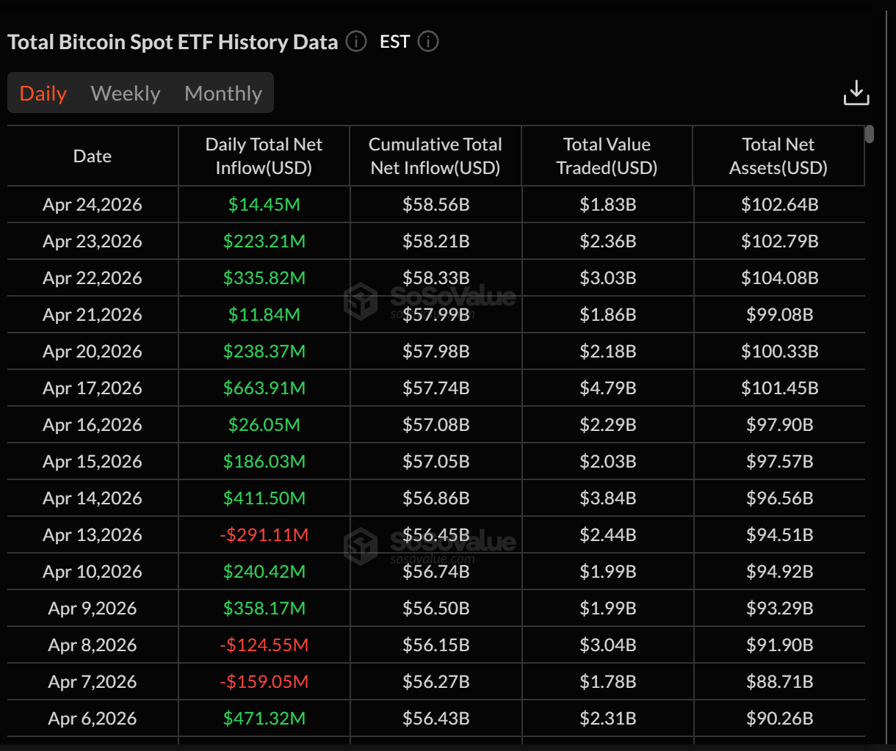
Spot Bitcoin ETFs see 9-day inflow streak. Source: SoSoValue
The sustained inflows also come alongside a strengthening Bitcoin market, with BTC currently trading at $77,516.55, up 10.73% over the past month, according to data from CoinMarketCap.
Related: Bitcoin ETFs Surpass March Inflow Streak With $1.9B
Bitcoin ETF investors hold firm
The recent steady stream of capital has pushed flows back into positive territory for 2026, with cumulative total net inflows reaching $58.23 billion.
This trend comes even as Bitcoin remains about 35% below its record high reached in early October, ETF analyst Nate Geraci wrote in a recent post on X. He said this pattern suggests that ETF investors are taking a longer-term approach rather than reacting to short-term volatility. The continued inflows during a market drawdown point to a more resilient investor base, often described as “diamond hands” in crypto circles.
“ETF investors proving to be longer-term allocators,” he wrote.
Related: Spot Bitcoin ETFs Gain $411M as Goldman Files ETF Plan
Ether ETFs see strong inflows
US spot Ether (ETH) ETFs also maintained a strong inflow streak from April 14 through April 22, posting nine consecutive days of net positive flows. However, the streak was broken on April 23, when funds recorded net outflows of $75.94 million.
During the nine-day run from April 14 to April 22, total inflows were consistently solid, with the strongest single-day performance on April 17, when Ether ETFs attracted $127.49 million. Other standout sessions included April 22 with $96.44 million and April 20 with $67.77 million.
Magazine: AI-driven hacks could kill DeFi — unless projects act now
TLDR:
- France recorded 135 crypto-related kidnappings since 2023, with 47 cases already logged in 2026.
- Eighty-eight suspects, including over 10 minors, have been charged across 12 active French cases.
- A couple in Dompierre-sur-Mer was forced to transfer roughly 8 million euros in cryptocurrency as ransom.
- Prosecutors identified recurring suspects across multiple cases, confirming the presence of structured criminal networks.
Crypto-related kidnappings in France have reached alarming levels, prompting decisive action from prosecutors. On April 24, France’s national anti-organized crime prosecutor announced 88 individuals have been formally charged.
These charges span 12 ongoing cases and include more than 10 minors among the accused. Seventy-five of those charged remain in pretrial detention.
Since 2023, authorities have recorded 135 such incidents nationwide, with the numbers rising sharply each year.
Rising Numbers Reveal the Scope of a Growing Criminal Trend
The data alone shows how rapidly this problem has grown in France. Authorities recorded 18 crypto-related kidnapping incidents throughout 2024.
That number surged to 67 over the course of 2025. So far in 2026, 47 new cases have already been logged, and the year is far from over. Prosecutors have described the trajectory as unprecedented in scope.
Vanessa Perrée, chief prosecutor at the National Anti-Organized Crime Prosecutor’s Office (Pnaco), pointed to a “significant volume of defendants” across the active cases.
She further described the pattern as “rapidly evolving criminal phenomena,” noting their direct connection to the use of crypto assets. These cases involve abduction or unlawful detention, often accompanied by physical violence against victims. Victims are then forced to transfer cryptocurrency assets or surrender digital securities as ransom.
Perrée also flagged “the identification of people involved in several cases on a recurring basis, thus revealing the existence of structured networks.” This pattern strongly points to organized criminal groups operating across multiple regions of France. Law enforcement has been actively cross-referencing cases to confirm these broader connections. The close coordination between agencies has proven central to advancing the investigations.
In one recent development, three men aged between 25 and 30 were arrested in connection with a November 2025 kidnapping case. The incident took place in Challes-les-Eaux, in the Savoie region. The Chambéry gendarmerie and the National Judicial Police Unit carried out the arrests. All three suspects were subsequently charged and placed in pretrial detention.
High-Profile Cases Push Authorities Toward a Stronger National Response
Two of those three suspects also face charges connected to a separate December 2025 case. That incident occurred in Dompierre-sur-Mer, where a couple was abducted by three hooded individuals. The attackers forced the victims to transfer approximately 8 million euros in cryptocurrency before fleeing.
A third suspect in the Dompierre-sur-Mer case was arrested separately by the Poitiers research section. He was also charged and placed in pretrial detention alongside the others. His lawyer, Baptiste Bellet, told AFP directly: “My client contests all the facts of which he is accused.”
The wave of crypto-related kidnappings entered public consciousness after a January 2025 incident. Ledger co-founder David Balland and his partner were kidnapped in a targeted attack. His partner was eventually released, and Balland was later found tied up inside a vehicle. The case spread widely across X, with voices in the crypto community urging stronger personal security practices.
Faced with “the magnitude of the facts” and their rapid acceleration since 2025, Perrée credited investigative units for carrying out “an in-depth work of judicial rapprochement” across cases nationwide. She acknowledged the central office for fighting organized crime and the gendarmerie’s UNPJ in particular. The Pnaco has since committed to strengthening its criminal response throughout the entire country.
TLDR:
- Mars FX reported 19% annual returns with zero losing months, a pattern no legitimate fund has ever sustained in history.
- Novus directed investor funds to an unnamed BVI partner later identified as TRFX, which had been offline since 2022.
- Deloitte issued clean audit opinions yearly without independently verifying whether the reported fund assets actually existed.
- US regulators are now proposing fewer hedge fund disclosures and cutting enforcement staff amid an active $600M fraud investigation.
A massive financial scandal has emerged around Mars FX, a hedge fund that allegedly collected nearly $600 million from investors before the money disappeared.
The fund, operated under the Novus umbrella and led by Wharton graduate David Choi, posted suspiciously perfect returns for years.
Regulators across multiple countries are now investigating, while auditor Deloitte faces serious legal scrutiny for signing off on financials without independent asset verification.
Red Flags Ignored as Investors Poured Hundreds of Millions Into Mars FX
Mars FX reported 19% annual returns with zero losing months across its entire operating history. No legitimate investment fund has ever sustained a record like that through natural market conditions. Markets fluctuate by nature, and every real fund absorbs losses at some point along the way.
Despite that glaring anomaly, investors continued wiring money into the fund. By February 2024, the US fund alone had collected $331 million from clients. Total exposure across all associated funds reached close to $600 million in combined investor capital.
Novus told investors their money would flow to an unnamed technology partner based in the British Virgin Islands.
The firm labeled this arrangement as “proprietary and sensitive,” refusing to disclose the partner’s identity to investors. Hundreds of millions changed hands without investors knowing where their funds were actually going.
That unnamed partner was later identified as TRFX. According to reports, TRFX claims its trading platform had stopped operating in 2022—two full years before Mars FX was still actively raising capital from new investors.
Deloitte Faces Legal Action While Regulators Propose Looser Oversight Rules
Bull Theory captured the scale of the problem on X, writing, “A fund that never loses money is not a good fund. It is a fund hiding something.” That observation now looks more accurate than many investors would have hoped when they first wired their money in.
Deloitte, one of the four largest audit firms globally, issued clean opinions on Mars FX financials year after year. A lawsuit filed against the firm alleges it never independently verified that the reported assets actually existed.
The 2024 offering documents showed TRFX was neither a licensed broker nor a regulated custodian, yet Deloitte noted no significant concerns in its audit the same year.
The SEC, CFTC, UK Financial Conduct Authority, and British Virgin Islands regulators are all now involved in active investigations.
The FBI and a Manhattan grand jury have also opened proceedings into the matter. No charges have been filed, and the money remains entirely unaccounted for.
Arizona small business owner CarolAnn Tutera, 70, lost money in the earlier GPB Capital fraud and was defrauded again through Mars FX.
She said plainly: “I’m really fed up with finance guys on Wall Street.” Her frustration reflects a system that failed her twice.
Meanwhile, US regulators this week formally proposed eliminating filing requirements for smaller hedge funds and cutting enforcement staff at agencies responsible for catching exactly this kind of fraud.
Key Highlights
- Aave service providers submitted a governance proposal to allocate 25,000 ETH (approximately $58M) toward addressing Kelp DAO’s exploit shortfall
- The exploit involved an attacker creating unbacked rsETH through a compromised LayerZero bridge, which was then leveraged as collateral on Aave
- Multiple DeFi protocols including Lido DAO, Ether.fi, and Golem, along with private contributors, have committed ETH to the recovery initiative
- DeFi United’s recovery fund has accumulated approximately 69,534 ETH (roughly $161M), potentially covering the estimated shortfall
- Year-to-date 2026, DeFi’s total value locked has contracted more than 27%, falling to slightly over $80 billion
On Friday, Aave’s service providers put forward a governance proposal seeking authorization to transfer 25,000 ETH—valued at approximately $58 million—from the protocol’s treasury to the DeFi United recovery initiative. This contribution aims to ensure complete backing for rsETH following the security breach at Kelp DAO that occurred last week.
The security incident unfolded on April 18 when a malicious actor identified and exploited a critical vulnerability within the Ethereum LayerZero bridge adapter utilized by Kelp. This breach resulted in the extraction of 152,577 rsETH tokens, generating an initial deficit of approximately 163,183 ETH. The perpetrator subsequently deposited the unbacked rsETH as collateral on Aave, borrowing legitimate assets and creating bad debt for the platform.
While the proposal awaits a formal governance vote, it has garnered substantial backing from members of the DeFi ecosystem.
[[LINK_START_0]]Aave[[LINK_END_0]] founder and CEO Stani Kulechov personally committed 5,000 ETH from his own holdings, characterizing Aave as his “life’s work.” Additionally, Emilio Frangella, the protocol’s Senior VP of Engineering, pledged 500 ETH to the recovery effort.
Several other protocols have stepped forward to participate. Lido DAO put forth a proposal to contribute up to 2,500 ETH, while Ether.fi offered up to 5,000 ETH. Golem committed 1,000 ETH to the fund, and BGD Labs also made a contribution.
Bridging the Recovery Gap
Mantle introduced a separate proposal for a low-interest credit facility offering up to 30,000 ETH, designed to assist Aave in managing any residual bad debt not addressed through donated funds.
Approximately 30,700 ETH was also immobilized on Arbitrum in the aftermath of the attack, a factor that plays into the overall recovery calculations.
According to a tracking tool circulated on X, the actual rsETH shortfall stands at 112,204 rsETH, equivalent to roughly 118,400 ETH. When combining all proposed contributions, the Mantle credit facility, the frozen Arbitrum holdings, and anticipated recoveries from both Aave and Compound, the deficit appears to be fully addressed.
X user DCF GOD calculated that the shortfall has been adequately covered, contingent upon passage of all pending governance proposals. Should this scenario materialize, Aave may not require the full extent of Mantle’s credit facility.
DeFi Sector Faces TVL Decline Amid Security Incidents
The DeFi United recovery fund currently holds approximately 69,534 ETH, translating to nearly $161 million when accounting for all pledged and proposed allocations.
According to data from The Block, total value locked throughout DeFi protocols currently stands just above $80 billion. This represents a decline exceeding 27% compared to the approximately $110 billion recorded at the beginning of 2026.
Analysts from JPMorgan have observed that recurring security exploits are dampening institutional appetite for DeFi, with some market participants redirecting capital into stablecoins.
The Aave governance vote concerning the 25,000 ETH allocation remains pending. Similarly, all other proposed contributions await final ratification from their respective protocol governance mechanisms.
TLDR
- U.S. authorities seized $344 million in Tether stablecoin connected to Iranian entities through “Economic Fury” initiative
- Two TRON network addresses were blacklisted by Tether following Treasury sanctions
- Iranian authorities have increasingly relied on cryptocurrency to circumvent international sanctions
- Diplomatic discussions between Washington and Tehran could continue this weekend
- Total frozen Iranian assets now reach approximately $2 billion
The United States government seized $344 million worth of USDT stablecoin this week, claiming the digital assets are connected to Iranian state entities. This action represents another escalation in Washington’s financial offensive designed to pressure Iran into diplomatic concessions.
On Friday, Treasury Secretary Scott Bessent revealed the sanctions. The Office of Foreign Assets Control (OFAC) targeted several cryptocurrency wallets believed to have direct connections to Tehran’s government.
“We will follow the money that Tehran is desperately attempting to move outside of the country and target all financial lifelines tied to the regime,” Bessent stated. He characterized this initiative as “Economic Fury.”
Tether responded on Thursday by freezing two wallet addresses operating on the TRON blockchain. The combined holdings in these addresses totaled $344 million in USDT. The stablecoin company confirmed its cooperation with U.S. government directives.
According to a government official speaking with CoinDesk, the targeted wallets demonstrated unmistakable connections to Iranian state operations. Evidence included transfers involving Iranian cryptocurrency exchanges and routing patterns linked to Iran’s central banking system.
Tehran’s Growing Cryptocurrency Adoption
U.S. intelligence agencies report that Iran has significantly expanded its use of digital currencies to bypass economic restrictions. The nation has employed sophisticated transaction methods to obscure its involvement in international financial transfers.
Iran’s central banking authorities have attempted to conceal their operations by channeling resources through cryptocurrency networks rather than conventional financial institutions. Treasury officials confirmed they’re collaborating with blockchain analysis companies and digital asset platforms to monitor these activities.
In a related development, Iran allegedly selected Bitcoin rather than stablecoins for collecting tolls at the strategically important Strait of Hormuz. The rationale: Bitcoin presents greater challenges for U.S. seizure compared to USDT. Washington now controls nearly $2 billion in frozen Iranian assets across various channels.
Friday also saw sanctions imposed on Hengli Petrochemical, a Chinese refining operation. Officials allege the company serves as a critical component in Iran’s petroleum industry.
Diplomatic Negotiations May Continue Shortly
Another session of U.S.-Iran diplomatic discussions could occur within days. President Trump plans to dispatch envoys Steve Witkoff and Jared Kushner to Pakistan for meetings with Iranian Foreign Minister Abbas Araghchi.
Vice President JD Vance, who participated in initial negotiations, won’t be present for this round. Iran’s Parliament Speaker, who represented Tehran previously, will also be absent from upcoming talks.
Tehran has insisted on the release of frozen assets as a prerequisite for any agreement. Trump has stated that the American naval blockade at the Strait of Hormuz costs Iran approximately $500 million daily.
Bitcoin traded around $77,800 on Thursday, slightly below its intraday peak of $78,400. The cryptocurrency has gained more than 3% over the past week.

L&T Finance Share q4 result 2026 i L&T Finance share dividend I L&T Finance SHARE LATEST NEWS I LTF

why one person’s painkiller can be another person’s problem

From turbulence to triumph: Why great CEOs define market winners

Manchester United reach agreement with Casemiro over contract clause amid transfer speculation

US brings back mandatory military draft registration

Steven Gerrard disagrees with Gary Neville over ‘shock’ Chelsea and Arsenal claim | Football


-

 Business6 days ago
Powerball Result April 18, 2026: No Jackpot Winner in Powerball Draw: $75 Million Rolls Over
-

 Politics6 days ago
Zack Polanski demands ‘council homes not luxury flats for foreign investors’
-

 Fashion16 hours ago
Weekend Open Thread – Corporette.com
-
Entertainment5 days ago
NBA Analyst Charles Barkley Chimes in on Ice Spice McDonald’s Fiasco
-

 Tech6 days ago
Auto Enthusiast Scores Running Tesla Model 3 for Two Grand and Turns It Into Bare-Bones Go-Kart
-

 Politics5 days ago
Gary Stevenson delivers timely reminder to register to vote as deadline TODAY
-

 Politics3 days ago
Making troops accountable for war crimes threatens US alliance, ex-SAS colonel warns
-

 Business3 days ago
Rolls-Royce Voted UK’s Most Iconic Trade Mark as IPO Register Hits 150
-

 Politics3 days ago
Disabled people challenge government SEND proposals over segregation concerns
-
Crypto World5 days ago
Bank of Hawai’i (BOH) Q1 2026: Net Income Drops to $57.4M as Net Interest Margin Expands
-

 Politics3 days ago
Zack Polanski responds to home secretary’s taser threat
-
Politics3 days ago
Wings Over Scotland | How To Get Away With Crimes
-

 Politics3 days ago
Starmer handler McSweeney to be dragged from shadows by Foreign Affairs Committee
-
Crypto World6 days ago
Kelp DAO rsETH Bridge Hack Drains $292M as DeFi Losses Top $600M in Two Weeks
-

 Politics3 days ago
‘Iran is still a nuclear threat’
-
 Crypto World4 days ago
Five Value Stocks with Recovery Potential in 2026: PayPal (PYPL), Nike (NKE), and More
-

 Crypto World3 days ago
New York sues Coinbase, Gemini over prediction market offerings
-

 Business3 days ago
The Job Benefits Most Men Don’t Know to Negotiate
-

 Crypto World23 hours ago
Michael Saylor says BTC winter is over. Market analyst disagrees, says bitcoin was in a pullback
-

 Politics6 days ago
Reform investigating candidate who ‘hates’ the NHS
You must be logged in to post a comment Login