

Crypto World
Sam Bankman-Fried Want’s to Launch a New Crypto After Prison

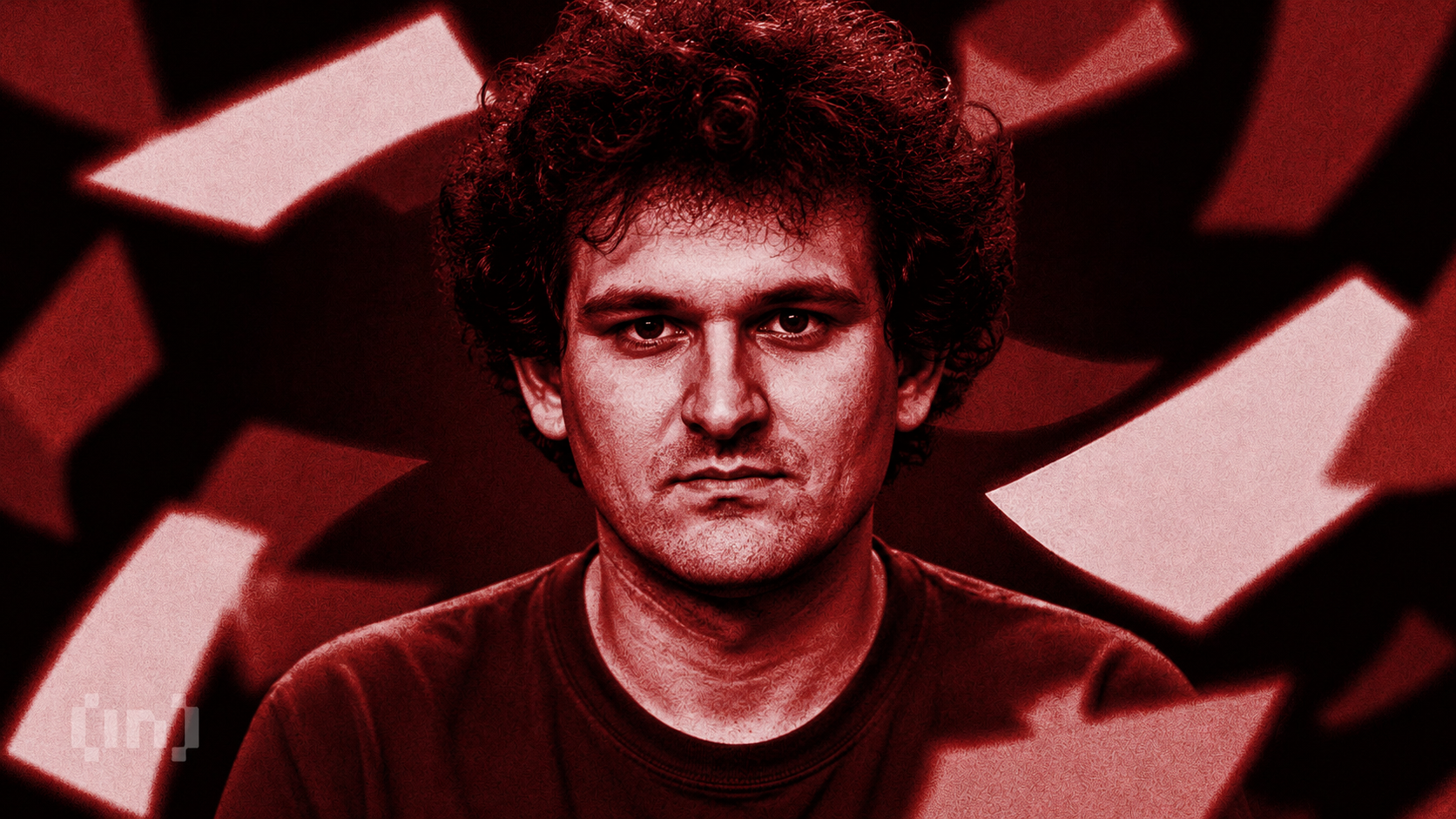

Sam Bankman-Fried (SBF), the disgraced founder of FTX, is floating plans to launch a new crypto token after his release from prison. The former crypto magnate is currently serving a 25-year sentence after the catastrophic collapse of his exchange.
Here is what SBF reportedly said, why experts strongly dismiss the plan, and how the crypto community is now reacting.
SBF Has Ambitious Plans After Prison
SBF shared his future plans during a recent conversation with former inmate David Bunevacz. The revelation was later detailed in a New York Magazine feature. According to the report, his main goal is to return to the tech business right after his release from prison.
“Maybe he was joking, and probably no one will flock to him. But who knows,” Bunevacz said.
To build a real corporate structure, he reportedly needs initial capital between $50 and $100 million. Furthermore, the most striking part of his testimony focused on issuing a fully independent digital asset of his own design.
The former crypto figure expressed full confidence in the idea. According to the source, SBF said he will launch his coin, and everyone will come to it. The statement reignites scrutiny over his ambitions, despite his serious legal troubles.
Follow us on X to get the latest news as it happens
His legal record makes the comeback ambitions controversial. The 2022 FTX collapse exposed widespread fraud and misuse of client funds. Moreover, US courts categorically rejected the defense’s appeal to reduce the sentence.
The announcement also revives debate over how crypto handles repeat offenders. SBF was once celebrated as one of the most influential founders in the industry. However, his fall from grace became one of the most documented corporate scandals of the past decade.
Why Experts Strongly Dismiss SBF’s Crypto Comeback
The claims belong strictly to SBF’s personal wishes, according to industry experts. His release date is still far away, so the current market will not face any real or operational changes from comments made inside prison.
However, the episode shows that the former billionaire retains his ambition in full. His mindset has not changed despite the destruction of trust caused by the FTX collapse. The desire for financial redemption exposes the persistence of messianic crypto leadership.
Compliance regulations from supervisory bodies represent a major barrier to any return. Securities commissions across the West have strengthened background checks on token issuers in recent years. As a result, no legitimate bank or VC fund is expected to support his operations.
Still, crypto markets have shown short memories toward unethical conduct. Several controversial figures have managed relative success after launching new campaigns. That dynamic keeps a remote window open for the disgraced founder’s potential return in the long term.
How the Crypto Community Is Reacting to the News
Reactions across crypto forums and social media showed deep divisions. A majority of the community argues that SBF’s reputation has been permanently and irreversibly destroyed. For this group, it is impossible for the market to ever validate a platform they develop.
“Yeah mate, I’ll believe it when I see it, but honestly who’d line up for round two of that circus,” one user said on X.
On the other hand, some observers note that volatility and the search for quick returns often cloud traders’ judgment. There are precedents of digital assets gaining popularity based purely on the media notoriety of their creators.
That speculative dynamic feeds the remote possibility of a comeback for the polemic founder of the defunct trading platform. Whether the market ultimately rewards or punishes the attempt remains an open question that may unfold over the years.
“After going broke, SBF needs your money to rug you and start a wealthy life,” another user exposed.
In any case, the resolution of this story will be written under market conditions likely very different from today. The current institutional infrastructure punishes attempts to manipulate capital more severely. Time will determine whether SBF’s projections become reality or fade quietly into oblivion.
The post Sam Bankman-Fried Want’s to Launch a New Crypto After Prison appeared first on BeInCrypto.


Blockchain.com is widening its tokenized real-world assets lineup through a partnership with Ondo Finance, adding 173 tokenized stocks and exchange-traded funds (ETFs) to its marketplace. The expansion takes Blockchain.com’s catalog of tokenized traditional assets to more than 430 offerings spanning Ethereum, Solana and BNB Chain.
In a Wednesday announcement, Blockchain.com said the newly listed products include tokenized exposure to private-company shares, actively managed ETFs, US Treasury-related offerings, and covered-call income strategies—highlighting SpaceX’s SPCX token among the additions. It also added themed baskets linked to areas such as AI infrastructure, energy, robotics, autonomous vehicles and quantum computing, alongside income-focused products from Global X and other issuers.
Key takeaways
- Blockchain.com expanded its tokenized stocks and ETF catalog by 173 items via Ondo Finance, bringing total offerings to 430+ across Ethereum, Solana and BNB Chain.
- The new list ranges from private-company shares and active ETFs to Treasuries and covered-call strategies, with SpaceX’s SPCX token called out by name.
- Blockchain.com says the assets are available immediately, using Ondo’s routing and liquidity infrastructure to support trading across all 173 listings at launch.
- Tokenized equities have accelerated this year: RWA.xyz data cited by the company shows distributed value is up to about $1.57 billion, roughly fivefold from around $330 million a year ago.
- Regulatory momentum for DeFi-style access to US equities has become a focal point after a US SEC proposal was described by Galaxy’s Alex Thorn as a potential “unlock” for tokenized stock trading.
Blockchain.com’s Ondo partnership grows across major chains
Blockchain.com’s latest move reinforces its strategy of bringing institutional-style market access into crypto rails. The firm positioned the onboarding as an “immediate” availability update, stating that Ondo’s routing and liquidity infrastructure supports trading across all 173 new tokenized assets from the time of launch.
Ondo is described by market-data provider RWA.xyz as one of the larger tokenization platforms by asset value. According to RWA.xyz figures cited in the announcement, Ondo has roughly $3.8 billion in distributed assets across 267 tokenized products. While those figures are platform-level totals rather than limited to equities, they underscore the scale of the infrastructure now being leveraged for broad catalog expansion.
What’s new in the 173-token slate
While tokenized equities have largely focused on making public-company shares transferable on-chain, Blockchain.com’s additions widen the scope of what investors can hold in token form. Among the specific categories it highlighted are:
- Private company shares, offering on-chain exposure beyond traditional publicly listed equities.
- Active ETF exposure, indicating continued demand for tokenized access to strategies managed by ETF issuers.
- US Treasury products, bringing fixed-income exposure into the same trading ecosystem.
- Covered-call strategies, which aim to generate income by holding an underlying asset while selling call options.
- Themed baskets tied to sectors such as AI infrastructure, energy, robotics, autonomous vehicles and quantum computing.
Blockchain.com singled out SpaceX’s SPCX token as one of the additions. That comes as tokenized SpaceX-related products have already drawn significant retail and institutional attention, even as the sector has encountered execution problems in some launches.
Tokenized equities keep climbing—though competition is intensifying
RWA.xyz data cited alongside Blockchain.com’s announcement suggests the tokenized equities segment has been gaining traction. The report referenced by the article places tokenized equities at approximately $1.57 billion in distributed value, up nearly fivefold from about $330 million a year ago.
The same data set referenced the variety of assets now circulating on-chain, including tokenized shares of public companies, ETFs, and private-firm equity. It also mentioned several large holdings by value, naming Strategy, Circle, Nvidia and Exodus shares as examples.
That growth has also attracted more rivals. Earlier this month, Exodus launched a marketplace for more than 200 tokenized stocks, ETFs and other real-world assets, also through a partnership with Ondo Finance—illustrating how Ondo-linked distribution is becoming a common foundation for new onchain “tradfi-like” trading experiences.
Beyond dedicated tokenized stock platforms, mainstream crypto venues have also pursued high-profile tokenized equity themes. Binance, for instance, said its tokenized IPO offering tied to SpaceX drew more than $557 million in USDC deposits from users seeking exposure to the listing.
SpaceX hype meets real-world frictions—and regulatory change could matter
Alongside growing interest, the SpaceX IPO storyline revealed operational and allocation challenges that have periodically constrained tokenized offerings. According to the earlier coverage referenced in the article, several exchanges—including Binance, Bybit, Bitget Wallet and MEXC—were reported to have canceled tokenized SpaceX offerings and refunded users after failing to secure share allocations. Those products, the article notes, relied on Kraken-owned xStocks for distribution and settlement infrastructure.
The reporting also pointed to the IPO’s reported oversubscription, citing Reuters coverage that demand for a $75 billion offering had reportedly reached more than four times that level and attracted more than $250 billion in investor demand. For tokenization firms and their partners, these dynamics highlight a recurring tension: onchain distribution can be fast, but underlying access to shares can remain constrained by traditional market mechanics.
At the same time, regulatory discussions may shape how these products evolve. The article references a US Securities and Exchange Commission proposal described by Galaxy head of research Alex Thorn as “one of the biggest unlocks yet for tokenized stocks.” Thorn’s comments were tied to the SEC’s proposal to rescind two National Market System rules, which he argued would remove “one of the biggest structural barriers to tokenized US equities trading in DeFi.” The linked SEC proposal appears to frame the issue as a rule change within market structure regulation, though the ultimate impact for onchain trading will depend on how the SEC proceeds and what replacement frameworks—if any—follow.
For investors using onchain equities platforms, the immediate practical takeaway is straightforward: more tokenized stock and ETF listings are now arriving through established infrastructure, but the sector’s next test will be whether liquidity, settlement reliability and regulatory clarity can keep pace with demand. Watch for how exchanges and wallet providers handle upcoming high-profile offerings—especially those that require constrained allocations—and for any follow-through from the SEC proposals that could expand the ways tokenized equities can be integrated into DeFi trading.
The GENIUS Act, signed into law last year, established the first federal framework for payment stablecoins in the United States. Among other requirements, issuers must hold reserves in cash, short-term Treasury securities and certain government money market funds.
The legislation has created an opportunity for traditional asset managers to offer regulated vehicles that stablecoin issuers can use to manage those reserves while generating yield.
Fidelity’s fund will invest in U.S. Treasury bills, notes and bonds with maturities of 93 days or less, cash, overnight repurchase agreements backed by Treasuries and other government money market funds that comply with the law.
“Fidelity has a longstanding history in fixed income and money markets, making us uniquely positioned to offer a money market fund for stablecoin issuers that is compliant with the new GENIUS-Act legislation,” said Robin Foley, Fidelity’s head of fixed income, in a statement.
While Fidelity’s announcement focused on reserve management, State Street framed its launch as part of a broader push into tokenized finance through partnerships with crypto firms such as Anchorage Digital and products designed for onchain liquidity management.


President Donald Trump said the United States will hand back Iran’s frozen money rather than seize it, warning that keeping the funds would destroy global confidence in the U.S. dollar.
His comments at the G7 summit touched a nerve central to crypto, where the threat of asset seizure is a core argument for holding neutral, borderless reserves like Bitcoin.
Returning the Frozen Money
Trump made the remarks at a G7 conference in France, responding to a question about whether Washington would unfreeze Iranian assets.
He drew a sharp line between paying Iran and releasing money the U.S. had frozen.
“It is not our money. It is their money. And we froze it at a certain point in time.”
Trump said he had personally weighed keeping the funds before deciding against it. A recent report indicated that the US had reached $1 billion in cumulative seizure of Iranian crypto assets as of late May.
Follow us on X to get the latest news as it happens
A Warning About Dollar Confidence
Trump argued that holding seized money would damage the dollar’s standing and its dominance as the world’s reserve asset.
“If we did not get back, no one would ever invest in the dollar again.”
He linked the decision to the currency’s strength under his administration.
“The dollar has become very strong under me.”
Trump also stressed the U.S. is not financing Iran directly, contrasting the deal with past cash transfers.
“We are not putting up money. Only if they are doing things right.”
Why Crypto is Watching
The seizure question sits at the center of Bitcoin’s appeal. Each time Washington weaponizes the dollar, it strengthens the case for a neutral store of value beyond any government’s reach.
That logic drives the debasement trade, where investors treat Bitcoin as a hedge against fiat risk and money printing.
Trump himself has floated a strategic reserve to strengthen the country’s position.
The post Trump to Return Iran’s Frozen Money to Protect the Dollar appeared first on BeInCrypto.


The distinction matters. Wrapped bitcoin products such as WBTC, Coinbase’s cbBTC and Circle’s recently announced synthetic bitcoin product already allow BTC to circulate in DeFi. But Tse said many bitcoin holders dislike giving up custody in exchange for synthetic tokens.
“Most users, many users, do not like it,” he said. “They don’t want to give up title, they don’t want to give up custody.”
Bitcoin layer-2s
Orkun Mahir Kılıç, co-founder and CEO of Chainway Labs, developer of Citrea, offered a blunter critique of the sector’s earlier ambitions.
“Trying to do the same things as Solana the day you launch doesn’t make any sense,” he said.
Bitcoin layer-2s should stop pitching themselves as general-purpose blockchains, he added. The market already has mature ecosystems for trading, lending, consumer applications and perpetual futures.
Instead, Kılıç said, Bitcoin layer-2s should focus on products “uniquely enabled by Bitcoin security and settlement.”
There are still things that wait to be solved on the Bitcoin layer-2 markets,” he said. “But definitely general-purpose ecosystem focus, like trying to compete with Ethereum applications on your day one, is a little bit hard to achieve.”
Diego Gutierrez Zaldivar, CEO and co-founder of Rootstock Labs, said Botanix’s closure reflects another lesson: building a blockchain ecosystem is much harder than solving the technical problem.
Crypto World
Here is how Coinbase plan to survive the crypto winter by ditching its reliance on trading fees
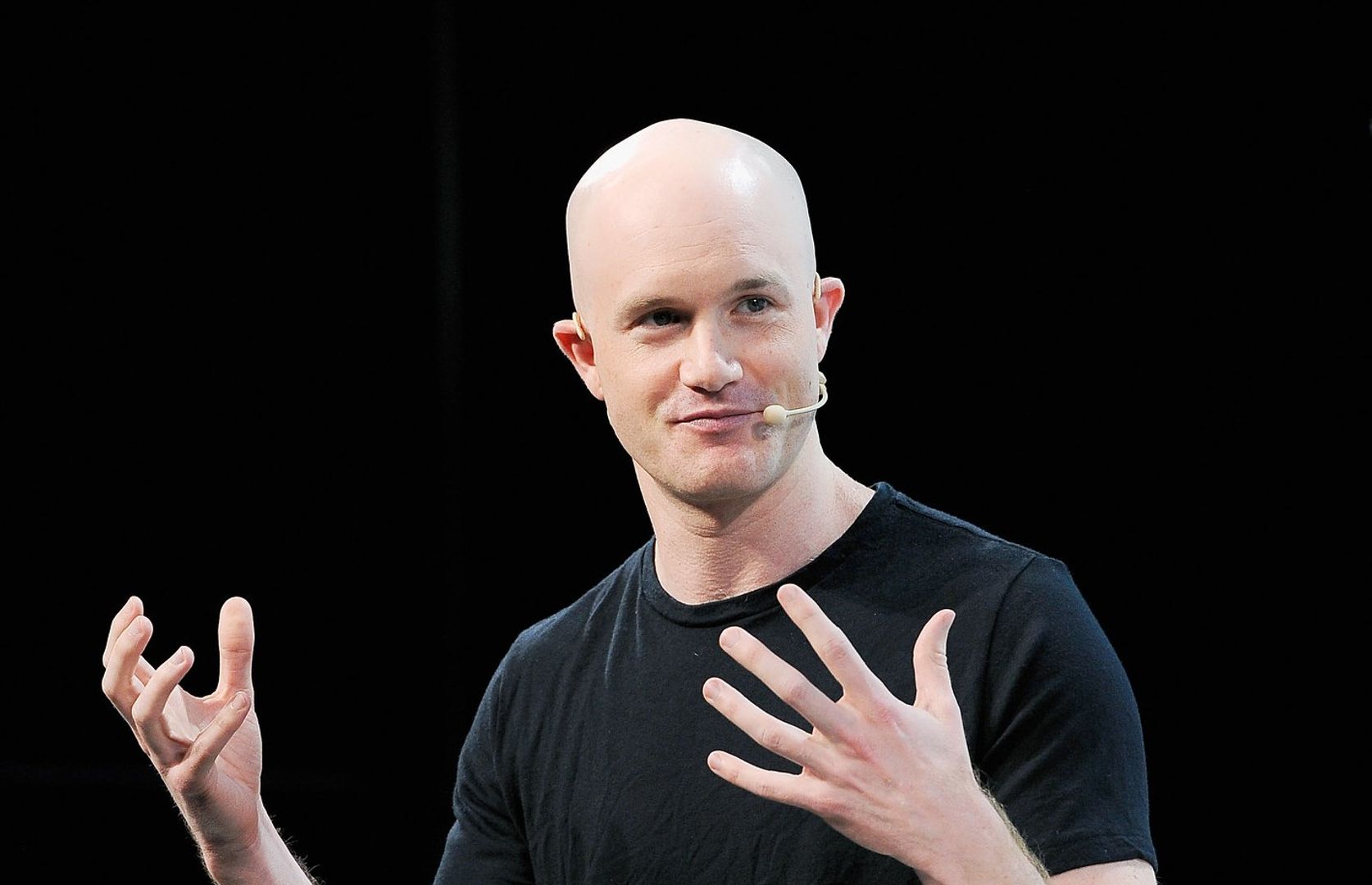
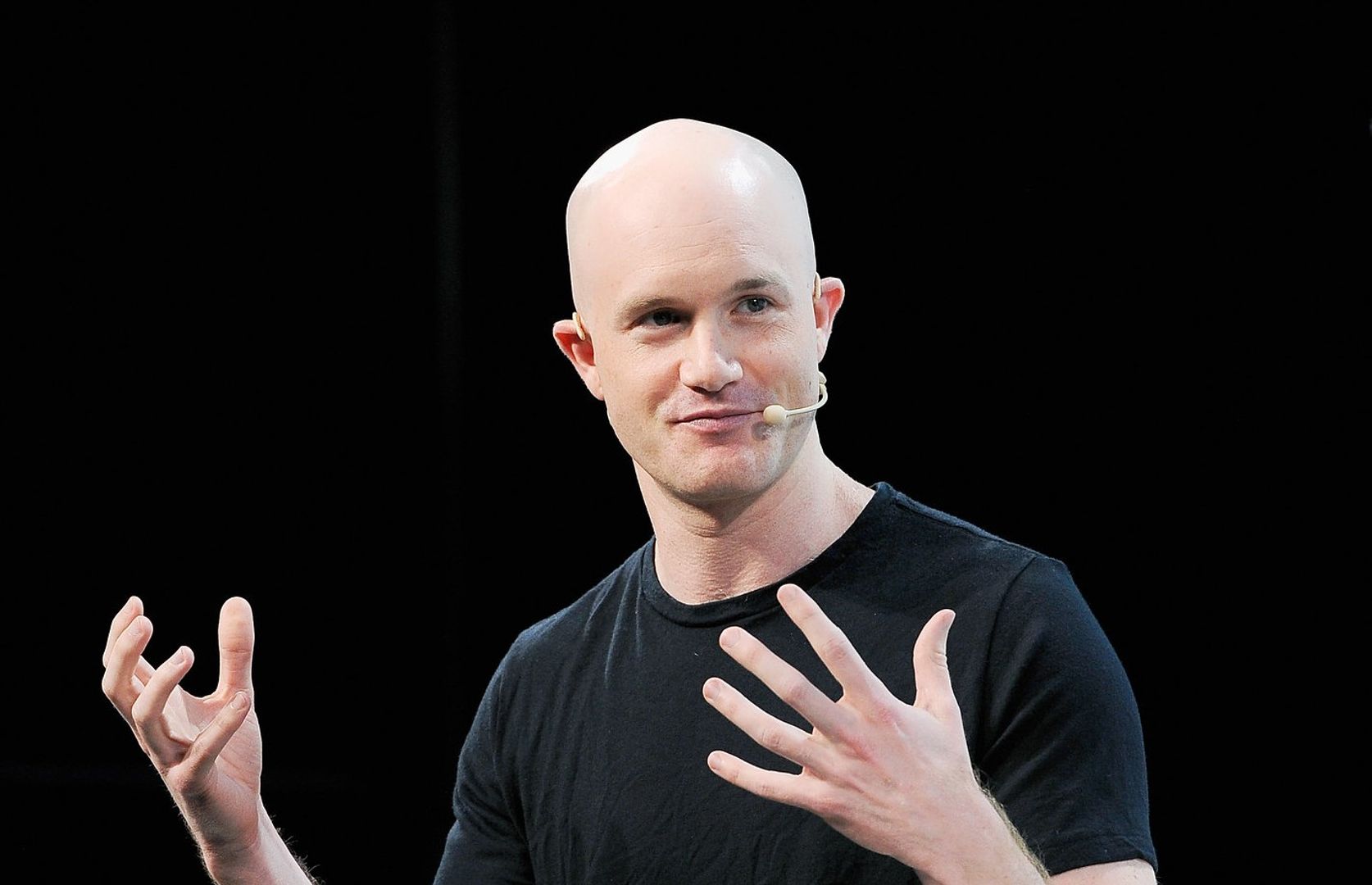
Coinbase’s (COIN) latest product launch event may not have changed Wall Street’s near-term earnings forecasts, but it reinforced a growing belief among analysts that the crypto exchange is steadily transforming itself into a broader financial platform with revenue streams that extend beyond bitcoin’s price cycles.
At Tuesday’s System Update event in New York, Coinbase unveiled products spanning derivatives, tokenized stocks, stablecoin payments, lending and artificial intelligence. While the announcements covered a wide range of businesses, analysts focused less on the individual products and more on what they reveal about the company’s long-term strategy.
For years, Coinbase’s fortunes have been closely tied to crypto trading activity. When bitcoin rallies and retail investors return to the market, trading revenue tends to surge. During slower periods, that revenue can fall sharply. Analysts increasingly view Coinbase’s product expansion as an effort to reduce that dependence.
“The new features are aligned with the company’s effort to become the ‘everything’ exchange,” Barclays analyst Benjamin Budish wrote following the event, adding that the company is seeking to capture a larger share of customers’ financial activity as crypto trading volumes remain relatively subdued.
Cantor Fitzgerald analyst Ramsey El-Assal struck a similar tone. While acknowledging softer conditions across crypto markets, he said Coinbase’s “innovation engine hasn’t skipped a beat” and argued that the company is positioning itself to benefit from a future where consumers manage investing, spending and borrowing through a single app or wallet.
‘The prize’
What stood out to analysts among Coinbase’s myriad new product launches was derivatives.


Coinbase has hit back at claims that it doxxed a customer who made use of the exchange’s first crypto-backed mortgage.
During a June 16 event, at which Coinbase unveiled 21 new products, the company shared a photo of the house apparently backed by the mortgage, describing the owner as someone who owns a lot of bitcoin (BTC).
However, a critic soon claimed to have pulled up the buyer’s Zillow listing — not ideal, given that BTC’s parabolic price increase over the past 17 years and the fact that keys instantly confer ownership make owners appealing targets for thieves.
Attempting to downplay any fears, a Coinbase spokesperson told Protos, “During the exciting process of closing on the home, Coinbase and Better worked closely with the homeowner on a mindful way to share the news while maintaining their privacy.
“We received a picture of the house, taken by the homeowner, and took steps to anonymize the house by removing and changing key identifiers and features.
“We then received their express permission to use the altered image in both Better’s press release and Coinbase’s recent showcase.”
Despite these steps, Protos staff was able to determine the address of the house, which we will withhold out of respect for the owner’s privacy.
Read more: Coinbase changed lawsuit rules a day before disclosing data breach, report
Clearly a customer’s house
Although it is digitally altered, the house is not a stock photo. On the original press release as well as during Coinbase’s launch event this week, the company clarified that the house is, despite modifications, a photo of the house of the customer.
A caption on the original image reads, “First home purchased with Better and Coinbase’s BTC-backed mortgage.”
The crypto-backed mortgage program is a joint effort between Coinbase and Better Home & Finance, a Nasdaq-listed lender run by Vishal Garg. The two companies announced the home purchase in March as the first bitcoin-backed, GSE-conforming mortgage.
The whole arrangement became possible after Federal Housing Finance Agency then-Director Bill Pulte ordered GSE companies Fannie Mae and Freddie Mac to count crypto as a mortgage-qualifying asset in 2025.
Under the program, lenders have counted pledged BTC at roughly 40% of its value, a steep 60% haircut, whereas USDC gets about 80% credit. Liquidation kicks in only after a borrower goes 60 days delinquent.
Got a tip? Send us an email securely via Protos Leaks. For more informed news and investigations, follow us on X, Bluesky, and Google News, or subscribe to our YouTube channel.
Crypto World
Jeffrey Gundlach says Fed’s Warsh is not going to be the ‘easy money’ chairman many hoped for
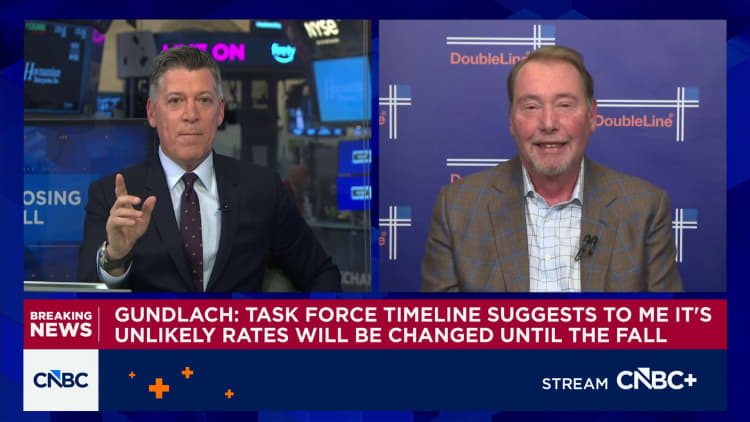

DoubleLine Capital CEO Jeffrey Gundlach said new Federal Reserve Chairman Kevin Warsh struck a more hawkish tone than many investors expected, underscoring his commitment to restoring price stability and signaling less appetite for easy monetary policy.
“He is absolutely telling you that he plans on delivering on price stability. So that means… we’re not going to have such easy money policy as everybody thought maybe Chairman Warsh would do back in the first quarter of this year, when everyone was counting on rate cuts,” Gundlach said on CNBC’s “Closing Bell.” “He doesn’t sound like that today at all.”
The comments came after the Fed’s policy statement declared that “the Committee will deliver price stability,” language that echoed a theme Warsh repeatedly returned to during his press conference. He reiterated that the Fed is committed to bringing inflation back down to 2%, a level it hasn’t been at for a half decade, a fact he lamented.
“The commitment to deliver is strong, unanimous, and unambiguous, and that’s I think an important message we’ve missed for five years, and we’re going to fix that,” Warsh said.
The tone was perhaps stiffer on inflation than investors and economists hoped for from President Donald Trump’s handpicked nominee for the role. The previous chair, Jerome Powell, faced a barrage of attacks from Trump for keeping rates too high.
Warsh also declined to submit an individual interest-rate projection in the central bank’s closely watched dot plot and signaled a broader review of the Fed’s communications framework.
Gundlach said Warsh’s emphasis on price stability lowers the risk that the Fed will pursue overly accommodative policies that could reignite inflation. That strengthens the case for owning long-term U.S. Treasuries, he said.
“I think there’s a greater reason to own long-term Treasuries today now that the new sheriff is in town,” Gundlach said. “If you’re going to get price stability, and if he doesn’t deliver on something that can be characterized as price stability, he’s basically announced today that he would be considered a failure.”
The billionaire bond investor said Warsh had effectively staked his credibility on bringing inflation under control, making aggressive rate cuts less likely.
“So he’s got to get that inflation rate down,” Gundlach said. “We don’t have to worry about the over-easing or overly accommodative rates that would put further pressure on the long bond.”
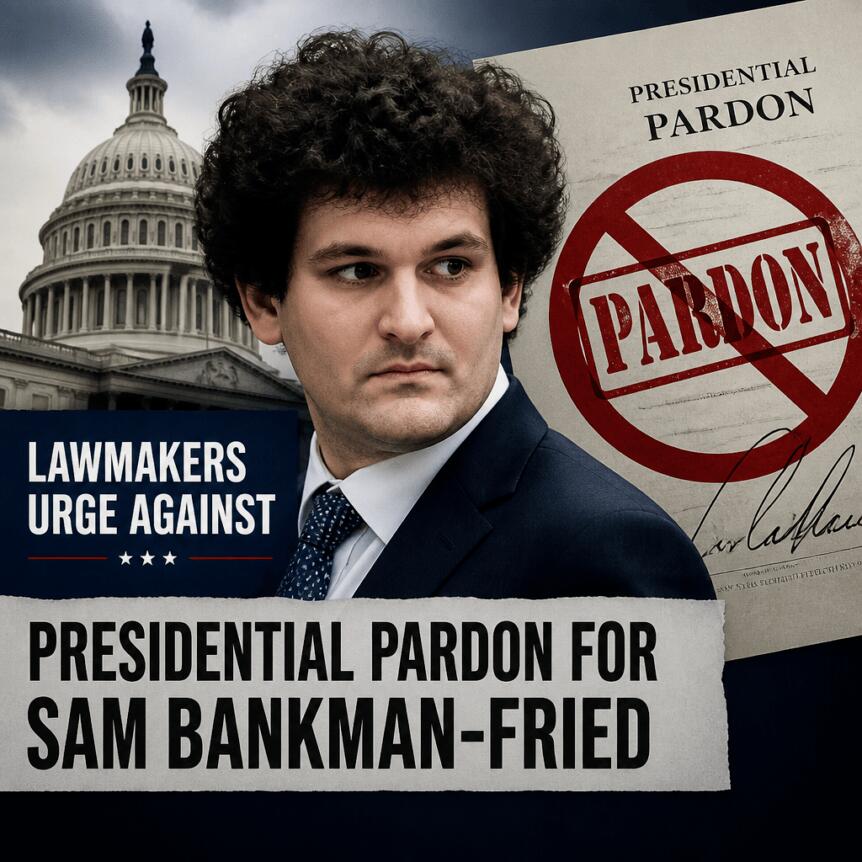
Two US senators—one Republican and one Democrat—are pushing back against any attempt by former FTX CEO Sam Bankman-Fried to secure executive clemency from President Donald Trump. Senator Cynthia Lummis and Senator Rubén Gallego plan to introduce a non-binding resolution stating that under no circumstances should Bankman-Fried receive a pardon or commutation.
The lawmakers say the aim is to protect the integrity of the sentencing outcome and deterrence for large-scale financial fraud. The resolution argues that the 25-year sentence imposed on Bankman-Fried reflects the “extraordinary scale and deliberateness” of his crimes, his lack of remorse, and the harm inflicted on millions of victims.
Key takeaways
- Senators Cynthia Lummis (R) and Rubén Gallego (D) will introduce a non-binding resolution opposing any presidential pardon or commutation for Sam Bankman-Fried.
- The resolution emphasizes that Bankman-Fried’s 25-year sentence reflects the “extraordinary scale” and “deliberateness” of his offenses and the widespread impact on victims.
- Bankman-Fried’s remaining legal options are limited to a presidential pardon or further review by the US Supreme Court after a federal appeals court upheld his conviction and sentence.
- The senators warn that granting clemency would “erase” the conviction, weaken deterrence, and send a “damaging message” that perpetrators of major financial fraud can avoid permanent accountability.
What the Senate resolution would do
According to the text of the resolution to be introduced Wednesday, Lummis and Gallego would effectively register the Senate’s position that President Trump should not grant clemency “under no circumstances,” including a pardon or commutation for Bankman-Fried.
The senators note that a presidential pardon is a constitutional power, meaning any Senate action of this type is not legally binding. Even so, the resolution is intended to create political and legislative pressure by explicitly tying clemency to deterrence and accountability concerns.
The measure further states that the Senate affirms the duration of Bankman-Fried’s sentence and frames that punishment as consistent with justice and the case’s specific circumstances, including the scope of wrongdoing and the consequences for victims.
The resolution is provided through a document published on Gallego’s official website: MEE26050.pdf.
Bankman-Fried’s clemency bid follows an appeals loss
The resolution arrives after Bankman-Fried formally applied for a presidential pardon related to his conviction on seven felony counts connected to the misuse of FTX user funds. Earlier coverage from Cointelegraph detailed that application and the broader push for clemency: SBF clemency bid.
In the latest procedural turn, a federal appeals court upheld Bankman-Fried’s conviction and 25-year sentence, leaving his path forward narrowed to either seeking a pardon or pursuing review by the US Supreme Court. Cointelegraph previously reported on the appeals court decision here: Bankman-Fried loses appeal.
Because the appeals court decision sustained both the conviction and the length of the prison term, clemency would function as the main mechanism for any outcome short of further litigation—an issue the senators appear to be targeting directly with their “no pardon, no commutation” language.
Why deterrence is at the center of the lawmakers’ argument
Lummis and Gallego’s resolution focuses not on the details of the original sentencing alone, but on what they argue would happen if the conviction were undone at the executive level. In their framing, a pardon would “erase” the conviction and, more importantly, could weaken deterrence for future financial crimes.
The lawmakers also portray clemency as a broader signal to the public: that individuals accused and convicted of large-scale financial fraud may escape permanent accountability even after a lengthy federal sentence.
This deterrence theme matters in the context of the FTX collapse, which triggered one of the most significant blowups in the crypto sector’s modern history. Bankman-Fried was convicted in November 2023 following FTX’s collapse in 2022, and he was later sentenced to 25 years in prison. Cointelegraph noted the conviction and sentencing background in its reporting.
The senators’ argument effectively tries to connect executive discretion to market and regulatory confidence—suggesting that the aftermath of high-profile fraud cases influences how seriously deterrence is treated across the financial system.
Other FTX defendants remain in the criminal system
The resolution discussion also sits alongside the continued legal fallout from the FTX collapse. Even as Bankman-Fried seeks clemency, other figures from the broader FTX and Alameda orbit have faced sentencing outcomes ranging from prison terms to time served in exchange for cooperation.
According to the article’s summary of court outcomes, Caroline Ellison, the former CEO of Alameda Research, received a two-year sentence in 2024 and was granted early release in January after serving 14 months. Meanwhile, Nishad Singh, the former engineering director at FTX, and Gary Wang, a co-founder, were both sentenced to time served, with their testimony offered against Bankman-Fried during trial.
Another defendant, Ryan Salame, the former co-CEO of FTX Digital Markets, was sentenced to 90 months in prison tied to unlawful political contributions and conspiracy to operate an unlicensed money-transmitting business.
The article also notes that Salame’s wife, Michelle Bond, was indicted in connection with charges tied to her 2022 run for Congress, with allegations that campaign funds were financed with illegal contributions linked to the crypto exchange. This was reported by Courthouse News Service in coverage referenced by Cointelegraph: indicted.
That broader slate of cases underscores an important point for investors and observers: even if one individual’s sentence is subject to presidential clemency, the overall accountability process tied to FTX and related conduct has not ended.
Going forward, readers should watch whether the White House signals any openness to clemency despite the appeals court ruling—and whether the Senate resolution gains additional support in a way that could influence the political calculus surrounding executive action.
The first FOMC meeting with the new Federal Reserve Chair, Kevin Warsh, at the helm of the central bank didn’t provide any surprises, as the entity expectedly left the interest rates unchanged.
With the benchmark remaining between 3.5% and 3.75%, bitcoin’s price reacted with minor initial volatility, but there are some warning signs about an upcoming correction.
Recall that nearly two months ago, the Fed under then-Chair Jerome Powell left the rates unchanged for the third consecutive time. However, there were signs from Powell that rate hikes might follow suit.
Despite today’s non-event, as it was described by David Wessel, director of Brookings’ Hutchins Center on Fiscal and Monetary Policy, he also said that Kevin Warsh now finally has the power to change things at the Fed after years of “ranting about” it.
Bank of America’s fund manager survey showed that 55% anticipated Warsh would be hawkish at the press conference, but Stephen Juneau, the bank’s US economist, held the opposite view.
“The investor consensus seems to be that Warsh will lean hawkish in his press conference. We think he’ll be dovish.”
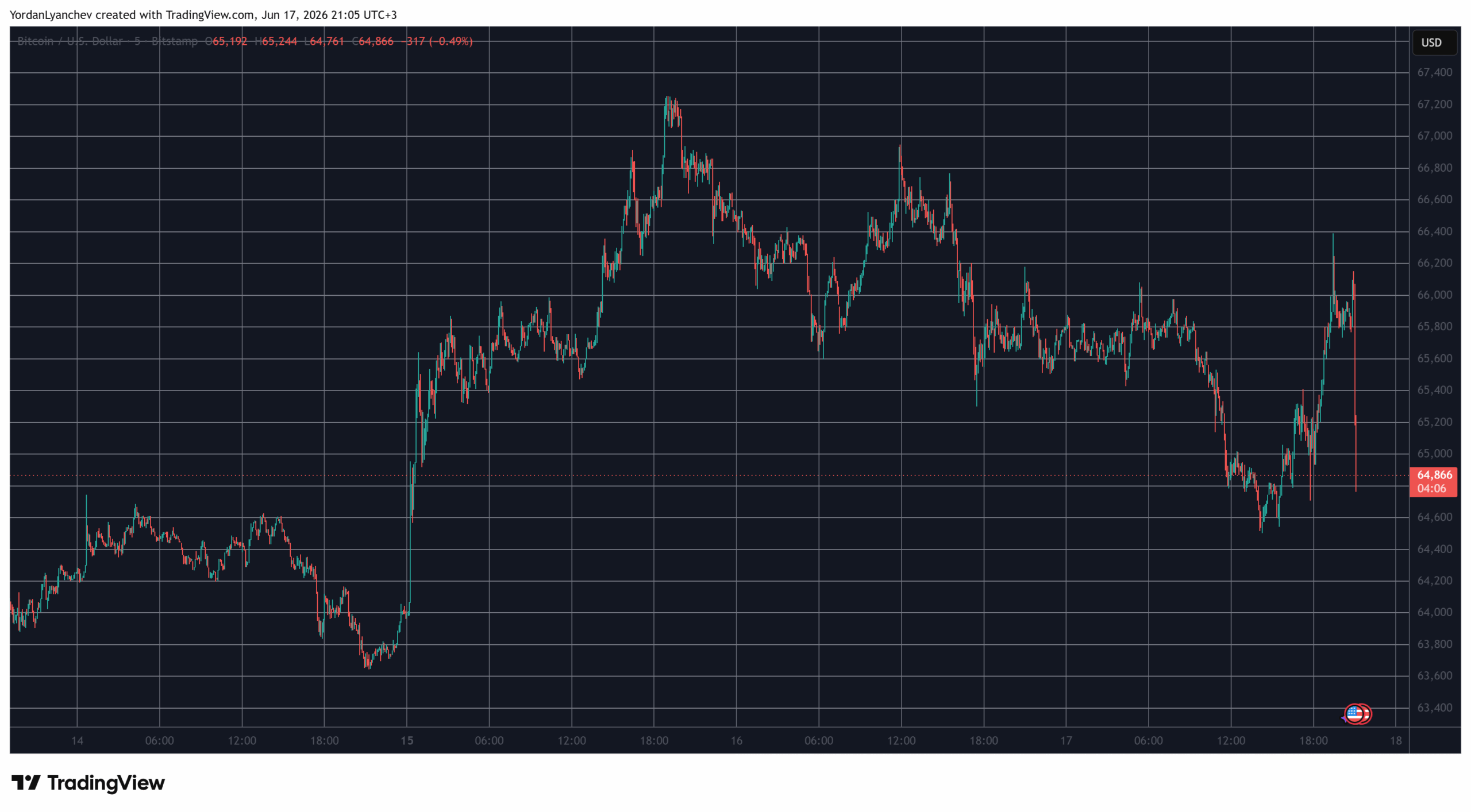
Bitcoin’s price was slightly volatile in the hours leading up to the event, going below $65,000 earlier today before it shot up to $66,400. However, it dipped by over a grand in the first minutes after the news of the unchanged rates went live.
Previous reports from crypto experts noted that the first FOMC meeting and the subsequent Warsh press conference could be one of the most important macro events for the industry.
The post BTC Price Drops as New Fed Chair Kevin Warsh Holds Rates Steady appeared first on CryptoPotato.
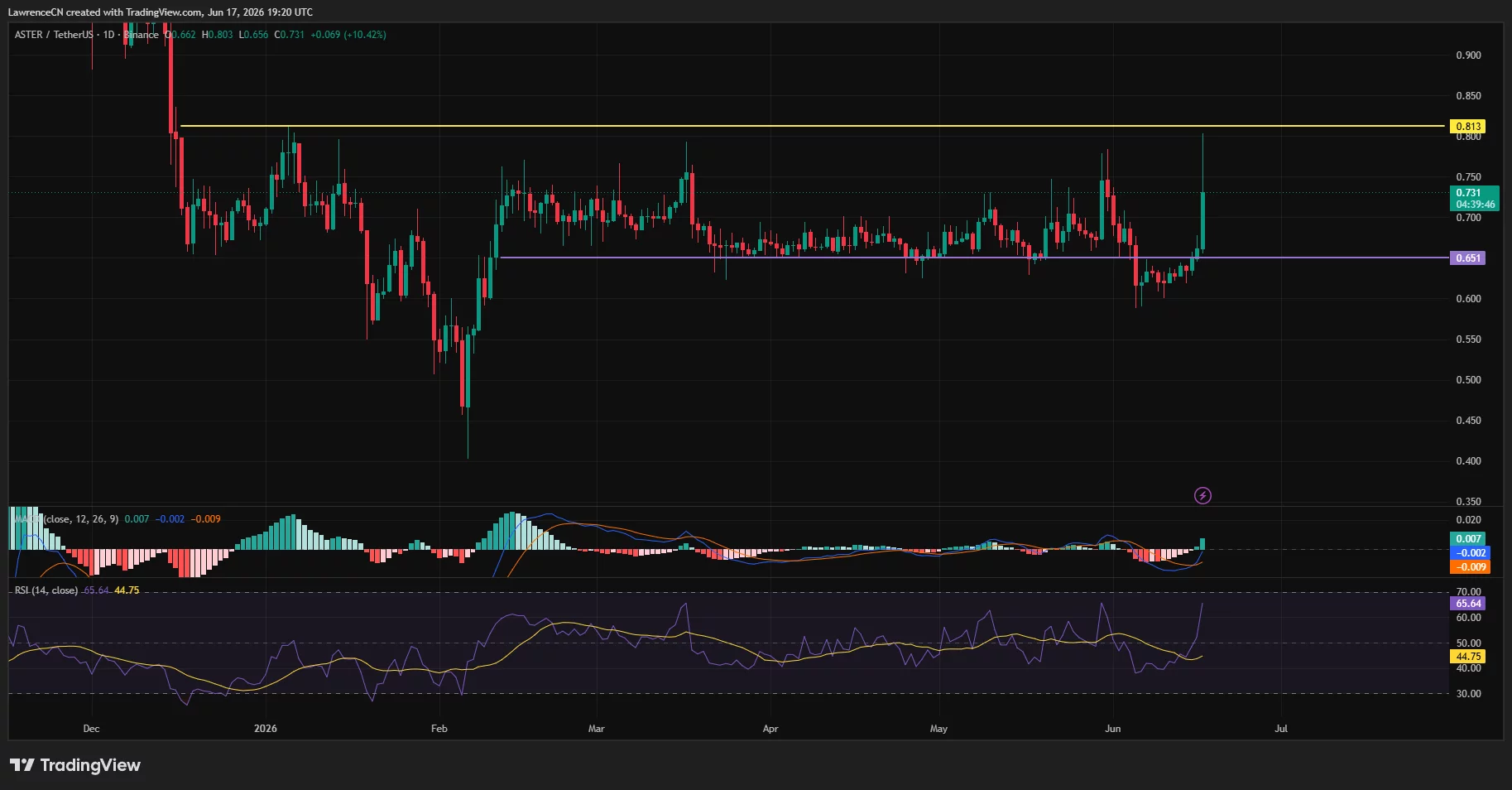
ASTER has surged more than 20% after Aster unveiled a new tokenomics framework that commits almost all platform fee revenue to daily token buybacks and large-scale supply reductions.
Summary
- ASTER surged over 20% after Aster committed 99% of platform fees to daily token buybacks.
- Aster plans to cut ASTER supply from 8 billion to 3 billion through ongoing reserve burns.
- Technical indicators turned bullish as ASTER broke above $0.65 and approached resistance near $0.81.
According to a June 17 X post by Aster, 99% of the protocol’s daily fees will now be used to purchase ASTER from the open market beginning June 17 at 12:00 PM UTC. The announcement pushed the token close to $0.80 before some profit-taking emerged, with ASTER later changing hands near $0.74, up roughly 13% over the past day.
The update introduces a second layer of supply reduction alongside the buybacks. Aster said it will remove an equal amount of ASTER from reserve holdings each day, creating what the protocol described as a 198% combined buyback-and-burn effect.
Reserve reductions will begin with the team allocation and continue until the total token supply falls from 8 billion ASTER to 3 billion.
Additional demand could also come from Aster Spot. According to the protocol, every permissionless token listing on the platform will require a 50,000 USDT fee, with all proceeds earmarked for further ASTER buybacks that will be distributed to stakers through the rewards program.
Platform fees now drive ASTER rewards
Rather than destroying purchased tokens, Aster said the acquired ASTER will be distributed to participants in its Loyalty Rewards program.
Under the revised model, each reward epoch will include a fixed allocation of 300,000 ASTER plus all tokens accumulated through daily buybacks.
Distribution will be directed to veASTER holders according to lock-weighted participation. Aster added that all buybacks will be executed through an automated daily time-weighted average price process and settled on-chain. To increase transparency, the project has also published the wallet address used for the purchases, allowing users to verify transactions independently.
By linking fee generation directly to token purchases, staking rewards and reserve reductions, the protocol has created a mechanism where higher trading activity results in larger buybacks and larger reward distributions.
Technical breakout places $0.81 resistance in focus
Market participants responded quickly to the announcement, driving ASTER above a trading range that had largely contained price action since April. On the daily chart, the token broke through support-turned-resistance near $0.65 and climbed toward the next major barrier around $0.81.
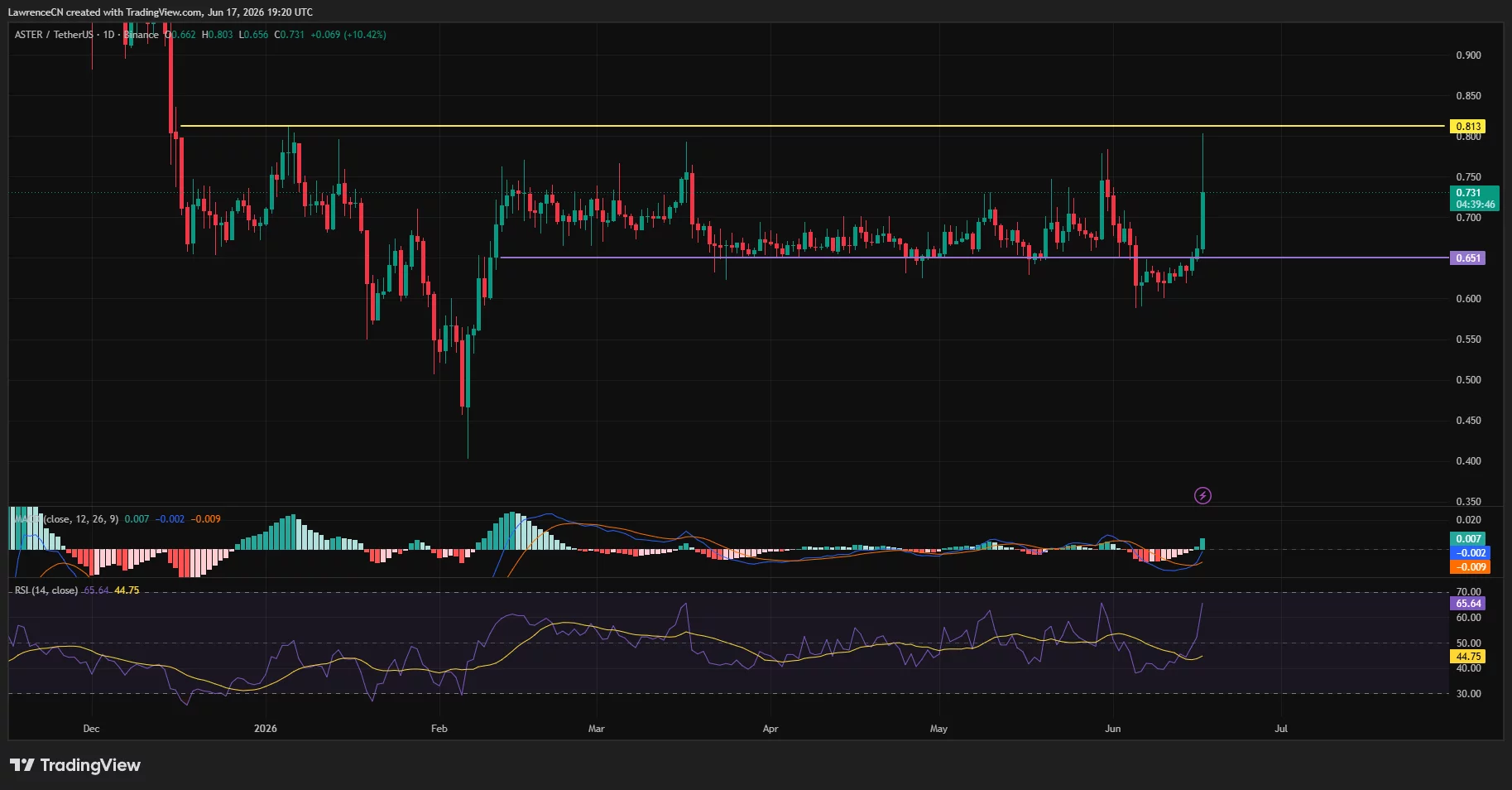
The daily chart also showed strengthening momentum indicators following the move. ASTER’s Relative Strength Index rose above 65, while the MACD produced a bullish crossover accompanied by expanding positive histogram bars, signaling stronger buying pressure.
The $0.81 region remains an important level because it coincides with several prior rejection points visible on the daily chart. A successful break above that zone could expose the token to areas not tested since late 2025, while traders may look for the former resistance near $0.65 to act as support if the rally pauses.
Disclosure: This article does not represent investment advice. The content and materials featured on this page are for educational purposes only.

Blockchain.com Expands On-Chain Stock Offerings as Tokenized Equities Grow

R-Rated Mad Max Ripoff Is An Ambitious Seek And Destroy Disaster

FIFA World Cup: Ronaldo blanks as DR Congo earn historic point vs Portugal | FIFA World Cup 2026


-

 Business3 days ago
No Jackpot Winner as $257 Million Prize Rolls Over to $269 Million Monday Draw
-

 Fashion5 days ago
Weekend Open Thread: Tuckernuck – Corporette.com
-

 Crypto World6 days ago
Oppenheimer backs SpaceX as $70 billion retail frenzy builds
-

 Crypto World6 days ago
Markets Rally as SpaceX IPO Looms Amid Iran Tensions and Inflation Surge
-
 Crypto World3 days ago
Zimbabwe Requires Crypto Businesses to Register Annually Under New FIU Regulations
-

 Tech5 days ago
NanoClaw integrates JFrog registries to secure AI agent downloads
-

 Crypto World5 days ago
Bitget enters Argentina’s regulated crypto market through PSAV registration
-

 Tech5 days ago
This Week In Security: Microsoft On Microsoft, Register Your Domains, Linux On ARM, And FreeBSD Joins The File Cache Club
-
 Tech6 days ago
Dutton Ranch star claims they ‘didn’t see any disruption’ on set following Chad Feehan’s exit from Yellowstone spinoff fueled by Taylor Sheridan clash rumors
-

 NewsBeat6 days ago
El Nino has formed in the Pacific and could set records, forecasters say
-

 Politics6 days ago
Politics Home | Healey Resignation Is “Colossal Failure Of Government”, Says Former Labour Defence Secretary
-
 Entertainment6 days ago
Donnie Wahlberg & More Heat Up Las Vegas at Circa’s Barry’s Downtown Prime
-
 Tech6 days ago
Opendoor Ends India Operations, Fueling a Bigger Conversation About AI and Outsourcing
-

 Politics6 days ago
Belfast burns, while Met chief points finger at Iran and Russia
-

 Sports6 days ago
First Time Since 1971: Australia Register Historic Low In ODI Cricket
-

 Business6 days ago
AT&T: Verizon's 27% Outperformance Sets Up A Solid Entry Point
-

 NewsBeat5 days ago
FBI searches office of Ohio voter registration group
-
 Tech6 days ago
Anthropic is spending $150M to embed 1,000 AI fellows inside nonprofits. No degree required.
-

 Politics6 days ago
Modi thanks Trump for wishes as US attacks Indian seafarers
-
 Entertainment6 days ago
‘The Pitt’s Fan-Favorite Doctor Confirms Noah Wyle Gave His Blessing to Return [Exclusive]
You must be logged in to post a comment Login