
Crypto World
Some Bitcoin developers say they’re finding a critical bug every hour



Rob Hamilton, who is building the automated setup the group runs, said in an X post the bottleneck is not finding bugs but routing them to the right maintainers.
“The hardest part is coordinating to get things to the right people,” Hamilton wrote. “While it is powerful, having found critical issues, I would view this as only version one.”
The audit lands in an ecosystem already absorbing the fallout when the other side finds a flaw first.
The Coldcard sweeps, which began July 30 and have taken as much as $114 million from wallets whose seeds were generated by faulty firmware, stemmed from a bug that had been dormant since 2021 and required no access to the physical device once the affected key space was known.
Attackers already have the same tools, however.
Anthropic said in April that one of its models, held back from public release and given only to vetted users, found a bug that had sat undiscovered in widely used software for 27 years, at a cost of less than $50. It found flaws in the encryption software that secures banking connections, exchange logins and the servers running most of the internet.
Separately, Google’s threat intelligence team said in May it had caught a criminal group preparing an attack built on a flaw a model had found for them.



JPYC said it plans to use the new capital to expand its financial and Web3 ecosystem and accelerate adoption of its yen-pegged token.

Uniswap has launched its first token launchpad, Pools.trade, on Robinhood Chain, opening the door for users to create and trade new tokens through a single interface.
The rollout has quickly pushed Uniswap back in the spotlight, with traders flocking to early launchpad tokens.
What Pools.trade Actually Does
As noted in a Santiment report published on August 6, Pools.trade lets users launch tokens through either a four-hour Crowd Launch or Instant Launch before liquidity is automatically placed into Uniswap v4 pools and permanently locked.
The move shifts Uniswap beyond its traditional role as a decentralized exchange by placing it at the earliest stage of a token’s lifecycle rather than simply handling trading after launch.
The launch builds on Uniswap’s existing position as Robinhood Chain’s primary automated market maker. Robinhood’s Ethereum-compatible Layer 2 already supports multiple versions of Uniswap alongside UniswapX, its wallet, web application, and API.
As CryptoPotato reported earlier, Robinhood Chain has become the largest blockchain by real-world asset holder count, although meme coin trading still accounts for most decentralized exchange activity on the network. Early attention on Pools.trade has centered on tokens like FRONG and POOLS, with many traders, according to Santiment, treating the former as the unofficial launchpad token despite no formal confirmation from Uniswap tying it to the platform.
At the same time, competing Robinhood Chain launchpad tokens such as PONS came under pressure as traders rotated into the new narrative. At the time of writing, PONS was down nearly 14% in 24 hours per data from CoinGecko, with its weekly chart showing a nearly 48% plunge. The total market cap of the top coins launched on Pons also dipped by more than 12% in the last day to less than $20 million.
Part of what made the debut louder than a typical product announcement was how odd it felt getting there, with hidden pages, teaser files, frog imagery, and last-minute changes beforehand. One X user, The Smart Ape, called it “the most documented secret launch in DeFi.” And whether that was clever marketing or just confusing depends on who you ask.
On-Chain Trends Add to UNI’s Growing Attention
Santiment also pointed to strengthening on-chain data for UNI, Uniswap’s native token. Exchange balances have fallen 15.7% over the past month, while the token has climbed roughly 47% since the beginning of July, suggesting fewer coins are immediately available for sale as interest in the ecosystem grows.
Per the analytics firm, Uniswap’s share of crypto-related social discussion has reached its highest level since November 2025 following the Pools.trade announcement.
UNI was trading at just over $4.00 at the time of writing, up nearly 3% over 24 hours and almost 30% higher across the past month. But even after the recovery, the token is still about 91% below its all-time high of $44.92 recorded in May 2021.
Santiment concluded that Pools.trade could become an important new source of activity for Uniswap if it continues attracting token launches.
The post Uniswap Debuts Pools.trade for Token Launches on Robinhood Chain appeared first on CryptoPotato.
Crypto World
Strategy Sells 1,638 Bitcoin for $105M, Splits Proceeds Between Dividends and STRC Buyback


Strategy sold 1,638 bitcoin for $104.73 million between July 27 and Aug. 2, an average of $63,957 a coin net of fees, and used the money to cover preferred stock dividends and buy back its own STRC shares, according to a Form 8-K filed Monday. The company said $52.4 million of the proceeds funded… Read the full story at The Defiant
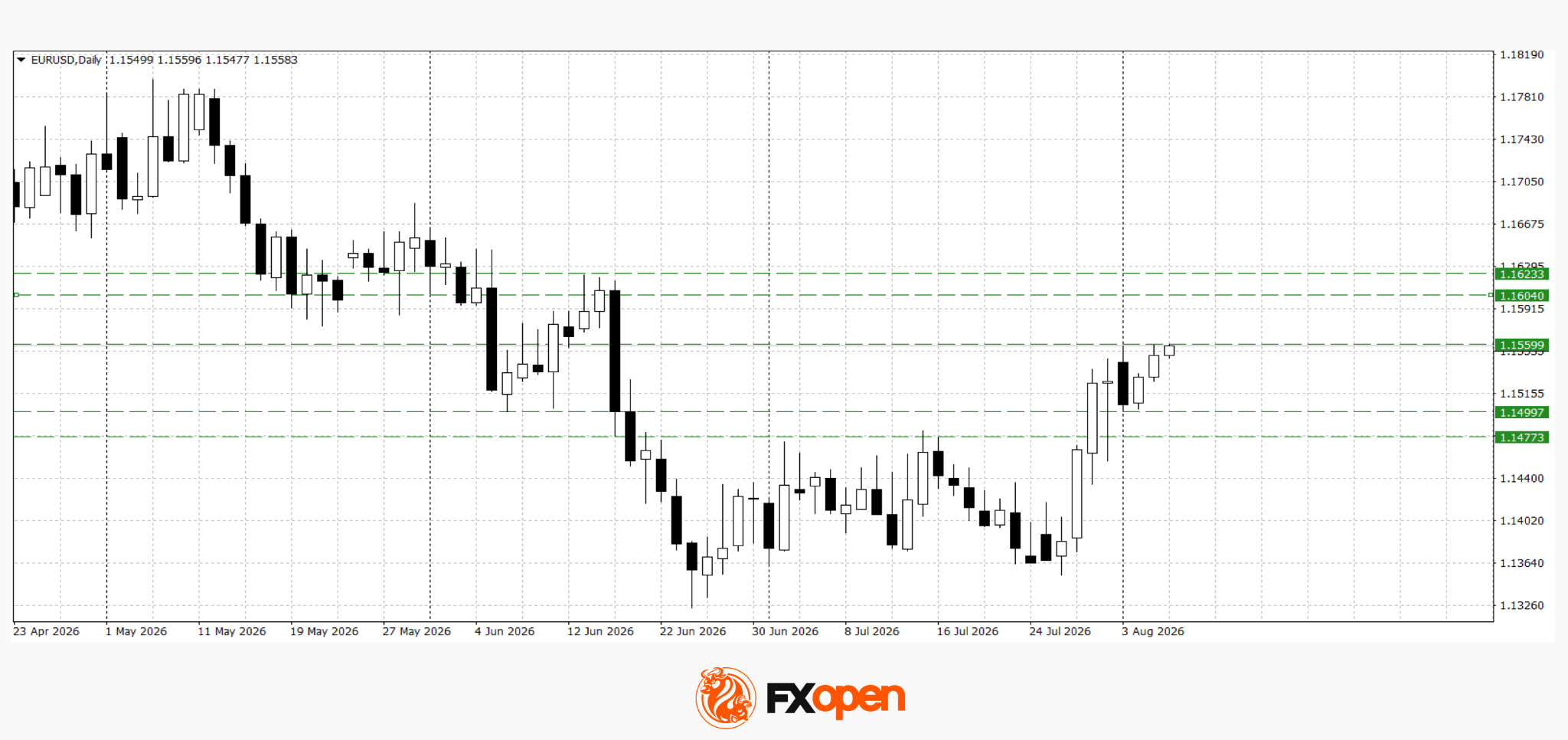
The euro and the pound continue to trade higher against the US dollar following last week’s Federal Reserve meeting. As widely expected, the Fed left interest rates unchanged and reiterated that future monetary policy decisions would depend on incoming economic data. This cautious stance failed to provide fresh support for the dollar, while yesterday’s weaker US labour market figures added further downward pressure. According to the latest ADP report, the US private sector added just 44,000 jobs, well below forecasts of 68,000 and the previous month’s 95,000. Although the S&P Global Services PMI exceeded expectations, the ISM report painted a more mixed picture: the headline services index edged down to 54.1, while the employment component fell to 47.4, signalling continued cooling in the labour market. As a result, investors increased their expectations of a broader slowdown in the US economy, allowing both the euro and the pound to maintain their upward momentum.
EUR/USD
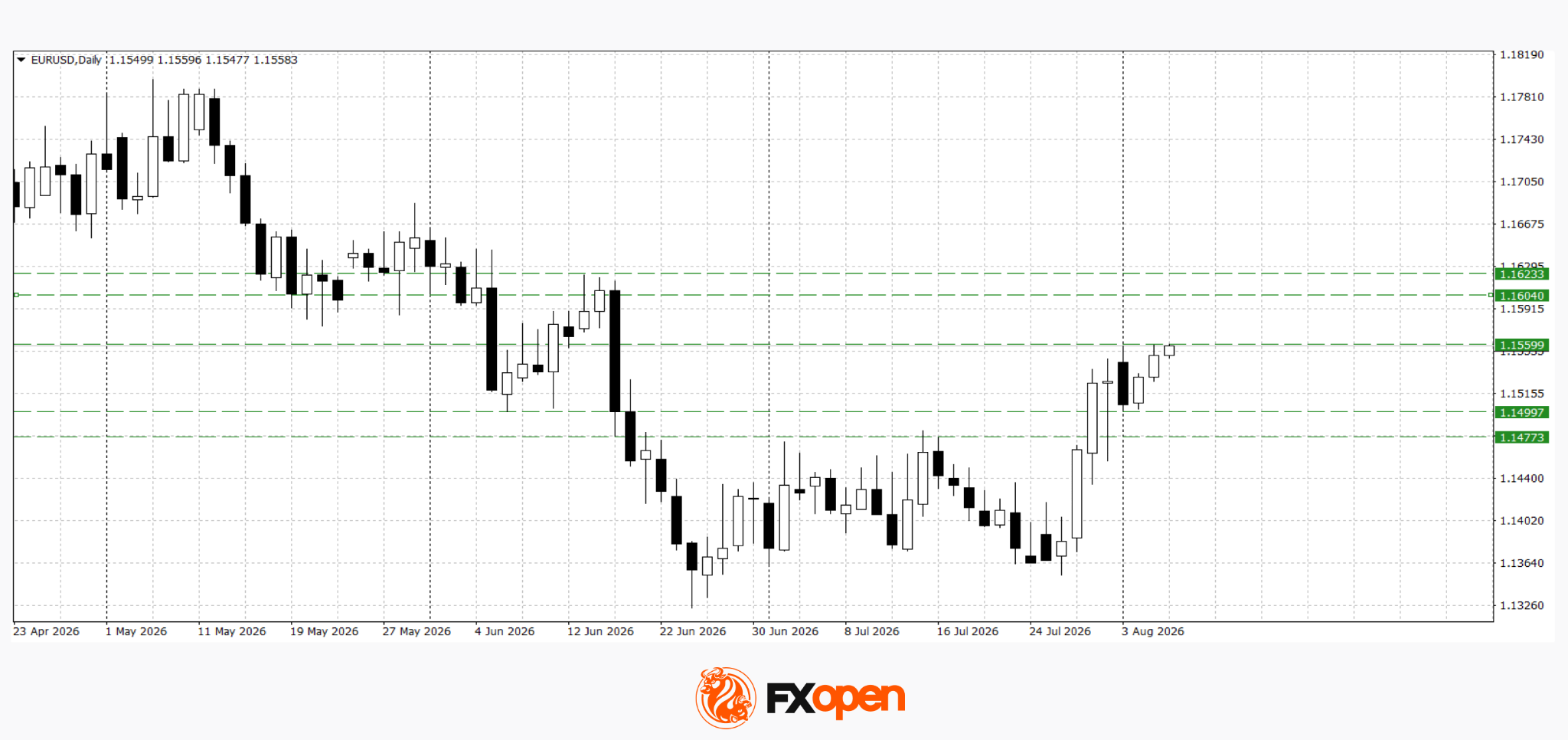
EUR/USD rallied strongly last week, breaking above the key resistance level at 1.1500. Since the start of this week, the pair has been trading sideways between 1.1500 and 1.1560 as investors await fresh macroeconomic data. Technical analysis suggests the bullish trend could extend towards 1.1600–1.1620 if the 1.1560 level becomes established as support. Conversely, a sustained move below 1.1500 would weaken the bullish outlook.
Key events for EUR/USD:
- Today at 09:00 (GMT+3): German Factory Orders;
- Today at 10:30 (GMT+3): Germany S&P Global Construction PMI;
- Today at 15:30 (GMT+3): US Initial Jobless Claims.
GBP/USD
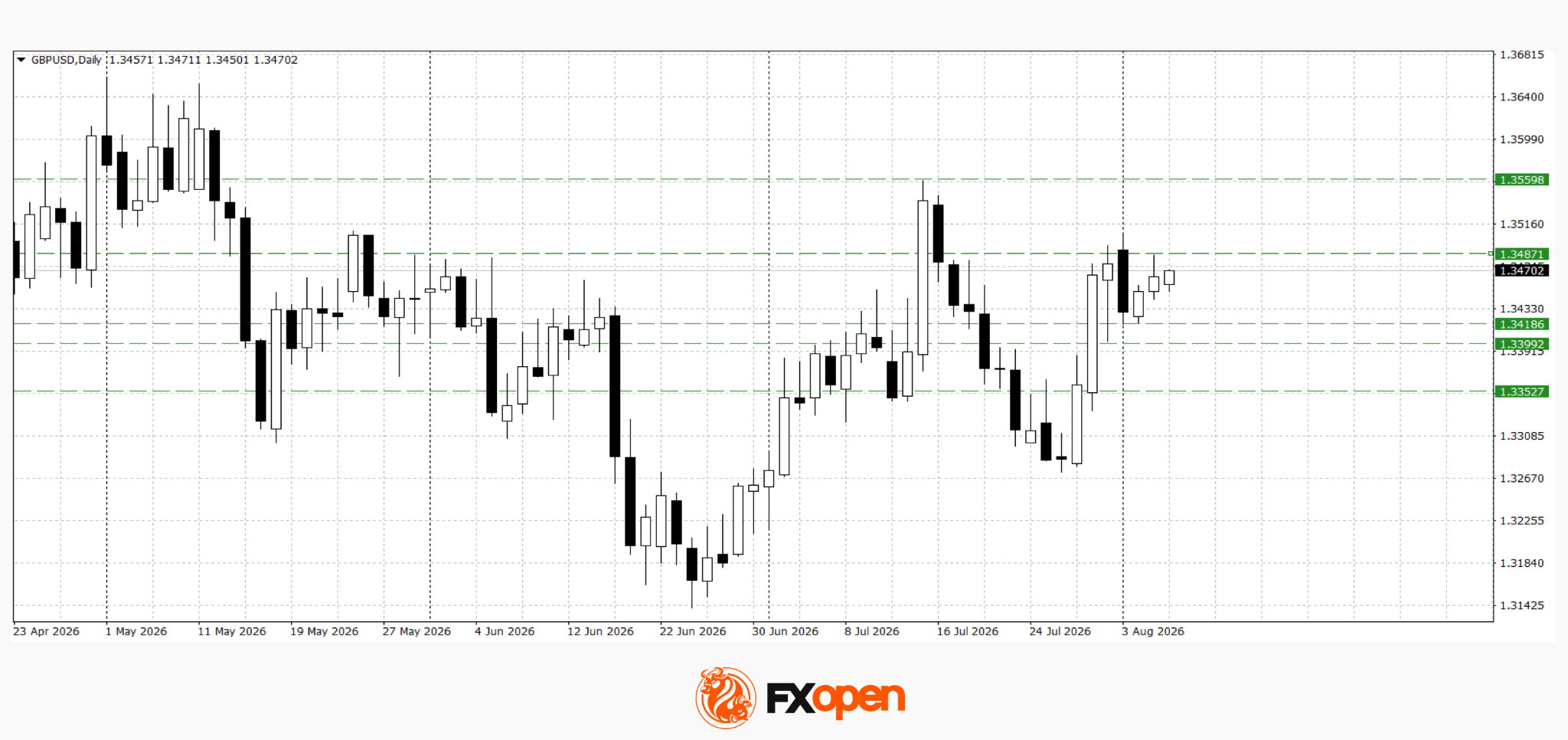
GBP/USD is showing a similar pattern, consolidating between 1.3420 and 1.3480 after last week’s sharp advance. A decisive break above 1.3480 could pave the way for a retest of the July high near 1.3560. On the other hand, stronger-than-expected US economic data could push the pair back towards the 1.3350–1.3400 range.
Key events for GBP/USD:
- Today at 11:30 (GMT+3): UK Construction PMI;
- Today at 18:30 (GMT+3): Atlanta Fed GDPNow estimate;
- Tomorrow at 15:30 (GMT+3): US ADP Private Non-Farm Employment Change.
The official US Nonfarm Payrolls report remains the key event for currency markets this week. Employment growth, the unemployment rate and wage data will provide investors with a clearer picture of the strength of the US economy and help shape expectations for future Federal Reserve policy. If the figures confirm further signs of labour market cooling, the dollar could come under renewed pressure, allowing EUR/USD and GBP/USD to extend their recent gains. Stronger-than-expected data, however, could revive demand for the US dollar and trigger a correction in both European currencies.
Trade over 50 forex markets 24 hours a day with FXOpen. Take advantage of low commissions, deep liquidity, and spreads from 0.0 pips (additional fees may apply). Open your FXOpen account now or learn more about trading forex with FXOpen.
This article represents the opinion of the Companies operating under the FXOpen brand only. It is not to be construed as an offer, solicitation, or recommendation with respect to products and services provided by the Companies operating under the FXOpen brand, nor is it to be considered financial advice.
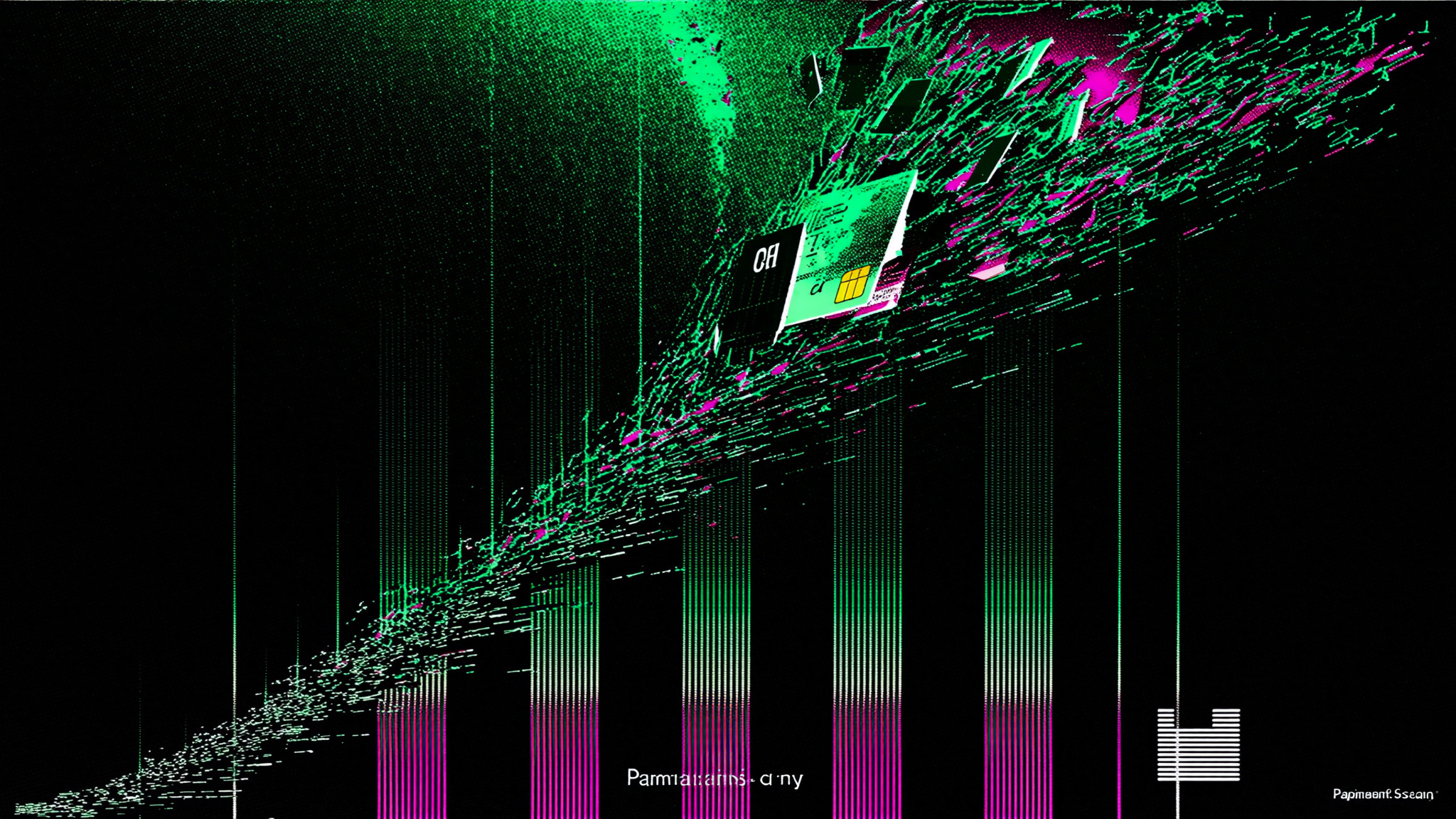
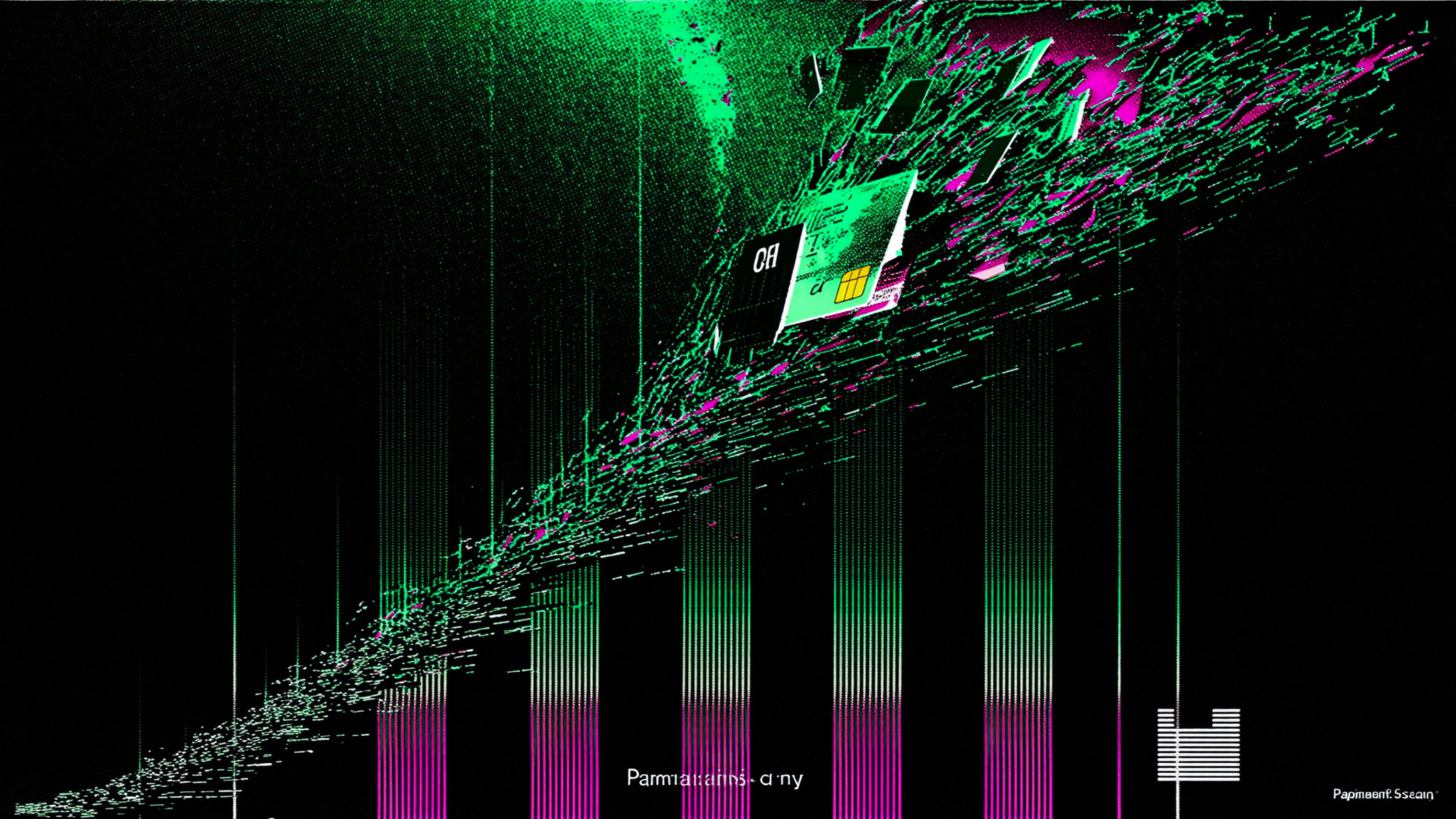
Spending on crypto payment cards reached a record $748.7 million in July, the fifth consecutive monthly increase, according to onchain analytics tracker Paymentscan. July volume rose 19.1% from June's $628.7 million and 144.7% from $306 million a year earlier, per Paymentscan, which indexes card… Read the full story at The Defiant


Real-world asset markets accounted for more than half of Hyperliquid's trading volume for two consecutive weeks in July, the first time perps tied to stocks, commodities and indexes out-traded crypto on the platform. RWA perps did $25.1 billion in the week of July 13–19, or 52% of Hyperliquid's… Read the full story at The Defiant
L&C Bio Co., Ltd. (290650.KQ) shares jumped nearly 12% Thursday on plans for an Ozempic face fix made from donated human fat.
The KOSDAQ-listed stock reached 64,600 won intraday, up 11.76%, per Yahoo Finance data, extending a five-day gain of roughly 24%. Investors welcomed the news as a fresh growth avenue beyond the firm’s existing skin care line.
An Ozempic Side Effect Becomes a Business Plan
GLP-1 (glucagon-like peptide-1) drugs such as Ozempic drive rapid weight loss. Some users then develop a gaunt, hollowed look known as “Ozempic face,” and L&C Bio wants to treat that gap directly.
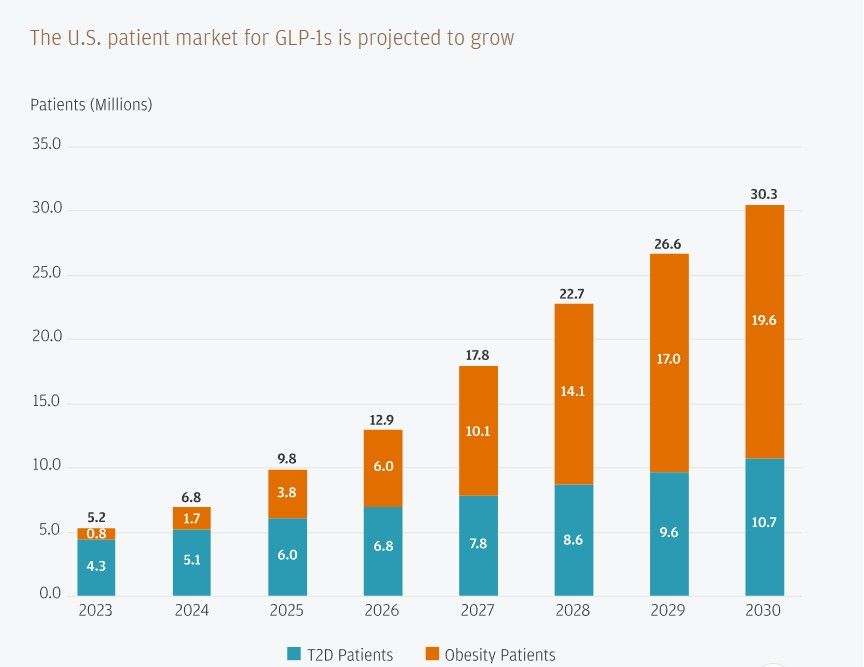
The market behind that problem is expanding fast. J.P. Morgan Research projects the U.S. patient base for GLP-1 drugs will climb from 12.9 million in 2026 to 30.3 million by 2030, split between type 2 diabetes and obesity patients. Each new obesity patient on an Ozempic-class drug is a potential candidate for facial volume loss, and therefore a potential customer for L&C Bio.

The company’s planned product, tentatively named MegaAdipoECM, converts donated human fat into an extracellular matrix scaffold. Patients’ own fat cells then repopulate the treated area, restoring volume without synthetic filler.
“We pioneered the use of donated human tissue in K-beauty skin boosters.”
Lee Whan Chul, CEO, L&C Bio (SCMP)
The approach differs from Re2O, L&C Bio’s flagship product, which uses donated skin tissue for wrinkles rather than volume. Meanwhile, the new booster could also serve as an alternative to silicone breast implants, widening its potential market beyond Ozempic users alone.
A Legal Shift Unlocks a Cheap Raw Material
South Korean law previously classified donated fat as medical waste, which blocked commercial use entirely. That changed in 2026, when regulators reclassified the tissue. However, a one-year grace period means L&C Bio does not expect a commercial launch before late 2027.
The delay has not dampened investor enthusiasm. L&C Bio holds patents in South Korea, the United States, and China, the three markets it plans to target first. Therefore, L&C Bio already has legal protection before any product reaches shelves. That protection turns a waste product into a low-cost input for a global aesthetics business built around Ozempic-era demand.

The rally also lands inside a rocky 2026 for Korean equities. Trading volumes cratered during a KOSDAQ crash this year, and a chip stock selloff also rattled the KOSPI in July. Some traders even showed signs of capital fleeing to crypto during past equity swoons.
L&C Bio’s jump suggests a strong biotech story can still cut through that volatility. The stock now carries a market capitalization of 1.578 trillion won, on volume of 366,542 shares, close to its average.
Yahoo Finance data also lists a one-year price target of 99,000 won, well above Thursday’s level. However, the stock’s 52-week range of 29,100 to 125,000 won shows just how volatile shares have already been.
Whether L&C Bio turns patent protection into revenue by 2027 remains the open question for this Ozempic face fix.
The post L&C Bio’s Human-Fat Injection Could Fix “Ozempic Face”: Will Gains Hold? appeared first on BeInCrypto.
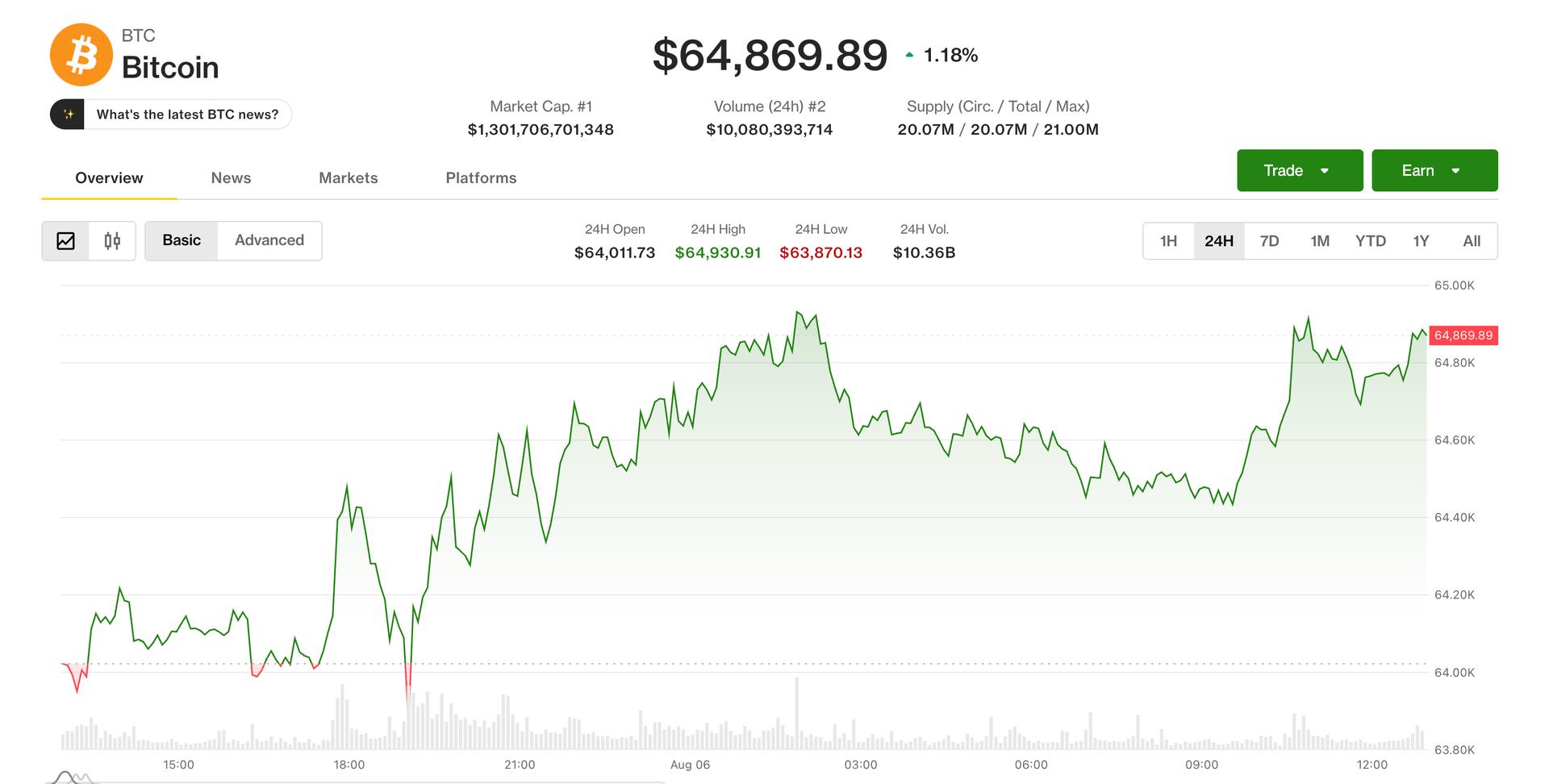
Bitcoin hovered near $64,830 on Thursday, up 0.8% over 24 hours and 1.3% on the week, while trading inside a narrow band, CoinDesk data show. Ether rose 2.1%, but most other majors barely moved, leaving the market less in rally mode than in wait-and-see mode.
The bid under bitcoin is coming from macro hopes rather than fresh crypto demand. President Donald Trump pointed to strong employment, better manufacturing data and cooling inflation, while also raising the possibility of a deal to reopen the Strait of Hormuz.
A reopening would likely pressure oil lower, easing inflation worries and giving Treasury yields and the dollar room to fall. That is the setup risk assets want, and bitcoin is trading like some of it may arrive.
The problem is that the trade still depends on several steps lining up. Lower oil has to feed into lower inflation expectations. Lower inflation expectations have to pull down real yields and the dollar.
Its roughly 63% correlation with the S&P 500 also means equity sentiment may matter more than crypto-native flows in the near term. A calmer Middle East backdrop helps risk appetite, but it can also reduce the safe-haven demand that supported bitcoin earlier in the summer.
The levels to watch are real yields and the dollar. If both fall alongside oil, bitcoin has a cleaner path above the top of its recent range. If yields stay firm, the macro case remains theoretical and bitcoin likely stays pinned near $65,000.
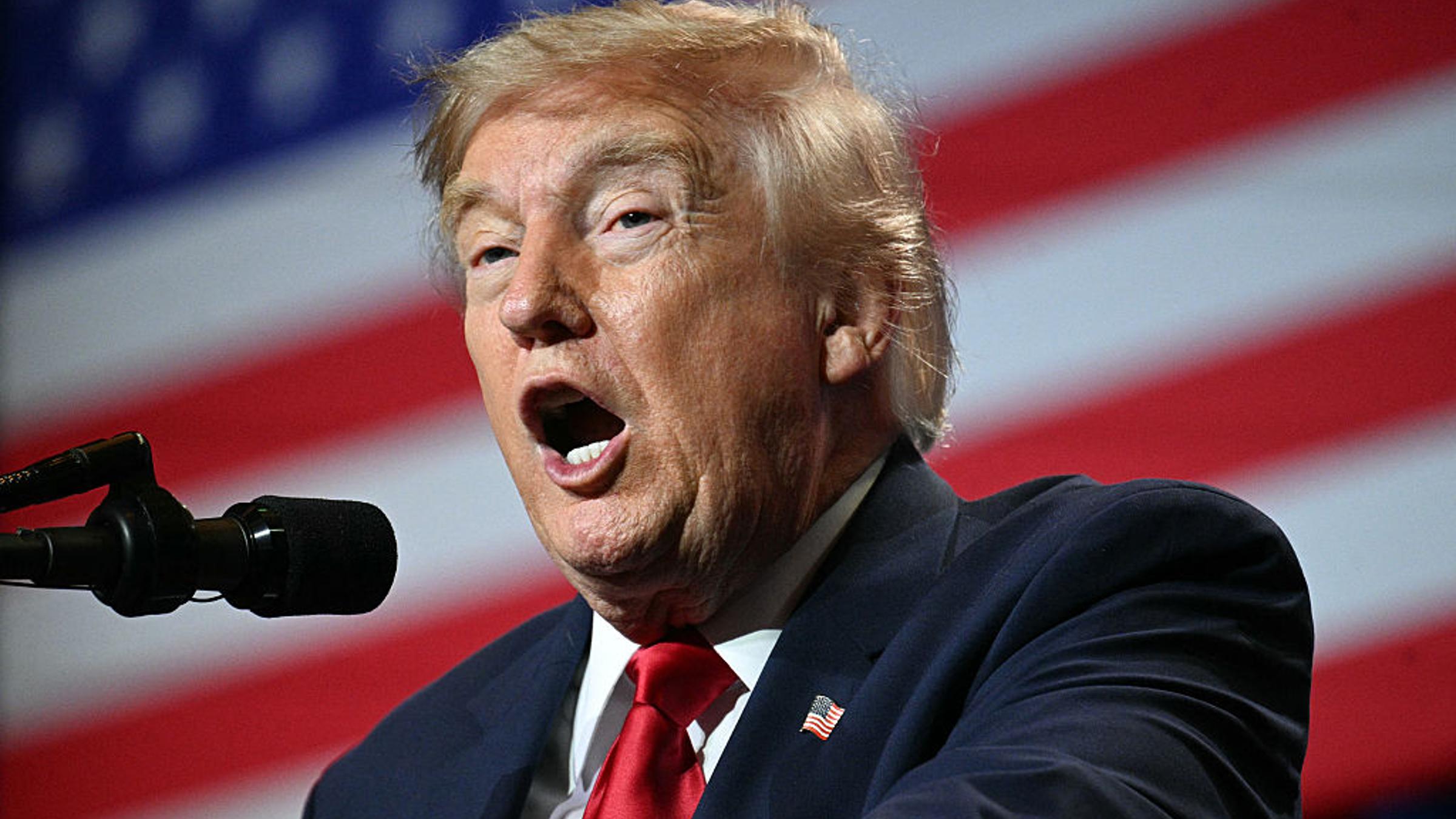
Trump continued: “He’s a man of hate, and now he’s going around saying, ‘No, I love everybody.’ He doesn’t love everybody. Put him in office, you’re going to find out what he loves.”
El-Sayed previously told TIME that he does not consider himself a socialist or communist, saying, “I actually think that at the small and local scale, capitalism is a great way to allocate resources, as long as everybody has access to it.” He has also rejected accusations of antisemitism, repeating on Wednesday, “My commitment to Jewish safety is the same commitment that I have to the safety of my own daughters.”
Trump had earlier claimed on social media that El-Sayed’s primary victory was “great news” for the Republican Party, while he also without evidence suggested that there were voter irregularities in Michigan and that the general election could be “rigged.”
Speaking to CNN Wednesday evening, El-Sayed clarified that he was “opposed to unconditional military aid for any country,” including Israel, and that taxpayer dollars should instead go to services like healthcare, schools, and roads.
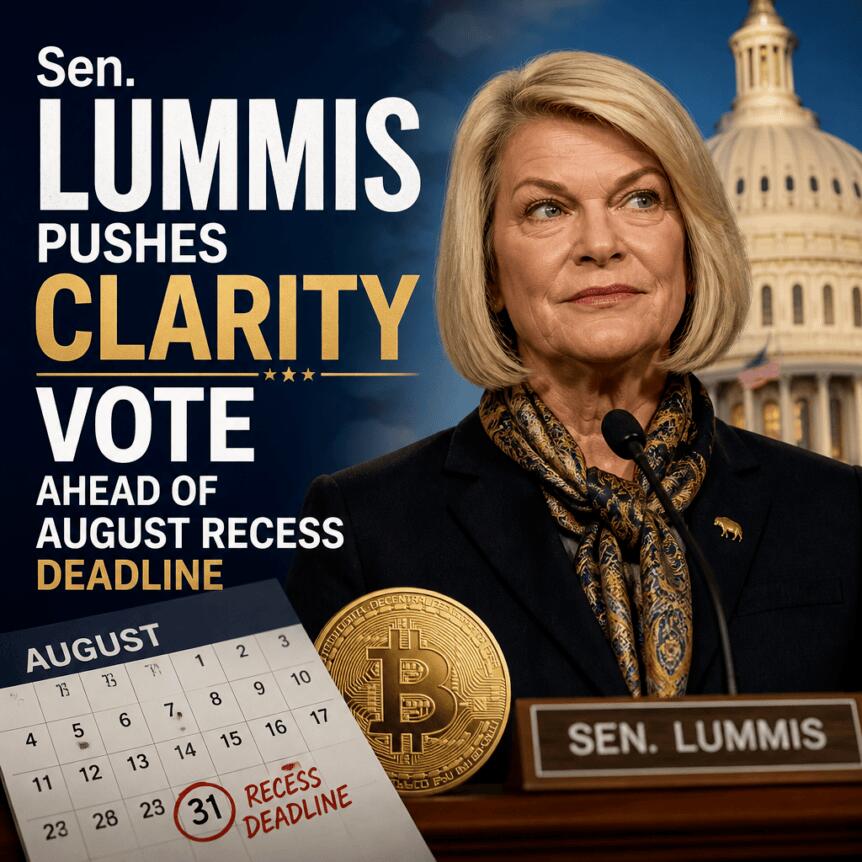
With the Senate poised to go on recess in days, momentum for the US crypto market structure bill—known as the Digital Asset Market Clarity (CLARITY) Act—is starting to look increasingly constrained. Senator Cynthia Lummis, one of the bill’s most visible champions, said she expects lawmakers to place the measure on the calendar before the chamber breaks for its month-long August recess.
The timing matters because the window for a comprehensive vote appears to be narrowing. According to Democrats’ posted Senate schedule for Wednesday, there was no CLARITY vote listed at the time of the announcement—leaving only a small number of business days to resolve key procedural hurdles and political disputes.
Key takeaways
- Senator Cynthia Lummis says she expects a Senate vote on the CLARITY Act before the chamber’s month-long August recess.
- Democrats’ Senate schedule posted for Wednesday showed no CLARITY vote, heightening uncertainty over whether leadership will call one soon.
- The bill needs 60 votes in the Senate to overcome a filibuster via cloture—an additional threshold beyond simple majority support.
- Opposition persists, including among some Democrats seeking stronger ethics rules tied to US President Donald Trump’s digital-asset-related disclosures.
- At least one Republican lawmaker, Josh Hawley, has reportedly signaled he would not support the bill without further changes related to bank concerns.
Why the August recess deadline is becoming decisive
In an X post on Wednesday, Lummis indicated she anticipated the Senate would vote on the CLARITY Act before it leaves Washington for the month-long August recess. The bill has been a focal point of division across Congress and the broader crypto industry, largely due to disagreements over ethics provisions, stablecoin rules, and how tokenized securities should be treated under US law.
Those divisions are not new. The CLARITY Act moved through the House in July 2025, passing 294–134, but it has faced heightened scrutiny in the Senate. Now, procedural time is tightening: after Friday, the Senate is set to be out until mid-September, which effectively pushes final consideration of the measure into the lead-up to the 2026 midterm elections.
Procedural math: the 60-vote cloture hurdle
Even if leadership schedules a vote, passage would still require Senate Democrats and Republicans to clear the chamber’s filibuster rules. As described in the reporting cited here, the CLARITY Act would need 60 votes to invoke cloture and allow the bill to advance—meaning it cannot rely solely on party-line support.
As of Wednesday, a calendar posted by Senate Democrats reportedly showed no CLARITY vote scheduled. That detail is significant because the Senate majority leader—John Thune—would generally be the lawmaker with the authority to determine whether and when to schedule such a vote. Reports indicate Thune was still planning to bring it up before Saturday, but the lack of an immediately visible slot adds uncertainty for lawmakers and market participants watching the bill’s trajectory.
Ethics and disclosure concerns remain a major sticking point
Opposition to the CLARITY Act in the Senate has centered on ethics provisions and how they would apply to the president’s financial interests. Earlier reporting noted that some Democrats want stronger ethics language before supporting the bill.
That position is tied to additional scrutiny of President Donald Trump following disclosures that he earned more than $1.4 billion from investments linked to digital assets in 2025. While the Senate debate is ultimately about statutory language, the underlying political dynamic is straightforward: lawmakers who want firmer guardrails around conflicts of interest appear unwilling to move forward without changes they believe meaningfully strengthen ethics protections.
In other words, the bill’s fate is not just about technical regulatory design. It’s also about whether enough senators conclude that the legislation’s safeguards—and their enforceability—are robust enough for the political moment.
Stablecoin compromises, bank concerns, and possible Republican holdouts
Supporters point to progress already made. According to earlier coverage cited in the source material, lawmakers reached a compromise with banking groups on an issue involving stablecoin yield. However, the same reporting suggests the compromise has not ended the fight—some industry leaders and legislators have continued pushing for provisions requiring crypto companies to be subject to licensing and restrictions comparable to those applied to banks.
Separately, Politico reported that Senator Josh Hawley would withhold support unless the bill addresses concerns from banks. If a senator like Hawley follows through on that approach, it could reduce the bill’s already narrow path to cloture—especially given the 60-vote requirement.
The tension here is between two competing visions of how much regulatory alignment crypto should have with existing financial infrastructure. The stablecoin yield compromise indicates that negotiation has been possible, but the persistence of bank-related licensing and restriction questions suggests that core disagreements still remain.
What happens if the bill slips past recess
If CLARITY does not get scheduled and voted on before the Senate breaks, consideration likely shifts into a more politically charged period. After the recess, lawmakers return in mid-September, and attention will inevitably start to intensify as the 2026 midterms approach. That does not guarantee the bill dies, but it changes the incentives: leadership and members may be less willing to spend scarce floor time on a measure that still lacks the vote count to clear cloture comfortably.
Readers should also watch whether Thune publicly commits to a scheduling plan and whether additional amendments—particularly around ethics provisions and bank-related concerns—move the bill closer to a coalition with at least 60 votes in the Senate.
For now, the key variable is simple: whether leadership can secure enough votes fast enough to overcome the cloture threshold before recess removes the Senate’s near-term momentum. Even small changes in support could matter, but the clock is already tightening around the prospects for a final push.

Boots takeover plans thrown into doubt after bid rejected

Manipal Health shares slide 6% on account of profit booking. What should investors do?

Yen stablecoin issuer JPYC’s Series B reaches $38M


-

 Fashion6 days ago
Weekend Open Thread: Wit & Wisdom
-

 Politics5 days ago
Meta enters AI-training agreement with far-right ‘propaganda rag’ Newsmax
-

 Politics4 days ago
Zack Polanski: an incitement to murder Nigel Farage?
-

 Crypto World5 days ago
MicroStrategy Post-Earnings CLARITY Act Push Could Add New Catalyst for Its Stock
-

 Crypto World5 days ago
XRP Ledger v3.3.0 brings five institutional features
-

 News Videos7 days ago
Bitcoin Enters the 3rd Stage of the Bear Market
-

 Politics7 days ago
Luke Littler’s dominance sparks GOAT debate
-

 Sports6 days ago
Seema Kaliramna Wins Discus Throw Bronze, Takes India’s CWG Medals Tally To 17
-

 Crypto World5 days ago
New York sues Kalshi over prediction market gambling
-

 Crypto World4 days ago
Crypto PAC spending tops $2M in Michigan House race
-

 Business3 days ago
DTCR: Deleveraging And A Hedge Fund Collapse Point To A Possible AI Bottom
-

 Business6 days ago
Trump Announces Hamas Disarmament Agreement as Iran Strikes Kuwait Air Base and US Attacks Pause Overnight
-
 Crypto World5 days ago
3 Fed Officials Just Explained Their Rate Hike Vote: Is Inflation Winning?
-

 Tech4 days ago
ESET tracks rise in malicious AI skills and adaptable malware
-

 Tech6 days ago
Gemini Spark can now use Chrome logins and saved passwords to run errands on your behalf
-

 Sports5 days ago
France Cricket implodes: letters hidden in a drawer and a board at war
-

 NewsBeat7 days ago
Four people die trying to cross Channel in small boats
-
Crypto World4 days ago
XRP Ledger urges node upgrade after manifest flood
-
 Tech6 days ago
Building A Reproduction PlayStation Motherboard
-

 Crypto World5 days ago
Moneyflip CEO charged in $40K murder-for-hire plot
You must be logged in to post a comment Login