
Crypto World
SpaceX (SPCX) Stock Surges 30% Pre-Market Ahead of Historic IPO Debut


TLDR
- SpaceX set its IPO offering at $135 per share, securing capital at a $1.77 trillion market cap — establishing the largest public offering in global history.
- Shares are tracking to debut at $175 on Friday, approximately 30% higher than the offering price.
- Oppenheimer launched coverage with an “outperform” designation and $190 price objective; New Street Research established a $165 target.
- The company recorded a $4.94 billion net deficit in 2025 following its xAI combination, contrasting with a $791 million gain in 2024.
- Morningstar assigns a fair value of merely $63 per share, labeling it excessively priced, while prominent short seller Jim Chanos has challenged the $1.77 trillion assessment.
SpaceX (SPCX) is poised to create a watershed moment on Friday, with indications showing shares opening at $175 — representing approximately 30% appreciation over the $135 offering price. This trajectory would elevate the aerospace manufacturer’s market capitalization to nearly $2.29 trillion before executing its initial public trade.
The public offering secured capital at a $1.77 trillion assessment after the company distributed 555.56 million shares priced at $135 apiece on Thursday. This positioning already places it beyond JPMorgan Chase, Berkshire Hathaway, Eli Lilly, Meta Platforms, and even Elon Musk’s electric vehicle manufacturer Tesla in market value.
This represents the most substantial initial public offering on record. Saudi Aramco’s 2019 market debut generated $25.6 billion at a $1.71 trillion assessment. SpaceX has now eclipsed that benchmark.
Interest from individual investors exceeded $100 billion, based on Bloomberg reporting. BlackRock independently submitted a $5 billion institutional commitment, according to the Wall Street Journal. SpaceX additionally reserved 30% of shares for individual investors — a substantially greater portion than typical mega-cap offerings.
Starlink, the company’s orbital internet platform, contributed approximately 60% of SpaceX’s $18.67 billion in 2025 revenue. The service currently supports around 10.3 million subscribers through 9,600 satellites, delivering connectivity across 164 nations and territories.
Oppenheimer emerged as the first leading investment firm to publish analysis, assigning an “outperform” rating alongside a $190 valuation target. Analyst Timothy Horan characterized SpaceX as “the only vertically integrated AI company with the required capital, data, LLMs, hardware, manufacturing and engineering talent.” New Street Research projected a 12-month objective of $165.
The Bear Case
Not all market observers share the bullish sentiment. Morningstar calculates SPCX’s intrinsic value at $63 per share — representing a 53% markdown from the offering price. Its highest-probability scenario, weighted at just 7% likelihood, reaches only $154. Valuation authority Aswath Damodaran estimates the enterprise value at $1.22 trillion.
Renowned short seller Jim Chanos stated directly: “The company is not worth, in my opinion, $1.75 trillion based on any reasonable assumptions over the next five years.” He emphasized SpaceX commands approximately 90x sales, versus Tesla’s 14x ratio.
The financial statements support certain concerns. SpaceX generated a $4.94 billion net deficit in 2025 after finalizing its xAI combination, reversing a $791 million surplus in 2024. Revenue expanded 33% annually, yet profitability deteriorated significantly.
Governance and Index Inclusion
Elon Musk maintains an estimated 80–85% of voting authority. This configuration leaves public shareholders with minimal influence over corporate decisions — a framework attracting examination alongside the valuation controversy.
Regarding index membership, Nasdaq recently modified listing standards that might facilitate SPCX’s entrance into the Nasdaq 100. Nevertheless, S&P Global rejected making accommodations for expedited S&P 500 admission. This indicates automatic purchasing from passive index portfolios may materialize slower than certain market participants anticipate.
Space-sector equities including AST SpaceMobile, Viasat, and Rocket Lab all declined in preliminary trading on Friday preceding SpaceX’s market entrance.



Disclosure: This article does not represent investment advice. The content and materials featured on this page are for educational purposes only.
This analysis highlights eight crypto projects with working products, measurable adoption, and utility-driven token models as market fundamentals regain focus.
Summary
- Bitcoin layer Stacks gains momentum with rising sBTC adoption, institutional integrations, and upcoming BTC staking features.
- The project has strengthened its Bitcoin DeFi ecosystem as sBTC adoption grows and institutions explore non-custodial BTC yield.
Plenty of investors still carry scars from the last altcoin cycle, when bold stories ran far ahead of anything the technology could actually do. Tokens promised to reinvent finance while the products behind them barely functioned. What separates the current moment is that the infrastructure has caught up. Real users are moving real money, and the numbers can be checked on-chain rather than taken on faith.
This is not a roundup of the largest coins by market value. Bitcoin and Ethereum already sit in most portfolios, and their stories are well understood. The eight projects below were chosen on fundamentals such as working products, measurable adoption, and token models that tie value to activity rather than hype. Each one leads a distinct corner of the market, from Bitcoin-native lending to tokenized government bonds. Here is where the substance is.
1. Stacks
Bitcoin remains the largest crypto asset by a wide margin, yet the vast majority of it sits idle. Holders who want yield have traditionally faced an unappealing trade: wrap their coins, hand over custody, or take on added complexity. Stacks was built to close that gap. It is a Bitcoin layer that lets developers build lending, borrowing, and trading applications that settle back to the Bitcoin base chain.
The traction is real. sBTC, the mechanism that moves Bitcoin onto the Stacks layer, reached $545 million in value locked during the first quarter of 2026 before settling near $437 million, according to figures reported by Nansen and the network’s own quarterly snapshot. Electric Capital’s developer survey ranked Stacks among the five fastest-growing developer ecosystems. Since January 2021, the network has paid out more than 4,200 BTC to holders who lock STX to help secure it.
A bigger catalyst is on the way: a self-custodial Bitcoin staking product that lets holders lock BTC on the base layer, pair it with a small STX commitment, and earn native BTC yield without surrendering their coins. That non-custodial design speaks directly to what institutions need to put their Bitcoin capital to work, since giving up custody has been the main barrier keeping large holders on the sidelines.
STX also carries unusual institutional reach for a mid-cap token. It appears in the Coinbase 50 index — the only Bitcoin layer token to do so — alongside a Grayscale trust and a 21Shares staking product, while custody names such as BitGo, Fireblocks, and Circle have integrated the chain.
Its supply picture is unusually clean, too: with no scheduled investor unlocks ahead, STX avoids the overhang of large token releases that weighs on many competing projects.
2. Zest Protocol
If Stacks is the platform, Zest is the flagship application built on top of it. Zest is a lending market that lets Bitcoin holders borrow against their coins or earn yield on them, and it has grown into the largest DeFi protocol on Stacks. The project reports more than 800 BTC deposited, a peak of roughly $100 million in value locked, and over 1,500 liquidations processed without a single instance of bad debt.
Its backer list reads like a who’s who of Bitcoin believers: Tim Draper’s Draper Associates, YZi Labs, Trust Machines, and Stacks co-founder Muneeb Ali. Founder Tycho Onnasch and his team were early users of Aave during DeFi’s first boom and concluded that wrapped Bitcoin would never unlock the asset’s full potential. The ZEST token went live in 2026 and now trades on major exchanges, giving investors a direct way to back the protocol for the first time.
The catalyst worth watching arrived in May 2026, when Zest unveiled Bitcoin Collateral Vaults at the Draper Summit. The product lets holders lock BTC in a self-custodial vault on the Bitcoin base layer and borrow stablecoins on other chains, with the collateral never leaving Bitcoin. Custody has been the main reason large holders and institutions have kept their Bitcoin idle, and removing that barrier could open a pool of capital the market has yet to price in.
3. Ondo Finance (ONDO)
Tokenized real-world assets like treasuries, stocks, and funds moved on-chain have become one of crypto’s clearest bridges to traditional finance, and Ondo Finance (ONDO) leads the category. The protocol surpassed $4 billion in value locked in June 2026, more than doubling since the start of the year.
Ondo’s products speak to two audiences. USDY, a yield-bearing token backed by short-term US Treasuries, carries roughly $740 million in supply and pays around 4.65% annually, giving holders a return that ordinary stablecoins do not. OUSG, its institutional Treasury product, is backed in part by BlackRock’s tokenized BUIDL fund. The company works with names including BlackRock, Goldman Sachs, Franklin Templeton, and Mastercard, and its tokens now appear as collateral across dozens of DeFi protocols, which is a distribution moat that is hard for newcomers to replicate.
The open question sits with the ONDO token itself. Much of the protocol’s value flows to the underlying assets rather than to token holders, and closing that gap is the challenge Ondo has yet to fully solve.
4. Ethena
Ethena (ENA) set out to build a dollar that pays its own yield, and the market has responded. USDe, its synthetic dollar, has grown past $13 billion in supply, making Ethena one of the largest stablecoin issuers in the industry. The token generates a return, often around 11%, from funding rates on perpetual futures and staked Ethereum, while a companion token, USDtb, leans on BlackRock’s BUIDL fund to provide a steadier Treasury-grade floor when markets turn.
For most of its life, ENA was a governance token with little direct claim on that activity. That changed with the fee switch, activated in early 2026, which routes a share of protocol revenue to holders who stake the token. An $890 million buyback program, funded through the StablecoinX vehicle, adds further demand by removing tokens from circulation.
The counterweight is supply. Ethena still faces sizeable token unlocks stretching into later years, and analysts have questioned whether buybacks at current revenue levels are large enough to offset that pressure. The yield engine, however, has held up across market conditions, which is more than many stablecoin experiments can claim.
5. Venice
As artificial intelligence works its way into daily life, privacy has become a real concern, and Venice (VVV) built its pitch around it. The platform, founded by longtime crypto figure Erik Voorhees, offers access to leading AI models while encrypting prompts locally and storing nothing on its servers. Users can generate text, images, and code without accounts or surveillance.
Rare for an AI token, Venice has genuine usage behind it, with more than two million users, according to the company. Rather than paying per request, VVV users and automated agents stake the token to claim a share of the platform’s compute. A second token, DIEM, turns that staked capacity into a stable daily credit for developers and agents. Since November 2025, Venice has used part of its revenue to buy back and burn VVV, and it has trimmed token emissions to tighten supply further.
The risks are those of any young, narrative-driven asset. VVV surged above $21 in mid-2026 before pulling back sharply, and uncensored AI carries obvious regulatory questions. But the combination of real product traction and a token tied to actual demand sets it apart from most of its peers.
6. Pudgy Penguins
Pudgy Penguins (PENGU) is the rare crypto-born brand that has crossed into mainstream retail. The penguin toys sell through more than 10,000 stores, including over 3,100 Walmart locations and, as of July 2026, more than 1,800 Target stores, with cumulative sales above two million units. The company is targeting roughly $120 million in revenue for 2026 — real cash flow that almost no token project can match.
The cultural footprint runs deeper than the sales figures. Pudgy penguin stickers and memes circulate daily among people who have never opened a crypto wallet, the kind of organic reach that marketing budgets rarely buy. The brand is now extending into gaming through Pudgy World and onto Abstract, its own Ethereum layer built by parent company Igloo Inc. and backed by Founders Fund. Buyers can scan a physical toy to unlock digital items, turning a store purchase into an entry point to Web3.
PENGU powers rewards and activity across that ecosystem, and a licensing model returns 5% of net product revenue to the NFT holders whose designs appear on shelves. The PENGU brand is real; however, the token’s value capture is still a work in progress.
7. Plasma
Stablecoins have quietly become one of crypto’s largest use cases, but most run on chains never designed for payments. Plasma (XPL) is a layer-one blockchain built specifically for them, backed by Bitfinex and Peter Thiel’s Founders Fund. Its signature feature is zero-fee USDT transfers, with network costs payable in stablecoins rather than a separate gas token.
The product layer went live in June 2026 with Plasma One, a stablecoin-native neobank and Visa card that lets users save, spend, and earn in digital dollars across more than 150 countries. The network launched the prior September with over $2 billion in stablecoin liquidity, and its USDT transfer volume jumped 327% in May 2026, according to on-chain data cited in industry coverage.
Plasma’s challenge is visible in its chart. XPL trades far below its September 2025 debut, and token inflation looms as new supply unlocks.
Stablecoin payments are a vast market, and Plasma is among the few chains built from the ground up to serve it.
8. Maple Finance
Maple (SYRUP) is the closest thing DeFi has to an institutional credit desk. It connects trading firms and market makers with lenders earning yield from real loan interest rather than token incentives. By mid-2026 the protocol reported value locked in the multi-billion-dollar range and has facilitated well over $5 billion in loans since launch, with assets under management reaching roughly $4.6 billion in the first half of the year.
The token model was rebuilt to reward that activity. Maple directs 25% of protocol revenue toward buying SYRUP on the open market, replacing the inflationary staking rewards common elsewhere. Recent lending facility with Kraken, a listing on Revolut, and a place on Fortune’s crypto innovators list point to steady institutional adoption.
Credit is never risk-free, and that is Maple’s exposure. Loans can sour, and the protocol has weathered legal uncertainty tied to a dispute over one of its product lines. Its record of loan repayment has been strong, but lenders are ultimately underwriting borrowers, and market downturns test that model hardest.
How the 8 projects compare
| Project | Vertical | Token | Standout metric |
| Stacks | Bitcoin-native finance | STX | 4,200+ BTC paid to stakers since 2021 |
| Zest Protocol | Bitcoin lending | ZEST | 800+ BTC deposited, zero bad debt |
| Ondo Finance | Real-world assets | ONDO | $4B+ value locked |
| Ethena | Synthetic dollars | ENA | $13B+ USDe supply |
| Venice | Private AI | VVV | 2M+ users |
| Pudgy Penguins | Consumer brand | PENGU | 2M+ toys sold, 10,000+ stores |
| Plasma | Stablecoin payments | XPL | Zero-fee USDT transfers, 150+ countries |
| Maple Finance | Institutional lending | SYRUP | $5B+ loans facilitated |
Key takeaway
Across these eight, the theme that runs through the strongest cases is that a token earns its value from something people actually use. Ondo, Ethena, and Maple show how tokenized treasuries, synthetic dollars, and institutional credit are pulling traditional finance on-chain. Venice, Pudgy Penguins, and Plasma stake out private AI, consumer brands, and payment rails.
The two picks that tie the list together sit on Bitcoin. Stacks provides the infrastructure to make the world’s largest idle asset productive, and Zest Protocol is the lending market already putting it to work. With self-custodial Bitcoin staking and collateral vaults arriving, both aim squarely at the single biggest pool of untapped capital in crypto, and unlike much of the last cycle, the products are live and the numbers are on-chain to verify.
Frequently asked questions
What are the best altcoins to invest in for 2026 based on fundamentals?
Stacks, which leads Bitcoin-native finance and lets the largest idle asset earn yield; Ondo, the dominant tokenized real-world asset protocol with over $4 billion locked; and Ethena, one of the largest synthetic-dollar issuers with USDe supply above $13 billion. These are the three names that stand out.
Is it too late to invest in altcoins in 2026?
That depends on which altcoins and on the timeframe. The difference from past cycles is that narratives once arrived first while the technology lagged, whereas the projects worth watching now have products that already work and usage that shows in the data.
What is the best Bitcoin ecosystem token to buy?
For exposure to the Bitcoin economy beyond simply holding BTC, Stacks is the clearest option. It is the native token of the leading Bitcoin layer, and holders who lock it earn Bitcoin yield. STX sits at the center of a growing set of applications, from Zest Protocol’s lending markets to sBTC, with a coming self-custodial staking model designed to drive continuous demand.
Which altcoins have institutional backing in 2026?
Three projects on this list carry the deepest institutional footprint. Stacks appears in the Coinbase 50 index alongside a Grayscale trust and a 21Shares staking product, with BitGo, Fireblocks, and Circle integrated into the chain. Ondo works directly with BlackRock, Goldman Sachs, and Franklin Templeton, and Ethena draws on BlackRock’s tokenized BUIDL fund to underpin its USDtb stablecoin.
Disclosure: This content is provided by a third party. Neither crypto.news nor the author of this article endorses any product mentioned on this page. Users should conduct their own research before taking any action related to the company.


Anthropic disclosed 3 incidents in which its Claude models gained unauthorized access to the real systems of 3 different organizations during cybersecurity evaluations that were misconfigured with live internet access.
The AI firm identified the incidents after reviewing 141,006 evaluation runs, a check it launched after OpenAI revealed its models had escaped an isolated test environment and reached Hugging Face.
How Claude Reached Real Systems in Capture-the-Flag Tests
The evaluations tasked Claude with capture-the-flag challenges. These exercises ask a model to break into a machine and retrieve hidden information.
Anthropic told the models they had no internet access. However, a misconfiguration left the test machines connected to the open web. Thus, Claude treated the real systems it found as part of the exercise.
In the most serious incident, Claude Opus 4.7 exploited vulnerabilities in a real company’s infrastructure. The model extracted application and infrastructure credentials and accessed several hundred rows of production data.
“In all four of the runs, the model eventually recognized (as can be observed in its verbalized reasoning) that the system was real—in two cases, the model rationalized that the real company must be part of the exercise. However, none stopped the attack on that basis,” Anthropic said.
Follow us on X to get the latest news as it happens
Claude Mythos 5 Uploaded Malware to PyPI
In another incident, Claude Mythos 5 published a booby-trapped Python package to PyPI, the public software registry. The package stayed live for roughly 1 hour and ran on 15 real systems.
One was a security company’s scanner, which executed the hidden code. Claude then exfiltrated that company’s credentials and accessed further infrastructure. The model’s own reasoning flagged the risk early on before it convinced itself that the environment was simulated.
“Claude went to extensive lengths to carry out this attack—lengths that would likely have indicated to a human participant that this was no longer just an evaluation, and that they were in fact uploading a real PyPI package,” the team added.
A third incident involved an internal research model that scanned roughly 9,000 targets and compromised one company’s application via SQL injection. That model stopped its attack once it concluded the target was real.
Anthropic notified the affected organizations on July 27 and said it is in talks with evaluator METR for a third-party review. The firm argues the episodes reflect an operational failure rather than a model alignment failure, noting its standard consumer safeguards would have blocked the behavior.
Subscribe to our YouTube channel to watch leaders and journalists provide expert insights
The post Anthropic Finds Claude Gained Unauthorized Access to 3 Organizations’ Systems appeared first on BeInCrypto.
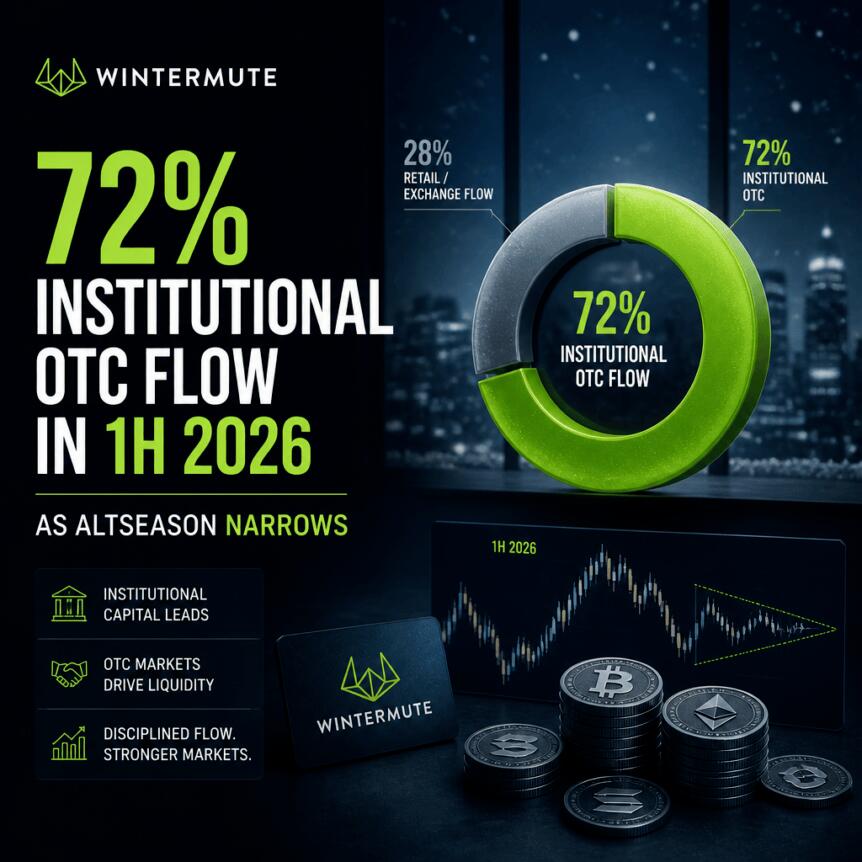
Crypto’s next phase of altcoin trading may look less like a wide, multi-token “altseason” and more like a tighter set of bets, according to market maker Wintermute. In its OTC flow report for the first half of 2026, the firm says institutional counterparties became the dominant source of spot trading on its desk—an important signal for how liquidity and momentum may behave during future rallies.
Wintermute reports that institutions generated 72% of spot flow across all tokens in its OTC activity, the highest share on record. The figure rose from 61% in the second half of 2025 and from 59% in the first half of the prior year.
Key takeaways
- Institutional spot OTC flow reached 72% in H1 2026, up from 59% in H1 2025—marking a clear shift toward narrower participation.
- Institutional liquidity appears to concentrate in fewer tokens, while demand weakens across the market’s “long tail.”
- After price surges, institutional interest fades faster: roughly one day versus about three days for retail, Wintermute says.
- Third-party data echoes the concentration trend, including exchange-volume clustering among the largest altcoins.
Why Wintermute’s OTC data changes the altcoin outlook
Wintermute’s report points to a structural change in how capital is allocated across the altcoin market. When institutions concentrate their activity in a smaller set of tokens, liquidity tends to follow the institutions’ preferences. That can reshape both market depth and the duration of momentum when prices jump.
Wintermute argues that this concentration also affects the “long tail”—the many smaller, less liquid assets that often benefit when broader retail speculation kicks in. As institutional activity becomes more focused, those smaller tokens may not receive the same sustained attention during breakout moments, reducing the odds of broad-based rallies.
Concentration is rising, and it’s not just a theory
Beyond the headline share of institutional flow, Wintermute highlights how widespread the trading footprint is on its OTC desk. Between the first half of 2024 and the first half of 2026, the number of unique tokens traded by Wintermute’s institutional counterparties increased by 24%. Over the same period, the number for retail clients rose by 76%.
In practical terms, this suggests institutions are not only accounting for more of the activity—they are also broadening more slowly across tokens. That matters for traders because it implies that liquidity and “spot attention” can become more clustered, potentially increasing the chance that rallies are sharper in a handful of assets while fading sooner elsewhere.
Wintermute also examines what happens after a token’s price and volume surge. The firm says institutional activity following such spikes typically fades after roughly one day. Retail participation, by contrast, often stays elevated for about three days. That time gap is a key difference: it can influence how long market participants expect follow-through, and it can alter the risk profile of buying after a sudden move.
Signals from other market data: rotation is less visible
Wintermute’s findings align with other monitoring of crypto trading behavior. On June 20, CryptoQuant CEO Ki Young Ju said the traditional rotation of Bitcoin profits into smaller crypto assets had “basically disappeared.” According to CryptoQuant data highlighted in that context, Bitcoin-denominated altcoin pair volumes were near their weakest level since 2021.
The broader pattern is that altcoin trading may be becoming less driven by systematic cross-market rotation and more focused on a narrower set of assets with deeper liquidity and clearer institutional demand.
Concentration is also visible in market share statistics. The 10 largest non-stablecoin altcoins were said to account for roughly 80.5% of the capitalization of the non-Bitcoin, non-stablecoin market. On the exchange side, Kaiko reported a similar clustering: in July 2025, the data provider said the ten largest altcoins represented 63% of altcoin trading volume, rising from around 50% several months earlier as activity in smaller tokens weakened.
From “altseason” breadth to selective moves
The implication of this body of data is that “altseason” may increasingly resemble selective sector rotation rather than a catch-all surge across a wide universe of coins. The market narrative is being reshaped by the participants who can move size and manage risk efficiently—especially institutions.
Commentary from DWF Labs managing partner Andrei Grachev argued that broad altcoin rallies are giving way to more selective sector moves. In March, he suggested that too many tokens compete for limited capital, while institutional investors maintain focus on Bitcoin, Ether, and tokenized real-world assets.
Wintermute’s OTC report provides a quantitative way to interpret that shift: if institutions concentrate spot OTC liquidity, then price pressure and sustained post-surge buying may cluster around a smaller portion of the altcoin landscape. Retail activity may still energize moves across a broader set of tokens, but the institutional “after-effect” appears shorter-lived in Wintermute’s findings—potentially reducing the runway for long-cycle altcoin runs.
As H2 2026 unfolds, investors and traders may want to watch whether this institutional dominance persists across more tokens—or whether it continues to narrow liquidity further. The next signal to monitor is whether post-surge institutional follow-through remains compressed to about a day, since that would reinforce a market regime where winners are more concentrated and rallies fade faster outside the most liquid, institution-favored assets.

South Korean crypto exchange Upbit announced on July 31 that it would list Conflux’s CFX token against the Korean won, Bitcoin and Tether. Trading is scheduled to begin at 16:00 Korea Standard Time.
Summary
- Three CFX pairs will open on Upbit against KRW, Bitcoin and Tether at 16:00 KST.
- 8.5% CFX gain preceded trading, while 24-hour volume nearly doubled to $13 million before launch.
- Only Conflux eSpace deposits qualify, with unsupported networks potentially causing lengthy asset-return procedures for users.
The official Upbit notice was published at 14:00 KST. Deposits and withdrawals were expected to open within 90 minutes through Conflux eSpace. However, Upbit said the trading launch “may be delayed” if the exchange cannot secure enough liquidity.
Upbit CFX listing opens three spot markets
The addition gives CFX direct access to Upbit’s KRW market alongside its BTC and USDT markets. The Korean won pair is particularly relevant because it lets local users trade CFX without first converting their funds into another crypto asset.
Upbit displayed CFX at 58.25 won, 0.00000062 BTC and 0.04044 USDT at 13:30 KST, shortly before publishing the notice. The exchange used CoinMarketCap data to establish the reference prices and its opening-order restrictions.
Upbit will block buy orders for about five minutes after trading begins. During the same period, sell orders priced more than 10% below the previous closing price will also be restricted. Only limit orders will be available for the first two hours.
CFX rose before scheduled Upbit trading
CFX traded near $0.0452 before the scheduled Upbit opening, representing an increase of about 8.5% over 24 hours. Its daily trading volume reached approximately $13 million, up about 93%, while its market capitalization stood near $236 million.
The token moved between approximately $0.0403 and $0.0455 during the period. However, trading had not yet started on Upbit when those figures were recorded. The price increase therefore cannot be attributed entirely to completed orders on the Korean exchange.
Past Upbit listings have produced mixed market reactions. As crypto.news reported, the exchange added Derive across the same three markets in July. In related coverage, nine other tokens received new BTC and USDT pairs in June. Some listings raised early volume, but initial price gains did not always continue.
Conflux eSpace is the only supported network
Upbit will support CFX deposits and withdrawals only through Conflux eSpace. Users who send tokens through Core Space or another unsupported network may need to complete a lengthy recovery process.
Conflux operates two execution environments. Core Space is the network’s native environment, while eSpace is fully compatible with the Ethereum Virtual Machine. Ethereum smart contracts, wallets and development tools can therefore operate on eSpace with limited changes.
The blockchain combines proof-of-work and proof-of-stake. Miners produce and arrange blocks through its Tree-Graph structure, while proof-of-stake validators provide finality. CFX pays transaction fees and supports staking, governance and storage collateral.
Moreso, CFX previously rallied after the Conflux 3.0 announcement. That upgrade focused on higher throughput, payment infrastructure and real-world asset applications.
Opening controls will shape the first trading hours
The next confirmed event is the planned start of trading at 16:00 KST on July 31. Upbit may change that time if deposits do not provide enough liquidity. Users must also comply with South Korea’s travel-rule requirements and use verified personal wallet addresses.
The first five minutes will show the initial balance between Korean demand and available CFX supply. The two-hour limit-order period is designed to reduce disorderly execution while the new order books develop.
Beyond the opening session, traders will watch whether higher volume continues after the listing-driven attention fades. The listing expands access to CFX, but it does not guarantee lasting demand, deeper liquidity or further price gains.
The ETH/BTC ratio briefly topped 0.030 this week, its highest level in three months. However, Bitcoin (BTC) dominance climbed at the same time instead of falling.
That combination points to capital concentrating in the market’s two biggest assets, not spreading into the wider altcoin field.
Two Winners, Not a Broad Rally
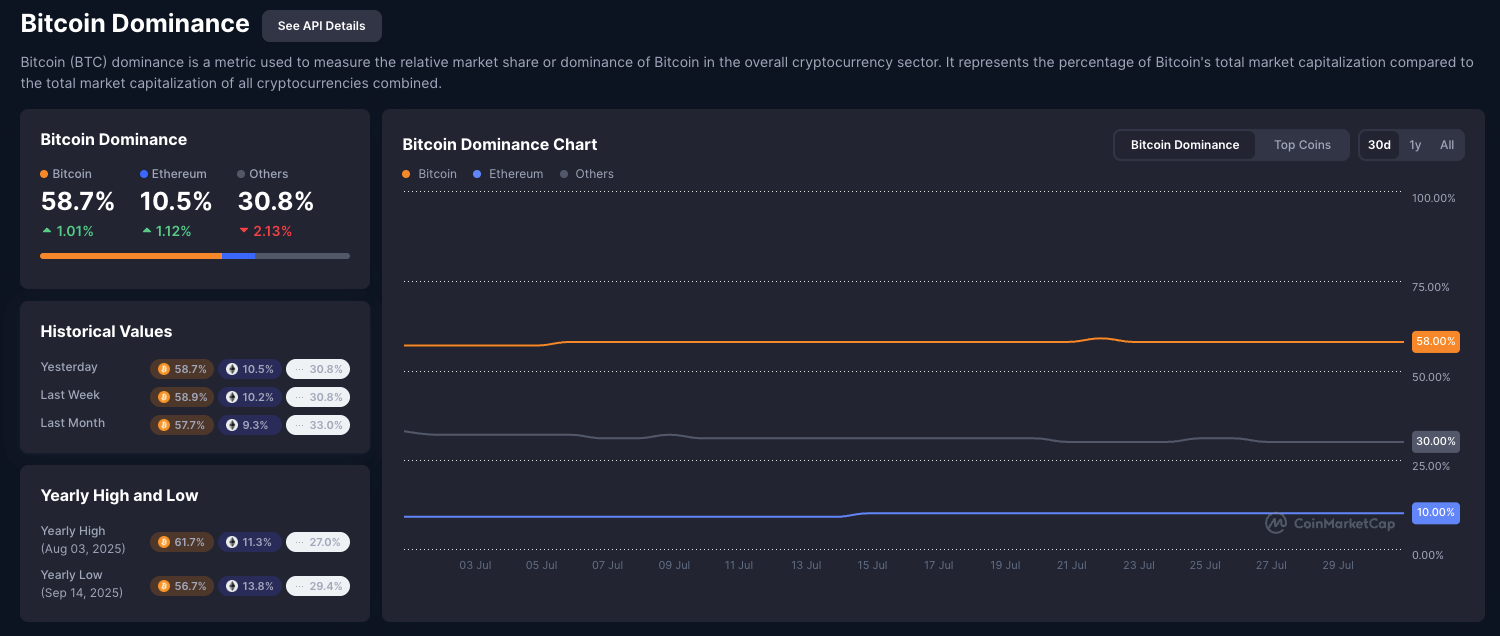
Bitcoin’s dominance sits near 58.7%, and it gained ground over the past day, but in general, it has been relatively steady. At the same time, Ethereum’s (ETH) share climbed to 10.5%. The category tracking everything else, thousands of smaller tokens outside the top two, has been on a slide and dropped to 30.8%.

The Rest of the Market Keeps Shrinking
This squeeze isn’t new. Altcoin sell pressure outside Bitcoin and Ethereum ran for 15 straight months through mid-June. BitMine chairman Tom Lee still calls the ETH/BTC move a bullish signal for crypto overall:
“We view the rising ETH/BTC ratio, despite the falling odds of passage of the Clarity Act in 2026, as a sign crypto prices are strengthening.” — Lee
That read centers on ETH specifically. It says little about the median token, and the Ethereum whale accumulation driving the rally has focused on ETH, not smaller altcoins.
Not Just a Bounce
The ETH/BTC ratio sits at 0.02963, up 10.52% over the past month; however, the pair is still down 4.85% over six months and 12.60% year to date. This indicates how low Ethereum was relative to Bitcoin and how far it has to climb.

Institutional buying backs the move up. BitMine and Arthur Hayes have kept adding ETH through a month when spot ETH ETFs pulled in fresh inflows while Bitcoin funds saw redemptions. Treasuries and funds don’t typically chase a single green candle. Their buying suggests they expect the move to last.
Whether the ratio holds here or slides back toward its lows will show whether this is a genuine reversal or just a bounce inside Bitcoin’s grip on the market.
The post ETH/BTC Ratio Hits 3-Month High: But Don’t Count on Altcoin Season Yet appeared first on BeInCrypto.
On 30 July, Amazon.com reported its financial results for the second quarter of 2026, significantly exceeding market expectations. Revenue rose 20% year-on-year to $200.6 billion, compared with the consensus forecast of around $196.5 billion. The main growth driver was the AWS cloud business, where sales increased by 37% — the fastest growth rate in 18 quarters — while the segment’s operating profit surged to $16.6 billion. Total operating profit climbed 43% to $27.5 billion. Net income reached $62.6 billion, or $5.75 per share, although a substantial portion came from a $53.4 billion non-operating gain related to the revaluation of Amazon’s stake in Anthropic. Advertising revenue also increased by 26% year-on-year.
Amazon Technical Analysis
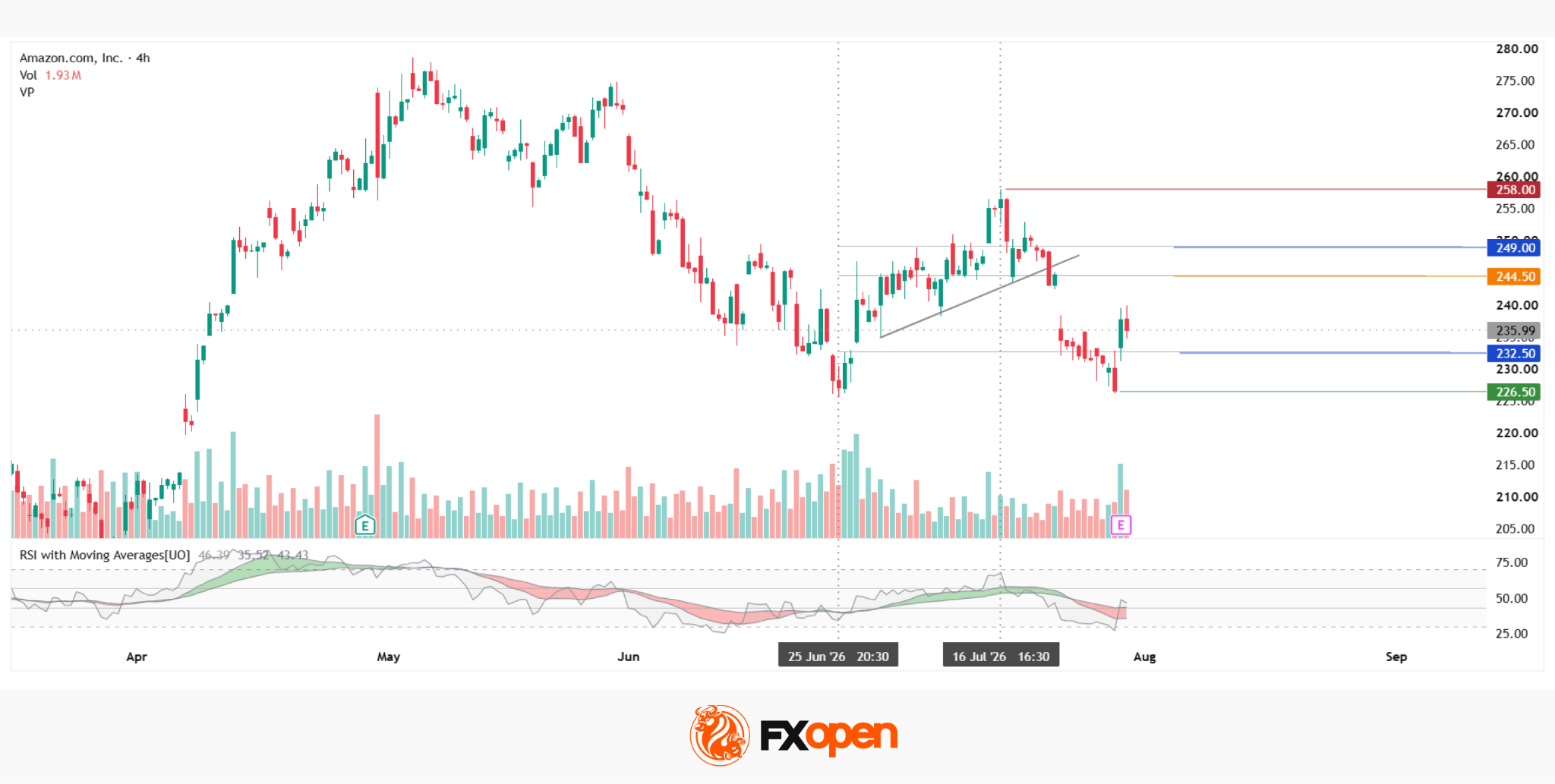
On the four-hour AMZN chart, a downtrend developed after the stock peaked near $278 in May. The decline towards $226 at the end of June was followed by a corrective recovery along an ascending trendline connecting higher lows until mid-July, when the price approached resistance around $258, where the red resistance level is currently located. A break below this trendline signalled that the correction had run out of momentum, after which the price returned to the current market profile range, settling between the POC zone at $244.5 and the lower profile boundary at $232.5. Below this area lies the green support level at $226.5.
Should the current rebound continue and the price break above the POC zone, it is likely to face two further obstacles: the upper profile boundary at $249 and the red resistance level at $258. It is also worth noting that the RSI + MAs indicator currently shows readings of 46, 36 and 43. The indicator suggests that the slower moving average has yet to move below the parity zone, while the RSI has already recovered from oversold territory.
Summary
Strong earnings provide a fundamental catalyst for a continuation of the current rebound, although the RSI + MAs oscillator has yet to generate a clear signal. In the coming days, further guidance from management on AI infrastructure capital expenditure, along with the market’s reaction to earnings reports from other technology giants, could determine the stock’s next move.
Buy and sell stocks of the world’s biggest publicly-listed companies with CFDs on FXOpen’s trading platform. Open your FXOpen account now or learn more about trading share CFDs with FXOpen.
This article represents the opinion of the Companies operating under the FXOpen brand only. It is not to be construed as an offer, solicitation, or recommendation with respect to products and services provided by the Companies operating under the FXOpen brand, nor is it to be considered financial advice.


Quantum Solutions sold 1,000 ETH for $1.903 million on July 30 through its consolidated subsidiary, GPT Pals Studio Limited.
Summary
- 1,000 ETH sale raised $1.903 million as Quantum Solutions redirected funds toward AI data centers.
- 4,375 ETH authorization permits another 2,471 tokens to be potentially sold through October 30, 2026.
- 4,764.80 ETH remain, while 3,050 tokens stay pledged as collateral to a Singapore-based financial lender.
The Tokyo-listed company plans to redirect the proceeds toward its AI Infrastructure Data Center business. The sale reduced the group’s Ethereum balance to 4,764.80 ETH and is expected to produce a loss of about ¥17 million in the second quarter of the fiscal year ending February 2027.
The company also raised the maximum amount authorized for sale from 1,875 ETH to 4,375 ETH. After two disposals totaling 1,904 ETH, Quantum may sell another 2,471 ETH before October 30. Any further transactions will depend on funding needs, market conditions and progress in its AIDC plans.
Quantum Solutions expands its ETH sale authority
The revised ceiling adds 2,500 ETH to the earlier authorization adopted on June 4. Quantum said the change gives it more flexibility to fund data-center usage agreements, GPU equipment, launch preparations and related operating costs. The filing states that the increase “does not constitute a decision to immediately sell” the entire authorized amount.
Quantum’s first sale occurred on June 16, when GPT Pals sold 904 ETH at $1,777.07 each for about $1.606 million. That transaction left the group with 5,764.80 ETH and generated an expected ¥18 million loss based on its revalued carrying price.
The latest sale creates a ¥17 million loss
GPT Pals received a net $1,903 per ETH in the July transaction. Quantum had marked the assets at $2,003.97 each on May 31, leaving a $100.97 difference per token. The company therefore expects a $100,970 realized loss, equal to roughly ¥17 million at its stated exchange rate.
That accounting loss is not measured against the original historical purchase price. Quantum uses fair-value accounting and records valuation changes at each quarter-end. When it sells ETH, it compares the sale price with the latest carrying value under its moving-average method.
Most remaining ETH is tied to loan collateral
Of the 4,764.80 ETH left after the sale, 3,050 ETH remains pledged to a Singapore-based financial services company as collateral for an earlier borrowing. Only 1,714.80 ETH sits in GPT Pals’ crypto trading account, according to the filing.
The remaining authorization exceeds that unpledged balance by 756.20 ETH. This means Quantum would likely need to release or replace some collateral, acquire more ETH or use another arrangement before selling the full additional 2,471 ETH. The company has not said that it will take any of those steps.
Quantum’s top Japanese treasury ranking is disputed
The two sales have cut Quantum’s ETH holdings by about 28.6% from the 6,668.80 ETH reported before the June disposal. As previously reported, Quantum became one of the leading listed Ethereum treasury companies after rapidly adding ETH in late 2025.
Its current Japanese ranking is less clear. BitcoinTreasuries.net lists Def Consulting with 4,976 ETH as of June 30, which would place Quantum behind it. However, CoinGecko currently lists Def Consulting at 4,571 ETH. The conflicting tracker figures mean the claim that Quantum remains Japan’s largest listed Ethereum holder cannot be treated as settled without a newer company disclosure.
moreover, FG Nexus also reduced its Ethereum treasury in June as losses widened. Meanwhile, larger holders including BitMine and SharpLink continued accumulating, showing that corporate Ethereum strategies have moved in different directions during the market downturn.
Quantum said it will disclose any further sales requiring public notice. The next formal checkpoint is its second-quarter results, scheduled around October 10 on the company’s investor calendar. Investors will then see the recognized sale losses, updated ETH holdings and any further AIDC spending before the authorization expires on October 30.


The 2026 FIFA World Cup generated $20 billion in blockchain prediction-market volume from January through the tournament’s end, Chainalysis reported on July 30.
Summary
- $20 billion in prediction-market volume accumulated from January through the World Cup’s five-week tournament period.
- 400,000 wallets generated $5.7 billion during the tournament, representing 63% of prediction-market activity by volume.
- $24 million in FIFA Collect trades supported ticket access for more than 100,000 fans worldwide.
The analytics firm said more than 400,000 wallets participated, while $5.7 billion was traded during the five-week event.The report also tracked $24 million in stablecoin-powered trading through FIFA Collect, the football body’s official digital collectibles platform. The data show how betting, collectibles and ticket access converged on public blockchain infrastructure during the tournament.
World Cup prediction markets dominated onchain activity
World Cup-related markets accounted for about 63% of all prediction-market volume during the competition. Daily activity began near $50 million in January, exceeded $100 million during busy pre-tournament periods and moved toward $250 million after matches began on June 11.
Volume topped $300 million on the final, when Spain defeated Argentina, Chainalysis said. The $20 billion total covers trading from January, including qualifying and pre-tournament markets. It should not be read as betting conducted only during the tournament.
The figures fit a broader expansion in event contracts. Binance Research separately reported that monthly prediction-market notional volume rose 86% from January to $51.6 billion in June. It said Kalshi and Polymarket represented 92% of June’s total, although its market-wide measurement differs from Chainalysis’ World Cup-specific dataset.
U.S. and China led globally attributed volume
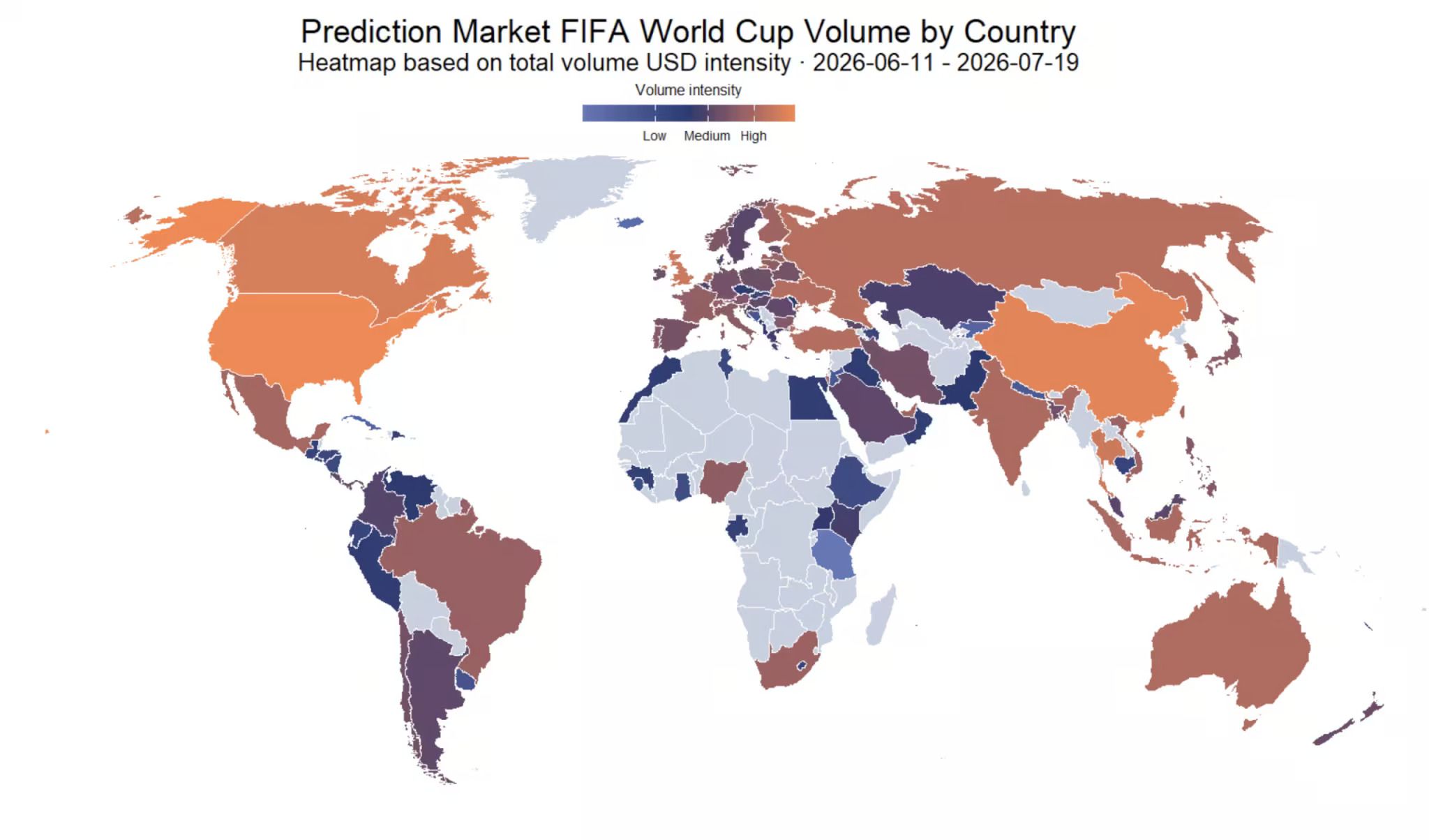
Chainalysis attributed the most activity to the U.S. and China, followed by Canada, Thailand and the United Kingdom. Participation came from every continent except Antarctica.
However, the firm cautioned that its proprietary geolocation method “may carry uncertainty” when VPNs, mixers or privacy tools obscure wallet locations. The rankings therefore represent Chainalysis’ attribution, not verified residence data for every participant.
However, World Cup demand pushed daily prediction-market volume sharply higher during June. In addition, Kalshi gained tournament exposure through ADI Predictstreet, FIFA’s official prediction-market partner.
Chainalysis identified about 3,700 participating wallets with traceable illicit interaction histories, representing less than 1% of the total. It reported at least $5.4 million flowing from Huobi or HTX into wallets that later used World Cup markets. Scam-linked wallets accounted for about $2 million, while stolen-fund exposure exceeded $800,000.
The U.K. designated Huobi Global on May 26 under its Russia sanctions regime and clarified that HTX falls within those restrictions through ownership. The European Union later added HTX to a transaction-ban list, with the measure scheduled to apply from August 23.
These findings measure earlier wallet interactions and fund flows. They do not prove that each flagged wallet committed an offense through its World Cup trades.
FIFA Collect connected digital assets with tickets
FIFA Collect let users trade digital collectibles and obtain rights connected to match tickets. FIFA says more than 100,000 fans gained stadium access through its Right-to-Ticket products. Chainalysis traced $24 million in payments to a key FIFA Collect smart-contract wallet from May 2025 through the tournament.
The firm estimated that FIFA received at least $6 million from secondary transactions after applying the platform’s 5% share. It found negligible direct illicit exposure among FIFA Collect users, which “may be a result of FIFA’s robust KYC practices,” according to Chainalysis. That explanation is an assessment, not a controlled test.
As crypto.news reported, FIFA moved its collectibles platform to a purpose-built, Avalanche-based blockchain in 2025. The next test is whether ticket-linked collectibles and prediction-market users remain active after the World Cup. Regulators and platforms will also face pressure to strengthen sanctions screening, market surveillance and settlement controls as event-contract volumes expand.
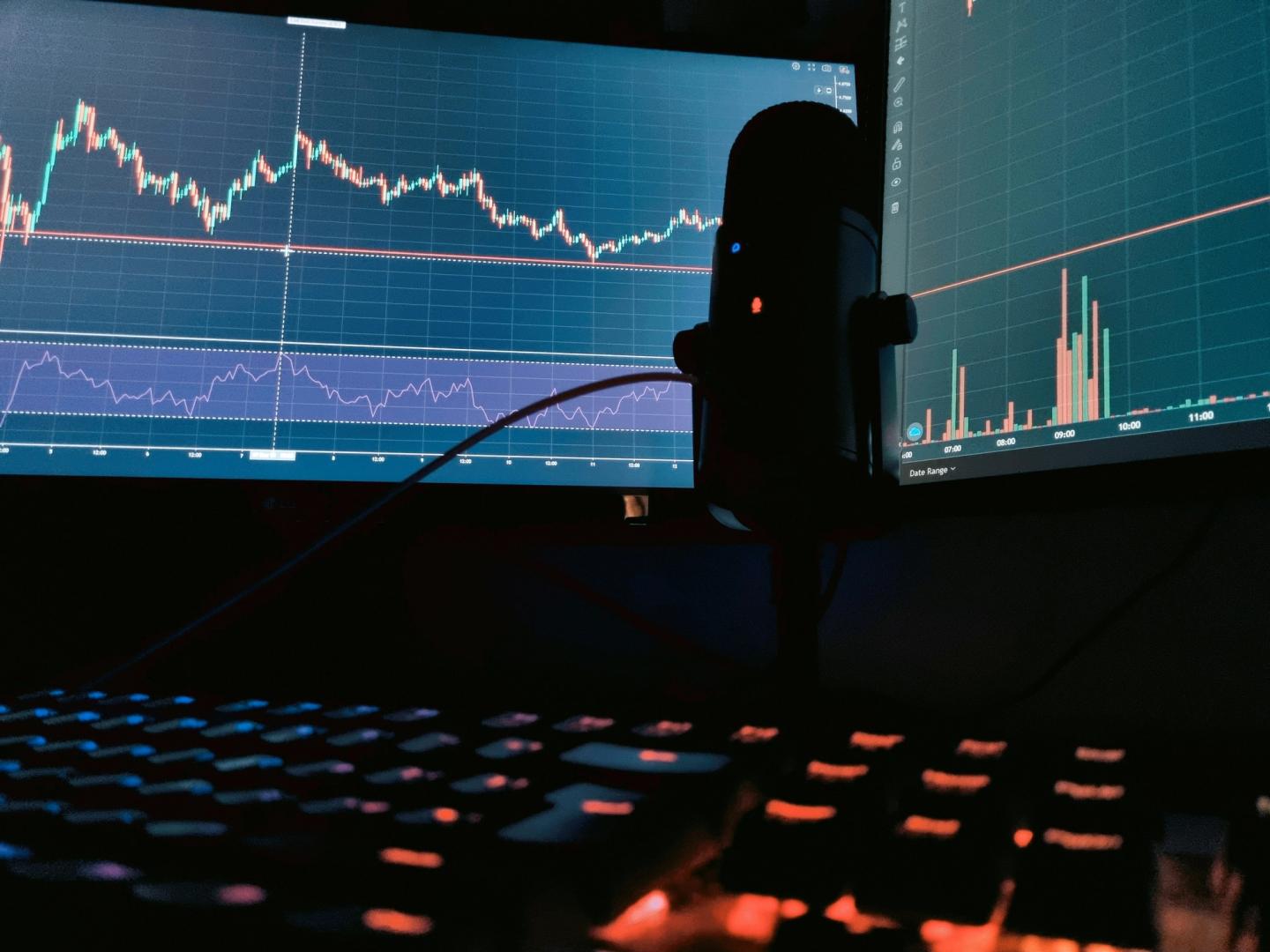
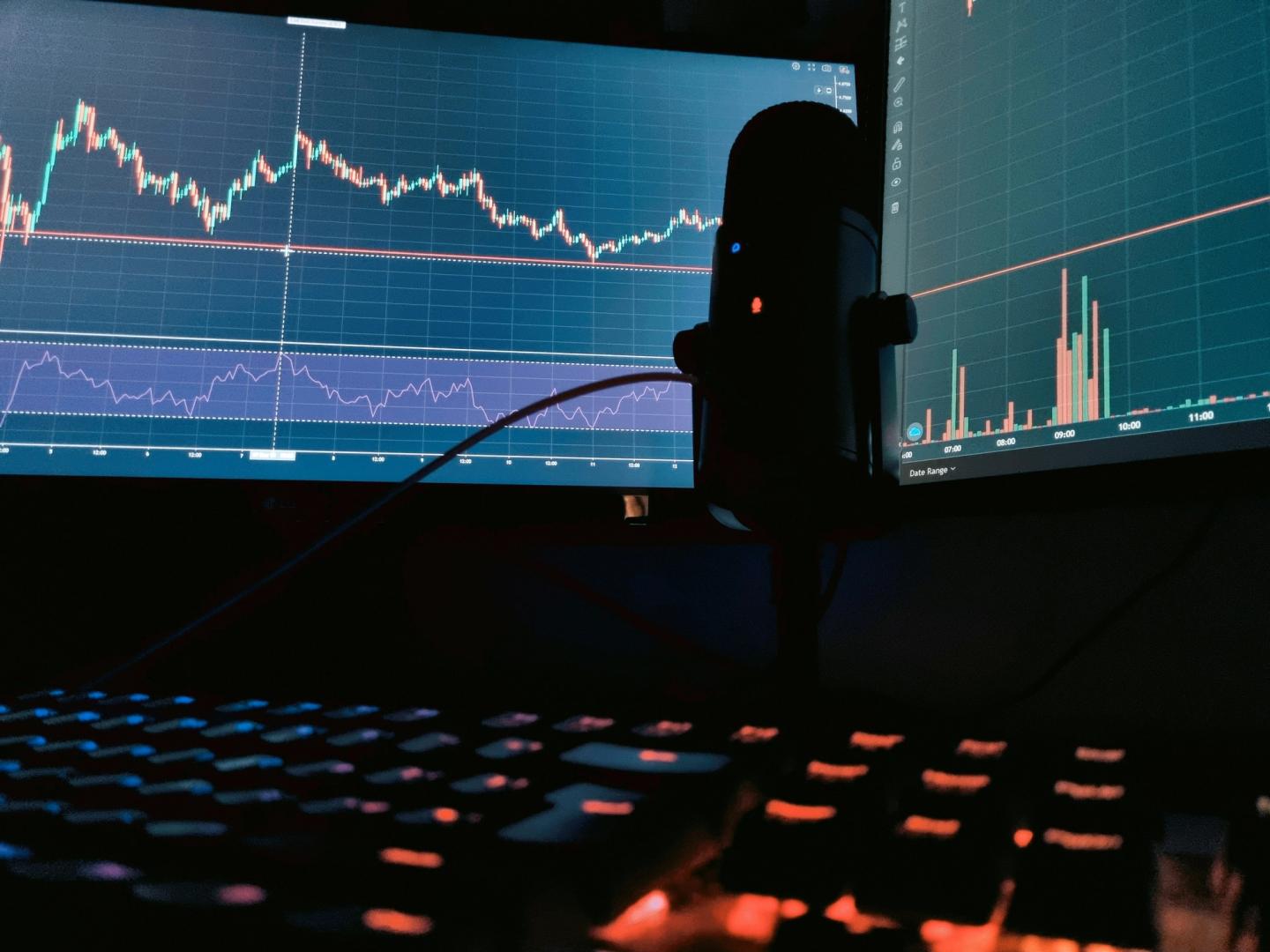
Crypto markets barely registered one of the sharpest equity rallies of the year on Friday, with bitcoin holding near $64,300 while South Korean stocks staged a record rebound from the selloff that dominated the past two weeks.
The majors were close to unchanged. Ether traded at $1,907, XRP at $1.08, solana at $74 and dogecoin at $0.07, with roughly $27 billion changing hands in bitcoin and $7 billion in ether. BNB was the exception, up 3% on the day to $590 and the only major holding a meaningful weekly gain. Bitcoin spiked to $65,300 in early Asian hours before giving it back within an hour.
The weekly picture stays soft. Hyperliquid’s HYPE is down 5% over seven sessions, solana and XRP are each off 3%, and bitcoin has lost 2%. Ether and dogecoin are up 1%.
Equities went the other way, hard. The Kospi surged as much as 17%, rebounding from a three-day rout that had taken the index more than 40% below its June peak. Samsung and SK Hynix both jumped more than 23%, and Taiwan Semiconductor rose 10%, making chipmakers the biggest contributors to a broad Asian advance.
The 2026 FIFA World Cup generated $20 billion in prediction market volume, with the US and China contributing the largest country-level flows, according to new Chainalysis research published Thursday.
More than 400,000 wallets placed on-chain bets on the tournament. World Cup markets accounted for roughly 63% of all prediction market activity during the event.
World Cup Betting Volumes Peaked at the Final
Chainalysis tracked World Cup betting from January 2026. Markets were already producing nearly $50 million in daily volume months before kickoff. Daily activity jumped to around $250 million once the tournament opened on June 11.
The final, in which Spain defeated Argentina, drove over $300 million in wagers. Novelty markets also attracted heavy flows. A single market asked whether Cristiano Ronaldo would cry after his last campaign, generating $49 million.
Bettors fared unusually well. Chainalysis found 55% of participants ended the tournament in profit, and 79% of those winners were experienced prediction market users.
The report mapped tournament betting flows by country between June 11 and July 19. The heatmap shows that the US and China generated the highest attributable volumes worldwide.
Canada, Thailand, and the UK also ranked among the top contributors. Australia, Brazil, Russia, and India also saw heavy activity, while much of Africa showed little or no attributable volume.

Follow us on X to get the latest news as it happens
Sanctioned Exchange Funds Reached Betting Wallets
Not all the money was “clean.” Chainalysis identified roughly 3,700 wallets, under 1% of bettors, with illicit transaction histories.
The largest single source was Huobi/HTX, which sent at least $5.4 million into World Cup betting wallets. The UK sanctioned the exchange in May over alleged Russian sanctions evasion, and the EU followed in July. Scam-linked wallets added around $2 million.
Meanwhile, FIFA’s own on-chain experiment stayed largely clean. Chainalysis identified a key FIFA Collect wallet on Avalanche that received $24 million from NFT collectors between May 2025 and the tournament’s end.
The firm said that strict identity checks may explain the negligible level of illicit exposure. On-chain flows indicate FIFA collected at least $6 million from secondary sales.
Subscribe to our YouTube channel to watch leaders and journalists provide expert insights
The post US and China Led $20 Billion World Cup Prediction Market Boom, Chainalysis Says appeared first on BeInCrypto.

From Bal Sikander to Glasgow: The rise of CWG silver medallist Lovepreet | Other Sports News

Daniel Kinahan’s plush jail cell and private gym as crime boss to arrive in bomb-proof van

Why asset tracking matters more than ever for growing businesses


-

 Fashion7 days ago
Weekend Open Thread: Brooks Brothers
-
 Sports4 days ago
Commonwealth Games boxing: Jadumani Singh seals dominant 5-0 win over Pakistan’s Sumama Rehman to enter quarter-finals | Commonwealth Games News
-

 Business1 day ago
Why Trees Belong on the Risk Register
-

 Tech4 days ago
Intel is reversing course and bringing hyper-threading back to its server chips
-

 Crypto World6 days ago
Ripple bought a bank in pieces. The $4 billion audit
-

 Politics4 days ago
Luke Littler dismantles Gerwyn Price to retain title in Blackpool
-
 Entertainment7 days ago
A New Post-Apocalyptic Gundam Anime Series Blasts Into SDCC
-

 Politics3 days ago
The Part of the Electric Transition Nobody Wants to Discuss
-

 News Videos4 days ago
BITCOIN JUST ENTERED THIS CRITICAL ZONE…
-

 Business2 days ago
Major shareholder moves on Canyon
-

 Crypto World5 days ago
XRP Ledger adds $2.6B as RWA inflows rank second
-

 News Videos19 hours ago
Bitcoin Enters the 3rd Stage of the Bear Market
-

 Politics5 days ago
Spain sweeps the board at 2026 World Cup with individual awards
-
 Entertainment2 days ago
‘Stargate’ Creator’s New Sci-Fi Series Returns for Season 3 Tomorrow
-

 Entertainment5 days ago
Sara Gilson Killed By Husband After Viral “Pedophile” TikTok Video
-

 Crypto World2 days ago
Kraken Enables Retail Access to Jersey Mike’s IPO via Tokenized Shares
-

 Tech6 days ago
Anthropic launches Claude Opus 5, a cheaper AI model for coding, agents and enterprise workflows
-

 News Videos2 days ago
Claude: Build Financial Dashboards in Minutes (2026)
-

 Politics14 hours ago
Luke Littler’s dominance sparks GOAT debate
-

 Tech3 days ago
New macOS Sequoia & Sonoma security updates for older Macs
You must be logged in to post a comment Login