
Crypto World
Standard Chartered wins MiCA passport as EU approves 57 firms



Standard Chartered has secured a MiCA passport as the European Securities and Markets Authority has added 57 newly authorized crypto firms to its register following the end of the EU’s transition period.
Summary
- ESMA has expanded its MiCA register to 300 authorized crypto firms after approving 57 new providers.
- Standard Chartered and FalconX have secured MiCA licenses, gaining passporting rights across all 27 EU member states.
- The July 1 MiCA deadline has reshaped the EU crypto market, with only licensed firms allowed to serve new customers.
According to the European Securities and Markets Authority (ESMA), its latest interim register now lists 300 authorized crypto-asset service providers, up from 243 on June 26, after a wave of approvals arrived around the July 1 Markets in Crypto-Assets deadline.
The updated list includes major banks, institutional trading firms, and digital asset companies that can now offer regulated services across the European Union under a single authorization.
Standard Chartered joins expanding MiCA register
Among the biggest additions is Standard Chartered, which received MiCA authorization from Luxembourg’s financial regulator, the Commission de Surveillance du Secteur Financier (CSSF), on June 25.
The bank also obtained an Electronic Money Institution license, allowing it to use MiCA’s passporting system to provide crypto services throughout all 27 EU member states without seeking separate approvals in each country.
Institutional crypto trading firm FalconX also entered the register after receiving authorization from Malta’s Financial Services Authority shortly before the July 1 deadline.
ESMA’s latest update further added digital asset bank Sygnum Europe, Ronin EM, and CACEIS, the asset servicing business owned by Crédit Agricole and Santander.
Separately, crypto.news recently reported that CACEIS is in exclusive talks to acquire French crypto investment platform Meria, a deal that would add a retail crypto business with about 150,000 users and roughly €350 million in assets under management. The reported discussions followed Meria’s own MiCA CASP authorization in France.
Recent approvals have also extended beyond traditional financial institutions. As crypto.news previously reported, Stripe-owned Bridge secured both MiCA CASP authorization and an Electronic Money Institution license in Luxembourg, enabling the company to provide regulated crypto services across the European Union under the same passporting framework.
MiCA deadline has reshaped Europe’s regulated crypto market
The surge in approvals followed the end of MiCA’s transitional period on July 1, 2026. During that grace period, crypto companies already operating in individual EU countries could continue serving customers while applying for full authorization.
With the transition now complete, firms that failed to obtain a MiCA license must stop onboarding new customers and begin winding down regulated operations within the bloc. ESMA’s updated register provides public confirmation of which providers have completed the authorization process.
MiCA establishes a single regulatory framework covering crypto exchanges, custody providers, portfolio managers, and crypto-asset issuers across the European Union. Under its passporting rules, authorization from one national regulator, such as Luxembourg’s CSSF or Malta’s MFSA, gives firms access to customers across the entire bloc.
The new regulatory environment has already produced visible market changes. As crypto.news reported, Tether’s $186 billion USDT no longer has a MiCA-compliant route to remain on regulated EU exchanges following the July 1 deadline.
Consequently, MiCA-authorized exchanges including Coinbase, Kraken, and Crypto.com have removed USDT trading for European users, ending the stablecoin’s presence on regulated order books despite remaining the world’s largest stablecoin by market capitalization.
For institutional investors and asset managers, ESMA’s expanding register now offers a verified reference point for identifying regulated counterparties operating under the European Union’s unified crypto framework, while passporting continues to reduce the need for firms to secure separate licenses in each member state.


White House teleprompter operator Gabriel Perez is no longer employed by the federal government after being placed on unpaid leave over allegations that he used insider knowledge to bet on President Donald Trump’s speeches, according to another official.
Speaking on condition of anonymity, the official said that Perez had left his government job but did not say whether he resigned or was fired.
Inside the Allegations
The White House had suspended Perez earlier this month following an ABC News report that alleged he made more than $100,000 through bets on the online prediction market Kalshi. The report said the wagers were based on advance knowledge of what Trump would say during major speeches, including the State of the Union address earlier this year.
The allegations drew a sharp response from the White House. Press secretary Karoline Leavitt described the reported insider trading as “deeply unfortunate and, frankly, a disgrace.” Kalshi also responded after the report was published.
Robert Denault, the company’s lawyer and head of enforcement, said in a post on X that its surveillance team detected the trades, investigated them, and referred the matter to the US Commodity Futures Trading Commission (CFTC). Denault’s statement did not identify Perez by name.
Legal Battles
Kalshi has faced legal hurdles this year in Massachusetts, Michigan, Nevada, and Washington. At the same time, it has also tightened its own rules. In April, the prediction market suspended three political candidates for betting on elections they were contesting after determining that the trades amounted to political insider trading under its CFTC-approved rules.
An insider trading case on Polymarket also surfaced that same month. Federal prosecutors charged US soldier Gannon Ken Van Dyke with allegedly betting on whether former Venezuelan President Nicolás Maduro would be removed from power. Authorities said Van Dyke, who worked on the operation targeting Maduro, made about $400,000 from the trades.
The legal battle over prediction markets has also taken a new turn. This week, a federal judge temporarily blocked Minnesota from enforcing a new law that would have banned prediction markets in the state. The ruling gave a temporary win to Kalshi, Polymarket, and the CFTC as the case moves forward.
Judge Katherine Menendez said the law is likely preempted by the federal Commodity Exchange Act because many event contracts may qualify as federally regulated swaps. The law, signed by Governor Tim Walz in May, was set to take effect on Saturday. The judge said the injunction could later be narrowed if needed.
The post Teleprompter Operator Accused in Kalshi Betting Case Is No Longer a Federal Employee appeared first on CryptoPotato.


President Donald Trump reshared a White House post on Sunday about restarting California’s Sable Pipeline. The same day, OPEC+ agreed to pump more oil from September.
Both moves add oil to the market. Neither has helped drivers yet. Californians paid $5.49 a gallon in late July, the highest price in the country.
Why Trump Revived a March Order Now
Gas is expensive, and Trump knows it.
US drivers paid about $4.10 a gallon in the week to July 27, federal data shows. That is 97 cents more than a year ago.
In June, Trump told fuel retailers to cut prices to $2.50. They have not.
California hurts most at $5.49 a gallon. That is roughly $1.39 above the national average, which makes the state an obvious target.
On March 13, Trump signed an order giving Energy Secretary Chris Wright emergency powers. The law behind it, the Defense Production Act, lets Washington direct private companies during a crisis.
Wright told Sable Offshore Corp. to reopen the Santa Ynez Pipeline. It had sat unused since a 2015 oil spill.
Oil flowed the next day. Sable aimed to sell about 50,000 barrels daily from April 1, a company filing shows. The line can carry 200,000.
Courts keep pushing back. On June 17, a California appeals court blocked Sable’s coastal work, backing state regulators in a published opinion.
OPEC+ Supply Hike Opens One Tap, Not All
Seven countries agreed to pump 188,000 more barrels a day from September. Saudi Arabia and Russia account for most of that, at about 62,000 barrels each.
The move finishes one round of cuts. The group had held back 1.65 million barrels a day since April 2023. That batch is now fully back.
A second cut from November 2023 stays in place. So the taps are not fully open.
OPEC says it can still speed up, pause, or reverse, according to its July statement.
Harder talks come in 2027, when the group sets new limits for each member. Iraq already wants a bigger share.
What This Means for Crypto
More oil has not made oil cheaper.
Brent crude sat near $87 on July 20. US crude was close to $84. Those are the latest daily figures from the Energy Information Administration.
Wars in Iran and Ukraine explain the gap. They block exports, so the extra barrels stay stuck on paper.
That matters for Bitcoin. Costlier fuel pushes inflation higher, and energy costs pressure Bitcoin by making rate cuts less likely.
Cheaper fuel does the opposite. It gives the Federal Reserve room to cut, which has lifted risk assets before, such as after the Fed held rates steady.
The question now is simple. Will September’s barrels reach buyers, or stay stuck?
The post Trump’s Oil Order Meets OPEC+ Supply Hike: Why California Gas Costs $5.49 appeared first on BeInCrypto.

Data shared by Lookonchain earlier today suggests that Trump Media, the entity behind the Truth Social media platform, majority-owned by the Donald J. Trump Revocable Trust, has sold over $165 million worth of bitcoin.
This was the second substantial sale made by the entity in recent months after it had splashed over $1 billion at prices near the top last year to accumulate 11,542 units.
The on-chain analytics company noted that the latest offload was for 2,628 BTC after it had transferred the stash to crypto.com. This continued a streak that began earlier this year.
Previously, the entity had spent $1.37 billion to acquire 11,542 BTC at an average price of $118,522. Since its entry level was very close to bitcoin’s very top marked just under a year ago, this automatically means that its sales have been completed at prices well below that.
CryptoPotato reported the previous BTC disposal in May, when wallets linked to Trump Media sold another substantial batch of 2,650 BTC for $205 million.
Lookonchain’s data concurs that the entity has sold a total of 7,281 BTC since it began disposing of its assets, at an average price of under $75,000. This means that its total losses have grown to $555 million.
It looks like Trump Media sold another 2,628 $BTC($165.07M).
Trump Media bought 11,542 $BTC($1.37B) at an average price of $118,522, then started selling 7 months ago, selling a total of 7,281 $BTC ($545M) at an average price of $74,855.
Trump Media is now down a total of $555M… pic.twitter.com/9xx0MTbweg
— Lookonchain (@lookonchain) August 2, 2026
Aside from the continuous controversial decisions toward the crypto industry from the POTUS-linked companies, this move builds on a recent worrisome trend about BTC treasury firms deciding to sell during times of distress.
As we reported last week, several public companies have shifted their strategies, with some selling BTC holdings while others have paused buying the asset indefinitely.
The post Trump Media Sells Another $165M in Bitcoin, Booking a Fresh Loss appeared first on CryptoPotato.

After two consecutive painful months in which they lost billions of dollars, the spot Bitcoin ETFs finally turned the page in July, but inflows were still modest.
Meanwhile, the exchange-traded funds tracking the performance of the largest altcoin enjoyed the month more, attracting over 2x more fresh capital.
Bitcoin ETFs in July
March and April were quite bullish for the spot BTC ETFs as the financial vehicles attracted well over $3 billion. However, the trend changed violently in May when they lost $2.43 billion. June became the worst month on record, as investors pulled out just over $4.5 billion. In total, the net outflows for May and June stood at nearly $7 billion, and the cumulative total flows dropped from over $58 billion to $51 billion.
July started more positively, with almost $200 million in net inflows during the first full week. Another $76 million followed during the second, and a more modest $34 million in the third. The trend was obvious as the initial high numbers gradually declined, aligning with the underlying asset’s controversial and sporadic price performance and ultimately leading to a very modest increase throughout the month.
The last week in July was once again in the red, with investors pulling $61.53 million out of the funds. Friday was the most painful day, as the total net outflows stood at over $265 million. As such, the month ended with $172.42 million. On one hand, green finally overcame the red wave, but on the other, the number was nowhere near enough to offset some of the recent losses.
ETH ETFs Do Better
The Ethereum ETFs entered July after a similarly painful two-month streak, in which they lost $541 million in May and another $529 million in June. However, investors were more persistent, and the actual net inflows for July were at a more respectable $365.17 million, thus outpacing the BTC ETF flows by over 2x.
Moreover, the ETH ETFs closed all four full weeks of July in the green, including the last one, which saw only one day in the red. Perhaps this investor behavior is among the reasons behind the underlying asset’s major resurgence in July. As reported earlier, ETH ended the month with a substantial 20% increase, making it the best in precisely a year.
All eyes are now on August, which hasn’t been ETH’s most favorable month historically, but there are some major double-digit exceptions.
The post Bitcoin vs. Ethereum ETF Battle: Who Won July? appeared first on CryptoPotato.
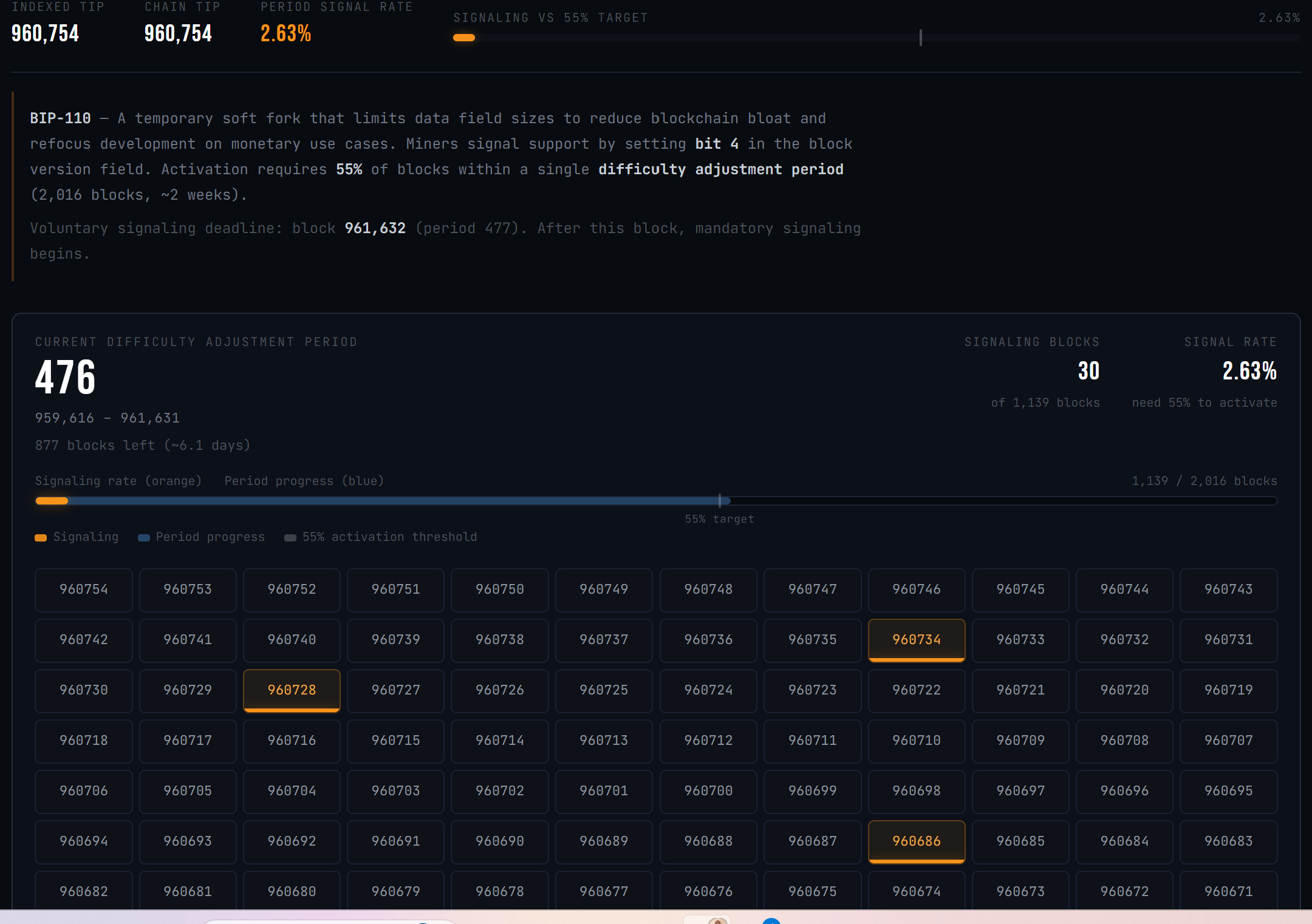
The developers pushing Bitcoin’s BIP-110 rule change have called off its launch. They blamed the industry response to a Coldcard wallet flaw that left user funds easier to steal.
Udi Wertheimer announced the delay, urging anyone running BIP-110 software to switch back to a normal Bitcoin (BTC) node. He gave no new date.
Why BIP-110 Activation Was Paused
BIP-110 is a temporary rule change, known as a soft fork. It would limit how much data people can pack into Bitcoin transactions.
Supporters say that data crowds out ordinary payments. Critics say Bitcoin should not police what users store.
The limits would last one year. Developer Dathon Ohm wrote the rules, and Bitcoin Knots software ships them.
Miners started voting on December 1, 2025. The Bitcoin blockspace spam debate had already split the community.
Then a separate problem landed.
Coinkite disclosed the bug on July 30. Its COLDCARD wallets built seed phrases, the master key behind a wallet, using far less randomness than promised. Roughly 72 bits instead of 128.
That gap makes a seed vastly easier to guess. Wallets running firmware released since March 2021 were hit hardest.
Updating the device does not fix a seed it already made. Coinkite is telling owners to move their money.
Thieves had already drained wallets tied to the flaw. The company has not said how much was lost.
Wertheimer called the delay a matter of timing, not doubt.
“…due to the coldcard incident, BIP-110 community leaders have decided to DELAY ACTIVATION. a new activation date will be announced at a later time,” he wrote.
Follow us on X to get the latest news as it happens
The Math Was Already Settled
Miners back a rule change by flagging their blocks. BIP-110 needed 55% of blocks in a two-week stretch. That means 1,109 blocks. The live monitor counted 30.

That is 2.63% of 1,068 blocks mined this period. It is the best BIP-110 has ever managed. It is still more than 20 times short.
Every earlier two-week stretch since December finished below 1.3%. Only 948 blocks are left. Even if every one voted yes, the total would reach about 48%. It could not pass this round.
That was already true days before anyone announced a delay.
Michael Saylor has warned about Bitcoin neutrality for weeks. He says almost every yes vote comes from one mining pool. Blockstream chief executive Adam Back has flagged chain split risk, calling the 55% bar too low to be safe.
A second phase was due at block 961,632, about six days away. It would reject any block that did not vote yes.
Nodes still running BIP-110 would enforce that on their own. That is why the warning to switch back matters.
No one owns Bitcoin’s rules. Nobody can flip a switch to start or stop a soft fork. This was a request, not a command.
Whether operators listen will say more about BIP-110’s support than any vote counter has.
The post BIP-110 Activation Frozen After Coldcard Exploit: Is the Soft Fork Dead? appeared first on BeInCrypto.
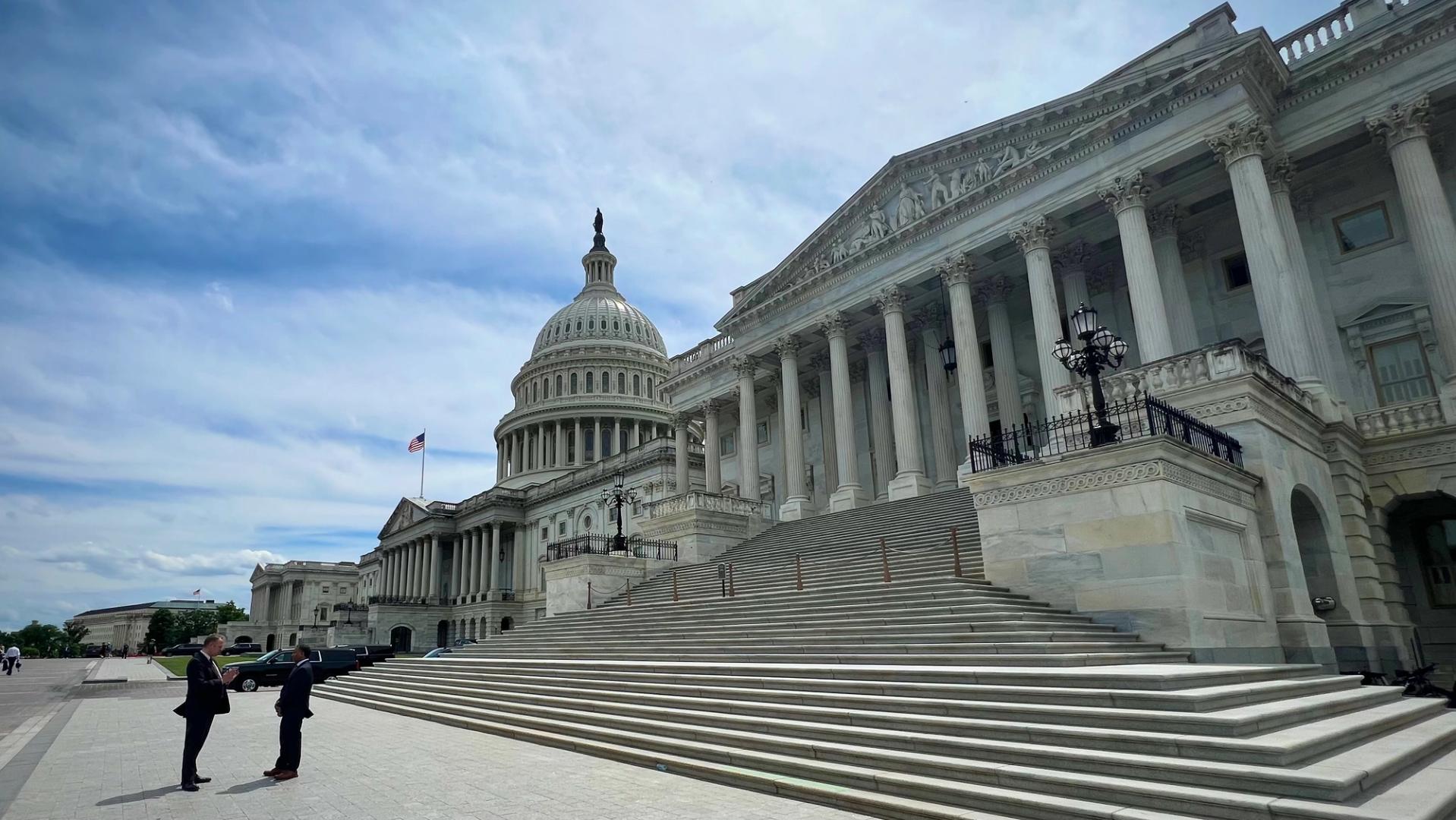
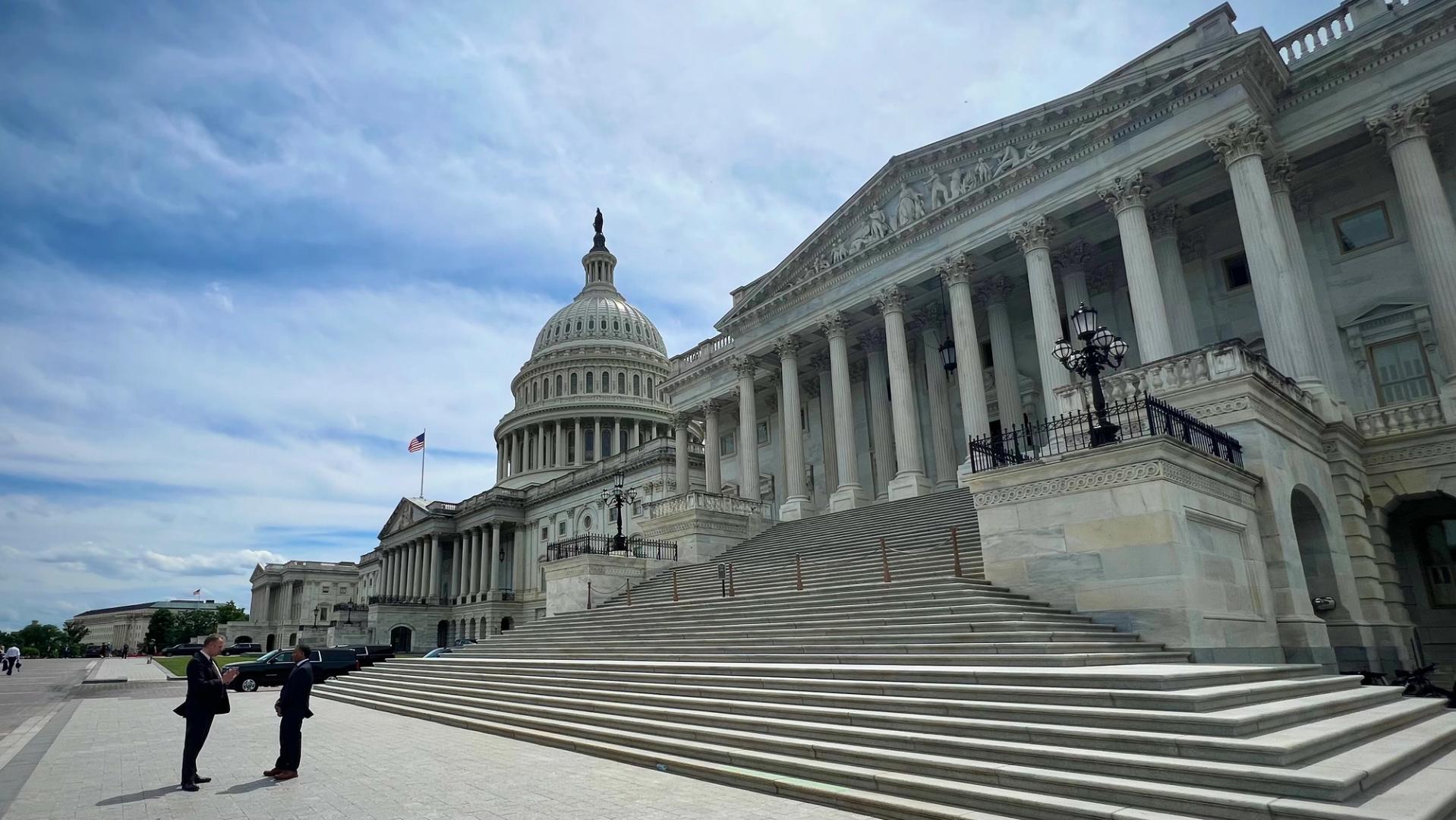
Senators Ruben Gallego and Thom Tillis sent a proposed revised ethics provision to the White House on Thursday, after drafting the compromise the day before, an industry source familiar with the talks told CoinDesk. As of midafternoon on Friday, the White House had not officially responded to the proposal.
Ethics remains the biggest outstanding issue to be resolved before the Clarity Act can advance. There are ongoing negotiations around other issues, including stablecoin reserves and yield, law enforcement authorities and some of the Agriculture Committee provisions addressing the Commodity Futures Trading Commission’s total remit, but these are relatively uncomplicated compared to ethics, two industry sources said. One added that they expected those other issues to be resolved relatively quickly should negotiators come to a deal on ethics.
If the White House signs off on the counter-proposal from Tillis and Gallego, that could speed the way to at least the first part of the cloture process, the other source told CoinDesk. The Senate would still need to follow the cloture process laid out in last week’s edition of this newsletter, but the timelines involved mean that it would be difficult to get the bill all the way through by the end of the week. Still, getting through that first procedural vote would be a visible win for the crypto industry, should it happen.


Strategy Inc. kept the annual dividend rate on its STRC preferred stock at 12% for August 2026, even though the Nasdaq-listed security ended July more than 10% below its $100 stated amount.
Summary
- 12% annualized dividend remains unchanged for August despite STRC closing July at $89.46 per share.
- $3.75 billion reserve covers roughly 2.1 years of preferred dividends and debt interest payments currently.
- Strategy repurchased 288,930 STRC shares below par while retaining $975 million in remaining authorization capacity.
The company’s official STRC information page confirms that the variable annualized rate for record dates beginning in August remains 12%. Executive Chairman Michael Saylor promoted the product on Aug. 1 as a way to “stretch your income,” emphasizing its twice-monthly payment schedule.
STRC closed at $89.46 on July 31, down $0.25 during the session. At that price, the $12 annualized payout based on the security’s $100 stated amount produces an effective yield of about 13.41%. Because Saylor announced the unchanged rate during the weekend, no post-announcement market reaction will be available until Nasdaq trading resumes.
Strategy’s STRC dividend no longer rises automatically
Strategy raised STRC’s annual dividend from 11.5% to 12% for record dates beginning in July. The increase followed a sharp June decline that took the shares as low as $71.25 and moved them far below the $100 level the company wants to maintain.
However, the company changed its rate-setting policy on June 29. Under the revised framework, management considers STRC’s market price, credit spreads, competing yields, Bitcoin volatility, cash-reserve coverage and the wider capital structure. The filing specifically states that Strategy will not necessarily raise the dividend solely because STRC trades below its stated amount.
That policy explains why July’s discount did not produce another 50-basis-point increase. Strategy instead said during its second-quarter results that it would maintain the 12% rate until STRC shows “sustained, healthy trading” near $100. The language describes management’s objective and does not guarantee that the shares will return to par.
The decision also prevents Strategy’s cash obligations from rising further while the company attempts to repair demand through other measures. Every additional 50 basis points would increase the annual cash cost across more than $10.46 billion in outstanding STRC stated value.
Buybacks now carry more of the price-support burden
Strategy has shifted part of its response from dividend increases to preferred-share repurchases. Between July 20 and July 26, the company bought back 288,930 STRC shares for approximately $25 million, paying an average of $86.53 per share. The purchase represented a 13.47% discount to the shares’ stated amount.
About $975 million remains under Strategy’s $1 billion preferred-securities repurchase authorization. Management said it intends to purchase more STRC at deeper discounts and reduce its activity as the security approaches $100. The authorization does not require Strategy to spend the remaining amount and has no fixed expiry date.
Repurchasing shares below par reduces the number of preferred shares requiring future cash distributions. It also lets Strategy retire $100 of stated value for less than $100. However, buybacks use capital that could otherwise remain available for dividends, debt interest or Bitcoin purchases.
As previously reported, Strategy funded its first $25 million STRC repurchase while increasing its U.S. dollar reserve and keeping Bitcoin purchases paused. The company raised much of that liquidity through sales of MSTR common stock rather than new STRC issuance.
The $3.75 billion reserve supports the 12% payout
Strategy reported a $3.75 billion U.S. dollar reserve as of July 26. The company said that amount covers approximately 2.1 years of expected preferred-stock dividends and interest on outstanding debt. The reserve can only be used for those obligations unless the board approves another purpose.
The cash cushion has become more important because Strategy’s preferred-stock commitments have expanded. The company recorded $400.7 million in preferred dividends during the second quarter, compared with $49.1 million one year earlier. It has paid or declared more than $1 billion in cumulative preferred distributions.
Strategy also reported an $8.22 billion second-quarter net loss, driven mainly by an $8.32 billion unrealized loss on its Bitcoin holdings. The accounting loss did not represent an equivalent cash outflow, but the preferred dividends must be paid in U.S. dollars.
The company has therefore authorized Bitcoin sales to refill the reserve, cover dividends and interest, or finance approved security repurchases. Strategy had sold approximately $218.4 million of Bitcoin during 2026 through July 26 to fund part of its preferred obligations.
As crypto.news reported, Strategy held 843,775 BTC at an average acquisition cost of about $75,476 as of July 26. The company valued that position at $54.77 billion using Bitcoin’s July 27 market price, compared with its $63.69 billion original cost.
STRC holders receive two payments each month
STRC moved from monthly to semi-monthly distributions after shareholders approved the change in June. Record dates now fall on the 15th and final day of each month, with payments generally following around 15 days later.
Strategy has already declared a payment of $0.50 per share for Aug. 15 to investors recorded as shareholders on July 31. The company’s website lists the 12% rate for August record dates, but future cash distributions still require board or committee approval and are not guaranteed.
For U.S. federal tax purposes, Strategy expects the current payments to be treated as returns of capital to the extent of an investor’s tax basis. That is the company’s expectation rather than a guarantee of each shareholder’s treatment, and Strategy advises investors to seek tax guidance based on their own circumstances.
STRC is also unsecured. Strategy states that its preferred securities are not collateralized by its Bitcoin holdings and only hold a preferred claim on the company’s residual assets. The company further warns that STRC is not a bank deposit, is not FDIC-insured and does not carry the same protections as Treasury securities or money-market funds.
What happens next for STRC and Strategy
Chief Executive Phong Le said management’s objective is for STRC to trade between $99 and $100 “over time.” Strategy has not provided a deadline for reaching that range, and the shares’ $89.46 closing price shows that the market continues to demand a yield above the stated 12% rate.
The next confirmed event is the Aug. 15 distribution. Investors will then watch Strategy’s next monthly rate decision, further STRC repurchases and weekly SEC disclosures covering common-stock sales, Bitcoin transactions and changes to the dollar reserve.
Saylor separately posted “Bitcoin Drive engaged” on Aug. 2 alongside the company’s treasury chart. The message may fuel expectations of a new purchase disclosure, but the post does not confirm that Strategy bought Bitcoin or reversed its recent pause. An SEC filing or company announcement would be needed to verify any transaction.
As of then, Strategy is relying on its existing 12% rate, twice-monthly payments, cash reserves and discounted repurchases rather than offering STRC investors another dividend increase.

The spot exchange-traded funds tracking Ripple’s cross-border token continue with their impressive performance in times of market uncertainty, and saw only one day of no reportable action in the past week, unlike the previous ones.
July also ended in the green for the funds, meaning that only one out of the nine months they have been active was in the red.
The Good Weekly and Monthly
Data from SoSoValue shows that Monday and Wednesday were quite modest in terms of net inflows. On both days, the ETFs attracted just under $600,000. However, the green streak continued and accelerated at the end of the business week, with $6 million in net inflows on Thursday and another $7.7 million on Friday.
Thus, the week ended with $14.86 million in the green, making it the best since the one that ended on July 2, when the funds attracted $17.19 million. On a monthly scale, investors poured in $27.29 million into the spot XRP ETFs.
What’s even better is that the funds have reached another all-time high in terms of cumulative total net inflows, at over $1.5 billion as of Friday’s close. Bitwise’s XRP has extended its lead over Canary Capital’s XRPC, with $511 million in net inflows compared to $467 million for the latter.
The Bad
Although July indeed ended in the green, the actual net inflows were not all that impressive. The $27.29 million places July as just the second-worst month, beating only January when investors inserted $15.59 million into the funds.
In contrast, June was a lot more positive, with the net inflows standing close to $60 million. May was even better, with almost $132 million. The all-time high from November at $666.61 million remains untouchable.
The Ugly
Although this improved at the end of the month, July saw the most days with no reportable action in terms of net flows. Precisely half of the trading days (11 out of the 22) saw no flows, according to SoSoValue, which, aligned with the more modest $27.29 million in net inflows, suggests dwindling interest in the funds.
Separately, the underlying asset’s price performance continues to disappoint despite the numerous positive developments in the broader Ripple ecosystem. Although it managed to defend the $1.05 support during the weekend, XRP is still below $1.10, and it’s down by more than 3% on a monthly scale. What’s even more worrisome is the fact that August has been a particularly painful month for the asset historically.
The post Ripple (XRP) ETF Monthly Recap: The Good, The Bad, and the Ugly appeared first on CryptoPotato.
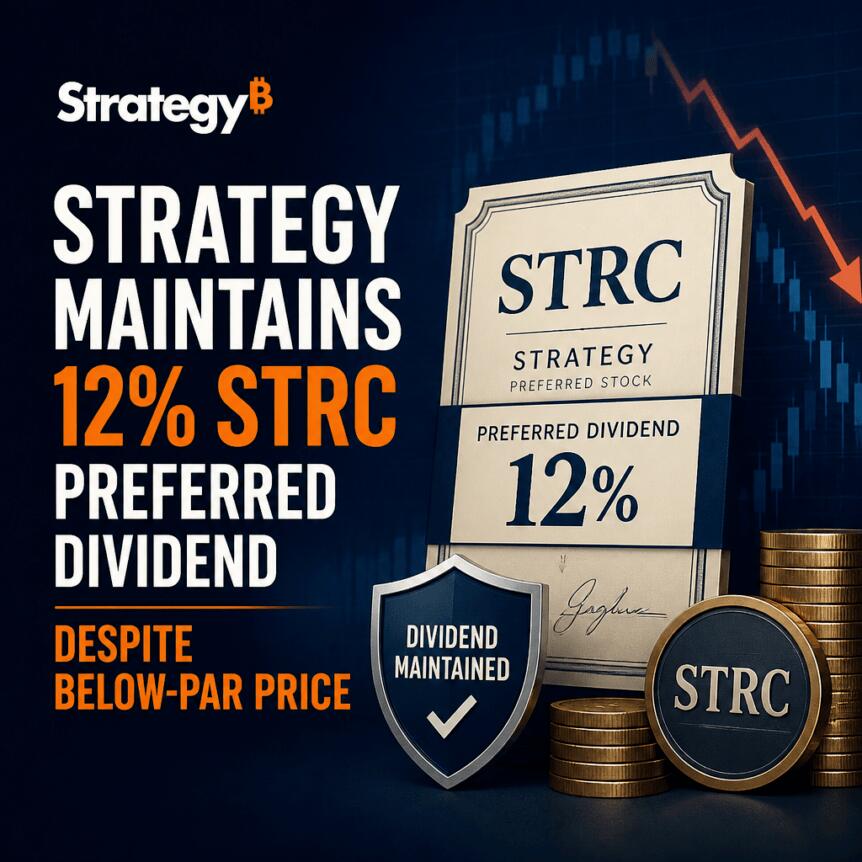
Strategy’s preferred stock tracker, STRC, ended July trading well below its $100 par value, but management signaled that the company’s next preferred dividend rate will not rise. Executive chairman Michael Saylor said the August dividend will remain at 12%, continuing a payout level that was set after a June performance dip.
In a Saturday post on X, Saylor confirmed the dividend will hold at 12% for August. He also noted the company will keep its semi-monthly payment cadence for the second straight month after shareholders approved that change in June, following the earlier decision to increase the dividend by 50 basis points to 12%.
Key takeaways
- Strategy’s executive chairman said the August STRC dividend will remain at a 12% rate, not increase.
- STRC has continued to trade below its $100 par value throughout July, despite a monthly price rebound that began after the June dividend hike.
- Management reiterated a longer-term objective for STRC to trade near $99–$100, without specifying a timeline.
- Strategy reported building a large cash reserve—cited as $3.75 billion—to support preferred stock payouts and related obligations.
Dividend holds at 12% as preferred shares stay below par
Although STRC shares did not reach par in July, the stock did gain momentum over the month. The shares closed at $89.46 on Friday, up 5.42% for the month that started with the dividend adjustment.
Earlier, management had lifted the dividend rate in response to weak performance in June—raising it by 50 basis points to 12%. After that change, Strategy’s preferred payout strategy moved toward semi-monthly distributions, a structure that takes effect for the second month in August after the June shareholder vote.
Trading activity on Friday was also notably lighter than typical: volume was about two-thirds of the Nasdaq-listed shares’ daily average, according to the figures referenced in the report. That detail matters because it suggests the month’s rebound did not coincide with a surge in participation, even as investors processed the dividend update.
Management’s $99–$100 target meets a lower-than-par reality
Even as the next dividend stays flat, Strategy’s leadership continues to frame STRC around a valuation target. On Friday, CEO Phong Le reiterated that management’s “corporate objective” is for STRC to trade at $99–$100 over time, without adding specifics on when that goal might be reached.
That position is important to read in context: shareholders were told the dividend rate would not increase in August, even after the company adjusted payouts earlier in the quarter. Investors looking for signals that STRC might close the gap toward par have therefore had to balance two competing inputs—management’s longer-term pricing objective and the near-term decision to keep the dividend at the same level.
Cash reserve and buybacks aimed at supporting payouts
While the dividend rate message was unchanged, Saylor’s social-media activity pointed to continued capital management efforts tied to Strategy’s Bitcoin treasury strategy. On Sunday, he posted “Bitcoin Drive engaged,” accompanied by a familiar chart of Strategy’s BTC buying activity as tracked by Saylortracker.com.
The emphasis on liquidity and coverage aligns with what Strategy disclosed in its latest reporting. The company recently reported an $8.22 billion second-quarter net loss, driven primarily by an $8.32 billion unrealized loss on its Bitcoin holdings as the cryptocurrency’s price declined during the quarter.
Against that backdrop, Strategy said it has built a $3.75 billion cash reserve intended to support preferred stock payouts following the launch of its BTC monetization program. In the same vein, the company described a $3.75 billion U.S. dollar reserve sufficient to cover more than two years of preferred dividend payments and related interest obligations.
Strategy also disclosed that it repurchased $25 million of its STRC preferred shares at a discount to par and said it intends to keep buying the securities while they trade below $100. For investors, the practical takeaway is straightforward: management is pairing a coverage plan with an active buyback strategy, presumably to reduce pressure on valuation while the preferred shares trade under par.
However, the gap between par value and the prevailing market price remains the key issue. Management’s stated intent to buy more when the shares trade below $100 suggests the company believes the market offers an entry point—but without a near-term dividend increase, investors will likely focus on whether buybacks and reserve policy can translate into sustained movement toward the $99–$100 trading range.
What to watch next for STRC holders
With the August dividend rate confirmed at 12% and STRC still trading below $100 par, the next signal for holders will likely come from any further updates on Strategy’s Bitcoin treasury actions and whether cash-reserve coverage and buybacks continue at a pace that supports improving market pricing. Investors should also watch whether management provides clearer timing around its $99–$100 objective, since it currently remains framed as a long-term goal rather than a defined schedule.


Trump Media & Technology Group’s Truth API became available to institutional customers on Aug. 1, giving trading firms rapid, machine-readable access to posts from influential Truth Social accounts, including U.S. President Donald Trump’s account.
Summary
- August 1 launch gives institutions millisecond access to influential Truth Social posts with continuous coverage.
- Schiff and Warren asked the SEC to investigate whether the paid feed violates securities laws.
- Trump’s trust holds 41% of Trump Media, linking the product’s revenue directly to his wealth.
The launch followed a July 16 Form 8-K in which Trump Media said it had already signed customers and was onboarding additional partners. The company has not publicly identified those customers or disclosed how many subscriptions it has sold.
Truth API sells faster delivery of public posts
Trump Media describes Truth API as its first data-licensing product. The feed provides posts through a low-latency connection designed for high-frequency and algorithmic trading firms. It offers continuous coverage, delivery within milliseconds and a searchable archive dating to 2022.
Interim CEO Kevin McGurn said the service provides direct access to the platform’s “most market-moving Truths.” He also said Trump Media expects the product to become an ongoing, high-margin revenue source. Those revenue expectations remain forward-looking company claims rather than reported financial results.
The company has not published an official price list. Senators Adam Schiff and Elizabeth Warren cited reports placing subscriptions between $60,000 and $100,000 per month. Therefore, the widely repeated $100,000 price should be treated as a reported upper estimate, not a company-confirmed standard fee.
Trump Media says the underlying posts remain publicly available. However, automated customers can receive and process them faster than users who refresh the platform, rely on notifications or manually monitor accounts. That speed difference matters when algorithms can react to policy announcements within milliseconds.
Insider trading claims face an uncertain legal test
Writer James Surowiecki argued that the arrangement may involve government information being monetized for private benefit. Former SEC regional director Marc Fagel offered a more cautious assessment, calling insider-trading liability a “defensible argument” but “not slam-dunk.” Both comments are legal opinions, not findings by a regulator or court.
Federal insider-trading cases generally require more than an information advantage. Under the misappropriation theory recognized by the U.S. Supreme Court, prosecutors ordinarily must show that confidential information was taken for securities trading in breach of a duty owed to its source. SEC rules also focus on trading while aware of material nonpublic information.
That creates a key unresolved question. If a presidential post becomes publicly visible at the same time the API distributes it, Trump Media may argue that subscribers are paying for speed and formatting rather than nonpublic information. Many financial-data companies sell faster access to information that is technically public.
However, critics could examine whether paying customers ever receive a post before ordinary users can access it, whether unpublished policy information enters the feed or whether any subscriber knows information was obtained through a breach of duty. Purchasing a data subscription alone would not automatically establish insider trading.
Trump Media rejected the senators’ argument, saying they had created a new insider-trading theory based on publicly available information. That response states the company’s legal position. It does not prevent the SEC from reviewing the product’s design, timing records or customer communications.
Trump’s 41% stake sharpens the U.S. ethics dispute
Trump Media’s latest ownership disclosure says the Donald J. Trump Revocable Trust holds 114.75 million shares, equal to about 41% of the company. Donald Trump Jr. serves as sole trustee, while President Trump is the trust’s settlor and sole beneficiary.
The ownership structure means successful Truth API revenue could benefit the company and, indirectly, the value of the trust’s stake. It does not mean subscription payments go directly to the president. Share prices, operating costs, corporate decisions and other business results determine how product revenue affects shareholder wealth.
Schiff and Warren asked SEC Chair Paul Atkins to investigate whether the feed violates federal securities law or weakens market fairness. They argued that presidential posts may contain policy information capable of moving stocks, currencies and commodities while Trump retains a large financial interest in the platform distributing them.
The senators’ request also adds another political dispute to Trump Media’s expansion into financial and crypto-related services. As previously reported, the company posted a $405.9 million first-quarter loss after large unrealized markdowns on Bitcoin, Cronos and securities. Revenue for the quarter reached $871,200.
Meanwhile, Trump Media-linked wallets moved 2,650 BTC to Crypto.com in May. The company is also exploring wider financial products and a possible Truth Social corporate separation connected to its planned TAE Technologies transaction.
The SEC has not announced an investigation
The SEC acknowledged receiving the senators’ letter but had not publicly announced an investigation, subpoena, enforcement case or formal conclusion as of Aug. 2. SEC investigations are often confidential, meaning the absence of a public notice does not establish whether staff members are privately reviewing the matter.
The next verifiable developments could include an SEC response to Congress, a Trump Media filing describing customer numbers or revenue, or disclosures explaining whether API recipients receive posts simultaneously with ordinary Truth Social users.
Trump Media shares closed at $9.86 on July 31, down $0.52 from the previous close. That session occurred before the Saturday launch, so the move cannot be attributed to Truth API becoming available. U.S. markets were closed during the weekend criticism, leaving no verified post-launch stock reaction.
For now, the central dispute remains unresolved. Trump Media presents Truth API as a conventional paid data service that distributes public information more efficiently. Critics argue that the president’s ownership, government role and ability to move markets make the arrangement unlike an ordinary social-media feed.

Ariana Grande quits West End role as she plans to step back from the spotlight amid ‘ongoing public scrutiny’ over her appearance
US lawmaker Kaptur injured in car crash, her office says
Teleprompter Operator Accused in Kalshi Betting Case Is No Longer a Federal Employee


![Macias - MONEY [Official Music Video]](https://wordupnews.com/wp-content/uploads/2026/02/1770256831_maxresdefault-80x80.jpg)

-
 Sports7 days ago
Commonwealth Games boxing: Jadumani Singh seals dominant 5-0 win over Pakistan’s Sumama Rehman to enter quarter-finals | Commonwealth Games News
-

 Business4 days ago
Why Trees Belong on the Risk Register
-

 Fashion2 days ago
Weekend Open Thread: Wit & Wisdom
-

 Tech7 days ago
Intel is reversing course and bringing hyper-threading back to its server chips
-

 Politics2 days ago
Meta enters AI-training agreement with far-right ‘propaganda rag’ Newsmax
-

 Politics6 days ago
Luke Littler dismantles Gerwyn Price to retain title in Blackpool
-

 Crypto World1 day ago
MicroStrategy Post-Earnings CLARITY Act Push Could Add New Catalyst for Its Stock
-

 Politics5 days ago
The Part of the Electric Transition Nobody Wants to Discuss
-
 Entertainment5 days ago
‘Stargate’ Creator’s New Sci-Fi Series Returns for Season 3 Tomorrow
-

 News Videos7 days ago
BITCOIN JUST ENTERED THIS CRITICAL ZONE…
-

 Business5 days ago
Major shareholder moves on Canyon
-

 News Videos3 days ago
Bitcoin Enters the 3rd Stage of the Bear Market
-

 Crypto World2 days ago
XRP Ledger v3.3.0 brings five institutional features
-

 Crypto World5 days ago
Kraken Enables Retail Access to Jersey Mike’s IPO via Tokenized Shares
-

 Tech6 days ago
New macOS Sequoia & Sonoma security updates for older Macs
-

 Politics3 days ago
Luke Littler’s dominance sparks GOAT debate
-

 News Videos5 days ago
Claude: Build Financial Dashboards in Minutes (2026)
-

 Sports3 days ago
Seema Kaliramna Wins Discus Throw Bronze, Takes India’s CWG Medals Tally To 17
-

 Business5 days ago
Johnson & Johnson agrees to $5.5B settlement over talc cancer claims
-

 Crypto World10 hours ago
Crypto PAC spending tops $2M in Michigan House race
You must be logged in to post a comment Login