

Crypto World
The Death of Slow Payments: How Blockchain Is Rewriting Finance


Introduction
For decades, moving money has been one of the slowest parts of the global financial system. While the internet allows emails, videos, and messages to travel across the world in seconds, international bank transfers can still take several business days. Businesses face settlement delays, individuals pay high remittance fees, and financial institutions rely on outdated infrastructure that was designed long before the digital era.
Blockchain technology is changing this reality.
By enabling direct, secure, and near-instant value transfer without relying on multiple intermediaries, blockchain is transforming how money moves. From cross-border payments and decentralized finance (DeFi) to stablecoins and tokenized assets, a new financial system is emerging—one where payments settle in minutes or even seconds instead of days.
Why Traditional Payments Are Slow
The traditional banking system relies on a network of intermediaries. When someone sends money internationally, the payment often passes through multiple correspondent banks before reaching the recipient.
This creates several problems:
- Settlement delays of 2–5 business days
- High transaction and foreign exchange fees
- Limited banking hours
- Manual compliance processes
- Greater operational risk
Each institution maintains its own ledger, so balances must be reconciled constantly before transactions are finalized.
The result is a financial system that prioritizes security—but often at the cost of speed and efficiency.
Blockchain Changes the Payment Model
Blockchain replaces isolated financial ledgers with a shared, distributed ledger where transactions are verified by network participants.
Instead of relying on multiple banks to update records independently, blockchain establishes a single source of truth.
Benefits include:
- Near real-time settlement
- 24/7 global availability
- Transparent transaction history
- Lower processing costs
- Reduced reliance on intermediaries
This shift allows value to move almost as easily as information travels across the internet.
Stablecoins Are Leading the Revolution
One of blockchain’s biggest breakthroughs is the rise of stablecoins.
Unlike volatile cryptocurrencies, stablecoins are pegged to fiat currencies such as the U.S. dollar.
Businesses increasingly use stablecoins for:
- International supplier payments
- Payroll
- Treasury management
- Cross-border settlements
- Merchant transactions
Because stablecoins operate on blockchain networks, transfers can settle within minutes while maintaining predictable value.
This makes them practical for real-world commerce rather than speculative investing alone.
Cross-Border Payments Become Borderless
International money transfers have traditionally been expensive.
Workers sending remittances often lose a significant percentage of their income to transfer fees.
Businesses encounter:
- Banking delays
- Currency conversion costs
- Compliance bottlenecks
- Liquidity management challenges
Blockchain enables peer-to-peer settlement across countries without requiring every transaction to pass through multiple financial institutions.
For developing economies, this could significantly improve financial inclusion by giving people faster and cheaper access to global financial services.
Decentralized Finance Extends the Possibilities
Blockchain payments are only one piece of a much larger transformation.
Decentralized Finance (DeFi) allows users to:
- Borrow assets
- Lend capital
- Earn yield
- Swap tokens
- Access liquidity
—all without traditional banks acting as intermediaries.
As payment infrastructure becomes faster, DeFi protocols can settle transactions almost instantly, creating financial products that operate continuously rather than during banking hours.
Tokenization Is Expanding Digital Finance
Blockchain is also enabling tokenized versions of:
- Stocks
- Bonds
- Treasury bills
- Commodities
- Real estate
- Carbon credits
Instead of waiting days for ownership transfers and settlement, tokenized assets can often move much faster on blockchain networks.
This reduces administrative costs while improving liquidity.
The combination of tokenized assets and instant settlement could reshape capital markets over the next decade.
Businesses Benefit From Faster Settlement
For companies, payment speed directly impacts cash flow.
When settlements take days:
- Capital remains locked
- Suppliers wait longer
- Inventory purchases slow
- Working capital becomes less efficient
Instant settlement allows businesses to recycle capital more quickly.
This can improve:
- Liquidity management
- Treasury operations
- International trade
- Vendor relationships
For small businesses especially, faster access to funds can significantly improve day-to-day operations.
Challenges Still Remain
Blockchain adoption is accelerating, but several challenges remain.
Regulation
Governments continue developing frameworks for digital assets, stablecoins, and decentralized financial services.
Scalability
Major blockchain networks continue improving throughput to support billions of users.
User Experience
Managing wallets, private keys, and blockchain addresses remains more complex than using traditional banking apps.
Security
Smart contract vulnerabilities and phishing attacks highlight the importance of education, audits, and secure infrastructure.
The Future of Payments
The future of finance is unlikely to replace banks entirely.
Instead, blockchain will increasingly become part of existing financial infrastructure.
Banks are already exploring:
- Stablecoin settlement
- Tokenized deposits
- Central Bank Digital Currencies (CBDCs)
- Real-time payment networks
- On-chain asset custody
Rather than competing against traditional finance, blockchain is steadily becoming one of its foundational technologies.
Conclusion
The era of waiting days for payments is gradually coming to an end. Blockchain is introducing a financial infrastructure where transactions can settle in near real time, operate around the clock, and reduce costs by minimizing intermediaries. Stablecoins, decentralized finance, and tokenized assets are no longer experimental concepts—they are actively reshaping how individuals, businesses, and institutions exchange value.
As adoption continues to grow, the future of finance will be defined not only by faster payments, but by a more connected, transparent, and accessible global economy. In that future, moving money could become as seamless as sending a message, marking the end of slow payments and the beginning of a new era in digital finance.
REQUEST AN ARTICLE

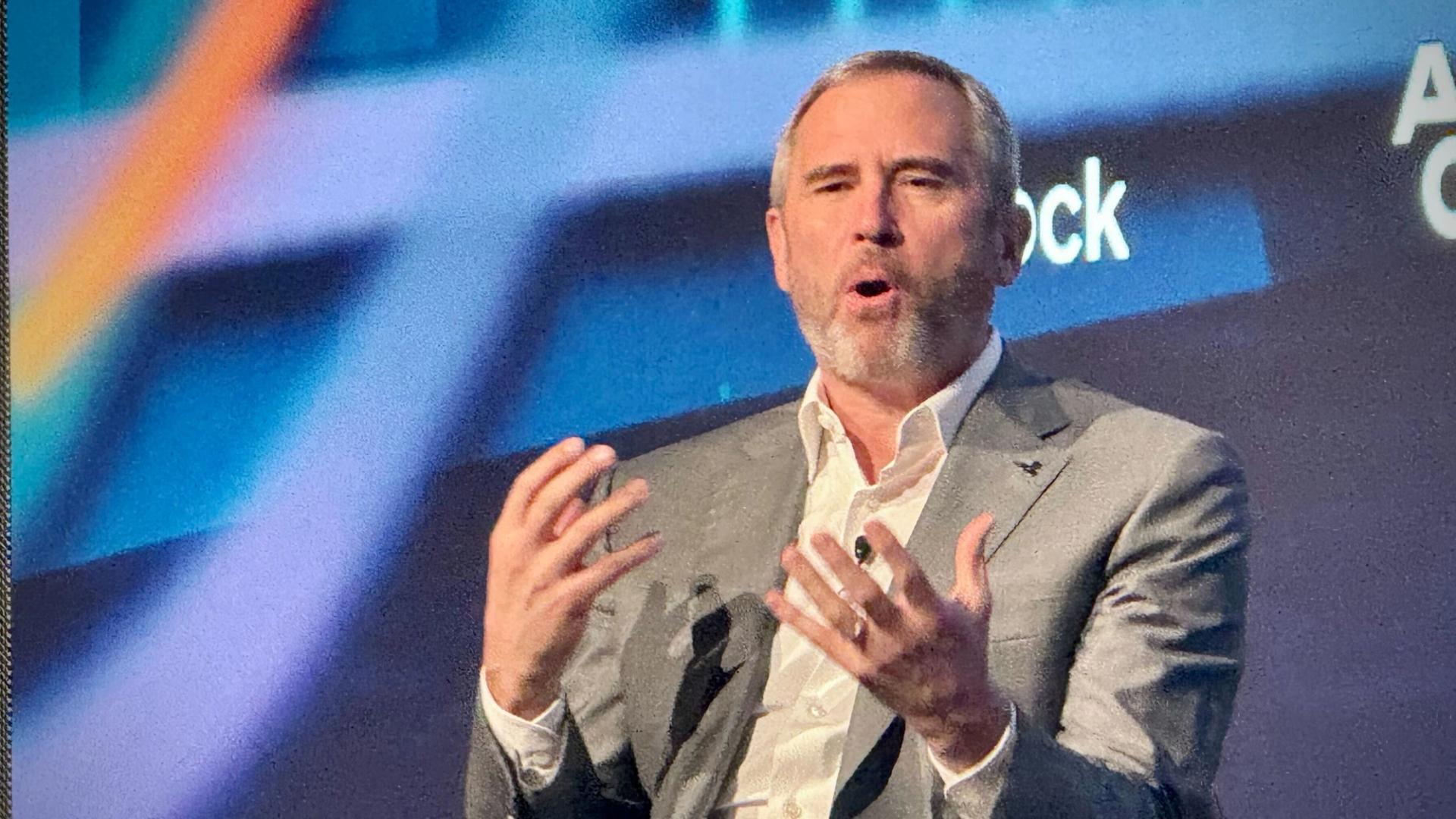
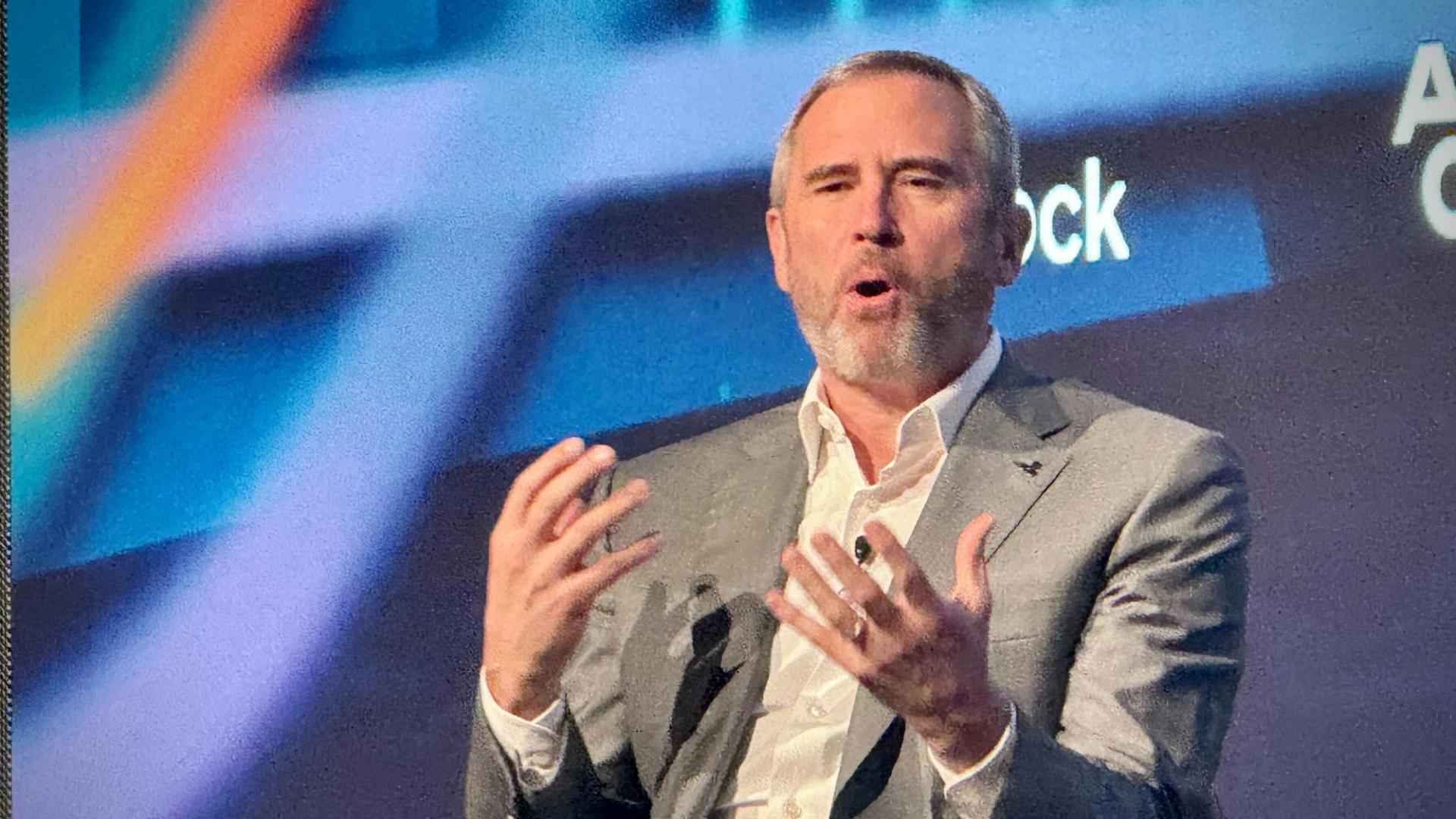
Fintech firm Ripple made two moves on Thursday aimed at growing its dollar-backed stablecoin, RLUSD, in a month when transfer volume across the token has dropped by 25%.
The first is Ripple Mint, a platform that lets institutional customers create, redeem, bridge and track RLUSD through a web dashboard or direct integration.
Until now, minting RLUSD — the process of issuing new tokens when a customer deposits dollars — generally meant arranging it directly with Ripple and waiting on a manual issuance process. The APIs let a firm trigger minting and redemption automatically from its own systems and track each transaction from dollar transfer to onchain settlement.
Ripple has also been extending RLUSD beyond the XRP Ledger and Ethereum onto the XRPL EVM sidechain, Base, Optimism, Ink and Unichain, widening the number of networks where the token can circulate.
Separately, Ripple announced late Thursday a strategic investment in Notabene. This compliance network places RLUSD inside its business-payments platform, putting the token in front of institutions positioned to send and receive it.
So, while Mint is designed to make RLUSD simple to create and manage, Notabene is built to get it moving through institutional payment rails.

Coinbase is rolling out new tools aimed at what it calls the “agentic economy,” extending its platform so businesses can receive stablecoin payments from autonomous AI agents. In a Thursday update posted on X, the exchange said Coinbase Business customers will be able to accept USDC payments made by AI agents using the x402 payment standard.
The announcement also points to a broader push beyond payments, with Coinbase describing AI-enabled trading functionality for monitoring and condition-based execution, alongside a software development kit (SDK) intended to help developers build agent-driven applications on top of Coinbase’s infrastructure.
Key takeaways
- Coinbase Business will support accepting USDC payments from AI agents via the x402 standard, originally introduced in May 2025 for HTTP-based stablecoin payments.
- Coinbase says it is adding AI trading tools that can pull live market data, monitor orders, and trigger actions based on predefined conditions.
- The company frames the rollout as infrastructure for an “agentic economy,” where AI systems handle payments and financial tasks on users’ behalf.
- Coinbase highlights a mismatch between today’s finance interfaces—built around human-driven actions—and the growing use of autonomous agents in web traffic and developer activity.
USDC payments for AI agents through x402
Coinbase’s latest move focuses on payments. According to the company’s X post, Coinbase Business customers will be able to accept USDC payments originating from AI agents through x402—an interface designed to let stablecoin transfers work over HTTP.
Coinbase previously introduced x402 in May 2025 as a way to make stablecoin payments more compatible with how agents and applications communicate on the internet, including via APIs. The Thursday announcement ties that standard directly to a new business-facing capability: merchants and enterprises can receive stablecoin payments initiated by AI agents, rather than requiring the usual human-in-the-loop flow.
For businesses, the practical significance is that payment execution can become easier to automate. Instead of routing transactions through manual steps, agent software can integrate directly with payment endpoints in a way that aligns with modern web-based communication patterns.
AI trading tools and condition-based execution
Beyond payments, Coinbase also described new AI trading tools. The company says these tools are designed to help users oversee trading activity and respond to market changes using predefined rules.
In its announcement, Coinbase said customers will be able to monitor orders, access live market data, and execute actions based on conditions that users set ahead of time. The details provided in the post position these features as an operational layer for agent-style workflows—where monitoring and decision logic can be packaged into automated routines rather than handled exclusively through manual monitoring.
While the post doesn’t specify which trading venues, asset types, or order types are included, it does clearly emphasize the “agentic” theme: enabling systems that can observe, interpret, and act according to rules.
A developer kit for building agent-powered finance
Coinbase also said it is releasing a software development kit to support the development of agent-powered applications. The SDK is presented as part of the same strategy that includes x402-based payment support and AI trading tooling, suggesting Coinbase wants to provide developers with building blocks that can be used to connect autonomous agents to financial actions.
That matters because many AI-agent use cases depend on reliable integrations—both for receiving funds and for taking actions in response to changing conditions. By bundling payments, market connectivity, and an SDK under one umbrella, Coinbase is attempting to reduce the amount of custom integration work developers typically face when trying to link agent software with crypto rails and trading interfaces.
Why Coinbase is leaning into autonomous agent infrastructure
Coinbase’s messaging places the rollout in the context of how it believes AI agent adoption is accelerating. The company said agent-generated traffic surpassed human traffic on its Base documentation pages for the first time last month, pointing to a shift in how developers and systems are interacting with blockchain-related documentation.
Coinbase also used the argument that the internet’s financial infrastructure was built around a single assumption: “a human clicking the button.” In the company’s view, that design choice has left businesses, developers, and users without tools tailored to AI agents that can initiate payments and execute tasks autonomously.
As stablecoins and blockchain-based payments are increasingly marketed as infrastructure for AI agents, the direction of Coinbase’s rollout fits a broader sector trend. The use case is being targeted by multiple exchanges and payment-focused companies, according to earlier coverage from Cointelegraph about the “autonomous agent economy,” as well as reporting on payment providers exploring AI-agent purchasing and payment flows.
In other words, Coinbase’s change is not just about adding a new payment feature—it’s an attempt to align crypto payment and trading interfaces with how autonomous systems are increasingly expected to operate: with fewer manual steps and more direct API-driven execution.
What to watch next
For users and builders, the key unknowns are how widely x402 support will roll out across Coinbase Business integrations, what the trading AI tools can cover in practice, and how developers will use the SDK to connect agent workflows to payments and execution. As agent adoption increases, the most important test will be whether these interfaces can reliably handle real-world automation at scale without forcing human intervention.
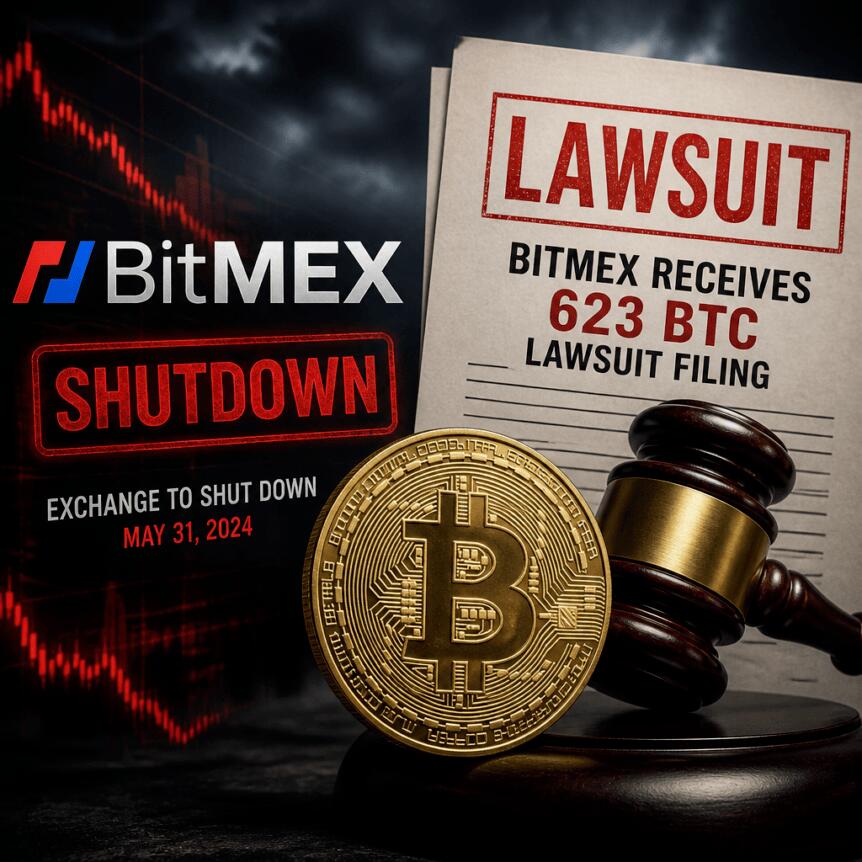
BitMEX has been hit with a new US class action lawsuit accusing the crypto derivatives exchange of fraudulently arranging liquidations to keep traders’ Bitcoin collateral. The complaint, filed in the US District Court for the Southern District of New York on Thursday, targets BKX Services Inc. and David Namdar as plaintiffs and is directed at BitMEX operator HDR Global Trading, according to the court filing.
The lawsuit comes at a sensitive moment for the platform: BitMEX has announced it will shut down after a strategic review by its owner, HDR Global Trading, with services scheduled to stop on Sept. 23. BitMEX also plans to prevent users from opening new positions starting Aug. 26.
Key takeaways
- The plaintiffs allege they collectively lost 622.66 BTC due to forced liquidations tied to BitMEX’s automated liquidation mechanics.
- BKX Services claims losses of at least 305.81 BTC, while David Namdar alleges losses exceeding 316.85 BTC, per the lawsuit.
- The filing asserts an internal trading operation could allegedly continue trading during server freezes that supposedly blocked ordinary users from managing positions.
- Customers are seeking return of the allegedly withheld Bitcoin, along with compensatory and punitive damages.
- The case follows a prior class action in 2020 that was dismissed without prejudice on June 30, 2025, and it is being filed as BitMEX prepares to close.
Allegations centered on liquidation design and collateral seizure
According to the complaint, BitMEX permitted customers to use leverage of up to 100 times their collateral and then automatically liquidated positions at prices the plaintiffs argue were set while collateral remained allegedly sufficient to cover the losses. The plaintiffs claim that collateral was still worth twice the losses they say were ultimately incurred during liquidations.
In the plaintiffs’ account, remaining BTC after liquidation was directed into BitMEX’s insurance fund. They argue that this structure allowed the exchange to profit from forced liquidations rather than limit losses strictly to what was necessary under liquidation rules.
Central to the fraud allegations is the plaintiffs’ contention that BitMEX “deliberately developed a system that profited from the liquidations.” The complaint further asserts that an internal desk had access to private customer information and could keep trading while ordinary users allegedly could not access or close positions during server freezes.
Cointelegraph contacted BitMEX for comment but did not receive a response before publication.
Who is suing, and what relief is being sought
The proposed class action seeks the return of allegedly withheld Bitcoin and requests compensatory and punitive damages. The plaintiffs aim to represent US customers who purchased BTC swap products in transactions dating back to July 23, 2018, according to the filing.
The complaint identifies the alleged losses by plaintiff: BKX Services Inc. is said to have lost at least 305.81 BTC, while David Namdar alleges losses exceeding 316.85 BTC. The lawsuit states that the combined total losses alleged across the named plaintiffs amount to 622.66 BTC.
Notably, the new case explicitly frames the dispute around how collateral was handled after liquidations and how access to trading tools may have differed between internal participants and regular customers during alleged service disruptions.
Background: earlier BitMEX class action and a renewed push
While the new filing revives longstanding scrutiny of BitMEX’s internal trading operations and liquidation engine, it is not the first time traders have attempted to pursue legal claims. The complaint references a class action filed in 2020 by Brett Messieh and other traders alleging similar conduct.
That earlier case, which included claims under the Commodity Exchange Act, was voluntarily dismissed without prejudice on June 30, 2025. The renewed lawsuit therefore raises the question of how plaintiffs plan to refine or reframe their allegations after that dismissal and what evidence they believe supports the renewed claims.
For BitMEX users, the shift matters because earlier proceedings ended without a final resolution on the merits. A refiled suit suggests plaintiffs believe they can proceed more effectively—whether by adjusting legal theories, assembling additional factual support, or both.
Filed as BitMEX moves toward shutdown
The lawsuit was filed the same day BitMEX announced it would close after 11 years in operation. In its shutdown plan, BitMEX said it would stop providing services on Sept. 23, following a strategic review by HDR Global Trading.
BitMEX has already stopped accepting new registrations. The exchange also plans to prevent users from opening new positions starting on Aug. 26, according to the announcement. The timing is likely to be closely watched by affected traders and counterparties, as the platform’s winding down could affect how quickly claims can be assessed and how remaining customer-related matters are handled operationally.
BitMEX’s closure announcement was also followed by sharp market moves in the exchange’s BMEX utility token, with Cointelegraph reporting a roughly 90% plunge after the shutdown news. While token volatility does not determine the legal merits of the allegations, it underscores the broader uncertainty and reputational pressure that frequently accompany shutdowns and litigation.
Earlier coverage from Cointelegraph noted that BitMEX had already begun delisting a large number of trading pairs and derivatives in July amid its exchange shutdown process.
What to watch next
As the case heads through initial US court steps, the key unknowns will be how the allegations are supported procedurally and factually, and whether BitMEX responds with challenges to the plaintiffs’ theory of fraud and the causal link between alleged liquidation behavior and the claimed Bitcoin losses. With BitMEX preparing to exit the market by Sept. 23, plaintiffs and users will also watch how the shutdown affects evidence access, user documentation, and the practical timeline for any potential recovery.
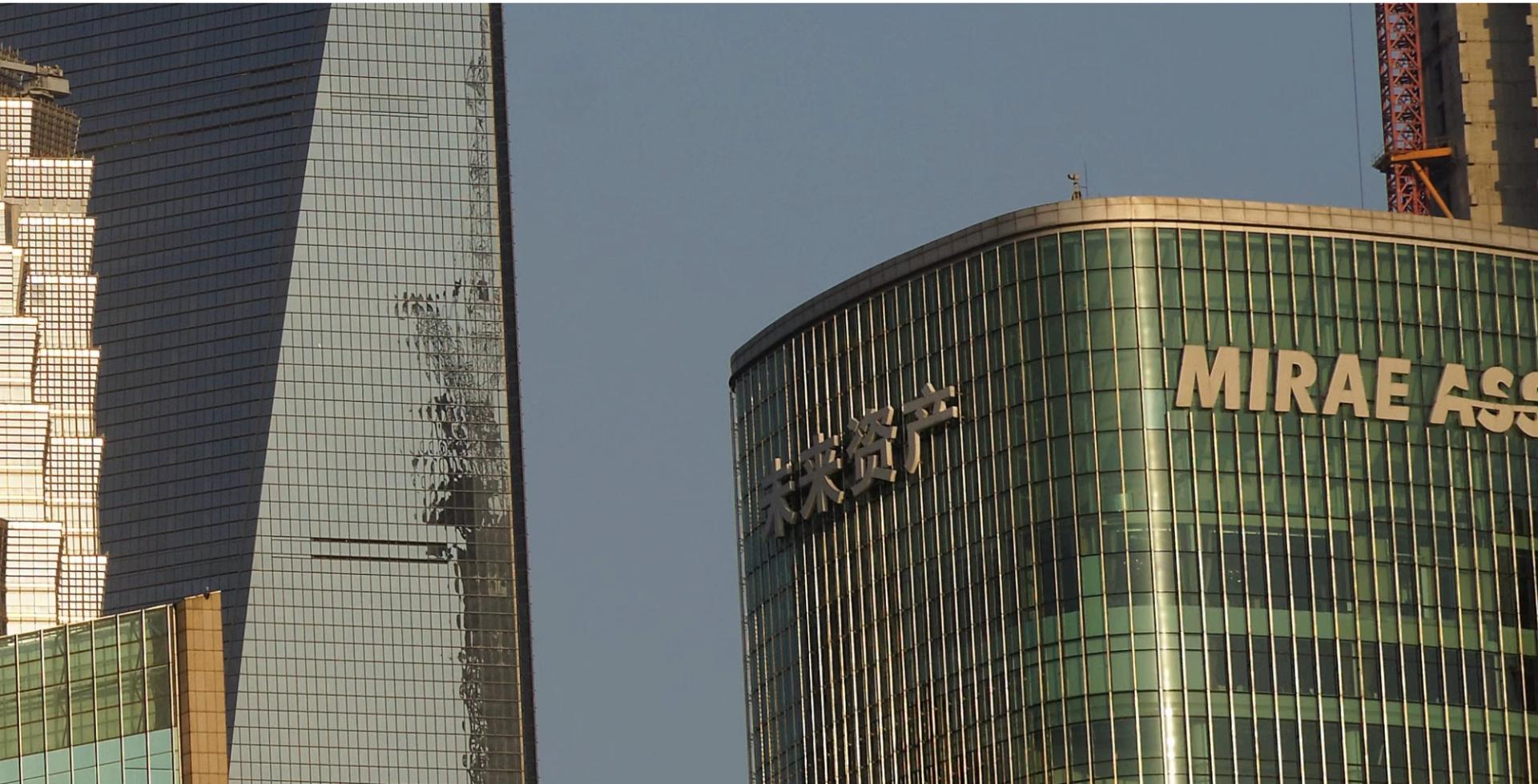
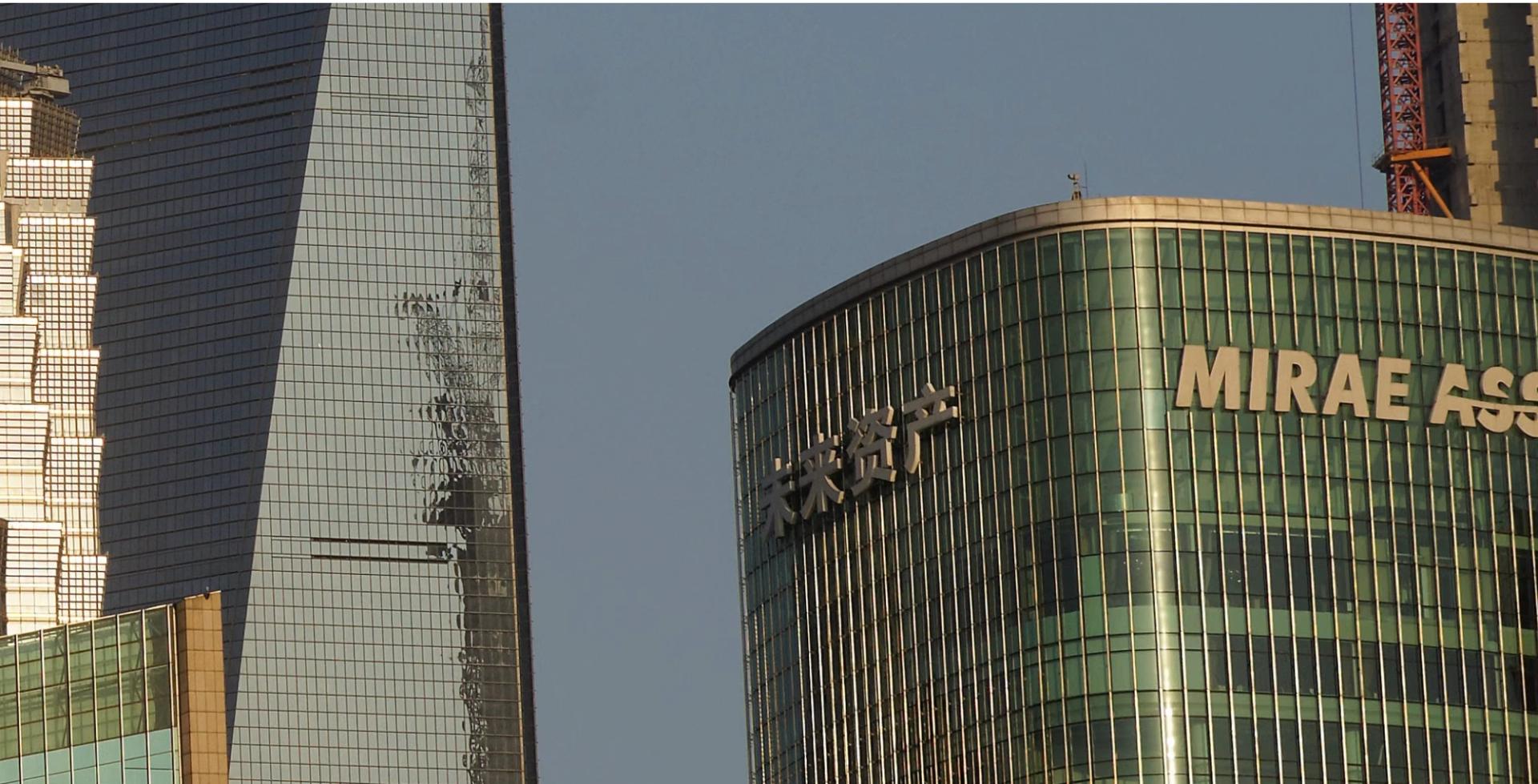
Korbit currently holds less than 1% of South Korea’s domestic crypto market, far behind giants Upbit and Bithumb. When asked directly about its strategy to compete, Mirae Asset stressed that the goal is not to overtake any other company or exchange, but to promote sustainable growth of the digital assets industry in South Korea.
“We intend to combine Mirae Asset’s extensive global investment expertise with Korbit’s digital asset capabilities to promote the sound and sustainable growth of the digital asset industry in Korea and globally.”
In other words, Mirae Asset isn’t trying to outdo Upbit or Bithumb, but to offer a one-stop shop that brings together institutional investment capabilities, research, education, and digital asset infrastructure under one roof.
The group also told CoinDesk it would strictly comply with AML, KYC, and fraud-detection standards across all areas, a signal that Digital X is being positioned for institutional clients as much as for retail traders.
Mirae Asset’s affiliate Mirae Asset Consulting recently increased its stake in Korbit to 97.15%, completing the acquisition after receiving regulatory approval from South Korea’s Fair Trade Commission.
“The acquisition was carried out through lawful procedures following a thorough review of the relevant laws and regulatory framework. Mirae Asset Consulting was selected as the acquiring entity after comprehensive consideration of each affiliate’s business purpose and role, as well as its potential synergies with the digital asset business,” the firm said.
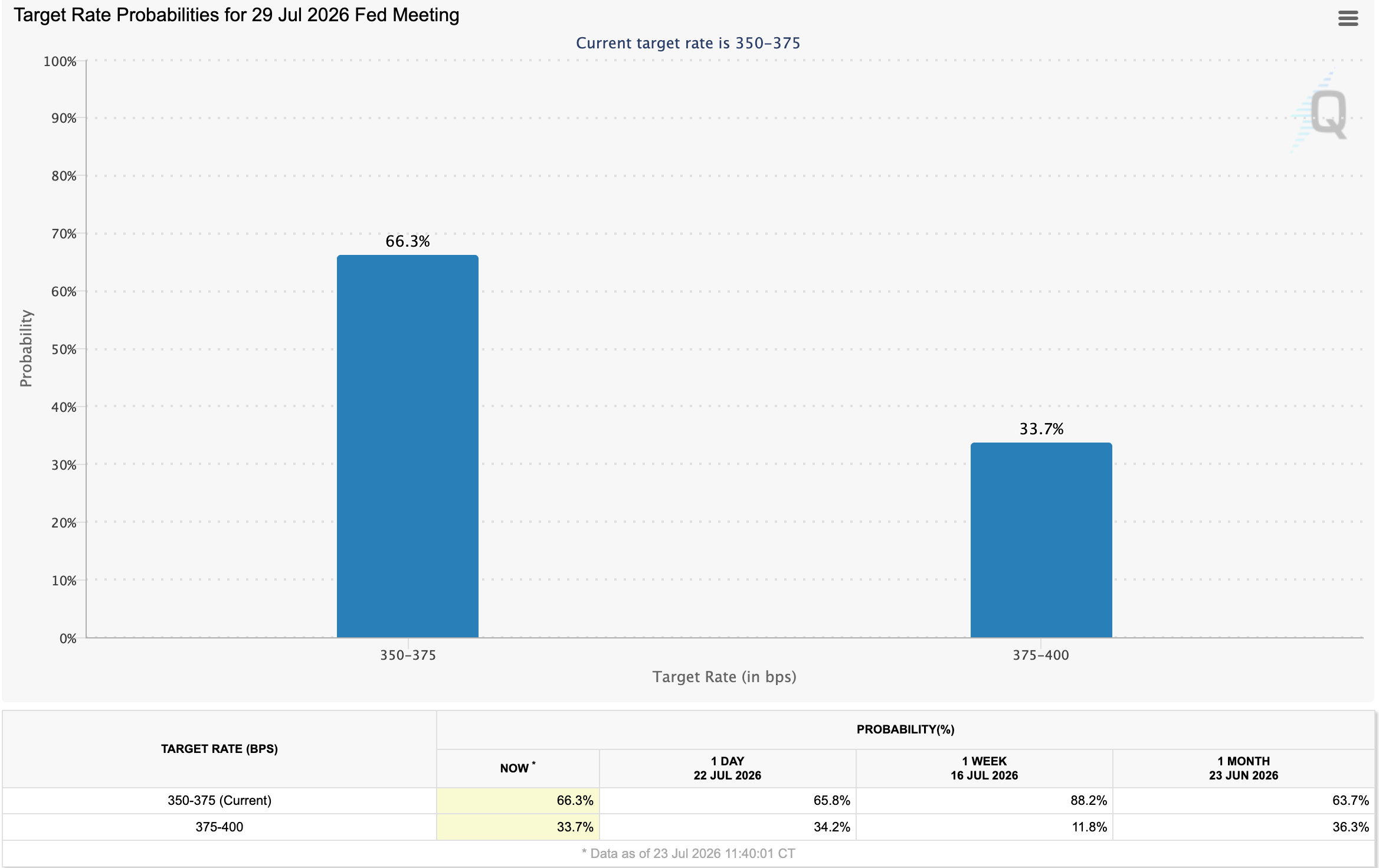
US initial claims for state jobless benefits dropped by 22,000 to 187,000 for the week ending July 18, the lowest level since September 1969. The drop hardened bets that the Federal Reserve (Fed) could raise interest rates at next week’s meeting.
The CME FedWatch tool now puts the odds of a hike at 33.7%, up from 11.8% a week earlier. That reverses the rate cut hopes that lifted crypto earlier this month.
Strong Labor Data Boxes In the Fed
The 22,000 drop was the largest decline in three months. Economists surveyed by Reuters had expected claims to rise to 212,000.
Furthermore, the number of people collecting benefits for more than a week, a rough gauge of hiring, fell to 1.796 million in the week ending July 11, a six-week low.
The drop lands as the US-Iran war lifts oil prices and sharpens inflation concerns. Those pressures pushed traders to reprice the July 29 meeting. CME FedWatch showed the odds of a hike at 33.7% on July 23, up from 11.8% a week earlier. A hold sat at 66.3%.
Follow us on X to get the latest news as it happens

Matthew Martin, senior US economist at Oxford Economics, said the low level of claims is hard to overlook.
“There may be some seasonal noise in the data, given summer months tend to be noisy, but the extremely low level of claims is hard to ignore, and the trend in continued claims remains encouraging,” he said.
Martin added that a few layoffs and stronger hiring should cap unemployment in the coming months. Thin labor supply could even drag the rate below its current 4.2%, he said.
However, economists cautioned that seasonal auto plant shutdowns impacted the figure. Claims could rebound toward the low 200,000s next week.
What the US Jobless Claims Drop Means for Crypto
While initial jobless claims could rebound in the coming weeks, the latest drop to a multi-decade low reinforces the view that the US labor market remains resilient.
This could potentially reduce the Federal Reserve’s urgency to lower interest rates. Higher interest rates lift the appeal of cash and bonds. They also raise the opportunity cost of holding assets that yield nothing.
The mood reverses sharply from early July. Weak payrolls then revived rate cut bets and lifted Bitcoin (BTC) toward higher levels.
The Fed meets over two days next week. Traders still favor a hold at 66.3%, though the jump in hike odds reflects rising inflation concern.
A hawkish surprise would test whether crypto can hold recent ground. In contrast, a rebound in claims next week could quickly cool the talk of a hike.
Subscribe to our YouTube channel to watch leaders and journalists provide expert insights
The post US Weekly Jobless Claims Hit 1969 Low: What Does It Mean For Crypto? appeared first on BeInCrypto.


BitMEX will have removed 65 derivative contracts and spot trading pairs during July as the crypto exchange prepares to stop exchange services on Sept. 23, 2026.
Summary
- BitMEX will remove 65 derivatives and spot pairs during July, citing weak trading interest overall.
- New risk limits begin August 26, preventing traders from opening positions before September’s final closure.
- Users can withdraw after shutdown, but remaining verified accounts will face monthly balance-based account fees.
The total includes 21 derivatives removed on July 2, nine spot pairs removed on July 16 and 35 derivatives scheduled for early settlement on July 30.
The July total marks a sharp rise from the first half of 2026. Official notices show that BitMEX removed eight derivatives in January, eight in May, SPYUSDT in June and two Toncoin contracts later that month. That produced 19 removals across the first six months.
July delistings expand after closure decision
BitMEX attributed the first two July rounds to “insufficient trading interest.” The July 2 batch included contracts tied to Apple, Amazon, Avalanche, BMEX, Meta and Near Protocol. Two weeks later, the exchange removed spot markets for UNI, APE, ATOM, AXS, BONK, LINK, POL, Sonic and TRX.
The final July round will remove 35 derivatives at 12:00 UTC on July 30. BitMEX linked that decision to weak trading interest and the exchange closure. The list covers crypto, foreign exchange, commodities and equity-linked products, including AAVEUSDT, COINUSDT, GOOGLUSDT, MSTRUSDT, NVDAUSDT, TSLAUSDT and WTIUSDT.
Trading will continue until 04:00 UTC on July 30. BitMEX will then stop new funding calculations, cancel open orders and settle positions at the stated prices. It will not charge settlement fees. Profit and loss from each expired contract will move to the user’s Bitcoin or Tether balance.
BitMEX sets deadlines for open positions
BitMEX said it will close the exchange at 04:00 UTC on Sept. 23 after a “strategic review of the business and the broader crypto industry.” HDR Global Trading Limited, the platform’s owner and operator, stopped accepting new account registrations when it announced the shutdown.
The exchange will apply new risk limits from 04:00 UTC on Aug. 26. Users will no longer be able to open positions after that point, although they can reduce existing exposure. BitMEX may force-close positions during the wind-down period and will close any positions still open when exchange services end.
Users will keep account access after the closure date. They can view balances, review transaction records and request withdrawals. BitMEX also unstaked BMEX tokens held through the platform. The company urged customers to close positions and withdraw funds before Sept. 23.
Verified users who leave assets on the platform after the deadline will face a fee. BitMEX set the charge at $50 or 1% per year, whichever is higher, billed monthly. It warned that withdrawal reviews and blockchain limits could cause delays during heavy demand.
Shutdown follows management and sale reports
BitMEX launched in 2014 and became closely linked with leveraged crypto derivatives. A crypto.news guide to perpetual futures notes that the exchange created the perpetual swap in 2016. The contract later spread across centralized and decentralized trading venues.
However, the exchange entered its final months after corporate changes. As crypto.news reported in June, BitMEX appointed former chief operating officer and general counsel Peter Wilkinson as chief executive after removing Stephan Lutz and two other senior leaders. The changes followed reports that the company had sought a buyer.
Crypto.news reported in February 2025 that BitMEX had hired Broadhaven Capital Partners to assist with a potential sale. BitMEX did not mention that process in its closure statement. It also did not provide financial results, trading-volume data or a direct cause beyond its strategic review.
Users face an orderly withdrawal process
BitMEX said withdrawals will remain open after exchange services stop. It also stated that its assets exceed customer liabilities, referring users to its proof-of-reserves and liabilities page. The company warned customers to ignore messages promising priority withdrawals because it does not offer such a service.
Additional checks may slow processing. Bitcoin withdrawals may take longer when network confirmations or the platform’s fixed pool of withdrawal addresses create a queue. Customers can monitor requests marked “Processing” until BitMEX sends them to the blockchain.
The closure differs from some recent exchange wind-downs. As previously reported, AscendEX warned that some users might not recover full balances after financial and regulatory pressure forced it to close. BitMEX says customer assets remain covered, although that statement comes from the exchange.
The July schedule now forms the first major stage of the shutdown. BitMEX will settle 35 more contracts on July 30, restrict new positions on Aug. 26 and end exchange services on Sept. 23. Users can still withdraw afterward, but fees will apply to qualifying balances left past the closure time.

“Ethereum is cheap, but the data says the bottom isn’t in yet,” said onchain analytics platform CryptoQuant on Thursday. ETH is trading around 17% below its realized price, “but only two of five signals have reached historical bottoming levels,” they added.
“Selling pressure is easing. Capitulation is still missing.”
ETH realized price – which is a measure of the average price at which every token currently in circulation last moved onchain – is currently at $2,300.
Historically, trading below the realized price signals holder losses that tend to exhaust sellers and mark bottoms.
ETH/BTC Metrics Still Not Bottoming
The analysts said trading below the aggregate cost basis means the marginal holder is sitting on losses, “which historically exhausts sellers and compresses downside.”
However, cheapness alone has never been sufficient since the timing of a bottom has depended on Ethereum’s position relative to Bitcoin. This can be measured by the ETH/BTC MVRV ratio, which has fallen from “extreme overvaluation to neutral,” but not to extreme cheapness.
Additionally, the exchange inflow ratio has also dropped from over 1.5 to about 0.8 as selling pressure eased, but it hasn’t reached the ~0.4 low-pressure zone seen at past bottoms, they said.
Spot volume ratios have also collapsed to levels last seen in ETH/BTC bottoms, but the three other signals are not there yet.
CryptoQuant concluded that while ETH remains cheap, a “final bottom and the ETH outperformance that would follow may still take more time to form.”
“ETH is approaching undervalued levels relative to Bitcoin, which points to lower downside pressure ahead.”
Fundamentally, Ethereum remains strong with growing real-world asset tokenization and agentic AI payment narratives.
“Ethereum has the characteristics that institutions need,” said Sharplink CEO Joseph Chalom on Thursday.
“I don’t know a lot for certain in life, but I spent 20 years at BlackRock. And I know for sure, before you move financial rails that are 40, 50, 60 years old, you want it to move to something that’s trusted, always on, secure, with the most liquidity.”
Sharplink resumed its Ethereum buying in late June, scooping up 10,000 ETH worth around $16 million.
ETH Price Outlook
Despite the bullish fundamentals, ETH prices have retreated this week. The asset has fallen back from a seven-week high of $1,950 on Wednesday to $1,860 in early Asian trading on Friday morning.
ETH has lost almost 3% on the day but remains up 12% over the past 30 days. It needs to reclaim the $2,000 psychological barrier to measure any further momentum.
The post Ethereum (ETH) Is Cheap, But Not at Bottom Yet: Analysts appeared first on CryptoPotato.


The U.S. Securities and Exchange Commission will hold a public roundtable on Sept. 17 to discuss preparations for 24-hour trading in U.S. equity markets.
Summary
- SEC will host public September talks on overnight equity trading, resilience, infrastructure and investor safeguards.
- Nasdaq and Cboe are targeting longer weekday sessions, subject to regulatory approval and system readiness.
- Crypto’s 24/7 model is shaping demand, but tokenized stocks remain separate from exchange-listed shares.
According to the SEC’s official announcement, the meeting will take place at the agency’s headquarters in Washington, D.C., and will also stream online.
The regulator said the discussions will cover overnight trading, market operations, system resilience and investor protection. SEC Chair Paul Atkins said, “We are moving towards a new day – and night – in the U.S. equity markets.” He added that continuous trading could bring the U.S. market closer to other markets that already operate around the clock.
SEC reviews systems needed for longer trading sessions
U.S. stocks already trade beyond the regular session, which runs from 9:30 a.m. to 4 p.m. Eastern Time. Several exchanges and brokers offer premarket, after-hours or overnight access. However, the national equity market does not operate as one connected system for almost the entire weekday.
The SEC’s Division of Trading and Markets has said wider access will require changes across market infrastructure. In remarks on overnight equity trading, division director Jamie Selway identified market data, clearing, corporate actions, trade reporting and investor protection as areas that require coordination.
Longer trading hours also depend on consolidated market data systems. Those systems collect prices and trading information from exchanges before distributing them to brokers and investors. Any move toward 24-hour trading would require those services to operate for longer periods.
Clearing firms would also need to process transactions and manage risks outside the traditional market day. Meanwhile, brokers would have to monitor orders, maintain systems and support customers across longer operating periods.
Nasdaq, Cboe and LSE prepare extended trading hours
Nasdaq has been working with U.S. regulators on a plan to offer trading 24 hours a day, five days a week. The exchange aims to introduce the schedule during the second half of 2026, subject to regulatory approval and industry readiness.
According to Nasdaq’s extended-hours trading information, the company expects global investors to benefit from access to U.S. stocks during their local daytime hours. Nasdaq has said any expansion must maintain liquidity, transparency, stability and fair market access.
Cboe Global Markets is also preparing near-continuous weekday trading on its EDGX Equities Exchange. Under Cboe’s proposed schedule, trading would begin at 9 p.m. Eastern Time on Sunday and continue until 8 p.m. on Friday. A one-hour daily break would allow the exchange to complete operational work.
Cboe plans to make all National Market System stocks available during the extended sessions. However, the proposal still depends on SEC approval and preparations by brokers, clearing firms and market data providers.
The London Stock Exchange is pursuing a similar plan outside the U.S. In its LSE 24 announcement, the exchange said it plans to introduce a separate venue for near-continuous weekday trading.
The LSE expects to begin client testing before the end of 2026. It plans to launch exchange-traded products on the venue during the first half of 2027, subject to regulatory approval. The main London market will retain its current trading hours.
Overnight trading raises liquidity and resilience questions
Keeping markets open for longer periods involves more than extending exchange operating hours. Market makers must be willing to provide buy and sell prices during overnight sessions. Lower participation could reduce liquidity and create wider differences between the highest buying price and lowest selling price.
The SEC roundtable will also examine how exchanges and connected firms respond to outages and technical problems. Maintenance periods may become shorter as markets move closer to continuous weekday operations.
Investor protection will remain another part of the discussion. Prices can move more sharply when fewer traders are active. Investors may also receive different execution prices during overnight sessions than they would during regular market hours.
The SEC announcement does not establish a final rule or a common launch date for U.S. exchanges. Instead, the agency will collect comments from exchanges, brokers, investors, clearing firms and other market participants.
The SEC has opened a public comment file for the roundtable and will publish the agenda and speaker list before Sept. 17.
Crypto markets shape demand for round-the-clock trading
Cryptocurrency exchanges have operated continuously for years, allowing investors to trade during weekends, public holidays and overnight periods. That model has contributed to demand for similar access to traditional assets.
Global investors may also want to trade U.S. shares during local business hours rather than waiting for markets in New York to open. Exchanges see extended sessions as a way to attract those investors and compete with crypto platforms and alternative trading venues.
Crypto companies are also expanding into tokenized equities. As previously reported, Binance introduced bStocks with continuous trading for tokenized U.S. equities.
Similarly, Franklin Templeton and Ondo launched tokenized investment products that eligible users outside the U.S. can access through crypto wallets around the clock.
However, tokenized equities are not identical to shares traded directly on a national securities exchange. Their custody, ownership and redemption structures may differ. A crypto.news guide to tokenized stocks explains how blockchain-based equity products represent or track traditional shares.
The SEC’s September meeting will focus on regulated U.S. equity markets rather than approving tokenized stock products. Nasdaq, Cboe and other operators will continue preparing their systems while the regulator gathers public input on market access, resilience and investor safeguards.
BitMEX is facing a class action lawsuit accusing the crypto derivatives platform of fraudulently engineering customer liquidations to seize traders’ Bitcoin collateral.
On Thursday, BKX Services Inc. and David Namdar filed the complaint in the US District Court for the Southern District of New York. The plaintiffs allege they lost a combined 622.66 BTC through forced liquidations on BitMEX, with BKX claiming losses of at least 305.81 BTC and Namdar alleging losses exceeding 316.85 BTC.
The lawsuit revives long-running allegations about the platform’s internal trading operations and liquidation engine and comes just as the exchange is preparing to close in September.
“BitMEX deliberately developed a system that profited from the liquidations,” the plaintiffs alleged. The complaint claimed that an internal trading desk had access to private customer information and could continue trading during server freezes that prevented ordinary users from accessing or closing their positions.
Cointelegraph reached out to BitMEX for comment but did not receive a response before publication.
BitMEX users seek Bitcoin return under fraud claims
According to the filing, BitMEX allowed customers to use leverage of up to 100 times their collateral, then automatically liquidated positions while collateral was still allegedly worth twice the losses incurred.
The remaining BTC was placed into the platform’s insurance fund, allowing BitMEX to profit from forced liquidations, the plaintiffs claim.
The plaintiffs are seeking the return of the allegedly withheld Bitcoin as well as compensatory and punitive damages. They aim to represent US customers who purchased BTC swap products in transactions dating back to July 23, 2018.
Related: BitMEX delists 65 trading pairs, derivatives in July amid exchange shutdown
The complaint also pointed to a class action filed in 2020 by Brett Messieh and other traders alleging similar conduct. That case, which brought claims under the Commodity Exchange Act, was voluntarily dismissed without prejudice on June 30, 2025.
Lawsuit lands as BitMEX announces shutdown
The proposed class action lawsuit was filed on the same day BitMEX announced that it would close after 11 years of operation.
BitMEX said it would stop providing services on Sept. 23 after a strategic review by its owner, HDR Global Trading.
It has stopped accepting new registrations and plans to prevent users from opening new positions starting on Aug. 26. The announcement was followed by a roughly 90% plunge in BitMEX’s BMEX utility token.
Magazine: Ethereum’s EEZ could pull other blockchains into its orbit
[PRESS RELEASE – Toronto, Canada, July 23rd, 2026]
CoinRabbit and GoMining have published a report on Bitcoin mining profitability, showing why managing mined Bitcoin is becoming as important as producing it.
The report highlights how the post-halving environment is redefining success in mining, with operators relying on stronger treasury management, capital discipline, and long-term asset strategies to navigate tighter margins. With the block reward reduced to 3.125 BTC and network difficulty near record levels, operational efficiency alone is no longer enough. The next phase of mining will be shaped by smarter capital allocation and long-term conviction in Bitcoin.
The Four Pillars of the Bitcoin Mining Efficiency Mindset
The report presents a clear framework built around four key pillars:
1) Operational Cost Efficiency
Low-cost power procurement, high uptime, efficient cooling, and disciplined maintenance remain the foundation of any viable mining operation. These factors determine the baseline production cost and are essential for competitiveness.
2) Collateralization Over Liquidation
Instead of selling freshly mined Bitcoin to cover expenses, effective operators are using it as collateral. This approach allows them to meet short-term cash needs while retaining full ownership and long-term exposure to the asset’s value.
3) Operational Liquidity and Tax Optimization
Bitcoin-backed lending provides flexibility to cover recurring operating costs, including power, hosting, and payroll, while avoiding taxable sales. At the same time, it preserves the deductibility of operational expenses.
4) Long-Term Vision and Capital Discipline
Sustainable operators treat mining as a disciplined, capital-intensive business. They maintain the flexibility to hold Bitcoin through market cycles and reinvest in hardware upgrades when opportunities arise, avoiding forced sales during downturns.
The full report can be downloaded here.
Walter Barrett, Chief Strategy & Growth Officer at CoinRabbit, commented: “Long-term success is built on conviction in the assets you hold and the discipline to manage them through different market cycles. At CoinRabbit, we are proud to work with clients who share this long-term vision and recognize the value of staying focused through periods of uncertainty. We appreciate the collaboration with GoMining experts and their contribution to sharing deeper industry insights with the mining community.”
Jeremy Dreier, Chief Business Development Officer at GoMining and Managing Director of GoMining Institutional, added: “In the post-halving environment, discipline is critical. The miners that are winning are those with efficient operations and cash put aside for this exact time. This is the best possible moment to deploy capital into expanding your fleet, because it’s cheap to add hash rate when Bitcoin’s price is down. There’s a lot of opportunity in the market. At GoMining, this is our third bear market, and we’ve seen that the operators who are prepared look at these conditions as an opportunity. Those who aren’t prepared are the ones who panic.”
About CoinRabbit
CoinRabbit is a crypto asset management platform built for long-term capital preservation. It enables users to manage liquidity seamlessly across instant payments, lending, trading products, and the Private Program — all within a single ecosystem. Since 2020, CoinRabbit ensures 100% capital reserve, keeping clients’ funds safe and never reused.
For more information, users can visit coinrabbit.io
About GoMining
GoMining is an all-in-one Bitcoin ecosystem that makes it simple and secure to mine, earn, and use Bitcoin every day. GoMining serves 5 million users and ranks among the top-10 Bitcoin miners by hashrate globally, with data centers in the U.S. and internationally. The company makes Bitcoin accessible through tokenized hashrate, daily BTC rewards, and an expanding suite of payment and earning products.
For more information, users can visit gomining.com
The post CoinRabbit and GoMining Report: Managing Bitcoin Matters More Than Mining Volume appeared first on CryptoPotato.

Unpaid Caregiving Is Threatening Some Americans’ Retirement Security

Ripple’s RLUSD gets two boosts as transfer volume drops 25%

Blanchard’s 57-yard field goal lifts Elks to win over Roughriders

Renter of Home in Anne Heche Crash Denies Settlement With Son

No Jackpot Winner as $257 Million Prize Rolls Over to $269 Million Monday Draw

Weekend Open Thread: Staud – Corporette.com

Cara Atur Gaji Biar Ngga Miskin: Dana Darurat, Investasi, Cicilan & Pensiun | Ligwina Hananto

Amazon secret codes that can save you a lot of money #tricks #telugu #telugushorts #teluguvlogs

BREAKING: XRP & XLM NEW SET PRICE INCOMING!?! ($1000+ PER COIN?!)
-

 Fashion7 days ago
Weekend Open Thread – Corporette.com
-

 Politics6 days ago
The House | The City of London can help the new chancellor deliver growth in every postcode
-

 Crypto World6 days ago
Ripple Payments Joins MiCA With 14 Firms, Does It Mean Anything For XRP?
-
 Crypto World7 days ago
Two July Windows Left: The CLARITY Act’s Senate Fight and What Failure Means
-

 Politics5 days ago
Democrats look to World Cup watch parties to register thousands of voters
-

 Crypto World6 days ago
Ripple wins EU-wide access as ESMA adds it to MiCA register
-

 Crypto World3 days ago
Grayscale Files For Worldcoin ETF, WLD Registers Sharp Rise
-

 NewsBeat4 days ago
Unregistered fitter used Gas Safe logo on business flyers
-

 Tech3 days ago
Sail Virtually Aboard The “Itanic” With IA-64 Emulator
-
 Tech3 days ago
Turtle Beach Command Series KB7 review: a nifty screen-equipped gaming keyboard
-

 NewsBeat7 days ago
Registration is now open for March for Men with Kev 2026
-

 News Videos5 days ago
Big Money Is Entering XRP
-
 Business2 days ago
New Jersey voter registration controversy explained: How 6,600 noncitizens got on the rolls, and what happens next
-

 News Videos7 days ago
Money | Class 12 Economics | CBSE Board Exam 2026-27
-

 Crypto World6 days ago
Kaspersky exposes OkoBot’s 20-module crypto wallet attack
-

 Business6 days ago
Airlines warn Sunshine Protection Act could disrupt flight scheduling
-
 Entertainment3 days ago
Johnny Depp’s R-Rated Gothic Cult Classic Gets New Release Ahead of Sydney Sweeney Remake
-

 NewsBeat6 days ago
Durham County Council to send out electoral registration emails
-

 Crypto World6 days ago
MiCA Licensing Faces Delays as ESMA Adds 14 CASPs to Register
-

 Crypto World1 day ago
Ethics, other provisions in crypto Clarity Act to be further discussed
You must be logged in to post a comment Login